
San Diego drivers enjoy a rare blend of sunshine, coastal breezes, and mild temperatures that feel almost tailor-made for year-round driving. Beaches sit just minutes from downtown streets, winding coastal roads hug ocean cliffs, and suburban neighborhoods stretch toward rolling hills.
That kind of variety calls for a vehicle that feels at home everywhere, from seaside parking lots to freeway commutes and weekend getaways.
Choosing a car here is not only about style or brand loyalty. Climate plays a huge role. Warm days, cool evenings, salty coastal air, and light seasonal rain all shape how a vehicle ages and how comfortable it feels on daily drives.
A smart choice can mean years of smooth ownership, while a poor match can lead to faster wear, higher running costs, and constant frustration. Some vehicles seem almost designed for Southern California life.
They handle heat well, deliver strong fuel economy for long drives along the coast, and offer open-air driving that fits the relaxed atmosphere.
Others feel out of place, built for snow, deep cold, or rugged backcountry rather than sunny highways and beach parking.
This guide looks at five vehicles that make perfect sense for San Diego and five that struggle to fit the climate and lifestyle. Each entry focuses on comfort, reliability, driving feel, and how well the vehicle pairs with coastal living.
Whether commuting to work, heading out for sunset drives, or planning weekend trips north or south, the right vehicle can turn every trip into a pleasure. Let us begin with cars that truly belong on San Diego roads.
5 Vehicles That Make Sense in San Diego
1. Toyota RAV4 Hybrid
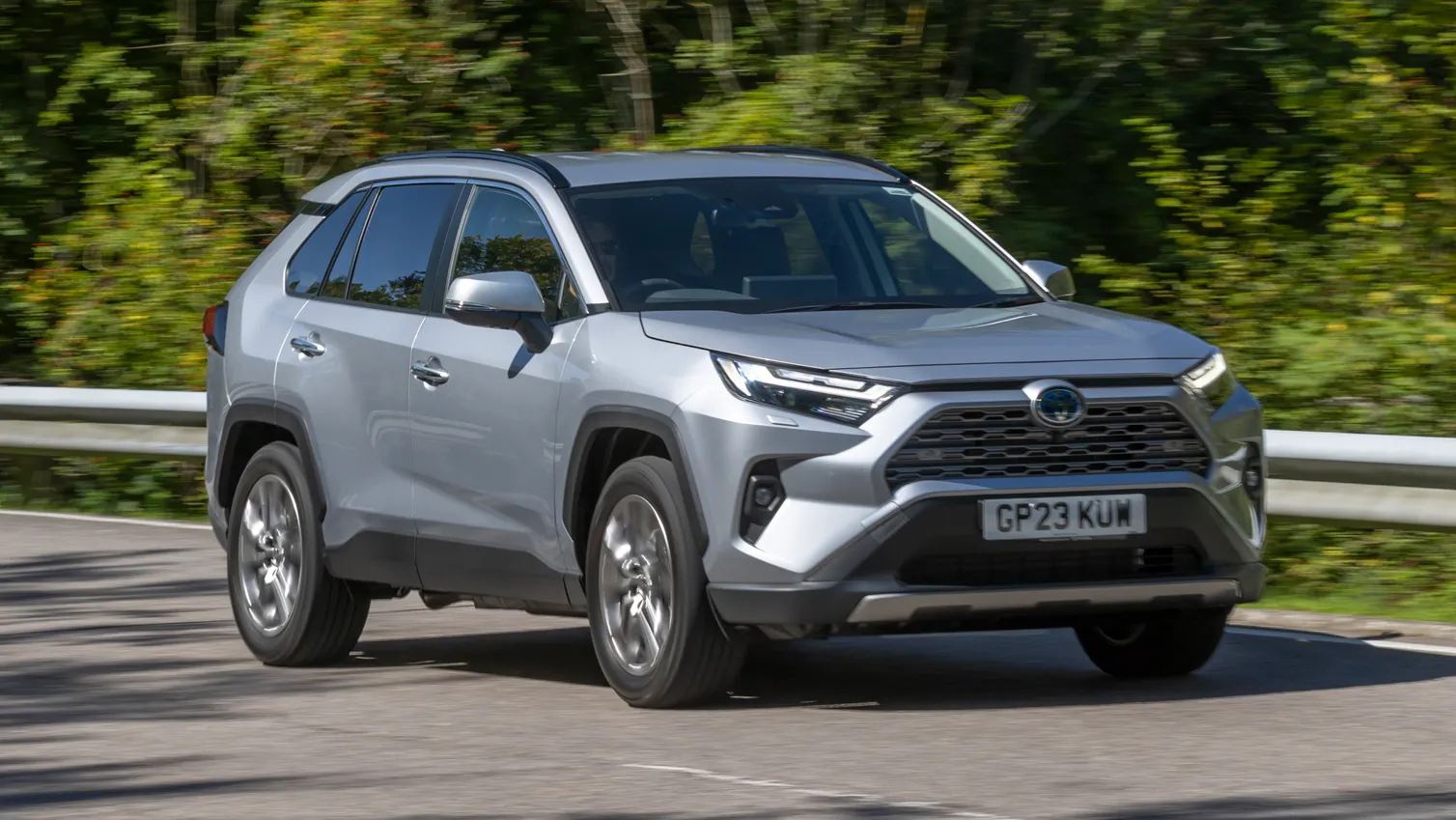
Sunlit highways, palm-lined streets, and weekend escapes toward wine country create the kind of driving routine that suits a practical yet refined vehicle. Toyota RAV4 Hybrid fits naturally into this rhythm, offering a balance of efficiency, comfort, and versatility that feels right at home in Southern California.
Fuel economy stands out immediately. City traffic around downtown and freeway cruising along Interstate 5 both benefit from the hybrid system, which reduces fuel stops and keeps running costs under control.
For drivers who spend time in stop-and-go congestion during rush hour, the electric assist delivers smooth acceleration without the constant engine noise that can become tiring during long commutes. Comfort plays an equally important role. Seats provide support without feeling stiff, while cabin materials resist fading and cracking even after years of sun exposure.
Large windows let in plenty of natural light, yet the climate control system keeps the interior cool during summer afternoons. Passengers enjoy generous legroom, and rear seats fold flat for surfboards, bicycles, or camping gear.
Handling feels confident on winding coastal roads and steady on the freeway. Steering remains light enough for city parking yet stable enough for longer drives toward Los Angeles or down to Baja. Ride quality absorbs uneven pavement without feeling floaty, which makes daily errands feel relaxed rather than tiring.
Reliability has long been part of Toyota’s reputation, and the RAV4 Hybrid continues that tradition. Battery systems are designed for long service life, and routine service remains straightforward. Resale value also stays strong, making ownership more appealing for drivers who like to upgrade every few years.
Style blends rugged touches with modern lines, fitting right into beach towns and business districts alike. Roof rails add utility for kayaks or rooftop carriers, while the compact size makes parallel parking near crowded boardwalks less stressful.
For a city that balances outdoor adventure with everyday commuting, the Toyota RAV4 Hybrid delivers an experience that feels effortless. It matches the climate, complements the lifestyle, and turns ordinary drives into smooth, efficient journeys.
2. Mazda MX-5 Miata
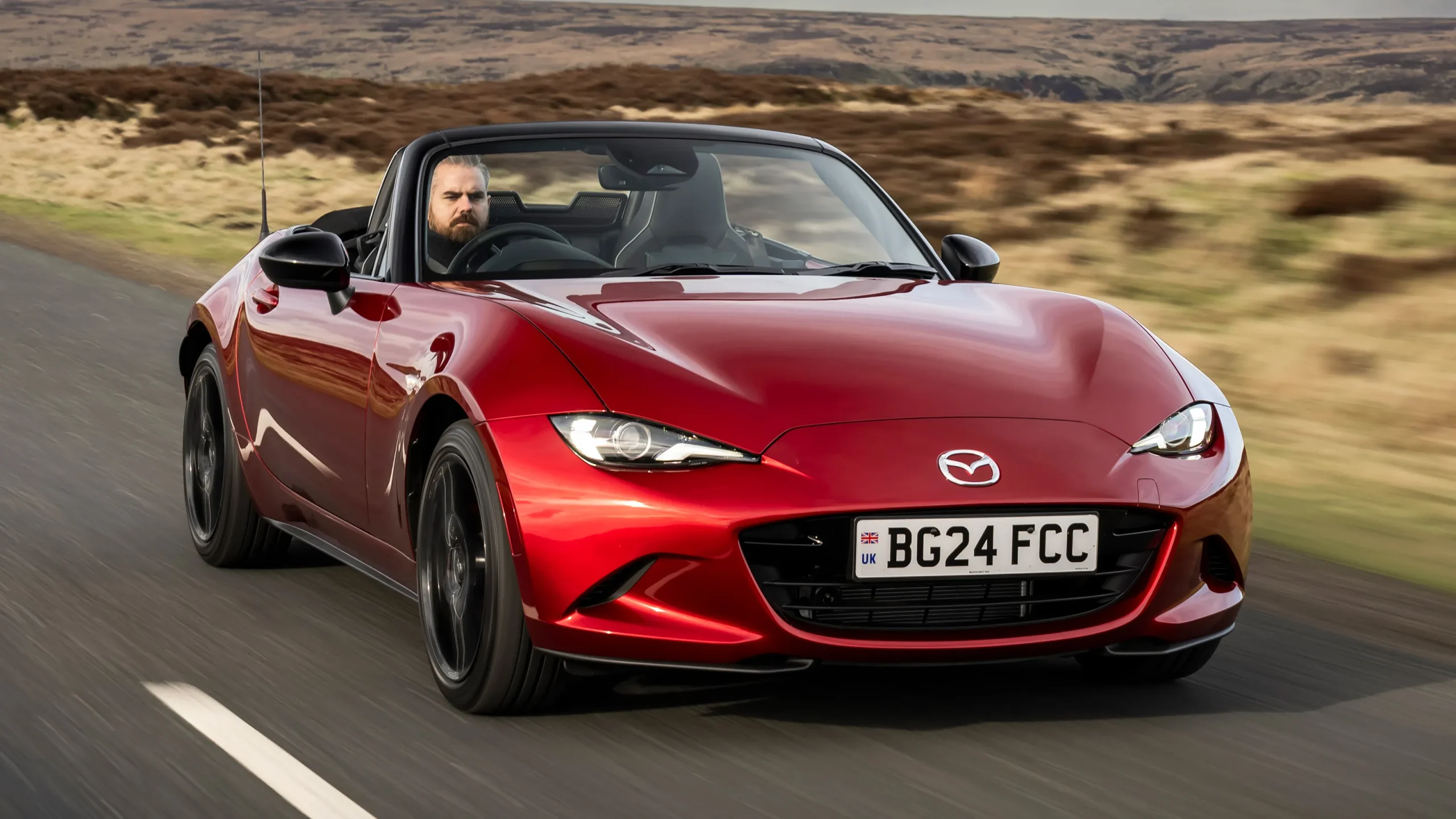
Ocean breezes, golden-hour sunsets, and winding coastal roads create the perfect setting for a car that celebrates driving itself. Mazda MX-5 Miata thrives in this environment, bringing open-air freedom and agile handling to every mile of San Diego pavement.
A lightweight body and responsive engine turn even short trips into moments of enjoyment. With the top down, coastal routes feel alive with fresh air and warm sunshine. Drivers experience the sound of waves, the scent of saltwater, and the warmth of the sun in a way that closed-roof vehicles simply cannot match.
Fuel economy remains friendly for daily use, making the Miata more practical than its sporty appearance suggests.
City driving around the Gaslamp Quarter or La Jolla stays affordable, while longer trips north along the Pacific Coast Highway feel smooth and efficient. Small dimensions make parking easy near busy beaches and downtown cafes.
Interior design focuses on the driver. Controls sit within easy reach, seats hug just enough for spirited cornering, and visibility stays clear in traffic. Even in summer heat, the climate system cools the cabin quickly, and the fabric roof insulates well during cooler evenings.
Handling sets this roadster apart. Curvy roads toward Torrey Pines or Mount Soledad turn into playgrounds of precision steering and balanced cornering. Suspension tuning keeps the ride firm yet comfortable, soaking up imperfections without dulling the connection between car and road.
Durability holds up well against coastal conditions. Paint finishes resist fading, and interior materials are chosen to endure strong sunlight. Routine service stays simple, and reliability records remain strong across generations.
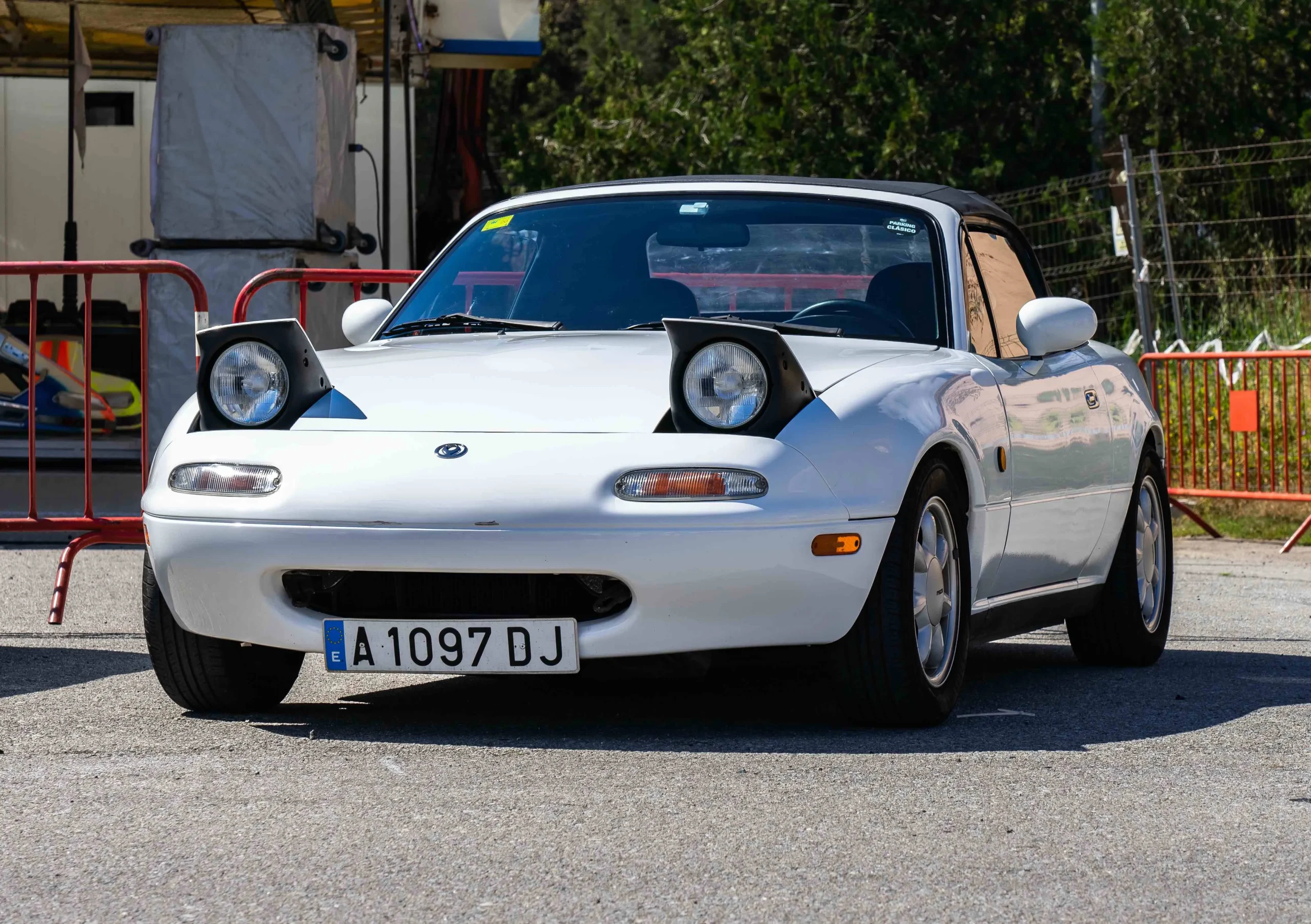
Style feels timeless. Compact proportions, sculpted lines, and an unmistakable roadster silhouette fit perfectly with San Diego’s laid-back elegance. From beach parking lots to rooftop restaurant valet stands, the Miata always looks at home.
For drivers who want more than simple transportation, the Mazda MX-5 Miata offers a daily dose of joy. It pairs perfectly with warm weather, scenic routes, and a lifestyle that values freedom behind the wheel.
Also Read: 5 Cars That Don’t Need Constant Attention vs 5 That Visit the Shop Often
3. Honda CR-V
Urban commutes, family errands, and weekend escapes all meet in one versatile package with the Honda CR-V. San Diego’s mild climate allows this crossover to shine as a dependable companion for both workdays and coastal adventures. Fuel efficiency remains strong for a vehicle of its size, keeping trips along Interstate 8 or Highway 52 easy on the wallet.
Smooth acceleration and quiet operation suit long drives toward Orange County or short hops across town for groceries and school runs. Interior comfort sets the tone for relaxed travel. Seats feel supportive during extended highway cruising, while rear passengers enjoy generous space.
A flat load floor makes carrying beach chairs, coolers, or sports gear simple. Large windows brighten the cabin and enhance outward visibility, which helps in heavy traffic. Climate control performs well in warm weather, quickly cooling the cabin after a day under the sun.
Materials resist fading and cracking, a vital detail for vehicles spending years under bright skies. Touchscreen systems stay intuitive, helping drivers manage navigation and entertainment without distraction.
Handling favors stability and predictability. Steering stays light enough for parking garages yet firm enough for confident freeway lane changes. Suspension tuning smooths out uneven pavement, keeping passengers comfortable on longer trips. Honda reliability remains a strong draw.
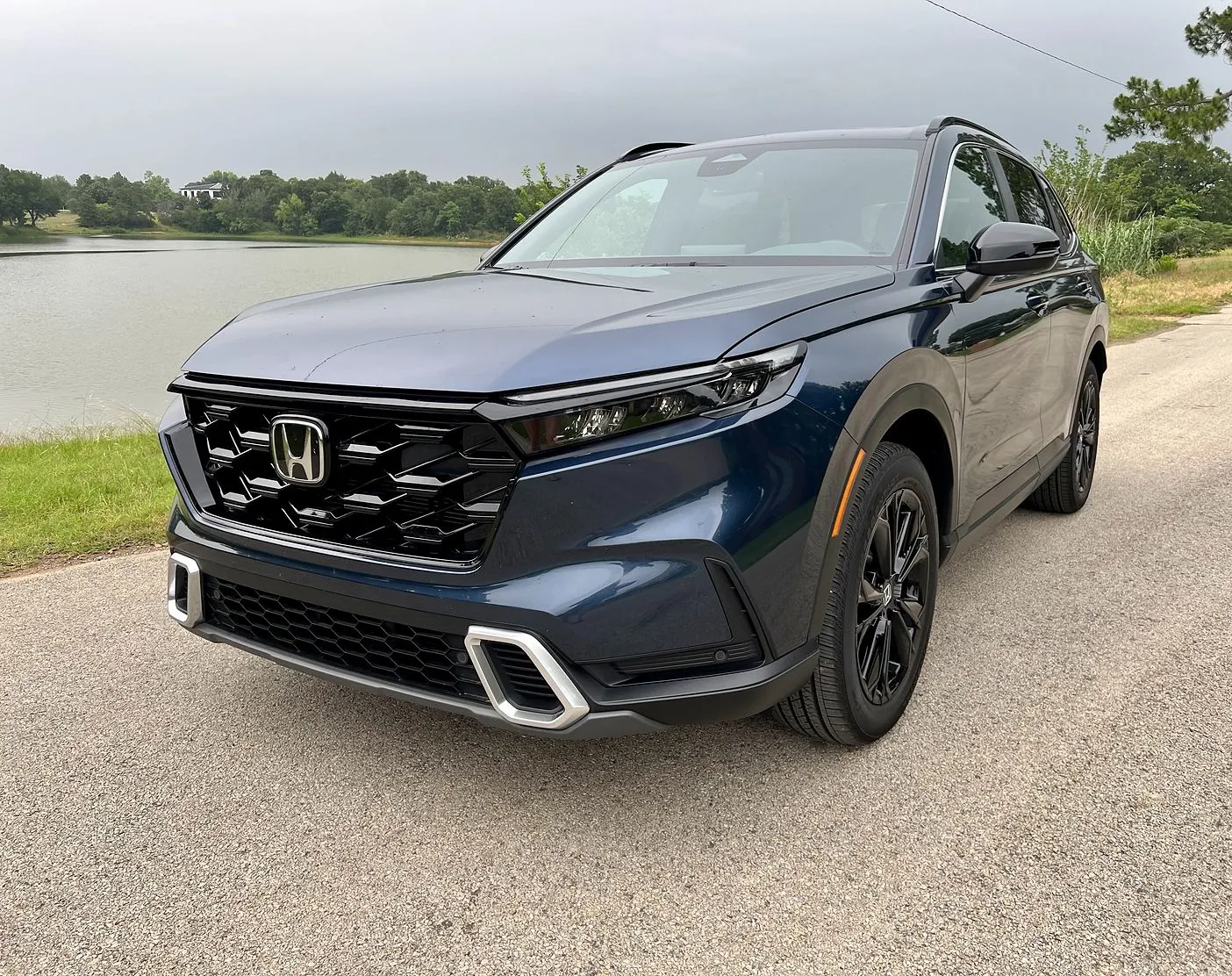
Routine maintenance stays affordable, and long service intervals reduce workshop visits. Resale value holds steady, making the CR-V a sound choice for drivers who plan to trade in after a few years. Exterior styling blends modern lines with a clean profile that suits suburban neighborhoods and beachside parking alike.
Roof rails add flexibility for rooftop carriers, expanding storage options for camping or surfing trips. For households seeking a single vehicle that handles work, leisure, and travel with ease, the Honda CR-V feels like a natural fit. It complements San Diego’s pace of life and adapts effortlessly to its year-round driving conditions.
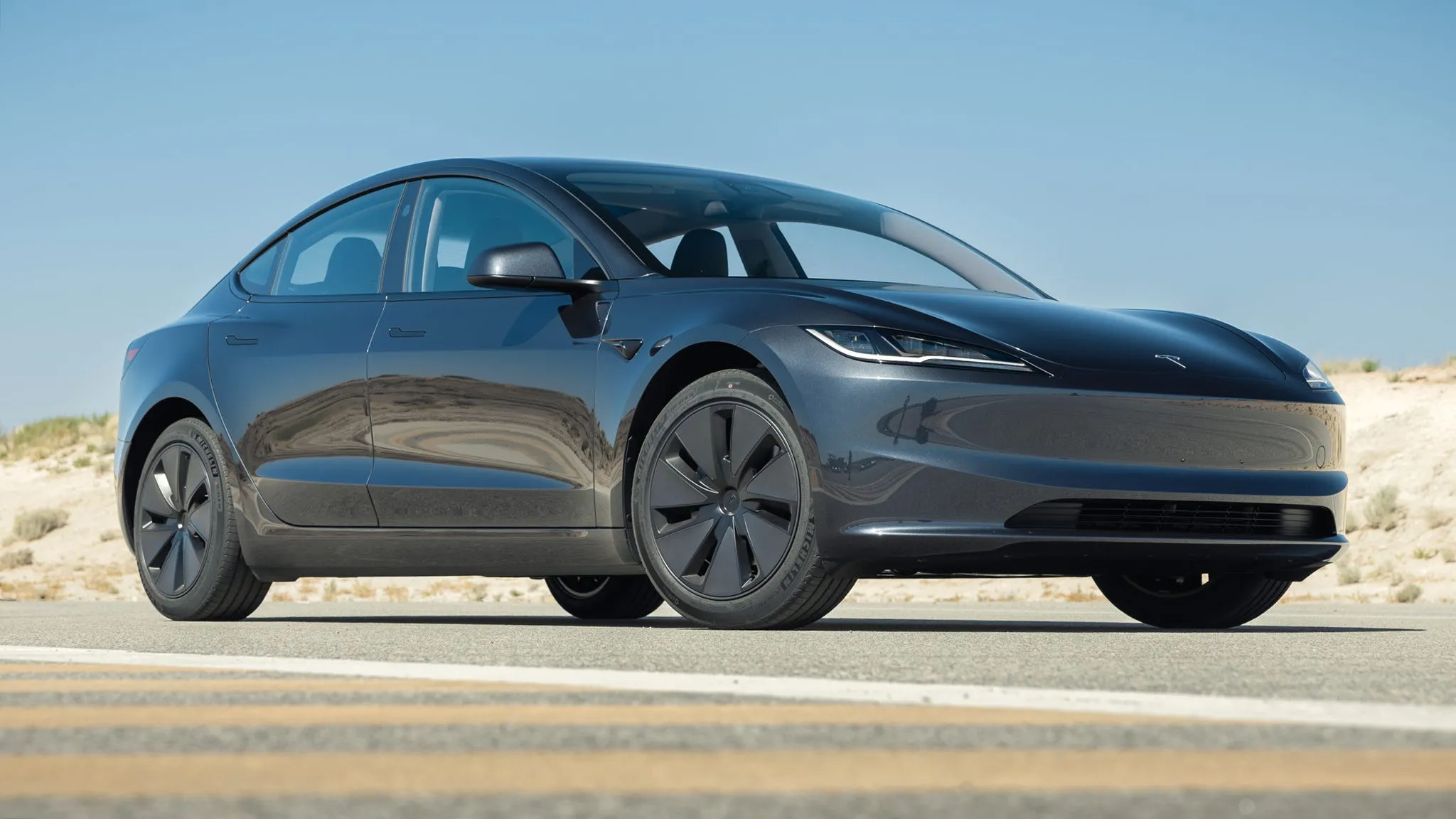
4. Tesla Model 3
Electric driving pairs perfectly with a city known for clean energy goals and modern infrastructure. Tesla Model 3 delivers a smooth, quiet ride that suits San Diego’s progressive mindset and relaxed coastal lifestyle. Instant torque makes merging onto freeways feel effortless, while regenerative braking reduces wear during heavy traffic.
Stop-and-go driving around downtown becomes calmer without engine noise or gear changes. Long-range battery options support road trips up the coast without constant charging stops. Interior design embraces simplicity.
A panoramic glass roof fills the cabin with sunlight, while climate control keeps temperatures comfortable even on hot afternoons. Seats feel supportive, and the spacious rear area welcomes passengers for group outings.
Charging access continues to improve across Southern California. Home charging offers convenience for daily use, and public stations line major routes and shopping centers. Owners enjoy reduced fuel expenses and minimal routine service. Handling feels planted thanks to the low-mounted battery pack.
Steering remains responsive, and suspension tuning balances comfort with confidence. Coastal winds and uneven pavement never unsettle the car. Technology stands as a major attraction. Navigation includes real-time traffic updates, helping drivers avoid congestion.
Driver-assistance features add peace of mind during long freeway stretches. Exterior styling looks clean and modern, fitting well with tech-forward neighborhoods and beachfront communities alike. Compact proportions make parking less stressful, while the minimalist design resists feeling dated.
For drivers ready to embrace electric mobility, the Tesla Model 3 offers a refined experience that matches San Diego’s climate and forward-thinking culture. It brings together performance, efficiency, and everyday comfort in one sleek package.
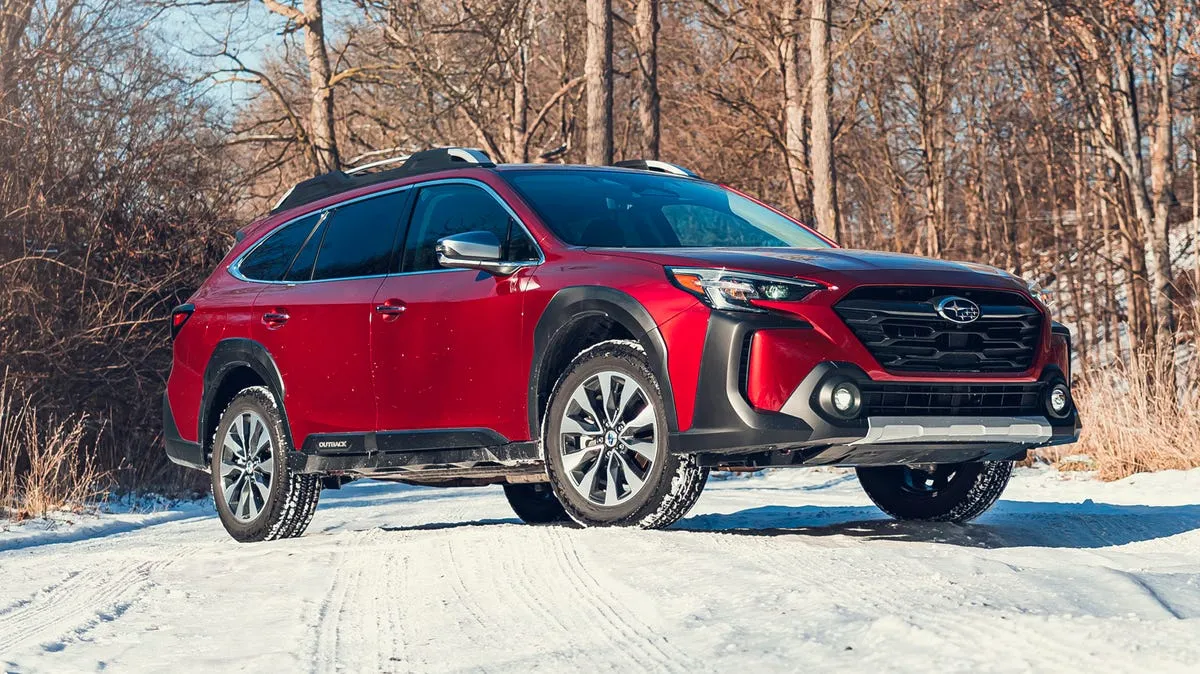
5. Subaru Outback
Coastal highways, mountain trails, and desert roads all sit within a short drive of San Diego. Subaru Outback thrives in this diverse environment, delivering a blend of comfort, durability, and go-anywhere confidence. Standard all-wheel drive provides steady traction during rare rainy days and on gravel paths leading to hiking spots or remote beaches.
Suspension tuning handles uneven pavement with ease, making long drives toward Joshua Tree or Big Bear feel composed and relaxed. Interior space supports active lifestyles. Rear seats fold flat for camping gear, surfboards, or bicycles. Roof rails add extra carrying capacity, while wide door openings simplify loading and unloading.
Fuel efficiency stays reasonable for a vehicle with all-wheel drive, keeping road trips affordable. Smooth acceleration suits freeway cruising, and stable handling inspires confidence on curvy mountain roads.
Cabin comfort shines on extended journeys. Seats remain supportive, and noise insulation keeps road sounds at bay. Climate control adapts quickly to temperature changes between coastal fog and inland heat.
Durability ranks high among Subaru’s strengths. Paint finishes resist sun damage, and interior materials endure daily wear.
Routine maintenance remains straightforward, with strong reliability records across model years. Exterior styling blends rugged cues with refined lines, fitting right into outdoor-focused communities and suburban neighborhoods. Raised ride height improves visibility and eases entry, which many drivers appreciate.
For those who balance city life with weekend adventures, the Subaru Outback offers a dependable companion. It pairs perfectly with San Diego’s varied geography and encourages spontaneous trips beyond the shoreline.
5 Vehicles That Don’t Match the Climate
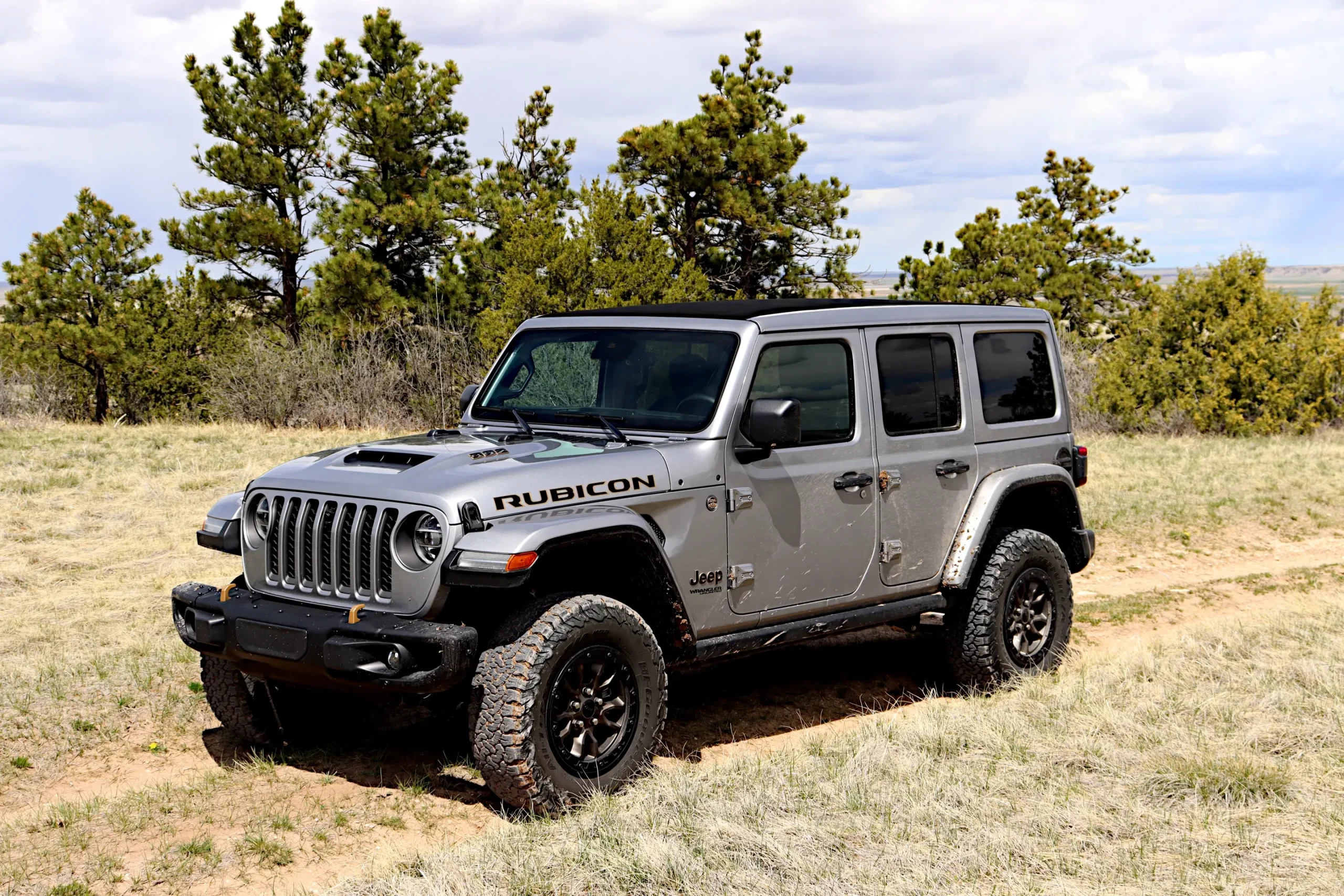
1. Jeep Wrangler Rubicon
Built with rugged trails and rocky paths in mind, the Jeep Wrangler Rubicon brings a personality that feels mismatched with San Diego’s calm highways and coastal streets. This vehicle thrives when climbing steep grades and crossing muddy tracks, yet those strengths rarely come into play during daily drives along sunny boulevards and beachfront roads.
City life reveals its drawbacks quickly. Steering feels heavy during tight parking maneuvers, and the wide turning circle turns simple U-turns into multi-step efforts. Narrow downtown streets and crowded parking structures expose its bulky proportions, making routine errands more demanding than necessary.
Ride comfort also raises concerns. Solid axles and stiff suspension tuning suit off-road use, but they translate into a bouncy feel on paved roads. Uneven pavement sends vibrations through the cabin, which can become tiring on longer freeway trips. Wind noise increases at highway speeds due to the upright shape and removable roof panels, adding to cabin fatigue.
Fuel consumption remains another challenge. Large tires and a boxy design reduce efficiency, meaning frequent fuel stops during daily commuting. With gas prices often fluctuating along the West Coast, running costs add up quickly for drivers covering long distances each week.
Interior design leans toward utility rather than comfort. Surfaces resist dirt and moisture, yet the rugged materials lack the refined touch expected for everyday city driving. Rear seat space feels tight for adults, and cargo room becomes limited once passengers fill the cabin.
Coastal conditions also play a role. Salt air can accelerate corrosion on exposed components, especially on vehicles designed with removable doors and roofs. Extra care becomes necessary to preserve paint and hardware.
Style carries an undeniable presence, yet that bold image often feels out of place next to sleek sedans and modern crossovers cruising along Pacific Coast Highway. For drivers who rarely leave paved roads, the Jeep Wrangler Rubicon offers far more toughness than daily life demands.
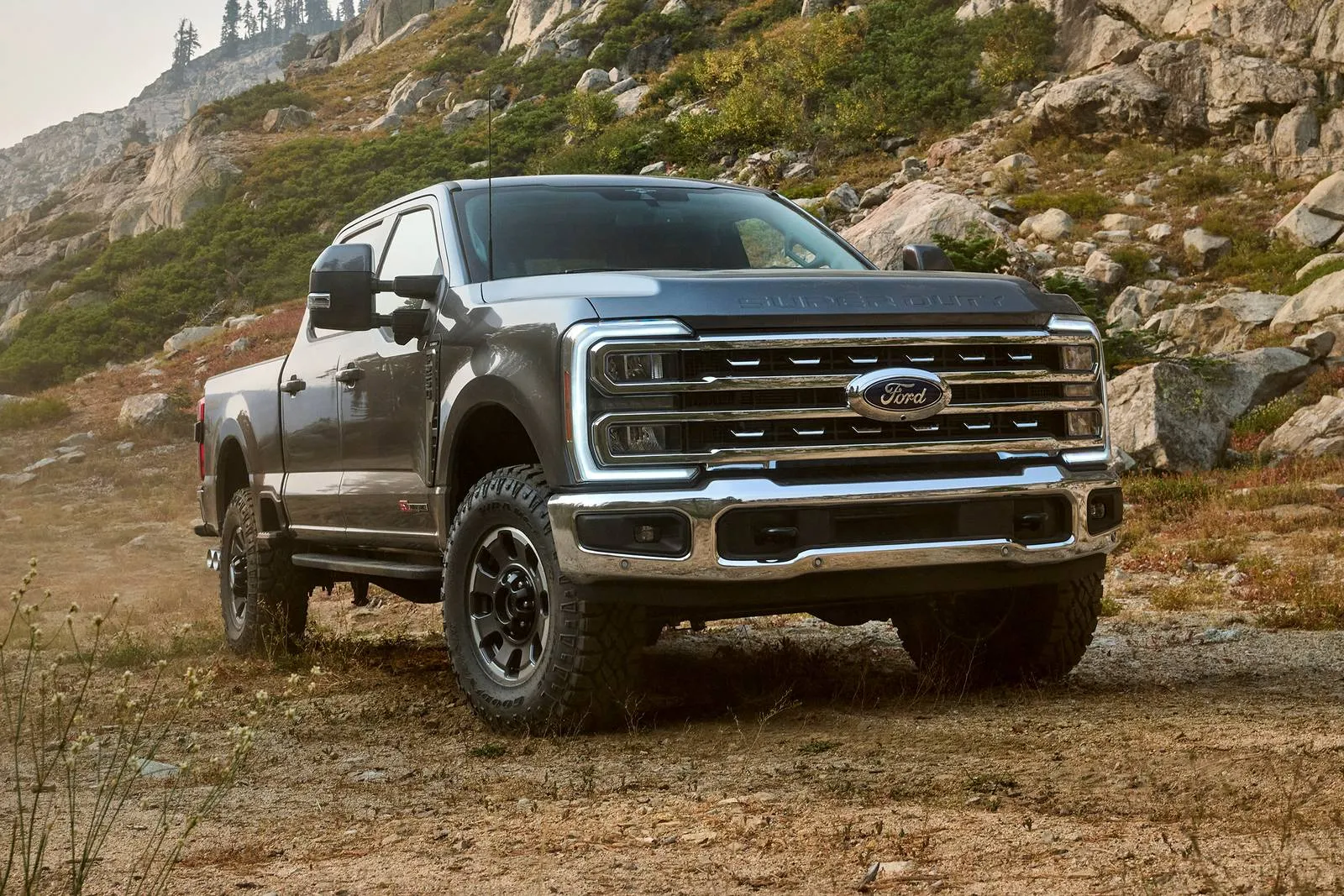
2. Ford F-250 Super Duty
Heavy-duty power sits at the heart of the Ford F-250 Super Duty, a truck engineered for hauling construction equipment, large trailers, and heavy loads across long distances. In a city where sunshine, beaches, and traffic dominate daily routines, such muscle rarely finds purpose.
Urban streets quickly reveal the challenge of their size. Long wheelbase and towering ride height complicate parking, especially in older garages built for compact cars. Tight turns around busy intersections demand careful planning, turning quick trips into slow maneuvers.
Ride quality reflects its work-first design. Stiff suspension tuning supports massive payloads, yet that same firmness leads to a harsh feel on smooth pavement. Small road imperfections send noticeable jolts through the cabin, making extended drives less comfortable.
Fuel economy remains another drawback. Large displacement engines consume more fuel than most city drivers require, and frequent stops at fuel stations become part of the routine. For commuters covering long distances each week, operating costs climb rapidly.
Interior space feels vast, yet much of that room goes unused without work equipment or cargo. Rear seating offers comfort, but the massive cabin footprint makes it difficult to justify for solo commuting or family errands. San Diego’s mild climate does little to justify features like heavy-duty towing hardware and reinforced frames.
Such equipment adds weight without delivering daily value. Salt air near the coast can also speed up wear on exposed metal parts, requiring regular cleaning to prevent corrosion. Styling leans toward industrial strength, which can feel excessive among streamlined sedans and crossovers. While presence on the road remains undeniable, practicality falls short for city-focused lifestyles.
For drivers whose schedules revolve around office commutes, grocery runs, and weekend brunch, the Ford F-250 Super Duty brings more capability than necessary. Its talents shine on job sites and open highways, not in coastal traffic.
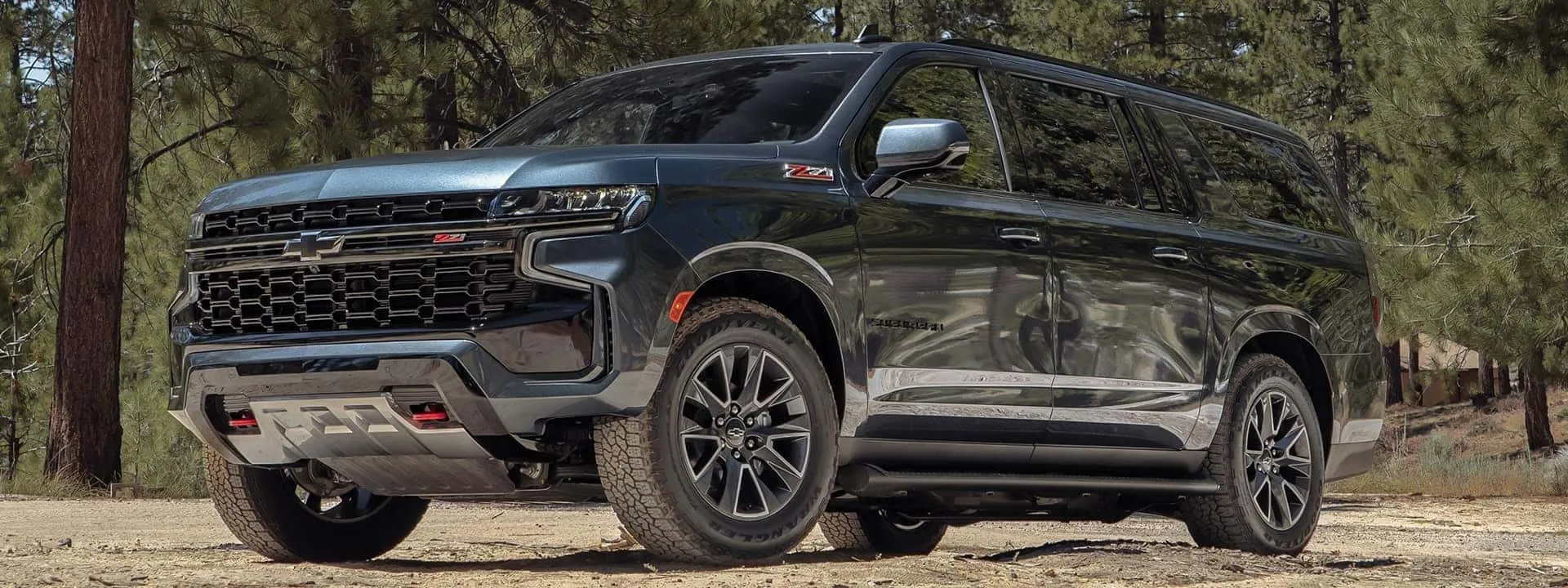
3. Chevrolet Suburban Z71
Large families and long road trips benefit from the space of the Chevrolet Suburban Z71, yet San Diego’s daily driving environment exposes its limitations. Designed for expansive highways and rugged backcountry routes, this full-size SUV feels oversized for urban routines.
Parking becomes a regular challenge. Length and width demand extra attention when entering garages or parallel spaces near busy beaches. Narrow downtown streets leave little room for error, turning simple errands into stressful tasks.
Ride comfort suits long-distance travel, though city driving highlights its bulk. Maneuvering through traffic requires patience, and quick lane changes demand careful planning. Steering feels heavier than that of compact crossovers, which adds to the driver’s workload during rush hour.
Fuel consumption remains a constant concern. Powerful engines move the massive body with ease, yet efficiency lags behind smaller SUVs. Frequent fill-ups increase ownership costs, especially for commuters covering long freeway distances.
Interior space impresses with three rows of seating and generous cargo capacity. However, most daily trips involve only one or two occupants, leaving much of that room unused. Loading groceries into a cavernous cargo area feels excessive for routine shopping.
Coastal conditions also require attention. Large body panels receive constant sun exposure, increasing the need for paint protection to avoid fading. Salt air near the shoreline can accelerate wear on trim and underbody components. Off-road hardware included in the Z71 package rarely finds purpose on paved coastal roads. Skid plates, upgraded suspension, and all-terrain tires add weight and noise without delivering everyday value.
Styling carries a commanding presence, yet its imposing size often feels out of place among compact electric cars and sleek sedans common on San Diego roads. For drivers focused on city commuting and casual weekend trips, the Chevrolet Suburban Z71 offers far more than necessary.
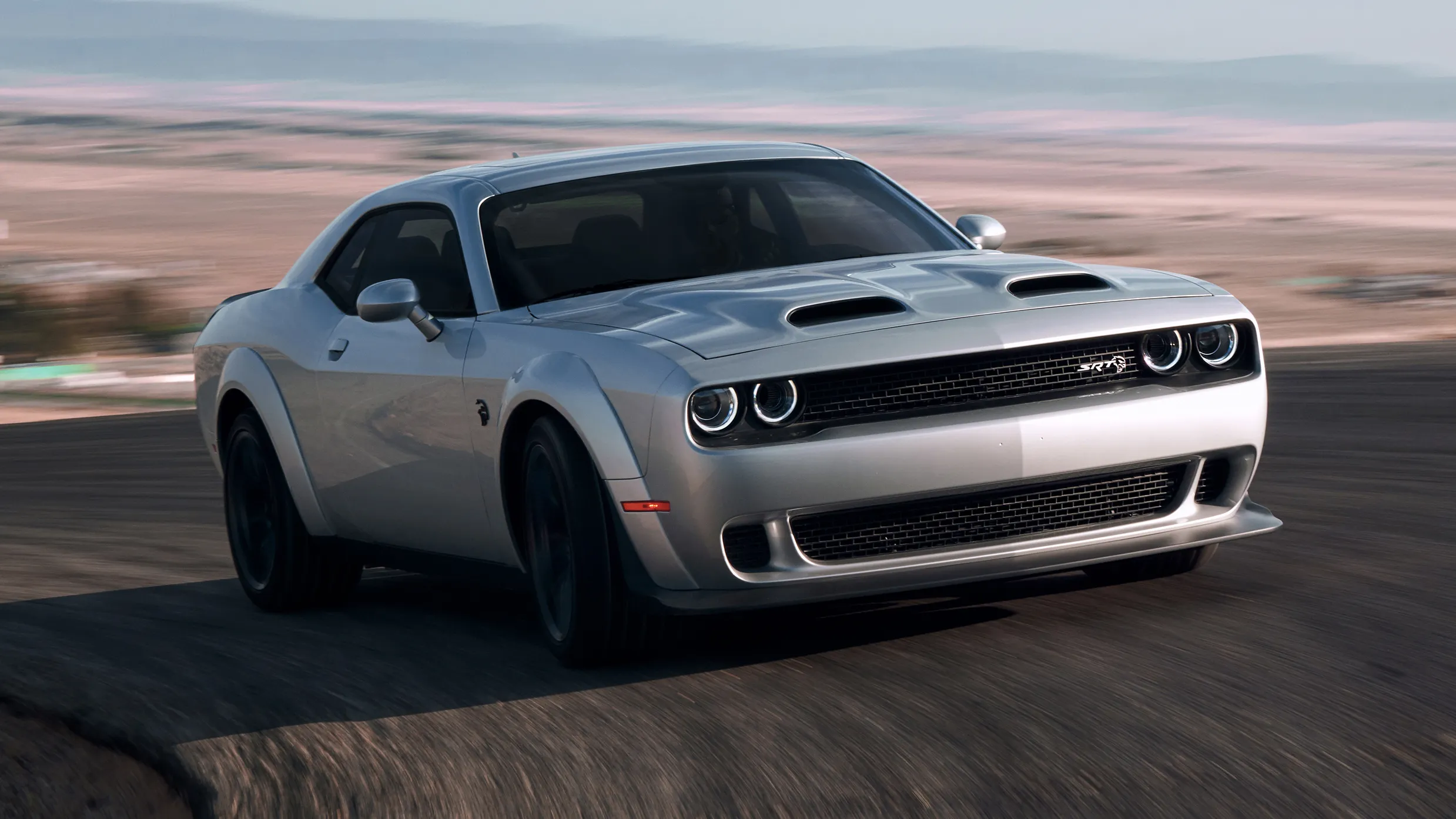
4. Dodge Challenger SRT Hellcat
Muscle car attitude defines Dodge Challenger SRT Hellcat, a machine built for raw power and straight-line speed. San Diego’s relaxed cruising culture and congested traffic reveal a different side of this high-performance coupe.
Wide body proportions and long doors complicate parking in tight spaces. Low ground clearance adds caution when approaching steep driveways or uneven pavement near beachside lots. Every curb demands careful alignment.
Ride comfort takes a back seat to performance. Stiff suspension tuning and large wheels deliver sharp handling on open roads, yet city pavement imperfections transmit directly into the cabin. Long commutes quickly feel tiring.
Fuel economy stands far from modest. Supercharged V8 power delivers thrilling acceleration, yet frequent visits to fuel stations become routine. For drivers covering daily freeway distances, operating costs climb rapidly.
Cabin design focuses on sportiness rather than practicality. Rear seating feels cramped, limiting passenger comfort. Trunk space handles groceries, though loading larger items proves awkward due to the coupe shape. Heat management also deserves attention.
High-performance engines generate substantial warmth, which can stress components during prolonged summer traffic. Extra care becomes necessary to maintain cooling systems and preserve engine health. Coastal air adds another layer of concern.
Salt particles can affect exposed metal parts, requiring diligent cleaning to preserve the finish and hardware. Styling draws attention wherever it goes, yet that bold presence often feels excessive for relaxed seaside drives and neighborhood streets.
The car demands wide open roads to shine, not crowded downtown lanes. For drivers seeking calm, efficient transportation that fits beach-town rhythms, the Dodge Challenger SRT Hellcat delivers power far beyond daily needs.
Also Read: 5 Sedans That Still Work in Big Cities vs 5 That Feel Outdated
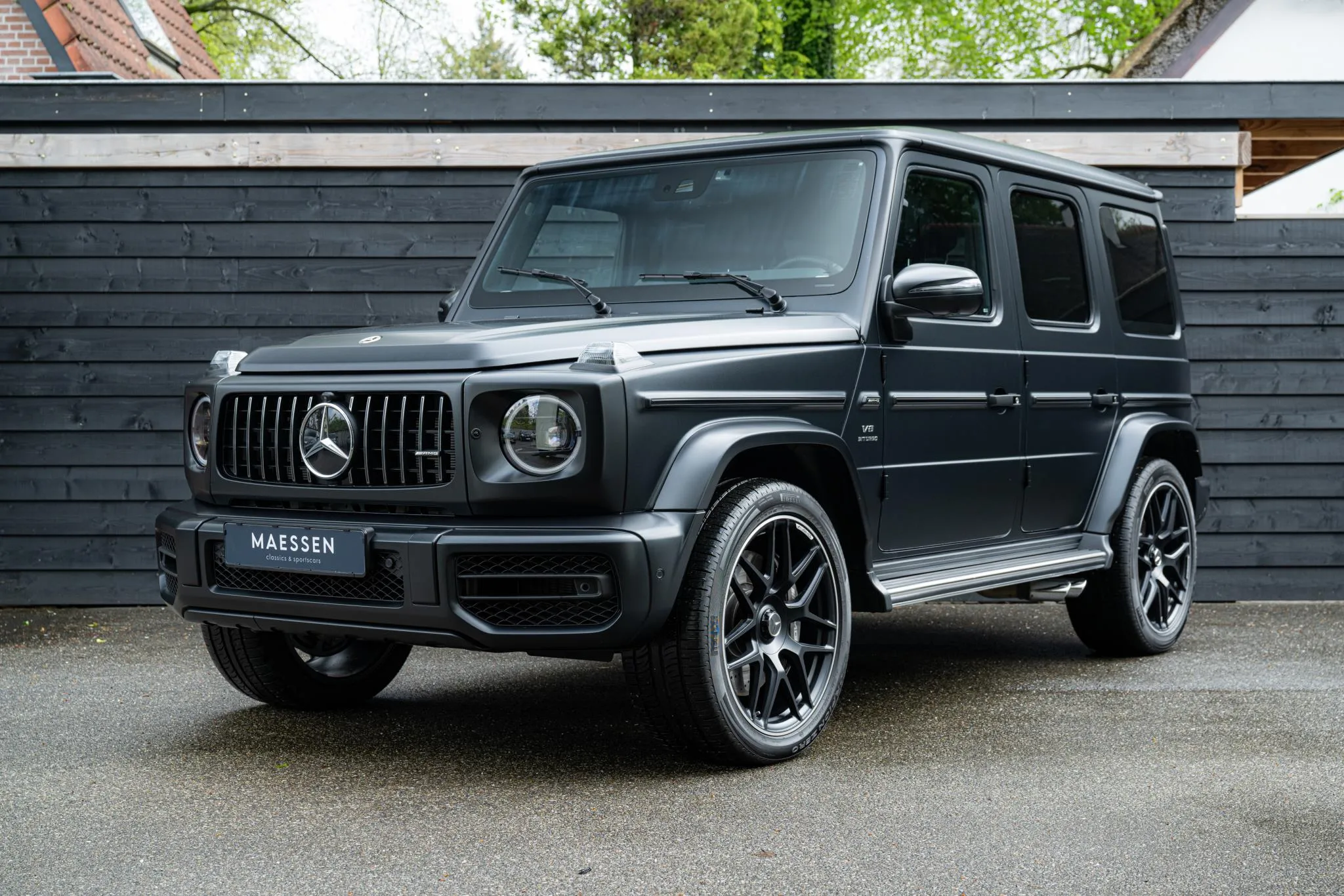
5. Mercedes-Benz G-Class
Luxury meets military-inspired design in the Mercedes-Benz G-Class, an SUV built to conquer harsh conditions and rugged paths. San Diego’s smooth highways and sunny streets provide little opportunity to use its extreme capabilities. Size and shape create immediate challenges.
Tall body lines and upright design reduce visibility in tight traffic, while wide proportions complicate parking near busy coastal spots. Entering older garages often requires careful alignment.
Ride quality reflects its off-road roots. Solid axles and heavy-duty suspension deliver durability, yet city driving exposes a firm, sometimes unsettled feel on uneven pavement. Long commutes lack the smoothness expected from a luxury vehicle. Fuel consumption remains high.
Powerful engines move the heavy frame with authority, though efficiency lags behind modern crossovers. Regular fuel stops add to ownership costs, especially for daily commuters.
Interior craftsmanship impresses with premium materials and advanced technology. Still, much of that luxury becomes secondary when maneuvering such a large vehicle through congested streets. Rear seating offers comfort, yet urban trips rarely require full passenger capacity.
Coastal exposure brings its own concerns. Flat body panels face constant sun, increasing the need for paint care. Salt air can affect exterior trim and underbody components, demanding frequent cleaning. Off-road hardware stands ready for steep climbs and rocky trails, though such features rarely leave city limits. Locking differentials and heavy-duty frames add weight without a daily benefit.
Styling projects an unmistakable presence, though that commanding image often feels excessive among compact electric cars and modern sedans common along the coast. For drivers focused on ease, efficiency, and relaxed cruising, Mercedes-Benz G-Class delivers far more than local roads require.
