
San Francisco is one of the most beautiful cities in America but it’s also one of the most demanding environments for drivers.
With hills that regularly exceed 15 percent grades, tight residential streets, stop-and-go traffic, and limited parking, the city exposes weaknesses in vehicles faster than almost anywhere else.
What works flawlessly on flat highways in Texas or suburban Midwest roads can become frustrating or even nerve-wracking on streets like Lombard, Taylor, or Filbert.
The real challenge isn’t just climbing steep hills; it’s stopping on them. San Francisco drivers constantly face red lights, stop signs, parallel parking, and bumper-to-bumper traffic while angled upward.
Vehicles with weak low-end torque, poorly tuned automatic transmissions, laggy throttle response, or ineffective hill-start assist systems can roll backward just enough to make daily driving stressful.
Over time, that stress compounds, especially for commuters and rideshare drivers who navigate the city every day.
On the other hand, some cars feel completely unfazed by San Francisco’s terrain.
Strong torque delivery, responsive transmissions, solid brakes, well-calibrated hill-hold systems, and balanced weight distribution allow these vehicles to stop, start, and maneuver confidently even on the city’s steepest streets.
Below are five cars that handle San Francisco’s slopes with ease, followed by five that are far more likely to roll back or struggle, particularly in real-world city driving.
Cars That Navigate San Francisco Slopes Confidently
San Francisco is a city that exposes a car’s weaknesses in a hurry. Steep gradients, abrupt crests, tight intersections, and constant stop-and-go traffic demand more than just decent power figures on a spec sheet.
To feel confident here, a car needs strong low-end torque, predictable throttle response, effective hill-hold systems, and brakes that don’t flinch when gravity is working against them. This list focuses on vehicles that handle San Francisco’s notorious slopes with composure, whether you’re easing away from a stop on a near-vertical street or descending a long grade in heavy traffic without drama.
1. Subaru Crosstrek
The Subaru Crosstrek is almost tailor-made for San Francisco driving, even if it wasn’t designed with the city specifically in mind.
Its standard all-wheel drive gives it excellent traction when starting uphill, especially on wet pavement or painted road markings common in the city.
More importantly, the Crosstrek delivers predictable throttle response and a well-calibrated hill-start assist system that prevents rollback without feeling intrusive.
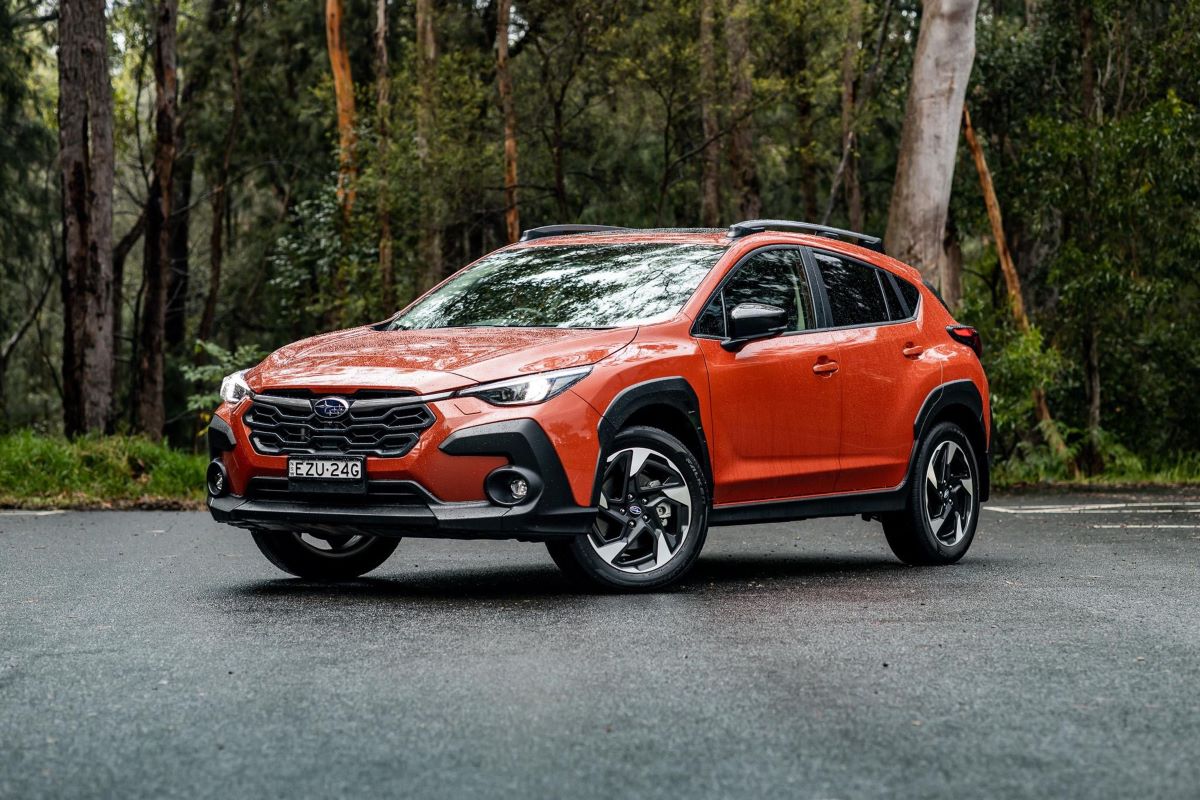
While the engine isn’t particularly powerful, the Crosstrek’s low-speed torque delivery is smooth and immediate, making it easy to pull away from a stop on steep grades.
The elevated seating position also improves visibility when cresting hills, helping drivers anticipate traffic and pedestrians ahead. Over time, the Crosstrek’s confidence-inspiring behavior reduces fatigue, which matters in a city where every block feels different.
Also Read: Top 10 Japanese 4x4s With Engines Owners Trust Blindly
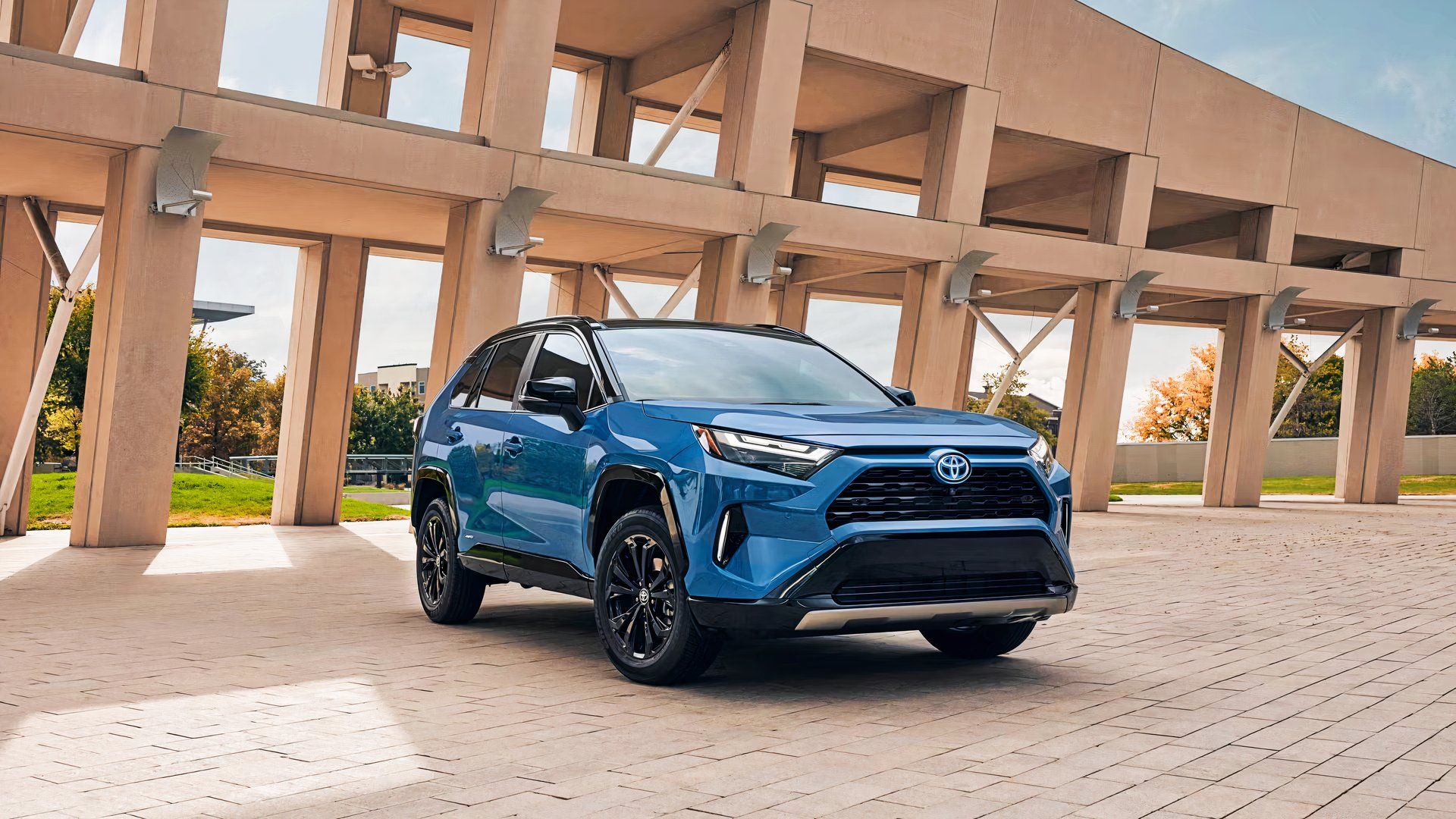
2. Toyota RAV4 Hybrid
The Toyota RAV4 Hybrid excels in San Francisco largely because of how electric motors behave at low speeds. Unlike traditional gas engines that need to build revs, the electric motor provides instant torque from a dead stop.
That immediate response makes uphill starts feel effortless, even on aggressive inclines.
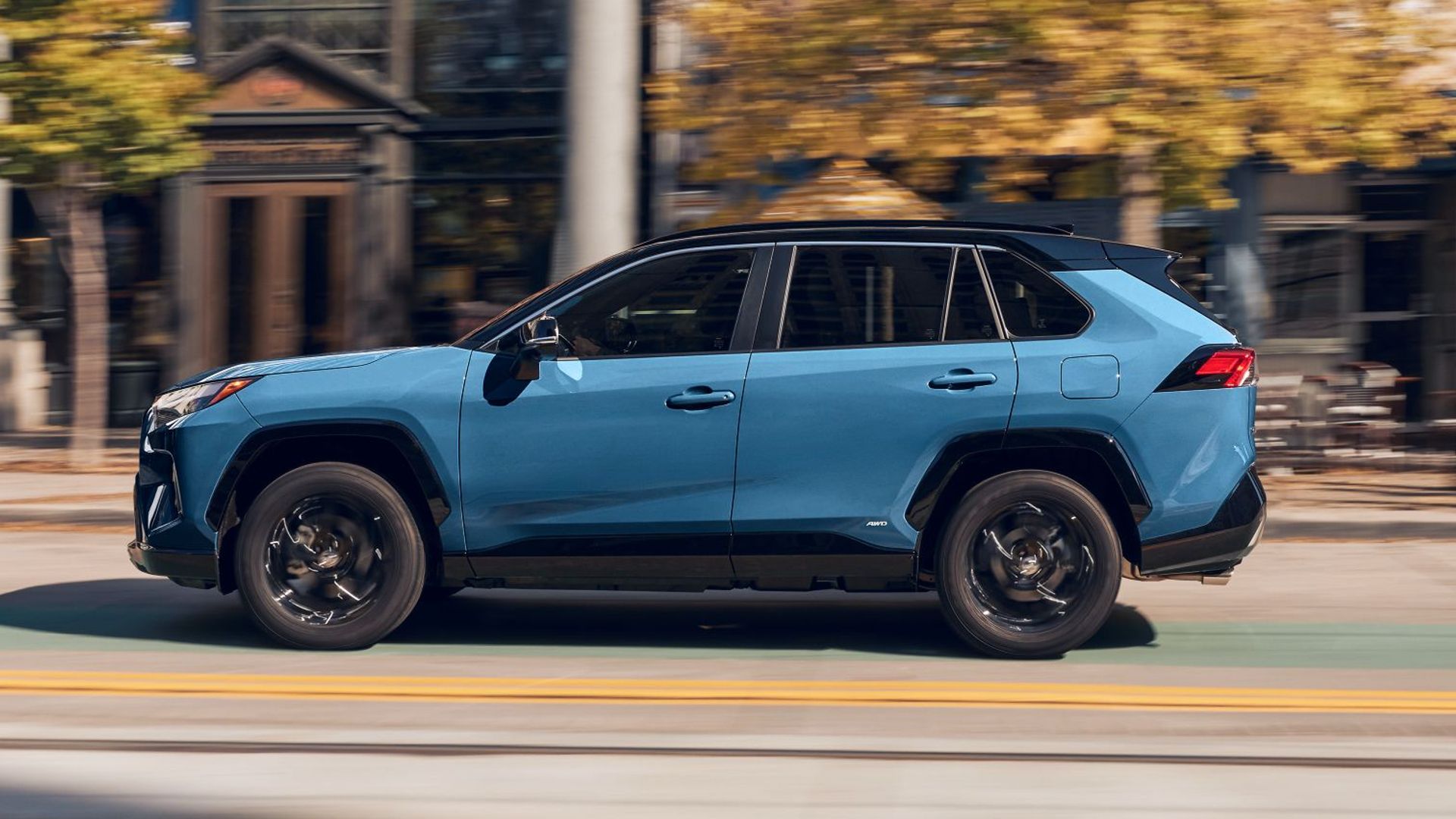
The hybrid system also works seamlessly with Toyota’s hill-start assist, holding the vehicle in place just long enough for drivers to transition from brake to accelerator.
Add in strong regenerative braking, which improves control when stopping downhill, and the RAV4 Hybrid becomes one of the most stress-free compact SUVs for urban hills.
Its popularity in hilly West Coast cities isn’t accidental it’s a direct result of how well the drivetrain handles terrain changes.
The RAV4 Hybrid uses a 2.5-liter four-cylinder engine paired with a continuously variable transmission and supported by a trio of electric motors. Together, the system produces a total of 219 horsepower, and with one of the motors driving the rear axle, all-wheel drive comes standard across the entire RAV4 Hybrid lineup.
Thanks to the added electric assistance, the hybrid is both quicker and more fuel-efficient than the conventional gas-only RAV4. That extra punch is especially noticeable in city driving, where the electric motors deliver instant torque to help the SUV surge forward smoothly from a standstill.
Buyers looking for even stronger performance can step up to the RAV4 PHEV, which features more powerful electric motors and a combined output of 302 horsepower. As with the standard RAV4, both the hybrid and plug-in hybrid versions offer capable handling and a comfortable ride, but they are tuned for everyday ease rather than aggressive cornering.
3. Honda CR-V (Turbo Models)
Honda’s turbocharged CR-V models strike a near-perfect balance between power, refinement, and usability in steep urban environments.
The turbo engine produces solid low-end torque, which is exactly what’s needed when pulling away from uphill stops.
Unlike older naturally aspirated engines that feel sluggish off the line, the CR-V responds quickly without needing aggressive throttle input.
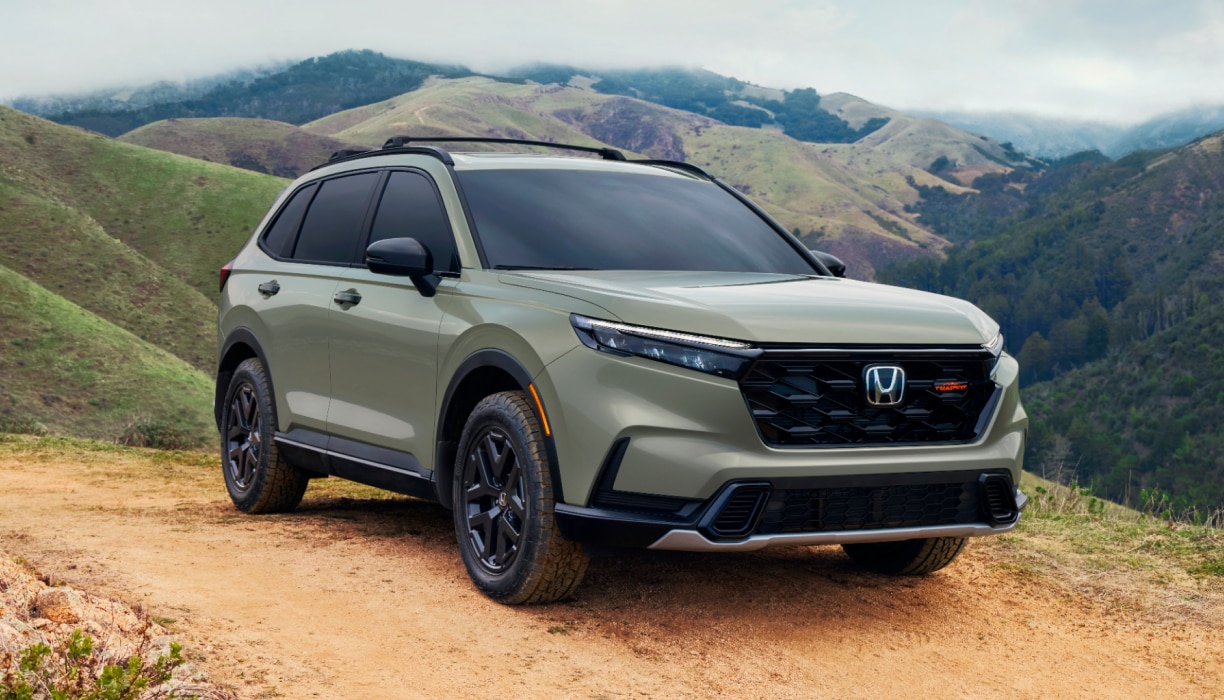
The continuously variable transmission (CVT) is also tuned intelligently, avoiding the hesitation that plagues some competitors.
Combined with a reliable hill-hold system and confident braking performance, the CR-V feels composed on San Francisco’s slopes. It doesn’t demand special techniques from the driver it simply works, day after day.
The CR-V isn’t designed to be a performance standout, but relative to other compact SUVs it feels alert and well sorted on the road. In testing, the hybrid Sport Touring model reached 60 mph in 8.0 seconds, which is right in line with segment norms. Buyers opting for the standard 1.5-liter turbo engine should expect similar straight-line performance.
Braking performance is reassuring, with strong stopping power in emergency situations and a pedal that’s easy to modulate for smooth, everyday stops. The hybrid powertrain also earns praise for its refined behavior, including the way its simulated gear changes feel natural in normal driving.
That said, sustained climbs on steep mountain roads require a firm press of the accelerator. Through corners, the CR-V remains stable and predictable, with steering that’s responsive and communicative enough to keep the driver well informed. Ride comfort is a clear highlight and one of the CR-V’s strongest attributes.
Outward visibility is uneven: the forward view benefits from large windows, rearward sightlines are less impressive, and the available parking cameras help fill in the gaps. Driver-assistance systems perform reliably, but compared with some competitors, the overall suite isn’t as expansive.
4. Jeep Compass (AWD)
The Jeep Compass may not be a hardcore off-roader, but its all-wheel-drive system and torque-focused tuning make it surprisingly capable in steep urban environments.
When stopped on an incline, the Compass feels planted, with minimal rollback thanks to effective hill-start assist and firm brakes.
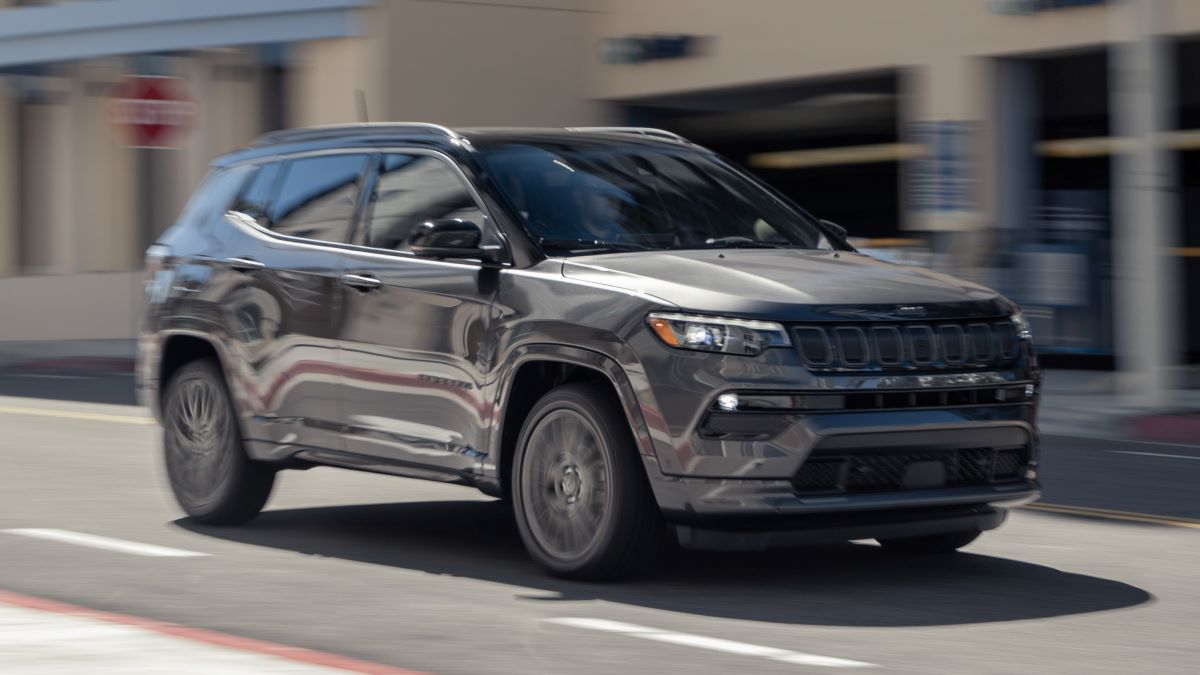
The Compass also benefits from shorter gearing at low speeds, allowing it to climb hills without excessive throttle.
In San Francisco, where short uphill bursts are more common than long climbs, that gearing makes a noticeable difference. While it’s not the most refined vehicle on this list, it inspires confidence where it matters most.
Every Compass now comes equipped with a new 2.0-liter turbocharged inline-four producing 200 horsepower and 221 pound-feet of torque. Power is sent through an eight-speed automatic transmission, and all-wheel drive is standard across the entire lineup.
Trailhawk variants gain a low-range “crawler” gear ratio along with a dedicated Rock mode that locks the transmission in first gear and routes torque only to the wheels with available traction. Testing at our track showed that the turbocharged four-cylinder delivers appropriate performance for the Compass’s compact size, propelling it from 0 to 60 mph in 7.5 seconds.
On the road, the Compass feels more nimble than its tall, squared-off proportions might imply, reacting confidently to driver inputs. Steering effort is well judged, although feedback from the road surface is limited.
Body roll is present when pushed through tighter corners, but overall the Compass remains composed, securely planted, and stable at speed. During an off-road course driven earlier in our testing, the Compass demonstrated the ability to handle moderate terrain without issue, and the all-wheel-drive system performed seamlessly throughout.
5. Mazda CX-5
The Mazda CX-5 stands out for its excellent throttle calibration and brake feel, two factors that are crucial on steep hills. Mazda’s engineering prioritizes driver feedback, which makes uphill starts feel controlled rather than rushed.
The engine delivers power smoothly, and the automatic transmission responds quickly without hunting for gears.
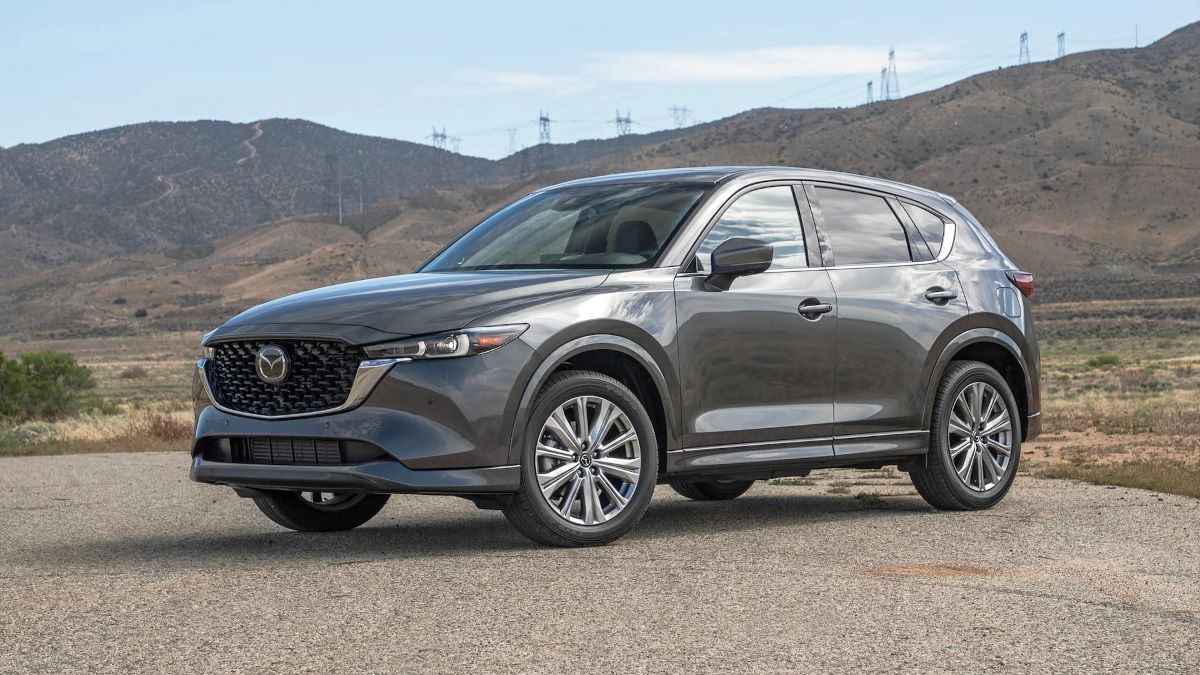
Hill-start assist in the CX-5 is subtle but effective, preventing rollback without interfering with natural driving inputs.
Over time, this consistency builds trust, which is especially important in a city where drivers often stop just inches from the bumper behind them.
The CX-5 proves that refined driving dynamics aren’t just for highways they matter even more on city slopes.
Also Read: 10 Mazda Models With Long-Term Reliability Records
Cars That Roll Back Easily or Struggle on San Francisco Hills
San Francisco’s hills don’t forgive hesitation, weak torque delivery, or poorly calibrated hill-start systems. On streets where stop signs sit halfway up a climb and traffic leaves no room for error, some cars simply aren’t up to the task.
Whether it’s excessive rollback, sluggish throttle response, confused transmissions, or brakes that struggle to inspire confidence, these vehicles can turn a routine drive into a stressful exercise. This article looks at cars that tend to falter on San Francisco’s steep grades, and explains why the city’s unique terrain exposes their shortcomings so clearly.
1. Nissan Versa (Older Automatic Models)
Older versions of the Nissan Versa, particularly those with early CVT transmissions, struggle significantly on steep hills.
The combination of low engine torque and delayed throttle response makes uphill starts stressful. Hill-start assist is either absent or minimally effective in older trims, increasing the likelihood of rollback.
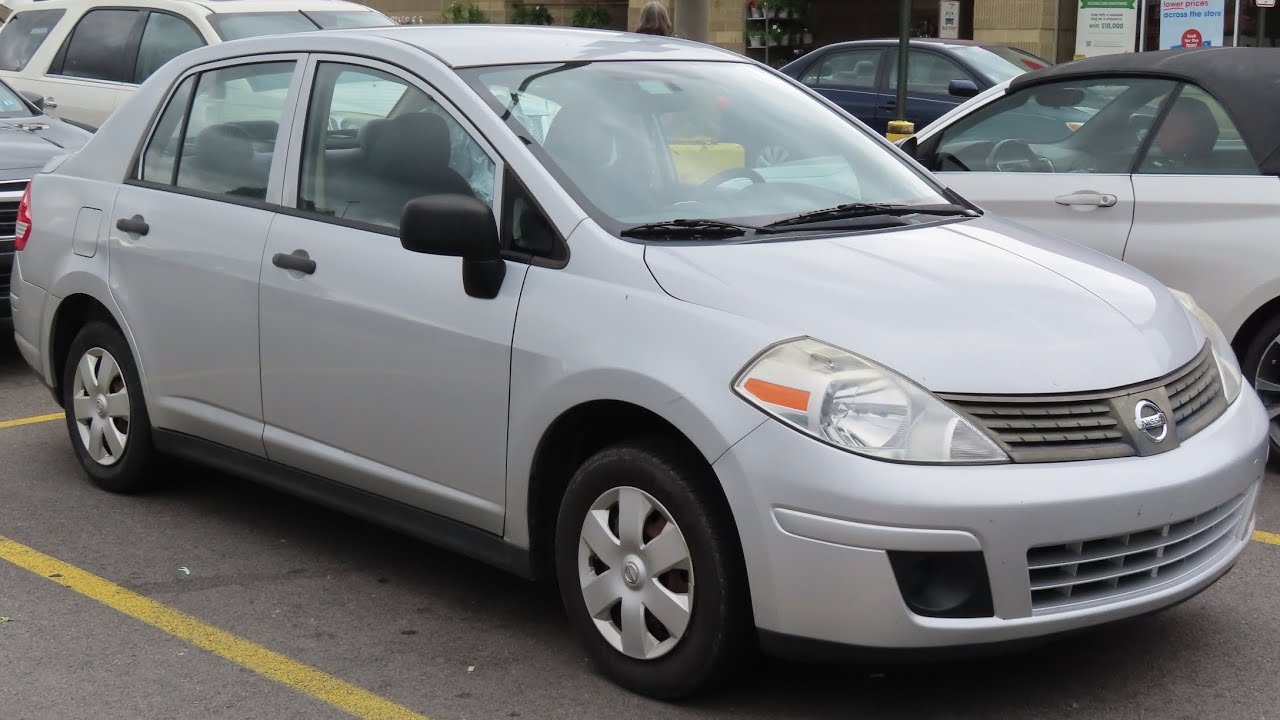
In real-world San Francisco driving, this means drivers often compensate by pressing the accelerator harder, which leads to jerky launches and increased wear on the transmission.
Over time, this behavior makes the Versa feel increasingly out of its depth in hilly terrain.
You wouldn’t expect a budget-focused sedan to deliver brisk acceleration, and the Versa’s four-cylinder engine reinforces that reality by taking its time to build speed.
In everyday city driving or when blending into normal traffic flow, it generally gets the job done without issue. However, situations that demand quick responses, such as darting into a short gap or executing a fast pass, highlight the Versa’s limitations.
During testing, it reached 60 mph in a relaxed, and noticeably loud, 10.4 seconds, making it one of the slowest vehicles we’ve evaluated in recent memory.
Handling is a more pleasant surprise. The Versa remains stable and composed through corners, even if the steering lacks feedback and can feel heavier than expected at times. Still, the car responds accurately to driver inputs. Braking performance is also reassuring, with strong stopping power in emergency scenarios and a pedal that allows for smooth, controlled stops during everyday driving.
2. Chevrolet Spark
The Chevrolet Spark’s small size and lightweight construction are advantages in tight city parking but they work against it on steep slopes.
The engine lacks the low-end torque needed for confident uphill starts, and the automatic transmission can hesitate before engaging power.
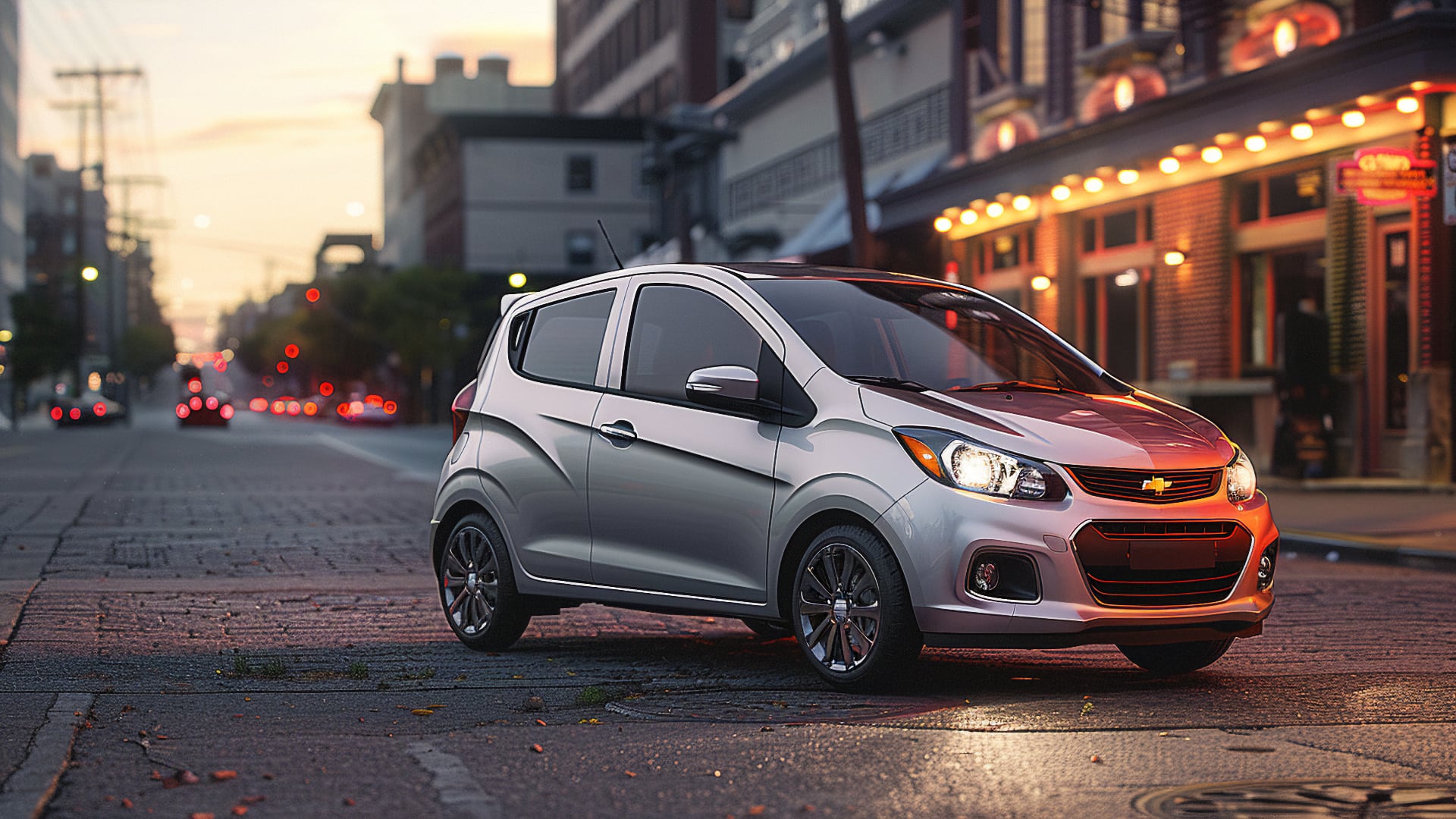
On steep San Francisco streets, that hesitation translates into noticeable rollback, especially if the driver isn’t quick with pedal transitions.
While the Spark is affordable and easy to maneuver, it requires constant attention on hills, making it less suitable for long-term city driving in this environment.
Compact economy cars have long carried a reputation as bare-bones transportation. They were typically small, light on features, and short on space, vehicles purchased out of necessity rather than desire. While the Chevrolet Spark, with its hatchback layout, is clearly not competing with luxury brands like Rolls-Royce or Mercedes-Benz, it does offer a surprisingly modern mix of features.
Highlights include up-to-date infotainment tech, excellent agility in tight spaces, and impressive fuel efficiency. Those strengths aren’t accidental, either, as the Spark was developed in South Korea, where dense cities and narrow streets place a premium on maneuverability and efficiency.
Thanks to its short overhangs, the portions of the car extending beyond the wheels, and a standard rearview camera, the Spark is exceptionally easy to park and thread into tight urban spaces.
Chevrolet’s Link 3 infotainment system comes standard and supports both Apple CarPlay and Android Auto, allowing drivers to mirror smartphone apps directly on the screen. While built-in navigation and native voice control aren’t included, the system can relay commands through a connected phone, which helps offset those omissions.
That said, the Spark’s compact footprint does come with trade-offs. Even by subcompact standards, rear-seat accommodations and cargo capacity are limited. The powertrain prioritizes fuel efficiency over outright strength, so straight-line performance takes a back seat to economy.
Rivals such as the Kia Rio, Mitsubishi Mirage, Toyota Yaris, and Honda Fit each strike different balances among performance, interior space, and efficiency. Still, the Spark’s overall blend of these attributes makes it a compelling option in the segment. It’s also worth noting that the 2020 Chevrolet Spark earned a spot in our Cheapest New Cars roundup.
The 2020 Chevrolet Spark is offered as a four-door city car in four trim levels, with differences largely centered on standard equipment. The LS serves as the entry-level model, while the 1LT adds additional features.
Moving up to the 2LT brings more convenience and driver-assistance technology, and the Activ trim raises ride height slightly and adds roof rails to appeal to buyers with a more outdoors-oriented lifestyle. A closer comparison of the trims reveals how each builds on the Spark’s core formula.
Given the Spark’s low starting price, many shoppers will find it affordable to step up a trim level for added comfort and convenience. Since even the base Spark includes a solid infotainment system with Apple CarPlay and Android Auto as standard, the 1LT stands out as the sweet spot.
It adds practical upgrades such as power windows, mirrors, and door locks, remote keyless entry, and a six-speaker sound system, making it the most well-rounded choice for most buyers.
3. Hyundai Accent
The Hyundai Accent performs well on flat roads but struggles in hilly cities due to its modest engine output and limited low-speed torque.
While newer models include hill-start assist, the system doesn’t always engage smoothly, leading to brief but uncomfortable rollback moments.
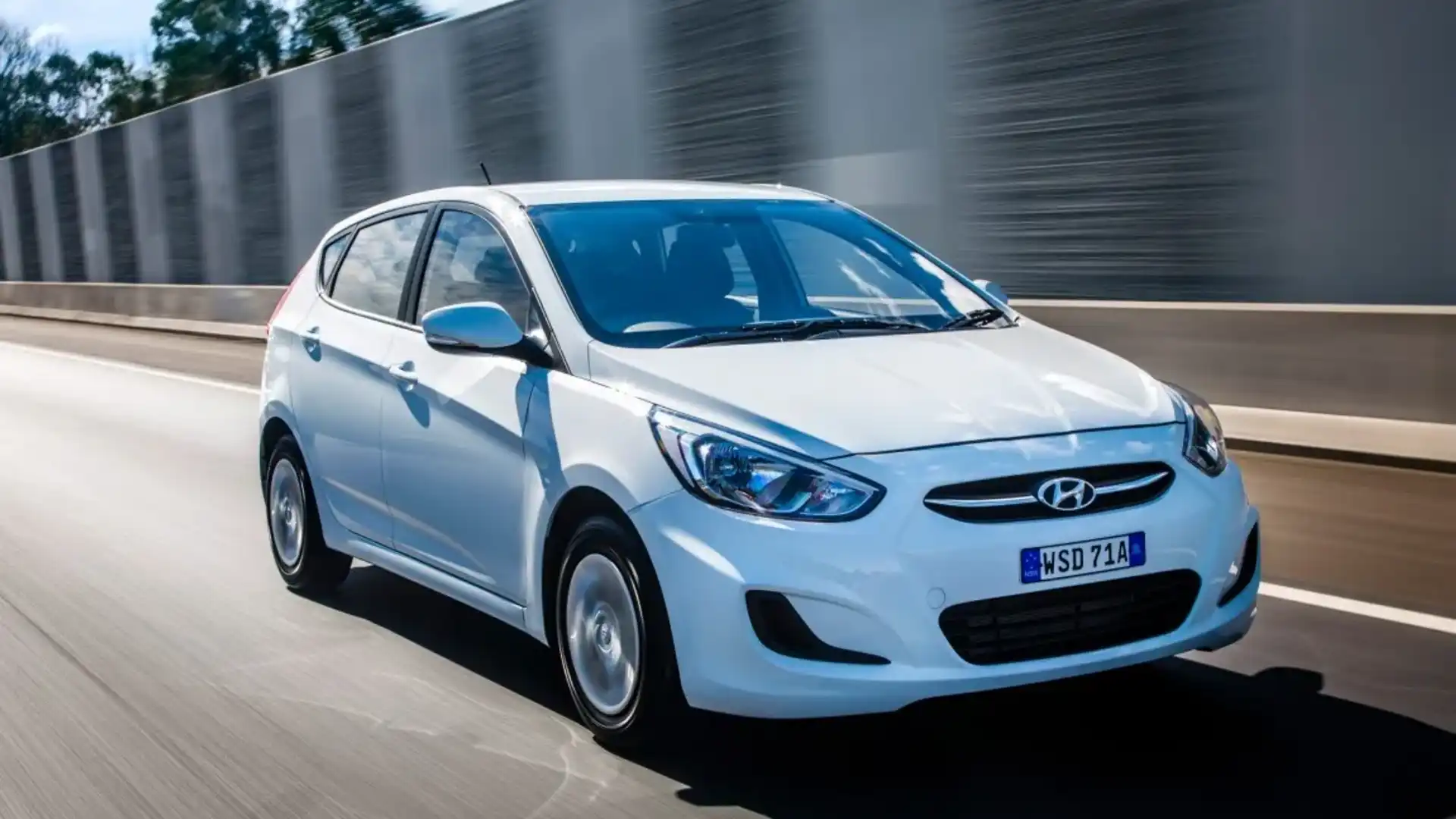
Repeated uphill starts force the engine to work harder than intended, which can make the Accent feel strained and noisy.
For drivers who encounter steep hills daily, this constant effort detracts from the otherwise pleasant ownership experience.
4. Mitsubishi Mirage
The Mitsubishi Mirage is one of the least suitable vehicles for San Francisco’s slopes. Its small engine and slow-responding CVT make uphill starts difficult, especially when fully loaded or facing traffic pressure from behind.
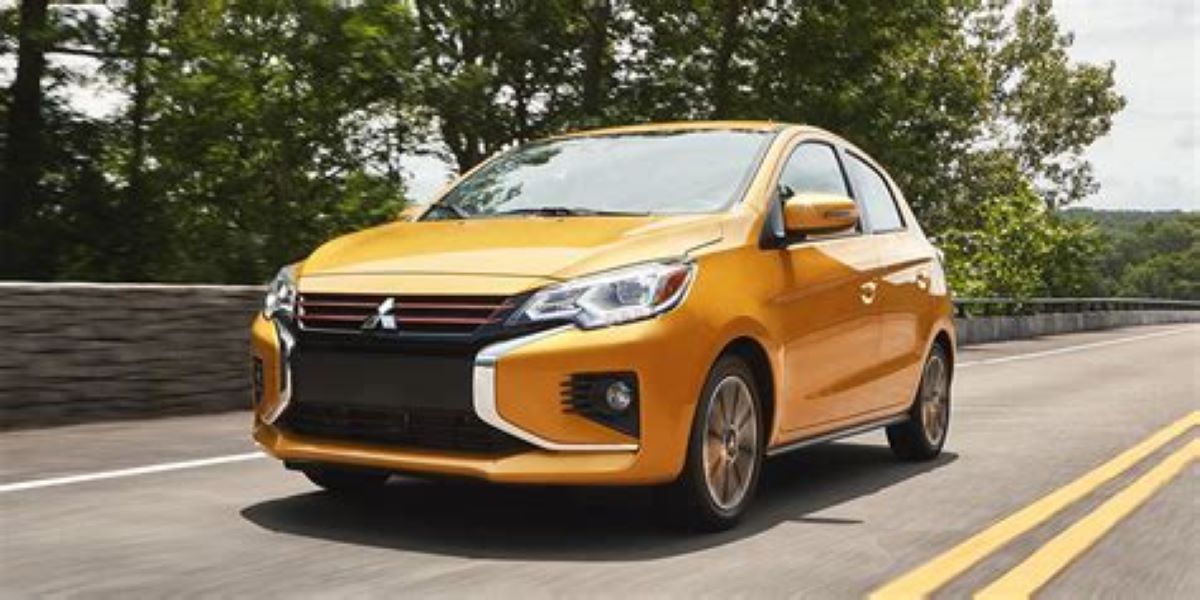
Rollback is a frequent complaint among drivers, and the Mirage’s limited braking feel doesn’t help confidence on inclines.
While it excels in fuel economy, the trade-off becomes apparent in cities where terrain demands more than basic transportation.
Every Mitsubishi Mirage hatchback is equipped with a 1.2-liter three-cylinder engine producing a modest 78 horsepower and 74 pound-feet of torque. That output trails key competitors, including the Chevrolet Spark, which offers 98 horsepower.
The Mirage’s entry-level trim is paired with a five-speed manual transmission, while all higher trims use a continuously variable automatic transmission (CVT). In all configurations, power is delivered to the front wheels. In real-world driving on city roads and highways, the Mirage’s acceleration feels underwhelming.
Passing at freeway speeds requires a heavy right foot, which causes the engine to become loud and strained. Adding to the experience, noticeable engine vibration makes its way into the cabin, especially when the drivetrain is pushed hard.
5. Ford Fiesta (Non-Turbo Automatic)
The non-turbo Ford Fiesta with an automatic transmission struggles on steep hills due to weak torque delivery and inconsistent transmission behavior. In uphill stop-and-go traffic, the Fiesta often hesitates before applying power, increasing rollback risk.
The compact size doesn’t compensate for the lack of confidence on slopes, and drivers frequently report needing extra throttle input just to get moving. Over time, this makes hill driving feel like a chore rather than a routine task.
San Francisco’s hills are more than a novelty they’re a daily test of a car’s real-world usability. Vehicles with strong low-end torque, responsive transmissions, and reliable hill-start assist systems turn the city into an enjoyable driving experience.
Those without these traits can quickly become exhausting, even if they perform well elsewhere.
While the Fiesta may be compact, it still delivers a surprisingly spirited driving experience. Ford has confirmed that 2019 marks the final model year for the Fiesta in North America, a casualty of the company’s shift toward trucks and SUVs.
Buyers interested in this capable, practical, and budget-friendly subcompact will need to act quickly, as production is slated to wrap up in May 2019. The Fiesta is offered in both sedan and hatchback body styles.
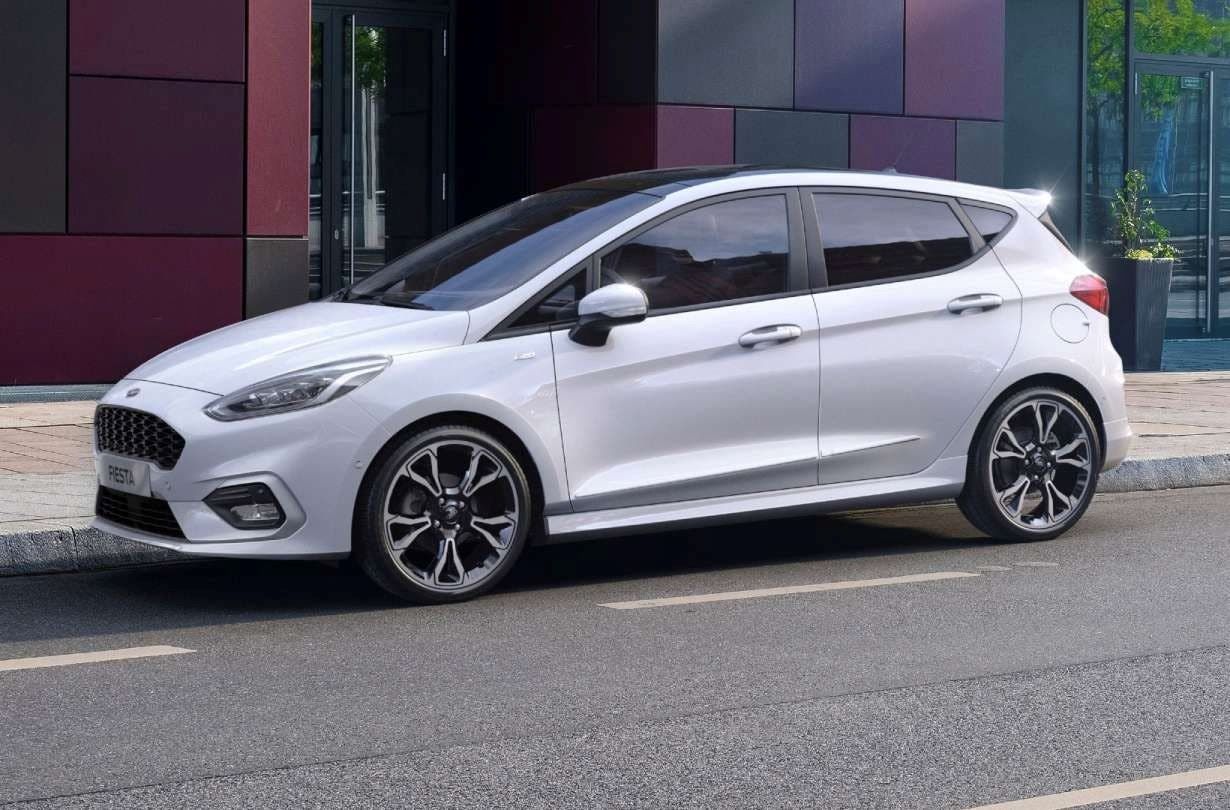
A lively five-speed manual transmission comes standard, paired with a 1.6-liter four-cylinder engine producing 120 horsepower. A six-speed automatic is optional and manages to retain much of the manual’s engaging character.
Steering response is sharp and nicely weighted, and although straight-line speed isn’t a strong suit, the last Fiesta we tested reached 60 mph in 9.1 seconds, the car feels eager and entertaining when pushed through corners. Drivers seeking even more excitement should look to the performance-focused Fiesta ST.
Rear-seat space is limited in both the sedan and hatchback versions, but the Fiesta’s compact dimensions and sparse standard equipment are unlikely to be deal breakers for most shoppers in this segment. The base S trim includes essentials such as a tilt-and-telescoping steering wheel, manual windows, and a rearview camera.
tepping up to the SE adds convenience features like cruise control and remote keyless entry. Optional extras include a 6.5-inch touchscreen infotainment system, built-in navigation, and a sunroof. In hatchback form, the Fiesta proved practical enough to swallow 14 carry-on suitcases with the rear seats folded down.
For drivers who live or commute in hilly cities, choosing the right car isn’t about horsepower numbers or luxury features it’s about confidence, control, and consistency.
The difference between rolling back and rolling forward smoothly can define your entire relationship with a vehicle in places like San Francisco.
