Los Angeles traffic is not just an inconvenience it’s a defining part of daily life. Whether you’re crawling along the 405 during rush hour, inching through Sunset Boulevard at noon, or stuck in stop-and-go congestion on the 101, L.A. gridlock places unique demands on vehicles.
Fuel efficiency, drivetrain behavior, cooling systems, and even cabin comfort play a massive role in how livable a car feels when average speeds barely break 20 mph.
In a city where short trips take forever and long trips feel endless, not all vehicles are created equal. Some are quietly optimized for slow-speed efficiency, regenerative braking, and low-stress driving.
Others, despite impressive highway ratings or performance reputations, burn fuel relentlessly in real-world city conditions, turning daily commutes into expensive habits.
This list separates vehicles that actually work with Los Angeles traffic from those that actively fight against it.
These aren’t theoretical EPA numbers they’re practical, real-world observations based on how powertrains, weight, and driving behavior interact with constant congestion.
Vehicles That Work for Los Angeles Gridlock
Los Angeles traffic is less about speed and more about survival. With packed freeways, endless stop-and-go congestion, tight parking, and long daily commutes, the vehicles that thrive in L.A. are not necessarily fast or flashy, they’re smartly designed for gridlock.
The best choices balance comfort, efficiency, maneuverability, and technology that reduces driver fatigue when the miles crawl by. From hybrids that sip fuel in bumper-to-bumper traffic to compact cars that slip easily into scarce parking spaces, these are the vehicles that actually make life easier in Los Angeles gridlock.
1. Toyota Prius
Few vehicles are as naturally suited to L.A. traffic as the Toyota Prius. Its hybrid system thrives in low-speed, stop-and-go conditions, where frequent braking allows regenerative systems to recapture energy instead of wasting it as heat.
In dense urban driving, the Prius often outperforms its own EPA ratings, something few vehicles can claim.
The engine frequently shuts off entirely during traffic crawls, allowing electric-only movement at low speeds. This is ideal for situations where you may move only a few car lengths at a time.
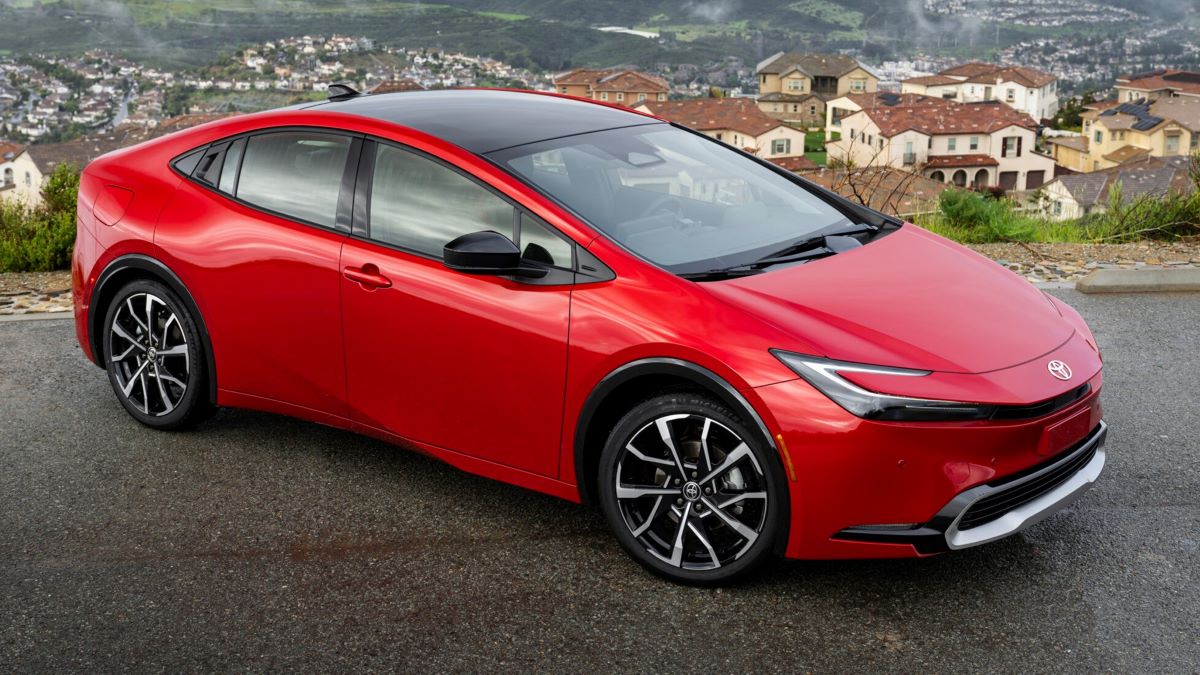
The Prius also runs cool and quietly, reducing strain on components during long idle periods. Add in excellent reliability history and low maintenance costs, and it becomes clear why rideshare drivers in Los Angeles gravitate toward it so heavily.
Beyond efficiency, visibility and maneuverability matter in tight city environments. The Prius’s compact footprint and predictable handling make lane changes and parking less stressful, even in crowded neighborhoods.
The Toyota Prius pairs a 2.0-liter inline-four gasoline engine, borrowed from the Corolla Cross hybrid, with a continuously variable transmission and a pair of electric motors to form its standard front-wheel-drive setup, producing 194 horsepower.
For all-wheel-drive models, Toyota tacks on a permanent-magnet electric motor at the rear axle, nudging total output to 196 horsepower. This extra boost gives the Prius enough pep to move confidently through traffic and even enjoy a bit of spirited driving, though drivers may notice some engine droning under load.
Also Read: Top 10 Cars Under $20K That Fool Everyone Into Thinking You’re Rich
2. Honda Civic Hybrid
The Honda Civic Hybrid strikes a rare balance between efficiency and normalcy. Unlike some hybrids that feel purpose-built, the Civic Hybrid drives like a familiar compact sedan, making it appealing to drivers who want fuel savings without changing their habits.
Its hybrid system excels in urban settings by using electric assist during acceleration and shutting off the engine during idle moments.
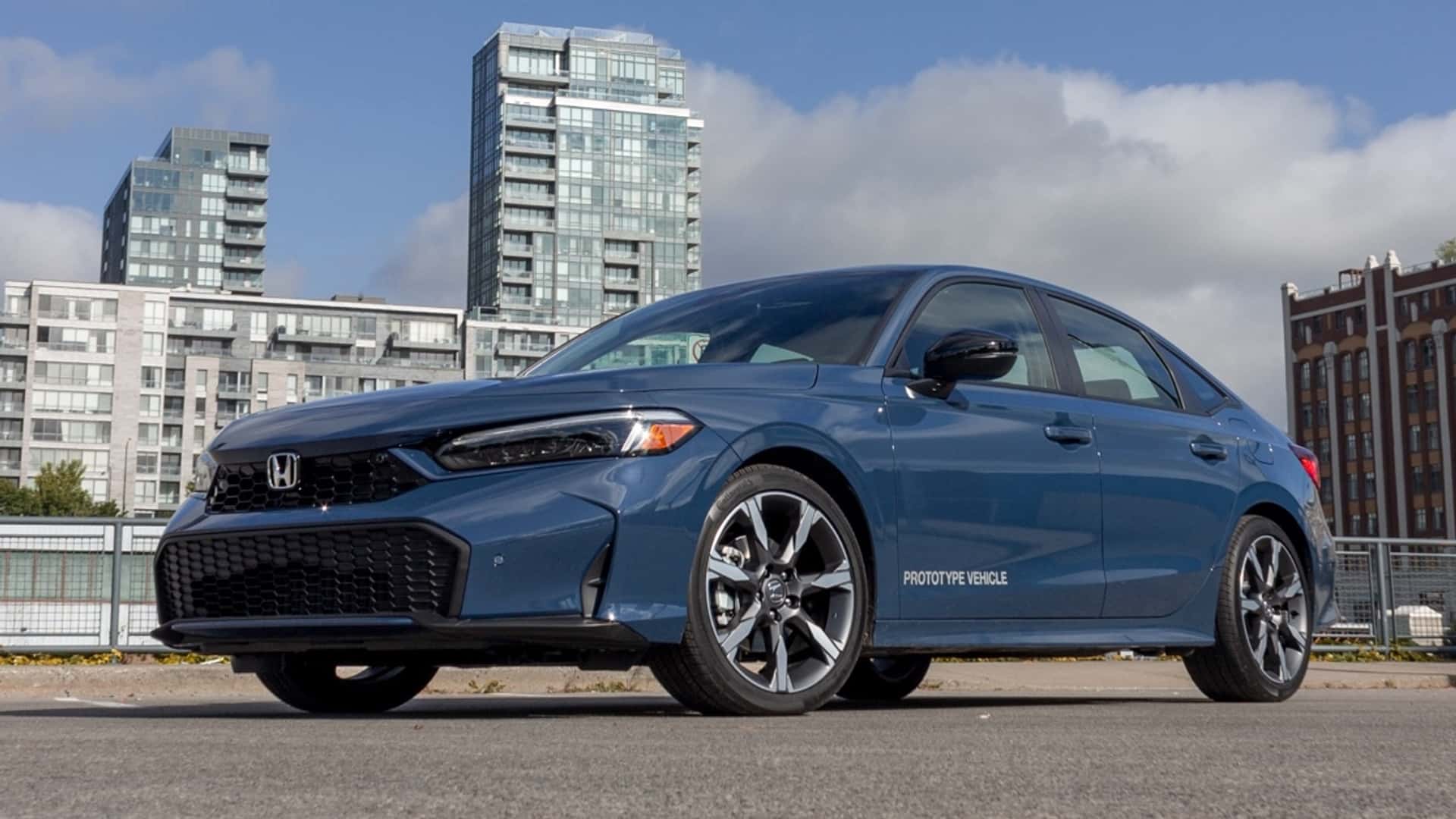
In gridlock, this translates into smoother starts, less engine noise, and significantly reduced fuel consumption compared to gas-only sedans.
The Civic’s lightweight platform also plays a major role. Less mass means less energy wasted every time traffic stops and starts. Over weeks of commuting, this adds up to noticeable fuel savings.
Interior comfort, particularly seat ergonomics and climate control efficiency, also helps make long traffic sessions more tolerable.
The Honda Civic’s available hybrid powertrain delivers impressive performance for a small sedan. On our test track, it sprinted from 0 to 60 mph in just 6.6 seconds, quicker than most rivals, including the sporty Civic Si. What makes the hybrid Civic stand out is that it isn’t just fast; it’s genuinely enjoyable to drive around town, with confident handling and a relaxed, easygoing demeanor.
Visibility is aided by slim front roof pillars and side mirrors mounted on the doors, giving drivers a clear forward view. The sloping roofline does require extra attention for over-the-shoulder checks, and the rear window is a touch short, though the multi-angle rearview camera compensates well.
Honda equips the Civic with a solid set of standard advanced driver aids. While they aren’t the most sophisticated in the segment, they perform reliably.
On both smooth and rough roads, the Civic Hybrid feels taut yet balanced. It may not offer the plush ride of some other compact cars, but the trade-off is sharper, more responsive handling, making it one of the more engaging options in its class.
3. Hyundai Ioniq Hybrid
The Hyundai Ioniq Hybrid was engineered with city efficiency as a core mission, and it shows. Its low-drag body shape and well-tuned hybrid drivetrain perform exceptionally well in urban congestion, often rivaling or beating the Prius in real-world city mileage.
One advantage in Los Angeles is its efficient air conditioning system. In hot traffic conditions, many vehicles suffer a dramatic drop in fuel economy as the engine works harder to cool both the cabin and itself.
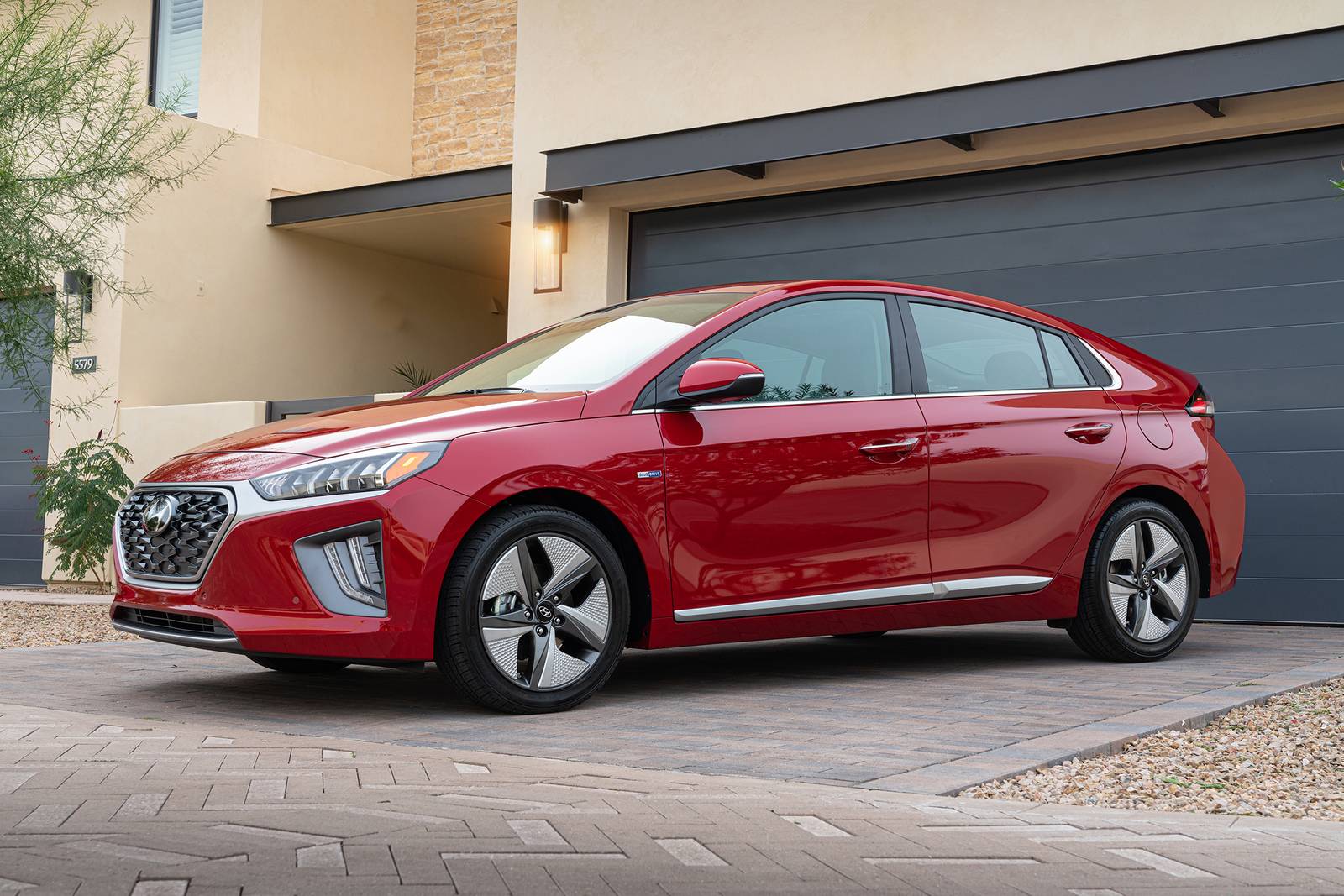
The Ioniq’s system minimizes that penalty, maintaining consistent efficiency even during summer gridlock.
The dual-clutch transmission may sound counterintuitive for traffic, but Hyundai tuned it smoothly enough to avoid the jerky behavior seen in some competitors.
The result is a hybrid that feels refined, economical, and surprisingly relaxed in bumper-to-bumper conditions.
The Hyundai Ioniq hybrid we tested isn’t built for speed, taking 8.9 seconds to reach 60 mph. In Eco mode, the transmission’s shift timing can feel sluggish, pausing too long to downshift when quick acceleration is needed.
The plug-in hybrid Ioniq pairs a 1.6-liter four-cylinder engine with an electric motor and a six-speed dual-clutch automatic transmission, a setup familiar to fans of both the Ioniq and its Kia Niro cousin.
On winding roads, the Ioniq proves capable, responding predictably to steering inputs and maintaining solid grip. The body does lean when pushed hard through corners, but the overall impression is one of stability and composure in most driving scenarios.
Highway cruising is surprisingly relaxed, and the ride remains comfortable. All Ioniq models come with steering-wheel paddles that let drivers adjust regenerative braking, enabling a one-pedal driving style reminiscent of Tesla’s approach to EVs.
4. Chevrolet Bolt EV
Electric vehicles shine brightest in exactly the kind of driving Los Angeles forces on its residents, and the Chevrolet Bolt EV is a prime example. Because EVs consume no fuel while idling and require minimal energy at low speeds, gridlock barely affects their efficiency.
The Bolt’s compact size, tight turning radius, and instant torque make it easy to navigate crowded streets.
Frequent braking doesn’t feel wasteful because regenerative systems actively recharge the battery. Unlike gas-powered cars, there’s no penalty for inching forward repeatedly.
Another advantage is thermal efficiency. EVs generate far less waste heat, reducing cooling demands during traffic.
Over time, this lowers mechanical stress and operating costs. For drivers with access to home or workplace charging, the Bolt dramatically reduces daily commuting expenses in Los Angeles traffic.
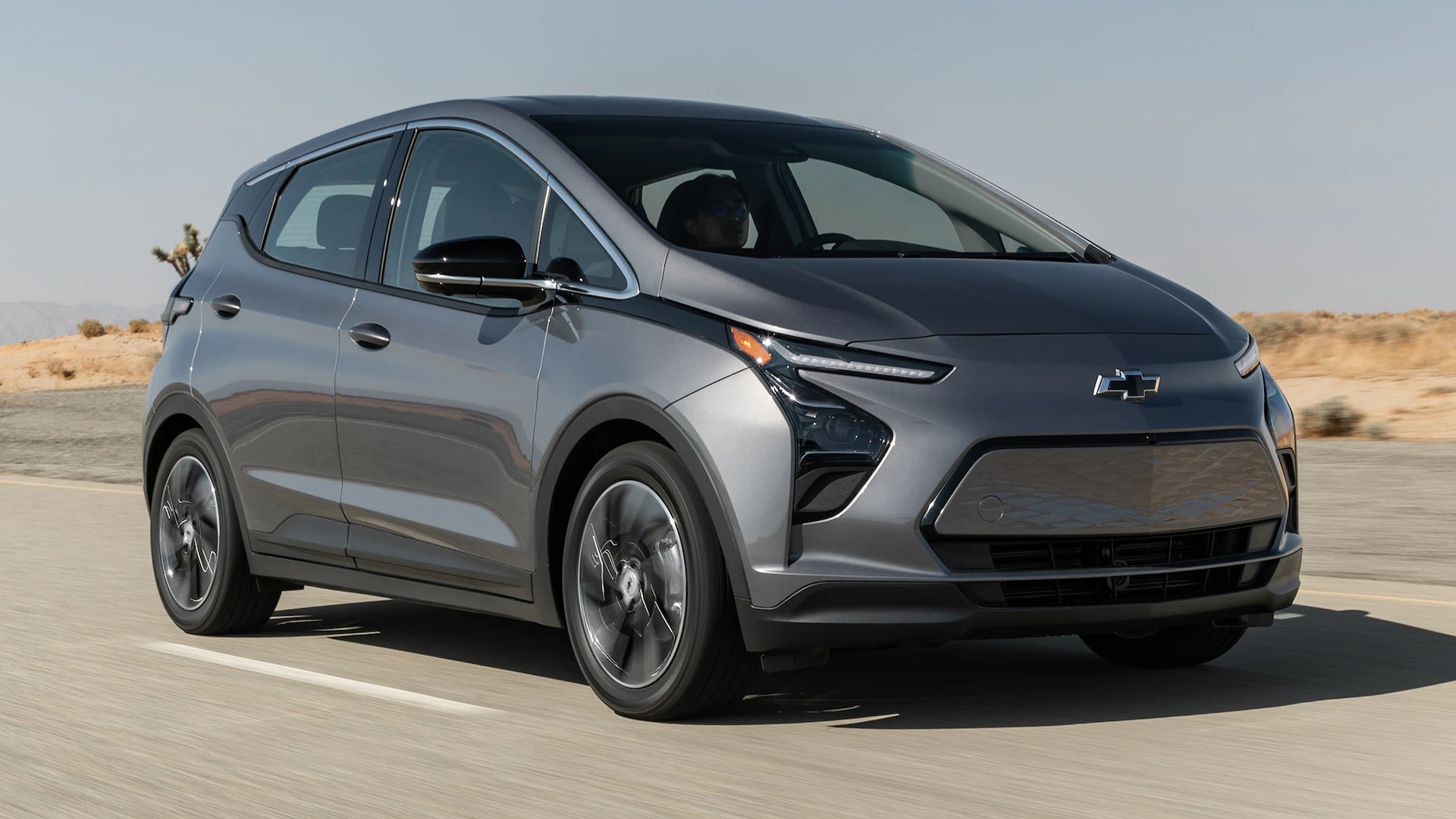
The Chevrolet Bolt delivers instant throttle response and strong low-end torque, making it quick off the line when the traffic light turns green. While acceleration is slightly less immediate at highway speeds, the Bolt still handles passing and merging effortlessly.
Charging takes about nine hours on a 240-volt outlet, but with fast-charging capability, you can add roughly 90 miles of range in just 30 minutes, assuming access to a Level 3 charging station or a compatible home setup. Though it ranks among the fastest electric vehicles in its price range, more expensive EVs like the Tesla Model 3 demonstrate just how quick a small electric car can be.
The Bolt’s ride is composed, and its ample power dispels many common reservations about EVs. It rides firmly yet comfortably, without harsh impacts transferring to the cabin. Steering is quick and precise, though it could offer more road feel.
The brake pedal is firm, providing strong stopping power, but the regenerative braking system, designed to recharge the battery when lifting off the accelerator, often eliminates the need to use the brakes at all. A paddle mounted on the left side of the steering wheel allows drivers to increase regenerative braking on demand, even bringing the car to a full stop.
Also Read: 5 EVs That Work in San Francisco and 5 That Hate Hills
5. Toyota Corolla Hybrid
The Toyota Corolla Hybrid offers much of the Prius’s efficiency in a more traditional sedan format. It’s particularly well-suited for drivers who want predictable, low-cost transportation without drawing attention to themselves in traffic.
Its hybrid system prioritizes smoothness and low-speed efficiency, which aligns perfectly with urban congestion.
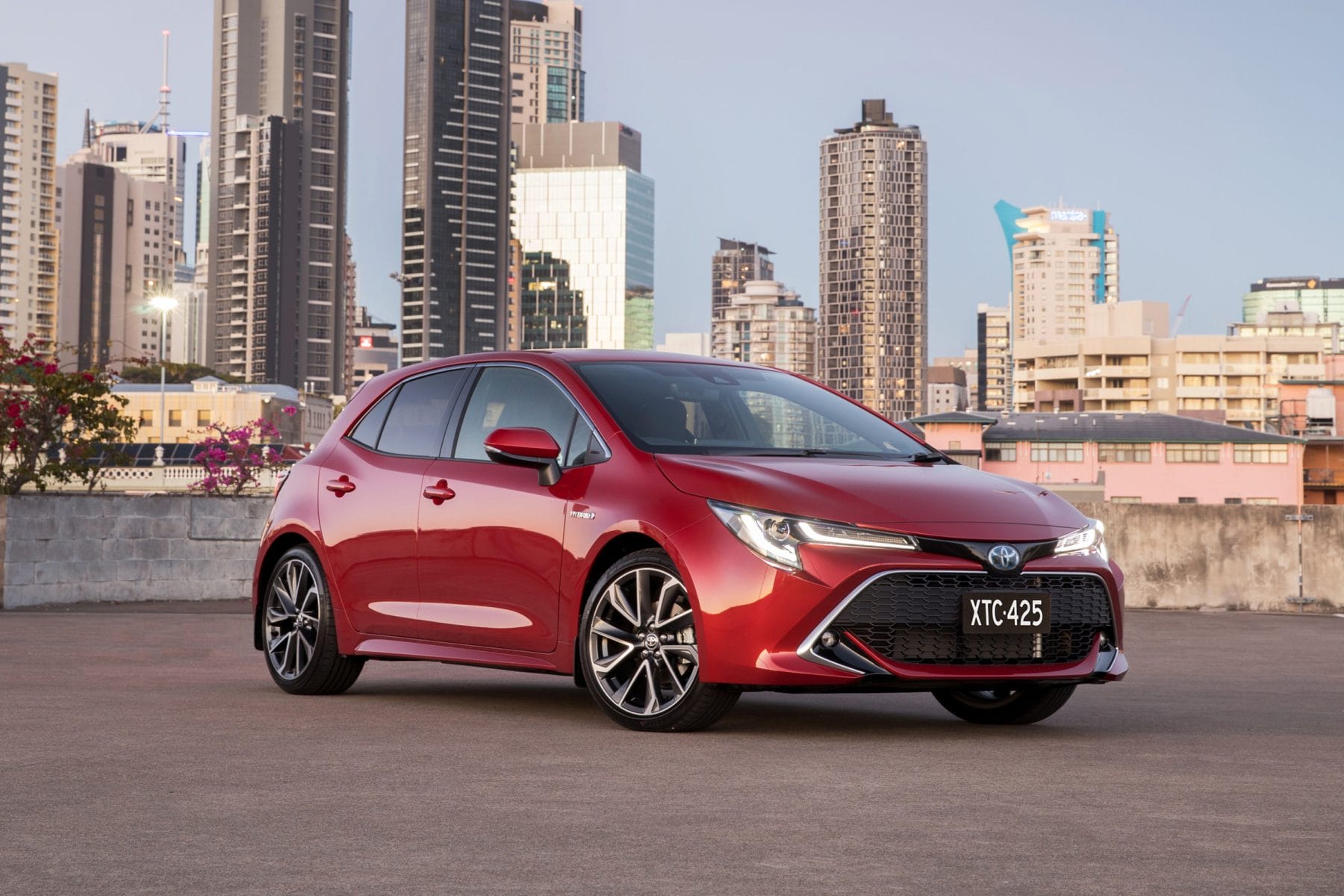
The engine remains off for extended periods during stop-and-go movement, saving fuel and reducing wear. Over long commutes, the Corolla Hybrid’s consistency becomes its biggest strength.
Maintenance costs are low, reliability is proven, and fuel savings remain steady regardless of how bad traffic gets. In a city where unpredictability rules, that kind of dependability matters.
Vehicles That Waste Fuel Daily in Los Angeles Gridlock
In a city defined by endless stop-and-go traffic, steep hills, and sprawling commutes, not all vehicles are built to survive Los Angeles gridlock without guzzling gas. While some cars thrive in the crawl, others struggle, forcing drivers to burn fuel inefficiently just to keep moving.
From underpowered engines that labor uphill to heavy vehicles whose stop-and-go momentum demands constant energy, LA’s notorious traffic quickly turns everyday drives into a test of patience, and fuel economy. In this article, we highlight the vehicles that waste the most fuel in daily LA driving, helping you understand which cars are best, or worst, when the city slows to a crawl.
1. Jeep Wrangler
The Jeep Wrangler is designed for rugged terrain, not endless city traffic. Its boxy shape, heavy weight, and inefficient aerodynamics work against it in every possible way during Los Angeles gridlock.
Stop-and-go driving forces the Wrangler’s engine to work constantly, while its gearing optimized for off-road crawling leads to high fuel consumption at low speeds.

The lack of hybrid assistance means all energy lost during braking is wasted, not recovered.
In traffic, the Wrangler’s strengths become liabilities. The result is poor city mileage, frequent fuel stops, and higher operating costs that quickly add up for daily commuters.
2. Chevrolet Tahoe
Large body-on-frame SUVs like the Chevrolet Tahoe struggle immensely in dense urban environments. While capable and comfortable on highways, their size and weight create massive inefficiencies during stop-and-go driving.
In Los Angeles traffic, the Tahoe’s V8 or turbocharged V6 engines rarely reach optimal efficiency.
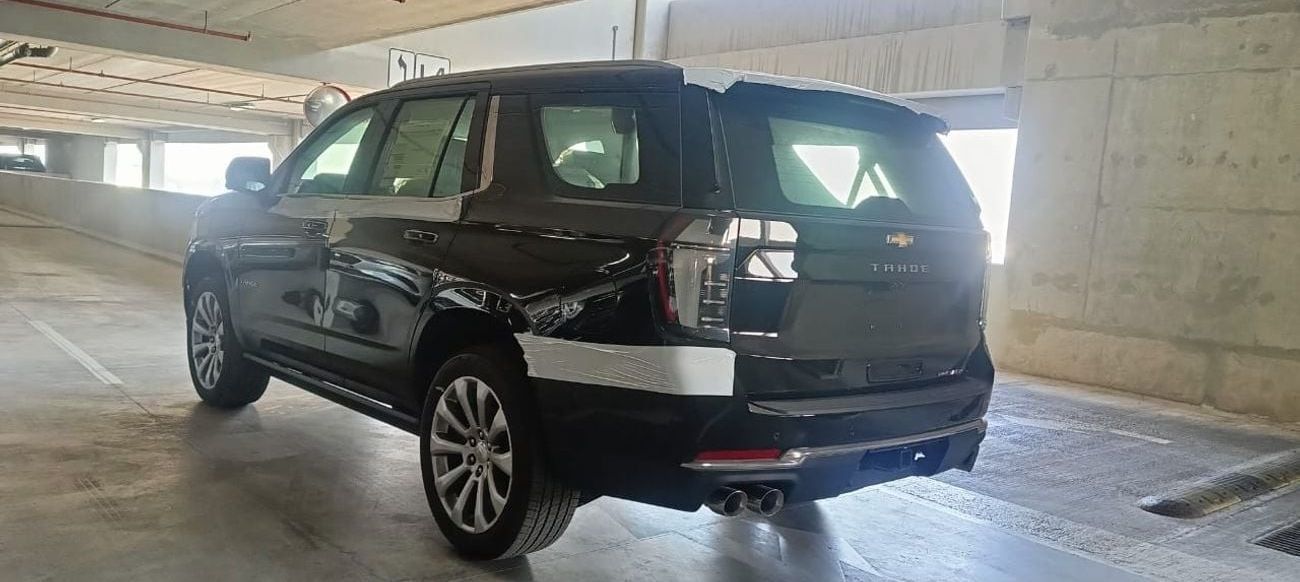
Constant acceleration from a standstill burns fuel aggressively, while braking dissipates enormous amounts of energy as heat. Even cylinder deactivation systems offer limited benefit at low speeds.
The Tahoe’s width and length also increase stress during urban driving, making lane changes and parking more cumbersome. Fuel costs rise quickly, especially for commuters logging daily miles in congestion.
The Chevrolet Tahoe has relied on V-8 power throughout its history, and the latest generation stays true to that tradition. Buyers can choose between the standard 355-hp 5.3-liter V-8 or the optional 420-hp 6.2-liter V-8, while a 3.0-liter diesel six-cylinder is also offered, delivering the same 460 pound-feet of torque as the bigger V-8s despite lower horsepower. Every Tahoe comes with a 10-speed automatic transmission and either rear- or all-wheel drive.
We tested the off-road-focused Z71 trim equipped with the standard V-8. This version adds a two-speed transfer case for traditional four-wheel drive, 20-inch all-terrain tires, and underbody protection. Acceleration felt adequate, braking was firm, and highway cruising was impressively quiet.
The Z71 also features air springs, allowing the Tahoe’s ride height to be adjusted automatically or manually, along with adaptive dampers, features standard on higher-end Premier and High Country trims. Meanwhile, the RST and High Country models ride on flashy 22-inch wheels, adding extra curb appeal.
3. Ford Mustang GT
Performance cars and traffic rarely mix well, and the Ford Mustang GT is a prime example. Its powerful V8 engine is engineered for open roads, not crawling commutes. In gridlock, it operates far below its efficiency range.
The engine remains running during idle, fuel economy plummets with each short burst of acceleration, and the aggressive tuning provides no benefit at low speeds.
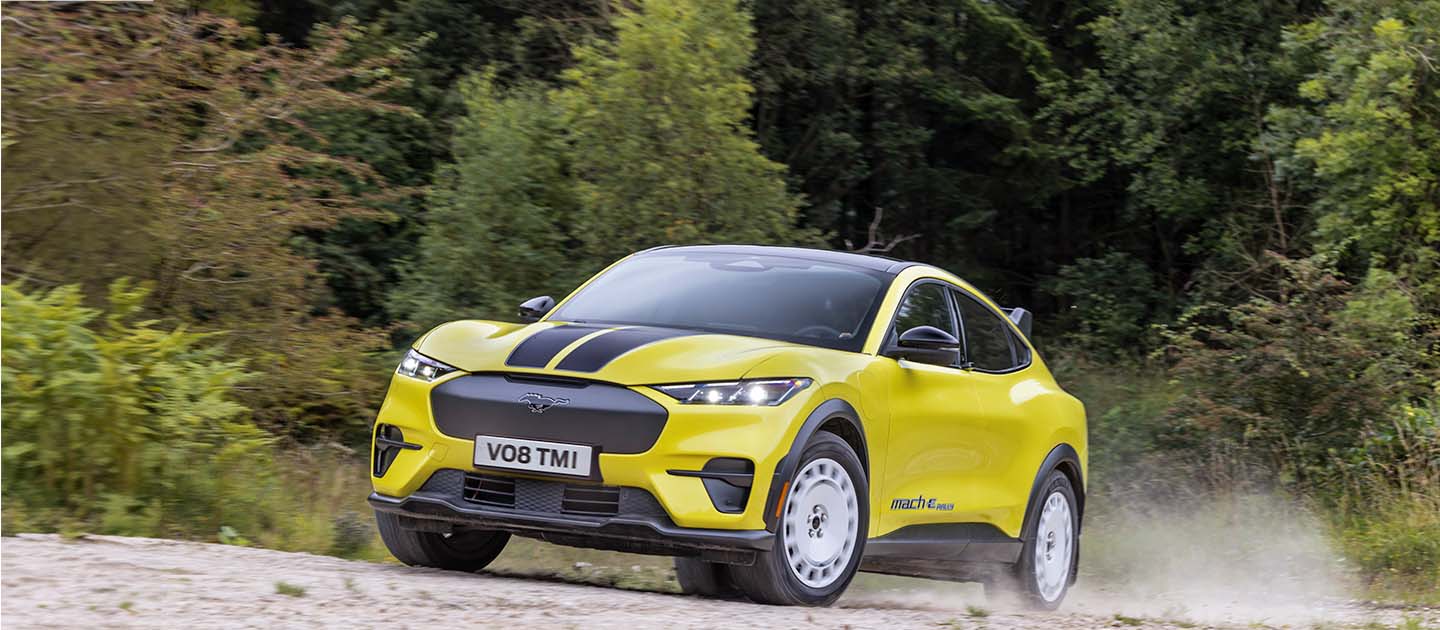
Drivers often report city mileage far worse than EPA estimates, especially in dense traffic conditions.
While thrilling on weekends, the Mustang GT becomes an expensive daily companion in Los Angeles, burning fuel without delivering performance enjoyment.
Don’t underestimate the Mustang just because it starts with a four-cylinder. The standard turbocharged EcoBoost engine delivers enough punch to make even older V-8 Mustangs seem sluggish, while the optional High-Performance package boosts the EcoBoost with a more melodic, responsive setup inspired by the now-discontinued Ford Focus RS.
For those chasing raw muscle, GT models pack a 460-hp V-8 with an optional active exhaust that thunders like a true American muscle car. Both engine options can be paired with a standard six-speed manual or a 10-speed automatic, making the Mustang quicker than ever.
The V-8 GT can also be upgraded with the Performance Pack Level 2, bringing Shelby GT350 track-ready components to the table, while the EcoBoost can receive the optional Handling package for racetrack-level agility. Among the lineup, the Bullitt special edition may be the most well-rounded, offering a 480-hp V-8 and all the premium performance parts.
This generation of Mustang introduced an independent rear suspension, replacing the old solid axle and significantly improving both handling and ride quality.
Even the less powerful trims feel composed and comfortable, and for extra sportiness, the optional Performance package is available for both EcoBoost and GT models. The Mustang’s electrically assisted steering is light in Comfort mode but gains heft in the other two, and the brake pedal is firm, slightly touchy in city traffic but much easier to modulate at higher speeds.
4. RAM 1500
Full-size pickups like the RAM 1500 are among the least efficient vehicles in urban congestion. Their sheer mass requires significant energy to move from a standstill, and Los Angeles traffic demands that effort repeatedly.
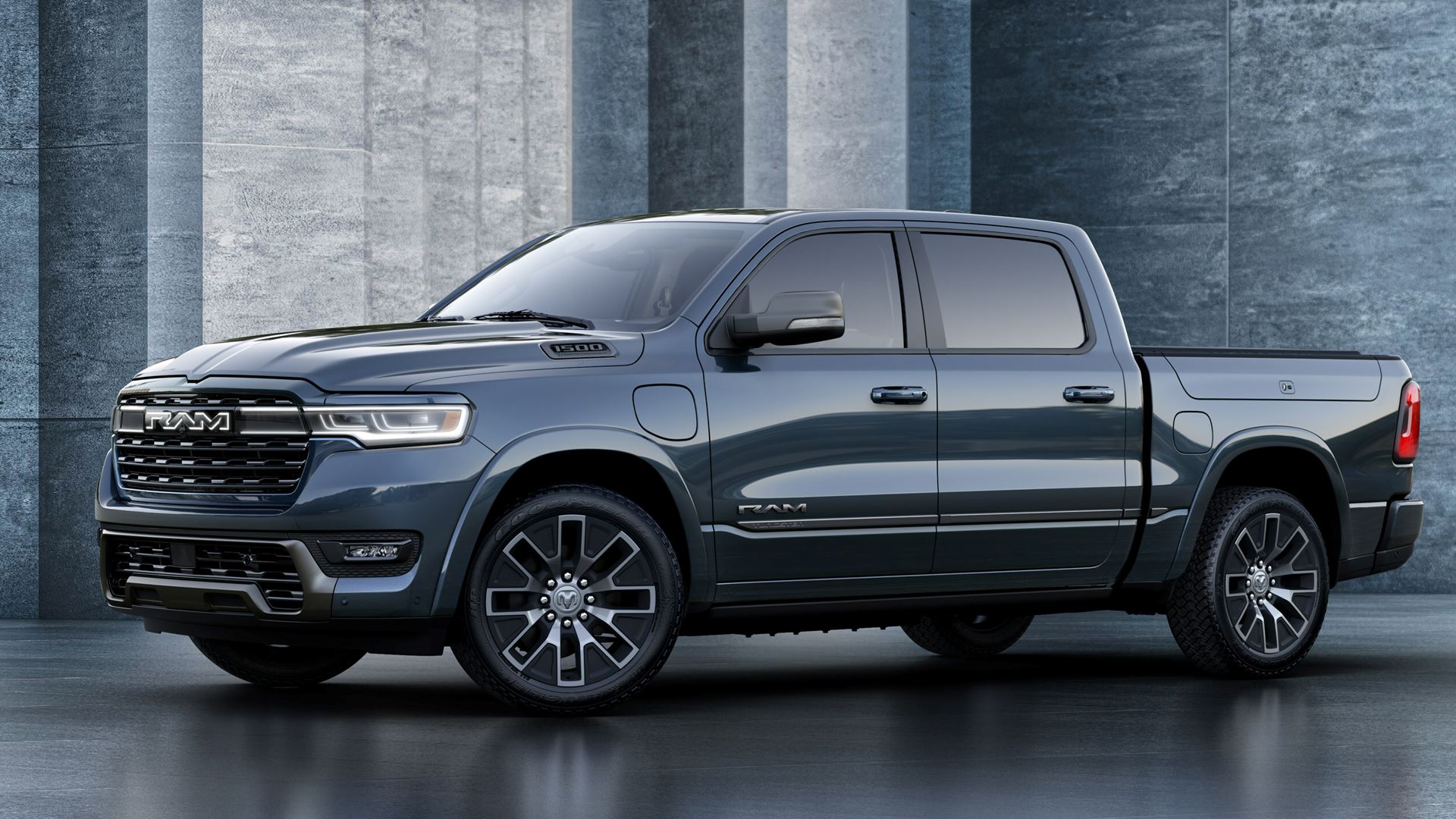
In stop-and-go conditions, even mild throttle inputs consume large amounts of fuel. Hybrid or mild-hybrid systems offer some improvement, but gas-only versions remain inefficient compared to smaller vehicles.
For drivers who don’t regularly haul or tow, the RAM’s fuel consumption becomes an unnecessary expense in daily gridlock.
The Ram 1500 offers a wide range of powertrains across its many trims, including V-6 and V-8 gasoline engines paired with a smooth-shifting eight-speed automatic transmission.
Both engines benefit from a 48-volt hybrid system, though the 5.7-liter Hemi V-8 is also available without electric assistance. Driving examples of the non-hybrid Hemi impressed us with its deep, baritone exhaust note and brisk acceleration.
For those looking for torque and efficiency, Ram also offers the 3.0-liter EcoDiesel V-6, producing 480 lb-ft—more than comparable diesel engines in half-ton pickups from Chevy and Ford.
While the diesel six is slower than the Hemi, it remains refined for a diesel and delivers stronger fuel economy. Adventure seekers can opt for the rugged Rebel, which offers aggressive styling and genuine off-road capability.
All Ram 1500 models benefit from an exceptional ride, thanks to a rear suspension that uses standard coil springs or optional air springs instead of the traditional leaf springs common on domestic rivals.
Trucks equipped with the air suspension gain adjustable ride height, improving both off-road ability and fuel efficiency. Coupled with light steering and strong brakes, the Ram 1500 delivers relaxed cruising, confident stopping power, and an overall balanced driving experience.
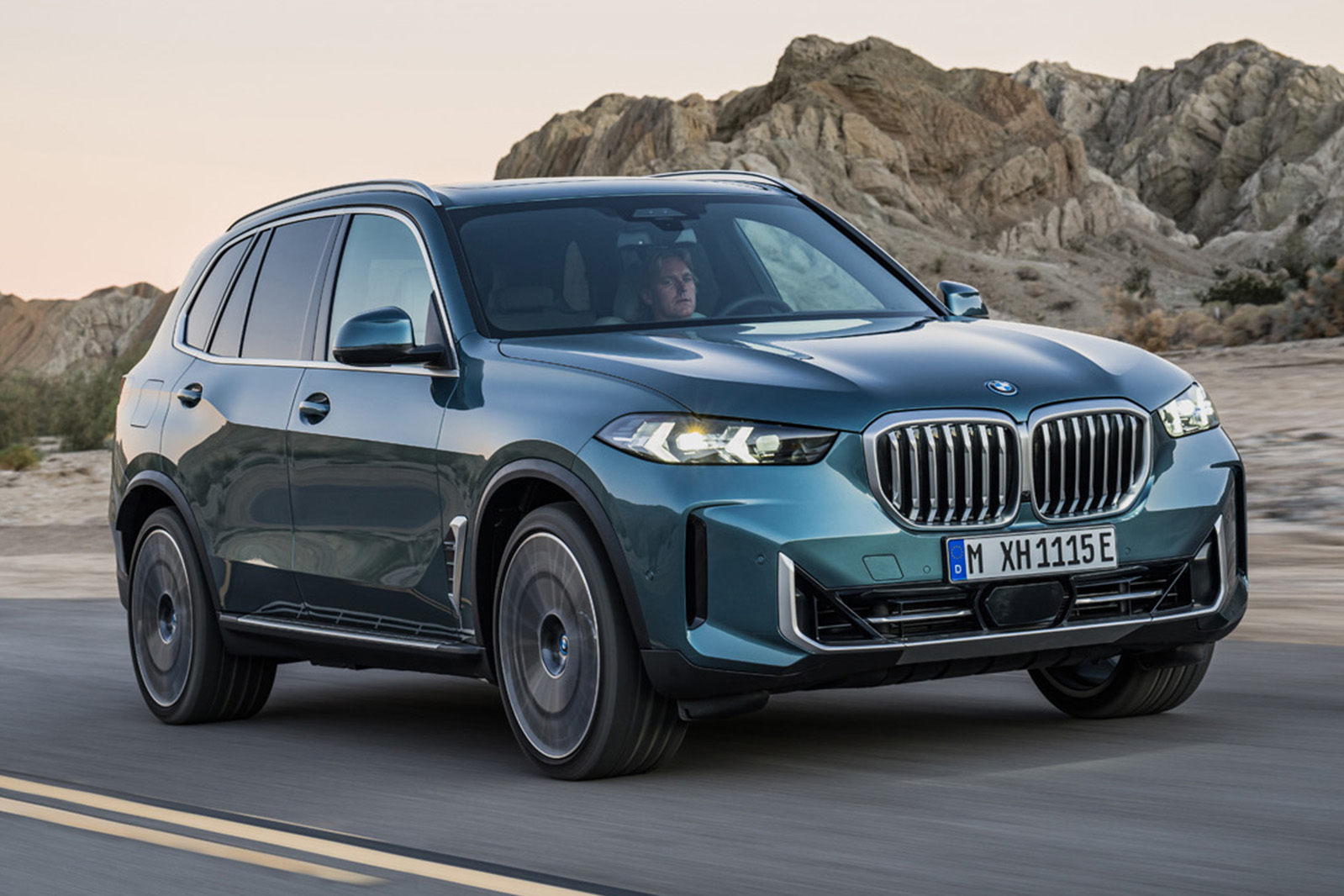
5. BMW X5 (Non-Hybrid)
Luxury SUVs like the BMW X5 often look efficient on paper, but real-world city driving tells a different story. Turbocharged engines paired with heavy platforms struggle in constant congestion, where boost rarely operates efficiently.
In traffic, frequent acceleration and braking negate the benefits of advanced engineering. Fuel economy drops sharply, especially in models without hybrid assistance.
The performance-oriented tuning prioritizes responsiveness over efficiency, which becomes costly in stop-and-go conditions.
While comfortable and capable on longer drives, the X5 wastes fuel daily when confined to Los Angeles gridlock.
Los Angeles traffic doesn’t reward power, size, or prestige it rewards efficiency, patience, and smart engineering.
Vehicles designed to conserve energy at low speeds, recover braking losses, and minimize idle fuel use dramatically outperform traditional gas-powered cars in gridlock.
Currently, BMW offers the X5 with two gasoline engines. The xDrive40i comes with a 335-hp turbocharged inline-six, while the xDrive50i features a more potent 456-hp twin-turbo V-8. Testing both, we found the 40i accelerated to 60 mph in a brisk 4.9 seconds, with the 50i trimming that time by 0.7 second.
Both engines are mated to an eight-speed automatic transmission and come standard with all-wheel drive, providing plenty of power for high-speed passing or highway merges. BMW has confirmed that diesel and plug-in hybrid variants are on the way, expected to arrive at dealerships within the next two years.
The X5’s ride quality and handling feel noticeably refined compared with the 2018 model. Steering is more direct and connected, though it’s still not truly sporty, Audi’s Q7 retains a slight edge here.
When pushed into a fast corner, the X5 remains composed and predictable, an area where the Mercedes GLE-class feels less confident. Maximum towing capacity is a solid 7,209 pounds, consistent across both engine options.
Choosing a vehicle that works with congestion rather than against it can save thousands of dollars over time while reducing stress and environmental impact.
In a city where traffic is unavoidable, the right vehicle doesn’t just move you it protects your wallet every single day.