Electric vehicles have made huge strides in recent years, but winter remains their most revealing stress test especially in American cities where short trips, stop-and-go traffic, street parking, and cold-soaked batteries collide.
While EVs are often praised for smooth urban driving and low running costs, cold weather exposes major differences in battery chemistry, thermal management, and efficiency strategy.
Two EVs with similar EPA range ratings can behave very differently once temperatures drop below freezing.
For urban drivers in places like Chicago, Minneapolis, Boston, Denver, or New York City, winter range loss isn’t just an inconvenience it can reshape daily routines.
Cabin heating, battery warming, reduced regenerative braking, and frequent short trips all stack the odds against poorly optimized EVs.
Some models manage these challenges gracefully, maintaining usable range and consistent performance. Others see dramatic drops that make winter ownership frustrating, especially for drivers without home charging.
This list separates electric vehicles that handle urban winters well from those that lose range quickly, focusing on real-world cold-weather behavior rather than ideal lab conditions.
These comparisons matter for U.S. city drivers who rely on predictable daily usability more than maximum summer range.
EVs That Handle Urban Winters Well
Winter is where many electric vehicles are exposed, either as genuinely urban-ready machines or as fair-weather tech showcases. Cold temperatures reduce range, slow charging, and turn sloppy traction control into a real liability on icy streets.
Add dense traffic, short trips, curbside parking, and inconsistent charging access, and the gap between marketing claims and real-world performance becomes obvious.
That said, not all EVs struggle when temperatures drop. Some are engineered with cold climates in mind: efficient heat pumps, battery preconditioning that works, predictable regenerative braking, and all-wheel-drive systems tuned for slick city roads rather than highway theatrics.
These are the EVs that start reliably on frigid mornings, maintain usable range, and inspire confidence when winter turns urban streets into obstacle courses.
This article cuts through the hype to focus on electric vehicles that handle urban winters well, models that don’t just survive cold, snow, and ice, but remain practical, comfortable, and dependable when city driving is at its most unforgiving.
1. Tesla Model Y (Long Range)
The Tesla Model Y Long Range consistently ranks among the most winter-capable EVs for urban use.
Its advantage starts with an advanced heat pump system that efficiently warms both the cabin and the battery without the heavy energy draw of traditional resistive heaters.
In stop-and-go city traffic, where EVs typically shine, Tesla’s thermal management minimizes energy waste even during short trips.
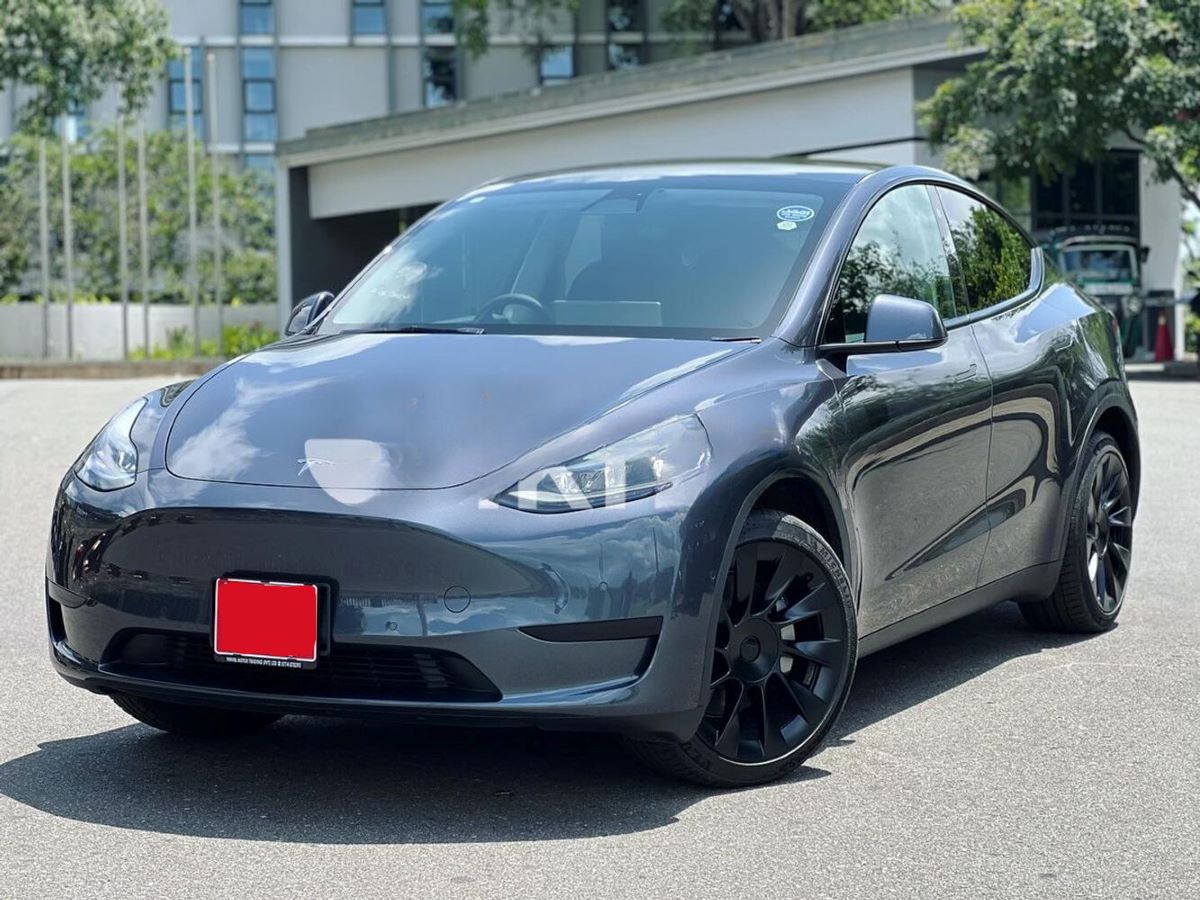
Cold weather does reduce range, but the drop is usually more controlled compared to competitors.
Tesla’s software aggressively manages battery temperature, ensuring regenerative braking returns quickly after startup an often-overlooked benefit for city drivers.
Add in strong charging infrastructure and frequent software updates that refine efficiency, and the Model Y remains dependable even in harsh winter conditions.
2. Hyundai Kona Electric
The Hyundai Kona Electric punches well above its weight in winter performance, especially in urban environments. While its EPA range isn’t class-leading, its real-world cold-weather efficiency is impressive.
Hyundai’s battery thermal management system warms the pack quickly, reducing energy losses during short city trips where cold-soaked batteries typically suffer most.
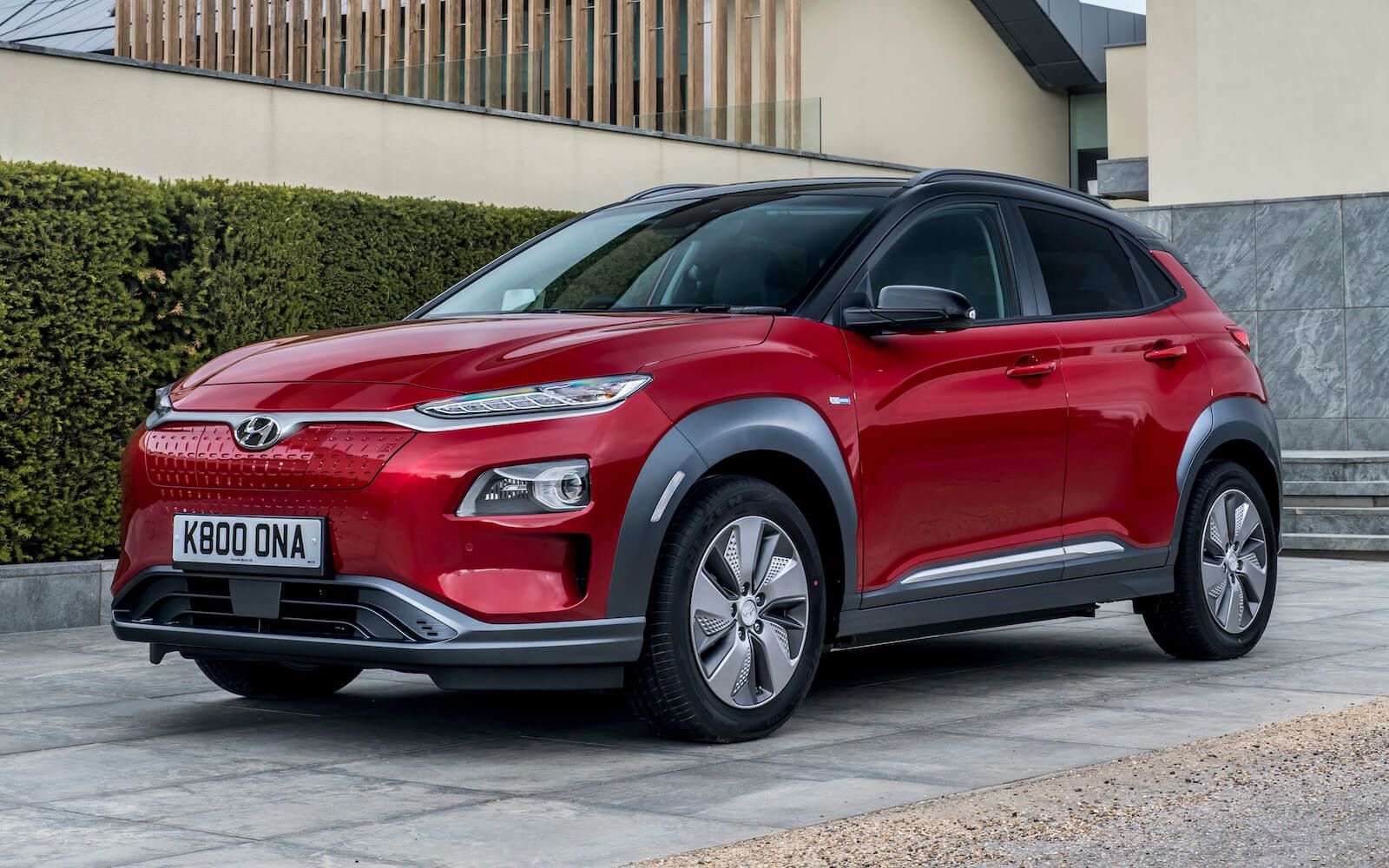
For city drivers, the Kona’s compact size also helps it warms faster, uses less energy to maintain cabin comfort, and handles snow-covered streets with confidence when equipped with winter tires.
Owners consistently report less dramatic winter range loss compared to many similarly priced EVs, making it a smart choice for colder metro areas.
Also Read: Top 10 Classic Sedans Nobody Expects to Be Fast
3. Chevrolet Bolt EUV
Despite its older platform, the Chevrolet Bolt EUV remains a surprisingly strong winter performer in cities. Its strength lies in efficiency rather than raw technology.
The Bolt’s relatively light weight and conservative power delivery help preserve range when temperatures drop.
While it lacks a heat pump, its battery chemistry and software tuning minimize cold-weather degradation better than expected.
In dense urban driving, where trips are short and speeds are low, the Bolt EUV maintains predictable range behavior. For budget-conscious city dwellers who face winter conditions, it remains one of the most practical EVs available.
The Bolt EUV is a new battery electric vehicle (BEV) offered under General Motors’ Chevrolet brand. GM positioned the model as an expansion of the existing Bolt lineup, aiming to deliver more SUV-like proportions and practicality to electric vehicle buyers. This strategy aligns with General Motors’ broader objective to introduce 30 new electric vehicles worldwide by 2025.
“We want to put everyone in an EV and the new Bolt EUV and redesigned Bolt EV are crucial to doing so,” said GM President Mark Reuss. “Together, they enable mainstream customers to be part of our vison of zero crashes, zero emissions and zero congestion.”
The Chevrolet Bolt EUV is anticipated to be offered as a compact, five-door crossover/hatchback. Compared to the standard Bolt EV, it occupies a slightly larger size class, providing increased interior space for both passengers and cargo. The Bolt EUV is expected to be approximately eight inches longer than the Bolt EV.
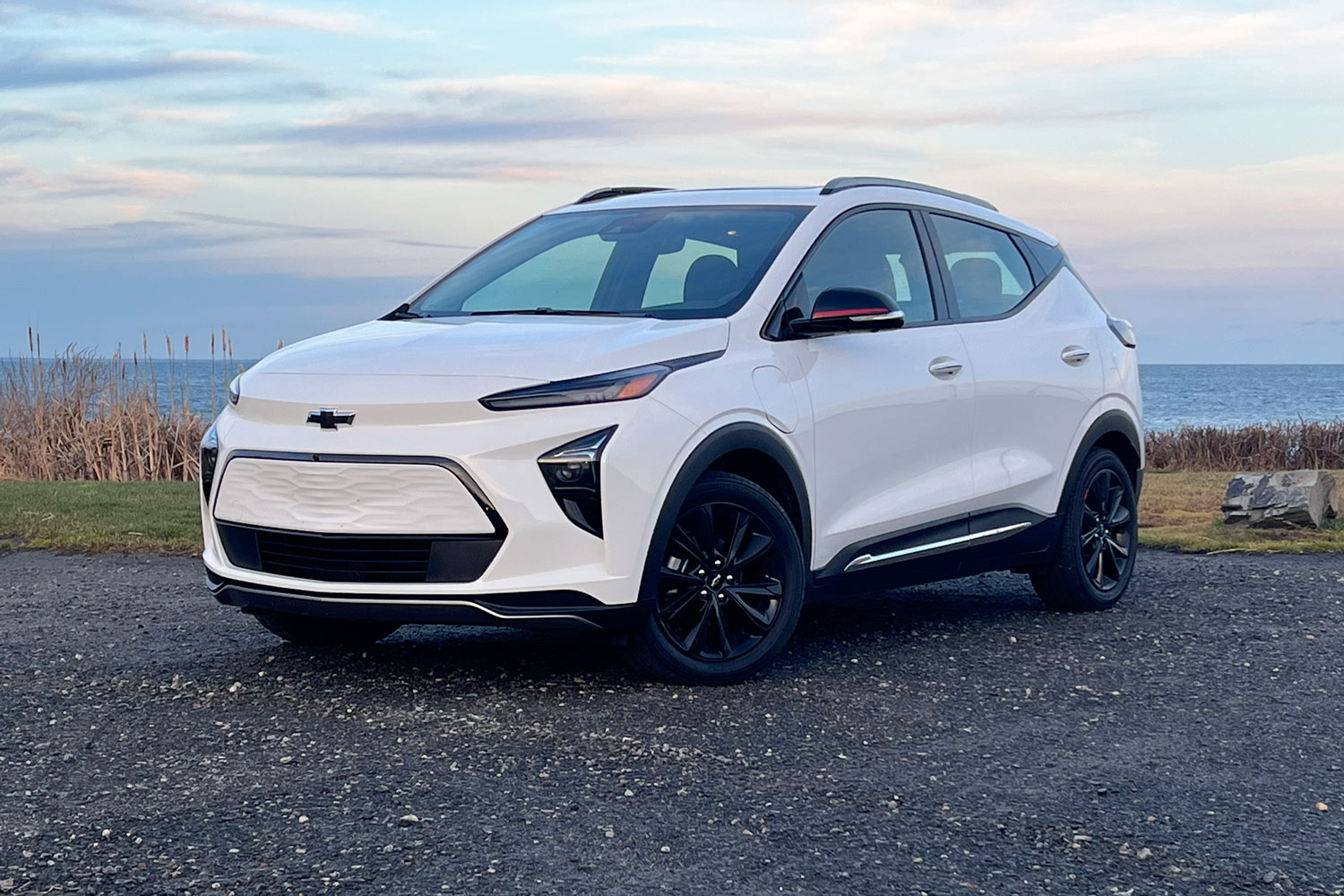
Its crossover form factor brings with it mild rugged design elements, including a modestly raised suspension, protective plastic cladding around the wheel arches and lower doors, and functional roof rails.
The Chevrolet Bolt EUV is expected to use the same battery-electric drivetrain found in the Chevrolet Bolt EV. This setup consists of a lithium-ion battery pack rated at roughly 66 kWh, paired with a front-mounted permanent-magnet electric motor producing 200 horsepower and 266 pound-feet of torque. Estimated driving range is believed to be around 259 miles.
The Bolt EUV is built on the second generation of General Motors’ Battery Electric Vehicle architecture, commonly referred to as the BEVII platform.
This architecture is shared with the first-generation Chevrolet Bolt EV, making the Bolt EUV the second model developed using this platform.
4. BMW i4 eDrive40
BMW engineered the i4 with cold climates in mind, and it shows. Its battery conditioning system works seamlessly with navigation and driving behavior, ensuring the battery is within optimal temperature ranges more often than not.
For urban winter driving, this translates to consistent regenerative braking and fewer surprise efficiency drops.
The i4’s cabin heating system is also notably efficient, reducing the temptation to rely on energy-draining max heat settings.
While premium-priced, the BMW i4 delivers stability and predictability in winter two traits city EV owners quickly learn to value more than headline range figures.
The reason the BMW E30 appears in the title has nothing to do with weight. The 2025 BMW i4 eDrive40 is anything but light, tipping the scales at nearly 5,000 pounds. It is also roughly twice as long as BMW’s compact sports sedan from the late 1980s.
Nor is there anything analog about this fully electric machine. Still, much like the E30 quietly went about its work as an understated, impeccably assembled, and brilliantly engineered German sedan, the i4 eDrive40 delivers a remarkably similar impression in spirit.
From a hardware perspective, the fundamentals remain familiar. Like most of BMW’s modern cars and SUVs, the i4 is built on the brand’s highly versatile CLAR multi-energy architecture. This platform enables BMW to manufacture internal-combustion vehicles and electric models on the same production lines.
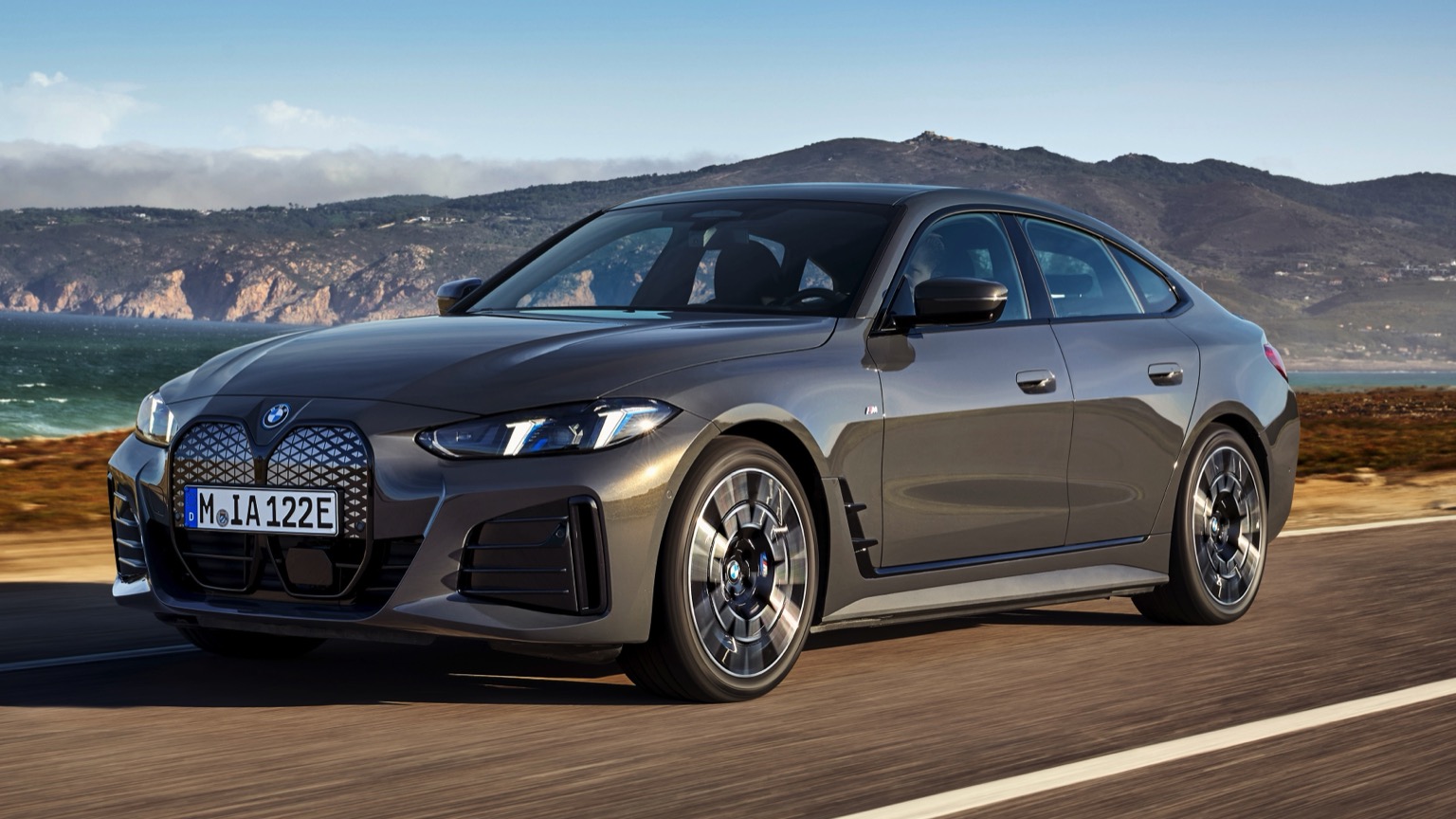
Beneath the Gran Coupe’s floor, however, sits an 84.3-kWh liquid-cooled lithium-ion battery pack. Power is sent to a single current-excited synchronous AC electric motor mounted on the rear axle. BMW rates the system at 335 horsepower and 317 pound-feet of torque, figures that translate into a manufacturer-claimed 0–60 MPH sprint of 5.5 seconds.
On paper, these are modest figures, and so is the performance, very much in the same understated vein as an E30. What makes the eDrive40 special, however, is not outright numbers but the way its performance is delivered. Everything feels carefully calibrated and thoughtfully optimized.
Acceleration is brisk without ever feeling aggressive. It provides ample pace for merging and overtaking, aided by the instant response characteristic of an electric motor. Push the i4 into a corner with enthusiasm, and the firm chassis paired with sharp steering allows it to carve through winding roads with poise and precision.
The absence of a front-mounted electric motor contributes to a front end that feels lighter and more communicative. With traction control disengaged, a quick prod of the accelerator will coax the rear into a gentle slide, controlled and predictable, never chaotic or intimidating.
The entire experience is polished and balanced, exactly the kind of dynamic sophistication expected from a BMW. The eDrive40 is not attempting to masquerade as an M car, because it is not one. Instead, its goal is to be an excellent BMW sports sedan, and in that role, it arguably succeeds even more convincingly than BMW’s own 330i.
5. Ford Mustang Mach-E (Extended Range)
The Mustang Mach-E Extended Range handles urban winters better than early skeptics expected.
Ford invested heavily in thermal management, and the extended-range battery gives drivers more usable buffer when cold weather chips away at efficiency.
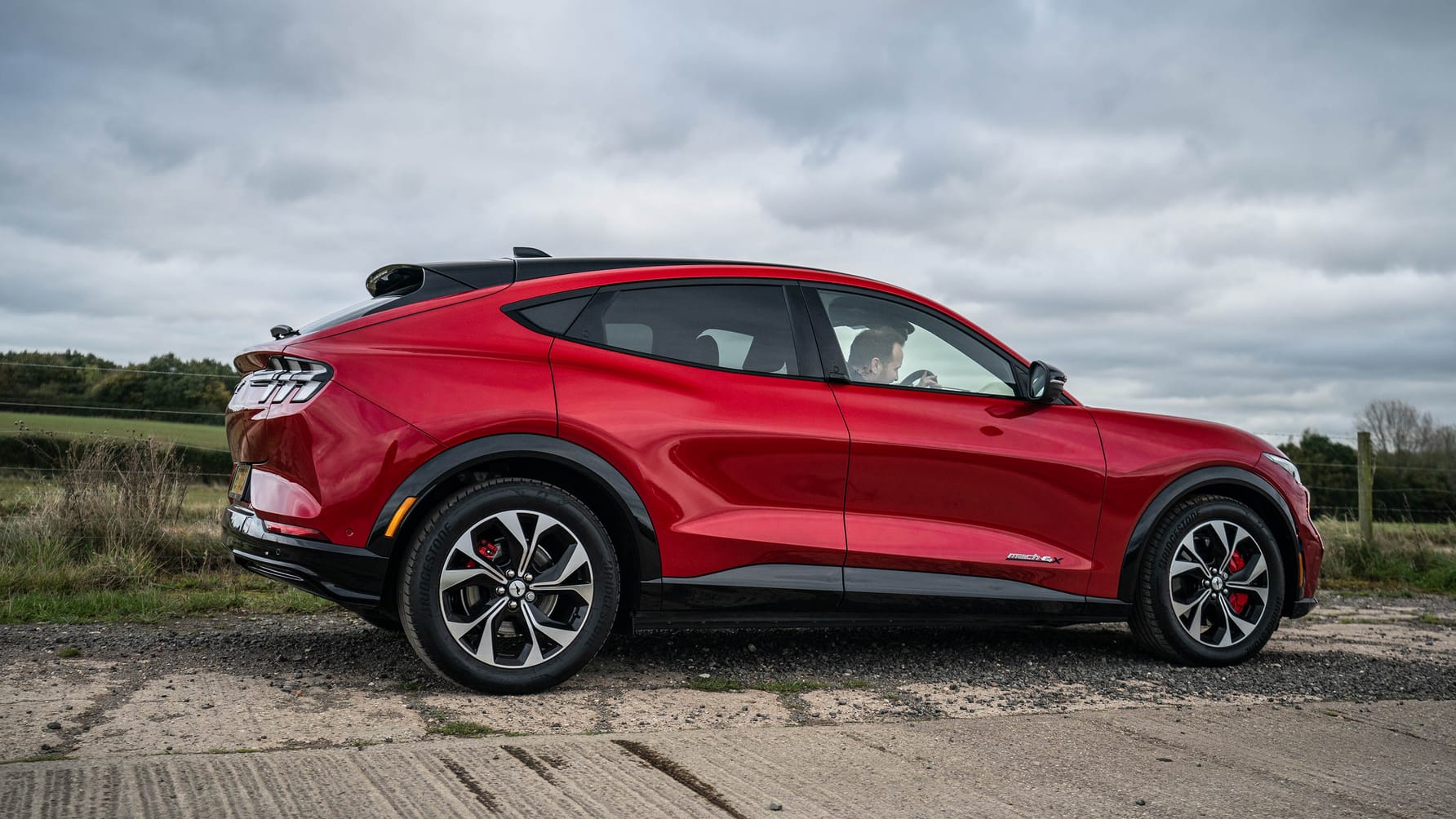
In city conditions, the Mach-E’s software moderates power output and heating demands intelligently. While winter range loss still occurs, it tends to be gradual rather than sudden.
For urban families navigating winter commutes, school runs, and errands, the Mach-E offers reassurance that range anxiety won’t spike the moment temperatures fall.
EVs That Lose Range Quickly in Urban Winters
Winter cold is one of the toughest real-world tests for electric vehicles, and not all of them pass with flying colors. Some EVs that shine in marketing materials and temperate climates suddenly lose their luster when the mercury drops.
In cities where stop-and-go traffic, frequent short trips, and frigid mornings are the norm, poor range retention isn’t just an inconvenience, it becomes a daily frustration.
Certain models are especially susceptible to winter range loss because of battery chemistry, less effective thermal management, weak heat pumps, or drivetrains that demand more energy to keep wheels turning and cabins warm.
These are the EVs that may require more frequent charging stops, deliver unpredictable mileage estimates, and generally feel compromised when cold and snow take over urban roads.
In this article, we cut through the hype to spotlight electric vehicles that lose range quickly in urban winters, so you can make informed choices about what to avoid if cold-weather practicality matters to you.
1. Nissan Leaf
The Nissan Leaf’s struggles in winter are well documented, and urban environments only amplify them.
Its lack of active battery thermal management means the battery remains cold for longer periods, especially during short city trips. This results in reduced range, slower charging, and diminished regenerative braking.
In winter cities where overnight street parking is common, the Leaf’s limitations become even more apparent. Cabin heating pulls heavily from the battery, and range loss can feel immediate.
While affordable and reliable in milder climates, the Leaf is a risky choice for cold urban regions.
We were underwhelmed with the Leaf in our testing. At our test track, the Leaf needed 7.2 seconds to accelerate to 60 mph. That’s decent and comparable to the acceleration of a Chevy Equinox EV and Kia Niro EV, but ultimately a lot slower than a Tesla Model Y.
The ride quality could also be better. The Leaf can get overly floaty and bouncy over bumps but also too harsh-riding when you drive over broken pavement, rattling the interior.
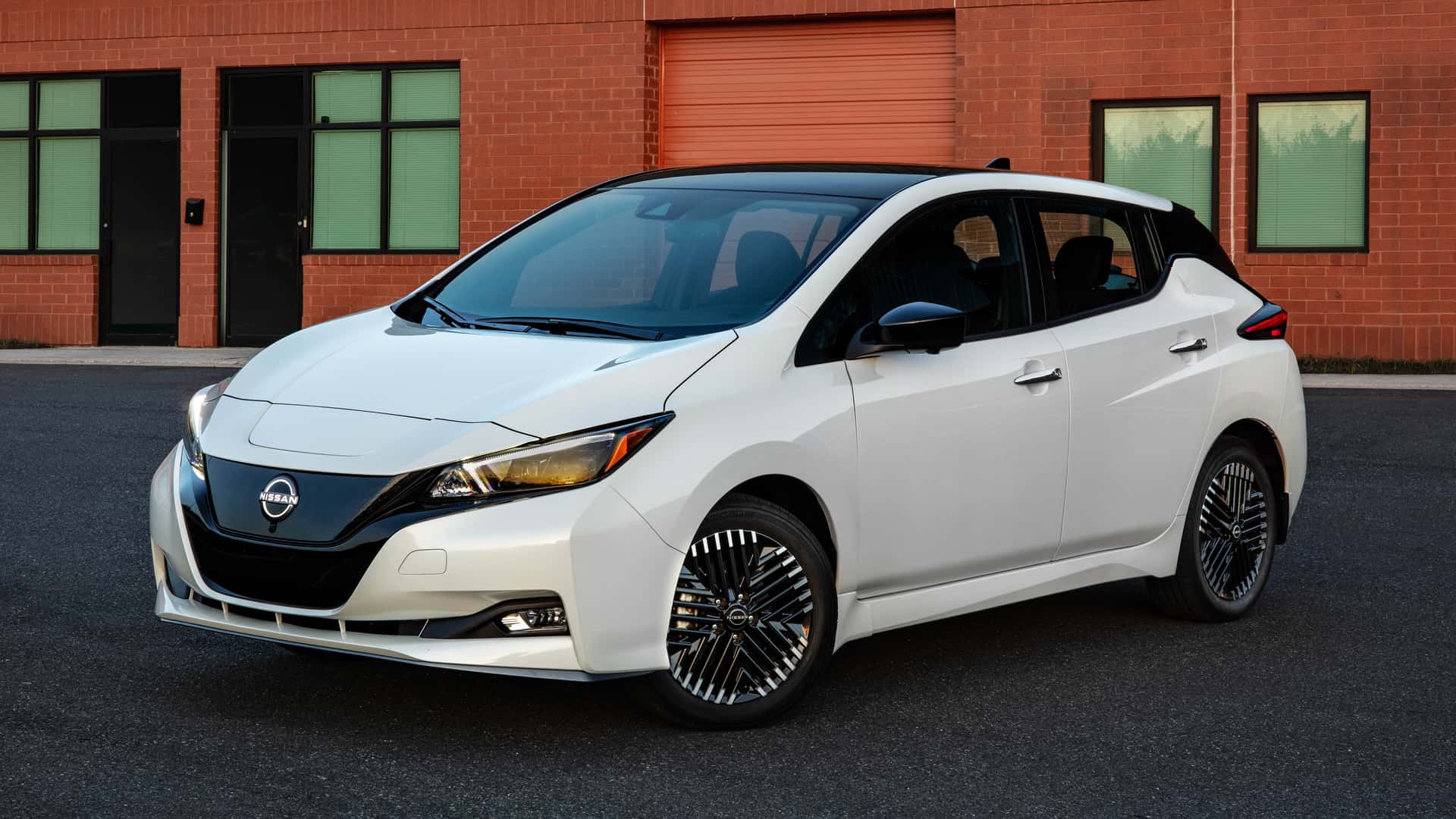
The Leaf comes with selectable regenerative braking modes, where the car will slow itself down when you lift off the accelerator. In its highest e-Pedal setting, the Leaf’s brake pedal will physically move to mimic the pressure you’d be applying to achieve the same amount of stopping force, and we hate this, it makes it hard to make smooth, consistent stops. The best thing about e-Pedal is that you don’t have to use it.
There are some bright spots, however. The Nissan Leaf is easy to park thanks to its compact shape and big windows. Its advanced driver aids, such as lane keeping assistance and adaptive cruise control, are easy to activate and work smoothly in stop-and-go traffic.
Also Read: Top 10 Modern Cars People Ignore for All the Wrong Reasons
2. Mazda MX-30
The Mazda MX-30 already has limited range in ideal conditions, and winter magnifies its shortcomings. Cold temperatures reduce its already modest battery capacity to levels that can feel restrictive even for basic urban driving.
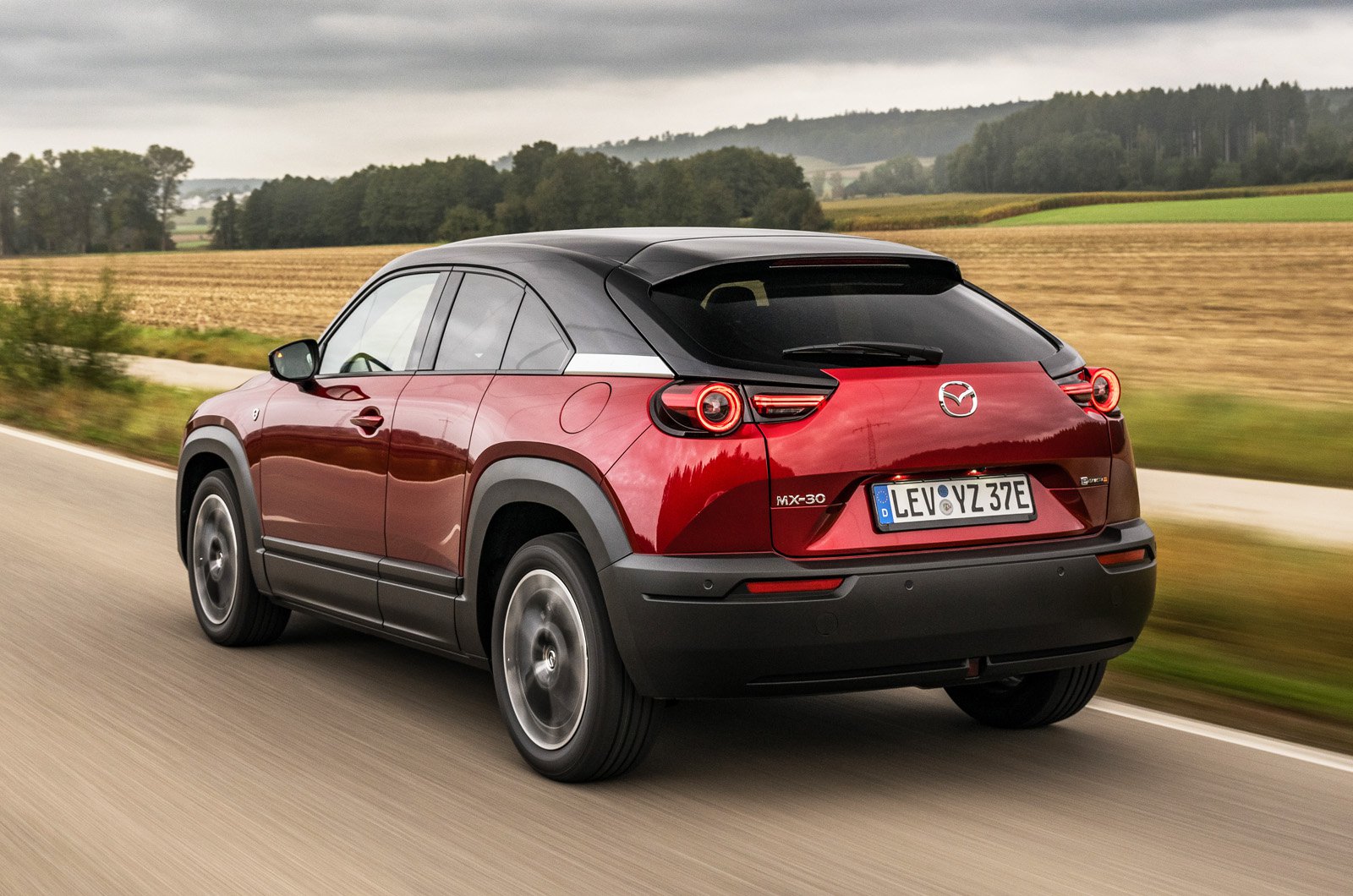
Short trips with frequent cold starts hit the MX-30 especially hard, as energy is repeatedly spent warming the battery and cabin.
For winter city dwellers, the margin for error becomes uncomfortably thin, making this EV more suitable for warm-weather markets than snowy American cities.
3. Mini Cooper SE
The Mini Cooper SE’s fun-to-drive personality doesn’t translate well to winter efficiency. Its small battery and resistive heating system mean that cold weather quickly erodes usable range.
Urban stop-and-go driving offers little relief when the battery spends most of its time cold.
While the Mini excels as a short-distance city car in moderate climates, winter turns its limited range into a logistical challenge.
Drivers may find themselves charging far more often than expected, which can be inconvenient without reliable home charging.
The first electric Mini made a brief appearance in 2008 as the Mini E, but it wasn’t until the launch of the Cooper SE in 2020 that Mini offered a fully realized electric city car.
For 2022, the Cooper SE receives a suite of updates aligning it with the broader Mini hardtop lineup, along with a noticeable boost in torque for its electric motor. With range still lingering in the low 100s of miles, the Cooper SE is best suited as a city commuter or a secondary vehicle.
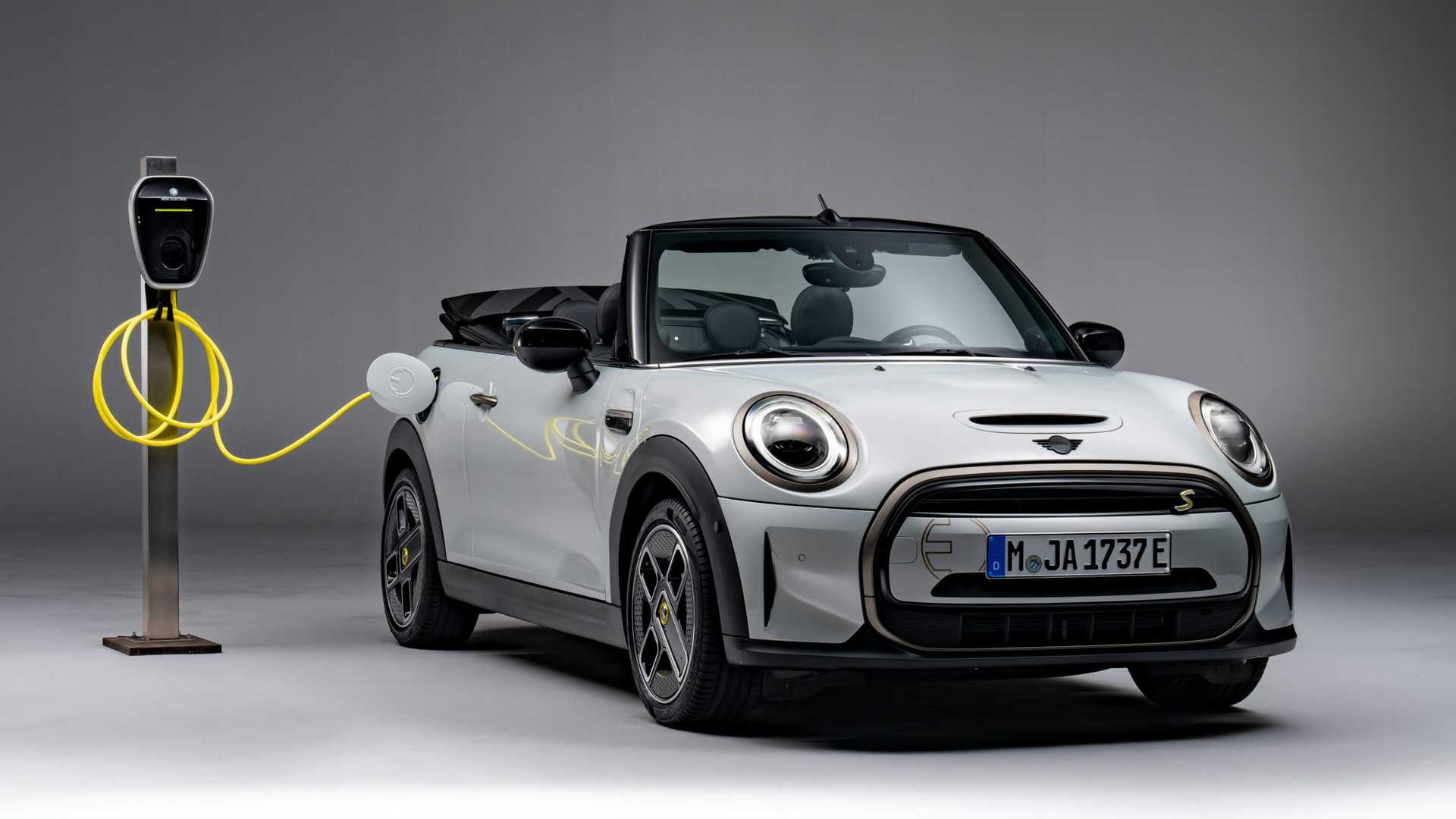
As the lowest-priced electric car available in the U.S., the Mini Cooper SE competes directly with other budget EVs such as the Nissan Leaf and Hyundai Ioniq.
Even if its relatively short range isn’t a dealbreaker, the driving experience might be. The Cooper SE rides very firmly, verging on stiff, meaning that all but the smoothest roads can leave occupants’ heads bobbing and stomachs jostled.
While the powertrain is silent, the cabin is far from it. Wind and tire noise intrude significantly, sometimes forcing passengers to raise their voices to maintain a conversation.
On the plus side, the electric motor delivers immediate throttle response and impressive acceleration. However, spirited driving quickly exposes limitations: the front tires are prone to understeer, and after a few quick corners, the motor can overheat, triggering a power limit that leaves the Cooper SE feeling underwhelming.
The Cooper SE offers style, affordability, and brisk acceleration, but in terms of a well-rounded package, other budget EVs provide more balanced performance.
The Cooper SE is propelled by an electric motor positioned between its front wheels, drawing power from a 32.6-kWh lithium-ion battery. Developed by BMW, the motor produces 184 hp and 270 lb-ft of torque, making the electric Mini substantially more powerful than a standard three-cylinder Cooper and nearly matching the turbo-four Hardtop Cooper S in horsepower, while offering significantly more torque.
Power is delivered solely to the front wheels. In MotorTrend testing, the Cooper SE reached 60 mph in 6.0 seconds, faster than the gasoline-powered Hardtop Cooper and Cooper S trims.
4. Fiat 500e
The Fiat 500e struggles in winter primarily due to its compact battery and energy-intensive heating system.
Cold weather significantly reduces its already limited range, and short urban trips compound the issue by preventing the battery from reaching optimal operating temperatures.
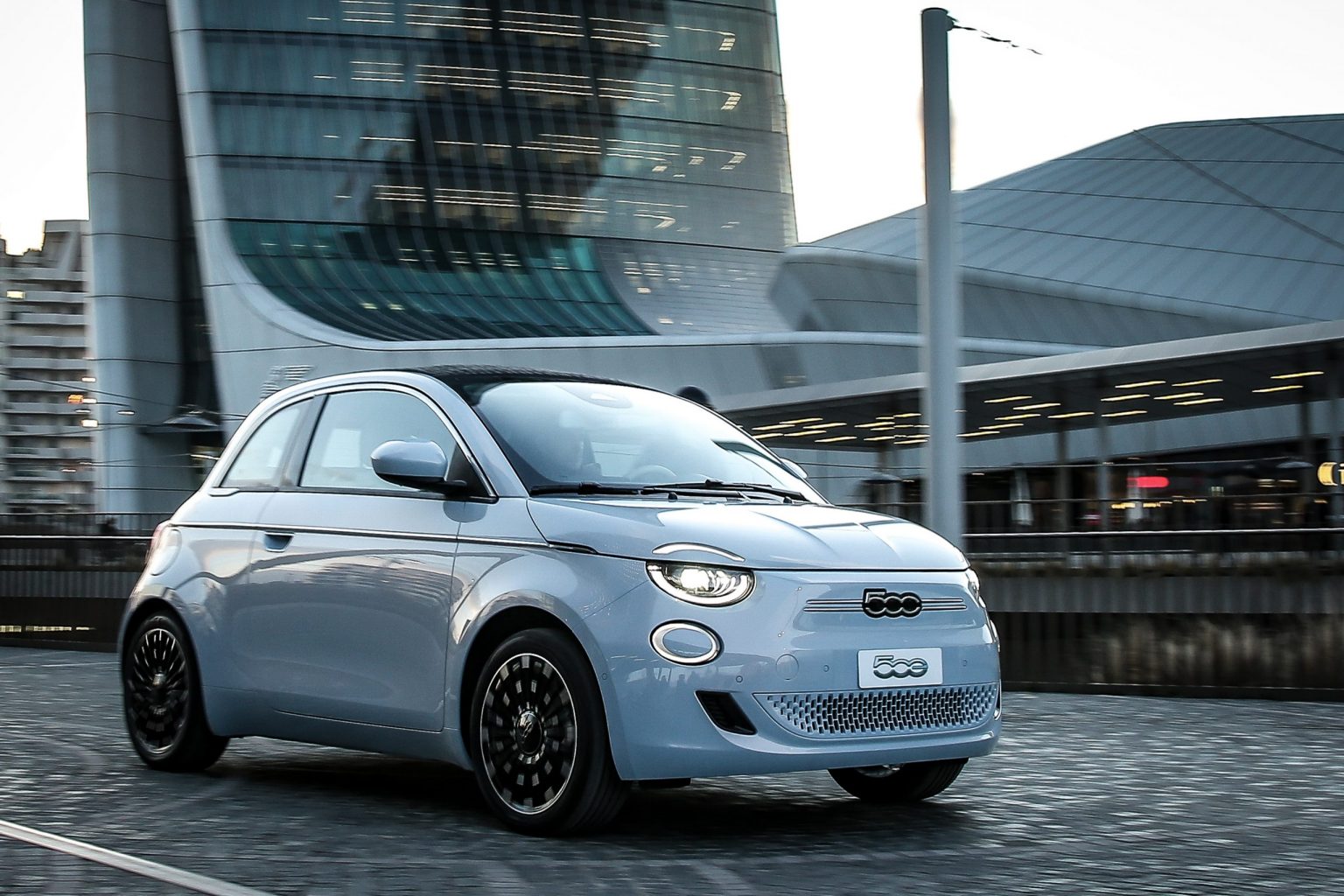
In cities where charging access is inconsistent, winter ownership becomes frustrating. The 500e works best as a fair-weather commuter, but urban winters expose its limitations quickly.
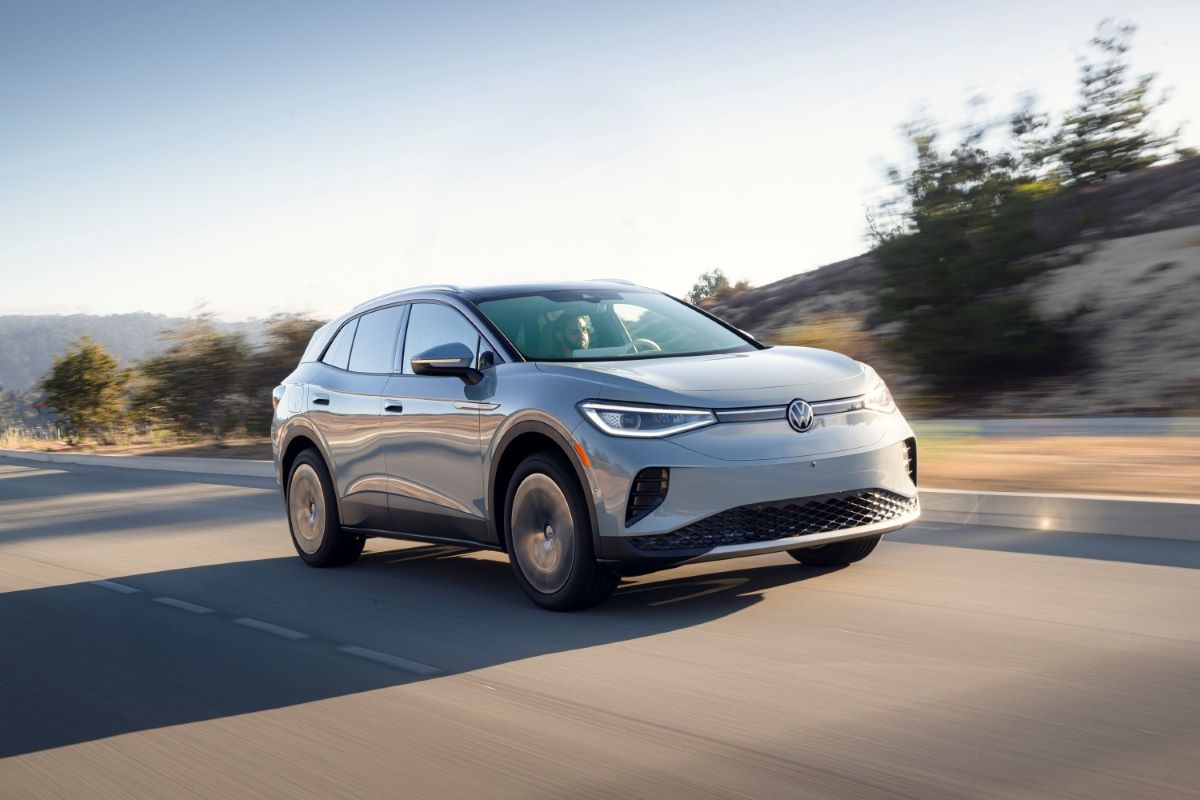
5. Volkswagen ID.4 (Standard Range)
While the Volkswagen ID.4 Extended Range performs reasonably well, the Standard Range version loses ground quickly in winter cities.
Its smaller battery offers less buffer against cold-weather losses, and early software versions struggled with efficient thermal management.
Urban drivers relying on short trips and street parking often experience sharper range drops than expected.
While improvements have been made, the Standard Range ID.4 remains less forgiving in winter compared to rivals with more robust battery conditioning systems.
Electric vehicles are not equally prepared for winter, and urban environments magnify these differences.
Models with advanced thermal management, efficient heating systems, and thoughtful software design maintain usability when temperatures drop.
The Volkswagen ID.4 made its debut in 2021 as part of the automaker’s push into the electric SUV segment. Despite its relative youth in the market, the ID.4 faces stiff competition from vehicles like the Tesla Model Y, Ford Mustang Mach-E, and Hyundai Ioniq 5, making it important for buyers to understand the differences between its trim levels.
Volkswagen offers the ID.4 Pro, AWD Pro, Pro S, and AWD Pro S, with variations primarily in powertrains and wheel sizes. The lineup is rounded out by the top-tier ID.4 Pro S Plus, which comes standard with AWD.
The ID.4 Pro is a rear-wheel-drive (RWD) trim with a single motor producing 282 horsepower and offering up to 291 miles of range. The ID.4 AWD Pro, by contrast, comes with standard all-wheel drive and dual motors, delivering 335 horsepower and a maximum range of 263 miles.
Wheel size also differentiates the two trims: the ID.4 Pro rides on 19-inch machined alloy wheels, while the AWD Pro features 20-inch two-tone machined alloys. Smaller wheels provide a smoother ride and slightly better range, whereas larger wheels offer sharper handling and a sportier appearance.
Both trims come standard with automatic LED headlights, LED taillights, and LED Daytime Running Lights (DRLs). However, the adaptive front lighting system, which adjusts the beam pattern based on steering and speed, is reserved for higher trims.
Choosing the Pro trims means missing out on a hands-free power liftgate, panoramic fixed-glass roof, and upscale styling elements such as an illuminated front and rear logo and a front light line.
Inside, leatherette seat bolsters and a leatherette-wrapped steering wheel elevate the cloth upholstery. While 30-color ambient lighting is reserved for higher trims, both Pro trims include 10-color ambient lighting.
Front seats are manually adjustable with six-way settings but offer no lumbar support, and the steering wheel is not heated. All 2026 ID.4 trims feature a 60/40 split fold-flat rear bench, though Pro trims do not include a rear center armrest or cargo pass-through.
Technology is a standout feature for both trims. A 12.9-inch display, wireless phone charging, and dynamic road sign display are all standard. At $45,095 and $48,995, the ID.4 Pro and ID.4 AWD Pro offer solid value for a compact electric SUV, though some buyers might reasonably expect additional features, such as a standard power liftgate, at this price point.
Others, particularly those with small batteries or minimal battery conditioning, struggle to meet the demands of cold-weather city driving.
For American city dwellers considering an EV, understanding winter performance can prevent disappointment and unnecessary stress.
The right choice isn’t just about maximum range it’s about how well that range holds up when winter becomes part of daily life.