
Speed has always been associated with high price tags, exotic badges, and expensive insurance premiums. In reality, the used-car market in the United States tells a very different story.
Thanks to depreciation, overlooked trims, and aging enthusiast favorites, there are still genuinely quick cars available for less than $5,000 if you know where to look.
These aren’t track-only toys or unreliable money pits by default. Many were mainstream cars in their day that happened to offer strong engines, light curb weights, or turbocharged punch that still feels quick today.
For budget-minded buyers, especially younger drivers, commuters who want something fun, or anyone burned out on slow economy cars, these vehicles deliver surprising acceleration without destroying your wallet upfront.
That said, under-$5K cars demand realistic expectations: condition matters more than badge, and maintenance history matters more than horsepower figures on paper.
Still, the cars below prove that affordable speed hasn’t disappeared it’s just hiding in plain sight.
Below are 10 surprisingly fast used cars you can realistically find under $5,000 in the U.S., with honest context about why they’re quick and what to watch for.
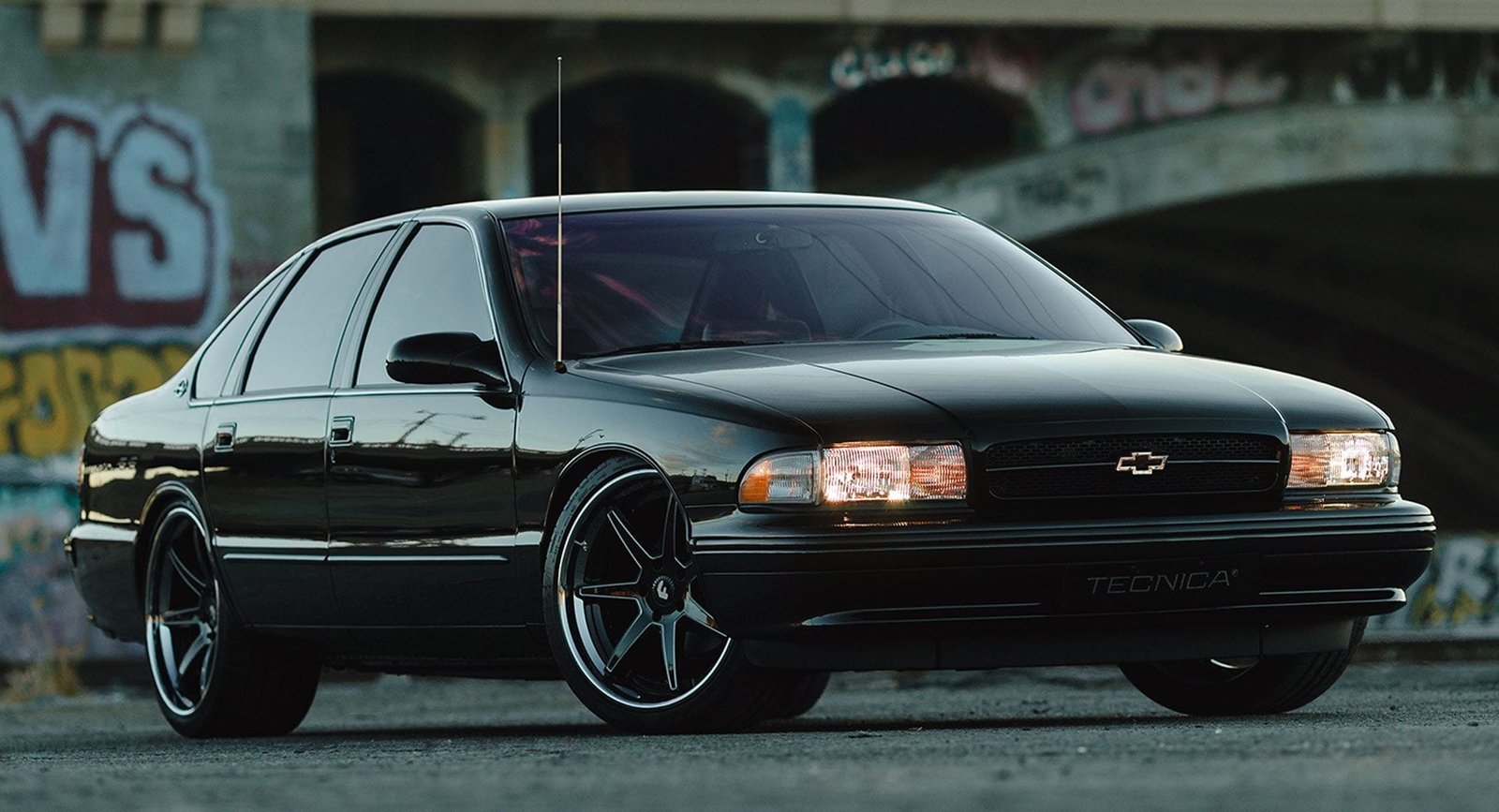
1. Chevrolet Impala SS (2000–2005)
The early-2000s Impala SS is one of the most misunderstood American sedans ever built. On the surface, it looks like a comfortable family car.
Underneath, it hides a 3.8-liter supercharged V6 producing 240 horsepower and strong low-end torque. In real-world driving, this translates to effortless acceleration from a stop and strong highway passing power.
What makes the Impala SS fast is torque delivery rather than high-RPM theatrics. It launches harder than many modern four-cylinder turbo cars and feels confident even with passengers onboard.
Thanks to its front-wheel-drive layout and soft suspension, it isn’t a corner carver, but in straight-line acceleration it still surprises unsuspecting drivers. Depreciation and its sleeper appearance keep prices low, making clean examples possible under $5K.
The Chevy Impala made its return last year as a front-wheel-drive, V6-powered derivative of the Lumina chassis, leaving fans of the previous rear-wheel-drive Impala longing for the earlier generation.
Targeted at the full-size sedan segment, the Impala presents a more aggressive appearance than its Lumina sibling, featuring smoked headlight lenses, prominent circular tail lamps, and a front and rear design that creates a subtle “frown.” Designers drew inspiration from 1960s Impalas, while the C-pillar badges pay homage to the much-loved and often-missed 1990s Impala SS.
The 2001 Impala is offered in base and LS trim levels, accommodating six adults comfortably and providing 17.6 cubic feet of trunk space. The interior is clean and straightforward, with large, easily accessible controls and gauges.
Under the hood, the standard 3.4-liter V6, borrowed from the Venture minivan, produces 180 horsepower at 5,200 rpm and 205 foot-pounds of torque at 4,000 rpm.
Upgrading to the LS trim gives you a 3.8-liter V6 delivering 200 horsepower at 5,200 rpm and 225 foot-pounds of torque at 4,000 rpm. Weighing just under 3,400 pounds, the Impala moves with confidence on either engine, paired exclusively with a four-speed automatic transmission.
Structural improvements have stiffened the body, allowing engineers to reduce noise, vibration, and harshness, while also enabling a more precisely tuned suspension that balances ride comfort with handling performance.
Standard 16-inch wheels and tires contribute to both ride quality and grip, and the Impala’s four-wheel-disc brakes are engineered for heavy-duty use in the optional police package. Antilock brakes, a tire inflation monitor, and traction control are optional on base models but come standard on the LS trim.
Safety is a major selling point for the Impala. The model met 2003 head-protection standards three years ahead of schedule, offers an available side airbag, and rear-seat tethers can accommodate up to three child safety seats. Daytime running lights are standard.
Standard features include air conditioning with dual front temperature controls, a rear defogger, rear-seat headrests, power windows and locks, and a Radio Data System (RDS) AM/FM stereo. The clock automatically adjusts when crossing time zones, and the remote keyless entry fobs can be programmed for two different driver profiles. OnStar is optional on the base sedan and standard on the LS.
Although it’s too early to draw definitive conclusions from last year’s production, Chevrolet promises improved reliability compared with the previous-generation Impala, thanks to a simplified electrical system and fewer components in assembly.
2. Ford Mustang V6 (2005–2006)
While V8 Mustangs dominate enthusiast conversations, the 2005–2006 V6 models are one of the best cheap speed bargains on the market.
Powered by a 4.0-liter V6 making 210 horsepower, these Mustangs are significantly quicker than earlier V6 generations and lighter than modern versions.
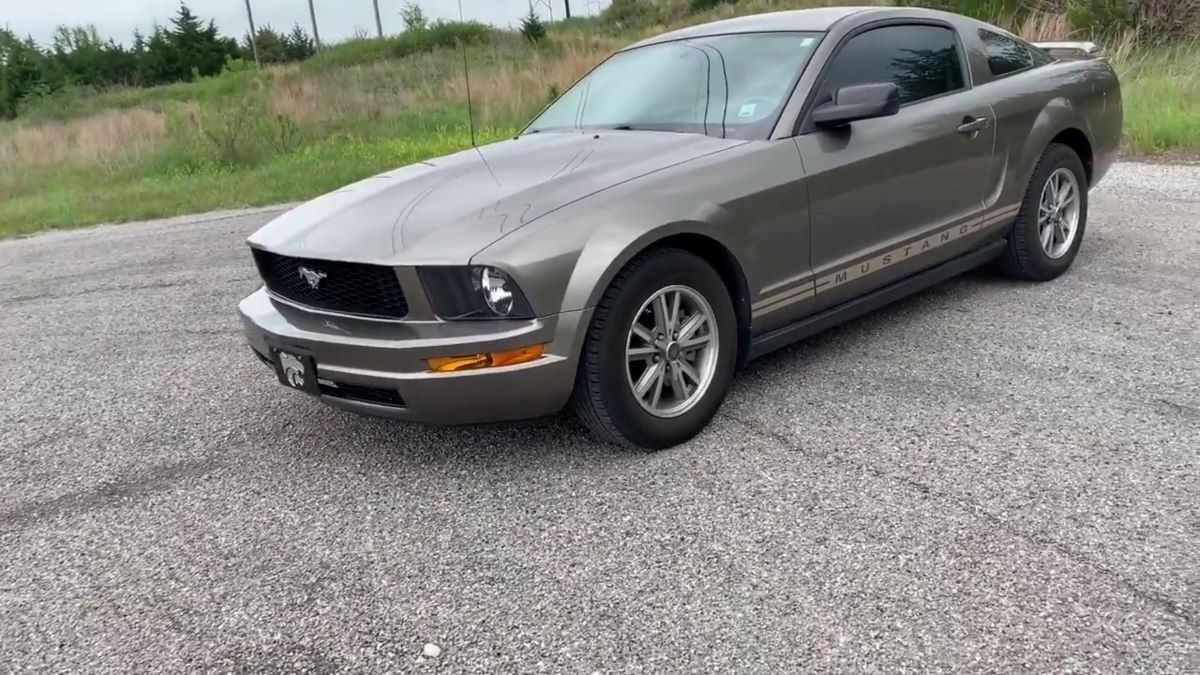
In stock form, they run 0–60 mph in the mid-6-second range, which is still quick by everyday standards. More importantly, the rear-wheel-drive layout gives the car a sporty feel that many front-wheel-drive competitors lack.
Because enthusiasts often overlook non-GT Mustangs, prices remain accessible. Insurance is also cheaper than V8 models, making this a practical performance entry point.
Also Read: 5 Cars for Flagstaff Mountain Driving and 5 Cold-Weather Performers
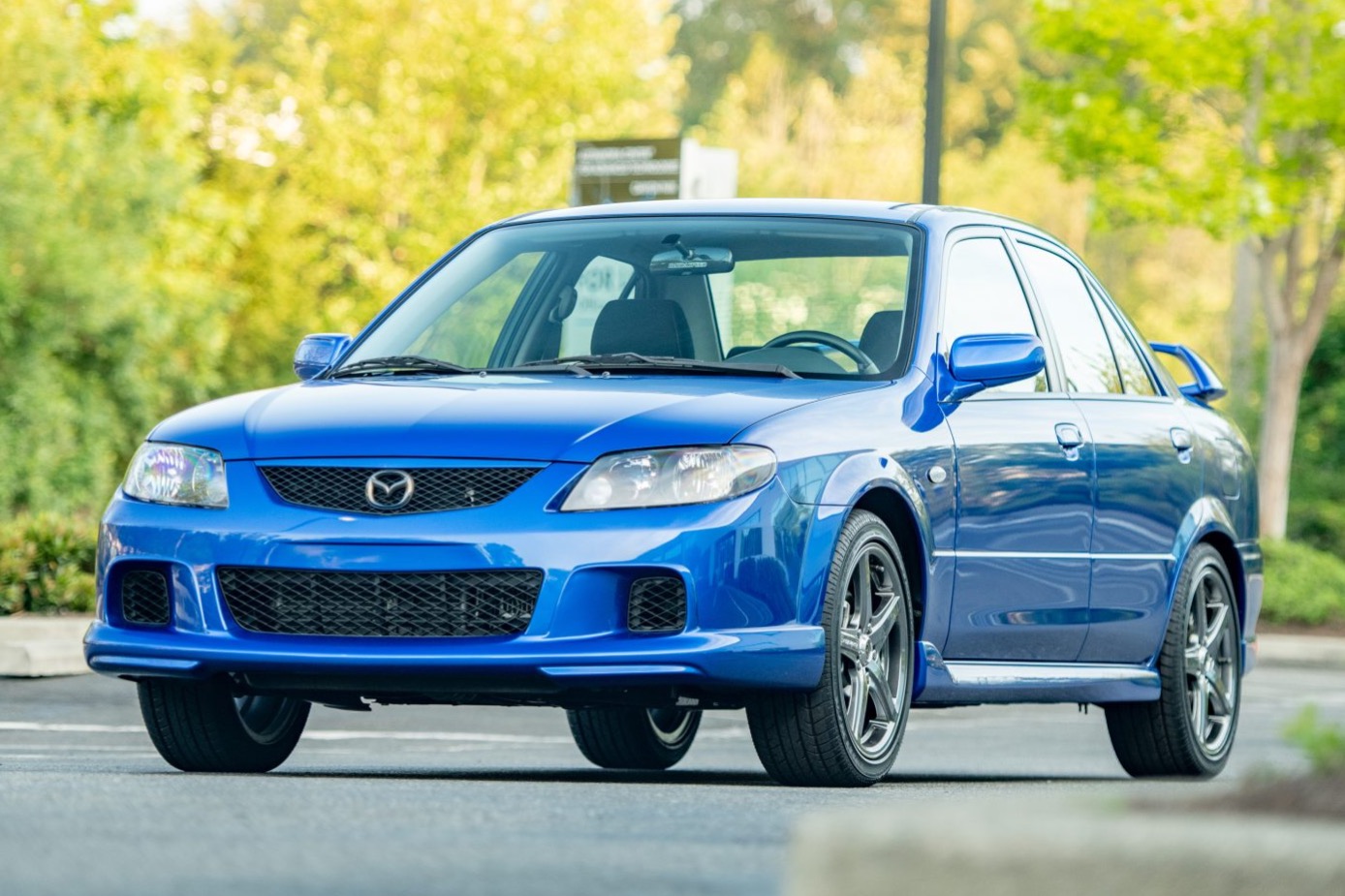
3. Mazda Mazdaspeed Protegé (2003–2003.5)
The Mazdaspeed Protegé is a cult classic for good reason. It was Mazda’s factory-tuned turbo sedan long before the Mazdaspeed3 existed.
With a turbocharged 2.0-liter four-cylinder producing 170 horsepower and a relatively light curb weight, the car feels eager and responsive.
What makes it quick isn’t outright power but how aggressively it delivers boost in lower gears.
It pulls harder than most economy sedans and feels far more engaging than its horsepower number suggests.
Because production numbers were limited and the car is now over 20 years old, pricing varies wildly but patient buyers can still find running examples under $5K. Maintenance and modifications need scrutiny, as many have been driven hard.
4. Acura TL Type-S (2002–2003)
The early Acura TL Type-S blends luxury and speed in a way few sub-$5K cars can match. Its 3.2-liter V6 produces 260 horsepower, and while it’s paired to an automatic transmission, the engine’s smooth torque curve delivers strong acceleration in everyday driving.
These cars feel genuinely fast in traffic, especially during rolling acceleration.
The chassis is stable at highway speeds, making the TL Type-S an excellent sleeper for commuters who want comfort without sacrificing power.
Prices have dropped due to age and automatic-only availability, but performance hasn’t. Timing belt maintenance is critical, but a well-maintained example offers serious speed per dollar.
Following the blueprint set by the two-door CL Type-S, Acura’s engineers enhanced the TL Type-S with increased power, stiffer suspension components, a refined variable-assist rack-and-pinion steering system, and a more aggressive wheel-and-tire package.
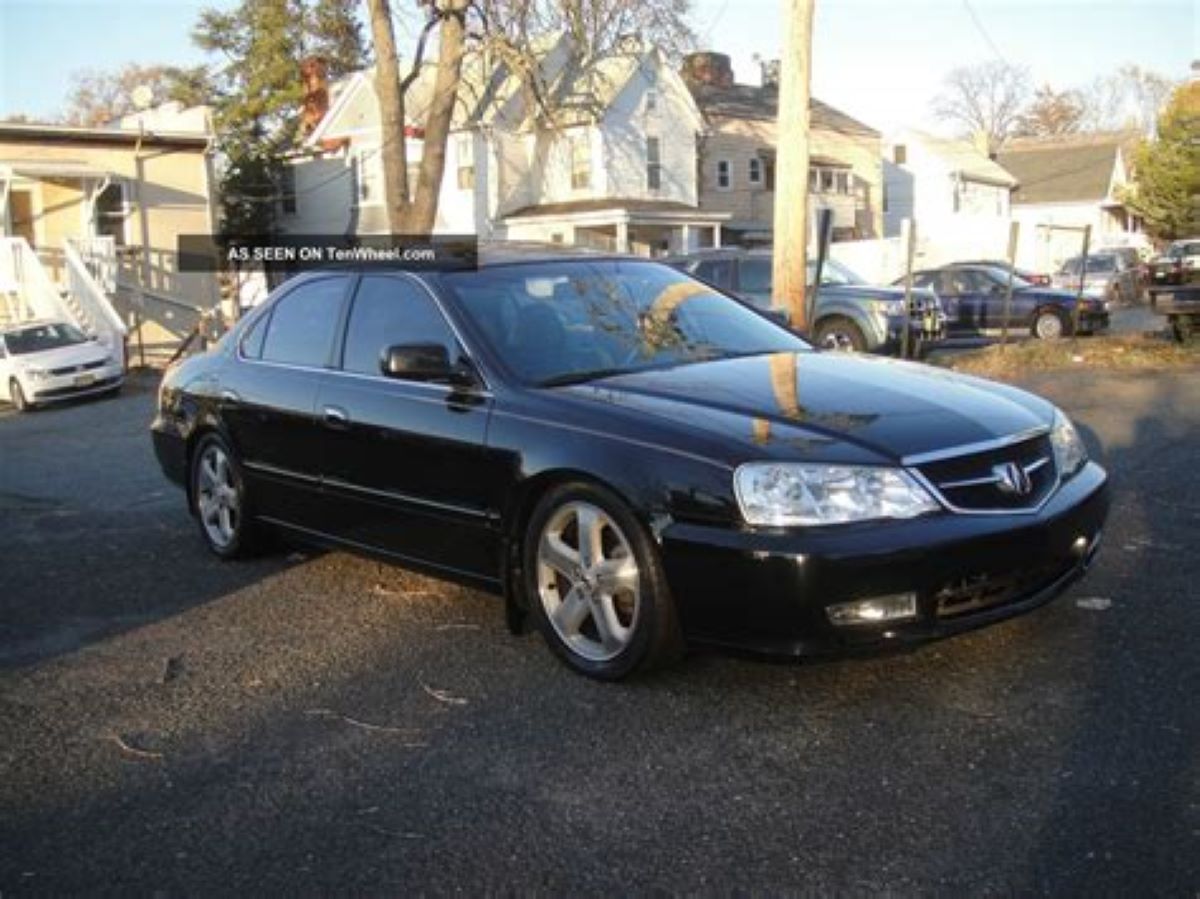
These chassis upgrades translate into sharper responses: quicker steering, firmer suspension, and upgraded tires with a 10-millimeter wider contact patch and 15.5 millimeters less sidewall flex allow the Type-S to turn with authority and change direction more readily, all while maintaining ride comfort.
The wider tires also boost grip over the standard TL, producing 0.81 g of lateral acceleration versus 0.77, and improving braking from 70 mph to a stop in 186 feet compared with the standard TL’s 208 feet.
While these numbers aren’t jaw-dropping, they bring the Type-S’s performance more in line with the eight competitors in our comparo. Perhaps the most rewarding improvement is felt when the driver presses the throttle.
Acura previously outlined the upgrades to the TL’s 3.2-liter SOHC 24-valve aluminum VTEC V-6 in March 2001, so the focus here is on the performance gains. The standard 3.2TL produces 225 horsepower and 216 pound-feet of torque, accelerating to 60 mph in 7.4 seconds, reaching 100 mph in 20.9 seconds, and completing the quarter-mile in 15.9 seconds at 90 mph.
The Type-S, however, is considerably quicker: 0–60 mph in 6.2 seconds, 0–100 mph in 16.0 seconds, and the quarter-mile in 14.8 seconds at 96 mph.
Beyond its 260-hp peak at 6,100 rpm, the high-output V-6 delivers an appealing torque curve, with 232 pound-feet available from 3,500 to 5,500 rpm. This strong midrange allows the Type-S to accelerate from 30 to 50 mph in 3.3 seconds and from 50 to 70 mph in 4.5 seconds.
As with the base TL, the Type-S’s performance is slightly tempered by a standard automatic transmission, but the upgrades collectively create a more responsive, potent driving experience.
5. Volkswagen GTI VR6 (2002–2004)
The VR6-powered GTI is one of the most character-rich hot hatches ever sold in the U.S. With a 2.8-liter narrow-angle V6 producing around 200 horsepower, it offers smooth power delivery and a distinctive exhaust note unlike anything else in its class.
The GTI VR6 feels fast because of its torque and relatively short gearing. It’s quick off the line and even quicker in urban driving where low-end pull matters most.
Depreciation and Volkswagen reliability stereotypes have pushed prices down, but well-maintained examples still deliver excellent performance. Manual transmissions are especially engaging, though maintenance history is essential.
The 2004 Volkswagen GTI captivates drivers with a combination of spirited performance and everyday practicality. Owners consistently praise its lively acceleration, noting that even with age, the GTI delivers an engaging punch.
Coupled with responsive handling, the car remains a top choice for those who value a connected and fun driving experience. The six-speed manual transmission earns accolades for its smooth, precise shifts, enhancing the driving dynamics and keeping the driver in full control.
Versatility is another hallmark of the GTI. While it shines as a sporty hatchback, its practical side is evident in the ample cargo space and fold-down rear seats, allowing it to function equally well as a daily commuter or a road-trip companion. Despite the GTI’s compact footprint, the interior often accommodates taller drivers comfortably, a rare trait in this segment.
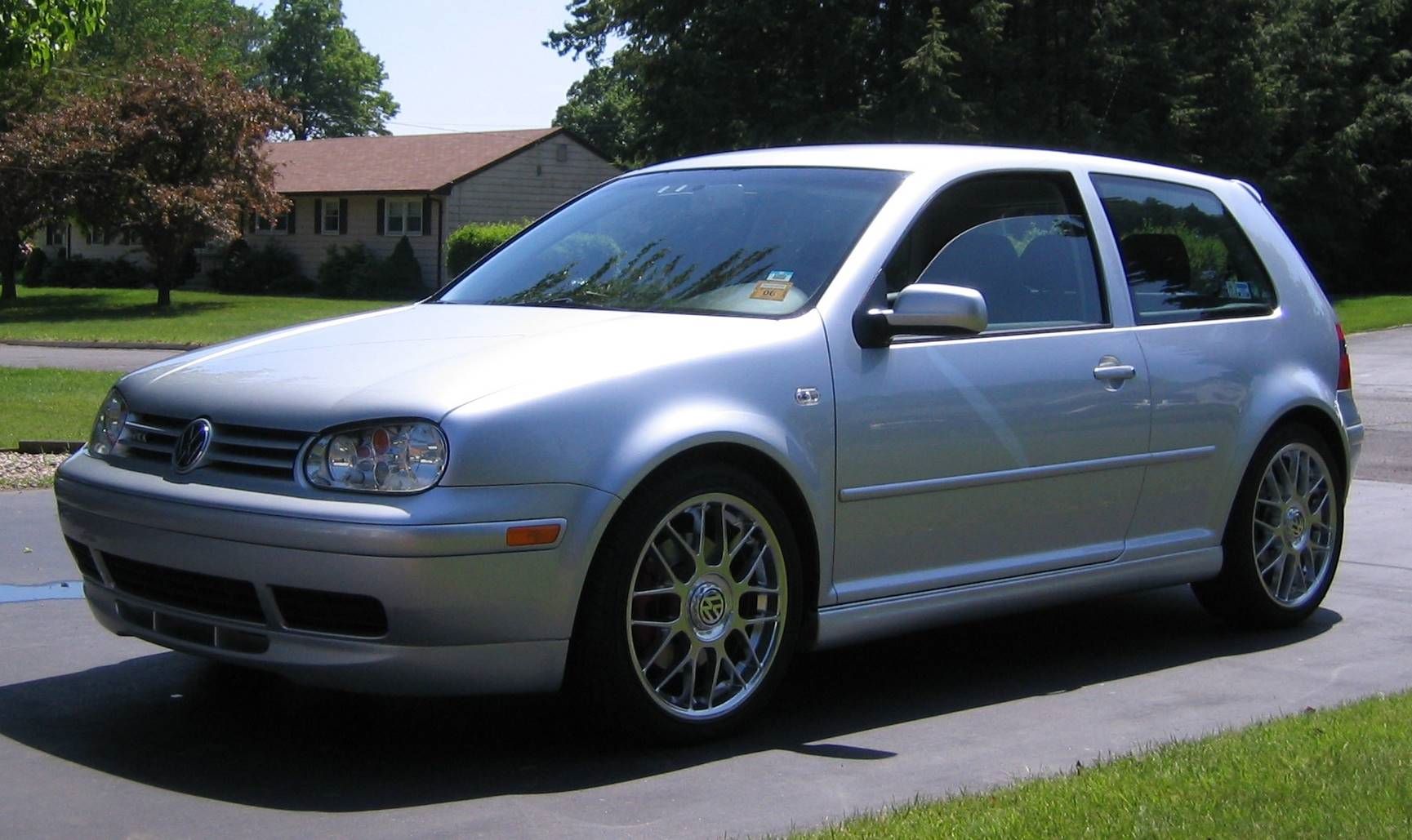
Premium materials further elevate the cabin, with finishes frequently compared favorably to higher-end brands like Audi or BMW, offering a luxurious feel at a more accessible price. Ergonomics are well thought out, with fully adjustable seats and a tilting and telescopic steering wheel providing a customizable driving position, while the Monsoon stereo system delivers rich, enjoyable audio for long drives.
Build quality leaves a strong impression, as many owners highlight the GTI’s solid construction and robust feel—qualities not commonly found in affordable compacts. Reliability is another frequently cited strength, with trouble-free ownership often extending across years and high mileage, provided regular maintenance is observed.
Many drivers report that the car performs best when paired with synthetic oil and high-octane fuel, rewarding careful upkeep with longevity and consistent performance. Even in challenging conditions, such as rain or snow, the GTI remains capable, further solidifying its reputation as a versatile, all-weather vehicle.
Aesthetically, while opinions on styling are mixed, the GTI’s sleeper appearance is often appreciated, hinting subtly at its performance potential. Fuel economy is reasonable, offering a balance between efficiency and power depending on throttle management, allowing drivers to enjoy spirited drives without excessively compromising mileage.
Flexibility is key to the GTI’s appeal, easily handling both routine commutes and backroad adventures with equal competence. Owners often find that the GTI exceeds expectations, whether they are long-time Volkswagen enthusiasts or newcomers to the brand, making it a widely beloved, multi-faceted vehicle.
Finally, ownership of a GTI extends beyond the car itself. It represents entry into a community of enthusiasts who appreciate its blend of performance, practicality, and unmistakable Volkswagen character. Each drive reinforces why the 2004 GTI remains a favorite, cementing its status as a cherished and versatile addition to any driveway.
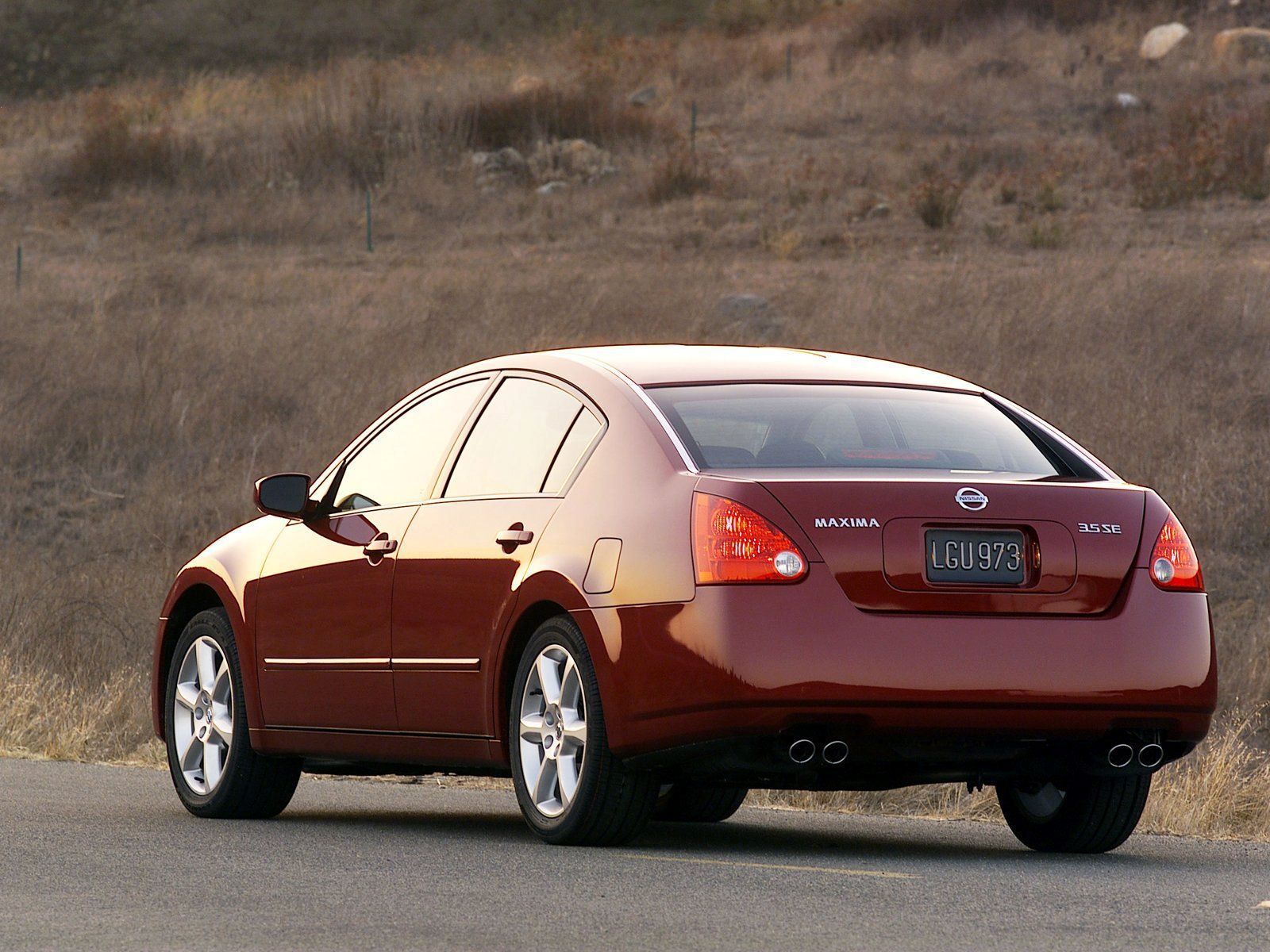
6. Nissan Maxima (2004–2006)
Often called the “four-door sports car” in its marketing days, the mid-2000s Nissan Maxima lives up to that claim more than people remember.
Equipped with a 3.5-liter V6 producing up to 265 horsepower, these cars are genuinely quick in a straight line.
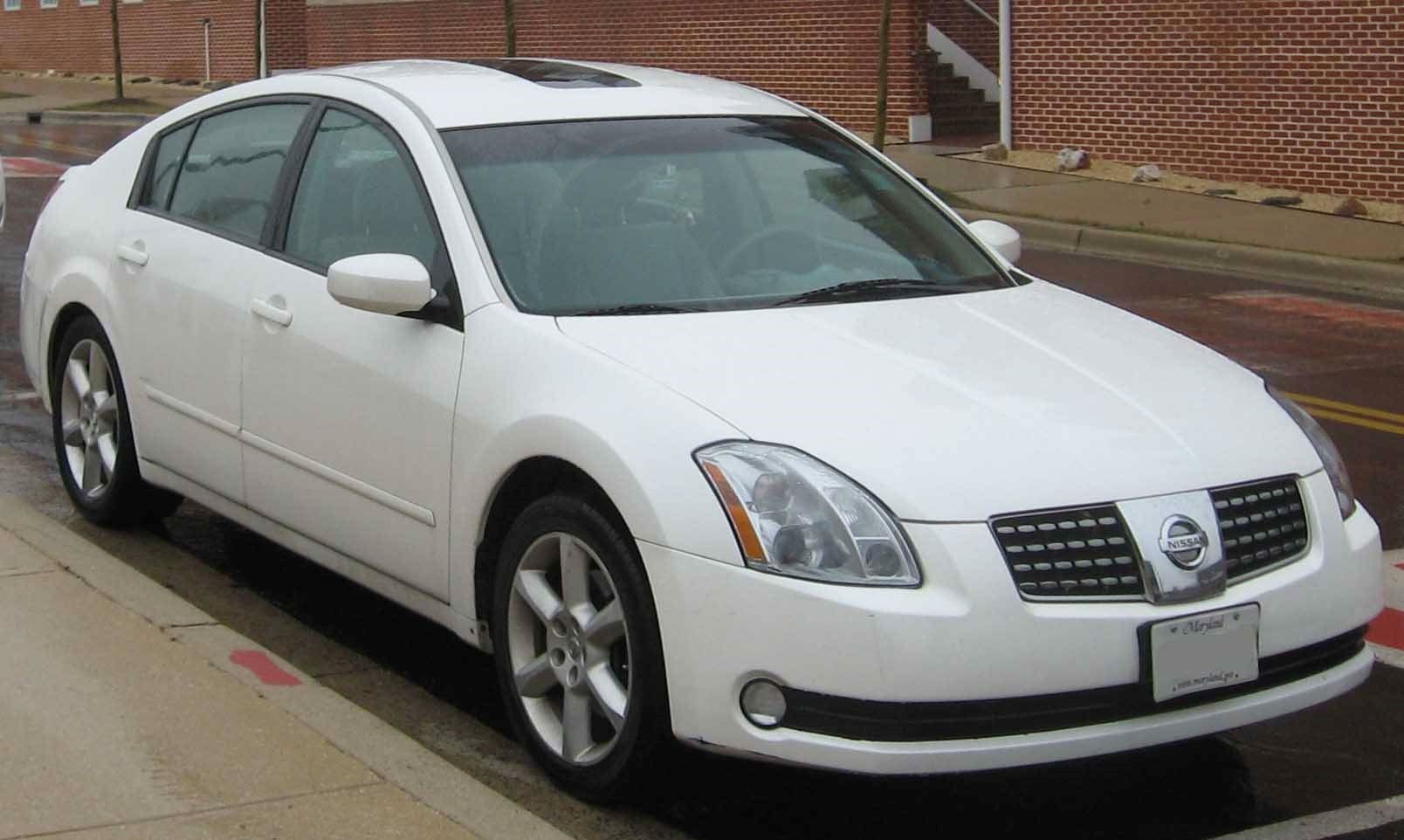
What surprises most drivers is how aggressively the Maxima accelerates at highway speeds. It’s not lightweight, but the engine compensates with strong mid-range power.
Manual transmission versions are particularly quick, though automatics are more common. As a used buy, they’re plentiful and affordable, making them one of the fastest sedans you can realistically buy under $5K.
Also Read: Top 10 Pontiac Performance Legends Built for Speed Lovers
7. Pontiac Grand Prix GTP (1999–2003)
The supercharged Grand Prix GTP shares its engine lineage with the Impala SS, using a supercharged 3.8-liter V6 that delivers strong torque and consistent acceleration.
These cars were designed to be quick from stoplight to stoplight, and even today, they still feel eager.
The GTP’s performance is especially noticeable in urban driving, where instant torque matters more than peak horsepower.
Because Pontiac no longer exists, resale values are low despite solid drivetrains. Suspension components may need refreshing, but mechanically sound examples offer serious straight-line speed for very little money.
Ford should be paying close attention to this Pontiac. The Grand Prix, with its extensive standard safety equipment and an available supercharged 240-horsepower GTP model, manages to combine style, functionality, and performance into an appealing, reasonably priced package. In comparison, the modern Taurus comes across as little more than overpriced design flair.
The optional 3.8-liter 3800 Series II V6, standard on the GT and available on the SE, boosts output to 200 horsepower while maintaining respectable fuel economy, about 19 mpg city and 30 mpg highway, nearly matching the smaller engine.
The GTP model takes performance further with a supercharged 3800 V6 delivering 240 horsepower. Last year, traction control became standard on the GTP to help manage the added power; this year, drivers can engage or disengage the system via a switch.
The GTP’s transmission allows selection between Normal and Performance shift modes, and the antilock braking system uses robust rotors and advanced calipers for improved stopping power. Steering feel is enhanced with reduced vibration, thanks to a cross-beam steering column support.
All Grand Prix models benefit from durable components, including long-life coolant designed for five years or 50,000 miles and platinum-tipped spark plugs rated for 100,000 miles under optimal conditions.
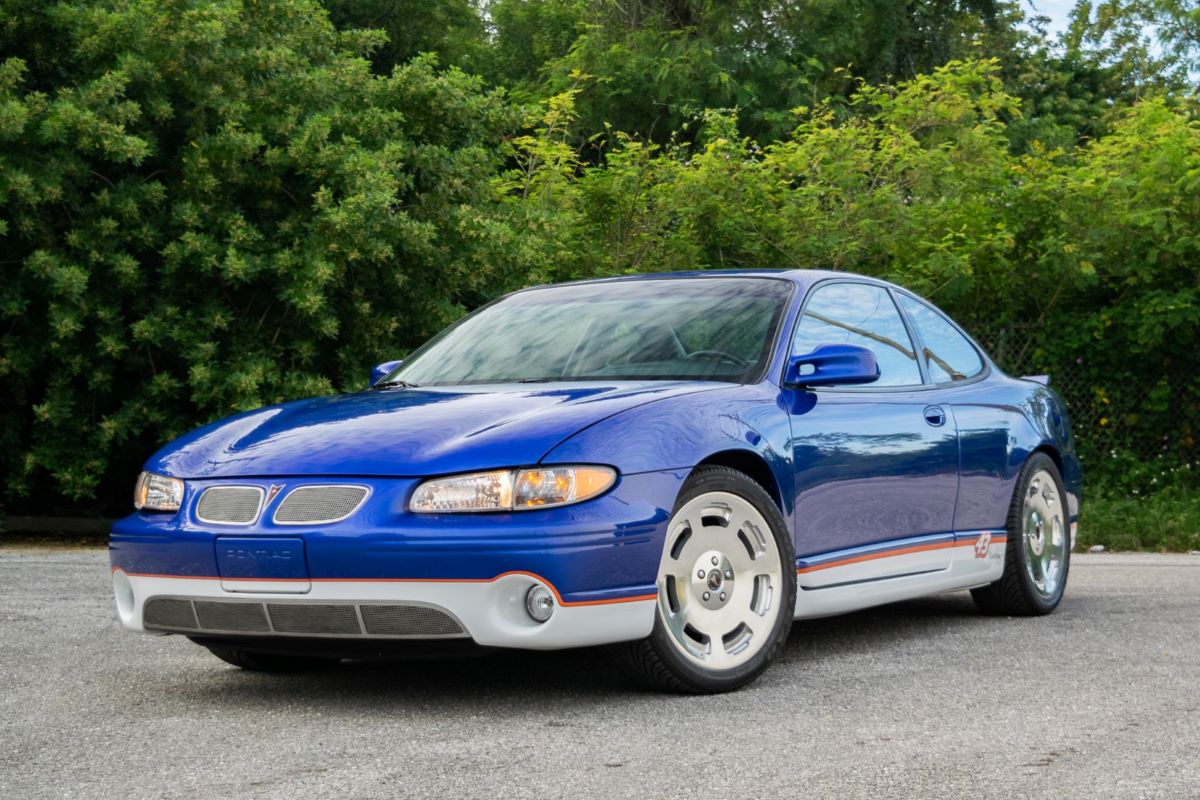
The interiors feature analog gauges and large, intuitive controls. True to Pontiac tradition, the dashboard is visually busy, with instruments styled like jet fighter panels and backlit in a calming red glow at night.
Optional features include an integrated child seat with a removable wash-out pad and the EyeCue head-up display, which projects speed, fuel, radio, and turn signal information onto the windshield.
The standard driver information center includes a tire-pressure monitoring system, while MagnaSteer variable-effort steering—standard on the GT sedan and optional on all other trims, uses magnetism to adjust steering resistance.
Safety is robust across the lineup: dual airbags, antilock brakes, and traction control are standard on all models. Federal side-impact standards are met, and front and rear bumpers are engineered to withstand a five-mph impact without damage to the structure or lamps. Sedans feature child-safe rear door locks, and an integrated child safety seat is available on all trims.
In short, Ford has reason to be concerned. Interest in the less-than-sporting Taurus has declined as buyers gravitate toward more stylish, spirited, and often more affordable alternatives. With the Grand Prix offering a fresher design, compelling performance, and well-rounded features, the Taurus faces a serious challenge from its GM competitor.
8. BMW 330i (2001–2003)
The E46 BMW 330i offers a different kind of speed balanced, refined, and deceptively quick. With a naturally aspirated 3.0-liter inline-six producing 225 horsepower, the car delivers smooth, linear acceleration that builds confidently as revs climb.
Manual transmission models are especially rewarding, and the rear-wheel-drive chassis makes the car feel faster than numbers suggest.
While maintenance costs can be higher than Japanese competitors, clean examples with service records still exist under $5K. When properly maintained, the 330i remains one of the best driver’s cars ever made at this price point.
As is typical for BMW, the 3 Series is being rolled out in stages, starting with the sedans, followed by coupes, the convertible, and finally the wagon. This phased introduction helps maintain interest in BMW’s best-selling platform over several model years.
Sedan buyers can choose between an upgraded 2.5-liter inline-six engine, now designated 325, producing 184 horsepower, or a new-for-2001 3.0-liter inline-six (330 models).
The 3.0-liter engine, which first appeared in the X5 3.0i, replaces the 2.8-liter across BMW’s lineup. It increases output from the previous 193 hp and 206 lb-ft of torque to 225 hp and 214 lb-ft, providing noticeably stronger performance that keeps the 3 Series ahead of competitors like the Audi A4 and Lexus IS 300.
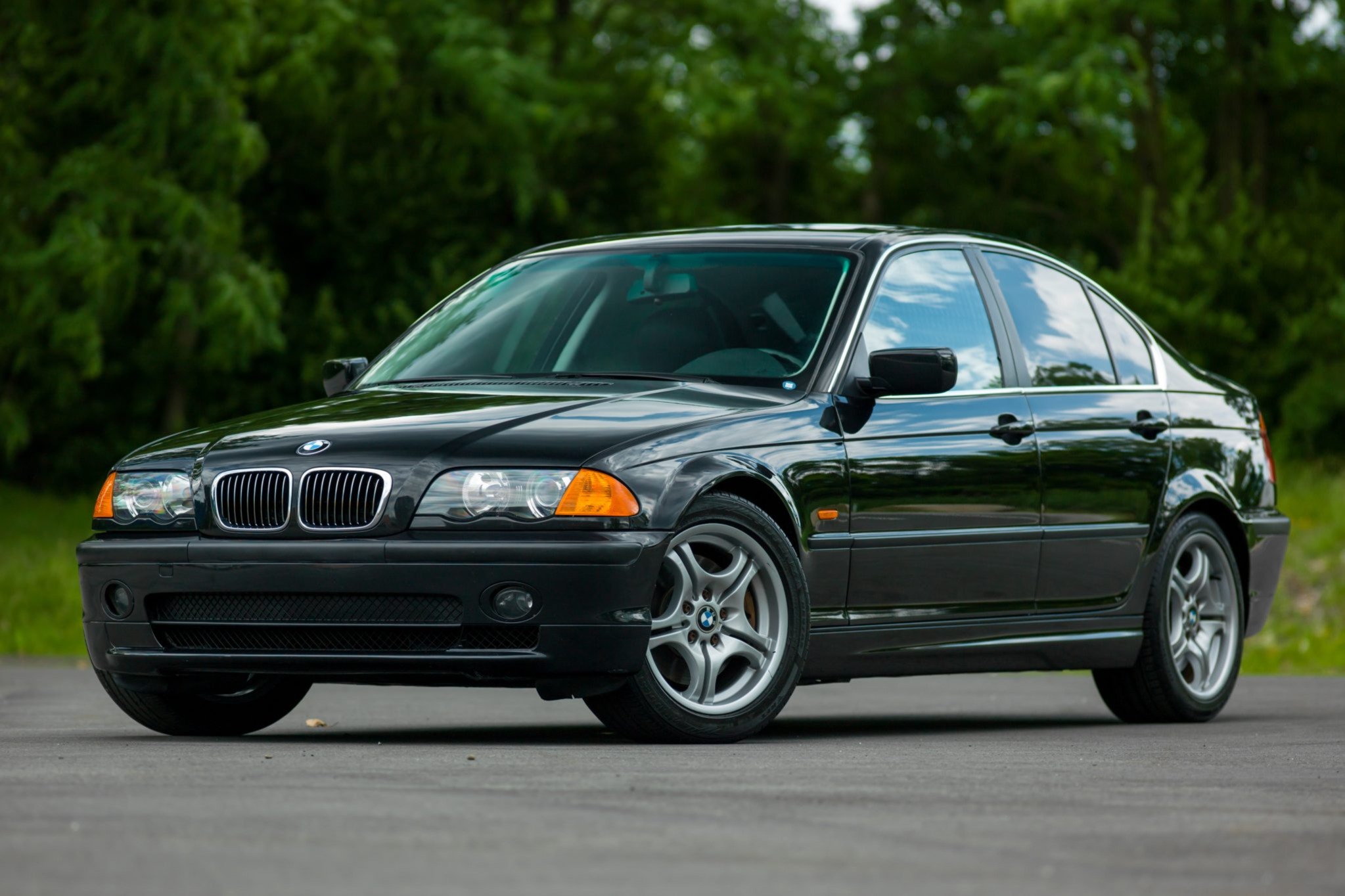
All 3 Series sedans, coupes, and the convertible share the same platform, equipped with a standard five-speed manual transmission, sport-tuned suspension, and ventilated front and rear disc brakes. The coupe lineup includes the 325Ci with the 2.5-liter engine and the 330Ci with the 3.0-liter engine, larger brakes, and standard 17-inch wheels.
The 330Ci coupe can reach 60 mph from a standstill in just 6.4 seconds and benefits from a broad, usable torque band. Both engines meet low-emission vehicle (LEV) standards, and a five-speed Steptronic automanual transmission is available for drivers who prefer not to shift manually.
All-wheel drive is a new option for 2001. Based on the system in the X5, the “xi” models distribute 38 percent of engine power to the front wheels and 62 percent to the rear, with a 0.7-inch increase in ride height. This AWD system is offered on both the 325 and 330 sedans as well as the 325 wagon.
Convertible buyers choosing the 325Ci will need to operate the top manually unless they opt for the power-top upgrade, whereas the 330Ci comes with the power top as standard. All convertibles feature a glass rear window and rollover protection.
Touring wagon models include a standard roof rack and rear-window wiper, but, as with the sedans, full-sized adults in the rear seats may feel cramped on longer trips.
9. Dodge Neon SRT-4 (High-Mileage Examples)
The SRT-4 is arguably the fastest car on this list when stock. Its turbocharged 2.4-liter engine produces 215 to 230 horsepower depending on model year, and the lightweight chassis allows brutal acceleration. Even today, an SRT-4 can embarrass much newer cars.
Finding one under $5K typically means higher mileage or cosmetic issues, but performance remains undeniable.
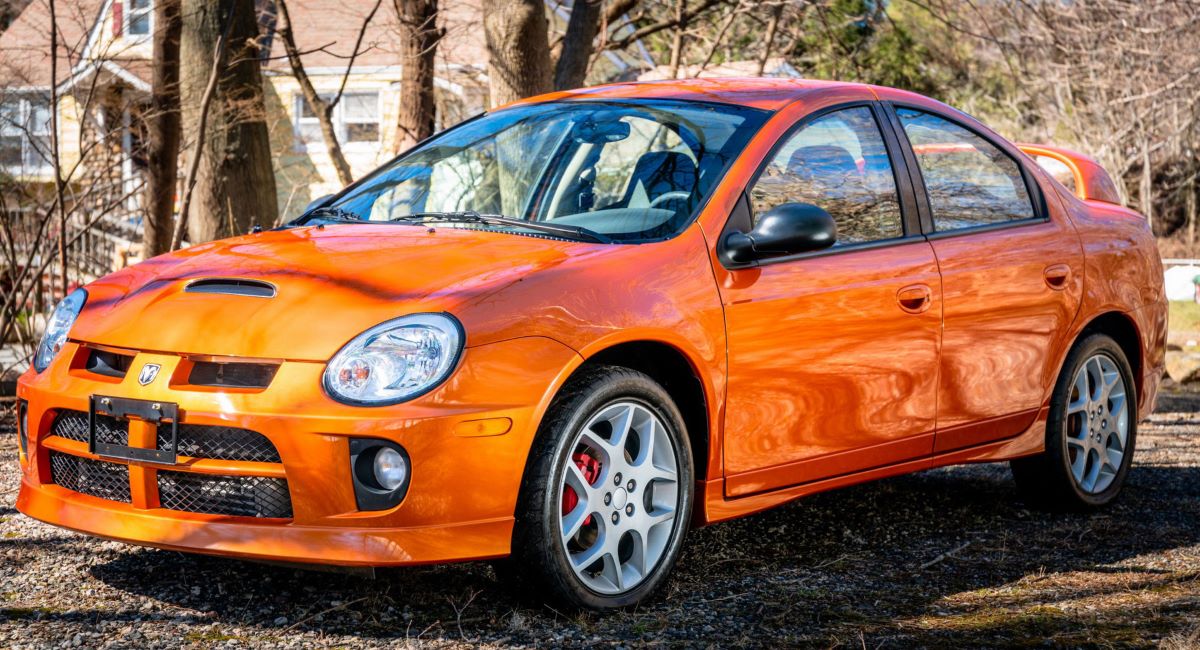
These cars were built for boost, and even stock examples feel aggressive. Buyers should be cautious of poorly modified units, but a well-maintained SRT-4 offers unmatched speed per dollar.
10. Chevrolet Monte Carlo SS (2000–2005)
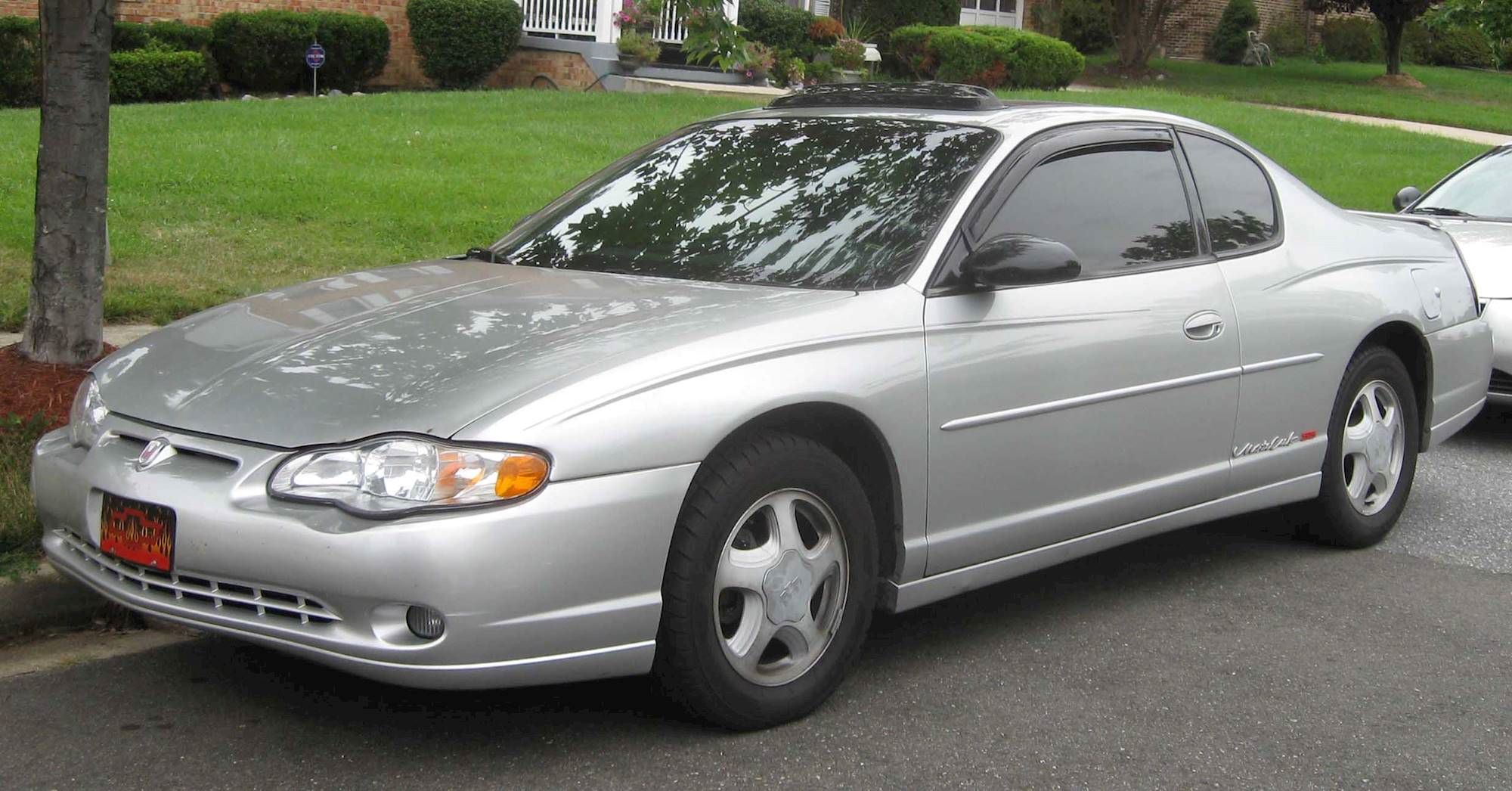
Often overshadowed by sportier nameplates, the Monte Carlo SS uses the same supercharged V6 formula found in other GM sleepers of the era.
With strong torque and a long wheelbase, it delivers confident straight-line performance and comfortable highway cruising.
The Monte Carlo SS is fast in the real-world sense passing power, merging confidence, and effortless acceleration rather than track performance.
Prices remain low due to its coupe-sedan styling and front-wheel-drive layout, making it an underrated speed bargain for budget buyers.
The idea that fast cars are always expensive simply isn’t true in the used market. While modern performance vehicles often come with high prices and complex technology, older cars rely on displacement, boost, and lighter platforms to deliver speed without financial strain.
For under $5,000, buyers can still find vehicles that accelerate hard, feel exciting, and offer far more personality than basic economy cars.
The key is smart shopping: prioritize mechanical condition, avoid abused examples, and understand that speed doesn’t always come with prestige.
These cars prove that with patience and knowledge, affordable performance is still alive and often hiding where people least expect it.
