Chicago winters are known for their bitter cold, strong winds, and especially for the heavy use of road salt. The city’s transportation departments deploy salts and brine solutions to keep highways and local roads passable after snow and ice storms.
While this practice improves safety for drivers and pedestrians, the chemical compounds in salt can penetrate metal, paint, and protective coatings on vehicles, leading to corrosion over time. The challenge for many car owners in this environment is to find automobiles that withstand these harsh conditions with minimal deterioration.
The problem is not only cosmetic rust but structural degradation that can compromise the safety and longevity of the vehicle. Road salt accelerates oxidation by providing a medium that facilitates the loss of electrons from metal surfaces.
As a result, exposed steel components begin to degrade sooner than they would in milder climates. Understanding how different cars react to this process helps owners make informed decisions about maintenance and model selection.
Some vehicles have features that help slow the corrosion process, such as galvanized bodies, robust paint systems, and thoughtful engineering that reduces water and salt traps. Other cars might look great at first but begin to show rust in high-wear areas like wheel arches, undercarriage panels, and door bottoms within just a few seasons of operating in winter conditions.
The variation in performance comes down to manufacturer priorities, material choices, and how well they anticipate real world weather exposure. A comprehensive discussion of these differences benefits anyone looking to buy a car for use where road salt is frequently applied.
In the following sections we look at five cars that cope well with Chicago’s road salt environment and five that tend to show rust early, based on common owner reports and general durability reputations.
Reading about these traits offers insight into how design decisions affect long term reliability. While the goal here is not to endorse specific models outright, patterns emerge that are worth noting. Some models excel because of rust preventive treatments, while others suffer because of cost-cutting on corrosion resistance features.
For people who plan to live where the winters are severe, understanding these distinctions can save time, money, and frustration. With that context in mind, we turn to the first set of vehicles that have proven themselves resilient in the face of persistent winter road salt exposure.
5 Cars That Cope With Chicago Road Salt
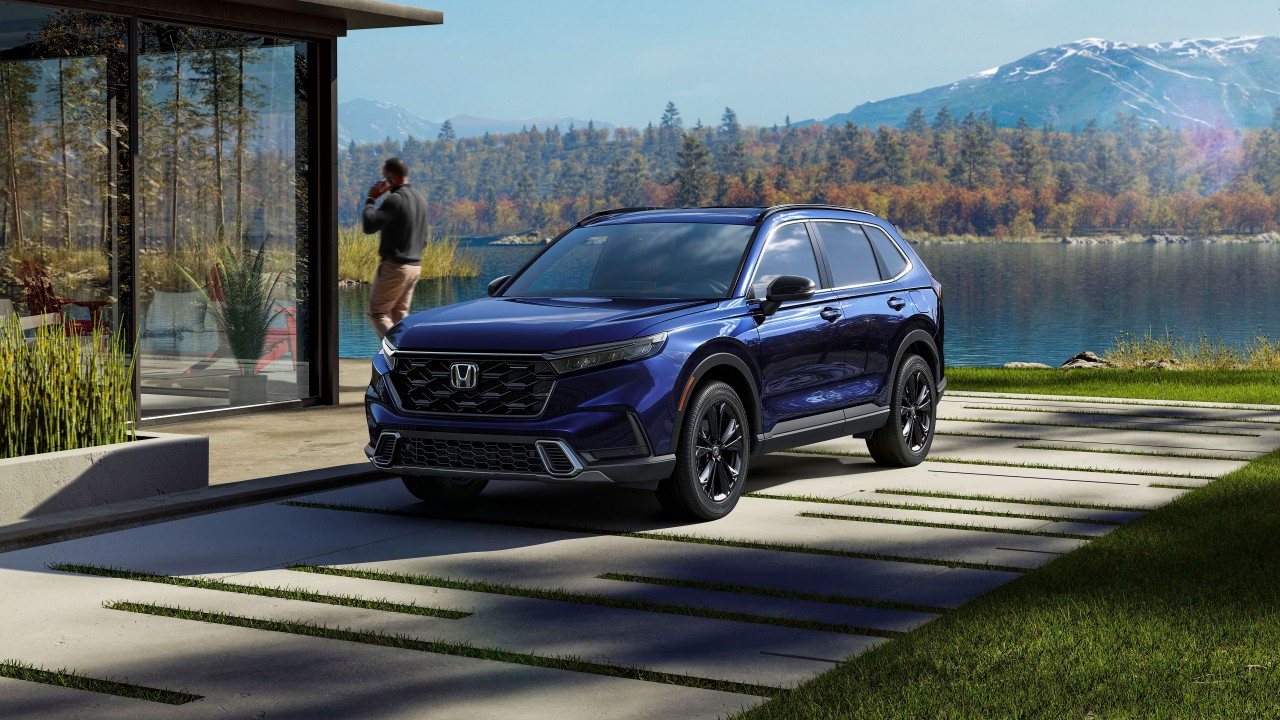
Honda CR-V
The Honda CR-V has won praise for its blend of utility, efficiency, and longevity. In areas where salt use on roads is heavy each winter, the CR-V’s reputation for lasting condition becomes a significant factor for buyers. Honda has historically applied thoughtful rust prevention methods to this model.
One aspect that helps the CR-V cope with salt is its body panel treatment and sealing techniques. Honda uses rust inhibiting primers beneath paint layers that help block corrosive elements from reaching bare metal. For many owners living in northern regions, this means the exterior maintains a fresh appearance even after multiple seasons.
The CR-V’s undercarriage layout also contributes to corrosion management. Components are positioned to minimize salt entrapment, and protective shields deflect debris and moisture. This attention to detail helps reduce the typical trouble spots that can develop corrosion over time. Drivers often note that wheel arches and rocker panels remain intact with minimal pitting.
Many CR-V owners in cold climates also invest in aftermarket rustproofing and frequent underbody washes during winter. These habits combined with the model’s inherent protections enhance its ability to endure repeated salt exposure. Reports from long term owners rarely highlight aggressive rust development in early years of ownership.
Honda’s reputation for reliability extends into winter care, making the CR-V a smart choice for drivers concerned about long term durability in challenging environments. Its balanced design, together with preventative maintenance, gives owners confidence that it will withstand the rigors of salted roads.
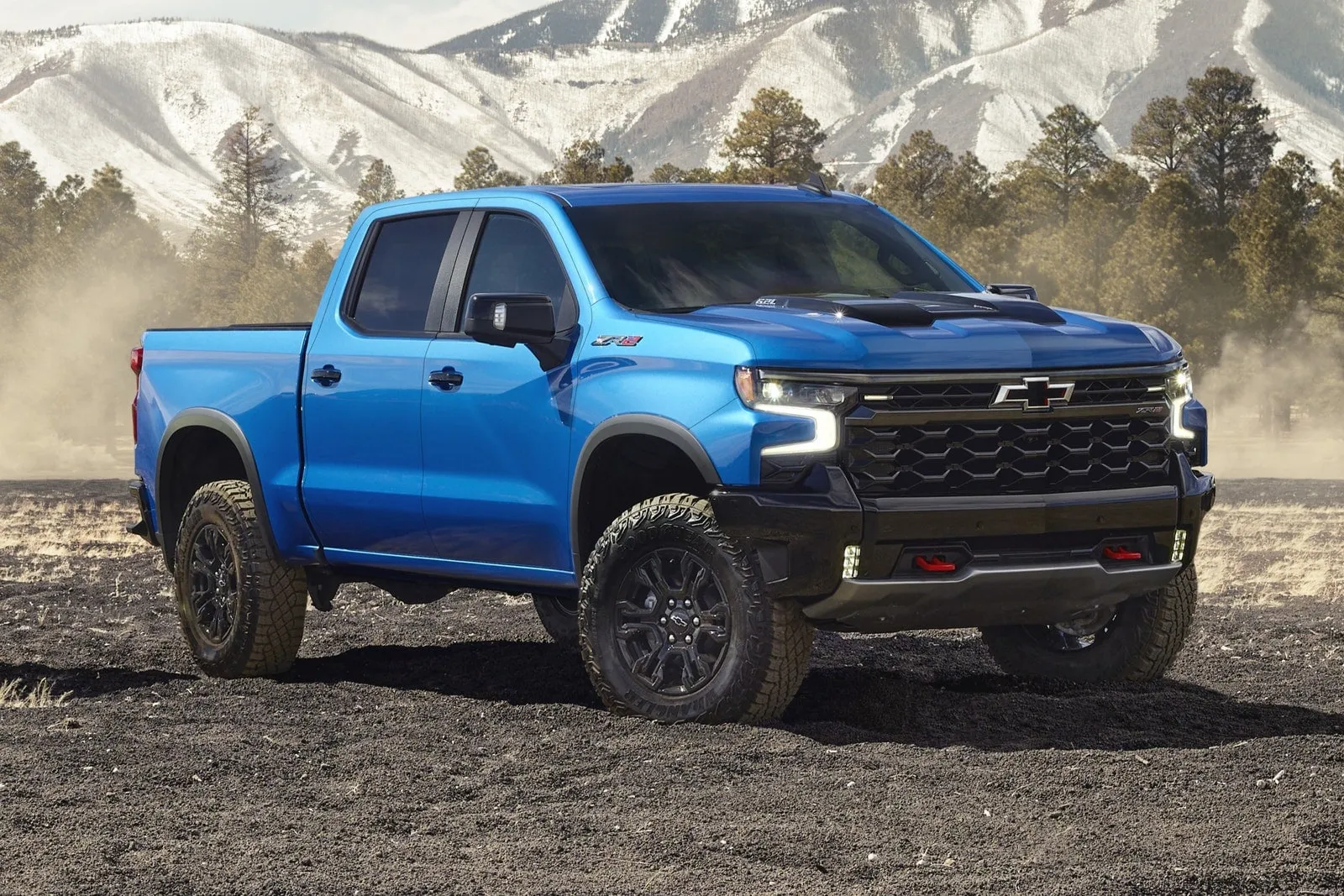
Chevrolet Silverado
The Chevrolet Silverado pickup truck is a familiar sight on roads where winter weather arrives with freezing temperatures and heavy snowfall. Built for work and daily use, the Silverado’s toughness extends to resisting corrosion from Chicago style road salt. Its construction and protective measures play a role in delaying rust formation.
Chevrolet applies corrosion resistant materials to vital areas of the Silverado’s frame and body. The frame itself benefits from protective coatings that slow the onset of oxidation. Owners who operate these trucks in salted environments often find that major structural components stay sound through many seasons.
The Silverado’s design also factors in ease of cleaning. Many owners pressure wash undercarriage areas and wheel wells after winter storms, removing salt deposits that otherwise cling to metal surfaces. This habitual cleaning is easier because of the accessible layout of the truck’s underside. Removing corrosive material promptly helps preserve the vehicle’s condition.
In addition to factory protection, Silverado owners often add bed liners, spray treatments, and rust inhibitors as part of preventive care. Combined with the model’s already robust corrosion resistance, these additions help extend the working life of the truck even in demanding winter climates. Many users report minimal rust concerns after years of exposure.
Overall, the Chevrolet Silverado’s popularity in regions with persistent salt use is tied to its balance of strength, durability, and driver confidence. Whether hauling loads or navigating winter roads, owners frequently comment that its ability to cope with corrosion sets it apart from lighter vehicles less prepared for harsh seasonal conditions.
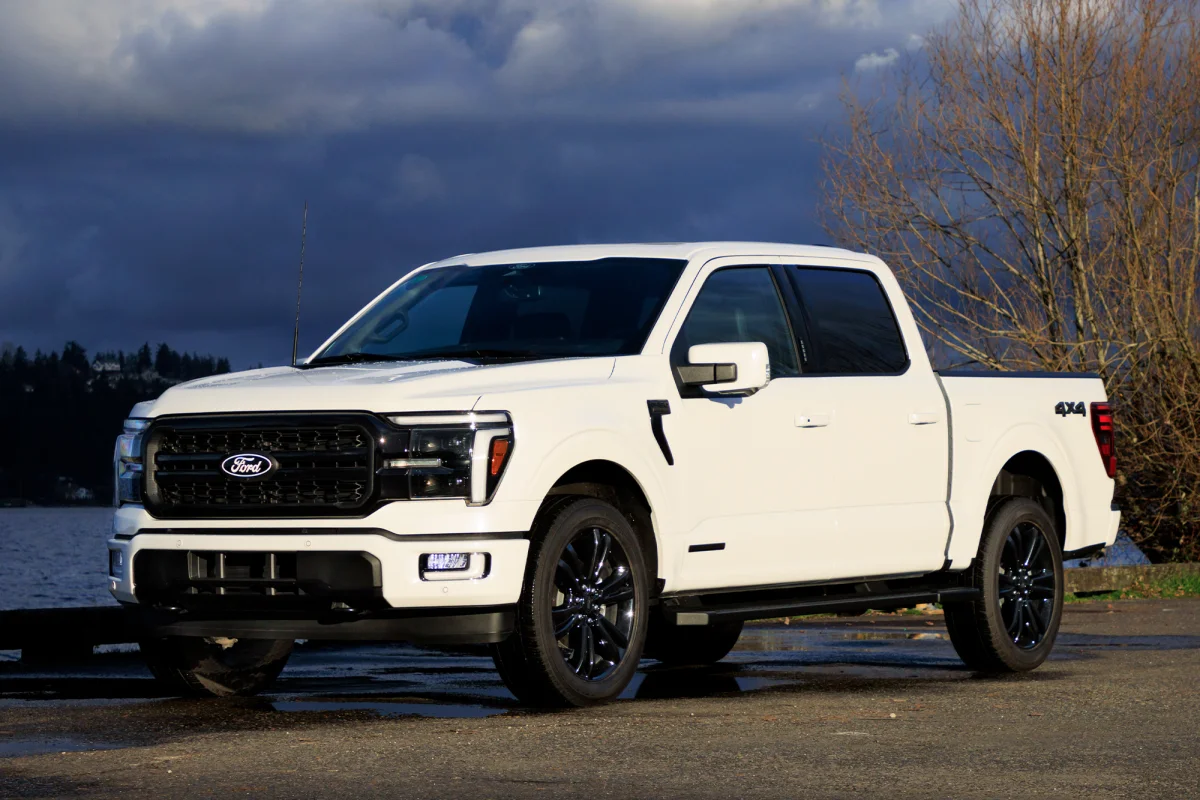
Ford F-150
The Ford F-150 pickup has been one of the best selling vehicles in large parts of North America for many years. One reason for its widespread appeal is its ability to handle diverse driving environments, including places where road salt is a regular winter feature. The F-150’s design incorporates corrosion resistance in practical ways.
Ford uses high strength, coated steel in many sections of the F-150’s body and frame. This protective material helps slow the chemical attack caused by salt and moisture. Drivers in colder climates often remark that older versions of this truck show less rust progression than expected, even after repeated winter use.
The truck’s undercarriage also benefits from engineered drainage and shielding. Panels deflect water, slush, and salt away from sensitive components. Designers consider how winter elements move around the vehicle while driving, which results in fewer salt deposits lingering where they can do damage.
Owners of F-150s also report that regular washing, especially of the underbody, plays a significant role in maintaining condition. Many Ford dealerships and service centers in northern states offer winter care packages that emphasize corrosion control. These habits, combined with the truck’s inherent protections, help delay rust visibility.
People who rely on their vehicle year round appreciate the F-150’s ability to handle repeated exposure to salt without premature rusting. Its blend of engineering, materials, and owner care practices contributes to a longer lasting vehicle in challenging winter environments.
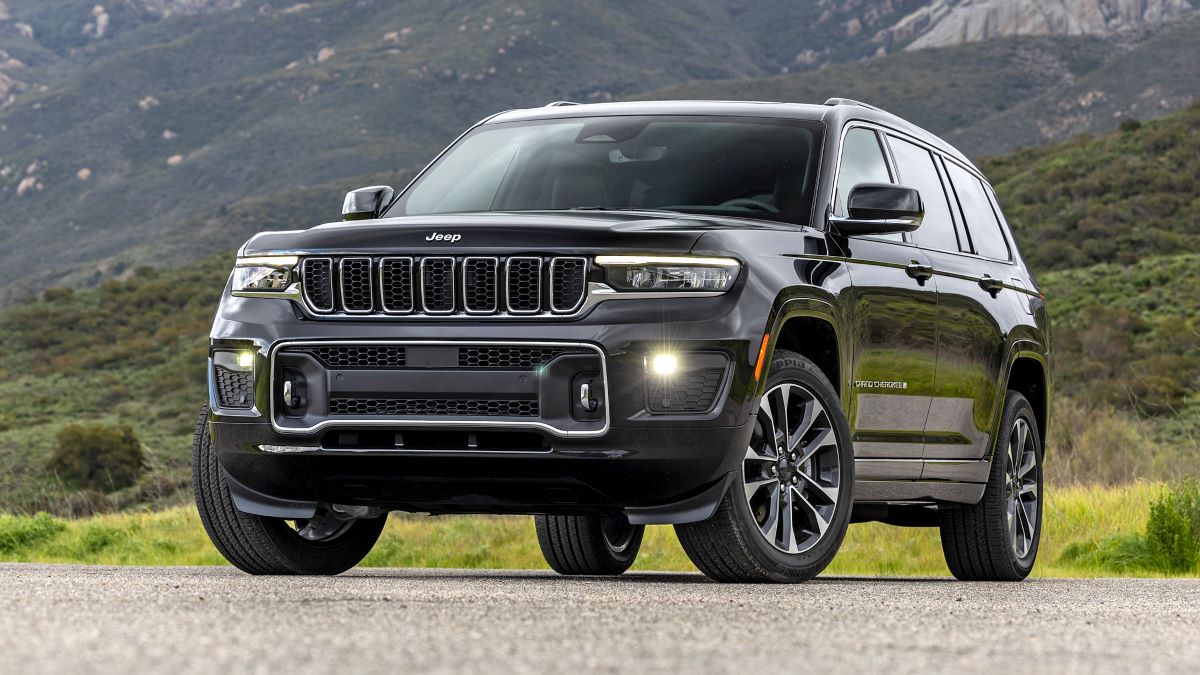
Jeep Wrangler
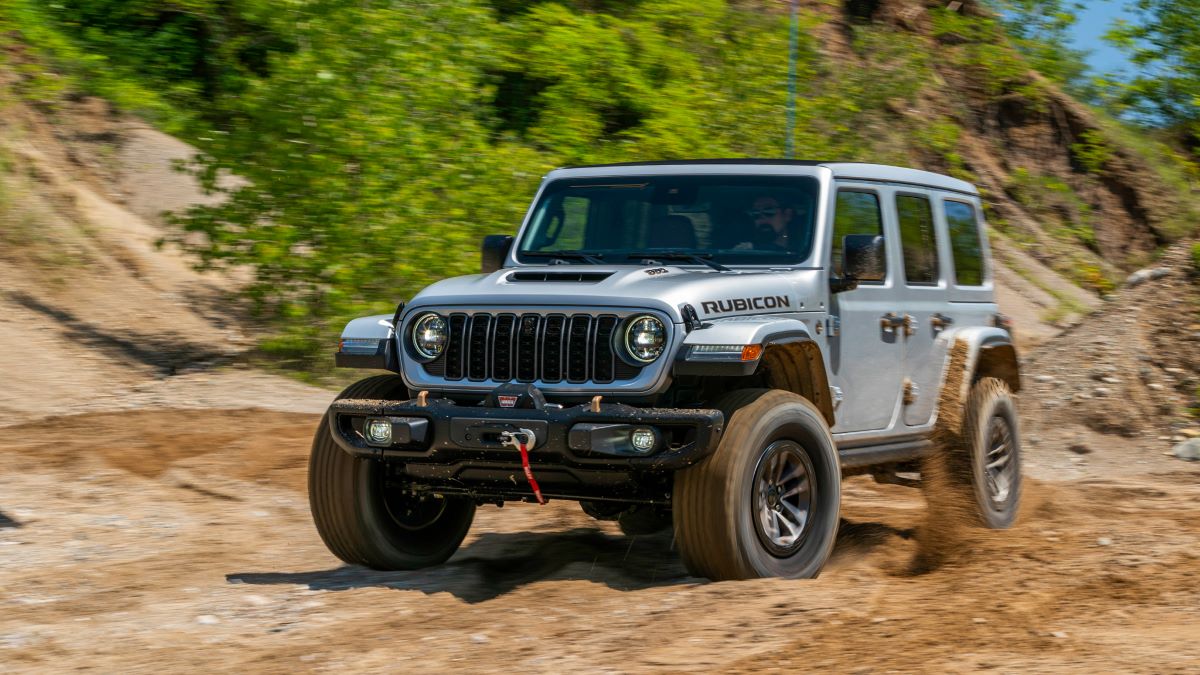
The Jeep Wrangler’s rugged character is well known, and part of that reputation comes from its ability to face extreme conditions. Areas with heavy winter salt use put vehicles to the test, but the Wrangler often earns praise for its capacity to handle these conditions without early corrosion problems. Its design incorporates elements that keep salt damage in check.
Manufacturers treat many key parts of the Wrangler with corrosion resistant coatings. These treatments block salt and moisture from reaching vulnerable metal surfaces. Owners who use their Wranglers in rural and urban winter settings note that the body remains sound with limited rust even after years of exposure.
The Wrangler’s removable panels and open architecture also mean that accumulated salt and slush can be easily cleaned out. This practical feature encourages owners to wash away corrosive materials promptly, reducing prolonged contact that could accelerate oxidation. Regular care works well with the model’s inherent protections.
Underbody elements such as frame rails and suspension components are also designed with durability in mind. Protective shields and thoughtful placement minimize salt contact and help guide water away. As a result, these parts often endure longer without visible corrosion compared to other vehicles in similar conditions.
For people who ride and explore year round, the Wrangler’s salt management performance boosts confidence. Its rugged engineering and owner friendly design contribute to a vehicle that continues to deliver seasons of reliable service without rust taking hold early in its life.

Nissan Pathfinder
The Nissan Pathfinder has long been considered a practical SUV for families and adventurers alike. In areas where winter storms bring salt saturated roads, the Pathfinder’s resistance to rust becomes an important part of its appeal. Its construction shows attention to materials and protective detail that help delay corrosion.
Nissan uses corrosion resistant coatings and paint treatments over the Pathfinder’s body panels. These protective layers form a barrier between metal and the salt laden water that often splashes up during winter driving. Owners report that after several harsh seasons the exterior remains in good shape relative to other models.
The undercarriage layout also reflects consideration of winter exposure. Drainage pathways and reduced trapping points help moisture and salt move off the vehicle rather than accumulate in pockets that could accelerate rusting. This design choice supports long term durability in corrosive environments.
Many Pathfinder owners also follow recommended maintenance practices like thorough winter washes and underbody rinses. These habits significantly reduce the amount of salt left to linger on metal surfaces, complementing the vehicle’s built in protections. Frequent cleaning pairs well with thoughtful body design.
Drivers who choose the Pathfinder often appreciate its blend of practicality and resilience. In regions where salt use is heavy, having a vehicle that endures repeated winter exposure with limited rust progression becomes a valued quality. The Pathfinder’s balanced approach to corrosion control makes it a reasonable selection for winter heavy climates.
5 That Show Rust Early

Ford Focus
The Ford Focus has been popular for its engaging driving dynamics and efficient use of space. However, owners in northern regions often report that the Focus begins to show signs of rust earlier than expected. This is especially true in areas where salt use on roads is heavy and persistent each winter.
One reason for the Focus’s vulnerability lies in its protective coatings. Many owners feel the rust inhibiting layers applied at the factory are not as robust as those on competing models. Over time, salt and moisture find access to exposed metal, leading to oxidation that becomes noticeable in under a few seasons.
Wheel arches and rocker panels on the Focus are frequent trouble spots. These areas often collect slush, grit, and salt, and if not cleaned thoroughly and frequently, oxidation accelerates. Owners have shared that even with regular washes, some corrosion appears earlier than they expected.
The undercarriage design also contributes to early rust issues. Crevices and hidden spots where salt can accumulate create micro environments conducive to corrosion. Once rust starts, it tends to spread into adjoining components such as brake lines and suspension mounts.
Many Focus drivers in winter climates end up applying aftermarket treatments to slow rust progression. While these can help, the need for additional layers of protection suggests that the factory preparations fall short of what’s needed for heavy salt environments. This contrasts with cars that cope better with similar conditions.
Chevrolet Cruze
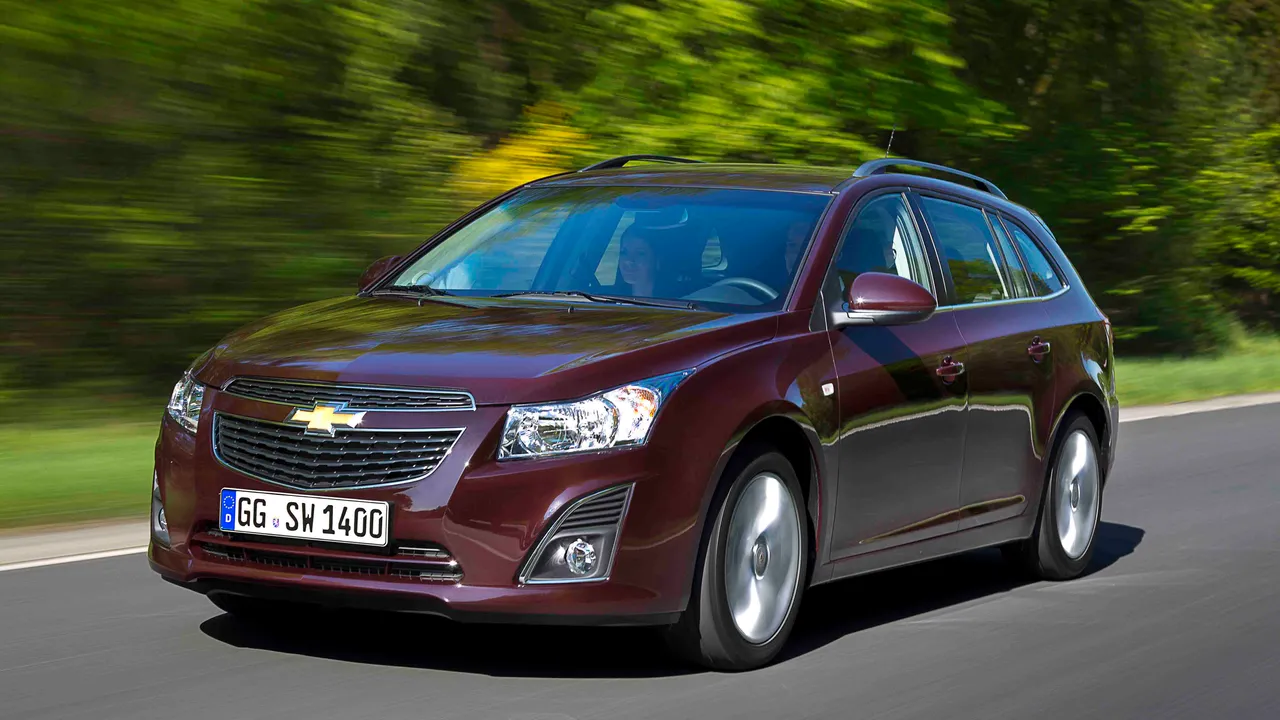
The Chevrolet Cruze is another compact car that receives mixed reports about corrosion resistance when exposed to salted roads over time. While the design and performance appeal to many owners, the reality of harsh winter environments can expose weaknesses in how well the body resists oxidation.
One issue owners note is the thinness of protective coatings on certain body panels. Road salt and moisture can work their way through to bare metal quicker than expected, leading to surface rust that becomes visible on lower body sections. This early appearance of corrosion frustrates many drivers.
Areas around the wheel wells and rocker panels tend to be the first places where rust shows up. These zones are prone to trapping wet slush and salt, which intensifies the corrosive process. Without frequent and thorough cleaning, these spots deteriorate relatively quickly compared to better protected vehicles.
The hatchback design of the Cruze can also contribute to moisture ingress around panel seams. Even with good drainage, salt laden water may linger in small gaps, accelerating rust development. Owners who do a lot of winter driving note that this exposure results in corrosion that shows sooner than they anticipated.
Many Cruze owners attempt additional rustproofing after purchase. While these treatments offer some benefit, they underscore a gap between factory protections and the demands of severe winter environments. As a result, the Cruze’s rust performance often falls short of the expectations set by its other attributes.
Jeep Cherokee
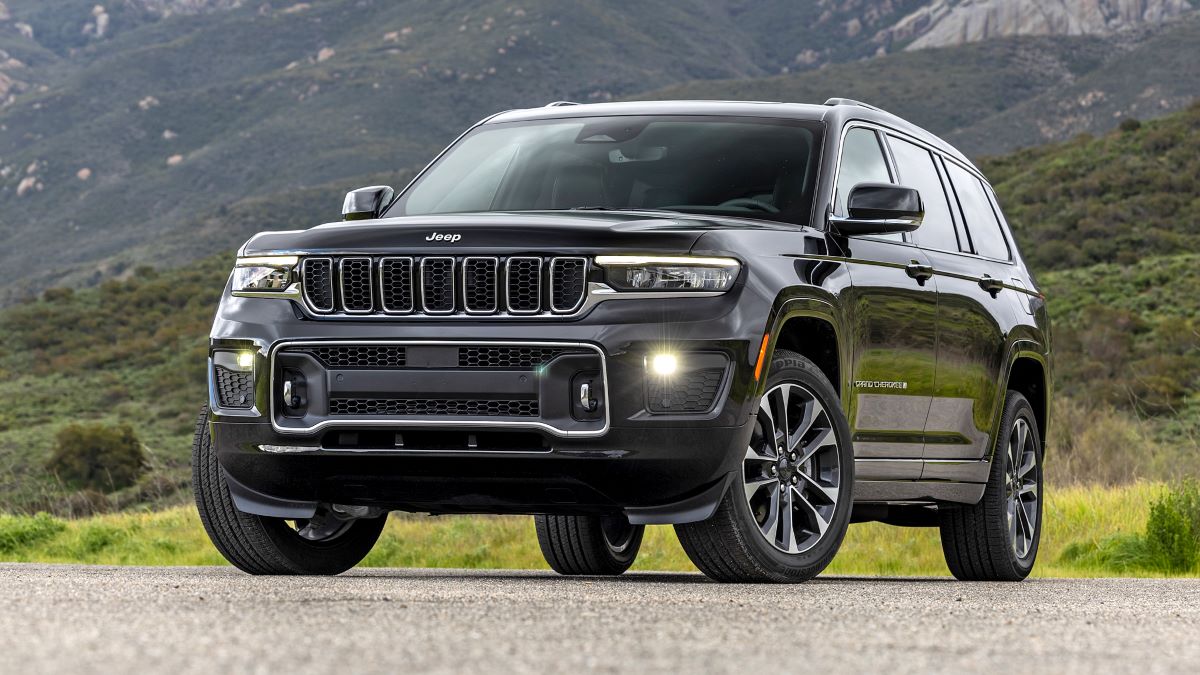
The Jeep Cherokee is a capable SUV favored for its off road chops and daily practicality. Yet in regions with persistent road salt, some owners experience early onset of rust in key areas. This pattern emerges despite the Cherokee’s overall rugged image.
A frequent complaint concerns corrosion around the lower door edges and rocker panels. Salt and moisture accumulate in these zones, and the factory protective layers appear insufficient to fully prevent oxidation. Even routine winter use can reveal surface rust after relatively short periods.
The undercarriage also shows signs of early rust on suspension linkages and brake lines. These components are crucial to safe driving, and corrosion here not only affects appearance but also long term performance and maintenance costs. Many owners find themselves addressing these issues sooner than expected.
Another spot where salt related corrosion shows up is around wheel wells. The constant spray of salty water compounded by colder temperatures increases oxidation pressure. Without exceptional protective measures, these areas become exposed and develop rust patches quickly.
Owners seeking to keep their Cherokees in good condition often invest in aftermarket rust resistant coatings and underbody sprays. While these help mitigate further progression, the fact that such interventions appear necessary points to a natural tendency for early rust in this model’s design.
Mini Cooper
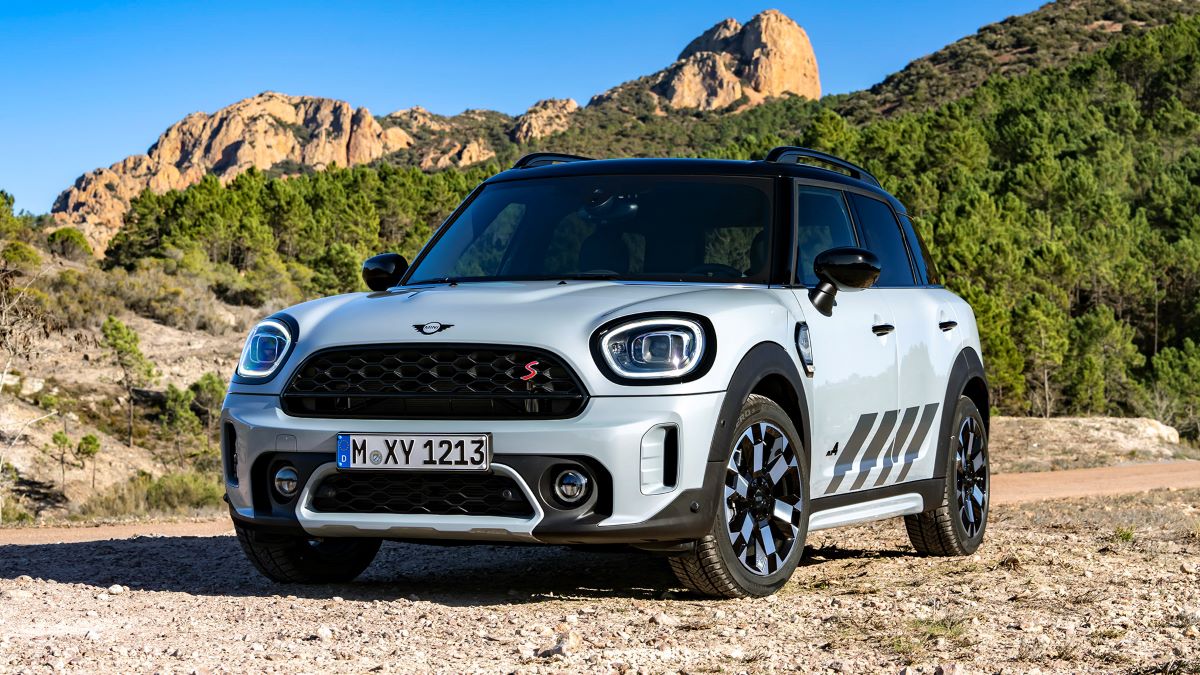
The Mini Cooper is popular for its unique styling and spirited driving character. However, when used regularly in environments where road salt is applied liberally each winter, it can show rust earlier than many owners anticipate. Compact cars with complex body shapes often face challenges here.
The protective coatings on the Cooper’s body are thinner than on some rivals. As a result, salt and moisture can reach vulnerable metal edges more quickly, accelerating oxidation. Owners in salt heavy areas often find surface rust appearing along lower body seams.
Wheel wells are another area of concern. These cavities trap moisture and grit, and if not cleaned frequently, the concentrated salt exposure accelerates corrosion. The Cooper’s design creates small pockets where water stagnates, increasing rust risk over time.
Underbody elements such as exhaust hangers and suspension mounts have also shown early signs of rust in saline climates. These components may not have sufficient shielding, allowing salt spray to persist and start oxidation sooner than expected.
Many Mini owners apply extra protective measures after purchase, including undercoating and frequent washes. While these routines help prolong life, the prevalence of rust at early mileage suggests that the Mini Cooper’s stock protections are less capable in relentless winter salt conditions.
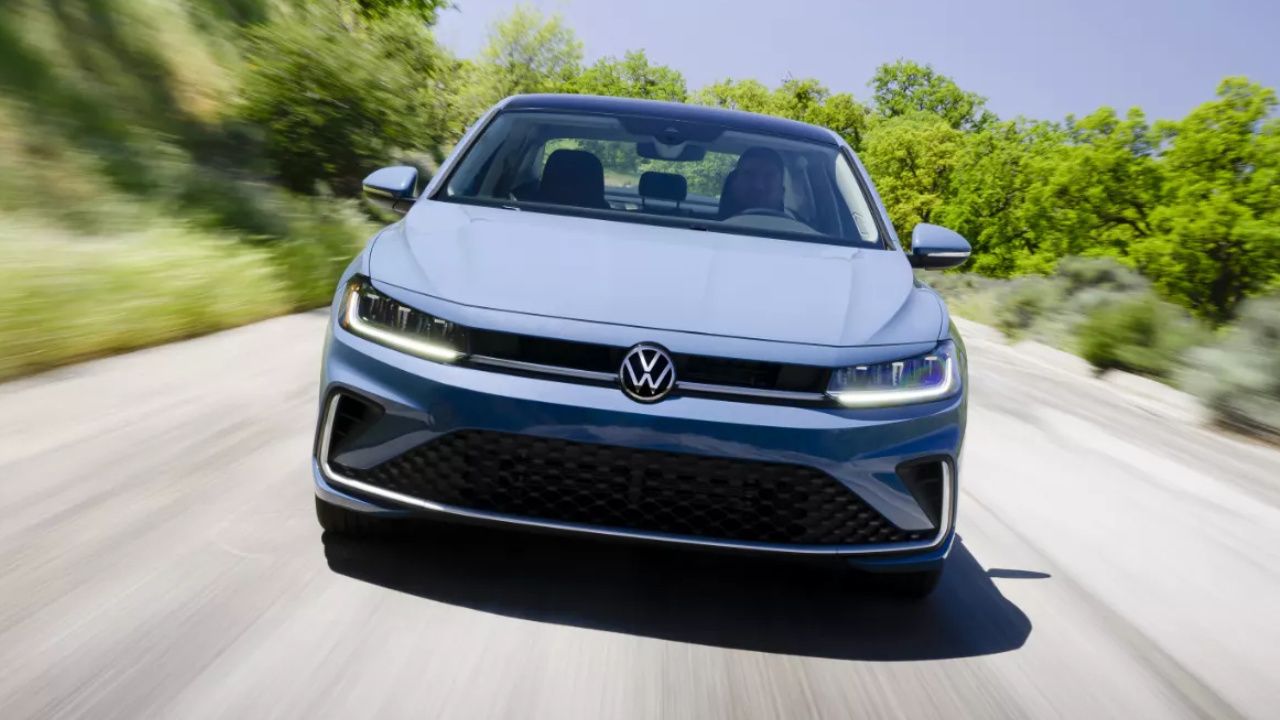
Volkswagen Jetta
The Volkswagen Jetta has been a staple compact sedan for many drivers, but in regions with significant winter salt use, it often shows corrosion in vulnerable body areas ahead of other models. The issue arises not from lack of quality overall, but from how the body handles extended exposure to corrosive elements.
Protective coatings on the Jetta’s lower body panels are thinner than owners might hope for. Salt infused water can penetrate these areas and begin oxidation swiftly. Many drivers report visible rust forming around rocker panels after a few seasons of winter use. This early development of corrosion surprises some people accustomed to better durability.
The undercarriage design includes tight spaces where moisture and salt can congregate. Without active removal through cleaning, these pockets become centers for rust growth. Brake lines and lower suspension components exposed in these areas begin to oxidize comparatively quickly.
Seams around doors and wheel arches also show salt related corrosion ahead of schedule. These joints trap debris and moisture, and unless meticulously cleaned and dried, rust appears. Owners often say that they did not expect rust to be this prominent on a vehicle with otherwise solid performance.
Many Jetta drivers address these concerns with aftermarket treatments, underbody sprays, and routine washes. Despite these efforts, the frequency of reports about early rust suggests that the model’s factory protections do not fully meet the demands of heavy salt environments.