German sedans have long carried a reputation for engineering depth, autobahn durability, and an almost obsessive focus on mechanical balance.
While many modern luxury cars are criticized for complexity and short-term leases, there is a quieter group of German sedans that have proven through real-world ownership, taxi fleets, and high-mileage enthusiasts that 500,000 miles is not a fantasy if maintenance is done correctly.
For the U.S. audience, where highway cruising, long commutes, and mixed climates test vehicles in different ways than Europe, these cars stand out for their structural integrity, drivetrain longevity, and parts availability.
Reaching half a million miles isn’t about perfection; it’s about margin. These sedans were engineered with tolerances, cooling capacity, and drivetrain strength that allow them to survive decades of use.
Many were originally overbuilt for corporate fleets, executive transport, or markets where longevity mattered more than touchscreen features.
Below are ten German sedans that have repeatedly shown the ability to cross the 500,000-mile mark in the U.S., when owned by people who understand what they’re driving.
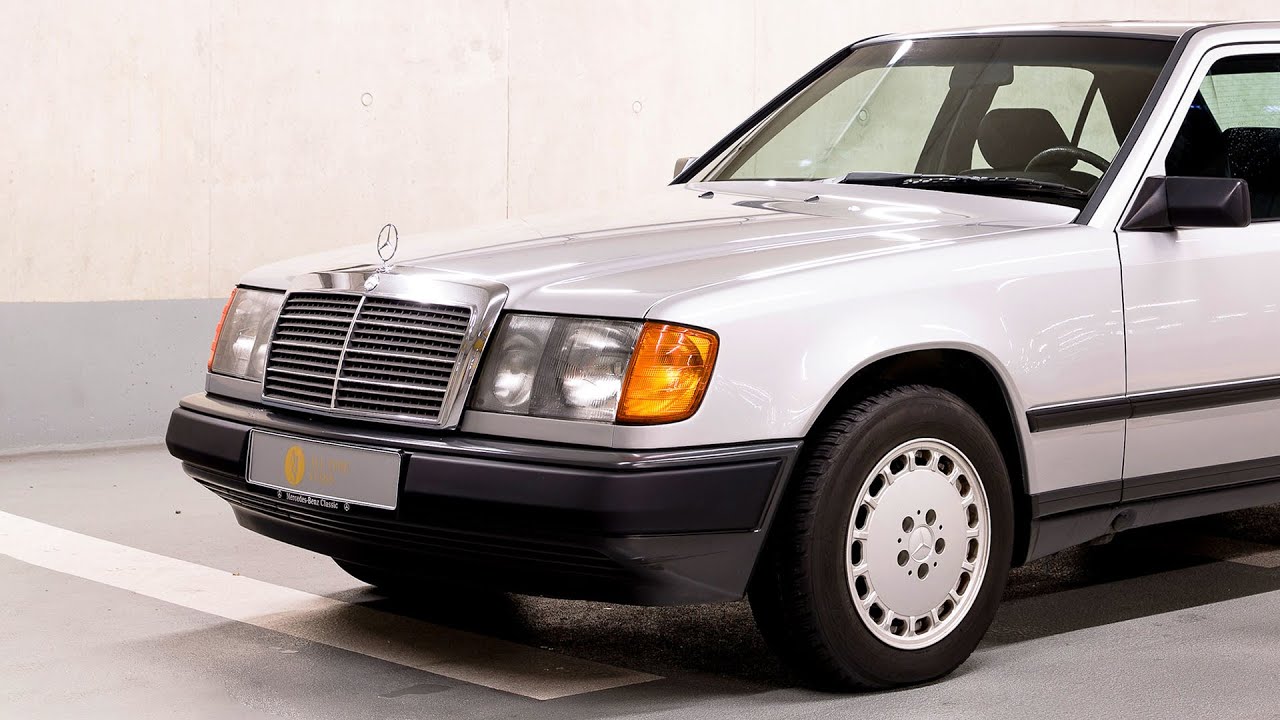
1. Mercedes-Benz W124 (1986–1995)
The W124 is often considered the gold standard of durability in German automotive history. Built during an era when Mercedes prioritized engineering excellence over cost control, this sedan was massively overbuilt by today’s standards.
The body structure is thick, corrosion resistance was advanced for its time, and the suspension was designed to absorb poor roads indefinitely.
Engines like the OM603 and OM606 diesel inline-sixes are legendary in the U.S. taxi and long-distance driving communities.
These engines were designed to run continuously, tolerate imperfect fuel, and survive high-mileage operation with minimal internal wear.
Even gasoline variants like the M103 inline-six have proven capable of extraordinary longevity. What makes the W124 special is that nothing feels stressed everything operates well below its limit.
2. Mercedes-Benz W210 E-Class (1996–2002)
While the W210 had rust issues in certain climates, its mechanical foundation remained extremely strong.
In the U.S., well-maintained examples especially in drier states have proven capable of enormous mileage. The M112 V6 and M113 V8 engines are among Mercedes’ most reliable powerplants ever produced.
The automatic transmissions paired with these engines were conservatively tuned, prioritizing smoothness and longevity rather than performance.
The W210 also benefited from modern safety improvements while retaining old-school Mercedes drivetrain philosophy. Owners who stay ahead of cooling system maintenance and suspension wear often find these cars simply refuse to quit.
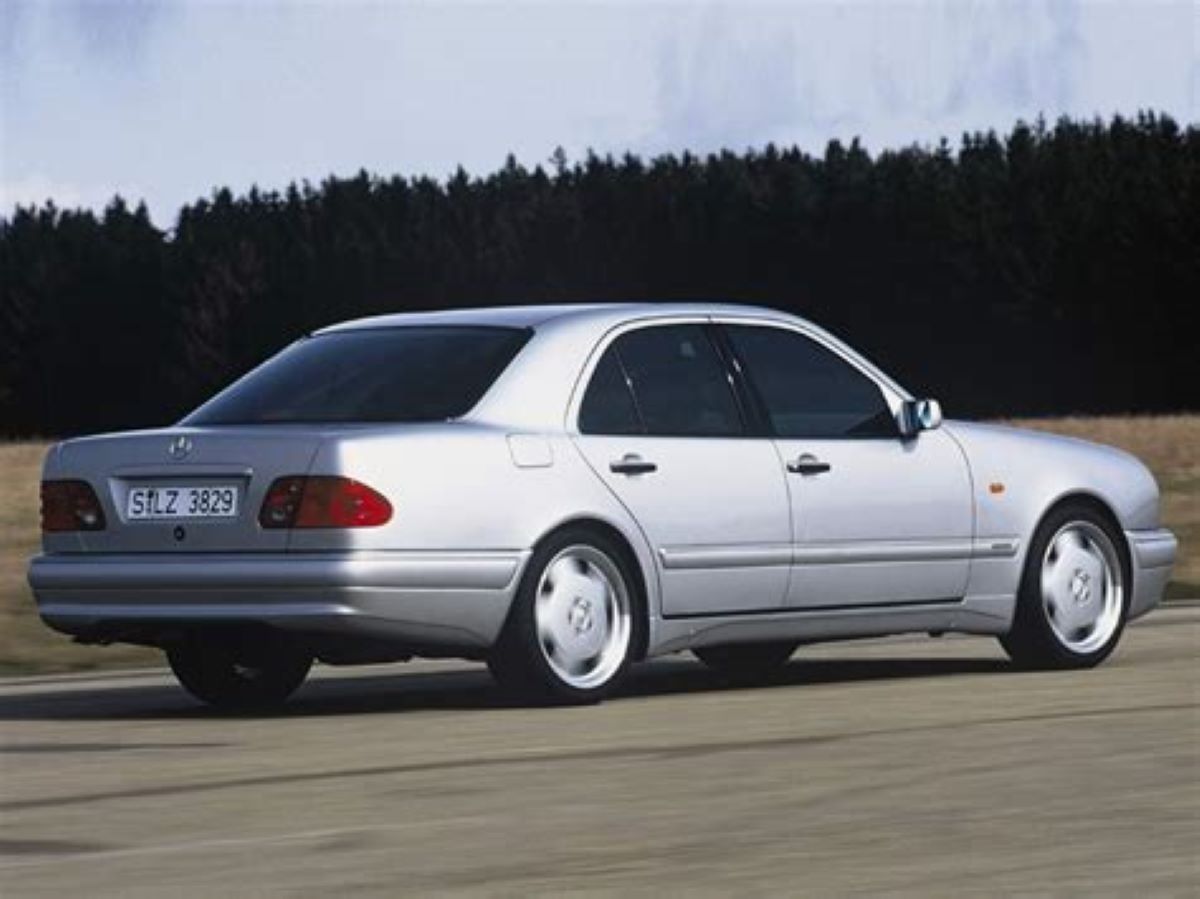
By the late 1990s, the Mercedes-Benz E-Class (W210) had firmly established itself as one of the brand’s most successful lines, blending traditional durability and comfort with a bolder, more modern design language.
Introduced in 1995, the W210 was the first E-Class to showcase the now-iconic “four-eyed face,” a styling cue that quickly became a hallmark of the brand. By 1999, Mercedes-Benz refreshed the E-Class to remain competitive against rivals such as the BMW 5 Series (E39) and the newly introduced Audi A6, while also addressing customer feedback regarding quality, technology, and equipment.
The 1999 facelift brought both subtle styling changes and deeper mechanical and technological upgrades. On the exterior, revisions were evolutionary rather than radical: redesigned headlamps with clearer glass, updated bumpers, new alloy wheel designs, and refreshed taillights gave the sedan and wagon (S210) a slightly modernized appearance.
The grille was slightly reshaped, and chrome accents were made more restrained. AMG models received a slightly more aggressive front fascia and larger wheel options to distinguish them from the standard lineup.
Inside, Mercedes-Benz focused on enhancing perceived quality, responding to earlier criticisms of the W210. Dashboard and door-panel materials were upgraded, and switchgear was refreshed.
The Comand system, previously seen on the S-Class W220, was introduced as an option on higher trims, offering integrated navigation and audio controls through a center-console display. Safety improvements included the addition of window airbags alongside standard front and side units.
The gasoline engine lineup was reorganized around the new M112 V6 and M113 V8 families, replacing several older inline-six and V8 units. The E 240 received a 2.6-liter V6 (M112) producing 177 PS (174 hp), while the E 320 adopted a 3.2-liter V6 delivering 224 PS (221 hp).
The long-standing straight-six engines, once synonymous with Mercedes-Benz, were phased out in favor of more compact, smoother, and lighter V6s, which incorporated features like three valves per cylinder and twin-spark ignition for improved efficiency and emissions control.
At the top of the range, the E 430’s 4.3-liter V8 (M113) produced 279 PS (275 hp), while the flagship E 55 AMG retained its naturally aspirated 5.4-liter V8, generating 354 PS (349 hp) and 530 Nm (391 lb-ft) of torque.
For diesel markets, Mercedes introduced second-generation Common Rail Diesel (CDI) engines. The E 270 CDI’s 2.7-liter inline-five (OM612) remained, offering 170 PS (168 hp) with significantly improved torque and refinement over previous turbodiesels.
The E 320 CDI, powered by a 3.2-liter inline-six (OM613), produced up to 197 PS (194 hp), representing one of the most advanced diesel passenger-car engines of its era.
Transmission choices included a 5-speed automatic (5G-Tronic), praised for its smoothness and durability, while a 6-speed manual was standard on lower-powered models.
The suspension largely retained the double-wishbone front and multilink rear design, but refinements to damping and bushings enhanced comfort and road-holding. Self-leveling rear suspension was standard on wagons (S210) and optional on higher-trim sedans.
The facelift also broadened the availability of the 4Matic all-wheel-drive system. Initially offered in limited configurations, it was expanded to more models, improving traction in snow-prone regions. Electronic stability control (ESP), already appearing on select Mercedes models, became standard across the E-Class range, enhancing active safety for all drivers.
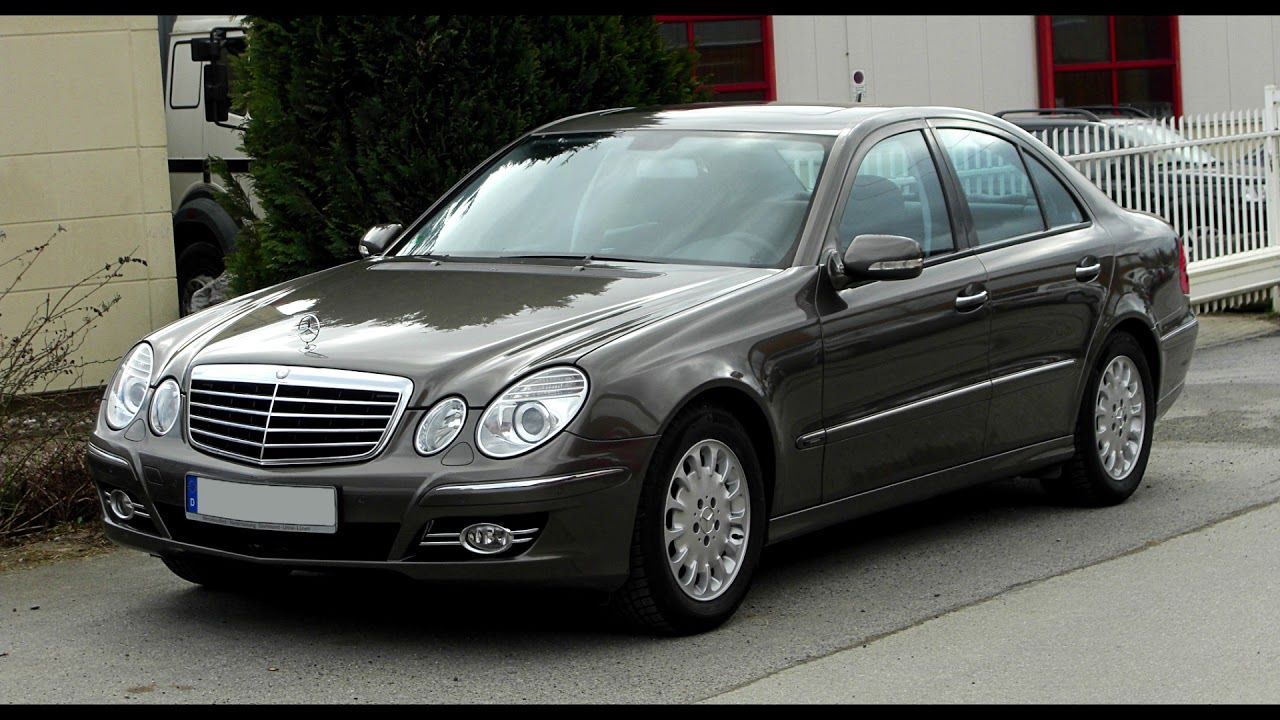
3. Mercedes-Benz W211 E-Class (2003–2009)
The W211 refined the formula further, particularly after the early production years. Later models paired the M272 V6 (post-balance-shaft updates) and M113 V8 with improved electronics and better corrosion resistance.
For U.S. highway driving, the W211 excels at sustained cruising, keeping engine RPMs low and temperatures stable.
What allows these cars to reach extreme mileage is not just engine strength, but thermal management. Mercedes over-engineered cooling systems to handle autobahn speeds, which translates perfectly to American interstate driving.
When air suspension is avoided or properly maintained, the W211 becomes one of the most comfortable long-distance vehicles ever built.
4. BMW E39 5 Series (1997–2003)
Often cited as BMW’s best-balanced sedan, the E39 combines mechanical durability with driver engagement.
Inline-six engines like the M52 and M54 are capable of extremely high mileage when cooling systems are proactively maintained. These engines are smooth, understressed, and easy to service compared to modern BMW powerplants.
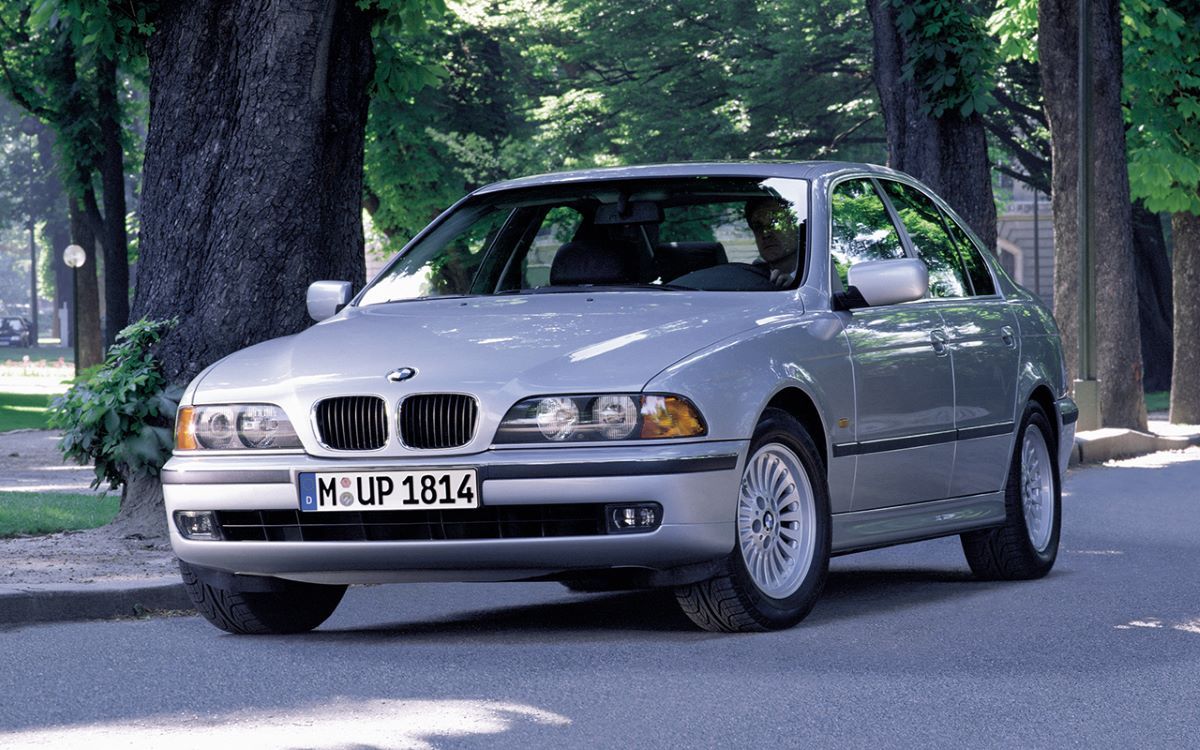
The E39’s chassis plays a major role in its longevity. Its suspension geometry reduces uneven tire wear and minimizes drivetrain shock, which helps preserve components over time.
In the U.S., where long highway miles dominate, E39s that avoid overheating issues routinely exceed 300,000 miles, and some push far beyond that.
Two years after unveiling the fourth-generation 5 Series, BMW introduced the station wagon variant, known in the brand’s nomenclature as the Touring.
When the E39 5 Series debuted in December 1995, it caught customers off guard in a pleasantly surprising way. Its front fascia was a notable departure from previous generations, yet buyers quickly came to appreciate the car’s overall design and performance.
One limitation, however, remained: cargo space. Unlike the E34 5 Series, which offered a long-roof variant, the E39 sedan lacked this practical feature. BMW addressed the issue in 1997 with the launch of the second-generation 5 Series Touring.
At the front, the E39 adopted a modernized look. Dual headlamps on each side were enclosed under a single piece of glass, complemented by corner-mounted turn signals. The bumper featured an aerodynamically shaped apron that could accommodate fog lamps, and the signature kidney grille was integrated into the hood, spanning the space between the headlights.
From the side, the long-roof Touring shared body panels with the sedan up to the B-pillars. BMW avoided cutting corners by designing new rear doors rather than reusing the sedan’s, a more expensive but higher-quality solution.
Pulled-out side sills protected the rear wheels from airflow and helped reduce drag, while a third row of windows behind the rear doors enhanced the wagon’s visual flow. At the rear, a raked-forward tailgate emphasized the car’s sporty character, and as with the previous Touring generation, the rear window could open independently of the tailgate to simplify loading smaller items.
Inside, the E39 Touring featured a dashboard that embraced BMW’s bio-design trends, with rounded corners and flowing lines. An arched visor sat above the instrument panel, which placed the tachometer and speedometer in the center, flanked by fuel and temperature gauges.
A narrow LCD displayed onboard computer information. Front bucket seats with bolstered sides were separated by a center console containing the gear stick and an armrest.
Optional features included a factory-installed mobile phone. The rear accommodated three passengers on a split-folding bench, which allowed cargo capacity to expand from 410 liters (23 cu-ft) to an impressive 1,652 liters (58.3 cu-ft).
Under the hood, BMW introduced a new generation of all-aluminum engines, reducing the car’s overall weight. The E39 was also the first BMW production model to feature fully aluminum suspension components. Buyers could select from gasoline or turbodiesel engines paired with five-speed manual transmissions, or opt for four- or five-speed automatic gearboxes depending on the engine choice.
5. BMW E46 3 Series Sedan (1999–2005)
The E46 sedan, particularly in six-cylinder form, is one of the most durable compact German sedans ever sold in America.
While often associated with sporty driving, its drivetrain was engineered for daily use over decades. The M54 inline-six, when paired with a manual or well-serviced automatic, can run nearly indefinitely.
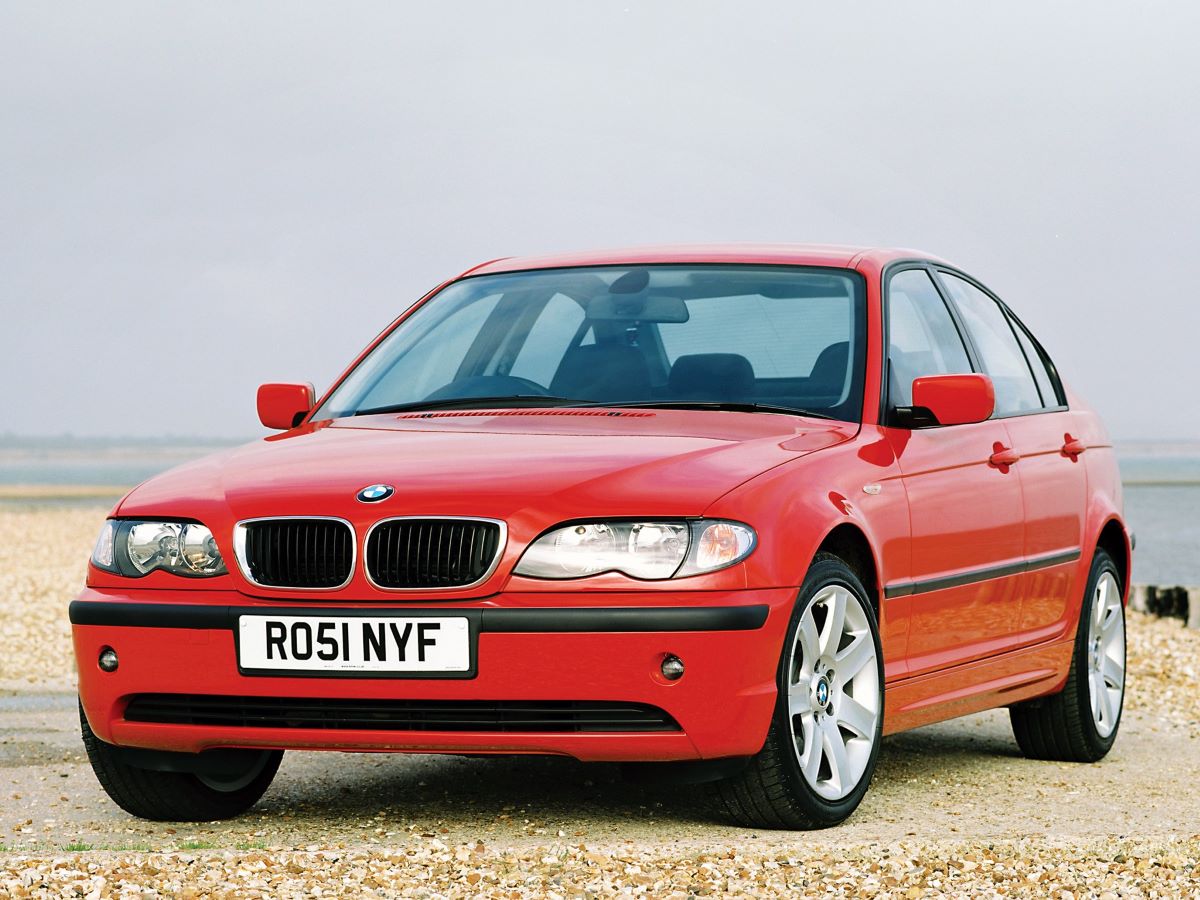
What makes the E46 special is parts availability and mechanical simplicity. In the U.S., nearly every wear item is affordable and widely stocked.
That means owners are more likely to keep up with maintenance, which directly contributes to high-mileage survival. The E46’s lighter weight compared to larger sedans also reduces long-term stress on brakes, suspension, and driveline components.
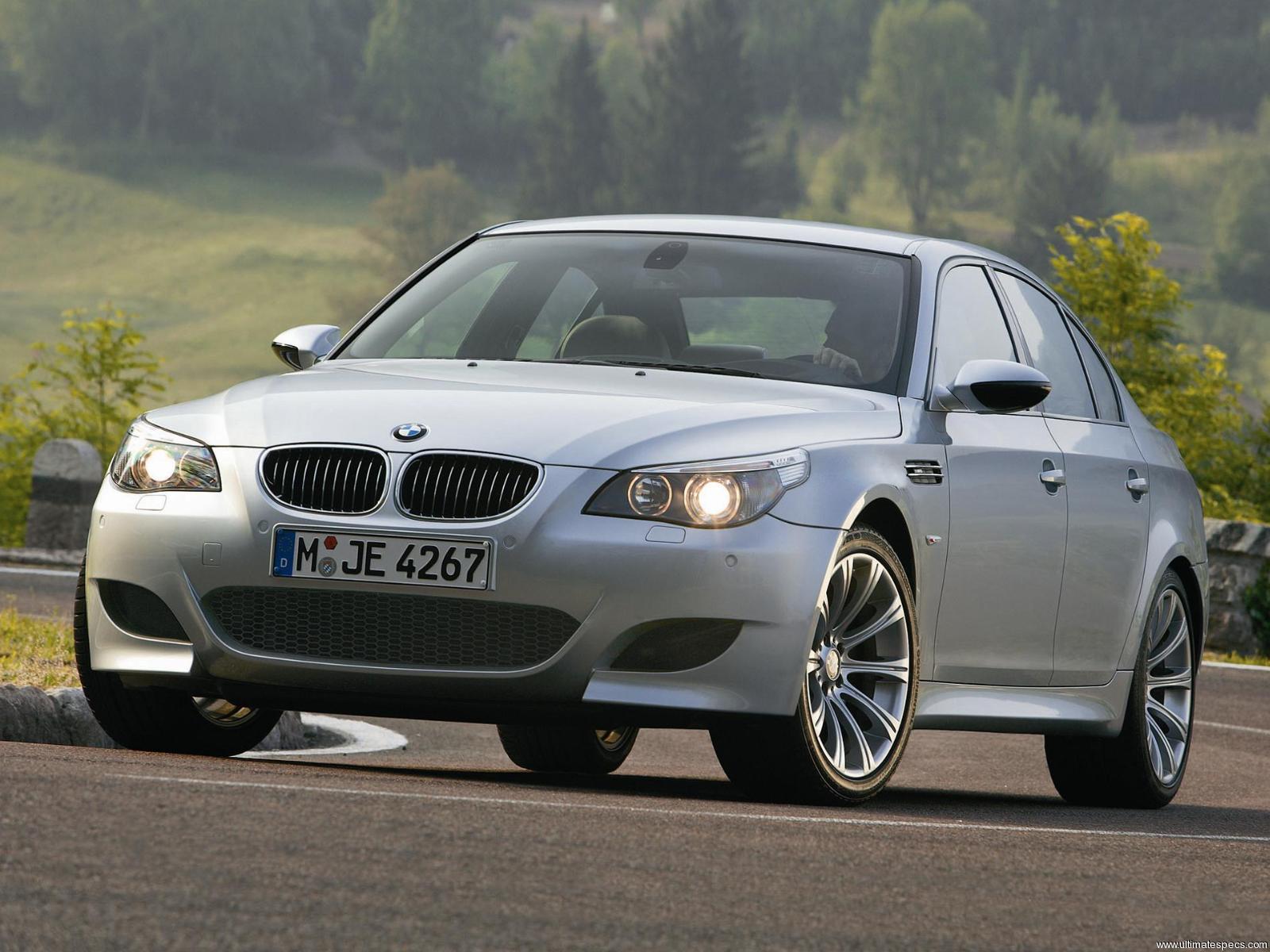
6. BMW E60 5 Series (2004–2010)
Though controversial for its styling and early electronics, the E60’s mechanical core especially in naturally aspirated six-cylinder form is robust.
The N52 inline-six is one of BMW’s most durable modern engines, using magnesium-aluminum construction and advanced cooling to manage heat efficiently.
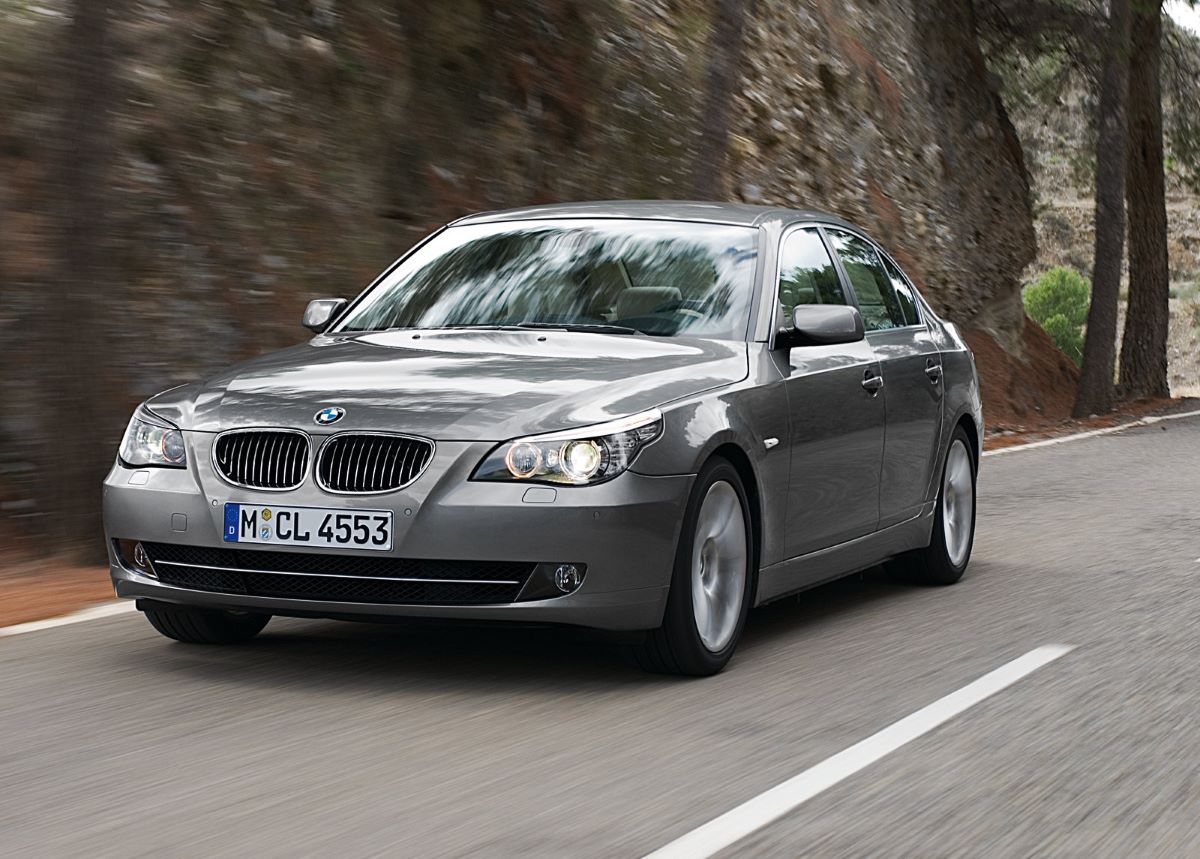
For U.S. drivers who log heavy highway miles, the E60 excels as a long-range cruiser. When iDrive issues are addressed and routine maintenance is followed, these cars can accumulate massive mileage without internal engine failure.
The key is avoiding neglected examples; well-kept E60s age far better than their reputation suggests.
The 2004 BMW 5 Series consistently earns praise from drivers for its responsive handling and engaging driving dynamics. Across multiple reviews, owners highlight how the car connects with the road, reacting eagerly to every input, a quality that turns routine commutes into enjoyable experiences and makes longer journeys genuinely pleasurable.
Its agility shines whether navigating city streets or winding mountain roads, showcasing a versatility that appeals to a wide range of drivers. Rear-wheel drive further enhances the sporty feel, while steering precision and feedback are frequently cited as standout attributes.
Even those new to BMW ownership often find themselves captivated by the 5 Series’ driving appeal. The V8 power, particularly in the 545i, delivers exhilarating acceleration and a commanding presence on highways, maintaining speed effortlessly over long stretches. The car’s stable, composed ride inspires confidence, making it ideal for road trips.
Comfort inside the cabin is equally notable: heated seats and steering wheels are appreciated in colder climates, while supportive, adjustable seating contributes to long-distance ease. The cabin creates an inviting ambiance, blending luxury and sportiness despite some minor critiques regarding materials.
Fuel efficiency, particularly on highways, impresses owners by providing a balance between performance and economy. The quiet, serene ride enhances the driving experience, allowing occupants to enjoy journeys without distraction. Safety is another frequently commended feature, with many drivers expressing reassurance in the car’s robust build and reporting confidence in serious situations.
Though the 5 Series’ styling initially sparked debate, it has grown on many owners, becoming a point of pride and conversation. Its combination of sportiness and luxury reflects the car’s driving spirit, and it continues to turn heads years after its debut.
Reliability over high mileage is another hallmark; many owners report consistent performance, smooth engine operation, and long-term durability, fostering loyalty and a desire to retain the car for years.
Even with premium maintenance costs, those who value driving enjoyment consider them a worthwhile trade-off. The overall satisfaction derived from its handling, performance, and enduring quality has solidified the 2004 BMW 5 Series as a cherished and highly regarded model among its owners, living up to its reputation as the “ultimate driving machine.”
7. Audi A6 C5 (1998–2004)
The C5-generation Audi A6 was built with a focus on structural rigidity and drivetrain durability.
While some engines are better than others, the naturally aspirated 2.8 V6 and 3.0 V6 have proven capable of long service lives when timing belt intervals are respected.
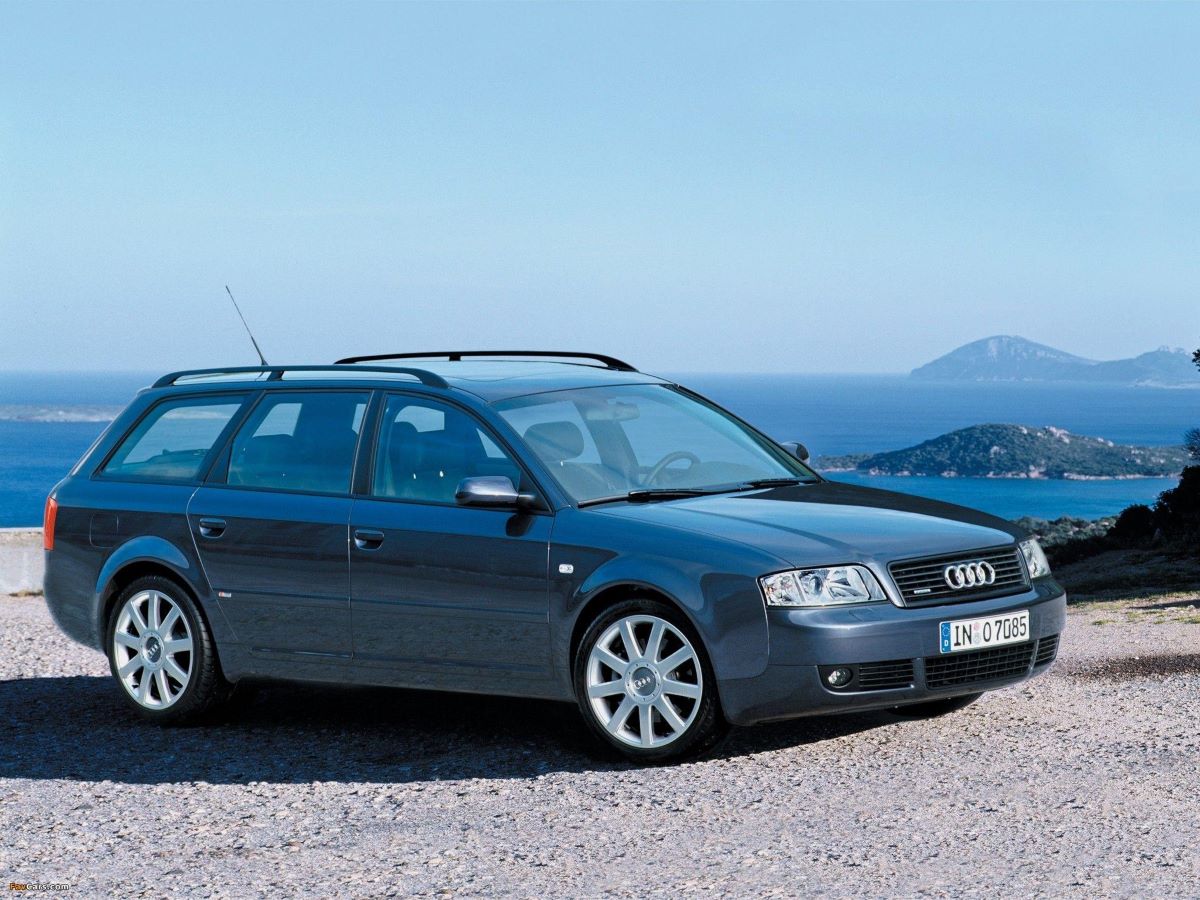
Quattro all-wheel drive adds complexity but also reduces drivetrain shock by distributing power evenly, which can extend component life.
In snowy and mountainous U.S. regions, the A6 C5 has proven especially valuable as a high-mileage daily driver. Interior materials also hold up remarkably well over time, making these cars feel younger than their odometers suggest.
Audis may share a Volkswagen DNA, but that hardly matters when the result is this level of engineering. The A4 and A8 set high benchmarks, and the all-new A6 follows suit, incorporating fresh corporate styling cues from recent show cars while maintaining Audi’s familiar refinement.
Power comes from a 2.8-liter V6 producing 200 horsepower, paired with a five-speed automatic featuring Tiptronic controls reminiscent of Porsche. This setup propels the A6 from 0 to 60 mph in 8.8 seconds, and choosing the $1,650 quattro all-wheel-drive system adds roughly half a second to that sprint.
Not blisteringly fast, but speed was never the hallmark of the previous A6 either, drivers seeking more urgency would be better served by the A4 2.8 or A8 4.2.
Although a manual transmission is absent, the A6 offers a long list of standard features for its $34,000 base price: alloy wheels, heated windshield washer nozzles, headlight washers, puddle lamps, dual-zone climate control with air filter, heated exterior mirrors, retained accessory power, power front seats, real wood trim, trip computer, a 140-watt, 10-speaker sound system, and side airbags.
The suspension supports it all effectively, with a four-link front setup borrowed from the A4 virtually eliminating torque steer under hard acceleration. While we haven’t driven the A6 directly, experience with the A4 and A8 suggests a smooth, well-damped ride that still communicates road conditions. Steering is likely light, though still informative, conveying the front tires’ behavior without exaggeration.
Styling is unmistakably Audi, with a swept greenhouse and muscular fenders, yet the A6 sedan lacks the striking appeal of its A4 sibling. Rounded panels and sharply creased trim sometimes clash, while taillight design has raised eyebrows for looking oddly familiar,nsome even liken it to the Chevrolet S-10 pickup.
Depending on perspective, the car can look sleek or slightly awkward, with the front overhang occasionally seeming out of balance. Thankfully, the gracefully arcing greenhouse restores some elegance to the overall profile.
In spite of these minor criticisms, the new A6 should remain a compelling choice in the competitive entry-level luxury segment, though shoppers will have plenty of alternatives at this price.
The wagon’s biggest limitation is its 172-horsepower 2.8-liter V6. Moving nearly 3,847 pounds in an unloaded A6 Quattro Wagon, acceleration is decidedly leisurely. Handling is better: steering is crisp with strong feedback, although slightly light due to overboosted assistance. Braking is excellent, smoothly and confidently bringing the hefty wagon to a stop.
Inside, passengers enjoy traditional Audi comfort on supportive seats, with Jacquard cloth standard and Kodiak leather optional. The cabin exudes richness through burled walnut accents and a straightforward gauge layout backlit in soothing red. Some controls may be confusing initially, but owners quickly adapt, finding the interior both functional and inviting.
8. Audi A4 B6/B7 Sedan (2002–2008)
The B6 and B7 A4 sedans are among Audi’s most reliable compact platforms. The 1.8T engine, when maintained with frequent oil changes and updated components, can reach extremely high mileage.
Later 2.0T versions improved efficiency but require more careful maintenance discipline.
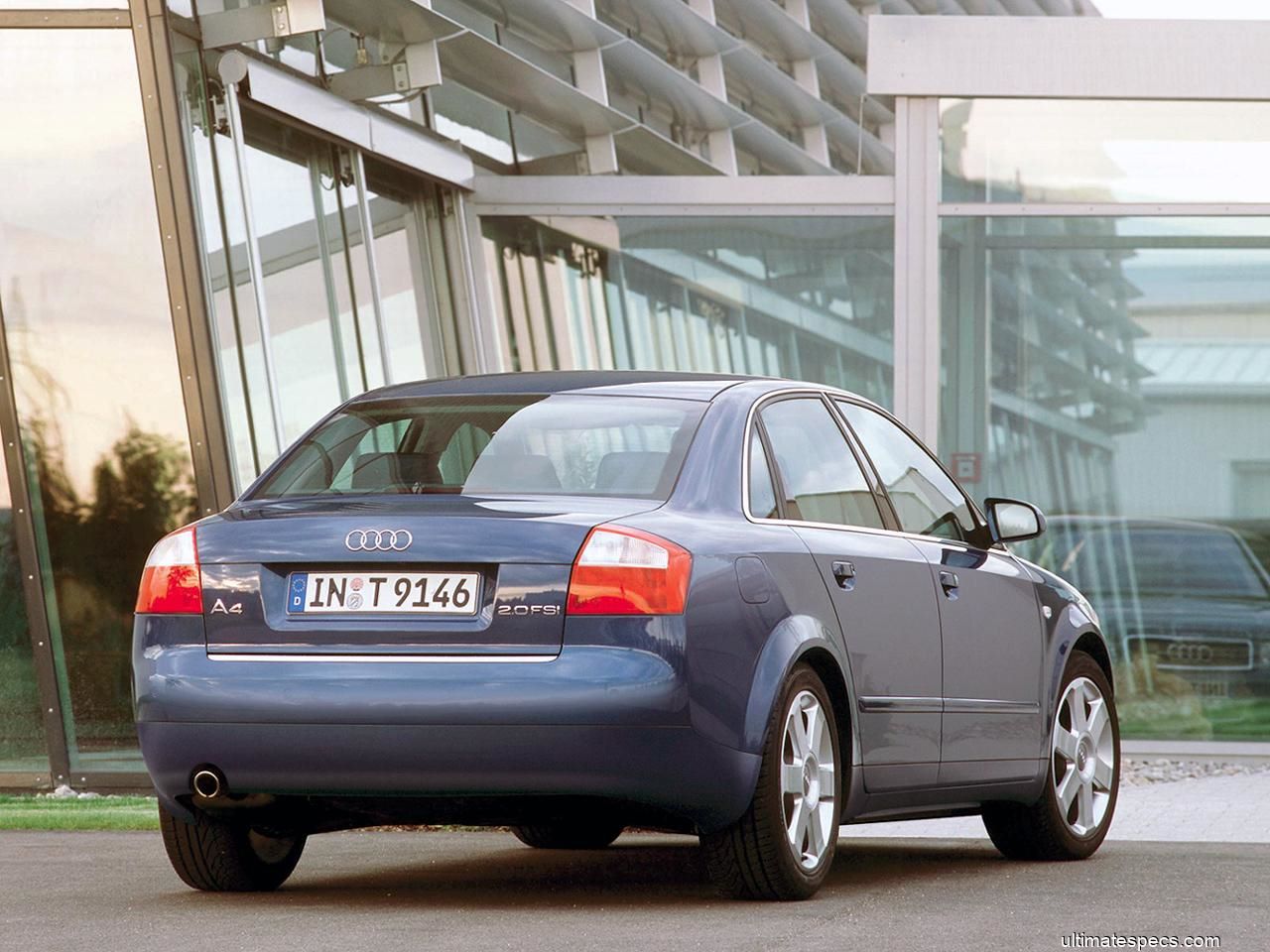
What helps these cars reach 500,000 miles is modular engineering. Components are serviceable, replacement parts are plentiful in the U.S., and independent shops are familiar with common failure points.
When owners stay ahead of known issues rather than reacting to them, the A4 becomes a long-term companion rather than a disposable luxury car.
9. Volkswagen Passat B5 (1998–2005)
Often overlooked due to its badge, the B5 Passat shares much of its DNA with Audi models of the same era. Built on a longitudinal engine platform, it was far more robust than later transverse Passats.
Engines like the 1.8T and 2.8 V6 have shown impressive longevity when properly maintained.
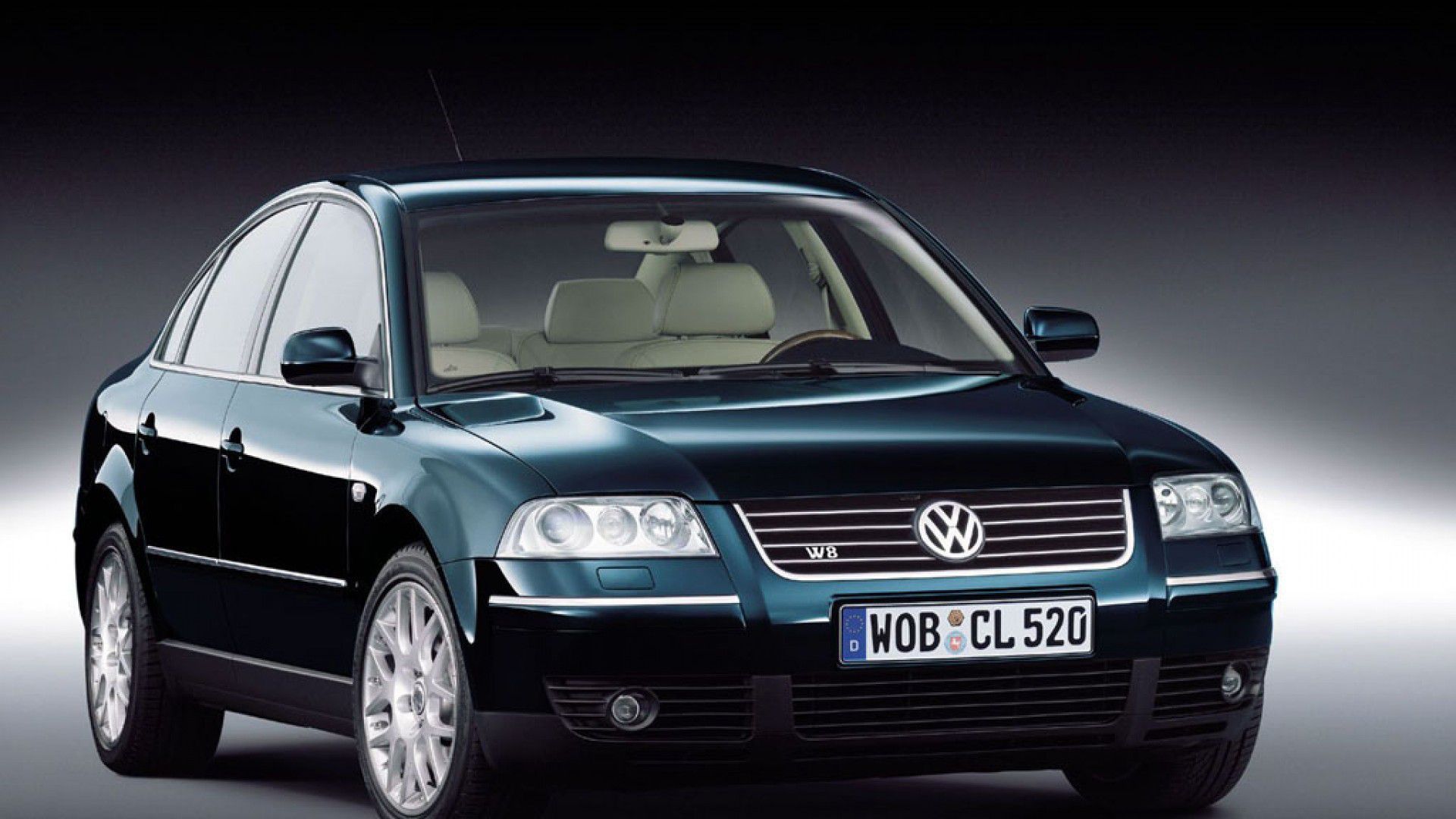
In the U.S., the B5 Passat has quietly accumulated huge mileage in rural and suburban settings. Its comfortable ride, solid highway stability, and relatively simple electronics make it easier to keep running long-term than newer Volkswagens.
For buyers focused on endurance rather than prestige, the B5 Passat is a sleeper choice.
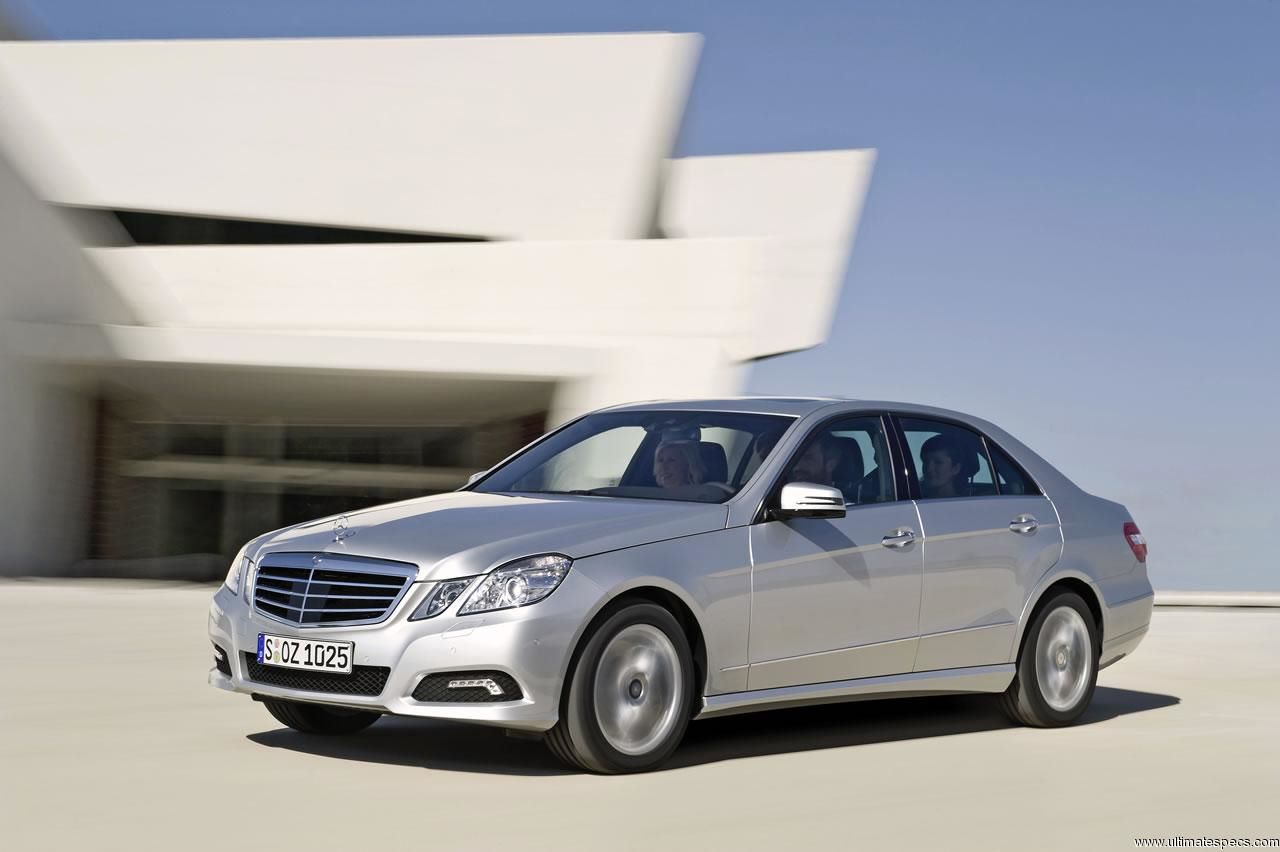
10. Mercedes-Benz W212 E-Class (2010–2016)
The W212 represents the last era of Mercedes sedans that balance modern technology with conservative engineering.
Engines like the M276 V6 and OM642 diesel were designed with durability in mind, featuring improved materials and refined lubrication systems.
For American drivers, the W212 excels as a long-haul vehicle. Its noise isolation, cooling efficiency, and stable highway behavior reduce mechanical stress over time.
Fleet vehicles, private chauffeurs, and high-mileage commuters have already demonstrated that these cars can push far beyond typical ownership expectations when serviced correctly.
Half a million miles is not about brand loyalty it’s about design philosophy. These German sedans were engineered during periods when manufacturers still prioritized longevity, structural integrity, and drivetrain margin.
They were built to sustain sustained high speeds, heavy loads, and decades of use.
For U.S. owners, success depends on maintenance discipline, choosing the right engine, and understanding that preventative care is cheaper than reactive repairs.
When treated as machines rather than disposable tech products, these sedans prove that German engineering, at its best, was never meant to be temporary.