Modern city life demands vehicles that are efficient, practical, and adaptable to dense traffic, tight parking spaces, and frequent short trips. Cars designed for the city must offer features that simplify commuting while maintaining comfort and safety.
Fuel efficiency or electric power has become a major consideration as urban areas increasingly adopt stricter emission regulations. Advanced technology, such as navigation systems, driver-assistance tools, and connectivity features, has become essential for people who spend significant time on the road. Urban drivers also prefer cars that are compact yet roomy enough for passengers and groceries, blending convenience with style.
In addition to practical aspects, modern city cars must account for environmental concerns. Electric vehicles and hybrids provide alternatives to traditional fuel-powered models, reducing emissions and noise in busy areas. Parking can be a constant challenge, so smaller dimensions, responsive steering, and easy maneuverability make city driving less stressful.
Infotainment and smartphone integration help drivers stay connected while minimizing distractions, ensuring a balance between convenience and safety. Consumers also increasingly look for affordability, not only in terms of purchase price but also maintenance, insurance, and fuel costs, which makes practical, cost-efficient models highly attractive.
Another factor is versatility. City drivers often need to switch between commuting, errands, and occasional leisure trips. Cars that can adjust to multiple uses without sacrificing comfort or performance tend to thrive in urban settings. Modern design aesthetics also play a role, as sleek and contemporary exteriors often appeal to buyers who value image and self-expression.
Safety features such as automatic braking, lane assist, and pedestrian detection are becoming more common and are often essential in traffic-heavy urban environments. With these factors combined, it becomes clear that some vehicles are naturally suited to city life, while others feel outdated and cumbersome, making them less desirable for modern urban driving.
While city-friendly vehicles prioritize efficiency, accessibility, and technology, some older models maintain classic charm but fail to meet current urban demands. Bulky designs, poor fuel economy, and outdated tech can make daily driving more frustrating in congested areas.
Drivers may encounter difficulties with parking, tight turns, or stop-and-go traffic, all of which highlight the contrast between modern and older vehicles. Despite nostalgia for certain designs, practicality often outweighs sentiment when navigating busy city streets. Urban consumers are increasingly selective, favoring vehicles that reduce stress, save time, and offer reliability.
Understanding which cars complement modern city life and which feel outdated provides insight into how automotive design has evolved. Factors like fuel efficiency, compact size, advanced technology, and user-friendly features define contemporary city vehicles.
By comparing models that thrive in urban environments with those that struggle, drivers can make informed decisions. The following sections present five cars that are ideal for modern city life and five that feel outdated, illustrating how practicality and innovation shape urban driving experiences.
5 Cars That Fit Modern City Life
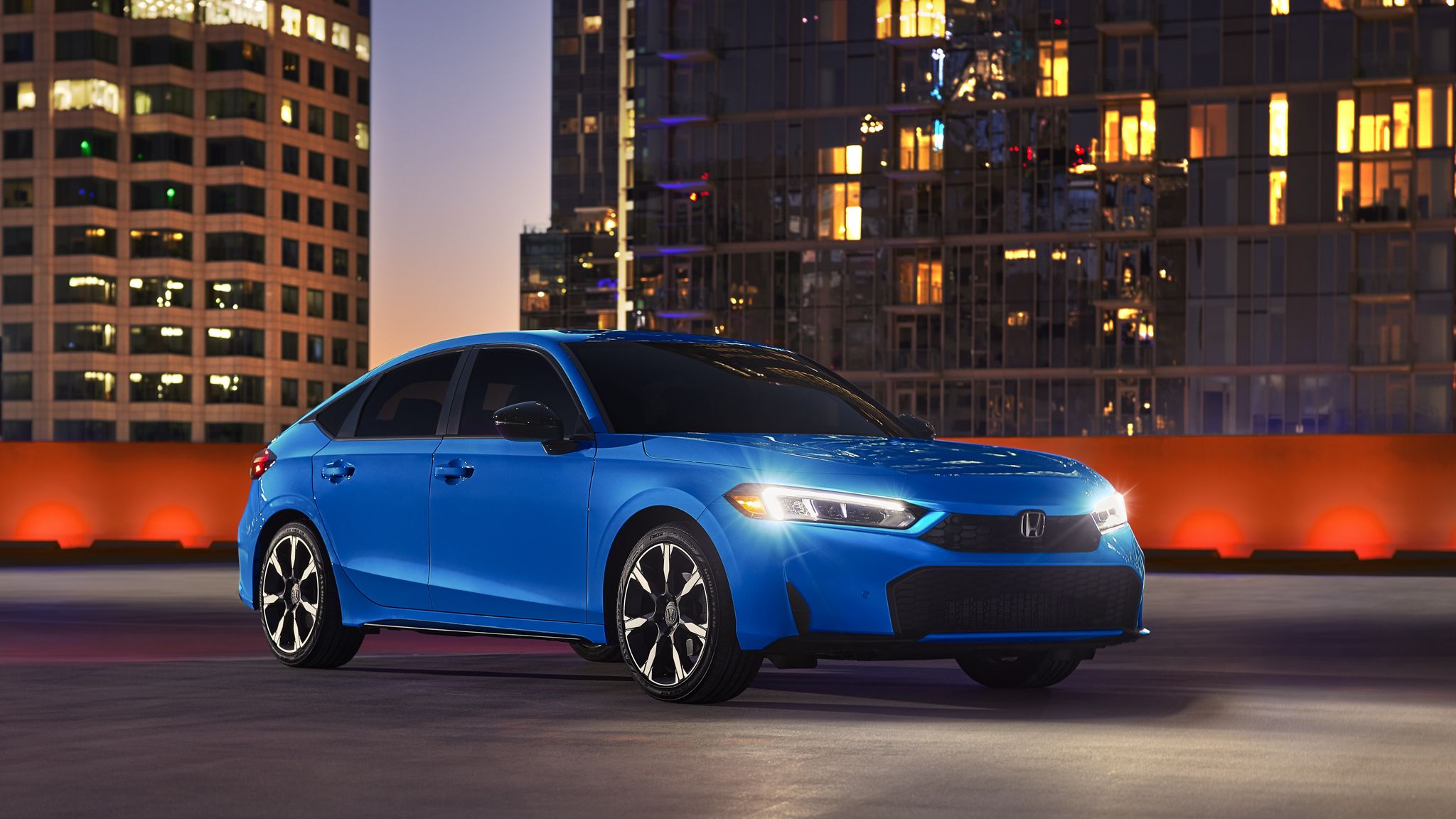
1. Honda Civic
The Honda Civic has built its reputation on reliability and versatility, making it a consistent favorite for urban drivers. Its compact dimensions make navigating crowded streets effortless, allowing drivers to maneuver around traffic jams with confidence.
Fuel efficiency remains high, which is especially valuable for city commuters who make frequent short trips. Additionally, the interior is thoughtfully designed with modern infotainment systems that integrate seamlessly with smartphones, enhancing convenience on the go.
Comfort and handling are carefully balanced, providing a smooth ride even in stop-and-go traffic situations. Advanced safety features, including collision mitigation and lane-keeping assistance, add a layer of protection that is particularly useful in dense urban areas. Parking sensors and responsive steering make parallel parking or tight spaces significantly less stressful. The Civic’s suspension is tuned to absorb minor road imperfections, keeping the driving experience composed and stable.
Hybrid variants add another layer of appeal for environmentally conscious drivers. Reduced emissions not only align with city regulations but also save money on fuel costs. Acceleration is smooth yet adequate for merging onto busy highways, making it versatile for both city and occasional suburban driving.
The cabin layout is ergonomic, ensuring driver and passenger comfort during daily commutes. Infotainment systems, including Apple CarPlay and Android Auto, support navigation and entertainment without compromising focus on the road.
The Civic’s exterior design is modern and stylish, maintaining a sporty yet approachable presence that complements urban aesthetics. Headlights and LED indicators are bright and energy-efficient, increasing visibility in low-light conditions. Trunk space is cleverly designed to accommodate groceries, sports gear, or small furniture items.
Interior storage compartments are accessible and practical, reflecting attention to everyday urban needs. The combination of compact size and modern design makes the Civic both functional and visually appealing.
Drivers appreciate the Civic’s balance between affordability and performance. Insurance costs are generally low, and its long-standing reliability reduces unexpected maintenance expenses. Handling remains predictable, even in dense traffic, making city commuting less stressful.
The Civic’s resale value remains strong, making it a practical investment for long-term ownership. The Honda Civic continues to exemplify a city-friendly car that combines efficiency, comfort, technology, and style without compromise.
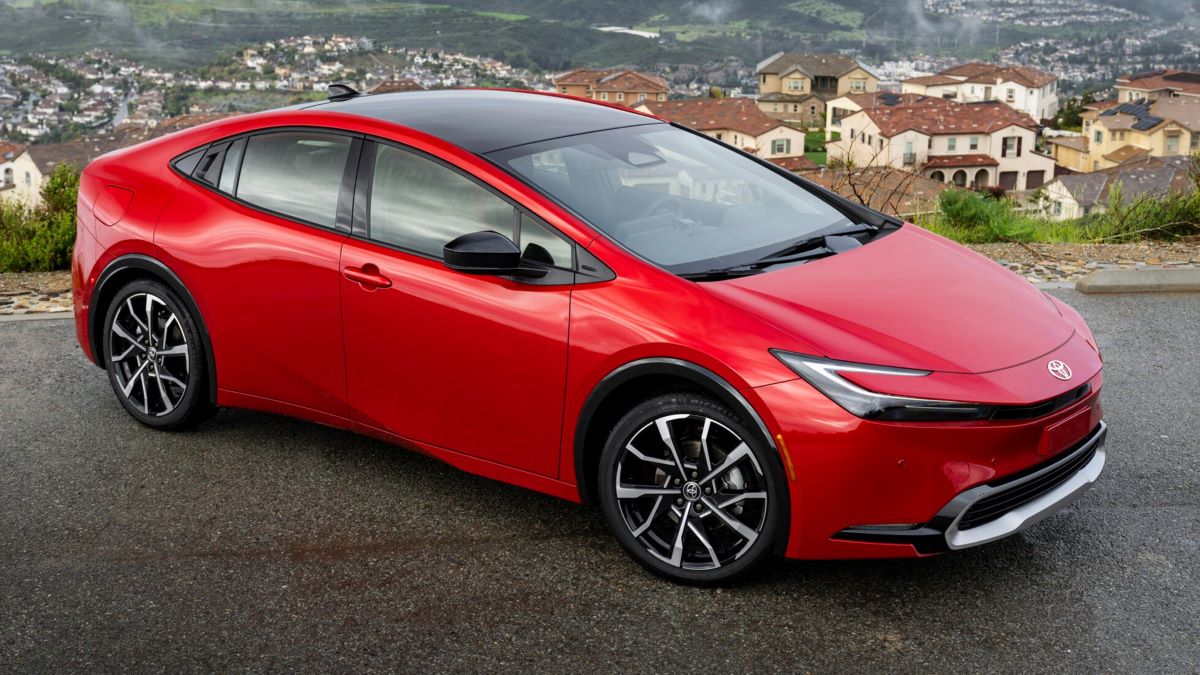
2. Toyota Prius
The Toyota Prius is one of the most recognizable hybrid vehicles worldwide, offering unmatched efficiency for urban driving. Its electric motor assists in reducing fuel consumption during stop-and-go city traffic, making it ideal for daily commuting.
Compact dimensions simplify parking in busy areas where space is limited, while the design is focused on both function and efficiency. Modern technology, such as adaptive cruise control and integrated navigation systems, enhances driver convenience.
Driving the Prius feels smooth and predictable, which reduces stress during congested city commutes. Seats are comfortable and supportive for short trips, and visibility is excellent for navigating crowded streets. Noise levels are low, allowing for a calm cabin environment even in high-traffic situations.
Safety features, including automatic emergency braking, contribute to peace of mind and reduce the likelihood of minor collisions in tight urban settings.
Hybrid technology is the Prius’s most significant advantage for city drivers. Regenerative braking captures energy during deceleration, extending battery life and reducing fuel costs.
Also Read: Top 9 Hybrids That Handle City Driving Smoothly
The system automatically switches between electric and gasoline power, optimizing efficiency without driver input. The interior is intelligently designed, providing practical storage solutions while maintaining a clean and uncluttered appearance. Infotainment systems include real-time traffic updates and route guidance to improve commuting efficiency.
The exterior design is distinctive and aerodynamic, signaling modernity without being overly flashy. LED lighting ensures visibility at night while conserving energy.
Cargo space is practical for everyday errands, and the hatchback design allows for easy loading and unloading. Compact dimensions allow effortless lane changes and turning, critical for congested city streets. Drivers can confidently navigate urban areas without compromising comfort or style.
Affordability and low maintenance make the Prius a strong choice for city dwellers. Reliability ratings are excellent, reducing the likelihood of costly repairs. Hybrid incentives in some regions further lower ownership costs, making it financially appealing.
Quiet operation, smooth handling, and environmentally friendly performance make the Prius an ideal companion for urban life. Its reputation for efficiency and practicality keeps it among the top choices for city-focused vehicles.
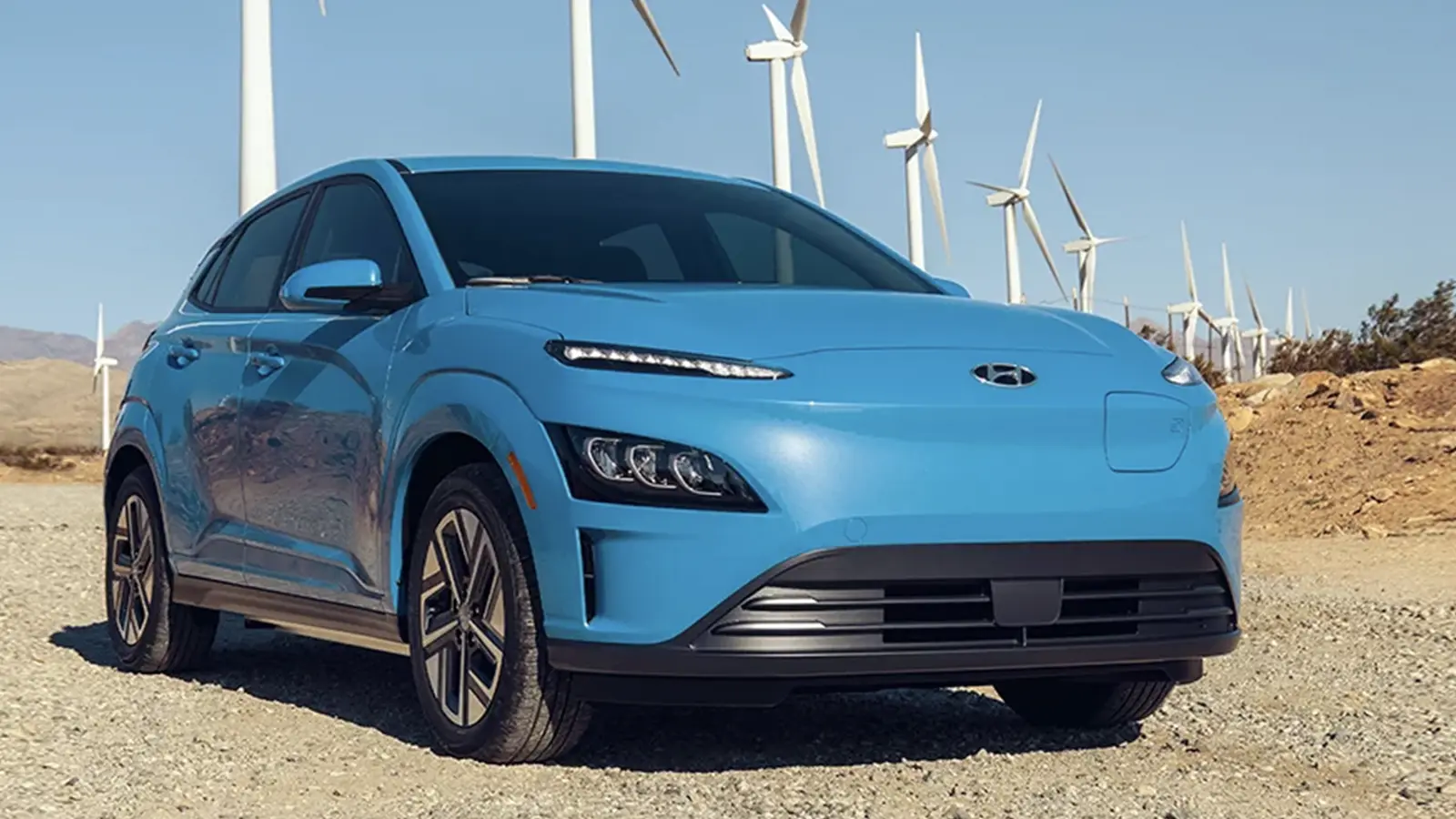
3. Hyundai Kona
The Hyundai Kona combines compact SUV versatility with urban practicality, offering an appealing blend of style and efficiency. Its small footprint allows easy navigation and parking, yet the interior remains spacious enough for passengers and cargo.
Fuel economy is strong, especially for a vehicle of its size, making it cost-effective for city driving. The cabin features modern infotainment and connectivity options, including touchscreen displays and smartphone integration.
The Kona handles tight turns and narrow streets with confidence, providing a driving experience that feels agile despite its SUV design. Safety features, such as blind-spot monitoring and forward-collision warnings, add protection during congested traffic situations. Seats are supportive, offering comfort for short commutes and occasional longer trips. Cabin noise is minimized, allowing for a relaxed driving environment even during heavy traffic.
Electric and hybrid variants enhance the Kona’s appeal to eco-conscious drivers. Regenerative braking systems and smart energy management optimize efficiency, reducing fuel consumption and emissions.
The suspension is well-tuned for urban roads, absorbing minor imperfections while maintaining stability. Dashboard layouts are intuitive, with easy-to-read gauges and responsive controls that minimize distractions while driving.
Exterior design is bold and modern, with sharp lines and vibrant color options that appeal to younger urban drivers. LED lighting improves visibility, enhancing safety during night driving. Storage compartments are cleverly integrated for daily errands, including groceries, sports gear, or small luggage. The Kona’s dimensions allow it to navigate traffic efficiently while maintaining a confident road presence.
Affordability, warranty coverage, and reliability make the Kona a strong choice for urban households. Its combination of compact size, safety features, and efficiency ensures convenience and peace of mind. Connectivity features keep drivers linked to navigation, music, and communication without sacrificing focus on the road. The Kona balances technology, practicality, and style, making it well-suited for modern city life.
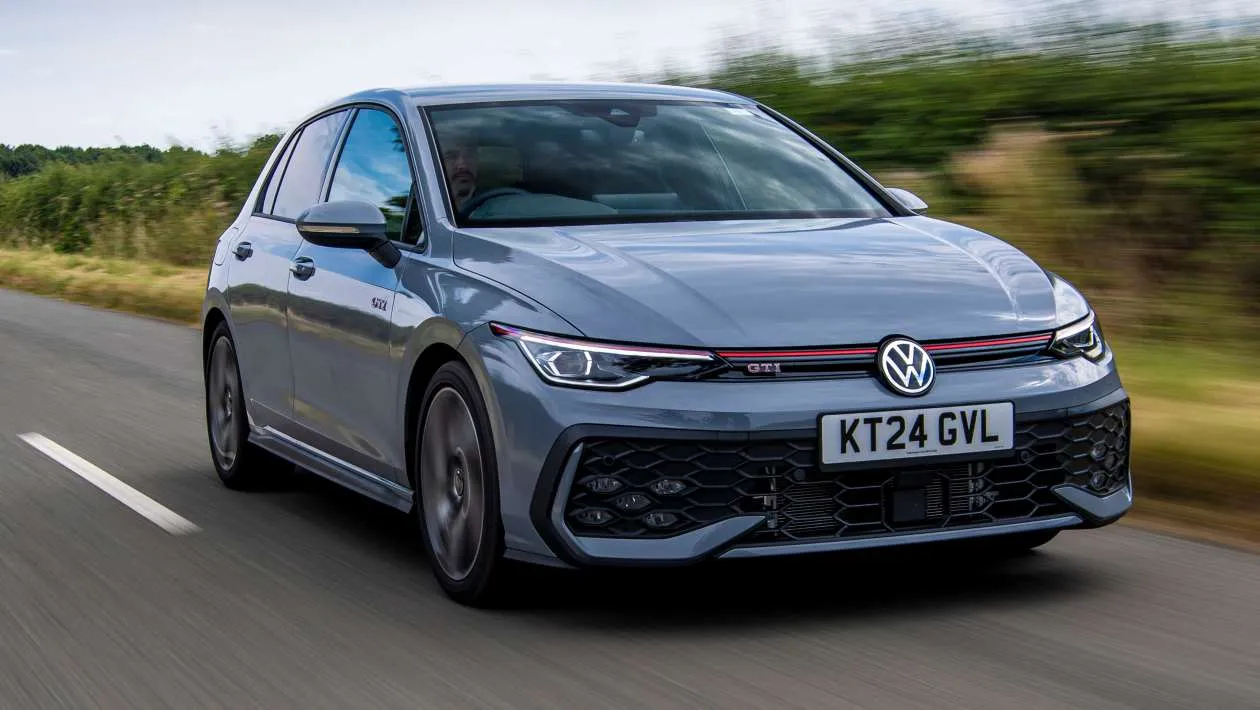
4. Volkswagen Golf
The Volkswagen Golf has long been known for its practical design and urban versatility. Its tight turning radius allows drivers to maneuver efficiently through crowded city streets. Fuel-efficient engines reduce the need for frequent refueling, and the interior offers modern technology, including touchscreen infotainment systems and smartphone connectivity. The Golf balances comfort, style, and performance in a package suited for urban commuting.
Handling is precise and responsive, allowing drivers to navigate traffic confidently. Seats are supportive and comfortable for daily commutes, while materials are durable enough to withstand frequent use.
Parking sensors and cameras assist with tight city spots, making parallel parking less stressful. Noise insulation is strong, ensuring a quiet and enjoyable driving experience even in heavy traffic conditions.
Modern safety features enhance the Golf’s suitability for city environments. Automatic emergency braking, lane-keeping assistance, and pedestrian detection protect in unpredictable urban situations. LED headlights improve visibility during nighttime or rainy conditions, while infotainment systems offer navigation and connectivity options. The hatchback design provides flexibility for passengers and cargo, combining practicality with style.
The Golf’s exterior design remains timeless, projecting a modern yet understated presence on the road. Compact dimensions make lane changes, turns, and parking easier in congested areas. Climate control systems keep passengers comfortable in varying weather conditions, while steering is responsive and natural. The combination of handling, interior comfort, and modern technology makes the Golf a reliable choice for city life.
Efficiency, comfort, and reliability continue to make the Golf a strong urban contender. Low maintenance costs, excellent resale value, and consistent performance contribute to its appeal. Its compact design does not compromise functionality or driving enjoyment.
The Golf demonstrates how a car can meet urban demands while remaining stylish and practical, solidifying its reputation as a city-friendly vehicle.
5. Nissan Leaf
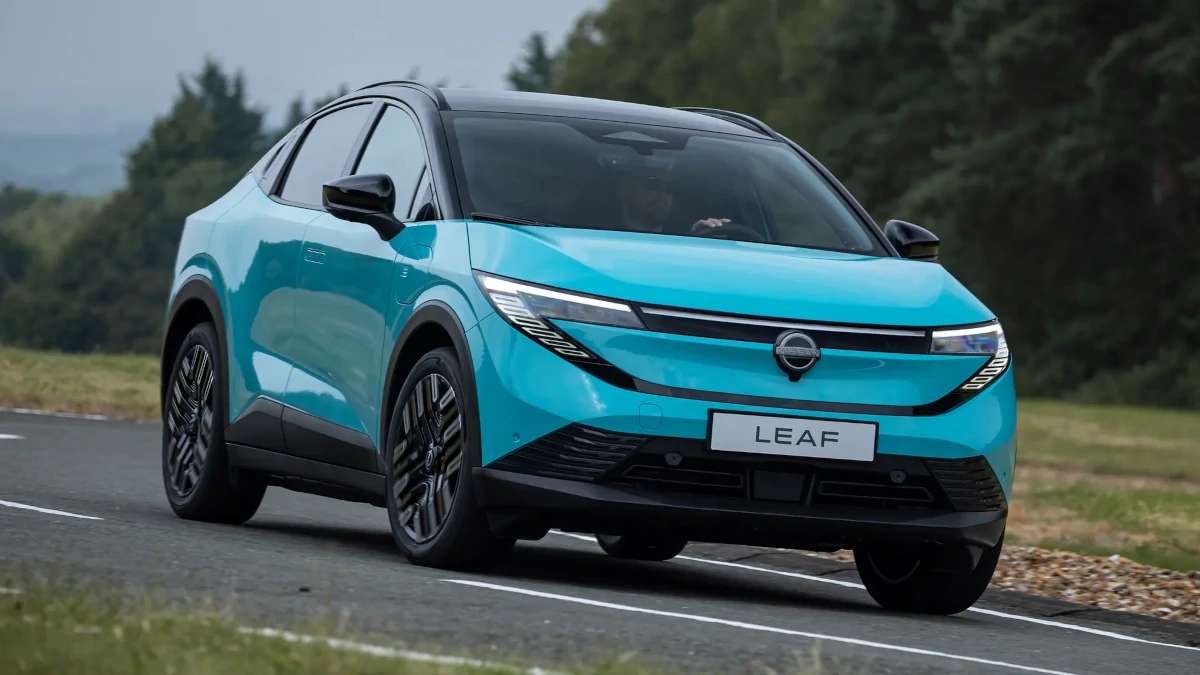
The Nissan Leaf is a fully electric vehicle tailored to modern city driving needs. Zero-emission operation makes it ideal for environmentally conscious urban areas. Its compact dimensions facilitate parking in tight spaces while remaining roomy enough for passengers and cargo. The cabin features modern infotainment and driver-assistance technologies that simplify navigation and enhance safety.
Acceleration is smooth and predictable, perfect for stop-and-go traffic. The Leaf operates quietly, creating a calm commuting experience. Safety features, including automatic emergency braking and blind-spot monitoring, provide reassurance in congested city environments. Interior space is used efficiently, allowing passengers to remain comfortable without sacrificing cargo capacity.
Battery range is sufficient for most daily urban commutes, and charging infrastructure is becoming more accessible in city areas. Regenerative braking further extends battery life and enhances energy efficiency. The suspension is tuned for comfort, absorbing minor road imperfections while maintaining stability. Cabin ergonomics and climate control improve passenger comfort during frequent short trips.
Exterior design is modern and distinctive, giving the Leaf a recognizable presence in urban traffic. LED headlights and taillights increase visibility and energy efficiency. The hatchback layout allows for flexible storage of groceries, work supplies, or recreational items. Compact width and turning radius make navigating narrow streets easier and less stressful.
Reduced fuel costs and low maintenance expenses make the Leaf an attractive city vehicle. Incentives for electric vehicle ownership can further reduce the cost of ownership. Smooth handling, modern technology, and eco-friendly performance define the Leaf’s appeal. For drivers seeking a practical, quiet, and environmentally responsible option, the Nissan Leaf remains a top choice for modern city life.
5 Cars That Feel Outdated
1. Hummer H2
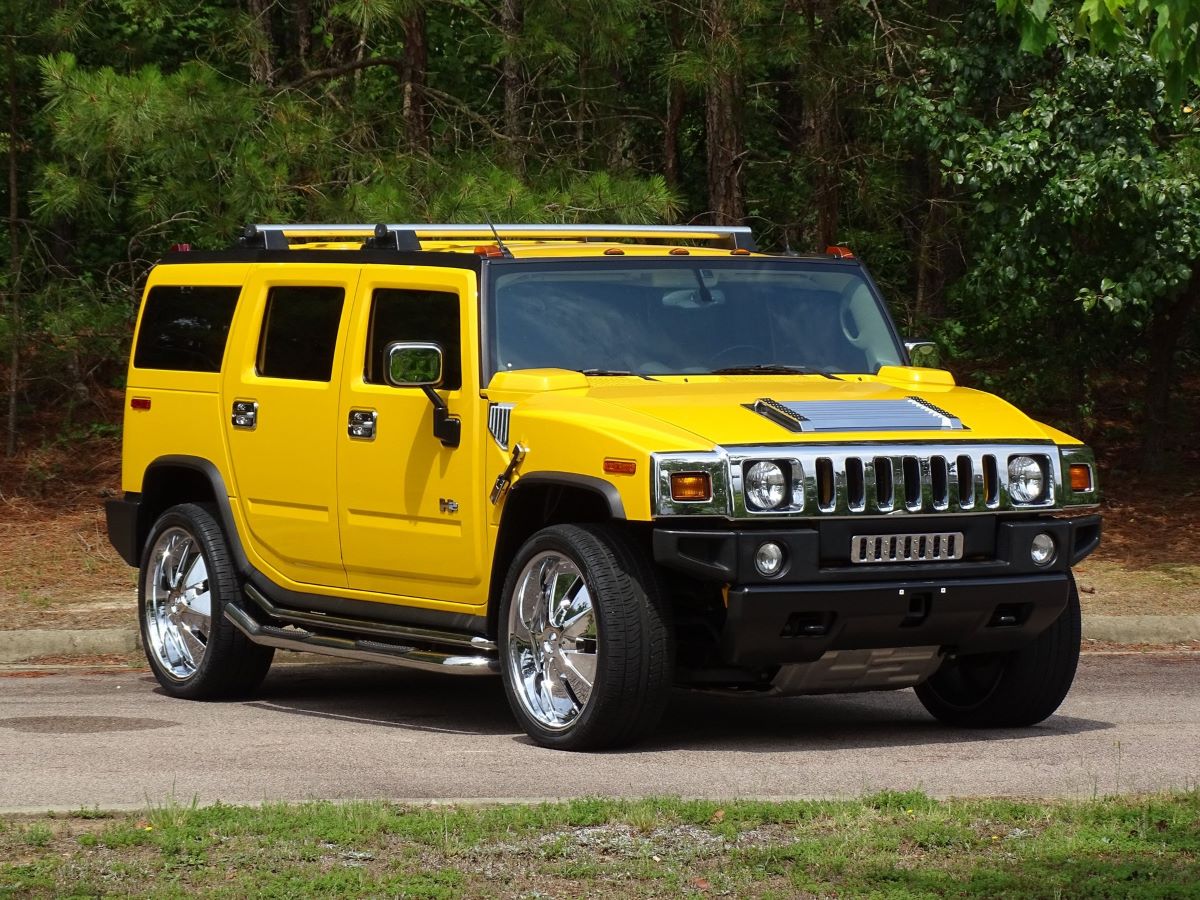
The Hummer H2 is infamous for its massive size, which makes navigating urban streets a constant challenge. Parking requires significant effort and planning, often occupying multiple spaces in smaller parking lots. Its fuel efficiency is extremely low, making frequent city trips costly and environmentally unfriendly. Steering is heavy and cumbersome, requiring more effort than smaller, modern vehicles, which reduces maneuverability in tight traffic situations.
Interior technology is minimal compared to contemporary standards. Infotainment systems lack smartphone integration, touchscreen functionality, or advanced connectivity, which limits convenience for drivers.
Safety features are basic, missing driver-assistance systems such as automatic emergency braking or lane assist. Ride comfort suffers due to its heavy frame, and the suspension does not absorb minor urban road imperfections effectively, making city commutes more tiring.
Also Read: 10 Best Pickup Truck V8 Engines in Automotive History
Maneuvering the H2 through narrow streets or sharp turns is stressful. Its oversized turning radius makes typical city intersections feel cramped and unwieldy. Stop-and-go traffic is particularly frustrating because of high fuel consumption and sluggish handling. Drivers must constantly anticipate the vehicle’s large dimensions, reducing spontaneity in urban driving. Its imposing size may command attention, but often complicates practical use.
The exterior design emphasizes ruggedness and off-road capability, which is impractical for urban driving. The vehicle’s bulk can block visibility for other drivers and pedestrians, and it requires extra caution when changing lanes. Storage space exists but is less convenient in city parking situations. The Hummer H2 prioritizes presence over practicality, making it feel outdated for modern urban lifestyles.
Maintenance costs are high due to the H2’s specialized parts and heavy-duty components. Insurance premiums tend to be elevated because of the vehicle’s size and potential risk in collisions. Environmental considerations and fuel costs make this SUV less appealing in cities increasingly focused on efficiency and sustainability. Its design and functionality highlight how it is built more for off-road adventure than everyday urban commuting.
2. Chevrolet Cavalier
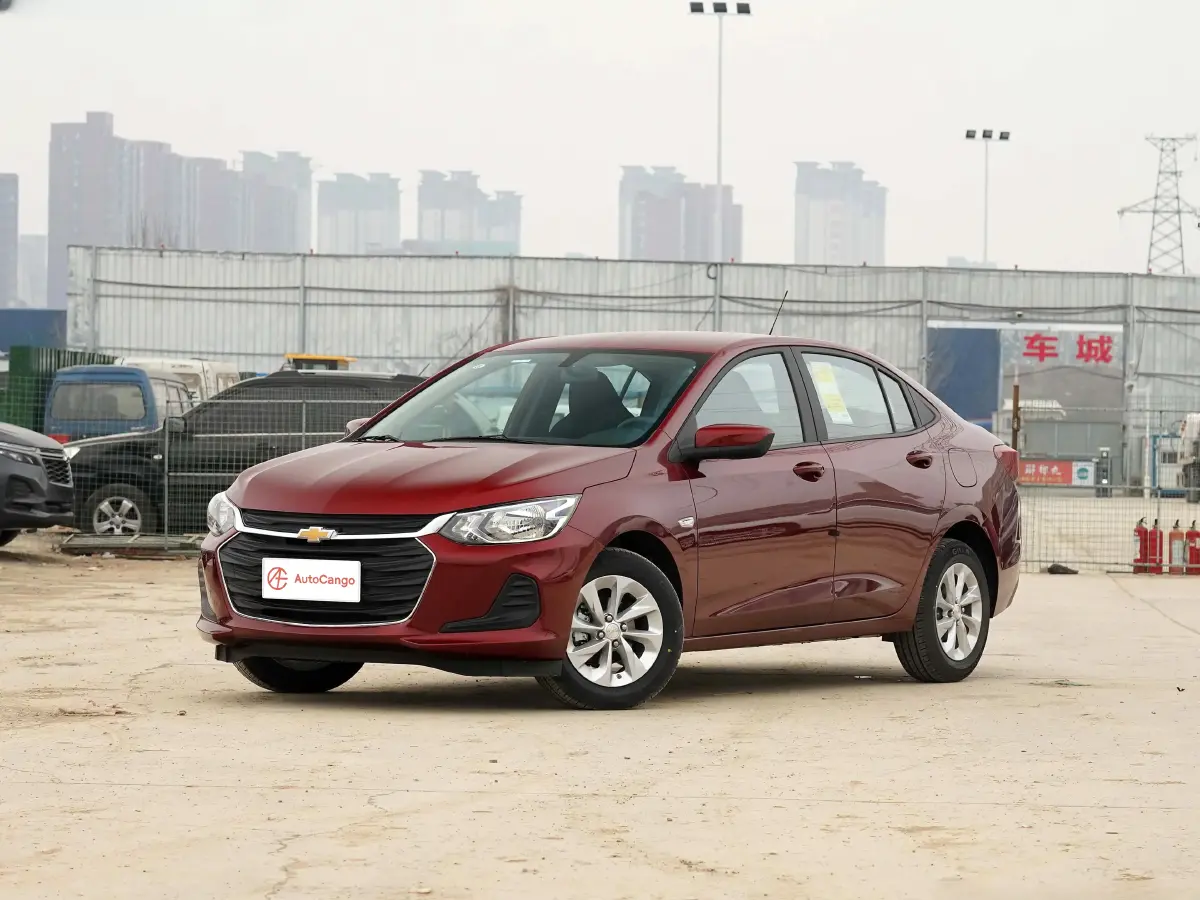
The Chevrolet Cavalier is a compact car that feels dated due to older technology and design. Infotainment systems are basic, lacking touchscreen functionality, navigation, or smartphone connectivity. Safety features are minimal, providing less protection in traffic-heavy city conditions. Fuel efficiency is lower than newer compact models, making frequent trips more expensive and less environmentally friendly.
Interior design is uninspired and shows signs of wear, with materials that feel cheap and uncomfortable over long drives. Noise insulation is poor, allowing outside traffic sounds to intrude into the cabin. Steering and handling lack the responsiveness found in modern vehicles, making tight maneuvers less precise. Seat comfort is limited, which reduces enjoyment during frequent city commutes.
Acceleration is underwhelming, especially when merging into fast-moving traffic. Braking response is slower compared to contemporary vehicles, adding stress in stop-and-go conditions. Climate control systems are outdated, and controls may feel unintuitive for new drivers. The cabin layout is less ergonomic, reducing convenience during errands or daily commuting.
The exterior design appears outdated, lacking modern styling cues that blend aesthetics with practicality. Dimensions are compact, but the driving experience feels less refined, particularly in crowded streets. Visibility can be limited due to smaller windows and older mirror designs. Lighting is basic, decreasing effectiveness during nighttime or adverse weather conditions.
Resale value is low, and repairs can be frequent as components age. Safety ratings are outdated, making the Cavalier less suitable for modern city driving. While it serves basic transportation needs, it lacks the features, efficiency, and comfort that urban drivers now expect. The Cavalier is functional but does not match contemporary city car standards.
3. Ford Crown Victoria
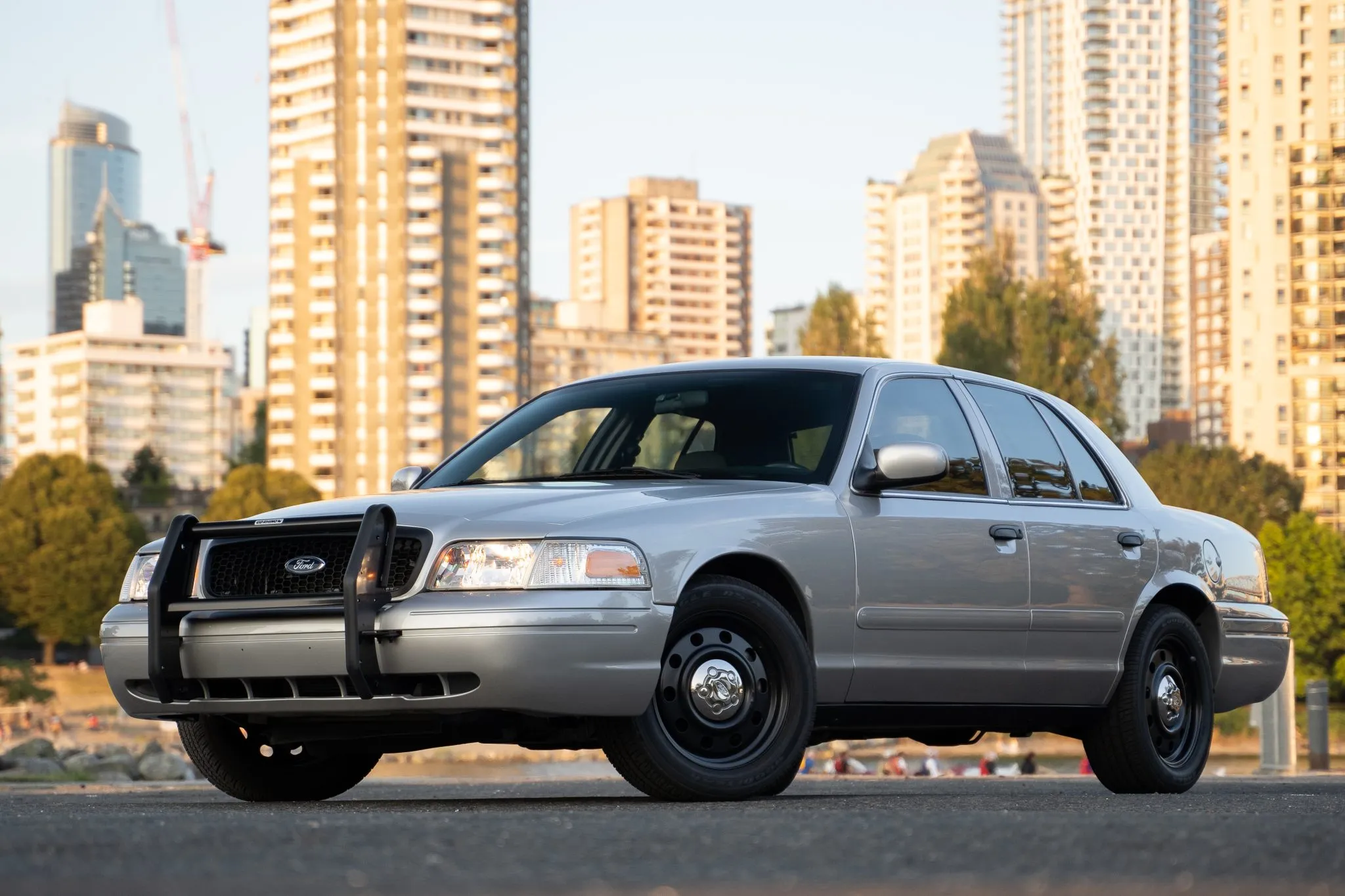
The Ford Crown Victoria is a large sedan designed for straight roads rather than congested city streets. Steering is heavy, making sharp turns and narrow lanes difficult to manage. Fuel consumption is high, which increases expenses for drivers who frequently navigate stop-and-go traffic. Infotainment and connectivity options are limited, with minimal technology integration.
Interior space is generous but not optimized for urban use. Seats are soft and comfortable but lack modern ergonomic support, particularly for daily commuting. Noise insulation is weak, letting engine and road sounds intrude into the cabin. Climate control is basic, providing fewer options than contemporary systems for passenger comfort.
Acceleration is slow compared to modern sedans, and braking feels less responsive, which can be challenging in busy city traffic. Tight parking situations are stressful due to the car’s length and width. Traffic congestion increases driver fatigue, making daily commutes more exhausting. Turning radius is large, reducing maneuverability in urban intersections.
The exterior design is bulky and outdated, emphasizing size over style or efficiency. Dimensions make parallel parking and tight lane changes cumbersome. Headlights and lighting systems are basic, reducing visibility at night. The aesthetic feels old-fashioned compared to sleek, modern city vehicles.
Maintenance and fuel costs are high, further limiting its practicality for city use. Safety features do not meet modern standards, lacking driver-assistance technologies that are now commonplace. The Crown Victoria’s design and size make it impractical for modern urban life, functioning more as a relic of previous automotive priorities than a practical city car.
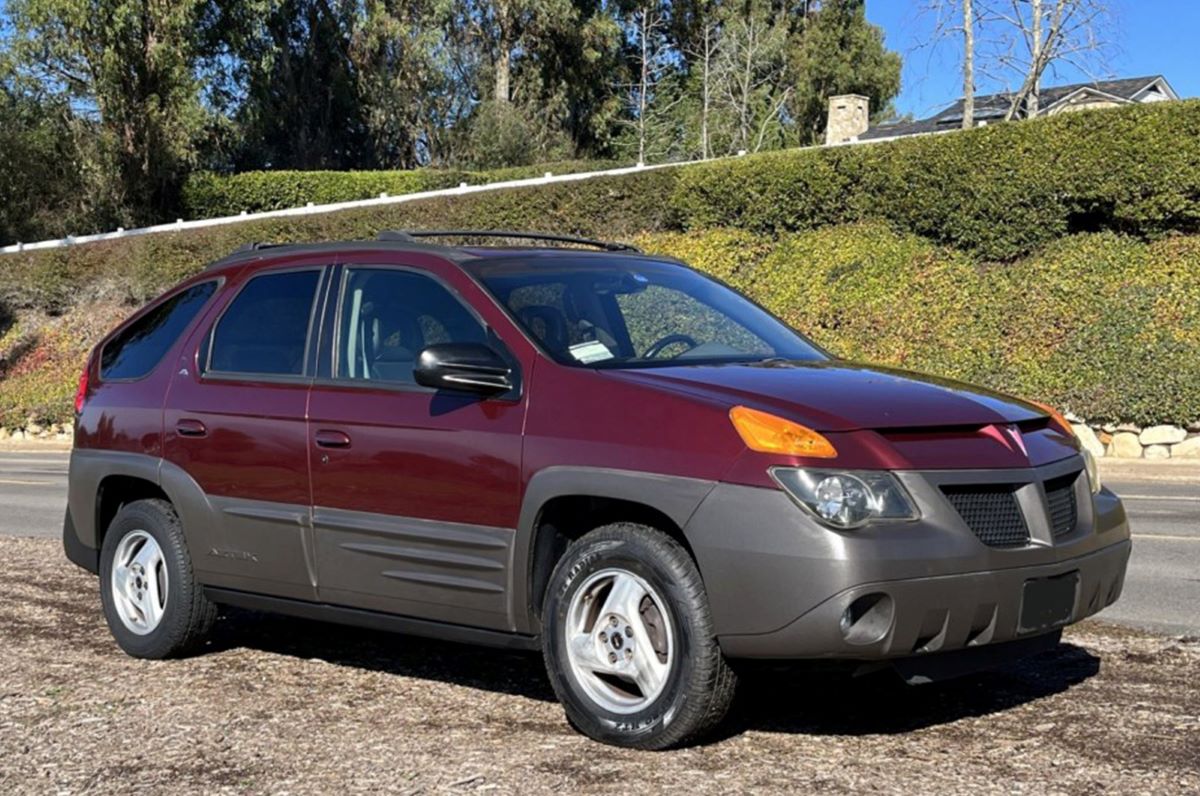
4. Pontiac Aztek
The Pontiac Aztek is widely known for its unusual and polarizing design, which makes it feel out of place on modern streets. Its shape is aerodynamic but awkward, creating poor fuel efficiency compared to contemporary compact SUVs. Interior materials and layout feel outdated and less durable, reducing comfort for daily commuting. Technology features are minimal, lacking modern infotainment or navigation systems.
Handling in city traffic is unpredictable compared to modern vehicles. Steering lacks precision, and the suspension is not tuned for frequent stop-and-go conditions. Acceleration is sluggish, which can be frustrating when merging into traffic. Braking is less responsive than newer models, requiring extra caution in congested areas.
Interior space is oddly configured, making cargo storage less convenient. Seats are not supportive for longer drives or repeated city stops. Climate control is basic, and visibility is limited by thick pillars and narrow windows. The cabin feels less comfortable and practical for modern urban commuting.
The exterior styling is outdated and unattractive by contemporary standards. Its wide dimensions make maneuvering difficult in city streets, especially for parallel parking. Lighting technology is basic and less effective than modern LED systems. While it provides adequate functionality, the Aztek lacks refinement and practicality.
Fuel efficiency is low, and maintenance can be costly as parts age or become harder to find. Safety features are minimal, with no driver-assistance systems to reduce accidents or ease driving stress. The Aztek struggles to meet modern urban expectations and feels awkward, inefficient, and outdated in today’s city environment.
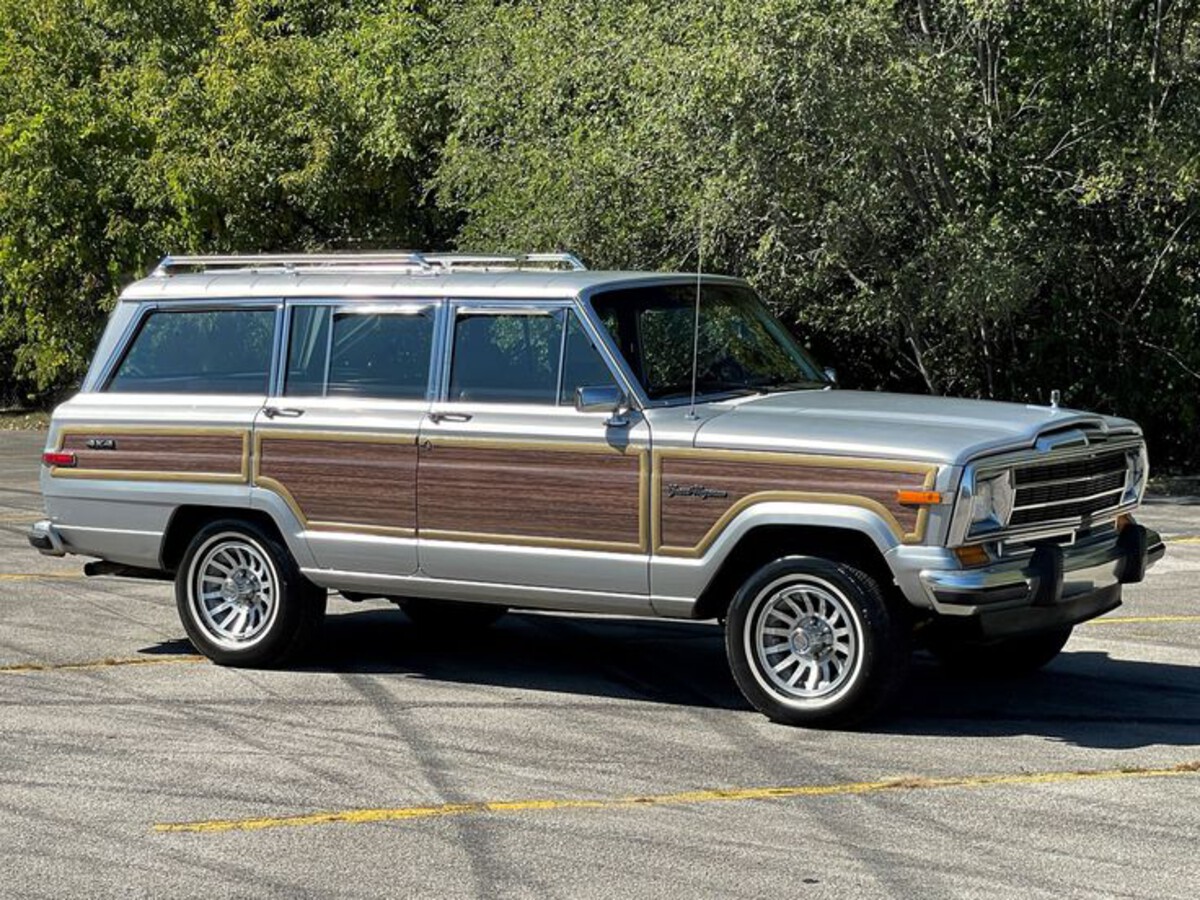
5. Jeep Grand Wagoneer (Early Models)
Early Jeep Grand Wagoneers are large and heavy, which makes city driving cumbersome. Steering and handling are not designed for tight urban streets, making turns and lane changes challenging. Parking requires careful planning and often multiple adjustments. Infotainment and connectivity systems are outdated, providing limited convenience for modern drivers.
Ride comfort is uneven in city conditions, as the suspension is designed for off-road or highway cruising. Interior space is substantial but inefficiently utilized, leaving passengers with less functional room for smaller errands. Noise insulation is poor, allowing engine and road sounds to intrude. Climate control is basic, with minimal adjustment options for varying weather conditions.
Acceleration is slow, making merges and overtaking in stop-and-go traffic more stressful. Braking lacks the precision found in modern vehicles, increasing the effort required in urban settings. The vehicle’s large size makes driving in traffic tiring and adds extra strain on steering and parking. Narrow streets amplify the challenge of maneuvering safely and efficiently.
The exterior design is classic but bulky, reflecting a focus on luxury and off-road capability rather than urban practicality. Wide dimensions make parallel parking and narrow lane navigation difficult. Lighting technology is basic, reducing visibility at night or in adverse conditions. Storage space is plentiful but cumbersome in city environments.
Fuel consumption is high, which increases running costs for frequent city use. Maintenance and repair costs are elevated due to aging components. Safety technology is minimal, lacking modern features that prevent accidents or assist in congested traffic. The early Jeep Grand Wagoneer is nostalgic and rugged but impractical for contemporary city life.