The Ford Mustang Dark Horse is supposed to represent the peak of modern American muscle before you step into Shelby territory.
With over 500 horsepower, aggressive aero, track-ready suspension, and a price that now pushes well past $60,000 when realistically optioned, it positions itself as a serious performance machine rather than a casual pony car.
Ford markets it as something capable of running with European sports cars while still delivering that unmistakable V8 character.
But here’s the uncomfortable truth: raw horsepower no longer guarantees dominance. In real-world driving, track consistency, driver engagement, balance, and value often matter more than spec-sheet bragging rights.
And once you factor in cost, weight, running expenses, and usability, the Dark Horse starts to look less like a performance bargain and more like a very expensive expression of nostalgia.
There are several cheaper sports cars some dramatically cheaper that can outperform, out-handle, out-brake, or simply outshine the Mustang Dark Horse in ways that actually matter to enthusiasts.
Whether it’s on a twisty road, a track day, or even daily driving, these cars prove that you don’t need a big V8 or a massive price tag to embarrass Ford’s flagship pony car.
1. Chevrolet Corvette C6
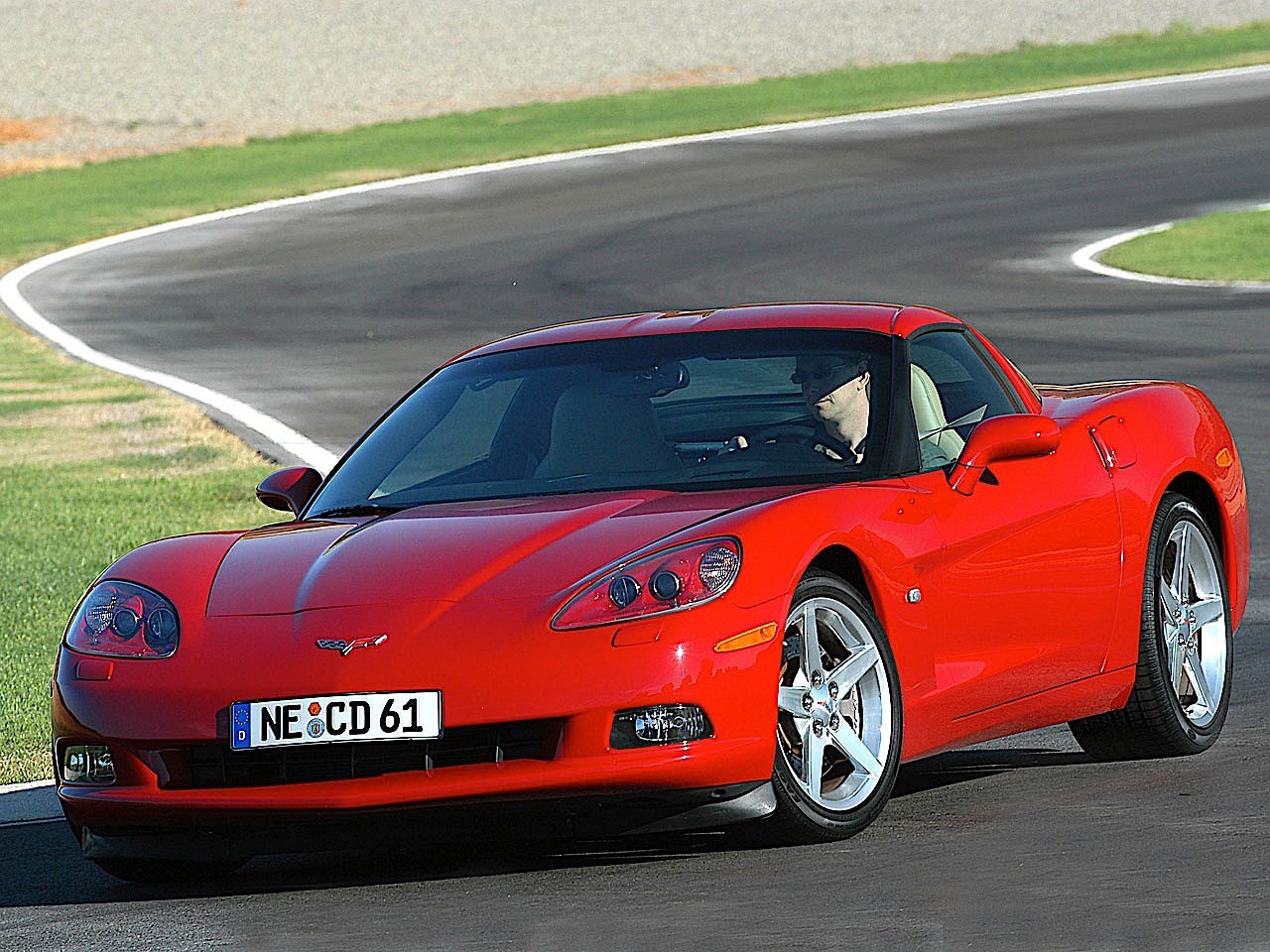
A clean C6 Corvette is one of the biggest performance bargains in the United States right now, and it’s a nightmare matchup for the Mustang Dark Horse.
For less than half the price, you get a lightweight aluminum chassis, a naturally aspirated LS V8, near-perfect weight distribution, and performance that still feels exotic today.
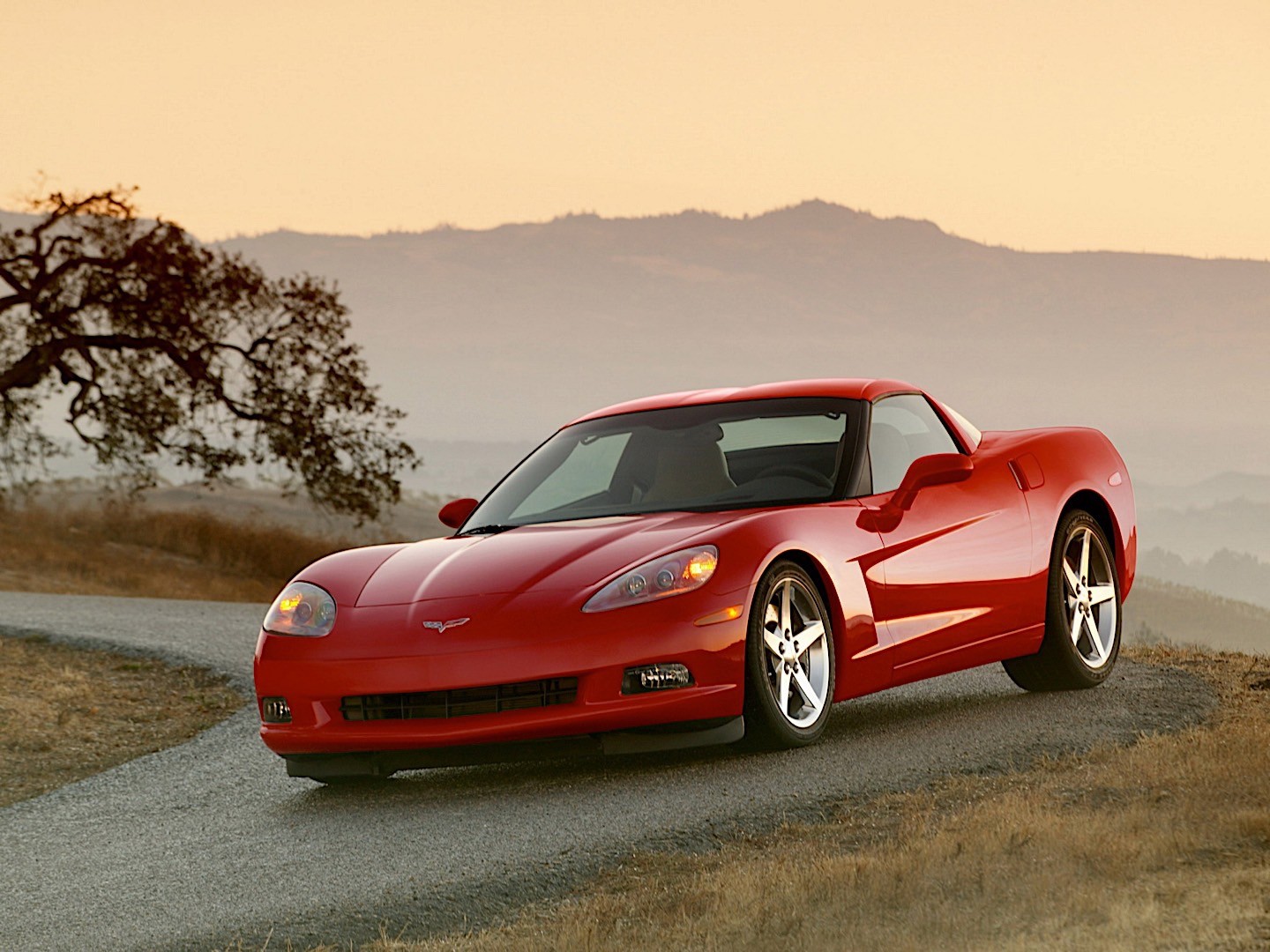
Even base C6 models will run circles around the Dark Horse on a road course thanks to lower weight, better balance, and sharper steering feel. Z51-equipped cars push the gap even further.
The Corvette’s driving position, visibility, and chassis feedback also make it feel more like a true sports car rather than a modern muscle coupe trying to be one.
2. Porsche Cayman (987)
The second-generation Porsche Cayman offers something the Mustang Dark Horse fundamentally lacks: mid-engine balance.
With its engine mounted behind the driver and ahead of the rear axle, the Cayman delivers neutral handling and confidence that the Mustang simply cannot match.
While straight-line acceleration favors the Dark Horse, real drivers know corners are where cars earn respect. The Cayman’s steering feel, chassis communication, and braking performance make it devastatingly effective on track days.
Even base models embarrass heavier, more powerful cars through corners, and reliability has proven strong when properly maintained.
Porsche equips the Cayman with a range of compelling powertrains to suit different driving tastes. The base model houses a turbocharged 2.0-liter flat-four producing 300 horsepower, while the S variant upgrades to a 2.5-liter turbo flat-four with 350 horses.
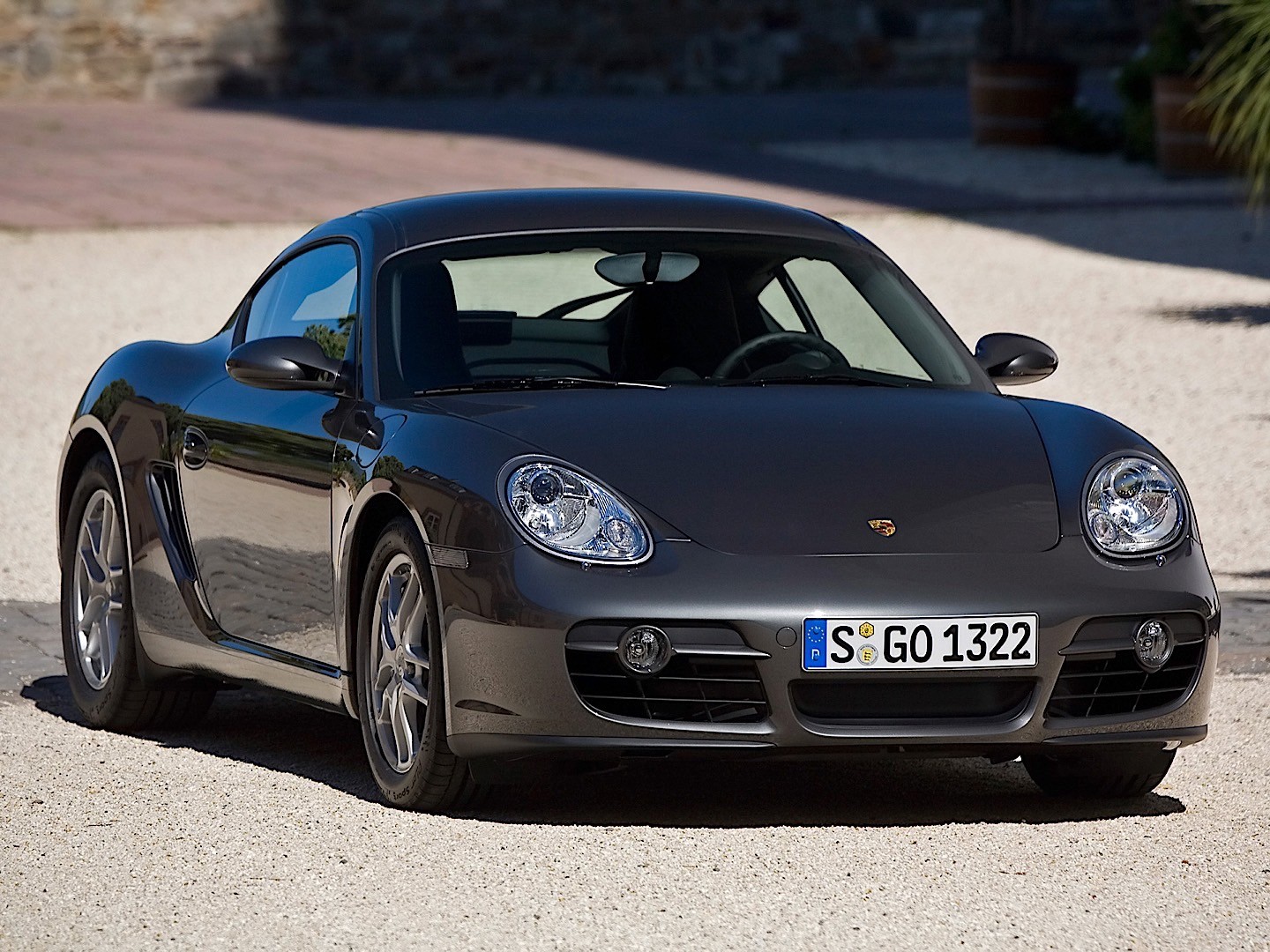
Even the entry-level engine offers brisk acceleration, though some drivers may find its sound a bit coarse. That concern vanishes with the naturally aspirated 4.0-liter flat-six, which not only delivers an intoxicating exhaust note but also ups the performance stakes, 394 horsepower in the GTS 4.0 and a remarkable 493 in the GT4 RS.
All Caymans come standard with a precise six-speed manual, widely regarded as one of the best gearboxes on the market. For those preferring automatic operation, a seven-speed dual-clutch transmission with steering-wheel-mounted paddles provides rapid, seamless shifts.
The Cayman’s chassis and steering are exceptional, bordering on telepathic. Thanks to the mid-engine layout and grippy summer tires working in harmony with Porsche’s finely tuned suspension, the car exhibits astonishing grip, balance, and stability on twisty roads.
Remarkably, it delivers this precision without sacrificing comfort, blending thrilling handling with a supple ride that makes longer journeys surprisingly relaxed. This combination of heady performance and everyday usability cements the Cayman’s reputation as a truly sublime sports coupe.
Also Read: 5 Vehicles Suited to Phoenix Stoplights vs 5 That Struggle With Heat Soak
3. BMW M2 (First Generation)
The original BMW M2 represents the last era of BMW’s relatively analog performance philosophy. Compact dimensions, rear-wheel drive, turbocharged torque, and a well-tuned chassis make it far more engaging than the Dark Horse in everyday driving.
The M2’s shorter wheelbase and lighter weight allow it to change direction quickly, while its turbocharged power delivers usable performance without needing to rev past 7,000 rpm.
It’s also far easier to drive quickly without feeling like you’re wrestling a large coupe on narrow roads.
When a car this compact is packing 405 horsepower, you know speed is guaranteed. Behind the six-speed manual, we recorded a 0–60 mph sprint in just 4.6 seconds, while the quarter-mile flew by in 12.7 seconds at 110.9 mph. The engine delivers broad, muscular power, making it effortless to hustle along winding roads with only a few gear changes.
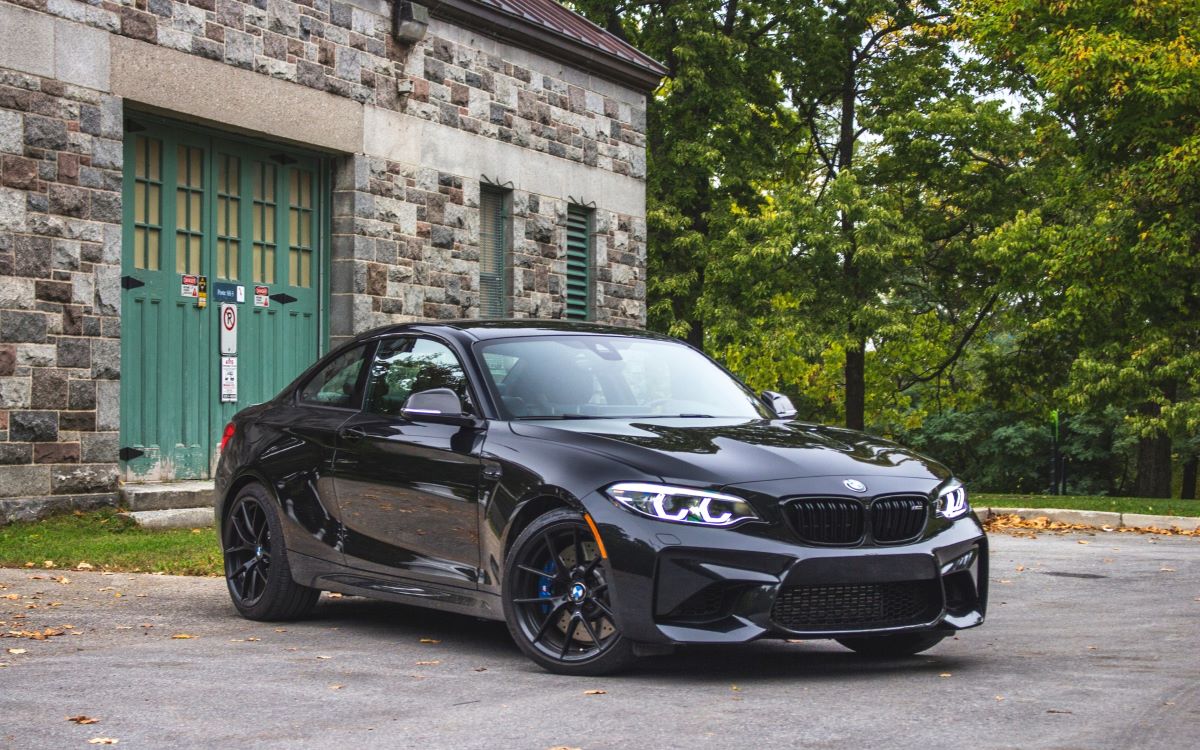
The M2’s handling capabilities are equally impressive, though it demands respect. The chassis is eager to rotate, offering high limits, but it can become twitchy over uneven surfaces, rewarding skilled drivers who can manage its precision. Braking is firm and reliable, though slightly noisy; in our tests, the M2 came to a complete stop from 60 mph in 108 feet.
Despite its performance focus, the car remains practical for everyday driving thanks to an easy clutch engagement and precise rev-matching. The only notable drawback is a relatively wide turning radius, which can make tight maneuvers less convenient.
4. Mazda MX-5 Miata ND2
On paper, the Miata shouldn’t even be mentioned in the same sentence as a 500-horsepower Mustang. In reality, it exposes everything wrong with oversized modern muscle cars.
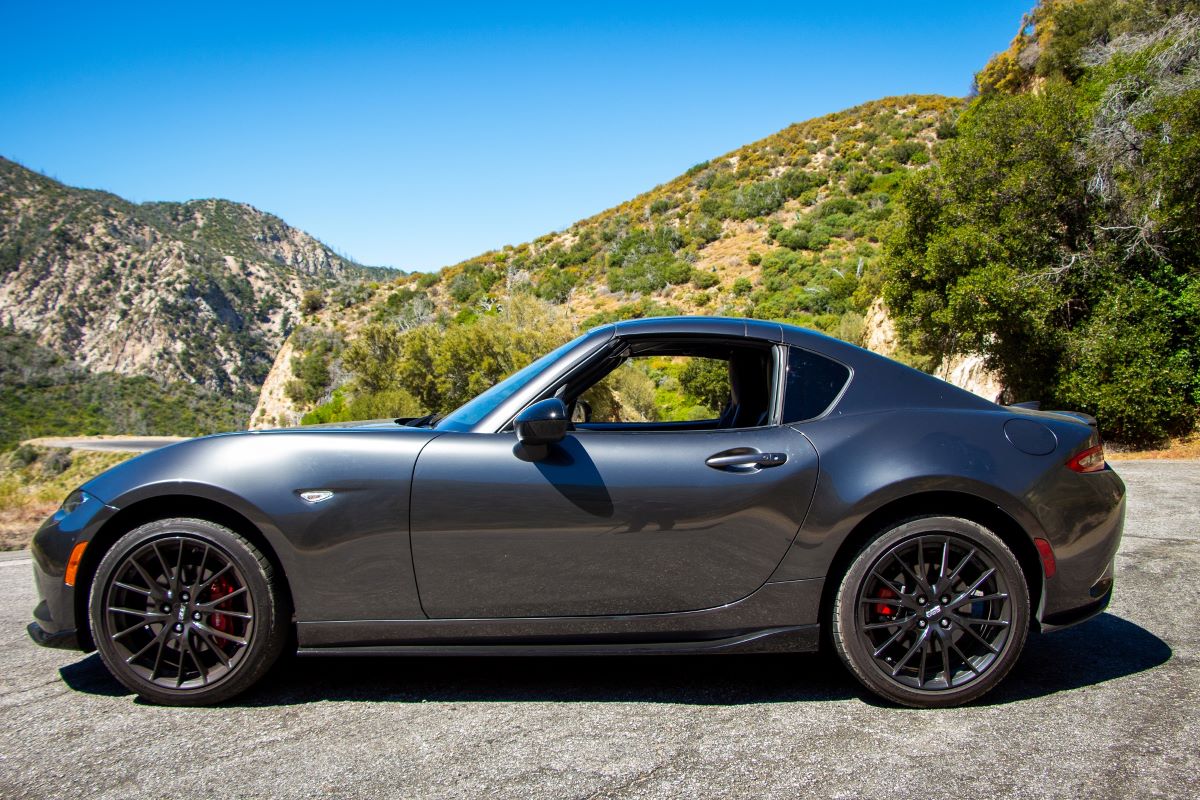
The ND2 Miata weighs nearly half as much as the Dark Horse and delivers steering purity that Ford simply can’t replicate.
On tight roads and technical tracks, the Miata maintains momentum, carries speed through corners, and teaches drivers how to actually drive fast. It’s not about straight-line dominance it’s about control, confidence, and connection.
5. Toyota GR Supra 2.0
The four-cylinder GR Supra is often overlooked, but that’s precisely why it’s such a threat. With a turbocharged engine, excellent weight balance, and a stiff chassis, it delivers performance that feels effortless rather than overwhelming.
Compared to the Dark Horse, the Supra feels lighter on its feet, more composed under braking, and more comfortable driving hard for extended periods. It’s also easier to daily drive, easier on consumables, and far less intimidating when pushing near the limit.
The Supras of yesteryear were more about raw straight-line acceleration than agile cornering, but this latest generation excels at both. Our Supra Launch Edition sprinted to 60 mph in just 4.2 seconds.
Around corners, the steering communicates plenty of feedback from the front tires, feeling quick, responsive, and well-matched to the lively suspension. If you’re unfamiliar with oversteer, this car will make you acquainted fast.
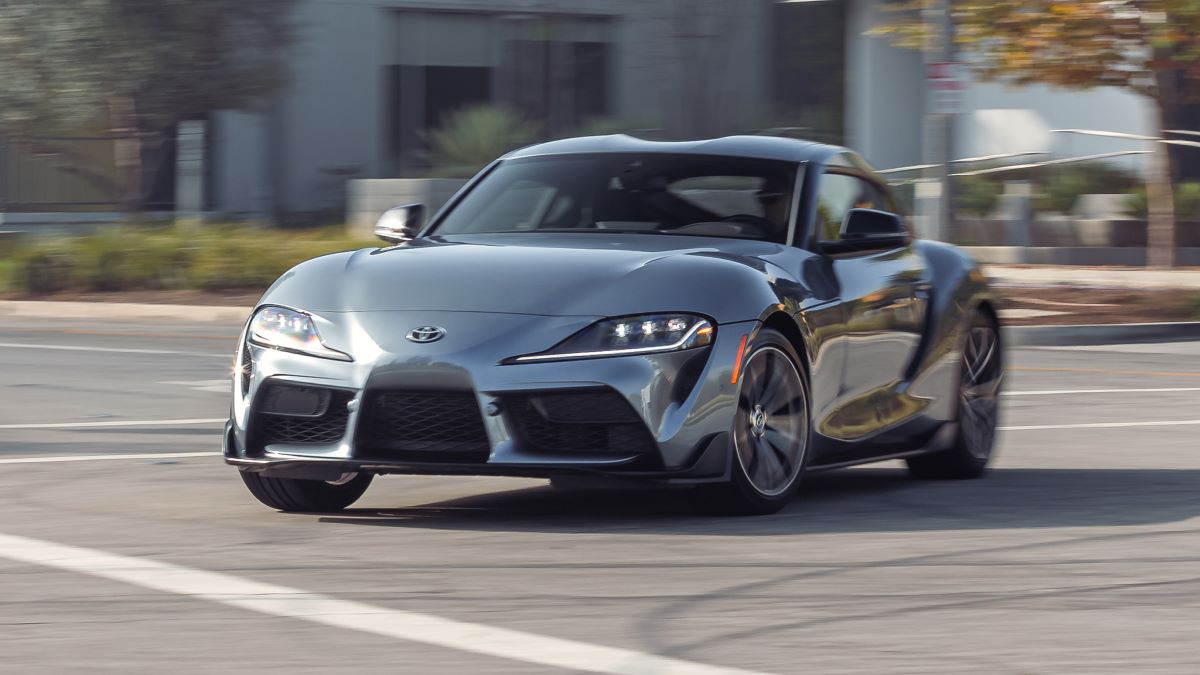
Stopping power is equally impressive. With its potent brakes and sticky tires, the Supra can halt from 60 mph in only 105 feet. Yet despite its performance chops, the Supra isn’t reserved solely for weekends, it’s manageable enough for daily driving with minimal effort.
The GR Supra’s seats offer strong support, though they can feel a bit snug around the shoulders. At speed, this isn’t an issue, but it becomes noticeable during relaxed cruising. Leather upholstery isn’t perforated, which limits breathability, and the ride is firm without being harsh. Because the seating position is close to the rear axle, vertical motions are more pronounced.
The cabin isn’t silent, with road and wind noise present, though not excessively so. Sport mode delivers the right balance of induction sounds and exhaust burbles, adding character without overwhelming. The climate control system is a minor annoyance: the dual zones don’t sync easily, and the fan could use a bit more punch at maximum settings.
Also Read: 10 Small Cars That Make City Driving Less Stressful
6. Nissan 370Z NISMO
The NISMO version of the 370Z remains a brutally honest sports car. Naturally aspirated power, hydraulic steering, and a track-tuned suspension give it a rawness that modern Mustangs have largely lost.
While interior quality is dated, the driving experience is anything but. The 370Z NISMO thrives on driver input, offering predictable slides, strong braking, and a planted feel through fast corners. It doesn’t pretend to be refined it exists to be driven hard.
The Nissan 370Z stands as one of the last true naturally aspirated sports cars, a badge of honor for a model that has largely resisted change. Its enduring appeal stems from Nissan’s dedication to a purist ethos, what some might call a stubborn adherence to tradition.
Over the years, the 370Z has seen only minimal updates, and even in the year marking the Z-car’s 50th anniversary, the two-door coupe remains largely unchanged despite more than a decade on the market. This steadfast philosophy has kept the 370Z appealing to enthusiasts, but it also highlights its age, especially when stacked against more contemporary competitors like the Toyota GR Supra.
The Nismo variant, however, adds extra excitement to the formula: a finely tuned 3.7-liter V6 produces 350 horsepower and 276 lb-ft of torque, routed to the rear wheels through a six-speed manual or optional seven-speed automatic.
The base 2020 370Z Nismo starts at $45,790, unchanged from 2019. Choosing the automatic transmission adds $1,400, not including tax, registration, and Nissan’s $895 destination and handling fee. While no specific packages exist for the Nismo, buyers can opt for various performance enhancements and aesthetic upgrades, bringing the price of a fully loaded model to just over $50,000.
With Nissan keeping revisions to a minimum aside from minor facelifts, the 370Z has effectively become one of the purest, old-school sports cars available. It’s clear the brand has purposefully preserved the model’s original appeal, its driver-focused design and raw, mechanical feel.
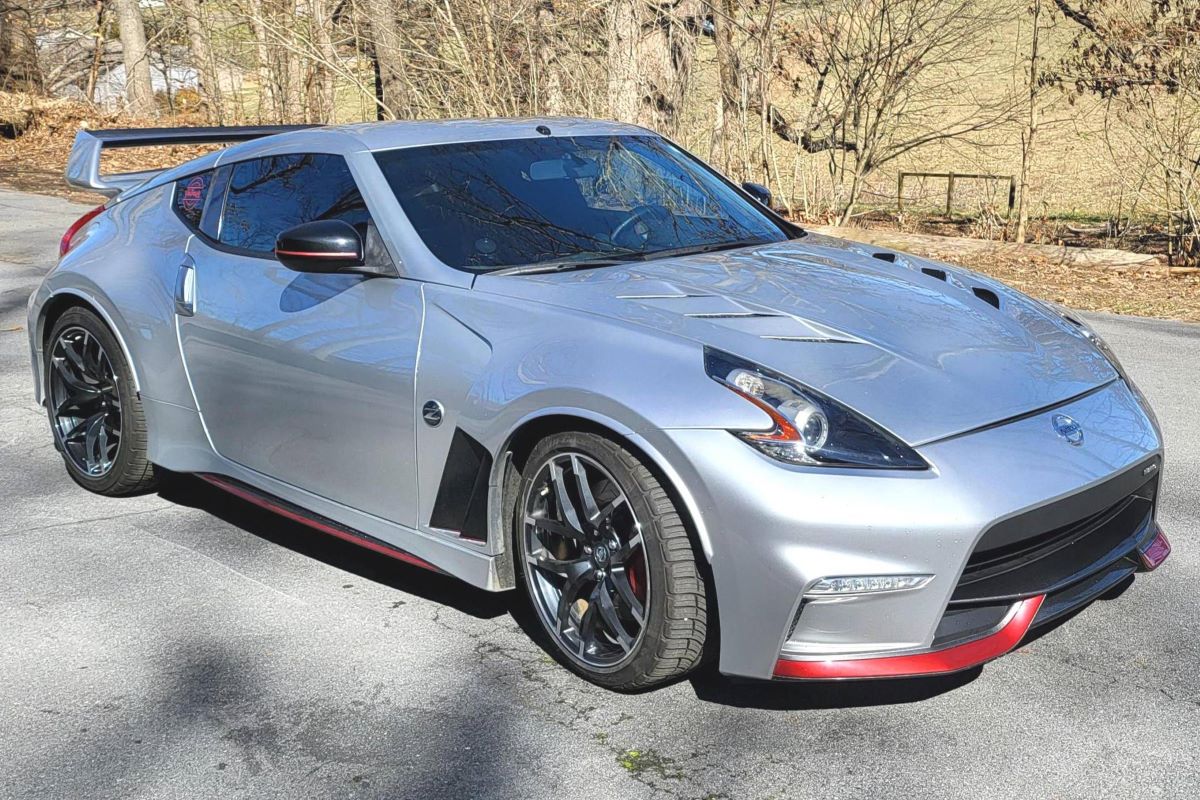
However, this deliberate lack of modernization comes at a cost. Competing sports cars that have evolved with the times now outperform the 370Z both in straight-line acceleration and cornering.
That said, the Nismo is by no means incompetent: its V6 delivers ample low- to mid-range power, and the chassis still inspires confidence through turns. The engine does, however, struggle near the top of the rev range, making high-speed driving less enjoyable. At least the Nismo benefits from a limited-slip differential, which sharpens its handling.
Despite its hefty mechanical controls, the 370Z Nismo’s steering is surprisingly light, aided by hydraulic assistance, though it firms up at higher speeds. Braking duties are handled by Brembo four-piston calipers up front and two-piston calipers in the rear, providing competent stopping power.
When it first debuted, the 370Z Nismo made a compelling case as a fun, engaging, and capable coupe. Today, while it still appeals to sports car traditionalists, its long lifespan has left it trailing more modern rivals.
Contemporary competitors outperform the Nismo in nearly every metric, from straight-line speed and handling to value for money. Its mechanical charm is undeniable, but it comes at a premium, with fewer features and less tech than newer alternatives.
The lack of active safety systems, including blind-spot monitoring, is a glaring omission given the car’s significant blind spots and the standard safety offerings in modern vehicles. While the 370Z Nismo continues to deliver a raw, traditional sports-car experience, there are more complete, better-priced packages available today. The Nismo is a veteran of the segment, charming yet undeniably dated.
7. Alfa Romeo Giulia Quadrifoglio (Used)
Yes, it’s a four-door sedan but it humiliates the Dark Horse where it counts. The Giulia Quadrifoglio’s Ferrari-derived twin-turbo V6, lightweight construction, and exceptional chassis tuning make it one of the best-driving cars of the last decade.
It’s faster in most real-world scenarios, far more agile, and capable of embarrassing dedicated sports cars on track.
While long-term reliability concerns exist, well-maintained examples deliver a driving experience that makes the Dark Horse feel blunt and unsophisticated.
Turning to the Alfa Romeo Giulia Quadrifoglio: launched in 2017 and receiving a very mild refresh in spring 2024, it remains one of the finest sports saloons available today.
Few automakers command the kind of loyalty and passion that Alfa Romeo inspires, though the brand has sometimes taken that enthusiasm for granted in recent years. While the range has seen a number of more pedestrian-handling models, continuing today with the Tonale crossover, there is still one standout car that captures the excitement Alfa is known for.
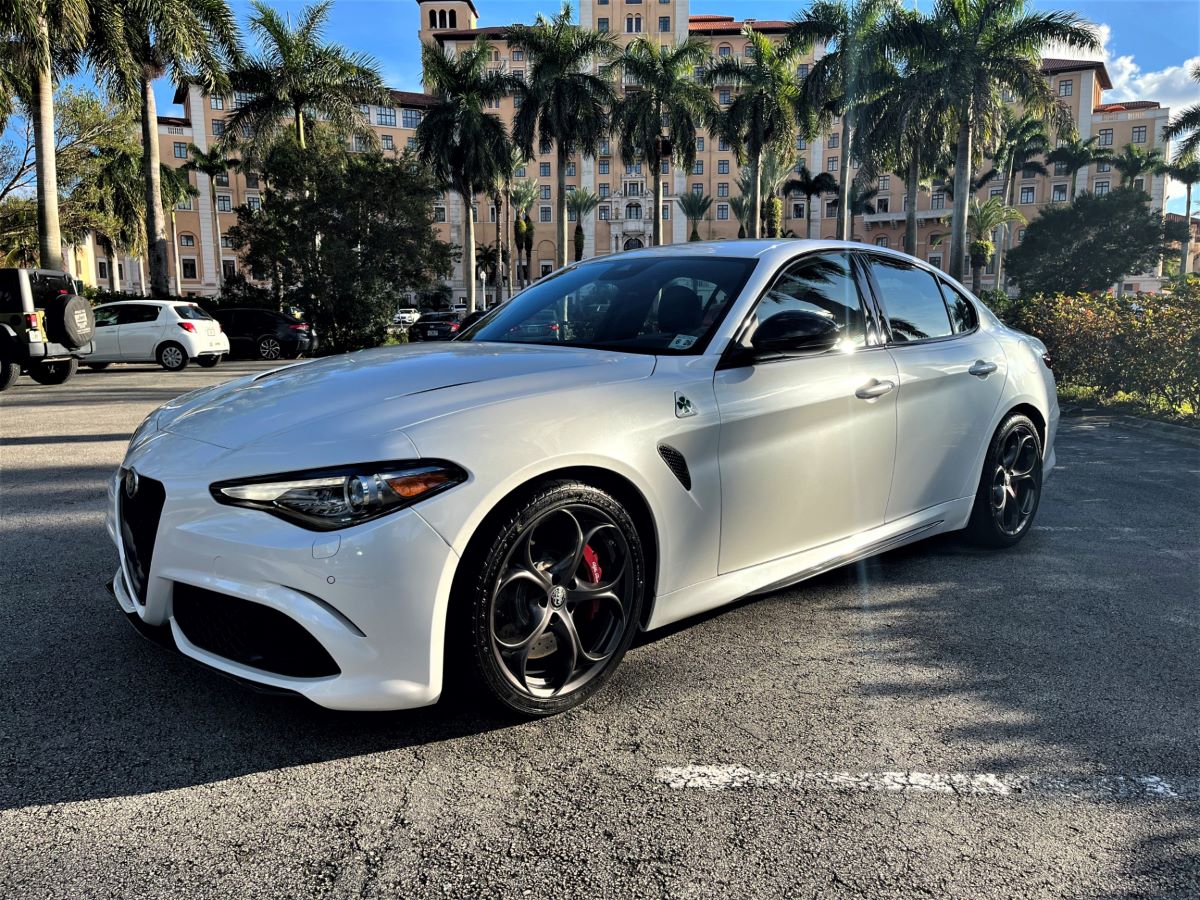
The Giulia Quadrifoglio, essentially a Giulia dialed up to the maximum, delivers sharp handling, refined ride quality, and exceptional acceleration. It is a sports saloon in the purest sense, capable of going toe-to-toe with, and in some respects surpassing, the likes of the BMW M3 and Mercedes-AMG C63.
With Alfa Romeo planning to go all-electric by 2027, the Giulia Quadrifoglio may well represent the high point of its internal-combustion-engine era, a final, uncompromising statement of what the brand can achieve with a conventional powertrain.
8. Chevrolet Camaro SS 1LE (Used)
Ironically, one of the best cars to embarrass the Dark Horse comes from Ford’s closest rival. A used Camaro SS 1LE offers near-supercar levels of grip, magnetic ride control, and braking performance that puts the Mustang to shame.
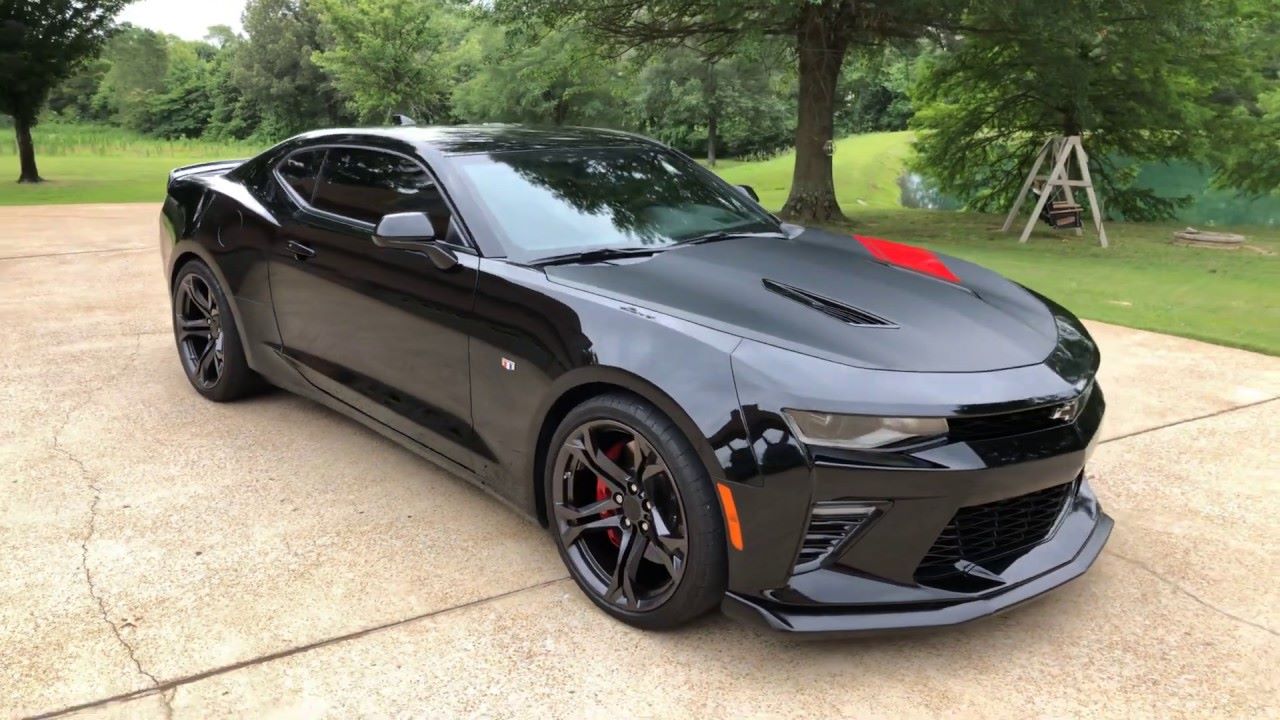
The Camaro’s chassis is stiffer, more track-focused, and more confidence-inspiring at speed. While visibility is worse, the driving dynamics are undeniably superior, proving that Ford still hasn’t fully caught up in the handling department.
9. Audi TTS
The Audi TTS doesn’t shout about performance it quietly delivers it. With standard all-wheel drive, quick-shifting transmission, and a turbocharged engine, it offers consistent, repeatable speed in all conditions.
While it lacks the emotional soundtrack of a V8, it compensates with grip, stability, and real-world pace. On imperfect roads or in bad weather, the TTS makes the Dark Horse feel clumsy and overly dramatic.
The Audi TT has long been recognized as a design icon, debuting decades ago as a sharply styled, compact two-door—and it continues to turn heads today. The standard TT is offered as either a coupe or a convertible, while the more performance-focused TTS is available only as a coupe.
Although it doesn’t quite match the track-ready prowess of rivals like the Toyota Supra or Porsche 718, the TT remains enjoyable to drive, delivering competent handling and a sporty feel.
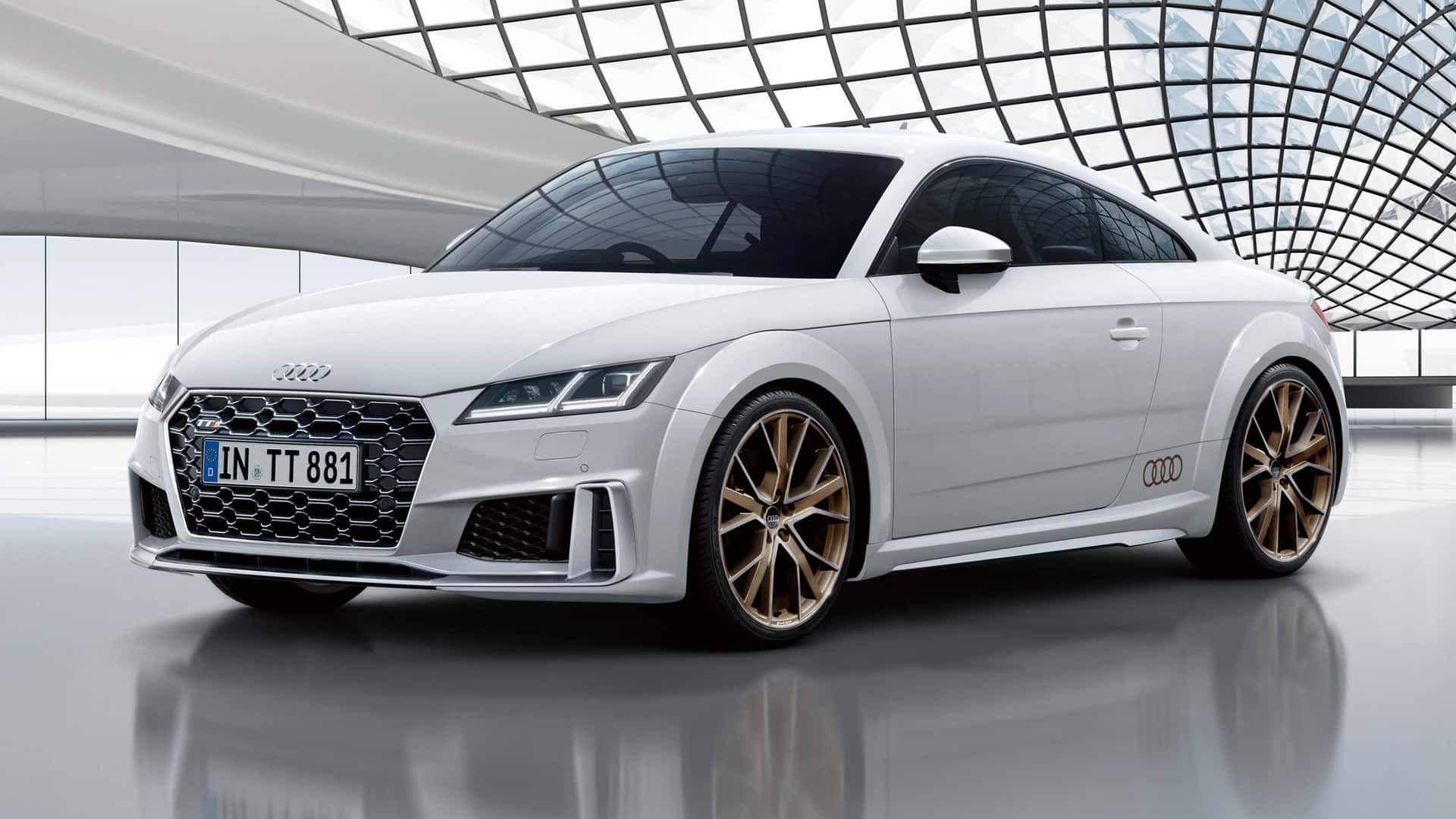
Powering the base TT is a turbocharged 2.0-liter inline-four producing 228 horsepower, while the TTS version bumps output to 288 hp. Both come standard with Quattro all-wheel drive and a seven-speed dual-clutch automatic transmission, no manual gearbox is offered.
The 2021 Audi TT starts at $50,845 for the coupe, rises to $54,945 for the roadster, and reaches $60,545 for the TTS. Because the TT is more focused on style than outright performance, the base TT coupe is our recommended choice.
For those craving serious power, the five-cylinder TT RS with nearly 400 horsepower delivers a thrilling drive. Thanks to the new standard features for 2021, the only optional upgrade we’d consider is the 19-inch wheels with summer tires.
Both models pair this engine with a seven-speed dual-clutch automatic transmission and standard Quattro all-wheel drive. The result is a car with responsive handling and composed driving dynamics, making either TT or TTS an engaging, stylish choice for enthusiasts who value form as much as function.
10. Lotus Evora (Early Models)
Few cars redefine “embarrassment” like a Lotus. Early Evora models can now be found at prices similar to a well-optioned Mustang GT, yet their chassis tuning is on an entirely different level.
Lightweight construction, hydraulic steering, and near-perfect balance allow the Evora to dance through corners with ease.
It doesn’t overpower its tires it works with them. Against a Dark Horse, the Lotus exposes just how much mass and size hurt modern muscle cars when real driving begins.
The Mustang Dark Horse is undeniably fast, loud, and visually aggressive. But it’s also heavy, expensive, and increasingly out of touch with what makes a sports car truly special.
In recent years, Lotus has built a reputation for creating highly focused sports cars that emphasize performance over size, comfort, or convenience. These cars have historically appealed to a niche audience that prioritizes handling and acceleration above all else.
With the 2010 Lotus Evora, however, the company has broadened its approach, offering a more practical, yet still thrilling, alternative to the track-oriented Elise and Exige.
The Evora is larger than the Elise, though both remain tiny by standard passenger-car measures. Specifically, the Evora is 5 inches wider, 4 inches taller, and 22 inches longer than the Elise.
This additional size allows for two small rear seats, a more spacious cabin, and a mid-mounted, Toyota-sourced V6 engine. The rear seats, however, are still extremely compact, smaller even than those in a Porsche 911.
Despite the added dimensions, the Evora is the first Lotus that works as a practical daily driver. Entry and exit are easier thanks to a larger door opening and narrower side sills, and the interior receives a significant upgrade in comfort and luxury.
Leather and carpeting cover much of the hard plastic and exposed metal present in the Elise, giving the cabin a more upscale, contemporary feel. Even power steering makes its debut in a Lotus.
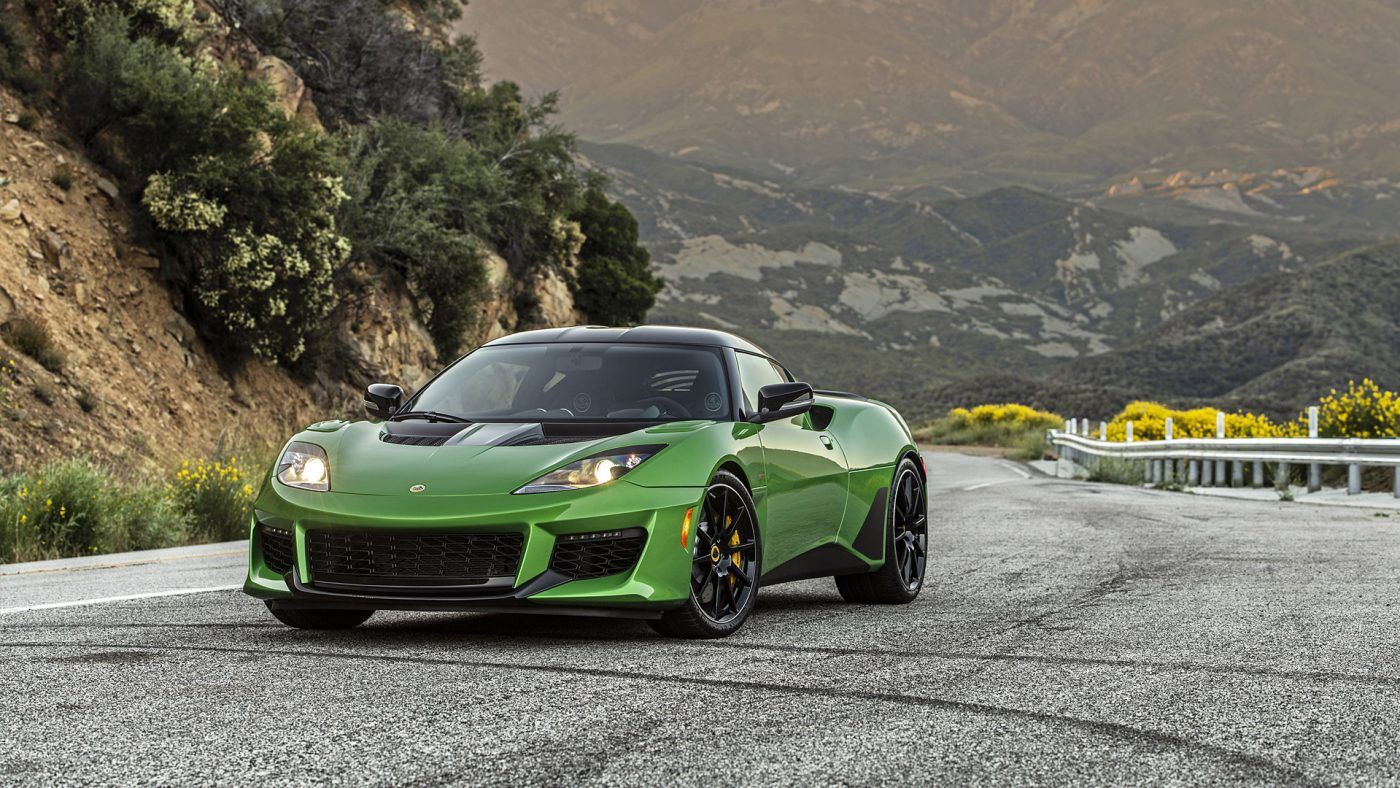
That said, the Evora has not sacrificed performance. Lotus reports that its new extruded aluminum chassis is 60 percent more rigid than that of the Elise and Exige, allowing a more compliant suspension while retaining sharp handling. Acceleration and braking remain impressive, delivering Elise-like performance despite the car’s weight exceeding 1,000 pounds more than the smaller models.
As the only mid-engine four-seat sports car on the market, the Evora occupies a unique position with limited direct competition. For those willing to sacrifice some nimbleness for slightly more practicality, the Porsche 911 is a more mainstream choice, though it comes at a higher price.
The similarly priced Porsche Cayman S is another alternative, though it is a two-seater only. For truly usable rear seats, the Porsche Panamera provides the space, but at a premium of roughly $25,000 more. Overall, the Evora strikes a balance, offering the handling prowess of an Elise or Exige in a more approachable and livable package.
The 2010 Lotus Evora is powered by a mid-mounted 3.5-liter V6 from Toyota, producing 276 horsepower and 258 pound-feet of torque. The only transmission currently offered is a traditional six-speed manual, though a paddle-shift automatic is rumored for the near future.
Lotus estimates a 0-60 mph sprint of approximately 4.5 seconds, with a top speed electronically limited to 150 mph. Fuel efficiency is notable as well, with highway figures projected at 26 mpg.
Many cheaper alternatives deliver better balance, more engagement, and greater driver confidence often while costing tens of thousands less.