
Luxury sedans represent a segment of automobiles that combine performance, comfort, advanced engineering and prestige in a way few other classes of vehicle can match. When someone considers owning a luxury sedan, they are often thinking not only about how it feels to drive each day, but also about what ownership will cost over time.
For many buyers, the initial price tag is only part of the story, because maintenance and repairs can have a significant impact on the experience. Predictability in repair costs can provide peace of mind and budgeting stability, while unpredictable costs can add stress and financial strain. Understanding how different luxury sedans compare in their cost of ownership helps prospective buyers make informed choices that align with their priorities.
Some luxury sedans are engineered with long service intervals, widespread availability of parts and simpler systems that reduce the likelihood of surprise expenses. Others might come with cutting edge technology, exotic materials and bespoke components that are exciting and impressive, but also expensive to fix when issues arise.
The difference between these two groups can be dramatic over the course of even a few years, especially when extended warranties are not in place. For this reason it makes sense to examine models that tend to resist unexpected repair bills, contrasted with those that may deliver more frequent or more costly service experiences.
This article evaluates ten luxury sedans, identifying five where repair costs are typically more predictable and manageable, followed by five where repair costs often vary widely and can become a concern. Along the way, we consider factors such as mechanical complexity, dealer network support, reliability reputation, availability of aftermarket parts, service difficulty and typical warranty coverage situations.
Buyers who understand these factors can better align their expectations with the realities of owning a high-end sedan, and can plan ahead so that maintenance does not become a source of frustration or financial burden.
With a thoughtful approach to the characteristics that influence reliability and repair expenses, drivers can find a luxury sedan that not only delivers an exquisite driving experience but also provides stability and confidence throughout ownership.
5 Luxury Sedans That Keep Repair Costs Predictable
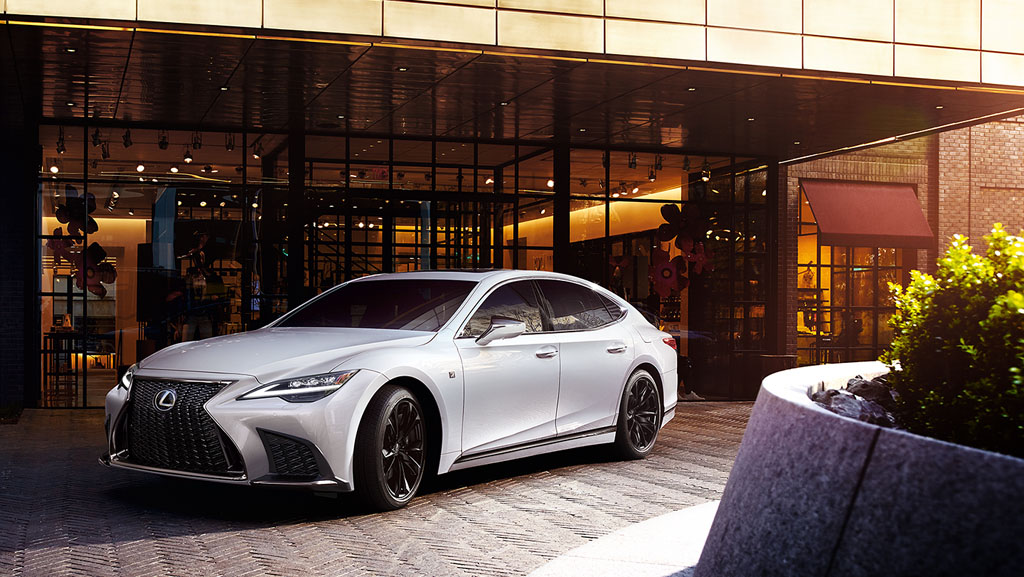
1. Lexus ES Series
The Lexus ES series has long been recognized for offering a seamless combination of comfort, refinement and reliability that many drivers appreciate. From its reliable V6 engines to its smooth automatic transmissions, the ES tends to deliver dependable performance that does not require frequent visits to the shop.
Parts for routine maintenance are reasonably priced compared with some European rivals, and Toyota’s extensive dealer network means service centers are easy to find and schedule appointments with. Drivers frequently report that common repairs occur later in the life of the vehicle, reducing the frequency of unexpected bills during the first several years of ownership.
Another factor helping to keep repair costs predictable with the ES is the brand’s emphasis on conservative design choices and proven technologies. Instead of introducing major changes every model year, Lexus often refines existing systems, which helps maintain reliability.
Standard safety features and infotainment components are well integrated, reducing the incidence of electrical gremlins or software quirks. Many owners choose long-term leases or certified pre-owned purchases precisely because they want the reassurance of stable maintenance budgets.
This reputation for consistency has helped the ES remain a favorite choice among buyers who prefer experienced engineering over flashy features that might cause trouble.
Even when components do wear out with age or mileage, they are often modular and reasonably priced compared with rare or exotic parts on niche vehicles. Suspension bushings, air conditioning compressors, and other consumable parts are sourced from established suppliers, which keeps aftermarket options plentiful and affordable.
Owners who enjoy driving without surprises tend to recommend the ES to friends and colleagues because of this mix of comfort and dependability. For those who prioritize long-term reliability and easy budgeting, this luxury sedan remains an accessible choice that aligns with expectations of consistent ownership experiences.
In careful comparisons with competitors that emphasize performance at all costs, the Lexus ES stands out not because it is the most powerful or the most technologically advanced, but because it does not strain owners with erratic or unpredictable repair needs.
Its design philosophy emphasizes resilience and longevity, and that focus pays dividends in the form of manageable maintenance bills. Buyers seeking a luxury sedan that keeps repair costs predictable often find that the Lexus ES meets or exceeds their expectations across multiple years of ownership.
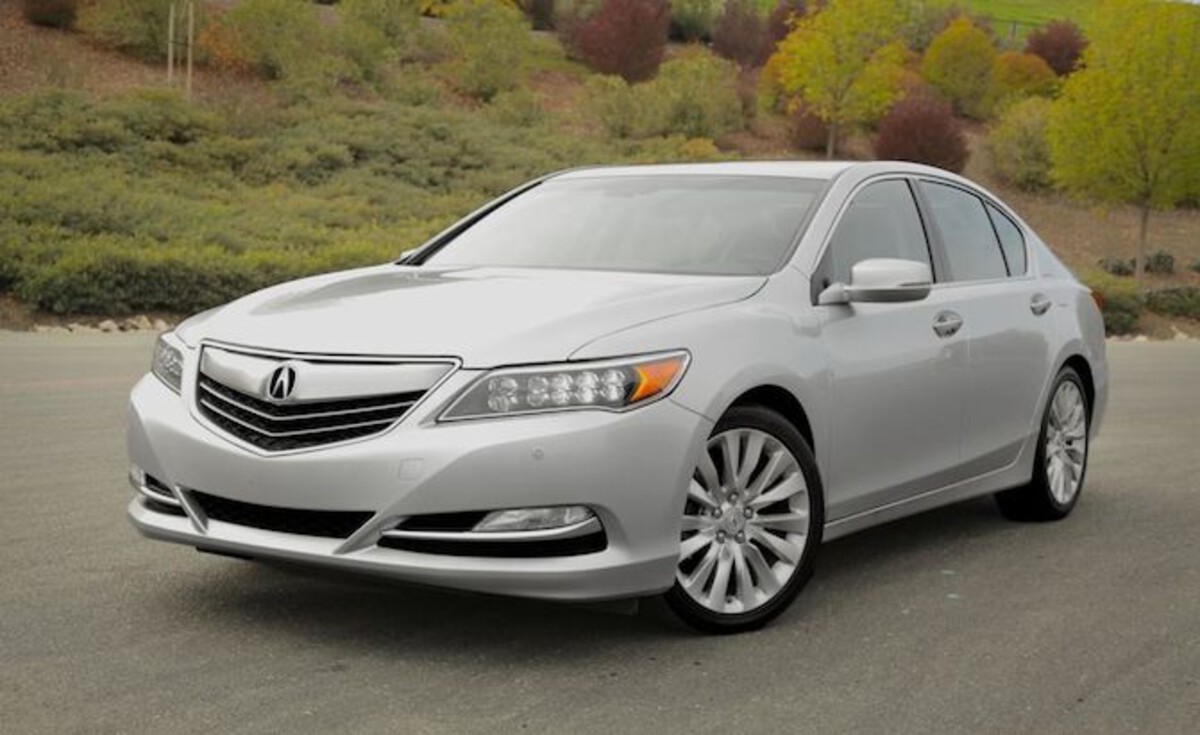
2. Acura RLX
The Acura RLX has earned respect as a luxury sedan that blends technology with comfort, while also maintaining a reputation for strong reliability. Acura’s approach to engineering the RLX emphasizes durability, and this pays off with systems that tend to require fewer unscheduled repairs.
The powertrain, while advanced, uses well-tested components that have been refined over multiple generations. Owners often report that the vehicle’s service needs align closely with scheduled maintenance, rather than unexpected breakdowns, helping them better plan their budgets.
Another advantage of the RLX is that many of its complex systems, such as its all-wheel drive and integrated electronics, are engineered to be serviceable and accessible. Acura supports a wide network of dealers and certified service centers, and this accessibility helps ensure that routine repairs do not become difficult or exorbitant.
Parts availability is generally strong, so shops can source components without waiting extended periods, which keeps labor costs from ballooning. For drivers looking for a luxury experience without frequent surprises, the RLX offers an appealing balance.
Acura’s approach to maintenance recommendations is also clear and consistent, with generous intervals for fluid changes and inspections. This clarity helps owners stick to a schedule that prevents small issues from becoming larger problems.
Extended warranty options and maintenance plans are widely available for the RLX, giving prudent buyers confidence that repair costs can remain predictable even as components age. The sum of these factors makes the RLX a compelling choice for those who value dependable ownership experiences.
In comparisons with sedans that prioritize ultra-high performance or cutting edge innovation without regard to long-term serviceability, the Acura RLX stands out for its practical emphasis on reliability.
Drivers who enjoy comfort, advanced features and a refined driving experience can appreciate the RLX’s stability over time. For buyers who want a luxury sedan that keeps repair costs predictable, the RLX strikes a strong balance between sophistication and dependable engineering.
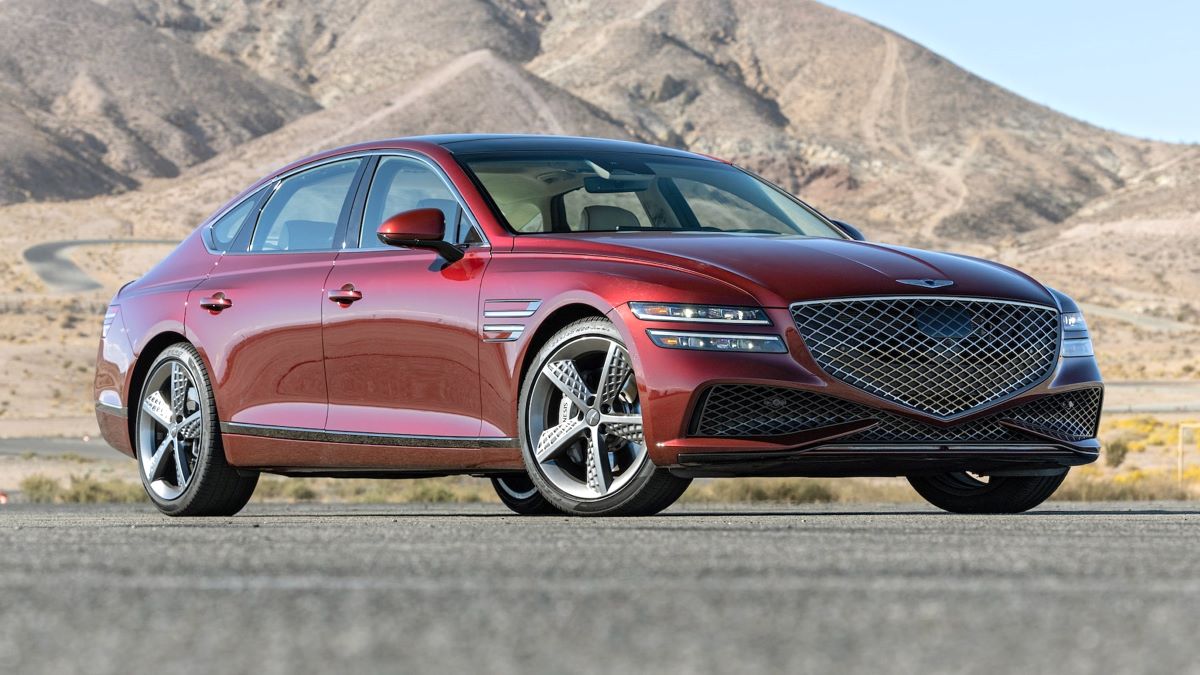
3. Genesis G80
The Genesis G80 has made a name for itself as a luxury sedan that combines upscale features with commendable reliability. From its smooth engine performance to its refined suspension and interior quality, the G80 delivers premium experiences without frequent unplanned service needs.
The manufacturer’s focus on thoroughly testing mechanical and electronic systems before launch helps prevent early-life problems that can cause repair costs to spike. As a result, drivers often find their maintenance costs align closely with expectations, early in ownership and as the sedan matures.
The G80’s design emphasizes a blend of familiar engineering and thoughtful innovation, avoiding overly exotic mechanisms that can complicate repairs. Its engine choices, whether a V6 or available higher output variant, use established components with histories of dependable performance.
Brake systems, steering and other critical subsystems are built to withstand daily use and normal wear without surprise failures. Many owners appreciate that common repairs tend to appear at predictable intervals, such as scheduled belt replacements or brake service.
Service centers for the G80 are widely distributed across many markets, giving owners access to trained technicians and readily available parts. This network coverage helps prevent long wait times for components, which in turn inhibits labor cost escalation due to delays.
Independent service providers also often support the G80, giving owners competitive options. This ecosystem helps drivers plan ahead and secure service without undue financial fluctuation.
Genesis supports the G80 with robust warranty coverage and maintenance plans that further stabilize repair expenses. These offerings reduce owner anxiety by covering unexpected issues within defined terms. Drivers can budget with confidence knowing that significant repairs during the warranty period will not disrupt their financial planning. Even beyond warranty terms, the G80’s build quality continues to promote predictable maintenance needs.
The combination of solid engineering, accessible service infrastructure and deliberate design choices makes the Genesis G80 a strong example of a luxury sedan where repair costs are generally stable and foreseeable. Those who value refined driving and high-end comfort without frequent surprises tend to favor the G80.
With careful ownership and adherence to maintenance schedules, the G80 provides an ownership experience where repair costs are manageable and aligned with expectations.
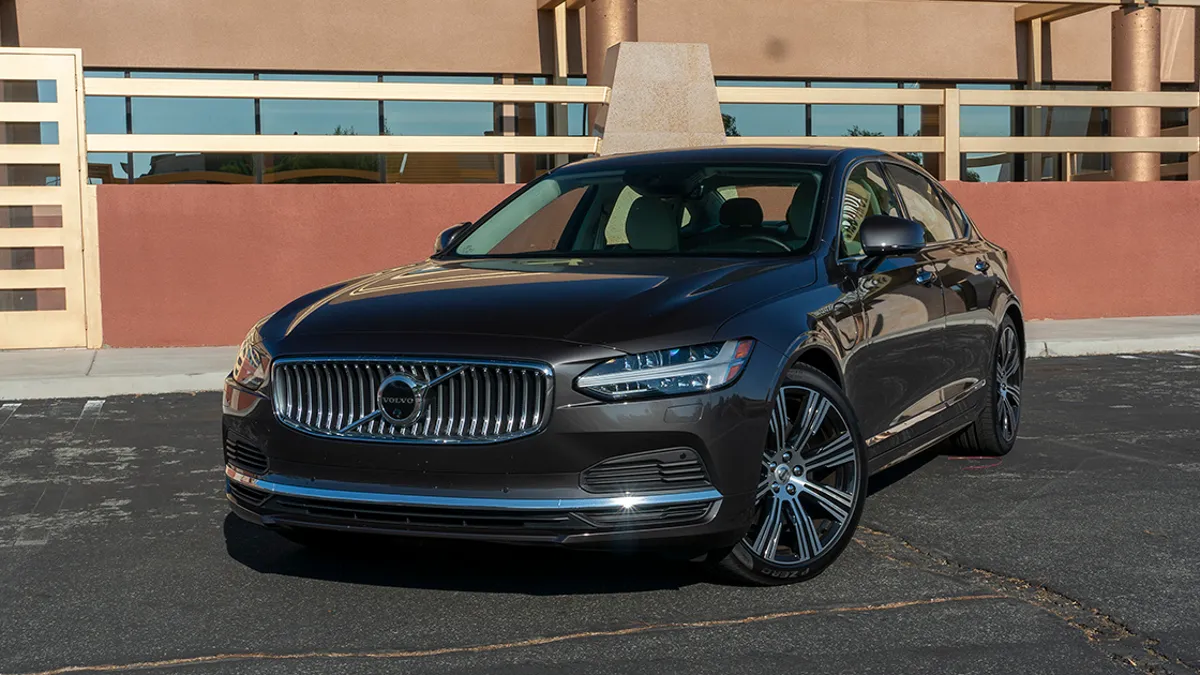
4. Volvo S90
Volvo’s S90 sedan brings Scandinavian design, safety focus and a refined driving character to the luxury segment while maintaining a reputation for dependable performance. Volvo’s engineering priorities often emphasize robust safety systems and engines that have been demonstrated across multiple platforms.
This approach leads to components that are less prone to failure, contributing to steadier repair costs over time. Owners frequently report that routine maintenance intervals are predictable and that unscheduled repairs are less common than in some rival luxury sedans.
The S90’s drivetrain options, whether turbocharged four cylinders or mild-hybrid adaptations, are engineered with focus on longevity and durability. Volvo’s technology does not push beyond what its service ecosystem can comfortably support, helping reduce the number of complex issues technicians must diagnose.
The result is a balance between innovative features and accessible maintenance that contributes to predictable service costs. Many drivers find that common replacements occur at logical intervals, such as timing belt service or brake maintenance, rather than unexpected electronic failures.
Volvo also offers clear maintenance schedules that help owners plan ahead for service needs. These schedules include recommended intervals for inspections and part replacements that reduce the risk of problems arising unannounced. Extended coverage options give owners peace of mind and help them budget with greater predictability. With adherence to recommended service, the S90 often remains a sedan where repair costs are foreseeable.
The Volvo S90 stands out for combining safety, refinement and engineering stability. Many buyers who prioritize long term planning and consistent ownership costs find the S90 aligns with their expectations. For those focused on keeping repair costs predictable while still enjoying a luxury driving experience, the S90 presents a strong and thoughtful option.
5. Toyota Century (Latest Generation)
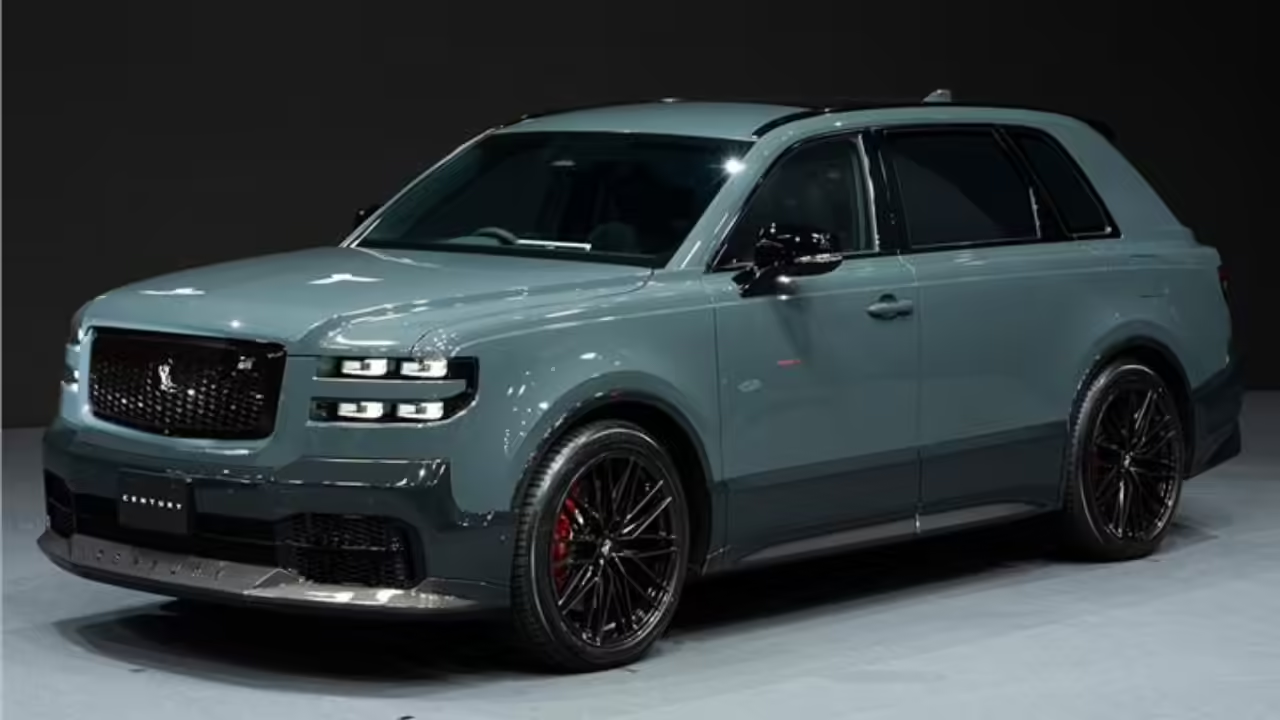
The Toyota Century occupies a unique place among luxury sedans by emphasizing refined engineering, conservative innovation and remarkable build quality. This flagship sedan from Toyota is engineered to prioritize quiet operation, comfort and long service intervals that many owners appreciate.
Toyota’s philosophy for the Century centers on reliability and durability, making it a model with repair costs that tend to remain predictable across years of ownership. The absence of overly complex or untested technologies in favor of mature systems helps keep unplanned service needs to a minimum.
The Century’s drivetrain and chassis components are derived from well established Toyota engineering practices, which means parts and repair procedures benefit from widespread familiarity among technicians.
Even though the Century offers premium features and meticulous craftsmanship, its mechanical simplicity relative to some competitors helps keep maintenance straightforward. Owners often find that the major maintenance items follow known schedules, and that unexpected costs are rare. This trait makes planning and budgeting for service far more manageable.
Service availability, while specialized for this exclusive sedan, is backed by Toyota’s dealer network in markets where the Century is sold. This support network ensures that genuine parts and qualified technicians are available, helping to prevent inflated labor times and costs.
Independent shops with Toyota expertise can also support routine maintenance, giving owners pricing options. The predictability of service intervals helps owners allocate resources without being caught off guard by surprise expenses.
Toyota’s warranty and service plans for the Century help reinforce predictable ownership experiences. They provide clear boundaries for covered repairs and recommended maintenance, reducing guesswork and anxiety. Owners who adhere to the service plan find that they can forecast their upkeep costs with confidence. This makes the Century attractive to buyers who want the highest levels of luxury without compromising on reliability.
The Toyota Century represents the philosophy that a luxury sedan can offer superb comfort and prestige while maintaining predictable repair costs through thoughtful engineering and proven systems. For those who desire a serene driving experience backed by sound maintenance expectations, the Century is a choice that aligns with long term peace of mind.
5 Luxury Sedans That Don’t Keep Repair Costs Predictable
1. Jaguar XJ
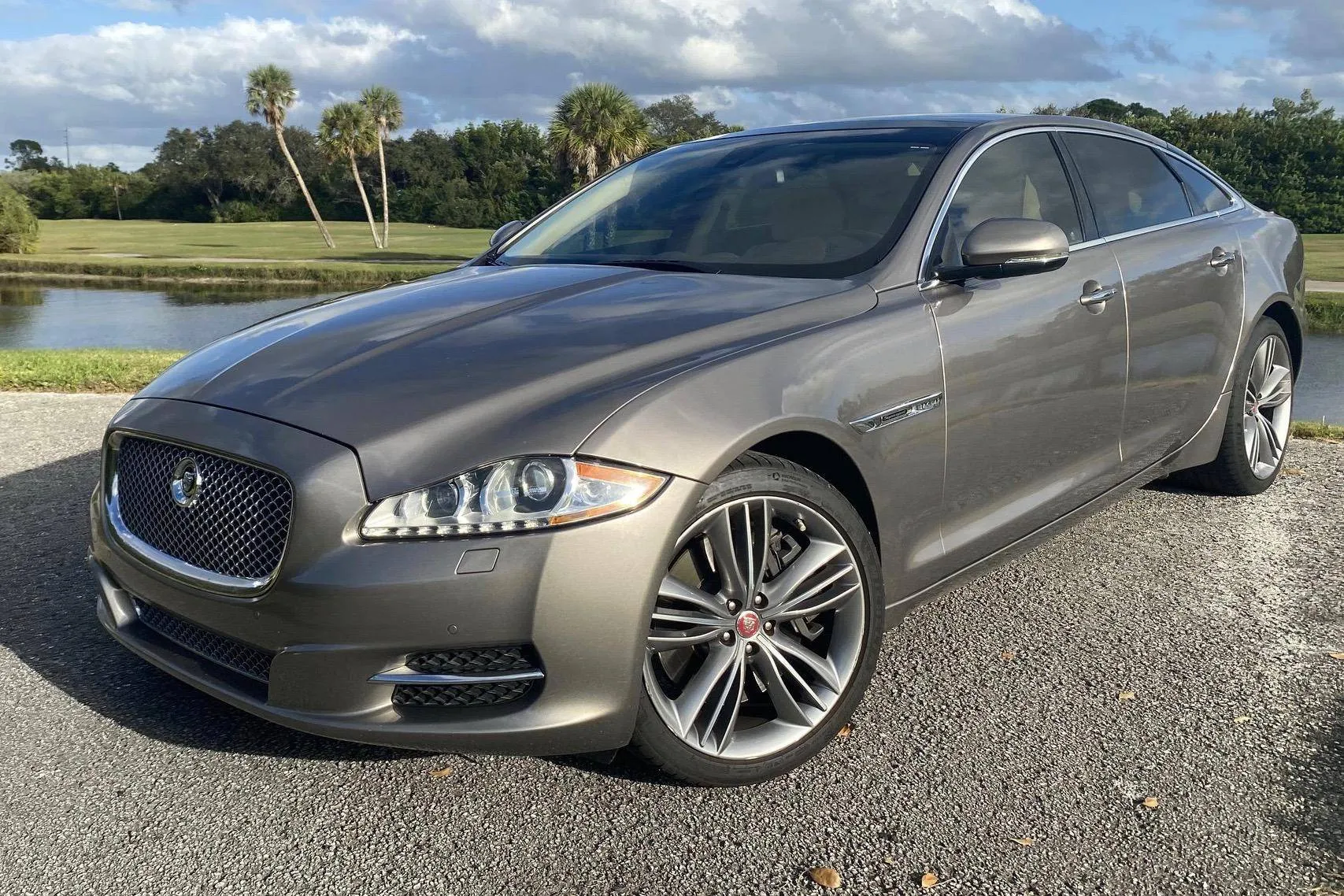
The Jaguar XJ has long been admired for its elegant design and spirited performance, but these traits often come with variable ownership costs. While the XJ delivers exciting driving dynamics and distinctive styling, its engineering includes advanced systems that can be expensive to fix when problems arise.
Owners often find that repairs related to electronics, air suspension components and intricate engine systems can occur unpredictably. This unpredictability makes it difficult to plan a stable maintenance budget over time.
The XJ’s air suspension system, which provides a smooth ride and adjustable handling characteristics, is a frequent source of costly repairs. When components like air springs or compressors fail, replacement can be labor intensive and pricey.
Electrical modules controlling comfort features and infotainment frequently require dealer-level diagnostics, adding to the cost variability. Even routine items, such as sensors integrated into complex systems, can fail prematurely and necessitate expensive fixes.
Jaguar’s dealer network varies by region, and parts for the XJ are not always stocked widely, which can lead to extended repair timelines and higher labor charges. Independent shops may struggle with diagnostics due to the vehicle’s proprietary systems, driving owners back to dealers.
The lack of broad availability for parts and service knowledge contributes to unpredictable totals when repairs are needed. Owners sometimes face sticker shock when issues arise that were not anticipated in their ownership plan.
Despite its appeal as a stylish and dynamic luxury sedan, the Jaguar XJ is known among owners for maintenance costs that are difficult to predict. Enthusiasts who enjoy its attributes may be prepared to accept occasional financial surprises, but drivers focused on budget stability often find it challenging to forecast service expenses. The combination of advanced features, specialty parts and limited service flexibility contributes to its reputation for unpredictable repair costs.
2. BMW 7 Series
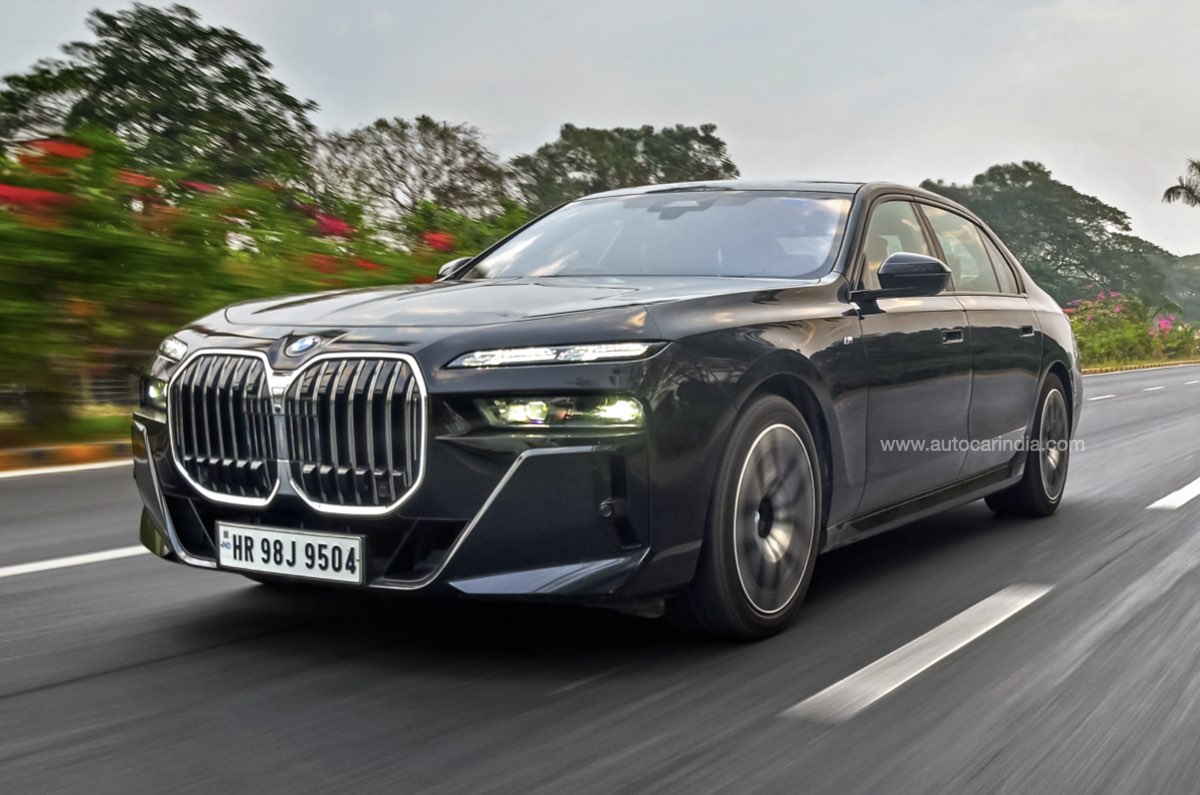
The BMW 7 Series is a flagship luxury sedan that showcases cutting edge engineering, high performance and a suite of advanced technologies. Many buyers are drawn to its dynamic driving experience and impressive feature set, but these advantages often come with maintenance costs that are hard to forecast.
The 7 Series incorporates complex electronics, intricate drivetrain components and systems that are expensive to repair when faults occur. Owners frequently find that unexpected issues with such systems result in substantial, unplanned expenses.
The infotainment and driver assistance technology in the 7 Series, while impressive, is also highly complex. Problems with touchscreen interfaces, heads up displays, automated driving aids or networked control modules often demand dealer-level attention.
Repairs to these advanced systems can vary widely in cost depending on the fault, making it difficult to estimate future expenses accurately. Even seemingly minor electronic issues can trigger expensive repair requirements.
Replacement parts for the 7 Series are often sourced directly from BMW and may not have affordable aftermarket equivalents. This increases the cost of repairs when major components fail, as owners have less flexibility to choose lower-cost parts.
Labor times for diagnostics and repairs can also be lengthy due to the intricacy of the technology involved. These factors combine to create a maintenance space where repair costs fluctuate and resist clear prediction.
While the BMW 7 Series delivers a remarkable blend of performance, elegance and innovation, its ownership costs can be challenging to anticipate. Drivers seeking precise control over their repair budget may find the range of potential expenses unsettling. The advanced nature of the vehicle’s systems, while a selling point for some, complicates maintenance planning and contributes to unpredictable repair costs.
3. Audi A8
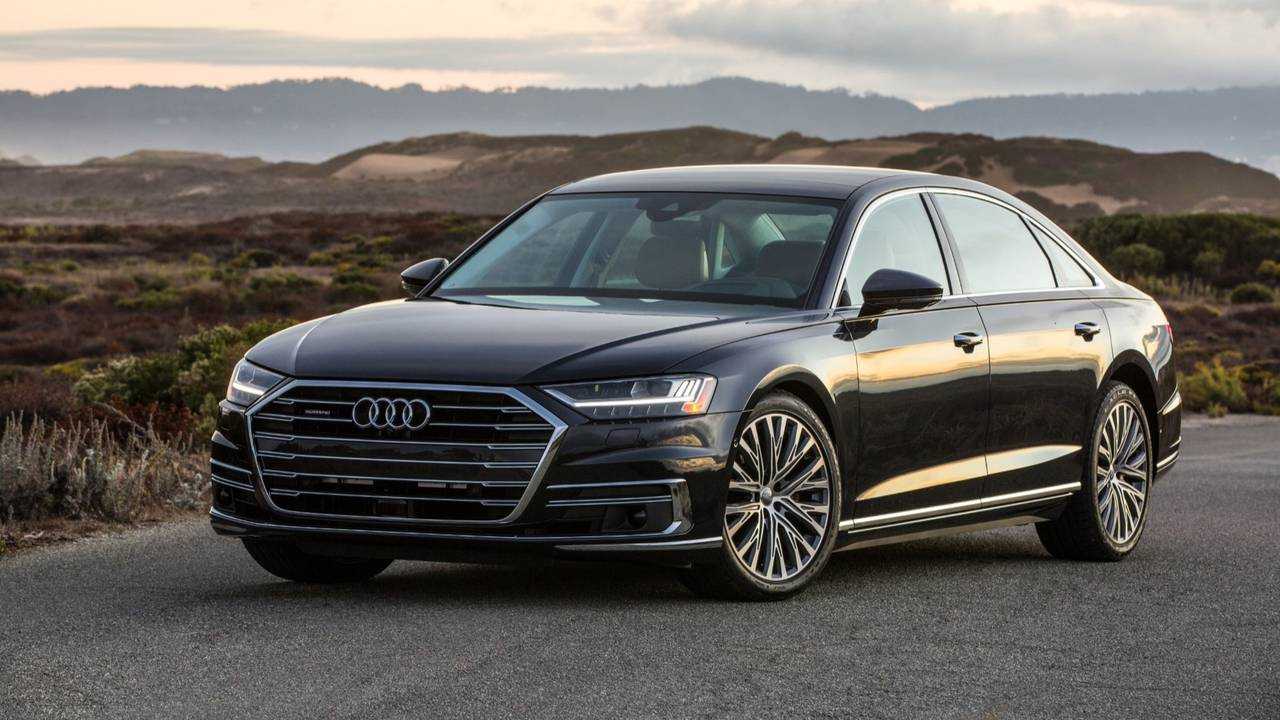
The Audi A8 represents a pinnacle of engineering within the luxury sedan market, featuring advanced quattro all wheel drive, cutting edge electronics and a suite of comfort systems. However, the technical complexity that makes the A8 appealing also contributes to maintenance costs that are difficult to foresee.
Owners often encounter issues related to complex electrical systems, air suspension configurations and sophisticated engine controls that can lead to costly repairs. The frequency and variability of these maintenance needs make budgeting a challenge for many buyers.
Audi’s air suspension setup in the A8 is designed to provide exceptional ride quality, but it is also a common area of expensive service work. Components like air springs, compressors and leveling sensors are prone to wear and failure without obvious warning signs.
Repairing these parts often involves significant labor, adding to the financial impact when problems arise. Unlike simpler suspension systems, these components are less likely to be serviced by independent shops, which pushes owners toward dealership service centers with higher rates.
The A8’s infotainment and virtual cockpit systems are highly advanced, featuring large displays, gesture control and networked modules that interact with other vehicle systems. While innovative, this complexity raises the risk of intermittent faults that require dealer diagnostics.
Problems with navigation integration, sensor communication or software updates can extend service times and costs. Drivers who expect straightforward maintenance may find that these systems introduce unpredictable demands on their finances.
Engine technology in the A8 includes turbocharged and supercharged options that deliver strong performance but also require high precision in cooling, fuel delivery and emissions controls. Issues in any of these areas can trigger expensive repair scenarios, particularly if multiple systems interact. The scarcity of affordable aftermarket parts for many Audi components further limits cost control. As a result, owners commonly report variation in maintenance expenses depending on the nature of the issues that arise.
4. Mercedes S‑Class
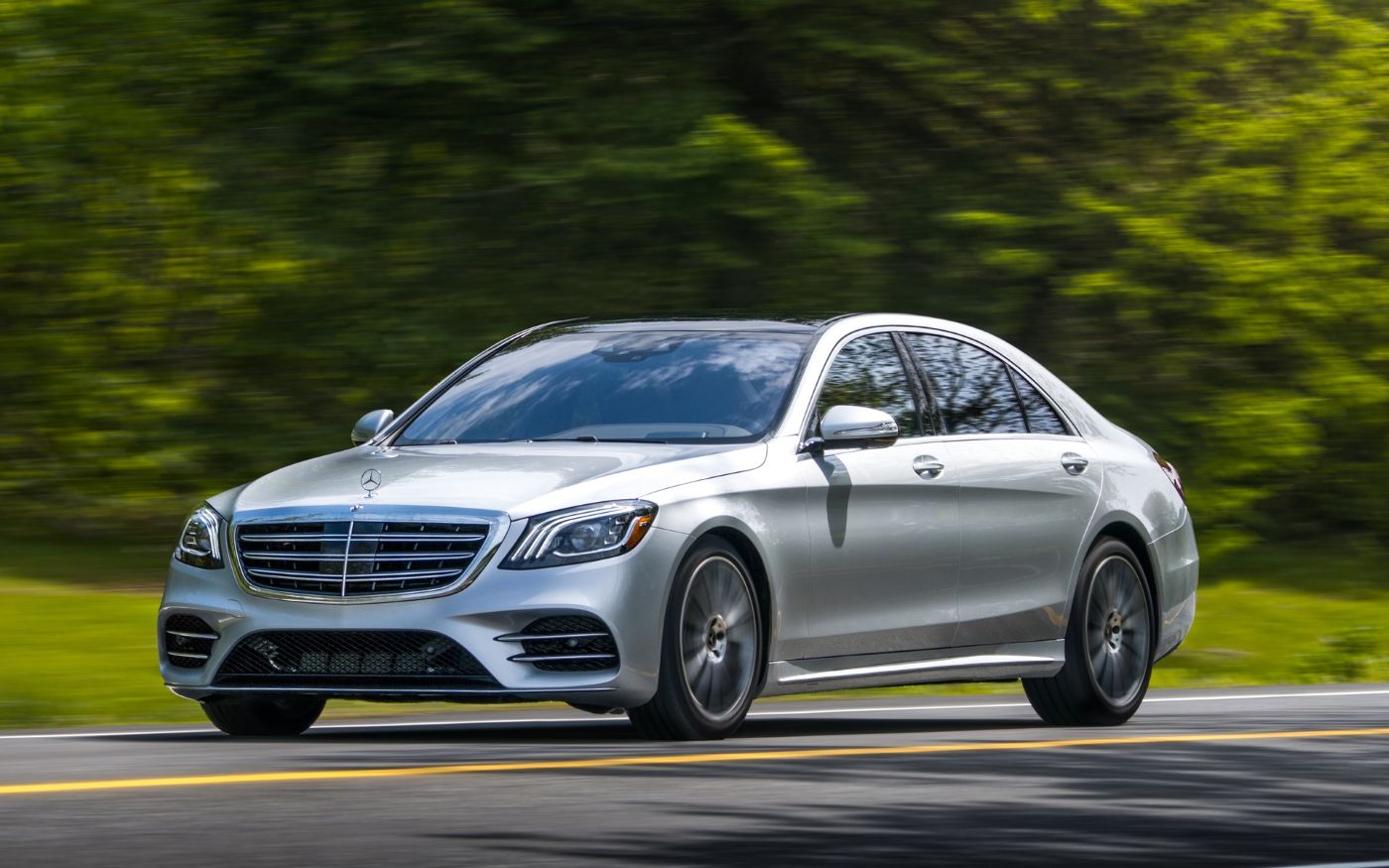
The Mercedes S Class is synonymous with luxury, combining sumptuous interiors, advanced electronics and powerful engines in a package that appeals to discerning drivers. However, these attributes come with sophisticated systems that often lead to maintenance costs that are difficult to estimate ahead of time.
The S Class incorporates intricate suspension technology, complex control modules and high end comfort features that can fail unpredictably. When they do, repair bills can be substantial, making budgeting a challenge for many owners.
Parts availability and labor also influence unpredictability. Genuine Mercedes parts are typically required for proper operation, and some components may need to be ordered from distant suppliers.
Coupled with the complexity of service procedures, this leads to variation in repair times and costs. The result is a vehicle where the maintenance expenditure is difficult to forecast, even with diligent upkeep and adherence to recommended service schedules.
Despite its unmatched luxury and comfort, the S Class is widely recognized among owners for maintenance and repair costs that can fluctuate dramatically.
Drivers who enjoy its refinement may accept this trade-off, but those seeking predictable ownership costs often consider alternatives. The combination of advanced electronics, active suspension, and complex powertrains makes the S Class an exemplar of a luxury sedan with variable repair expenses.
5. Maserati Quattroporte
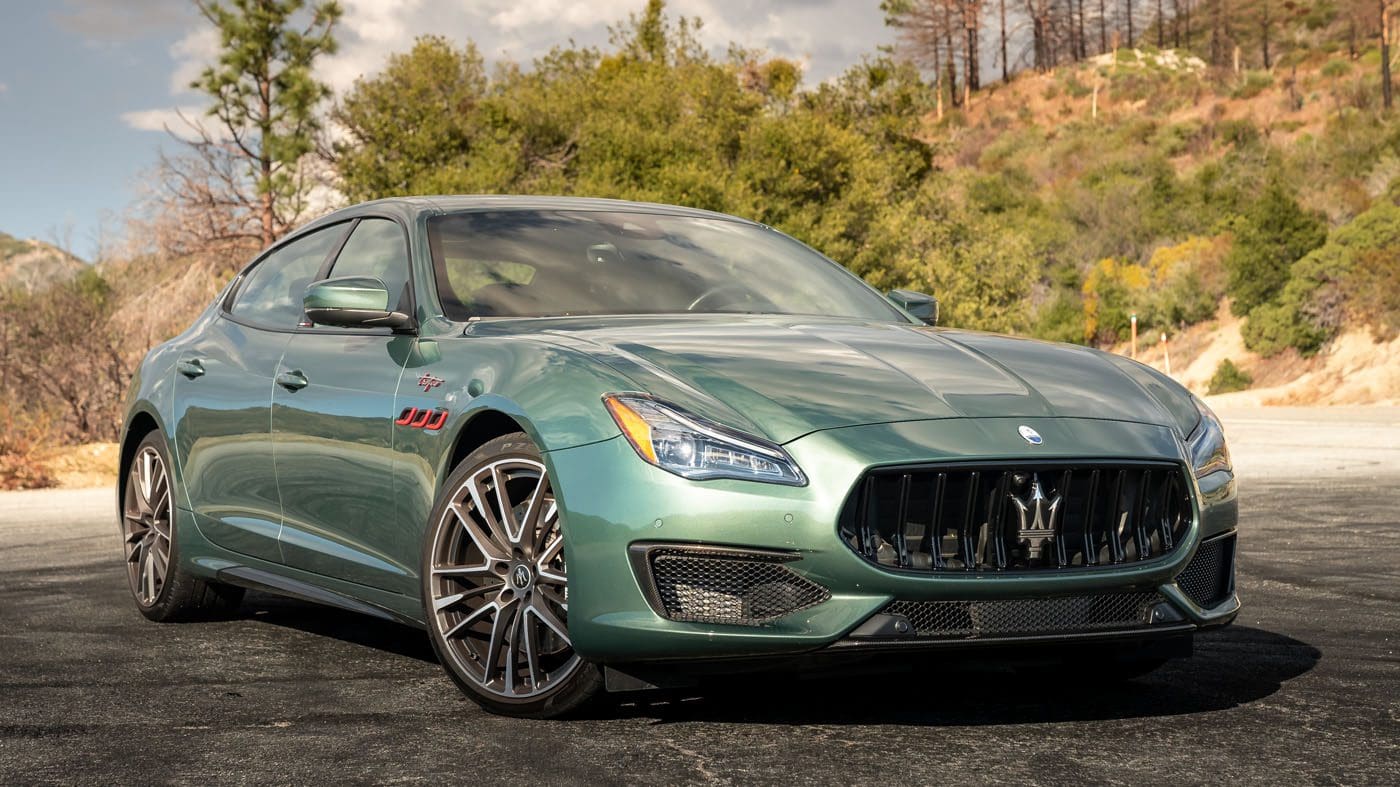
The Maserati Quattroporte is a luxury Italian sedan known for performance, style, and exclusivity. However, the elements that make it exciting also create challenges for predictable repair costs.
The Quattroporte relies on highly tuned engines, sophisticated transmissions, and specialized electronics. While these systems deliver exhilarating performance and refined handling, they also increase the likelihood of unexpected maintenance needs. Owners often report repairs that vary widely in both timing and cost.
Italian engineering emphasizes driving excitement over maintenance simplicity. Components such as turbocharged V6 or V8 engines, complex cooling systems, and high-end transmission assemblies are prone to wear or failure, and diagnosing issues often requires specialized tools and knowledge. Even minor problems can necessitate expensive parts replacements due to limited aftermarket options. This creates a scenario in which repair bills may fluctuate significantly from one service event to the next.
The Quattroporte’s interior and electronics further contribute to unpredictable costs. Premium systems like infotainment screens, adaptive cruise controls, and electronically controlled suspensions are integrated tightly with the vehicle’s networked electronics.
When faults occur, repairs typically require dealership intervention. Labor costs can escalate because technicians must follow precise procedures, and delays for ordering parts can add to the expense. Owners often experience variations in repair costs that are difficult to anticipate in advance.
Limited dealer networks outside Italy and major cities increase the difficulty of maintaining a Quattroporte affordably. Specialized parts may take weeks to arrive, and independent mechanics may not have the expertise to perform complex repairs correctly.
As a result, owners are often forced to rely on official dealerships where labor rates are high and the cost of service can be unpredictable. Planning a maintenance budget becomes challenging without factoring in potential surprises.