Seattle is a city known for its persistent rain, frequent cloudy skies, and seasons that seem to stretch on without much interruption from dry weather. For many drivers in this region, selecting an SUV that can manage the constant moisture, slick roads, and occasional deep puddles is not a matter of convenience but one of daily reliability and peace of mind.
Choosing the right vehicle means more than just looking at horsepower or interior features. It means understanding how an SUV handles wet conditions, how its drainage and sealing systems work, and how confident a driver can feel when descending a slick hill or navigating a flooded street after a heavy storm.
For drivers who spend a great deal of their time in the Pacific Northwest, the ability of a vehicle to keep water out of sensitive areas, maintain traction on slick surfaces, and resist corrosion from continuous humidity can make a massive difference in maintenance costs and longevity.
Seattle’s rain is not dramatic in the way that a hurricane might be dramatic, but its steady, month-after-month presence creates an environment where weak seals, poor drainage, or inadequate tire grip are quickly noticed. In this climate, some SUVs rise to the challenge, offering reliable handling, thoughtful engineering, and features that support wet weather performance.
At the same time, there are SUVs that have earned reputations for water-related troubles. These issues can range from leaky sunroofs to poorly sealed door frames, to drainage systems that clog easily or allow water to pool in areas where it should not.
For Seattle residents, such problems can lead to interior dampness, electrical issues, costly repairs, and a general sense of frustration. What is critical for a Seattle driver is not just raw power, but the assurance that the vehicle can cope with the unique demands of this rainy environment.
In this article, each SUV has been selected based on common owner feedback, known engineering strengths, or documented concerns involving water performance. The “good” SUVs are ones that many drivers find dependable in persistent rain, with design elements that support moisture control and traction.
The “problem” SUVs are ones where patterns of water-related trouble have been noted by owners or mechanics. Each section that follows will provide multiple paragraphs describing why that SUV either excels or struggles in rainy conditions. By the end of this article, you should have a clear sense of which models are likely to serve you well in Seattle’s wet climate and which might give you more trouble than they are worth.
5 SUVs That Handle Seattle Rain Properly
Subaru Outback
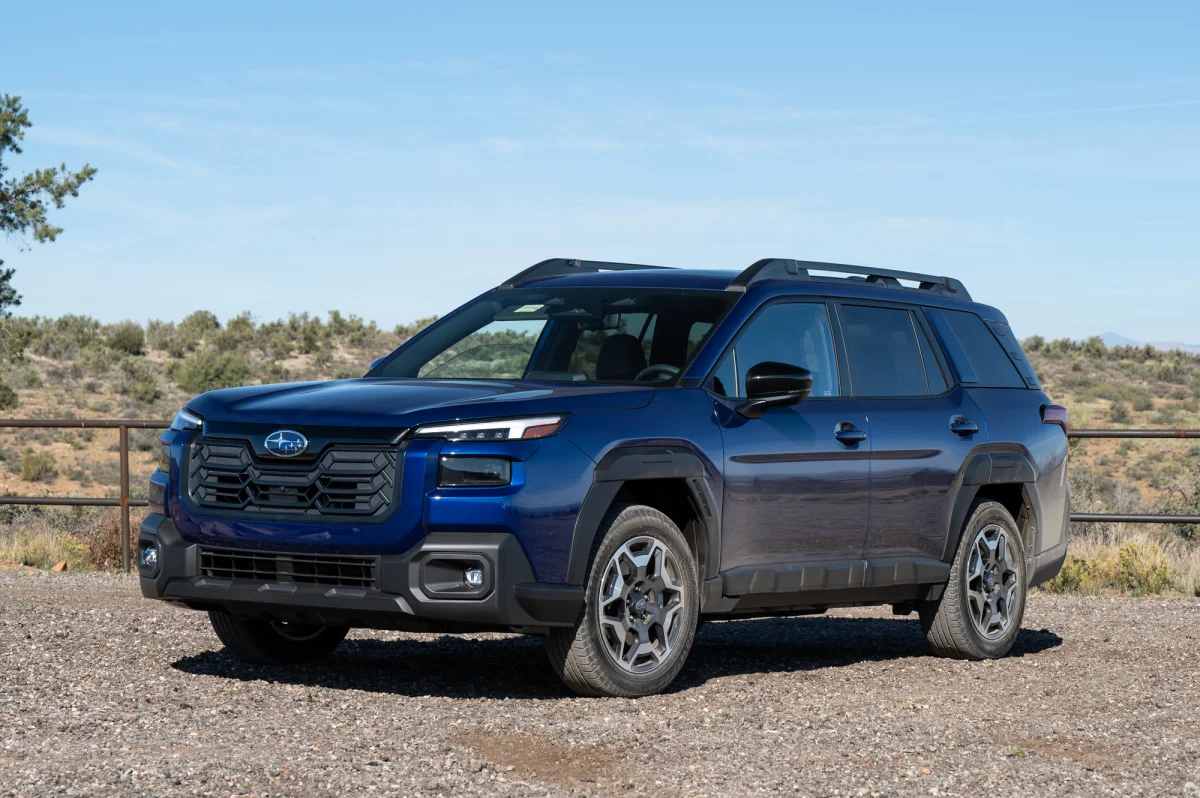
The Subaru Outback is often recommended for rainy climates because of its balanced combination of all‑wheel drive, ground clearance, and conservative engineering choices that focus on reliability. The symmetrical all‑wheel drive system provides continuous traction on wet roads, giving drivers confidence when the pavement is slick with rain.
Subaru’s attention to roof and door sealing helps to minimize interior moisture intrusion, a concern for many drivers in persistently wet regions. Owners often praise the strong wiper system that keeps visibility high even during heavy downpours.
Inside, designers paid attention to small details that matter when water is a constant companion. Door seals are robust and channels are designed to move water away from critical areas, reducing the chance of water pooling near electrical systems.
The cargo area also tends to stay dry, even when loading wet gear after outdoor activities. Subaru’s reputation for resilience means that many Outback owners report lower than expected issues with rust or water damage over years of use. For Seattle drivers, this means fewer surprises and more time on the road.
Mechanically, the Outback offers stability control systems that work in harmony with its traction advantages. When a sudden shower makes the asphalt slick, these systems intervene early to keep the vehicle tracking where the driver expects. Tire choice from the factory is also geared toward all‑season performance, balancing grip and durability.
Many owners in rainy regions choose to upgrade to dedicated wet‑weather tires, further enhancing the Outback’s capability. This kind of thoughtful engineering reduces stress for drivers who face unpredictable weather.
Another strength of the Outback is its visibility. Large windows and a well‑designed dash make it easier to see lane markings and other vehicles in low‑contrast light conditions that are common in Seattle. Combined with strong headlights and rain‑sensing wipers on many trims, drivers feel secure even during prolonged storms.
For daily commuters and outdoor enthusiasts alike, the Outback presents a compelling blend of practicality and confidence in wet conditions.
The Subaru Outback has earned a positive reputation among drivers who face rain frequently. Its combination of traction, water management, and driver‑focused features means fewer compromises when the weather turns damp. While no vehicle is immune to every possible issue, the Outback’s engineering track record gives many Seattle residents reassurance that it can stand up to the challenges of frequent rain with grace and dependability.
Honda CR-V
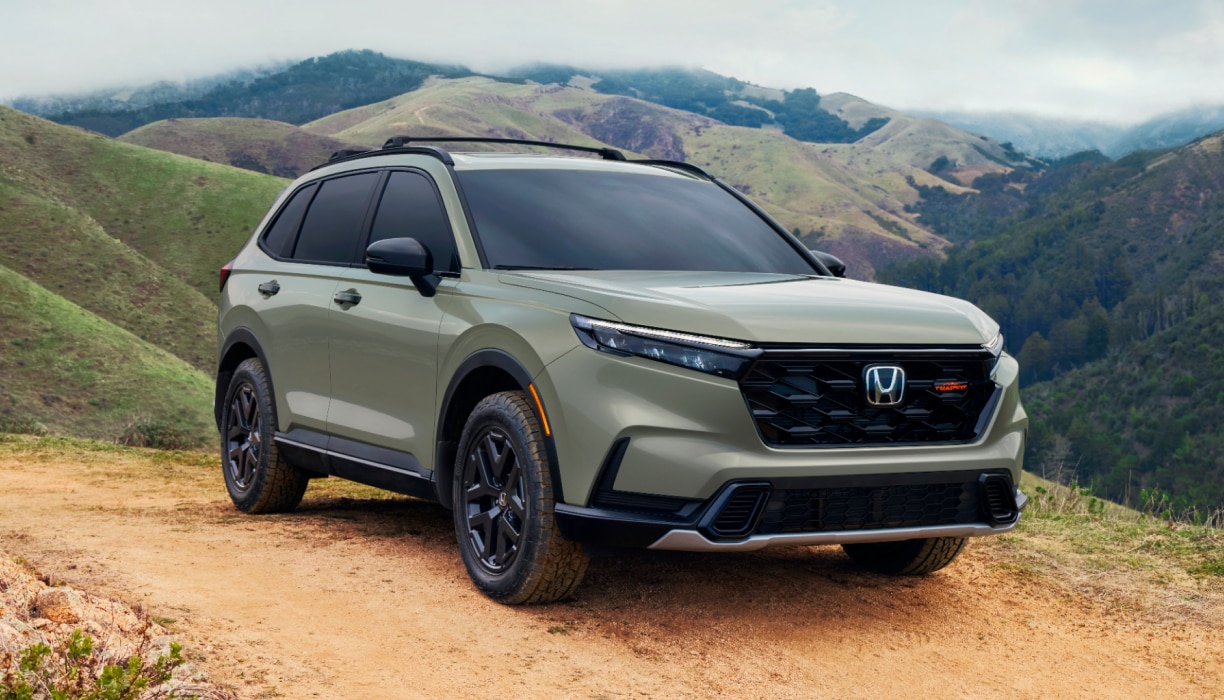
The Honda CR‑V has become a staple choice for many drivers because of its well‑rounded performance and reputation for durability in a variety of conditions. In rainy environments like Seattle, the CR‑V’s reliable all‑wheel drive option helps drivers maintain traction without feeling like they lack power or control.
Honda’s engineering focuses on balanced handling, which is helpful when roads are wet and unpredictable. The chassis feels planted, giving drivers a sense of control that can reduce anxiety during long commutes in steady rain.
A strong point of the CR‑V is its attention to sealing and water management around doors and windows. Many owners report that rain and moisture tend to stay outside the cabin, even after long periods of driving through wet weather. The drainage systems are designed to channel water away from sensitive areas, and the interior materials resist absorbing moisture. These design choices contribute to a cabin environment that feels dry and comfortable, even on continuous rainy days.
Honda’s approach to electronics and interior comfort systems also supports wet weather reliability. Climate control systems work efficiently to remove humidity from the cabin, reducing fogging and maintaining clear windows.
Visibility enhancements such as defogging vents and well‑placed mirrors help drivers see the road clearly in low‑visibility rain conditions. These small but significant details add up to a driving experience that feels thoughtful and responsive to the challenges of wet weather.
On the road, the CR‑V’s suspension provides a smooth ride that helps prevent wheel hop or loss of control on slick pavement. The tires that come standard with the vehicle offer a decent balance of wet traction and long life, giving many drivers confidence when accelerating from stops or navigating sharp corners. Anti‑lock braking and stability systems are tuned to intervene smoothly, helping to keep the CR‑V tracking straight when sudden stops are necessary.
Many Seattle drivers find that the CR‑V hits a sweet spot between efficiency, practicality, and rainy‑weather performance. Its all‑wheel drive, solid sealing, and driver‑focused systems combine to create an SUV that handles continuous moisture with minimal fuss. For people who want a vehicle that feels predictable and secure in rain without excessive cost or complexity, the Honda CR‑V stands out as a strong contender.
Toyota RAV4
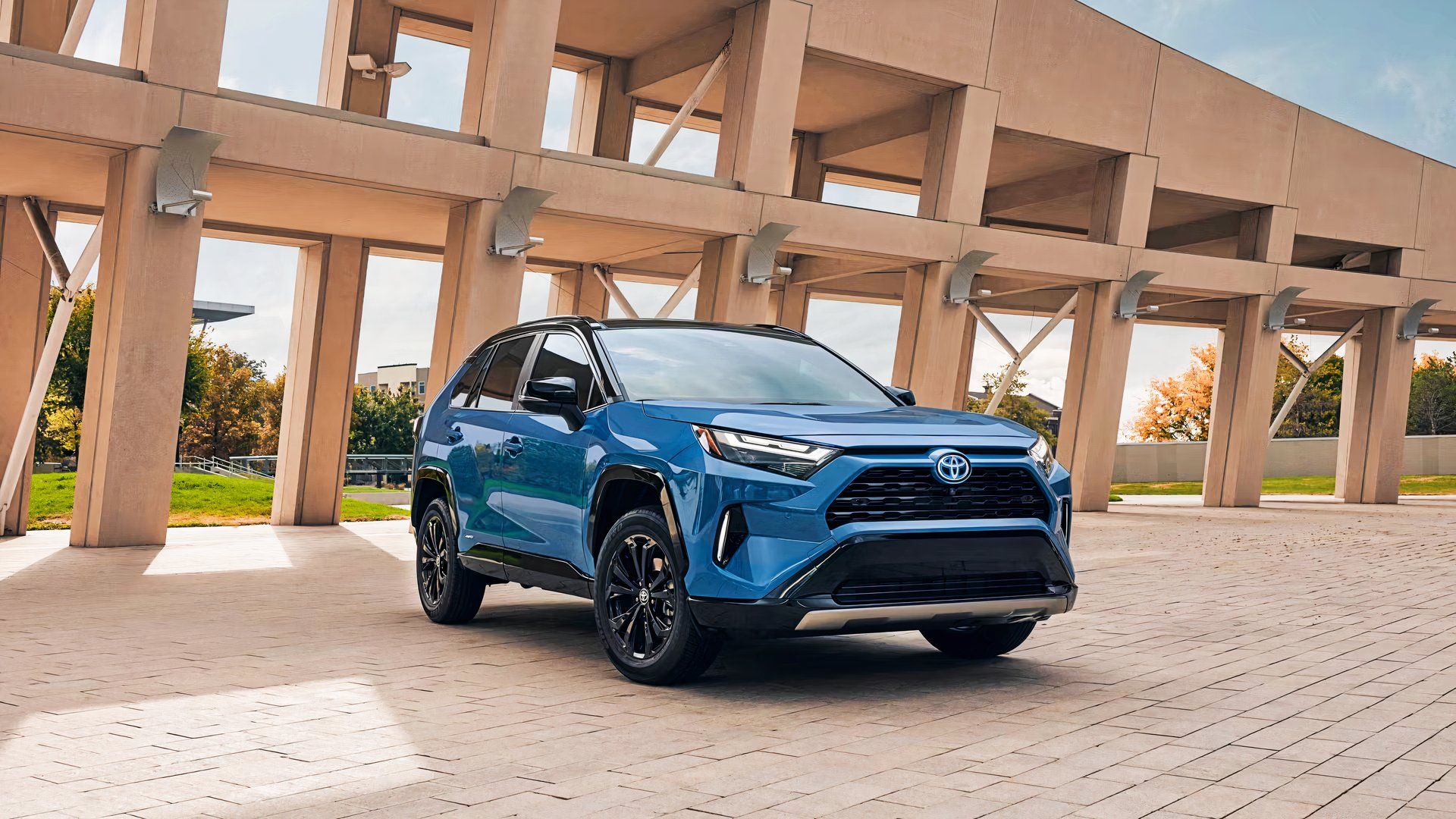
The Toyota RAV4 is often selected by drivers who value reliability and predictable performance in diverse weather conditions. Its available all‑wheel drive system adjusts torque between the front and rear wheels to optimize grip on slick surfaces, which is particularly useful during Seattle’s long rainy season.
The body structure and paint quality also resist corrosion, an important factor when rain and road salt are frequent occurrences. Owners appreciate the RAV4’s capacity to handle wet curves and sudden showers with a calm demeanor.
Toyota engineers put emphasis on minimizing water intrusion around doors and windows, helping to keep the cabin dry even when downpours are intense. The seals are robust, and the design helps divert water away from electronic modules that could be sensitive to moisture.
The cargo area is also designed to shed water quickly when loading wet gear, making it less likely that water will be tracked inside. These practical considerations make a noticeable difference over years of daily driving in damp climates.
The RAV4’s interior climate control system helps maintain clear windows and comfortable humidity levels, crucial when rain constantly strikes the windshield. Defogging and ventilation work efficiently to keep air moving in a way that reduces condensation build‑up.
Additionally, visibility is enhanced by thoughtfully placed mirrors and strong lighting, which help drivers see lane markers and other vehicles in low light and wet conditions. All of these features combine to create a confident driving experience.
On slick pavement, the RAV4’s suspension and stability control help the vehicle respond to changes in road surface without feeling skittish. Braking performance in the rain is aided by anti‑lock systems that prevent wheel lockup and maintain steering control. The traction offered by the tires and all‑wheel drive system helps drivers accelerate smoothly, reducing wheel spin. For daily commuters and weekend adventurers alike, this level of composure in wet weather is a key benefit.
Long‑term owners often note that the RAV4 continues to feel dependable after years of Seattle rain. Its mechanical durability and thoughtful engineering mean fewer surprises related to water damage.
While maintenance remains important, many drivers feel that the RAV4’s design makes rainy‑weather driving less stressful. For anyone who spends large portions of the year under cloudy skies and steady showers, this SUV presents a combination of reliability and confidence that many find reassuring.
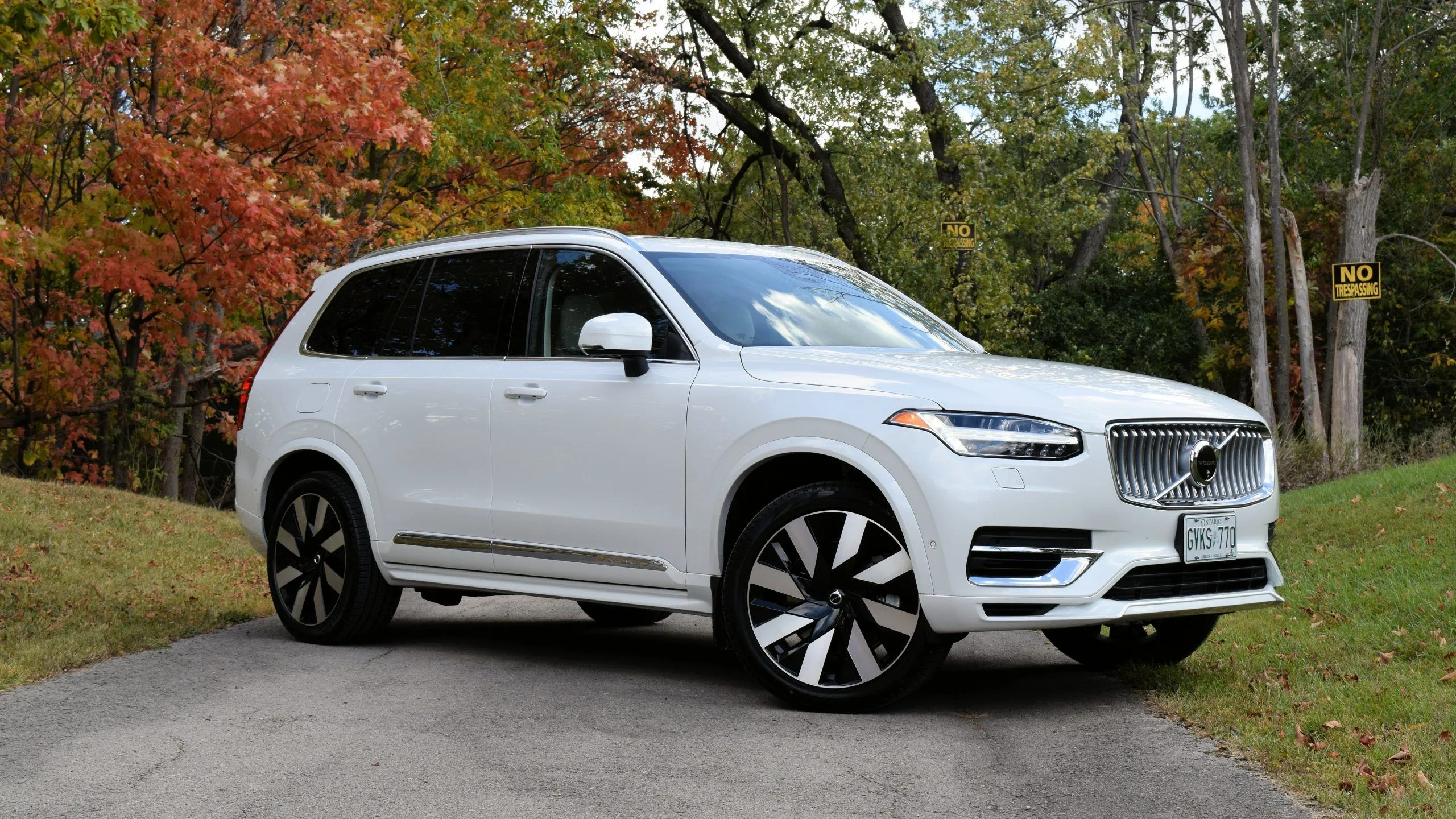
Volvo XC90
The Volvo XC90 is a premium SUV that blends safety‑first engineering with strong performance in wet conditions, making it attractive for drivers in places with frequent rain. Volvo has long prioritized occupant protection and chassis stability, which pay dividends when traction and control are critical during continuous showers.
The all‑wheel drive system is tuned to respond quickly to changes in surface grip, helping the XC90 maintain composure when the pavement is slick. It’s an SUV that feels steady and controlled even when rain intensity increases.
Water management and sealing around the body are also strong points for this SUV. Doors and windows have reinforced seals that help prevent moisture intrusion into the cabin, while drainage pathways are designed to direct water away from key systems.
The interior materials resist absorbing moisture, which helps maintain comfort even after multiple wet commutes. Many owners appreciate how dry the cabin remains after driving through heavy rain, a testament to Volvo’s attention to detail in this area.
The climate control system within the XC90 plays a significant role in promoting clear visibility and comfort. Dual climate zones and efficient defogging systems remove humidity from the cabin air, reducing fog buildup on windows.
These systems work harmoniously with large, well‑placed mirrors and powerful headlights to help drivers maintain awareness of road conditions, even in dim, rainy light. The feeling is one of thoughtful design aimed at supporting the driver’s needs.
Handling and braking on wet roads are well‑controlled thanks to a suspension system that balances comfort with responsiveness. The SUV’s weight distribution and stability systems work together to keep motion smooth and predictable, reducing the sensation of slipping or sliding.
Tires designed for all‑season performance complement this setup, giving a solid grip when accelerating or stopping in rain. Drivers note how the XC90 feels composed, even when the weather worsens.
For those who want a combination of luxury, safety and rain‑ready performance, the Volvo XC90 continues to be a compelling choice. While maintenance costs may be higher than average, many owners feel the trade‑off is worthwhile given the confidence it inspires during continuous wet weather. Its robust engineering and attention to water‑related challenges make it a vehicle that many Seattle rain drivers trust for both daily use and longer journeys.
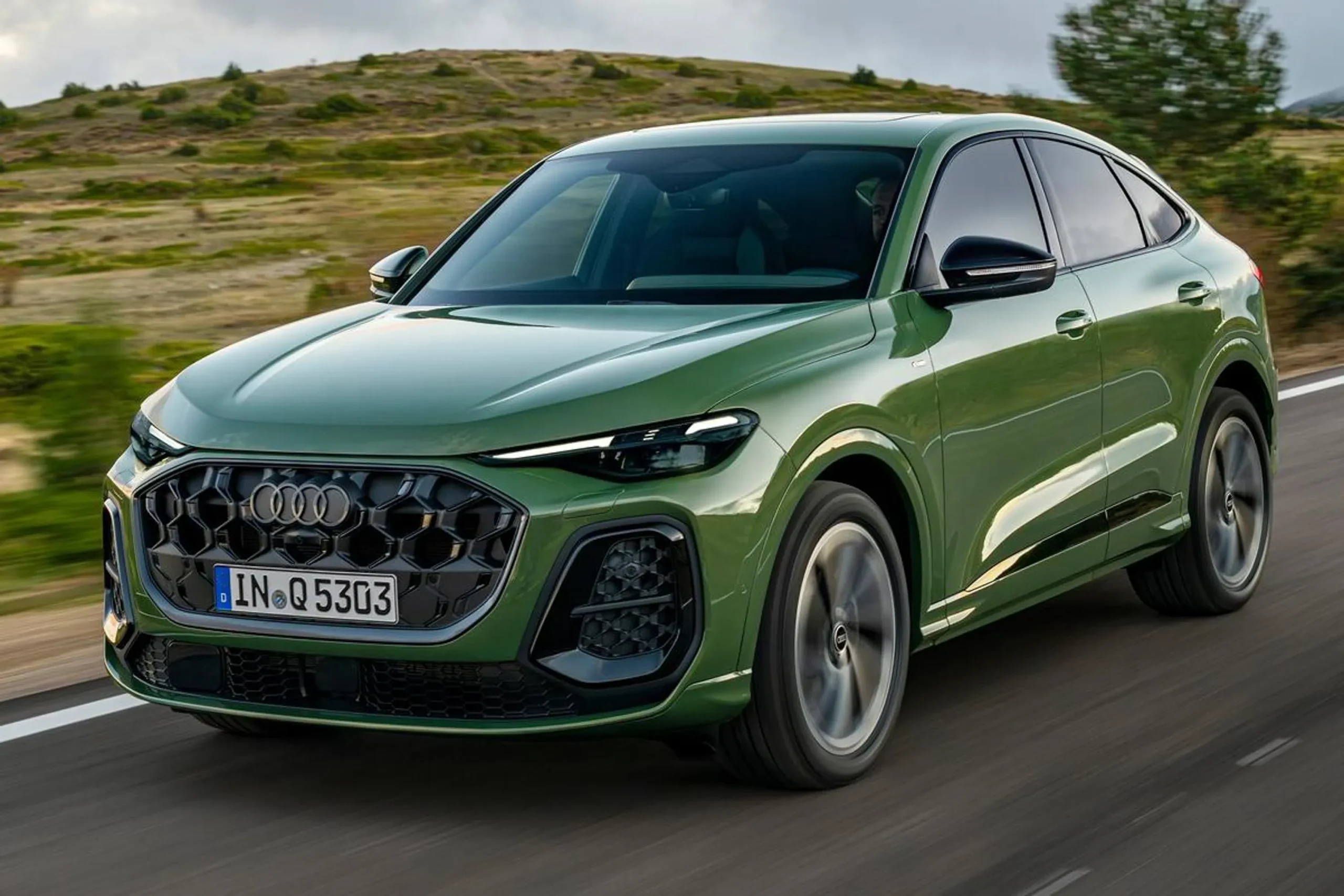
Audi Q5
The Audi Q5 is known for its refined driving experience and quattro all‑wheel drive system, which redistributes torque to maintain traction on wet surfaces.
This capability gives drivers a sense of stability when rain makes roads slick. The vehicle’s build quality and attention to detail also extend to how water is managed around the chassis and body panels. Many owners report that the Q5 feels planted and predictable in rainy conditions, qualities that are highly appreciated in a climate where rain is frequent.
Inside, the cabin is well sealed and insulated, contributing to a quiet ride that feels unaffected by continuous showers. Water that collects on the exterior tends to be shed efficiently, and door seals help keep the interior dry even after long periods of rainfall.
Audi’s climate control systems manage humidity effectively, reducing window fogging and contributing to clear sightlines. This focus on interior comfort enhances the driving experience when the weather outside is gray and wet.
The Q5’s visibility features support confident driving in low‑visibility rain. Large mirrors and advanced lighting systems help illuminate the road ahead and make lane markers easier to see when light conditions are poor. Rain‑sensing wipers adjust automatically, allowing drivers to focus on traffic and conditions rather than fiddling with controls. These thoughtful touches add up to an experience that feels responsive to the challenges of frequent rain.
Handling and braking in wet weather are strong points for the Q5. Suspension tuning supports balanced handling, helping the vehicle navigate corners without feeling unsettled. Anti‑lock brakes work in concert with stability programs to help keep the vehicle on its intended path when sudden stops are necessary.
Tires designed for all‑season use further enhance traction, letting drivers feel confident in accelerating from stops without excessive wheel spin.
Many Seattle SUV buyers appreciate how the Audi Q5 combines performance, comfort, and wet‑weather capability. While premium maintenance costs may be a consideration, the confidence it brings in rainy conditions makes it a compelling choice for drivers who prioritize a composed and predictable driving experience. The engineering behind the Q5 supports daily use in wet climates, and for many owners that reliability is a primary reason for choosing this SUV.
5 SUVs With Known Water Issues
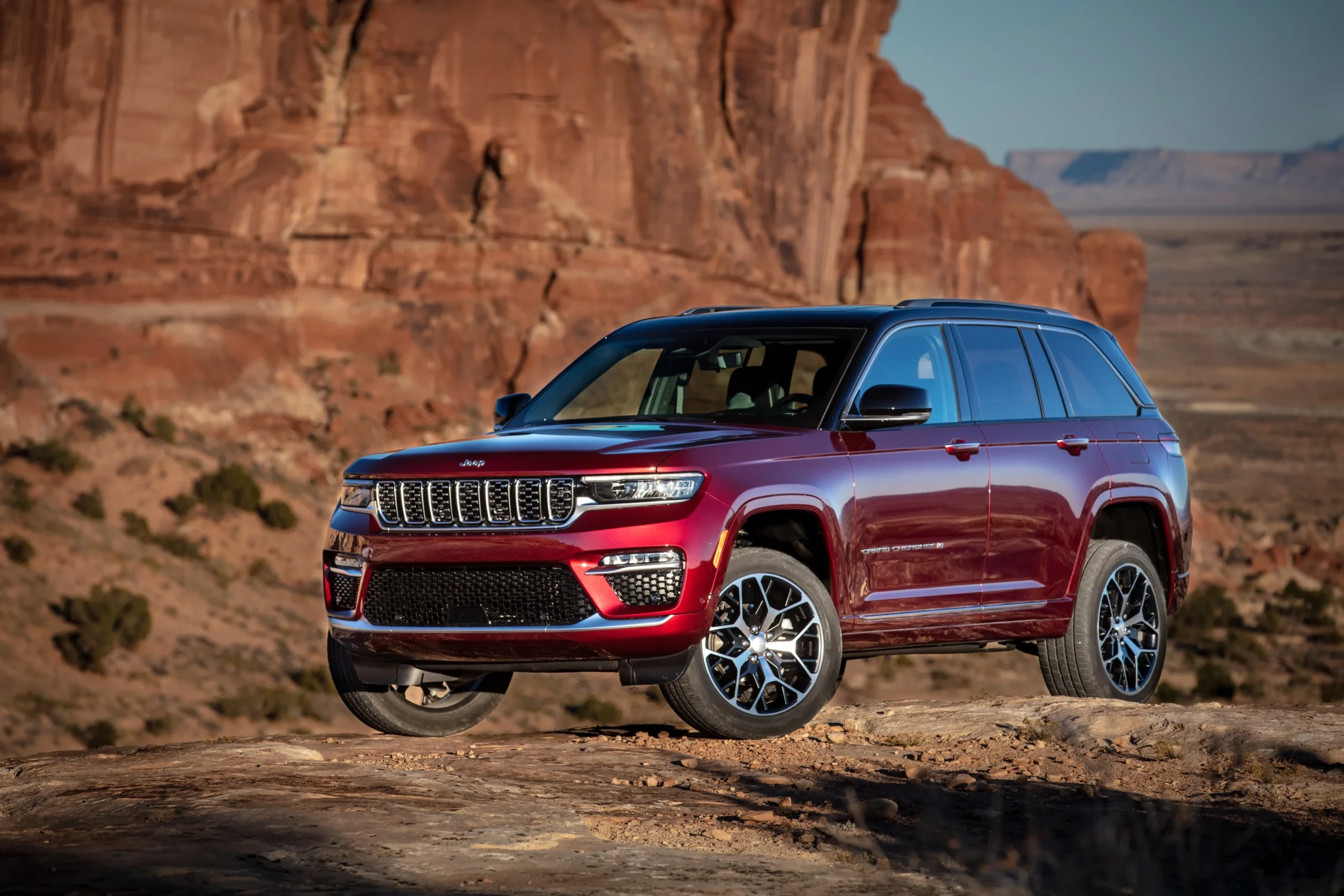
Jeep Cherokee
The Jeep Cherokee has earned attention for its off‑road capability, but in wet urban climates some owners report water intrusion issues in certain model years. Rainwater can find its way into the cabin through imperfect seals around doors or sunroofs, leading to damp carpets and interior discomfort.
For Seattle drivers who face continuous rain, this kind of persistent moisture can become an ongoing nuisance that requires frequent drying and maintenance efforts. It detracts from the enjoyment of the vehicle.
Electrical systems can be sensitive to moisture, and owners have reported problems with door electronics and window switches when water gets past seals. This is not universal, but recurring reports suggest that seals in some Cherokees may not hold up well in environments where rain is the default weather. Moisture in door panels can also cause unpleasant odors over time if not addressed promptly, further complicating ownership in constantly damp conditions.
The drainage pathways around the sunroof and roof rails in some Jeep Cherokee models are another common complaint. When these drains clog or are inadequately sized, water can pool and eventually enter the cabin near the headliner or pillars.
This kind of issue may not appear immediately, but after months of Seattle rain it can become more noticeable. Drivers who rely on a dry interior for daily commuting may find this recurring problem frustrating.
Handling on wet pavement is generally acceptable, but traction control systems in older Cherokees can feel slower to respond compared to competitors. Combined with water on the road, this can leave drivers feeling less confident during sudden maneuvers or heavy downpours. Tires that come standard may also prioritize ride comfort over wet grip, which may not be ideal for frequent rain.
Maintenance to fix water intrusion can be time-consuming and costly, as pinpointing the exact source of moisture often requires professional inspection. For Seattle drivers, repeated visits to service centers simply to address leaks can take away from the enjoyment of ownership.
While the Cherokee has strengths in other areas, its water management issues make it a less appealing option for those prioritizing dry and trouble‑free rainy‑weather driving.
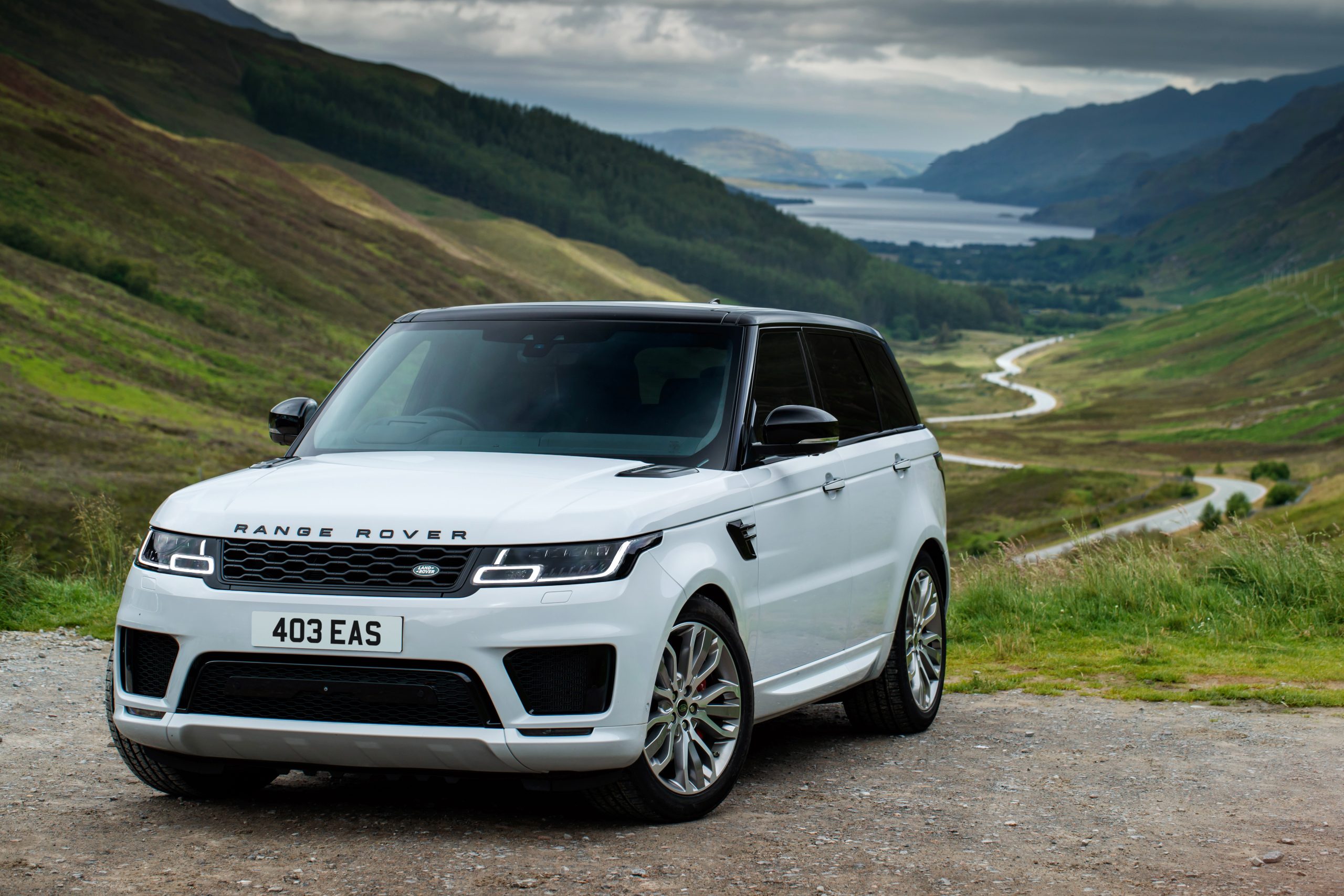
Land Rover Range Rover Sport
The Land Rover Range Rover Sport is a luxury SUV with strong off‑road credentials, but in wet climates some owners report electrical issues linked to water exposure.
Even though the vehicle is engineered for rough terrain, the complexity of its electrical systems can make it vulnerable when moisture reaches sensitive components. In regions with frequent rain like Seattle, this can lead to frustrating experiences where electrical gremlins appear without obvious cause.
Sunroof drains and door seals are common points where water intrusion can begin. When these areas do not perform perfectly, water can trickle into compartments housing electronic modules. Over time, even small amounts of moisture can compromise sensors and connections, leading to glitches in infotainment systems, stability controls, or lighting. Addressing these issues requires careful inspection and often expensive repairs.
Another concern involves water pooling in areas around the tailgate or cargo space due to imperfect sealing. This can create humid conditions near wiring harnesses and electronic actuators for rear components. Owners may notice damp carpets or a musty smell after rain, indicating that water barriers are not functioning optimally. These kinds of issues can erode confidence in the vehicle’s ability to manage Seattle’s persistent showers.
On wet pavement, the Range Rover Sport’s traction systems are capable, but drivers have noted that under heavy rain the vehicle can feel less composed than expected for its class.
The combination of powerful engines and tires that prioritize performance may lead to wheel spin or hesitation in heavy spray. Stability systems attempt to correct this, but the experience can feel less intuitive compared to other SUVs designed specifically for all‑season grip.
Repair costs for water‑related electrical problems can be high, given the complexity of the Range Rover Sport’s systems. Frequent trips to the dealership or specialist for diagnostics may be required, making ownership in a rainy climate more expensive over time. For Seattle drivers whose priority is a reliable SUV that handles wet conditions with minimal fuss, these water‑linked electrical concerns are important to keep in mind.
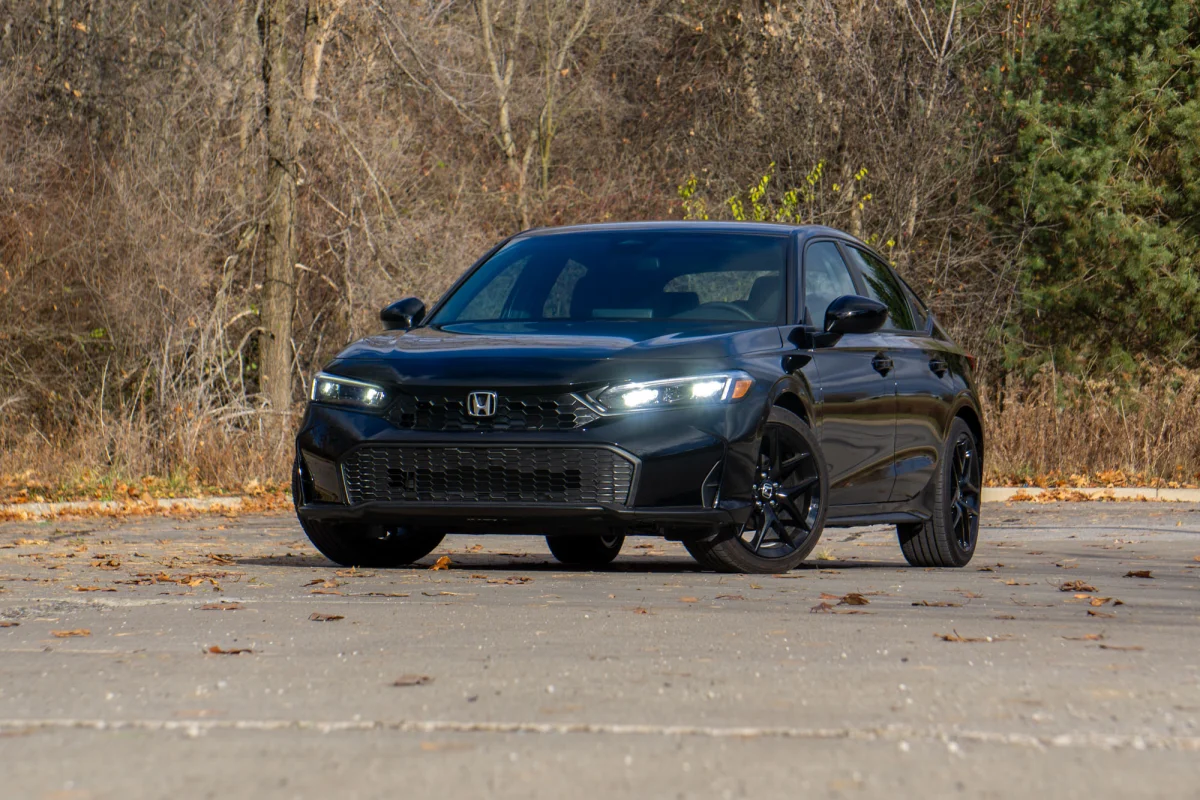
BMW X5
The BMW X5 is a popular midsize luxury SUV, but some owners report issues with sunroof leaks and door seal degradation in persistently wet environments.
These problems may not appear immediately, but after repeated exposure to rain they can lead to damp interiors and water stains on upholstery. For drivers in places with long rainy seasons, finding water where it shouldn’t be inside the cabin can be an unwelcome surprise.
Door seals on some X5 models may wear faster when subjected to continuous moisture and temperature swings. As seals age and harden, they lose their ability to keep water out effectively. This can allow rainwater to enter near the base of the doors, leading to wet carpet and the potential for mold or odor if not dried thoroughly. Owners who frequently experience rainy commutes may find themselves monitoring these areas closely.
In addition, interior electronics near entry points can become sensitive if exposed to moisture over time. Buttons, switches, and control modules may begin to act erratically if water infiltrates door panels. Fixing these problems can be both time-consuming and expensive, requiring part replacements that are often costly in a luxury SUV. This detracts from the otherwise refined driving experience the X5 offers.
While the BMW X5 is capable on the road and offers strong handling, these water intrusion issues make it a less ideal choice for drivers whose primary concern is keeping the interior dry and trouble‑free in constant rain. For Seattle residents, frequent rain exposure makes such vulnerabilities more visible, and addressing them can become a recurring part of ownership that some drivers would prefer to avoid.
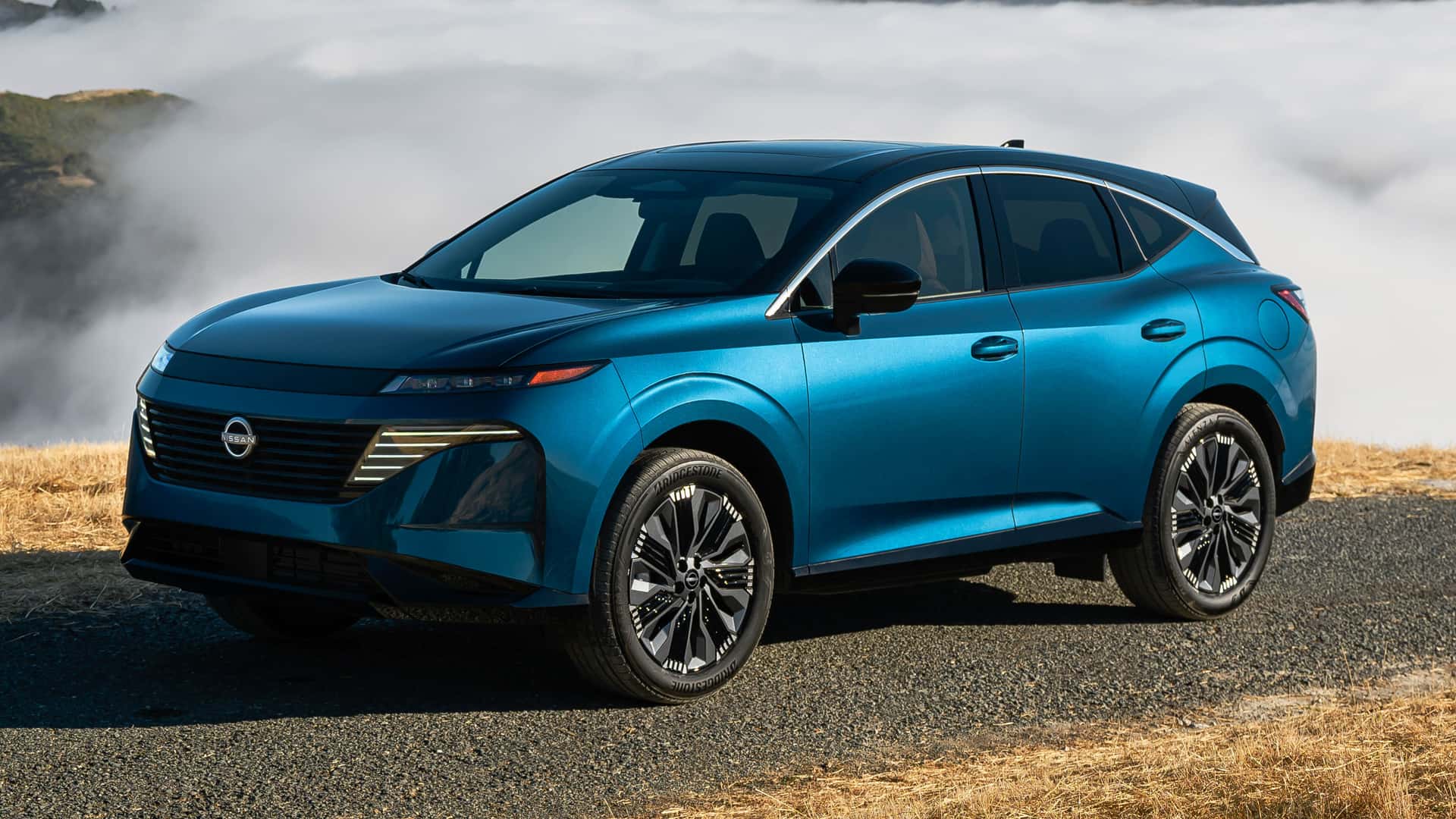
Nissan Murano
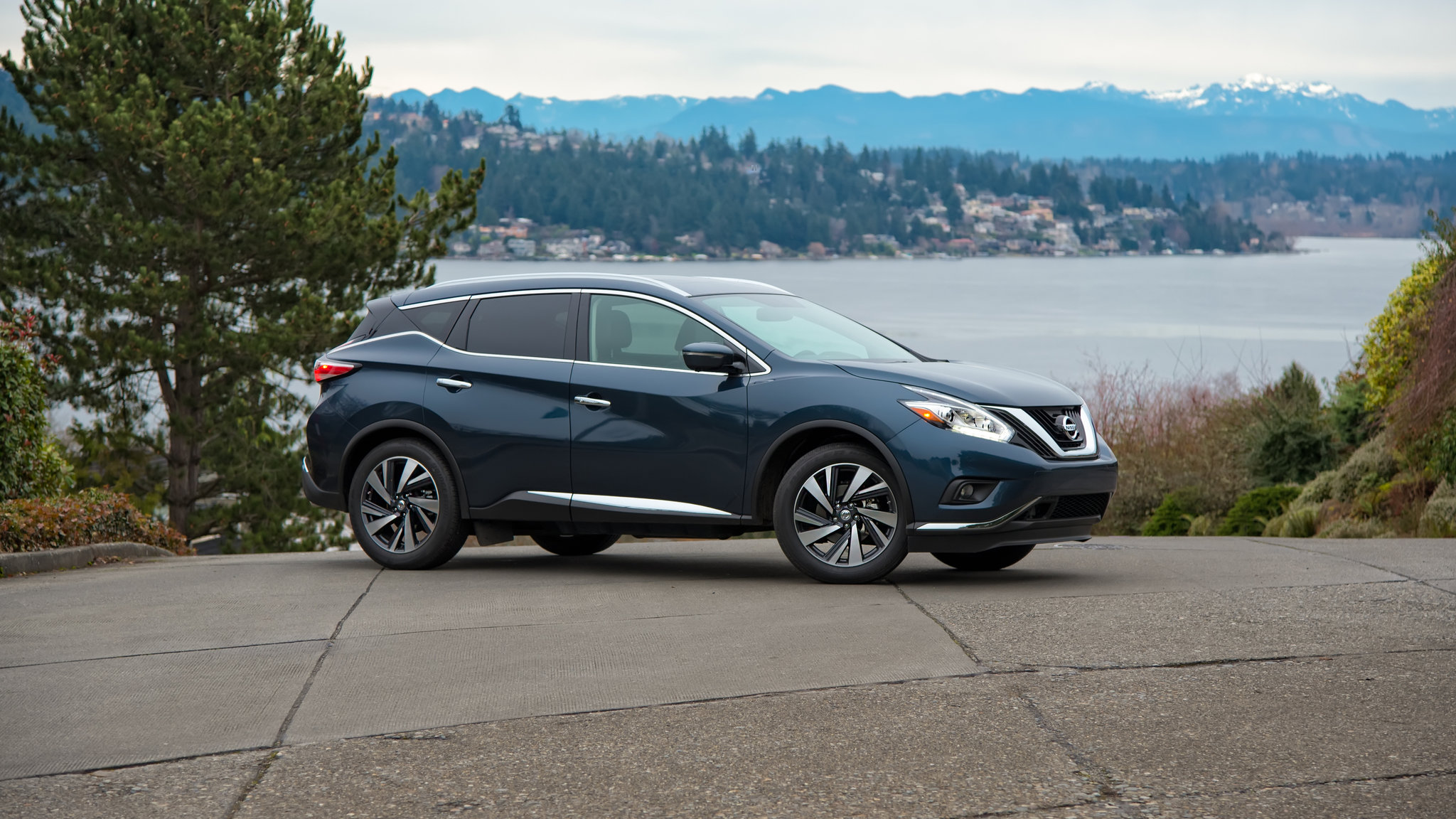
The Nissan Murano is a stylish SUV with comfortable seating and a smooth ride, but in wet climates some owners note roof rail and drainage issues that allow water to enter the cabin.
When water is not properly channeled away from the roof edges, it can find its way into the interior near windows or doors. For drivers who experience frequent rain, this can lead to wet spots on seats or floor mats that require constant wiping and drying.
Drainage channels around the sunroof and roof rails may also clog with debris, reducing their ability to handle large amounts of rainwater. When these drains are blocked, water can overflow into the cabin area near the headliner or A‑pillars.
This can create wet spots that are not immediately obvious but become noticeable after longer trips in the rain. Checking and clearing these drains regularly is an extra maintenance step that many Seattle drivers find necessary.
Inside, the Murano’s interior materials are generally durable, but persistent moisture intrusion can accelerate wear on carpets and lower door panels. Owners who do not catch leaks early may find that floor mats and carpeting show signs of water damage or discoloration over time. Addressing this requires pulling up and drying mats frequently, a task that becomes tiresome with repeated rainy days.
On the road, the Murano’s handling is smooth, but these water management shortcomings make it less appealing for drivers whose priority is a dry, low‑maintenance interior in constant rain. For people who value a vehicle that stays dry and comfortable without extra vigilance, the Murano’s water issues are a significant consideration.
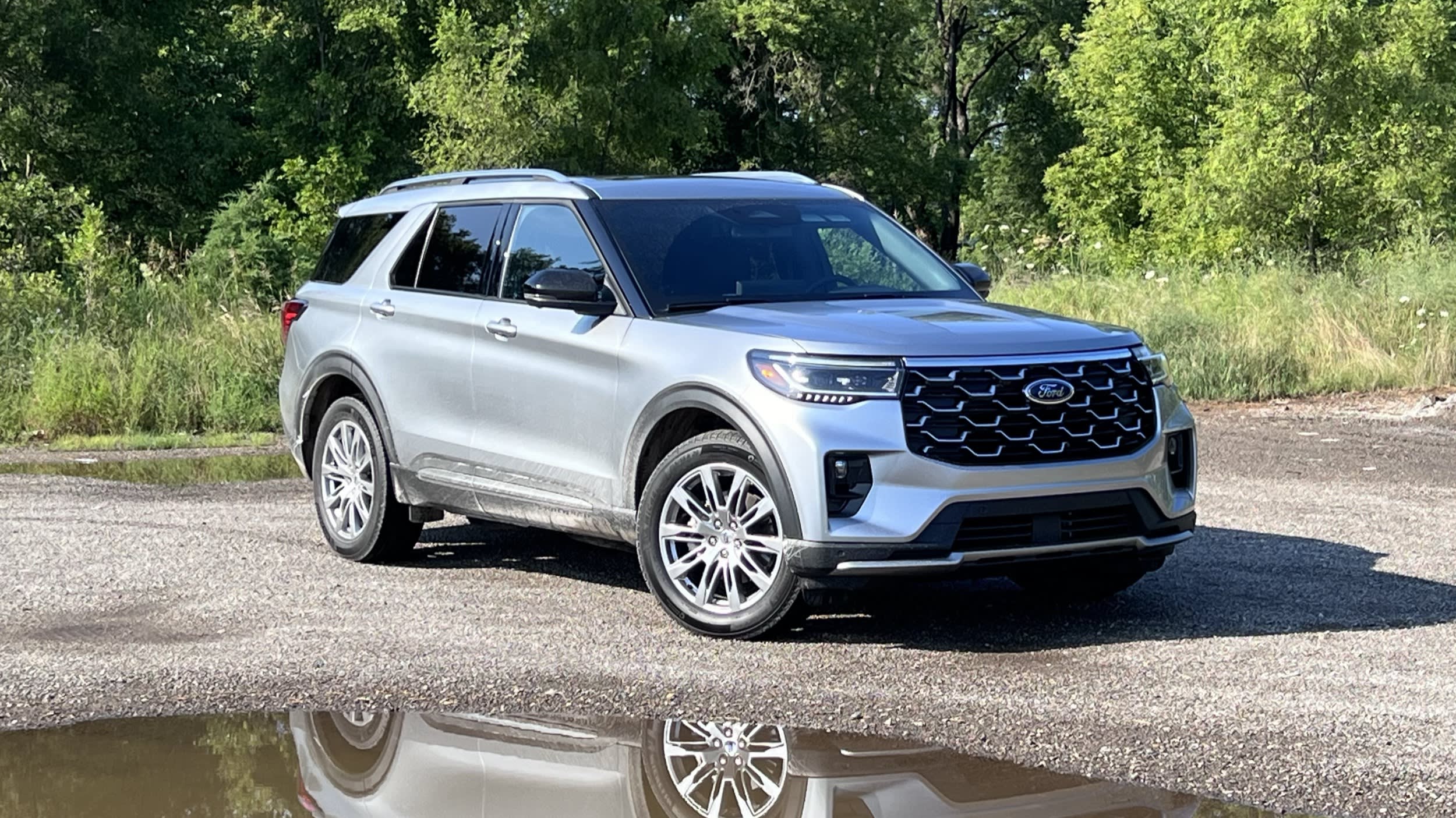
Ford Explorer
The Ford Explorer is a widely used SUV that offers strong performance and versatile seating, but it has gained a reputation in some model years for roof drain and cargo area water issues. When rainwater is not effectively directed away from entry points, it can seep into areas that are difficult to dry. Seattle’s constant rain magnifies these problems, leading drivers to discover moisture in the cargo area after heavy storms.
Roof drain channels in certain Explorers may not be sufficiently large or well positioned, leading to pooling and eventual overflow into the interior. Water can then find its way along seams and into the cargo compartment, especially when the vehicle is parked on an incline. This persistent moisture can lead to damp carpets and storage space that feels unpleasantly wet after a rainy day.
Door seals in some models have also shown tendencies to allow more moisture than expected into the cabin. When seals do not fit snugly, water can enter near the lower edges of doors and collect on the floor. Over time, this can promote the growth of mildew or create a persistent damp smell that requires vigorous cleaning to eliminate. For drivers facing daily rain, this becomes a recurring issue.
Electrical components located near the cargo area can also be vulnerable if moisture is present. Water that infiltrates through imperfect seals can affect wiring harnesses or connectors, leading to issues with rear lighting or sensors. Diagnosing and repairing moisture‑linked electrical problems often requires professional help, adding to maintenance costs.
While the Ford Explorer offers many positive qualities, these water management problems make it less desirable for drivers who want a straightforward, dry experience in rainy climates. Seattle residents may find that frequent exposure to rain reveals these issues sooner rather than later, making it a factor to weigh carefully when choosing an SUV.