Traffic is one of the most common stressors for drivers, especially in large cities where congestion can turn even a short commute into a slow, frustrating ordeal. Some cars manage this situation exceptionally well, offering a smooth ride, manageable controls, and features that reduce fatigue.
Drivers often value quiet cabins, responsive steering, and comfortable seating when stuck in stop-and-go traffic. The contrast between cars that remain pleasant under these conditions and those that become uncomfortable is stark.
Factors like engine performance, transmission design, suspension tuning, and interior ergonomics all influence how a car behaves at low speeds. While a powerful engine may seem appealing for open roads, it can create jerky starts and stops if paired with a stiff transmission, making the car tiresome in urban settings.
Conversely, vehicles designed with city driving in mind can make even the most congested streets feel tolerable. Modern technology also plays a role, as features like adaptive cruise control, traffic-aware automatic transmissions, and electric drivetrains can drastically improve the experience.
The choice of tires and chassis stiffness can further affect ride quality, with softer setups absorbing minor road imperfections better than performance-oriented alternatives. Another element is climate control and cabin noise. Cars that maintain a stable temperature, provide good ventilation, and minimize road and engine noise help drivers stay calm, while louder or poorly insulated vehicles can intensify stress.
Fuel efficiency at low speeds is another concern, as stop-and-go traffic often reduces mileage, and some engines become less efficient when idling or operating below optimal speed ranges. The interior layout, visibility, and maneuverability also determine whether a vehicle feels manageable in heavy traffic.
Compact or well-designed cabins often make lane changes and parking easier, while large or awkwardly shaped vehicles can feel cumbersome. Ultimately, the difference between a comfortable car and a miserable one in traffic depends on a combination of mechanical engineering, ergonomics, and thoughtful design choices. With careful consideration, drivers can select a car that minimizes frustration and enhances their daily urban commute.
5 Cars That Stay Comfortable in Traffic
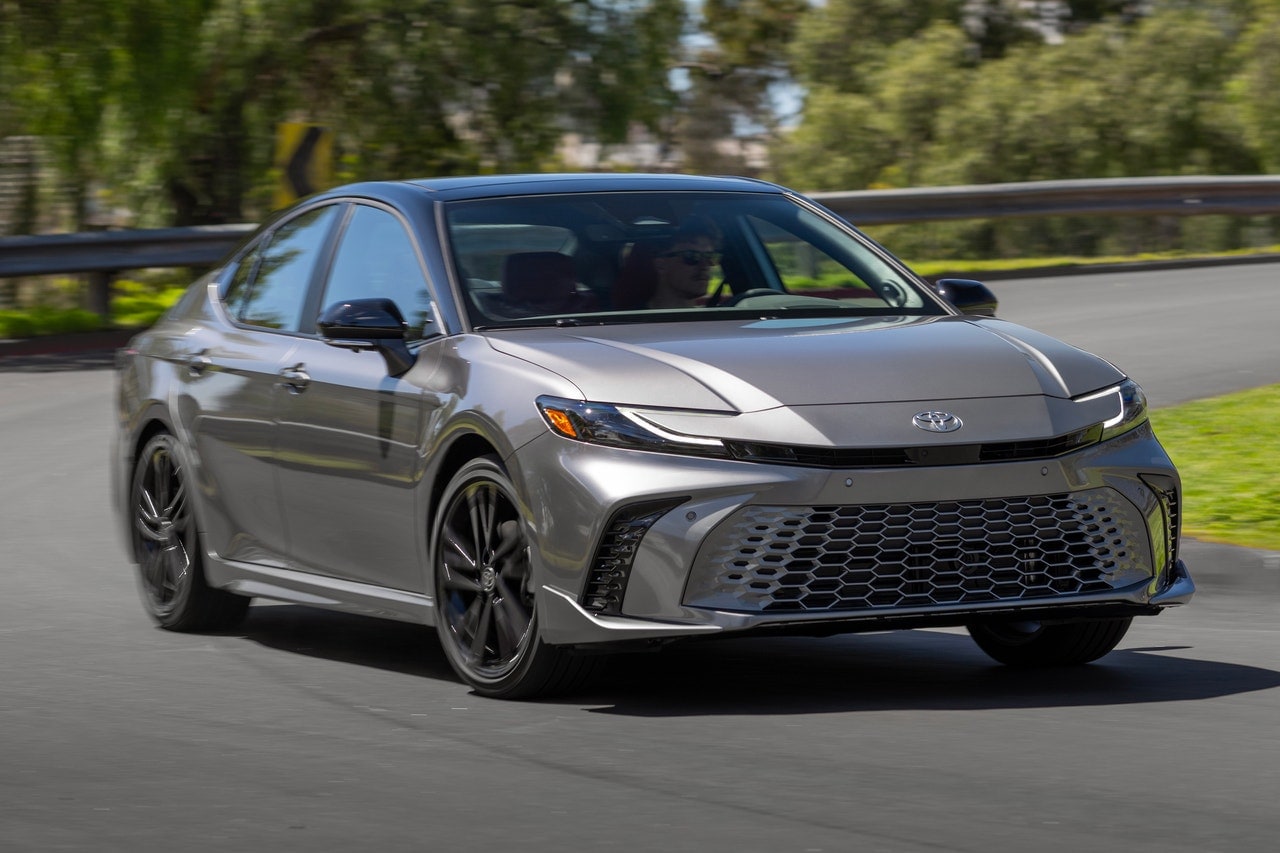
1. Toyota Camry
The Toyota Camry is known for its smooth ride and quiet cabin, making long periods of stop-and-go traffic less stressful. Its suspension is tuned to absorb small bumps and uneven surfaces, which helps reduce fatigue on congested roads. The seats are supportive with ample cushioning, providing comfort even during extended drives in heavy traffic. Additionally, its intuitive dashboard and minimalistic controls keep the driver relaxed and focused.
The Camry’s automatic transmission operates seamlessly in city traffic, allowing for smooth acceleration and deceleration without sudden jerks. Its fuel-efficient engine also performs reliably at low speeds, preventing frequent gear changes that can be frustrating in traffic jams.
With modern features like adaptive cruise control and lane-keeping assistance, the car minimizes the mental load of city driving. Many drivers appreciate the low noise levels, which help maintain a calm atmosphere inside the cabin.
Cabin ergonomics also play a crucial role, and the Camry excels in this area with easily accessible controls, ample legroom, and a clear view of the road ahead. Climate control systems are precise and maintain a consistent temperature even when idling for long periods.
This reduces discomfort caused by stop-and-go conditions and helps passengers remain relaxed. The car’s layout feels intuitive, so drivers rarely have to fumble with buttons or knobs in heavy traffic, enhancing the comfort.
Technology integration in the Camry contributes to a stress-free traffic experience. Infotainment screens are responsive, and smartphone integration via Apple CarPlay or Android Auto allows navigation and communication without distraction. The sound system provides clear audio at low volumes, helping drivers stay aware of their surroundings while enjoying music or podcasts. Combined with the quiet engine and insulated cabin, the Camry creates a serene environment even in the busiest city streets.
The Camry’s balance of smooth handling, reliable transmission, ergonomic cabin, and technological aids makes it one of the most comfortable cars to drive in traffic. Drivers often report lower fatigue levels, better posture, and reduced stress after spending extended periods behind the wheel. Whether it is daily commutes or longer urban drives, the Toyota Camry consistently delivers a composed and enjoyable experience.
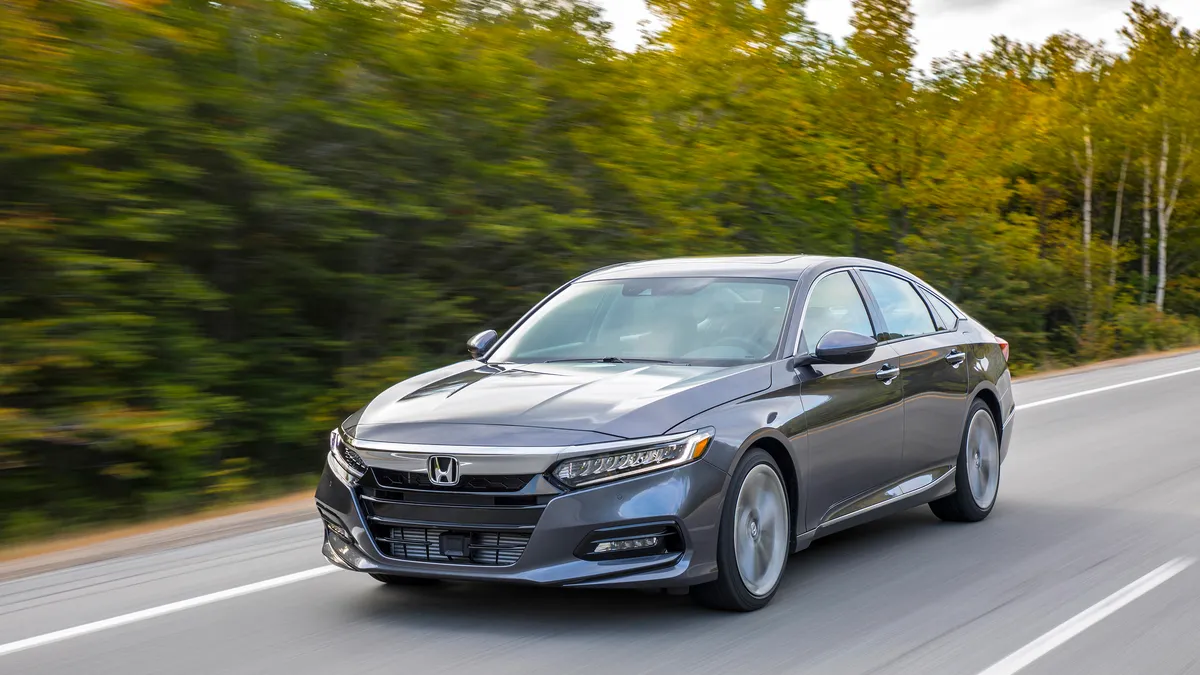
2. Honda Accord
The Honda Accord offers a spacious and supportive interior that keeps occupants comfortable during long traffic delays. Its suspension system balances firmness and softness, absorbing irregularities in urban roads while maintaining stability. The seats provide adjustable lumbar support, which prevents back strain in slow-moving traffic. The cabin layout is clean and uncluttered, giving drivers easy access to controls without distraction.
Honda’s CVT transmission makes stop-and-go driving smooth and predictable. Drivers benefit from consistent acceleration without feeling abrupt changes in power, which is common in less refined vehicles. The engine runs quietly at low speeds, reducing noise fatigue inside the cabin. Paired with well-placed mirrors and a wide windshield, the Accord offers excellent visibility, which makes maneuvering through congested streets less stressful.
Air conditioning systems in the Accord maintain a consistent temperature even when idling in traffic, preventing discomfort caused by heat or humidity. Interior materials are soft to the touch, and the cabin is well-insulated, minimizing outside noise. Drivers often note that the car feels stable and controlled, even during long waits at traffic lights or in slow-moving urban areas. This combination of features makes it a favorite among commuters.
Also Read: 5 Cars That Stay Popular for Years vs 5 That Fade Quickly
The infotainment and connectivity features of the Accord enhance convenience in heavy traffic. Large screens display navigation clearly, while voice commands allow drivers to control music and make calls hands-free. The user interface is intuitive, preventing the frustration of fiddling with electronics while moving slowly. Drivers also appreciate the smooth steering response, which makes maneuvering tight spaces effortless and precise.
Comfort in the Accord extends beyond the driver, as passengers enjoy generous legroom and soft seating. The cabin’s quietness helps maintain a calm atmosphere, while the smooth ride absorbs road imperfections effectively. Its consistent performance in traffic makes it a reliable choice for those who spend hours commuting, reducing both physical and mental strain on daily drives.
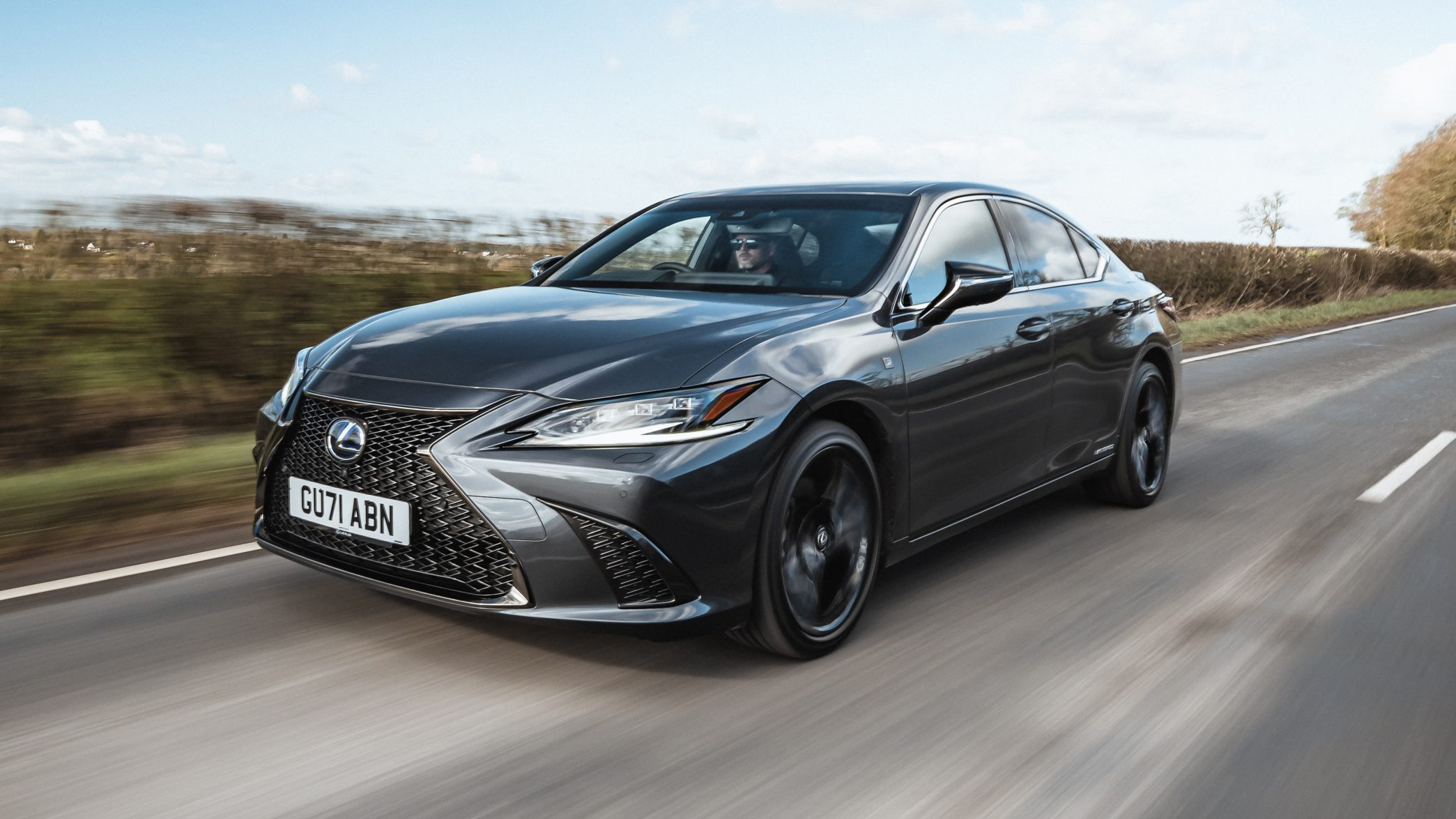
3. Lexus ES
The Lexus ES is a luxury sedan designed to prioritize comfort, making it ideal for traffic-heavy driving. The cabin is exceptionally quiet, with advanced sound insulation that isolates road and engine noise. Seats are crafted with high-quality materials and feature multiple adjustments to support the back and legs. Soft-touch surfaces throughout the interior enhance the sense of refinement, creating a calm environment for drivers and passengers alike.
Adaptive suspension technology ensures that even minor road irregularities are absorbed seamlessly. This feature keeps the ride smooth during stop-and-go traffic, preventing jolts or vibrations that can be tiring over time. The engine delivers power gently, and the transmission shifts fluidly at low speeds, allowing the car to move effortlessly without harsh jerks or delays. Drivers often comment on the refined balance between performance and comfort.
The Lexus ES also includes advanced driver-assistance systems that reduce the stress of traffic. Adaptive cruise control, lane-keeping assist, and traffic-sign recognition allow drivers to maintain a safe distance and correct lane position automatically. This minimizes constant pedal adjustments and steering corrections in crowded city streets, contributing to an sense of relaxation.
Cabin amenities further elevate the driving experience. Climate control with multiple zones keeps all occupants comfortable regardless of external conditions. High-quality sound systems deliver clear audio without the need for high volume, reducing auditory fatigue. Interior lighting is soft yet functional, ensuring visibility without harsh glare. The layout of the controls is intuitive, so drivers can manage vehicle functions without distraction.
The combination of smooth handling, quiet interior, supportive seating, and advanced technology makes the Lexus ES one of the most comfortable cars to navigate traffic. Long commutes become less stressful, as the vehicle absorbs road imperfections, minimizes noise, and reduces the mental strain of constant stop-and-go driving. Its refined nature allows drivers to maintain composure even during the most congested traffic conditions.
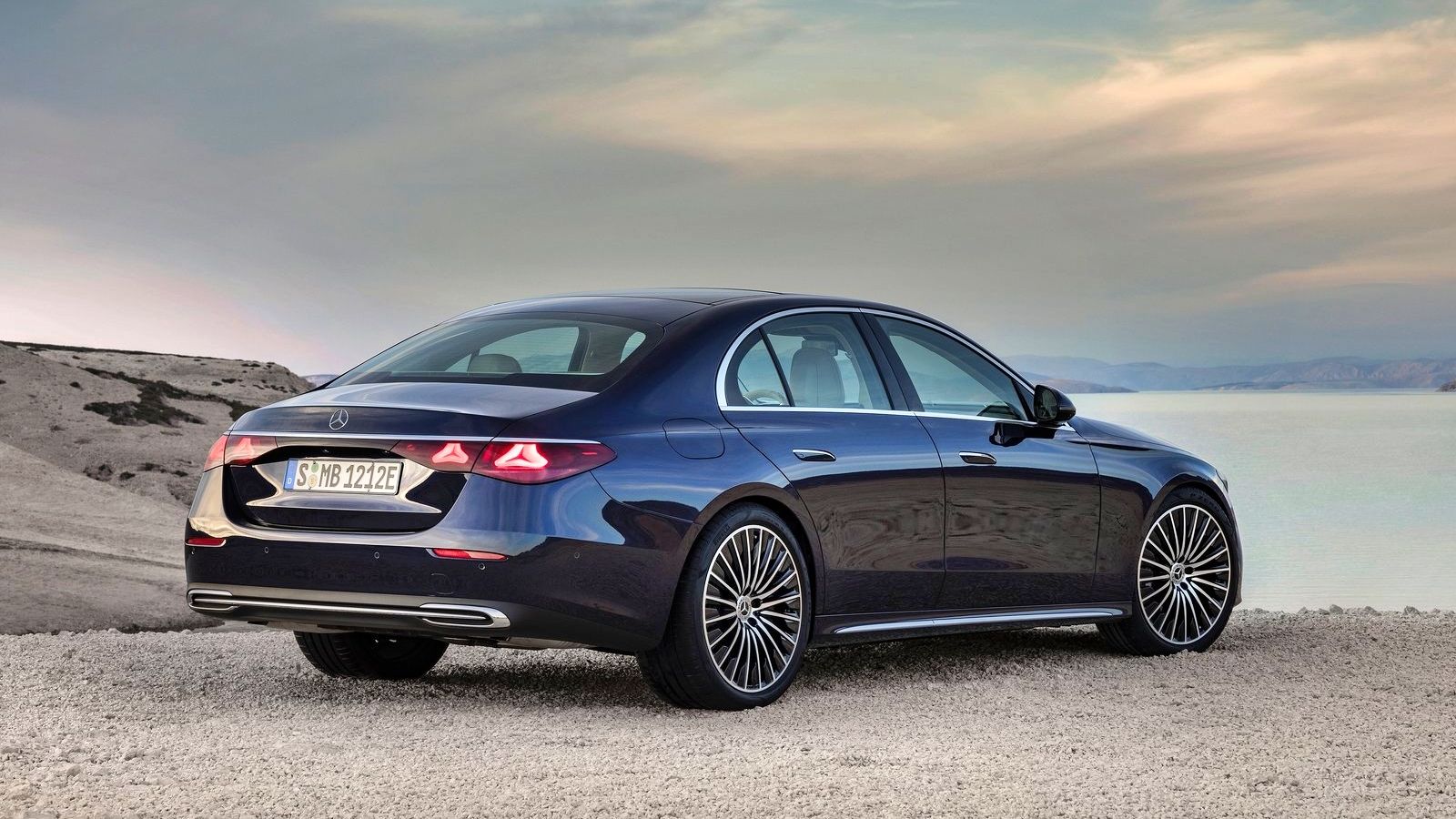
4. Mercedes-Benz E-Class
The Mercedes-Benz E-Class delivers a calm and composed ride in city traffic thanks to its sophisticated suspension and quiet cabin. Road imperfections are absorbed efficiently, reducing fatigue during long periods of slow driving. The seats are ergonomically designed, offering lumbar support and cushioning that adjust to the driver’s posture. Interior materials feel premium and tactile, enhancing the perception of comfort throughout the cabin.
At low speeds, the E-Class engine remains smooth and responsive without feeling strained. Its automatic transmission provides seamless shifts, making urban driving effortless and reducing the frustration of frequent gear changes. Steering is precise and light at low speeds, allowing for easy maneuvering in tight city streets. Drivers often remark on how composed the car feels, even when surrounded by aggressive traffic.
Technology in the E-Class also aids comfort and reduces stress. Driver-assistance features such as stop-and-go cruise control and traffic-jam assist maintain optimal speed and lane position without constant input from the driver. The infotainment system is intuitive, allowing navigation, media, and communication to be managed efficiently. Voice control adds an extra layer of convenience, keeping hands on the wheel and attention on the road.
Cabin climate control ensures consistent temperatures regardless of traffic conditions. High-quality materials, including leather seating and soft-touch surfaces, enhance tactile comfort. Road noise is minimized through advanced insulation, while vibration is absorbed by the air suspension system. These features combine to create a serene environment ideal for long commutes in heavy traffic.
Passenger comfort is also prioritized, with generous legroom and supportive seating. The E-Class maintains smooth motion at low speeds, which reduces stress on the body during stop-and-go traffic. The luxurious interior, combined with responsive handling and advanced technology, makes it one of the most comfortable cars for navigating congested streets efficiently and effortlessly.
5. Volvo S90
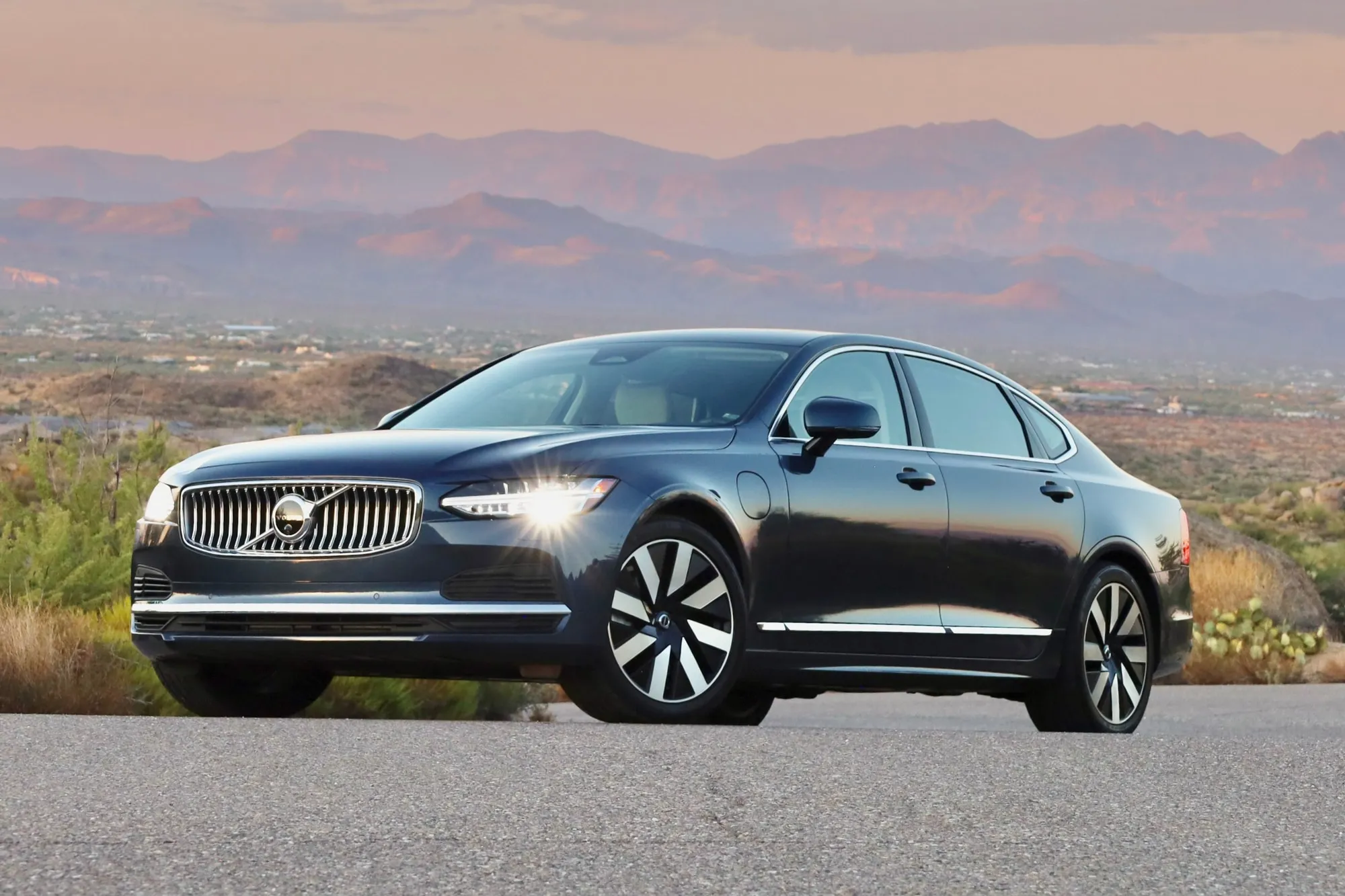
The Volvo S90 emphasizes comfort and safety, making it well-suited for traffic-heavy environments. The cabin is quiet and insulated, reducing outside noise and vibrations. Seats are crafted with attention to ergonomics, offering excellent lumbar support and multiple adjustment options. Soft-touch materials and a minimalist interior design create a sense of spaciousness, contributing to a relaxed driving experience.
The S90’s suspension is tuned to absorb urban road imperfections effectively. Even minor bumps and uneven surfaces are smoothed out, ensuring passengers remain comfortable during extended periods of slow traffic. The engine provides gentle acceleration, and the automatic transmission shifts seamlessly, reducing the stress associated with frequent starts and stops in city driving. Drivers often comment on the smooth and composed nature of the ride.
Advanced driver-assistance systems contribute significantly to comfort in traffic. Adaptive cruise control, lane-keeping support, and collision avoidance features reduce mental strain, allowing the driver to focus on steering without constant adjustments. Steering is light yet precise, making it easier to maneuver through congested streets without fatigue.
Cabin amenities further enhance comfort, including precise climate control, high-quality audio systems, and intuitive infotainment controls. The layout of the dashboard and touchscreen is straightforward, preventing distraction and maintaining a calm driving environment. Soft lighting and noise-reduction features improve the perception of serenity in the car.
The combination of smooth suspension, quiet interior, ergonomic seating, and technology makes the Volvo S90 highly comfortable for city traffic. Commuting or long drives in congested urban areas become less tiring, as the car absorbs stress from the road, reduces noise, and maintains passenger comfort consistently. Its thoughtful design ensures both driver and passengers feel relaxed, even during prolonged stop-and-go situations.
Also Read: 10 Small Cars That Stay Comfortable on Long Drives
5 Cars That Feel Miserable at Low Speeds
1. Ford Mustang
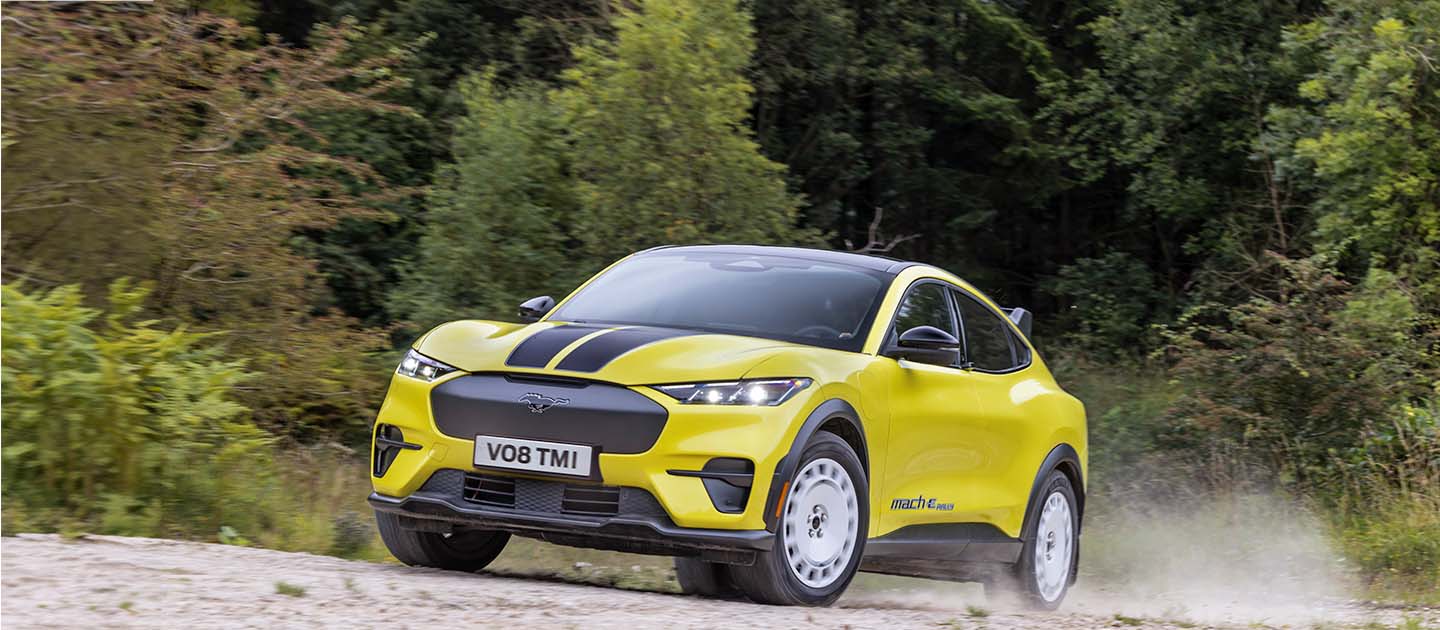
The Ford Mustang, while thrilling on open roads, can feel cumbersome in stop-and-go city traffic. Its stiff suspension, designed for sporty handling, often transmits every bump and pothole to the cabin. The low-profile tires, which improve grip on highways, make urban driving harsh and jarring. Over time, prolonged periods of crawling along congested streets can lead to noticeable discomfort for both driver and passengers.
Maneuvering in tight traffic can also be challenging due to its wide body and long wheelbase. The steering, which is responsive at high speeds, tends to feel heavier at low speeds, making repeated turns and lane changes more laborious. Drivers may find themselves constantly adjusting pedals and shifting gears, especially in the manual transmission variants. These minor but persistent irritations accumulate quickly during rush-hour commutes.
Cabin noise is another issue. The Mustang’s engine produces deep, sporty tones that, while enjoyable on open roads, can become fatiguing in slow-moving traffic. Road noise from performance tires and vibrations through the suspension further contribute to a less-than-relaxing environment. Over time, these factors can make city driving feel more stressful than exhilarating.
The interior, although stylish, may not fully prioritize comfort in congested conditions. Seats are often firm and bolstered to hold occupants during spirited driving, which can feel restrictive and less forgiving during frequent stops. Visibility can also be limited due to the low seating position and narrow rear window, forcing drivers to constantly adjust mirrors or perform extra head movements when maneuvering in traffic.
While the Mustang excels in performance and style, it demonstrates the challenges of a sports-oriented car in urban environments. Stop-and-go traffic amplifies its shortcomings, making even short commutes mentally and physically taxing. Drivers may find themselves wishing for softer suspension, lighter steering, and a quieter cabin while navigating the city.
2. BMW 3 Series (Sport Package)
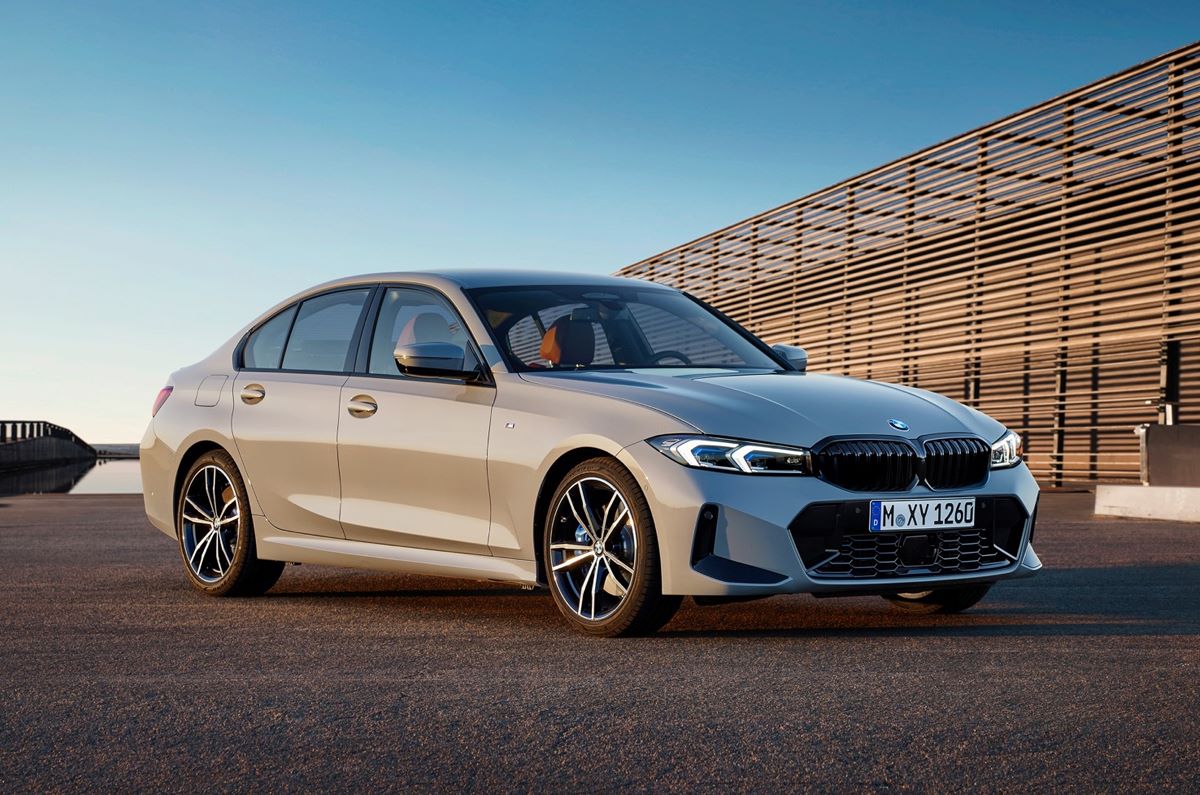
The BMW 3 Series equipped with a sport package can be uncomfortable during urban driving. The sport-tuned suspension, designed for sharp cornering, makes even minor potholes feel pronounced. This stiffness can lead to jolts and vibrations being transmitted directly to the cabin. In traffic, every stop-and-start motion exaggerates these sensations, creating a tiring experience over time.
Steering feedback, which is precise and responsive at high speeds, often feels heavy and overly sensitive at low speeds. This makes tight turns, parking, and maneuvering through crowded streets more demanding than it should be. The brakes, tuned for performance, can also feel abrupt during frequent city stops, requiring constant adjustment to avoid jerky motion.
Engine performance can be less forgiving at low speeds as well. Turbocharged engines sometimes exhibit lag at very slow acceleration, forcing drivers to modulate the throttle carefully. This can create a disconnected feeling between input and motion, which is frustrating in stop-and-go conditions. Even smooth gearboxes may feel less responsive when moving at creeping speeds.
Cabin comfort, while luxurious, is not fully optimized for traffic-heavy environments in sport-oriented trims. Seats are firm and heavily bolstered, which can strain the body over extended periods of crawling along congested streets. Road and tire noise are amplified by low-profile tires, reducing the sense of calm that drivers expect during daily commutes.
The BMW 3 Series, in its sport configuration, demonstrates that a car engineered for agility and responsiveness can suffer when confined to urban congestion. Long periods in traffic magnify stiffness, steering effort, and harshness, making otherwise short drives mentally draining. Drivers may appreciate its highway abilities but struggle with city practicality.
3. Jeep Wrangler
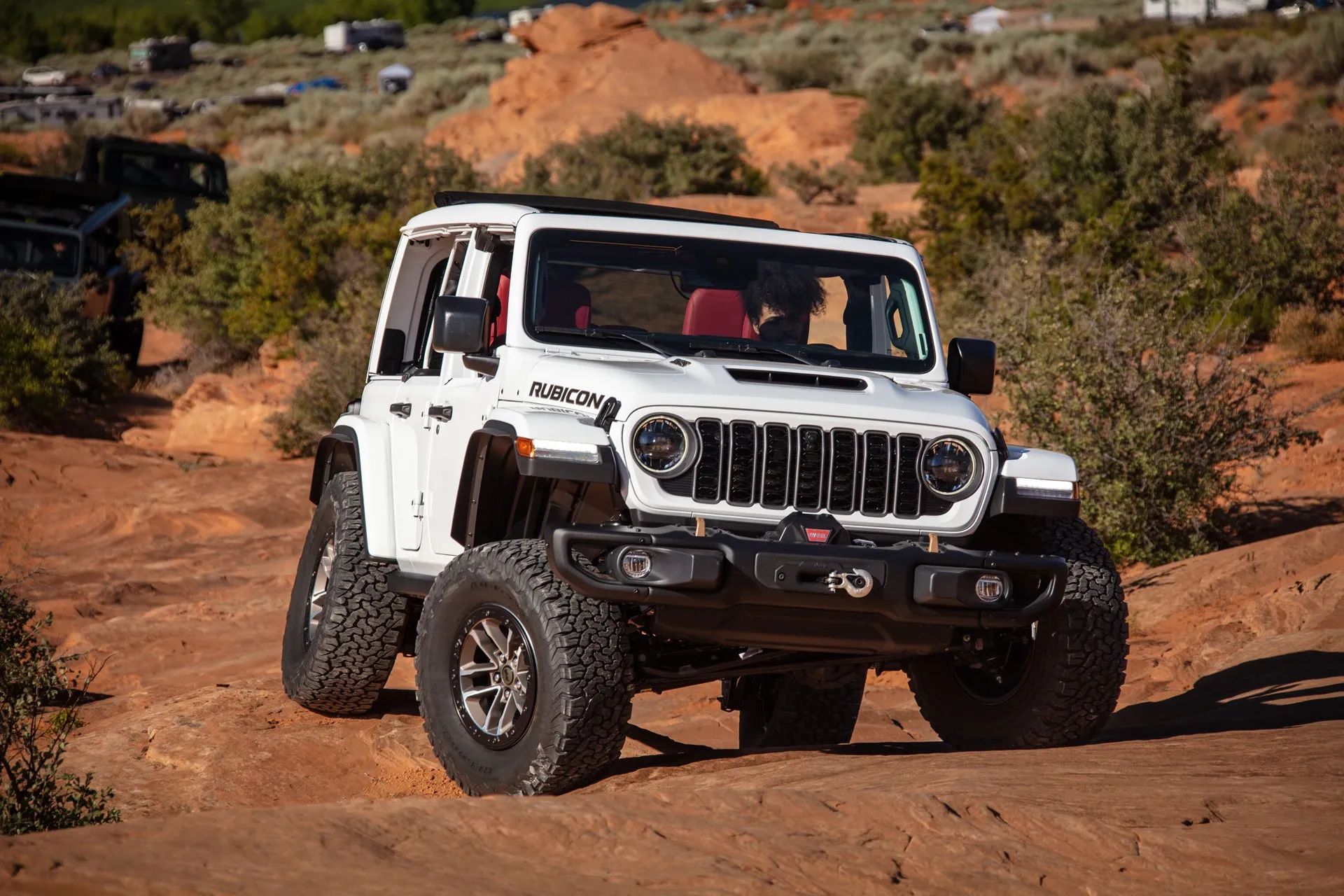
The Jeep Wrangler is iconic for off-road performance, but city traffic is one of its least comfortable settings. Its high ground clearance and rugged suspension, ideal for trails, make the ride bouncy and uneven on smooth roads. Every bump, manhole, and minor imperfection is amplified, sending vibrations and jolts through the cabin that quickly fatigue both driver and passengers.
Handling at low speeds is another challenge. Steering can feel disconnected and heavy, requiring multiple adjustments to navigate tight turns or crowded intersections. The Wrangler’s large turning radius makes U-turns and parking difficult, and its body roll is noticeable even at very low speeds. These factors combine to create a stressful urban driving experience.
Noise levels in the Wrangler are also significant. Road, wind, and engine noise are highly pronounced due to limited insulation and a removable top in some variants. Conversations and phone calls often require elevated voice levels, which adds to the sense of fatigue in stop-and-go traffic.
The interior, while functional, is not fully optimized for extended periods in traffic. Seats are upright and less cushioned than modern sedans, offering minimal support during long waits at stoplights. Controls are functional but can feel chunky and require more effort to operate precisely during frequent starts and stops.
Despite its off-road prowess and rugged charm, the Jeep Wrangler is not well-suited for city commutes. Stop-and-go traffic highlights suspension stiffness, noise, and handling challenges, making otherwise short drives uncomfortable. Drivers accustomed to smoother cars often find themselves wishing for a softer ride and quieter cabin when navigating urban streets.

4. Chevrolet Camaro
The Chevrolet Camaro, like other performance coupes, struggles in traffic due to a combination of stiff suspension and low-profile tires. Every minor imperfection in the road translates into cabin vibrations, making urban commutes physically fatiguing. Long periods of stop-and-go driving amplify this effect, as frequent braking and acceleration jostle occupants repeatedly.
Low-speed steering can also feel heavy and imprecise. The Camaro’s wide track and aggressive setup, designed for cornering stability, reduce maneuverability in tight spaces. Drivers may have to make multiple steering adjustments when changing lanes or negotiating intersections, which adds mental strain during traffic.
Cabin noise is another factor that reduces comfort. The exhaust and engine tones, enjoyable on highways, become intrusive at low speeds, especially when idling for extended periods. Road noise is further amplified by performance tires and minimal insulation, making it difficult to maintain a relaxed driving environment.
Seats in the Camaro are supportive for sporty driving but not forgiving for long periods of low-speed travel. Bolstered sides can create pressure points, and firm cushions contribute to discomfort during congested urban commutes. Visibility is limited by low seating positions and small rear windows, forcing drivers to adjust their head and mirrors frequently.
The Chevrolet Camaro demonstrates the trade-off between sporty performance and urban comfort. Its design priorities make it less suited for stop-and-go traffic, where stiffness, noise, and low-speed handling shortcomings are amplified. Drivers may enjoy its performance on open roads but endure considerable discomfort in congested city conditions.
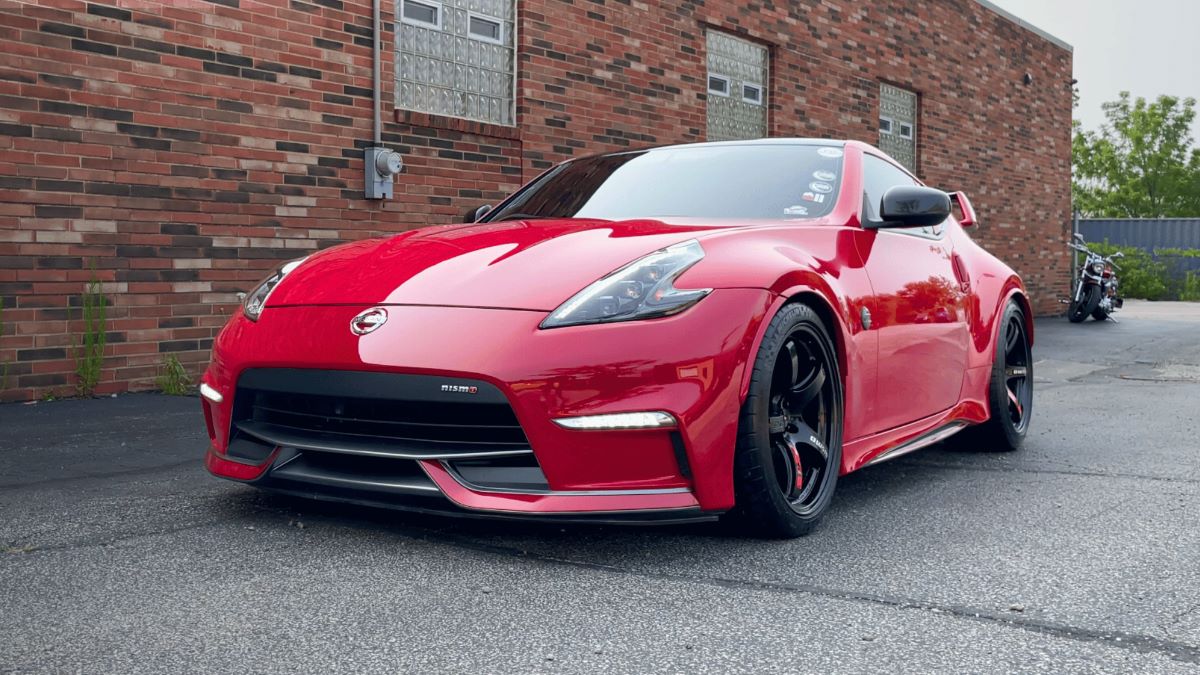
5. Nissan 370Z
The Nissan 370Z is a sports car that prioritizes performance over comfort, and this becomes evident during city traffic. The stiff suspension and low-profile tires transmit bumps and irregularities directly to the cabin. Unlike sedans designed for comfort, the 370Z can feel harsh and unrefined during frequent stops, leaving drivers and passengers fatigued after even short commutes.
Maneuvering in tight spaces is also challenging. Its wide body, low stance, and limited turning radius make U-turns, parking, and lane changes labor-intensive. Steering, while precise at speed, can feel heavy at low velocities, requiring continuous corrections. Drivers often experience more mental effort compared to vehicles designed for urban traffic.
The cabin is compact and limited in insulation. Engine noise and vibrations are prominent at low speeds, and wind noise is noticeable even with windows closed. The lack of soft cushioning in seats adds to discomfort, especially when idling for long periods at traffic lights. Prolonged exposure to these conditions can be tiring for the driver and passengers alike.
Interior ergonomics are designed with sporty driving in mind, not daily urban commutes. Controls are positioned for performance accessibility rather than comfort, requiring more attention when adjusting settings in traffic. The ride is firm, seats are low, and the cabin space is tight, all of which contribute to a less relaxed driving experience.
The Nissan 370Z demonstrates the difficulty of balancing sport-oriented performance with urban comfort. While thrilling on highways and open roads, it feels cumbersome and fatiguing in stop-and-go traffic. Drivers may appreciate its responsiveness but often find city driving to be stressful, uncomfortable, and exhausting over time.