Electric vehicles have become an increasingly common sight on city streets and highways, offering the promise of lower emissions and reduced fuel costs. However, owning an electric vehicle comes with unique challenges, particularly regarding charging infrastructure.
Not all EVs are created equal when it comes to flexibility in charging options. Some are designed to be practical for drivers who do not have access to a home charging setup, making them suitable for apartment dwellers or urban residents.
These models often feature smaller batteries, optimized efficiency, and compatibility with public charging stations, allowing owners to rely on fast chargers and workplace charging options. On the other hand, certain EVs require more frequent charging due to larger batteries or limited fast-charging support.
These vehicles depend heavily on home charging to maintain convenience and ensure that daily travel needs are met. Understanding which vehicles fall into each category can be crucial for potential buyers. It allows them to match their lifestyle with the vehicle’s capabilities, reducing stress and unexpected charging complications.
In this article, we examine five electric vehicles that make sense without a home charger, emphasizing their practicality and public charging compatibility. We then contrast them with five models that depend on home charging, highlighting the reasons why daily access to a private charger becomes almost a necessity.
By comparing these vehicles, drivers can make informed decisions about which EVs suit their routines, urban or suburban living, and commuting patterns. Additionally, we discuss how battery size, range, charging speed, and available public infrastructure influence the suitability of each vehicle.
This analysis also considers cost-effectiveness and convenience, allowing readers to understand how certain EVs integrate into daily life without major lifestyle changes. Choosing the right electric vehicle is not just about range or brand appeal but also about how it fits into the practical realities of charging access.
By examining the options in both categories, drivers can balance mobility, efficiency, and convenience, ensuring that their transition to electric driving is smooth and sustainable.
5 EVs That Make Sense Without a Home Charger
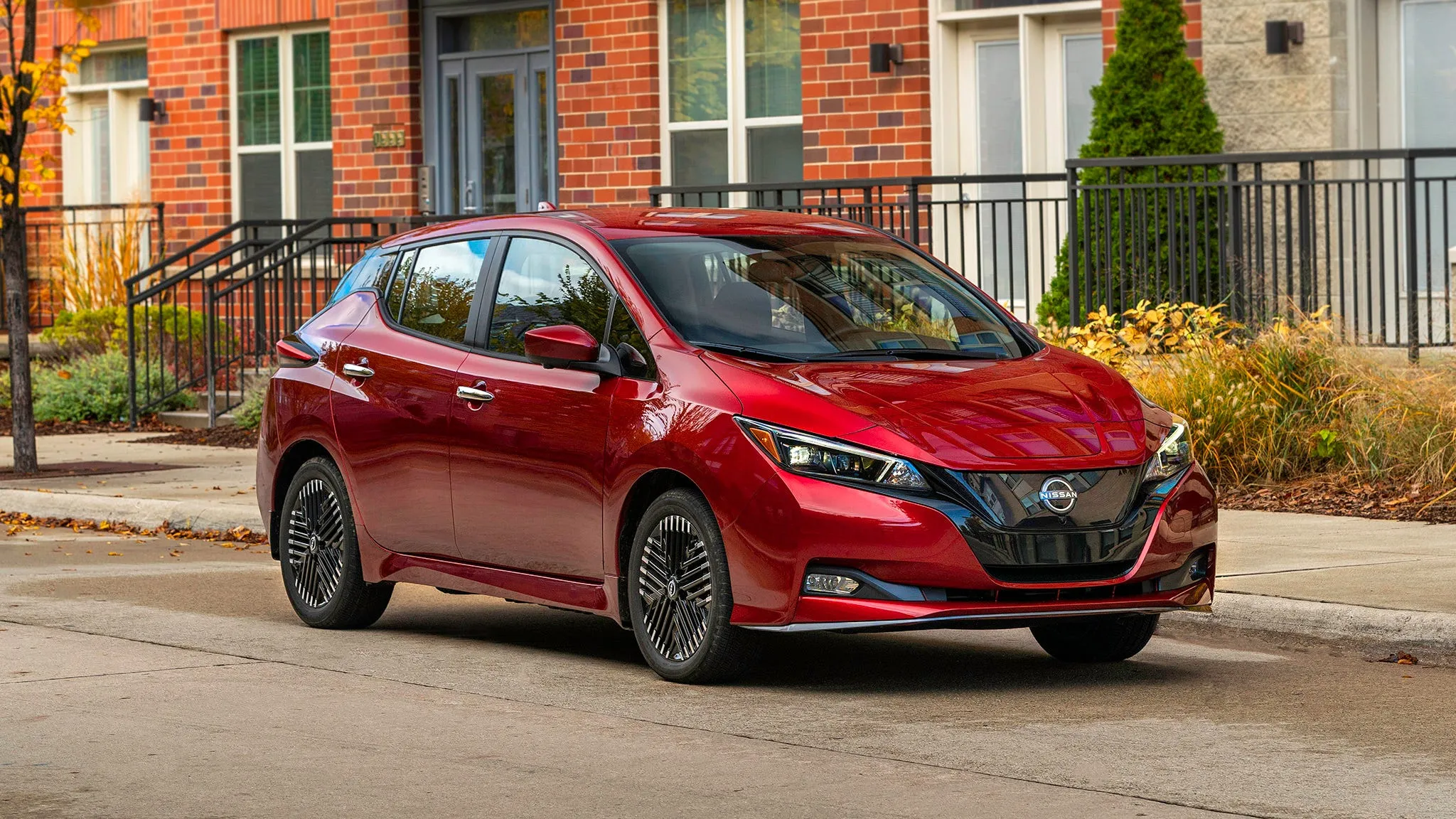
1. Nissan Leaf
The Nissan Leaf is one of the most practical electric vehicles for urban and suburban residents who lack home charging. Its battery sizes, typically ranging from 40 kWh to 62 kWh depending on the model, are ideal for daily city commutes, errands, and occasional weekend trips.
The smaller battery allows for faster charging at public stations without long waiting periods, which is especially convenient in cities with dense charging infrastructure. Additionally, the Leaf has a lightweight design that enhances energy efficiency, allowing drivers to maximize range even during heavy stop-and-go traffic.
The Leaf also supports DC fast charging at many public stations, which can restore around 80 percent of battery capacity in less than an hour for newer models. Urban commuters can rely on workplace chargers or shopping center stations for a quick top-up. Its moderate range is perfect for short trips without the stress of running out of power mid-journey. Software integration helps track nearby chargers, ensuring that drivers can plan their day efficiently without needing a personal home charger.
Nissan’s navigation system and mobile apps provide real-time information on public charger availability and expected charging times. This makes it easy for users to locate stations and estimate their charging schedules accurately. The Leaf is also compatible with multiple charging networks, giving owners flexibility and reducing dependency on a single provider. For those living in apartments or high-rise buildings, this adaptability ensures energy access remains convenient and predictable.
Another advantage of the Leaf is its energy efficiency, which reduces the frequency of required top-ups. Even with moderate driving and traffic conditions, owners may only need to recharge every few days. The smaller battery size also reduces charging costs compared to larger EVs, making it an economical choice. Combined with public fast chargers, this ensures that the Leaf maintains daily usability without requiring overnight home charging.
Finally, the Nissan Leaf is an affordable, reliable, and widely available electric vehicle. Maintenance costs are generally lower than those of larger or high-performance EVs. The widespread availability of replacement parts and chargers makes it an excellent option for individuals without a garage or personal charging station. Its practicality, efficiency, and accessibility solidify the Leaf as a top choice for those relying entirely on public charging infrastructure.
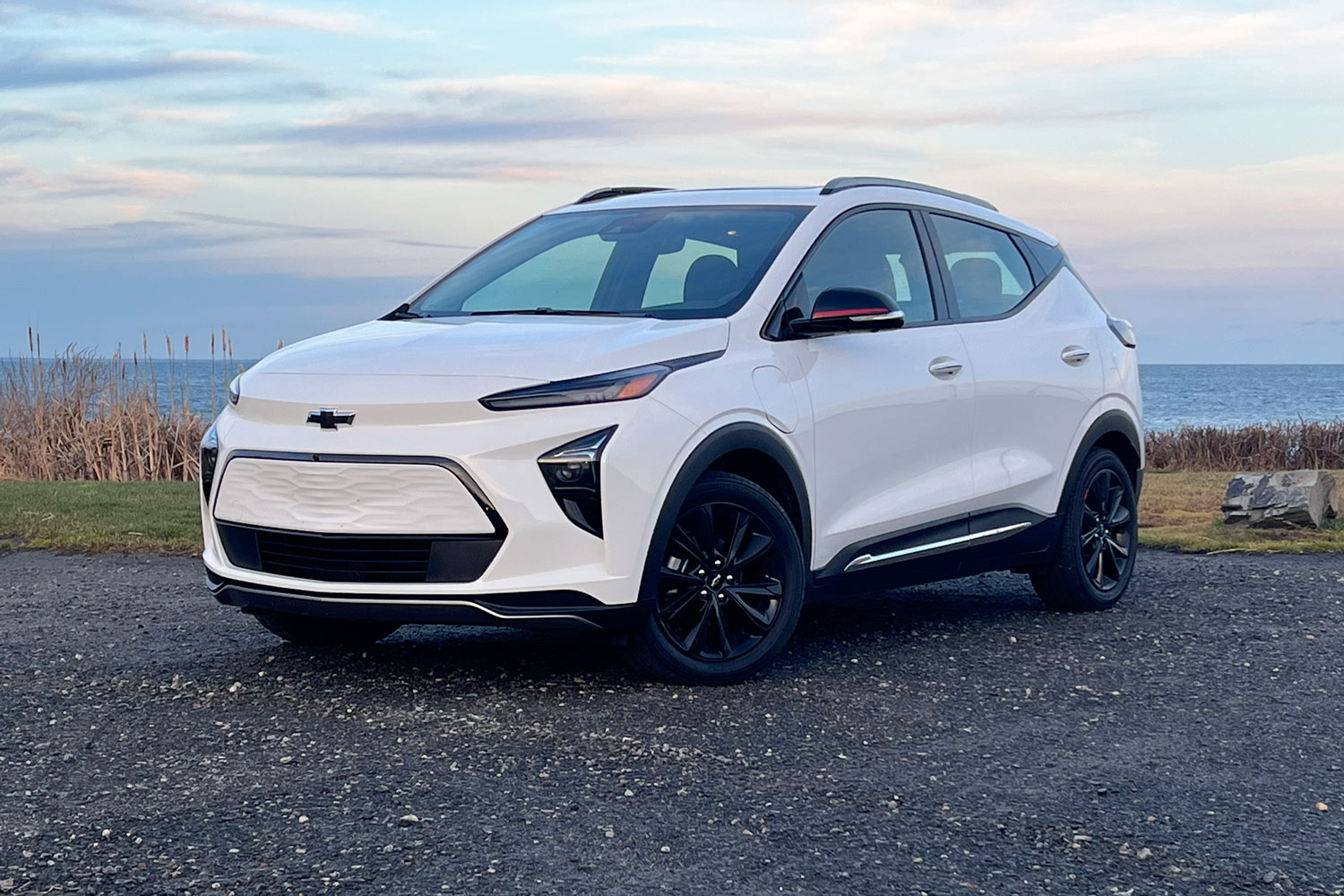
2. Chevrolet Bolt EV
The Chevrolet Bolt EV is a compact and efficient electric vehicle that works well for owners without a home charger. Its 65 kWh battery provides a usable range that covers most daily city and suburban driving. The relatively small battery compared to larger EVs allows for faster charging at public stations, and it is compatible with widely available DC fast chargers. Many urban workplaces and shopping centers provide charging access, enabling owners to maintain mobility without needing overnight home charging.
The Bolt is also praised for its energy efficiency, particularly in urban traffic conditions. Frequent top-ups at public chargers can easily restore enough range for a day’s commuting. Drivers can use apps and built-in navigation to locate nearby stations and monitor charging progress in real time. The combination of moderate battery size, efficiency, and compatibility with public chargers ensures that the Bolt is a practical daily driver for city dwellers.
Chevrolet has also focused on convenience features that enhance usability for drivers without a home charger. The Bolt’s infotainment system can display real-time information about available charging stations and their expected usage. Network memberships and mobile applications provide notifications for open or occupied chargers, ensuring that drivers can avoid long waits. This infrastructure makes it easier to rely solely on public charging while maintaining a predictable routine.
The Bolt’s charging times are reasonable, allowing for quick recharges during errands or breaks. At a DC fast charger, the vehicle can regain significant range in under an hour, depending on the station’s power output. This ensures that drivers can complete multiple daily trips without needing personal overnight access. Its combination of energy efficiency and public charging compatibility makes it ideal for urban commuting.
Finally, the Chevrolet Bolt EV offers an affordable entry point into electric mobility while maintaining a user-friendly experience for those without home charging. Its moderate battery size, widespread fast-charging compatibility, and practical software features make it a reliable choice for apartment dwellers or city residents. For drivers who rely entirely on public charging, the Bolt ensures convenience, predictability, and efficiency without compromising daily usability.
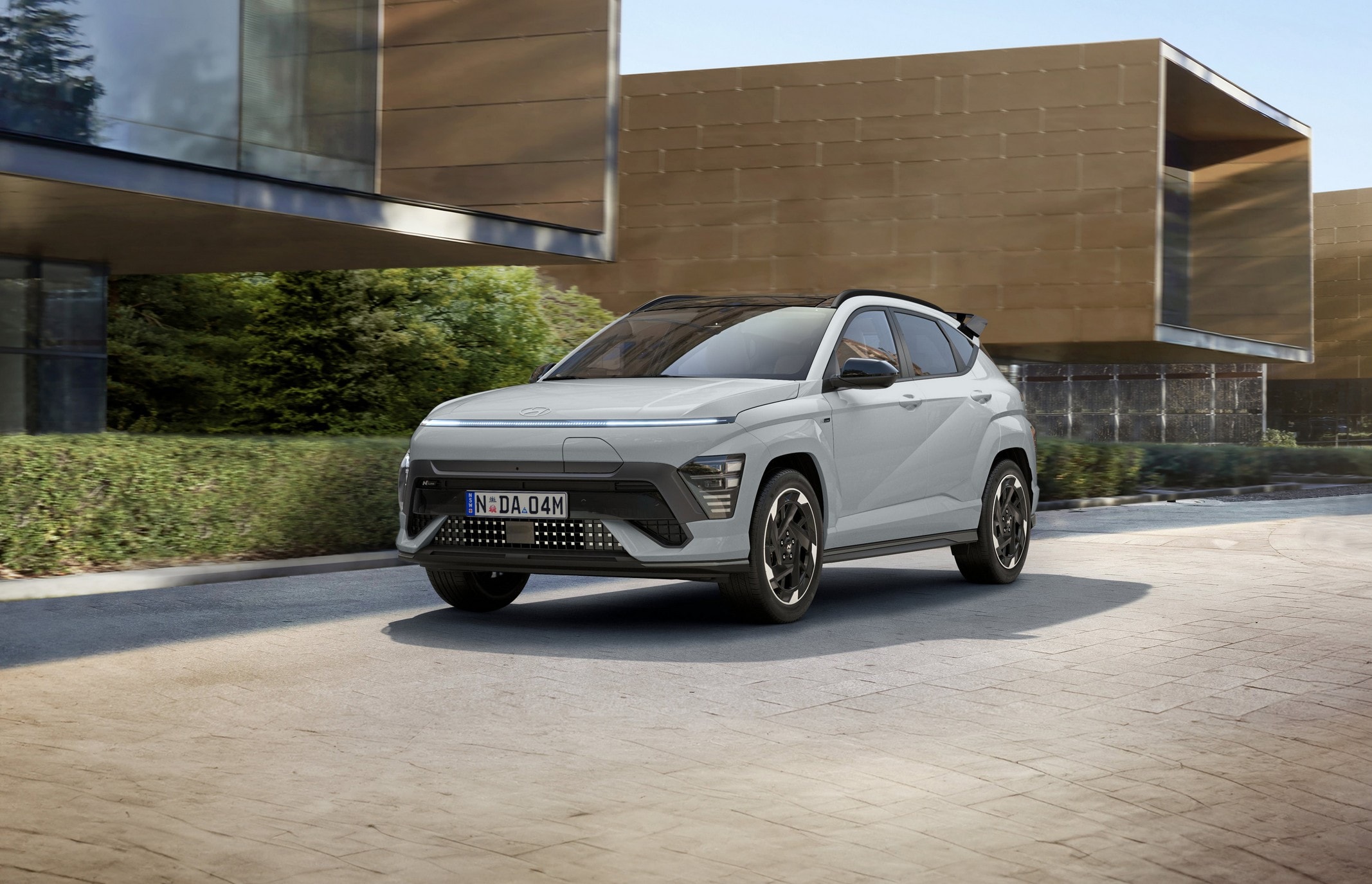
3. Hyundai Kona Electric
The Hyundai Kona Electric is a compact crossover that balances battery size, range, and efficiency, making it ideal for drivers without home charging. Its battery typically ranges from 39 kWh to 64 kWh, providing sufficient range for city and suburban trips.
This moderate battery size allows for faster charging at public DC fast chargers, minimizing downtime during errands or daily commuting. Its smaller, efficient battery also reduces energy costs compared to larger EVs, which is ideal for owners who rely solely on public infrastructure.
Kona Electric includes advanced software to locate and track nearby charging stations. Real-time updates inform drivers of availability and estimated charging times, which is essential for commuters or city residents without home access.
Its navigation system integrates seamlessly with public charging networks, making it easy to plan trips around charging stops without causing delays or range anxiety. The convenience factor is particularly useful in areas where chargers are abundant but occupancy may fluctuate.
The Kona Electric’s energy management system optimizes power consumption, extending usable range during stop-and-go traffic or congested city roads. For many drivers, a full recharge at a public fast charger may only be needed once every few days.
This ensures that daily commuting and errands can proceed smoothly without relying on overnight home charging. Its combination of moderate battery size, efficiency, and public charger compatibility ensures practical usability.
Hyundai has also emphasized reliability and safety in the Kona Electric. Public fast chargers can replenish the battery without long waits, and the vehicle’s design supports predictable energy usage.
Urban drivers benefit from software updates and infrastructure expansion, ensuring a consistent experience even without home charging. Its compact form and maneuverability make parking in dense city areas easy.
Finally, the Kona Electric offers competitive pricing and a strong warranty, making it a practical choice for those lacking private charging options. Its combination of efficiency, software support, and public charging compatibility ensures reliable daily performance. For urban commuters or apartment dwellers, the Kona Electric represents a versatile, user-friendly option that balances convenience and affordability.
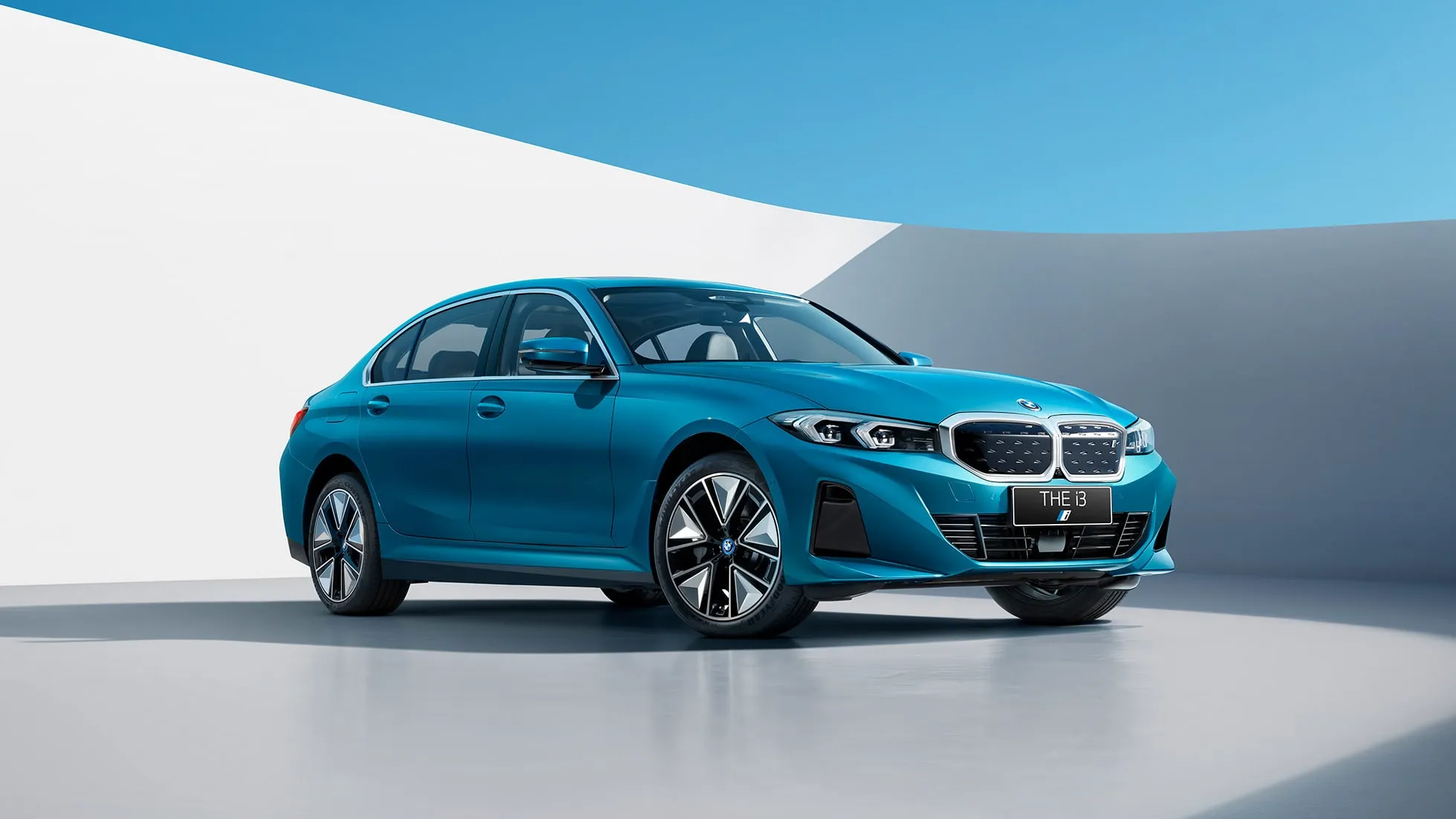
4. BMW i3
The BMW i3 is a small, city-focused EV with a lightweight design and compact battery, making it ideal for drivers without home charging.
Its 42 kWh battery provides sufficient range for most urban and suburban trips, and its small size allows for quick charging at public stations. The i3’s unique construction, using lightweight carbon fiber reinforced plastic, enhances energy efficiency and ensures predictable range even in stop-and-go city traffic.
Range anxiety is minimized thanks to the i3’s efficient energy management. The vehicle can comfortably cover daily commutes without requiring frequent stops, and public chargers can restore battery capacity quickly when needed. Many urban areas now feature compatible chargers in shopping centers, workplaces, and public parking lots, making the i3 highly usable for those without a personal charging station.
BMW also equips the i3 with software that integrates public charging station locations into the navigation system. Drivers receive real-time updates on availability and expected wait times, allowing them to plan trips efficiently. This integration reduces stress for those who rely entirely on public charging networks. The combination of a lightweight battery and advanced software makes the i3 extremely convenient for city dwellers.
The i3 also benefits from fast-charging capability. Despite its smaller battery, DC fast chargers can restore around 80 percent of energy in under an hour, depending on the model. This allows drivers to maintain daily routines, complete errands, or take occasional weekend trips without requiring overnight home charging. Its compact design further enhances parking and maneuverability in urban settings.
Finally, the BMW i3 combines practicality, performance, and style. It remains affordable in comparison to larger luxury EVs, while maintaining reliability and energy efficiency. Its compatibility with public charging networks makes it a strong candidate for apartment dwellers, city residents, or anyone who cannot install a home charger. The i3’s unique approach to urban mobility ensures that drivers can enjoy the convenience of electric driving without major infrastructure requirements.
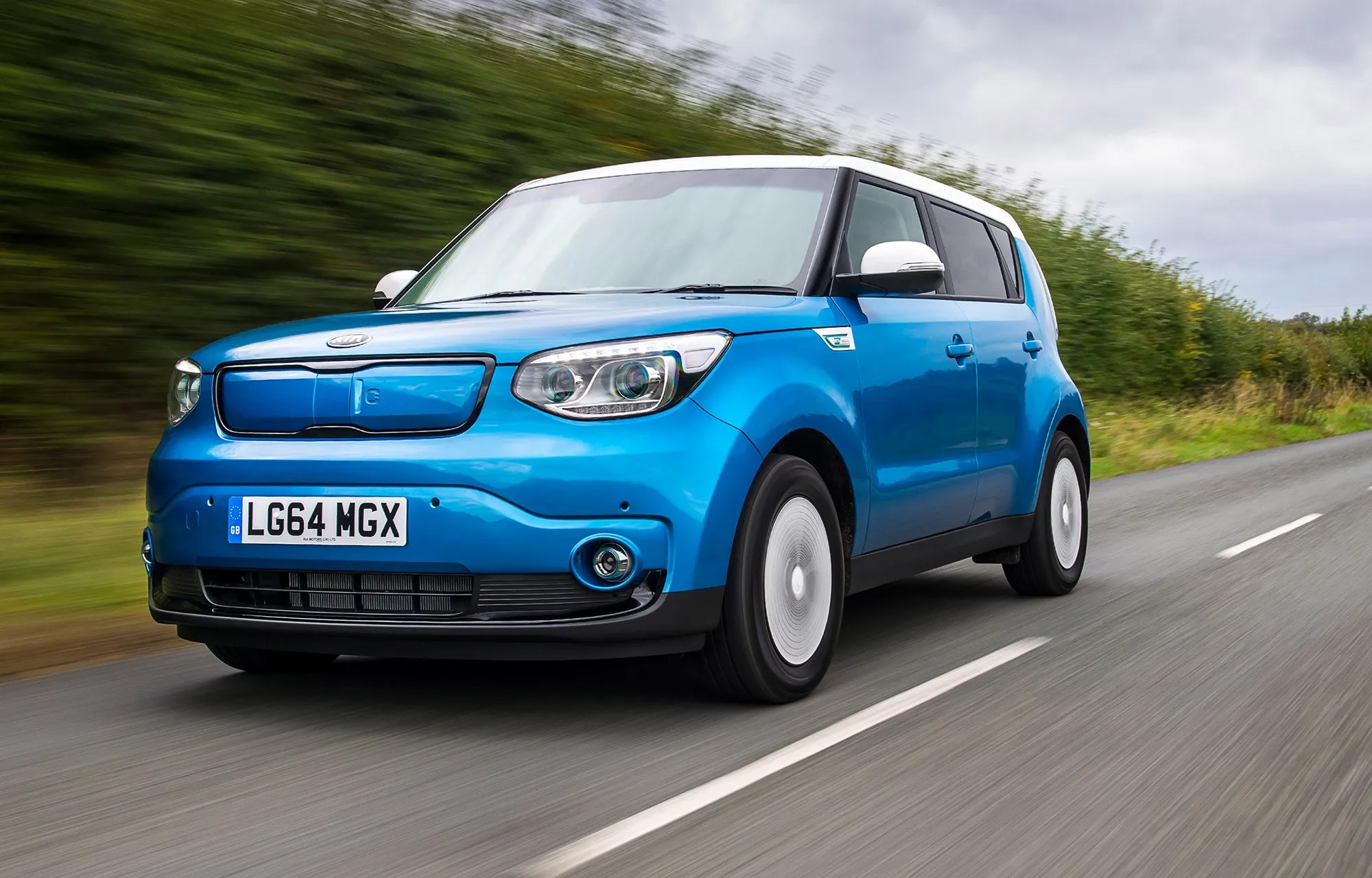
5. Kia Soul EV
The Kia Soul EV offers a practical balance of battery size, efficiency, and interior space, making it suitable for drivers without home charging. Its 39.2 kWh to 64 kWh battery provides adequate range for urban commuting and weekend trips.
Its energy efficiency and compact dimensions allow for frequent top-ups at public fast chargers, making it convenient for city residents. The boxy design also optimizes interior space, combining usability with practicality for families or commuters.
Range is sufficient for daily errands, work commutes, and occasional leisure trips without worrying about frequent recharging. Public fast chargers located at shopping centers, workplaces, and public parking areas allow drivers to maintain mobility without installing a home charger. This ensures flexibility and reduces dependency on personal charging infrastructure.
Kia’s navigation system and mobile apps make locating nearby chargers easy. Real-time availability updates and estimated charging times help drivers plan their trips effectively. This is particularly useful in dense urban areas where charger occupancy may fluctuate. For those without home charging, this technology adds significant convenience and predictability.
The Soul EV also optimizes energy management for stop-and-go urban driving. Its battery efficiency allows for multiple short trips on a single charge, while public charging ensures continued usability during longer days or weekend excursions. Fast chargers restore most of the battery in under an hour, keeping downtime minimal.
Finally, the Kia Soul EV combines affordability, reliability, and usability. Its compatibility with public charging networks, efficient battery, and user-friendly technology make it an ideal choice for drivers without home charging access. For city dwellers or apartment residents, the Soul EV delivers practical electric mobility with minimal lifestyle compromise.
5 EVs That Depend on a Home Charger
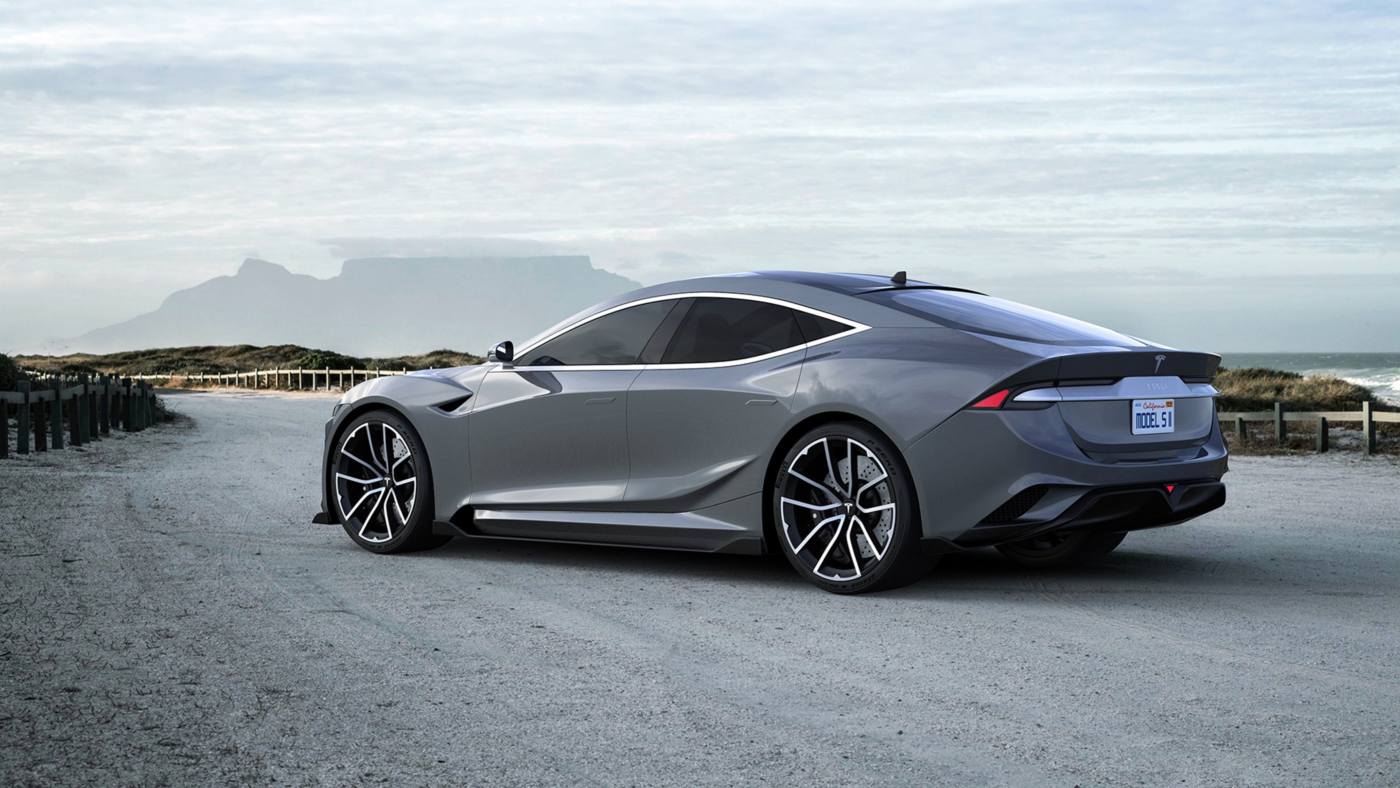
1. Tesla Model S
The Tesla Model S is a large, high-performance electric vehicle designed for long-range driving and luxury performance. Its battery options typically range from 75 kWh to 100 kWh, offering extended autonomy for daily commutes and long road trips.
While public Superchargers provide rapid energy replenishment, their availability and location often make them less convenient for daily use. Regular overnight home charging ensures the vehicle is always ready, eliminating dependence on planning around external stations and reducing range anxiety.
Driving the Model S without a home charger can be inconvenient for urban commuters or those with busy schedules. Its large battery consumes significant energy, especially during highway driving or spirited acceleration. Frequent stops at public charging stations are possible, but can disrupt routines and extend travel times. Home charging provides predictability, ensuring the car starts each day fully charged and able to cover longer distances without worry.
Tesla’s battery management system benefits from consistent, overnight charging. This approach helps maintain battery health, improves performance, and allows for more accurate range estimates.
Home chargers deliver a controlled charging rate, reducing stress on the battery compared to relying solely on fast chargers. This becomes increasingly important as the Model S is often used for long commutes and high-speed highway travel.
The Model S also features multiple energy-intensive systems, including climate control, autopilot, and infotainment, which draw power during operation. Without a home charger, frequent use of public chargers is necessary to maintain convenience. Overnight home charging eliminates this need, allowing owners to use the car fully without planning trips around charging availability.
Finally, the Model S combines luxury, technology, and performance in a high-demand vehicle. Home charging is not merely a convenience but a practical necessity for daily usability. It ensures the vehicle maintains optimal battery levels, performance reliability, and the freedom to travel long distances without frequent interruptions. For many owners, having a personal charger is a fundamental requirement.
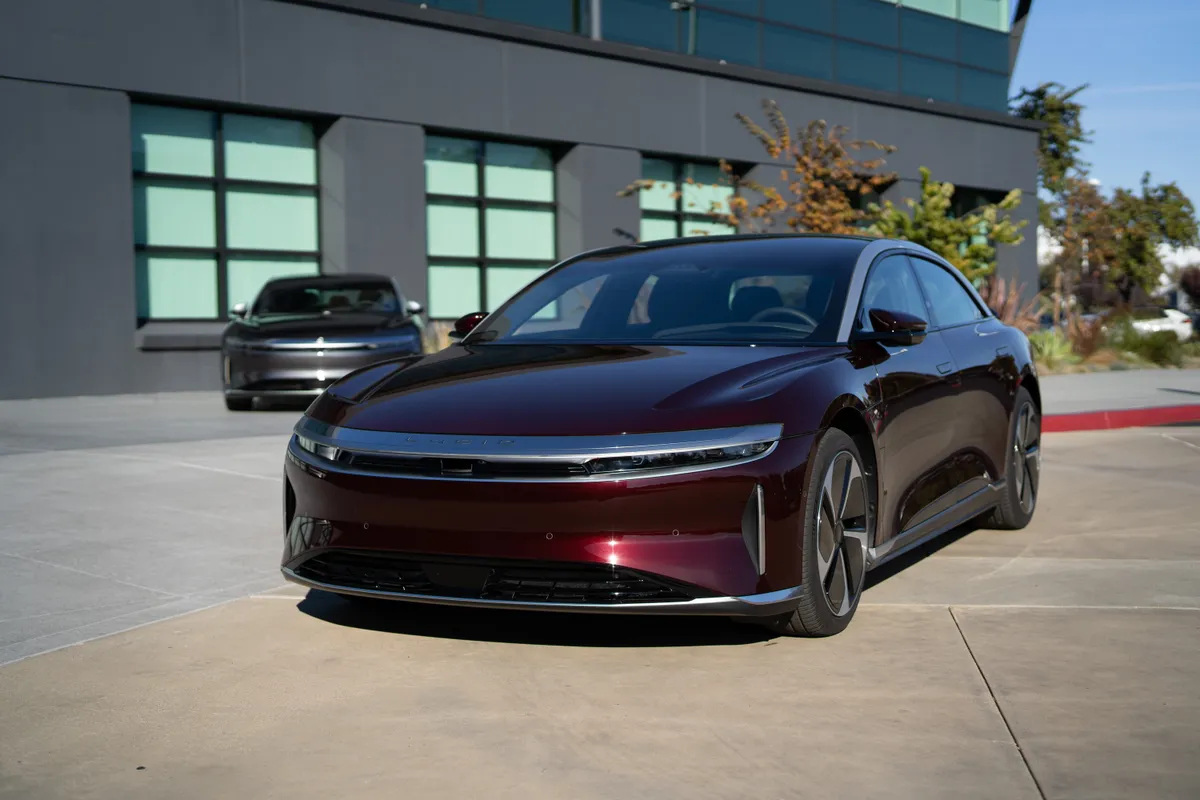
2. Lucid Air
The Lucid Air is a premium electric vehicle designed for long-range, high-performance driving. Its battery size often exceeds 100 kWh, providing exceptional range for commuting and extended trips. However, this large capacity requires consistent home charging to maintain daily usability.
While public fast chargers can provide energy, their location and availability may not match the driver’s schedule, making a personal charger essential for convenience.
Without home charging, Lucid Air owners may face challenges during long commutes or daily use. The car’s high energy consumption, especially in performance modes, means that relying solely on public chargers can result in delays or interrupted plans. Overnight charging at home ensures that the vehicle is fully prepared each morning, supporting both urban and long-distance driving.
The Lucid Air’s advanced battery management system also benefits from controlled, consistent charging. Home charging provides a predictable environment, reducing stress on the battery and supporting long-term longevity. Public charging is practical for occasional trips, but the convenience and efficiency of home charging cannot be matched.
High energy draw during highway or spirited driving makes frequent public charging stops impractical. Even with rapid chargers, the time needed to replenish a large battery is longer compared to smaller EVs. Home charging eliminates this challenge, ensuring that owners can fully enjoy the vehicle’s capabilities without waiting for available public chargers.
Finally, the Lucid Air combines cutting-edge luxury, range, and performance. Home charging supports the lifestyle the car is designed for, making it an essential feature for most owners. It ensures that the vehicle remains ready for long trips, daily commuting, and performance driving without disruption, creating a seamless experience.

3. Rivian R1T
The Rivian R1T is an electric pickup truck with a large battery pack, typically around 105 kWh, built for long-range utility and off-road capabilities. Its high energy demands make home charging essential for daily readiness. Public chargers can provide supplemental energy, but their availability may not always match the demands of long commutes or rugged driving conditions. Overnight home charging ensures the vehicle is fully prepared for work, recreation, or extended trips.
The R1T’s energy consumption increases significantly when towing, carrying heavy loads, or navigating challenging terrain. Relying solely on public chargers would require careful planning, as long-range trips could be interrupted by limited fast-charging availability. Home charging eliminates this concern, giving owners flexibility to use the vehicle fully without interruptions.
Rivian’s battery management system benefits from consistent overnight charging. Controlled energy input reduces battery stress and improves longevity. This approach also ensures that the vehicle is optimized for both daily urban use and occasional heavy-duty performance. Public charging is convenient for emergencies, but home infrastructure provides predictable, reliable access.
Fast chargers can replenish the R1T’s battery, but charging times are longer due to its high capacity. Frequent reliance on public stations can be inconvenient for daily routines, especially for urban residents or those with tight schedules. Home charging allows drivers to start the day with a fully charged truck, ensuring usability without planning around external stations.
Finally, the Rivian R1T combines performance, utility, and off-road capability in an energy-demanding package. Home charging is essential to maintain convenience, readiness, and reliability. Without it, frequent stops and planning would reduce the vehicle’s practicality, particularly for drivers who rely on it daily for work, recreation, or commuting.
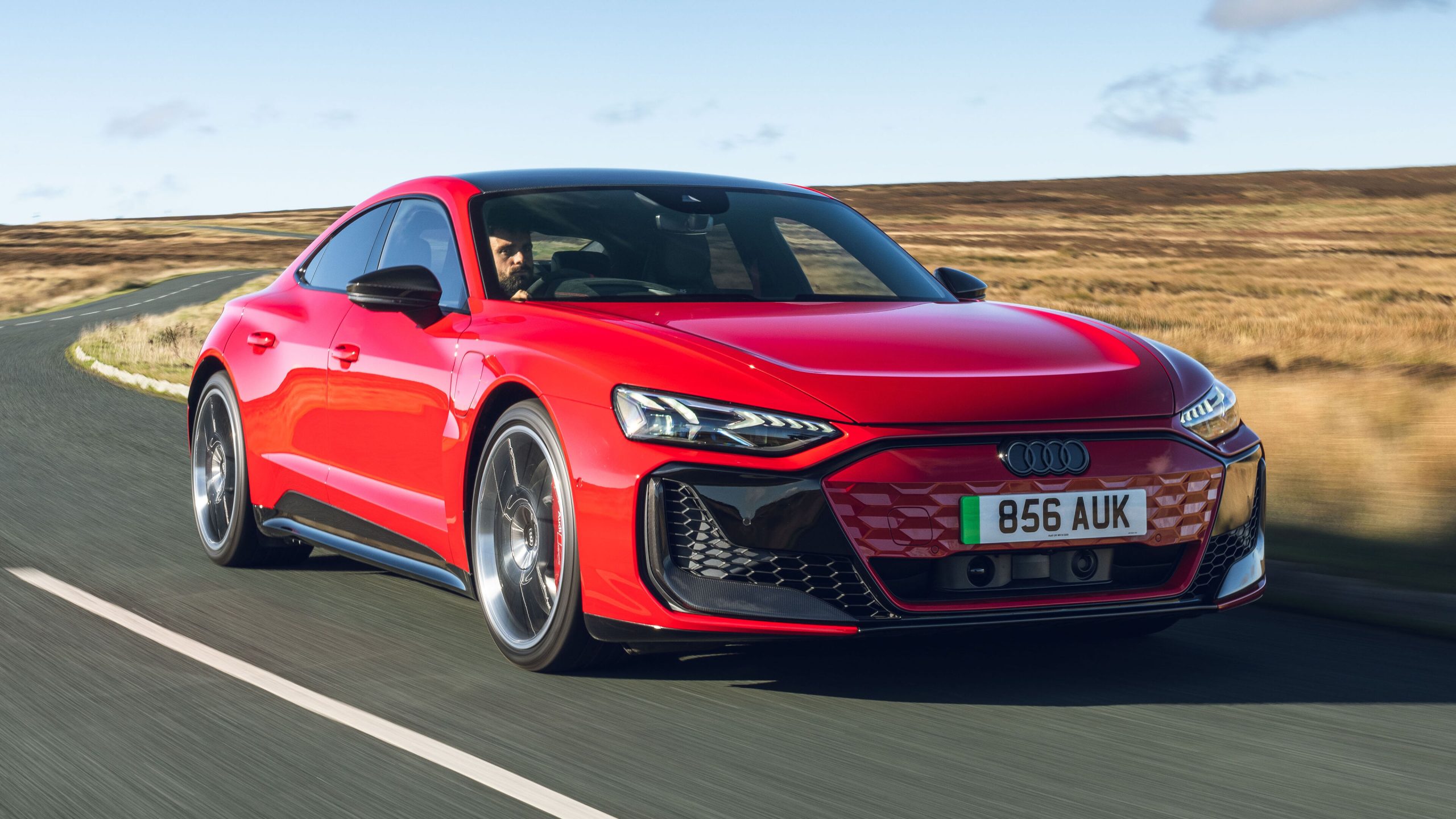
4. Audi e-tron GT
The Audi e-tron GT is a luxury performance EV with a large 93 kWh battery designed for long-range driving. While public chargers can replenish energy quickly, the high consumption of the vehicle, especially during spirited driving, makes home charging crucial. Owners benefit from overnight charging to maintain daily usability and ensure the car is ready for commuting or weekend trips.
Driving without a home charger can be challenging due to the car’s energy-intensive systems. The e-tron GT draws power for acceleration, climate control, and infotainment, which can deplete the battery faster than in smaller EVs. Regular home charging ensures the vehicle remains fully charged, reducing the need to plan trips around public charger locations.
Audi’s battery management system benefits from controlled, consistent charging provided by home stations. Overnight charging not only replenishes the battery but also supports longevity and efficiency. While fast public chargers are useful for long trips, they cannot match the convenience and predictability of personal home charging.
High-speed driving significantly increases energy consumption, making home charging essential for owners who frequently travel highways or city streets. Dependence on public chargers could disrupt daily routines, while a personal charger ensures the e-tron GT is ready for use whenever needed.
Finally, the e-tron GT combines luxury, performance, and cutting-edge technology. Home charging is a necessary component of ownership to maintain convenience, reliability, and energy availability. It ensures that the vehicle’s performance and usability align with its premium positioning, allowing owners to fully enjoy the car without constant charging stress.
5. Porsche Taycan
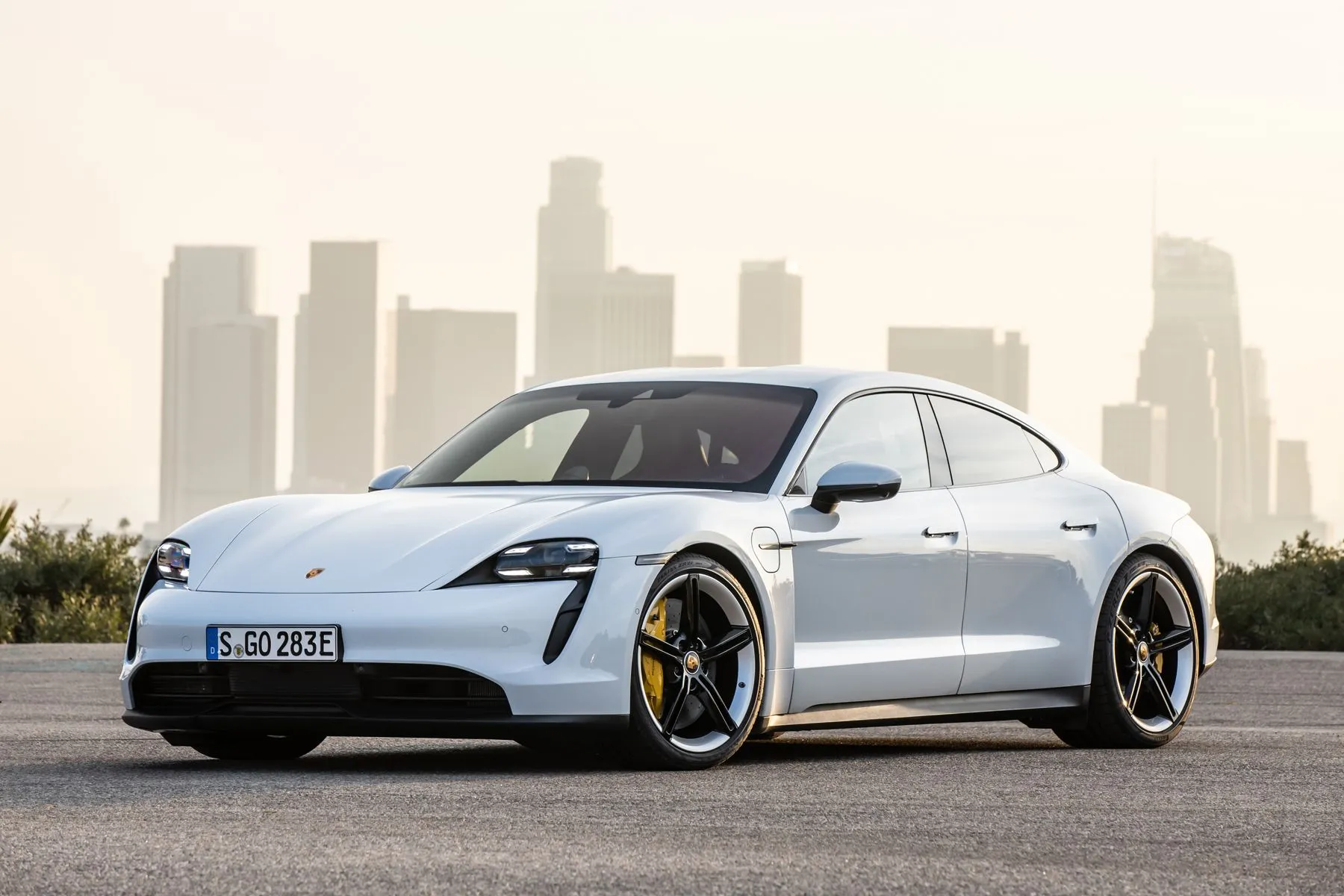
The Porsche Taycan is a high-performance electric sports car with a large battery, typically around 79 kWh to 93 kWh. Its energy consumption is significant during spirited driving or highway use. While public fast chargers exist, they cannot fully replace home charging for consistent daily readiness. Owners benefit from overnight charging to maintain performance, convenience, and reliability.
The Taycan’s performance features, including rapid acceleration and high top speeds, further increase energy demand. Relying solely on public chargers would require careful planning to avoid interruptions during daily commuting or leisure drives. Home charging eliminates this concern and ensures that the vehicle is always ready for peak performance.
Battery management benefits from consistent and controlled home charging. This supports long-term health, predictable range, and reliable performance. While occasional fast charging is possible for trips, regular home charging provides efficiency, convenience, and peace of mind.
High energy draw during driving makes frequent public charging stops impractical for daily use. The Taycan’s large battery also requires longer fast-charging sessions compared to smaller EVs. Home charging ensures that the vehicle can be used freely without interruptions, supporting both daily commuting and performance-oriented driving.
Finally, the Taycan combines performance, luxury, and advanced technology. Home charging is essential for owners who want to fully enjoy the car’s capabilities. It ensures readiness, reliability, and convenience, making the Taycan practical for daily use while supporting high-energy demands without compromise.