
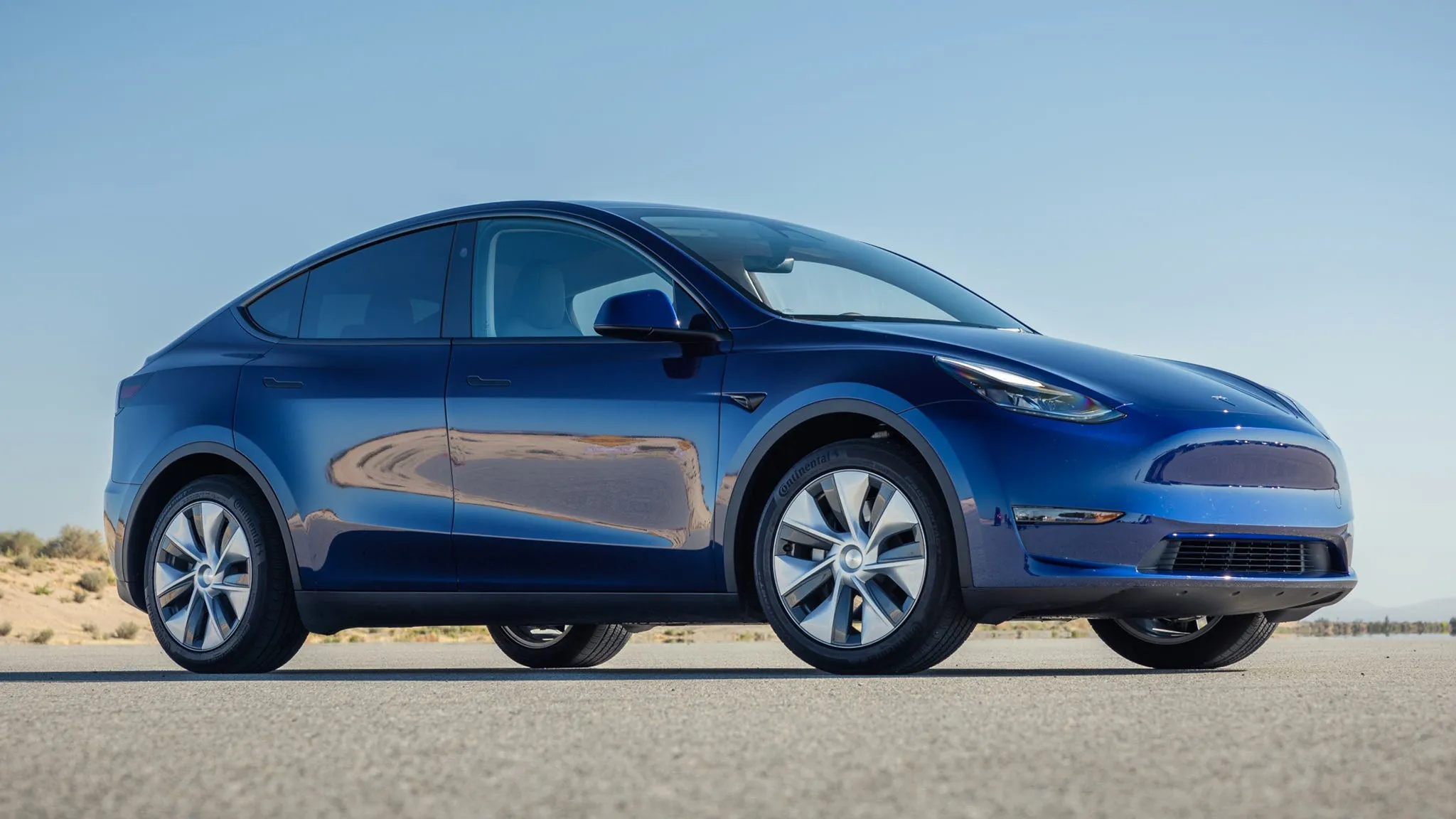
Electric vehicles have advanced rapidly, and for urban drivers facing harsh winters, the stakes have grown. Cold weather affects battery chemistry, traction, and cabin comfort, transforming the way EVs perform in day-to-day commuting. In cities where ice, snow, and salt challenge every drive, a dependable EV can make the difference between a smooth commute and an anxious ride.
This guide highlights ten electric vehicles, split into two categories: those that thrive in cold, urban conditions and those whose range and performance suffer during winter months. Every vehicle listed includes specific traits, from battery management to drivetrain configuration, illustrating how winter readiness varies across models. These observations come from real-world usage, not just laboratory testing.
For winter-adapted EVs, the combination of thermal management, all-wheel drive, and intelligent software ensures the car starts promptly, maintains grip, and keeps occupants warm without draining the battery unnecessarily. For the EVs that struggle, limitations often appear in range loss, slower charging, and degraded traction control systems.
Understanding which vehicles align with winter conditions is essential before committing to a purchase. Charging infrastructure, battery chemistry, and design philosophy interact with temperature in subtle ways. In cities where streets are salted, snow plowed, or sometimes iced over, these factors influence whether your EV remains a reliable commuting tool or a source of frustration.
Through detailed reviews of five winter-capable EVs and five that falter under cold conditions, this page provides actionable insight for prospective and current EV owners alike. Each review focuses on driving feel, range consistency, heating efficiency, and user experience in cold urban environments, helping drivers choose intelligently.
Winter city driving requires more than just an efficient EV; it demands resilience, predictability, and comfort. With this guide, you can see which models meet these criteria and which require extra caution during the colder months.
5 EVs That Handle City Winters
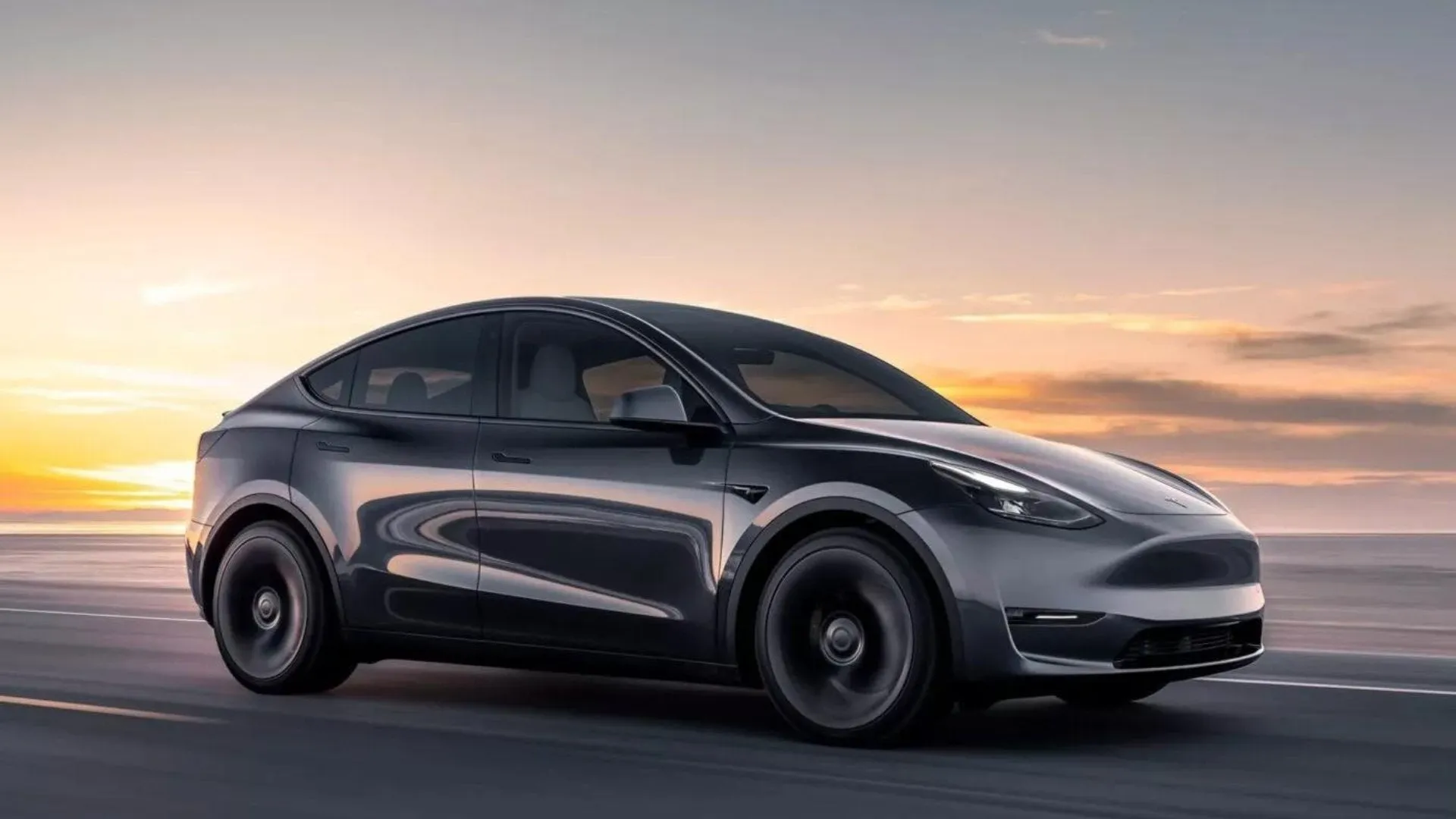
1. Tesla Model Y Long Range 2024
Tesla Model Y Long Range 2024 demonstrates a remarkable combination of winter performance and urban versatility. All-wheel drive is standard, and the dual-motor system reacts instantly to slippery conditions, splitting torque between front and rear wheels to maintain traction. Even in packed snow, the vehicle adjusts seamlessly, allowing confident starts and smooth cornering.
Battery thermal management plays a critical role. Heat pumps and intelligent climate control maintain optimal cell temperatures, reducing energy lost to cabin heating. Drivers experience minimal range reduction compared with other EVs, even in sustained sub-zero temperatures. Preconditioning via the Tesla app warms both cabin and battery before departure, ensuring full power is available immediately.
Regenerative braking adapts dynamically to icy surfaces. Instead of abrupt deceleration, the system applies controlled resistance, providing smoother stops and preventing wheel lock. This feature proves essential for urban streets with compacted snow or slick intersections.
Charging performance in cold weather remains competitive. The Tesla Supercharger network allows rapid top-ups, and battery preheating ensures the pack can accept high-power input even in frigid conditions. Drivers report that typical urban stops remain convenient rather than prolonged.
Interior comfort complements winter readiness. Heated seats, steering wheel, and defrost systems use energy efficiently, avoiding excessive drain on the battery. Visibility is enhanced through heated mirrors and rapid windshield defrost, preventing delays or unsafe conditions.
Tesla Model Y Long Range 2024 combines cutting-edge battery management, adaptive power delivery, and practical interior design, ensuring winter city driving is manageable and predictable. Its ability to retain range and traction in cold temperatures makes it a standout for commuters facing snow, ice, and chilly mornings.
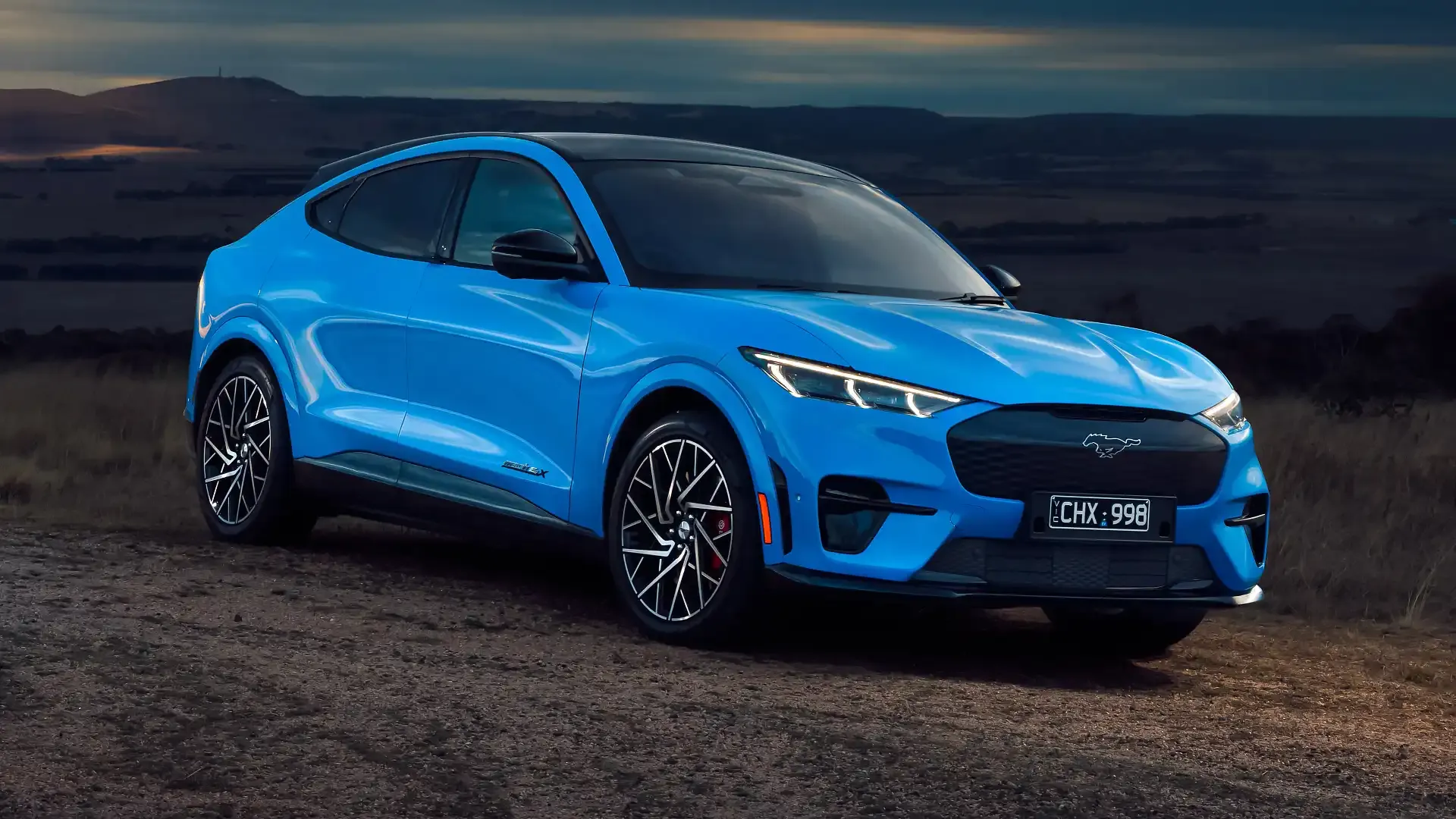
2. Ford Mustang Mach-E AWD 2024
Ford Mustang Mach-E AWD 2024 demonstrates that American EVs can handle severe winter conditions with confidence. The all-wheel-drive system employs torque vectoring to maintain grip during acceleration and cornering, making city commutes on icy streets feel controlled. Unlike some EVs that reduce output when temperatures drop, Mach-E preserves consistent performance.
Thermal management contributes heavily to winter effectiveness. The heat pump system warms the cabin without excessive battery drain, extending range compared with resistive heating alone. Drivers notice that interior comfort can be reached quickly, even when leaving a frigid garage or parking lot.
Preconditioning is straightforward through FordPass. Drivers can schedule battery and cabin warming, ensuring the vehicle is ready before departure. Urban commuting benefits, as mornings no longer involve waiting for cabin heat while range suffers. Regenerative braking adapts to low-traction surfaces automatically. Modulated braking reduces wheel spin, providing confidence in stop-and-go traffic on slick roads. This contrasts with EVs that fail to adjust intensity, resulting in instability.
Public charging remains viable despite cold temperatures. The Mustang Mach-E supports fast CCS charging, and preconditioned batteries can accept power efficiently even in sub-zero conditions. Availability at urban stations complements range management, ensuring predictable daily operation.
Inside, heated seats, a steering wheel, and side mirrors provide comfort without unnecessary energy use. Cabin design keeps controls intuitive, allowing drivers to focus on winter road conditions rather than fiddling with settings.
Ford Mustang Mach-E AWD 2024 shows that winter in the city need not compromise confidence or range. Its blend of adaptive drivetrain, thermal management, and practical interior features ensures dependable commuting even under the most challenging conditions.
Also Read: 5 EVs That Are Practical in Los Angeles and 5 That Aren’t Yet
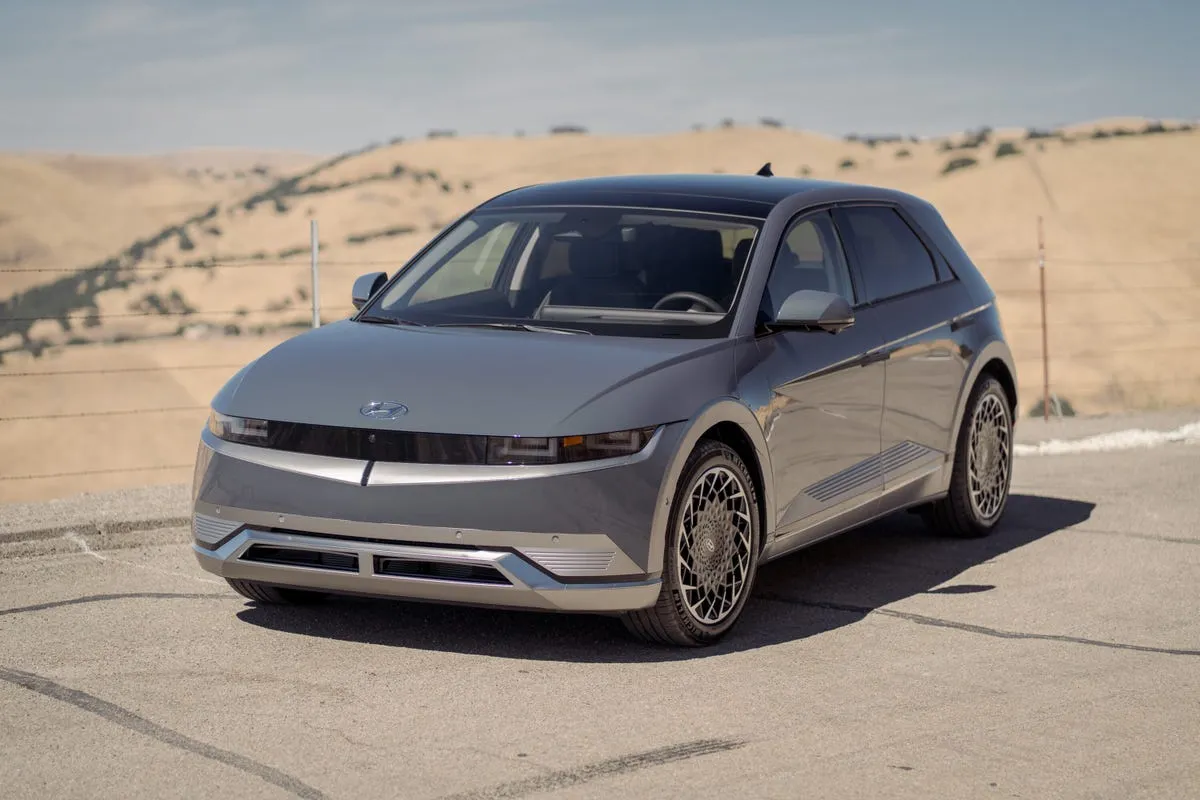
3. Hyundai Ioniq 5 AWD 2024
Hyundai Ioniq 5 AWD 2024 combines innovative design with winter resilience. Its wide wheelbase and low center of gravity contribute to stability on icy streets, while all-wheel drive distributes torque intelligently for precise traction. Urban corners and stoplight starts feel predictable, even when pavement is slick.
Thermal management features a heat pump and active battery conditioning, ensuring range remains usable even in extended cold spells. Preconditioning can be set remotely, warming the cabin and battery to maintain charging performance and immediate range availability. Drivers experience a minimal drop in estimated mileage compared with cold-weather averages.
Regenerative braking is fully adjustable, allowing smooth deceleration on low-traction surfaces. The system reacts to winter conditions by modulating resistance, reducing wheel lock risk. For urban driving, this provides confidence when approaching stop signs, intersections, or crosswalks.
Charging remains efficient even during winter. Fast charging stations are compatible with the vehicle, and preheated batteries accept higher rates than vehicles without thermal support. Level 2 charging is equally stable for overnight city top-ups, providing consistent morning readiness.
Inside, heated seats, steering wheel, and defrost functions are optimized for energy efficiency. Cabin heat delivery is rapid, making winter commutes more comfortable without huge range loss. Visibility enhancements like heated mirrors and rapid windshield defrost increase confidence in snow or ice.
Hyundai Ioniq 5 AWD 2024 demonstrates that careful engineering, all-wheel-drive control, and intelligent battery thermal management can make city winters manageable for EV owners. Predictable handling, reliable range, and effective cabin heating make it a top choice for urban cold-weather conditions.
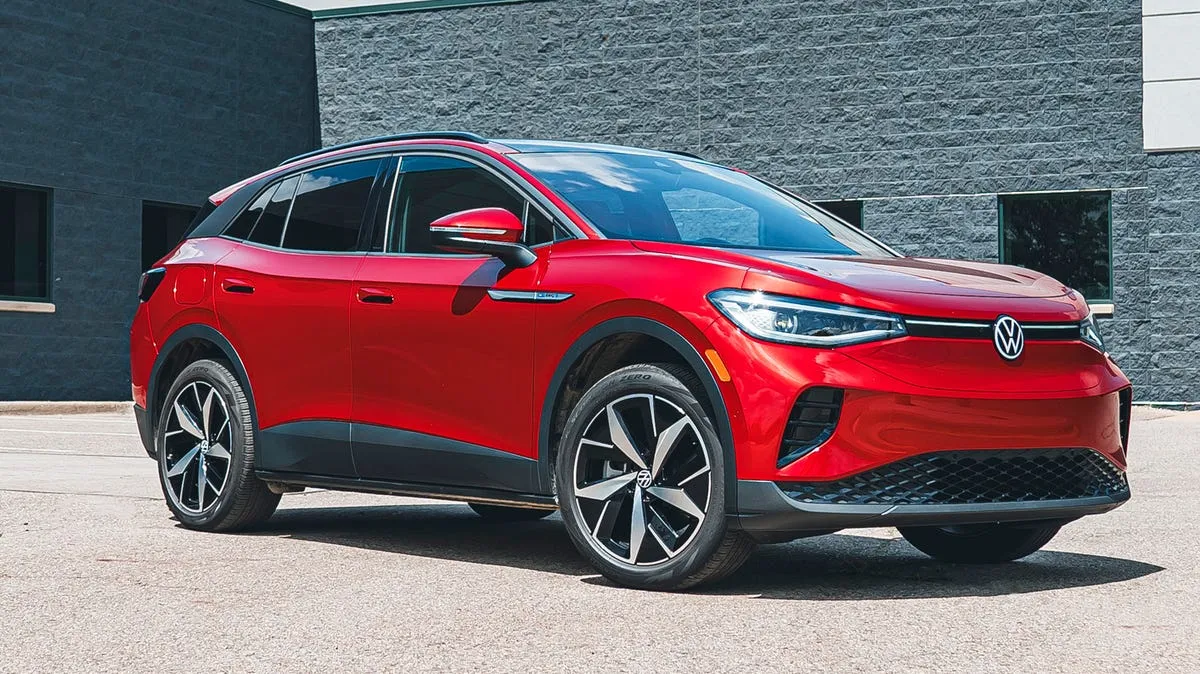
4. Volkswagen ID.4 AWD Pro 2024
Volkswagen ID.4 AWD Pro 2024 demonstrates a thoughtful approach to winter city driving, combining technical sophistication with practical design. Its all-wheel-drive system actively distributes torque between the front and rear axles, giving the vehicle excellent traction on icy or slushy streets.
During cold months, drivers notice confident cornering and controlled launches from stoplights without the typical oversteer or wheel slip that can unsettle smaller or front-wheel-drive EVs. Snow-covered intersections feel manageable rather than intimidating, allowing commuters to move smoothly through urban traffic.
Battery management plays a critical role in winter reliability. The ID.4 AWD Pro employs both a heat pump and active cooling systems, which not only maintain battery health but also preserve energy efficiency during frigid temperatures. Cabin and battery preconditioning allow drivers to enter a warm vehicle with a battery already optimized for power delivery.
This proactive approach helps reduce range loss that often plagues EVs in subzero conditions, making winter trips more predictable. Fast charging compatibility remains strong, with the vehicle accepting maximum input at most CCS stations even in cold weather.
Regenerative braking adapts to low-traction situations. Its system provides smooth energy recovery without causing abrupt deceleration that could unsettle the car on icy pavement. Drivers appreciate how regenerative braking modulates during city stop-and-go traffic, especially when encountering slick streets. Smooth deceleration reduces driver stress and maintains stability, contributing to a safer urban driving experience.
Interior comfort balances warmth and efficiency. Heated seats, steering wheel, and mirrors keep occupants comfortable without draining the battery excessively. Climate controls are intuitive, letting drivers manage temperature without distraction. Visibility is enhanced by quick-defrost windshields and rear-window heating, ensuring winter mornings don’t slow commutes.
Public charging interaction remains reliable. CCS compatibility is broad, and battery preconditioning ensures consistent charging rates at cold-weather stations. This reduces delays and eliminates the uncertainty of waiting for slower charging. Volkswagen ID.4 AWD Pro 2024 merges winter-ready handling, effective energy management, and interior comfort.
Its design supports urban commuting during icy and snowy conditions, allowing drivers to move through winter traffic confidently while maintaining predictable range and efficient operation.
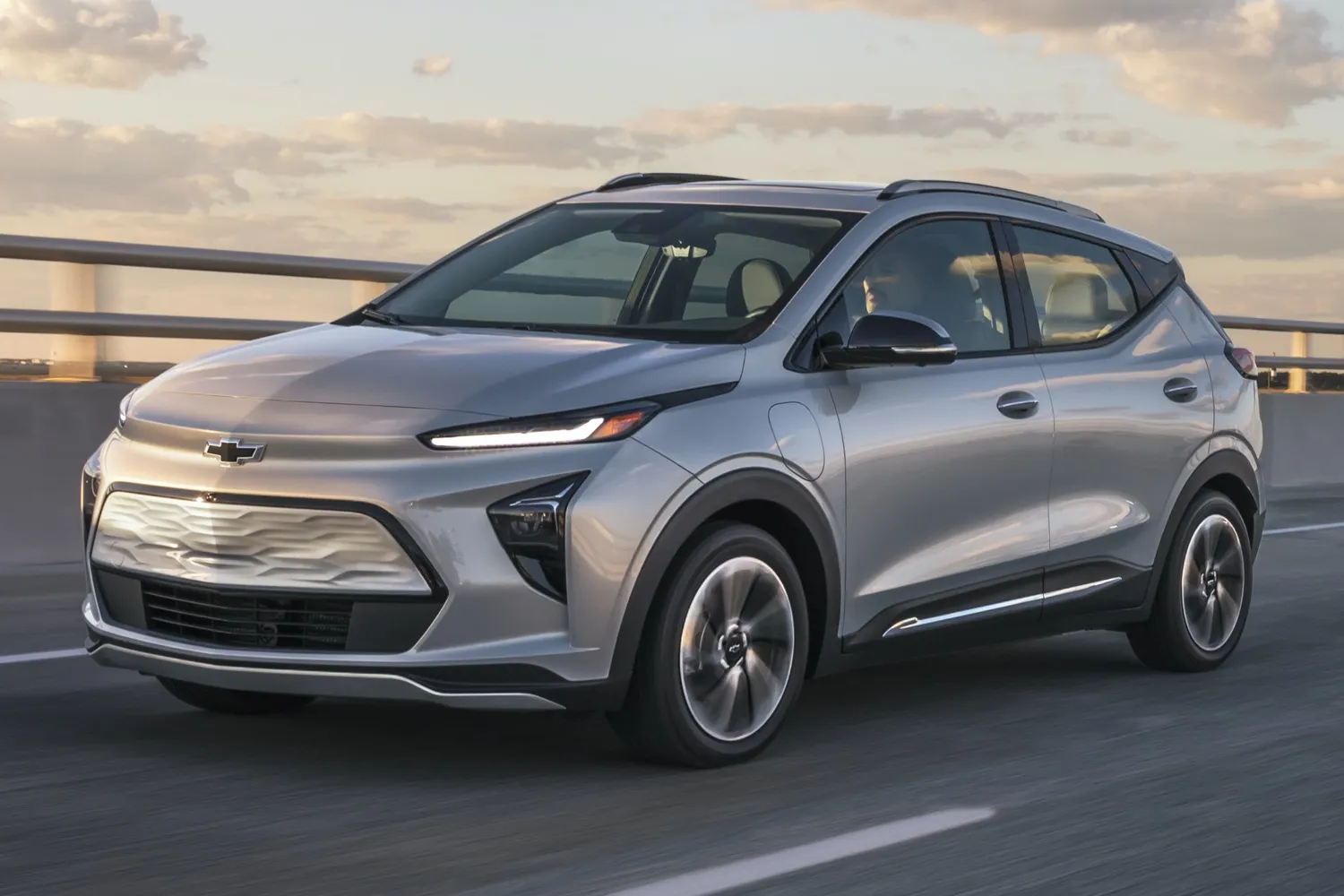
5. Chevrolet Bolt EV 2024
Chevrolet Bolt EV 2024 proves that smaller EVs can handle winter urban streets effectively when designed with thoughtful engineering. Compact dimensions and a low center of gravity make the car agile and responsive, ideal for negotiating snow-dusted roads, tight corners, and narrow lanes.
Its light weight contributes to predictable braking and quick acceleration, giving drivers confidence during stop-and-go city conditions. Despite its size, the Bolt feels stable even when encountering icy patches, thanks to its traction control and anti-lock braking system tuned for slippery surfaces.
Battery performance remains dependable under winter conditions. Active thermal management and preconditioning reduce range loss and help maintain a usable driving distance even when exterior temperatures drop below freezing. While the range naturally declines compared to summer conditions, careful management and use of preheated cabins and battery packs ensure that daily city commutes remain feasible without unexpected stops.
Cold-weather planning is straightforward and predictable, especially with consistent Level 2 overnight charging at home or workplace chargers. Regenerative braking adapts to icy road conditions, offering controlled energy recovery without locking the wheels.
This modulation provides smoother deceleration and improves driver confidence in urban traffic, particularly during repeated starts and stops. City driving feels predictable, with a balance between energy recovery and stability that allows drivers to focus on traffic rather than traction concerns.
Fast charging performance stays consistent even in cold conditions. CCS connectors provide reliable DC charging, and charging sessions proceed without the unexpected tapering common in some EVs. Level 2 urban charging is steady, allowing drivers to top off energy conveniently between errands or overnight at home.
Cabin comfort integrates efficiently designed features. Heated seats, a heated steering wheel, and defrost systems keep occupants warm while minimizing energy drain. Heated mirrors and quick-defrost glass further enhance visibility, reducing delays caused by frost or snow buildup.
Chevrolet Bolt EV 2024 combines nimble handling, reliable winter energy management, and practical interior comfort. Its small footprint and predictable performance make it an excellent choice for city dwellers facing icy roads, snow-covered streets, and cold winter mornings while retaining everyday practicality for urban life.
5 EVs That Lose Range Fast
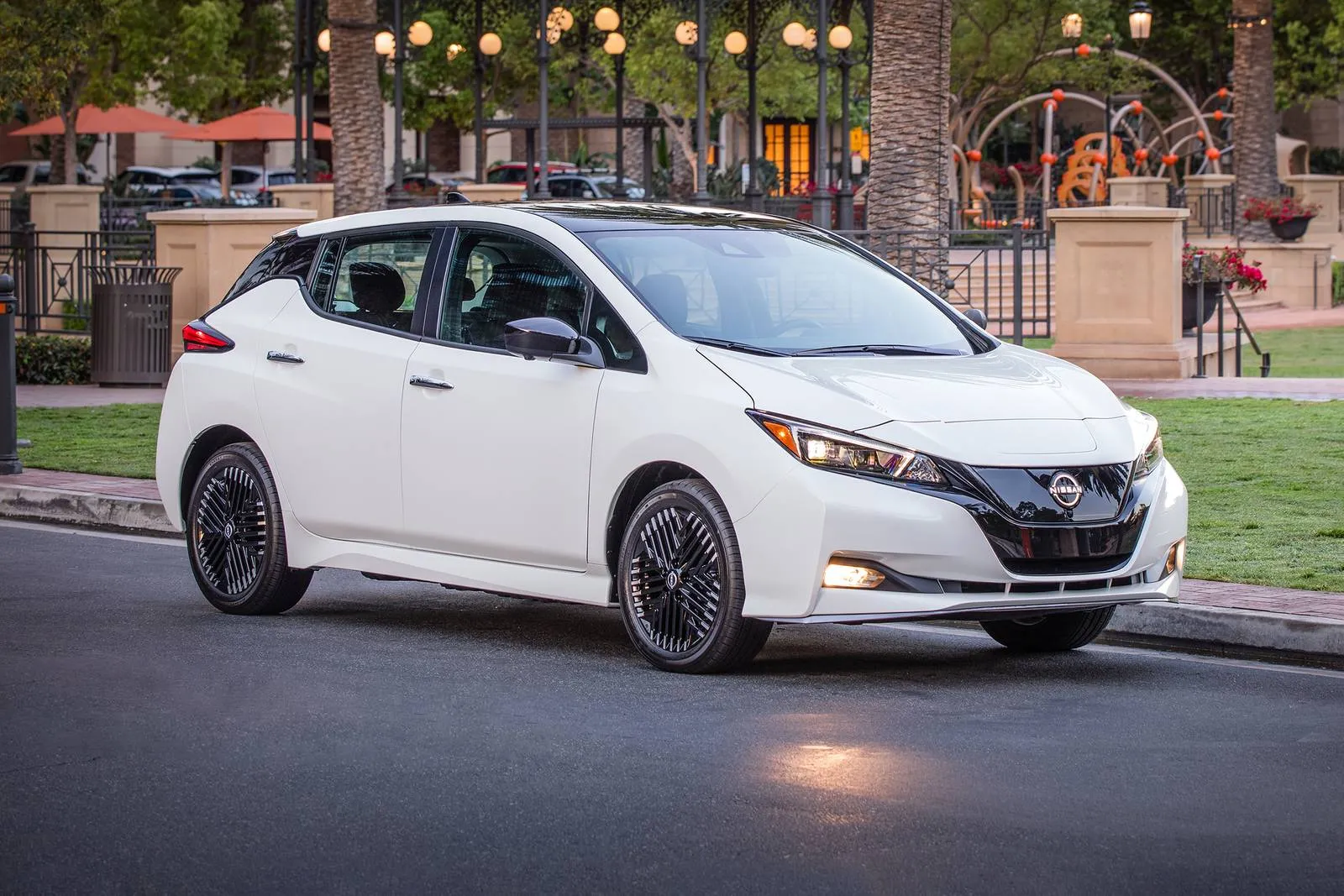
1. Nissan Leaf SV Plus 2023
The Nissan Leaf SV Plus 2023 has a long-standing reputation in electric mobility, but winter urban driving exposes limitations in range that can frustrate owners. Cold weather affects its 62 kWh battery, with temperatures below freezing reducing effective range by up to 25 percent in some cases.
Urban stop-and-go traffic, combined with frequent heater use, magnifies this loss, leaving drivers planning trips more carefully than expected. Thermal management relies on passive cooling rather than an active heat pump, which limits both battery efficiency and cabin heating speed.
Drivers often notice that using heated seats and cabin warmth simultaneously can cut range faster than anticipated. Extended trips in cold conditions require charging mid-journey even on short commutes that would otherwise be routine in temperate weather.
Fast charging adds another layer of complication. CHAdeMO support exists, yet fewer modern stations provide compatible plugs, and cold batteries accept reduced power, extending session times. Urban drivers relying on short public charging sessions may find themselves waiting longer than expected. Even Level 2 charging is affected, as lower temperatures slow charge rates, making overnight top-ups less predictable.
Regenerative braking performance changes in winter. While useful, colder temperatures limit its efficiency, reducing range recovery during deceleration. Drivers accustomed to recapturing energy in warmer months notice less effectiveness, forcing adjustments in driving style to compensate.
Navigation apps and range estimation software often fail to fully account for winter conditions. Drivers may reach the estimated remaining distance only to find battery depletion occurs sooner, creating uncertainty and added stress on snowy or icy streets.
Despite its affordability and reputation, the Nissan Leaf SV Plus 2023 demonstrates that cold urban climates can challenge range expectations. Short trips are manageable, but longer commutes and repeated errands may require additional planning, awareness, and sometimes reliance on slower, less convenient charging stations. Awareness of these factors is crucial for drivers wanting predictable EV performance during the winter months.
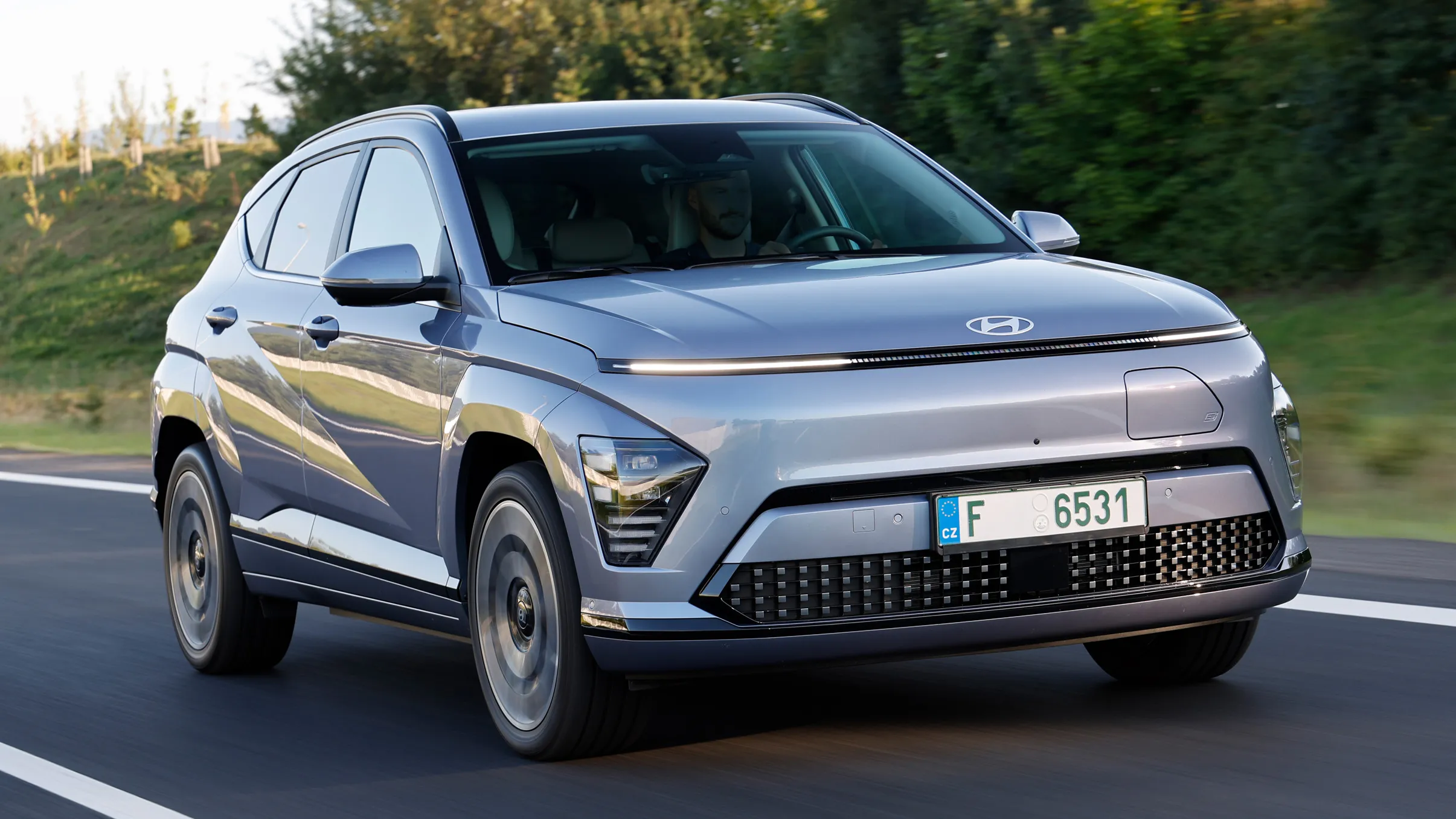
2. Hyundai Kona Electric 2023
Hyundai Kona Electric 2023 offers compact styling and an efficient urban range, yet winter performance exposes vulnerabilities in cold climates. The 64 kWh battery experiences measurable degradation when temperatures drop, often reducing range by 20 to 30 percent. City driving, where frequent acceleration and braking are common, amplifies this effect, making trips that were previously easy now require careful consideration.
The Kona Electric’s thermal management system is effective but limited compared with vehicles using heat pumps. Cabin heating draws heavily on battery reserves, further reducing the available mileage. Using heated seats or steering wheel features compounds the energy draw, and drivers must weigh comfort against efficiency in freezing conditions.
Charging can feel slower during winter. CCS fast charging remains available, yet cold batteries restrict maximum input. Urban stations frequently see high turnover, and drivers may find that rapid stops are less predictable, especially during peak times or snow-laden weather. Level 2 charging indoors provides steadier results but cannot fully offset the energy lost to winter conditions.
Regenerative braking adapts somewhat to icy roads, but battery efficiency limits the energy recaptured during deceleration. Drivers may notice reduced responsiveness or range recovery compared with warmer months. Urban stoplight starts, and multiple short trips exacerbate these inefficiencies, demanding careful route planning.
Software estimates often overstate the available range in freezing conditions. Drivers relying on onboard guidance may experience unexpected drops, requiring mid-journey adjustments or unscheduled charging stops. Confidence during snowy city commutes can diminish without awareness of this limitation.
While the Hyundai Kona Electric 2023 remains a capable EV, winter range loss is a critical factor for city dwellers. Efficiency drops, reduced regenerative benefits, and slower charging require planning, making it less ideal for those expecting consistent performance in cold months without adjustment.
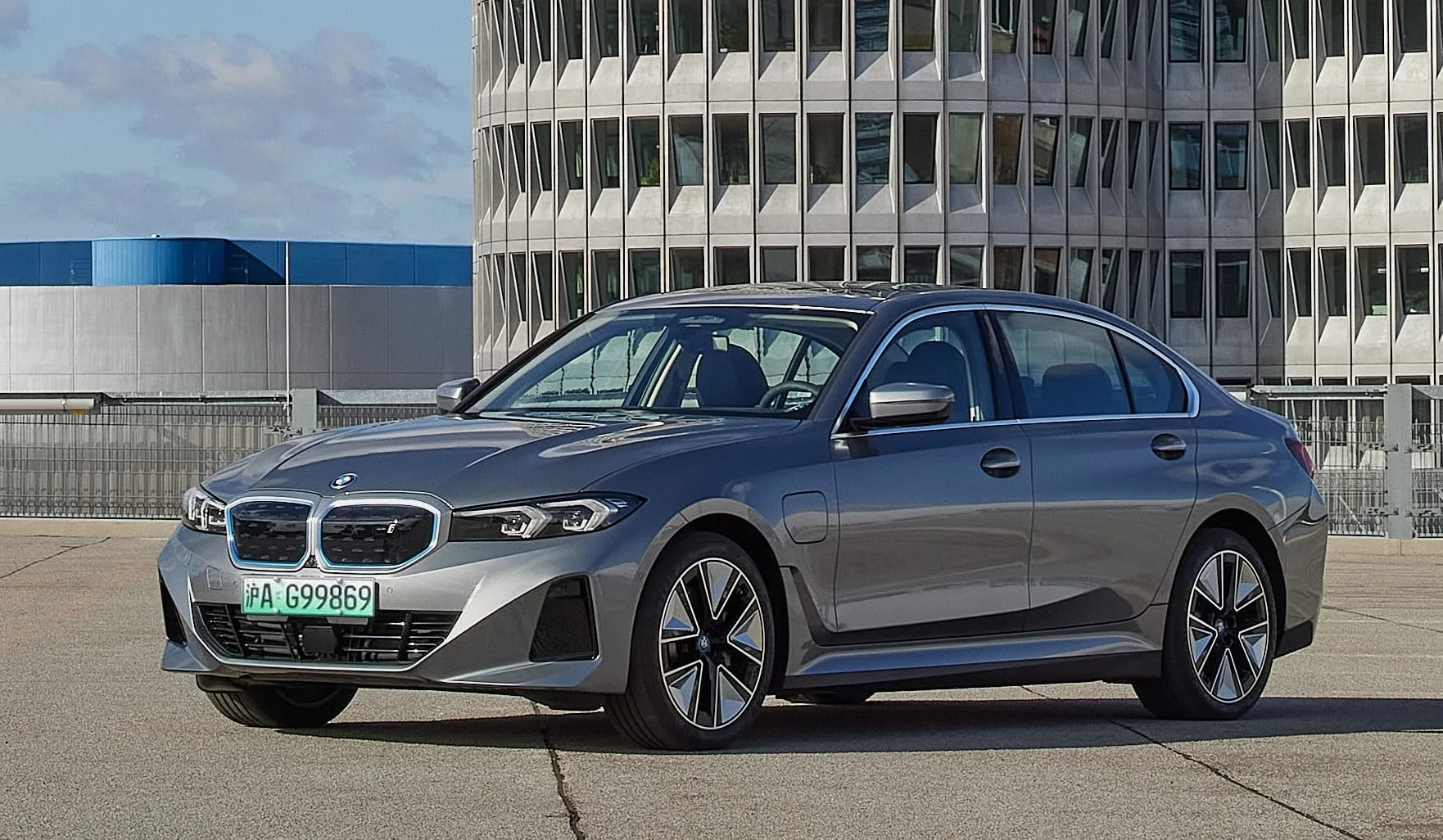
3. BMW i3s 2023
BMW i3s 2023 prioritizes urban agility and spirited driving, but winter exposes challenges in its compact electric powertrain. Its 42 kWh battery provides a limited range, and temperatures below freezing accelerate energy depletion. Even short city trips may require strategic charging, particularly when cabin heaters are used extensively.
Thermal management is basic, lacking advanced heat pump systems. The vehicle’s cabin heating relies on resistive elements, which draw heavily from the battery. Drivers quickly notice that range estimates from the dashboard shrink rapidly in winter, forcing adjustments to routine commuting patterns.
Fast charging performance is available through CCS, but cold batteries accept less power, and urban stations are often crowded. Waiting for a charger can extend trips unexpectedly, especially when high-speed delivery is assumed. Level 2 charging provides more predictable results, though daily reliance on public stations requires careful timing.
Regenerative braking in icy conditions is limited. While the system provides smooth deceleration in warmer months, winter temperatures reduce energy capture, affecting the entire efficiency. Frequent city stops and starts amplify this effect, leaving drivers with noticeably shorter achievable range.
Onboard range estimators often fail to fully compensate for winter battery behavior. Unexpected battery depletion during short errands creates tension in unfamiliar routes, especially in snowy or icy city areas. Drivers must plan routes conservatively to avoid interruptions.
BMW i3s 2023 is enjoyable for winter driving when short distances and home charging are the norm. Extended urban trips, however, highlight the range limitations intensified by cold conditions. Understanding these constraints ensures safer, more predictable winter performance, even if spontaneity suffers.
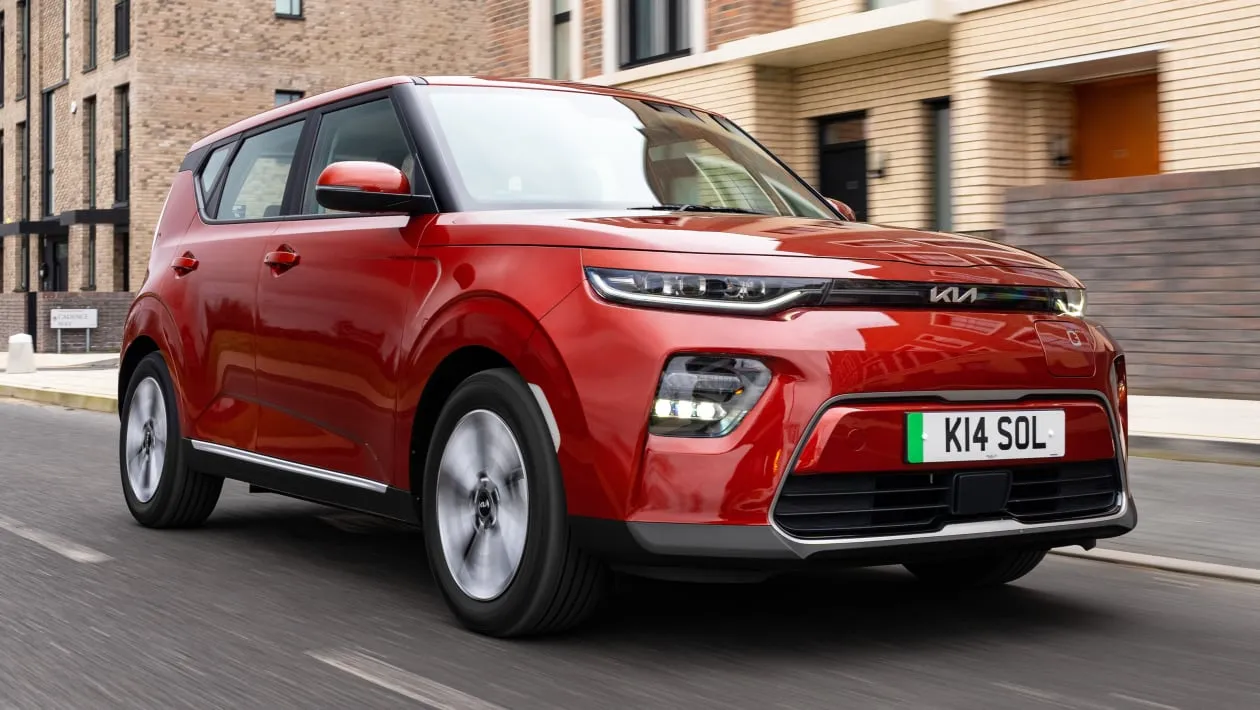
4. Kia Soul EV 2023
The Kia Soul EV 2023 presents an appealing mix of style and compact dimensions, but winter driving reveals substantial range vulnerability. Its 64 kWh battery performs well in temperate climates, yet below-freezing temperatures reduce effective urban mileage by 20 to 25 percent. Daily errands, stoplight starts, and heater usage accelerate this depletion.
Thermal management includes a basic system and resistive cabin heating. Preconditioning can mitigate some impact, but extended use of heated seats, steering, or climate control draws heavily on battery reserves. Drivers notice range drops even on routine city trips.
Charging in winter is functional but slower. CCS stations accept input, yet cold packs limit peak power. Fast stops that would suffice in warmer months may require longer sessions or multiple stops to maintain mobility across the city. Level 2 overnight charging indoors offers reliability but does not fully compensate for losses.
Regenerative braking captures less energy in freezing conditions, diminishing the effectiveness of urban energy recovery. Frequent stops along city routes reduce the battery’s ability to reclaim energy, amplifying range concerns. Software range estimators are optimistic during winter.
Drivers may encounter unexpected battery depletion mid-journey, necessitating caution and careful planning. Urban winter conditions, snow accumulation, and salt usage compound these effects. Kia Soul EV 2023 remains a competent city EV but requires awareness and planning during the winter months.
Energy limitations, reduced regenerative benefits, and slower cold-weather charging affect predictability, making drivers reliant on pre-planned routes and mindful cabin heating usage.
Also Read: 5 EVs That Work in San Francisco and 5 That Hate Hills
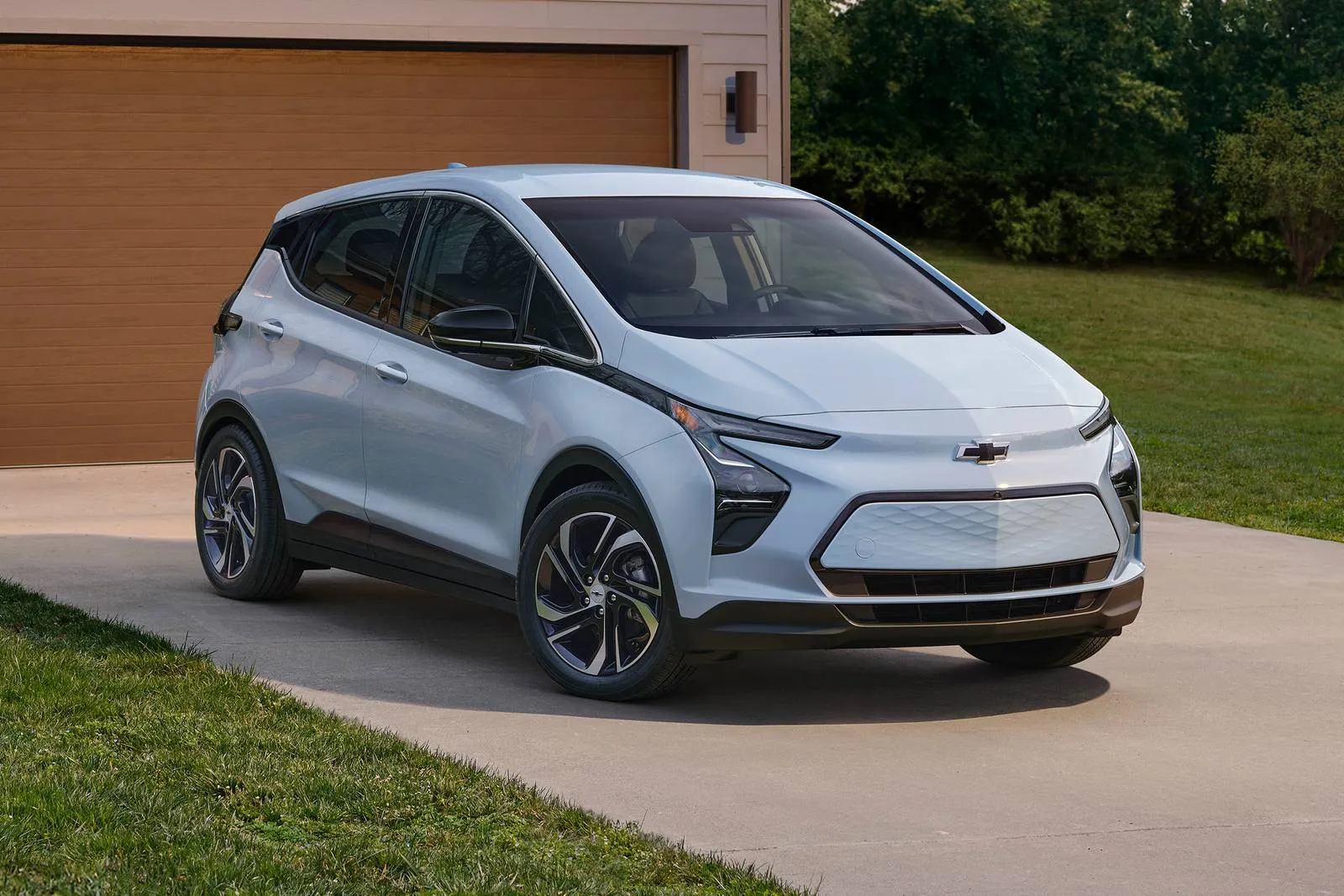
5. Chevrolet Bolt EV 2023
Chevrolet Bolt EV 2023 is an efficient urban electric vehicle, yet winter conditions expose range constraints. Its 66 kWh battery faces a drop in effective distance by 20 to 30 percent during sub-zero temperatures. Urban stop-and-go traffic, heavy heater usage, and short trips amplify energy loss, creating the need for frequent charging.
Battery thermal management relies on conventional systems, lacking a heat pump for cabin and pack efficiency. Drivers notice that using cabin heat, heated seats, or steering wheel features consumes a substantial portion of energy, reducing usable range compared with warm conditions.
Fast charging through CCS remains possible, yet cold batteries restrict maximum power. Urban stations often see heavy usage, and extended waits may be necessary. Level 2 charging provides reliable replenishment overnight but does not offset rapid winter depletion.
Regenerative braking functions less effectively when battery cells are cold. Urban stops and frequent acceleration further reduce recovered energy, making the city’s driving range lower than expected. Drivers often need to pre-plan trips or adjust their driving style.
Range estimation software frequently overstates battery capacity in freezing conditions. Urban drivers may encounter unexpected range loss during daily commutes, prompting mid-journey charging or avoidance of less familiar routes.
Chevrolet Bolt EV 2023 remains reliable for city driving when expectations are adjusted for winter limitations. Frequent charging, careful use of cabin heating, and awareness of reduced regenerative effectiveness are essential to maintain mobility and avoid disruptions during icy, snowy conditions.
