
City living changes how people think about cars. Tight streets, packed parking zones, crowded apartment garages, and constant stop-and-go traffic all place pressure on vehicle size, visibility, and maneuverability. Electric vehicles bring clear advantages to these environments, including quiet operation and smooth acceleration, yet not every EV feels comfortable squeezing into dense neighborhoods.
Some thrive in tight spaces, while others feel out of place the moment curbside parking appears. Choosing an EV for urban living requires more than checking range figures or charging speed. Width matters when lanes narrow. Turning radius becomes important when streets feel older than the car itself.
Even a door swing can affect daily routines when parking spots leave little room to breathe. A vehicle that feels perfect in open suburbs may suddenly feel oversized once apartment blocks replace driveways. This page focuses on electric vehicles that genuinely work in dense neighborhoods, followed later by those that struggle in the same environments.
The difference often comes down to thoughtful proportions, visibility, and how easily a driver can live with the vehicle every day. Some manufacturers clearly design with urban realities in mind, while others prioritize scale, presence, or highway comfort.
Below are five electric vehicles that fit naturally into dense neighborhoods. Each one shows how size, control, and design choices can make daily urban driving feel easier rather than exhausting.
5 Electric Vehicles That Fit Dense Neighborhoods
1. Chevrolet Bolt EV 2023
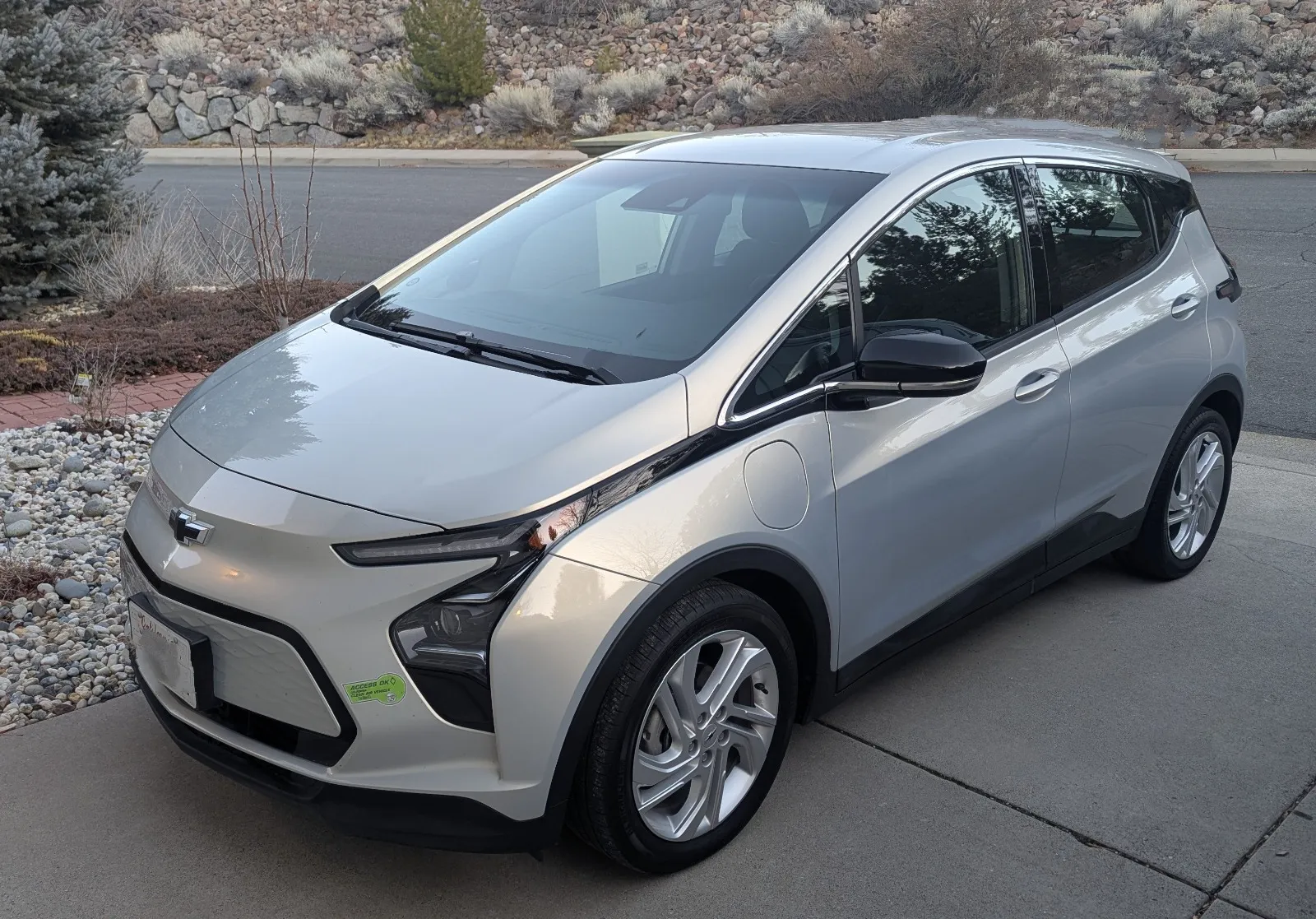
Compact proportions define the Chevrolet Bolt EV 2023 from the moment it enters a city street. Short length and narrow width allow it to slide comfortably into parking spaces that larger vehicles would skip. Urban drivers appreciate how easily it fits between tightly parked cars, reducing stress during daily errands or late-night parking searches.
Turning radius plays a quiet but important role here. Sharp U-turns and narrow intersections feel manageable, even in older neighborhoods built long before modern traffic volumes. Steering remains light without feeling disconnected, making low-speed maneuvering simple. Parallel parking rarely feels like a gamble, and curbside adjustments require minimal correction.
Visibility strengthens its urban appeal. Upright seating and large windows help drivers judge distance accurately when pulling into compact spaces. Side mirrors stay clear of obstacles, and the hood line remains low enough to avoid blind spots common in taller vehicles. These small details reduce fatigue during frequent short trips.
Energy efficiency suits city routines well. Stop-and-go traffic plays to the Bolt EV’s strengths, allowing regenerative braking to recover energy throughout the day. Drivers who charge at home often find that daily city use consumes less energy than expected, limiting public charging dependency.
Interior design stays functional without excess bulk. Controls sit within easy reach, and the cabin avoids wide consoles that can make small interiors feel cramped. Rear seating remains usable for passengers or groceries without expanding the exterior footprint.
Chevrolet Bolt EV 2023 feels designed for everyday city living rather than adapted to it. Its size, agility, and visibility create confidence in dense neighborhoods where space remains limited, and patience runs thin.
2. Mini Cooper SE Electric 2023
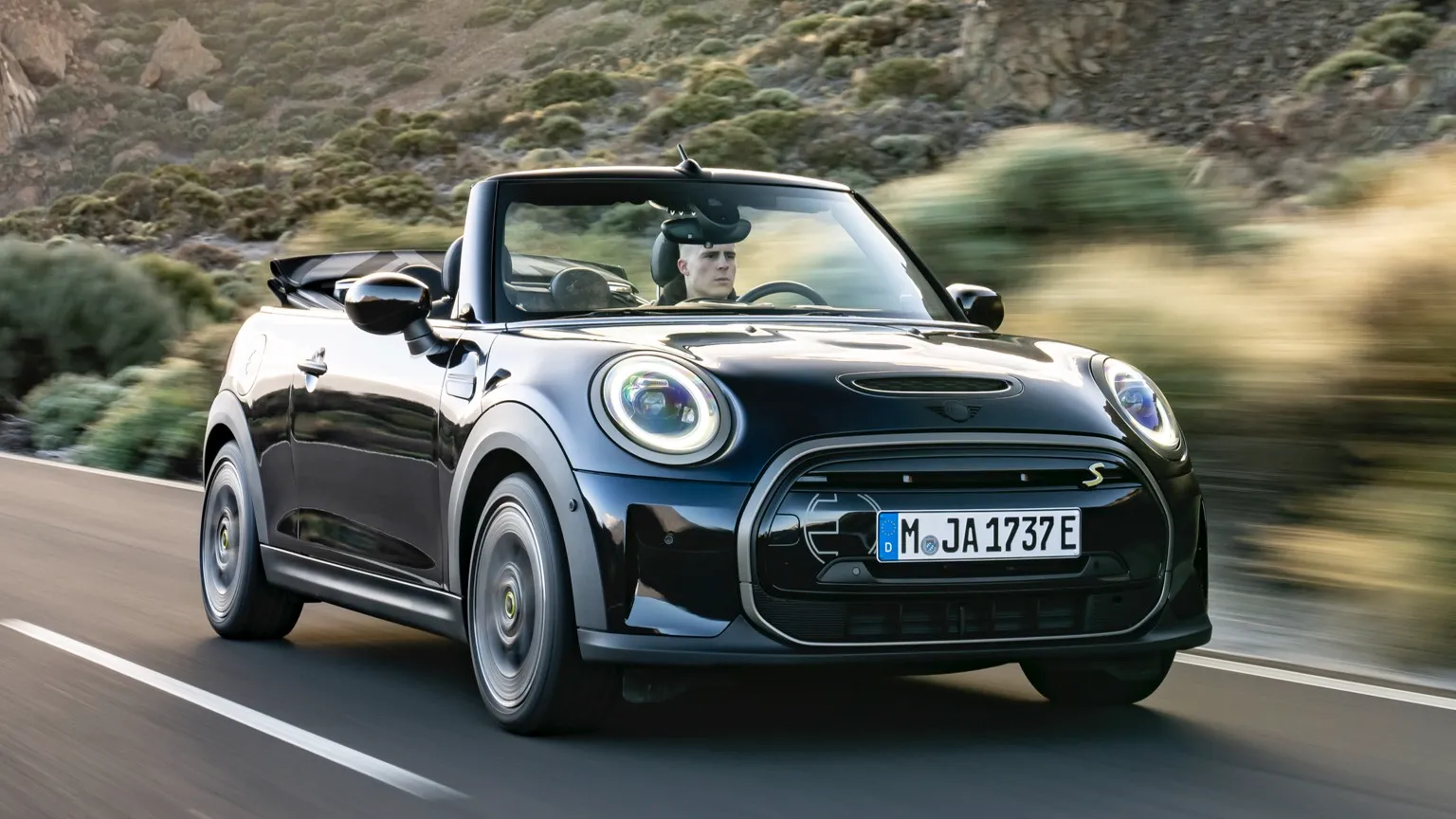
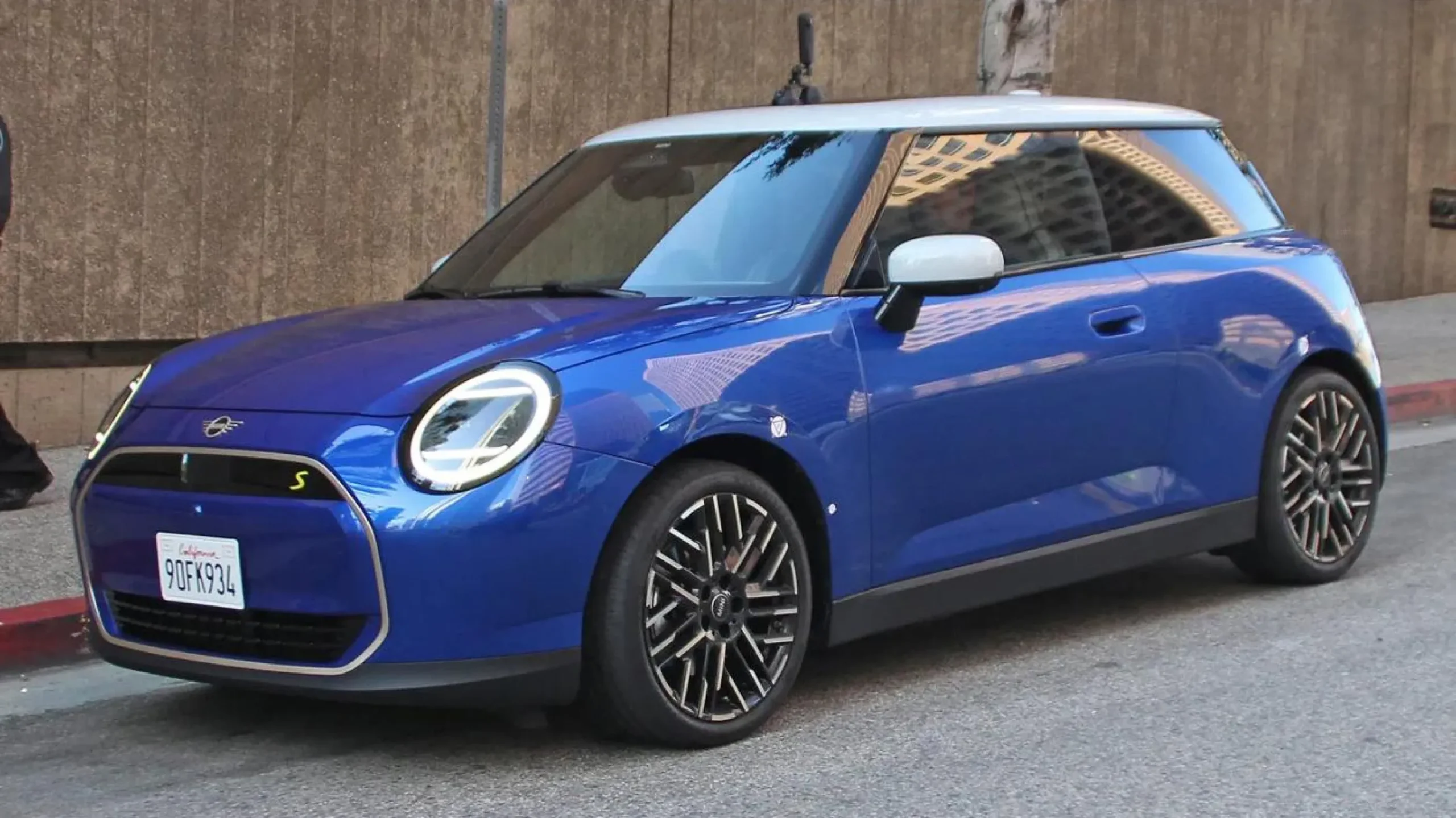
Personality defines the Mini Cooper SE Electric 2023, yet practicality anchors its success in dense neighborhoods. Short length allows it to occupy parking spaces that other vehicles cannot even attempt. Urban streets feel less intimidating when a car responds quickly and fits naturally into narrow gaps.
Steering delivers a lively character that works well in tight conditions. Quick responses help drivers dodge delivery vehicles, cyclists, and sudden lane closures without feeling overwhelmed. Compact dimensions mean fewer multi-point turns and easier corrections during parking maneuvers.
Door size contributes to daily comfort. Despite small exterior dimensions, doors open wide enough to exit comfortably in close quarters. This detail matters when parking spots leave inches rather than feet between vehicles. Electric torque supports smooth movement through traffic.
Instant response helps drivers merge confidently at low speeds, especially during busy rush hours. Regenerative braking allows controlled deceleration without abrupt stops, adding comfort during congestion. Interior layout avoids wasted space. Seating remains upright, creating a sense of room that belies the exterior size.
Controls stay simple and intuitive, reducing distraction during short city drives. Cargo space handles groceries and daily essentials without issue. Charging routines fit urban life well. Short commutes allow overnight home charging to cover most needs. Public charging remains optional rather than essential, reducing reliance on busy stations.
Mini Cooper SE Electric 2023 blends charm with genuine city-friendly design. Its small footprint, agile handling, and efficient use of space make it a natural companion for dense neighborhoods.
Also Read: 5 EVs That Work Well With Public Charging Networks vs 5 That Don’t
3. Fiat 500e 2024
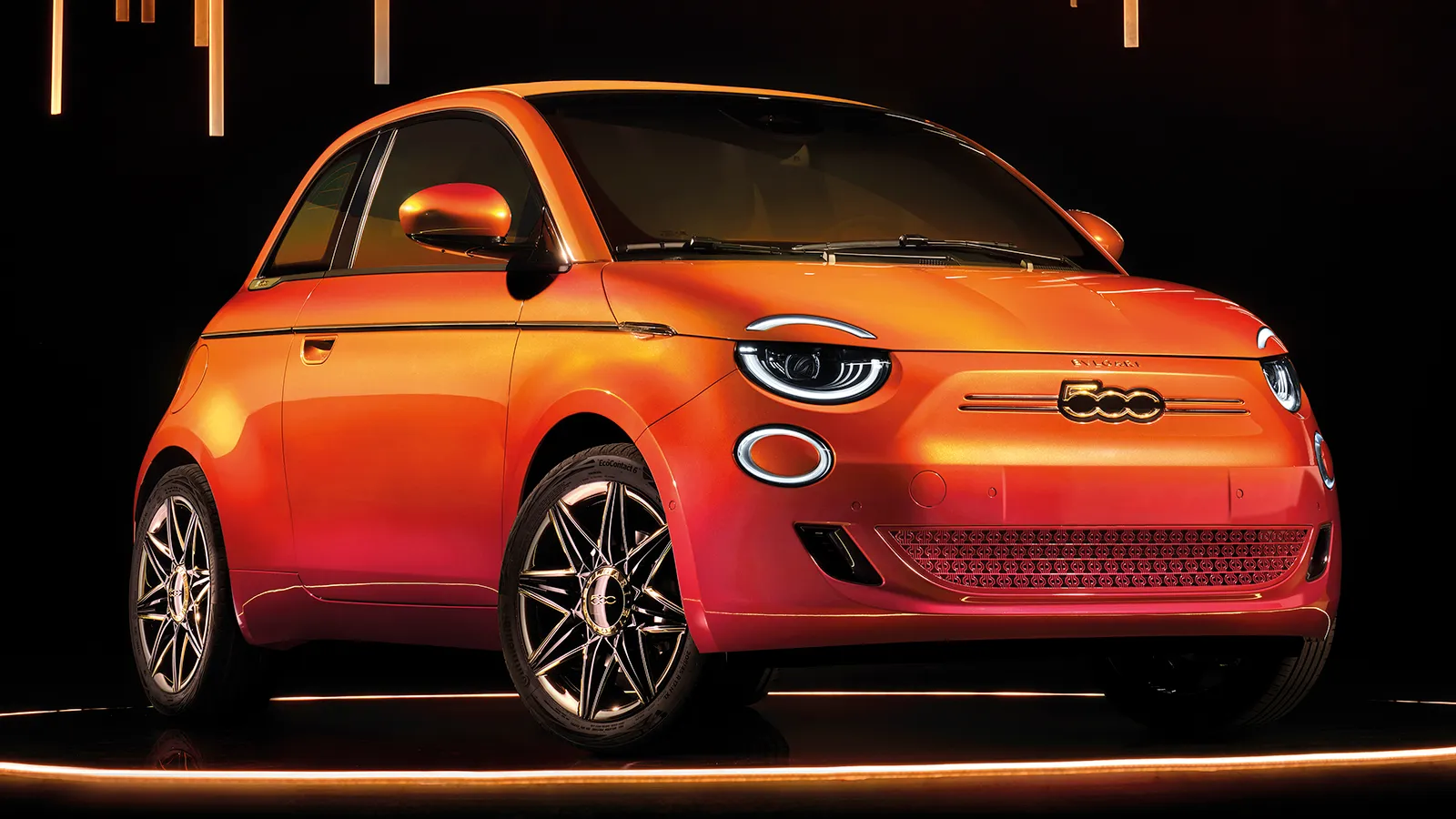
Italian flair meets urban logic in the Fiat 500e 2024. Slim proportions and minimal length allow this electric hatchback to feel at home where space feels borrowed rather than owned. Parking becomes less about strategy and more about availability.
Low curb weight improves maneuverability. Drivers feel connected to the road without wrestling the steering wheel. Narrow lanes and tight alleyways no longer feel like obstacles, even during peak traffic hours. Visibility supports confident driving. Rounded corners and compact pillars help drivers judge surroundings accurately.
This becomes especially helpful in older neighborhoods with unpredictable layouts and limited signage. Acceleration stays smooth rather than aggressive. Electric response feels controlled, allowing easy pacing in slow-moving traffic.
Regenerative braking blends naturally with traditional braking, avoiding sudden stops that disrupt comfort. Interior design embraces simplicity. Controls focus on essentials, reducing visual clutter. Seating remains supportive for short to medium trips, and cabin space feels thoughtfully arranged rather than cramped.
Charging needs remain modest. Limited daily range works well for city routines, especially when home charging is available. Short trips keep energy use low, reinforcing its role as a neighborhood-focused vehicle. Fiat 500e 2024 proves that dense neighborhoods reward compact thinking. Its design respects space limitations while delivering comfort and efficiency suited to everyday urban movement.
4. BMW i3 2022
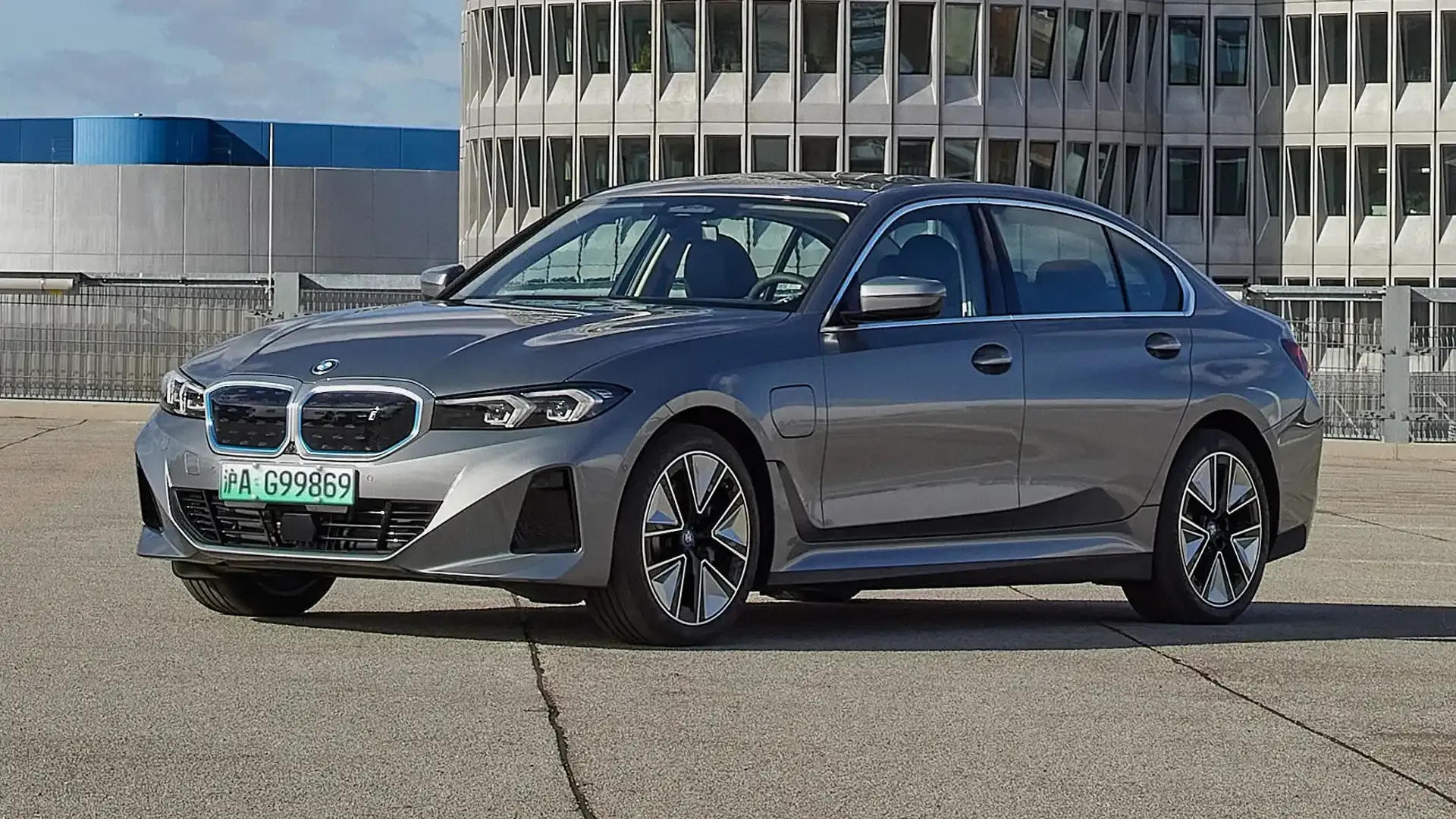
Distinctive styling gives the BMW i3 2022 instant recognition, yet its real advantage appears once it enters dense neighborhoods. Compact exterior dimensions allow it to slip into spaces that frustrate larger vehicles, while the tall roofline preserves headroom and comfort inside.
This balance between small footprint and usable cabin space suits city streets shaped long before modern vehicles grew wider and longer. Daily errands feel less intimidating when the car fits naturally into its surroundings. Turning ability stands out during low-speed driving. Tight corners, narrow alleys, and crowded residential streets feel manageable thanks to a short wheelbase and quick steering response.
Situations that usually require hesitation, such as squeezing past delivery vans or driving through temporary construction barriers, feel simpler. Parking maneuvers benefit as well, since the car responds immediately to steering input without requiring exaggerated movements.
Visibility plays a major role in building confidence. Large windows and an upright seating position provide a clear view of curbs, cyclists, and pedestrians. Drivers can judge distances accurately, even in poorly marked parking zones or dimly lit garages. This clarity reduces reliance on sensors alone and minimizes last-second corrections that often lead to stress.
Electric drivetrain behavior aligns well with urban demands. Acceleration remains smooth and predictable, avoiding abrupt surges that complicate stop-and-go traffic. Regenerative braking feels natural, slowing the car gently while recovering energy during frequent stops. City driving becomes efficient by default, without requiring drivers to adjust habits or think about maximizing range.
Interior materials emphasize lightness and sustainability. Natural textures and bright surfaces reduce the feeling of enclosure, making the cabin feel open despite its compact size. Rear-hinged doors attract attention, yet they remain practical in wider curbside spaces and allow easy access for passengers when space permits.
Charging routines fit neatly into city life. Short daily distances mean that overnight home charging satisfies most needs. Public chargers serve as occasional support rather than a constant requirement, keeping ownership simple. BMW i3 2022 proves that unconventional design can address urban challenges directly, making dense neighborhoods easier and more pleasant to handle.
5. Hyundai Kona Electric 2023
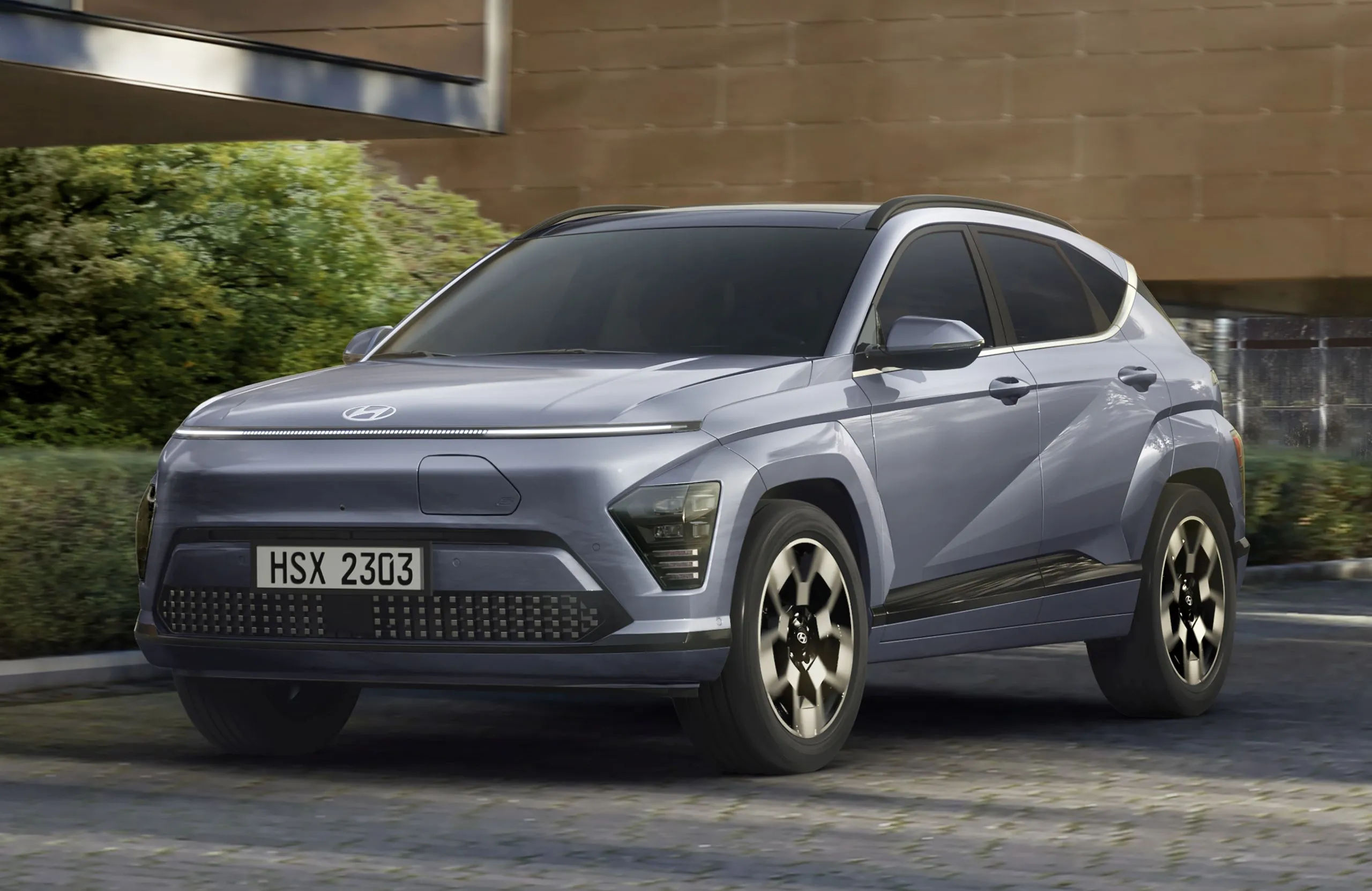
Balanced proportions define the Hyundai Kona Electric 2023, positioning it comfortably between compact hatchbacks and larger crossovers. This mid-size works well in dense neighborhoods where space efficiency matters without forcing compromises on comfort. Streets lined with parked cars feel less intimidating, since the vehicle occupies its lane without crowding surrounding traffic.
Short overhangs and moderate width simplify parking. Sliding into curbside spaces feels achievable even when markings are inconsistent or faded. Drivers spend less time correcting alignment, which reduces pressure during busy hours. Parking garages present fewer concerns as well, since ramps and tight corners remain manageable.
Steering behavior supports calm urban driving. Light effort at low speeds makes narrow streets and busy intersections easier to handle. Lane positioning feels natural, reducing the need for constant adjustments when traffic closes in from multiple directions. Visibility complements this ease, offering clear sightlines that help drivers anticipate obstacles early.
Interior layout focuses on efficiency. Seating remains comfortable for daily commutes, while cargo space accommodates groceries, backpacks, and small deliveries without feeling cramped. Controls remain straightforward and within easy reach, limiting distraction during short trips through congested areas.
Electric performance suits city routines. Acceleration feels controlled rather than aggressive, allowing smooth merges and steady pacing in traffic. Regenerative braking assists during frequent stops, recovering energy while maintaining predictable deceleration. This behavior supports efficiency without demanding special techniques from the driver.
Charging habits align with neighborhood living. Modest daily mileage allows overnight home charging to cover regular use. Public charging stations function as reassurance rather than dependency, keeping schedules flexible and stress levels low. The Hyundai Kona Electric 2023 delivers a thoughtful balance of size, comfort, and usability. Dense neighborhoods reward vehicles that fit naturally into tight spaces, and this model meets that need while preserving everyday practicality.
5 Electric Vehicles That Don’t Fit Dense Neighborhoods
1. GMC Hummer EV Pickup 2024
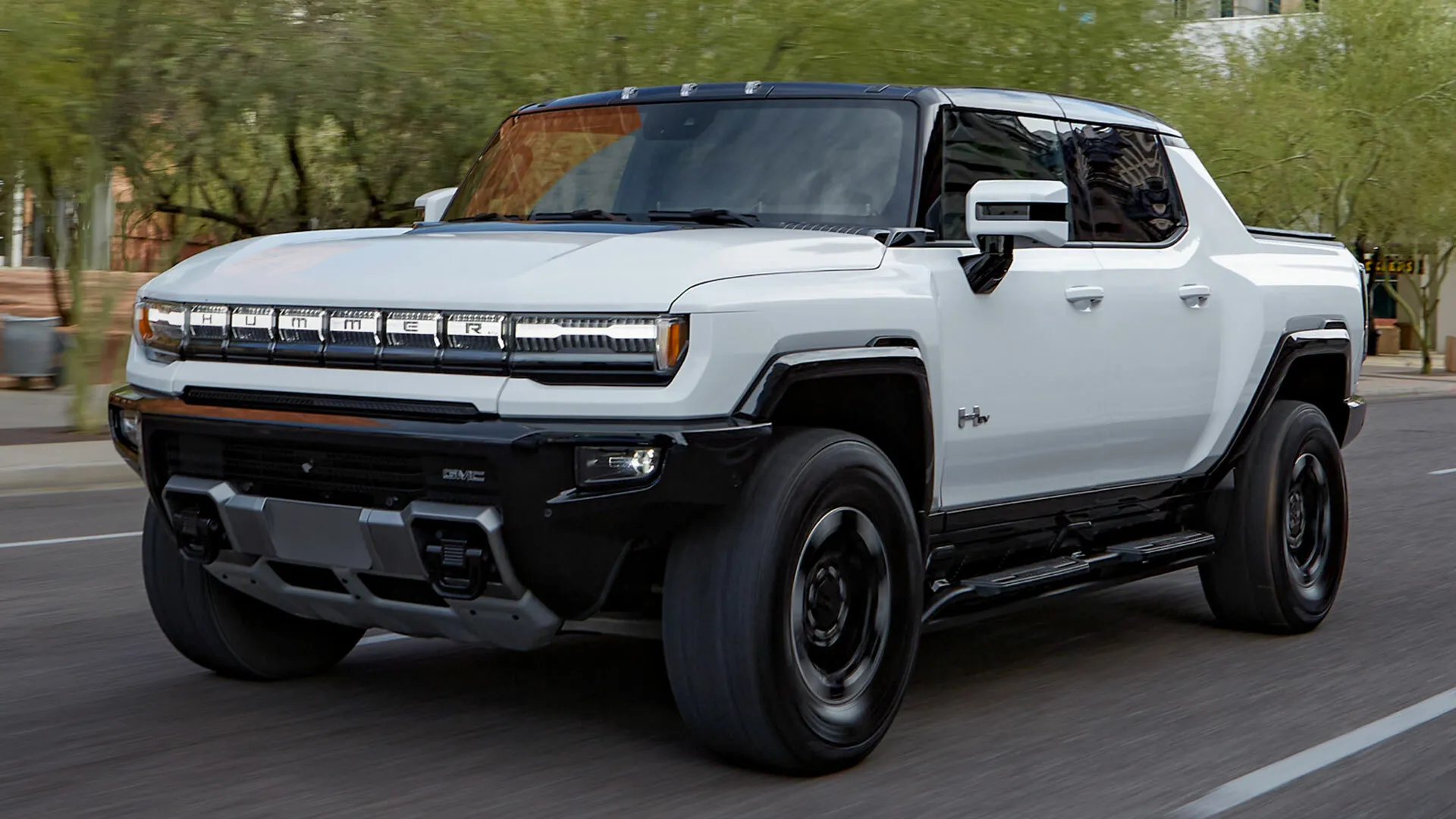
The GMC Hummer EV Pickup 2024 is engineered to impress, and its size is the very foundation of that appeal. Unfortunately, the same scale that makes it visually commanding quickly becomes a disadvantage in dense neighborhoods. Narrow residential streets feel immediately constrained as the truck occupies most of the available width, leaving little breathing room for parked cars, cyclists, or pedestrians.
Roads built decades ago for smaller vehicles feel especially unforgiving, turning everyday drives into careful, calculated exercises. Parking is where the Hummer EV’s size becomes most problematic. Standard curbside spaces are often insufficient, forcing the truck to overhang into traffic or onto sidewalks.
Parallel parking demands multiple attempts, extensive use of cameras, and a generous amount of patience. Even when successfully parked, the vehicle’s footprint often disrupts surrounding traffic flow. Parking garages introduce additional complications, including tight entry ramps, narrow lanes, and ceiling heights that require constant attention.
Maneuverability further underscores the mismatch between this truck and urban environments. Despite advanced steering technology, the turning radius remains large, making tight intersections and narrow corners feel unnecessarily stressful. Multi-point turns become a routine necessity rather than an occasional inconvenience, adding friction to short, routine trips.
The Hummer EV’s immense weight also influences daily usability. At low speeds, the mass is unmistakable, especially during stop-and-go traffic. Sudden braking or quick lane adjustments feel more deliberate and less intuitive, even with sophisticated driver assistance systems working in the background.
Everyday tasks such as opening doors or loading items add to the challenge. Wide door swings require space rarely available in crowded areas, forcing drivers to carefully angle the vehicle to avoid contact with nearby cars. Charging presents another hurdle, as the large battery often requires extended sessions at public stations, occupying valuable spots longer than most city drivers prefer.
While the GMC Hummer EV Pickup 2024 excels as a bold statement and outdoor-focused vehicle, dense neighborhoods expose its excess. Urban life rewards compactness and agility, qualities this truck simply does not prioritize.
2. Tesla Model X 2024
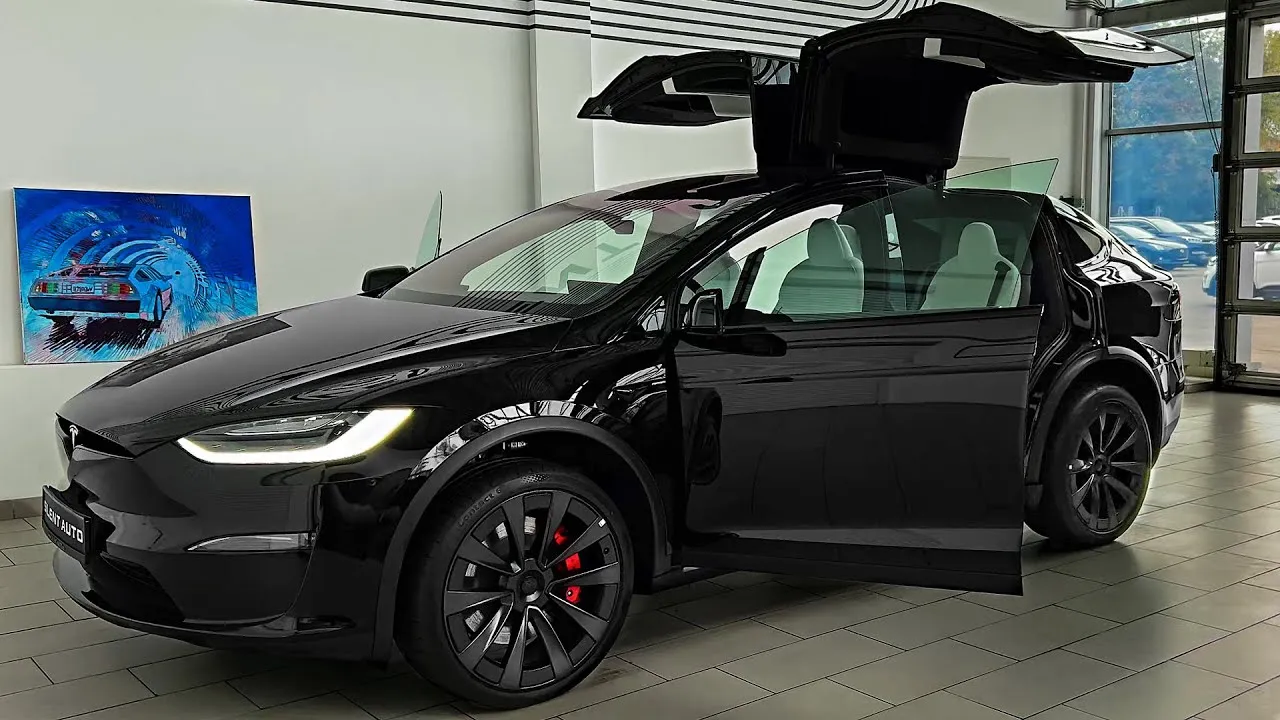
The Tesla Model X 2024 blends luxury, performance, and cutting-edge technology, yet dense neighborhoods reveal the limits of its design. Its width and height dominate narrow streets, making even short urban trips feel more demanding than expected. In areas where compact vehicles move effortlessly, the Model X requires heightened awareness and constant spatial judgment.
One of its most distinctive features, the Falcon Wing doors, becomes a mixed blessing in city environments. While visually impressive and practical in open spaces, they demand overhead and side clearance that is rarely guaranteed in tight parking zones. Drivers often pause before opening them, uncertain whether nearby walls, cars, or low ceilings might interfere.
Parking garages further highlight the Model X’s urban challenges. Tight ramps, narrow lanes, and restricted visibility transform simple entries into cautious maneuvers. Although Tesla’s sensors and cameras offer assistance, they cannot overcome physical dimensions. Parallel parking, while possible, rarely feels effortless or quick.
The vehicle’s turning behavior also reflects its size. Tight corners and narrow intersections require careful steering, leaving little margin for error. In crowded neighborhoods, even minor miscalculations can lead to stressful situations. Weight plays a subtle but noticeable role in daily comfort. Low-speed driving feels deliberate, and braking carries a heavier sensation than expected for a premium SUV.
Stop-and-go traffic magnifies these traits, reducing the relaxed driving experience many buyers anticipate. Charging remains efficient from a technological standpoint, but access can be problematic. The Model X’s size may block adjacent spaces at crowded stations, creating tension and limiting convenience.
Finding suitable chargers without inconveniencing others often requires extra planning. The Tesla Model X 2024 delivers innovation, prestige, and performance. Dense neighborhoods, however, demand simplicity and restraint, making this SUV feel larger and less agile than ideal for daily urban life.
3. Rivian R1S 2024
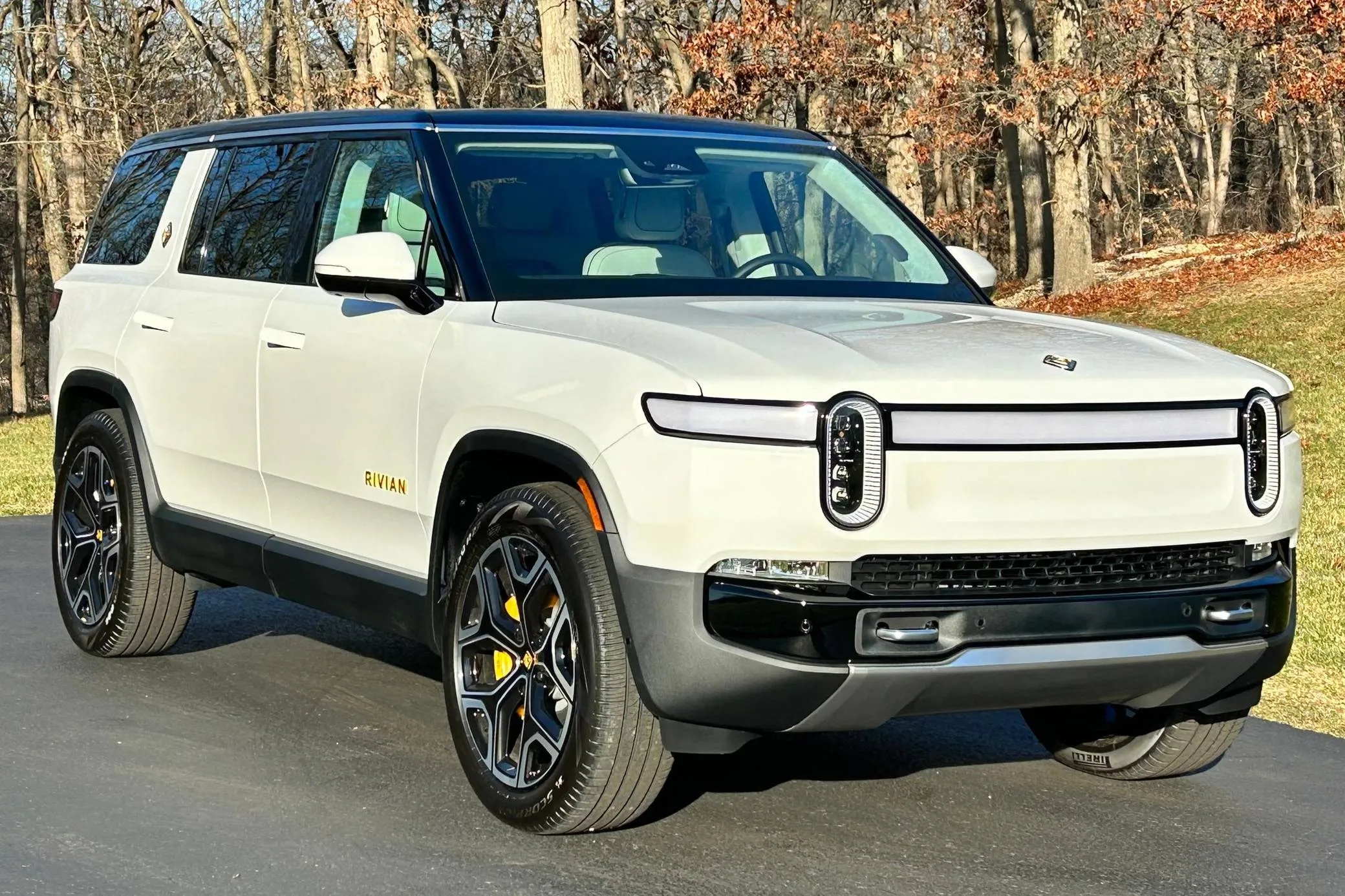
The Rivian R1S 2024 is designed with adventure at its core, but dense neighborhoods rarely accommodate that ambition. Its length and height dominate streets where smaller vehicles thrive, forcing drivers to remain constantly aware of space limitations. In compact urban settings, the R1S feels more imposing than practical.
Parking quickly becomes a calculated effort. Many curbside spaces fall just short of accommodating their dimensions, pushing drivers to search longer or park farther away. Tight garages amplify the challenge, with narrow lanes and limited clearance leaving little room for error.
Maneuverability is another concern. The turning radius feels generous rather than precise, making narrow streets and tight corners a test of patience. Multi-point turns become common, interrupting the natural rhythm of city driving and slowing down everyday errands.
Door access highlights additional urban friction. Wide-opening doors require space rarely available in crowded parking areas. Loading passengers, groceries, or gear becomes awkward when adjacent vehicles are parked inches away.
The R1S’s weight adds to the urban burden. Stop-and-go traffic emphasizes its mass, making acceleration and deceleration feel heavy and deliberate. While powerful and capable, it lacks the light, responsive feel that dense neighborhoods reward.
Charging stops mirror these challenges. The large battery encourages longer charging sessions, occupying public chargers for extended periods. Physical size may also limit compatibility with certain station layouts, reducing convenience.
Rivian R1S 2024 excels on open roads and rugged roads. In dense neighborhoods, however, its strengths work against everyday routines, highlighting the trade-offs of adventure-focused design.
4. Ford F-150 Lightning Platinum 2024
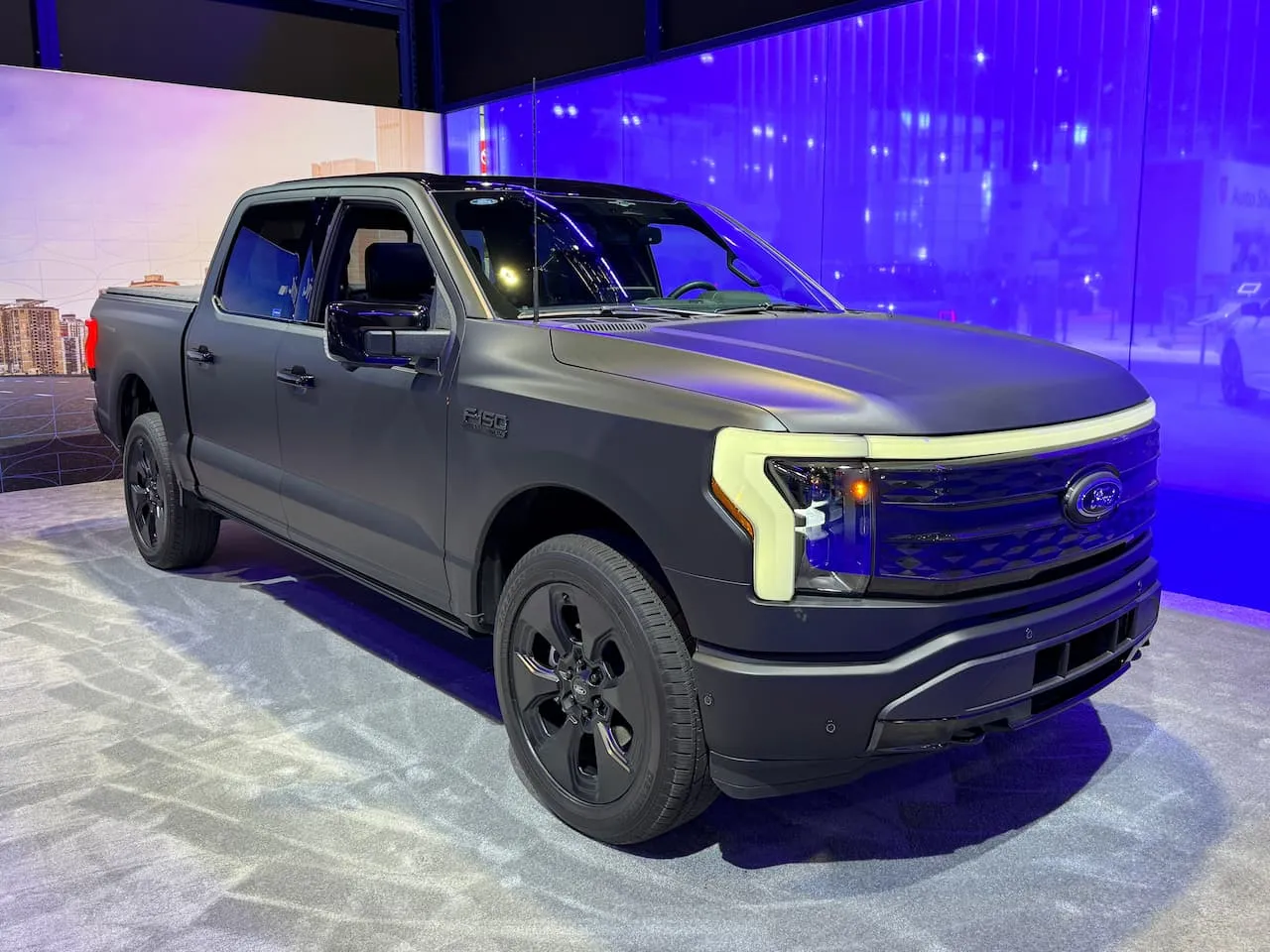
Electric power gives the Ford F-150 Lightning Platinum 2024 a modern edge, yet its full-size pickup proportions remain unchanged, and dense neighborhoods make that reality impossible to ignore.
Residential streets often feel undersized the moment this truck appears, with its broad stance consuming most of the available lane. Passing parked cars, cyclists, or delivery vehicles requires heightened focus, turning short neighborhood drives into deliberate, slow-moving efforts.
Parking highlights the issue immediately. Standard curbside spaces rarely provide enough length or width to accommodate the Lightning without overhang. Parallel parking becomes a time-consuming process involving repeated adjustments and constant use of cameras and sensors.
Even when successfully positioned, the truck frequently intrudes into adjacent space, drawing attention and occasional frustration from surrounding traffic. Urban parking garages add further difficulty, as tight entry ramps, narrow lanes, and height limitations demand careful planning before even attempting entry.
Maneuverability in compact areas remains a challenge. Tight corners and narrow intersections require wide turns, slowing the pace of routine errands. Multi-point turns become common rather than rare, especially on older streets designed long before vehicles of this scale were common. Each turn reinforces how much space the truck needs simply to change direction.
Door access introduces another layer of inconvenience. Wide-opening doors demand clearance that crowded streets rarely provide. Loading groceries, securing child seats, or allowing passengers to exit comfortably often requires creative positioning or waiting for nearby vehicles to move. These small moments add friction to everyday use.
Charging behavior reflects the Lightning’s size and purpose. Its large battery supports longer driving ranges, but also leads to extended charging sessions at public stations. In busy urban areas where quick turnover matters, occupying a charger for long periods can feel out of step with local expectations.
Ford F-150 Lightning Platinum 2024 delivers innovation and strength, yet dense neighborhoods reward compact design and agility. In tightly packed environments, this truck feels better suited to wider roads than daily city routines.
Also Read: 5 EVs That Handle City Winters vs 5 That Lose Range Fast
5. Mercedes-Benz EQS SUV 2024
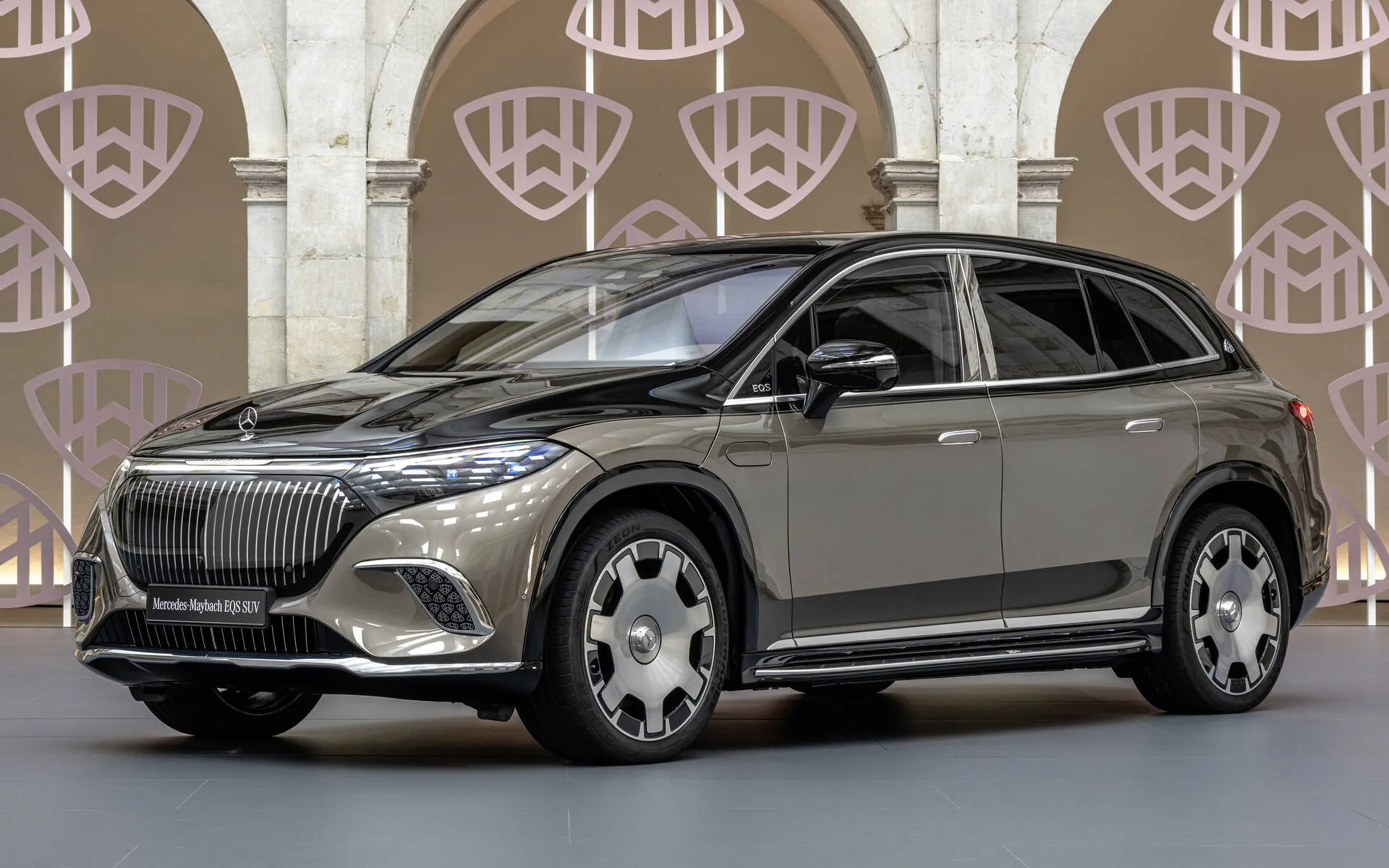
Luxury defines the Mercedes-Benz EQS SUV 2024, and that sense of scale is evident at first glance. Dense neighborhoods, however, struggle to accommodate their generous dimensions. Length and width dominate narrow streets, forcing drivers to remain constantly aware of curbs, parked vehicles, and pedestrians. Everyday trips demand careful judgment rather than relaxed confidence.
Parking becomes a meticulous task. Curbside spaces often feel undersized, requiring repeated adjustments to achieve proper alignment. Narrow garages intensify the challenge, with tight lanes and limited clearance leaving little room for miscalculation. Even experienced drivers rely heavily on cameras and sensors to avoid contact, turning simple parking into a focused exercise.
Turning behavior reflects the SUV’s footprint. Narrow intersections and tight corners require deliberate steering inputs, slowing movement, and disrupting traffic flow. Quick, effortless direction changes feel out of reach, especially on older streets where space is limited.
Weight plays a role in daily comfort as well. Stop-and-go traffic emphasizes mass, making acceleration and braking feel measured rather than light. Short trips through congested areas highlight how much effort is required to move such a substantial vehicle through confined spaces.
Charging sessions mirror the vehicle’s premium character. Larger battery capacity encourages longer stops, which can occupy valuable public charging spots. Physical size may also restrict compatibility with certain station layouts, limiting flexibility in crowded areas.
Mercedes-Benz EQS SUV 2024 delivers refinement, quiet power, and presence. Dense neighborhoods favor compact efficiency and ease, leaving this luxury SUV better aligned with open roads and spacious surroundings than tightly packed urban streets.
