
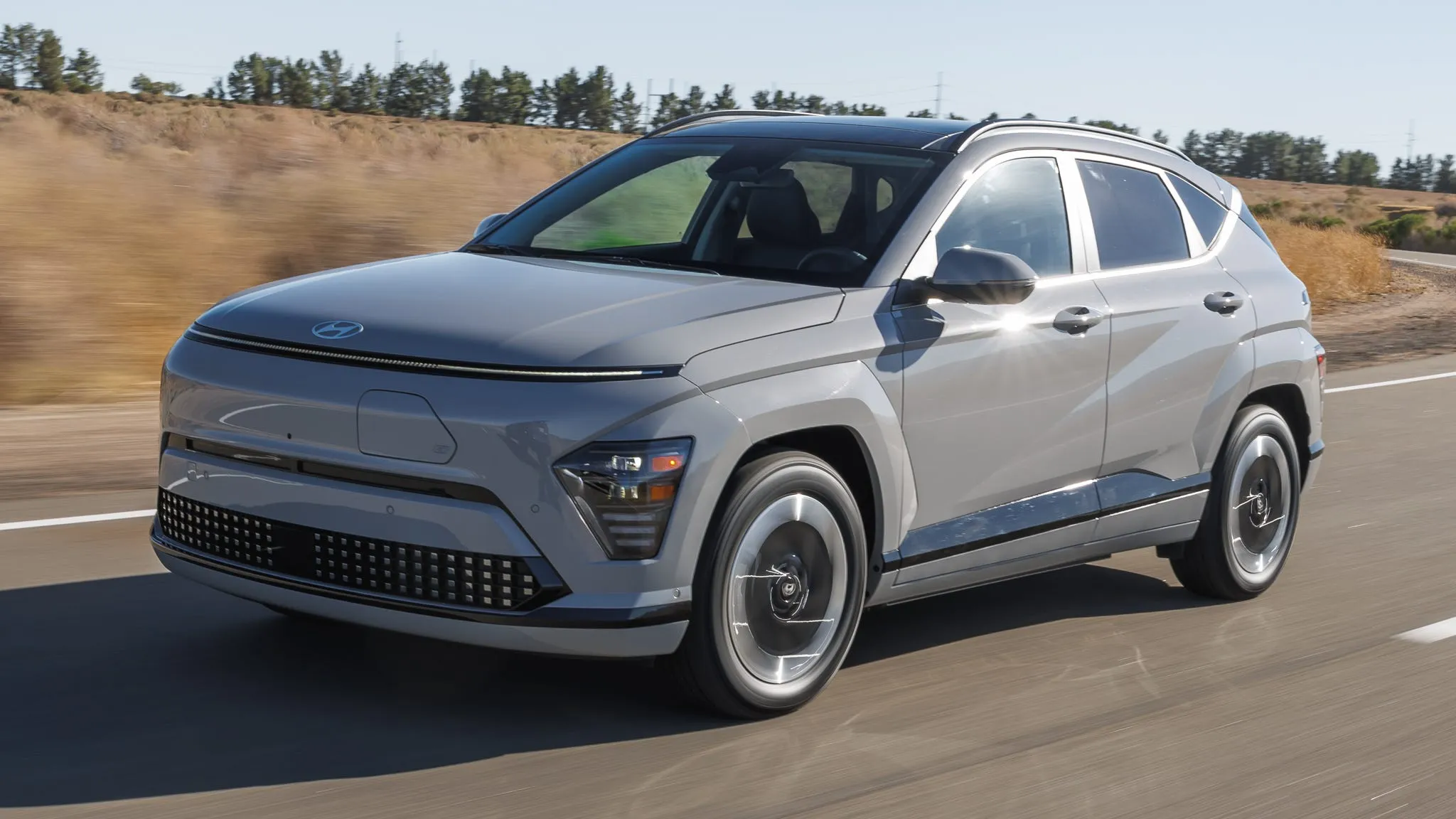
City life rewards things that work without asking for extra effort. Parking is tight, schedules move fast, and patience runs thin when technology adds steps instead of removing them. Electric vehicles promise simplicity, yet daily ownership tells different stories depending on design choices, software behavior, charging compatibility, and how well a car fits into crowded streets.
Some EVs quietly blend into urban routines, charging easily, driving predictably, and staying out of the owner’s way. Others demand attention through frequent planning, awkward charging, or features that feel better suited to open highways than city blocks.
Urban EV ownership is not about headline range numbers or performance bragging rights. What matters more is how smoothly the car fits into short trips, curbside parking, public charging, traffic jams, and apartment living. Simple ownership feels invisible. Plug in, drive, park, repeat.
When things go wrong, they resolve quickly without drama. Complicated ownership interrupts routines and adds mental load to days already packed with decisions. This page separates electric vehicles that feel easy to live with in cities from those that quietly turn daily driving into a project. Each vehicle earns its place through real-world behavior rather than marketing promises.
5 EVs That Feel Simple to Own in Cities
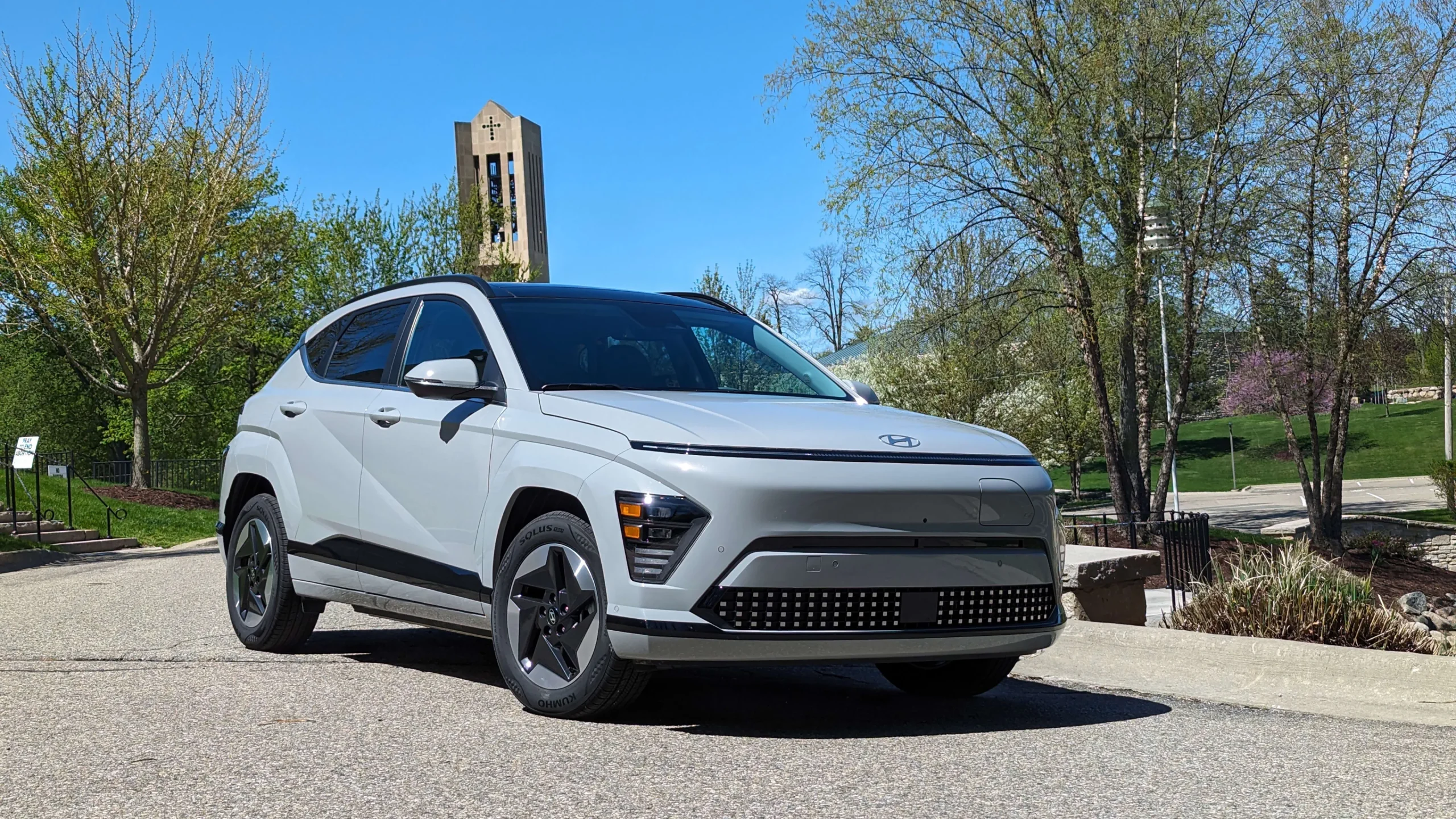
1. Hyundai Kona Electric Limited 2024
Urban ownership with the Hyundai Kona Electric Limited 2024 feels refreshingly direct from the first week of driving. Compact proportions make it immediately comfortable in tight streets, narrow parking garages, and crowded residential areas.
Visibility stays strong in all directions, reducing stress during lane changes or parallel parking. Drivers stepping out of gas-powered hatchbacks adapt quickly without relearning everyday habits.
Charging behavior supports routine living rather than special planning. Level 2 charging fits naturally into overnight schedules, and public stations rarely cause compatibility headaches thanks to widespread CCS support.
Session starts tend to be reliable, minimizing wasted trips or repeated plug-ins. While DC fast charging speeds remain modest, predictability matters more in city use than peak numbers. Owners learn exactly how long a stop will take and plan errands accordingly.
Driving controls stay intuitive. Regenerative braking offers multiple levels without overwhelming menus or confusing modes. One-pedal driving feels optional rather than mandatory, allowing drivers to choose comfort over adaptation. Traffic-heavy commutes benefit from smooth throttle response that avoids sudden surges or awkward delays.
Interior layout supports daily use instead of experimentation. Physical buttons remain available for climate and media controls, reducing distraction while driving. Seats provide comfort without demanding constant adjustments. Cabin noise stays low at city speeds, making short trips calmer than expected.
Software reliability plays a quiet role in simplicity. Updates arrive without disrupting ownership routines. Infotainment connects easily with smartphones, and navigation behaves predictably without unnecessary prompts. Warning alerts stay meaningful rather than frequent.
Cost of ownership supports long-term ease. Efficient energy use keeps charging expenses manageable, while strong reliability history reduces service anxiety. Insurance and repair costs remain reasonable compared to larger or more performance-focused EVs.
Hyundai Kona Electric Limited 2024 succeeds by staying out of the way. It does not ask drivers to rethink daily routines or adapt to bold experiments. City ownership feels natural, calm, and dependable, which remains the highest compliment an urban EV can earn.
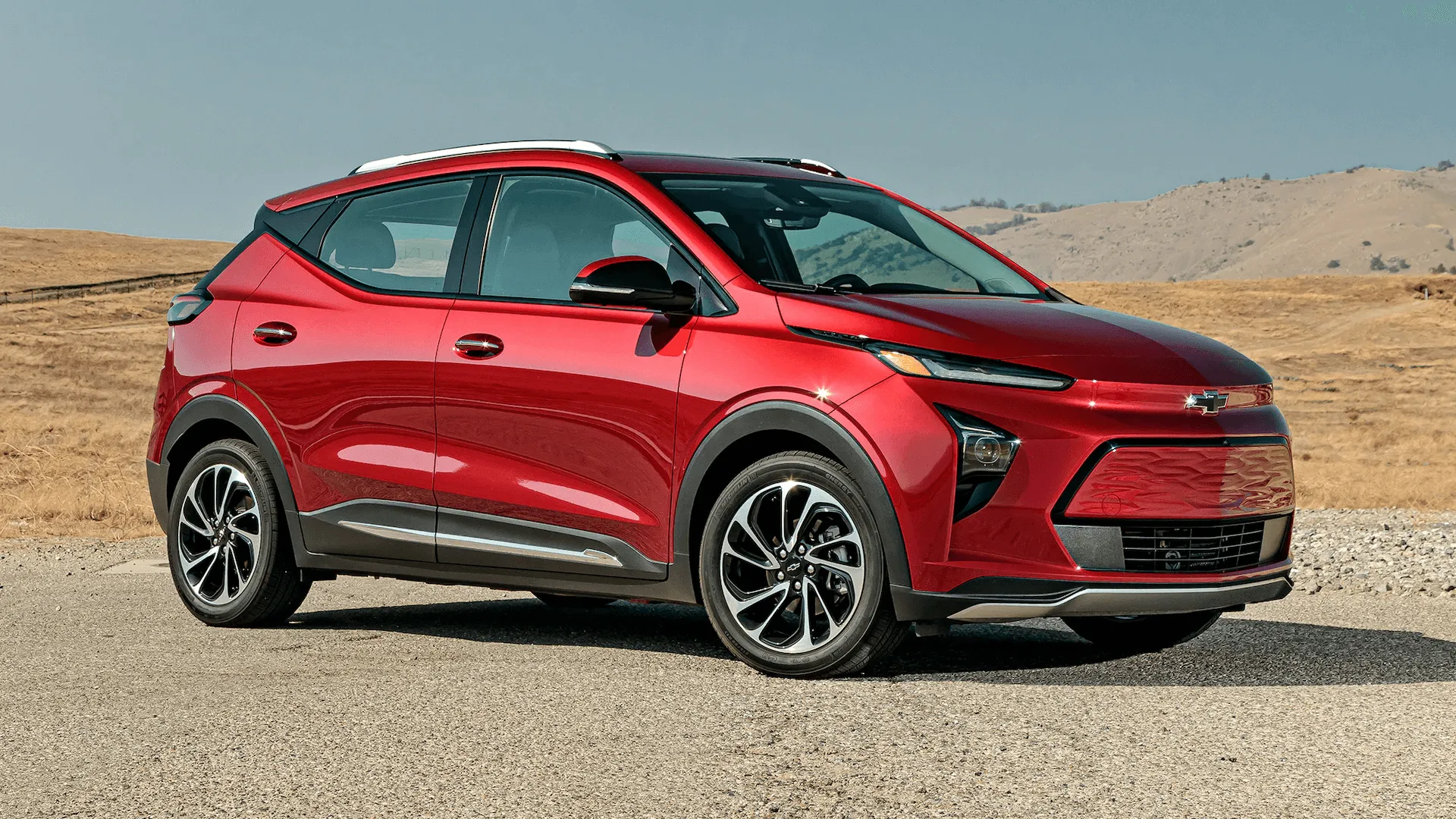
2. Chevrolet Bolt EUV 2023
Practical thinking defines the Chevrolet Bolt EUV 2023, especially in dense city environments where simplicity matters more than spectacle. Compact dimensions allow it to slip into parking spaces that challenge larger vehicles. Tight corners and narrow streets feel manageable rather than tense. Drivers appreciate how little effort it takes to place the car exactly where intended.
Charging fits neatly into daily rhythms. Level 2 public chargers suit the Bolt EUV well, allowing useful range recovery during work hours, shopping trips, or overnight stays. DC fast charging remains slower than newer designs, yet consistency compensates for speed. Sessions rarely fail, and time estimates stay accurate, removing guesswork from routine planning.
Driving behavior stays predictable. Throttle response feels smooth rather than aggressive, making stop-and-go traffic easier to manage. Regenerative braking provides steady deceleration without abrupt engagement, supporting confident control in busy intersections. Steering remains light, reducing fatigue during longer urban drives.
Interior features prioritize clarity. Controls stay easy to reach and understand without relying heavily on touch menus. Screens display essential information without visual clutter. Seating position supports visibility, which proves helpful during city driving filled with pedestrians and cyclists.
Technology avoids unnecessary complications. Smartphone integration works reliably, and app-based features perform as expected. Remote charging status checks add peace of mind without demanding constant attention. Software updates focus on stability rather than constant interface changes.
Affordability contributes strongly to ownership ease. Purchase price, charging costs, and service expenses remain accessible. Owners spend less time worrying about repairs or unexpected costs, which supports long-term confidence.
Chevrolet Bolt EUV 2023 feels designed for people who want electric driving to fade into the background of daily life. It rewards routine use with consistency, modest expectations, and minimal surprises. City ownership becomes about driving rather than managing technology, which makes this EV quietly satisfying.
Also Read: 5 EVs That Work With Public Charging vs 5 That Don’t
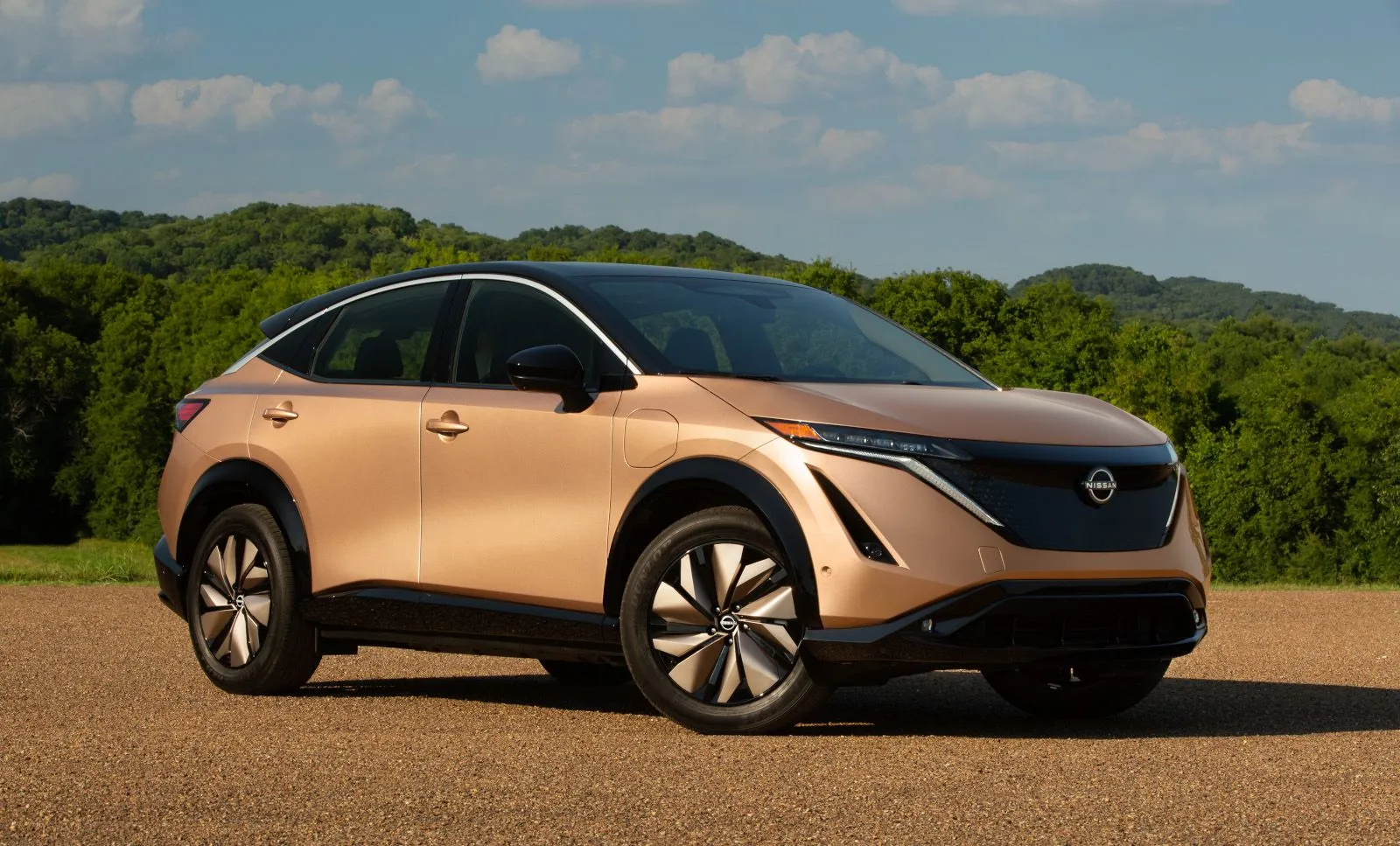
3. Nissan Ariya Engage FWD 2024
Calm refinement shapes daily life with Nissan Ariya Engage FWD 2024, especially for drivers who value smooth routines over constant adjustments. Size sits comfortably between compact and midsize, giving enough interior space without feeling bulky on city streets. Parking and low-speed maneuvering remain stress-free, even in crowded areas.
Charging interactions feel orderly. CCS compatibility ensures access to most public stations, and charging sessions start without frequent retries. Level 2 charging aligns well with overnight schedules, while DC charging delivers stable results without dramatic fluctuations. Owners quickly learn charging patterns, which helps eliminate anxiety during busy days.
Driving experience emphasizes smoothness. Acceleration remains controlled rather than abrupt, which suits traffic-heavy environments. Steering response balances light effort with steady feedback, reducing fatigue during repeated turns and lane changes. Regenerative braking transitions feel natural, avoiding sudden deceleration that can disrupt passengers.
Interior design supports clarity and comfort. Minimalist layout avoids overwhelming drivers with unnecessary buttons. Climate controls respond quickly, and cabin materials create a relaxed atmosphere without requiring constant adjustment. Noise insulation enhances comfort during short trips.
Technology integration remains restrained. Driver assistance systems support rather than dominate, stepping in quietly when needed. Alerts stay meaningful and avoid unnecessary interruptions. Infotainment responds promptly without lag, which builds trust as time goes on.
Ownership simplicity extends beyond driving. Service requirements remain limited, and reliability ratings support confidence. Energy efficiency keeps charging costs predictable, fitting easily into monthly budgets.
Nissan Ariya Engage FWD 2024 offers a composed approach to city EV ownership. It does not chase extremes or demand constant learning. Instead, it delivers steady performance, clear interfaces, and dependable charging behavior that blend naturally into urban routines.
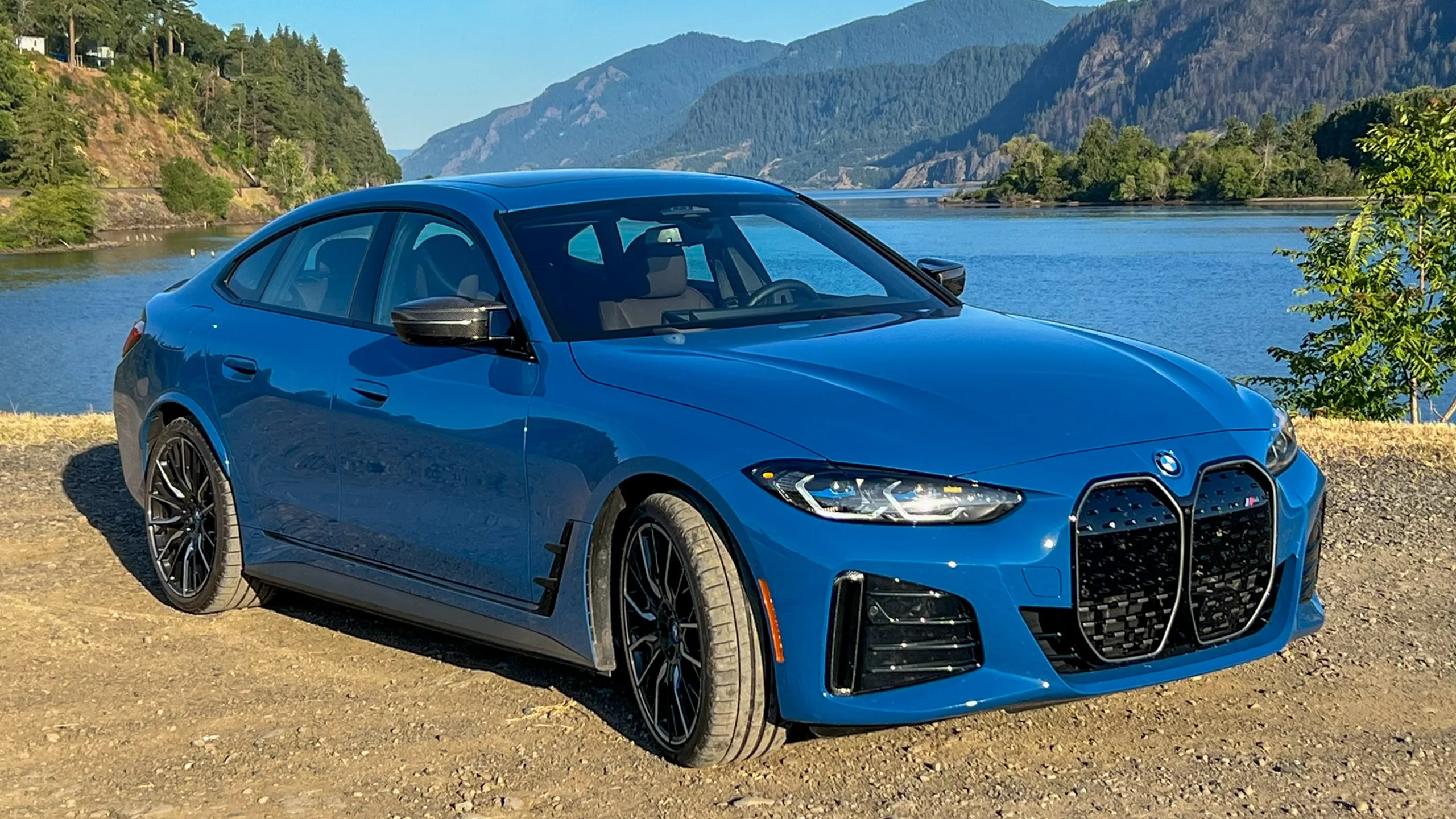
4. BMW i4 eDrive35 2024
Urban ownership with the BMW i4 eDrive35 2024 feels intentionally polished, avoiding the sense of effort that can creep into premium EV living. Its sleek coupe-like profile hides dimensions that remain manageable in dense cities. Maneuvering through narrow streets, tight apartment garages, and older parking structures feels controlled rather than stressful.
Steering precision and a confidence-inspiring turning radius reduce hesitation during low-speed movements, while camera systems and sensors quietly assist without demanding attention. Charging flexibility plays a major role in the car’s easygoing nature.
CCS compatibility opens access to a wide range of public stations, reducing anxiety about connector availability. Level 2 charging fits neatly into overnight or workplace routines, replenishing range without urgency. When DC fast charging is needed, the experience remains predictable.
Power delivery ramps up smoothly and holds steady long enough to make short urban stops worthwhile. The absence of abrupt throttling or frequent interruptions means drivers can plan charging with confidence instead of guesswork.
Driving dynamics reinforce daily comfort. Power delivery is linear and calm, avoiding the sharp surges that can make stop-and-go traffic tiring. Regenerative braking integrates seamlessly with traditional braking, allowing smooth deceleration without constant adjustment.
Suspension tuning absorbs potholes and uneven pavement common in city environments, protecting cabin serenity even on neglected roads. Inside, the BMW i4 strikes a balance between modern luxury and usability. Physical controls remain accessible for common functions, reducing reliance on deep touchscreen menus.
Seating offers firm support for longer commutes while remaining comfortable for short trips. Materials and sound insulation create a refined atmosphere that makes daily driving feel composed rather than hectic. Technology enhances ownership without overwhelming it.
Driver assistance systems operate quietly in the background, stepping in only when necessary. Navigation remains accurate, and smartphone integration stays stable. Software updates occur without disrupting preferences, preserving familiarity as time goes on.
BMW i4 eDrive35 2024 succeeds by making premium ownership feel natural. It integrates smoothly into urban routines, delivering refinement, predictability, and confidence without adding complication to everyday life.
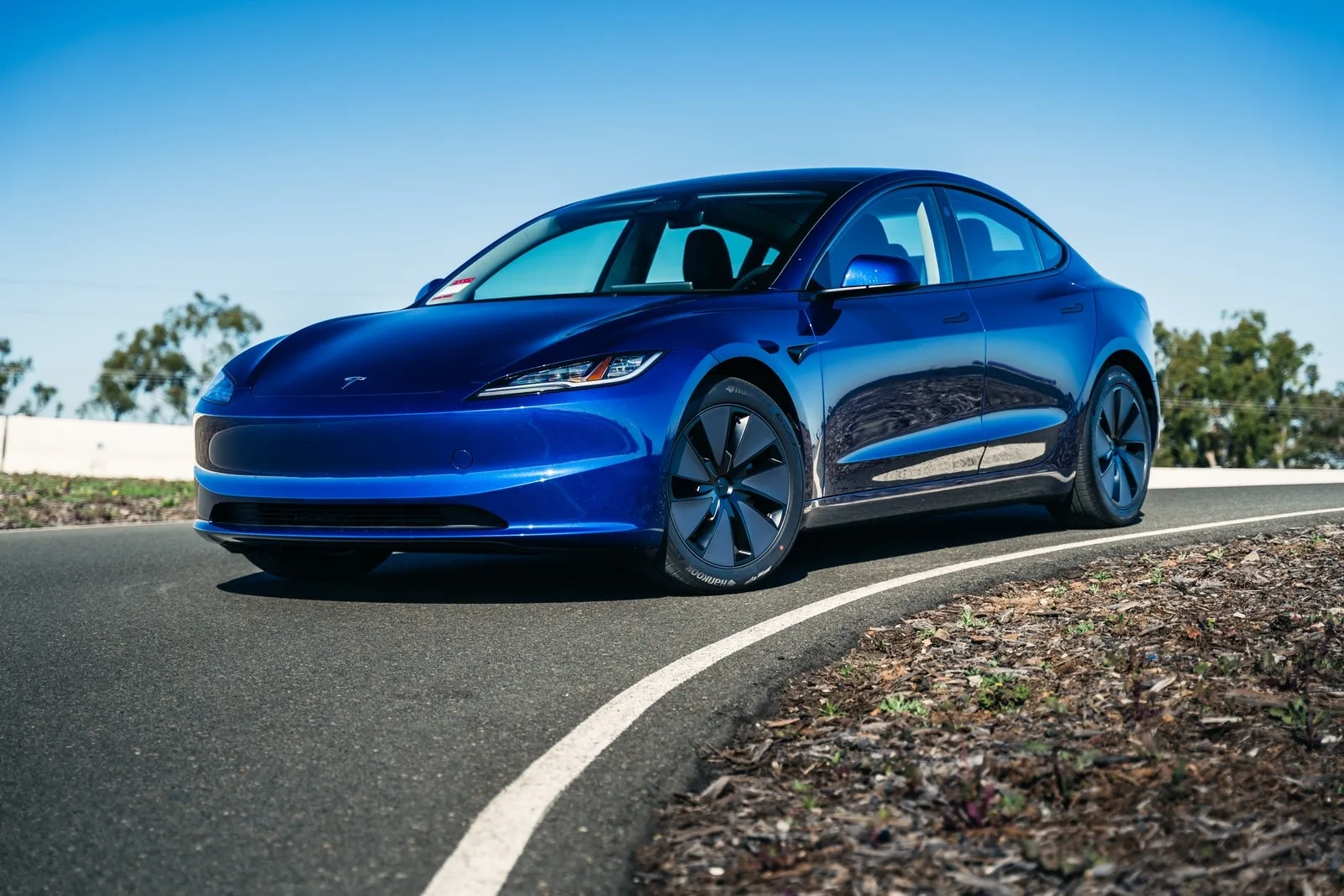
5. Tesla Model 3 Rear-Wheel Drive 2024
Minimalism defines the Tesla Model 3 Rear-Wheel Drive 2024, especially in city-focused ownership. Compact exterior proportions make driving crowded streets and parking structures less intimidating. Responsive steering allows quick adjustments in traffic, while excellent visibility and camera support help drivers slot into tight spaces with ease.
The car feels designed to move with the rhythm of urban life rather than fight against it. Charging convenience remains one of its strongest advantages. Broad access to public charging infrastructure reduces planning fatigue, and session initiation is typically fast and reliable.
Home charging integrates seamlessly into daily routines, often eliminating the need for frequent public stops. When public charging is required, consistent behavior minimizes surprises. Predictable charge rates help drivers estimate stops accurately, which matters when schedules are tight.
The driving experience stays simple and approachable. Instant torque arrives smoothly rather than aggressively, making traffic flow easier to manage. Regenerative braking enables near one-pedal driving, reducing brake wear and simplifying stop-and-go situations. After a brief adjustment period, control becomes intuitive, lowering cognitive effort during daily commutes.
Interior simplicity removes distractions rather than creating them. Centralized controls reduce clutter, and most functions remain easy to access after brief familiarity. Over-the-air updates improve features quietly in the background, often enhancing efficiency or usability without requiring active involvement from the owner. Navigation and route planning adjust intelligently to conditions, supporting quick decisions without manual input.
Ownership benefits extend beyond driving. Reduced maintenance demands mean fewer service visits and less long-term worry. Diagnostic systems identify issues early, while strong energy efficiency keeps operating costs manageable. For many urban drivers, this predictability becomes a defining advantage.
The Tesla Model 3 Rear-Wheel Drive 2024 fits city life by simplifying ownership at every step. It turns electric driving into a routine rather than a project, making urban mobility feel lighter, calmer, and more manageable.
5 EVs That Don’t Feel Simple to Own in Cities
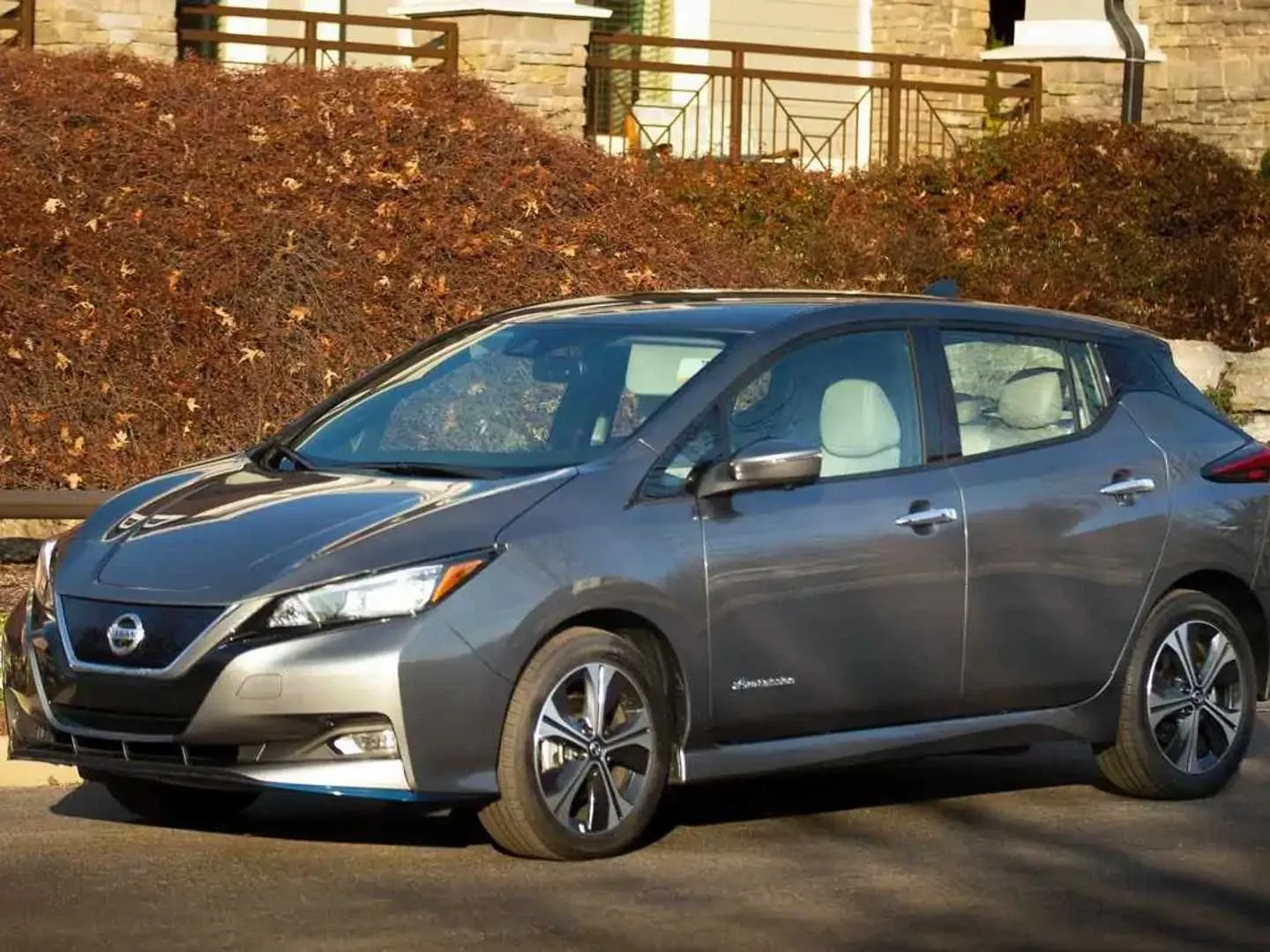
1. Nissan Leaf SV Plus 2022
History gives the Nissan Leaf SV Plus 2022 credibility, yet city ownership often feels heavier than expected. Early design decisions continue to shape daily use, especially when public infrastructure and modern expectations collide. Drivers drawn to its approachable size sometimes discover that convenience fades once routine charging and planning enter the picture.
Public charging presents the largest obstacle. CHAdeMO fast charging limits station choice, particularly in dense urban areas where newer connectors dominate. Many stations offer only a single compatible plug, which may already be occupied or temporarily unavailable. This scarcity turns short errands into extended waits, requiring careful timing rather than spontaneous stops.
Charging behavior adds another layer of friction. Battery temperature management relies on passive systems, which restrict how much power the car can accept during repeated sessions. After one fast charge, subsequent stops often slow dramatically. Drivers running multiple errands in one day may find charging windows stretching far beyond expectations.
Trip planning becomes more demanding. Charging apps must be checked frequently to confirm compatibility and availability. Arriving at a station without preparation risks wasted time and frustration. Even Level 2 chargers can present delays during peak hours, since the Leaf competes for limited compatible ports.
Inside the car, simplicity remains a strength, yet it does little to offset infrastructure challenges. Controls feel familiar and intuitive, but the software offers limited tools for managing charging uncertainty. Range estimates may fluctuate once temperatures rise or charging slows, adding mental effort to daily planning.
Ownership satisfaction stays strong for drivers with reliable home charging and predictable routines. City dwellers relying on shared infrastructure encounter daily reminders of the car’s aging platform. Nissan Leaf SV Plus 2022 still delivers dependable electric driving, yet urban simplicity slips away when charging flexibility becomes essential rather than optional.
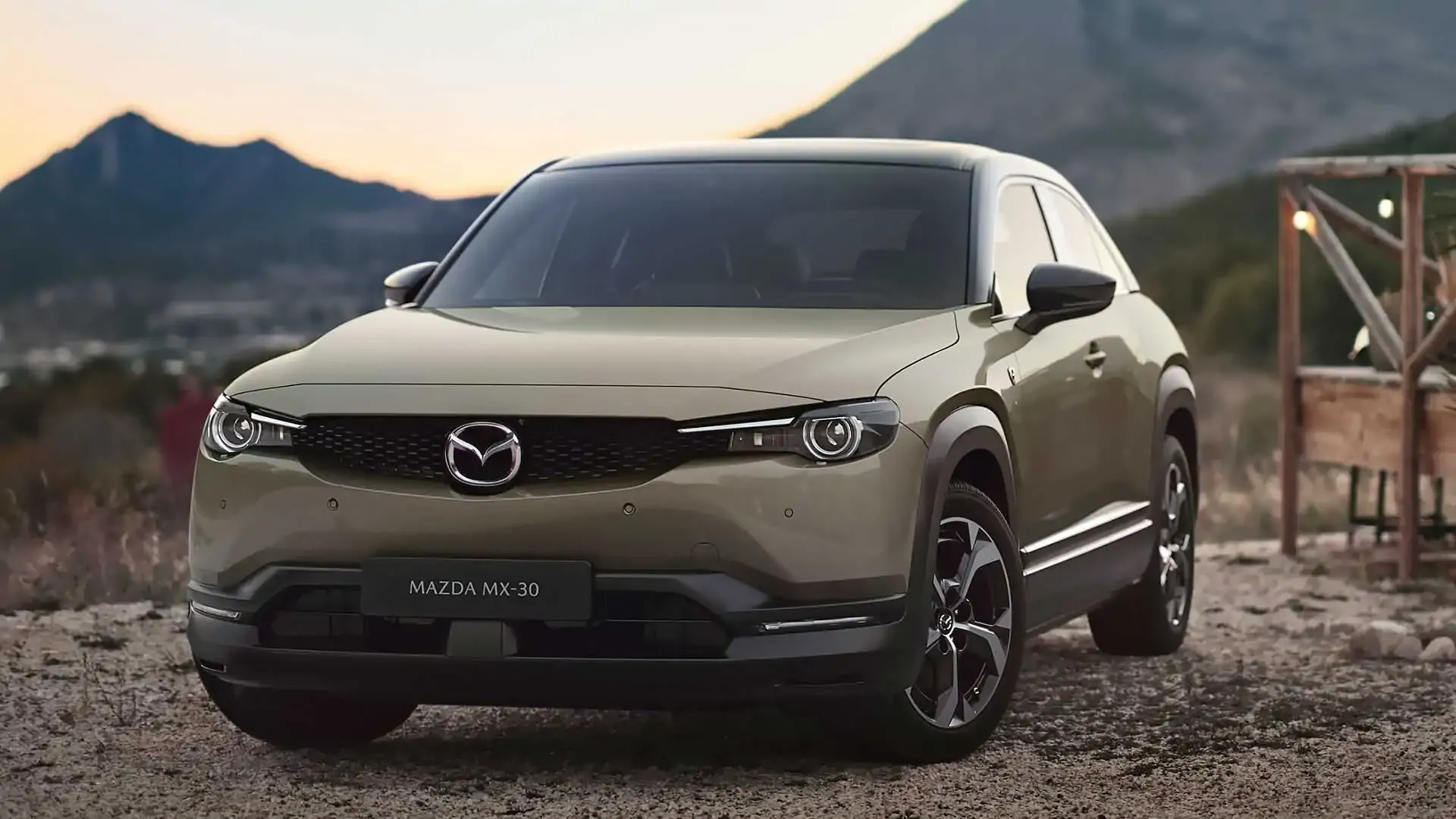
2. Mazda MX-30 EV 2023
A distinct personality defines the Mazda MX-30 EV 2023, though city ownership reveals practical limits that complicate daily use. Designed with short trips in mind, this EV feels comfortable during controlled routines but struggles once flexibility becomes necessary.
Battery capacity remains small by modern standards. Frequent charging becomes unavoidable rather than occasional. Public stations move from backup options to weekly dependencies, magnifying every inconvenience tied to speed, availability, and timing. Each stop carries more pressure to deliver a usable range.
Fast charging performance reinforces these challenges. Even when connected to DC chargers, power intake stays conservative. Sessions take longer than neighboring vehicles, which can feel awkward at busy stations where turnover matters. Drivers may unplug early just to avoid occupying a charger for too long.
Compatibility offers limited relief. CCS access exists, yet charging speeds rarely reflect station capability. Watching high-powered equipment deliver modest results adds frustration, especially during short errands or tight schedules. Station choice becomes less about convenience and more about patience.
Software behavior contributes to uncertainty. Session initiation may feel sluggish, and charging estimates lack precision. Drivers often wait longer than expected to reach comfortable range levels, complicating planning around work or appointments.
Urban environments expose these limits quickly. Apartment living or curbside charging amplifies dependence on public infrastructure, where the MX-30’s narrow operating window feels restrictive. Short commutes remain pleasant, yet flexibility fades beyond that use case.
Mazda MX-30 EV 2023 delivers charm and thoughtful design, but city simplicity depends heavily on predictable charging. When public stations become essential, ownership feels demanding rather than seamless.
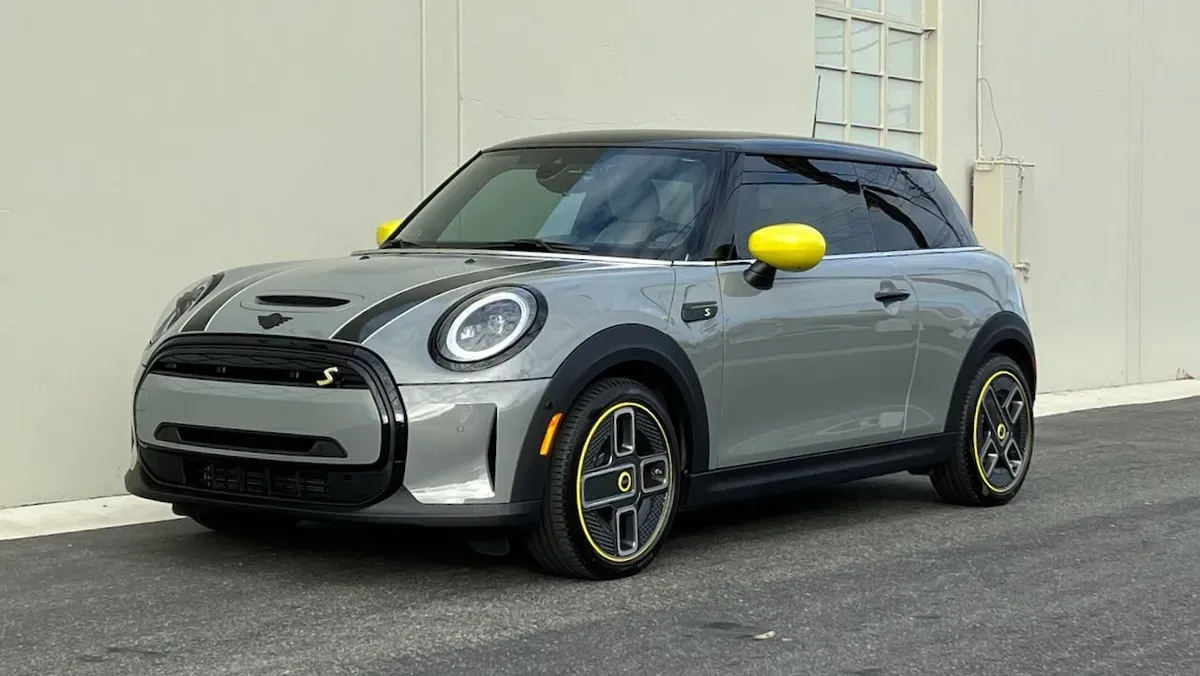
3. MINI Cooper SE Electric 2023
Playfulness shapes the MINI Cooper SE Electric 2023, yet city ownership reveals a more demanding side once charging enters daily routines. Compact dimensions and energetic handling attract urban drivers, though infrastructure realities reduce spontaneity as distances grow.
Battery size encourages frequent plug-ins. Public charging becomes a regular task rather than a safety net. Each visit highlights how charging speed affects schedules. DC fast charging peaks quickly and tapers early, stretching session times and testing patience.
Crowded stations amplify the issue. Other vehicles often finish sooner, creating subtle pressure to move along. MINI’s friendly appearance does little to change the reality of occupying chargers longer than expected. Social tension can arise even when following proper etiquette.
Physical layout adds small frustrations. Charger placement sometimes requires precise positioning, especially in garages or curbside setups. Tight spaces magnify inconvenience, and repeated charging makes these details more noticeable.
Information delivery remains basic. Displays communicate essential data, yet time estimates may change during sessions. Drivers managing errands appreciate clarity that sometimes proves elusive, adding mental load to otherwise simple trips.
Urban infrastructure favors efficiency and turnover. Vehicles that linger disrupt flow, even unintentionally. MINI Cooper SE often falls into this category, which contrasts sharply with its cheerful image.
Ownership satisfaction stays high with dependable home charging and short daily drives. Reliance on shared stations changes the experience, replacing ease with careful planning. MINI Cooper SE Electric 2023 excels as a city runabout, yet simplicity fades once charging flexibility becomes critical.
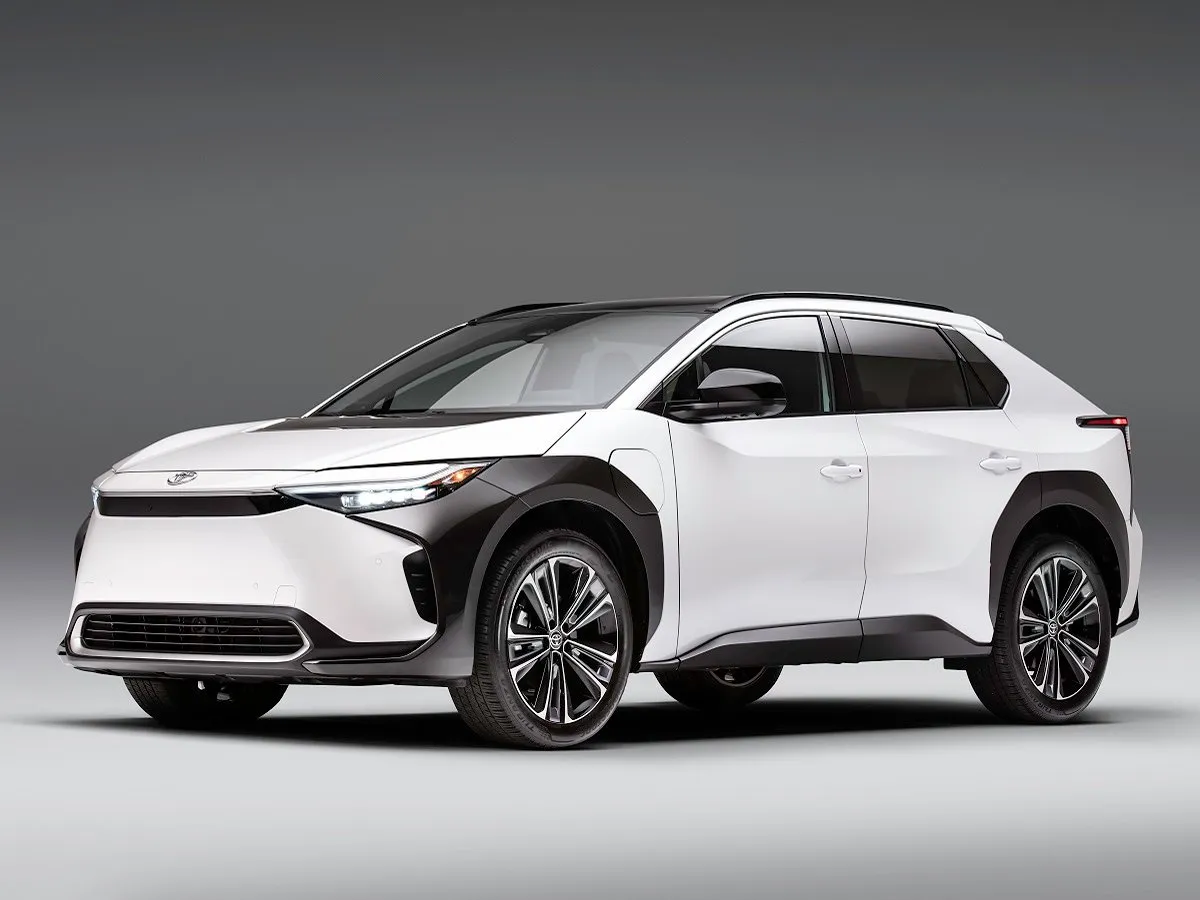
4. Toyota bZ4X Limited AWD 2023
Expectations tend to run high for the Toyota bZ4X Limited AWD 2023, especially given Toyota’s long reputation for dependable urban vehicles. Daily city ownership, however, introduces friction that quietly works against simplicity. Engineering choices clearly favor longevity and caution, yet those same priorities reshape the experience in ways that feel restrictive when public charging becomes part of a routine.
DC fast charging behavior sits at the center of the challenge. Power intake begins at conservative levels and tapers earlier than many drivers anticipate. Session times stretch longer than expected, even when the battery is not deeply depleted. In busy urban charging hubs, this difference becomes impossible to ignore.
Neighboring vehicles arrive, charge, and leave while the bZ4X remains connected. What should feel like a quick top-up instead becomes a scheduled pause that must be planned around rather than absorbed naturally into the day. Software behavior adds another layer of uncertainty.
Charging time estimates frequently change during sessions, sometimes extending by noticeable margins. Drivers may arrive assuming a short wait, only to realize plans need revision halfway through the process. For city dwellers balancing work, errands, and appointments, this unpredictability undermines confidence and creates friction where clarity is expected.
Compatibility with charging infrastructure exists, yet performance rarely takes full advantage of available hardware. High-output stations deliver only modest improvements, making premium locations feel inefficient. Choosing a charger becomes less about speed and more about availability, since time savings remain limited regardless of station capability.
Environmental conditions further influence charging behavior. Cold or warm weather often triggers additional protective measures that reduce charging speed. While understandable from a battery health standpoint, repeated exposure magnifies delays.
Extended sessions also affect station dynamics. Reduced turnover increases wait times for others, creating subtle social pressure in crowded areas. Urban charging culture favors efficiency, and slower sessions stand out.
Toyota bZ4X Limited AWD 2023 delivers comfort, safety focus, and brand trust. City ownership, however, feels structured and deliberate rather than effortless, with patience becoming a recurring requirement.
Also Read: 5 EVs That Make Sense Without a Home Charger vs 5 EVs That Depend on It
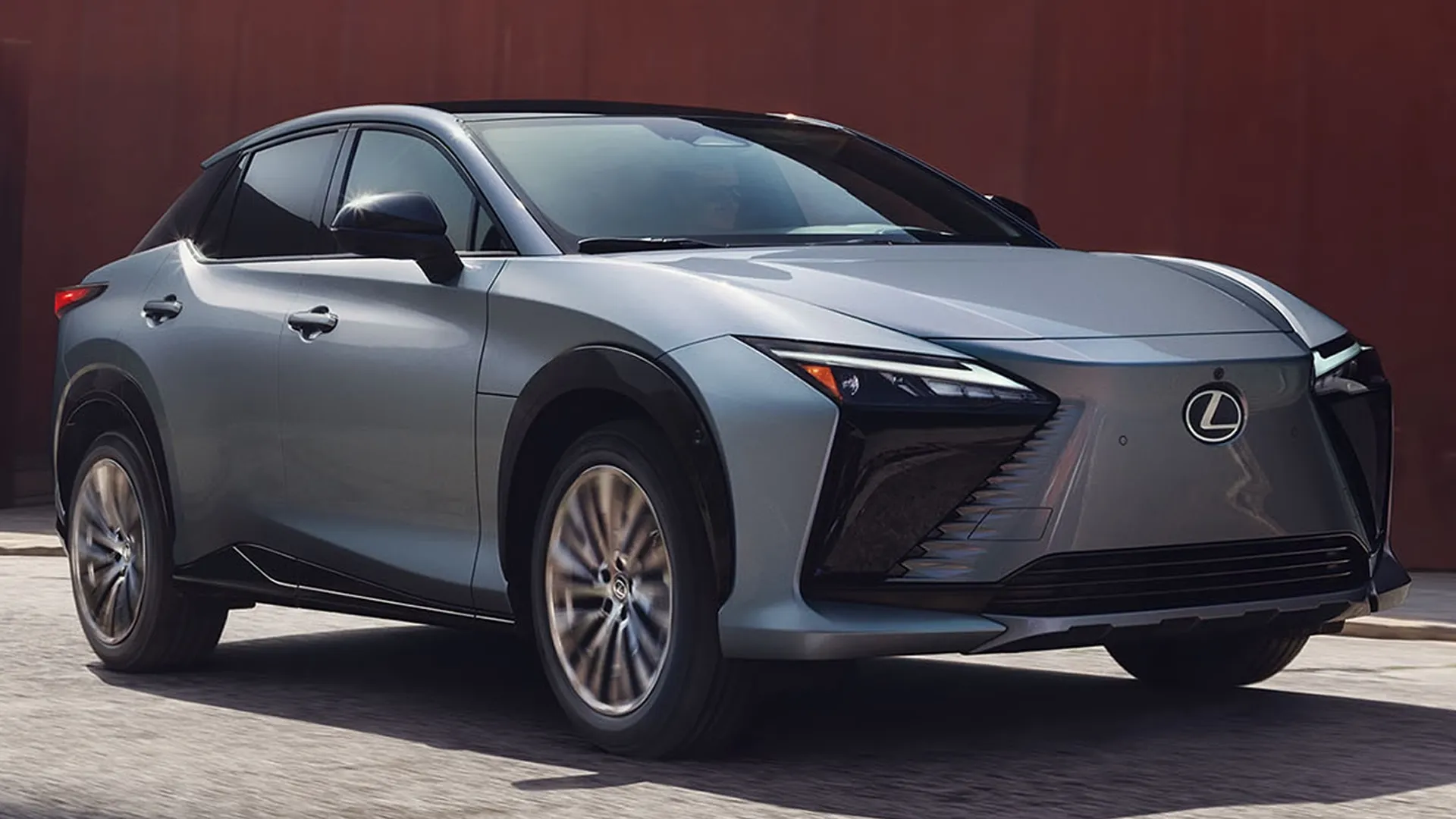
5. Lexus RZ 450e Luxury 2023
Luxury defines the Lexus RZ 450e Luxury 2023 from the moment the door closes, yet city ownership exposes tension between refinement and everyday ease. Craftsmanship, quiet operation, and comfort take priority, while charging convenience often lags behind expectations shaped by the premium badge.
Fast charging performance remains restrained. Power acceptance slows earlier than many urban drivers expect, extending session durations even during moderate charging needs. At busy public stations, this difference becomes visible. Other vehicles cycle through quickly, while the RZ continues drawing power at a reduced pace. Waiting becomes a defining part of the experience rather than a brief interruption.
Battery protection strategies play a role in this behavior. Thermal management systems prioritize longevity and stability, adjusting charge rates frequently. Across different days, temperatures, and usage patterns, variability becomes noticeable. Drivers attempting to establish predictable routines encounter shifting outcomes, complicating daily planning and reducing confidence in timing estimates.
Public charging access feels sufficient yet underwhelming. High-capacity chargers rarely deliver dramatic benefits, making premium locations feel no more effective than standard options. The lack of meaningful differentiation leaves drivers questioning station choices, since faster hardware does not translate into shorter stops.
Communication during charging stays conservative. Time estimates lean toward caution and may extend unexpectedly as sessions progress. Drivers waiting nearby often struggle to judge completion accurately, adding inconvenience to situations that should feel straightforward.
Luxury features inside the cabin soften the experience, but cannot eliminate the time cost. Plush seating, quiet surroundings, and refined materials create comfort during long waits, yet they also highlight the disconnect between premium refinement and public charging realities.
Lexus RZ 450e Luxury 2023 delivers polished driving and brand prestige. City simplicity relies heavily on charging efficiency, and here, patience replaces ease, leaving ownership refined yet demanding when shared infrastructure becomes unavoidable.
