City roads are rarely as smooth as highways. Potholes, uneven surfaces, speed bumps, and occasional construction zones put a tremendous strain on vehicles. For drivers who spend a majority of their time navigating urban streets, the choice of car can make a significant difference in comfort, safety, and maintenance costs.
Some vehicles are engineered with suspensions, tires, and frames that absorb shocks effectively, allowing passengers to feel minimal vibration while maintaining control over the car.
On the other hand, there are vehicles whose suspensions are too rigid or whose alignment tolerances are easily affected. These cars may require frequent adjustments, leading to extra visits to the mechanic and added expenses over time.
Choosing a vehicle that can withstand rough roads is not just about comfort; it is also about preserving the longevity of key components. Steering systems, tires, and wheel alignment are all under constant stress when a car navigates uneven surfaces.
Frequent misalignment can lead to uneven tire wear, reduced fuel efficiency, and unpredictable handling in emergencies.
Meanwhile, cars built to manage rough conditions can handle impacts without losing performance. They typically feature reinforced suspension systems, higher-quality shock absorbers, and chassis designs that distribute stress effectively.
Such vehicles reduce the strain on drivers, allowing them to maintain control even when road surfaces are unpredictable.
Understanding which cars perform well on rough city roads requires consideration of multiple factors. Suspension travel, ride height, tire size, and weight distribution all play roles in determining how a car responds to potholes and cracks.
Some cars have adaptive suspension systems that adjust stiffness in response to road conditions, while others rely on traditional spring and shock designs that are tuned for durability rather than sportiness.
Manufacturers often target specific markets, with urban-focused cars emphasizing maneuverability and comfort over high-speed handling. This design choice results in vehicles that feel stable on uneven surfaces and can endure repeated minor impacts without developing mechanical issues.
In contrast, some cars, despite their popularity or aesthetic appeal, are prone to alignment problems when exposed to city road hazards. These vehicles may have low-profile tires, stiffer suspension, or lightweight frames that transfer road imperfections directly to wheels.
As a result, the steering can pull to one side, tires can wear unevenly, and the vehicle may require constant mechanical attention. Drivers of these cars often notice that small potholes or rough streets seem to affect alignment disproportionately, creating an ongoing maintenance challenge.
For urban dwellers, the difference between cars that thrive in rough conditions and those that do not can mean hundreds of dollars saved and a more comfortable daily commute.
The following sections compare five cars that excel on rough city roads with five vehicles that often need alignment adjustments. Each list is based on suspension quality, durability, and the way each vehicle responds to the stresses of urban driving.
By understanding these differences, drivers can make informed choices that suit their city driving habits, ensuring that they select a vehicle that provides reliability, stability, and comfort.
Both categories highlight the impact of design, material quality, and engineering focus, offering insight into why some cars remain steady in difficult conditions while others demand constant attention. With this knowledge, navigating city streets can become less stressful and more predictable, regardless of how rough the roads may be.
5 Cars That Handle Rough City Roads
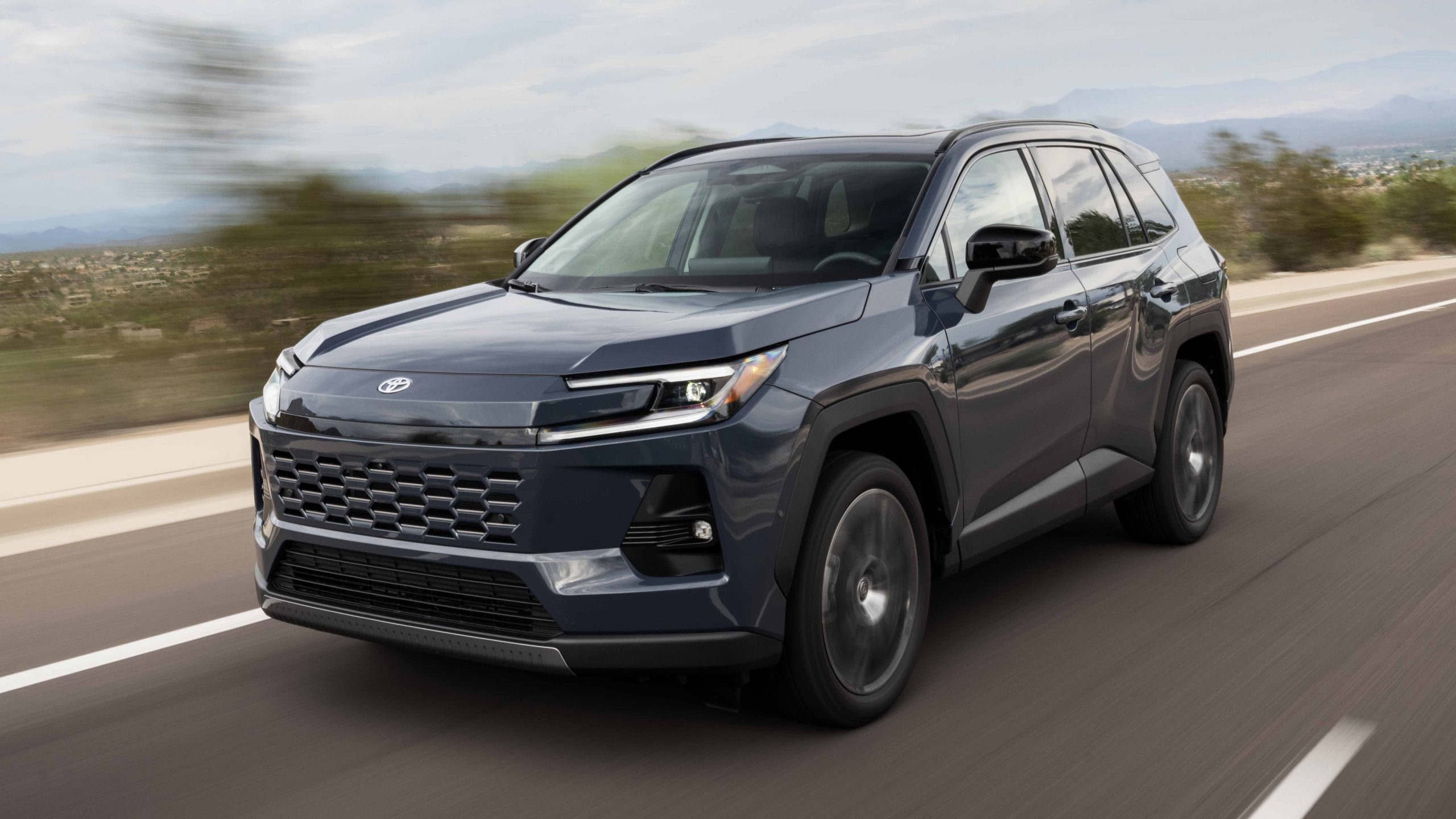
1. Toyota RAV4
The Toyota RAV4 is renowned for its smooth handling on uneven urban surfaces. Its suspension system is tuned to absorb shocks from potholes and rough pavement. The ground clearance provides protection for the undercarriage against city debris. Drivers often praise its stable steering even on poorly maintained streets.
Its tires are designed to balance grip and comfort, ensuring that minor bumps do not translate into harsh impacts inside the cabin. The chassis design distributes forces efficiently, which reduces wear on suspension components.
Regular users report minimal maintenance related to alignment. This makes the RAV4 ideal for long-term city driving. Its reliability also extends to braking, as uneven surfaces rarely compromise stopping power.
The car’s adaptive features contribute to its urban performance. While it is not a full off-road vehicle, the RAV4 manages curbs and uneven roads with surprising ease.
The shock absorbers handle repeated bumps without deteriorating quickly. The suspension system prioritizes comfort while maintaining control. Its sturdy build ensures that the car feels secure even on neglected streets.
Many fleet drivers prefer this vehicle for city use. Its consistency in performance reduces the frequency of repairs and wheel adjustments. The combination of ride height and suspension travel keeps the wheels aligned, limiting uneven tire wear.
Long-term owners often mention that the RAV4 remains smooth even after years of urban driving. Its adaptability makes it a standout among compact SUVs.
From daily commuting to weekend errands, the Toyota RAV4 is versatile and resilient. Its design philosophy favors durability and comfort.
The reinforced suspension, reliable alignment, and responsive steering combine to create a car that resists the damaging effects of city roads. For anyone prioritizing minimal maintenance and smooth rides, it remains an excellent choice.

2. Honda CR-V
The Honda CR-V has consistently earned praise for its urban resilience. Its suspension absorbs shocks effectively, preventing harsh feedback from reaching the cabin. The front-wheel-drive system is balanced and handles uneven streets with confidence. Passengers experience a comfortable ride even when roads are poorly maintained.
The tires are engineered to maintain traction while reducing vibrations from irregular surfaces. Combined with a well-tuned suspension, the car avoids frequent alignment issues. Its chassis distributes impact forces evenly, minimizing strain on critical components. Mechanics often note that CR-Vs show less wear compared to similar vehicles.
Interior comfort is a key feature for city drivers. The CR-V’s seating and cabin insulation reduce the perception of bumps. This makes daily commuting less fatiguing, even when the streets are rough. The suspension design emphasizes smooth transitions over aggressive cornering, prioritizing comfort in stop-and-go traffic.
Durability is evident in the car’s handling of curbs, potholes, and minor road obstacles. Owners often report consistent steering response, even after years of urban driving. The alignment tends to remain stable, which reduces tire replacement costs. This makes the CR-V both practical and cost-effective.
The CR-V also performs well in heavy traffic, where sudden braking and acceleration are common. Its suspension and braking systems maintain control during abrupt maneuvers.
Urban roads with frequent changes in surface quality do not compromise the vehicle’s handling. For drivers seeking a reliable daily commuter, the Honda CR-V offers a combination of comfort, stability, and longevity.
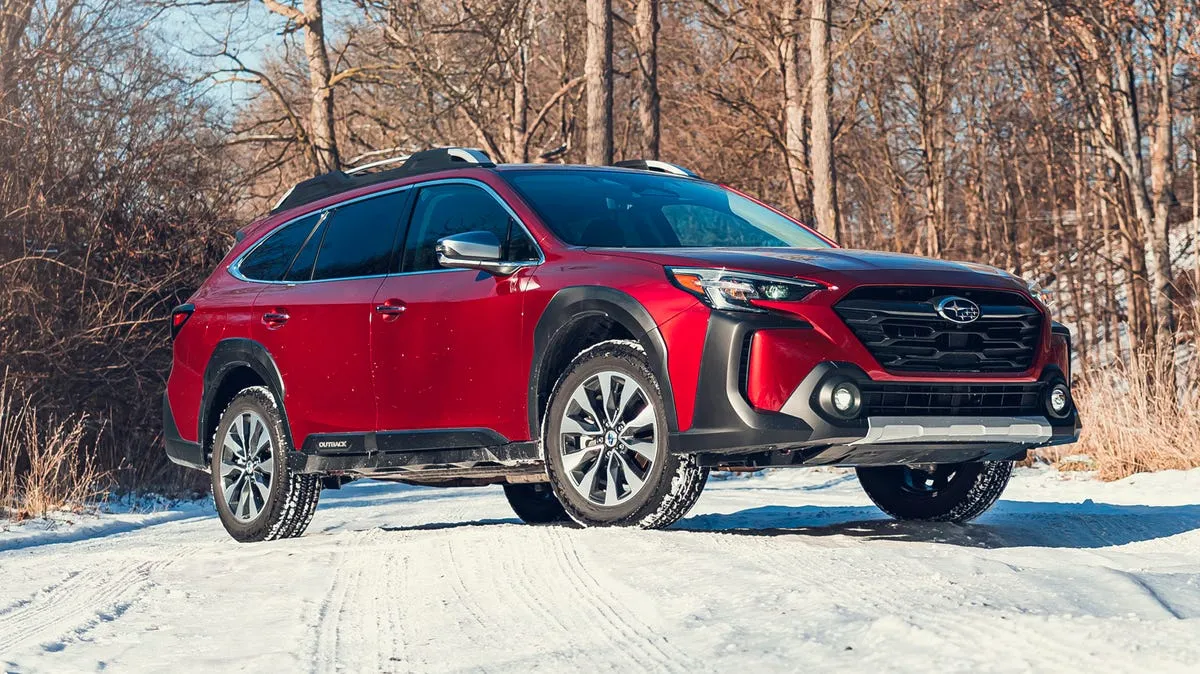
3. Subaru Outback
The Subaru Outback combines higher ground clearance with a resilient suspension system. Its all-wheel-drive setup distributes power efficiently, which adds stability on rough streets.
The car’s construction is reinforced to endure impacts from potholes without transferring excessive shock to passengers. Its suspension absorbs uneven surfaces smoothly.
Tires are sized to complement its stability, providing a balance of grip and ride comfort. The wheels remain aligned over long periods, reducing frequent visits to mechanics.
The Outback’s chassis design disperses energy effectively, protecting steering and suspension components. Many urban drivers rely on this car for its consistent performance.
The interior experience benefits from the vehicle’s engineering. Seats are supportive, and the cabin isolates vibrations from the road. Even in traffic-heavy environments, drivers report a steady, controlled ride. The suspension prevents harsh jolts, which contribute to long-term comfort and vehicle longevity.
Handling corners, curbs, and irregular surfaces is straightforward. The car maintains a predictable response, allowing drivers to maneuver safely. Alignment problems are rare due to the reinforced design and quality of components. This makes the Outback a favorite among drivers who value durability in urban conditions.
Subaru’s focus on reliability shows in its long-term performance. The combination of suspension, tires, and chassis design minimizes wear and tear. For anyone navigating rough city streets, the Outback ensures comfort, safety, and reduced maintenance costs. Its thoughtful engineering allows the car to maintain stability under varying road conditions.
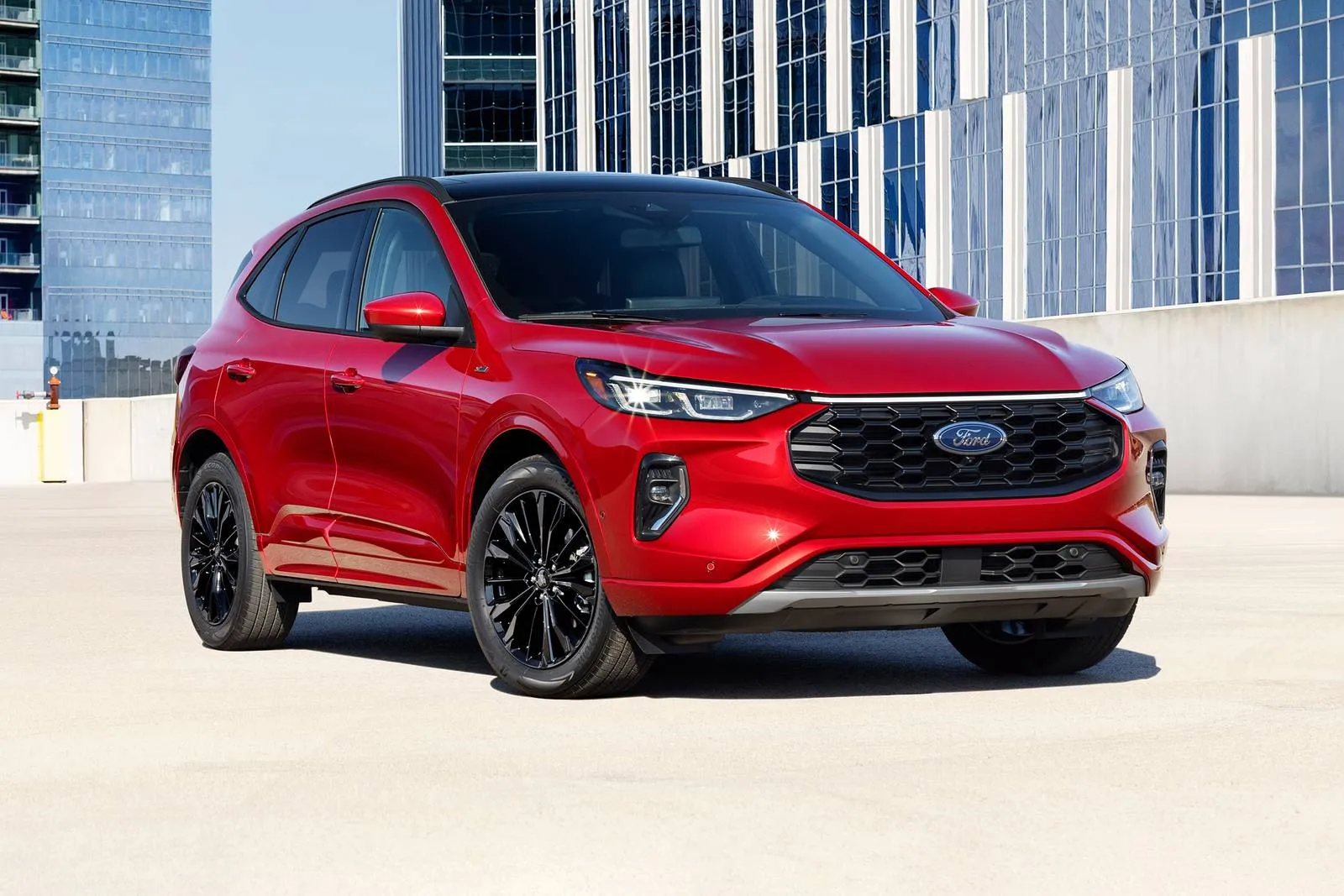
4. Ford Escape
The Ford Escape is equipped to manage city roads with uneven surfaces. Its suspension absorbs shocks efficiently while maintaining control. Passengers feel minimal jolt from potholes or speed bumps. Steering remains predictable, even during sudden maneuvers.
Tire design supports stability and smooth handling. The combination of tire grip and suspension tuning reduces frequent alignment adjustments. Owners report fewer mechanical issues compared to vehicles with stiffer setups. The Escape’s chassis evenly distributes forces, protecting critical components.
Urban drivers appreciate the comfort provided by the vehicle. The seats are well-padded, and interior vibration is limited. The suspension system emphasizes ride quality without sacrificing handling. Daily commutes remain stress-free, even on poorly maintained streets.
Durability extends to long-term maintenance. Alignment tends to remain stable, reducing tire wear. The car manages curbs, uneven pavement, and small obstacles without damage. This reliability makes it a practical choice for city residents.
The Ford Escape balances comfort, control, and durability. Its suspension and tire design allow drivers to navigate urban environments confidently. The vehicle maintains alignment and stability, limiting repair costs over time. This combination of factors makes it ideal for rough city roads.

5. Jeep Cherokee
The Jeep Cherokee is engineered to handle rough surfaces effectively. Its suspension and higher ride height allow it to absorb urban road impacts. The all-wheel-drive system distributes power efficiently, maintaining traction and stability. Passengers experience a smoother ride despite city irregularities.
Tires are robust and well-suited for mixed road conditions. The combination of tire construction and suspension design reduces alignment issues. The vehicle’s frame is reinforced to prevent stress damage from repeated impacts. Mechanics often note the Cherokee’s resilience in urban settings.
Inside, the cabin remains comfortable, minimizing vibrations from uneven streets. Seating design and suspension damping work together to reduce discomfort. Drivers experience predictable handling, even during sudden maneuvers or on uneven surfaces.
Urban obstacles, including potholes and raised manholes, are handled with minimal disruption. Steering remains responsive, and alignment remains stable over time. This makes the Cherokee suitable for drivers who prioritize durability and comfort.
The Jeep Cherokee offers a long-term solution for navigating rough city roads. Its engineering ensures consistent performance, reduced maintenance, and improved driving confidence. Drivers benefit from both comfort and control, even in challenging urban environments.
5 Cars That Constantly Need Alignment
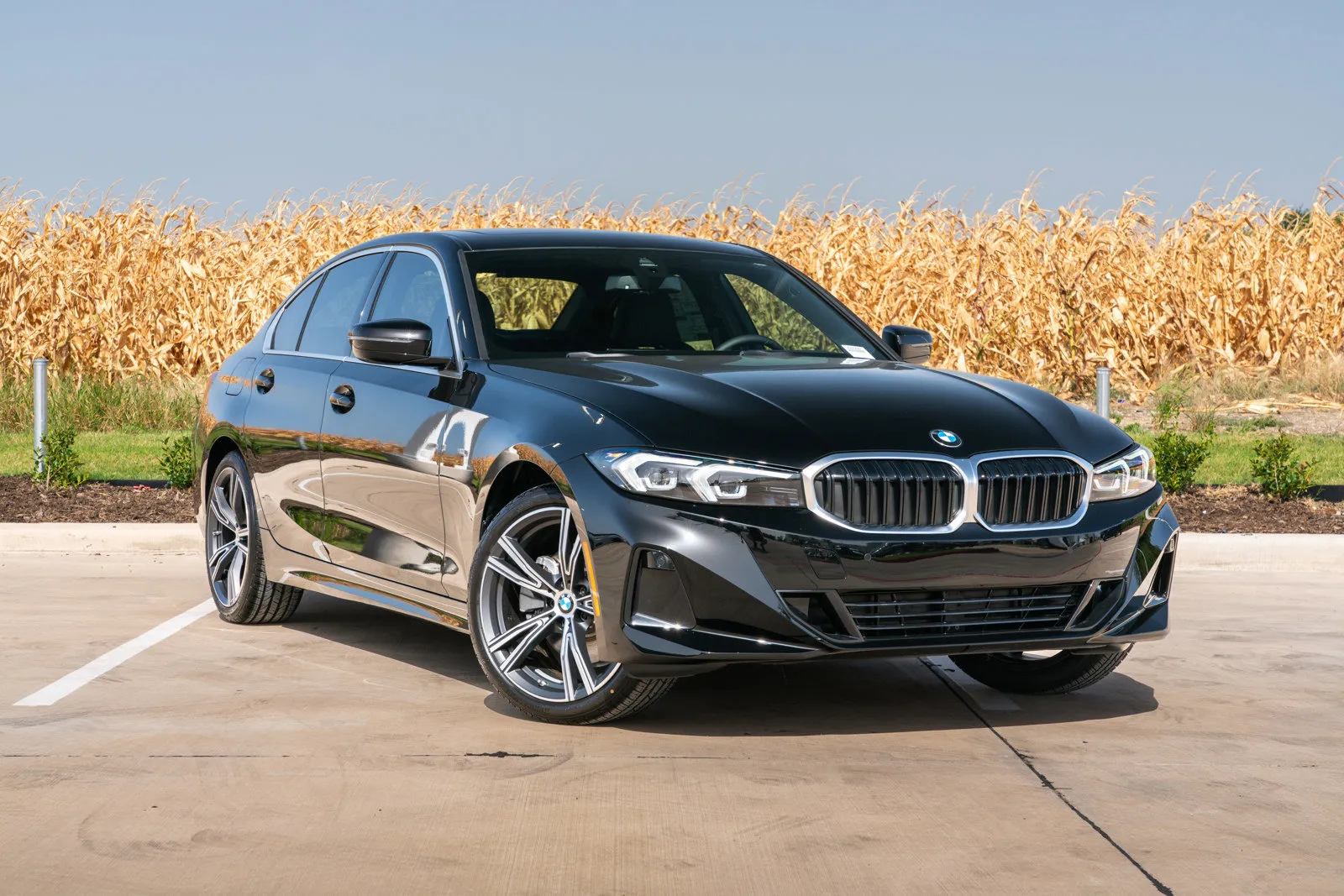
1. BMW 3 Series
The BMW 3 Series is known for its sporty handling, but this comes with a drawback when driving on rough city streets. Its low-profile tires and stiff suspension are designed for precise cornering and performance driving, which makes the car more sensitive to uneven surfaces.
Hitting potholes or curbs can easily cause misalignment, leading to uneven tire wear and a pulling sensation in the steering wheel. Drivers often notice that small bumps affect the steering response, requiring frequent trips to the mechanic to correct alignment issues.
The car’s lightweight construction and performance-oriented chassis contribute to its sensitivity. While these features enhance acceleration and handling on smooth roads, they make the vehicle less forgiving on cracked or uneven asphalt.
Tire pressure changes, combined with repeated impacts, can accelerate wear on both tires and suspension components. This means owners of a BMW 3 Series in urban environments often spend more on maintenance compared to vehicles designed for durability on rough roads.
Another factor contributing to alignment problems is the precision engineering of the suspension system. Components such as control arms, tie rods, and bushings are designed with tight tolerances to enhance handling, but this leaves little room for absorbing repeated shocks from uneven streets.
Over time, even minor misalignments can cause uneven tire wear, reduce fuel efficiency, and create a noticeable pull when driving straight. Drivers must maintain a strict schedule for alignment checks to avoid long-term damage.
The combination of low-profile tires and stiff suspension also affects ride comfort. Passengers often feel every bump or crack in city streets, which increases the perceived need for repairs.
Unlike vehicles with more flexible suspensions, the 3 Series transfers most of the road imperfections directly to the wheels and steering components. Frequent maintenance is necessary to keep the car handling safely, especially in cities where potholes are common.
Owners of the BMW 3 Series in urban environments often accept alignment as a recurring maintenance task. While the vehicle offers excellent performance and precise handling on smooth surfaces, its sensitivity to rough roads makes it less suitable for areas with frequent pavement damage.
Proper care and monitoring can mitigate the problem, but the nature of the vehicle’s design means that alignment will always be a recurring concern for city drivers.

2. Mercedes-Benz C-Class
The Mercedes-Benz C-Class delivers a luxurious and sporty driving experience, but its suspension setup is highly tuned for performance rather than road endurance. Low-profile tires, precise steering geometry, and a firm suspension make it extremely sensitive to uneven city surfaces.
Potholes, cracked pavement, and speed bumps can easily throw the alignment off, resulting in noticeable pulling or vibration in the steering wheel during normal driving conditions. Drivers often find themselves scheduling regular alignment adjustments to maintain performance and tire longevity.
The car’s lightweight components and refined chassis design focus on agility, which leaves minimal tolerance for absorbing shocks from uneven streets. This means that even small impacts can damage suspension components or alter alignment angles.
Urban drivers quickly notice that the steering response may feel off-center after repeated bumps or construction zones. The tires experience uneven wear, which can be costly to replace more frequently than with vehicles built for rough conditions.
High-performance bushings and control arms, while excellent for handling precision, reduce the system’s ability to self-correct after road impacts. Even minor misalignments affect vehicle stability and handling, which can compromise comfort and driving confidence.
Owners often have to monitor tire wear closely and adjust alignment more frequently than drivers of more forgiving cars. This recurring maintenance is part of the trade-off for choosing a sporty, urban-luxury vehicle.
The ride comfort in the C-Class also suffers on rough roads. Stiff suspension and low-profile tires transmit vibrations and shocks to the cabin, making city driving less smooth.
Drivers may experience fatigue during longer trips, especially in areas with damaged or uneven pavement. Unlike SUVs or vehicles with reinforced suspension, the C-Class requires careful handling to prevent excessive wear and misalignment.
For urban drivers seeking luxury and sporty handling, the Mercedes-Benz C-Class offers excellent driving dynamics on smooth streets.
However, in cities with rough surfaces, the car demands frequent attention to alignment and tire maintenance. Proper care can mitigate these issues, but the inherent design makes the C-Class prone to alignment problems in everyday city use, resulting in higher maintenance costs compared to more durable vehicles.
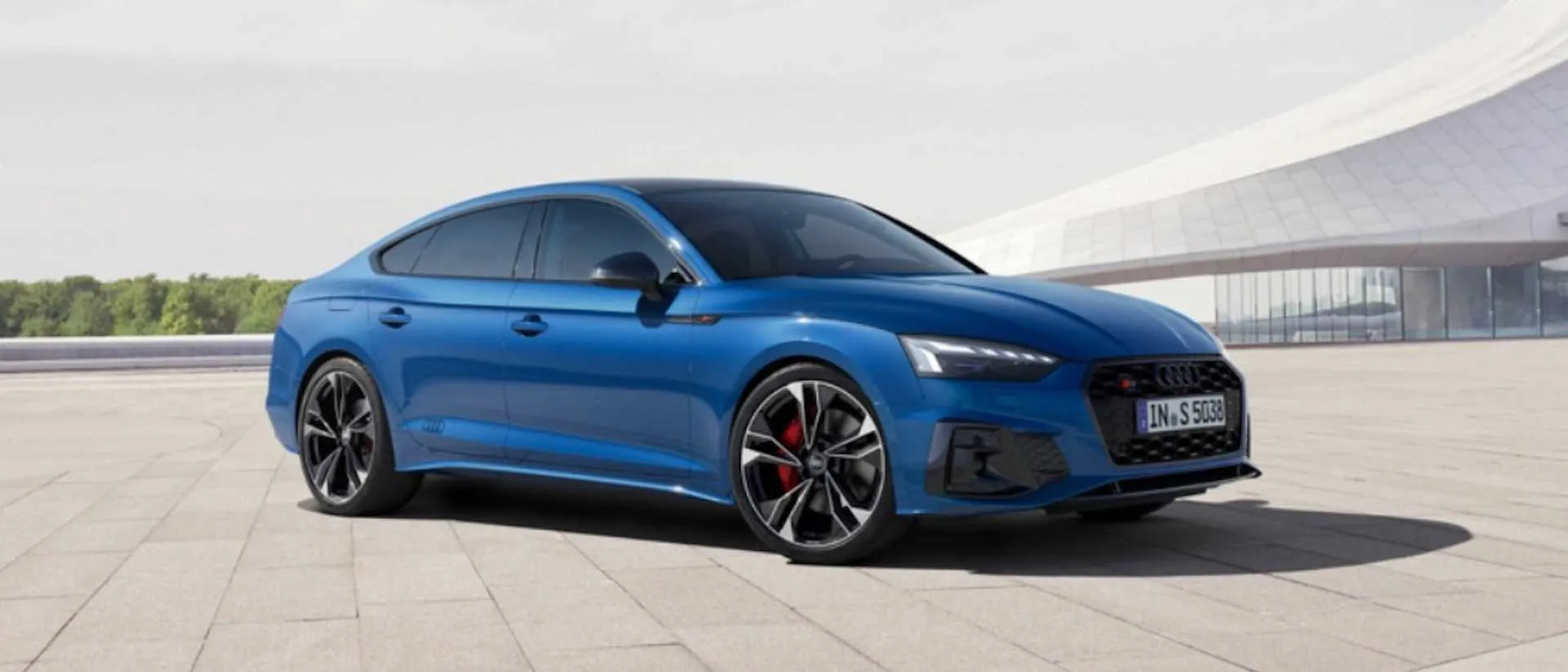
3. Audi A4
The Audi A4 provides precise steering and a controlled ride, yet these traits contribute to its sensitivity on rough city roads. Its low-profile tires and performance-focused suspension are excellent for highways but respond poorly to potholes and uneven surfaces.
Frequent exposure to damaged streets can lead to alignment issues, causing the vehicle to pull to one side or develop uneven tire wear. Urban drivers often find that the steering requires frequent adjustment to maintain the intended performance.
The suspension components in the A4 are finely tuned and operate within tight tolerances. While this improves handling and stability on smooth roads, it leaves little room to absorb repeated shocks.
Control arms, tie rods, and bushings can experience accelerated wear, leading to costly repairs if the alignment is not maintained regularly. Drivers quickly realize that city driving demands vigilance to prevent long-term damage to the vehicle.
Low-profile tires, while providing better cornering and grip, exacerbate the problem. They have less sidewall to absorb impacts, meaning potholes and curbs transfer shock directly to the suspension.
Misalignment can occur even with moderate bumps, which increases maintenance requirements. The combination of sensitive suspension and thin tires makes the Audi A4 less forgiving in rough urban conditions compared to vehicles designed for durability.
The car’s precise steering amplifies the sensation of road imperfections. Drivers often notice vibrations and irregular feedback when navigating damaged streets.
These conditions accelerate wear on tires and steering components, requiring more frequent checks and replacements. This makes the A4 a high-maintenance option for city dwellers who drive regularly on imperfect surfaces.
While the Audi A4 remains a compelling choice for performance and handling, it comes at a cost in rough urban environments. Frequent alignment adjustments, tire replacements, and suspension monitoring are necessary to maintain optimal performance.
For drivers prioritizing comfort and low maintenance on rough roads, the A4 may be less practical than vehicles with reinforced suspension and higher tolerance for road imperfections.
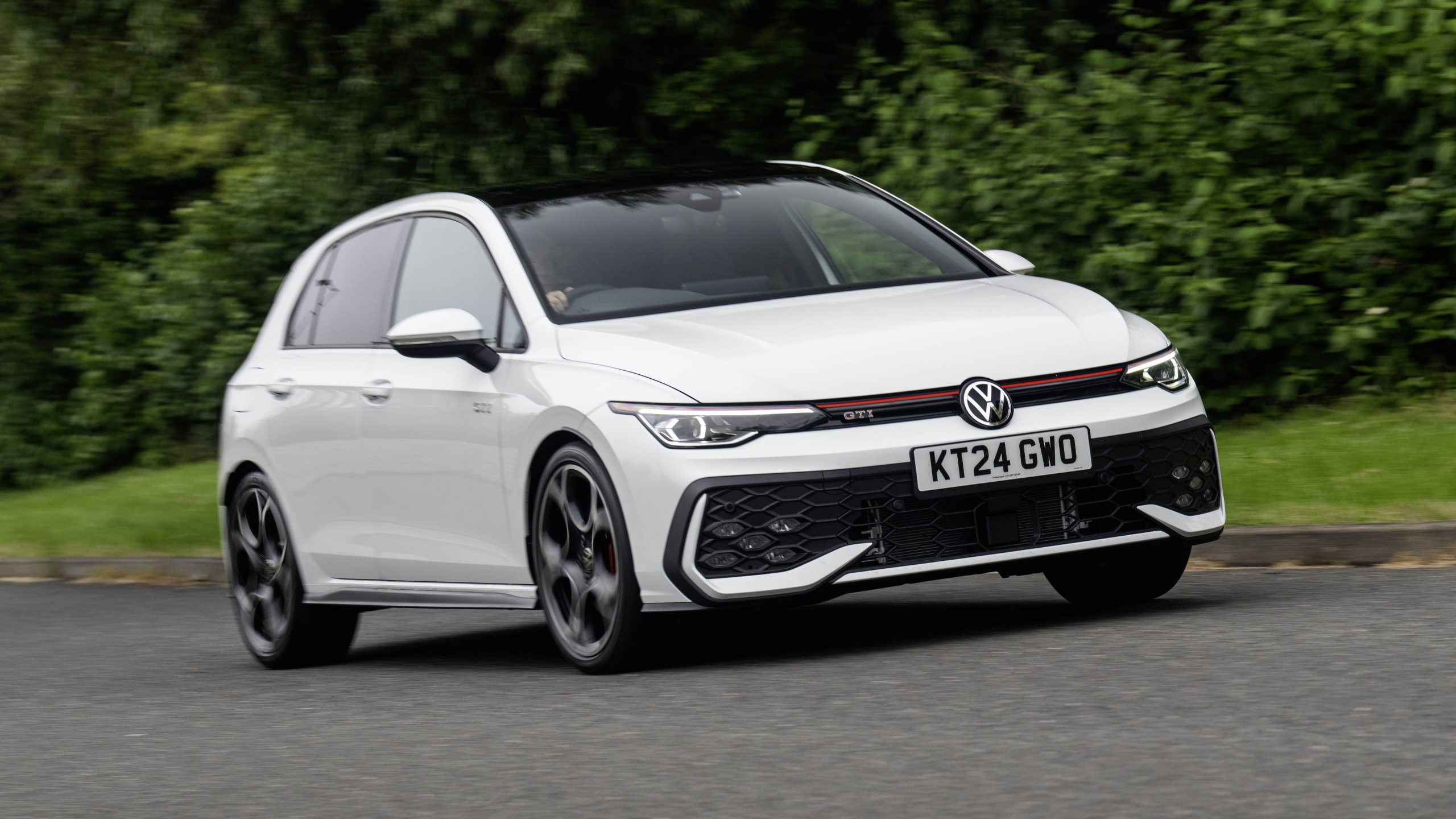
4. Volkswagen Golf GTI
The Volkswagen Golf GTI is a sporty hatchback built for agility and cornering, but this performance focus comes at the expense of resilience on uneven streets. Its suspension is stiff, and the low-profile tires are highly responsive but not forgiving.
Hitting potholes or speed bumps can easily disrupt alignment, causing steering issues and uneven tire wear. Owners often need more frequent alignment checks to ensure safety and maintain handling precision.
The car’s lightweight chassis and precision-engineered suspension amplify the effects of urban road hazards. Components such as control arms and struts are designed for high-performance driving rather than absorbing repeated impacts.
Even minor bumps can gradually misalign wheels, which may lead to costly repairs or the need for early tire replacement. City drivers quickly learn that maintaining optimal alignment requires consistent attention.
Low-profile tires, while beneficial for cornering and grip, increase the impact transferred from the road to suspension components. Potholes and curb impacts are felt more acutely, affecting steering alignment over time.
Drivers often notice pulling or vibration in the steering, signaling that realignment is necessary. This characteristic makes the Golf GTI less ideal for daily urban driving compared to more forgiving vehicles.
The interior ride experience reflects the car’s sporty suspension. Passengers feel bumps and road imperfections more intensely, reducing comfort during daily commutes.
While this is acceptable for performance enthusiasts, it may lead to a perception of higher maintenance needs for alignment and suspension upkeep. Regular monitoring is crucial to prevent uneven tire wear and maintain driving precision.
Despite these challenges, the Volkswagen Golf GTI remains popular among drivers who prioritize sporty handling. However, frequent urban driving on rough surfaces exposes its sensitivity to alignment issues.
For those who spend most of their time in cities, this translates into recurring maintenance costs and a need for vigilance in monitoring suspension and tire condition.
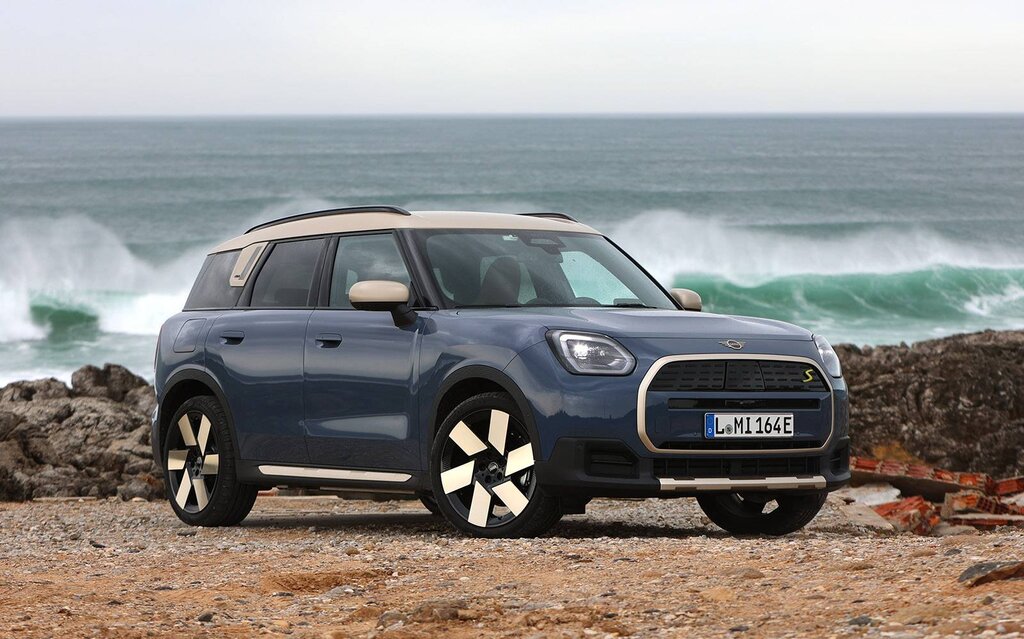
5. Mini Cooper S
The Mini Cooper S is compact, fun to drive, and designed for agility, but its suspension setup makes it highly sensitive to city road imperfections. Low-profile tires and a tight suspension system prioritize sharp handling over comfort.
Potholes, curbs, and uneven streets can easily throw the alignment off, causing uneven tire wear and steering pull. Drivers often notice subtle changes in handling after minor impacts, requiring frequent alignment checks.
The suspension geometry is precise, leaving little tolerance for road irregularities. Control arms, bushings, and tie rods are prone to accelerated wear if the car is consistently exposed to rough surfaces.
This sensitivity is amplified by the car’s lightweight frame, which transfers shocks directly to wheels and steering components. City drivers face the reality of more frequent maintenance compared to vehicles designed for durability.
Low-profile tires exacerbate alignment problems because they have less sidewall to absorb impacts. Even small potholes or uneven pavement can affect wheel positioning.
Over time, this leads to uneven tire wear, reduced fuel efficiency, and noticeable steering issues. Drivers must schedule regular service visits to maintain optimal performance, which can increase operating costs.
The Mini Cooper S delivers a sporty, responsive driving experience, but it compromises comfort on rough city streets. Passengers feel road vibrations, and drivers may notice a decrease in steering precision if alignment is not monitored.
While the car is excellent for smooth roads and spirited driving, its urban performance requires careful handling and maintenance.
Despite these challenges, enthusiasts often choose the Mini Cooper S for its driving dynamics. Urban drivers must accept that frequent alignment checks are part of ownership, especially on streets with potholes and uneven surfaces.
Proper attention can maintain performance, but the car’s design inherently makes it prone to alignment issues in daily city use.