
Singer Vehicle Design has earned near-mythical status among car enthusiasts. Their painstakingly reimagined Porsche 911s blend air-cooled nostalgia with modern engineering, obsessive craftsmanship, and six-figure price tags that routinely cross into seven-figure territory.
For many, a Singer represents the ultimate expression of the classic 911 perfected, restored, and elevated beyond what Porsche itself ever officially offered.
But here’s the thing: Porsche has been building its own masterpieces for decades, and some of the greatest cars to ever wear the crest came straight from Stuttgart, no reinterpretation required.
These factory-built Porsches weren’t created to chase trends or nostalgia alone. They were born from racing programs, engineering obsessions, and moments when Porsche decided to push the limits of what a road car could be.
In many cases, they carry deeper historical significance, purer intent, and a more authentic connection to motorsport than even the most exquisitely finished restomod.
Singer cars are stunning, no question but if given the choice, many enthusiasts would still reach for certain factory Porsches first.
These are cars with original VINs, factory development stories, and engineering decisions that shaped Porsche’s legacy in real time. They aren’t reinterpretations of history; they are history.
Here are ten factory-built Porsches we’d pick over a Singer every single time.
1. Porsche 911 Carrera RS 2.7 (1973)
If there’s one Porsche that makes the case for factory originality above all else, it’s the 1973 Carrera RS 2.7. Built to homologate the 911 for racing, the RS was lighter, sharper, and more focused than anything Porsche had sold to the public before.
The iconic ducktail wasn’t a styling flourish it was functional aerodynamics, proven on track.
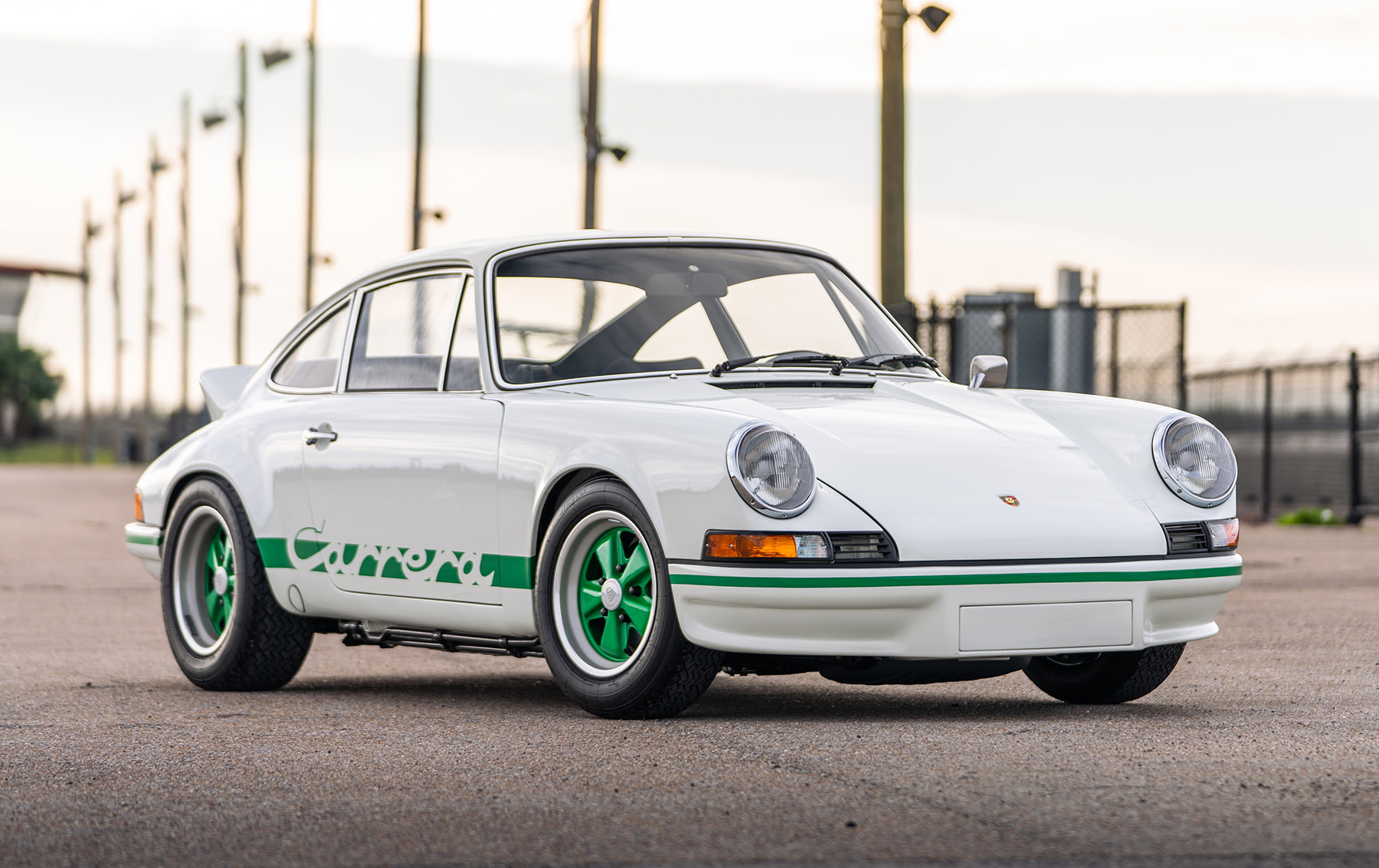
With just 210 horsepower, the RS wasn’t about brute force. It was about balance, throttle response, and connection, qualities that define the best 911s to this day.
Singer cars often aim to replicate this feeling, but the RS delivers it in its purest, original form. When you drive one, you’re not experiencing a modern interpretation of Porsche history you’re sitting inside it.
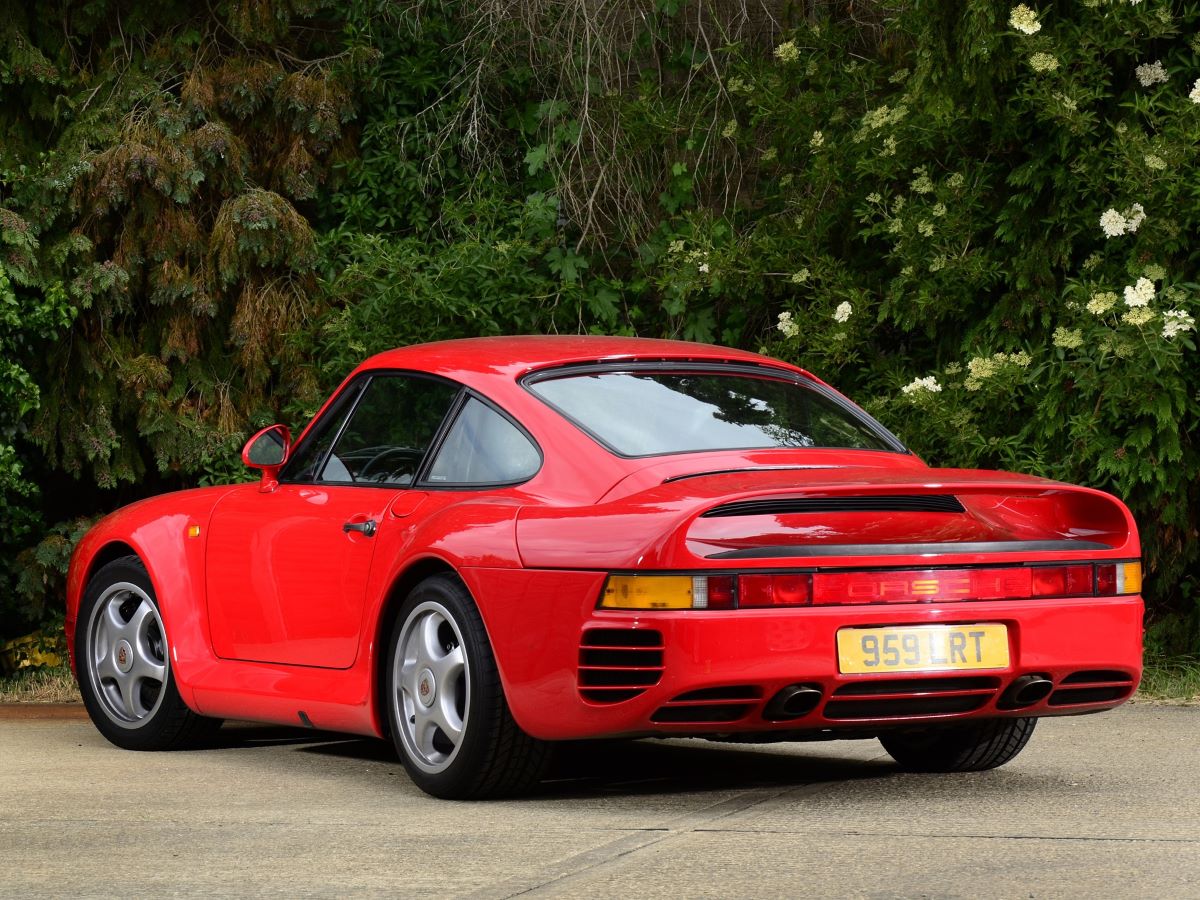
2. Porsche 959
The Porsche 959 is proof that Porsche doesn’t need reinterpretation to be revolutionary. Introduced in the mid-1980s, it was the most technologically advanced road car in the world at the time.
All-wheel drive, adjustable suspension, twin turbochargers, tire pressure monitoring it all debuted here.
Unlike a Singer, which looks backward with modern execution, the 959 looked aggressively forward. It redefined what a supercar could be and laid the groundwork for everything from the 911 Turbo lineage to modern performance AWD systems.
Even today, it feels like a car that arrived from the future rather than the past, and its place in Porsche lore is untouchable.
At first glance, a Porsche 959 is startling, but not in the way you might expect. Even parked alongside an Eighties 911, the 959 shares much of the look, feel, and even smell of its contemporaries. It’s a simple observation, yet it clashes with decades of reverent praise for Porsche’s late-Eighties supercar, praise that had set expectations arguably higher than reality could deliver.
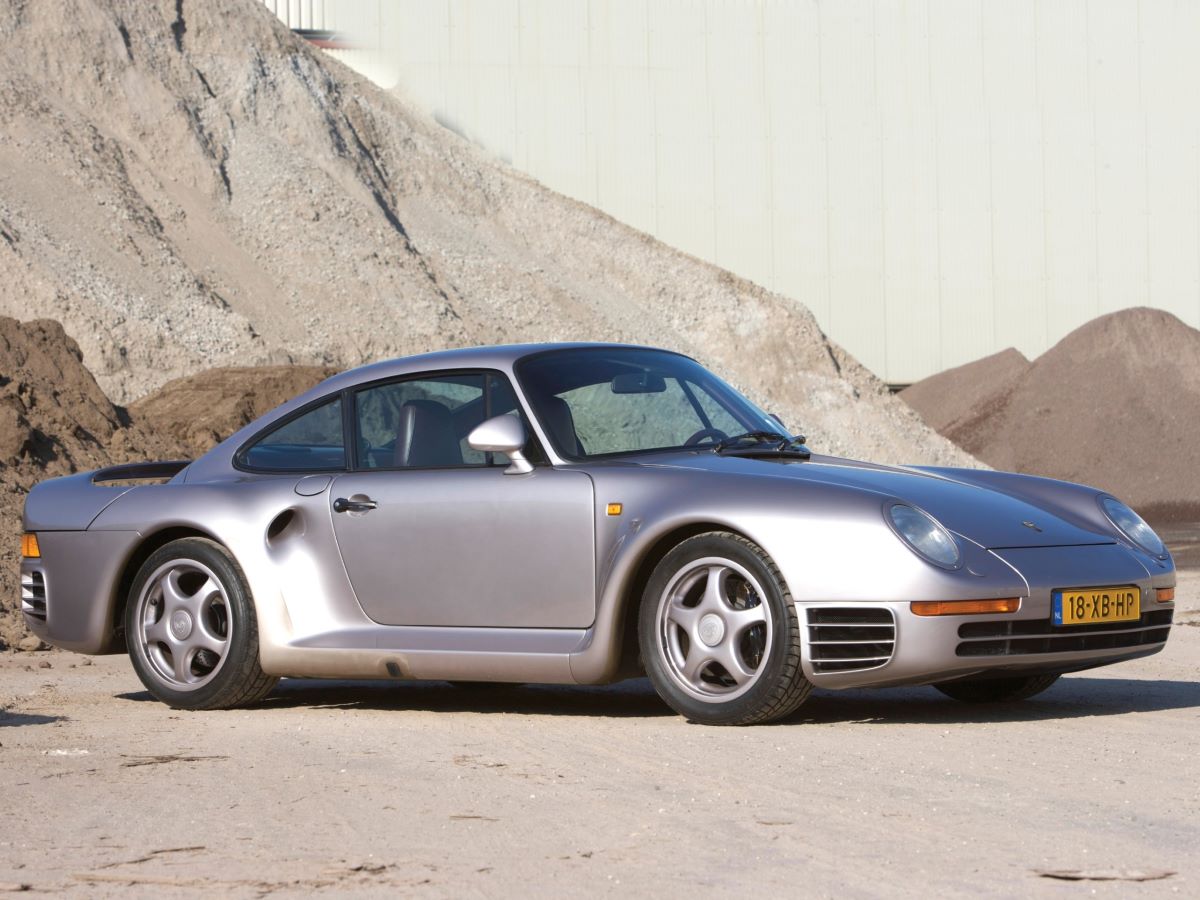
Part of that mystique comes from rarity. Fewer than 300 examples of the 959 were ever built, along with 29 units of the 959 S. Not exactly one-of-a-kind, yet by the time Porsche had pulled eight classics from a Stuttgart warehouse last summer, I had already sat in more McLaren F1s than 959s.
I spent the day working through those classics across the German countryside before finally approaching the 959. Parked in a gravel lot alongside its brethren, the car’s lineage is immediately apparent.
Visually, the 959 looks like a G-Body 911 sculpted from warm saltwater taffy. Its aerodynamic shape makes it clear how the 911 evolved into the 993 generation, with softer, more bulbous lines that eventually led to the fried-egg 996 and the elongated, laid-back silhouette of later models.
Where the exterior subtly differentiates itself from a standard 911, the interior does not. It’s a reminder that before Porsche expanded into SUVs, roadsters, and sedans, the brand was far narrower: boutique cars built in modest numbers for enthusiasts who valued performance over luxury. Inside a 959, the focus is unmistakably on the connection between tires, tarmac, and the open road, not on interior indulgences.
3. Porsche Carrera GT
If Singer celebrates the soul of the air-cooled 911, the Carrera GT celebrates Porsche’s raw engineering ambition.
Built around a V10 originally designed for Le Mans, the Carrera GT is unapologetically intense. No traction control, no stability management, and a manual transmission that demands respect.
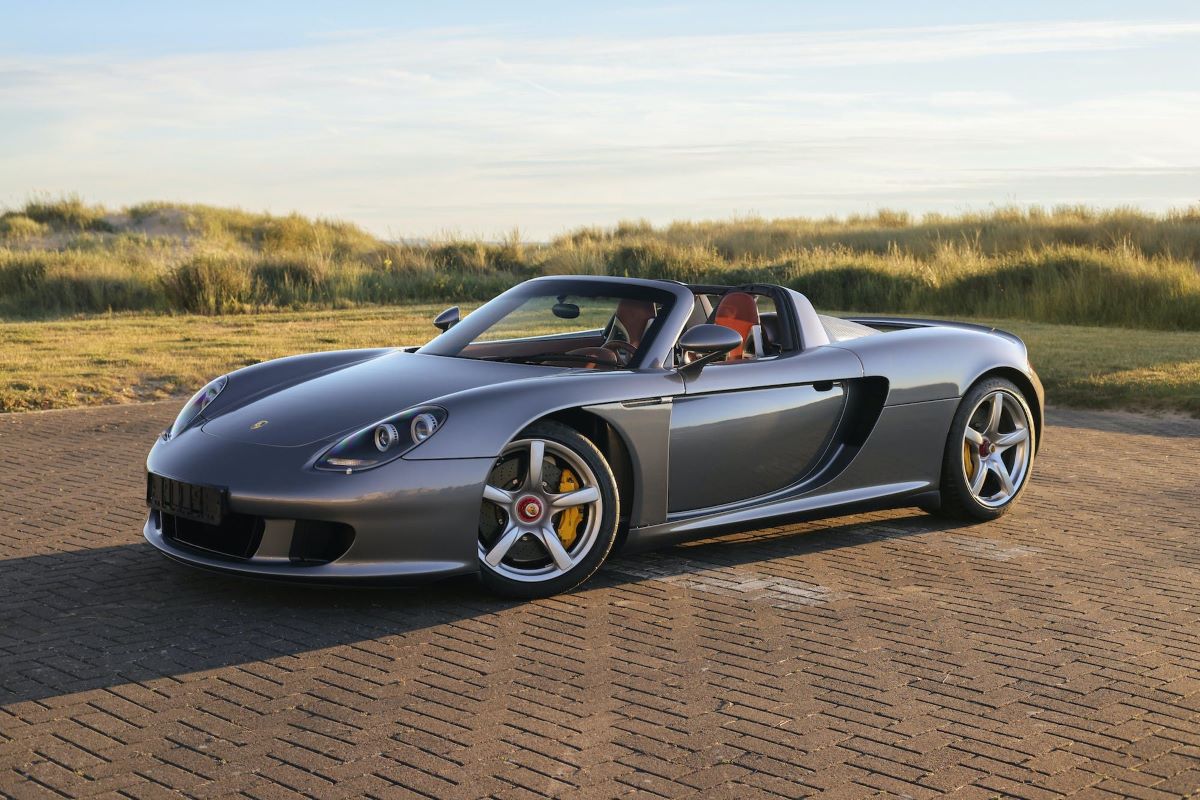
This is a car that doesn’t try to be friendly or forgiving. It exists to reward skill and punish complacency. The driving experience is visceral in a way few modern cars can match.
While Singer cars are beautifully resolved and confidence-inspiring, the Carrera GT offers something rarer: unfiltered, factory-built danger paired with extraordinary precision.
4. Porsche 911 GT1 Strassenversion
The 911 GT1 Strassenversion is essentially a race car that was reluctantly made road legal. Built to satisfy homologation rules, it shares more DNA with Porsche’s Le Mans prototypes than with a traditional 911.
The engine sits in the middle, the body is carbon fiber, and practicality was clearly an afterthought.
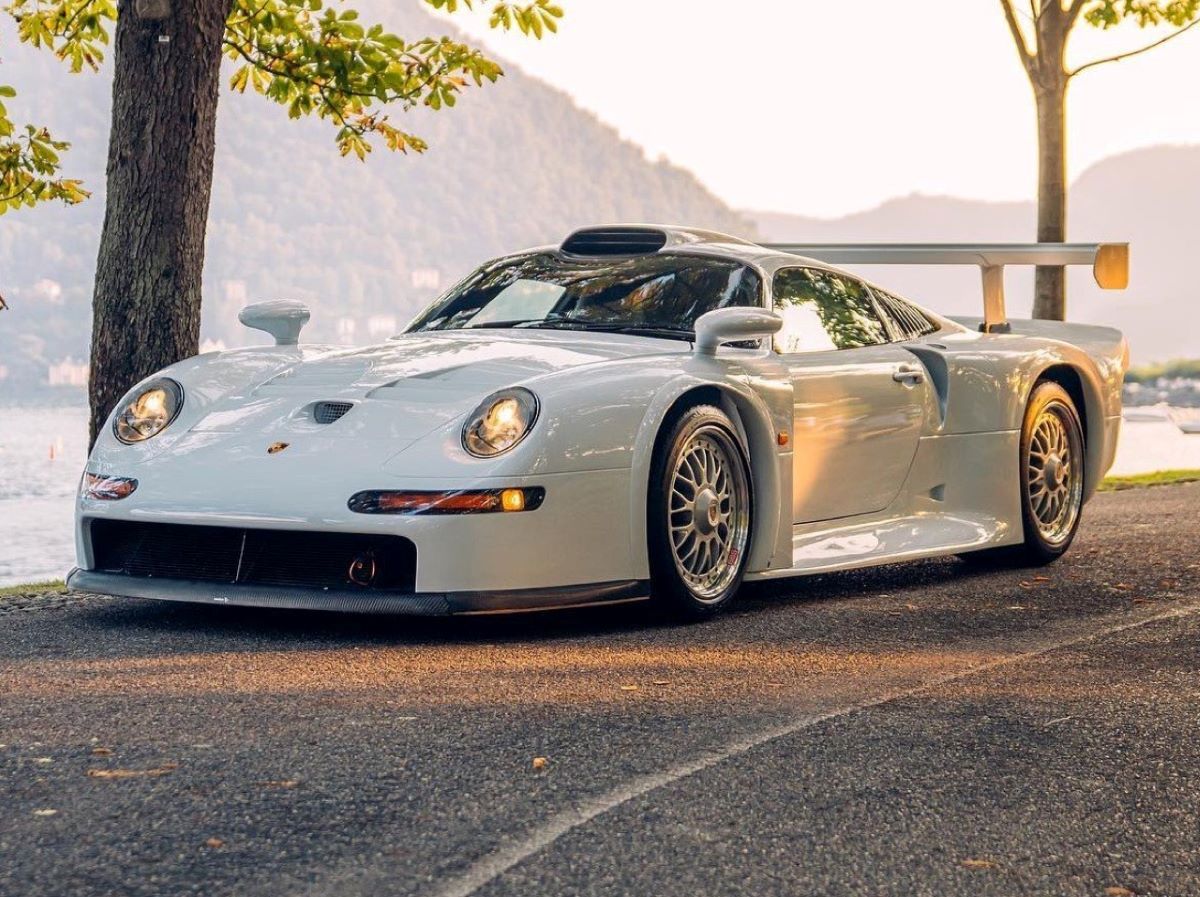
Owning one is owning a piece of motorsport history frozen in road-going form. Singer cars are lovingly crafted tributes, but the GT1 is the real thing born from competition, compromise, and an era when manufacturers bent rules to win races.
5. Porsche 911 R (2016)
In a modern era dominated by paddle shifters and digital interfaces, the 911 R felt like a gift to purists.
No rear wing, a manual gearbox, and a naturally aspirated engine pulled straight from the GT3 RS this was Porsche deliberately stepping back to move forward emotionally.
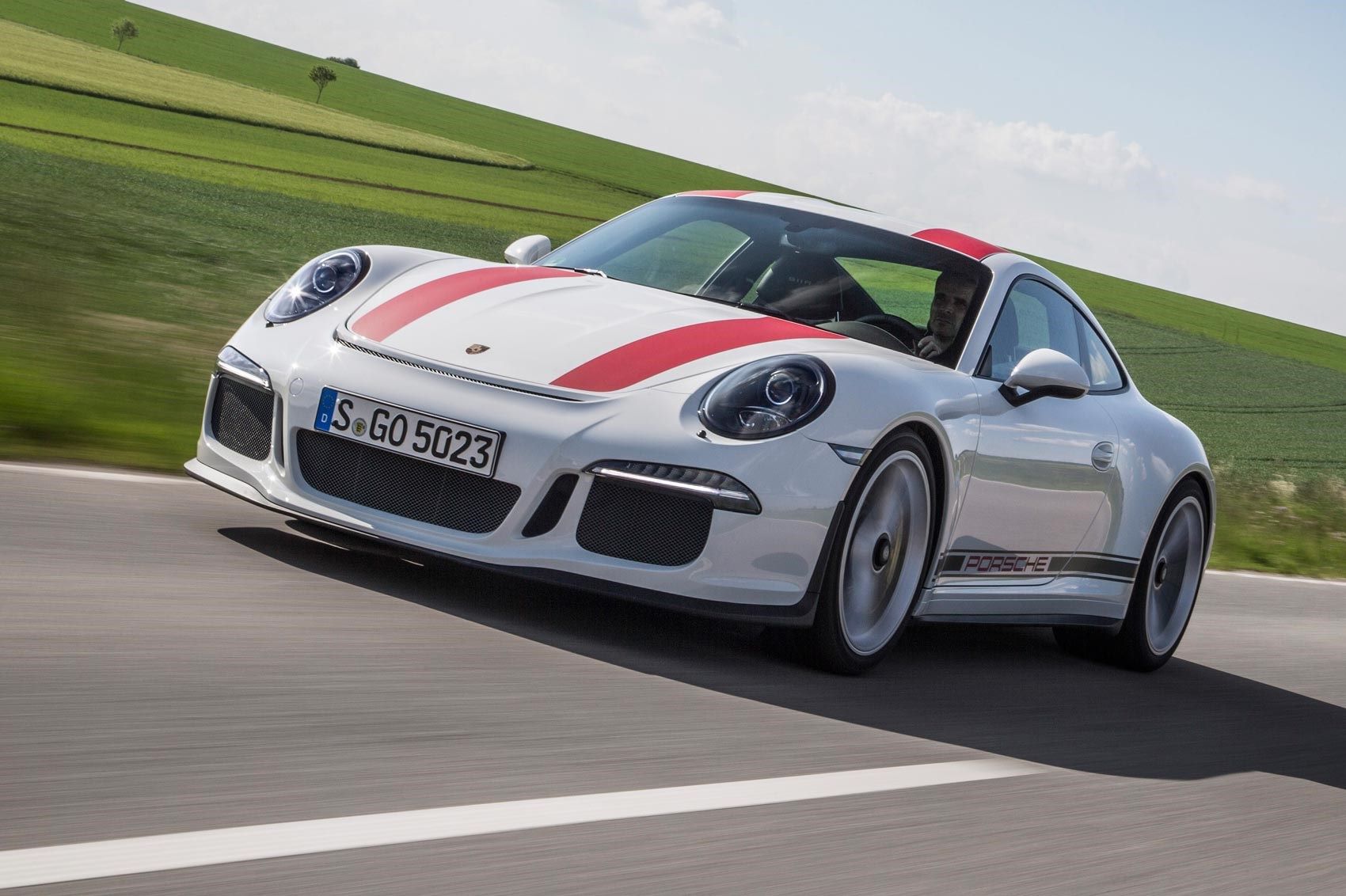
The 911 R proved that Porsche still understands restraint. It didn’t need cosmetic theatrics or retro callbacks. It delivered feel, sound, and engagement straight from the factory.
While Singer excels at evoking analog emotion through craftsmanship, the 911 R shows that Porsche can still do it themselves, right now.
Every 2016 Porsche 911 features a flat-six engine mounted over the rear wheels, but the various configurations, ranging from naturally aspirated high-revving units to twin-turbocharged setups, produce outputs from 350 horsepower all the way up to 560.
Not all 911s are built for the same type of driving, either. Some are comfortable and accessible enough for daily use, while others are clearly designed with the track in mind.
Regardless of the model, interior space and visibility are exceptional, putting nearly every other high-end or exotic sports car to shame. Even the convertible variants manage to maintain much of that practicality and performance, unlike many competitors.
For buyers who find the 911 isn’t the right fit, there is no shortage of alternatives. The Jaguar F-Type offers flamboyance at the expense of some precision, while the Audi R8 and Mercedes-AMG GT Coupe bring an exotic flair.
Other options include the BMW i8, Chevrolet Corvette, Nissan GT-R, and Porsche’s own Boxster and Cayman. For those willing to spend more, Ferraris, Lamborghinis, and McLarens add extreme style and performance. While many of these cars excel in one area, be it looks, raw performance, or value, none achieve the perfectly balanced nature of the 2016 911.
The base 2016 Porsche 911 Carrera, Carrera 4, and Targa 4 are powered by a 3.4-liter flat-six producing 350 hp and 287 lb-ft of torque. The Carrera S and 4S step up to a 3.8-liter flat-six with 400 hp and 325 lb-ft, while the Carrera S Powerkit boosts output to 430 hp. The GTS comes standard with the 430-hp 3.8-liter engine.
Rear-wheel drive is standard across most models, with exceptions for the Targa, Turbo, and any model bearing “4” in its name. Base, S, and GTS models start with a seven-speed manual transmission, while Porsche’s seven-speed PDK automated manual is optional. An automatic engine stop-start function is standard to conserve fuel.
The GT3 features a 3.8-liter flat-six with a 9,000-rpm redline, producing 475 hp and 325 lb-ft, while the GT3 RS steps up to a 4.0-liter flat-six with 500 hp and 338 lb-ft, though with a slightly lower 8,250-rpm redline.
Both GT3 variants come exclusively with the PDK transmission, no manual option is available. The all-wheel-drive 911 Turbo is equipped with a 3.8-liter twin-turbo flat-six delivering 520 hp and 487 lb-ft, while the Turbo S pushes output to 560 hp and 516 lb-ft, again only with the PDK.
The Sport Chrono package, standard on the GTS and Turbo S, adds a Sport Plus mode with a more aggressive shift program and launch control for PDK-equipped cars. Manual 911s with the package receive the “Gearshift Assistant” gauge, which cues drivers on optimal shift points.
In Edmunds’ testing, a Carrera Cabriolet with PDK and launch control achieved 0-60 mph in 4.8 seconds. A Carrera S coupe with PDK reached 60 mph in just 3.9 seconds. For ultimate performance, the 911 Turbo S managed a blistering 3.0-second 0-60 mph sprint, with the regular Turbo and GT3 expected to be only slightly slower.
Fuel economy is surprisingly reasonable for a sports car. Carrera and Targa models achieve 21–23 mpg combined, depending on engine, body style, and transmission. Even the Turbo and Turbo S only drop to 20 mpg combined. The GT3 and GT3 RS are thirstier, rated at 17 mpg and 16 mpg combined, respectively.
6. Porsche 911 GT3 RS 4.0 (2011)
Often cited as the greatest Mezger-engine 911 ever built, the GT3 RS 4.0 represents the peak of naturally aspirated, race-derived engineering in a road-legal package.
Only 600 were made, each one obsessively honed for track use while remaining usable on the street.
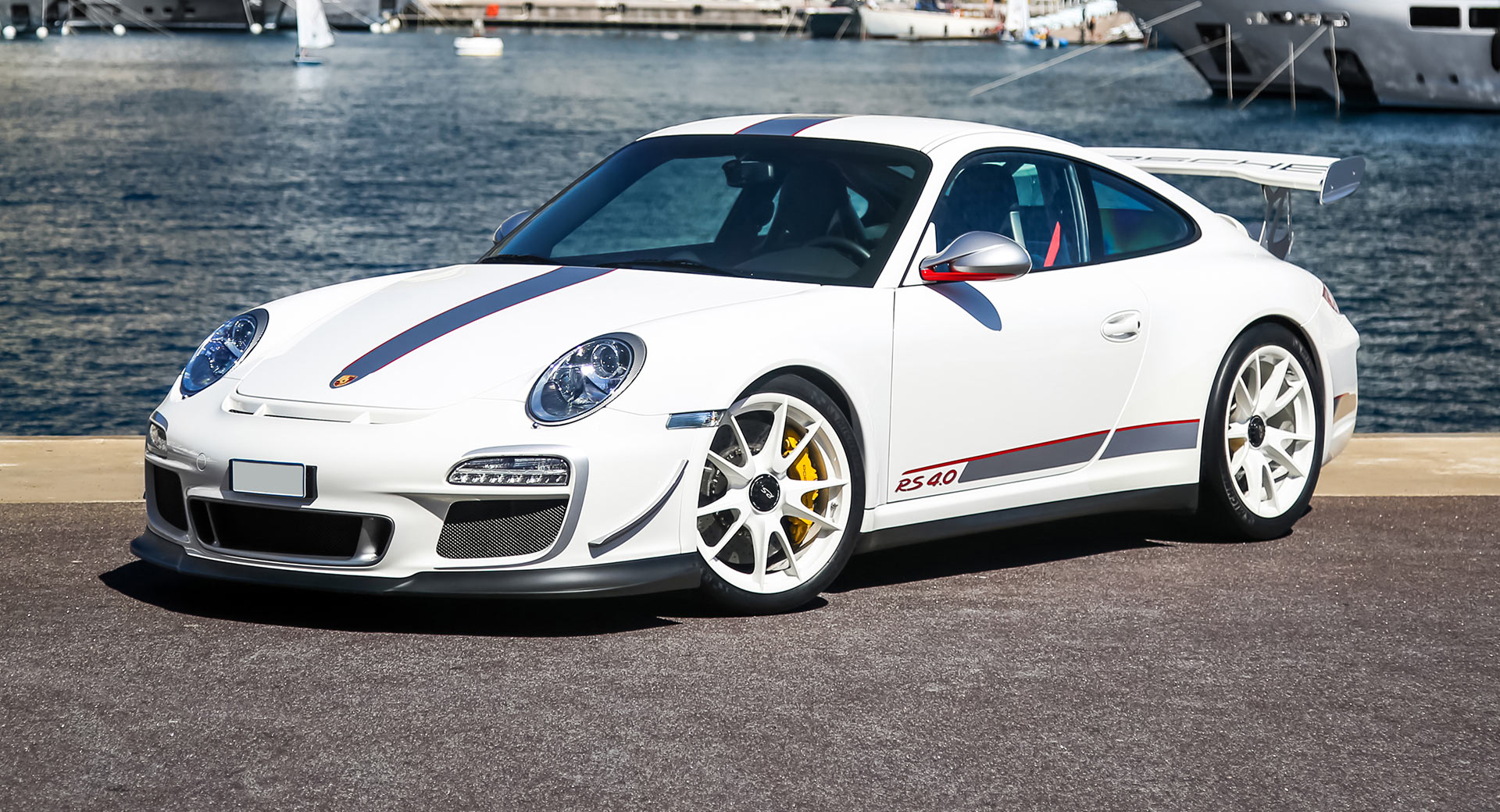
The steering feel, throttle response, and chassis communication are so precise that even modern supercars struggle to match it.
Singer cars emphasize tactile driving pleasure, but the GT3 RS 4.0 delivers that sensation through uncompromising factory engineering rather than reinterpretation.
7. Porsche 930 Turbo (1975–1989)
The original 911 Turbo didn’t ask politely it demanded attention. Turbo lag was dramatic, power delivery was abrupt, and the driving experience was intimidating for its time.
This was Porsche embracing excess, risk, and performance in a way that reshaped the brand’s image forever.
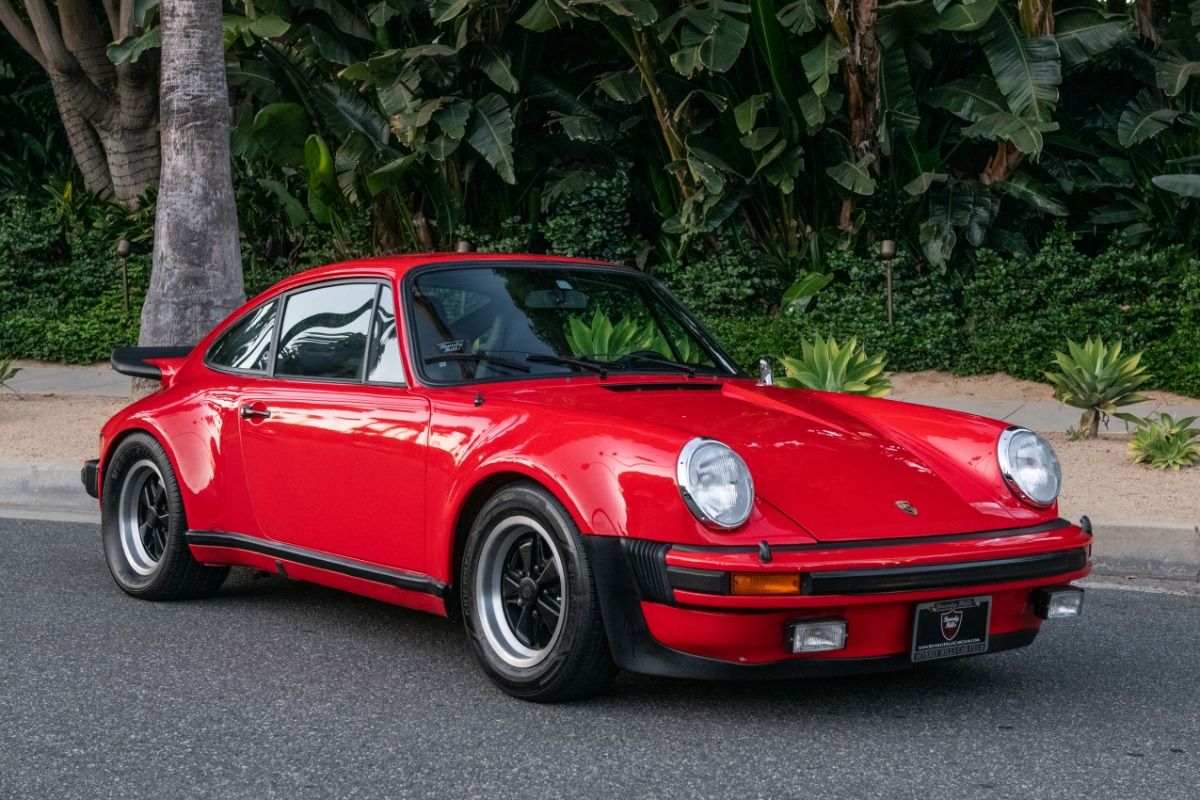
Singer builds refined, beautifully balanced machines. The 930 Turbo, by contrast, is gloriously flawed and historically important.
It represents an era when Porsche was willing to scare its customers in the name of speed, and that raw character is something no modern reimagining can fully replicate.
The Porsche 930 Turbo was such a radical departure from the standard 911 formula that Porsche assigned it an entirely new type number: 930. Visually, it asserted itself with a prominent front spoiler, dramatically flared and swollen fenders, and a rear “fluke” spoiler that could rival Shamu for size.
Underneath, the car received upgraded wheels, tires, brakes, and suspension components. Even the drivetrain was strengthened: the original 911’s magnesium-cased five-speed transaxle was replaced with a new aluminum unit featuring four robust gearsets and a larger clutch to handle the added power.
Power came from a KKK turbocharger mounted to Porsche’s 3.0-liter SOHC flat-six, spinning up to 90,000 rpm to produce 11.4 psi of boost. Track-inspired technology trickled into production, including the first production-car wastegate to control boost, an intercooler on 1978 and 1979 models, and cross-drilled brake rotors.
Recently, we sampled two 930 Turbos. A champagne-beige example, returned to the factory after fewer than 10,000 miles by a benevolent owner moving to Singapore, was under the weather, so our focus shifted to a pristine silver-white Turbo owned by Ron Pruette, a Michigan-based financial adviser.
For 1978, Porsche increased displacement to 3.3 liters and power to 261 horsepower, raising the top speed to 165 mph. Yet one defining trait remained: monumental turbo lag. Floor the throttle at 3,000 rpm, and the boost gauge remains inert until 4,000 rpm, after which the car unleashes a spine-jarring surge that peaks near 6,000 rpm.
When cruising, the 930 is remarkably composed. Idle sits around 600 rpm, accompanied by the familiar fan whir and valvetrain clatter typical of Porsches of the era. The turbo muffles both intake and exhaust notes at low revs, but beyond 4,000 rpm, the engine erupts into a hissy, atomic roar reminiscent of a street-cleaning rocket, making the 930’s performance both exhilarating and unforgettable.
8. Porsche 918 Spyder
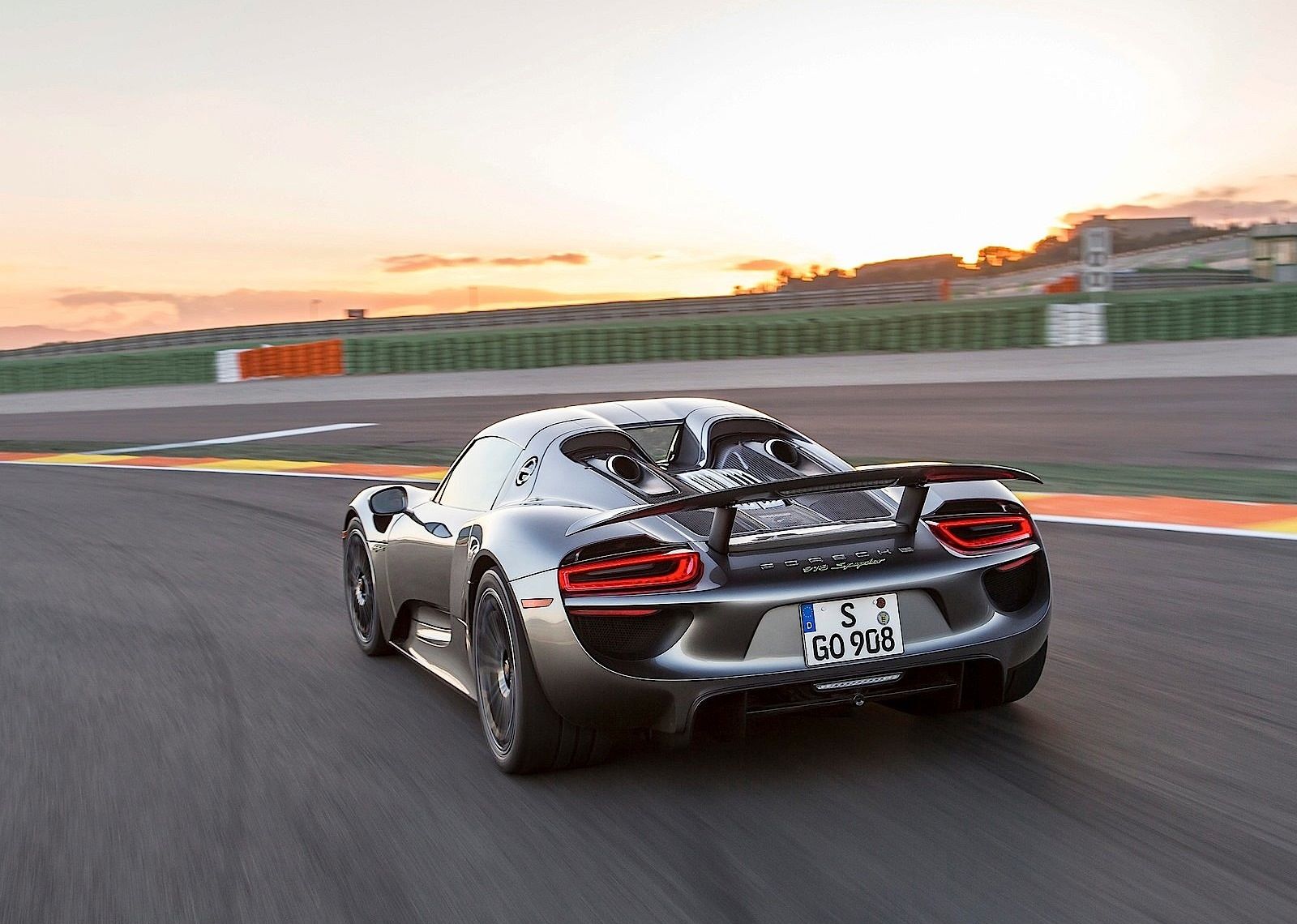
Where the 959 was a technological leap in the 1980s, the 918 Spyder played the same role in the 2010s. Hybrid power, instant torque, and Nürburgring-shattering performance combined with genuine usability. It wasn’t just fast, it was transformative.
Unlike Singer, which celebrates analog tradition, the 918 embraces the future without apology.
It proves that Porsche’s innovation didn’t stop with air-cooled engines, and that factory-built progress can be just as emotionally compelling as nostalgia when executed correctly.
In 2013, Porsche answered the challenge posed by Ferrari and McLaren in the hybrid hypercar arena by unveiling the 918 Spyder, a model that epitomized the brand’s blend of luxury, cutting-edge technology, and blistering performance. While Ferdinand Porsche had already created the first hybrid vehicle in 1900 with the Lohner-Porsche Semper Vivus, it would take more than a century for hybrid drivetrains to become mainstream.
Few expected a production-ready model to follow, yet in May 2013, Porsche released technical details of the production car and showcased it at the International Frankfurt Motor Show, with deliveries commencing in spring 2014. Despite its formidable price, all 918 units were sold by the time production ended in 2015.
The 2014 Porsche 918 Spyder featured a low-slung nose with scooped LED headlights, each incorporating four daytime running light dots. The lower bumper sported a narrow central grille flanked by two large side scoops, all with horizontal slats designed to improve downforce.
A vent on the front hood helped extract air from the central intake, further optimizing aerodynamics. From the side, the mid-engine layout displayed a balanced silhouette, with a short nose flowing into a raked panoramic windshield. Behind the cockpit, roll-over protection bars were integrated into dual humps that flanked the engine cover and housed the exhaust outlets.
A removable carbon-fiber roof mirrored the shape of the dual humps. At the rear, a wraparound plastic bumper incorporated a diffuser, while a deployable wing automatically raised above 75 mph (120 kph).
Active front vents opened and closed to optimize downforce or reduce drag, enhancing fuel efficiency, particularly in electric-only modes. Porsche also offered a Weissach package that improved performance, including unique alloy wheels and a distinctive paint scheme.
Inside, the 918 greeted occupants with carbon-fiber sports seats providing exceptional lateral support during high-speed cornering. The seats were divided by a tall center console, part of the carbon-fiber chassis.
A sloped center stack housed infotainment and HVAC controls, while a binocular-style instrument panel presented three individual clusters: a central tachometer, a left speedometer, and a right dial displaying fuel level, engine temperature, and other onboard data. The three-spoke steering wheel included buttons for media and drive mode selection.
Powering the 918 Spyder was a 4.6-liter naturally aspirated V8 producing 616 PS (607 hp), paired with two electric motors—one on each axle—bringing total system output to approximately 877 PS (875 hp).
A 6.8 kWh battery pack allowed for roughly 19 km (12 miles) of electric-only range. The powertrain was mated to a seven-speed dual-clutch automatic transmission, sending torque to the rear wheels and delivering a seamless fusion of electric and combustion performance.
9. Porsche 911 Sport Classic (997 Generation)
The 997-generation Sport Classic might be the closest Porsche ever came to building its own Singer-like car.
It combined classic styling cues ducktail spoiler, Fuchs-inspired wheels with modern engineering and a limited production run.
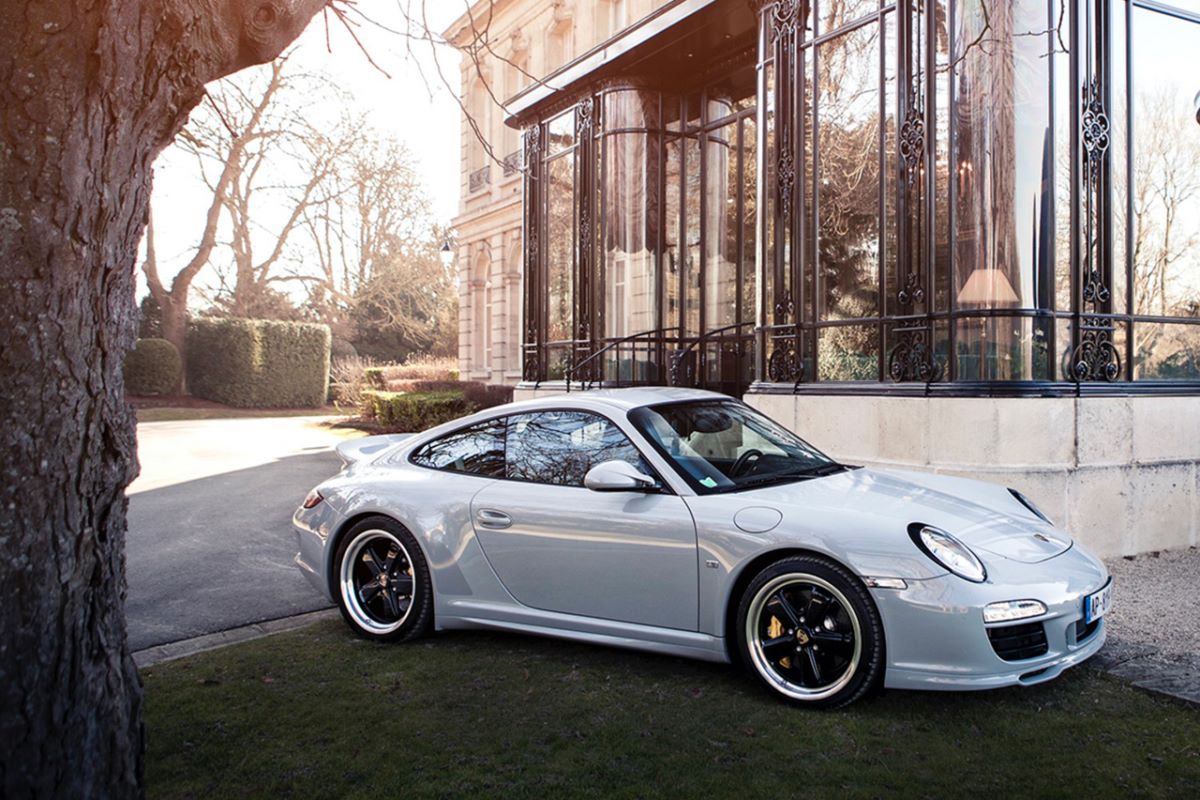
The difference? It came directly from Porsche, fully sanctioned and historically documented. For collectors who value provenance as much as craftsmanship, the Sport Classic offers the best of both worlds without stepping outside the factory lineage.
10. Porsche 356 Carrera Speedster
Before the 911, before turbochargers and wings, there was the 356. The Carrera Speedster is light, elegant, and mechanically pure, representing the foundation of everything Porsche would become. It’s not fast by modern standards, but it doesn’t need to be.
Singer’s work is rooted in honoring this era, but the original cars carry a weight that no restomod can replicate. Driving a 356 Speedster is like stepping into Porsche’s origin story, written in aluminum, simplicity, and purpose.
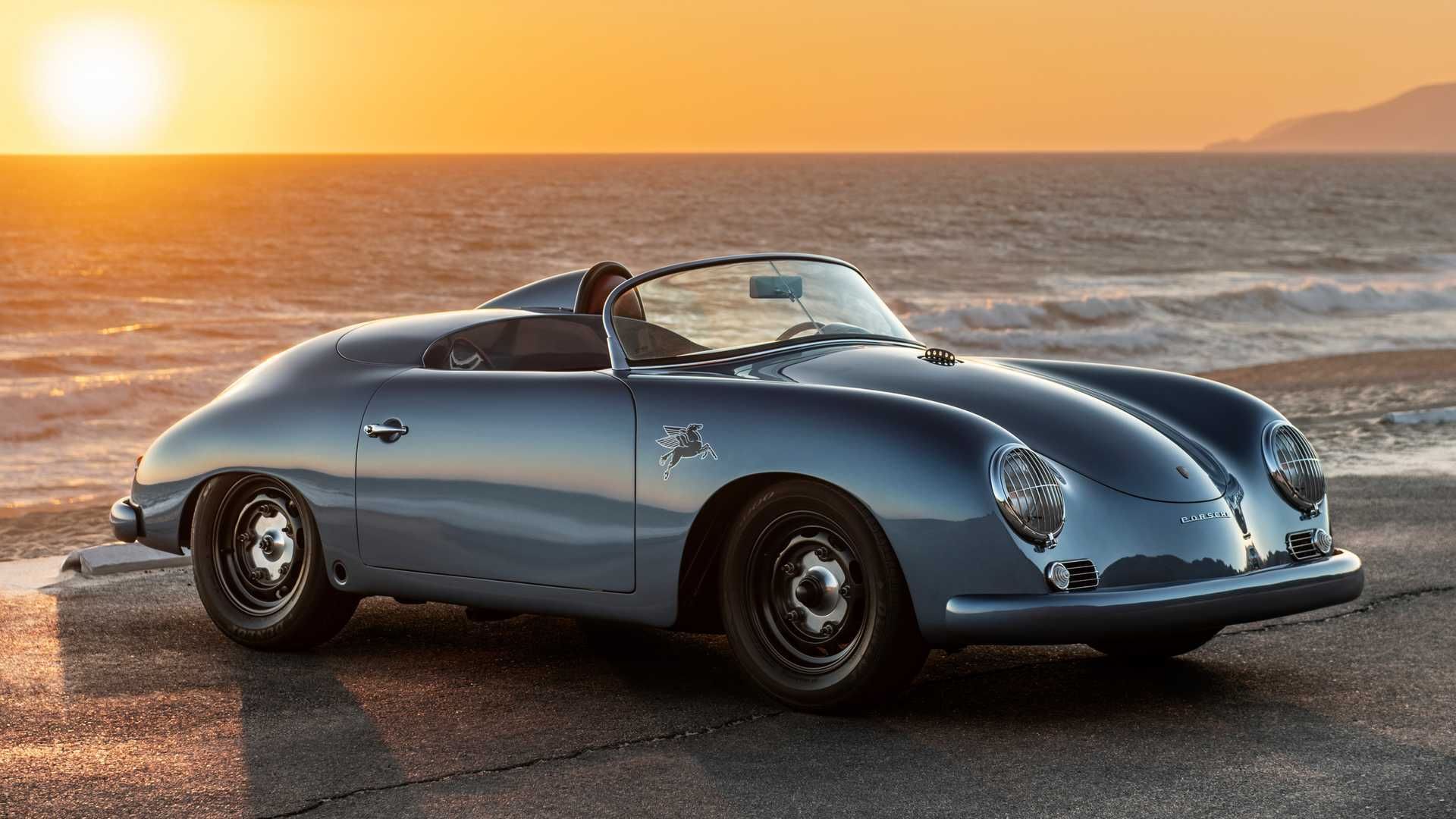
Singer Vehicle Design builds some of the most beautiful cars in the world, and their work deserves every bit of praise it receives. Open-top driving pleasure combined with outstanding driving dynamics: Speedster variants have been part of the Porsche company history since 1952. They combine open-top driving pleasure with outstanding driving dynamics.
The forefather of all these models is the 356 America Roadster. Its aluminium body was manufactured by hand at Erich Heuer Karosseriefabrik in Ullersricht near Weiden in Upper Palatinate, Germany.
Thanks to its expensive lightweight body, it weighed 160 kilograms less than the 356 Coupé and its top speed of 180 km/h from its 70 PS four-cylinder boxer engine was impressive at the time. The exclusive sports car, developed for the US market and built only 16 times, already featured key elements of the Speedster design with slot-in windows for the doors, a folding rain-cover top and lightweight bucket seats.
It was the US importer Max Hoffmann who convinced Porsche there was a market for their cars in America. He requested an inexpensive Porsche with reduced furnishings costing less than 3,000 dollars. In autumn 1954, Porsche produced a significantly less expensive version than the 356 America Roadster, which included ‘Speedster’ in the model name for the first time and quickly caused a sensation in the world of motor sports.
It combined the sheet steel body of the cabriolet with a raked windscreen, reduced interior equipment and a rain top. In the USA, the 356 1500 Speedster cost just 2,995 US dollars and became an instant hit in the sunny coastal states.
Further generations of the 356 Speedster followed. The model reached its peak in 1957 with the 356 A 1500 GS Carrera GT Speedster: Its 1.5-litre vertical shaft engine produced 110 PS. It was the first production model from Porsche that reached a top speed of 200 km/h.
In 1988, a Speedster variant was introduced in the 911 series, as the crowning highlight of the discontinued G model generation. The most open of all the 911 models was based on the 231 PS 911 Carrera featuring a wide turbo look. It was optionally also available in export markets with a leaner car body. 161 units with lean Carrera body were built.
It was exactly the other way around with the successor model: between 1992 and 1993, 930 units of the “lean” 911 Carrera Speedster of the 964 generation rolled off the production line. In addition, 15 vehicles were produced with wide turbo body.
But Porsche’s factory legacy is filled with cars that don’t need reinterpretation, modernization, or artistic license to feel special. These machines were born from real constraints, real racing ambitions, and real moments in automotive history.
Given the choice, many enthusiasts would still choose the originals not because Singer cars aren’t incredible, but because factory-built Porsches carry something irreplaceable: the weight of decisions made when the future was unknown, when risks were real, and when legends were being created rather than recreated.
