
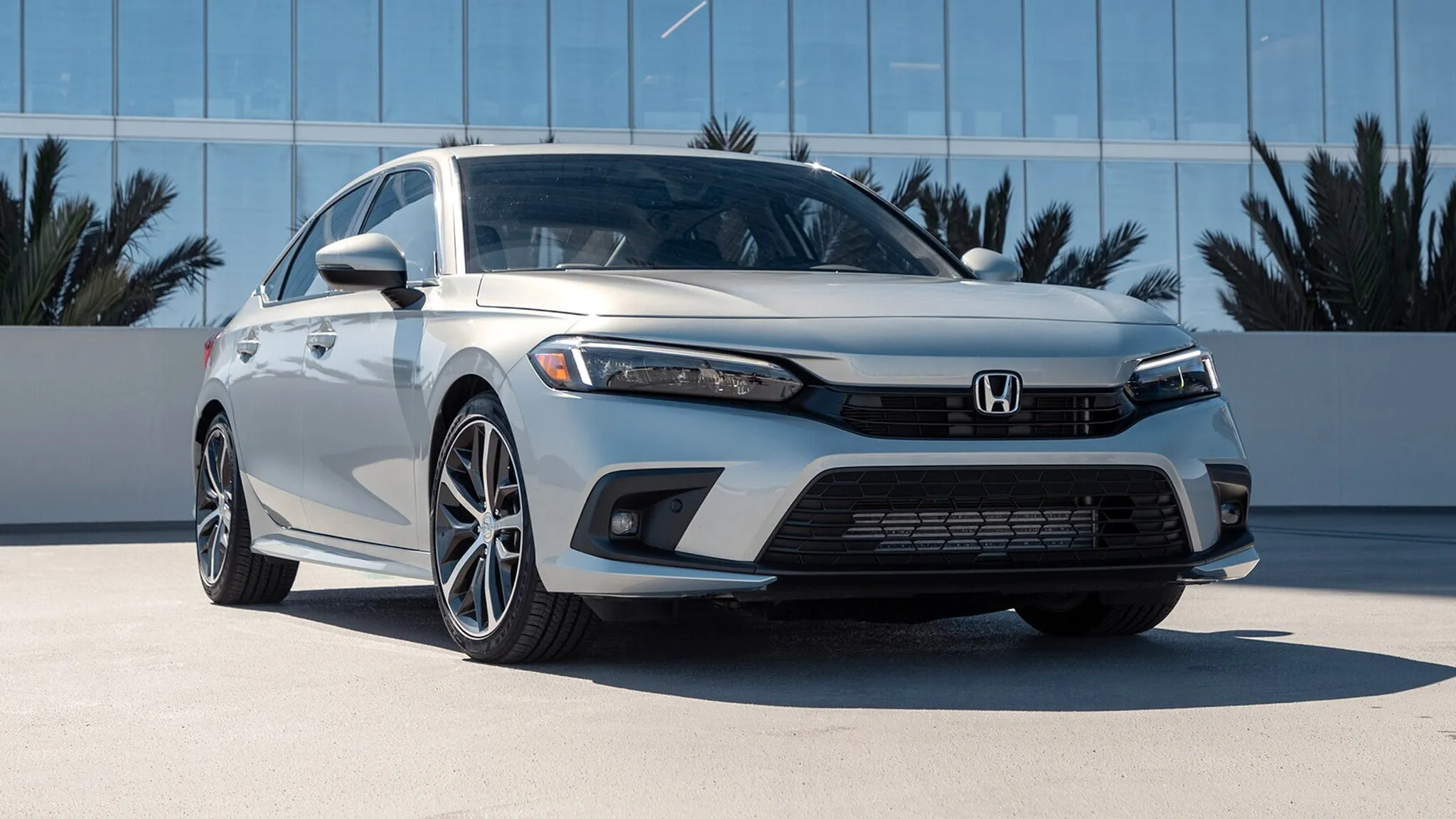
Tampa traffic can test patience like few other urban environments. The mix of commuters, tourists, and frequent roadwork creates stop-and-go conditions that challenge even seasoned drivers. Choosing the right vehicle makes a difference beyond comfort or style; it influences stress levels, fuel use, and the ability to arrive on time without feeling drained.
Vehicles that remain composed in gridlock provide confidence and control, while those that feel underpowered, cramped, or slow to respond turn routine trips into frustrating experiences. Selecting a car suited for downtown Tampa requires evaluating handling, visibility, acceleration, braking, and space.
Some cars shine because their suspension and steering remain predictable during frequent stops and merges, their powertrains respond smoothly to city demands, and their cabins balance comfort with visibility. Others falter because weight distribution, power output, or ergonomics fail to align with stop-heavy driving.
This guide examines ten vehicles through the lens of Tampa traffic. Five deliver a confident, composed experience that makes daily commuting manageable, while five highlight traits that make them feel underbuilt when the city crowd presses in. Each review focuses on what daily life in dense traffic reveals about how the car responds to lights, lane changes, stop-and-go stretches, and the frequent acceleration bursts Tampa requires.
By going through these real-world factors, readers can better understand which vehicles will reduce stress and which might create it, transforming the simple act of driving into a daily challenge.
5 Cars That Handle Tampa Daily Traffic
1. Honda Civic Touring 2024
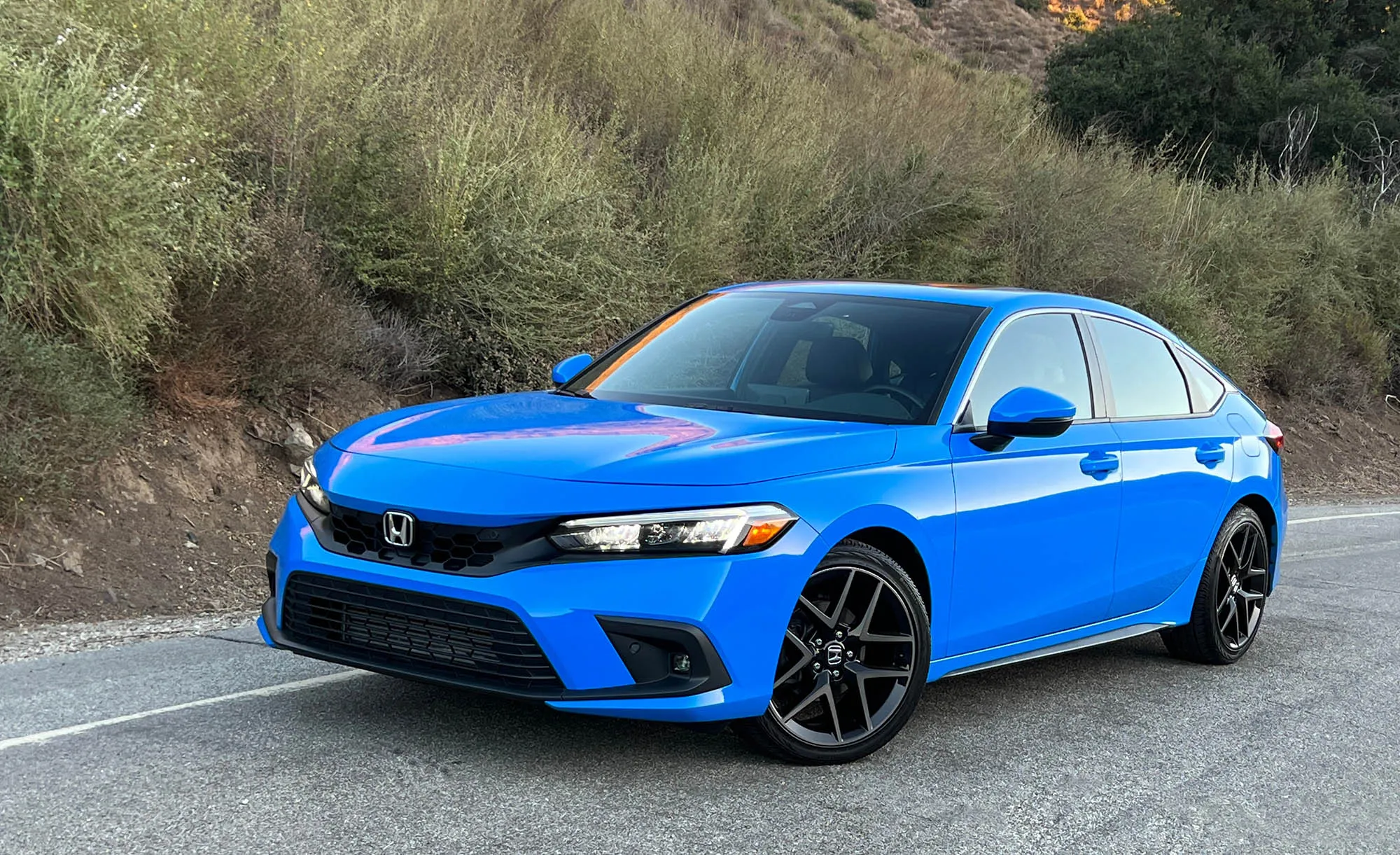
Honda Civic Touring 2024 earns its reputation as a downtown workhorse by blending nimble maneuverability with comfortable refinement.
Traffic-heavy routes highlight the car’s compact footprint, allowing easy lane changes and precise positioning even on narrow streets. Steering remains light yet responsive, making adjustments feel effortless, whether merging onto I-275 or threading through congested side roads.
Power delivery suits urban dynamics. The turbocharged 1.5-liter engine responds smoothly to throttle inputs, avoiding abrupt surges that can unsettle passengers or neighboring vehicles.
Stoplight launches and frequent acceleration events rarely demand more than a confident foot, preserving fuel while maintaining pace with surrounding traffic. A CVT transmission keeps the engine in the optimal range for efficiency, eliminating jerky moves that commonly frustrate city drivers.
Visibility contributes to confidence. Large windows, low beltlines, and thoughtfully placed mirrors reduce blind spots, which is crucial for frequent lane changes and tight intersections. Parking sensors and the rear camera make reversing into curbside spaces straightforward, further reducing urban stress.
Interior ergonomics support focus. Controls remain intuitive, with physical knobs for climate adjustments and a central touchscreen that responds without lag. Heated seating and ambient lighting add comfort during early morning or late-night commutes. Cabin quietness reduces driver fatigue, allowing attention to remain on traffic patterns rather than cabin distractions.
Efficiency remains steady in stop-and-go conditions. Electric-assist features and regenerative braking contribute modestly, ensuring that short trips through congested corridors do not excessively penalize fuel economy. Civic Touring’s blend of predictability, comfort, and precise handling makes it a strong candidate for daily Tampa navigation.
2. Toyota Corolla Cross XLE 2024
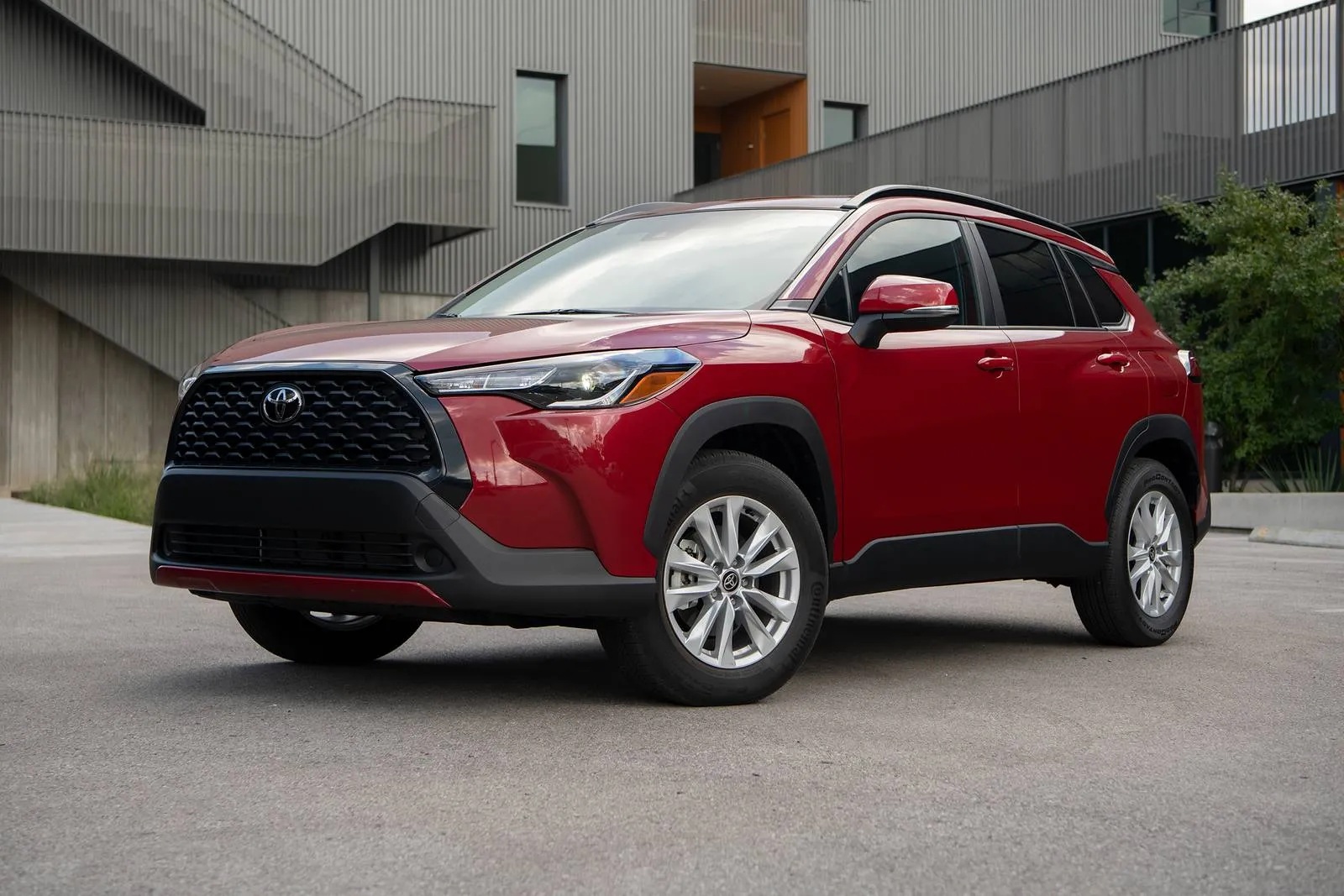
Toyota Corolla Cross XLE 2024 proves itself in urban environments with a smooth mix of elevated visibility and composed handling. Its higher seating position gives drivers a commanding view of traffic, making split-second decisions at merge points or crowded intersections easier.
The compact crossover frame allows parking in dense areas without requiring extreme maneuvering, while steering input feels natural and forgiving in tight corners.
The hybrid powertrain enhances city performance. Electric-assist launches reduce engine load during frequent stop-start sequences, keeping acceleration calm but responsive.
Gasoline engagement is gradual, reducing abrupt surges that could disturb following cars or compromise comfort for passengers. Fuel savings show up consistently during short urban trips, aligning with real-world conditions rather than idealized cycles.
Suspension tuning balances comfort with control. Potholes, speed bumps, and uneven road surfaces transmit minimal vibration to the cabin, helping maintain composure during longer commutes. This refinement complements the precise steering, preventing overcorrection when traffic movements suddenly change or when avoiding obstacles.
Technology aids urban driving. Blind-spot monitoring, adaptive cruise control, and lane-keeping assistance work silently in the background, providing support without demanding constant attention. A responsive infotainment system integrates navigation, allowing drivers to assess traffic conditions and reroute efficiently when congestion occurs.
Interior space contributes to ease of use. Ample headroom, thoughtful storage compartments, and intuitive controls reduce distraction, while quiet cabin materials prevent fatigue from prolonged idling.
The combination of efficient powertrain, steady handling, and driver-centric design ensures the Corolla Cross XLE handles Tampa traffic without feeling strained, turning stressful trips into more manageable commutes.
Also Read: 5 Cars for Fountain Valley City Use and 5 Compact Daily Drivers
3. Mazda CX-30 Turbo 2024
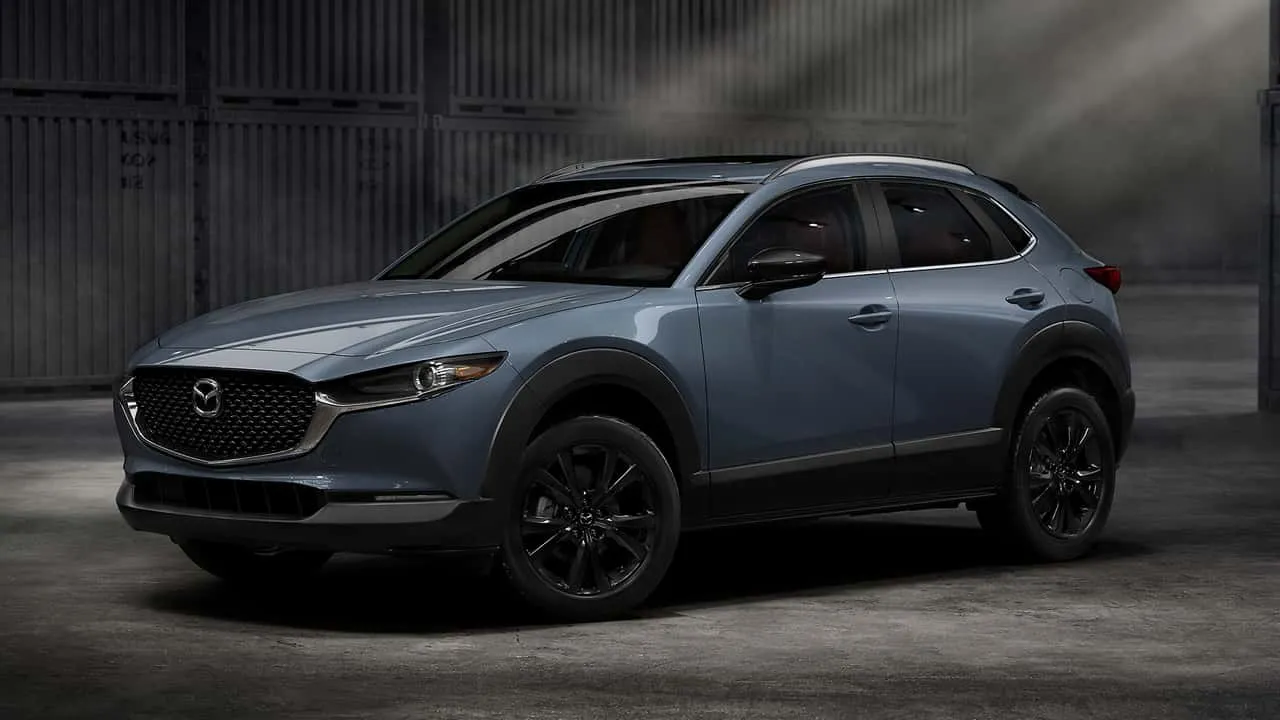
Mazda CX-30 Turbo 2024 approaches city traffic with confidence and driver engagement. Compact dimensions make tight roads and parking garages accessible, while responsive steering allows precise adjustments during merges, lane changes, or dense downtown traffic loops. Its turbocharged engine delivers quick response without overwhelming the cabin, striking a balance between performance and control.
Acceleration is linear and predictable, helping drivers maintain smooth gaps in stop-and-go patterns. Torque delivery at lower RPMs feels immediate, making highway on-ramps and short bursts through intersections manageable without sudden jolts. Drivers can exploit this responsiveness to stay ahead of congestion while maintaining comfort for passengers.
Braking stability is outstanding. Regenerative assistance from the hybrid system, if equipped, blends with traditional brakes to create consistent deceleration, reducing the effort needed in prolonged traffic. Stops at lights or crosswalks feel controlled rather than abrupt, easing driver stress over multiple repeated cycles.
Interior ergonomics encourage focus. Controls fall naturally under hand and eye lines, keeping navigation of menus and infotainment simple during busy drives. Seating provides support for extended periods, and cabin quietness contributes to a sense of calm despite the external chaos of urban streets.
Fuel consumption remains reasonable in urban circuits. Efficient turbocharging and careful transmission calibration minimize unnecessary consumption during low-speed cruising or frequent braking. This predictability in energy use helps drivers plan trips without constant concern over refueling or energy reserves.
Mazda CX-30 Turbo 2024 blends agility, comfort, and efficiency into a cohesive urban experience. Downtown commutes in Tampa feel manageable and composed, offering a combination of practical performance and driver confidence that few competitors match.
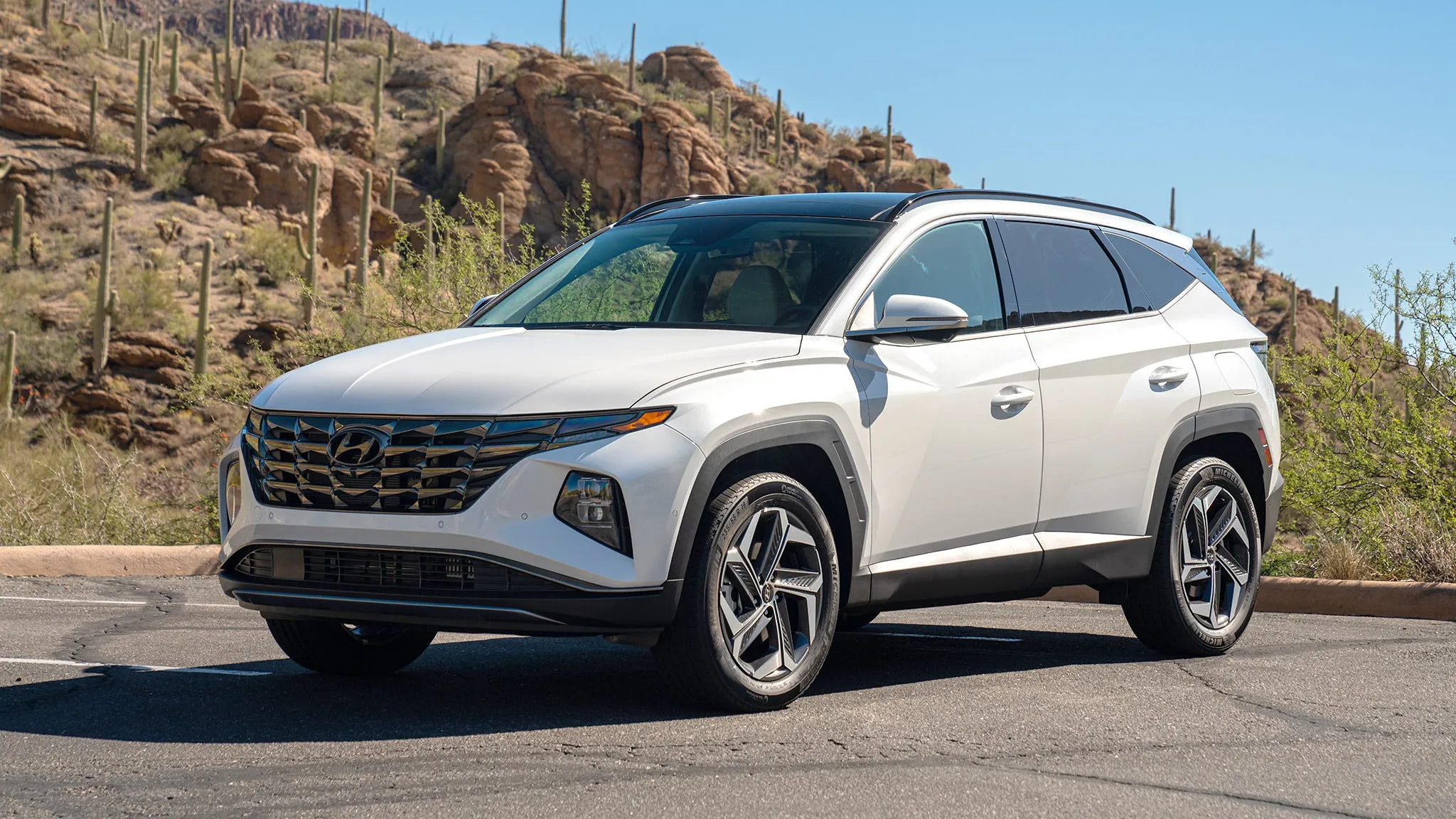
4. Hyundai Tucson Hybrid Limited 2024
Hyundai Tucson Hybrid Limited 2024 thrives in city traffic by pairing a well-calibrated hybrid powertrain with versatile handling characteristics. Its hybrid system assists low-speed acceleration, reducing fuel usage during frequent stops without compromising launch smoothness. Gasoline engagement remains subtle, preventing jarring transitions that might unsettle passengers.
Suspension absorbs road imperfections while maintaining control during abrupt lane changes or sudden slowdowns. Tire grip and steering feedback work together, creating a planted feel that boosts confidence in Tampa’s high-volume traffic corridors. Handling is intuitive enough that even longer commutes or erratic flow patterns feel manageable.
Visibility contributes to urban competence. Elevated seating, clear sightlines, and assistive camera systems simplify negotiation of crowded intersections and tight parking areas. Turn signals, blind-spot alerts, and rear cross-traffic monitoring enhance awareness during high-density traffic periods.
Cabin design emphasizes usability. Controls remain logical and easy to reach without diverting attention from traffic, while infotainment and driver-assist displays provide real-time insights into route and environment. Comfort-oriented seating and sound-dampening materials keep fatigue low during repeated stop-and-go conditions.
Fuel efficiency demonstrates the value of hybrid technology. Electric assistance handles most low-speed movement, regenerative braking recaptures energy, and intelligent engine management minimizes wasted fuel during city circulation. Predictable consumption helps drivers budget for fuel costs even when urban congestion fluctuates.
Hyundai Tucson Hybrid Limited 2024 transforms the stress of Tampa traffic into a more manageable experience. Its combination of refined handling, hybrid efficiency, and driver-focused technology makes it a compelling choice for those seeking dependable performance in stop-and-go conditions.
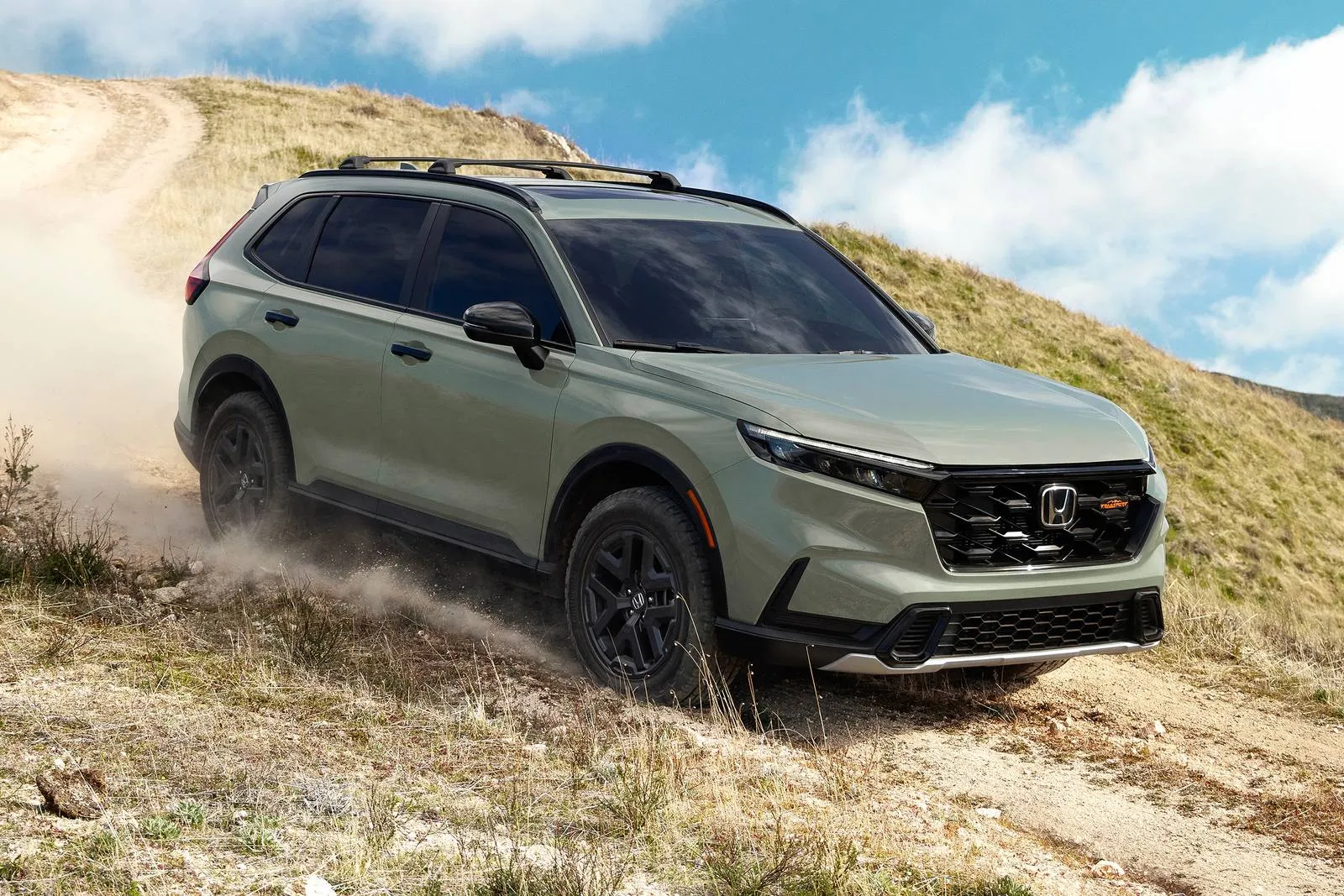
5. Honda CR-V Hybrid EX-L 2024
Honda CR-V Hybrid EX-L 2024 combines comfort, efficiency, and responsive handling to master downtown traffic. Its compact SUV frame allows easy maneuvering through congested streets, while electric motor support provides smooth launches at lights and in slow-moving lanes. Transitioning to gasoline power occurs seamlessly, maintaining cabin calm during acceleration events.
Throttle and braking are well-matched to city conditions. Regenerative braking integrates naturally with pedal feel, and engine interventions happen discreetly. Drivers experience controlled deceleration and responsive starts without disruptive lurches, promoting a sense of rhythm in stop-heavy traffic.
Steering feedback remains communicative yet forgiving, aiding lane placement and tight turns. Suspension absorbs minor road imperfections, maintaining a composed ride even on uneven surfaces. Visibility from the cabin aids spatial judgment, critical for parallel parking, merging, and reacting to vehicles entering and exiting traffic.
Interior ergonomics prioritize focus. Controls are intuitive, displays update efficiently, and driver-assist features like adaptive cruise control reduce cognitive load during congested stretches. Seating is supportive without requiring constant adjustment, and cabin quietness minimizes fatigue from stop-and-go stress.
Fuel efficiency is consistent across city drives. Electric assistance covers low-speed travel, while hybrid management limits unnecessary gasoline engagement. Regenerative braking extends the contribution of stored energy, allowing CR-V Hybrid EX-L owners to traverse multiple stops without heavy fuel penalties.
Honda CR-V Hybrid EX-L 2024 combines predictability, comfort, and hybrid efficiency, making downtown Tampa commutes more tolerable. Its measured responses, spatial awareness features, and economical powertrain support stress-free navigation of urban streets and frequent congestion.
5 Cars That Feel Underbuilt
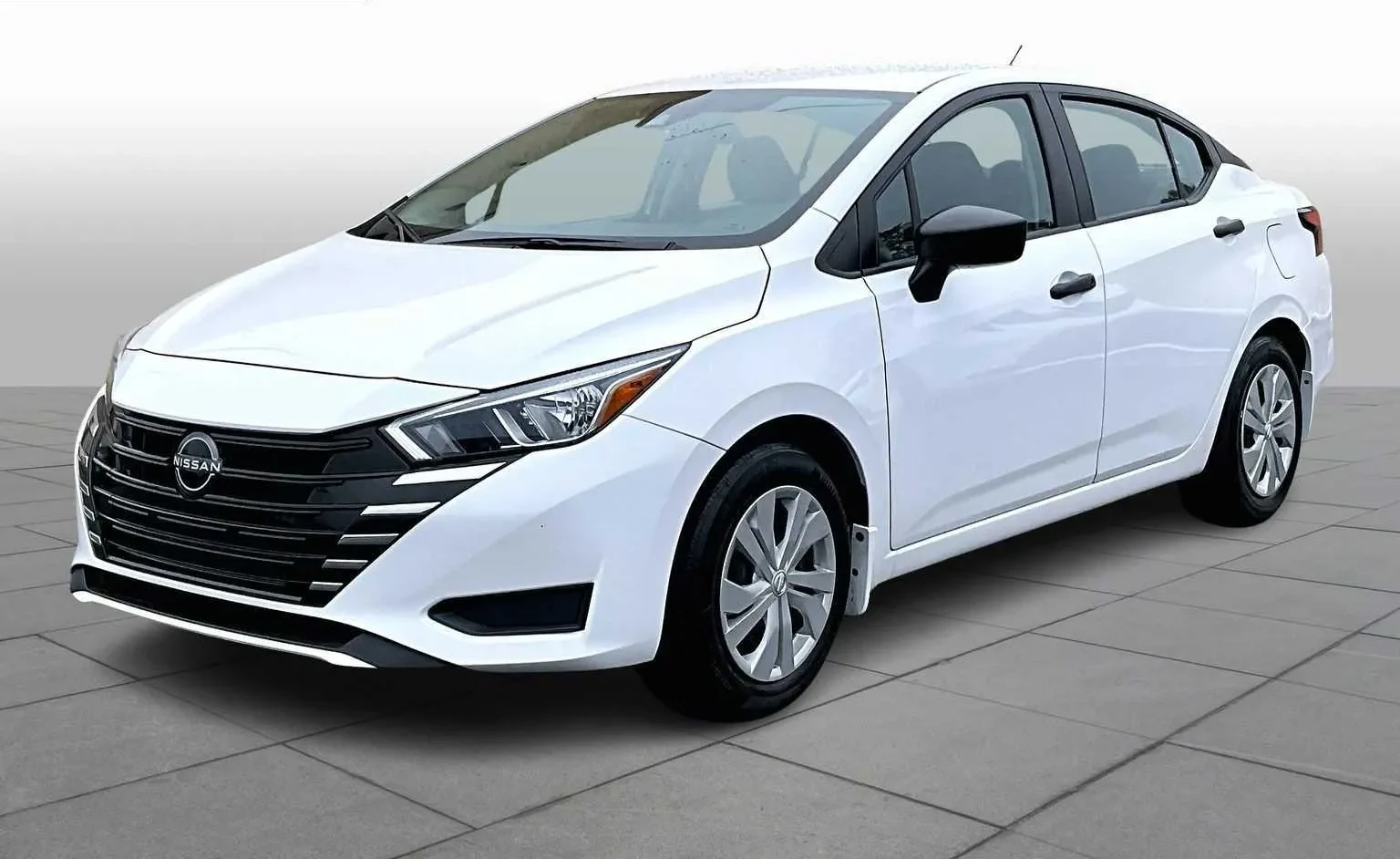
1. Nissan Versa S 2024
Nissan Versa S 2024 struggles to maintain composure in dense urban traffic. Its lightweight structure and modest engine output make it feel underpowered when merging onto busy streets or accelerating through stoplights. City conditions reveal the limits of its performance, and drivers must plan maneuvers carefully to avoid awkward gaps in traffic.
Throttle response is predictable but lacks authority. Even modest acceleration requires firm input, causing the engine to run at higher revs than desired. This amplifies cabin noise and diminishes comfort, especially during repeated stop-and-go events. Passengers can feel the effort of every launch, which adds a sense of strain to ordinary commutes.
Braking and stability systems provide basic control but offer limited feedback. Regenerative braking is absent, so energy that could improve low-speed efficiency is unavailable. Drivers must actively manage stops and starts, which increases fatigue in heavy traffic patterns.
Interior ergonomics reflect the car’s entry-level positioning. While controls remain functional, they lack refinement, and visibility over the dashboard can feel cramped. Side mirrors are small, creating blind spots that require extra attention in narrow lanes or during lane changes. Parking sensors are absent, making tight curbside spots more stressful than they would be in a higher-tier model.
Fuel efficiency, while acceptable on paper, suffers in repeated city cycles. Continuous engine engagement during slow-moving traffic increases consumption beyond expectations. The CVT transmission works hard to balance efficiency and driveability, yet its characteristic drone amplifies the perception of being underpowered.
Steering lacks feedback and feel. Maneuvering in urban traffic feels imprecise, particularly during quick lane changes or weaving around delivery trucks. Drivers may feel a disconnect between input and response, which erodes confidence in high-density situations.
Nissan Versa S 2024 demonstrates that a small, economical car can be compromised when pushed into heavy city traffic. Its modest powertrain, limited braking and feedback, and basic ergonomics make Tampa commuting a challenge. This vehicle is best suited to suburban streets or consistent highway speeds rather than dense, stop-heavy urban corridors.
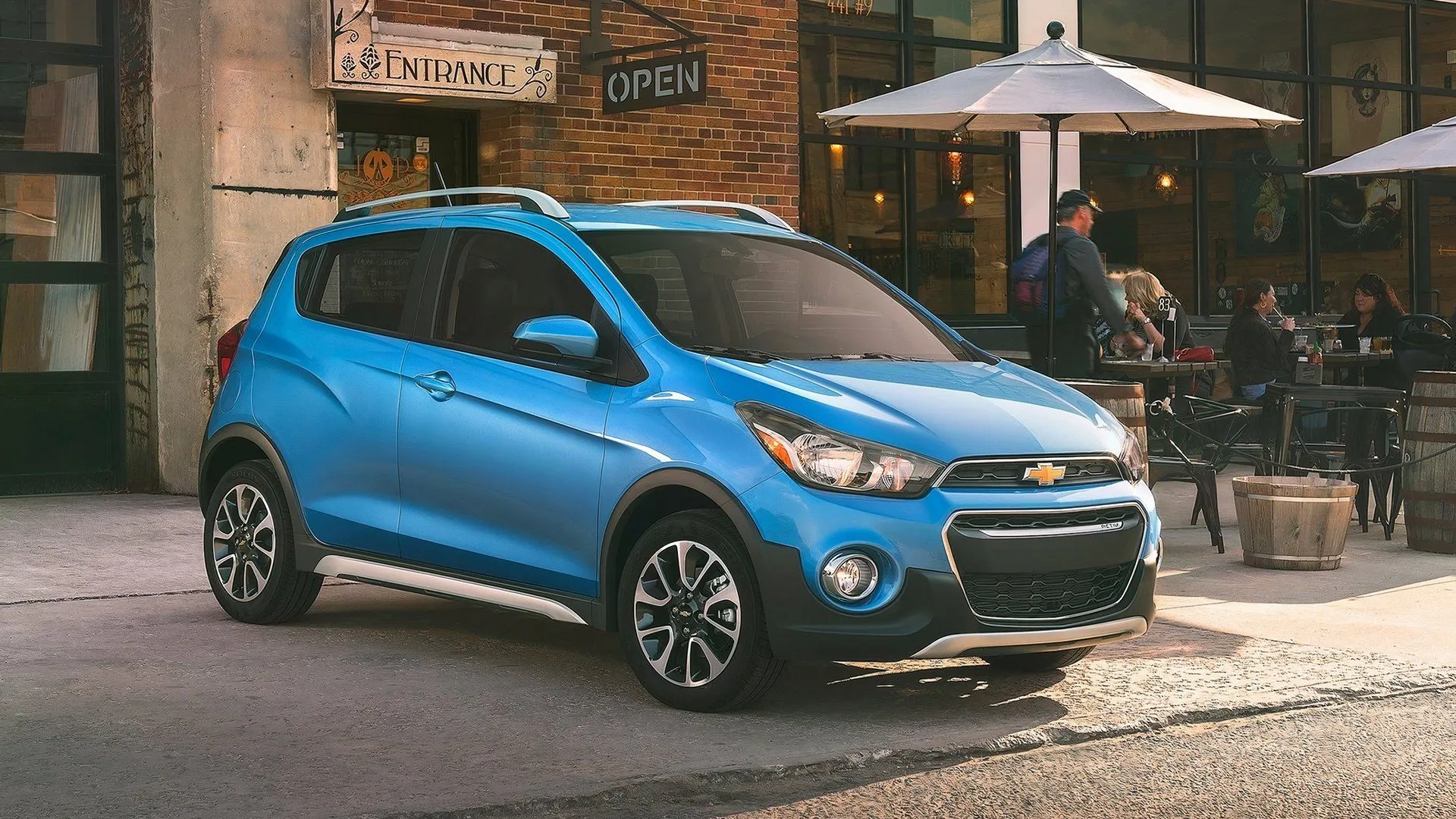
2. Chevrolet Spark 2024
Chevrolet Spark 2024 emphasizes affordability over urban authority. Its compact size is advantageous for parking, yet the small engine struggles under real-world city conditions. Traffic congestion quickly exposes the car’s underbuilt nature, with repeated acceleration causing engine strain and reduced confidence during merges.
The Spark’s throttle feels light but requires constant modulation. Even minimal acceleration in stop-and-go traffic activates higher revs, producing cabin vibration and audible engine noise. Drivers experience a constant effort to maintain a smooth pace, which diminishes comfort over extended commutes.
Braking is firm but lacks modulation, making sudden stops jarring. Without any regenerative braking or hybrid support, energy recovery opportunities are absent, leading to a more fuel-intensive experience during repeated city starts. Each launch and stop accentuates the car’s minimal power, and small hills can feel disproportionately challenging.
Interior ergonomics show the car’s budget nature. Small cabin dimensions limit visibility in crowded streets, and side mirrors provide only a partial view of adjacent lanes. Infotainment is minimal, with limited driver assistance features. In Tampa traffic, this forces drivers to remain hyper-aware, increasing mental load and reducing convenience.
Steering is light, yet imprecise at highway speeds or sudden maneuvers. Quick lane changes or avoiding obstacles can feel unresponsive, creating hesitation in tight gaps. Suspension absorbs minor bumps but transmits larger irregularities into the cabin, further emphasizing the Spark’s lightweight feel.
Fuel efficiency appears reasonable, but frequent city acceleration offsets these gains. The small tank and high revs during stop-start conditions mean trips consume more fuel than expected, contradicting the perception of a thrifty city car.
Chevrolet Spark 2024 is fun for occasional errands or tight parking, yet Tampa commuting exposes limitations. Its underpowered engine, minimal driver aids, and basic ergonomics make heavy traffic a persistent challenge rather than a routine convenience.
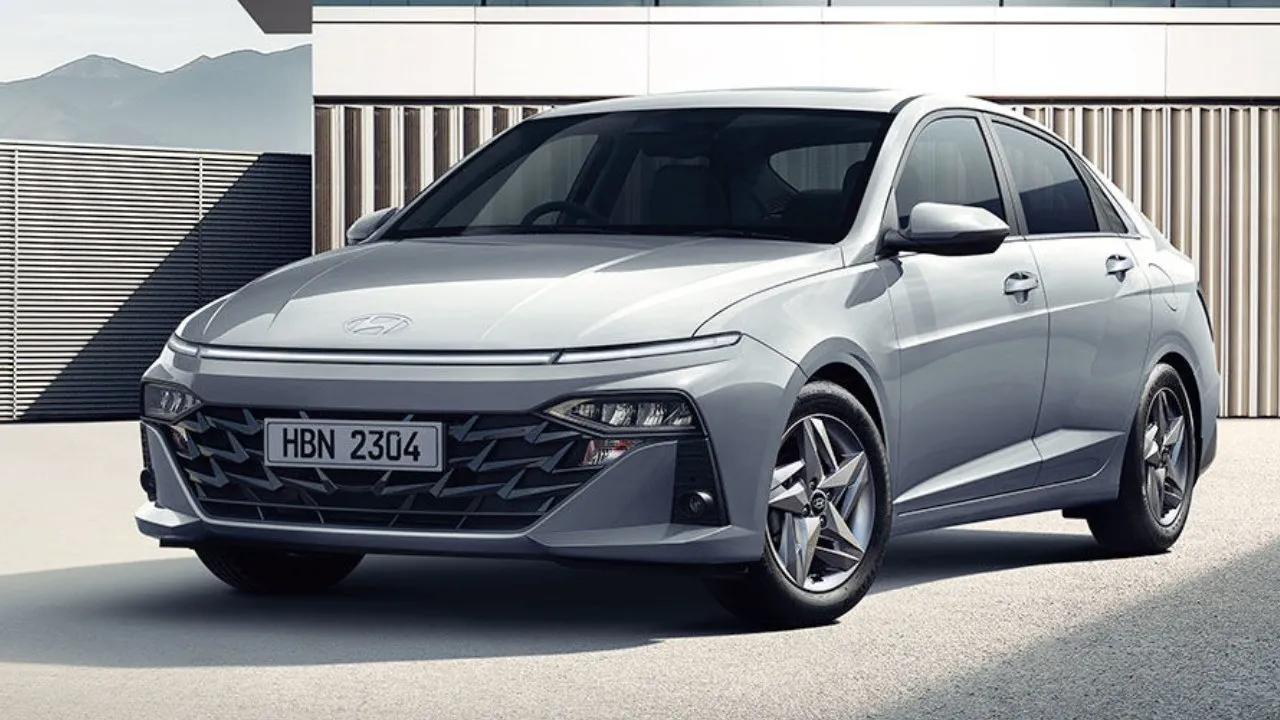
3. Hyundai Accent SE 2024
Hyundai Accent SE 2024 faces challenges in heavy downtown traffic due to its limited engine output and compact frame. The car’s 1.6-liter four-cylinder engine delivers adequate power on open roads, but urban congestion magnifies deficiencies in acceleration and maneuverability.
Throttle response is linear yet lacks authority. Starting from stops or merging into fast-moving lanes often requires pedal input, resulting in high RPMs and elevated cabin noise. The experience can feel strained, especially with passengers in the back, where minor jerks during launches are noticeable.
Suspension handles minor bumps but offers limited support during sudden directional changes. Heavy braking and rapid stop-start traffic reveal the car’s minimal damping capabilities, creating a sense of instability. Steering feedback is soft and indirect, making tight lane positioning or evasive maneuvers feel less precise than desired.
Interior ergonomics are practical but unrefined. Limited visibility over the dashboard, small side mirrors, and narrow seating reduce situational awareness. Minimal safety technology or lane assistance features mean drivers must remain highly alert in dense traffic, adding stress to the commute.
Fuel efficiency is rated well on paper, but frequent stops and short bursts of acceleration reduce real-world savings. Repeated city starts prevent the car from operating in its optimal range for fuel economy, eroding the benefits of its lightweight frame.
The Accent SE’s compact size aids parking, but urban obstacles demand careful adjustment. Tight corners, delivery trucks, and crowded lanes reveal its underpowered character, forcing drivers to plan each movement meticulously.
Hyundai Accent SE 2024 proves that an entry-level compact can struggle when daily commuting requires more power, refined handling, and confident responsiveness. Its lightweight design, limited acceleration, and modest interior features position it as underbuilt for heavy city traffic, making dense Tampa streets feel laborious rather than manageable.
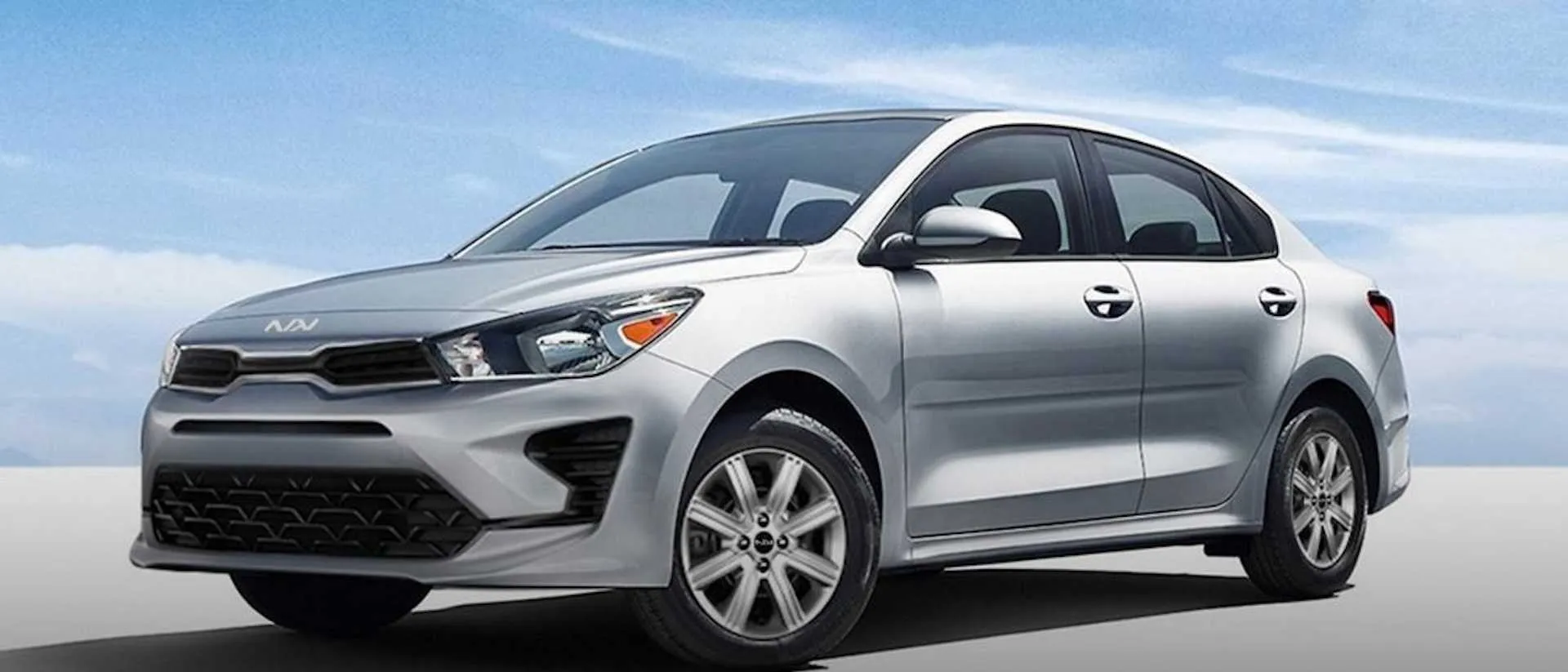
4. Kia Rio LX 2024
Kia Rio LX 2024 offers affordability and a compact footprint, yet city traffic quickly exposes the vehicle’s limits. Its 1.6-liter four-cylinder engine delivers adequate performance on open roads, but the demands of stop-and-go Tampa traffic reveal an underpowered nature, requiring constant attention to maintain pace safely.
Acceleration is gentle but insufficient. Moderate throttle input engages the engine noticeably, producing elevated cabin noise and mild vibration. Each traffic light restart or merging scenario demands conscious effort, creating stress during repeated stops. Heavy traffic magnifies these limitations, emphasizing the car’s minimal torque and lightweight feel.
Braking feels mechanical and abrupt without regenerative support or refined modulation. Frequent stops amplify the sensation of strain, and the Rio’s suspension transmits urban irregularities into the cabin, increasing driver fatigue. Tight lane positioning feels less precise, as steering feedback remains soft and indirect.
Interior ergonomics are basic. Limited visibility over the dashboard and small mirrors requires extra care during dense city maneuvers. Infotainment features are simple and sometimes slow, forcing drivers to focus more on navigation and less on convenience. Long commutes emphasize the absence of driver-assist technology.
Fuel efficiency appears appealing under ideal conditions, but in stop-heavy city cycles, repeated engine starts, and low-speed acceleration erode gains. Trips across Tampa streets result in higher-than-expected consumption, highlighting the limitations of the compact design in urban driving.
Parking and lane corrections require attention. Compact dimensions assist in tight spaces, but low engine power forces multiple adjustments during uphill starts or when accelerating around congested traffic. Energy demands compound over short trips, leaving drivers aware of the car’s mechanical limitations.
Kia Rio LX 2024 suits casual errands or occasional city driving, yet in dense traffic patterns like Tampa’s, it exposes its underbuilt traits. Limited acceleration, mechanical braking feel, and minimal driver aids make daily commutes feel more laborious than efficient, turning a seemingly practical car into a challenging option for stop-heavy urban streets.
Also Read: 5 Cars That Handle Seattle’s Wet Intersections vs 5 With Traction Complaints
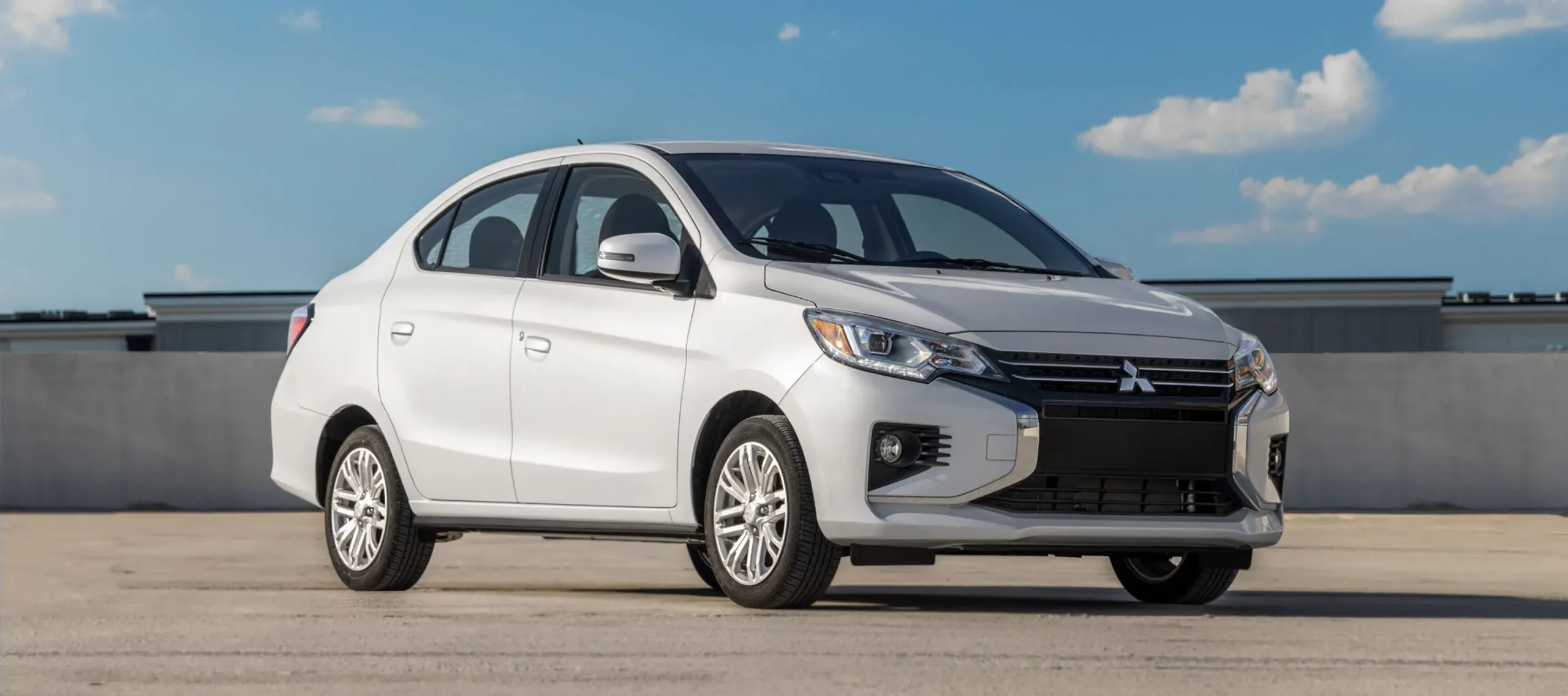
5. Mitsubishi Mirage G4 ES 2024
Mitsubishi Mirage G4 ES 2024 emphasizes cost over capability, yet Tampa traffic reveals that such an approach comes at a price. Its small three-cylinder engine delivers minimal torque, forcing drivers to manage acceleration carefully during merges, lane changes, or stoplight starts. City conditions magnify underpowered performance.
The throttle is light but requires sustained depression to maintain pace. Each restart triggers engine strain and cabin vibration, making stop-and-go traffic feel demanding rather than effortless. The limited low-end torque affects hill starts or quick evasive maneuvers, requiring planning and anticipation.
Braking lacks refinement. Mechanical feel is abrupt and minimally assisted, leaving repeated stops in dense traffic more physically demanding. Suspension provides limited absorption of uneven roads, transmitting small bumps directly into the cabin and highlighting the Mirage G4’s economy-focused design.
Interior space is functional but sparse. Visibility remains adequate, yet mirrors and seating do not compensate for narrow urban corridors. Infotainment is basic, and the lack of driver-assist technology forces reliance solely on the driver’s attention, adding cognitive load in congested traffic.
Fuel efficiency gains, in theory, are undermined by frequent engine engagement. Stop-start cycles prevent the car from reaching optimal operating conditions, and short trips demand constant acceleration input, reducing mileage in realistic urban scenarios.
Maneuvering tight parking spaces is possible, yet vehicle mass and engine limitations make repeated corrections challenging. Hills or intersections with faster traffic highlight the underpowered nature, making city commuting labor-intensive.
Mitsubishi Mirage G4 ES 2024 demonstrates that extreme economy comes with trade-offs. Its small engine, minimal driver support, and basic handling leave Tampa traffic feeling punishing. Daily commuting becomes a task requiring attention and effort, rather than a manageable routine.
