Supercars are sold on dreams. They promise exotic styling, outrageous performance, and engineering pushed far beyond the limits of ordinary road cars.
Buyers don’t just purchase speed they buy prestige, craftsmanship, and the belief that these machines represent the absolute best a brand can offer. Yet history shows that even the most celebrated supercar manufacturers have stumbled. Sometimes badly.
Reliability issues in the supercar world are not always about poor engineering. They can stem from rushed development, experimental technology, extreme performance targets, or manufacturers attempting to leap too far ahead of what production realities could support.
While some unreliable supercars became legends despite their flaws, others quietly damaged brand reputations or became cautionary tales for collectors.
What follows is not a list of “bad cars.” Many of these vehicles are stunning, historically significant, and thrilling to drive when they work.
Instead, this article examines the most unreliable supercar each major brand has ever produced, judged by owner reports, service history, recalls, engineering complexity, and long-term ownership experiences.
1. Ferrari F355
The Ferrari F355 is often remembered as one of the most beautiful Ferraris of the 1990s, but it also earned a reputation as one of the brand’s most maintenance-intensive nightmares.
At the heart of the problem was its flat-plane crank V8 paired with five valves per cylinder, an ambitious setup that pushed Ferrari’s production tolerances to their limits.
Early F355s suffered from valve guide wear that could lead to catastrophic engine failure if not addressed. Exhaust manifolds were prone to cracking due to heat cycling, and electrical issues were common throughout the cabin.
Perhaps most infamous was the engine-out service requirement for basic maintenance like timing belt changes, turning routine upkeep into a five-figure ordeal.
Despite its flaws, the F355 remains beloved, but it stands as a reminder that Ferrari’s pursuit of innovation sometimes came at the expense of durability.
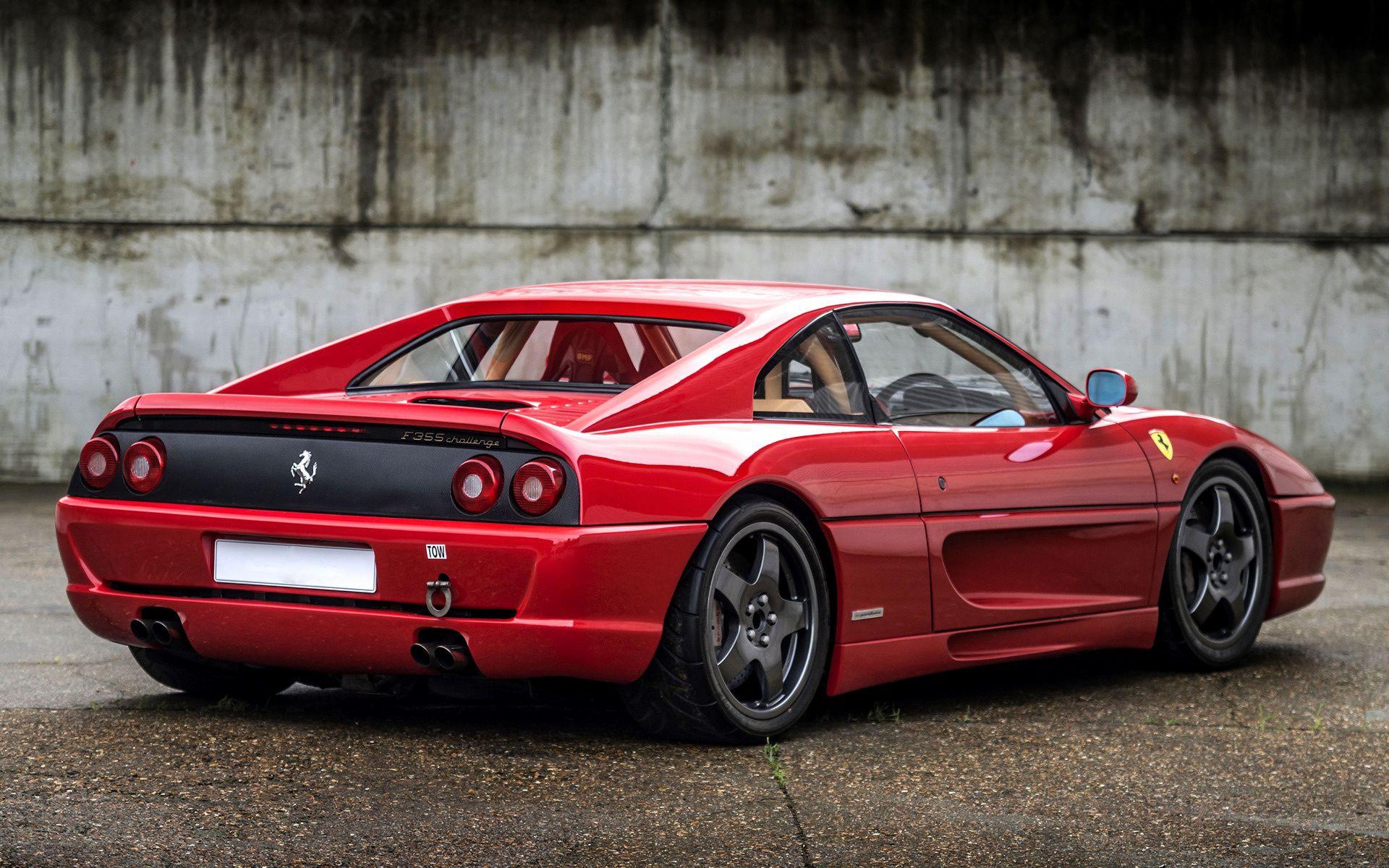
Ferrari opted to give the 355 a targa-style configuration, but true to form, it refused to call it simply a Targa. Instead, the company branded it as the GTS.
When the standard mid-engined F355 coupe no longer satisfied buyers seeking something more exclusive, the Italian manufacturer introduced the GTS variant. It was not quite as sharp as the coupe because the chassis required additional reinforcement, yet it was noticeably more rigid than the full cabriolet. In the marketplace, it came close to matching the success of the Spyder.
Visually, the car was compact and well proportioned. The short front trunk lid flowed upward into the windshield, followed by the removable roof panel, and then tapered down toward the rear. From the side, the shape suggested rear cabin windows, but those panels actually sat outside the passenger compartment. Their sole purpose was to improve lateral aerodynamics.
The interior was thoroughly trimmed in leather, covering the seats, door panels, center console, dashboard, and even the area behind the seats. It was a clear reminder of why the car commanded such a premium price. The removable roof panel could be stowed behind the seats and refitted quickly, although the car needed to be stationary and the driver had to step out to secure it in place.
On the center console, the F355 featured its suspension controls. This model marked the first time Ferrari offered an adjustable suspension system. A simple switch provided two settings: “off” and Sport.
The iconic 6+1 metal gate for the gearshift lever was precisely machined, making it nearly impossible to select the wrong gear. It was yet another hallmark design element that reinforced Ferrari’s identity.
2. Lamborghini Murciélago (Early Models)
The Murciélago was Lamborghini’s first true flagship under Audi ownership, yet early examples were plagued with problems that reflected a brand still transitioning from chaos to corporate discipline.
Its massive V12 delivered intoxicating performance, but cooling issues, weak clutches, and fragile electronics haunted owners.
The automated E-Gear transmission was particularly troublesome, often requiring costly replacements well before expected intervals.
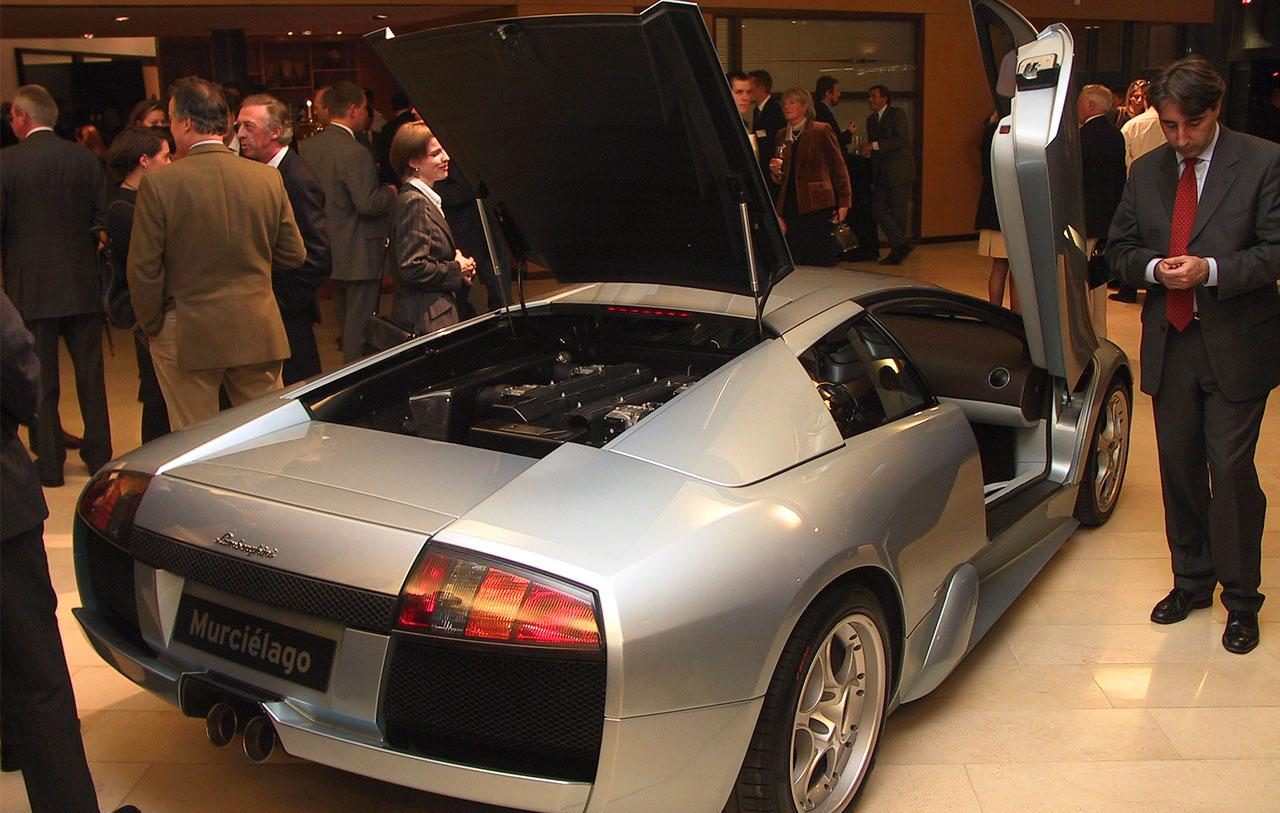
Electrical gremlins were widespread, affecting everything from dashboard displays to engine management systems. Even basic usability was compromised by overheating in traffic and poor component longevity.
Later Murciélagos improved significantly, but the early cars remain some of the least reliable supercars Lamborghini has ever built.
3. McLaren MP4-12C
McLaren’s return to road cars was ambitious, and the MP4-12C showcased extraordinary engineering.
Carbon fiber construction, hydraulic suspension, and a twin-turbo V8 made it a technological marvel. Unfortunately, early reliability was a disaster.
Software glitches caused suspension failures, transmission malfunctions, and unpredictable throttle behavior.
Electrical systems were notoriously unstable, and many early cars required repeated dealer visits for updates and replacements. McLaren issued numerous recalls and software revisions, essentially rebuilding the car through patches.
While later examples became more dependable, the MP4-12C’s launch problems cemented its reputation as McLaren’s most unreliable modern supercar.
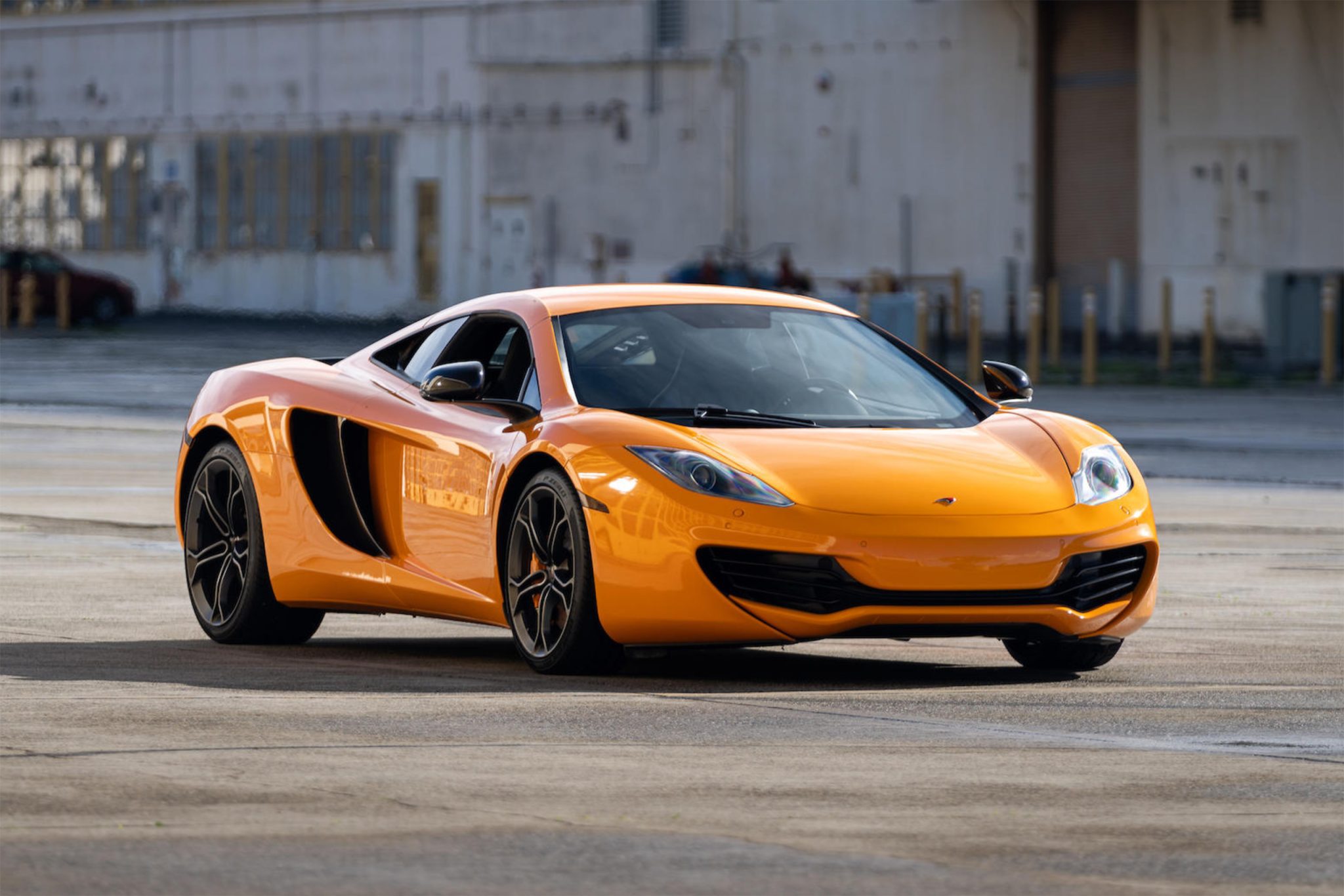
The McLaren 12C was created by an elite group of designers and engineers, many of whom brought direct experience from Grand Prix racing and hypercar development. It became the first series-production McLaren to feature a single-piece carbon fibre MonoCell chassis, offering exceptional structural rigidity while keeping weight impressively low.
To put that achievement into perspective, producing each carbon fibre chassis for the McLaren F1 required an extraordinary 4,000 hours of work. Two decades later, advances in manufacturing meant the 12C’s MonoCell could be completed in just four hours.
The McLaren 12C also carried over advanced digital technology derived from the company’s racing programme. Originally introduced on the Formula 1 championship-winning MP4-13, Brake Steer technology was designed to manage traction, reduce mid-corner understeer, and control oversteer during high-speed cornering. The system proved so effective that it was quickly outlawed, as the competitive advantage it delivered was deemed too significant.
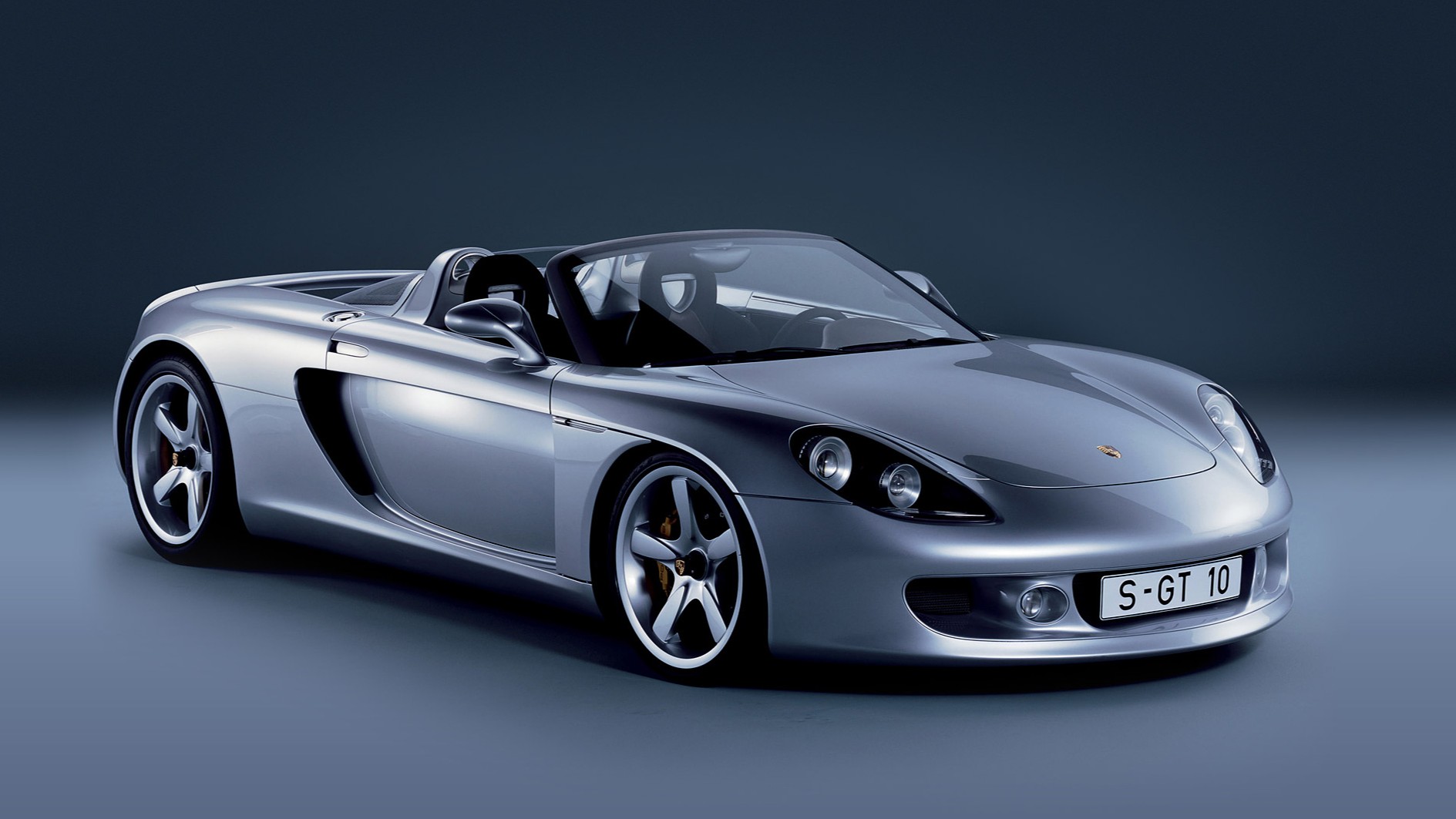
4. Porsche Carrera GT
The Carrera GT is often celebrated as one of the greatest driver’s cars ever made, but reliability was never its strength. Designed with racing DNA, the V10 engine used materials and tolerances that were ill-suited for casual road use.
Clutch failure was a known issue, often costing owners tens of thousands of dollars. Carbon-ceramic brakes required meticulous care, and the car’s lack of modern driver aids made mechanical mistakes far more costly.
Perhaps most famously, Porsche recalled the Carrera GT years after production ended due to suspension failures caused by aging components.
The Carrera GT was engineered for perfection on paper, but ownership demanded near-obsessive attention.
A quarter of a century ago, a car made its debut that would go on to be regarded as a milestone in multiple respects: the Porsche Carrera GT. It was showcased at the Paris Motor Show in September 2000 as a near-production sports car concept, and three years later the V10-powered machine entered full series production.
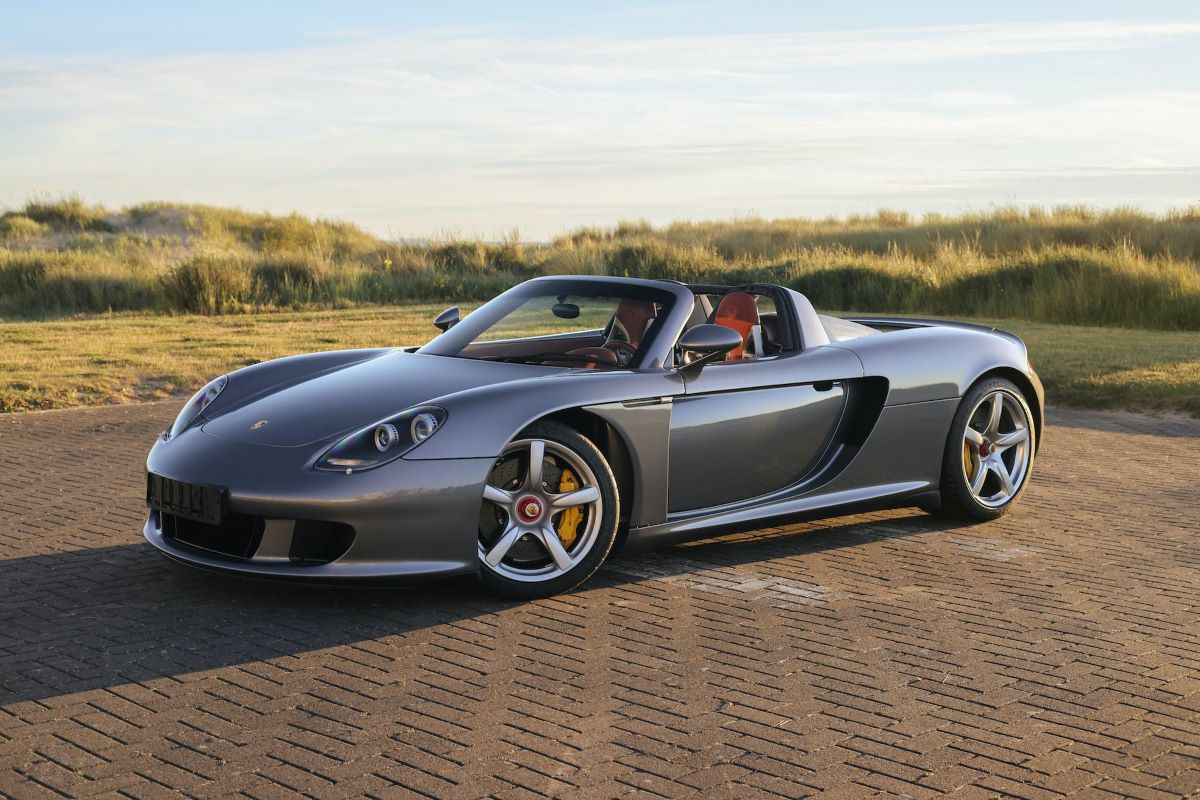
Shortly before that launch, Walter Röhrl drove the open sports car through pouring rain in front of the international press, navigating the route from the Arc de Triomphe to the Louvre.
The V10 engine that powered the Carrera GT traced its roots to the LMP 2000, a prototype originally developed for the World Endurance Championship but never raced. Featuring a 5.5-litre displacement, water cooling, and a compact layout, the engine weighed just 165 kilograms and was engineered to rev to as high as 8,900 rpm.
During the late 1990s, Porsche pursued the project internally under the LMP 2000 designation, with the objective of building on its existing overall victories at Le Mans.
The advanced V10 was conceived as a mid-mounted unit, high-revving, robust, and uncompromising in character. However, in 1999, Porsche chose to redirect its resources toward new production models, leading to the cancellation of the programme.
Even so, the V10 was far too exceptional to abandon. Rather than consigning it to a museum display, Porsche revisited the idea and reimagined the engine as the heart of a road-legal super sports car.
5. Bugatti Veyron
The Bugatti Veyron redefined what a production car could do, but reliability was sacrificed in the pursuit of record-breaking performance.
With four turbochargers, ten radiators, and tolerances tighter than many race cars, the Veyron was never designed for simplicity.
Tires needed replacement every few thousand miles, wheels required replacement with every tire change, and routine maintenance costs rivaled the price of luxury sedans.
Cooling failures, transmission replacements, and sensor issues were not uncommon, even at low mileage. Bugatti never pretended the Veyron would be easy to live with, but it remains the most mechanically demanding supercar the brand has ever sold.
One thousand one metric horsepower, a top speed of 253 miles per hour, and an 8.0-liter quad-turbo W-16 engineall packaged in a car as manageable day-to-day as a Golf.
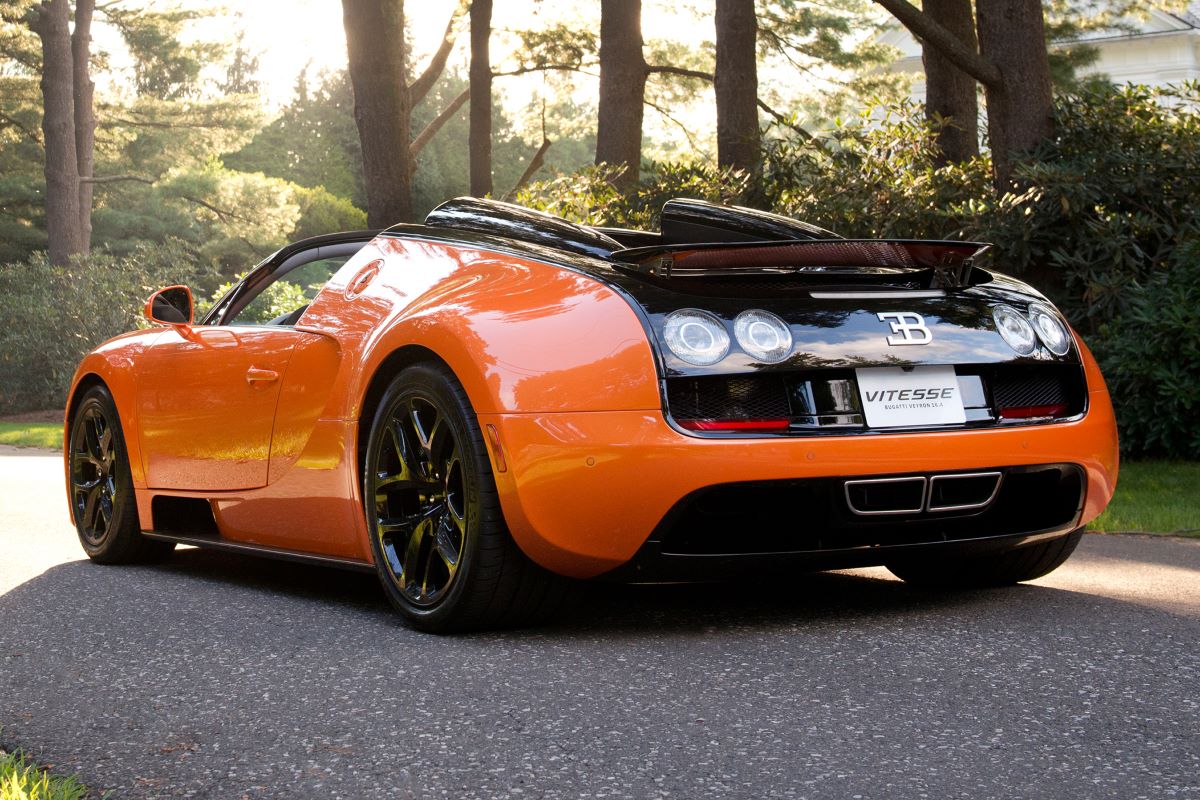
Even in an era when hypercars producing over 1,000 horsepower are no longer unique, the Bugatti Veyron still commands attention. Very few vehicles have surpassed it in raw figures, and arguably none has left such a lasting mark. Today, the Veyron remains cooler than ever.
In its original, pre-World War II era, Bugatti was among the most revered automakers, known for producing both highly successful sports racers and opulent grand tourers.
In 1987, the brand was resurrected under the ownership of Romano Artioli, who established a new company in Italy and brought the EB110 to life in 1991. While the EB110 was undeniably striking and technologically impressive, it ultimately failed to achieve commercial success, leading Artioli to sell Bugatti to the Volkswagen Group.
6. Aston Martin DB9 (Early Production)
The DB9 was Aston Martin’s attempt to modernize, but early production models suffered from quality control issues that tarnished its reputation.
Electrical problems plagued the infotainment system, engine sensors failed prematurely, and transmission reliability varied wildly.
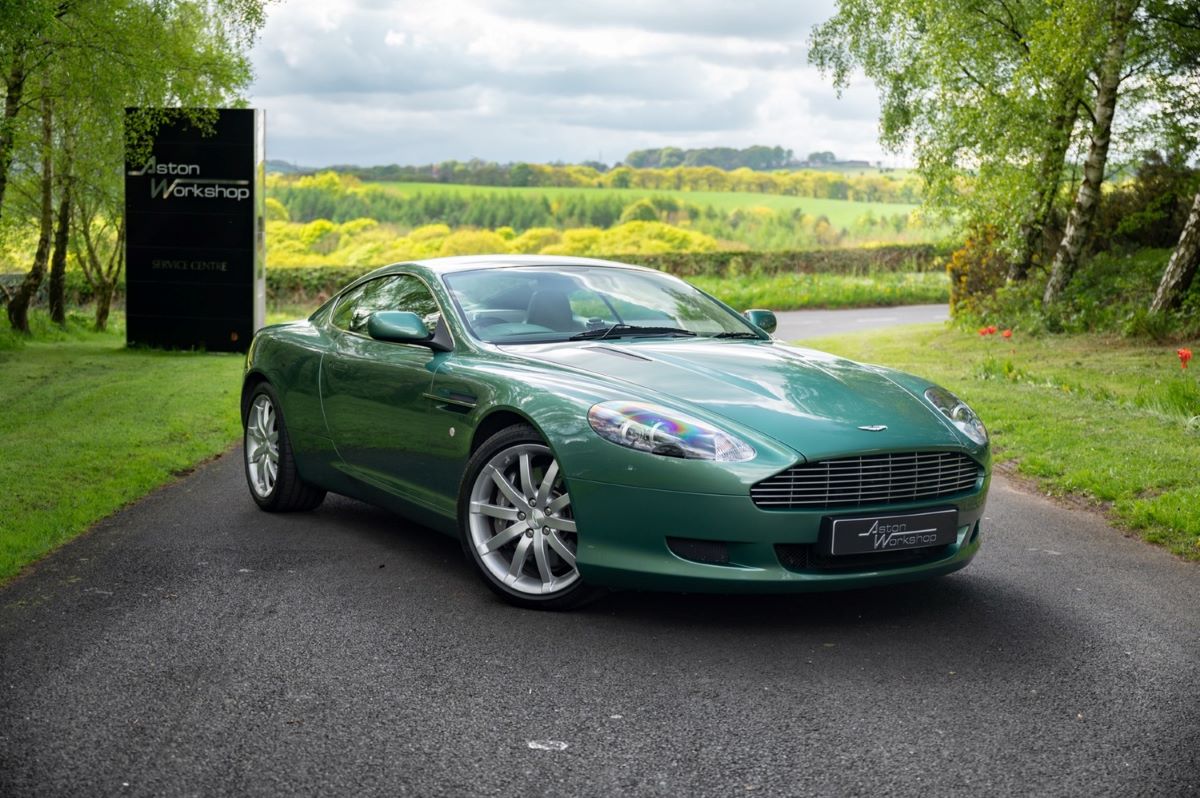
Interior trim issues were common, with leather shrinking or separating under heat. Cooling system failures and oil leaks further frustrated owners.
While later DB9s improved dramatically, early examples remain among Aston Martin’s least reliable high-performance cars.
It was a turning-point car for the brand, but one that revealed growing pains.
7. Maserati MC12 (Road Version)
The MC12 is rare, exotic, and closely related to Maserati’s racing success, but that racing DNA brought significant reliability compromises.
Built in extremely limited numbers, parts availability was poor, and servicing required factory-level expertise. Owners reported clutch failures, suspension issues, and persistent warning lights tied to complex electronics.
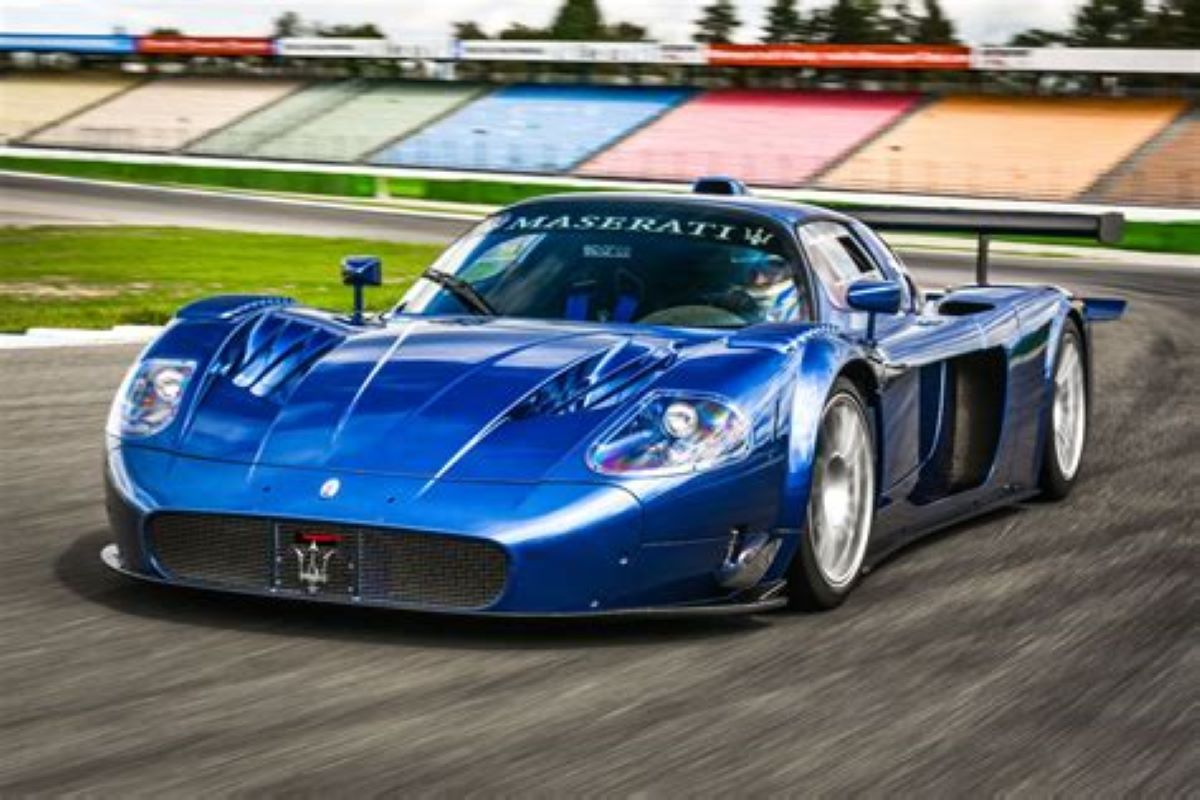
The car’s extreme setup made street driving impractical, accelerating wear on components not designed for everyday use.
While breathtaking and historically important, the MC12 is widely regarded as the most temperamental road car Maserati ever produced.
The Maserati MC12 is one of the most remarkable supercars ever produced. Today, it commands prices exceeding $3 million, and only 50 examples exist worldwide. It represents the pinnacle of Italian automotive creativity, engineers given immense budgets and the freedom to turn their wildest ideas into reality.
While the MC12 shares much of its DNA with the Ferrari Enzo, it is rarer and, in many ways, arguably more special. Maserati has often been an overlooked Italian brand, struggling to consistently produce vehicles that leave a lasting impression. Yet with the MC12, Maserati captured its fastest car and brightest moment, creating a model that may be one of the most unique and extraordinary supercars the world has ever seen.
The MC12 shares most of its components with the Ferrari Enzo, a decision driven by Maserati’s desire to reclaim its fading racing image in the early 2000s. To restore credibility as a performance brand and boost sales, Maserati sought to compete in top-level racing once again. Since Ferrari was already building the Enzo, Maserati leveraged its platform for the race car.
Regulations required that 50 road-legal units be built to homologate the vehicle, so Maserati adapted the racing design for the street, resulting in the MC12. Despite sharing its foundation with the Enzo, the MC12 stands apart in design, rarity, and its racing purpose.
Under the hood, the MC12’s V12 engine is a masterpiece. While it is based on the Enzo’s unit, Ferrari imposed limits to ensure the MC12 could not surpass its sibling in performance.
The engine was slightly detuned to 620 horsepower, down from the Enzo’s 650, and the transmission featured different gear ratios. Combined with the MC12’s roughly 100-pound weight increase, this ensured the Enzo remained Ferrari’s ultimate supercar while the MC12 delivered extraordinary performance of its own.
Every MC12 came equipped with a sequential automatic transmission, just like the Enzo. Drivers used paddle shifters for full control over gear selection, though the system now feels outdated compared to modern supercars.
The slower shifts are one of the few reminders that the MC12, like the Enzo, was built in the early 2000s rather than 2022. Despite this, the transmission provided precise control and complemented the car’s raw performance.
While Maserati never officially named it this, the button’s purpose is straightforward: in the event of a crash, it shuts off the fuel pump and activates the hazard lights. Positioned just behind and to the right of the driver’s seat, this safety feature reduces the risk of fire while making the vehicle visible to other drivers.
8. Pagani Zonda C12
The earliest Zondas were works of art but suffered from early-production issues common to small manufacturers. Cooling inefficiencies, inconsistent build quality, and early electronic faults affected reliability.
Pagani quickly refined the platform, and later Zondas became far more dependable, but first-generation cars required constant attention.
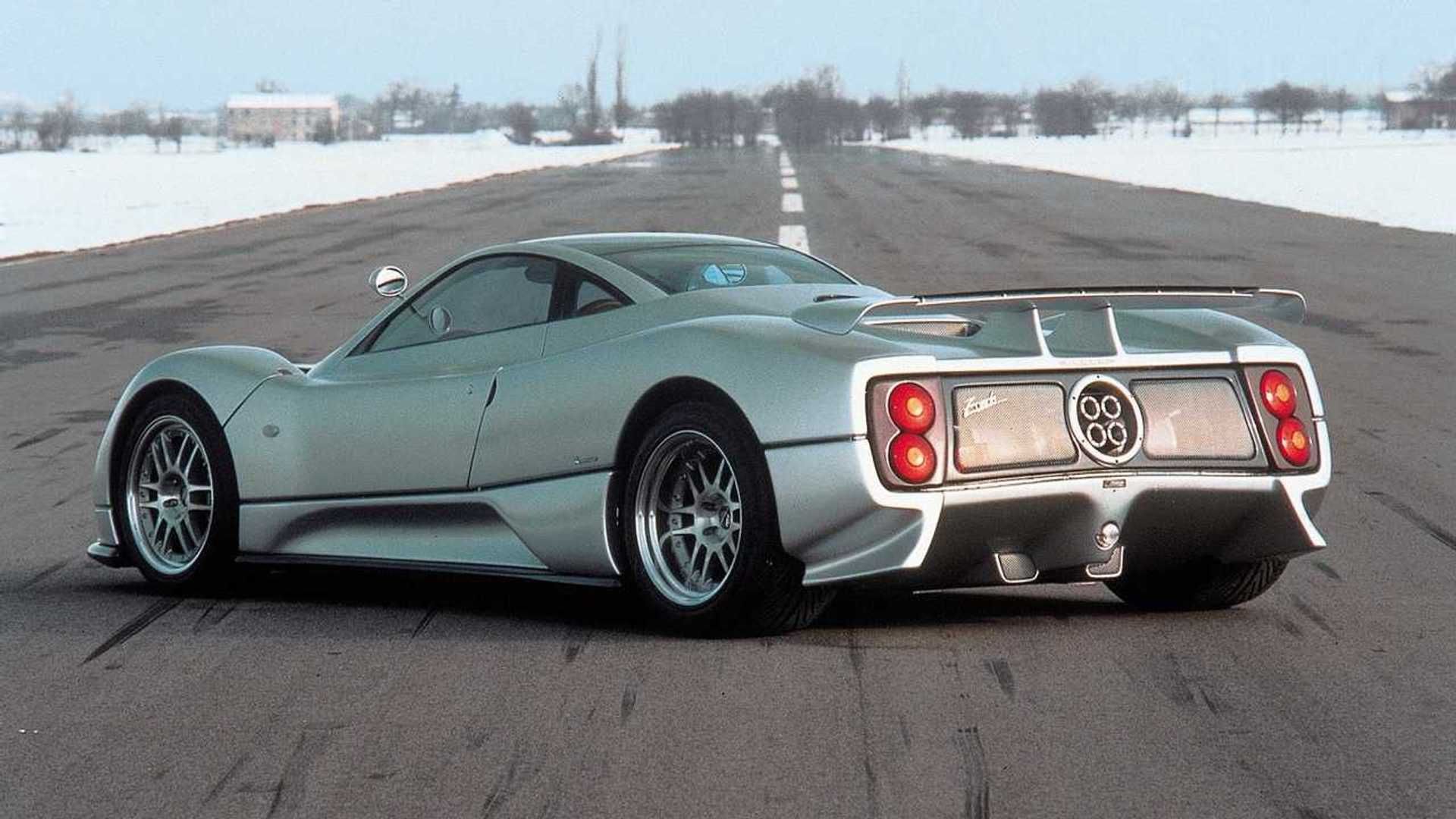
Owners often relied directly on the factory for support, which limited usability outside Europe. The Zonda’s evolution highlights how small-batch craftsmanship can struggle with early reliability before perfection is achieved.
The Pagani Zonda represents the genesis of a supercar dynasty, serving as the springboard for some of the most iconic and fearsome performance cars of the last two decades, including the Huayra, Zonda R, and Utopia.
First introduced in 1999 as the Zonda C12, the car was a statement of intent from Horacio Pagani, a former Lamborghini engineer who had run the firm’s composite materials division during the 1980s. By the late 1980s, Pagani had founded his own company, Pagani Composite Research, which counted Lamborghini among its clients.
Pagani’s goal was clear: to create a car capable of blistering speed down straights while remaining agile enough to slice through corners like a much smaller sports car. Unlike many fledgling supercar makers that faded quickly, the Zonda demonstrated from the outset that Pagani’s venture would be different, combining engineering excellence with visionary design.
The car’s success was rooted in Pagani’s expertise in composites and engineering. Utilizing his knowledge from years of working with carbon fiber and aluminum, he developed a bespoke aluminum chassis and carbon-fiber body that kept the car’s weight to a remarkably low 2,755 pounds, despite its wide and imposing design.
This focus on lightness and rigidity was complemented by double wishbone independent suspension at both the front and rear, complete with adjustable dampers and anti-roll bars, giving the Zonda handling precision that many contemporaries lacked. At the time, other supercars like the Lamborghini Diablo could dominate straightaways but often struggled with cornering agility.
Equipped with a naturally aspirated 6.0-liter V12 producing 450 horsepower and 472 lb-ft of torque, the Zonda could sprint from 0 to 60 mph in just 3.9 seconds, with a top speed of 185 mph.
While some contemporaries were heavy, unwieldy machines, the Zonda combined lightweight construction with refined dynamics, creating a supercar that felt both razor-sharp and remarkably responsive. The C12 was never fully road-legal in the United States for many years, but thanks to the 25-year import rule, enthusiasts can now legally experience this historic car on American roads.
From the outset, the Pagani Zonda was more than just a supercar, it was a bold declaration of what was possible when engineering excellence met visionary design.
Its combination of cutting-edge materials, meticulous craftsmanship, and uncompromising performance not only established Pagani as a serious contender in the hypercar arena but also laid the foundation for future masterpieces such as the Huayra and Zonda R.
The C12’s lightweight construction, advanced suspension, and dynamic handling made it a benchmark for new-generation supercars, setting the stage for fierce competition against contemporaries like the Porsche Carrera GT, Lamborghini Murciélago, and Ferrari Enzo. In every sense, the Zonda was a dream realized, marking the beginning of a legendary automotive lineage.
9. Koenigsegg CCX
Koenigsegg’s CCX was a bold leap forward, but early cars suffered from overheating issues and electronic instability.
The bespoke V8 produced incredible power, yet cooling challenges caused limp modes and reliability concerns under sustained driving.
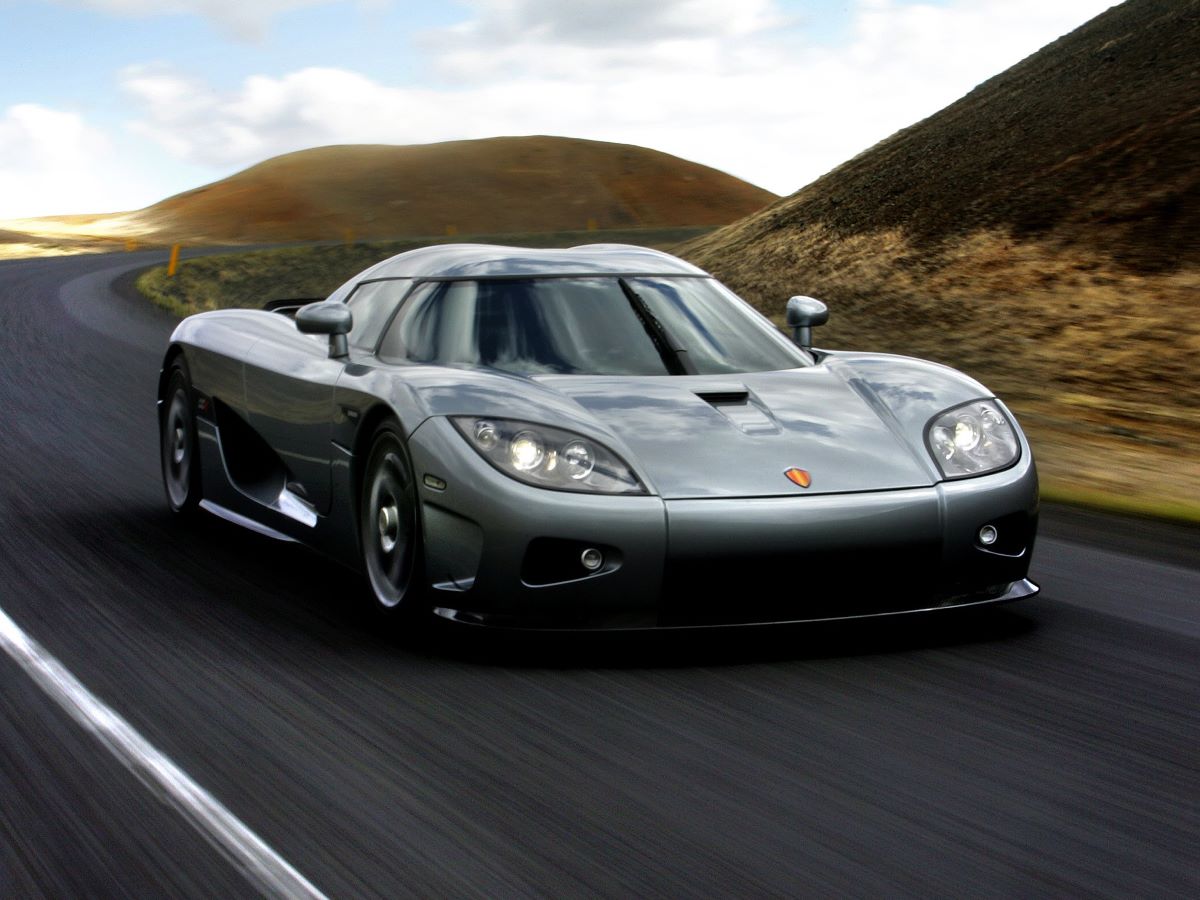
Transmission tuning was another weak point, with early gearboxes struggling to cope with torque delivery. While Koenigsegg resolved many of these issues quickly, the CCX remains the brand’s most problematic production supercar.
It was a necessary step in Koenigsegg’s rise and a reminder that innovation comes with risk.
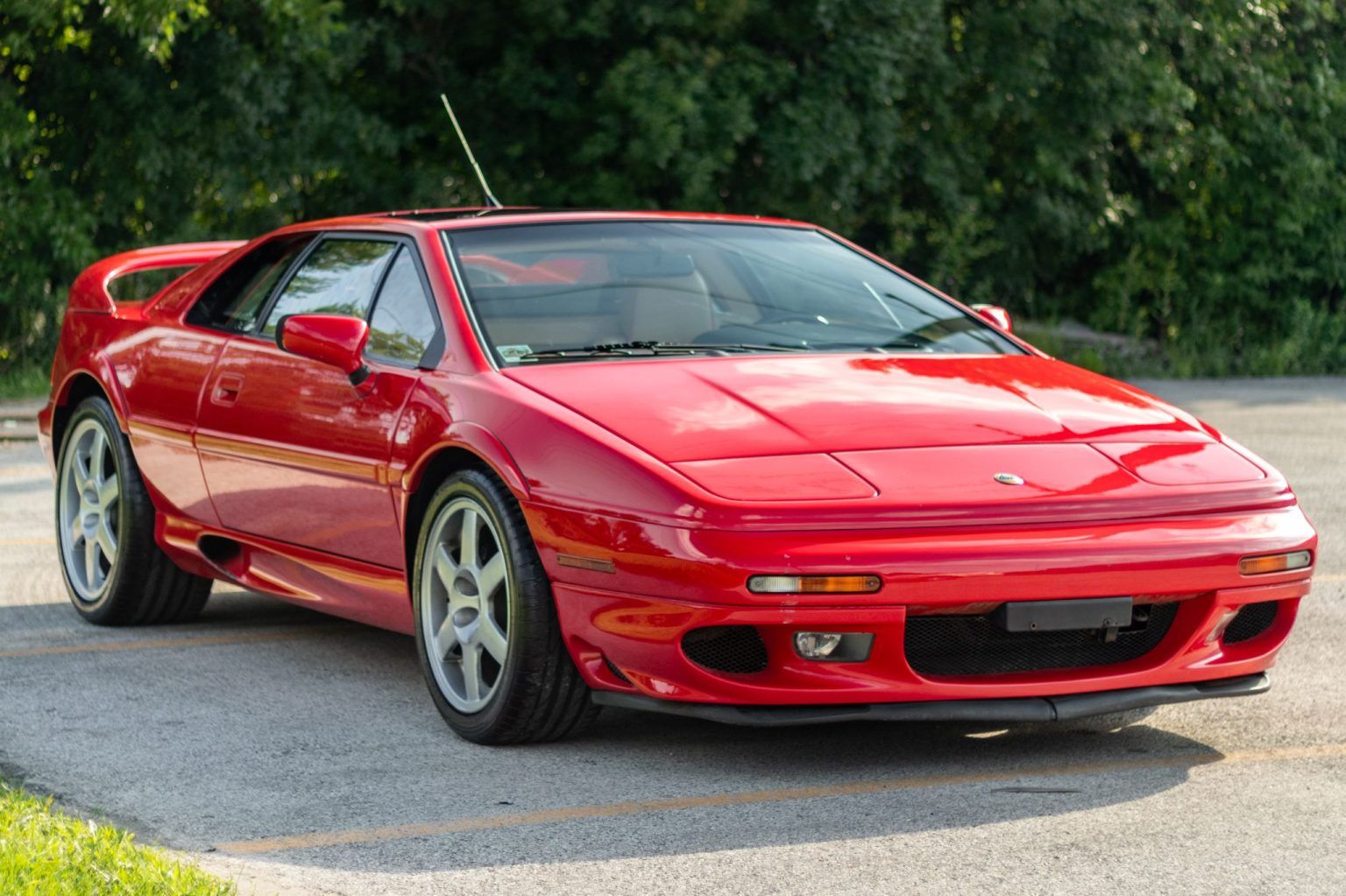
10. Lotus Esprit V8
The Lotus Esprit V8 delivered exotic looks and thrilling performance, but reliability was its Achilles’ heel. The twin-turbo V8 was compact and powerful, yet fragile. Cooling problems, timing belt failures, and weak internals plagued early engines.
Electrical systems were notoriously unreliable, and interior components aged poorly. While the Esprit remains iconic, it also represents the most failure-prone supercar Lotus ever sold. Lightweight engineering has limits, and the Esprit found them.
Supercars exist at the edge of what is mechanically possible. When manufacturers push boundaries, reliability often becomes collateral damage. Many of the cars on this list helped shape their brands’ futures, even if they stumbled along the way.
For collectors, these vehicles can be immensely rewarding but only with deep pockets, patience, and the right specialists. For enthusiasts, they serve as fascinating reminders that even legends can be flawed.
The Lotus Esprit achieved cinematic fame in the late 1970s thanks to James Bond, whose white wedge-shaped car became instantly iconic as it raced across mountain passes and, famously, transformed into a submarine beneath the waves.
Its ultra-low, sharply angled bodywork was already attention-grabbing, but those early editions were seriously underpowered. With a four-cylinder two-liter engine producing far less than even a contemporary Golf GTI, the Esprit relied almost entirely on Lotus’ philosophy of lightweight construction and brilliant handling.
At under 2,000 pounds, it was nimble, playful, and exhilarating in corners, but it lacked the outright power that might have made it a true supercar of its era.
It would take Lotus roughly 20 years to finally deliver the performance the Esprit had always deserved. The 2002 Esprit V8 introduced a 3.5-liter twin-turbocharged V8, generating 350 horsepower and 295 lb-ft of torque, paired with a five-speed manual transmission and a top speed of 174 mph.
With this setup, the car retained its lightweight magic while finally offering the speed to match its dramatic design. Thanks to its low mass, the Esprit remained a joy to throw through corners, delivering a playful, connected driving experience that made it feel like a sports car distilled to its purest essence.
By the time the V8 arrived, Lotus had finally realized the full potential of the Esprit, creating a car that was both fast and fun, and entirely worthy of its legendary wedge-shaped silhouette. In the supercar world, perfection is rare. And sometimes, it’s the imperfections that make these machines unforgettable.