Beauty in the supercar world is not just about speed or status it’s about proportion, intent, and emotion. The greatest supercars don’t merely look fast; they communicate purpose while standing still.
Their designs age gracefully, transcending trends, regulations, and technology shifts. For American enthusiasts especially, where muscle cars once dominated visual culture, these global icons helped redefine what automotive beauty could be.
From Italian sculpture on wheels to Japanese futurism and German precision, the best-looking supercars ever built share one thing in common: they remain unforgettable decades after their debut.
This list isn’t about the fastest lap times or the highest auction prices. It’s about visual impact, timeless design, and how each car shifted the aesthetic direction of the supercar world.
These are the machines people stop to stare at, sketch in notebooks, and hang on bedroom walls cars that look just as breathtaking today as they did when they first stunned the world.
1. Lamborghini Miura (1966–1973)
If supercars have a Genesis moment, the Lamborghini Miura is it. Designed by Marcello Gandini at Bertone, the Miura essentially invented the modern mid-engine supercar layout, but it was the shape not the engineering that made it immortal.
Low, wide, and impossibly sleek, the Miura looked more like a concept car accidentally approved for production.
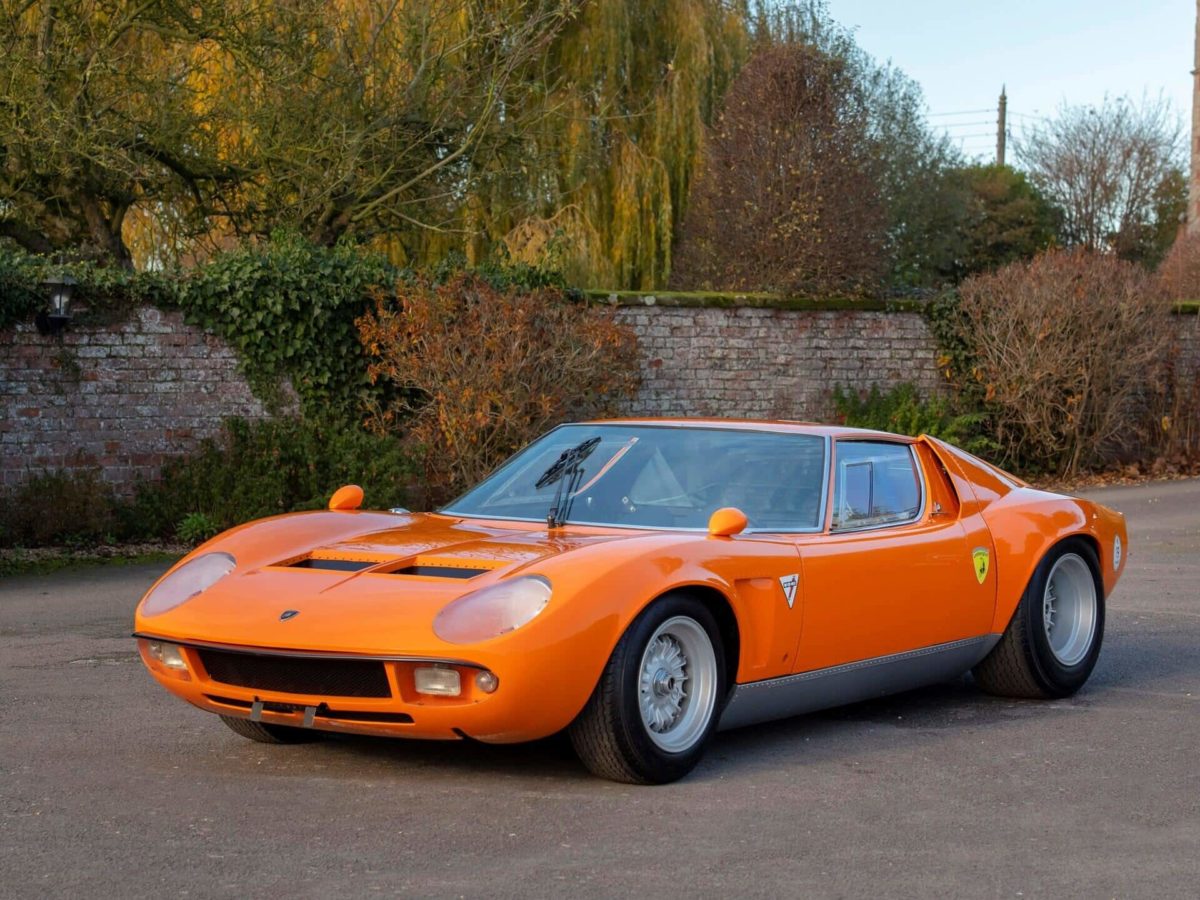
Its clamshell hood and eyelashes around the headlights gave it an organic, almost animalistic presence that contrasted sharply with the boxy sports cars of the era.
For American buyers in the late 1960s, the Miura was shocking. It made Corvettes and Ferraris look conservative overnight.
More than half a century later, its proportions remain perfect, proving that truly great design doesn’t need to be aggressive or overstyled to feel exotic.
2. Ferrari F40 (1987–1992)
The Ferrari F40 is the visual definition of raw intent. Built to celebrate Ferrari’s 40th anniversary, it stripped luxury from the supercar equation and replaced it with pure function.
Its sharp lines, massive rear wing, NACA ducts, and exposed carbon fiber screamed performance in a way no Ferrari had before.
What makes the F40 so visually powerful is its honesty. Nothing is decorative. Every vent exists for cooling, every curve for aerodynamics.
For American enthusiasts raised on muscular excess, the F40 represented a different kind of aggression one rooted in motorsport and engineering rather than brute displacement.
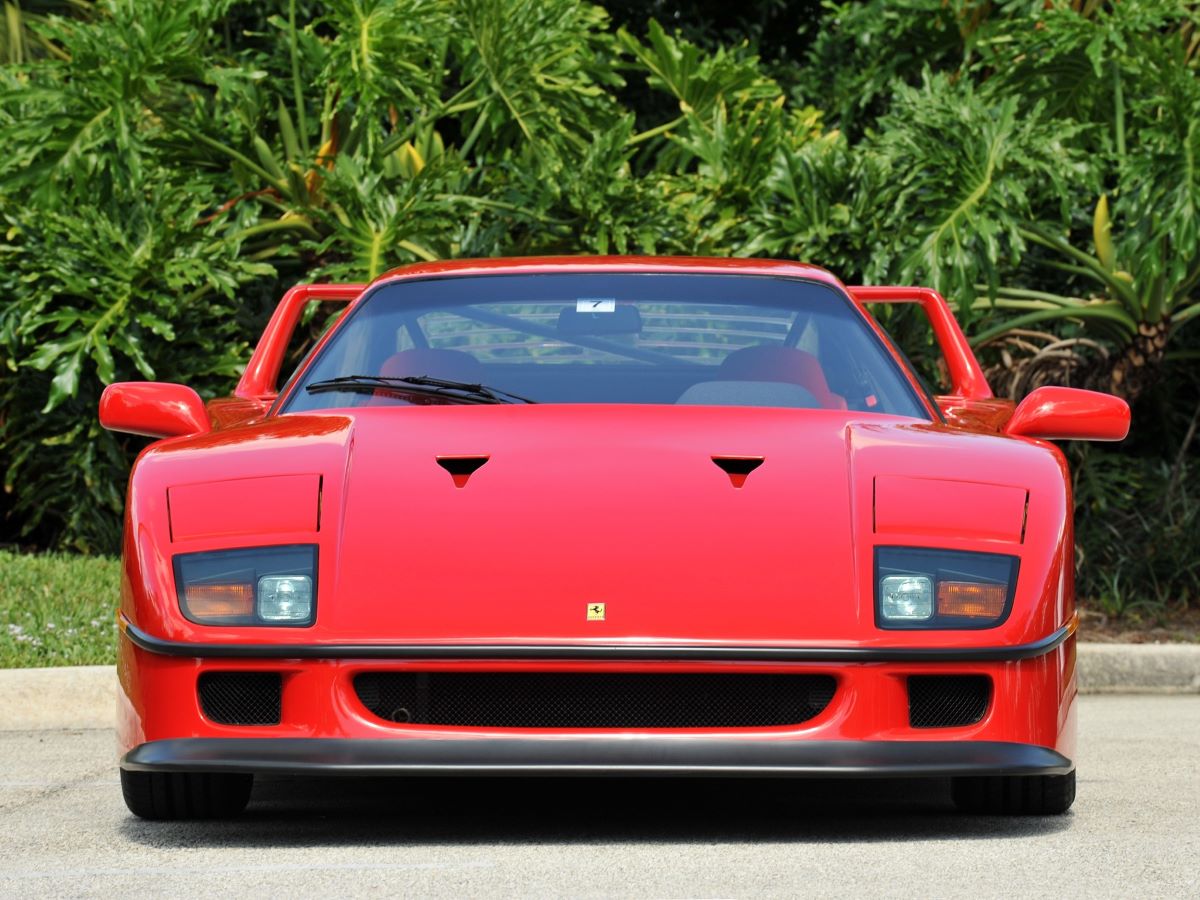
Today, its wedge-shaped silhouette and unapologetic race-car look still feel intimidating, even in an era of 1,000-horsepower hypercars.
It certainly holds a place alongside the Countach, yet this model was also an exceptionally important car for Ferrari. It was the final road car personally approved by Enzo Ferrari himself, and it heralded the dawn of the 200mph era for the marque.
The car evolved from the Group B Ferrari 288 GTO and was powered by a brilliant 2.9-litre twin-turbo V8 engine, which produced in excess of 478bhp. Making no apologies for its sparse interior, Ferrari marketed the F40 explicitly as a racing car for the road—even though it was never technically built to compete in any racing series.
With a top speed of 202mph, the Ferrari F40 felt raw and absolutely phenomenal, a sensation aided by its remarkably low weight of 1100kg. It is a fact that every car enthusiast dreams of owning an F40 at some point.
Admittedly, Ferrari got carried away and ended up producing 1,315 units instead of the initially suggested 400. Even so, this remains both an iconic Ferrari and one of the greatest, most exciting road cars ever made.
This higher production figure is actually brilliant news for potential buyers. Had Ferrari built only 400, an F40 would be valued in the millions today. With current values ranging around £500,000 to £800,000 depending on mileage, it can be argued that the F40 actually offers great value.
Also Read: Top 13 Porsches With a Reputation for Not Falling Apart
3. McLaren F1 (1992–1998)
The McLaren F1 doesn’t rely on theatrics, wings, or visual noise to look extraordinary. Its beauty comes from balance and restraint.
Designed by Gordon Murray, the F1 looks purposeful without appearing forced, futuristic without aging poorly. The central driving position gives the car perfect symmetry, and the smooth bodywork flows organically from nose to tail.
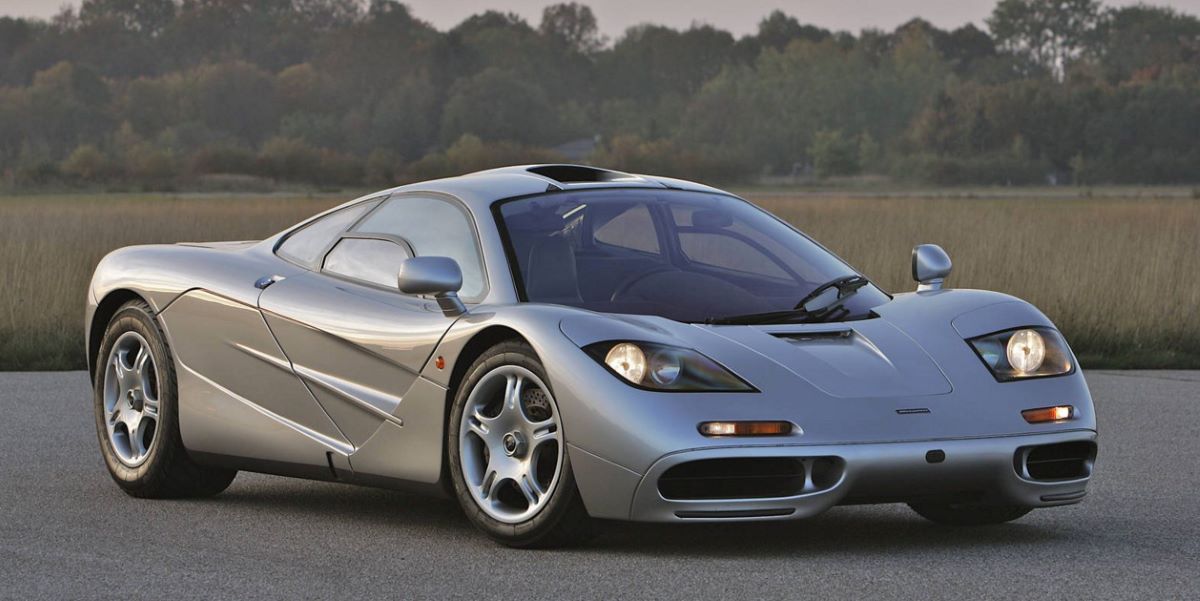
In the U.S., where European supercars often leaned toward drama, the F1 stood out for its quiet confidence. It didn’t need flashy details to command respect.
Even today, surrounded by sharper and more extreme machines, the McLaren F1 looks timeless arguably more elegant now than when it debuted.
4. Ferrari 250 GTO (1962–1964)
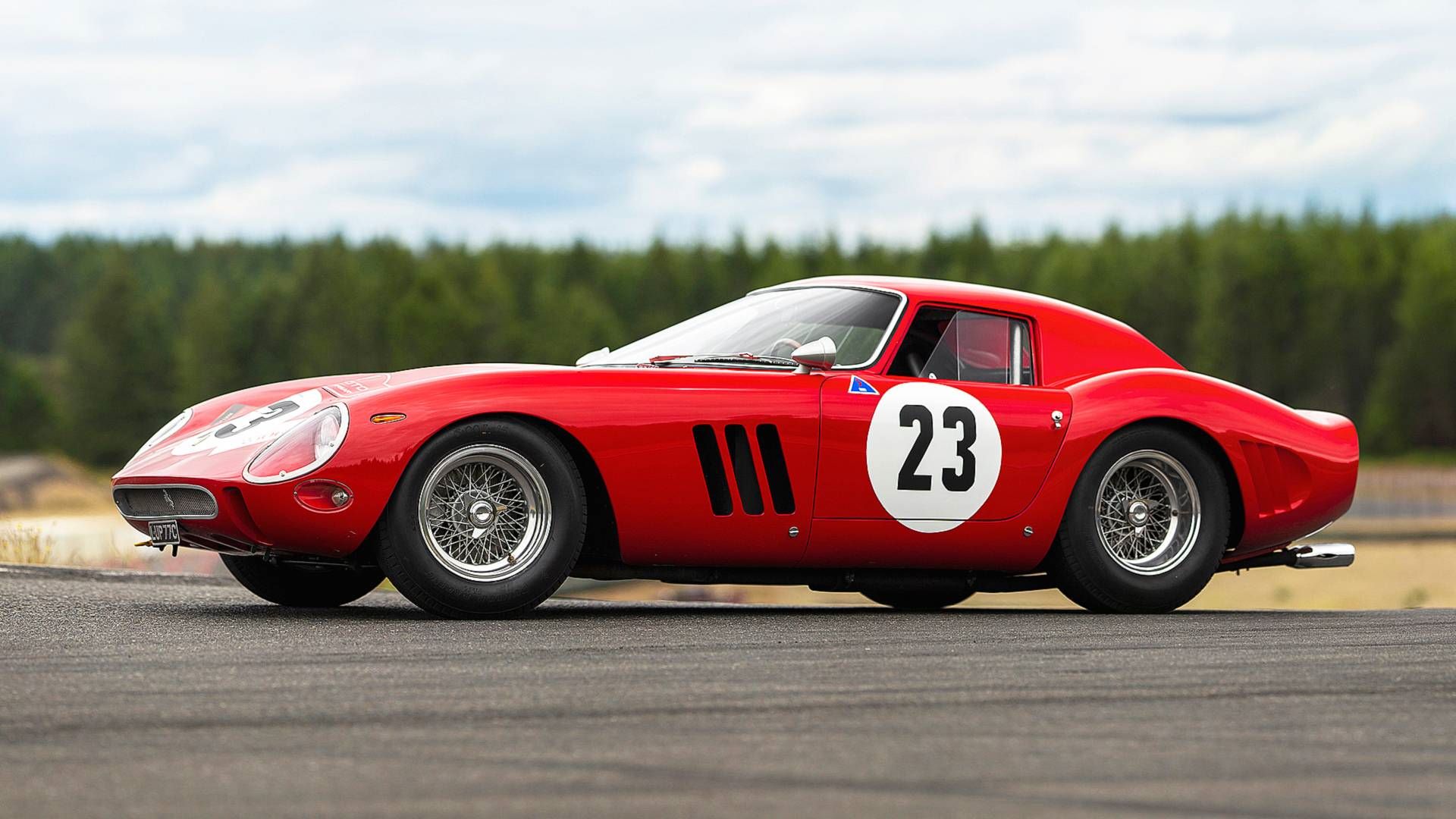
The Ferrari 250 GTO is widely regarded as the most beautiful car ever made, and not just among supercars. Its shape is the result of racing necessity, yet it achieves an almost classical harmony.
The long hood, flowing fenders, and subtle curves feel hand-crafted rather than engineered by computer.
For American collectors, the 250 GTO represents the pinnacle of automotive art hence its record-breaking auction values. What makes its design endure is its lack of excess.
There’s no attempt to shock or intimidate. Instead, it captivates through elegance, proportion, and an unmistakable sense of purpose rooted in endurance racing.
Following the successful 250 GT SWB, the Italian automaker required a more potent contender to challenge the Shelby Cobra, the Jaguar E-Type, and the Aston Martin DB214. The answer arrived in the form of the 1962 Ferrari 250 GTO. Its three-letter acronym, standing for Gran Turismo Omologato, clearly denoted the vehicle’s purpose.
At that time, any automaker wishing to compete in the Group 3 GT racing category was required to produce a homologated street version of its race car. Ferrari crafted this super-sport vehicle to serve as the foundation for its racing efforts.
However, rather than simply enlarging the engine, the engineering team pursued a novel approach. The company’s chief engineer, Giotto Bizzarini, decided to utilize the chassis from a 250 SWB but to clothe it in entirely new, more aerodynamic bodywork.
Partway through the development of the 1962 Ferrari 250 GTO, Bizzarini had a dispute with the company’s formidable leader, Enzo Ferrari, who subsequently fired him. Nevertheless, Sergio Scaglietti continued the work, completing the vehicle in time for the 12 Hours of Sebring race in March 1962.
Behind the wheel was the reigning 1961 Formula One World Champion, Phil Hill. He competed in the GT category, which was not the fastest class, yet he still won his class and finished second overall, trailing only a prototype Ferrari race car.
Thanks to its lower height compared to its predecessor, the 1962 Ferrari 250 GTO featured a low nose dominated by an oval mesh grille that proudly displayed the famous Prancing Horse badge at its center.
To enhance aerodynamics, Ferrari fitted clear, streamlined covers over the round headlights. The car’s front flanks had a streamlined shape, and the hood, shorter, starting above the front axle, incorporated a power dome to provide clearance for the tall downdraft carburetors.
The 1962 Ferrari 250 GTO offered its drivers an excellent forward view, thanks to its panoramic, curved windshield. Its very short roof featured a descending line that flowed into a sloped rear window.
Behind this, the automaker placed a trunk lid that was flush with the bodywork. The rear end was characterized by a flat vertical panel housing three round lamps on each side for the parking lights, turn signals, and brake lights. The four exhaust outlets were positioned at the bottom of the rear fascia.
One of the most significant design signatures of the 1962 Ferrari 250 GTO was the pair of louvers placed behind the front wheel arches, which assisted with engine cooling.
Another distinctive feature was the pronounced curved shoulders over the rear wheels, giving the car a muscular stance. Despite the small doors, drivers did not complain; they were designed to be shut and streamlined, fulfilling their purpose.
Despite its tiny cockpit, the 1962 Ferrari 250 GTO provided everything a racing driver required. A prominent transmission tunnel running the length of the cabin separated the two sport bucket seats and housed the iconic gated gearshift.
A three-spoke steering wheel framed the instrument cluster, which was filled with various dials and gauges. Notably, instead of a prominent speedometer, Ferrari installed a large central tachometer in the middle of the instrument panel.
Under the hood of the 1962 Ferrari 250 GTO resided the 168/62 Colombo V12 engine, carried over from the 250 Testa Rossa Le Mans winner. With a three-liter displacement, it developed a formidable 300 PS (296 hp) at a screaming 7,500 rpm. The automaker paired this engine with a synchromesh five-speed manual gearbox that sent power to the rear wheels.
Thanks to its low weight, aerodynamic shape, and potent powerplant, the car secured the FIA’s International Championship for GT Manufacturers three years in succession, winning back-to-back titles in 1962, 1963, and 1964.
Also Read: 10 Used Cars That Remain Cheaper, Faster, and More Powerful Than a Corvette C8
5. Porsche Carrera GT (2004–2006)
The Carrera GT is often remembered for its sound and difficulty, but its design deserves equal praise. Unlike many early-2000s supercars that aged poorly, the Carrera GT remains stunning thanks to its clean lines and understated aggression.
The exposed carbon tub, low roofline, and minimalist surfaces give it a technical beauty that feels distinctly Porsche.
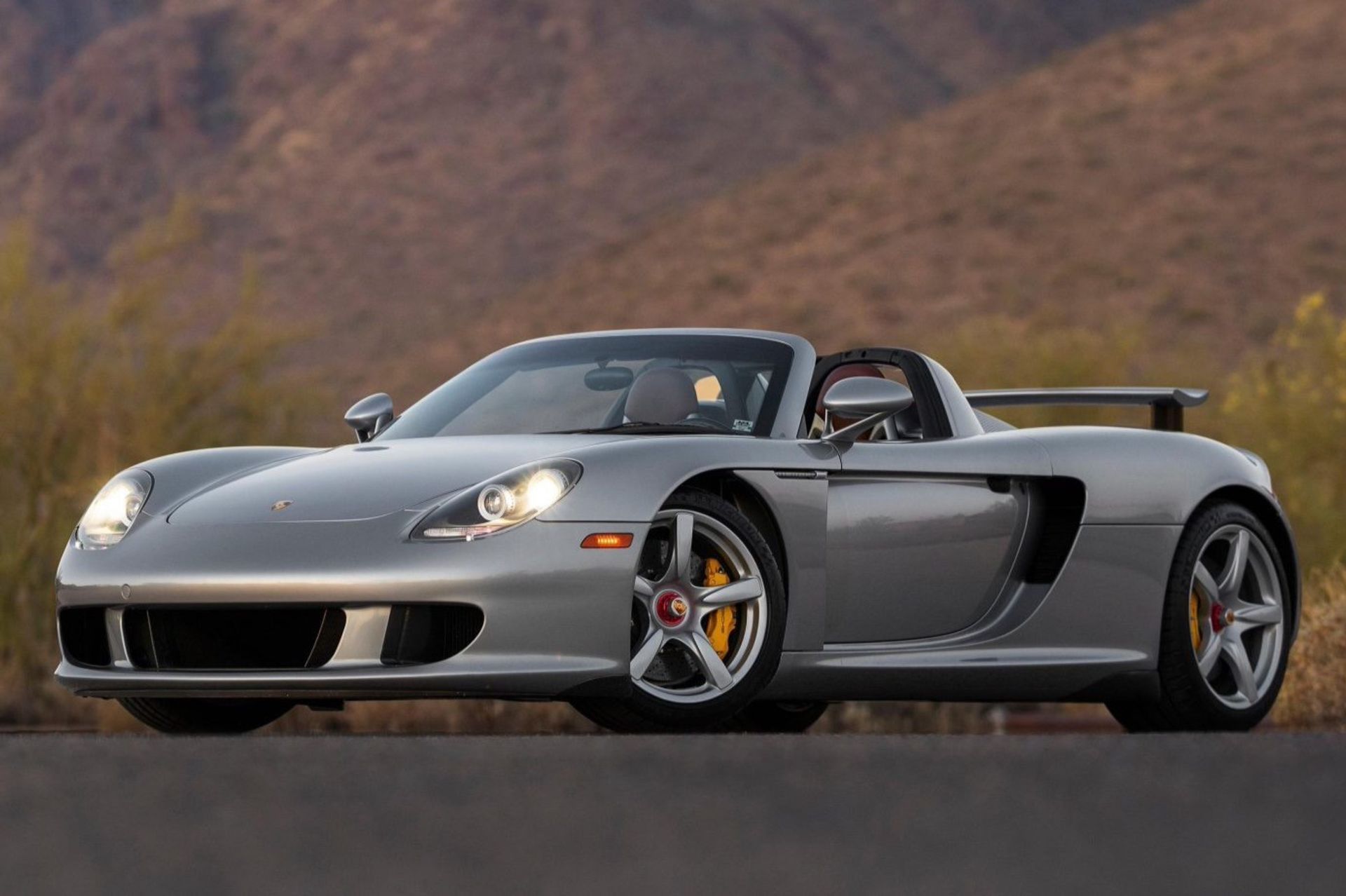
In the American market, where Porsche was often seen as conservative, the Carrera GT changed perceptions.
It proved that restraint could be just as dramatic as flamboyance. Even two decades later, it looks modern without trying to be futuristic a rare achievement in supercar design.
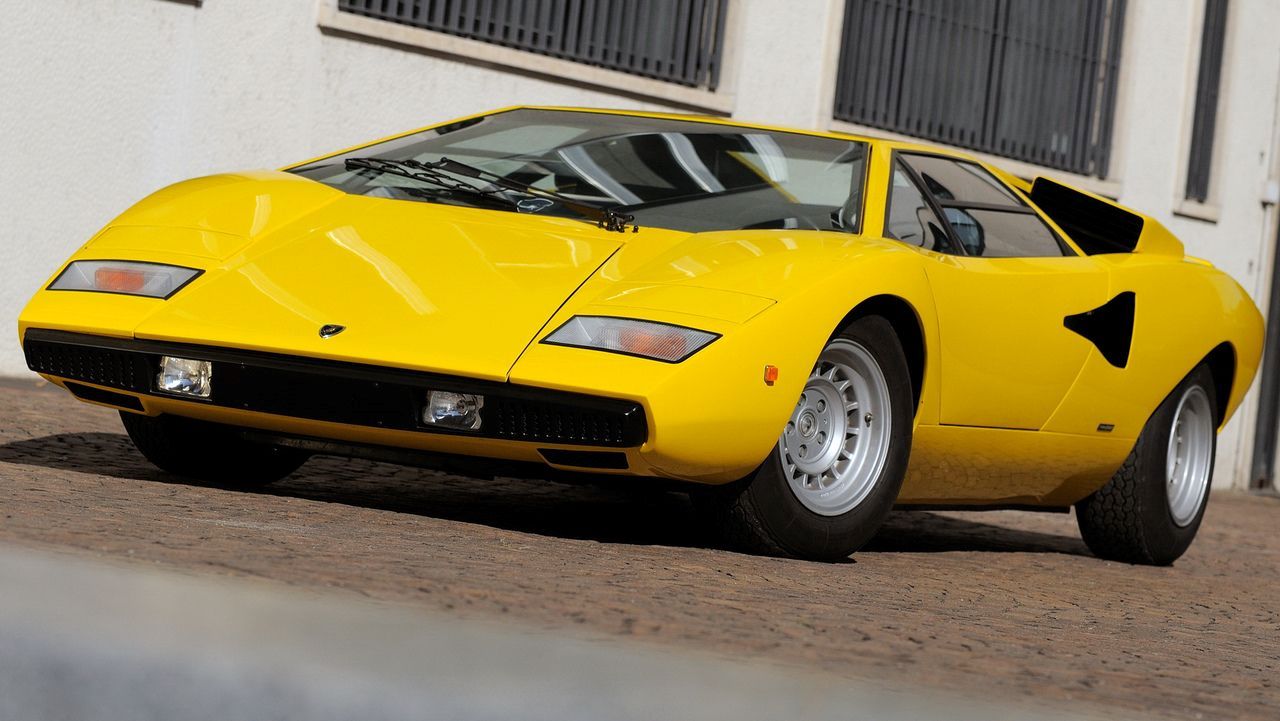
6. Lamborghini Countach (1974–1990)
No supercar has ever looked more shocking at launch than the Lamborghini Countach. Its sharp angles, scissor doors, and impossibly low stance redefined what exotic meant.
Where the Miura was sensual, the Countach was confrontational a design that felt ripped from a science-fiction film.
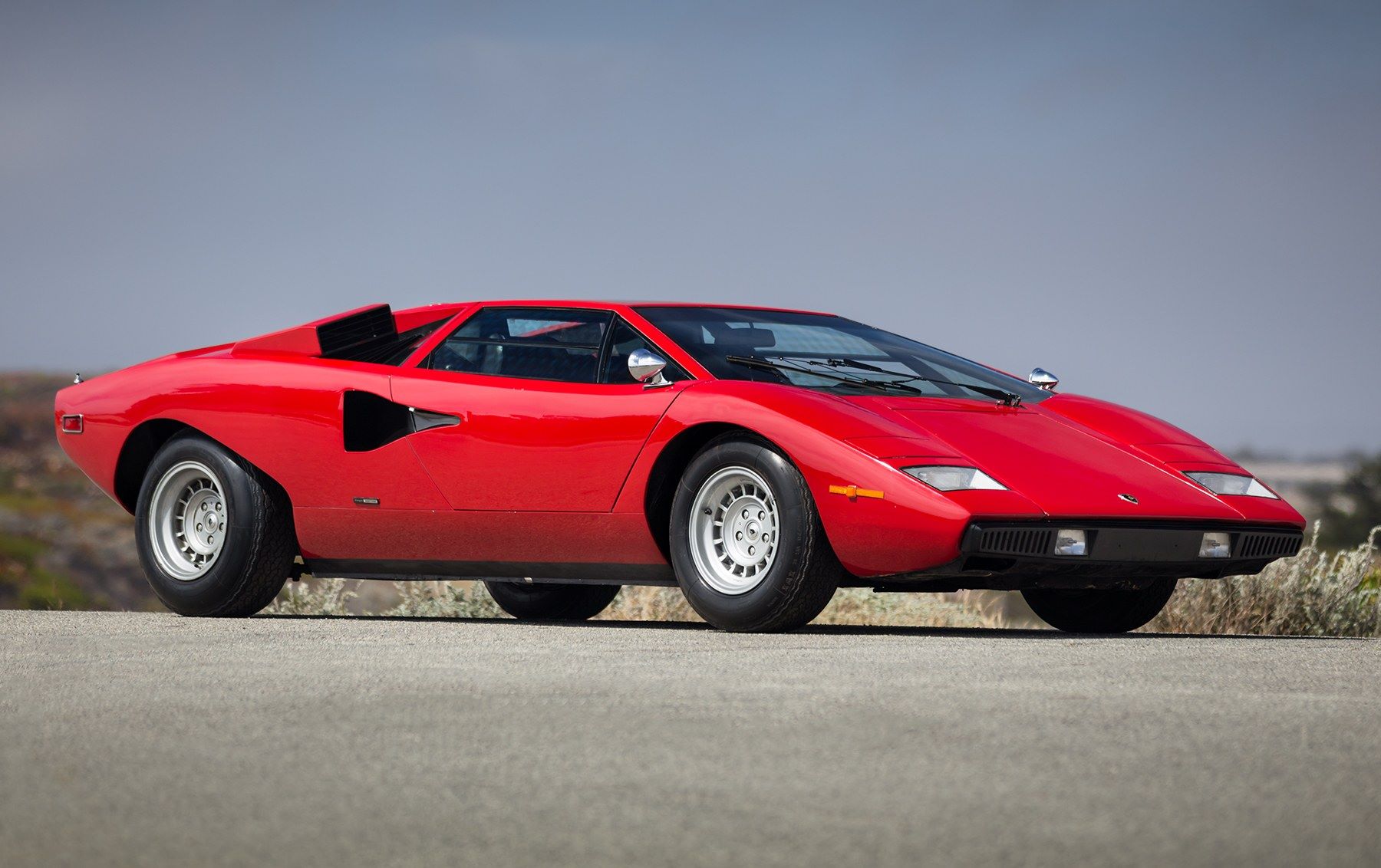
For American car culture in the 1980s, the Countach became the ultimate poster car. It symbolized excess, rebellion, and unattainable desire.
While some elements are undeniably of their time, the Countach’s silhouette remains instantly recognizable, proving that bold design risks can pay off in lasting cultural impact.
When Lamborghini introduced the Countach in 1974, it represented the most stunning visual spectacle on the streets. However, by 1985, competitors like Ferrari and Porsche had begun to significantly elevate the performance of their models. Furthermore, automotive design trends were shifting away from sharp, wedged shapes toward more curved and organic forms.
By that year, the Countach had already undergone several design updates, yet its overall aesthetic remained distinctly angular. The primary visual difference for the 5000 QV was found at the rear, where the engine cover featured a pronounced bump that reduced the driver’s rearward visibility even further. Additionally, wider wheel arches accommodated beefier tires, and a rear wing adorned the back end.
Inside, the cabin remained the same famously cramped Countach environment as before. The high-seatback sport seats were upholstered in leather, as were the center console and door cards. A notable ergonomic quirk persisted: due to the unusual shape of the iconic scissor doors, only the lower portion of the side windows could be lowered.
The most significant update was under the engine lid. The powerplant received new cylinder heads with dual overhead camshafts (DOHC) and four valves per cylinder.
Furthermore, Lamborghini offered the 5000 QV with a choice of carburetors or a more modern Bosch fuel-injection system. Strangely, the carbureted version produced more power than the fuel-injected model, despite being less fuel-efficient.
7. Bugatti Veyron (2005–2015)
The Bugatti Veyron didn’t just reset performance benchmarks it redefined luxury supercar aesthetics. Unlike aggressive rivals, the Veyron leaned into elegance and symmetry.
Its horseshoe grille, two-tone bodywork, and smooth curves communicated refinement rather than hostility.
For U.S. buyers accustomed to loud visual statements, the Veyron’s restrained opulence felt revolutionary. It looked expensive in a way no other car did.
Even today, surrounded by sharper Bugattis, the original Veyron remains arguably the most tasteful expression of the brand’s modern era.
A sportier Veyron conceived to deliver a more extreme driving experience, the Bugatti Veyron Super Sport unveiled in 2010 at the Monterey Motorsports Reunion was the fastest production car on wheels at the time.
Designed to satisfy the requests of existing customers seeking a more aggressive version, the Veyron Super Sport was strictly limited to just 30 units.
Beyond its increased power, the new model was substantially different from the regular Veyron, with nearly 20% of its parts being new. It featured completely revised gearbox software, a new suspension setup, a comprehensive aerodynamic package, new tires and wheels, updated brakes, and many other enhancements.
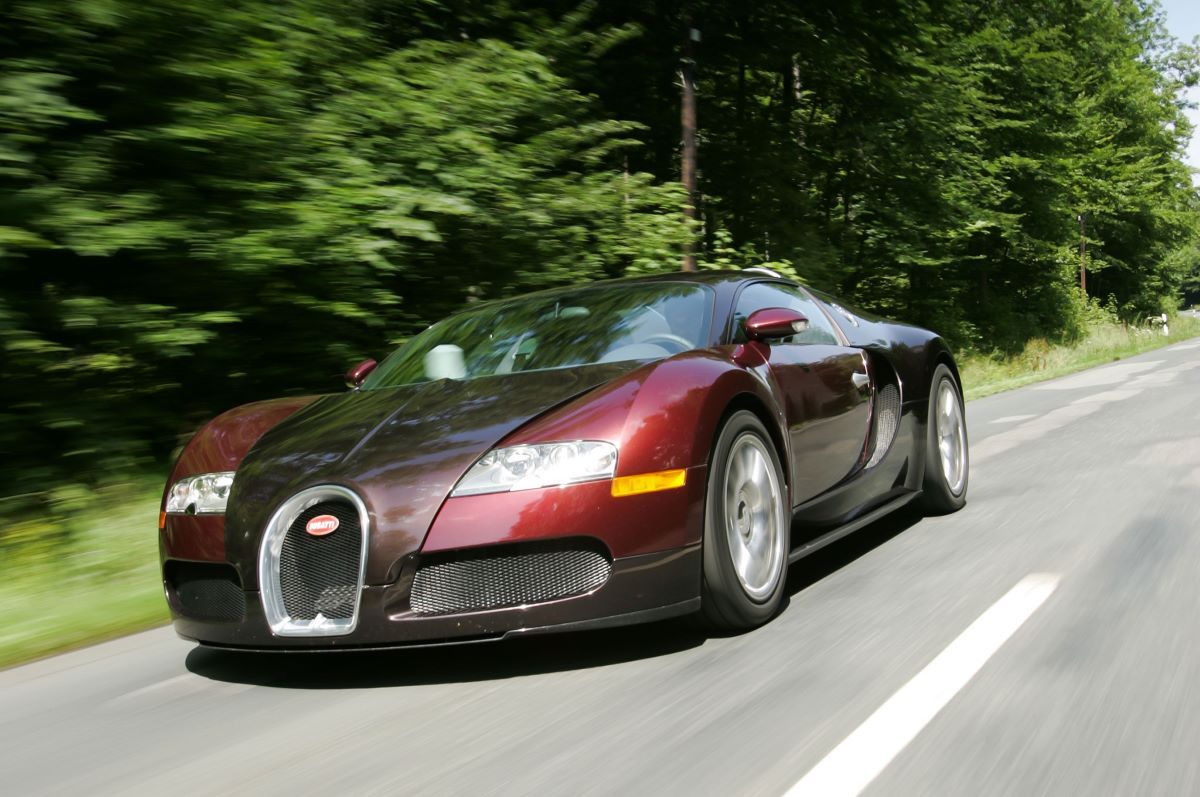
The front end was redesigned to channel more air through the radiators, as cooling the immensely powerful engine required significant improvement. At the rear, the Super Sport incorporated a new double diffuser tailored for the revised exhaust system.
Unimaginably fast, the Super Sport version gained an additional 200 horsepower, bringing the total output to 1,200 hp. At lower speeds, the hypercar could be considered surprisingly docile, but its monstrous engine could rocket it to a top speed of 415 km/h (258 mph).
This speed was an electronically imposed limit, instituted to prevent potential tire disintegration. The Super Sport was capable of accelerating from 0-100 km/h (0-62 mph) in 2.5 seconds and completing the 0-300-0 km/h (0-186-0 mph) cycle in just 22.5 seconds.
One might expect a vehicle as fast as the Veyron to offer a harsh and potentially uncomfortable ride. Unexpectedly, the Super Sport Veyron was remarkably refined, exhibiting a level of composure and comfort comparable to the luxurious Bentley Continental GT.
Inside, the cabin was refreshed and became even more exquisite, featuring a new leather-wrapped steering wheel and other refined details.
The few fortunate individuals who acquired a Veyron Super Sport owned a vehicle that was not only phenomenally fast but also supremely comfortable, retaining exceptional value even after many years.
8. Jaguar XJ220 (1992–1994)
Often overlooked, the Jaguar XJ220 is one of the most beautiful supercars ever produced. Its long, flowing lines and aerodynamic purity give it a sense of motion even at rest.
Unlike angular competitors of the early 1990s, the XJ220 prioritized smoothness and proportion.
For American enthusiasts, the XJ220 arrived during a transitional era, which partly explains why it was underappreciated at the time.
In hindsight, its design has aged spectacularly well, standing as a reminder that understated elegance often outlasts hype.
Jaguar designed the XJ220 to be the fastest car in the world with a top speed of 220 mph (354 kph), and it got there, but the production model was far from the original project.
When the British carmaker unveiled the XJ220 at the 1988 Birmingham Motor Show, the public was stunned. The car was designed and assembled by a group of employees who worked overtime to develop and the V-12 all-wheel-drive monster. But the company’s management found another use for their work by introducing a production model based on the prototype: the XJ220.
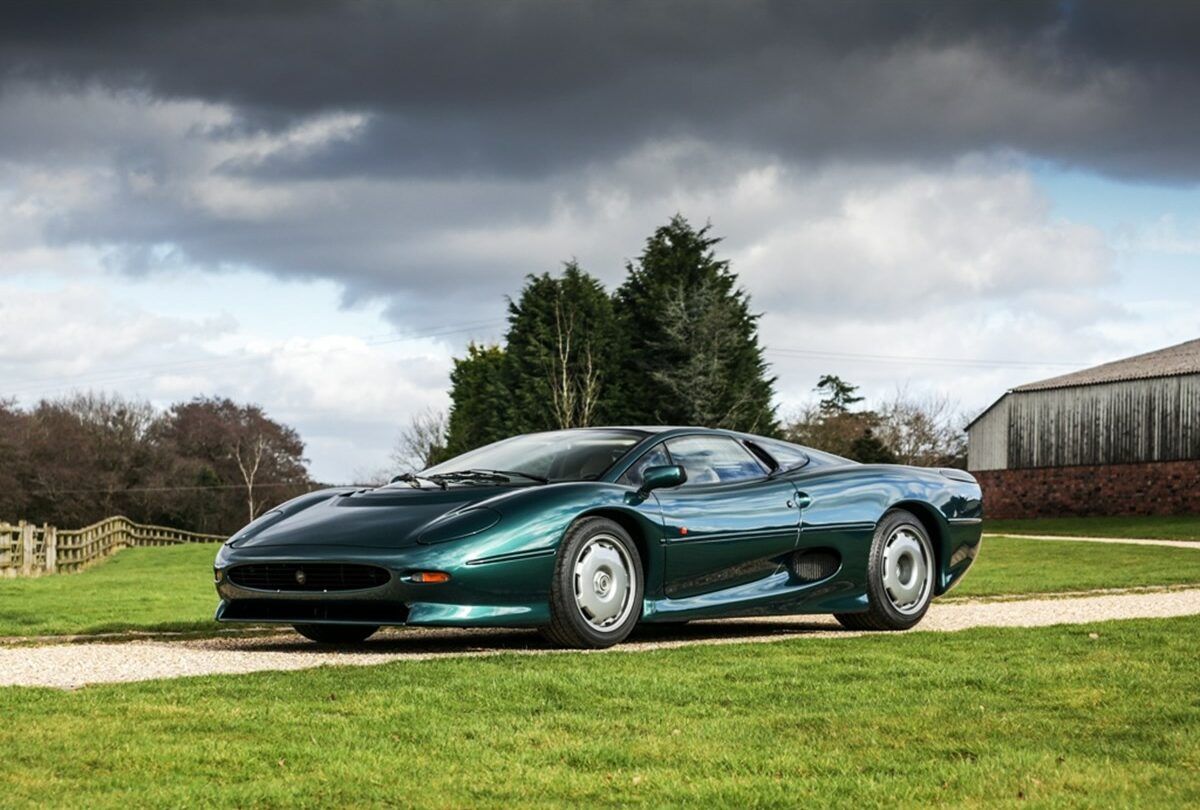
Keith Helfet penned the car and made it as aerodynamic as possible but still respecting the homologation rules. At the front, he installed covered headlights and an oval-shaped grille on the bumper. A spoiler with an integrated splitter in the apron contributed to the car’s aerodynamic downforce.
From its sides, the XJ220 featured a waved shape and a long and low-profiled greenhouse. Under the rear windscreen, Jaguar left the engine compartment in plain sight, while at the back, the rear fenders sported the air-intakes on the lower sides. A retractable wing mounted above the rear panel completed the supercar image.
Inside, the carmaker installed two sport bucket seats with high bolstered areas to support their occupants. As an option, it offered a glass roof, so there was more light inside. The dashboard formed a cocoon together with the tall center console around the driver. Since it was more expensive than any Rolls-Royce on the market, the carmaker added expensive materials and hand-crafted the interior.
Unlike the concept car, the production model featured a twin-turbocharged V-6 engine designed by Rover for its Group-B Rally race car. Power went to the rear wheels only via a five-speed manual gearbox.
9. Acura NSX (1990–2005)
The original Acura NSX changed the supercar world by proving that beauty and usability didn’t have to be mutually exclusive.
Its clean, low profile and aviation-inspired visibility made it approachable without diminishing its exotic appeal. Designed with input from Ayrton Senna, the NSX balanced form and function perfectly.
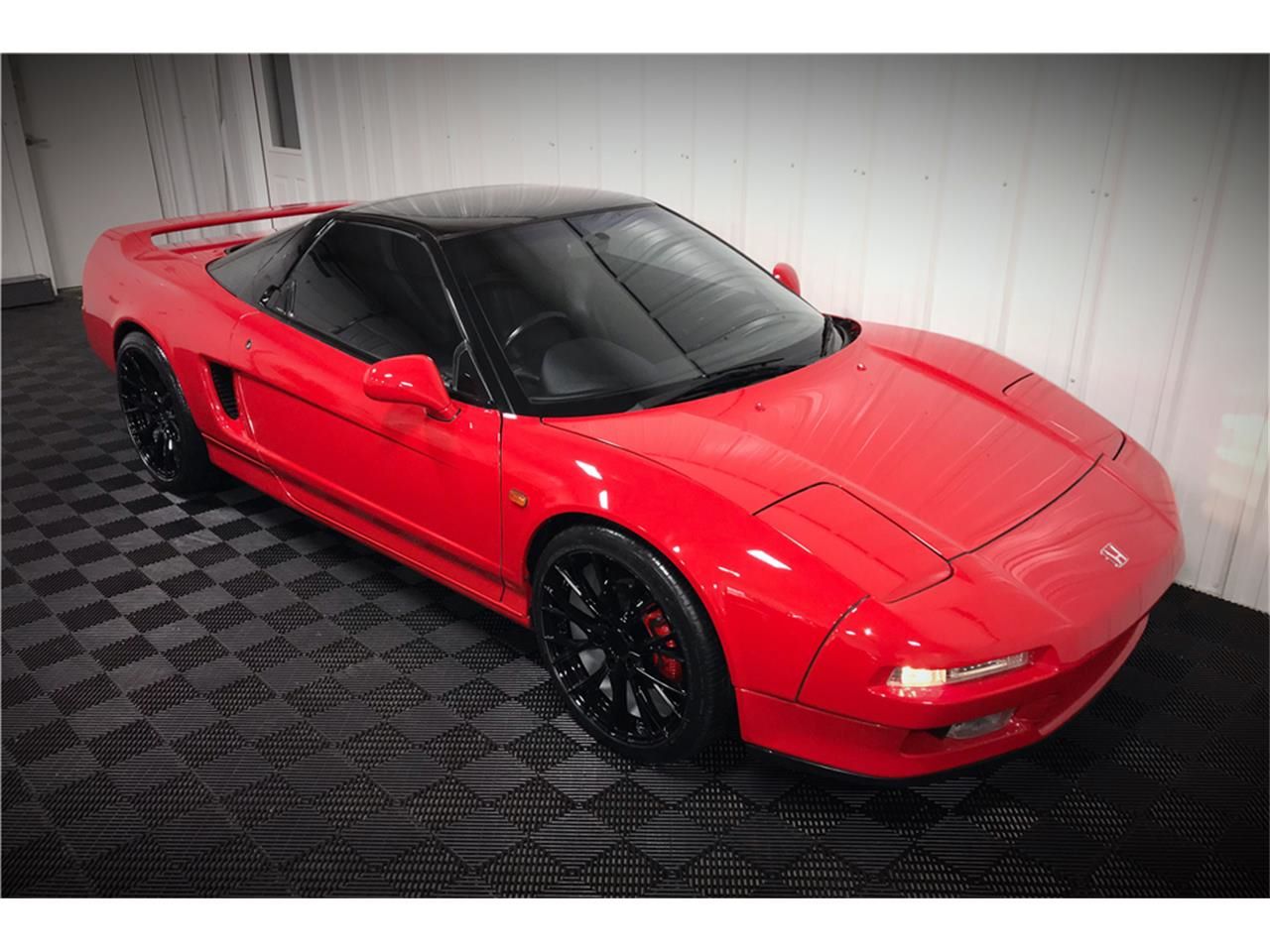
For American buyers especially, the NSX was transformative. It offered Ferrari-level looks with Honda reliability, reshaping expectations of what a supercar could be.
Decades later, its simple, honest design still looks fresh a testament to its forward-thinking philosophy.
10. Pagani Huayra (2011–present)
The Pagani Huayra represents the modern peak of artisanal supercar design. Every detail, from the exposed carbon weave to the intricate interior hardware, feels intentional and handcrafted.
Unlike mass-produced hypercars, the Huayra looks like a piece of kinetic art. For U.S. collectors, the Huayra stands apart as something deeply personal and expressive.
Its design blends old-world craftsmanship with cutting-edge aerodynamics, ensuring it won’t be mistaken for anything else. It’s proof that beauty in the supercar world still evolves just at a more deliberate pace.
The best-looking supercars aren’t defined by trends, screens, or software. They’re defined by proportion, restraint, and emotional clarity.
Each car on this list represents a moment when designers prioritized vision over marketing, creating shapes that continue to resonate across generations.
Following the seismic impact of the 1999 Pagani Zonda on the supercar world, the Italian automaker embarked on its next project, unveiling the Pagani Huayra in February 2011.
Although it emerged in the wake of a global financial crisis that devastated many automakers’ budgets, the meticulously handcrafted and engineered Huayra proved highly successful.
Its performance was so distinctive that it compelled other supercar manufacturers to reconsider their own designs. The Huayra was not merely a supercar; it was a legitimate hypercar. With an Italian design and a German-engineered heart, it was capable of reaching a top speed of 224 mph (360 kph).
When Horacio Pagani designed the 2011 Huayra, he sought to preserve the design language that made the Zonda so iconic. Consequently, the car featured a quad-headlight system with small round lamps positioned above the front fenders.
The 2011 Pagani Huayra captivated onlookers with its low-slung profile. Its front fenders supported distinctive, antler-like rearview mirrors. Thanks to a greenhouse inspired by a fighter jet cockpit and the fluid lines of the bodywork, the hypercar achieved a drag coefficient of 0.31.
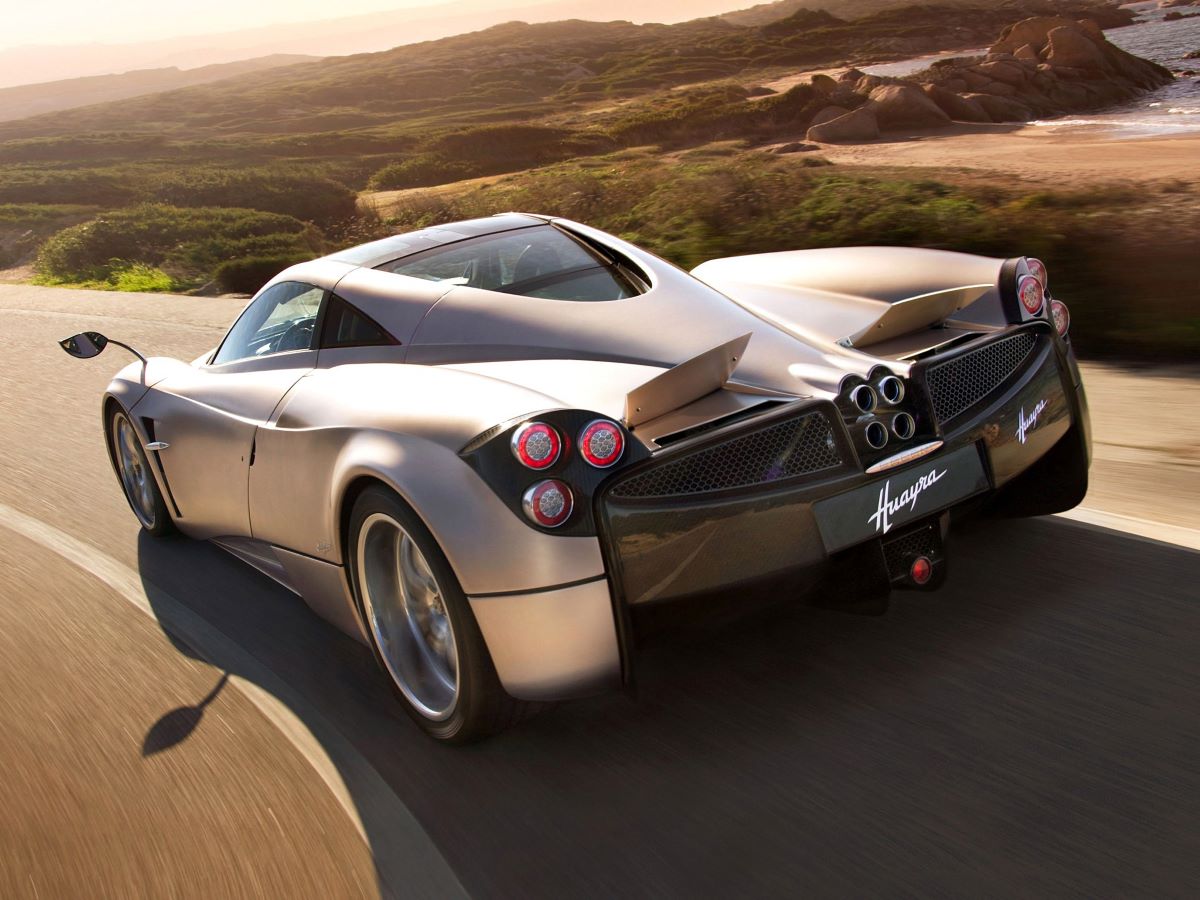
While not the absolute lowest in the industry, this figure contributed significantly to the car’s exceptional handling, enabling lateral acceleration of up to 1.66 g. Horacio Pagani did not engineer the Huayra, or any of his hypercars, to excel only in straight-line speed; he ensured they were also extraordinary around corners.
Much like the Zonda, the 2011 Huayra had its four exhaust tips grouped and centered at the rear, positioned above the bumper in a configuration reminiscent of a fighter jet.
Below, semi-elliptical mesh grilles facilitated the release of hot air from the engine bay, which was situated behind the cockpit. An expansive diffuser underneath the car helped generate downforce without necessitating a large, fixed wing on the rear deck.
Inside, the 2011 Pagani Huayra welcomed occupants with an exceptional level of craftsmanship, premium materials, and stunning design. The harmonious blend of leather, metal, and carbon fiber created an ambiance that was simultaneously luxurious and sporty.
Before the driver, an instrument panel featured individual metallic housings for the speedometer and tachometer, a rectangular LCD screen for the onboard computer, and two additional smaller gauges. The adjacent center stack housed a touchscreen infotainment system and switches for various vehicle controls.
As expected, the 2011 Pagani Huayra was equipped with form-fitting sport bucket seats designed to secure occupants during high-speed cornering, a capability for which the car was renowned. These seats were upholstered in sumptuous leather. Between them, on the center console, Pagani positioned the gear selector and the handbrake, both crafted from polished metal.
The most critical component, however, was located behind the cockpit. Pagani secured an agreement with Mercedes-AMG to supply the six-liter twin-turbocharged V12 engines for the Huayra.
As regulations tighten and technology becomes more dominant, truly timeless design is becoming rarer. That makes these supercars even more important not just as machines, but as cultural landmarks.
They remind us that when engineering and artistry align, the result isn’t just a fast car it’s something unforgettable.