In the United States, the word diesel still carries baggage. For many buyers, it brings to mind noisy pickup trucks, smoky exhaust, and a scandal that permanently damaged consumer trust in oil-burning passenger cars.
Luxury and diesel don’t naturally coexist in the American imagination the way they do in Europe.
Yet that perception hides an important truth: some of the most refined, torque-rich, long-distance luxury cars ever made have been powered by diesel engines and when done right, they’re genuinely cool.
Luxury diesel cars shine in places Americans often overlook. They excel at effortless highway cruising, offer massive real-world range, and deliver torque in a way that gasoline engines rarely match without turbo lag or high revs.
In Europe, executives cross entire countries on a single tank in whisper-quiet diesel sedans, and many of those cars eventually found their way to US roads sometimes quietly, sometimes briefly, and sometimes misunderstood.
This list isn’t about defending diesel as a concept. It’s about celebrating the rare luxury cars that used diesel power to become better machines cars that combined refinement, prestige, and performance with real engineering confidence.
Whether they were ahead of their time or simply victims of American market bias, these are luxury diesel cars that deserve respect.
1. Audi A8 TDI (3.0 & 4.2 TDI)
The Audi A8 TDI is the perfect example of a luxury diesel Americans never fully appreciated. In Europe, the A8 diesel was the default executive sedan quiet, brutally efficient, and endlessly capable on the autobahn.
When Audi finally brought the 3.0-liter V6 TDI to the US, it delivered something rare: a flagship luxury sedan with over 400 lb-ft of torque and a driving character that felt more like a turbine than an engine.
What made the A8 TDI cool wasn’t speed on paper. It was the way it moved effortlessly, smoothly, and without drama.
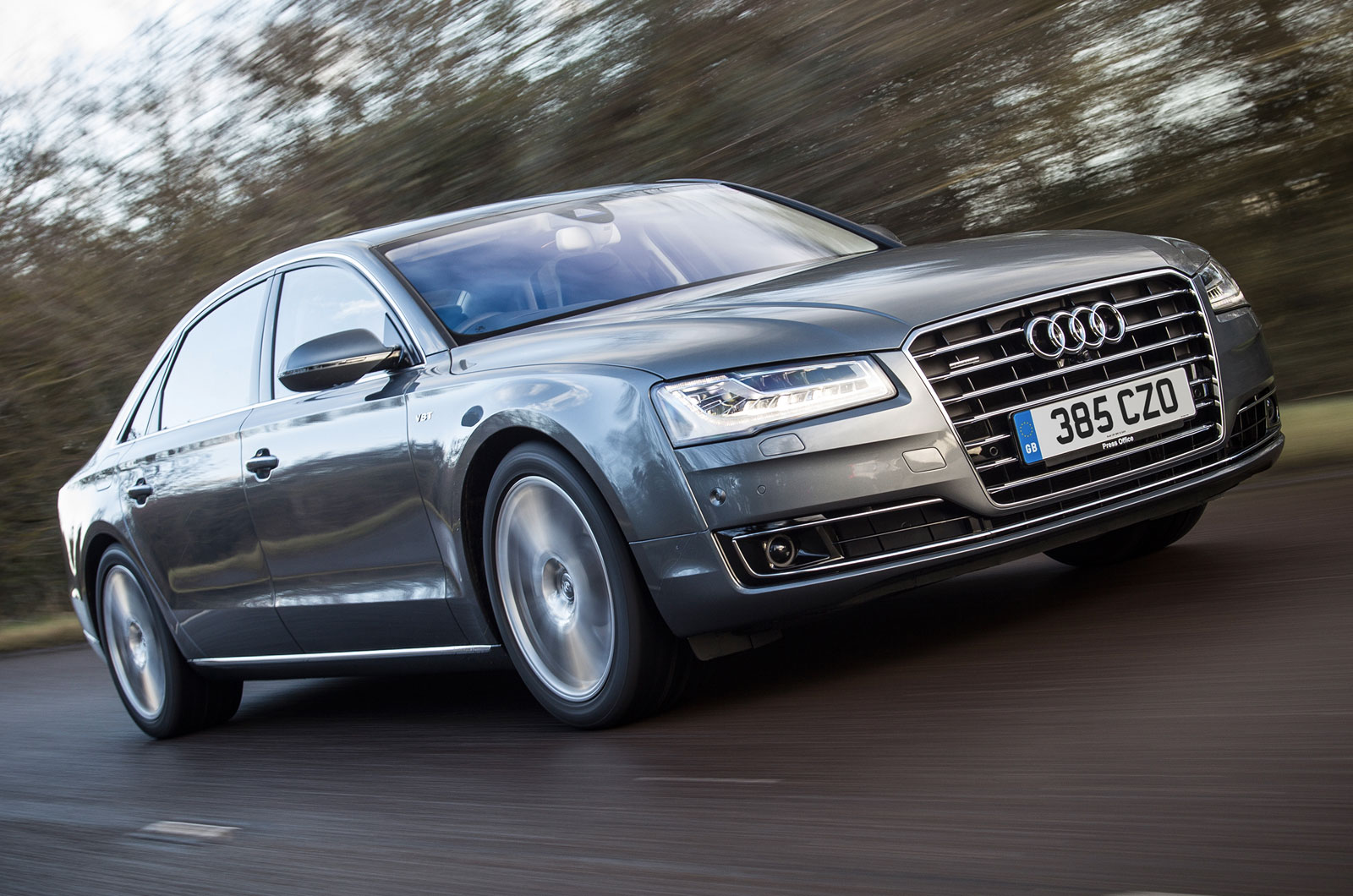
The aluminum space frame kept weight in check, Quattro all-wheel drive put torque down cleanly, and the cabin remained library-quiet even at triple-digit speeds.
In Europe, the 4.2 TDI V8 pushed things even further, delivering torque figures that embarrassed many gasoline V8s while returning shockingly good fuel economy. For long-distance luxury driving, few cars have ever done it better.
Audi has phased out the diesel and W-12 engine options that were previously available in the current A8 lineup. For 2018, the range is simplified to two engines: the base model’s 333-hp 3.0-liter supercharged V6 and the 450-hp 4.0-liter twin-turbo V8, which powers the Sport variant.
Both engines are paired with a ZF eight-speed automatic transmission and Quattro all-wheel drive. In our first drive of the base A8 3.0T, we noted that while it lacks the V8’s outright power, its torque is nearly identical, and it benefits from a vehicle weight 70 pounds lighter.
This translates to an estimated 0-60 mph sprint of 5.4 seconds, only 0.4 seconds slower than the V8. Equipped with adaptive air suspension, the A8 delivers a smooth, composed ride with minimal body roll, reacting eagerly to steering inputs. It handles switchbacks and decreasing-radius turns with confidence, though the car’s forward weight bias introduces some unavoidable terminal understeer.
2. BMW 740d / 750d (E38, F01, G11 – non-US)
BMW’s diesel 7 Series models never officially came to the US, which is a shame because they represent the brand at its most intellectually confident.
The 740d and later 750d combined classic BMW balance with diesel torque that made highway passing absurdly easy.
The later quad-turbo 750d was especially impressive. With over 560 lb-ft of torque, it could surge forward at any speed without raising its voice.
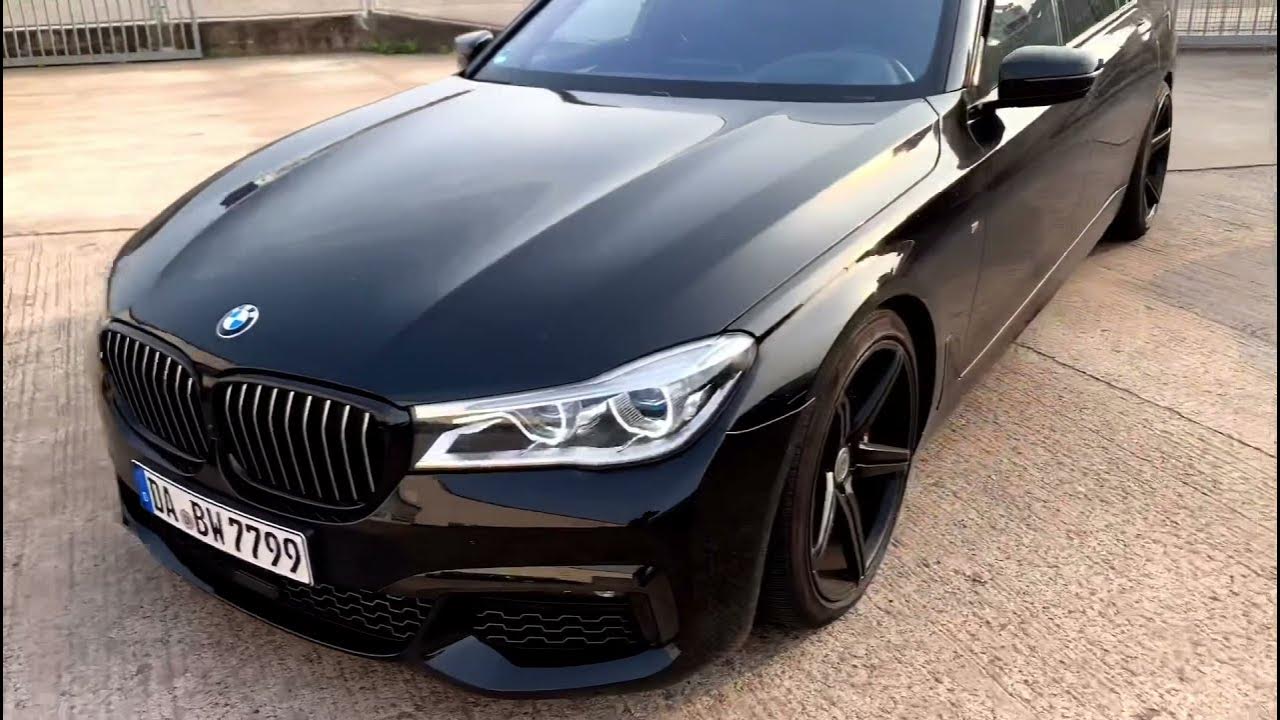
These cars weren’t about sportiness in the traditional sense they were about controlled authority. The chassis remained composed, the steering precise, and the engines felt unstoppable rather than fast.
Among enthusiasts who value engineering purity over badge-based performance numbers, diesel 7 Series cars are quietly legendary.
Also Read: 5 Vehicles That Perform Consistently at Denver Elevation vs 5 That Feel Sluggish
3. Mercedes-Benz S350 BlueTEC
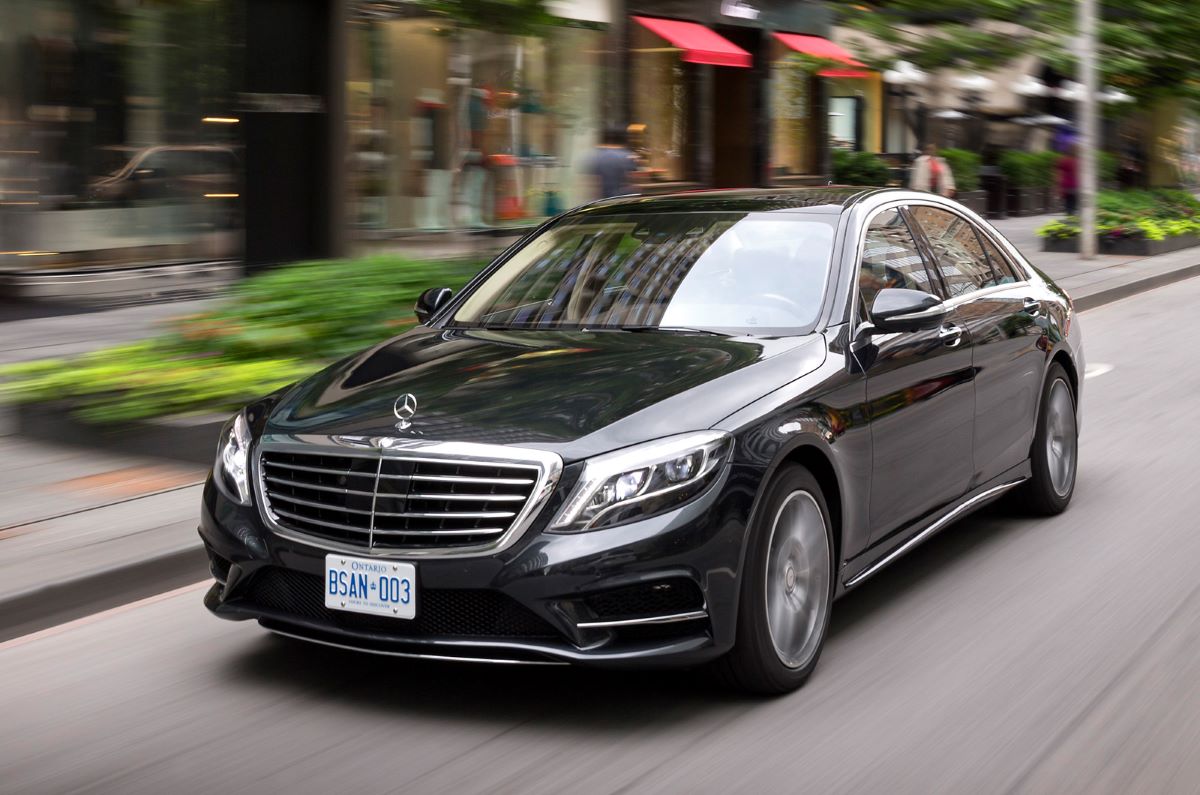
Mercedes arguably understood luxury diesel better than anyone. The S350 BlueTEC was the culmination of decades of diesel refinement, and it showed. This wasn’t a compromise car it was an S-Class that happened to run on diesel.
The V6 BlueTEC engine delivered smooth, near-silent operation paired with torque that suited the S-Class personality perfectly.
It glided rather than accelerated, building speed with dignity. Owners routinely reported highway ranges exceeding 700 miles, turning cross-country trips into relaxed, low-stress experiences.
In markets outside the US, the S-Class diesel was considered the smart choice. It was the car for CEOs who didn’t need to prove anything and that confidence is exactly what makes it cool.
Outside of AMG-tuned models, the S-Class has rarely been considered a sporty car. While it has always been comfortable and quick, it hasn’t been particularly engaging, until now. The latest model’s V8 produces more power than before, thanks in part to a 48-volt mild hybrid system.
This setup not only improves fuel economy but also fills in the power gap before the turbos spool up and smooths shifts from the nine-speed automatic transmission. Combined with generous low-end torque, the result is effortless passing on the highway without having to push the engine hard.
Yet the S-Class has never been limited by its engines. Mercedes’ engineers have focused on making the car feel more athletic while maintaining its hallmark comfort. The air suspension keeps the ride smooth and composed through corners, and in Sport+ mode, it can lower the car by up to 0.7 inches to improve handling.
Optional rear-axle steering further enhances the experience, increasing high-speed stability and making low-speed maneuvers, like parking, far easier. The result is a luxury sedan that manages to blend performance and comfort seamlessly, proving the S-Class can be both refined and responsive.
4. Audi Q7 TDI
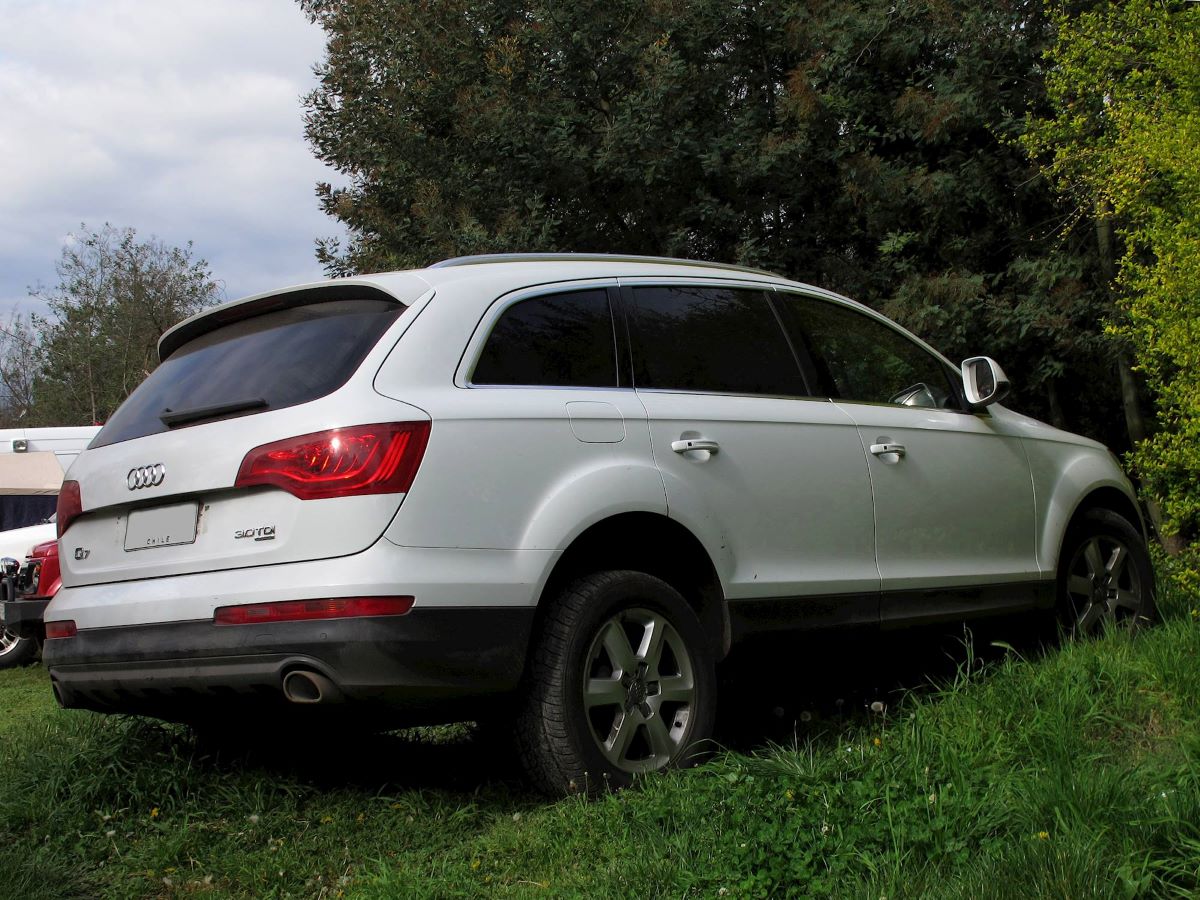
If any diesel luxury vehicle managed to break through in America, it was the Audi Q7 TDI. Big, heavy, and unapologetically practical, the Q7 used diesel power exactly the way it should be used: to move serious mass without effort.
The 3.0 TDI engine gave the Q7 a relaxed but muscular feel, making towing, highway merging, and mountain driving feel easy.
Unlike gasoline SUVs that felt strained under load, the diesel Q7 always seemed to have torque in reserve.
It also proved that diesel could be clean, quiet, and refined in a family-friendly luxury package. Even today, used Q7 TDIs remain highly sought after, which says everything about how right Audi got the formula.
The Audi Q7 has been on the roads for several years, yet its price, exclusivity, and sheer size ensure it remains a relatively rare sight, particularly in the UK. The arrival of the 6.0-liter V12 TDI, technology inspired by Audi’s R10 TDI Le Mans racing engine, reintroduced a sense of performance and prestige just as the Q7’s reputation as a commonplace “vulgar SUV” was fading.
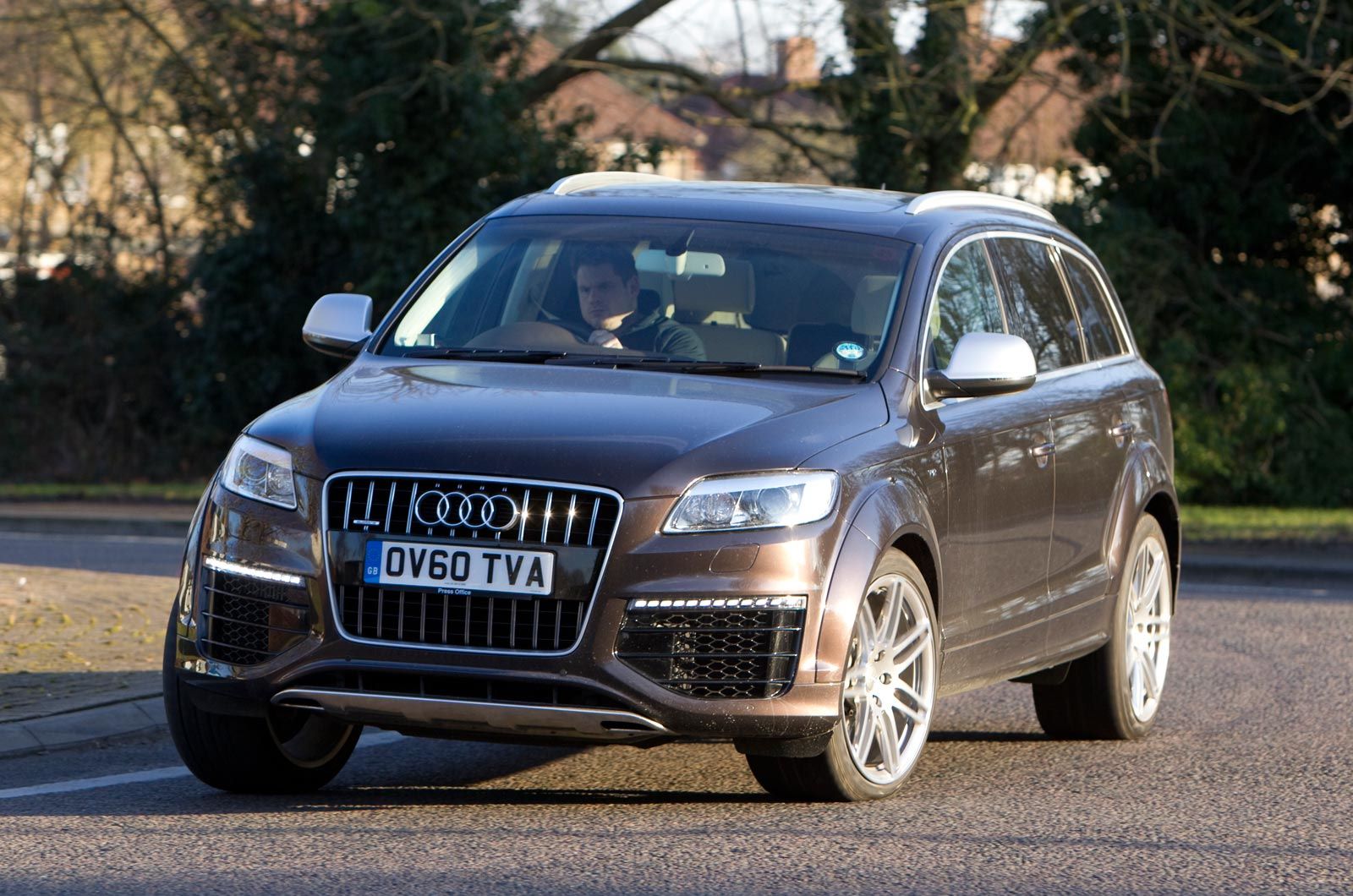
The V12 produces an astonishing 500 bhp and 737 lb-ft of torque, roughly 1,000 Nm, putting it almost on par with the very racing car that had claimed Le Mans victories three years in a row.
This means a five-meter-long, seven-seat SUV weighing 2.7 tonnes can sprint to 62 mph in 5.5 seconds, with a top speed electronically limited to 155 mph.
The diesel configuration ensures that virtually all of that torque is available from just 1,750 rpm. Acceleration is near-instant, completely masking the vehicle’s mass and dimensions.
A light touch on the throttle is sufficient to move the Q7 with ease, but a firm press unleashes all 2.7 tonnes in a surge of velocity usually reserved for land-speed records. The eight-speed automatic transmission negotiates each kick-down with impressive smoothness, translating raw power into a thrilling yet controlled driving experience.
Refinement, even at full tilt, is equally remarkable. Flooring the throttle produces a low, growling V12 rumble that swells into an angry crescendo for a moment before settling back into calm serenity as soon as you ease off.
The result is a car that combines unthinkable performance with composure, making the Q7 V12 TDI both a statement of engineering audacity and a surprisingly civilized SUV for everyday use.
Also Read: Top 10 Audis Under $20K That Are Tempting for a Reason
5. Porsche Cayenne Diesel
The Porsche Cayenne Diesel surprised almost everyone including Porsche purists. On paper, a diesel Porsche SUV sounded wrong. In practice, it made perfect sense.
The diesel Cayenne wasn’t about raw acceleration. It was about composure, balance, and real-world performance.
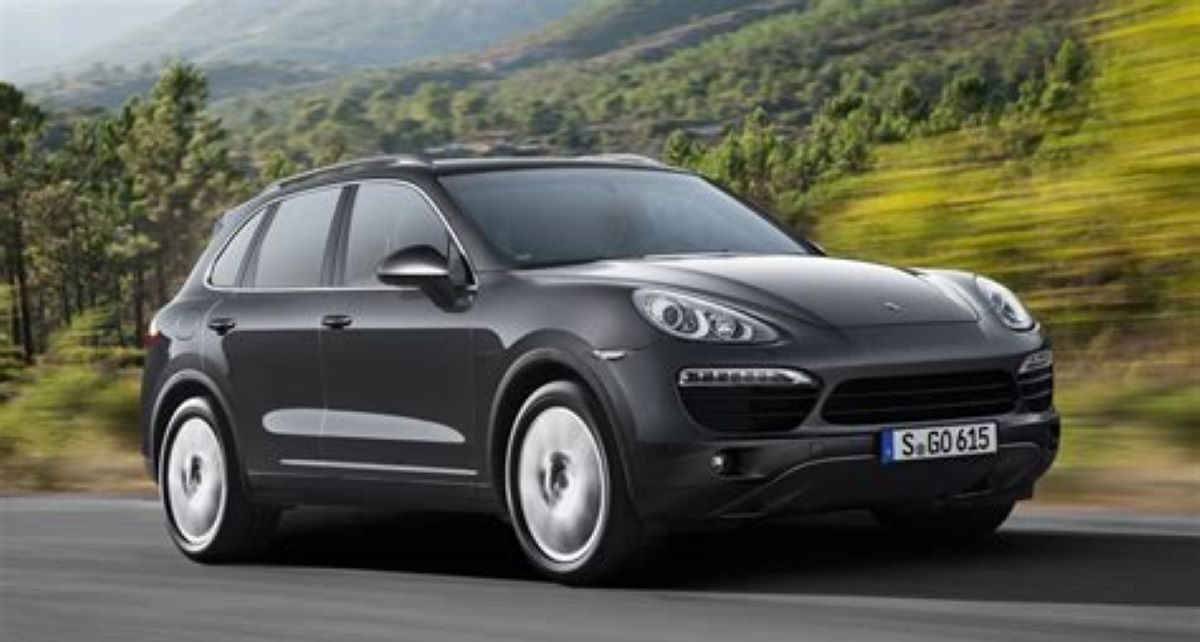
Massive torque allowed it to surge forward effortlessly, while Porsche’s chassis tuning ensured it still felt sharp and confident on winding roads.
Perhaps most impressive was how Porsche-like it felt despite the diesel engine. Steering precision, brake feel, and body control were all there.
It proved that diesel wasn’t an enemy of driving enjoyment it just required the right engineering philosophy.
For drivers seeking more excitement than the base Cayenne’s 335-hp turbo V6 delivers, the Cayenne S offers a livelier 434-hp twin-turbo V6, while the Cayenne GTS ups the ante with a 460-hp twin-turbo V8, complete with a thrilling exhaust note and exhilarating acceleration.
At the top of the range, the Cayenne Turbo packs a 541-hp twin-turbocharged 4.0-liter V8. All engines are paired with Porsche’s precise eight-speed automatic transmission and standard all-wheel drive, allowing these hefty SUVs to move with remarkable poise.
Making a vehicle that weighs more than two tons feel agile is no easy task, but the engineers in Stuttgart have succeeded. The S model we tested cruised quietly and smoothly on the highway, then transitioned seamlessly into twisty sections, displaying surprising athleticism for its size, though the largest bumps on uneven roads did slightly compromise ride quality.
Most Cayenne models offer a suite of performance options, including adaptive dampers with or without adjustable air suspension, four-wheel steering for enhanced maneuverability, and active anti-roll bars for flatter cornering.
Braking performance can also be upgraded, with Porsche’s tungsten-coated iron rotors or the premium carbon-ceramic setup. Even without these options, the base model we tested impressed, stopping from 70 mph in just 159 feet, demonstrating that the Cayenne balances raw power with control and composure.
6. Jaguar XJ 3.0D
Jaguar’s modern XJ already stood apart with its aluminum construction and minimalist luxury. Adding a diesel engine only enhanced its character.
The 3.0-liter diesel V6 delivered smooth torque that complemented the XJ’s lightweight structure beautifully.
It felt responsive without being aggressive, refined without being dull. On long highway stretches, it settled into a calm, confident rhythm that felt uniquely Jaguar.
In the US, the diesel XJ flew under the radar, but among owners, it earned a reputation as one of the best long-distance luxury sedans ever sold here.
The Jaguar XJ’s sleek profile comes with a small compromise: headroom front and rear is limited for taller occupants. However, this is more than offset by generous legroom, armchair-like seats, and the use of luxurious materials throughout the cabin.
Slabs of varnished wood provide a touch of classic Jaguar charm, while the rising gearlever, chrome detailing, and subtle blue backlighting give the interior a modern, sophisticated feel.
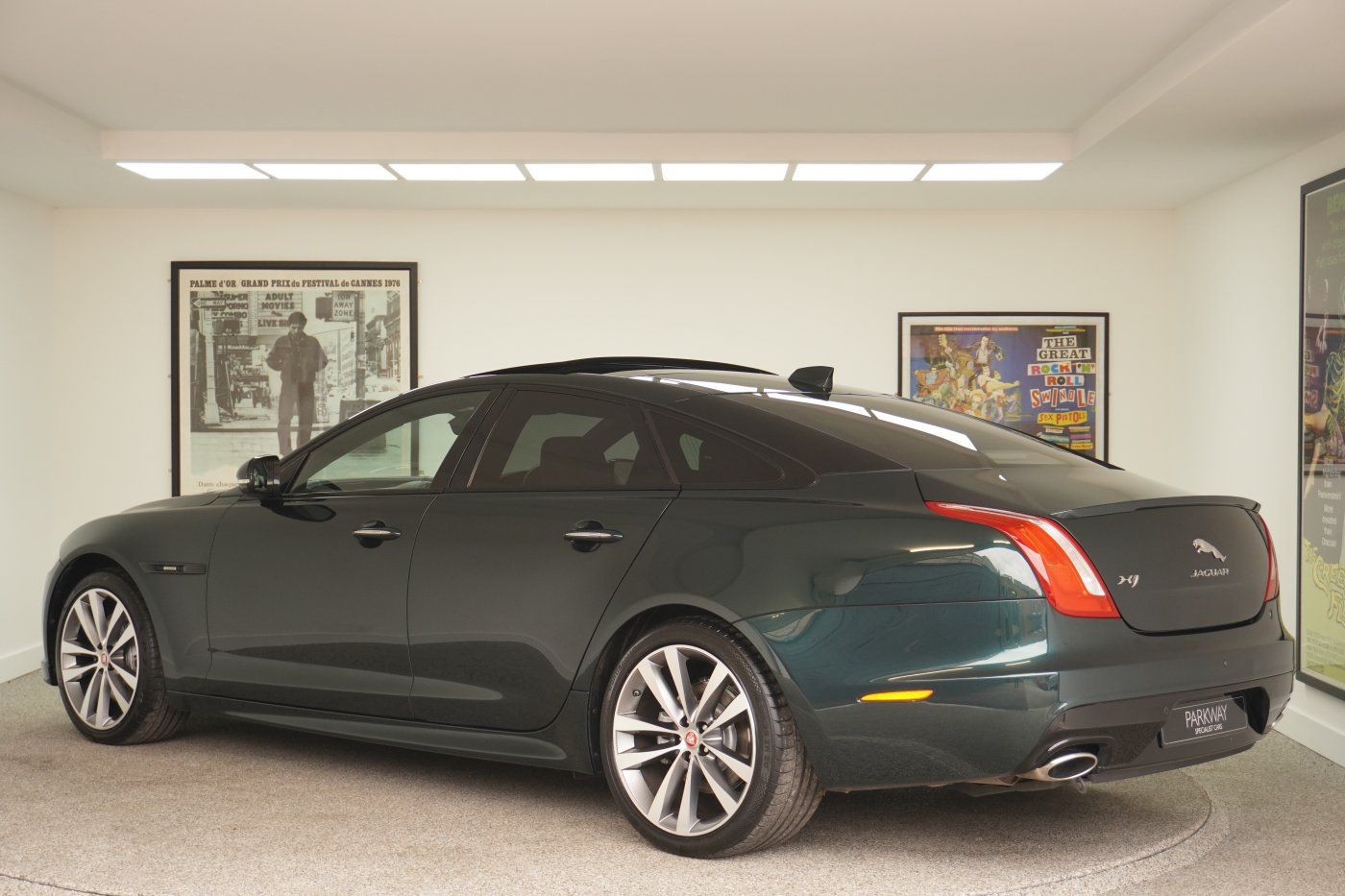
Technology is abundant, with an eight-inch touchscreen that allows passengers to watch TV while the driver navigates with the sat-nav, a fully digital instrument panel behind the wheel, and a 1,200W Bowers & Wilkins stereo delivering crisp, punchy sound that rivals any high-end system on the market.
Jaguar’s attention to driving dynamics remains a hallmark of the XJ. The use of aluminum keeps the weight down to 1,796 kg, 154 kg lighter than the BMW 740d, which translates to agile handling.
On sweeping bends, the XJ feels far smaller than it is, resisting body roll and maintaining superb balance. Steering is light yet precise, and the six-speed automatic responds quickly to paddle inputs or throttle modulation, particularly in Sport mode.
Engaging Select Dynamic via a button behind the gear selector sharpens the responses of the steering, dampers, and throttle, offering a cat-like agility, though this can make the ride a little fidgety over rough surfaces. Even so, the XJ remains smooth over crests and hollows.
We tested the exceptionally refined 3.0-liter V6 diesel, which delivers more than enough performance for everyday driving. It completes the 0-62 mph sprint in just six seconds, only three-tenths slower than the 380-hp naturally aspirated petrol V8, which manages only 24.9 mpg.
7. BMW X5 xDrive35d
Before diesel SUVs fell out of favor, the BMW X5 xDrive35d showed exactly how compelling they could be. With nearly 425 lb-ft of torque, it felt stronger than many V8 SUVs while using significantly less fuel.
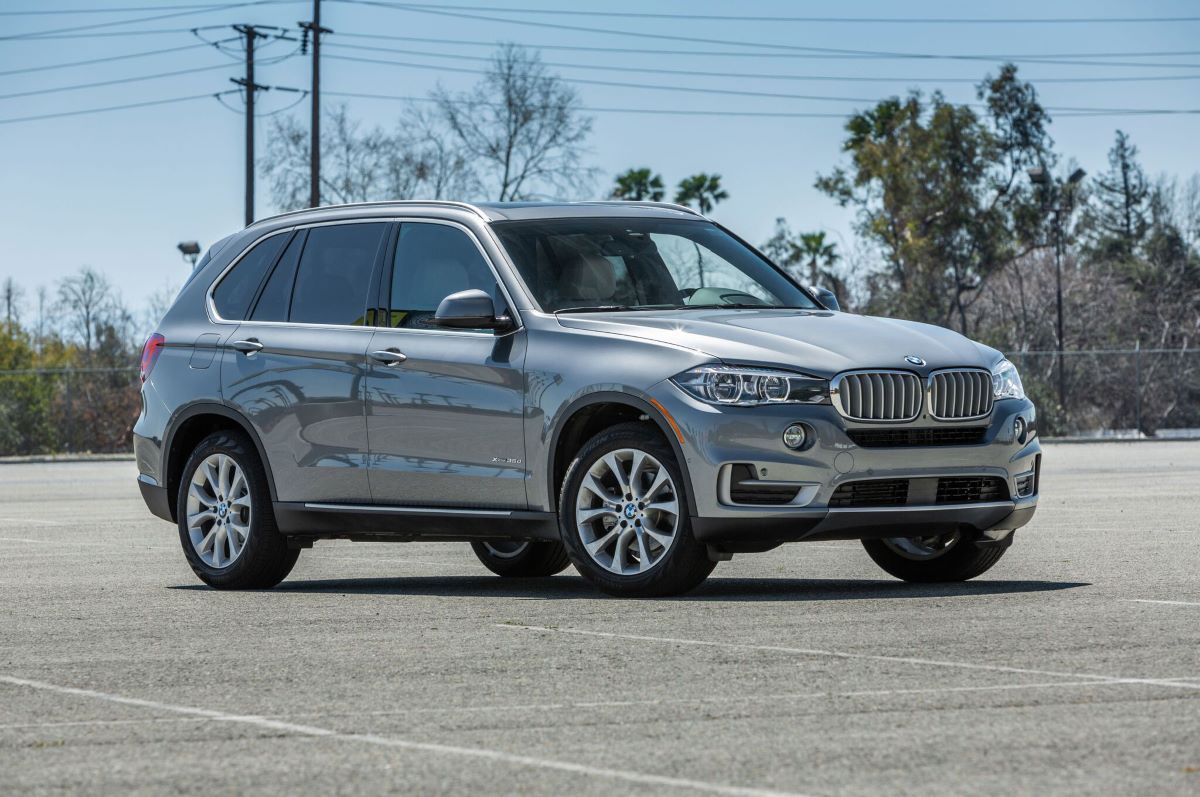
The engine paired perfectly with BMW’s chassis tuning, making the X5 feel planted, stable, and surprisingly quick in real-world driving.
It wasn’t flashy, but it was incredibly effective and effectiveness is its own kind of cool. Many owners still swear it’s the best X5 BMW ever made.
8. Mercedes-Benz E350 BlueTEC
The E-Class has always been Mercedes’ sweet spot, and the E350 BlueTEC might be one of its most underrated variants. Comfortable, efficient, and endlessly durable, it embodied the idea of intelligent luxury.
The diesel engine provided quiet strength rather than excitement, but that suited the E-Class mission perfectly.
It excelled at commuting, road trips, and daily life in a way few luxury sedans manage. For buyers who valued substance over flash, this was a near-perfect car.
The Mercedes-Benz diesel-powered mid-size sedan remains one of the most enduring notions in automotive history. Mercedes introduced the world’s first production diesel passenger car in 1935 and began offering diesel engines in its mid-size Pontons in 1955.
The phrase “Mercedes diesel” evokes a variety of images: college professors who’ve abandoned their Peugeots, wiry German mechanics, or cab drivers navigating Kabul’s streets. It has become an archetype, a 911 Turbo for studious types or a Shelby Mustang for those with a quiet toughness.
In nearly every respect apart from its engine, the E350 BlueTec is a conventional E350. It shares the same body, seven-speed manumatic transmission, coil-spring and multilink suspension, long-distance comfort seats, and no-nonsense interior. However, the 3.0-liter diesel V6 dramatically alters its character.
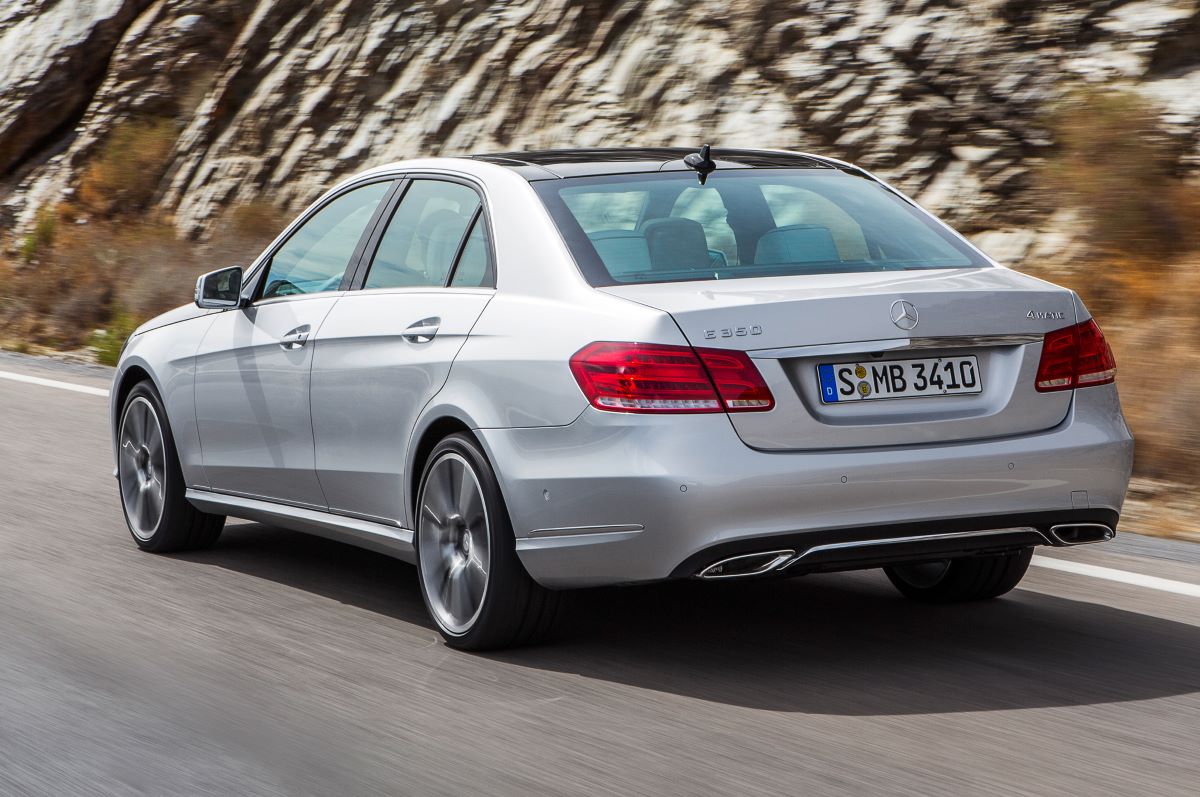
Unlike the gas-powered E-class’s 3.5-liter 90-degree V6, the diesel engine has a smaller 72-degree configuration and half a liter less displacement.
First introduced in the U.S. in the 2006 E320 diesel, the engine is now paired with Mercedes’ urea-injection system, which nearly eliminates NOx emissions and makes the car 50-state legal. It produces 210 horsepower, but delivers an impressive 400 lb-ft of torque, surpassing even the E550 sedan’s 391 lb-ft rating.
Despite the generous torque figures, acceleration is less dramatic than one might expect. Our test E350 BlueTec completed 0-60 mph in 7.2 seconds, almost a full second slower than the gas-powered E350’s 6.3 seconds. Part of this difference comes from the diesel’s added weight, around 300 pounds, mostly from the emissions-scrubbing hardware, and part from the engine’s low 4,500 rpm redline.
Predictably, the BlueTec runs out of power sooner than its gasoline sibling, a disparity that becomes apparent during 30-to-50 mph, 50-to-70 mph, and quarter-mile tests. While it may lack outright sprinting prowess, the E350 BlueTec retains the diesel’s hallmark efficiency and torque-rich character, offering a unique blend of durability, refinement, and low-end pulling power.
9. Range Rover TDV6 / SDV8
Range Rover diesels feel right in a way gasoline versions sometimes don’t. The torque delivery suits the vehicle’s size and off-road capability perfectly, making the experience feel calm and confident.
Diesel Range Rovers excel at long journeys, towing, and rough terrain, all while maintaining the plush interior experience the brand is known for. In many ways, diesel completes the Range Rover identity rather than compromises it.
The Range Rover continues to set the standard for premium off-roaders, and the latest iteration strengthens that reputation even further. Whether on-road or off, it remains at the top of its class.
For UK buyers, the new 3.0-liter TDV6 makes the most sense, offering strong performance and efficiency, while the SDV8 is slightly smoother but comes with an 8,000 premium. The combination of impressive off-road capability, a 420-kg weight reduction, and refreshed styling has generated plenty of buzz around the latest Range Rover.
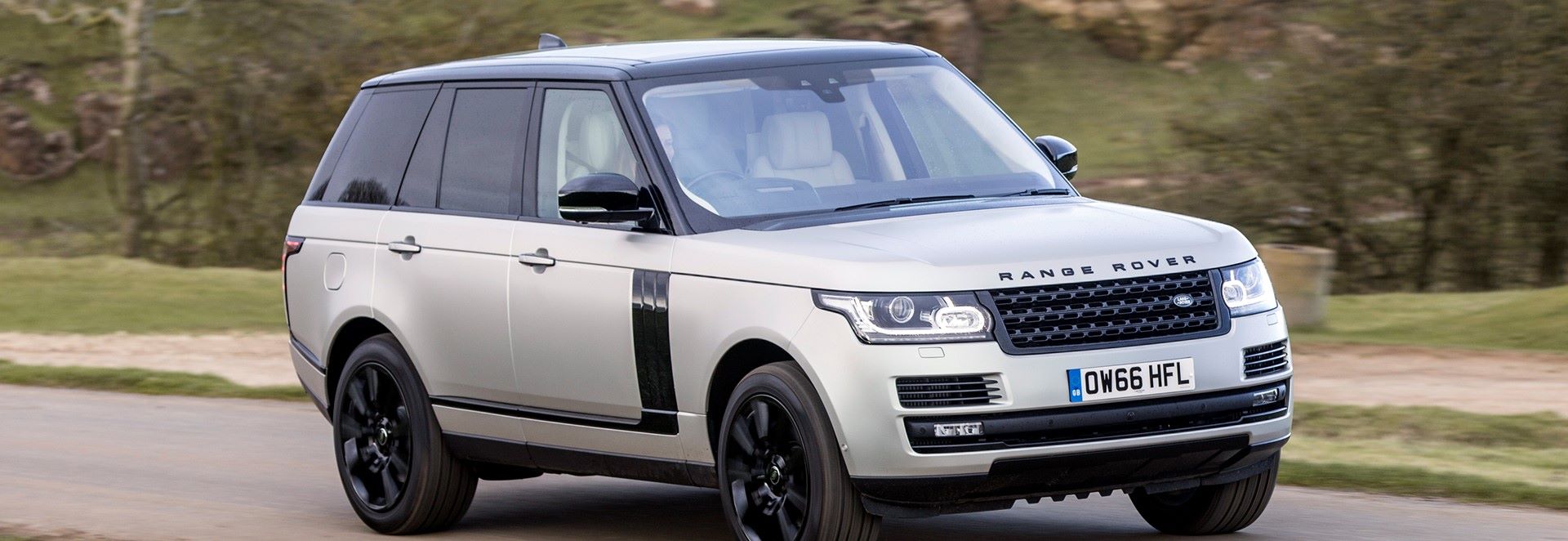
Under the hood, the new V6 diesel produces 255 bhp and 812 Nm of torque, and despite being less powerful on paper than the outgoing 313 bhp TDV8, its reduced weight allows it to accelerate from 0-60 mph in 7.4 seconds, 0.1 seconds quicker than the previous V8. CO2 emissions of 196 g/km and fuel economy of 37 mpg make it an appealing choice, and Land Rover expects this engine to become the most popular option in the range.
There is a slight delay between pressing the throttle and feeling full acceleration, but once moving, the engine feels effortlessly strong. The standard eight-speed automatic gearbox shifts quickly and smoothly, complementing the refined power delivery. While the SDV8 is marginally quieter and more polished, the V6 remains highly accomplished.
On the road, the Range Rover is composed and confident, soaking up large bumps with ease, though extremely uneven surfaces can occasionally make it feel a touch jittery. The new electromechanical power steering is light and helps manage the vehicle’s bulk at low speeds, though it doesn’t weight up enough at higher speeds or in fast corners, making front-end feedback less precise.
Body roll has been significantly reduced compared to the previous model, with only a minimal lean through tight bends, a minor compromise in a vehicle that weighs over two tonnes and stands 1.8 meters tall.
Off-road, the Range Rover truly shines. Equipped with the latest Terrain Response 2 system, standard on Vogue SE and above, the car constantly monitors surface conditions and adjusts settings automatically. Even challenging terrain is tackled with ease, demonstrating the SUV’s legendary capability and composure. In every environment, the new Range Rover blends refinement, performance, and off-road prowess, reinforcing its position as one of the most versatile and capable luxury SUVs on the market.
10. Bentley Bentayga Diesel
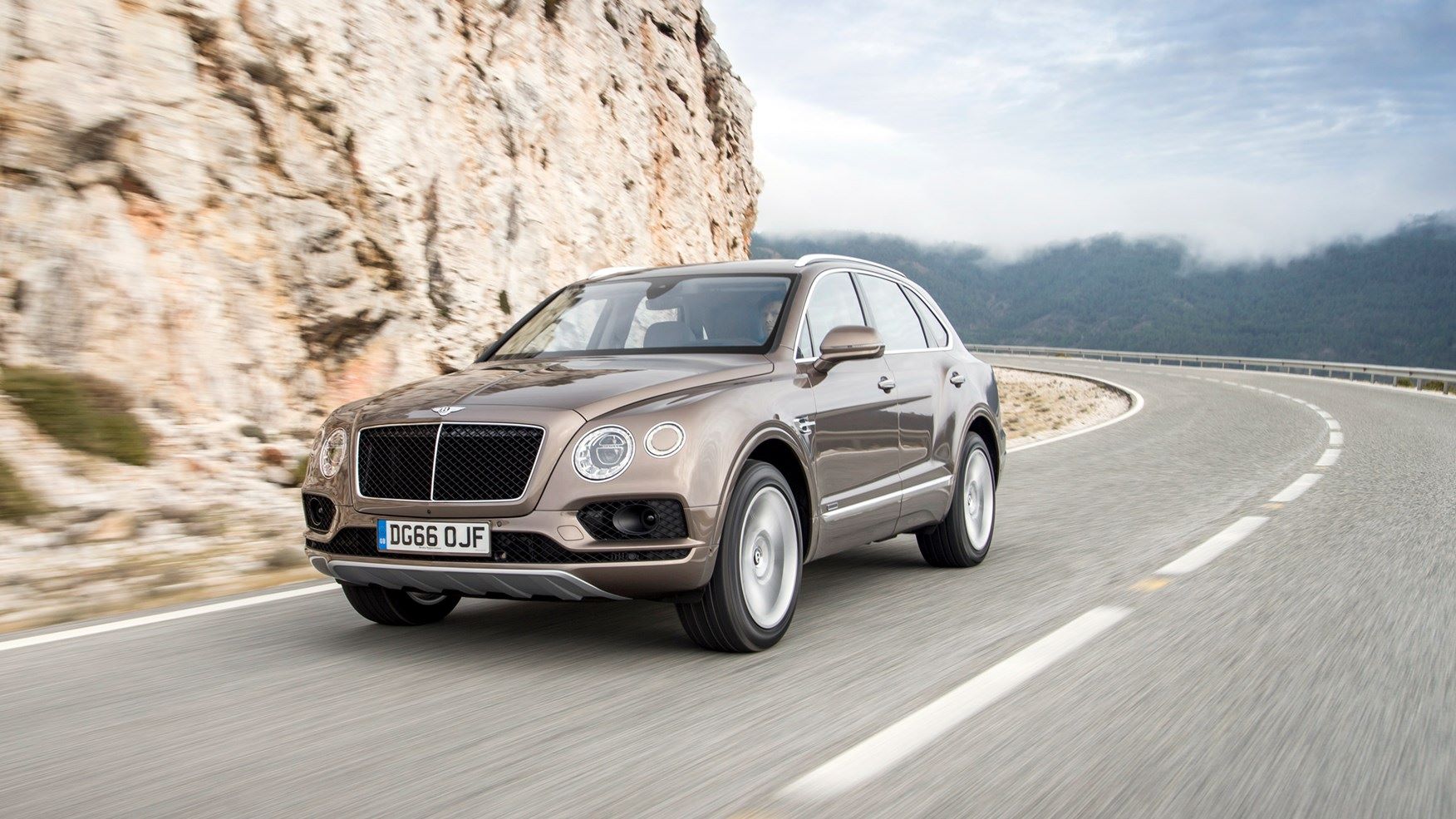
If you ever doubted diesel could be luxurious, the Bentley Bentayga Diesel ends the argument. Using a massive diesel V8, it delivered enormous torque wrapped in one of the most opulent interiors ever built.
The Bentayga Diesel wasn’t about speed it was about effortless authority. It moved like a private jet taxiing down a runway, powerful and serene at the same time. For a brief moment, diesel reached its luxury peak.
Diesel luxury cars represent an alternate timeline one where efficiency, torque, and refinement mattered more than horsepower bragging rights.
In a world now dominated by electrification, they stand as reminders that internal combustion still had unexplored elegance left in it.
They were cool not because they tried to be, but because they worked. And sometimes, that’s the coolest luxury of all.