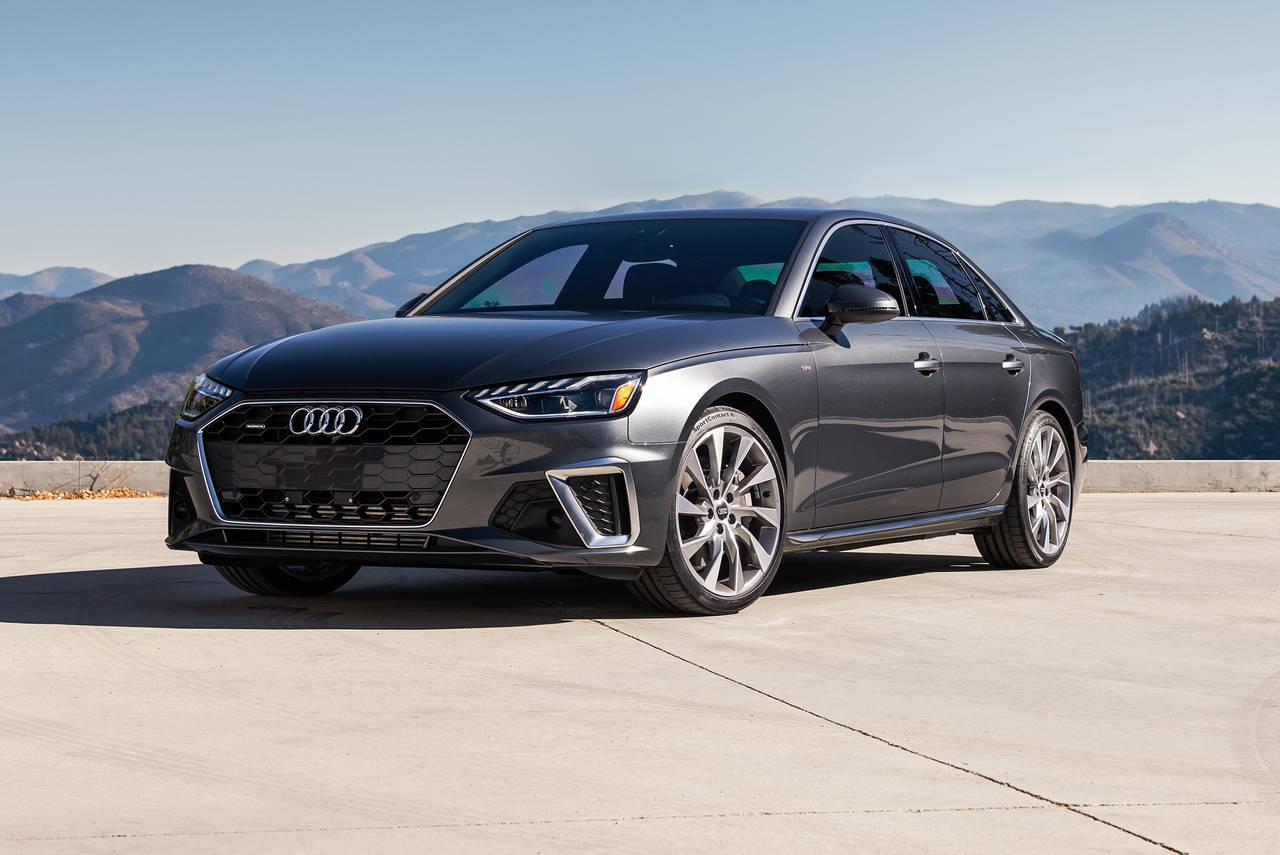
Luxury cars have always represented success, taste, and technological ambition but not every luxury vehicle makes sense in a dense urban environment.
American cities are tighter, busier, and more unpredictable than ever. Narrow streets, aging parking structures, potholes, ride-share traffic, and stop-and-go congestion create conditions where some high-end vehicles feel perfectly tailored, while others feel wildly out of place.
In cities like New York, Chicago, San Francisco, Boston, and even fast-growing metros like Austin and Miami, luxury buyers increasingly prioritize maneuverability, comfort in traffic, and ease of ownership over sheer size or visual dominance.
At the same time, automakers continue to push ultra-large, ultra-powerful luxury models that make bold statements but often struggle in real-world city use.
This divide has created two very different categories of luxury cars. Some feel thoughtfully designed for urban life, blending premium materials with practical dimensions and smart tech.
Others feel excessive vehicles built more for highways, gated driveways, or status signaling than everyday city driving.
Below, we break down five luxury cars that genuinely fit city life and five that feel excessive once the city becomes your daily environment, focusing on real ownership experience rather than badge prestige alone.
Luxury Cars That Fit City Life
City living demands a unique kind of car, one that blends style, performance, and practicality without feeling out of place on narrow streets or in tight parking spots. Luxury doesn’t have to mean oversized or impractical; today’s high-end vehicles can offer all the comfort, tech, and prestige you want while going through the hustle and bustle of urban life.
From nimble sports sedans to compact SUVs with every modern convenience, these cars prove that sophistication and city-friendly functionality can coexist. If you’ve ever thought luxury and city life were at odds, think again, here’s a closer look at the vehicles that make both possible.
1. Lexus UX
The Lexus UX may be one of the smallest vehicles in the luxury segment, but that’s precisely why it works so well in urban America.
Its compact footprint makes tight parking garages and parallel spots far less stressful than in larger SUVs, while the elevated seating position still gives drivers a commanding view of traffic.
The UX’s steering is light and predictable, which matters when navigating crowded streets or avoiding double-parked delivery trucks.
What truly makes the UX city-friendly is its calm demeanor. Road noise is well controlled, the suspension absorbs rough pavement without drama, and the hybrid version offers excellent fuel economy for stop-and-go driving.
Unlike larger luxury SUVs that constantly remind you of their size, the UX fades into the background in the best way possible allowing drivers to focus on the city rather than wrestling their vehicle through it.
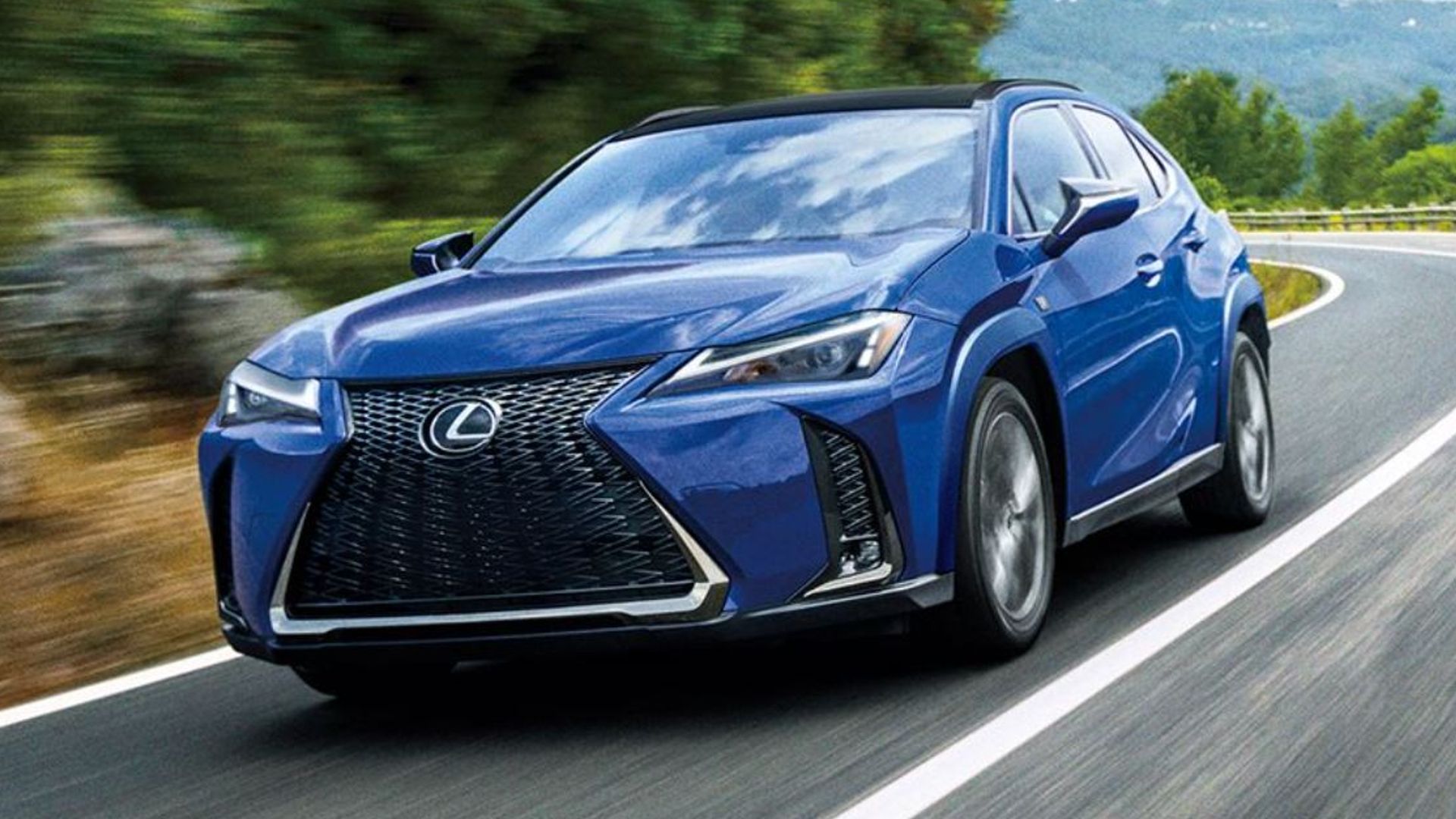
The Lexus UX’s hybrid powertrain delivers more pep than you might expect from a compact luxury crossover. It sprinted from 0-60 mph in 8.0 seconds. That’s not exactly Prius-fast, but for city driving and everyday commuting, the UX offers smooth, responsive handling that should satisfy most drivers.
The F Sport Handling package, however, doesn’t live up to the hype. Beyond its sportier looks, it adds little in terms of performance. Braking from 60 mph required a longer-than-expected 132 feet, and the UX feels indifferent when pushed for enthusiastic driving.
Inside, the UX shines. Despite being Lexus’ smallest model, the front seats are supremely comfortable, especially when equipped with heating and ventilation. Rear seating, however, is best reserved for short trips or passengers of modest height.
With the F Sport Handling package, the ride is firmer than typical Lexus standards but never harsh, offering excellent body control at highway speeds. That said, the small engine can undermine the otherwise serene cabin, moderate acceleration produces a generic four-cylinder note that may disappoint buyers seeking a more distinctive Lexus driving experience.
2. BMW 3 Series
The BMW 3 Series has long been praised as the enthusiast’s luxury sedan, but its urban strengths are often overlooked.
In modern form, the 3 Series strikes a near-perfect balance between performance and practicality. It’s compact enough to fit comfortably into city parking structures yet substantial enough to feel safe and composed on busy arterial roads.
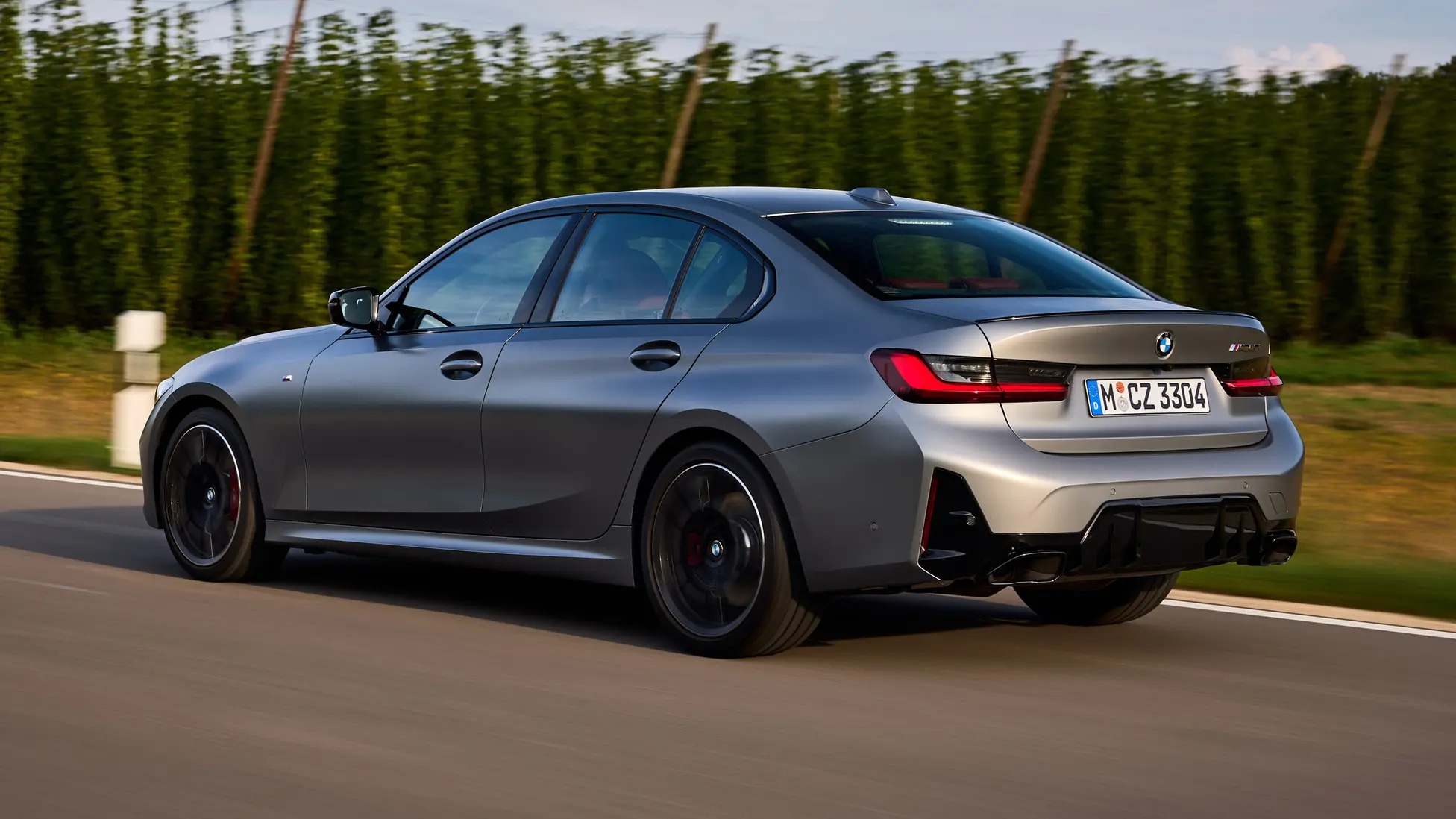
Its tight turning radius, responsive steering, and smooth automatic transmission make it easy to drive in traffic, while BMW’s latest driver-assistance systems reduce fatigue during long commutes.
Importantly, the 3 Series doesn’t demand attention it looks upscale without being flashy, making it a smart choice in cities where subtlety often beats spectacle.
For an entry-level BMW, the 330i delivers a satisfying mix of power and agility. Its turbocharged four-cylinder engine offers ample torque for everyday driving, and our test track confirmed it’s no slouch, sprinting from 0-60 mph in 5.7 seconds.
While that’s slower than the six-cylinder M340i, the 330i still handles corners with poise, especially when equipped with the optional M Sport suspension, which balances sharp handling with a ride that remains comfortable over bumps.
Driving the 3 Series is intuitive. The transmission shifts smoothly, visibility is generally strong, and the optional surround-view parking camera system makes maneuvering in tight city spaces easier. For highway cruising, BMW’s hands-free driving assistance system can ease the fatigue of slow-moving traffic.
Getting in and out of the 3 Series is effortless, thanks to wide door openings and a highly adjustable seat and steering wheel setup. Inside, it’s one of the more spacious compact sedans, offering decent elbow room for both front and rear passengers. The cabin is quiet at highway speeds, and the climate control system performs efficiently, keeping the interior comfortable even on hot days.
Also Read: 5 Cars for Dover Commuters and 5 Highway-Ready Vehicles
3. Audi A4
The Audi A4 is a masterclass in understated luxury, which makes it particularly appealing for urban professionals. Its exterior design is clean and restrained, avoiding the oversized grilles and exaggerated proportions that dominate many modern luxury cars.
In traffic, the A4 feels agile and confident, aided by excellent visibility and Audi’s well-tuned steering.
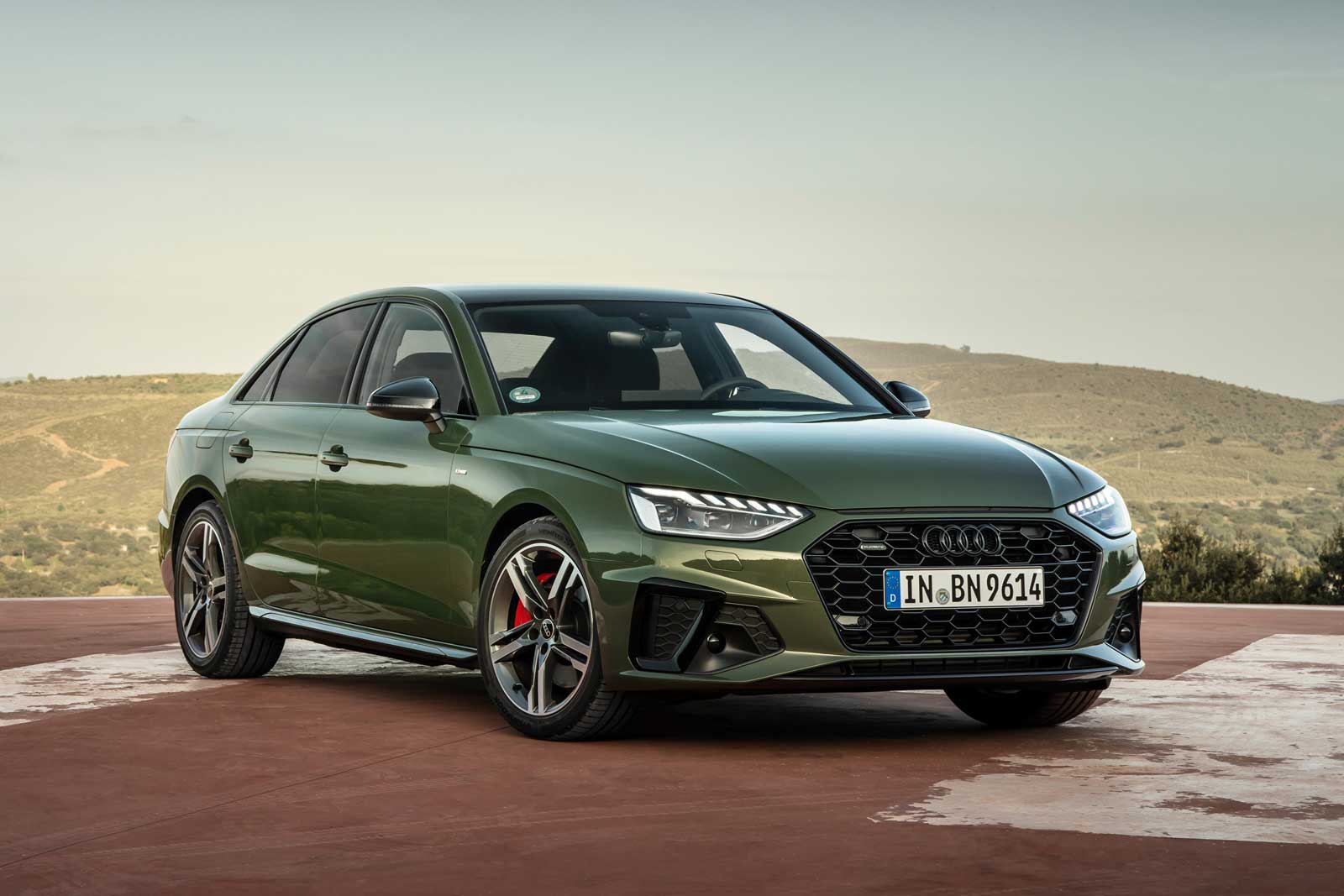
Inside, the A4’s minimalist cabin design shines during daily city use. Controls are intuitive, materials are high-quality without being fragile, and the ride quality remains composed over uneven pavement.
With available all-wheel drive, it’s also well suited for cities with harsh winters, where traction matters more than horsepower.
4. Volvo XC40
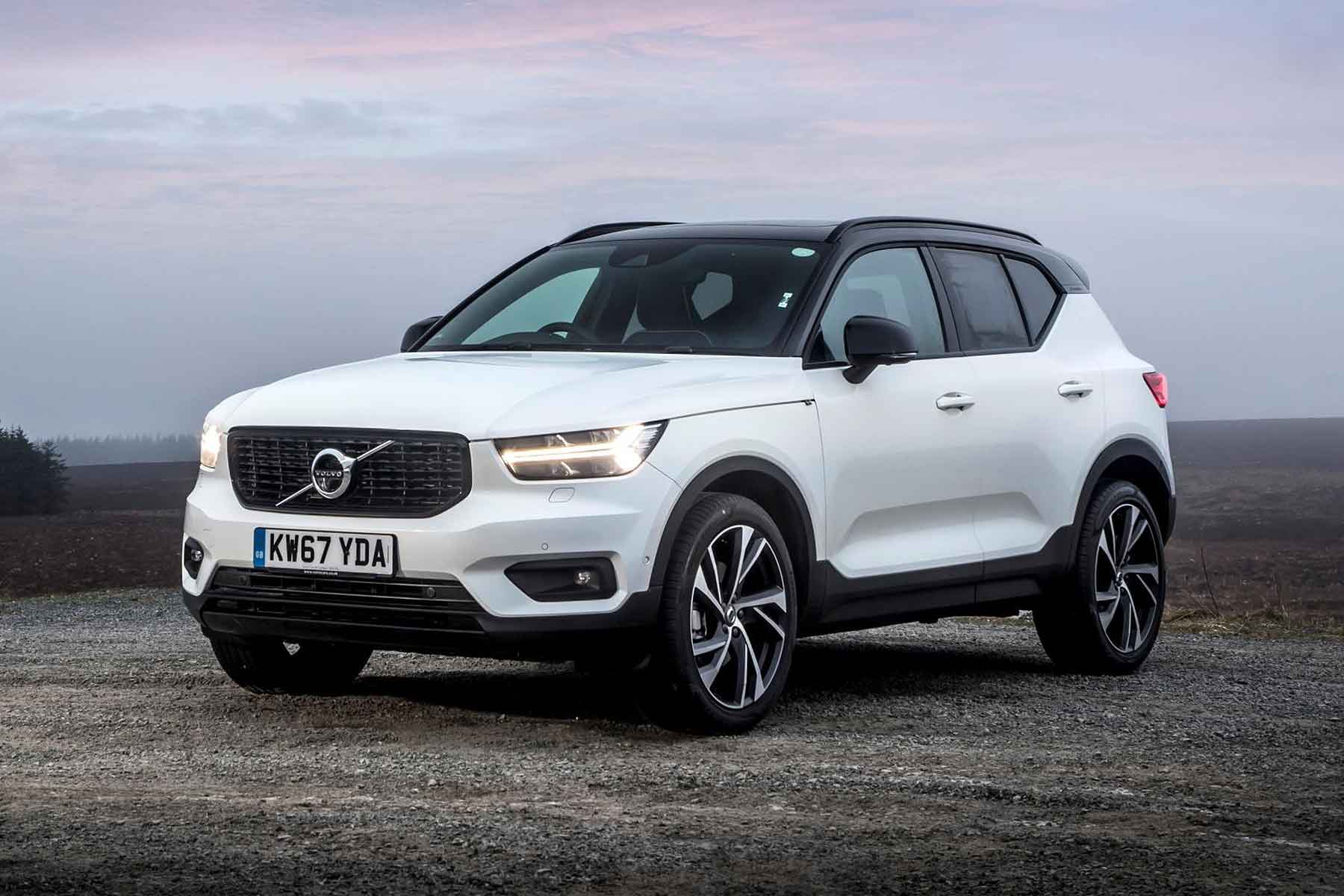
The Volvo XC40 proves that luxury doesn’t need to be large to feel premium. Designed with urban lifestyles in mind, the XC40 blends compact SUV proportions with clever interior storage solutions that make city living easier.
Its tall profile improves visibility in traffic, while its short length makes parking far less intimidating than in mid-size or full-size SUVs.
Volvo’s focus on safety is especially relevant in crowded environments, where cyclists, pedestrians, and unpredictable drivers are part of daily life.
The XC40’s ride quality is compliant without being floaty, and its modern infotainment system integrates seamlessly with smartphones an underrated benefit for urban drivers constantly navigating changing routes.
the Volvo XC40 accelerated from 0-60 mph in 6.8 seconds, placing it squarely in the average range for luxury subcompact SUVs. The transmission can occasionally stay in too high a gear when quick power is needed, but most of the time it operates smoothly and unobtrusively.
Braking is strong and consistent, performing well in both test track panic stops and everyday driving. Handling is confident, the XC40 doesn’t flop around on winding roads, and standard all-wheel drive delivers reliable traction in a variety of conditions.
The XC40’s ride is a touch firmer than some might expect from a luxury SUV of this size. Potholes are absorbed reasonably well, but road imperfections aren’t completely softened. Front and rear seats are comfortable and supportive, though front-seat adjustments are somewhat limited.
Some drivers may find the headrests jut forward slightly, but most occupants will be satisfied. Dual-zone automatic climate control is standard, though it adjusts in 2-degree increments rather than 1, which can feel imprecise. The cabin is generally quiet, though the engine is more audible than in some competitors.
The XC40’s interior has remained largely consistent since its debut, with the biggest update being a Google-powered infotainment system. Most controls are accessed through the vertically mounted touchscreen, including audio and climate settings. The system is responsive, though menu navigation could be more intuitive.
Space is sufficient for four adults, with good headroom and legroom for all but the tallest passengers. The rear center seat is limited by a center-floor hump, making it best suited for smaller occupants.
Entry and exit are easy thanks to wide-opening doors, and the driving position is straightforward to adjust. Visibility is solid, aided by upright windows and an available surround-view camera system. Rear headrests can be dropped at the touch of a button, improving rearward sightlines.
5. Mercedes-Benz A-Class
The Mercedes-Benz A-Class is often dismissed as an entry-level luxury car, but in cities, that positioning becomes an advantage.
Its compact size, light steering, and smooth power delivery make it exceptionally easy to live with day to day. It slips through traffic effortlessly and fits into parking spaces that would challenge larger sedans.
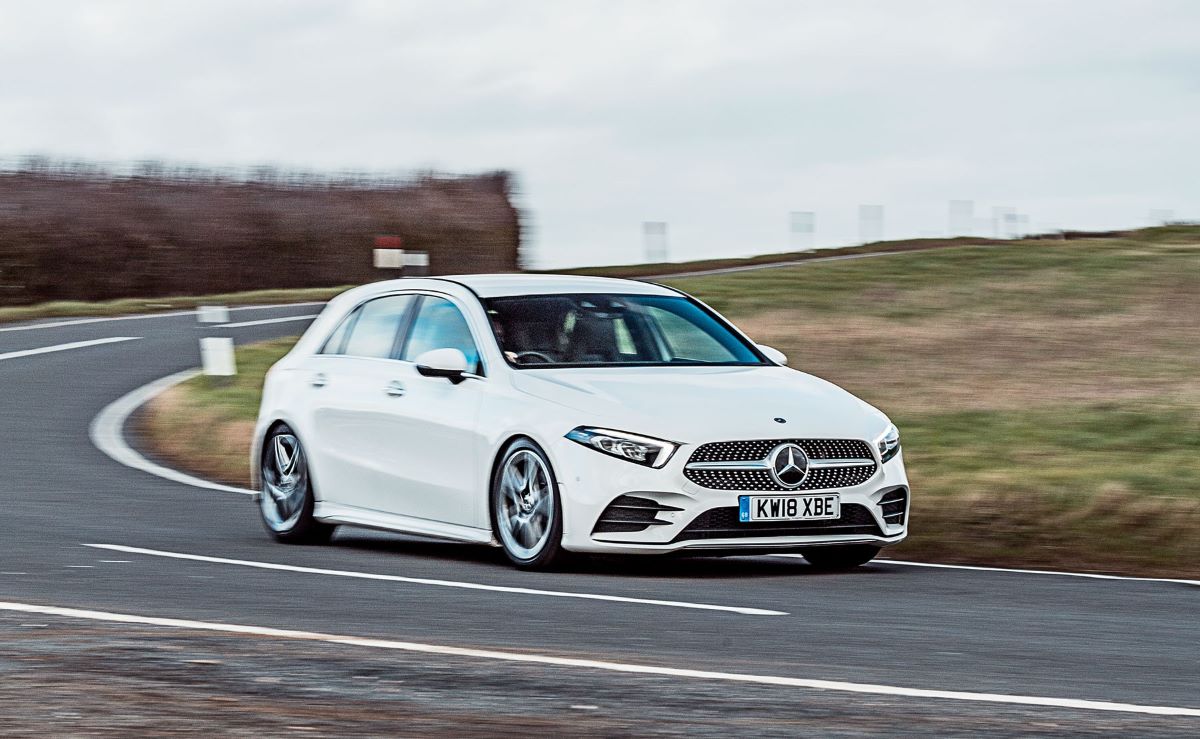
What elevates the A-Class beyond basic transportation is its interior. Mercedes brings much of its flagship design language into a smaller package, offering ambient lighting, digital displays, and premium finishes that make even short trips feel special.
For city dwellers who value luxury without excess, the A-Class makes a compelling case.
Luxury Cars That Feel Excessive in City Life
Luxury cars are designed to impress, but not every high-end vehicle is suited for the city. While some exude refinement without compromise, others feel oversized, overpowered, or just plain impractical when navigating narrow streets, tight parking, and stop-and-go traffic. From massive SUVs that dominate every lane to sedans with engines that roar louder than the surrounding traffic, these cars can feel excessive in an urban environment.
Owning one may turn heads, but driving one often comes with compromises, parking headaches, fuel concerns, and a constant reminder that bigger isn’t always better. Here’s a look at the luxury vehicles that might be over the top when city life calls the shots.
1. Cadillac Escalade
The Cadillac Escalade is a symbol of American luxury excess, and while that works beautifully on highways and in suburban settings, it becomes a liability in dense cities.
Its sheer size makes parking garages stressful, narrow streets uncomfortable, and tight turns awkward. Even experienced drivers often find themselves constantly aware of the Escalade’s dimensions in urban environments.
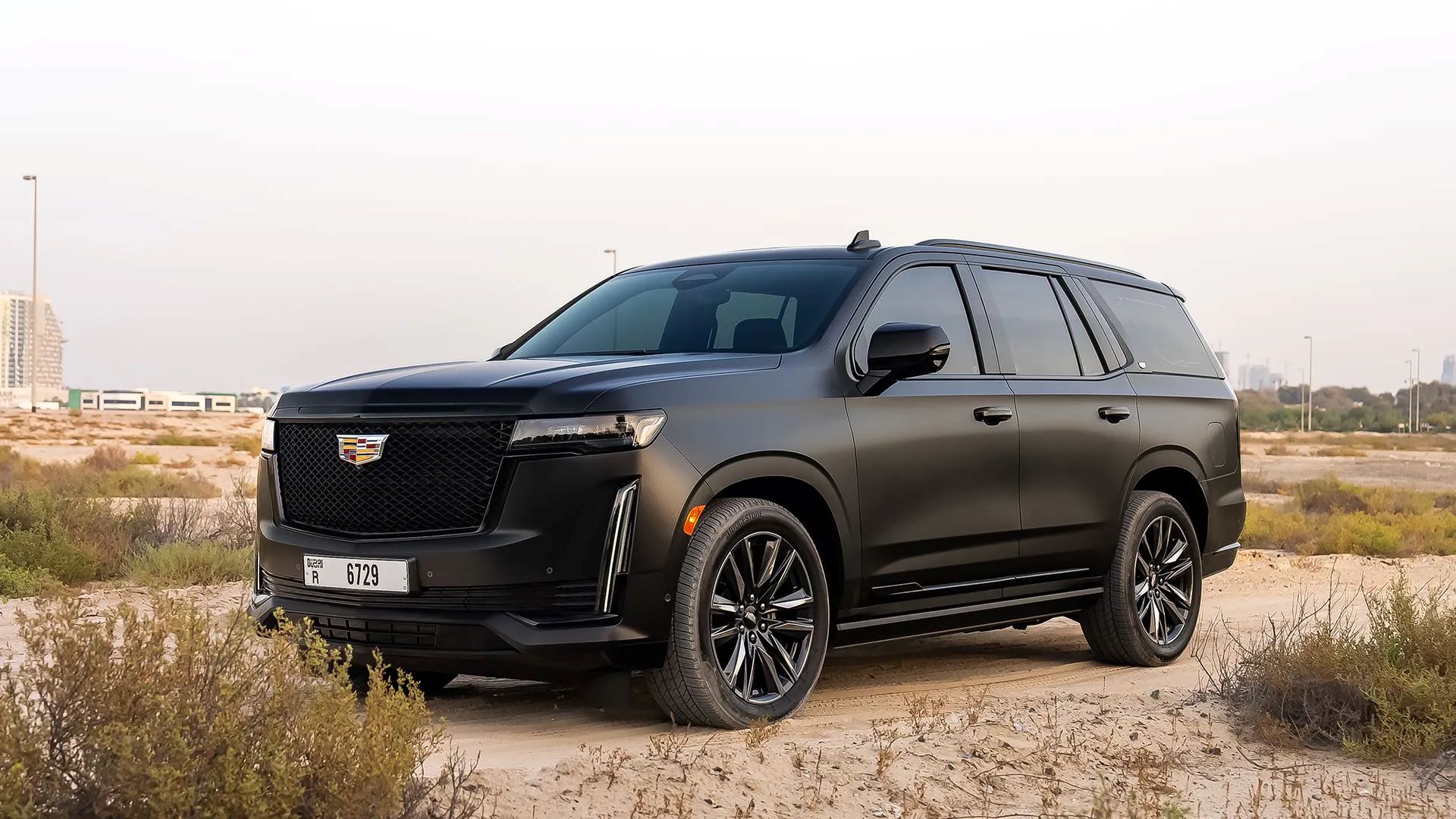
Fuel consumption is another issue. In stop-and-go traffic, the Escalade’s large engine feels inefficient and unnecessary.
While the interior is undeniably luxurious, much of that space goes unused in daily city driving, turning the Escalade into a rolling reminder that bigger isn’t always better.
Also Read: 5 Vehicles That Make Sense for City Budgets vs 5 That Don’t
2. Bentley Bentayga
The Bentley Bentayga offers extraordinary craftsmanship and power, but in a city, it often feels mismatched to its surroundings.
Its wide body and long wheelbase make maneuvering through tight streets challenging, while its presence draws attention sometimes unwanted attention in crowded urban areas.
Part SUV, part rocket, the Bentley Bentayga makes a statement as bold as its styling. In our testing of the V8 model, it accelerated from 0-60 mph in just 3.8 seconds, accompanied by a deep, burly engine note that reinforces its effortless performance.
Braking and handling are competent but lack the tactile feedback drivers might hope for, which can limit confidence during spirited driving. The pedal feel is also somewhat grabby, making smooth stops in tight city traffic a bit tricky.
Our test vehicle’s 22-inch wheels made the ride slightly busy over imperfect roads. It’s not unpleasant, but at this price point, the ride should feel more refined.
On the positive side, the Bentayga remains easy and composed to drive, with excellent visibility and an array of parking aids, including a smartphone-controlled remote parking system, to help navigate city streets. High-speed driver assistance, particularly lane-centering, could be sharper.
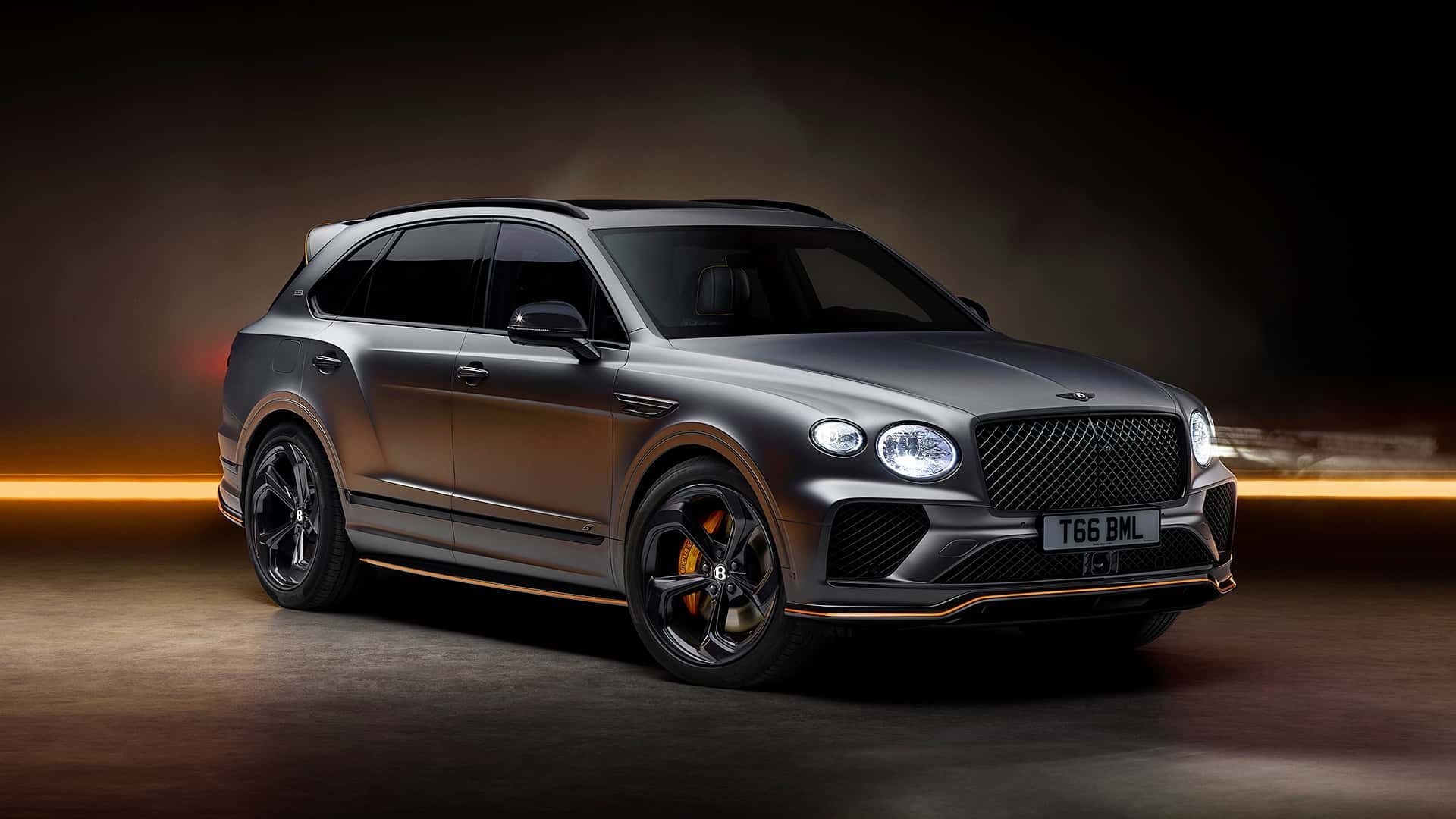
Inside, the Bentayga excels at isolating occupants from road and wind noise, creating a serene cabin even at high speeds. The multitude of seat adjustments allows drivers to dial in a perfect position, and the relatively low step-in height makes entry and exit straightforward.
The backseat, however, is merely acceptable in the standard-wheelbase model we tested. The flat bench seat lacks the visual appeal and comfort of the extended-wheelbase configuration or optional captain’s chairs. Climate control is easy to operate but feels borrowed from the broader Volkswagen group. Otherwise, interior controls, including touchscreen functions, are intuitive and straightforward.
The Bentayga’s performance capabilities are largely wasted in traffic, and its ultra-luxury materials can feel out of place amid potholes, construction zones, and congested intersections.
For city life, the Bentayga feels less like a practical luxury SUV and more like a statement piece searching for the right environment.
3. Rolls-Royce Cullinan
Few vehicles embody excess quite like the Rolls-Royce Cullinan. It’s majestic, commanding, and astonishingly refined but city streets are not its natural habitat.
Its size alone makes parking and maneuvering a constant challenge, and its presence often attracts intense scrutiny.
While the Cullinan’s ride quality is unmatched, much of its magic is lost at low speeds in heavy traffic.
In cities, it can feel less like a luxury experience and more like an exercise in caution, where every curb, cyclist, and tight corner becomes a concern rather than a pleasure.
The Rolls-Royce Cullinan’s twin-turbo 6.7-liter V-12 generates a staggering 563 horsepower while remaining whisper-quiet, perfectly suited for keeping VIP passengers undisturbed.
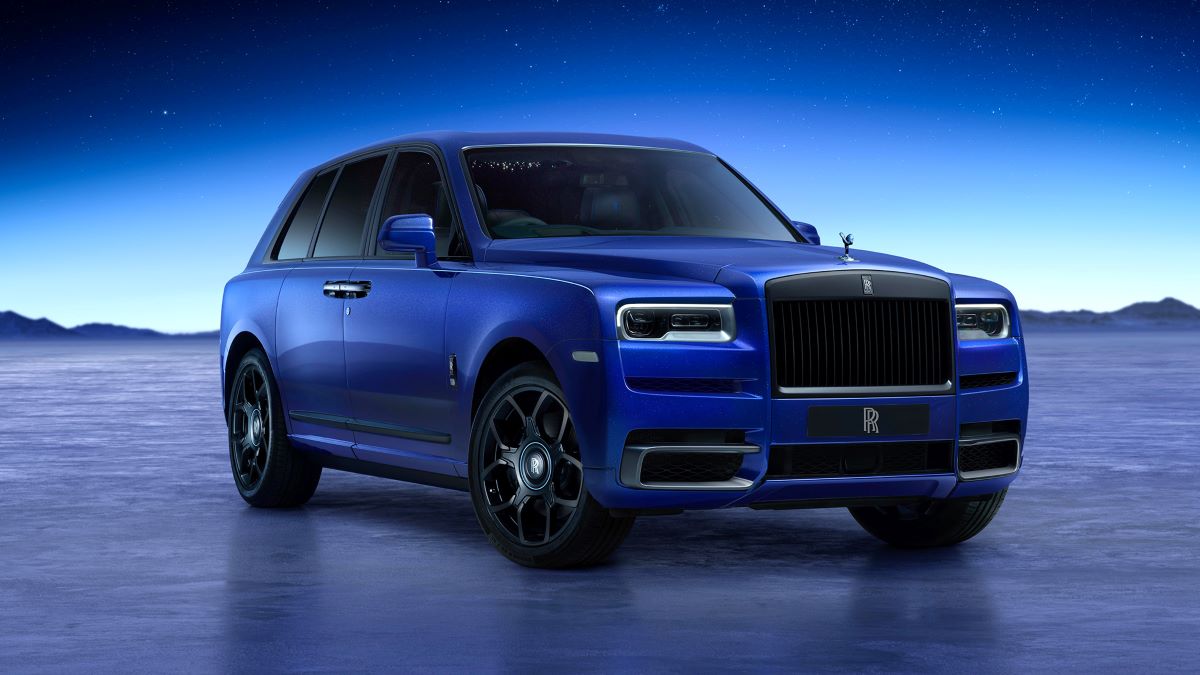
In testing, it sprinted to 60 mph in just 4.5 seconds, an impressive feat for a vehicle that tips the scales at roughly three tons. Standard all-wheel drive ensures traction, though most owners will likely stick to city streets and paved highways rather than venturing off-road.
The Cullinan’s air suspension is linked to a road-scanning camera that automatically adjusts ride height to smooth out pavement imperfections. The result is a level of ride comfort far beyond typical luxury SUVs, the Cullinan glides over surfaces effortlessly, keeping all road harshness away from the cabin.
4. Mercedes-Benz G-Class
The Mercedes-Benz G-Class has evolved into a luxury icon, but its roots as a military vehicle remain evident and problematic in urban settings.
Its boxy shape, upright windshield, and wide stance make it less aerodynamic, less efficient, and harder to maneuver than modern crossovers.
In traffic, the G-Class feels bulky, and its stiff ride over rough pavement can be tiring. While it commands respect visually, that commanding presence often translates into unnecessary stress when navigating narrow streets or parking garages designed decades ago.
The Mercedes-Benz G550’s twin-turbo V-8 delivers 416 horsepower and 450 lb-ft of torque, giving it brisk acceleration for its boxy, off-road-ready frame.
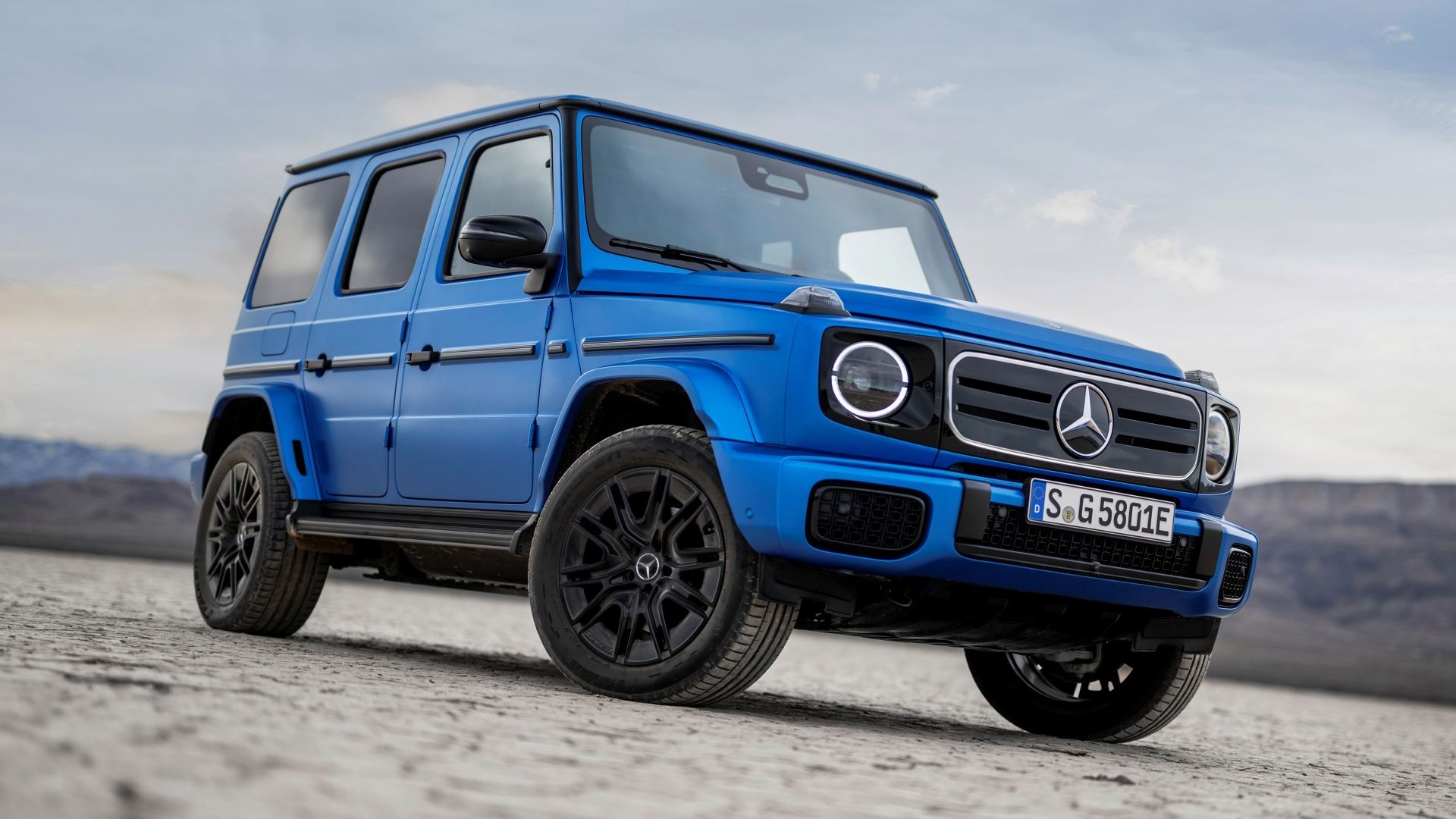
Power flows through an obedient nine-speed automatic, and standard all-wheel drive ensures capability in nearly any condition. The 2019 G550 we tested showed noticeably improved road manners compared with its predecessor, thanks to an independent front suspension and a lower center of gravity.
Despite these improvements, the G550’s tall, squared-off body generates significant wind noise at highway speeds and limits cornering agility. Steering feels more precise than in previous models, and the ride is composed over most surfaces, but sharp turns remind you that this is still a truck masquerading as a luxury SUV.
Three locking differentials, a low-range gear, generous ground clearance, and a 7,000-pound towing capacity make it extremely capable off-road, but in city traffic, all that capability mostly goes unused, underscoring just how excessive the G550 can feel in an urban environment.
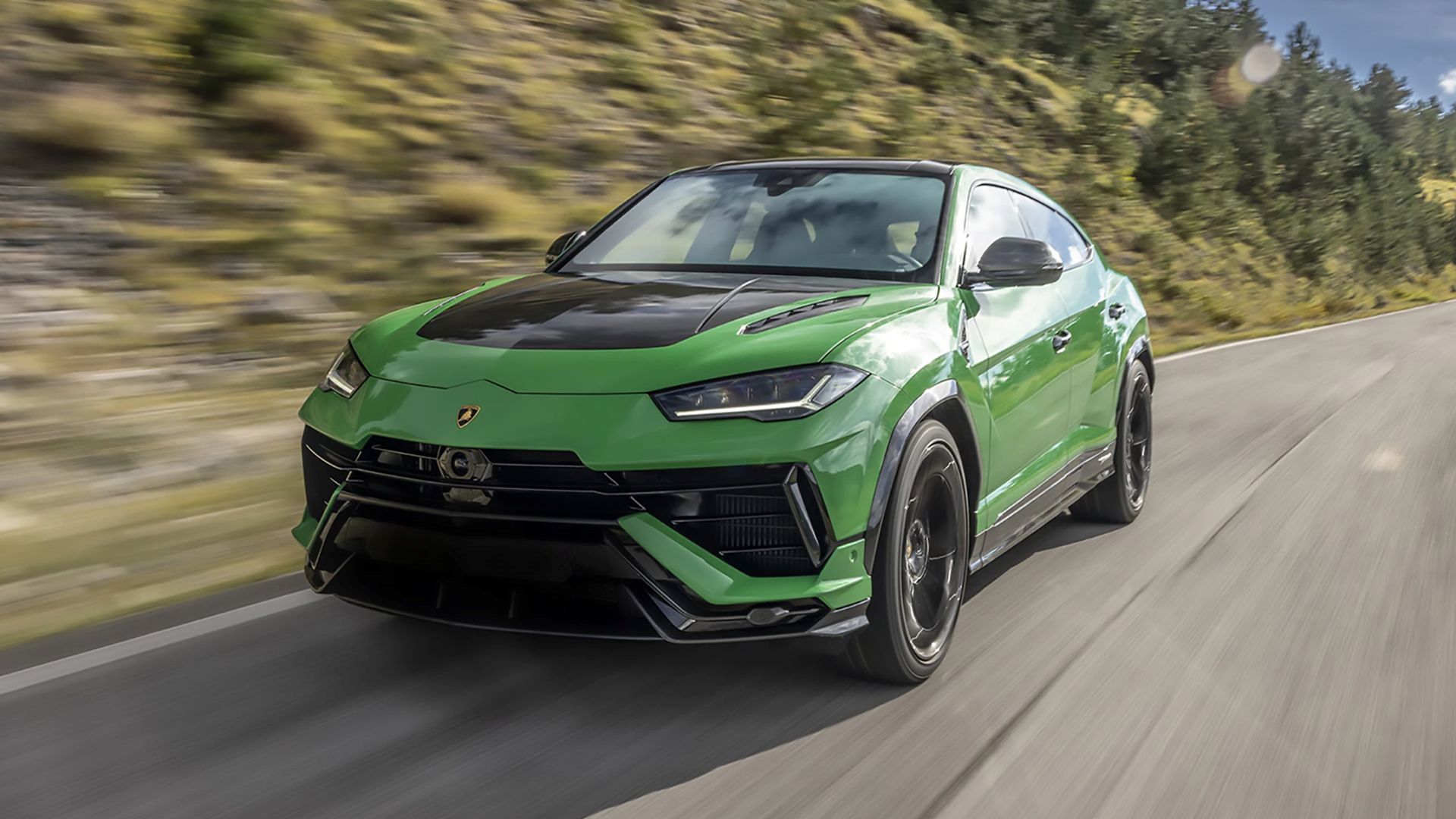
5. Lamborghini Urus
The Lamborghini Urus may be one of the most extreme luxury SUVs on the market, but its aggressive styling and explosive performance can feel excessive in city life.
Its wide body and low-profile tires are poorly suited for uneven pavement, and its attention-grabbing design often attracts more curiosity than convenience.
In heavy traffic, the Urus’s power becomes irrelevant, while its firm suspension and constant visual presence can feel exhausting rather than enjoyable.
It excels as a high-performance statement vehicle, but as a daily urban companion, it often feels like overkill.
Luxury and city life don’t have to be at odds but alignment matters. Vehicles that prioritize manageable size, refined comfort, smart technology, and ease of use tend to enhance urban living rather than complicate it.
The Lamborghini Urus may sound outmatched on paper next to other high-powered SUVs, but in reality, it’s a rocket on wheels. Its 641-hp twin-turbo V-8 pairs with an eight-speed automatic and all-wheel drive to launch the Urus from 0-60 mph in just 3.1 seconds, with a quarter-mile time of 11.3 seconds at 121 mph.
Top speed is a staggering 190 mph. Steering is quick, handling is stable at high speeds, and adjustable air suspension allows for different ride heights depending on the drive mode. Standard carbon-ceramic brakes ensure confident stopping, though in city traffic, this level of performance is largely unnecessary.
While the Urus can carry four passengers and some cargo, it’s still a near-quarter-million-dollar vehicle built for speed, drama, and attention. Its massive 23-inch wheels, aggressive styling, and Italian flair make a statement that dwarfs the practicality of daily urban life.
Inside, options like ventilated and massaging seats, upgraded sound systems, and rear-seat entertainment add comfort and luxury, but they only underscore how over-the-top the Urus is for city streets.
The Urus is an athletic, jaw-dropping SUV that blends supercar DNA with everyday usability, but in a city environment, it’s pure excess, a performance monster most drivers won’t fully exploit outside of open roads or racetracks.
Meanwhile, ultra-large or ultra-flashy luxury vehicles may impress from afar, but they often introduce stress, inefficiency, and inconvenience into daily city routines.
For American buyers living in or frequently navigating cities, the smartest luxury choice isn’t the biggest or most powerful option it’s the one that quietly fits into your life while still delivering comfort, quality, and confidence every single day.