
Lamborghini has long been synonymous with extreme performance, audacious styling, and an unrelenting pursuit of automotive drama.
From the moment Ferruccio Lamborghini founded the company in 1963, the brand has cultivated an aura of exclusivity, making its cars coveted across the globe especially in the United States, where car culture thrives and high-end exotic vehicles are a status symbol.
While models like the Aventador and Huracán are relatively common in the supercar world, the true Lamborghini enthusiast seeks rarity cars produced in minuscule numbers, each carrying a story, unique design cues, and a pedigree that elevates them from mere vehicles to rolling pieces of art.
Here, we explore the 15 rarest Lamborghinis ever produced, spanning decades of innovation, flamboyance, and engineering wizardry.
1. Lamborghini 350 GTV (1963)
The 350 GTV was Lamborghini’s first prototype, developed to showcase the company’s ambitions against established names like Ferrari and Maserati.
Only one prototype was ever made, making it incredibly rare. Unlike later models, the 350 GTV was equipped with a 3.5-liter V12 producing 280 horsepower, coupled with a distinctive 2+2 seating configuration.
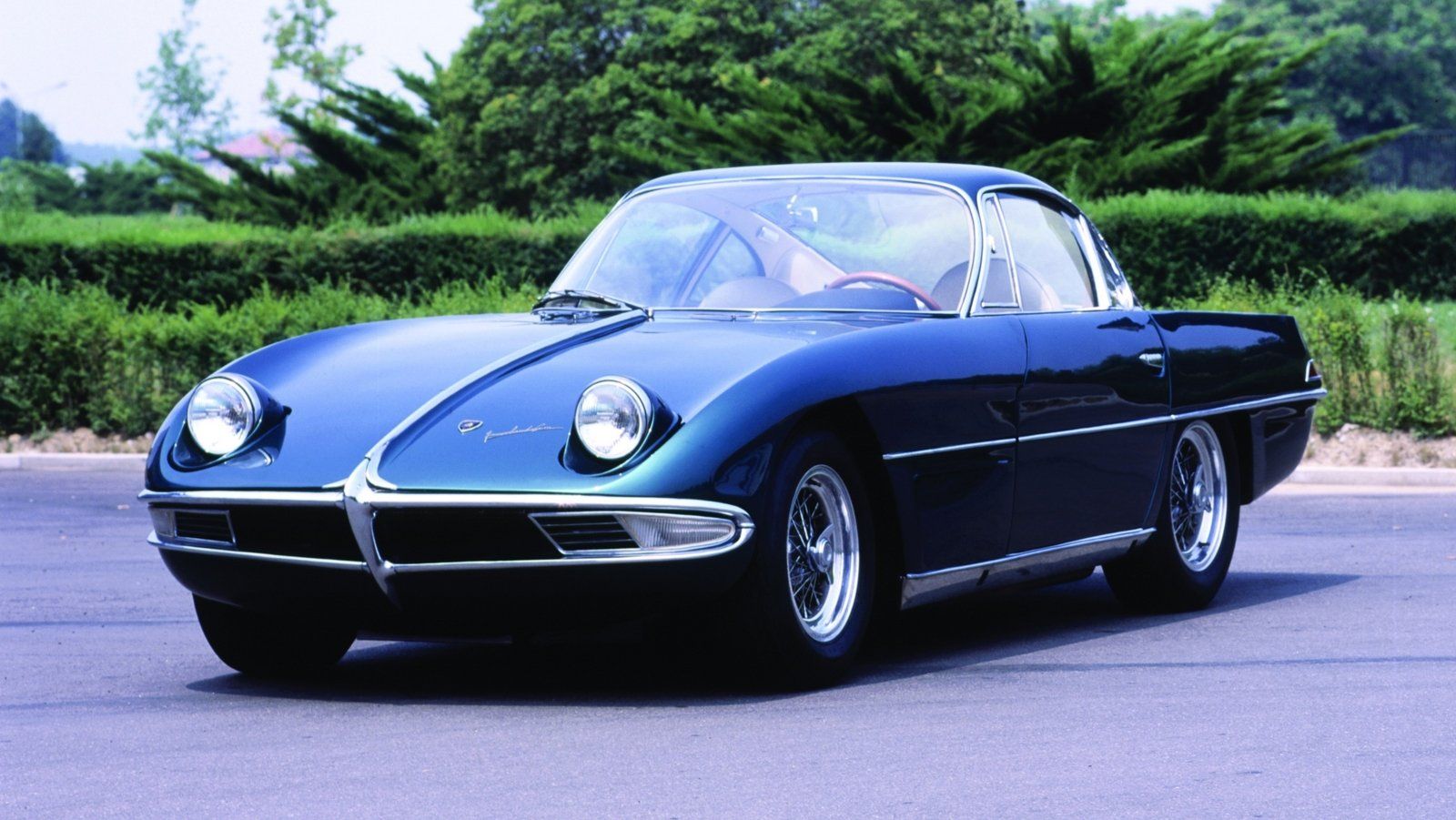
Its angular design, penned by Franco Scaglione, signaled Lamborghini’s early penchant for bold aesthetics.
Though it never reached mass production, the 350 GTV remains a symbol of Lamborghini’s audacious entry into the automotive world.
2. Lamborghini 400 GT Monza (1966)
With only two units ever produced, the 400 GT Monza combined Lamborghini’s signature V12 with lightweight, racing-inspired construction.
It featured an aluminum body built by Carrozzeria Touring, a company better known for crafting Ferrari bodies.
The car was designed as a quasi-racer, meant to demonstrate Lamborghini’s engineering flexibility, offering both luxury and performance.
Its rarity makes it a dream for collectors, and any sighting at a U.S. car show or auction generates instant excitement.
Picture discovering a long-forgotten 1957 fuelie tucked away in a barn. Or perhaps a low-mileage 1963 Sting Ray, left untouched for decades. Even more extraordinary: uncovering a unique Lamborghini, last seen in the 1960s and thought to have vanished forever.
It sounds like a tale from a storybook, yet that was precisely what occurred in 1996 when Bonhams auction specialist Simon Kidston traveled to Spain to appraise a long-dormant Porsche 906 for a family managing the estate of a recently deceased, wealthy, and somewhat eccentric relative.
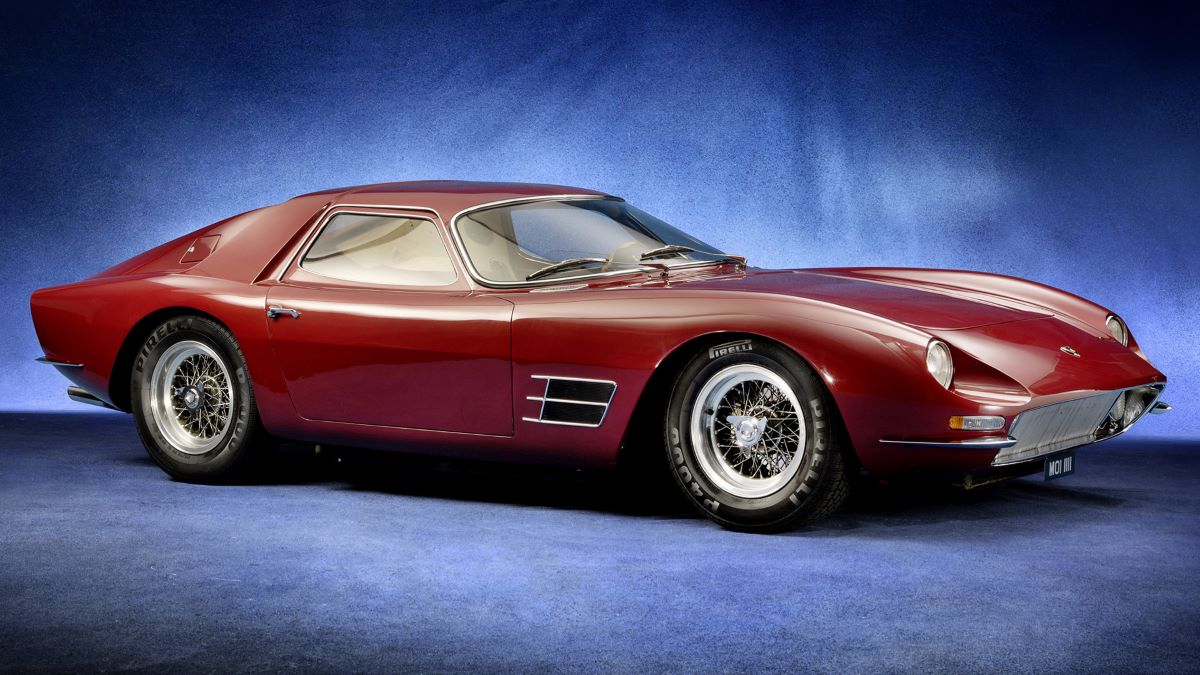
Beyond the Porsche, at the back of the garage, behind a speedboat and roughly 20 motorcycles, sat the near-mythical 400GT Monza, a one-of-a-kind Lamborghini, coated in dust but otherwise unchanged from the day it rolled off the factory floor, a car that had been missing for almost 40 years.
For Lamborghini enthusiasts, this was nothing short of the Holy Grail and the Missing Link combined into a single striking package: a low-slung, red coupe fitted with Borrani wire wheels and a V-12 engine beneath its hood.
Very few books on Lamborghini discuss the Monza in any depth, simply because so few individuals ever had firsthand knowledge of its existence. And while the family initially had no idea about the car’s rarity or value, it took Kidston another nine years to convince them to part with it.
Also Read: 10 Cars Owners Stop Enjoying in Daily Traffic
3. Lamborghini Miura SVJ (1971)
Often hailed as the world’s first supercar, the Miura revolutionized automotive design with its transverse mid-engine layout. The Miura SVJ, however, is exceptionally rare, with fewer than 10 units ever built.
The SVJ was a racing-oriented variant, boasting upgraded suspension, enhanced aerodynamics, and a slightly detuned yet ferociously responsive 4.0-liter V12.
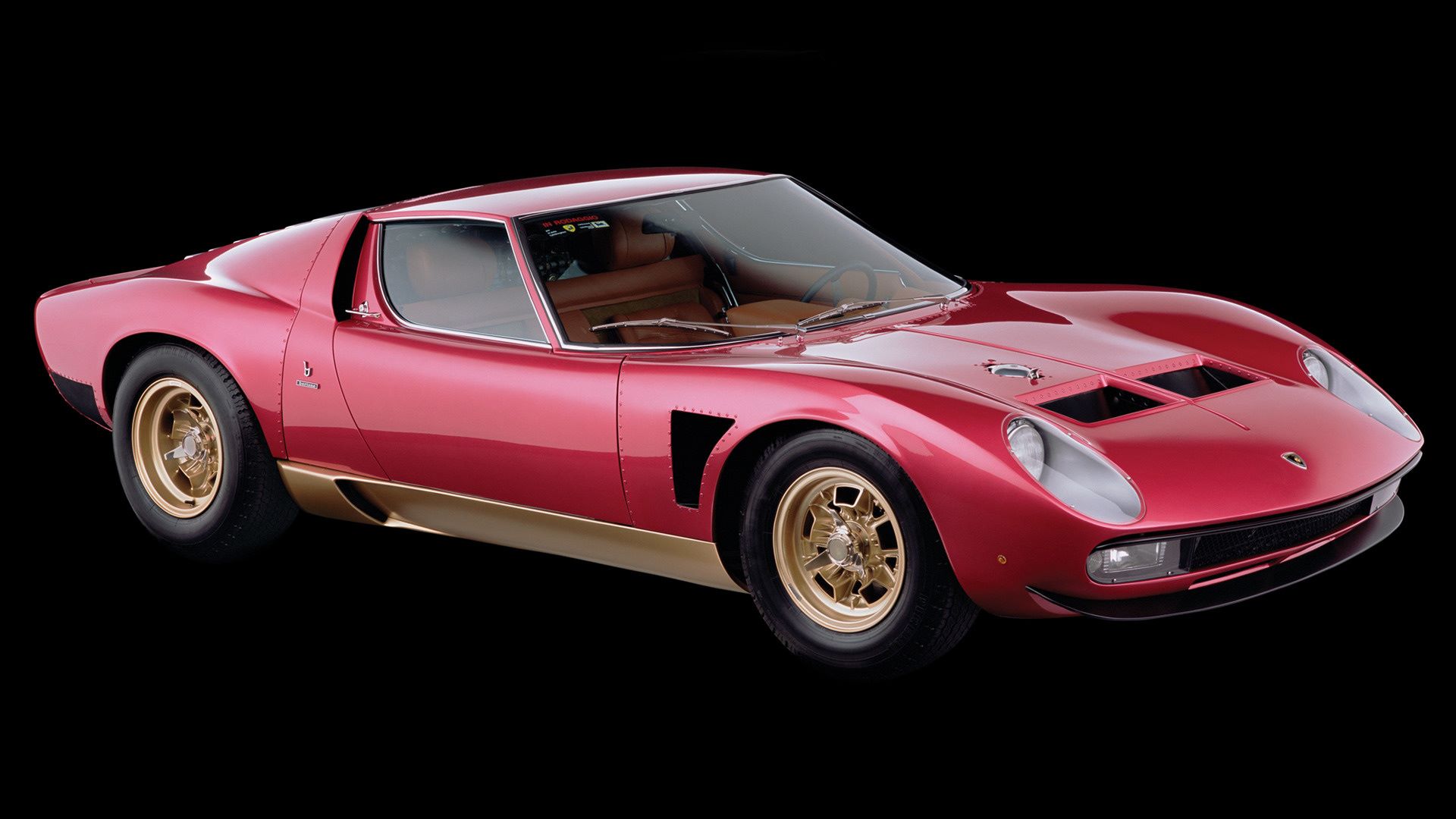
For collectors in the U.S., the Miura SVJ represents not just performance but a cultural milestone in automotive history, immortalized in countless magazines and films.
4. Lamborghini Countach LP5000 QV “Quattrovalvole” (1985)
The Countach is arguably Lamborghini’s most iconic model, with its wedge-shaped design and scissor doors becoming an automotive symbol of the 1980s.
However, the LP5000 QV, introduced in 1985, was produced in limited numbers roughly 321 units worldwide.
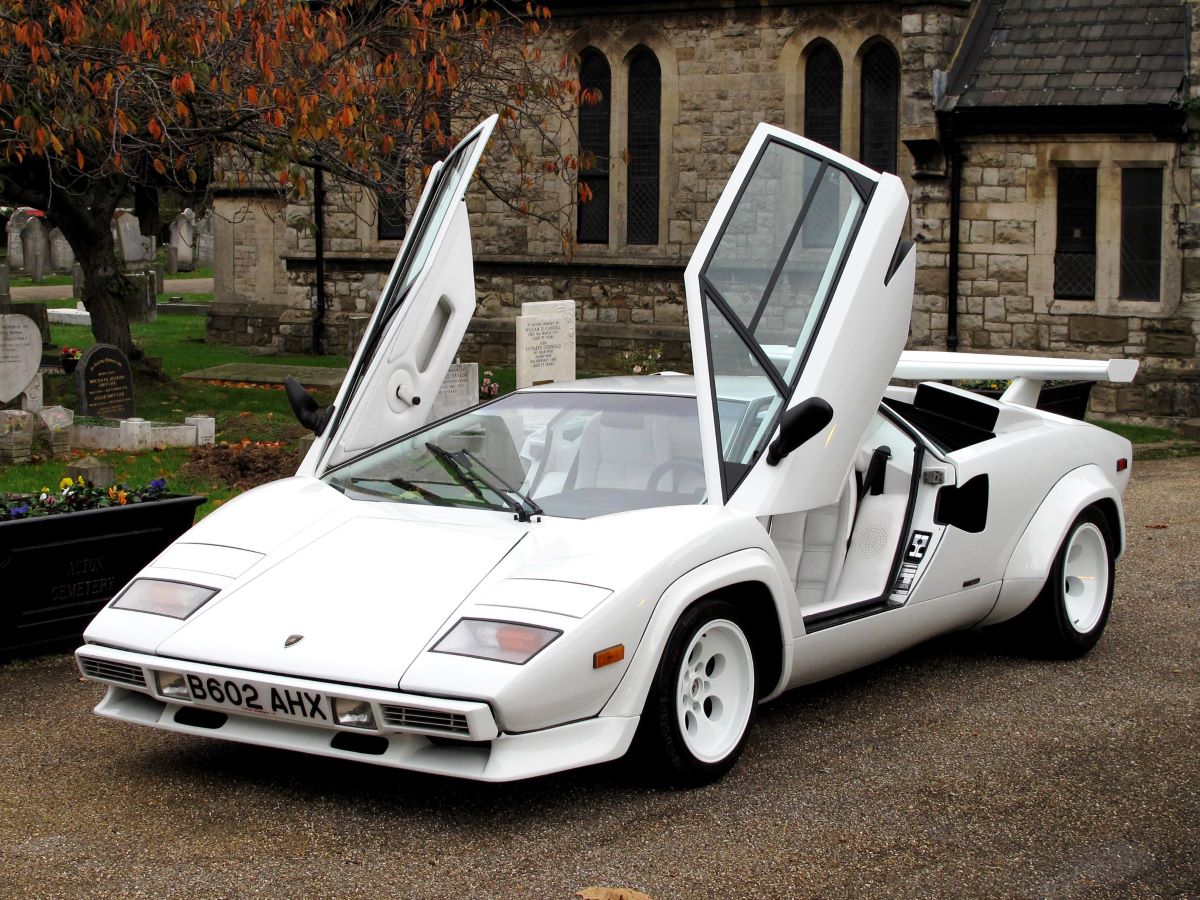
The “Quattrovalvole” engine featured four valves per cylinder, a significant evolution over earlier V12s, offering more power and efficiency.
Its rarity, coupled with the fact that many U.S. buyers imported their Countachs individually, makes the QV a prized piece among collectors who want a blend of performance, nostalgia, and design history.
5. Lamborghini Jalpa (1981–1988)
The Jalpa often gets overlooked compared to the Countach, but it is one of the rarest Lamborghini models ever produced, with fewer than 400 units built.
Designed to be a more approachable, entry-level Lamborghini, it housed a 3.5-liter V8 capable of 255 horsepower.
Its styling retained the brand’s sharp edges but softened the Countach’s extreme angles for broader appeal.
Today, U.S. collectors prize the Jalpa for its unique place in Lamborghini history offering vintage supercar thrills without the astronomical price tags of rarer V12 models.
In 1981, Lamborghini presented the Jalpa as an entry-level model for its lineup, yet one that remained sufficiently rapid to rival a Ferrari. The Italian marque recognized it could not rely solely on the Countach for market success and, in the early 1970s, began development of a “Baby-Lambo.”
This initiative resulted in the Silhouette, revealed in 1976, whose sales proved disappointing. Unwavering in its efforts, Lamborghini launched the Jalpa in 1981, and it achieved significantly stronger sales than its forerunner.
Carrozzeria Bertone styled the Jalpa, giving it a sharp front end and pop-up headlights. Its black bumper presented an appearance as if it had been affixed over the bodywork solely to meet regulatory requirements.
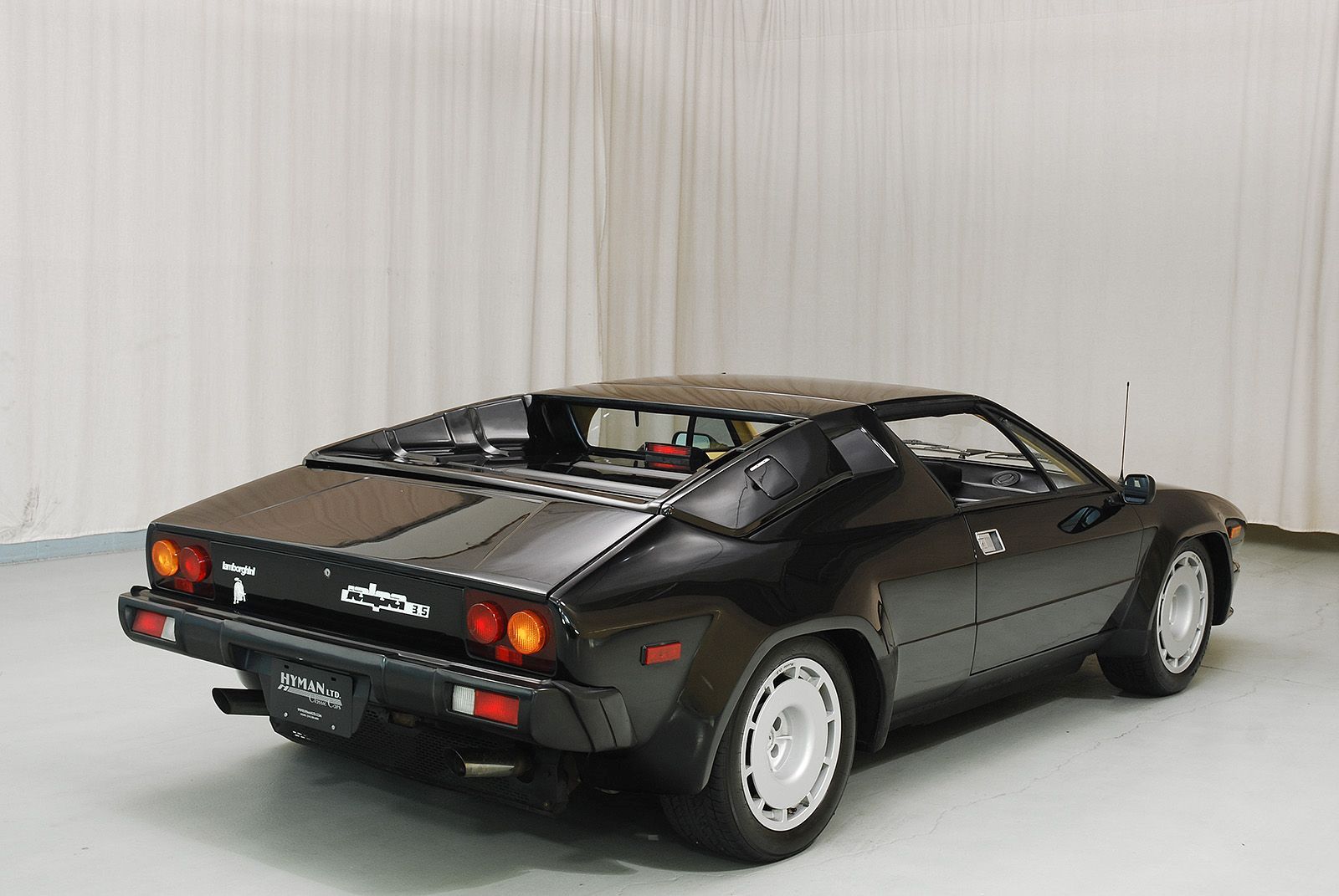
Conceived as a leisure car, Lamborghini offered the Jalpa in a targa configuration with a removable roof panel that could be stowed behind the seats. The cabin was upholstered in leather, imparting a degree of luxury. Although not a pure grand tourer, it offered a more luxurious environment than many contemporary sports cars.
The automaker separated the seats with a modest center console housing the power window switches, gear lever, handbrake, and a small storage area. On the center stack, Lamborghini positioned two ventilation outlets and the climate control switches.
However, its status as the “baby-Lambo” did not preclude the need for comprehensive engine data; accordingly, the dashboard presented more information than a typical automobile. Beyond the speedometer, tachometer, and coolant temperature gauge in the primary instrument cluster, additional dials on the center stack displayed oil pressure, oil temperature, amperage, and fuel level.
Mounted transversely behind the passenger compartment, the carmaker installed a V-8 engine that delivered power to the rear wheels through a five-speed manual transmission.
6. Lamborghini Diablo SE30 (1993)
Marking the brand’s 30th anniversary, the Diablo SE30 was a celebration of speed and technology, with just 150 units produced.
It featured a lightweight body, a more aggressive suspension, and a 5.7-liter V12 engine tuned to deliver over 525 horsepower.
The SE30 is also notable for inspiring a later U.S.-specific variant, the Diablo SE30 Jota, which took performance to an even higher level. Its rarity and connection to Lamborghini’s racing heritage make it highly sought after at U.S. auctions.
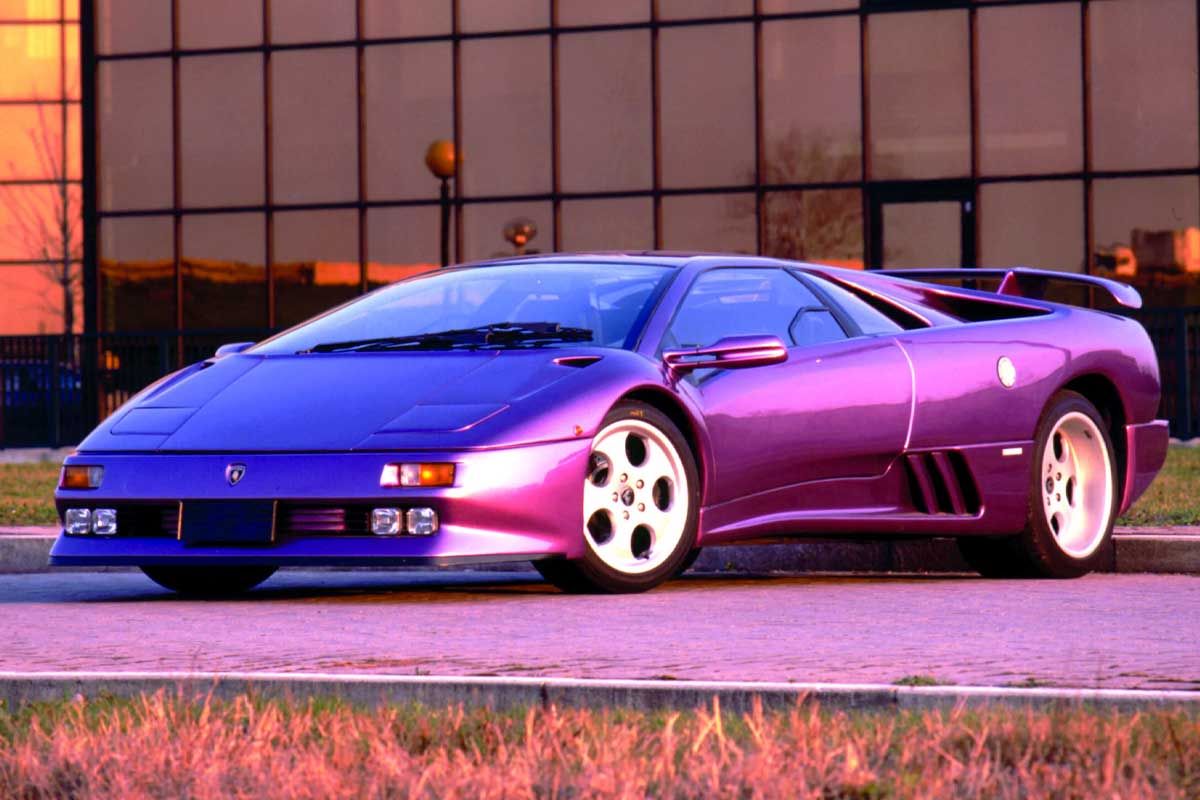
The standard SE30 was created as an anniversary special. The ‘Jota’ served as the hardcore variant intended for circuit racing, and consequently, it was equipped with a more potent V12.
The 5.7-liter naturally-aspirated unit received modifications including a lighter crankshaft, new camshafts, a reprogrammed engine control unit, a superior and more free-flowing exhaust system, which is to say, a louder one, and roof scoops. A new engine cover was also fitted.
Therefore, owing to that 100bhp increase over the standard Diablo, and an increase of approximately 60bhp over the ‘normal’ rear-wheel-drive SE30, this Jota could accelerate from 0-60mph in merely 3.8 seconds, from 0-100mph in 9.1 seconds, and achieve a maximum speed of a rather daunting 211mph. Such performance is formidable by any measure.
Also Read: Top 10 SUVs That Cost the Least to Keep on the Road
7. Lamborghini Diablo GT (1999)
By the late 1990s, Lamborghini was pushing the boundaries of performance engineering, and the Diablo GT represented this push. Only 80 units were ever produced, making it exceptionally rare.
With a 6.0-liter V12 producing 575 horsepower and a striking carbon fiber body, the Diablo GT was a no-compromise supercar.
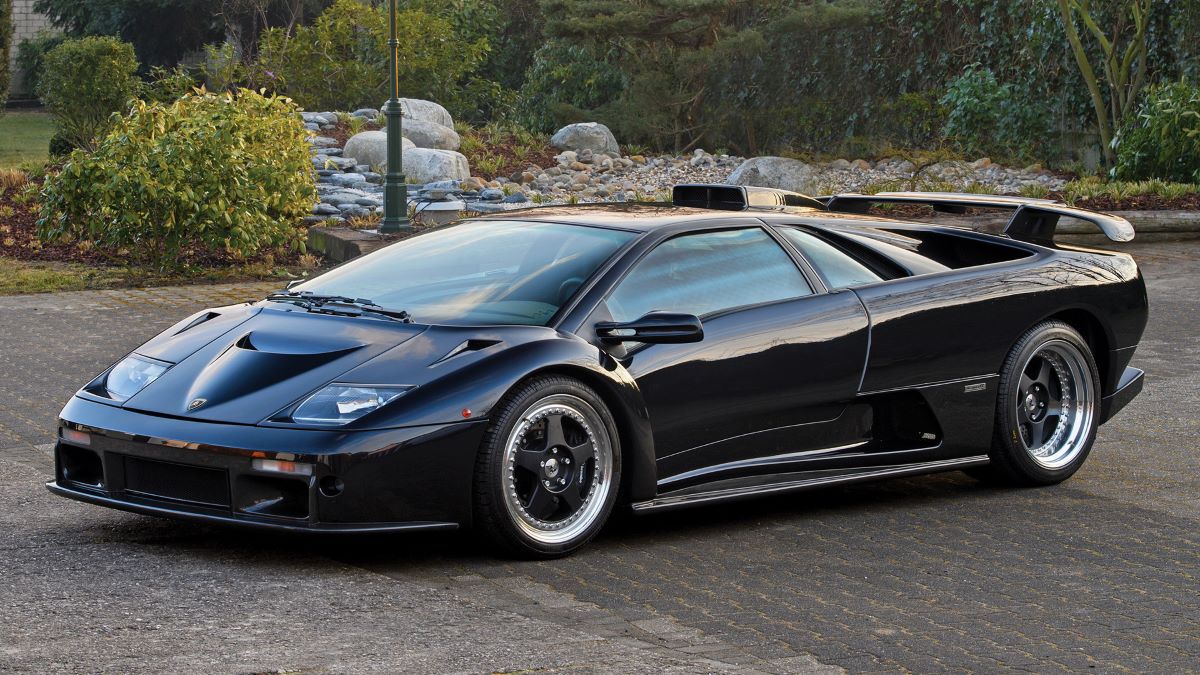
Its rarity, combined with the fact that Lamborghini was nearing the end of the V12 Diablo line, has made it a gem for U.S. collectors and enthusiasts seeking a car that bridges the gap between classic and modern supercars.
8. Lamborghini Murciélago LP 640 Versace (2006)
Few collaborations are as visually striking as the Murciélago LP 640 Versace. Created to celebrate the Italian fashion house’s legacy, only 20 units were built.
Each car featured unique interior touches, such as custom leather stitching and exclusive paint options, blending Lamborghini’s aggressive design with high-fashion sophistication.

In the U.S., these cars are particularly rare due to their extremely limited allocation and unique branding, making them instantly recognizable in any exotic car gathering.
The profound impact of Audi’s acquisition of Lamborghini in 1998 became most evident with the launch of the Diablo’s successor, the mighty Murciélago. Following the takeover, Audi invested substantial capital to modernize the Sant’Agata factory and provided significant engineering expertise for the new Murciélago.
Audi’s stringent quality standards and rigorous testing procedures greatly enhanced this new generation of Lamborghinis, rendering them far more reliable and user-friendly than their predecessors.
Styling for the new Lamborghini was entrusted to Audi designer Luc Donckerwolcke. The design represented a clear evolution of the Diablo, achieving a greater purity of form reminiscent of the original Countach.
The heart of any Lamborghini supercar is its engine, and the Murciélago was endowed with one of the finest naturally aspirated engines ever created.
Like the Diablo, it drew its power from a naturally aspirated V12, now larger than ever after being stroked to a displacement of 6192 cc (6.2 liters). It also benefited from a new 3-stage variable geometry intake manifold and exhaust valve variable timing, supplementing the existing variable timing on the intake side. Over its production life, this V12 was upgraded, as was the entire Murciélago range.
9. Lamborghini Reventón (2007)
With just 20 units produced for customers, the Reventón is one of the rarest modern Lamborghinis. Its design drew inspiration from stealth fighter jets, with sharp lines, matte gray paint, and a futuristic interior.

Powered by a 6.5-liter V12 producing 650 horsepower, the Reventón combined raw performance with cutting-edge styling. In the U.S., a Reventón is more than a car it’s a statement of taste, wealth, and a dedication to automotive extremes.
10. Lamborghini Sesto Elemento (2010)
The Sesto Elemento took Lamborghini’s fascination with lightweight engineering to an unprecedented level.
Using carbon fiber extensively, the car weighed only 999 kilograms (about 2,200 pounds) yet housed a monstrous 570-horsepower V10.

Only 20 units were ever produced, and none were street legal in the U.S., meaning American collectors often purchase them as track-only vehicles. Its rarity, radical construction, and engineering brilliance make it a jewel in any serious Lamborghini collection.
The concept of a supercar equipped with a V10 engine and all-wheel drive, yet weighing less than a Mazda MX-5 Miata, seems improbable. However, Lamborghini achieved precisely this feat over a decade ago with the unveiling of the Sesto Elemento at the 2010 Paris Auto Show.
This stunning supercar was initially intended to remain a concept, but overwhelming public interest prompted Lamborghini to announce a limited production run of just 20 units a year later. This made it one of the earliest entries in Lamborghini’s “few-off” series of ultra-exclusive models, a lineage that began a few years earlier with the Murciélago-based Reventón.
The Sesto Elemento was based on the Gallardo, Lamborghini’s entry-level supercar at the time. It was distinguished by a unique carbon-fiber monocoque chassis and a host of additional weight-saving modifications, which collectively brought its curb weight down to a mere 999 kilograms, or 2,202 pounds.
This extensive reliance on carbon fiber was highlighted by the car’s name, which means “Sixth Element” in Italian, a reference to carbon’s position as the sixth element on the periodic table.
In the late 2000s, Lamborghini began a serious exploration of carbon-fiber technology as a primary method to enhance the performance of its supercars.
Recognizing the potential of advanced composites to reduce weight while simultaneously increasing strength and rigidity, the automaker took a strategic step in 2009 by establishing a dedicated composite materials laboratory at the University of Washington in Seattle.
One of the most significant breakthroughs to emerge was the development of what Lamborghini calls forged composites. Traditional carbon-fiber production involves laying sheets of woven fibers, typically pre-impregnated with resin, into molds prior to curing, a process that is labor-intensive, costly, and prone to inconsistencies.
Forged composites are created by compressing small, chopped carbon-fiber pieces, often sourced from offcuts or recycled materials, and mixing these with resin inside a mold. The resulting composite material is nearly as strong as conventional carbon fiber but can be produced more rapidly and at a lower cost, with some components taking only minutes to manufacture.
11. Lamborghini Veneno (2013)
Celebrating Lamborghini’s 50th anniversary, the Veneno is one of the most extreme and rare cars the brand has ever produced.
With just three coupes and nine roadsters, the Veneno’s carbon-fiber body, aerodynamic wizardry, and 6.5-liter V12 producing 740 horsepower place it in a league of its own.

For U.S. buyers, Veneno represents the pinnacle of exclusivity, often selling at auctions for tens of millions of dollars, and its rarity ensures it will remain a collector’s fantasy for decades.
12. Lamborghini Centenario (2016)
The Centenario was built to commemorate Ferruccio Lamborghini’s 100th birthday. Limited to 40 units 20 coupes and 20 roadsters the Centenario combined futuristic design with a 770-horsepower V12.
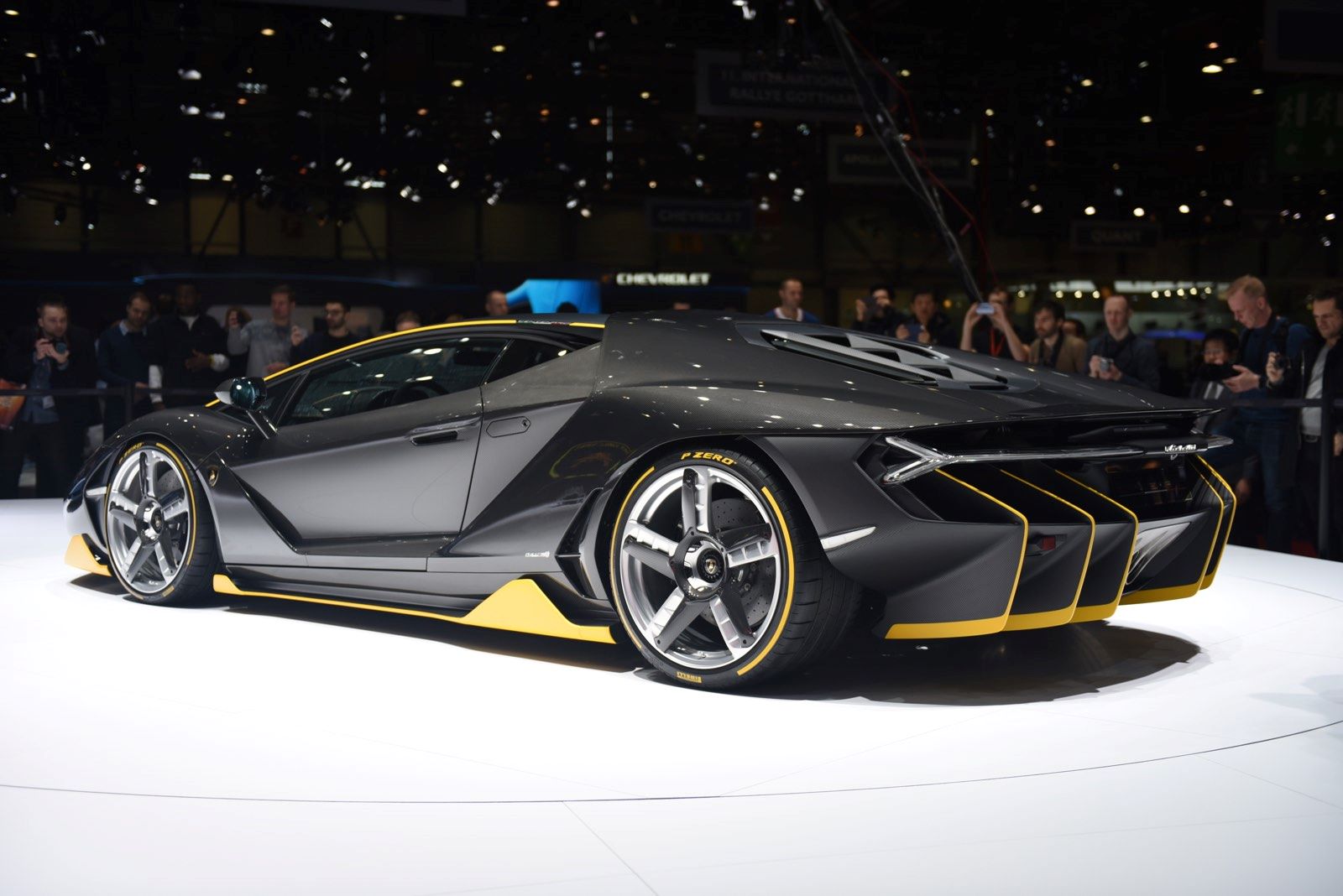
Its aggressive lines, active aerodynamics, and advanced electronics make it a technological marvel. In the U.S., it’s particularly prized for combining extreme rarity with a modern supercar driving experience that still maintains classic Lamborghini flair.
Debuting at the 2016 Geneva Motor Show, the Lamborghini Centenario was created to honor the centenary of company founder Ferruccio Lamborghini’s birth. From the outset, the automaker declared a production run of just 40 units for the 2016 Lamborghini Centenario, split evenly between 20 coupes and 20 convertibles.
Remarkably, all were sold at seven-figure prices even before the supercar was officially revealed to the media. Despite the assured sales, the owners received vehicles endowed with features never before seen on a Lamborghini.
The company could have simply added new paints and wheels and called it a special edition, but CEO Stephan Winkelmann insisted on going the whole nine yards, commissioning a supercar that could genuinely honor the founder’s legacy.
Although it shared its platform and many body components with the Aventador, the 2016 Lamborghini Centenario possessed a uniquely aggressive front fascia. It featured new angular headlights with integrated LED daytime running lights.
Between them, beneath the low-slung nose, the automaker incorporated a broad, bow-tie-shaped air intake with vertical slats. Furthermore, Lamborghini designed a new front apron with a distinctive splitter to increase downforce.
The car’s aggressive stance was equally pronounced in profile. There, Lamborghini installed vents ahead of the front wheels to generate air curtains around the bodywork, reducing aerodynamic drag.
The side sills were also redesigned, and new aerodynamic slats were employed to manage the ground effect. The five-spoke alloy wheels, measuring 20 inches at the front and 21 inches at the rear, were exclusive to the Centenario.
The rear of the car showcased a completely unique design. It was equipped with an active rear wing that could raise and tilt, increasing downforce by up to 180% compared to its retracted position.
Lamborghini also crafted a specific rear bumper that, in a first for the brand, integrated three central exhaust outlets. Below, a diffuser with six vertical slats played a crucial role in the car’s comprehensive aerodynamic package.
Given its shared underpinnings with the Aventador, the 2016 Lamborghini Centenario coupe carried over some interior components from that model. However, the Alcantara-covered dashboard with contrasting stitching, the digital instrument cluster before the driver, and the 10.1-inch touchscreen infotainment system were all specially tailored for this limited-edition Lamborghini.
Between the high-bolstered sports seats, the automaker fitted a narrow center console adorned with carbon fiber trim. It housed the ignition button, transmission controls, and switches for the windows, suspension, and various comfort features. Carbon fiber trim was liberally applied throughout other areas of the cabin, making the already exclusive Centenario feel even more special.
Lamborghini produced exactly 20 units of the Centenario coupe and 20 units of the Centenario Roadster. All were powered by a V12 engine producing 770 PS (759 hp), channeled to all four wheels via a seven-speed single-clutch automated gearbox. In a first for any Lamborghini, the Centenario was also equipped with an all-wheel steering system.
13. Lamborghini SC18 Alston (2018)
A one-off, track-focused supercar, the SC18 Alston was built for private collectors by Lamborghini Squadra Corse. Drawing inspiration from the Aventador SVJ, the SC18 features unique aerodynamics, a 770-horsepower V12, and bespoke styling.

Incredibly rare, the car demonstrates Lamborghini’s commitment to personalized performance vehicles and is a standout example of extreme Italian automotive craftsmanship available in the U.S. for those who can secure one.
14. Lamborghini Sián FKP 37 (2019)
The Sián represents Lamborghini’s leap into hybrid technology without compromising performance. Limited to 63 units, the Sián combines a naturally aspirated V12 with a 48-volt mild-hybrid system, producing a total of 819 horsepower.
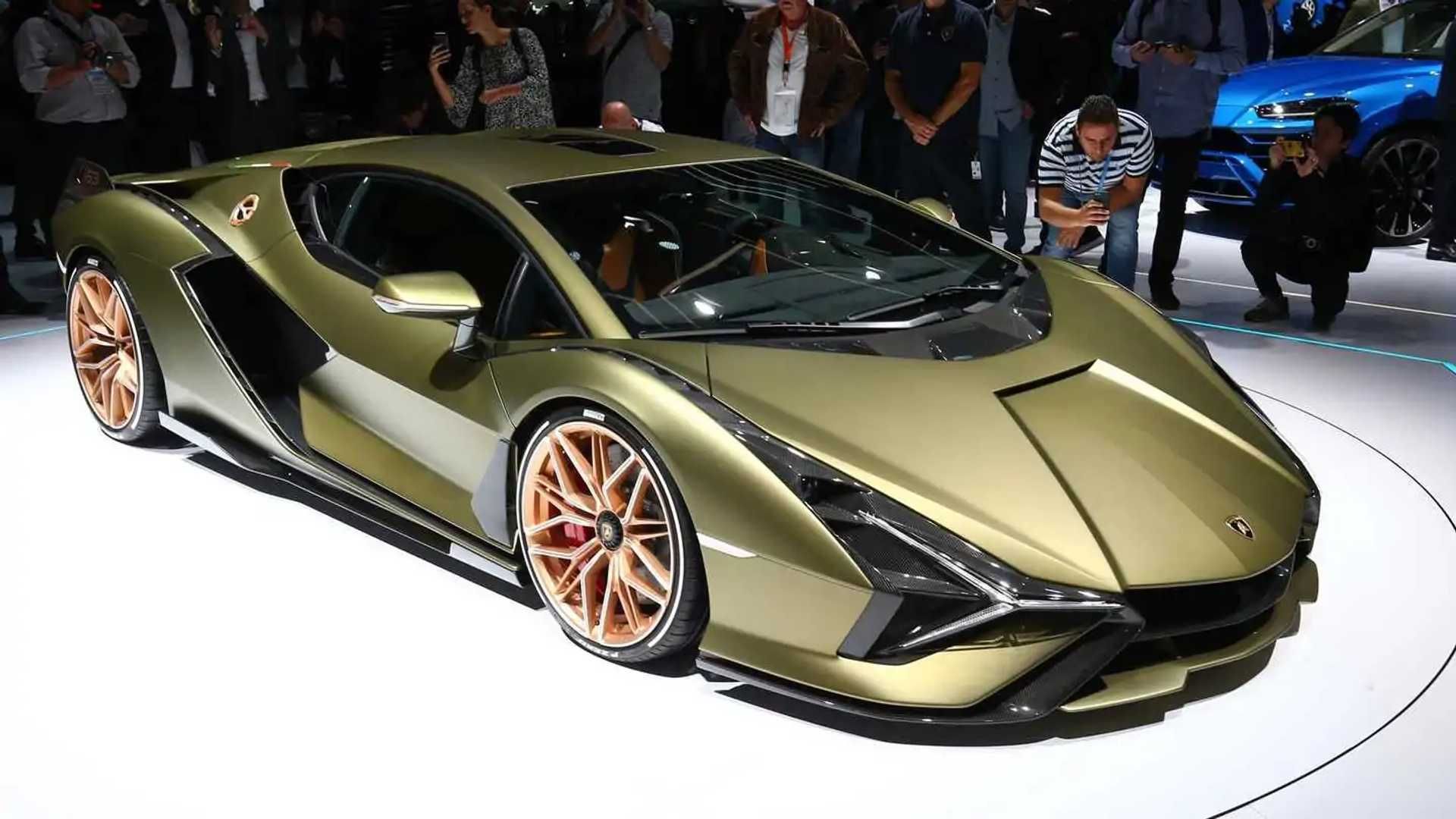
Its futuristic design, active aerodynamics, and innovative hybrid engineering make it a collector’s dream. U.S. enthusiasts prize it not only for performance but as a glimpse into Lamborghini’s electrified future.
15. Lamborghini Revuelto (2023, Limited Editions)
The Revuelto represents the latest evolution of Lamborghini’s flagship hybrid V12 architecture.
While not all Revuelto units are rare, the limited editions and special variants are already being produced in extremely small numbers, each offering unique styling cues, performance upgrades, and collector-focused features.
In the U.S., these limited-edition Revuelto models are hot commodities, bridging the gap between Lamborghini’s storied past and its cutting-edge future.

Lamborghini’s history is a journey defined by audacity, innovation, and an unflinching commitment to automotive artistry.
The 15 models highlighted here represent the apex of rarity and desirability, from the first 350 GTV prototype to the latest hybrid Revuelto editions.
For U.S. enthusiasts, owning one of these rare Lamborghinis isn’t just about performance it’s about being part of a legacy of extreme design, engineering brilliance, and cultural influence.
Each car tells a story, each V12 or V10 engine roars with heritage, and each wedge-shaped silhouette commands attention.
Whether displayed in a private garage, showcased at an exotic car event, or preserved as an investment, these rare Lamborghinis continue to define the meaning of automotive exclusivity.