Fountain Valley city driving demands vehicles that combine efficiency, comfort, and practicality. The guide “5 Cars for Fountain Valley City Use and 5 Compact Daily Drivers” focuses on models that excel in urban environments while remaining convenient for daily commuting.
Plug-in hybrids like the 2026 Toyota Prius offer electric-only ranges for short trips and excellent fuel efficiency for longer drives. Compact SUVs such as the 2026 Hyundai Tucson Hybrid and the 2026 Hyundai IONIQ 5 provide higher seating positions, advanced safety features, and easy maneuverability in tight spaces.
For drivers who prefer traditional compact cars, models like the 2026 Honda Civic, 2026 Toyota Corolla, and 2025 Kia Soul combine reliability, affordability, and a practical size for city streets. Each vehicle on this list delivers a strong balance of performance, fuel economy, and technology, making them ideal choices for Fountain Valley commuters seeking daily convenience and comfort.
5 Cars for Fountain Valley City Use
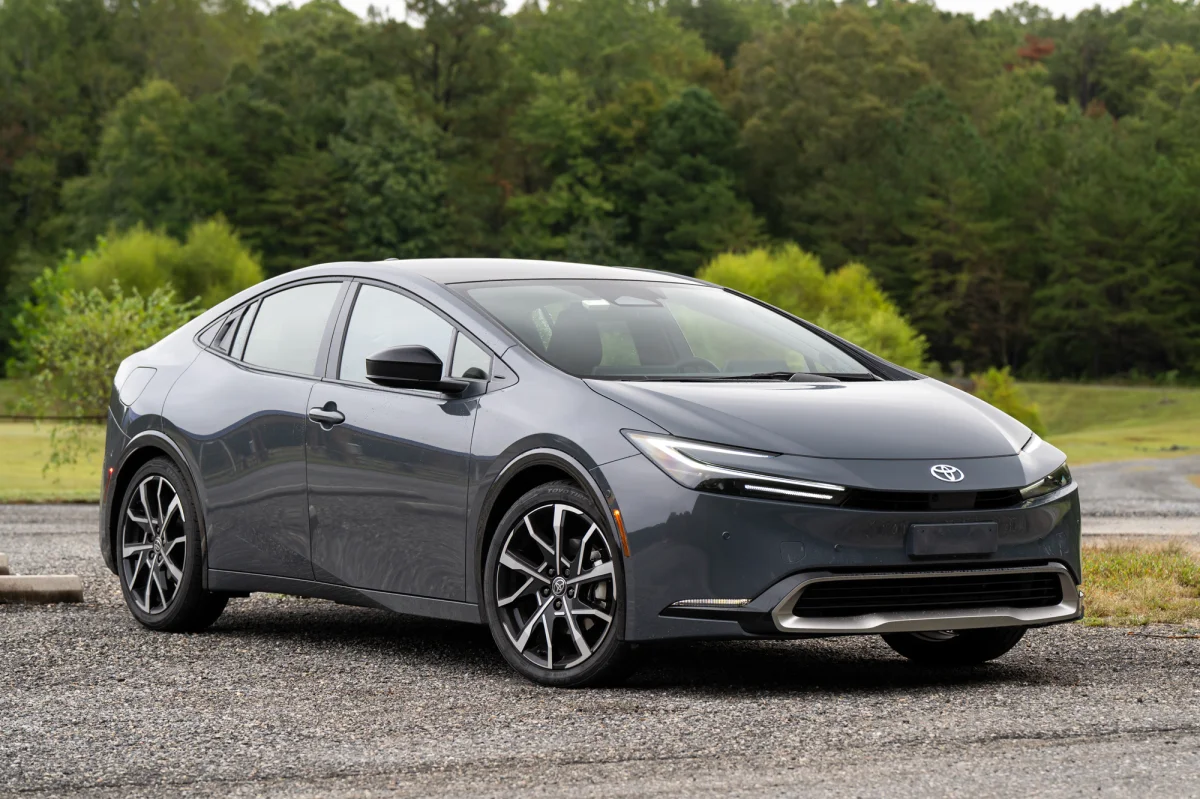
1. 2026 Toyota Prius Plug-in Hybrid: Efficient, Stylish, and Practical
The 2026 Toyota Prius Plug-in Hybrid (PHEV) continues to be a top choice for city drivers seeking efficiency, performance, and versatility. With up to 57 MPG in city driving and a 0-60 mph time of just 6.9 seconds, the Prius delivers agile handling and economical commuting, ideal for urban areas like Fountain Valley.
Its 5th-generation hybrid system produces 194–196 hp, while the Plug-in model offers 39–44 miles of electric-only range, allowing many daily trips to be completed without using gasoline. When the battery runs out, a gasoline engine seamlessly takes over, eliminating range anxiety on longer journeys.
The Prius PHEV is particularly well-suited for stop-and-go traffic, maximizing efficiency in urban settings. Charging from a standard 120-volt outlet takes roughly 11 hours, while a 240-volt charger reduces this to about 4 hours. EPA testing shows the SE trim achieves 45 miles per full charge, while models with larger wheels, like the Nightshade Edition, average around 40 miles.
When operating on gasoline after the battery is depleted, the vehicle delivers 48–52 MPG in mixed driving, with real-world averages of about 50 MPG, remaining highly economical compared to most conventional cars. Optional solar panels add about 6 miles of range per day in full sun.
Performance has improved over previous generations, with the combined 220-hp output from the gas and electric motors providing lively acceleration. Electric-only driving is smooth and quiet, and the gasoline engine activates when additional power is needed. Handling is nimble for a compact hatchback, though it lacks the sharper precision of sportier sedans, and all-wheel drive is not available on the PHEV.
The Prius PHEV’s exterior is sleek and modern, with the Nightshade Edition offering blacked-out trim and exclusive colors like Karashi mustard yellow. The interior is functional rather than luxurious, featuring an 8-inch touchscreen or optional 12.3-inch unit, Apple CarPlay, and Android Auto integration. Rear seating is compact, while cargo space offers 20.3 cubic feet, expandable by folding the rear seats.
Pricing ranges from $33,775 for the SE to $40,470 for the XSE Premium, about $5,000 more than a standard Prius, but the PHEV’s low running costs and electric-only operation justify the premium for many buyers.
With its combination of fuel efficiency, stylish design, and city-friendly performance, the 2026 Prius Plug-in Hybrid remains a compelling choice for drivers looking to reduce emissions and save on fuel without sacrificing practicality.
2. 2026 Hyundai Tucson Hybrid: Efficient, Comfortable, and Tech-Forward for City Life
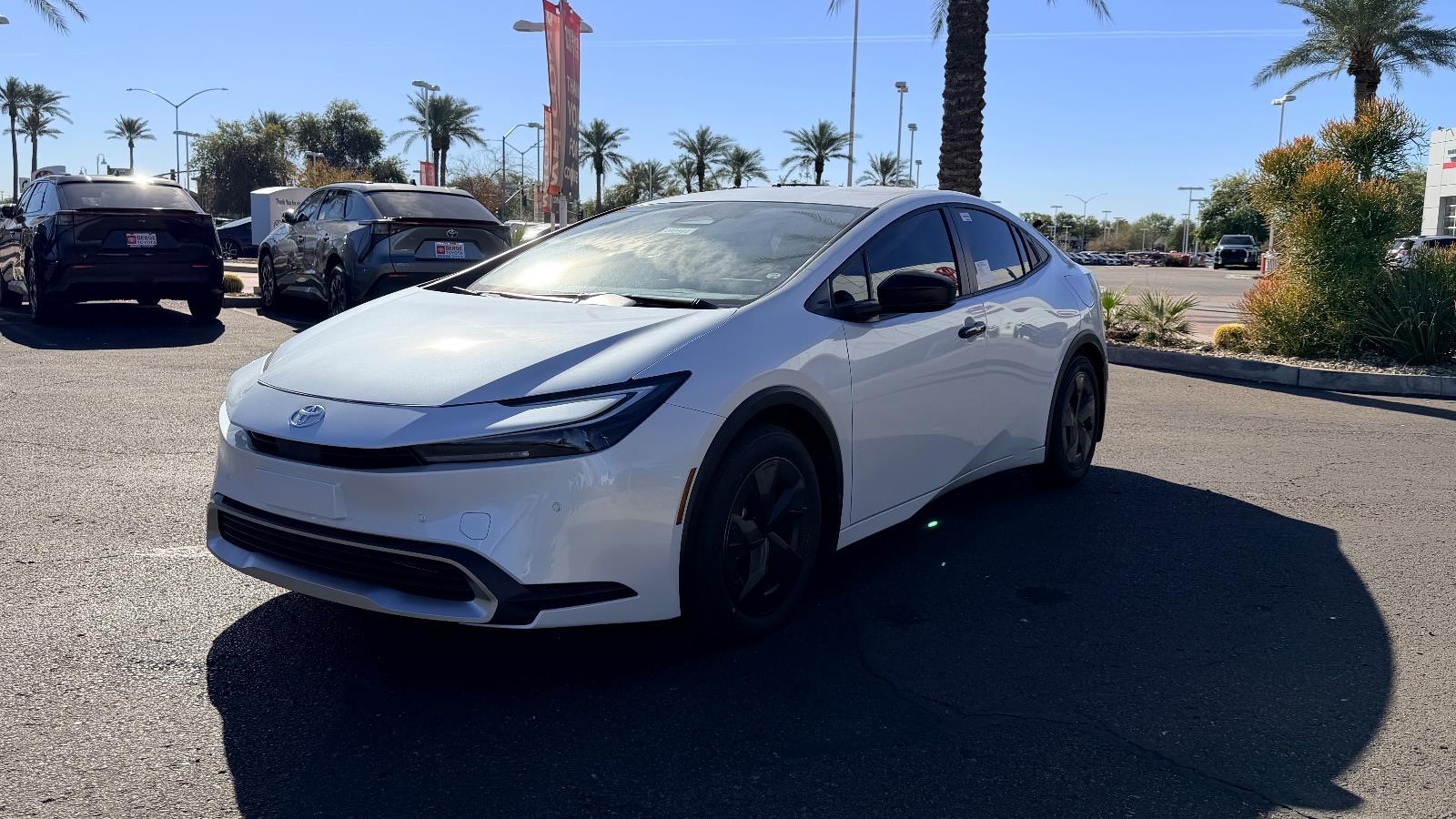
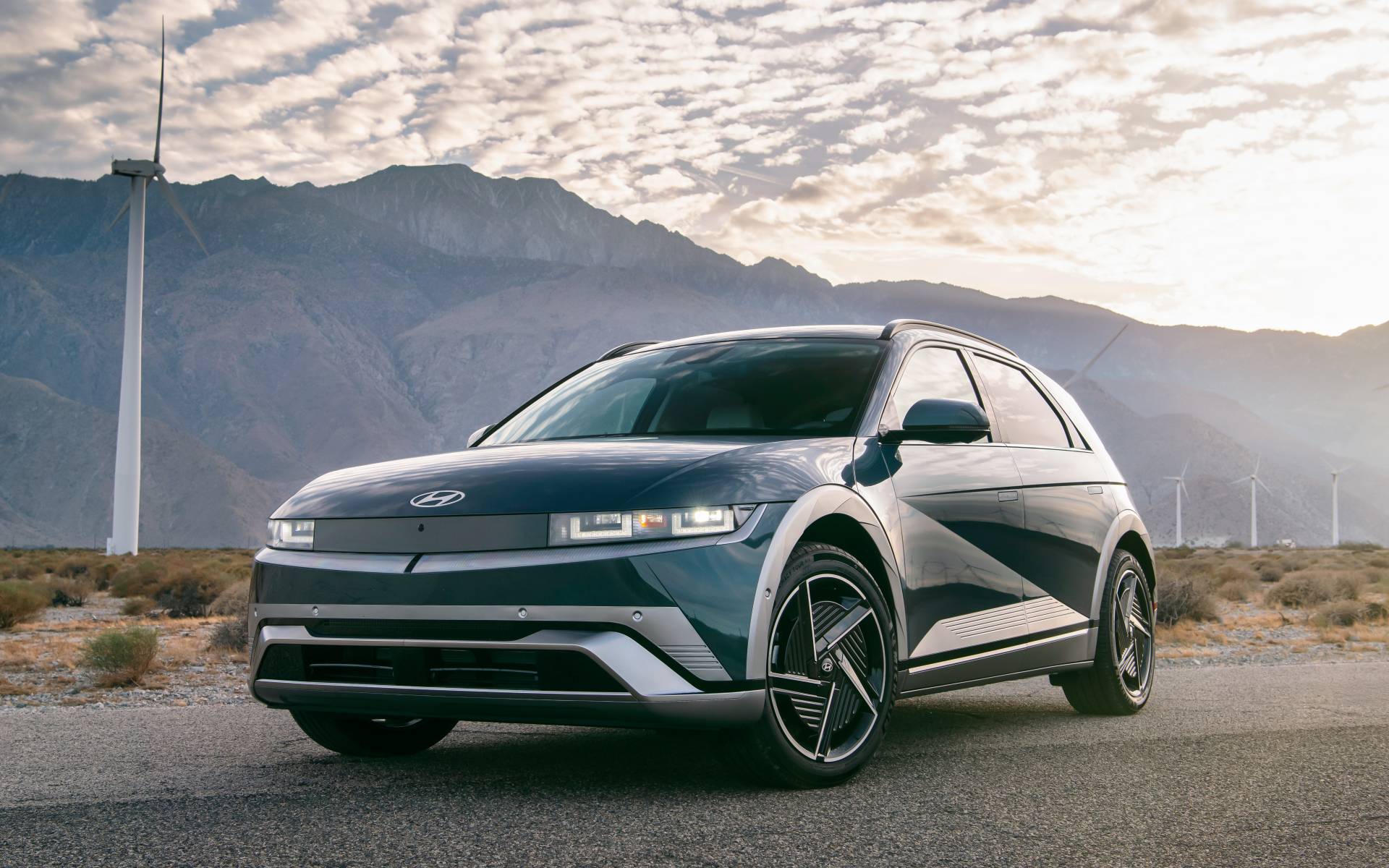
The 2026 Hyundai Tucson Hybrid is a standout compact SUV, offering a combined 38 MPG and a higher seating position that many Orange County drivers prefer, without the size of a full-size SUV. With 37 MPG in the city, it is highly efficient for daily commuting and errands. Its spacious interior, advanced technology, and practical design make it ideal for Fountain Valley drivers seeking comfort and versatility.
Standard wireless Apple CarPlay, a modern infotainment system, and available HTRAC all-wheel drive add convenience and confidence in varied weather. The Tucson Hybrid also provides long-term peace of mind with a 10-year/100,000-mile powertrain warranty and three years/36,000 miles of complimentary scheduled maintenance.
Power comes from a turbocharged 1.6-liter four-cylinder engine paired with an electric motor, producing 231 horsepower and 258 lb-ft of torque in the Hybrid, or 268 hp in the PHEV. The six-speed automatic transmission and standard all-wheel drive deliver smooth, responsive performance.
While not built for aggressive acceleration, the hybrid system offers sufficient pep at stoplights and on highway on-ramps, complemented by quiet cruising and confident handling. In testing, a Limited Hybrid model reached 0-60 mph in 7.1 seconds, faster than the standard Tucson and slightly quicker than competitors like the Toyota RAV4 Hybrid.
The plug-in hybrid Tucson features a 13.8-kWh battery, providing about 32 miles of electric-only driving. A Level 2 charger can fully recharge it in roughly two hours, supporting short daily trips without gasoline use. The total driving range with a full charge and tank is approximately 380 highway miles.
Inside, the Tucson Hybrid combines style and functionality with a clean dashboard, optional dual 12.3-inch screens, and physical controls for HVAC and volume. The cabin comfortably seats four adults, with cargo capacity for nine carry-on suitcases behind the rear seats, expanding to 22 with seats folded.
Upper trims include premium features such as Bose audio, wireless charging, a digital key, and adaptive safety technologies, including automated emergency braking, lane-keeping assist, and available lane-centering cruise control.
With its strong fuel efficiency, spacious interior, tech-forward cabin, and comprehensive safety features, the 2026 Hyundai Tucson Hybrid delivers a practical, comfortable, and reliable driving experience for city and suburban life.
3. 2026 Hyundai IONIQ 5: Spacious, Fast-Charging, and Tech-Forward Electric SUV
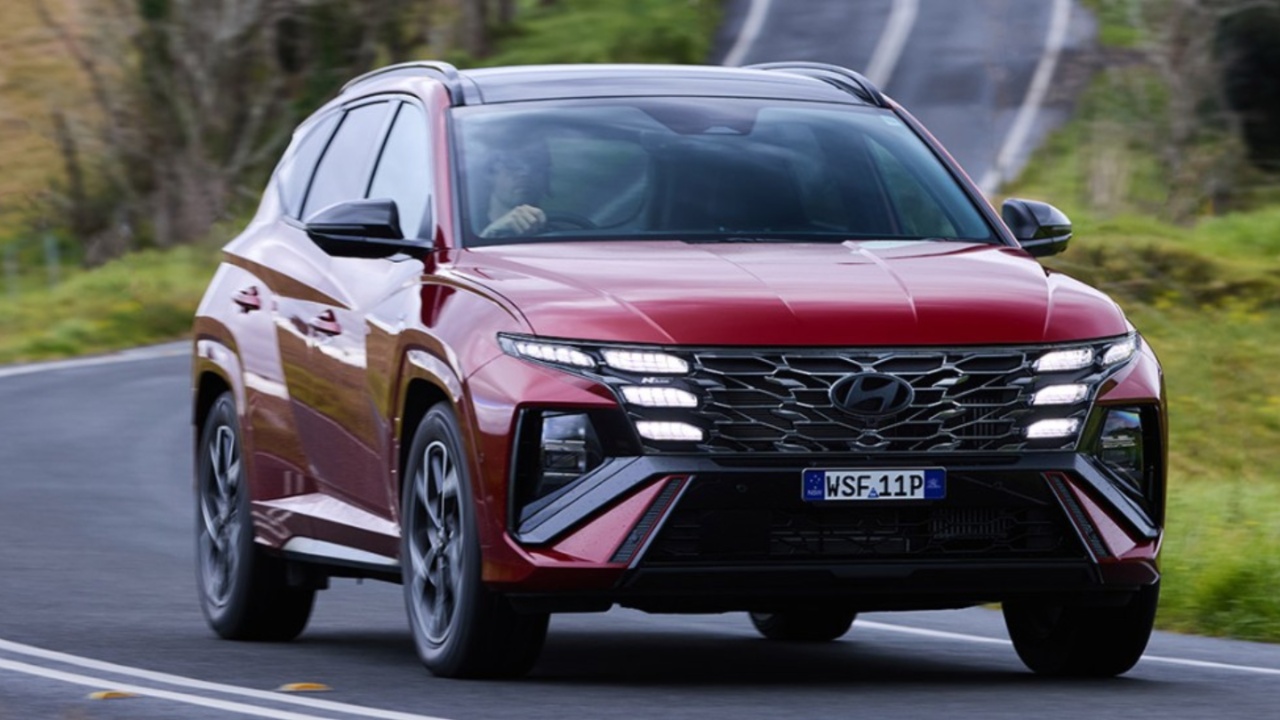
The 2026 Hyundai IONIQ 5 is a fully electric SUV designed for drivers seeking a stylish, practical, and high-tech vehicle. With a maximum range of up to 318 miles, it can handle daily commuting in Fountain Valley without frequent charging, while its compact, maneuverable design makes city driving and parking effortless.
The IONIQ 5 also supports ultra-fast DC charging, replenishing 10–80% of its battery in approximately 20 minutes, and the addition of a NACS port allows access to Tesla Superchargers.
Performance is available in multiple configurations, including a 168-hp single motor, a 225-hp single motor, and a 320-hp dual-motor all-wheel-drive setup. The dual-motor all-wheel-drive IONIQ 5 delivers quick acceleration, reaching 60 mph in just 4.4 seconds in testing. Its low center of gravity and wide tires provide a composed, athletic ride, though steering feedback is somewhat muted.
The off-road-focused XRT trim adds suspension travel and taller tire sidewalls for improved comfort on uneven surfaces. Maximum towing is 2,700 pounds, limited to AWD XRT models with the factory hitch.
Efficiency ratings vary by model. The rear-wheel-drive standard-range IONIQ 5 achieves 131 MPGe city and 101 MPGe highway, while the rugged XRT trim earns 103 MPGe city and 85 MPGe highway. Dual-motor all-wheel-drive versions delivered 200–210 miles in real-world highway tests, slightly below the EPA’s 259–290 miles estimate.
Inside, the cabin is spacious and comfortable, with sliding and reclining front seats, a flat floor, and generous shoulder and headroom. Rear passengers benefit from a longer wheelbase, making three-across seating feasible for adults.
Cargo space totals 30 cubic feet behind the rear seats and 59 cubic feet with them folded, outpacing many compact SUVs. The interior also features sustainable materials and modern conveniences, including a 12.3-inch infotainment touchscreen, a 12.3-inch digital gauge cluster, five USB ports, wireless Apple CarPlay and Android Auto, and optional Bose premium audio.
Standard safety and driver-assistance features include adaptive cruise control with lane-centering, automated emergency braking with pedestrian detection, and lane-keeping assist. Optional features include blind-spot monitoring, blind-spot collision assist, and a surround-view monitor.
Hyundai backs the IONIQ 5 with a four-year/60,000-mile limited warranty, a four-year/70,000-mile powertrain warranty, and three years/45,000 miles of complimentary scheduled maintenance.
With its combination of long electric range, rapid charging, spacious and comfortable interior, and advanced safety and technology features, the 2026 Hyundai IONIQ 5 offers a high-value, practical, and stylish solution for drivers ready to embrace a fully electric lifestyle.
4. 2025 Mazda CX-5: Premium, Agile, and Comfortable Compact SUV
The 2025 Mazda CX-5 remains a strong choice for drivers seeking a compact SUV with a premium feel, refined ride, and confident handling. Its i-Activ AWD provides superior traction, making it capable in various road conditions, while its compact size allows for easy maneuvering and parking in tight city streets.
The CX-5’s G-Vectoring Control Plus ensures smooth, responsive handling, delivering a sporty yet comfortable driving experience ideal for daily commuting in Fountain Valley.
Safety is a highlight, with the i-Activsense® suite offering adaptive cruise control with stop-and-go capability, automatic emergency braking, blind-spot monitoring, lane-keeping assistance, and traffic sign recognition. These features make urban driving and stop-and-go traffic safer and less stressful.
Mazda emphasizes a premium interior with high-quality materials and a minimalist design. The cabin includes a 12.3-inch touchscreen infotainment system, standard Apple CarPlay and Android Auto, and available wireless charging.
Front seats are supportive and comfortable, with heated and ventilated options on higher trims, while rear seating is adequate for adults, though not the most spacious in its class. Cargo capacity measures 29 cubic feet behind the rear seats and 59 cubic feet with them folded, slightly smaller than some competitors but functional for everyday needs.
The CX-5 offers a range of trims and powertrains to suit different budgets and preferences. The base model starts at $28,770 and includes standard AWD, 17-inch wheels, push-button start, blind-spot monitoring, and adaptive cruise control. Higher trims like the Carbon Edition ($32,800) and Premium Plus ($35,300) add larger wheels, upgraded infotainment, premium audio, ventilated seats, and a head-up display.
Turbo models provide enhanced performance, with 227–250 hp depending on fuel grade, delivering brisk acceleration and lively handling for enthusiasts. Fuel economy ranges from 26–30 mpg combined for the base engine and 22–27 mpg for the turbo version.
Despite its age, the CX-5’s styling remains attractive, with sleek lines and restrained detailing that give it a premium road presence. While newer competitors offer more interior space or hybrid options, the 2025 CX-5 balances style, refinement, and performance at a competitive price.
For buyers seeking a luxurious-feeling compact SUV with responsive handling and solid features, the 2025 Mazda CX-5 remains a compelling choice.
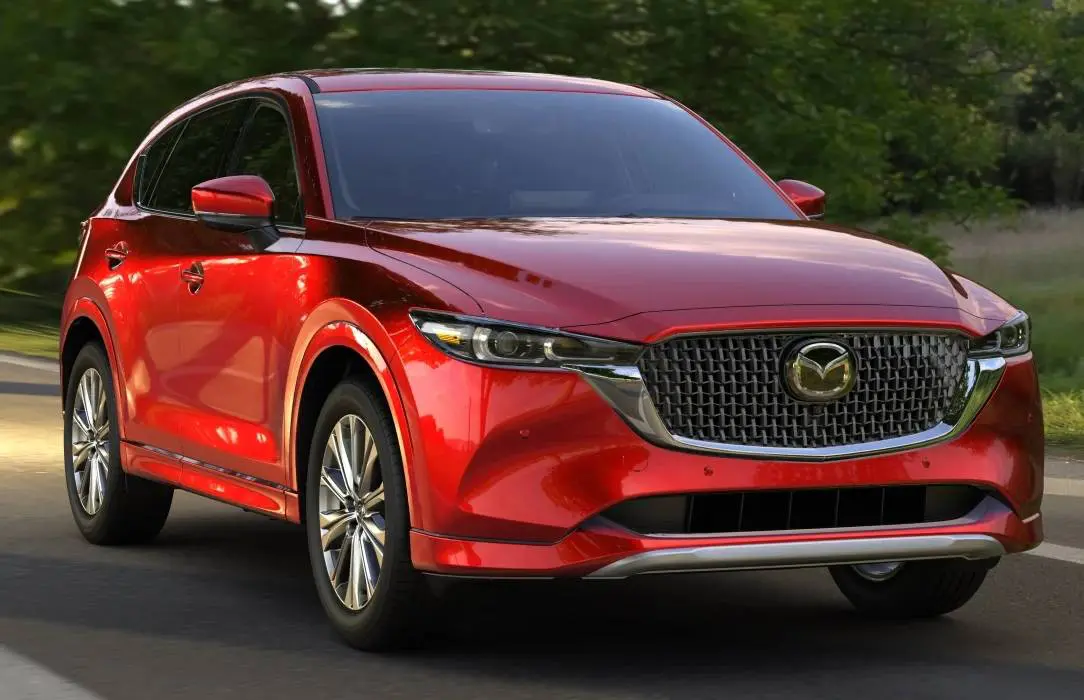
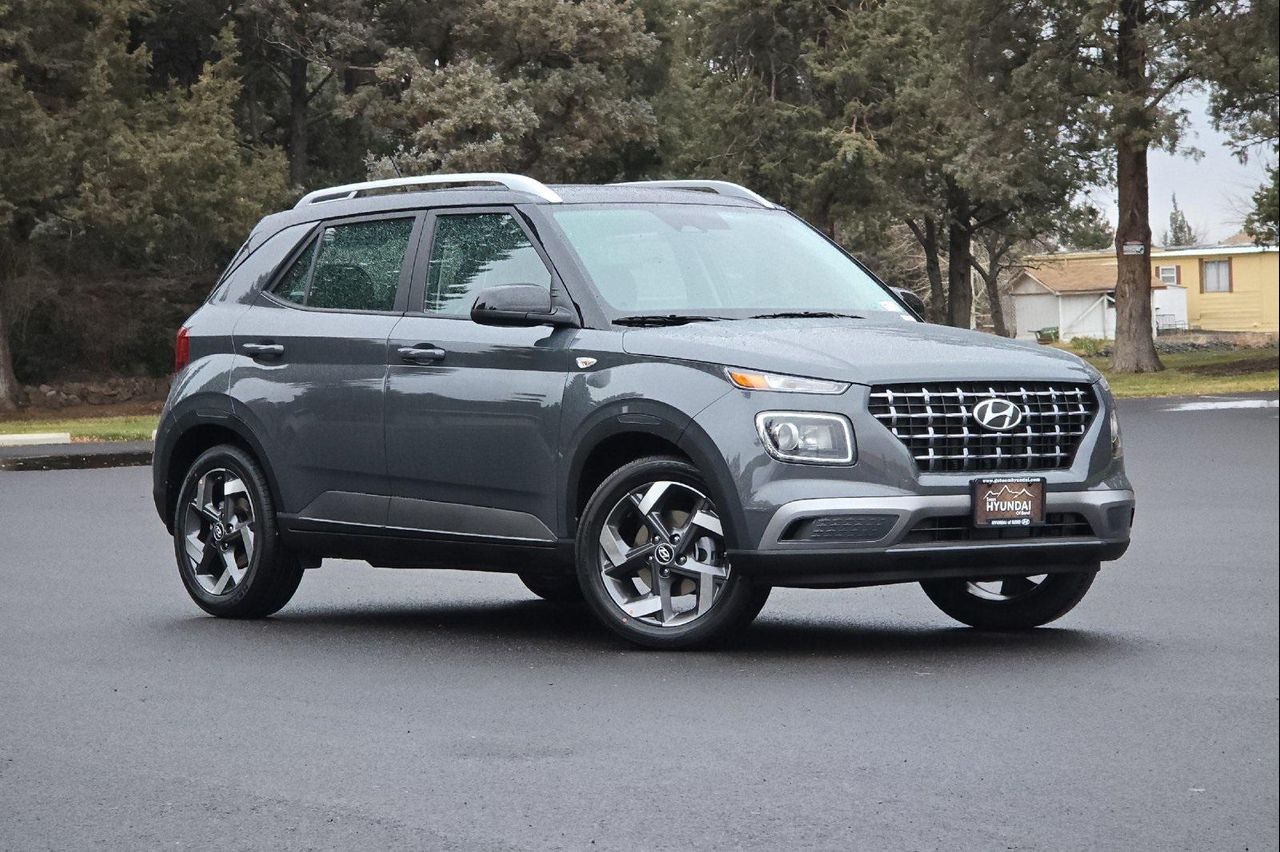
5. 2026 Hyundai Venue: Compact, Affordable, and Practical for City Driving
The 2026 Hyundai Venue stands out as a practical and budget-friendly subcompact SUV, earning recognition as the “Best Lowest Price” vehicle of the year. Its ultra-compact dimensions make it exceptionally easy to park and maneuver in crowded city streets, making it ideal for short commutes, errands, and urban driving.
Under the hood, the Venue is powered by a 121-hp four-cylinder engine paired with a continuously variable automatic transmission (CVT), sending power exclusively to the front wheels.
While this setup is adequate for city streets and stop-and-go traffic, the Venue lacks passing power on highways and requires constant attention to maintain lane position at higher speeds. In testing, the subcompact SUV reached 60 mph in 8.5 seconds, which is quicker than the Nissan Kicks but still leisurely by modern standards.
Fuel efficiency is one of the Venue’s strong suits. Although EPA ratings for the 2026 model are not yet released, the 2025 Venue achieved 29 mpg city and 32 mpg highway, which aligns with real-world tests showing 31 mpg on a 75-mph highway route. While slightly less efficient than some rivals, the Venue still delivers respectable economy for urban drivers.
The interior, though simple, is well-constructed and surprisingly roomy for its class. Front passengers benefit from an attractive gauge cluster, an 8-inch touchscreen infotainment system, and optional heated seats and single-zone automatic climate control.
Rear passengers enjoy reasonable space for a subcompact SUV, though taller adults may find headroom limited. Cargo capacity measures 19 cubic feet with the rear seats up and expands to 32 cubic feet when folded flat, providing flexible storage for groceries, luggage, or gear.
Connectivity features include Apple CarPlay and Android Auto, Bluetooth, and a standard six-speaker audio system. Safety is supported by automated emergency braking, lane-keeping assist, and automatic high beams as standard, with blind-spot monitoring and rear-cross-traffic alert available on higher trims. Adaptive cruise control is not offered.
Hyundai complements the Venue with one of the best warranty packages in the industry: a five-year/60,000-mile limited warranty, a 10-year/100,000-mile powertrain warranty, and three years/36,000 miles of complimentary maintenance, providing added confidence for budget-conscious buyers.
The 2026 Hyundai Venue is a well-rounded, affordable subcompact SUV, ideal for city driving. Its compact size, user-friendly tech, and solid interior quality make it a practical choice for drivers who prioritize convenience, low running costs, and reliable performance in an urban environment.
Also Read: 5 Cars for Flagstaff Mountain Driving and 5 Cold-Weather Performers
5 Compact Daily Drivers
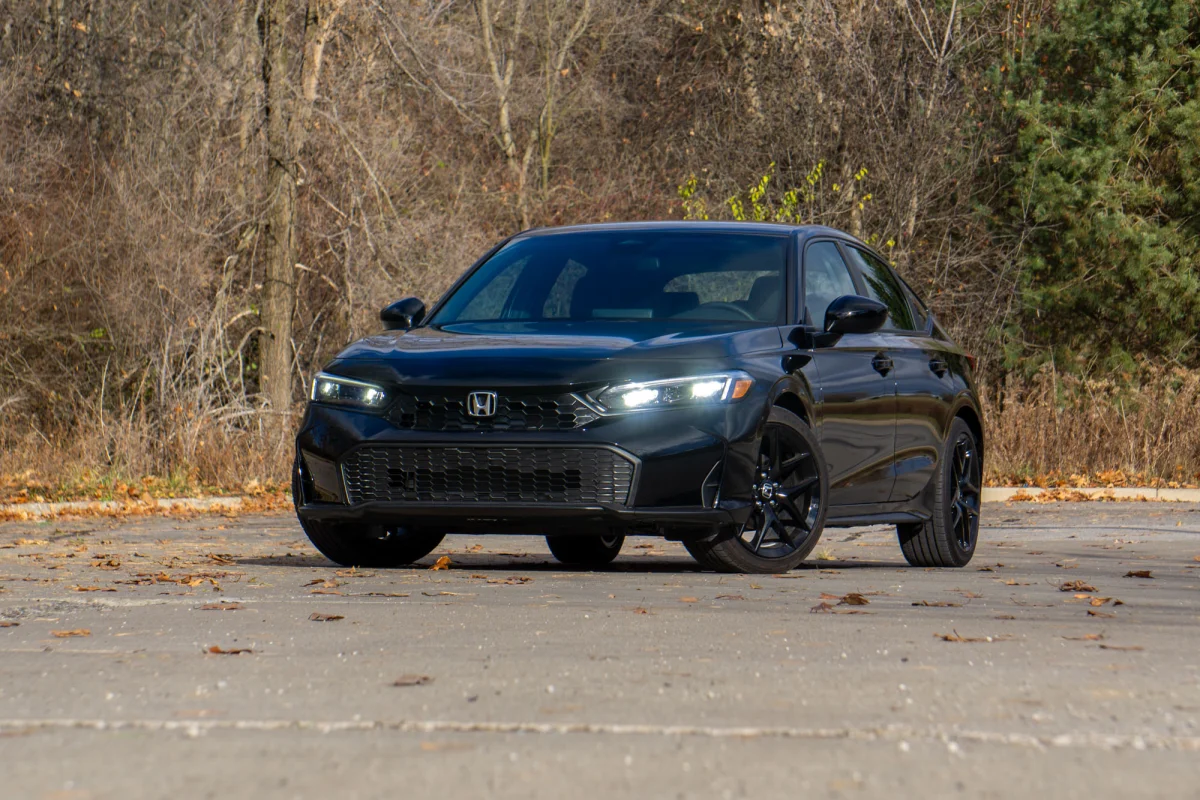
1. 2026 Honda Civic: Efficient, Practical, and Fun-to-Drive
The 2026 Honda Civic continues to set the benchmark for compact daily drivers, offering a blend of efficiency, reliability, and engaging performance. The Civic is available as both a sedan and hatchback, with standard and hybrid powertrains that suit city commutes, highway driving, and weekend errands alike.
Fuel efficiency is a standout feature, especially in the hybrid model. The Civic Hybrid achieves an EPA-estimated 50 MPG city and 47 MPG highway, dramatically reducing fuel stops. The standard 2.0-liter gasoline engine also delivers strong economy, rated at 32 MPG city and 41 MPG highway. Real-world testing confirms these numbers, with the hybrid returning 47 MPG on a 75-mph highway route.
Performance remains enjoyable in both trims. The nonhybrid Civic offers 150 horsepower through a front-wheel-drive CVT setup, providing sufficient responsiveness for urban traffic. The Hybrid pairs a 2.0-liter four-cylinder with two electric motors for 200 total horsepower, offering smooth acceleration and precise handling.
Test drives show the hybrid sedan reaching 60 mph in 6.2 seconds, while the base model requires 8.9 seconds. The Civic’s nimble suspension and responsive steering make city driving effortless while maintaining stability on highways.
The interior combines comfort, practicality, and modern technology. Front passengers benefit from generous head and legroom, while rear seats provide 37.4 inches of legroom for adults. Cargo space is versatile, with a 14.8-cubic-foot trunk in the sedan and foldable rear seats allowing for larger loads.
The hatchback adds a bit more flexibility, holding six carry-on suitcases with the rear seats up and 17 with them folded. Materials are high quality, and higher trims feature leather upholstery, a 9-inch touchscreen with wireless Apple CarPlay and Android Auto, a 10.2-inch digital gauge display, premium audio, and wireless smartphone charging.
Safety technology is comprehensive, with Honda Sensing standard across all trims. This includes automated emergency braking, lane-keeping assist, and adaptive cruise control. Optional features such as blind-spot monitoring, rear-cross-traffic alert, and parking sensors enhance safety and convenience.
Honda backs the Civic with a standard three-year/36,000-mile limited warranty and a five-year/60,000-mile powertrain warranty. Hybrid components are covered for eight years or 100,000 miles, with one year of complimentary maintenance.
The 2026 Honda Civic remains a top choice for compact-car buyers, combining high fuel efficiency, reliable performance, a comfortable and tech-forward cabin, and advanced safety features. It delivers practicality without sacrificing the fun-to-drive character that has long defined the Civic.
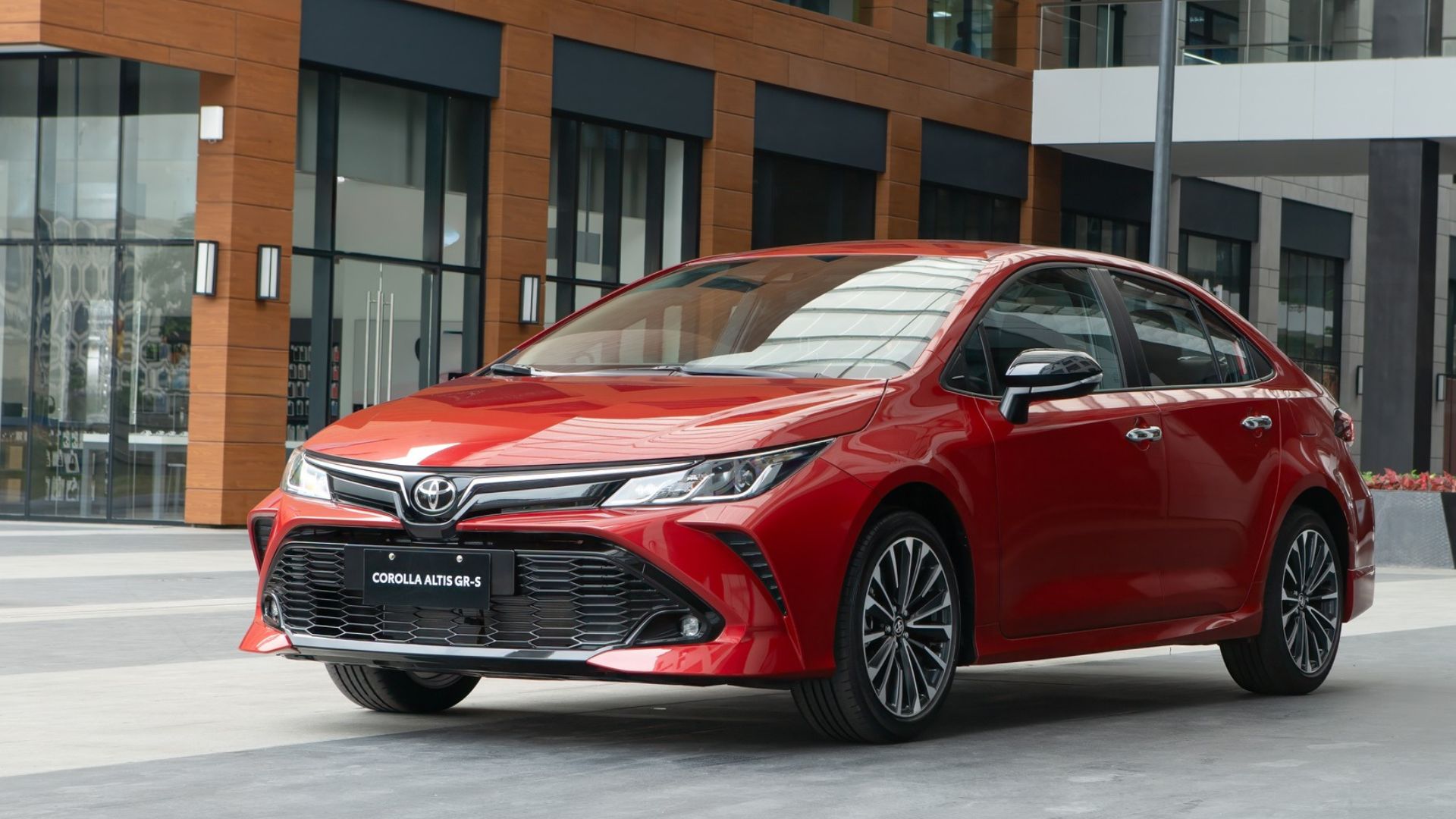
2. 2026 Toyota Corolla: Reliable, Efficient, and Practical
The 2026 Toyota Corolla remains a top choice for compact daily driving, offering a blend of efficiency, reliability, and practicality. Known for world-class dependability and strong resale value, the Corolla is ideal for city commuting, errands, and budget-conscious drivers seeking a stress-free vehicle.
Both sedan and hatchback variants provide a compact, nimble footprint that simplifies parking and maneuvering in urban areas while delivering a comfortable ride.
Fuel efficiency is a key strength. The standard 2.0-liter four-cylinder engine achieves up to 32 MPG city and 41 MPG highway, while hybrid versions push efficiency even further, delivering as much as 53 MPG city, 46 MPG highway, and 50 MPG combined. Real-world testing of all-wheel-drive hybrids and hatchbacks yielded 40–41 MPG, confirming the Corolla’s reputation as an economical choice for daily driving.
Performance is sufficient for city traffic but not designed for spirited acceleration. The standard Corolla reaches 60 mph in about 8.3 seconds, while the hybrid all-wheel-drive model requires 9.0 seconds, with top speeds capped around 107–111 mph.
The 2026 Corolla offers a smooth ride with controlled body motions and a sport-tuned suspension on higher trims, providing better agility than previous generations. Steering is progressive, though less engaging than athletic rivals such as the Mazda3 or Honda Civic. Brakes are dependable, responding naturally to driver input, though 70-mph-to-zero stopping distances are longer than some competitors.
Inside, the Corolla provides a practical, well-finished cabin. Both body styles feature soft-touch materials, push-button start, and user-friendly controls. Rear legroom is more generous in the sedan, while the hatchback offers flexible cargo space of 18 cubic feet behind the rear seats, expandable to 23 cubic feet with a tire-replacement kit. The sedan’s trunk holds 13 cubic feet, enough for daily tasks and light travel.
Technology is modern and accessible. Every Corolla comes with an 8-inch touchscreen with Apple CarPlay and Android Auto, and a subscription Wi-Fi hotspot. Higher trims offer larger touchscreens, digital gauge clusters, wireless charging, and premium JBL audio. Voice commands like “Hey Toyota” add convenience.
Safety is comprehensive with Toyota Safety Sense 3.0 standard, including automated emergency braking, lane-keeping assist, adaptive cruise control, and road sign assist. Warranty coverage is competitive, with three years/36,000 miles limited, five years/60,000 miles powertrain, ten years/150,000 miles for hybrid components, and two years/25,000 miles of complimentary maintenance.
The 2026 Corolla is a dependable, fuel-efficient, and practical compact car, ideal for urban and suburban commuting while offering modern technology, a refined cabin, and strong long-term value.
3. 2026 Mazda CX-30: Compact, Stylish, and Fun to Drive
The 2026 Mazda CX-30 is a standout subcompact crossover that blends sporty handling, premium styling, and urban-friendly dimensions. Measuring just 173 inches long, it excels in tight traffic and crowded parking spaces, while its refined, quiet cabin provides a near-luxury experience. Standard all-wheel drive enhances traction in rain, snow, or loose surfaces, making it a capable choice for daily commuting or weekend adventures.
The CX-30 is powered by a standard 191-hp 2.5-liter four-cylinder engine with a six-speed automatic transmission, while an optional turbocharged 2.5-liter engine delivers 250 horsepower. Acceleration to 60 mph takes 8.1 seconds with the non-turbo engine and just 6.2 seconds with the turbo, making it one of the quickest subcompact SUVs in its class.
Steering is precise, and the chassis remains balanced through corners, offering a car-like, engaging driving experience. Fuel efficiency is competitive, ranging from 22–24 MPG city and 30–31 MPG highway, with real-world highway testing confirming 31 MPG for the standard engine.
Inside, the CX-30 features high-quality materials and a thoughtful layout. The top-tier Premium trim adds leather upholstery and luxury touches, placing it in contention with pricier subcompact SUVs.
Rear-seat space is limited due to the sloping roofline, making it more suitable for children or short trips. Cargo capacity includes six carry-on suitcases behind the rear seats and 16 with the seats folded, enough for everyday errands or small getaways.
Technology is a strong point, with an 8.8-inch touchscreen, Apple CarPlay, Android Auto, Mazda Connected Services, and a Wi-Fi hotspot. Turbo models offer a larger 10.3-inch display. Optional features include navigation with live traffic, over-the-air updates, Alexa Built-in, and an upgraded 12-speaker Bose audio system.
Safety features are comprehensive, with automated emergency braking, lane-departure warning with lane-keeping assist, and adaptive cruise control standard. Optional items include a head-up display and traffic-sign recognition.
Mazda offers a three-year/36,000-mile limited warranty and a five-year/60,000-mile powertrain warranty, though it does not include complimentary maintenance, leaving competitors like Hyundai and Kia ahead in coverage.
The 2026 Mazda CX-30 combines premium comfort, responsive handling, and compact practicality. Its stylish design, advanced technology, and fun-to-drive nature make it an excellent choice for urban commuters who want a refined, capable, and engaging vehicle in a small footprint.
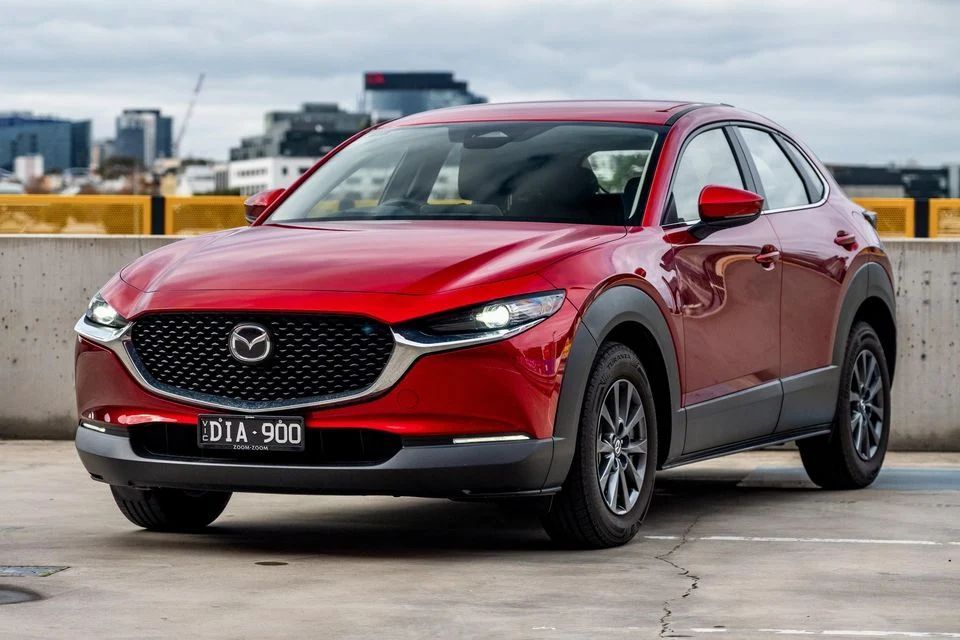
4. 2025 BMW X1: Compact Luxury with Sporty Performance
The 2025 BMW X1 is a premium compact SUV that balances urban maneuverability, athletic performance, and luxury refinement. As the smallest SUV in BMW’s lineup, it is easy to handle in tight city streets while offering the performance and features expected of a luxury brand. Its upscale, tech-forward cabin, combined with versatile interior space, makes it a practical yet prestigious choice for daily driving and weekend trips.
Powering the standard xDrive28i model is a 241-hp turbocharged 2.0-liter four-cylinder engine paired with a seven-speed dual-clutch automatic transmission and standard all-wheel drive. This setup delivers quick off-the-line acceleration and responsive handling, making the X1 enjoyable on twisty roads and stable at highway speeds.
For those seeking more performance, the M35i variant offers a 312-hp turbocharged engine with adaptive dampers and upgraded brakes, producing sharper handling and faster acceleration, though with a firmer ride that may feel less comfortable during routine commuting.
The xDrive28i hits 60 mph in 5.4 seconds, while the M35i achieves it in 4.7 seconds. Fuel efficiency for the 2025 model is estimated at 24 mpg city, 33 mpg highway, and 28 mpg combined, with real-world testing showing the M35i achieving 34 mpg on the highway.
Inside, the X1 offers a modern, luxurious cabin featuring a minimalist shift lever, a floating center console, and an all-digital dashboard spanning two-thirds of the dash. Materials include textured metal speaker grilles and optional open-pore wood trim.
Standard comfort features include dual-zone climate control, heated front seats, ambient lighting, and a power liftgate. Optional upgrades include a panoramic sunroof, heated steering wheel, Harman/Kardon audio, and a 360-degree camera system.
Infotainment is handled via the iDrive 9 system, displayed on a single, crisp digital panel. Standard wireless Apple CarPlay and Android Auto, SiriusXM satellite radio, and an optional wireless charging pad ensure connectivity. Advanced safety features include standard automated emergency braking and lane-departure warning, with optional adaptive cruise control, lane centering, and self-parking technology.
The X1 combines compact dimensions, performance, and premium touches, making it ideal for city drivers who want a luxury vehicle without sacrificing practicality. BMW complements the package with a four-year/50,000-mile limited warranty, a four-year/50,000-mile powertrain warranty, and three years of complimentary scheduled maintenance, striking a balance between prestige and everyday usability.
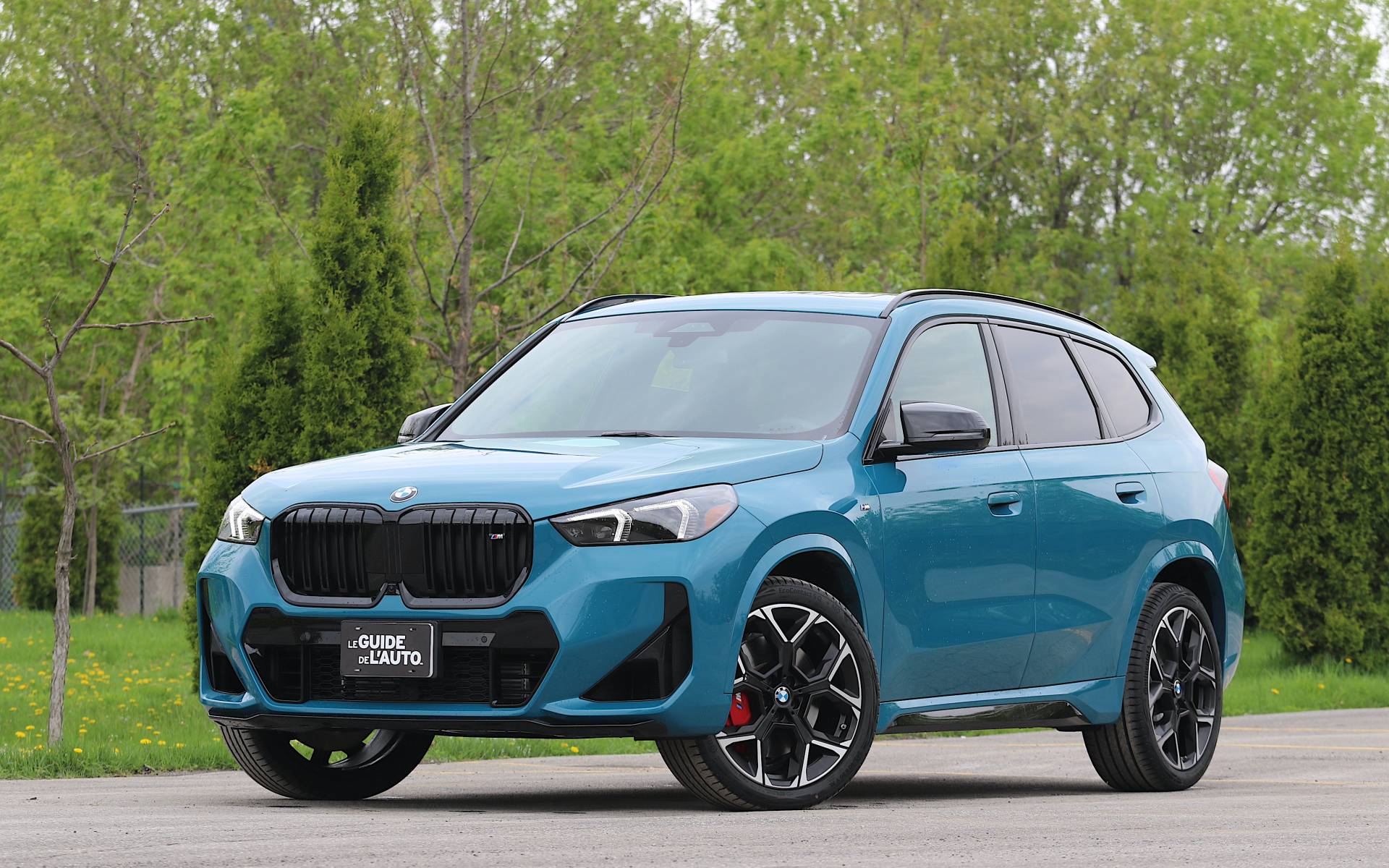
5. 2025 Kia Soul: Compact, Efficient, and Exceptionally Practical
The 2025 Kia Soul is a standout choice for a compact daily driver, blending a small, city-friendly footprint with surprising interior space and practicality. Its distinctive boxy shape allows for ample headroom, legroom, and cargo capacity, making it one of the most versatile subcompact SUVs on the market.
Despite its unconventional design, the Soul delivers a comfortable, efficient, and enjoyable commuting experience for city dwellers and budget-conscious drivers alike.
Under the hood, the Soul is powered by a 147-hp 2.0-liter four-cylinder engine paired with a continuously variable automatic transmission (CVT) and front-wheel drive. While the Soul isn’t designed for speed, its acceleration is adequate for urban driving and merging onto highways, with a 0–60 mph time of 8.0 seconds.
The CVT intelligently adjusts to provide extra power when needed, ensuring that the Soul feels responsive in traffic despite its modest engine output. Fuel economy is a key advantage, with an EPA rating of 27 mpg city and 35 mpg highway. On a real-world 75-mph highway test, the Soul achieved 30 mpg, competitive with other non-hybrid subcompacts like the Chevrolet Trax and Hyundai Venue.
Inside, the Soul maximizes its boxy shape to provide roomy seating for five and generous cargo space. The rear seats fold down to expand the cargo area to 62 cubic feet, accommodating large loads with ease.
The cabin features a playful, modern design with textured door panels, colorful trim options, ambient lighting, and available upgrades such as heated seats and a steering wheel, push-button ignition with keyless entry, and a smartphone charging pad. Two-tone exterior paint options and interior customization choices add a touch of personal style.
Technology is user-friendly and abundant. All trims come with Apple CarPlay and Android Auto, with larger 10.3-inch touchscreens available on most trims. Optional features include SiriusXM satellite radio, real-time traffic updates, in-dash navigation, a wireless charging pad, and premium Harman/Kardon audio on higher trims.
Safety features are standard and optional depending on the trim, with automated emergency braking, lane-keeping assist, blind-spot monitoring, and automatic high beams available. Kia backs the Soul with a five-year/60,000-mile limited warranty and a 10-year/100,000-mile powertrain warranty, providing long-term peace of mind for budget-conscious buyers.
With its combination of compact dimensions, spacious interior, efficient engine, and customizable features, the 2025 Kia Soul is a practical, fun, and economical choice for daily commuting and city life.
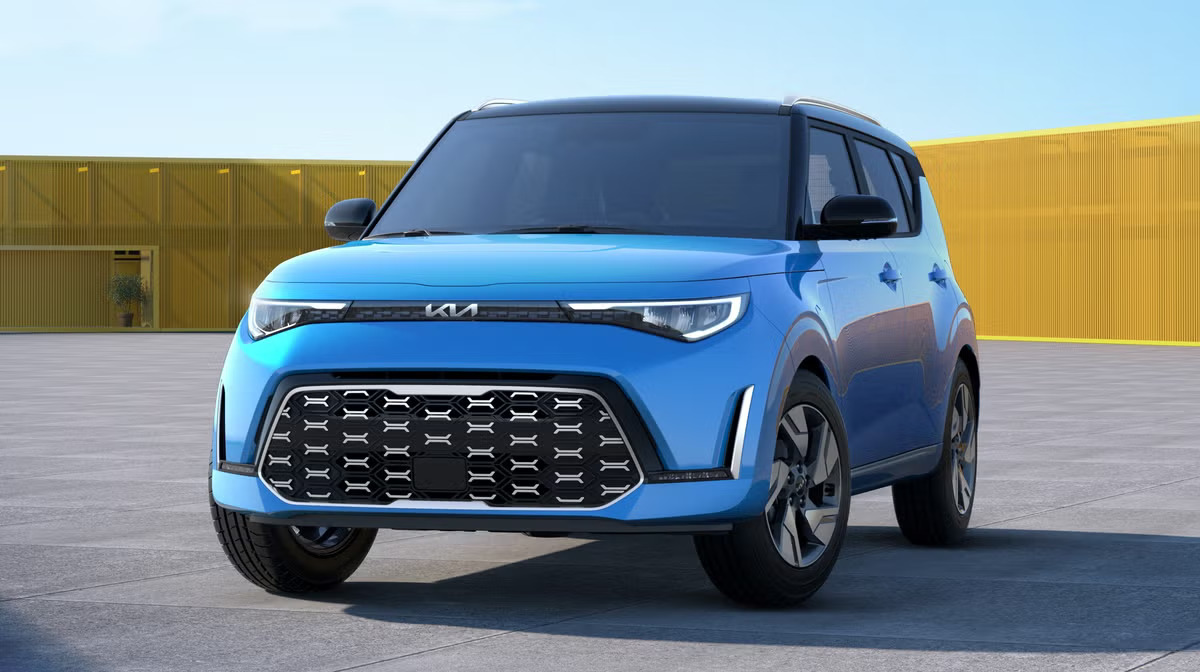
Selecting the right vehicle for Fountain Valley city use depends on efficiency, size, and practicality. Plug-in hybrids and electric SUVs like the 2026 Prius PHEV, 2026 Tucson Hybrid, and 2026 IONIQ 5 provide strong fuel economy, advanced safety features, and flexible cargo space. Compact daily drivers such as the 2026 Civic, 2026 Corolla, and 2025 Kia Soul offer reliability, affordability, and easy handling on busy streets.
These ten vehicles show that city driving can be convenient and comfortable without sacrificing performance or functionality. Whether efficiency, technology, or versatility is a priority, these cars are capable and dependable choices for Fountain Valley commuters seeking a practical solution for everyday driving.
Also Read: Top 10 Cars Cheap Enough to Own and Fast Enough to Scare You