
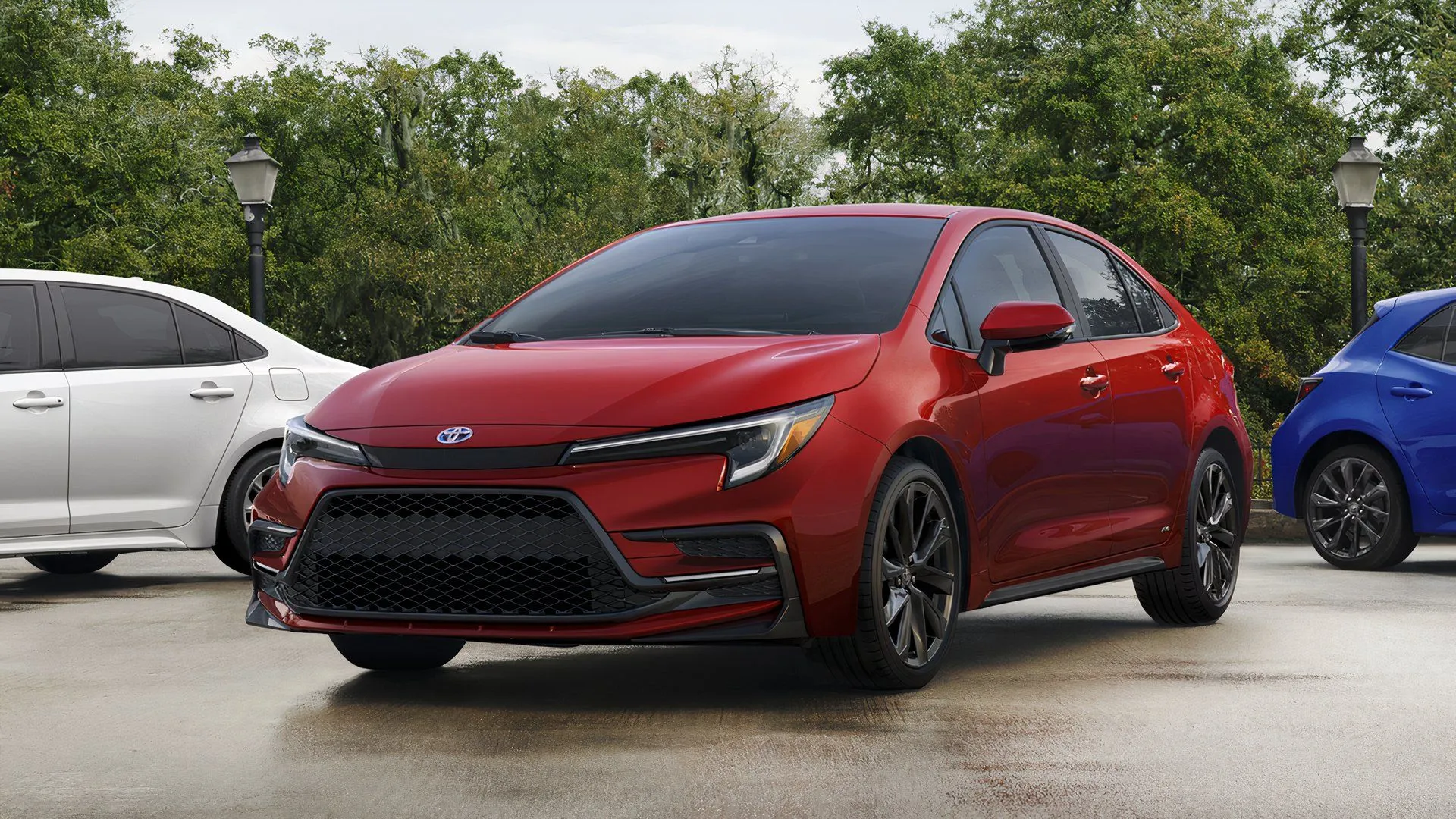
City driving asks a lot from any vehicle. Short trips, traffic lights, slow crawls, tight parking spaces, and endless stop-and-go movement all place unique demands on engines, transmissions, brakes, and cooling systems. While highways allow cars to settle into steady rhythms, urban mileage rarely gives machines that luxury.
For drivers whose weekly routine consists of errands, commutes, school runs, and crowded streets, the wrong vehicle choice can lead to early wear, rising repair costs, and constant frustration. Some cars seem unfazed by this lifestyle. They tolerate frequent cold starts, repeated braking, and long idle periods without complaint.
Their systems warm up efficiently, their drivetrains remain smooth, and their components resist the slow degradation that city mileage often brings. Other vehicles struggle under the same conditions, even when they appear capable on paper. Big engines, aggressive tuning, or delicate components may thrive on open roads but suffer quietly during urban use.
This page focuses on ten vehicles, divided into two clear groups. First come five cars that remain mechanically comfortable on city mileage, maintaining reliability and composure even on short trips and in congestion. Each example shows how thoughtful engineering, efficient systems, and balanced design help preserve long-term health.
The second section examines five cars that tend to wear down faster when used primarily in city environments. Every vehicle discussed is named fully and evaluated through the lens of daily urban use. If most of your miles are at highway speeds or below, these distinctions matter more than horsepower figures or weekend capability.
5 Cars That Stay Healthy With City Mileage
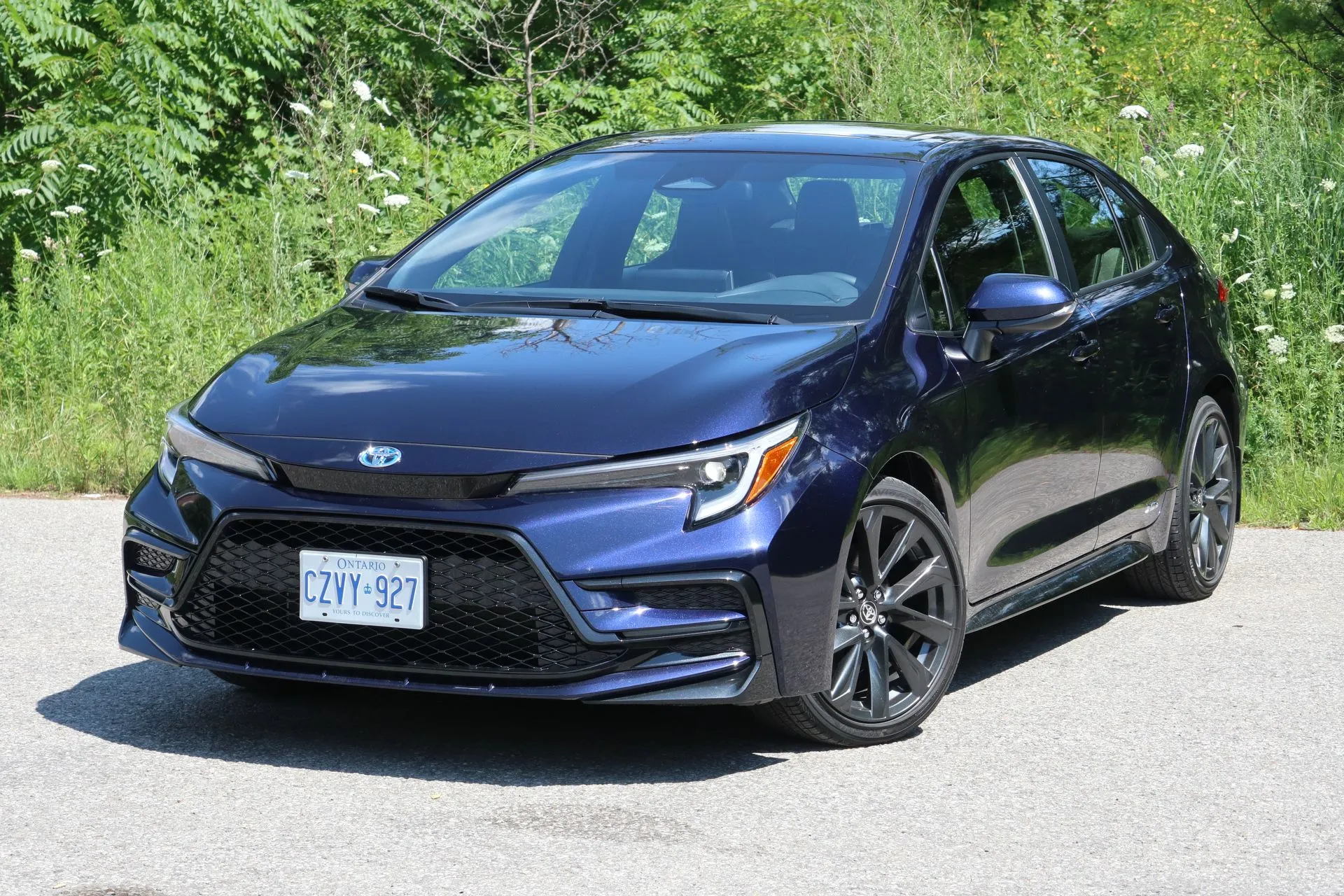
1. Toyota Corolla Hybrid 2024
Consistency defines the Toyota Corolla Hybrid 2024 in ways that suit city mileage perfectly. Its hybrid system allows the electric motor to handle low-speed movement, reducing reliance on the gasoline engine during the most demanding urban moments.
Cold starts occur less often, and engine run time remains shorter during short trips, which helps limit internal wear. This behavior supports long service intervals even when driving consists mostly of brief errands and traffic delays. Power delivery feels calm and predictable. Acceleration builds smoothly, avoiding stress on transmission components that often suffer in stop-and-go conditions.
The electronically controlled continuously variable transmission operates without sudden moves, keeping mechanical strain low during repeated starts. Drivers experience steady progress rather than constant surging, which benefits both comfort and durability.
Thermal management works quietly in the background. The hybrid system warms up efficiently, and cooling components maintain stable operating temperatures even during extended idling. Short trips rarely allow engines to reach ideal conditions, yet this vehicle manages that challenge better than most conventional compact cars. Battery systems remain protected by conservative management strategies that favor longevity.
Braking systems also benefit from urban use. Regenerative braking captures energy during deceleration, reducing dependence on friction brakes. Pads and rotors experience less wear during frequent stops, which lowers service frequency. This approach aligns well with city routines that involve traffic lights and congestion.
Interior simplicity reinforces the car’s suitability for daily use. Controls remain intuitive, displays communicate essential information clearly, and nothing demands constant attention. Drivers can focus on traffic rather than vehicle behavior. Noise levels stay low, reducing fatigue during long waits.
Toyota Corolla Hybrid 2024 thrives in environments defined by repetition. City mileage becomes routine rather than punishing, allowing owners to accumulate urban miles without accelerating mechanical aging.
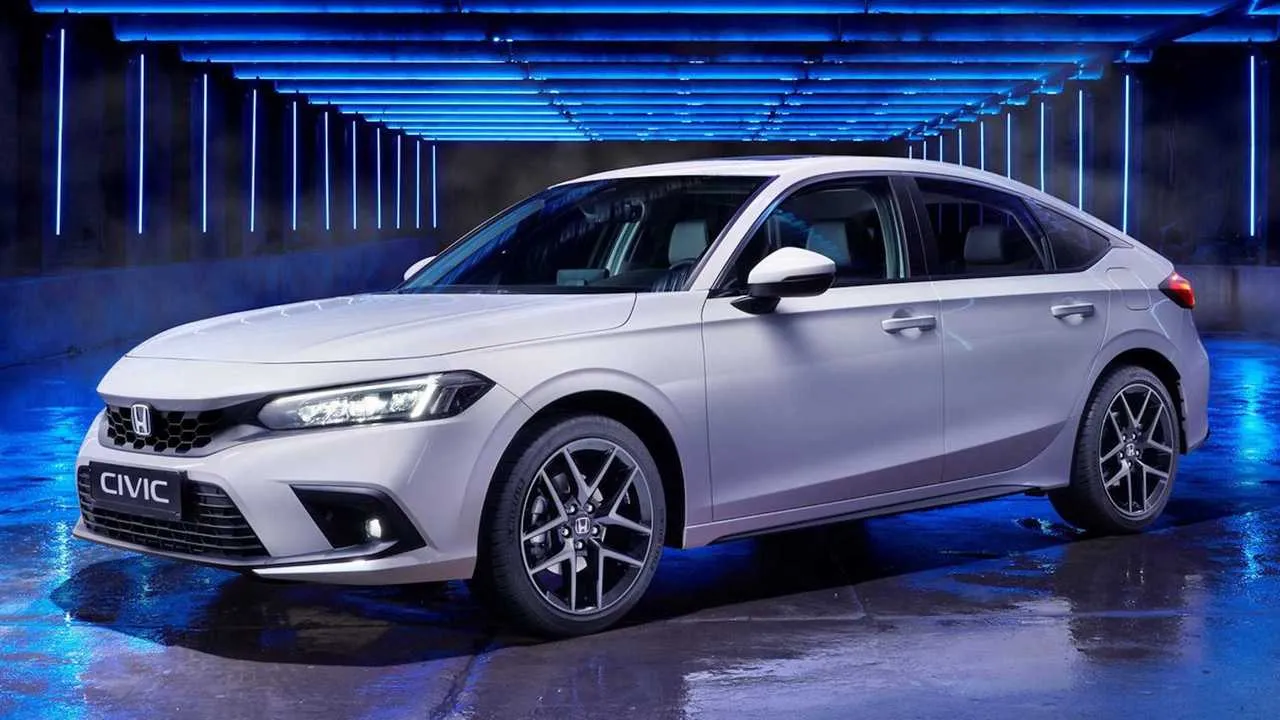
2. Honda Civic 2024
Balance allows the Honda Civic 2024 to remain mechanically comfortable under city mileage. Its naturally aspirated engine design favors reliability during frequent starts, avoiding the added heat and pressure associated with aggressive turbocharging. Short trips and idle periods place less stress on internal components, helping the engine maintain smooth operation across years of urban use.
Throttle calibration supports gentle movement. Acceleration responds progressively, which protects drivetrain components from constant jolts. Transmission behavior feels deliberate rather than hurried, making stop-and-go traffic less taxing on internal parts. These traits reduce wear that often accumulates quietly in city conditions.
Cooling systems perform efficiently during low-speed operation. Radiators and fans manage heat effectively during extended idling, preventing temperature fluctuations that shorten component life. This stability matters when commutes involve traffic congestion rather than open roads.
Suspension tuning favors durability. Potholes, uneven pavement, and speed bumps register without harsh impact. Reduced shock transmission protects bushings, mounts, and joints that commonly suffer during urban driving. Steering components remain composed even after repeated tight maneuvers.
Braking systems deliver consistent performance. Pedal feel remains predictable, and components resist premature wear thanks to smooth deceleration characteristics. While regenerative braking is absent, thoughtful tuning still minimizes unnecessary stress during frequent stops.
Interior design supports daily routines. Controls feel familiar, seating encourages comfort, and visibility helps drivers avoid constant corrections. Reduced driver effort translates into smoother driving habits, which indirectly protects mechanical systems.
Honda Civic 2024 rewards steady use rather than demanding ideal conditions. City mileage becomes manageable, preserving vehicle health through careful engineering rather than special driving techniques.
Also Read: 5 Electrified Cars That Fit Apartment Living vs 5 That Don’t
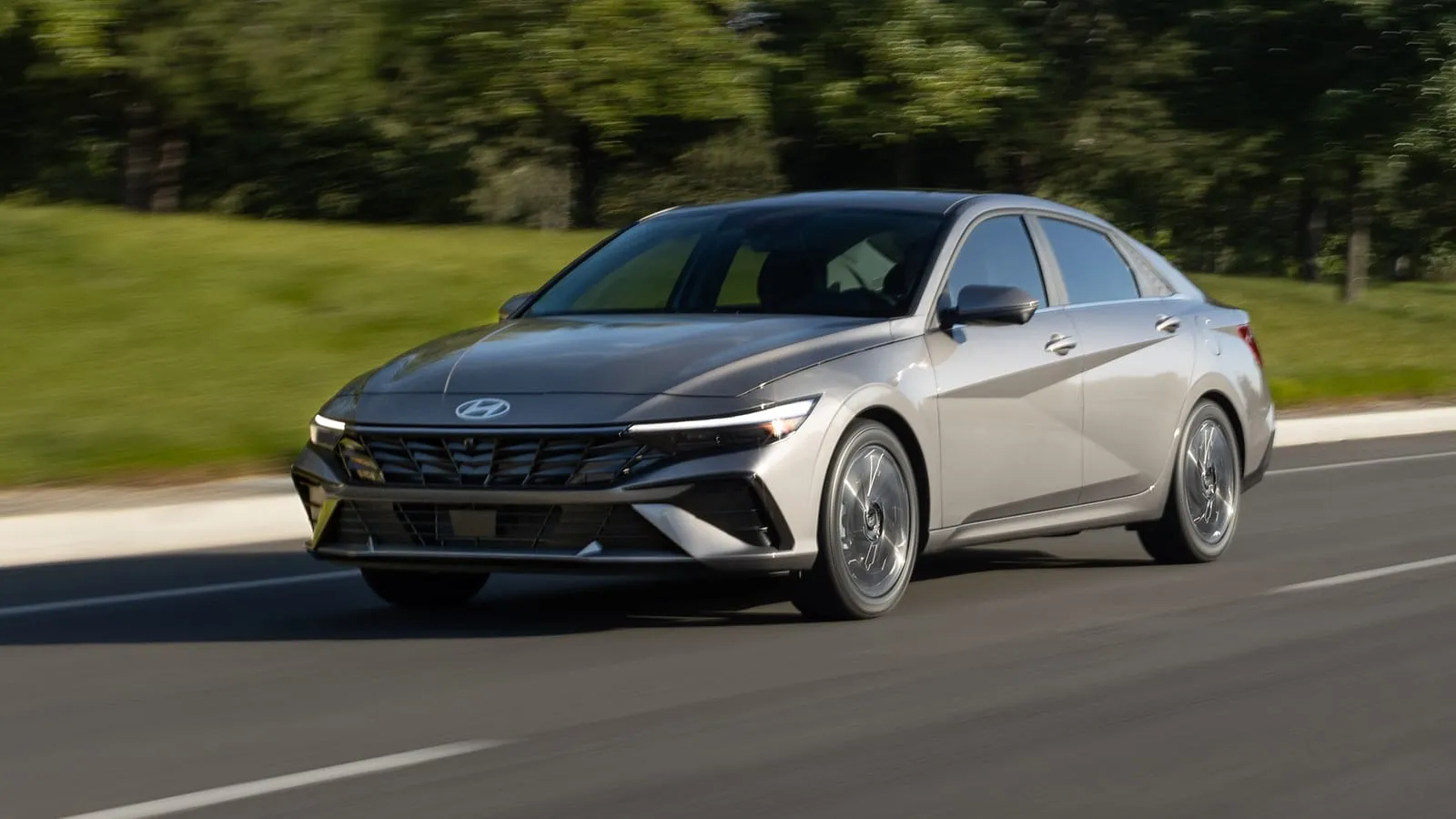
3. Hyundai Elantra Hybrid 2024
Efficiency defines the Hyundai Elantra Hybrid 2024, making it well-suited for urban mileage patterns. Electric assistance reduces engine usage during low-speed travel, allowing many short trips to occur with minimal combustion activity. This approach lowers internal wear during frequent starts, which typically shortens engine life in city conditions.
Acceleration remains refined. Power arrives gently, preventing drivetrain shock during repeated stop-and-go movement. The dual-clutch transmission is calibrated for smooth engagement rather than aggressive moves, which protects internal components during traffic crawling.
Thermal systems handle idle periods with confidence. Battery cooling and engine temperature management work together to maintain stability during congestion. Short trips rarely push components outside safe ranges, which supports long-term reliability.
Regenerative braking plays an important role. Energy recovery during deceleration reduces friction brake usage, extending pad and rotor life. City driving becomes an advantage rather than a liability for the braking system. Suspension tuning favors compliance. Road imperfections fade into the background, minimizing stress on chassis components. Steering effort remains light yet controlled, reducing strain during frequent low-speed maneuvers.
Cabin feedback encourages calm driving. Displays show energy flow clearly, helping drivers anticipate behavior rather than reacting suddenly. This predictability supports smoother habits that benefit mechanical health. The Hyundai Elantra Hybrid 2024 treats city mileage as its natural environment. Systems cooperate to reduce wear, making repeated short trips less damaging than they are for many conventional sedans.
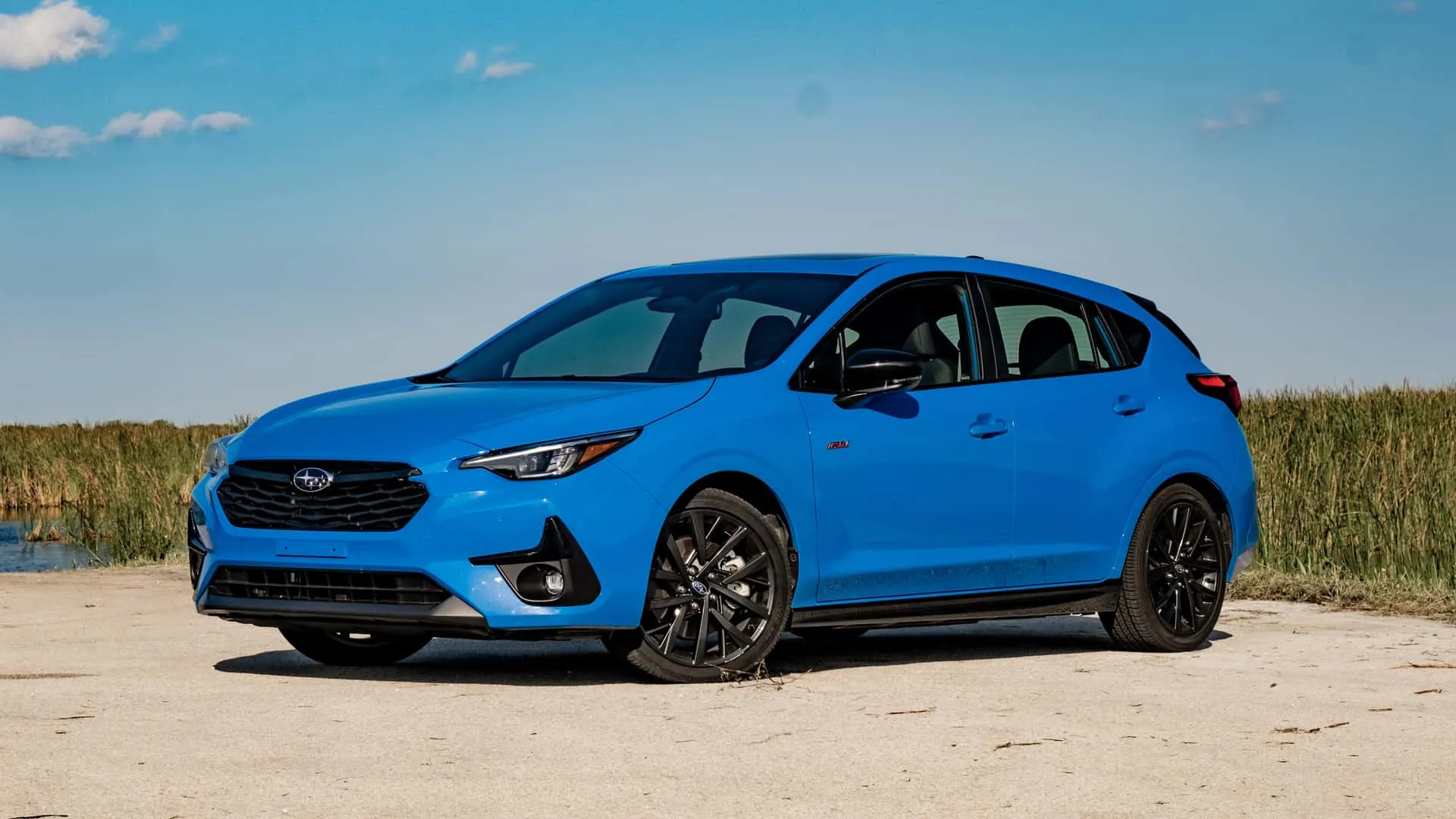
4. Subaru Impreza 2024
Balance and structural discipline define the Subaru Impreza 2024, giving it a strong reputation for handling repeated city use without accelerated decline. Its horizontally opposed engine sits low and wide, allowing weight to remain evenly distributed across the chassis.
This configuration reduces vibration during ignition and shutdown, a daily reality in urban settings where short trips dominate. Reduced vibration protects engine mounts, exhaust connections, and internal assemblies that often suffer under constant start cycles.
All Wheel Drive operation supports calm and predictable movement at low speeds. Power reaches each wheel evenly, preventing sudden traction loss when pulling away from traffic lights or driving through wet streets. Controlled delivery reduces strain on axles and differentials, allowing mechanical components to age at a steady pace even with frequent acceleration.
Transmission behaviour favors moderation. Gear changes occur smoothly, avoiding harsh engagement that can wear clutch packs and internal gearing. Stop-and-go traffic feels orderly, giving the system room to manage repeated inputs without shock loading. This consistency supports durability in daily commuting environments.
Cooling systems suit urban demands well. Airflow management and thermal regulation keep operating temperatures within stable ranges during idle periods. Short journeys rarely cause overheating or fluid stress, which helps seals, hoses, and lubricants maintain integrity.
Suspension geometry absorbs road imperfections with restraint. Uneven pavement, potholes, and patched surfaces generate less impact through the chassis. Bushings, joints, and struts experience reduced stress, preserving alignment and ride quality over extended mileage.
Steering response supports precision without aggression. Tight corners and narrow streets feel manageable, limiting abrupt corrections that strain steering components. Predictable feedback builds driver confidence during routine use. Cabin design contributes indirectly to longevity.
Clear sightlines, logical controls, and uncluttered instrumentation encourage measured driving habits. Smooth inputs become instinctive, reducing unnecessary mechanical load. Subaru Impreza 2024 proves well-suited to urban repetition. Its engineering balance allows city mileage to accumulate steadily, supporting reliability through thoughtful mechanical harmony and disciplined tuning.
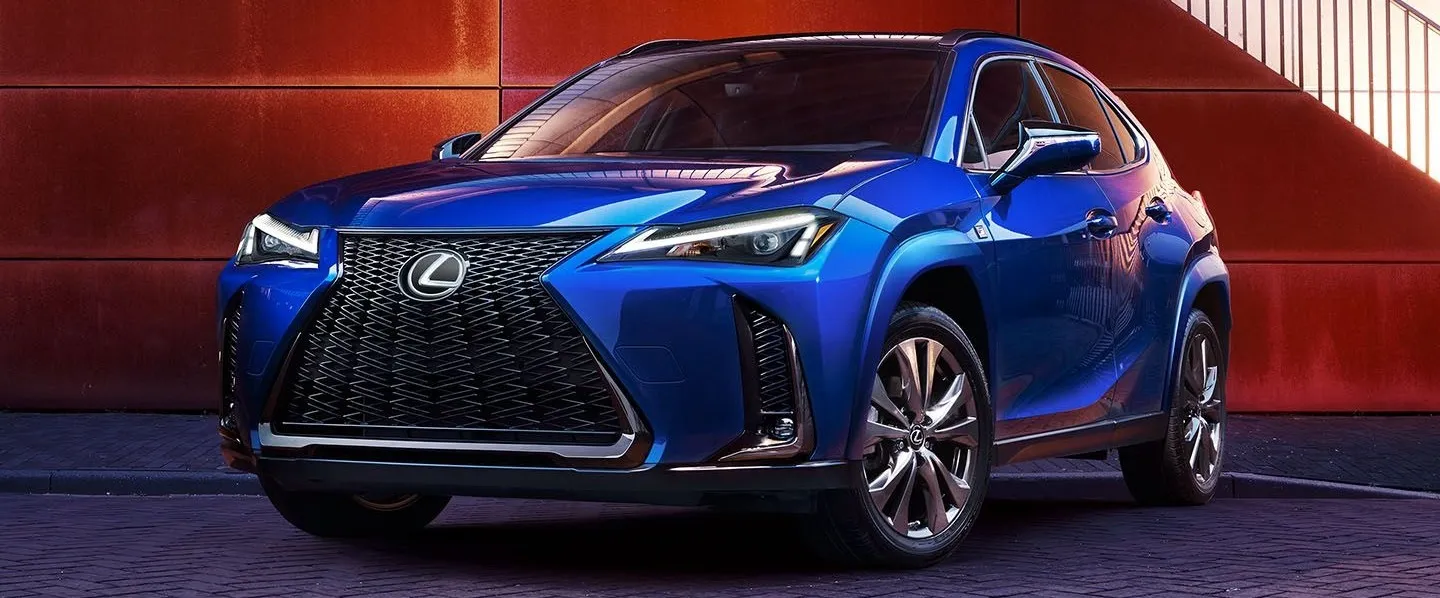
5. Lexus UX 250h 2024
Engineering restraint allows the Lexus UX 250h 2024 to perform reliably under repeated urban mileage. Its hybrid architecture limits engine operation during low-speed travel, relying on electric propulsion for short movements and idle conditions. Reduced engine run time lowers internal wear, protecting pistons, bearings, and valves from excessive use common in city routines.
Power delivery reflects refinement. Acceleration remains progressive, avoiding abrupt surges that stress driveline components. Transitions between electric and petrol operation occur smoothly, preserving transmission assemblies and supporting long service life.
Thermal management remains conservative by design. Battery systems operate within controlled temperature ranges, while the engine avoids unnecessary heat buildup during congestion. Stable operating conditions protect cooling components, wiring, and fluid seals across years of use.
Regenerative braking transforms frequent stops into a mechanical advantage. Energy recovery reduces reliance on traditional brake systems, extending the lifespan of pads and discs. Urban traffic becomes less punishing, allowing service schedules to remain reasonable despite daily congestion.
Ride comfort supports component preservation. Suspension calibration filters road imperfections effectively, limiting impact forces transmitted through the chassis. Bushings, mounts, and joints benefit from reduced shock exposure on uneven surfaces.
Steering characteristics remain light and deliberate. Parking manoeuvres and narrow street navigation require minimal effort, reducing strain on steering assemblies. Predictable handling lowers driver fatigue during routine journeys. Interior refinement shapes driving behaviour.
Quiet operation and intuitive controls promote calm engagement with the vehicle. Smooth throttle and braking inputs follow naturally, limiting aggressive actions that contribute to wear. Lexus UX 250h 2024 manages repetition with discipline. Urban mileage becomes sustainable, allowing the vehicle to maintain reliability and composure through thoughtful hybrid integration and restrained mechanical execution.
5 Cars That Don’t Stay Healthy With City Mileage
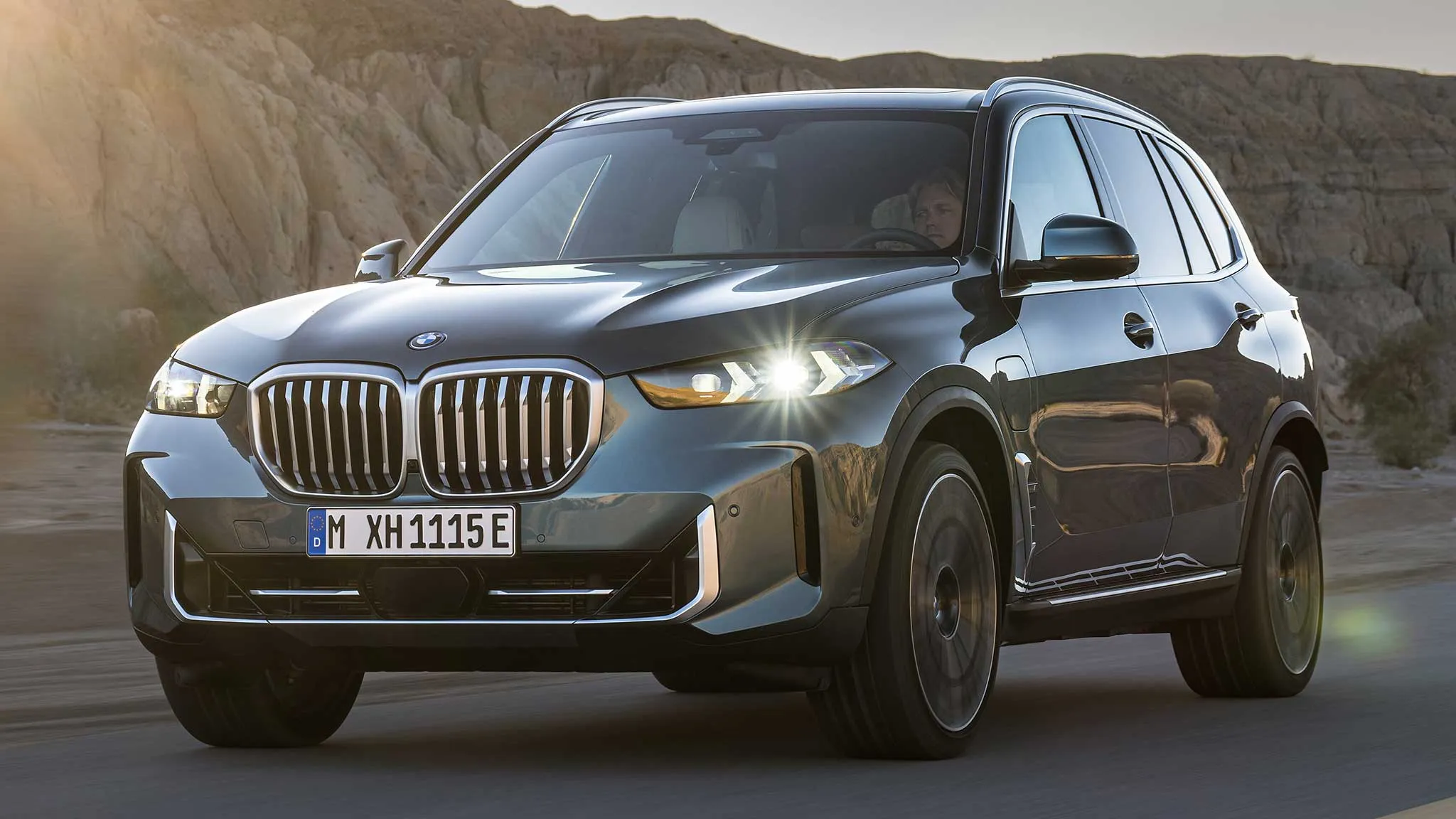
1. BMW X5 xDrive40i 2024
Mass and performance ambition shape the BMW X5 xDrive40i 2024, yet city mileage exposes weaknesses that are easy to overlook during brief test drives. Designed to feel responsive and powerful, this sport utility vehicle relies on a turbocharged inline six engine that prefers sustained operation rather than short, repeated trips.
Frequent cold starts prevent the engine from reaching stable operating conditions, placing added strain on internal parts and accelerating oil degradation. Stop-and-go traffic introduces another challenge. Throttle calibration responds quickly, making smooth progress harder to maintain at low speeds.
Drivers often modulate inputs carefully to avoid sudden movement, which increases drivetrain stress with repeated use. The automatic transmission performs well at cruising speed, but constant low gear cycling during urban use contributes to extra wear.
Thermal management systems remain effective but work harder in congestion. Extended idling combined with restricted airflow places extra demand on cooling hardware. Short trips rarely allow heat to distribute evenly, which can affect seals and hoses earlier than expected.
Suspension tuning leans toward firmness. While this supports handling confidence, repeated encounters with potholes and uneven pavement transmit sharper impacts through bushings and joints. City roads rarely offer consistency, and this firmness accelerates suspension fatigue during daily commuting.
Brake systems face heavy use without regenerative assistance. Frequent deceleration wears pads and rotors quickly, particularly given the vehicle’s weight. Service visits become more common under urban mileage patterns.
Interior technology adds another layer of strain. Advanced infotainment, driver aids, and digital controls require regular software activity, and repeated short trips place demands on electronic components that benefit from longer operating cycles. Electrical loads increase during frequent starts, which can reduce battery efficiency.
The BMW X5 xDrive40i 2024 delivers comfort and authority on extended highway journeys. City mileage, however, exposes mechanical and operational traits that shorten component life and increase ownership demands for drivers whose routines centre on short urban travel.
Fuel consumption rises in dense traffic, as frequent acceleration from rest prevents efficient combustion cycles from stabilising properly. Owners may also notice higher service costs linked to shorter oil change intervals and faster wear on consumable parts.
Tyres experience uneven abrasion due to repeated braking and steering inputs at low speeds, increasing replacement frequency for urban drivers. Insurance considerations can also arise where daily usage occurs in congested environments, given the elevated likelihood of minor contact incidents. Such conditions reward disciplined maintenance planning and budgeting.
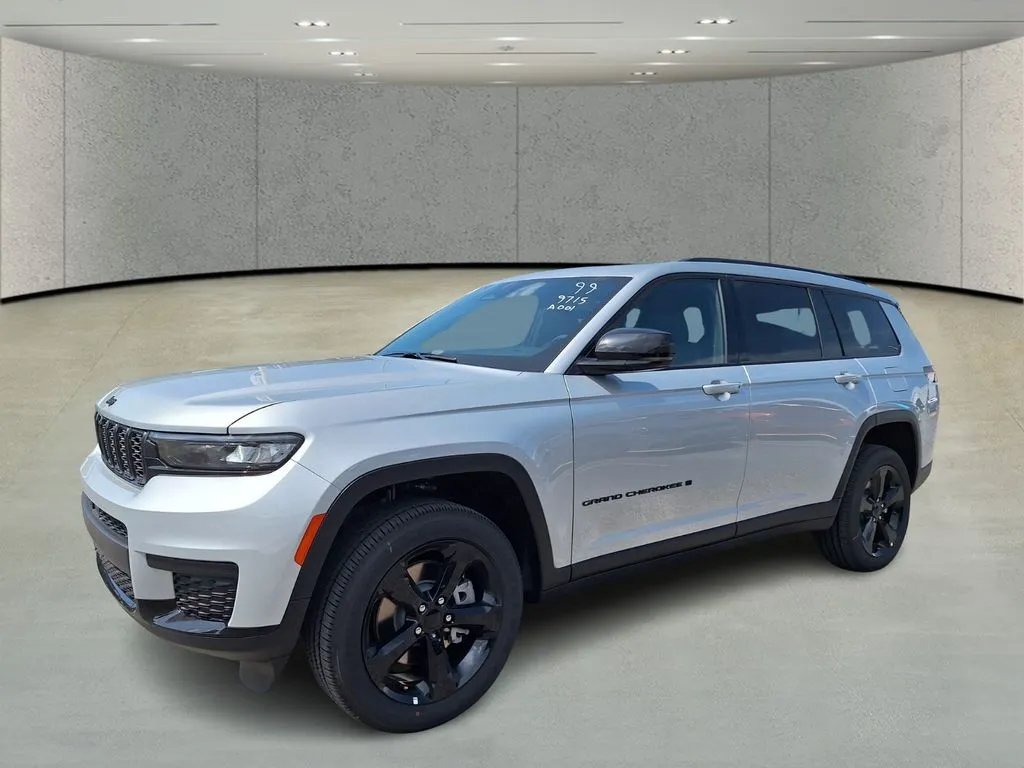
2. Jeep Grand Cherokee L 2024
Size and versatility define the Jeep Grand Cherokee L 2024, yet urban mileage highlights inefficiencies that undermine long term mechanical health. Built to accommodate passengers and cargo, this vehicle carries substantial weight, placing continuous demands on its powertrain during frequent starts. Repeated ignition cycles strain starter assemblies and consume fuel rapidly during short trips.
Acceleration tuning favours strength rather than restraint. Low-speed movement requires careful throttle control, and frequent braking interrupts smooth progress. This pattern increases wear on transmission components and driveline parts during traffic-heavy routines. Gear selection changes often at low speeds, adding heat and friction within the gearbox.
Thermal behaviour reflects the vehicle scale. Large capacity engines generate heat quickly, while congestion restricts airflow through the front end. Cooling circuits operate under sustained load during idle periods, increasing mechanical stress. Short journeys prevent full temperature balance, which affects fluids, seals, and rubber connections.
Suspension systems manage mass competently on open roads, yet urban pavement reveals firmness. Potholes, speed bumps, and broken surfaces transmit force into the cabin, accelerating wear on joints and dampers. Repeated exposure shortens service intervals for suspension parts used in daily commuting.
Braking components experience constant demand. Without energy recovery support, all deceleration relies on conventional brakes. Frequent stops accelerate pad and rotor wear, increasing maintenance frequency and operating expense.
Interior systems introduce additional pressure. Large touchscreens, layered menus, and driver assistance features require attention during repeated starts. Electrical architecture endures constant cycling, which benefits less from brief urban use than from extended drives. Battery performance can decline faster under such conditions.
The Jeep Grand Cherokee L 2024 suits family transport and long-distance travel. City mileage places sustained pressure on mechanical and electronic systems, making routine urban use more demanding for owners who seldom leave traffic-dense environments.
Fuel efficiency suffers during short trips, as repeated warm-up phases prevent optimal combustion conditions from being maintained. Owners may observe increased visits to service centres, driven by faster degradation of lubricants and ancillary components.
Tyres also wear unevenly because steering corrections and braking inputs occur constantly at low speeds, raising replacement frequency. Urban insurance costs can rise where daily exposure to congestion raises the risk of minor collision incidents.
Disciplined maintenance schedules and careful budgeting become necessary practices for such ownership patterns. Long term reliability improves when usage includes periodic extended journeys that allow systems to operate at stable temperatures and loads consistently.
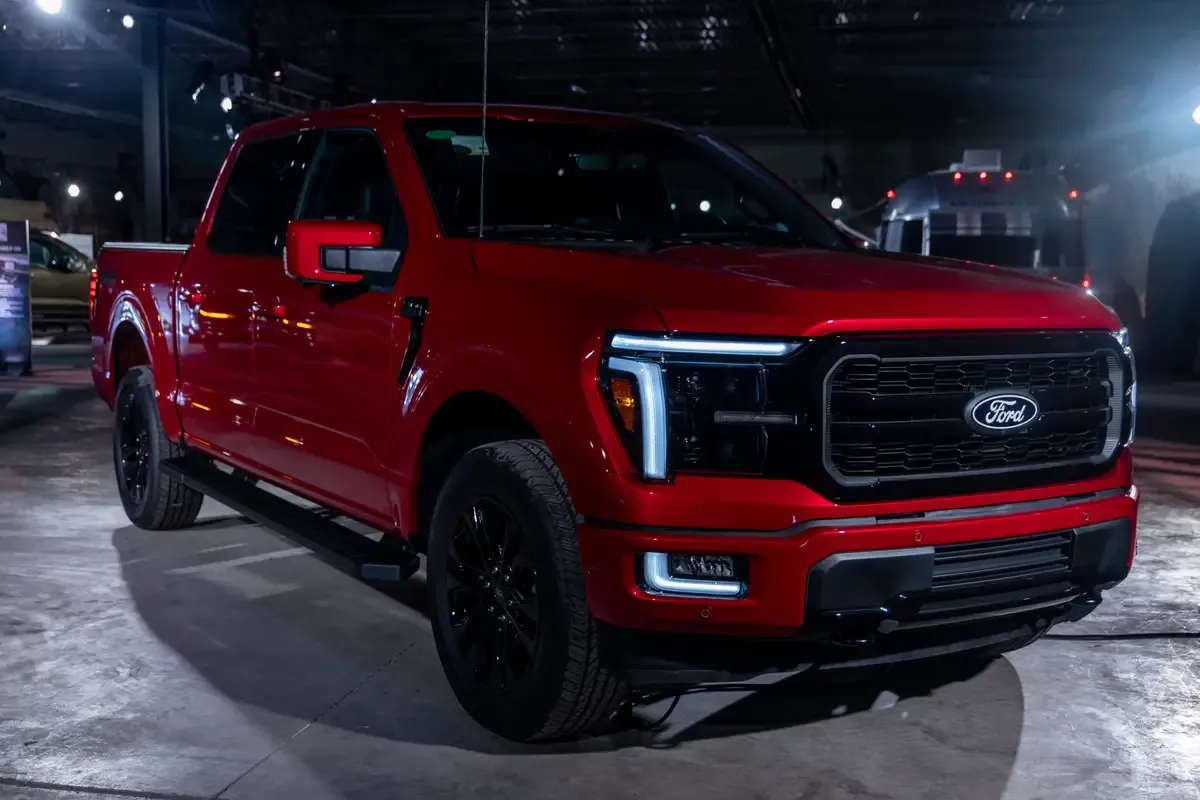
3. Ford F-150 Lariat 2024
The Ford F-150 Lariat 2024 represents size, authority, and mechanical confidence, yet these attributes introduce clear disadvantages when daily use is restricted to urban mileage. Built primarily for load carrying and demanding tasks, the vehicle operates with systems calibrated for extended movement rather than repeated short journeys.
Frequent engine starts within city traffic expose the powertrain to constant temperature changes, which place pressure on internal components that depend on consistent operating conditions. Fuel consumption rises quickly during these repeated cycles, while combustion efficiency remains below its intended standard.
Throttle tuning emphasizes strength. Even modest pedal input produces decisive movement, which requires careful control during congestion. This characteristic increases strain on drivetrain parts when the vehicle creeps forward in traffic queues.
The automatic transmission responds competently, yet city use forces continuous gear selection changes at low speeds. Such repetition increases internal friction and shortens service intervals when compared with extended highway operation.
Cooling performance remains reliable, though persistent idling presents challenges. Limited airflow during traffic congestion means cooling fans and pumps work continuously. Short journeys prevent the engine from reaching a stable thermal state, leaving components exposed to uneven heat distribution. Fluids experience faster degradation under these conditions.
Suspension construction supports heavy payloads, yet urban road surfaces expose firmness that transfers vibration into joints and bushings. Repeated encounters with potholes and uneven surfaces accelerate wear within these systems. Ride comfort remains controlled, though long-term durability becomes a concern.
Braking demand is constant within city environments. Vehicle mass requires a strong stopping force, which accelerates brake pad and rotor wear. Frequent servicing becomes more likely under urban routines. Cabin layout emphasizes practicality.
Controls are clear and functional, yet maneuvering through narrow streets and confined parking areas demands sustained attention. This contributes to driver fatigue during daily use. Ford F-150 Lariat 2024 performs best when allowed continuous movement. City mileage places mechanical systems under repeated strain, reducing long-term efficiency.
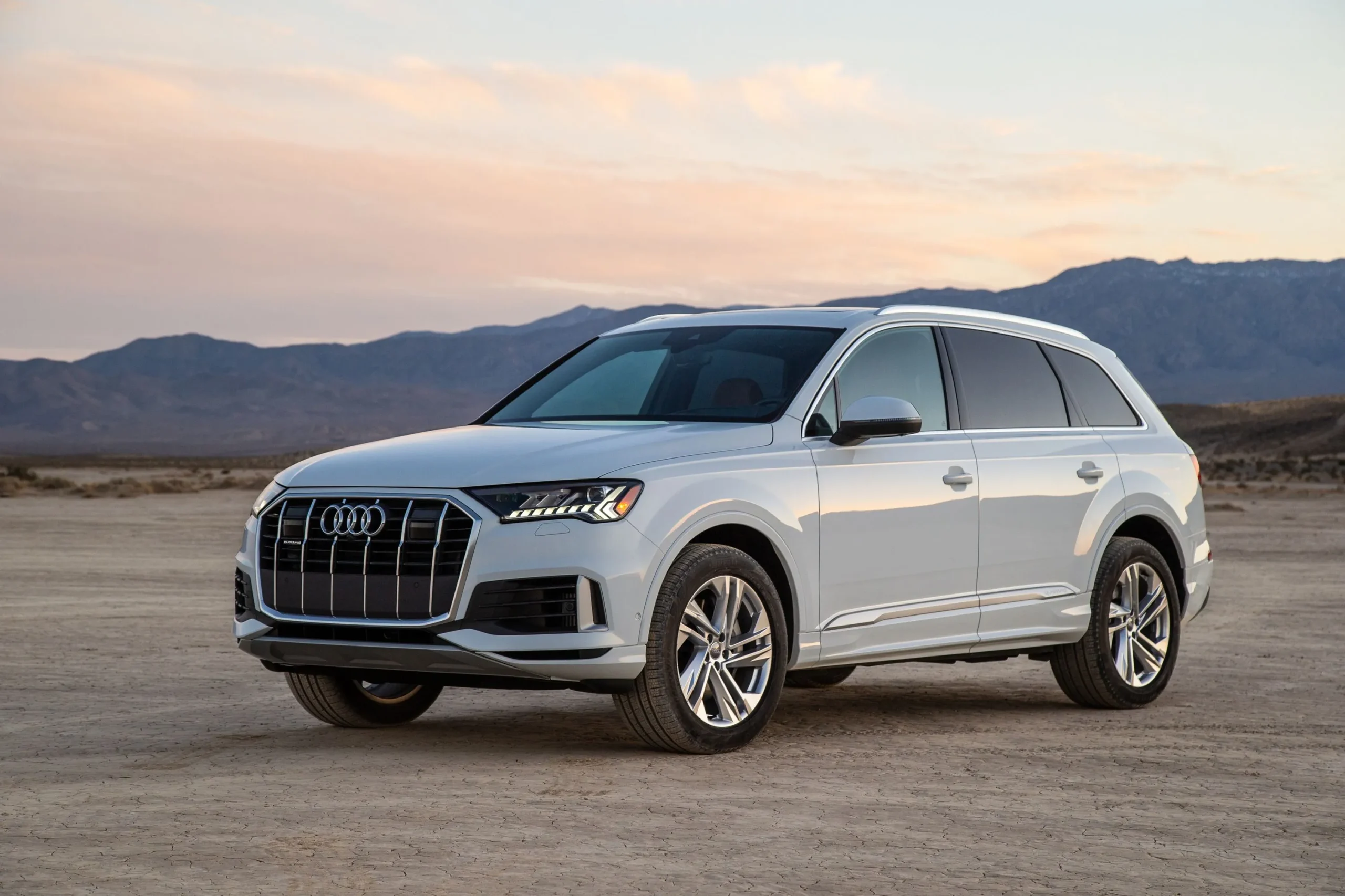
4. Audi Q7 2024
The Audi Q7 2024 delivers a refined driving experience, though urban mileage exposes challenges that affect long-term reliability. Engine design favors smooth power delivery during extended journeys, yet frequent cold starts associated with city driving introduce added wear. Short trips limit oil circulation effectiveness, which reduces protective lubrication during the most sensitive operating phase.
Transmission calibration suits steady motion. Traffic congestion forces repeated low gear engagement, increasing friction within internal components. Such conditions accelerate wear and increase the likelihood of earlier servicing requirements.
Cooling systems function efficiently, though city congestion restricts airflow. Fans operate frequently to maintain temperature control during idle periods. Repeated short journeys prevent stable heat distribution, placing added pressure on cooling components and associated seals.
Suspension tuning provides comfort during sustained travel. Urban road imperfections transmit sharper impacts into suspension joints and mounts. Repeated exposure leads to earlier component fatigue, especially on roads with inconsistent surfaces.
Braking systems endure constant demand. Without energy recovery features, each stop relies on traditional braking force. This accelerates pad and rotor wear, shortening replacement intervals during urban use. Interior technology contributes to driving comfort, yet frequent power cycling associated with short trips places stress on electronic systems.
Digital displays and control modules experience repeated activation without extended operation time, which affects long-term reliability. Audi Q7 2024 excels when journeys allow consistent speed and distance. Daily city mileage increases servicing needs and requires closer attention to mechanical condition.
Also Read: 5 Electric Cars That Suit Apartment Living vs 5 That Require Home Charging
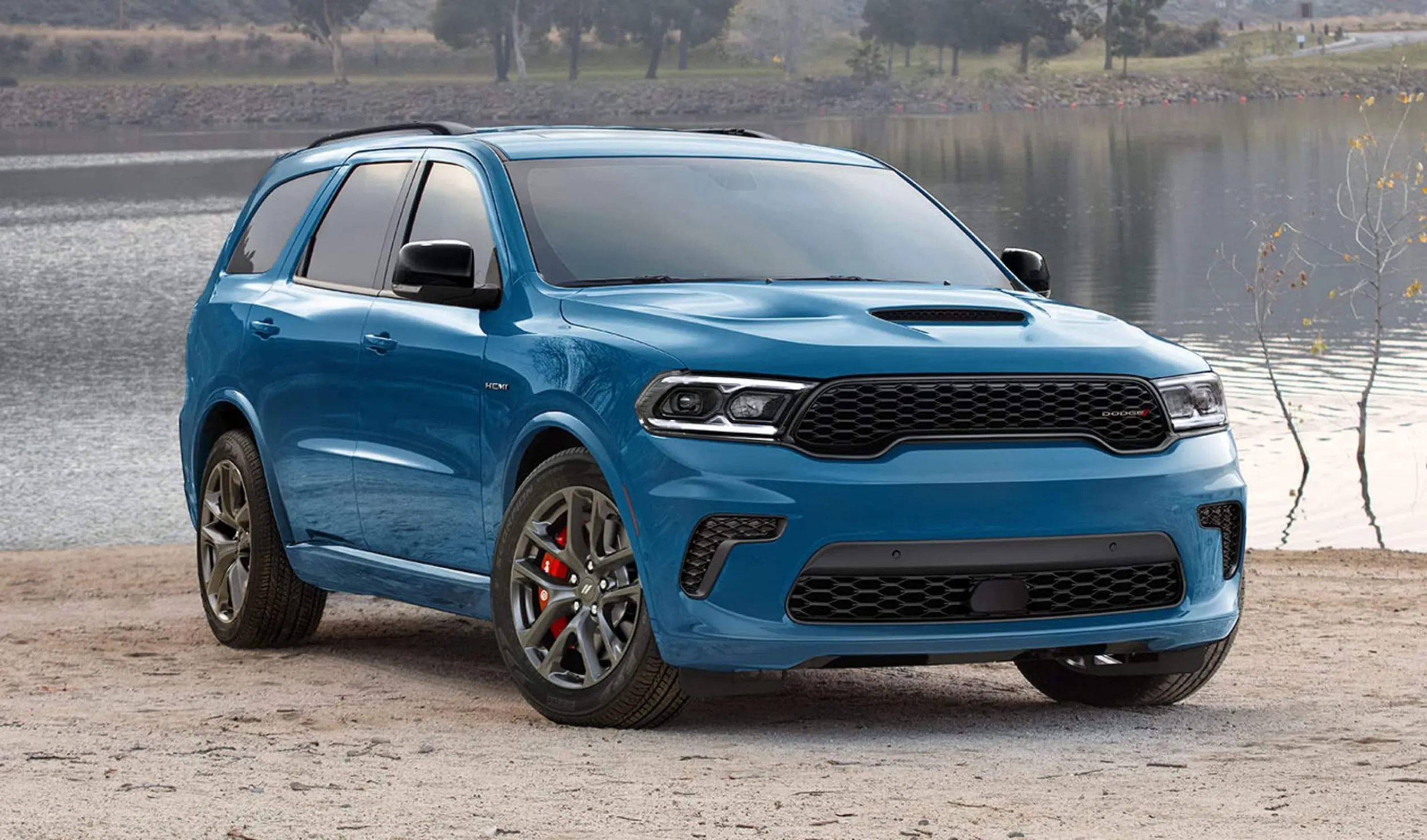
5. Dodge Durango R T 2024
The Dodge Durango R T 2024 prioritizes performance, a focus that introduces challenges under city mileage conditions. Large displacement engines deliver strong output, though repeated starts within urban routines strain starter systems and increase fuel usage. Short journeys restrict efficient combustion, leading to incomplete operating cycles that affect engine longevity.
Throttle response remains assertive. Controlled progress in traffic requires restraint, which places additional demand on drivetrain components. The transmission experiences frequent cycling at low speeds, accelerating internal wear due to constant engagement changes.
Cooling performance remains capable, yet congestion limits airflow. Extended idling generates heat that places continuous demand on cooling fans and pumps. Short trips prevent balanced thermal management, exposing components to uneven temperature conditions.
Suspension systems support dynamic handling. Urban road surfaces highlight firmness that transfers impact into suspension components. Repeated contact with uneven pavement accelerates wear within joints and mounts. Braking systems face heavy use. Vehicle mass combined with frequent stopping increases wear on pads and rotors. Service intervals shorten as a result of constant deceleration demands.
Interior layout emphasizes a performance-oriented atmosphere. Controls require focused interaction, increasing mental workload during traffic congestion. Electrical systems undergo repeated activation cycles during short trips, which adds strain to supporting components.
Dodge Durango R T 2024 performs best during extended drives, where performance characteristics can operate as intended. City mileage subjects its systems to repeated stress, reducing mechanical efficiency and increasing maintenance demands.
