
Stoplights that seem endless, school pickup lines that crawl forward, construction delays that turn minutes into half hours. Modern driving includes far more waiting than moving, yet not every vehicle responds well to that reality.
Constant idling places a quiet strain on engines, cooling systems, electronics, and emissions components. Some vehicles tolerate it and stability, while others slowly build issues that appear long after the traffic finally clears.
Choosing a vehicle without considering idle behavior can lead to frustration. Rough running, overheating warnings, clogged systems, or unexplained dashboard lights often trace back to hours spent barely moving. Drivers who spend time in urban congestion, delivery routes, security work, or frequent curbside waiting need a vehicle that remains calm while doing very little.
This page separates vehicles into two very different categories. The first group includes models designed with cooling efficiency, durable engines, and systems that remain stable during extended idle periods. These vehicles treat waiting as part of the job rather than a problem.
The second group highlights vehicles that tend to develop issues when forced into constant idling, often due to design choices that favor motion rather than stillness. Rather than focusing on speed or luxury, this guide centers on patience.
Vehicles that idle well protect owners from costly repairs and unexpected downtime. With that perspective established, the first section begins with cars and trucks that manage long idle periods with composure and reliability.
5 Vehicles That Handle Constant Idling
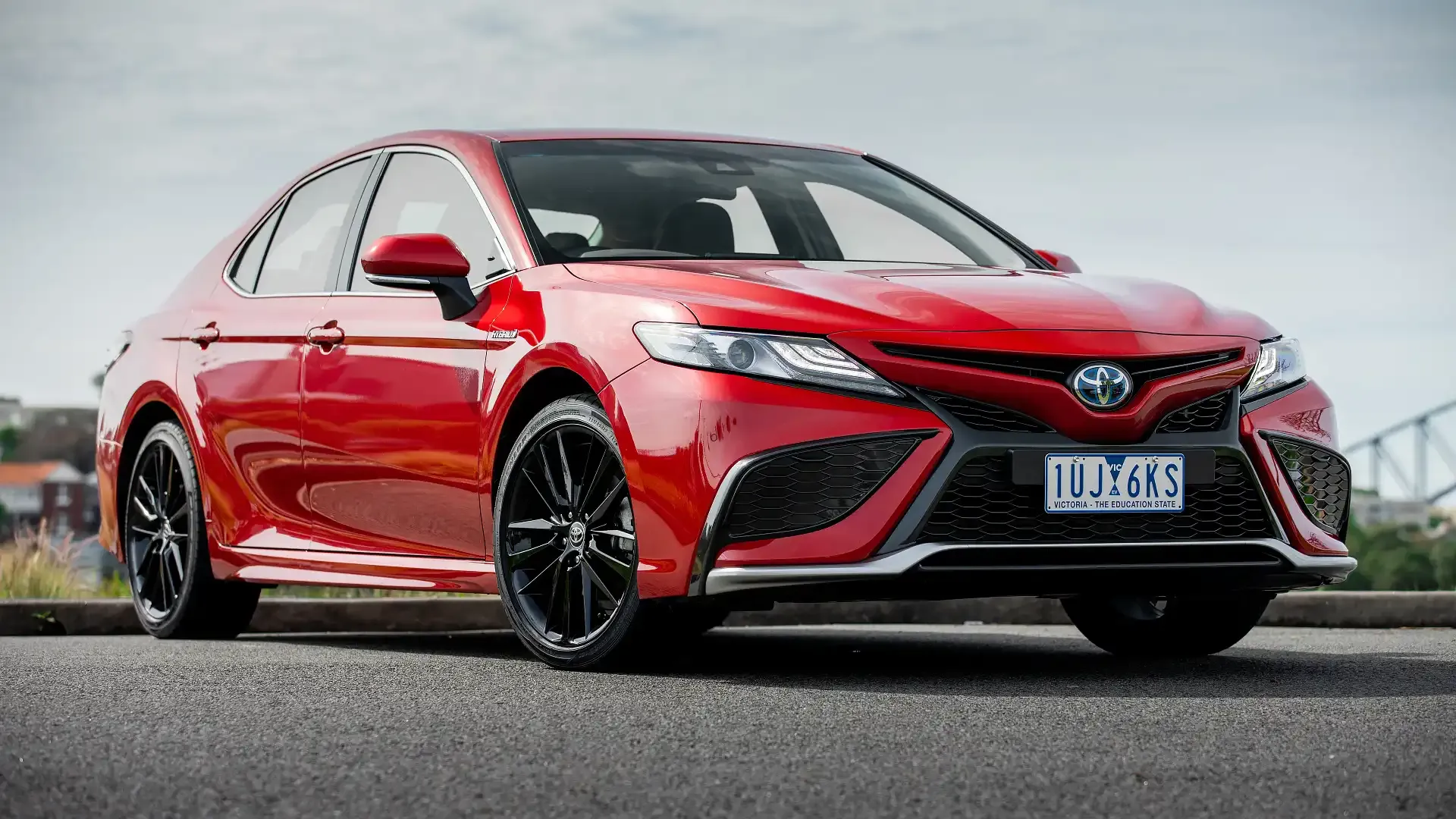
1. Toyota Camry 2.5L 2022
Quiet resilience defines how the Toyota Camry 2.5L 2022 behaves during long idle sessions. Built with a naturally aspirated engine that favors simplicity, this sedan handles prolonged waiting without protest. Cooling systems engage smoothly, preventing temperature spikes that plague more aggressive designs.
Engine tuning focuses on stability at low speeds. Idle remains consistent rather than fluctuating, reducing vibration and unnecessary wear. Fuel delivery stays controlled, preventing buildup that often occurs when engines struggle to maintain balance while stationary.
Cooling performance plays a vital role here. Radiator capacity and fan operation respond promptly when airflow drops. Even during hot afternoons, temperature gauges remain steady. This reliability matters during school hours, traffic jams, or professional use that demands frequent waiting.
Transmission design also contributes to its performance. Torque converter behavior avoids excessive heat buildup when idling in drive. Drivers notice smoother transitions when moving again after extended stops. Interior systems remain unaffected by long waits.
Air conditioning performance stays strong without placing excessive strain on the engine. Electrical components operate reliably, supporting accessories without triggering warning lights. Long-term durability strengthens this reputation. Owners report fewer idle-related issues, such as fouled sensors or overheating warnings.
Routine care keeps the Camry comfortable during slow days and busy weeks alike. Toyota Camry 2.5L 2022 proves that patience can be engineered. Waiting becomes a neutral state rather than a source of mechanical stress.
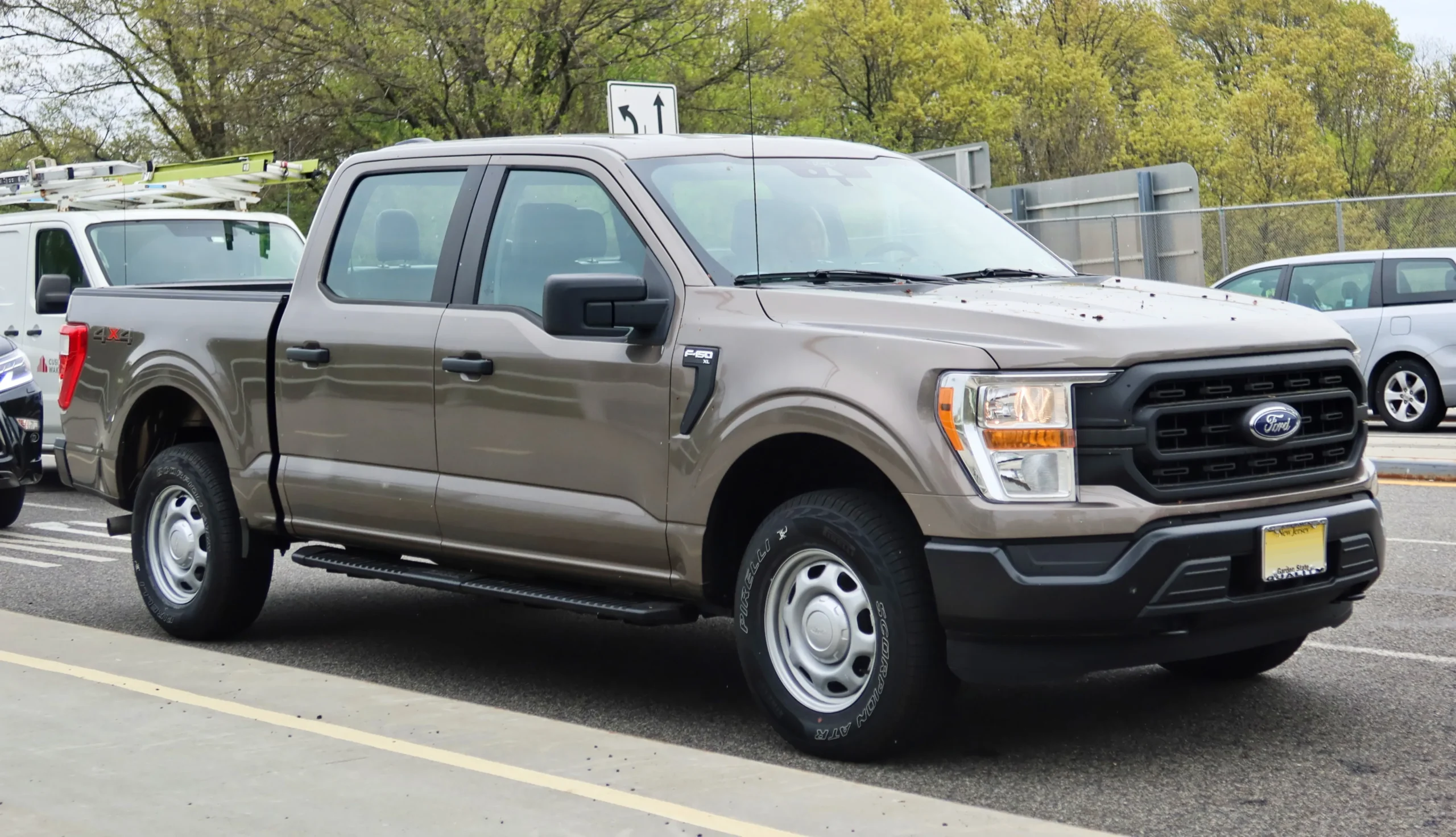
2. Ford F-150 5.0L V8 2021
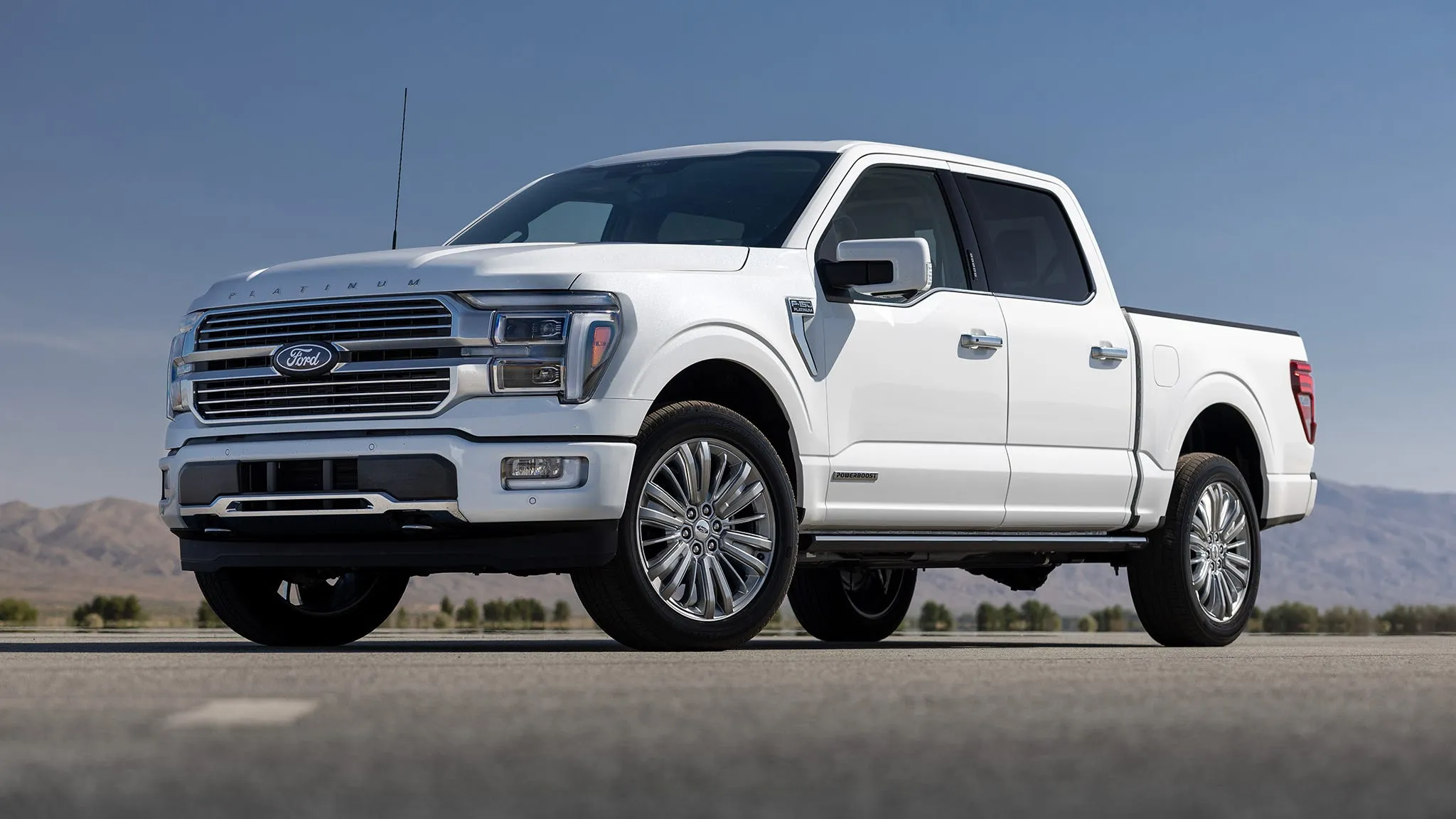
Strength at rest defines the Ford F-150 5.0L V8 2021 during extended idling, and this strength feels intentional rather than incidental. Built for demanding work environments, this truck treats waiting as part of daily duty, not a condition to avoid. The naturally aspirated V8, paired with robust supporting systems, allows the vehicle to remain composed even when stationary for long periods.
Idle quality remains smooth and consistent, even under accessory load. Power steering assistance stays steady, climate control delivers uninterrupted airflow, and onboard electronics continue operating without causing engine instability.
This matters on job sites, during towing preparation, or while waiting roadside, where fluctuating idle speed would quickly become a liability. The engine feels settled, not strained. Cooling capacity exceeds what typical passenger vehicles require, and that advantage shows clearly during idle.
Large radiators, high-capacity fans, and generous airflow pathways move sufficient air even when the truck is stationary. Temperature management remains predictable, avoiding heat soak that gradually damages hoses, seals, and electronic components. Gauges stay stable, reinforcing driver confidence during long waits.
Oil circulation benefits from the engine’s traditional V8 design. With ample oil capacity and consistent pressure at idle, internal components remain properly lubricated. This reduces wear on bearings, camshafts, and valvetrain components that often suffer in smaller, highly stressed engines. The result is durability that aligns with the truck’s work-focused mission.
Electrical systems are equally well prepared for extended use. The alternator supplies steady power without strain, supporting lighting, power tools, trailer connections, communication equipment, and infotainment simultaneously. Drivers avoid dead batteries and voltage drops that plague vehicles not engineered for long, stationary operation. This reliability is especially valuable for contractors and fleet users.
Fuel consumption during idle remains reasonable for its size and output. While no V8 is truly economical at rest, the F-150 avoids excessive waste during necessary waits. This balance between capability and efficiency reinforces its practicality.
Long-term ownership benefits from this resilience. Components age more slowly when idle conditions are handled properly, reducing unexpected downtime. Drivers learn to trust the truck not just while moving, but while waiting.
Ford F-150 5.0L V8 2021 stands firm during inactivity. Waiting becomes another task handled with confidence rather than concern, perfectly aligned with the truck’s role as a dependable work partner.
Also Read: 5 Cars That Handle Seattle’s Wet Intersections vs 5 With Traction Complaints
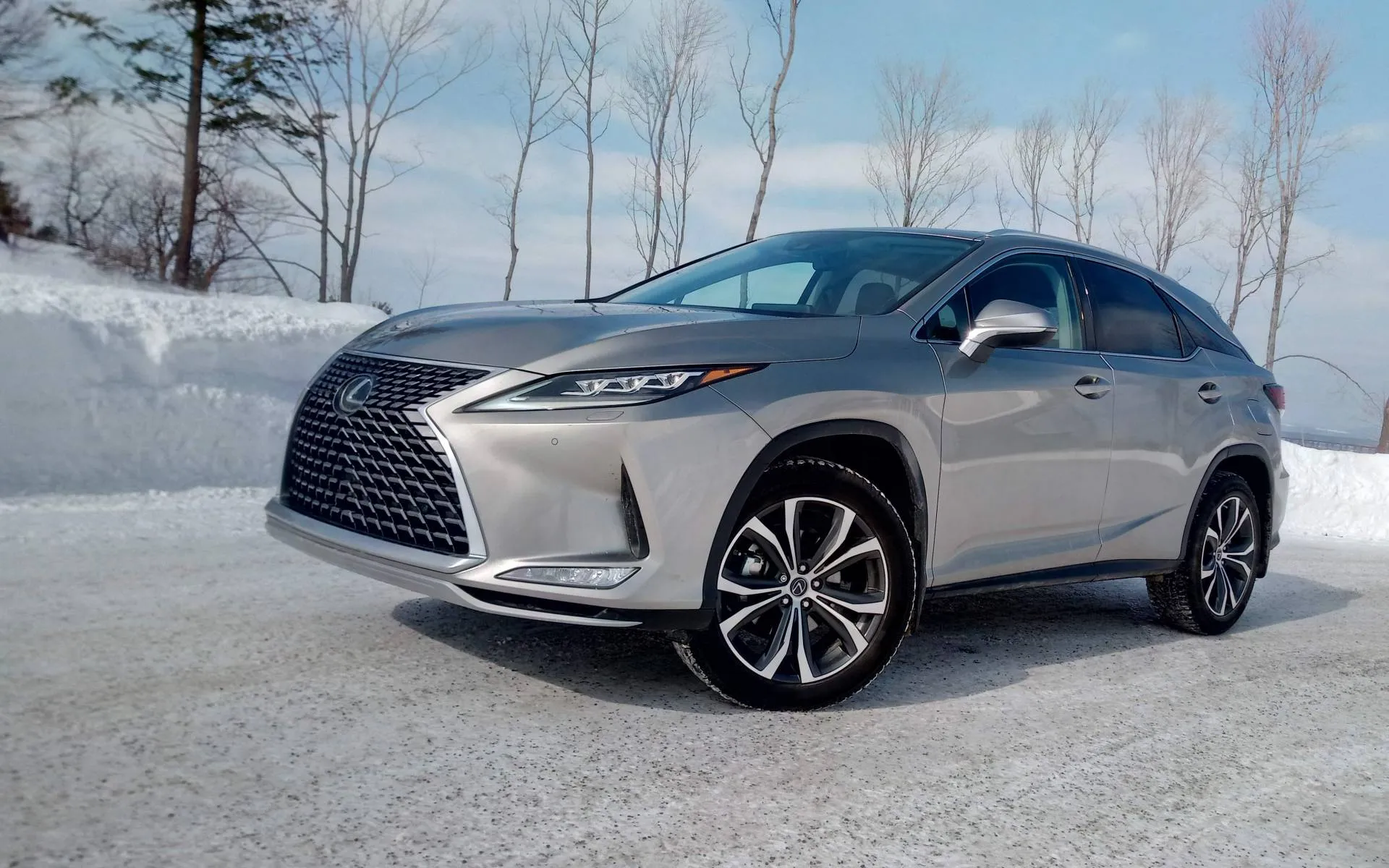
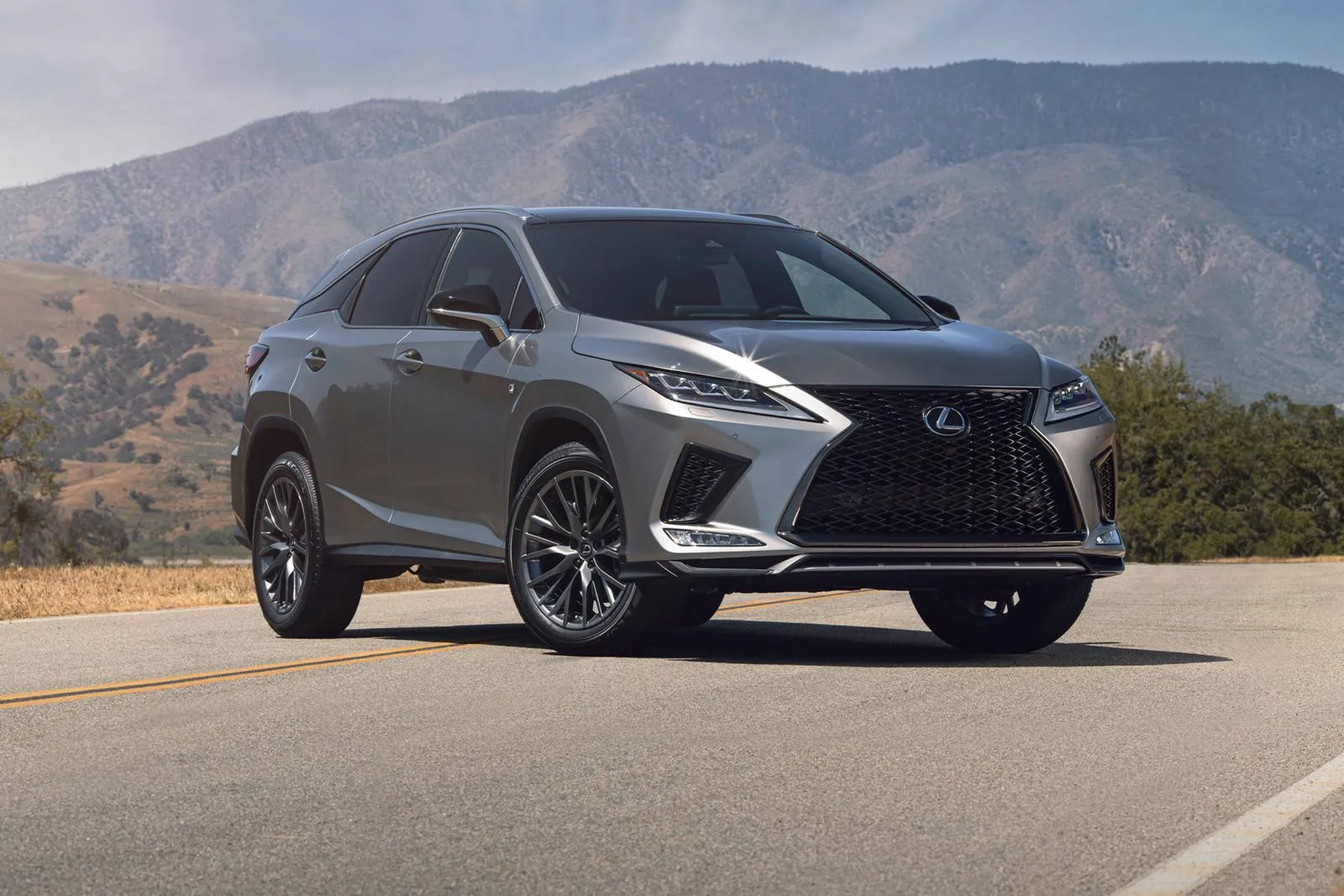
3. Lexus RX 350 2020
Refinement during stillness defines the Lexus RX 350 2020 in a way that feels deliberate and reassuring. Designed with comfort and durability at the center, this crossover handles constant idling with smooth confidence rather than quiet resistance. Engine calibration prioritizes balance and consistency instead of sharp reactions, which pays dividends during long waits.
Idle behavior feels controlled and calm. Revolutions stay steady without hunting or fluctuation, reducing vibration throughout the cabin. Passengers notice how the vehicle feels settled even after sitting in traffic for extended periods. Climate performance remains consistent, avoiding sudden blasts or drops that can signal strain in other vehicles.
Cooling efficiency plays a major role in this composition. Even without airflow from motion, cooling fans activate discreetly and efficiently. Heat dissipates evenly, keeping operating temperatures within a comfortable range. Temperature gauges remain stable, reflecting careful system tuning and generous cooling capacity designed for real-world use.
Transmission heat management supports prolonged stationary periods without complaint. Fluid temperatures remain controlled, preventing degradation that leads to rough engagement. Once traffic clears, gear engagement feels smooth and predictable. This reliability improves daily usability for drivers facing frequent congestion.
Electronic systems respond with impressive predictability. Sensors maintain accuracy, avoiding false alerts or warning lights often triggered by prolonged inactivity. Infotainment, driver assistance features, and climate controls continue operating without hiccups. This stability protects owners from unnecessary diagnostic visits and unexpected downtime.
Long-term ownership benefits from this calm behavior. Components age more gracefully when not subjected to excessive idle stress or temperature swings. Owners report fewer idle-related issues tied to emissions, cooling, or electronics compared to more performance-focused designs.
Interior comfort adds another layer of appeal. Seating remains supportive during long waits, and noise insulation keeps outside commotion at bay. This sense of calm reinforces the RX 350’s patient nature. The Lexus RX 350 2020 offers peace during pauses. Extended idling feels natural rather than harmful, supporting relaxed ownership for drivers whose routines involve heavy traffic and frequent waiting.
4. Honda Accord 2.0T 2021
Balance defines the Honda Accord 2.0T 2021 when facing long idle periods, even with a turbocharged engine under the hood. Careful engineering allows this sedan to remain composed while stationary, avoiding many of the pitfalls associated with forced induction in traffic-heavy conditions.
Idle control systems adjust smoothly and quickly. Engine speed remains stable, preventing surging or stalling that unsettles drivers during long waits. Engine management balances fuel and air with precision, limiting residue buildup that often results from extended idling. This thoughtful calibration preserves smooth operation.
Cooling performance responds decisively to rising temperatures. Fans activate efficiently and quietly, preventing overheating without drawing attention. Heat disperses evenly across the engine bay, protecting surrounding components from stress. This consistency supports engine health even during hot days spent in traffic.
Transmission systems manage heat effectively during idle. Fluid temperatures remain controlled, allowing gear transitions to stay smooth once movement resumes. Drivers notice how easily the car pulls away after long stops, without hesitation or harsh engagement. This behavior suits commuting patterns filled with pauses.
Cabin comfort remains steady throughout stationary periods. Climate systems deliver consistent airflow without overworking the engine. Electrical loads stay supported without voltage drops, keeping displays, audio, and driver aids functioning normally.
Longevity benefits from this balanced approach. Owners experience fewer idle-related complications tied to overheating, sensor faults, or drivability concerns. Routine care keeps systems working as intended, even under frequent stop conditions.
Driving confidence grows from this reliability. Waiting no longer feels like a risk, but simply part of the journey. Honda Accord 2.0T 2021 treats waiting as manageable. Extended stops fit within its design limits, preserving comfort, performance, and trust in daily use.
5. Chevrolet Tahoe 5.3L V8 2022
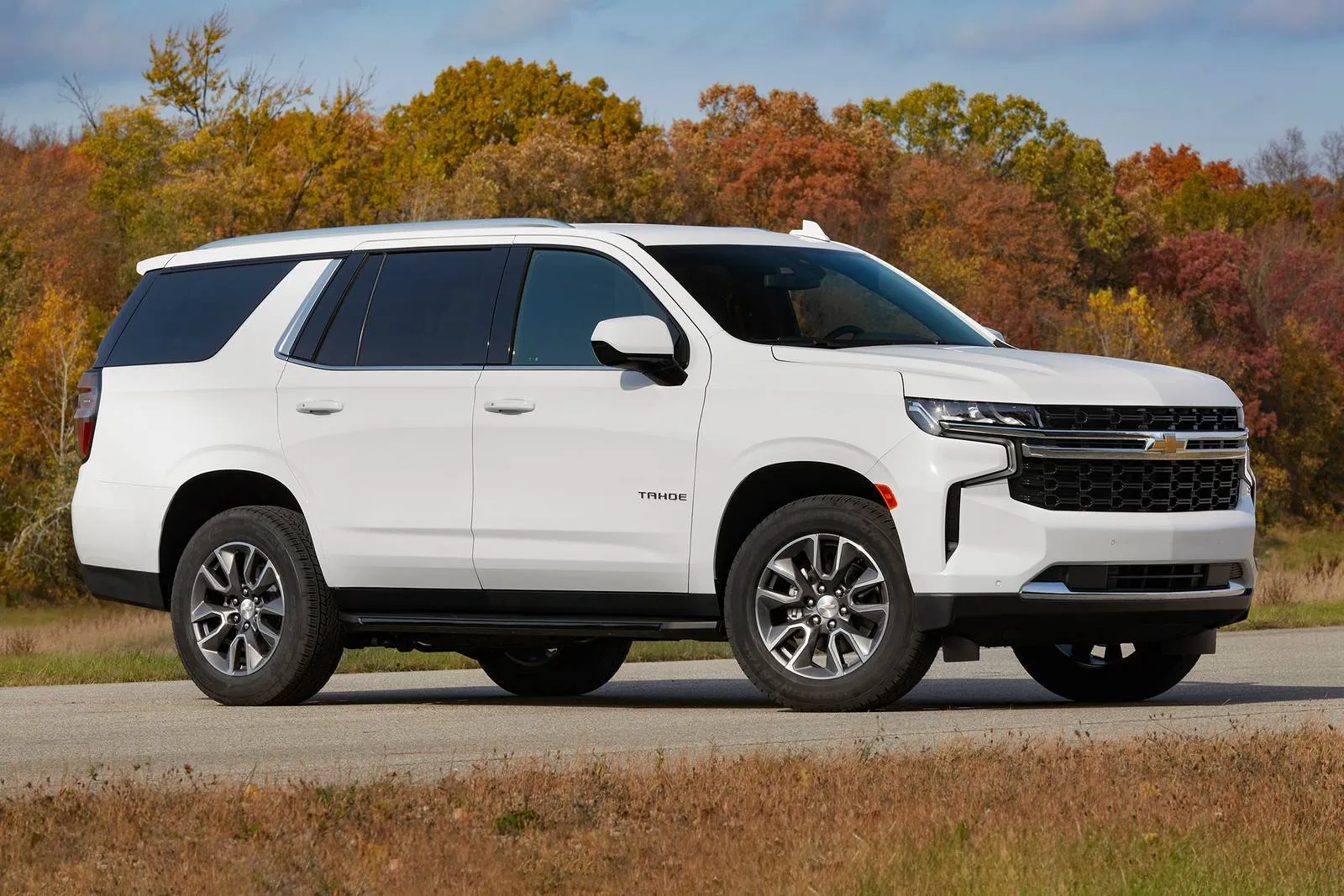
Large-scale patience defines the Chevrolet Tahoe 5.3L V8 2022 during extended idling situations. Built for family transport, professional fleets, and heavy daily use, this SUV handles stationary demands with a sense of calm strength that smaller vehicles struggle to match.
Idle quality remains smooth despite the vehicle’s size. Engine stability prevents excessive vibration, protecting mounts, accessories, and interior comfort. Even with multiple systems running, the engine maintains consistent behavior that inspires confidence during long waits.
Cooling systems show their strength quickly. Generous radiator capacity and powerful fans maintain temperature control even under heavy load. Hot afternoons and extended traffic delays fail to push the system beyond its comfort zone. Heat management remains predictable, reducing stress on surrounding components.
Oil circulation supports engine health during prolonged waits. Lubrication continues evenly throughout the engine, reducing wear during stationary operation. This design suits professional use, such as transport services, security work, or family schedules involving frequent waiting.
Electrical systems perform reliably under sustained demand. Multiple accessories operate simultaneously without strain. Climate control, infotainment, charging ports, and safety systems remain active while battery performance stays stable. Alternator output supports these needs without causing voltage issues.
Interior comfort stays consistent throughout idle periods. Climate control delivers strong, even airflow without placing excessive strain on the engine. Passengers remain comfortable during delays, which matters greatly for families or group travel.
Durability reinforces this patience. Components are built to handle extended operation without motion, reducing idle-related wear. Owners benefit from fewer interruptions tied to overheating or electrical fatigue. Chevrolet Tahoe 5.3L V8 2022 handles idling as routine. Waiting becomes a manageable state rather than a mechanical risk, fitting naturally into demanding daily schedules.
5 Vehicles That Develop Problems Under Constant Idling
1. BMW X5 xDrive40i 2019
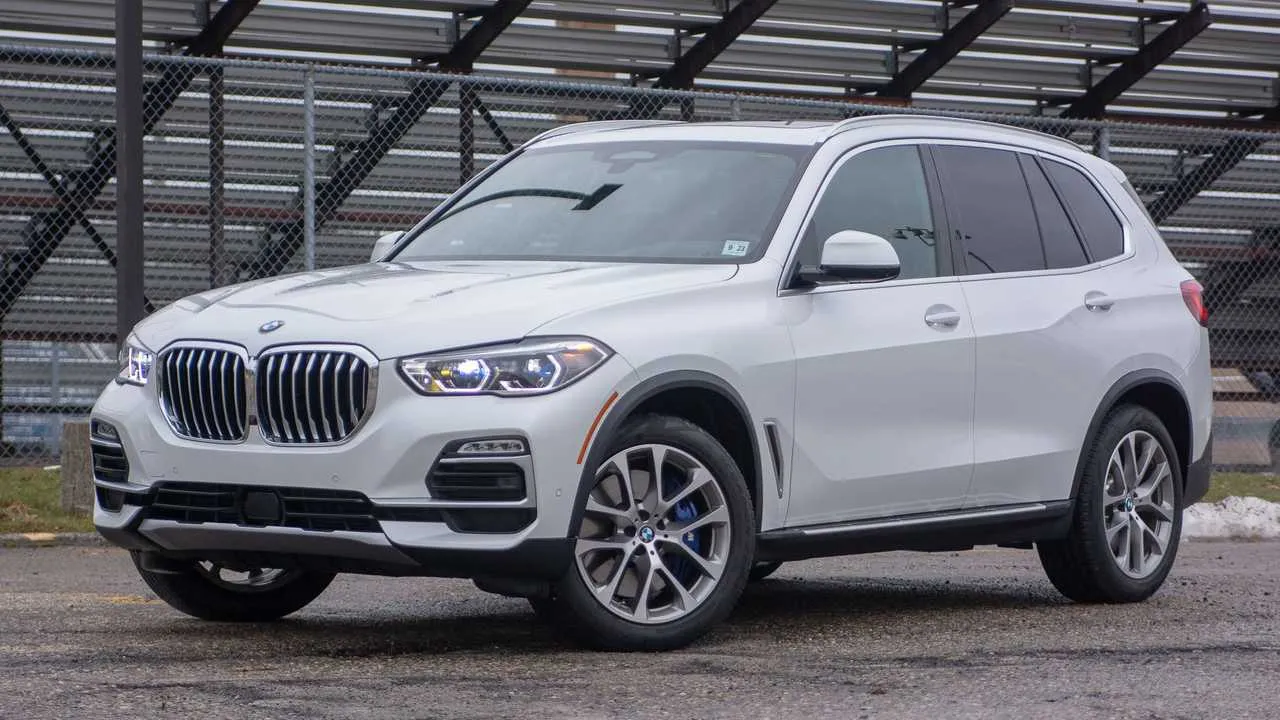
The BMW X5 xDrive40i 2019 exhibits a distinct sensitivity when subjected to prolonged periods of idling. While this luxury SUV demonstrates composure and precision during driving, extended stationary periods tend to expose its mechanical vulnerabilities.
Its engineering, optimised for performance and high-speed stability, becomes less forgiving when airflow is limited and various systems remain active without respite. The turbocharged engine generates considerable heat even while the vehicle is stationary.
Without the benefit of motion, temperatures around the engine bay increase, placing stress on closely packed components. Cooling fans engage repeatedly, which contributes to accelerated wear of motors, wiring, and surrounding plastic housings.
The repeated cycles of heating and cooling exert pressure on seals and connectors, creating potential for leaks and sensor faults that may appear unexpectedly as time goes on. Fuel delivery systems also respond poorly to extended idling. The direct injection mechanism relies on regular combustion cycles to maintain cleanliness.
Prolonged idling, especially when combined with short trips, encourages the accumulation of carbon deposits on intake valves. Drivers may begin to notice rough idle, hesitation, or a reduction in engine smoothness. Diagnosis and repair can be costly, largely due to the complication of the powertrain and related systems.
Transmission components face similar challenges. Heat generated while idling in drive lingers within the transmission fluid, leading to accelerated degradation and less precise gear moves. Drivers frequently report slight hesitation when moving off after long stops, such as in traffic or parking areas.
Electrical systems continue to operate during idle, supplying climate control, infotainment, driver assistance features, and suspension management. Continuous load on batteries shortens their lifespan and may trigger intermittent warning messages, necessitating more frequent replacements in congested environments.
Despite these mechanical stresses, the cabin remains quiet and comfortable, which can mask the underlying strain on the vehicle’s systems. While regular highway driving mitigates some of these effects, consistent idle-heavy usage gradually reduces reliability.
The BMW X5 xDrive40i 2019, therefore, performs best under steady movement and proper airflow, and extended idling can be a persistent source of mechanical concern for drivers frequently exposed to traffic congestion.
2. Audi Q7 3.0T 2018
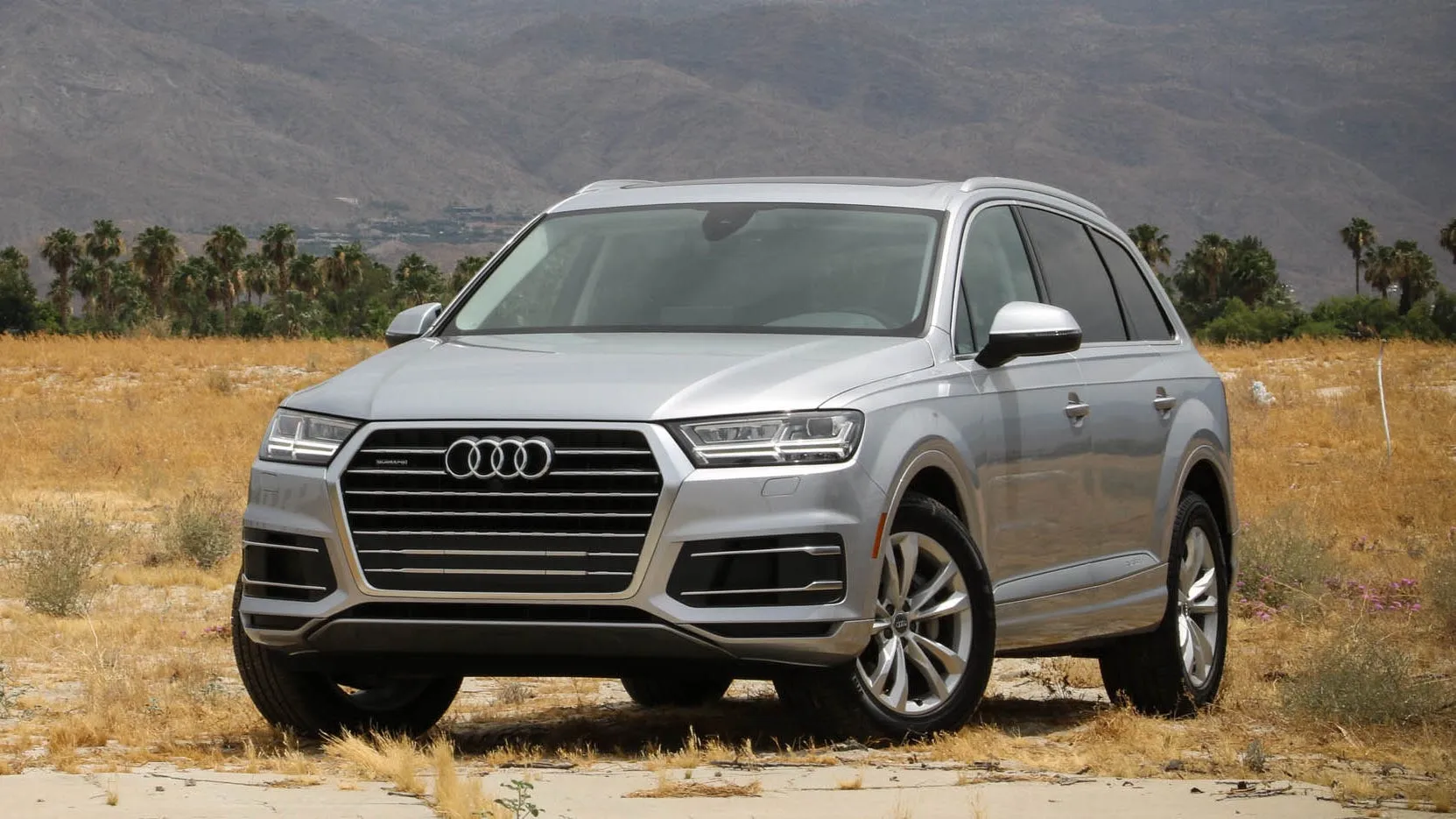
Refinement hides vulnerability in the Audi Q7 3.0T 2018 when subjected to constant idling. This SUV delivers a polished driving experience at speed, yet patience wears thin during prolonged stationary operation. Advanced systems expect motion, and waiting exposes their limits.
Turbocharged powertrains generate persistent heat even at idle. Cooling systems compensate aggressively, cycling fans and pumps without pause. Repeated exposure affects hoses, seals, and electronic modules positioned close to heat sources. Small failures often cascade into larger repair needs.
Emission systems react poorly to idle heavy use. Exhaust components rely on higher temperatures to function efficiently. Extended waiting prevents proper self-cleaning, leading to sensor misreads and warning lights. Owners often face diagnostic visits that trace back to prolonged inactivity rather than driving habits.
Transmission systems experience gradual stress. Heat builds while idling in traffic, especially during frequent stops. Fluid degradation follows, affecting engagement quality. Drivers notice delayed response or rough takeoff after extended waits.
Electrical systems remain under constant demand. Comfort features, displays, and safety systems continue drawing power. Batteries face a steady drain despite alternator support. Reduced battery life and inconsistent electronics become familiar complaints among idle heavy users.
Interior calm often disguises these issues. Quiet cabins and smooth air conditioning create an illusion of mechanical comfort. Stress accumulates quietly, surfacing later as reliability concerns. Audi Q7 3.0T 2018 performs best when allowed to move freely. Long idle sessions expose weaknesses tied to its advanced design, increasing upkeep for drivers stuck in congestion.
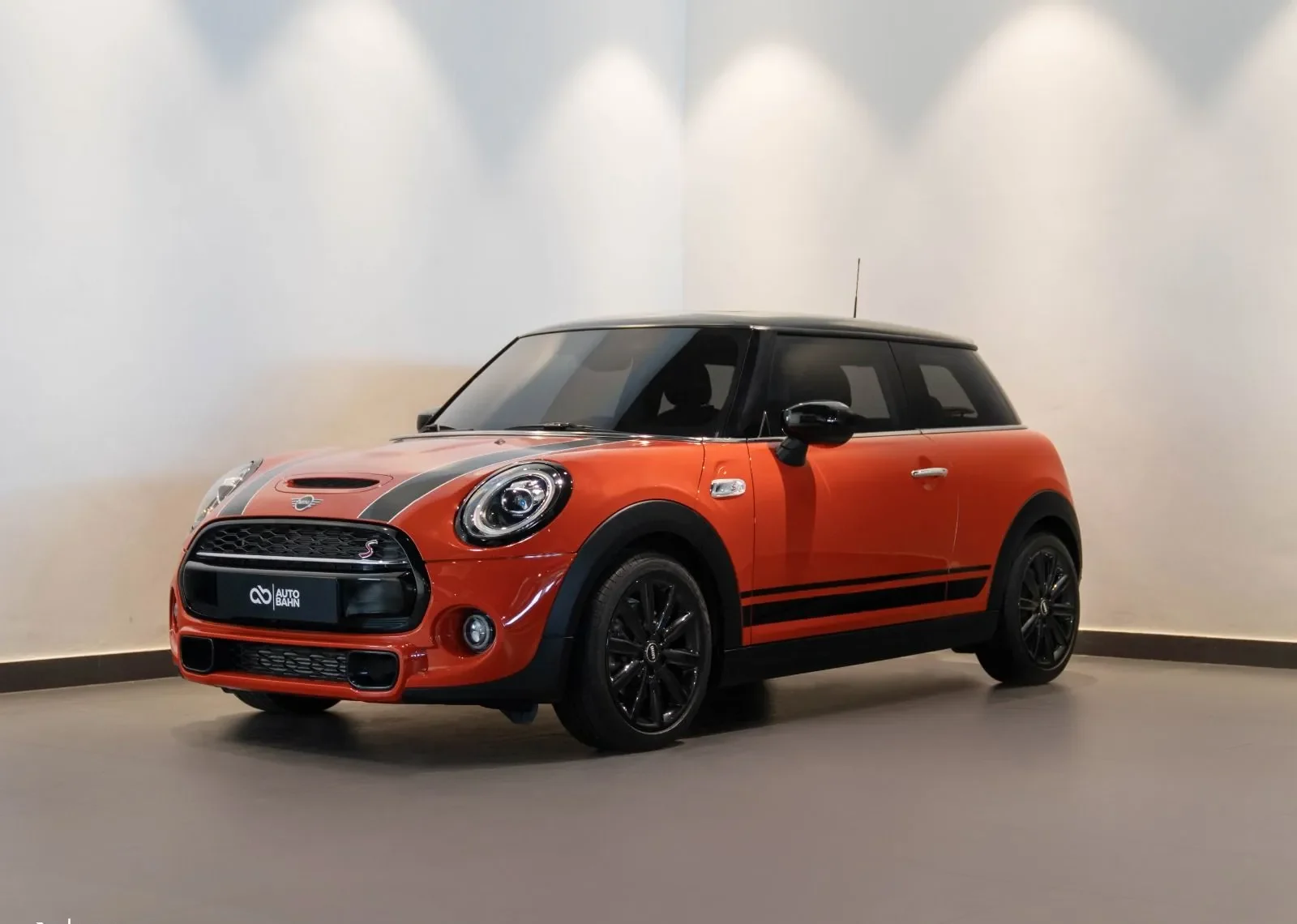
3. Mini Cooper S 2020
Compact proportions hide surprising sensitivity in the Mini Cooper S 2020 during extended idling. Tuned for energetic movement, this hatchback reacts poorly when confined to long periods of waiting. Small size magnifies stress rather than reducing it.
Turbocharged engine design produces heat quickly, even at low output. Limited engine bay space restricts airflow, trapping warmth around critical components. Cooling fans work overtime, accelerating wear on electrical systems and increasing the chance of failure.
Fuel delivery systems also suffer. Direct injection improves performance yet struggles with idle heavy patterns. Carbon buildup forms faster on intake valves, leading to uneven idle or sluggish response. Short bursts of driving fail to clear deposits, allowing issues to grow.
Transmission behavior reflects similar discomfort. Heat accumulation during idle affects engagement smoothness. Drivers report jerky movement after sitting in traffic or long waits at curbside. Clutch components face wear that would not occur under steady driving.
Electrical systems remain delicate. Smaller batteries support numerous electronic features. Extended idling drains capacity, leading to warning messages or infotainment interruptions. Battery replacement intervals shorten noticeably.
Interior charm remains intact during short pauses, yet long idle periods highlight mechanical limitations. Repairs appear sooner for drivers who face frequent congestion. Mini Cooper S 2020 favors motion and responsiveness. Constant idling works against its design, introducing reliability concerns for urban heavy routines.
Also Read: 5 Electric Cars That Suit Dense Cities vs 5 That Feel Inconvenient
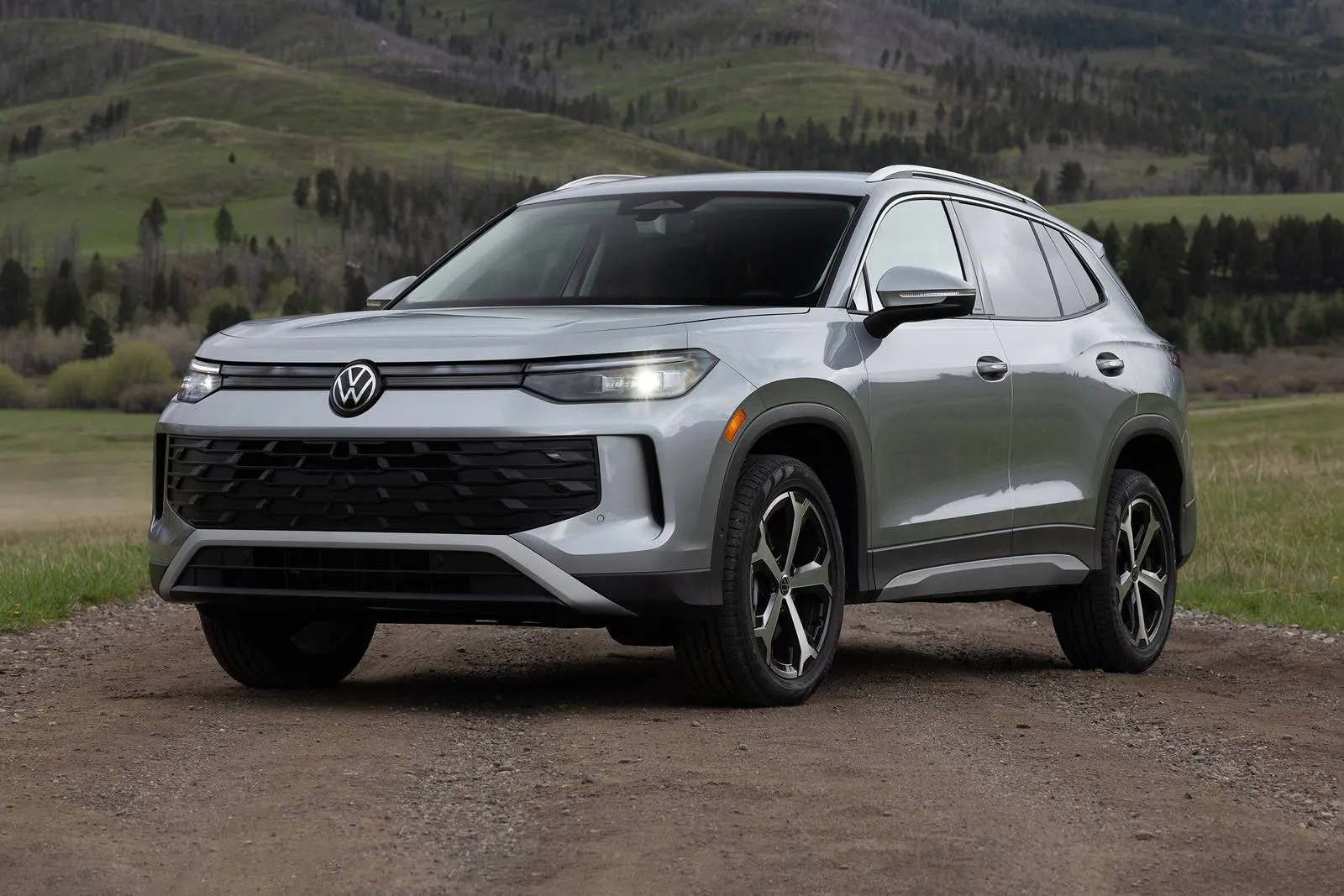
4. Volkswagen Tiguan 2.0T 2019
Efficiency-driven design shapes how the Volkswagen Tiguan 2.0T 2019 reacts to prolonged idling, and that design focus becomes clearer the longer the vehicle remains stationary. Created to balance performance with fuel savings, this compact SUV performs best during steady movement rather than repeated waiting. Extended idle periods reveal stress points tied closely to its turbocharged architecture and drivetrain layout.
Turbocharged engines continue producing heat even when a vehicle is not moving. Heat buildup forces cooling components to cycle frequently, which accelerates wear on fans, sensors, and surrounding plastic housings. After a long time, repeated temperature spikes weaken connectors and seals. Owners often encounter warning lights or sensor failures that appear unrelated to idling but trace back to long stationary sessions.
Fuel delivery systems also show sensitivity during extended idle. Direct injection setups, common in turbocharged designs, experience faster carbon accumulation when engines run without meaningful load. Deposits form on intake valves, reducing airflow efficiency. Power loss and rough idle develop gradually, leading many drivers to assume normal aging rather than recognizing usage patterns as the cause.
Transmission behavior presents another challenge. Dual clutch systems favor consistent motion and frequent gear engagement. Stop and wait conditions generate heat without adequate cooling airflow. Friction materials wear unevenly, and clutch engagement becomes less predictable. Drivers notice hesitation, shuddering, or abrupt takeoffs after long idle periods, especially in warm conditions.
Electrical demands remain steady during idle. Climate control, infotainment displays, driver assistance features, and monitoring systems continue drawing power. Charging systems work constantly to keep up, which places extra strain on batteries and alternators. Battery lifespan shortens, and electrical warnings become more common with repeated stationary use.
Cabin comfort remains pleasant, which often hides underlying stress. Quiet operation and stable air conditioning create a sense of ease, even as mechanical fatigue develops beneath the surface. This delay between cause and symptom complicates ownership experiences.
Long-term reliability suffers when idling becomes routine. Service intervals shorten, and repair frequency increases. Drivers who face traffic-heavy commutes or frequent waiting may feel the effects sooner than expected. Volkswagen Tiguan 2.0T 2019 favors consistent motion and moderate pacing. Prolonged idling accelerates wear across multiple systems, making it a less suitable choice for environments dominated by waiting rather than movement.
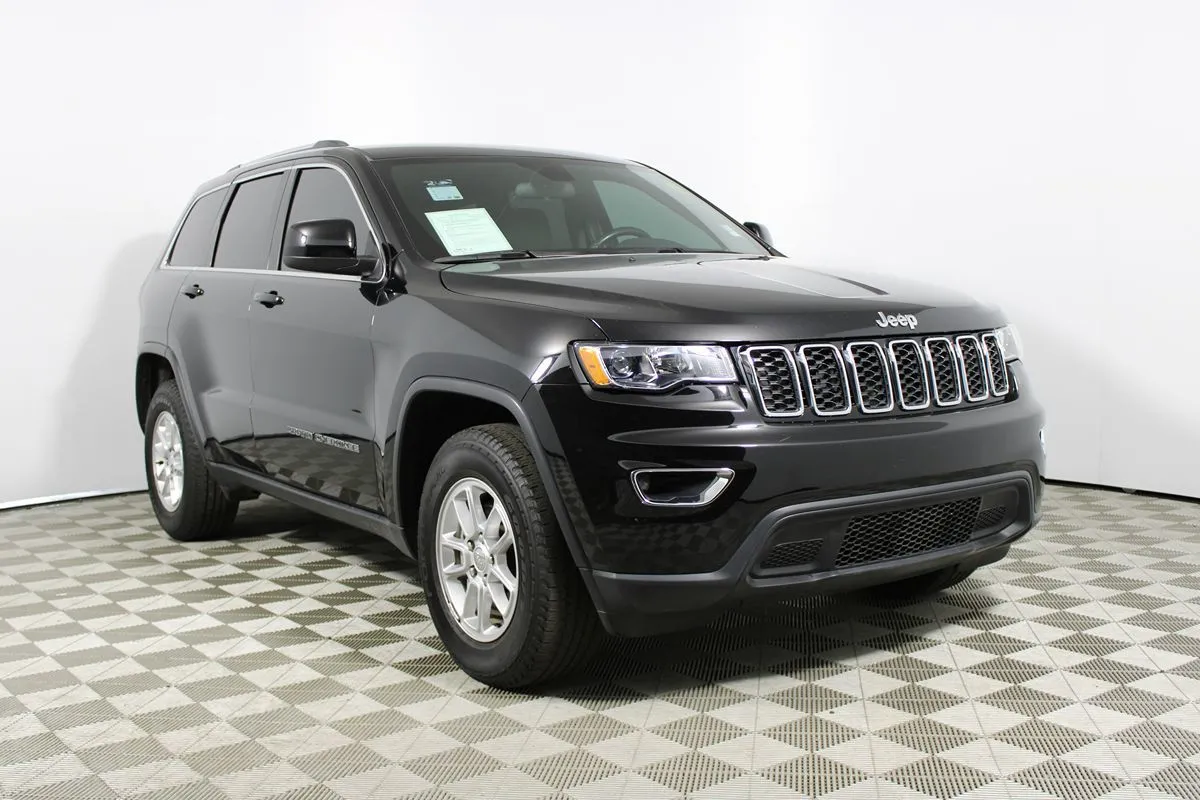
5. Jeep Grand Cherokee 3.6L 2020
The Jeep Grand Cherokee 3.6L 2020’s capability is evident, yet extended idling introduces stress that clashes with its confident image. Designed for versatility across highways, trails, and city streets, this midsize SUV performs best when conditions change regularly. Prolonged stationary operation exposes weaknesses that develop quietly beneath its refined exterior.
Engine cooling systems manage heat effectively at first, but repeated idle sessions push components beyond ideal conditions. Cooling fans cycle frequently to maintain temperature, wearing out motors and electrical relays faster than expected. Heat radiates to nearby hoses and wiring, gradually weakening materials that were designed for intermittent exposure rather than constant heat.
Fuel delivery systems face buildup concerns common to modern engines. Running at idle without a load encourages the formation of residue in combustion chambers and intake components. Efficiency declines slowly, and idle smoothness suffers. Drivers often misinterpret these changes as minor tuning issues rather than recognizing the impact of repeated waiting.
Transmission systems accumulate heat during idling, especially in congested traffic. Automatic transmissions rely on fluid circulation and airflow for temperature control. Extended stationary periods limit cooling, causing fluid degradation.
Electrical systems remain active throughout these waiting periods. Infotainment screens, climate control, safety monitoring, and comfort features continue drawing power. Batteries experience deeper discharge cycles, shortening their lifespan. Electrical alerts and sensor-related warnings appear more often as voltage stability declines.
Interior comfort stays strong, which masks mechanical strain. Spacious seating, quiet insulation, and effective climate systems keep occupants relaxed while unseen stress builds within the drivetrain. This comfort can delay awareness until repairs become unavoidable.
Long-term ownership reflects these patterns clearly. Vehicles exposed to frequent idling experience more frequent service visits and reduced component longevity. Costs rise gradually rather than suddenly, making the issue easy to underestimate.
Jeep Grand Cherokee 3.6L 2020 thrives on movement and variety. Constant idling introduces wear that affects reliability after a long period of time, placing it at a disadvantage for drivers whose routines involve heavy waiting and extended stationary operation.
