As electric vehicles become increasingly mainstream, public charging networks have emerged as a crucial factor in daily usability and long-distance travel. Some EVs are designed to thrive on these networks, offering rapid DC charging, high-voltage architectures, intelligent battery management, and seamless compatibility with CCS or Tesla NACS ports.
Models such as the 2026 Hyundai IONIQ 6, Porsche Taycan, Tesla Model Y Juniper, BMW iX3 Neue Klasse, and Lucid Gravity exemplify how technology, pre-conditioning, and software integration can make public charging fast, convenient, and stress-free.
On the other hand, certain EVs struggle with network limitations, slower charging rates, and hardware constraints, resulting in frustratingly long stops or compatibility issues.
Vehicles like the Toyota bZ, older Nissan Leafs, Dacia Spring, Fiat 500e, and Mazda MX-30 often face throttled charging, thermal sensitivity, or software handshake failures that reduce practicality for long-distance travel. Understanding which EVs excel or falter on public charging can guide buyers toward models that align with their driving patterns
.
5 EVs That Work Well With Public Charging Networks
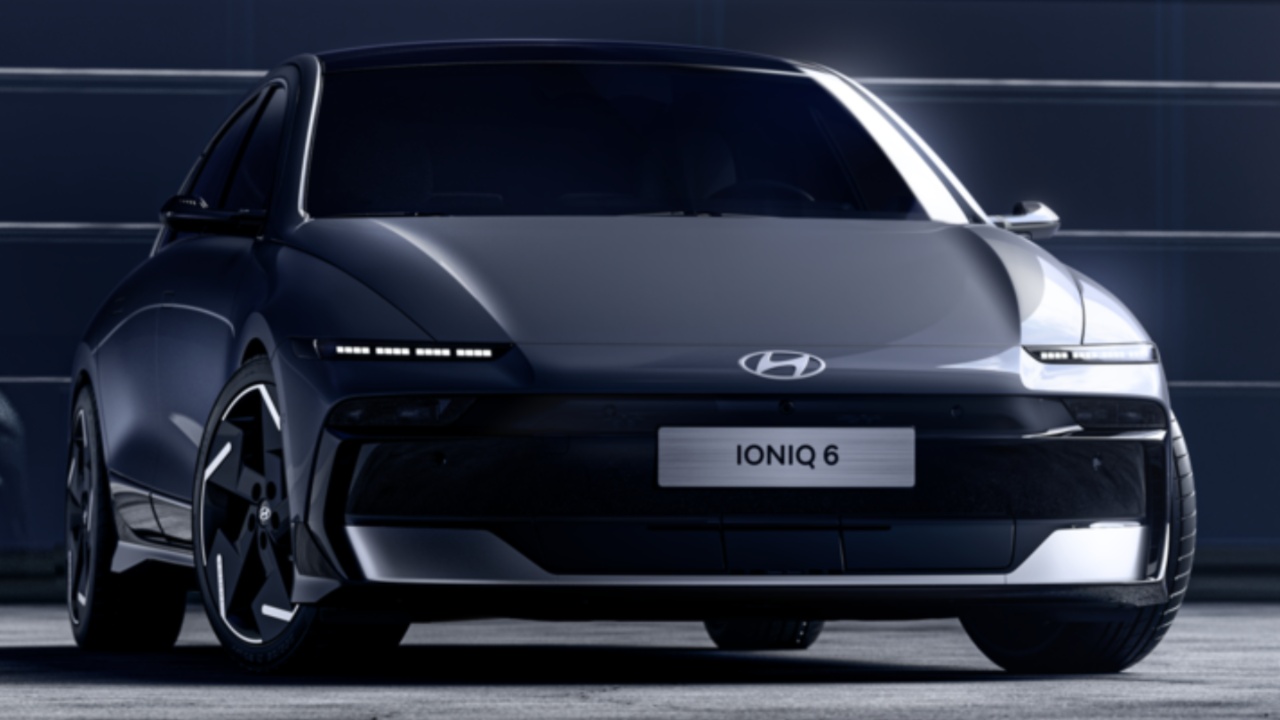
1. 2026 Hyundai IONIQ 6: Efficient, Stylish, and High-Performance Electric Sedan
The 2026 Hyundai IONIQ 6 continues to impress as a sleek, tech-forward electric sedan that blends rapid charging, solid range, and engaging driving dynamics. Its 800V E-GMP platform enables peak DC fast-charging rates of 260 kW, allowing the battery to go from 10% to 80% in roughly 18 minutes at optimal conditions.
With CCS2 compatibility and planned Tesla NACS port integration, the IONIQ 6 is highly versatile on public charging networks. Remote battery pre-conditioning ensures fast charging even in adverse weather, while its intelligent EV routing system locates stations and optimizes charging efficiency automatically.
The sedan is offered in several configurations. The base model features a 53-kWh battery, rear-wheel drive, 149 hp, and 258 lb-ft of torque, achieving up to 240 miles of range and 0–60 mph in about 7 seconds.
Midgrade models pair a 77.4-kWh battery with 225 hp for up to 342 miles of range on 18-inch wheels and a 6-second 0–60 mph time. The top dual-motor AWD model delivers 320 hp, 446 lb-ft of torque, 316 miles of range, and 0–60 mph acceleration in roughly 4.4 seconds.
The IONIQ 6 N Line marks the start of the performance-oriented era, with sportier styling cues, lower stance, and potential for more powerful motors in the upcoming full N variant. These models promise enhanced handling through torque-vectoring rear differentials, upgraded brakes, and N Drift mode capabilities.
Interior features match its modern exterior, with a spacious cabin, generous rear legroom, and a 12.3-inch driver and infotainment display. Standard connectivity includes Apple CarPlay, Android Auto, a power-adjustable driver seat, and rear HVAC vents.
Premium upgrades offer heated and ventilated seats, wireless phone charging, a Bose audio system, a head-up display, and an auto-dimming rearview mirror. Cargo capacity is 11.6 cubic feet in the rear trunk, though smaller than competitors like the Tesla Model 3.
Safety is a highlight, with the IONIQ 6 earning a 2025 IIHS Top Safety Pick+ distinction and a five-star NHTSA rating. Standard driver-assistance systems include blind-spot monitoring, lane keeping and centering, adaptive cruise control, rear cross-traffic alert, parking sensors, automatic emergency braking, and available 360-degree cameras.
With its combination of rapid charging, stylish design, high-tech cabin, and engaging performance, the 2026 Hyundai IONIQ 6 stands as a compelling option for electric vehicle buyers seeking efficiency, comfort, and sporty appeal in a sleek sedan.
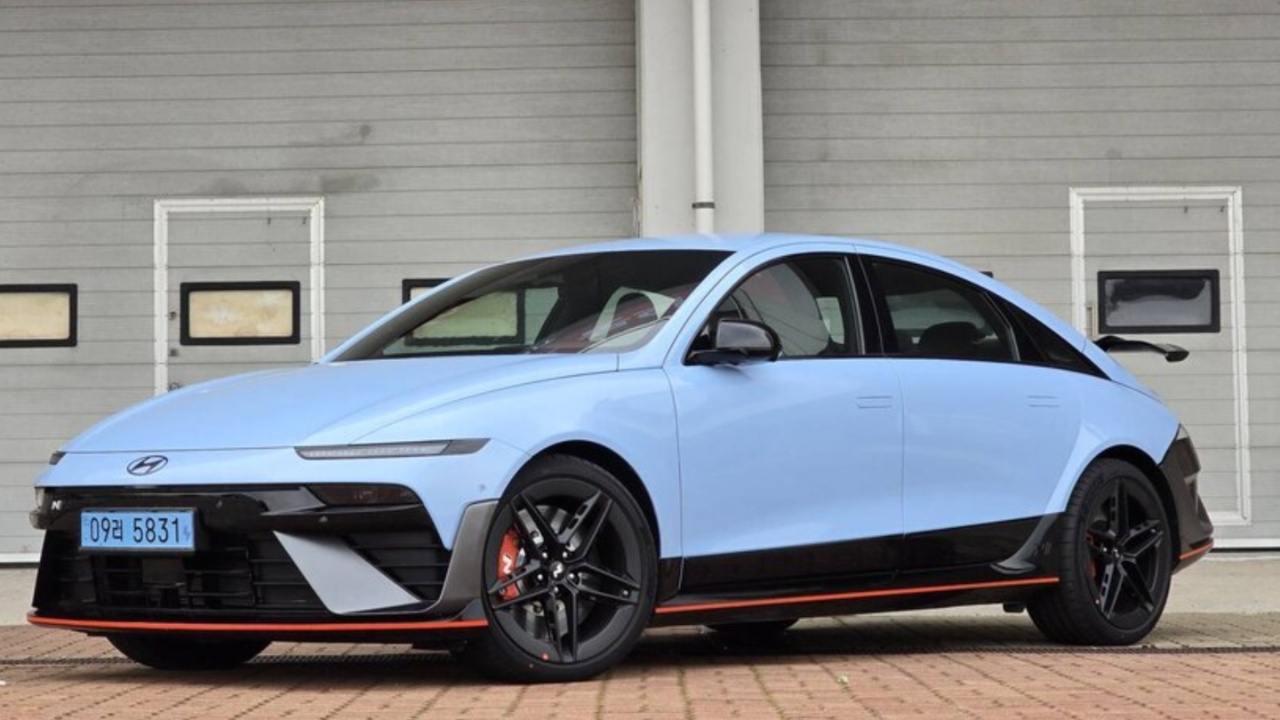
2. 2026 Porsche Taycan: High-Performance Electric Luxury with Rapid Charging
The 2026 Porsche Taycan stands out as a high-performance electric sedan, combining cutting-edge charging technology with exhilarating acceleration and luxury features. Its 800-volt architecture allows DC fast charging at up to 320 kW, replenishing the battery from 10% to 80% in approximately 18 minutes and adding roughly 188 miles of range in 10 minutes.
Taycan owners benefit from widespread compatibility with CCS and Tesla Superchargers, access to the Porsche Charging Lounge network, and convenient Plug & Charge functionality. The Porsche Connect app further simplifies route planning and charging stops.
Powertrain options vary from a single rear motor in the base model to dual-motor all-wheel-drive setups across higher trims. Output ranges from 402 hp in entry-level versions to 1019 hp in the top Turbo GT with launch control.
Even without launch control, the Taycan Turbo GT produces 777 hp. All models feature a two-speed transmission, air-spring suspension, and optional adaptive dampers. Acceleration is impressive, with the base RWD model reaching 60 mph in 4.1 seconds, the Taycan 4S in 3.1 seconds, and the Turbo GT in just 1.9 seconds.
Battery options support EPA-estimated ranges of 252–318 miles depending on trim, with real-world testing showing up to 330 miles for the 4S. Charging rates and efficiency remain strong even under real-world conditions. Fuel economy ratings for the 2026 model are not yet released, but prior Taycan 4S trims achieved up to 93 MPGe.
The interior emphasizes luxury and technology, with seating for four, rich material options, and features like four-zone climate control, massaging front seats, and optional heated rear seats.
Infotainment includes a curved 16.8-inch digital gauge display, dual central touchscreens, and optional passenger and rear-seat displays. Connectivity features support Apple CarPlay, Android Auto, and voice control via Amazon Alexa, while premium audio options include Bose and Burmester systems with Dolby Atmos.
Safety is robust, with standard automated emergency braking, lane-keeping assist, and forward-collision warning. Optional features include adaptive cruise control with lane centering and a full suite of driver-assistance systems. Porsche backs the Taycan with a four-year/50,000-mile limited warranty and an eight-year/100,000-mile powertrain warranty for electric components.
The 2026 Taycan combines rapid charging, thrilling performance, and a luxurious, tech-forward cabin, making it one of the most compelling electric sedans in the luxury segment.
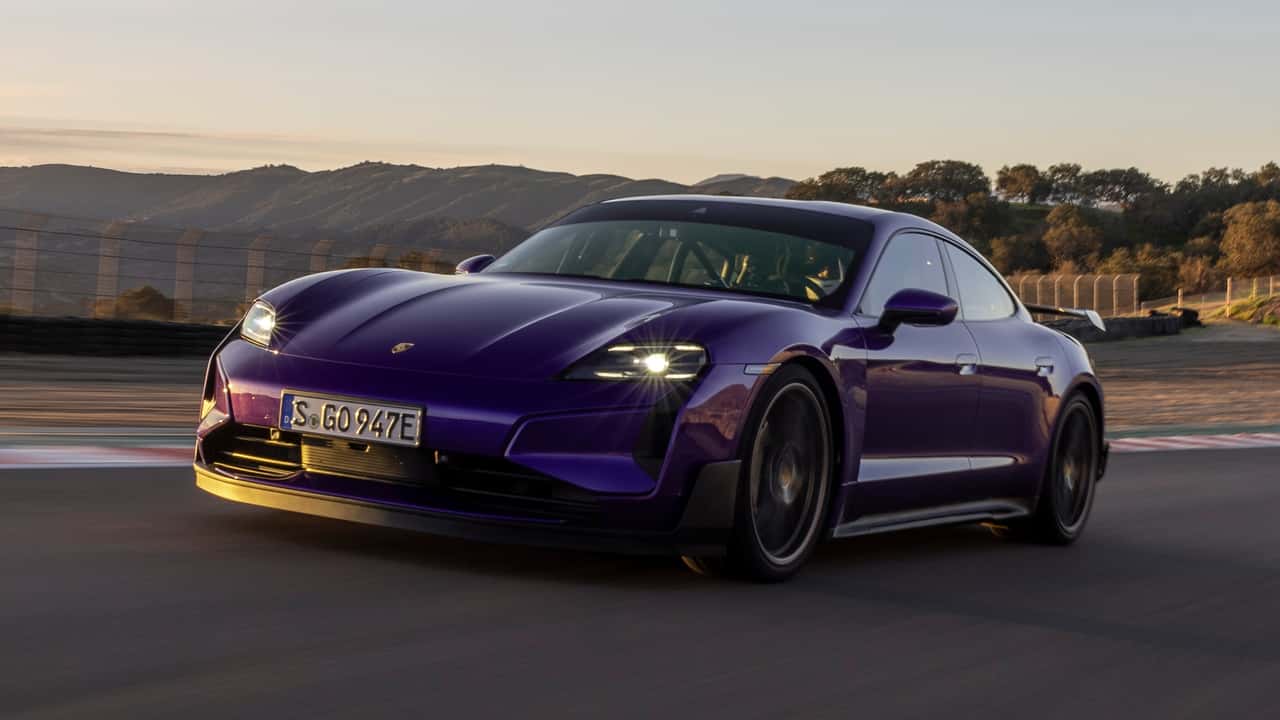
3. 2026 Tesla Model Y Juniper: Efficient, Refined, and Charging-Ready
The 2026 Tesla Model Y “Juniper” refresh builds on Tesla’s reputation for efficiency, performance, and charging convenience. Featuring native North American Charging Standard (NACS) ports, the Juniper Model Y provides seamless access to Tesla’s Supercharger network, widely regarded for its reliability and uptime.
In addition, adapters allow compatibility with CCS public chargers, giving drivers flexible options for long-distance travel. The vehicle’s advanced battery management system (BMS) and efficient 400-volt architecture support DC fast charging at up to 250 kW, replenishing 10% to 80% of the battery in approximately 29 minutes under ideal conditions.
Reports indicate energy consumption of just 127.2 Wh/km, making the Juniper Model Y one of the most efficient compact SUVs in its class.
The refresh brings subtle yet meaningful design and comfort updates. Exterior styling draws inspiration from the Cybertruck, featuring sleeker front and rear bumpers, aerodynamic lights, and a cleaner front fascia with no badge. The cabin benefits from improved insulation for a quieter ride, a redesigned center console, ambient lighting, ventilated seats, and high-quality materials.
Tesla’s minimalist approach removes traditional stalks for gear selection and indicators, replacing them with a largely screen-based interface, which may be polarizing for some drivers but aligns with Tesla’s focus on simplicity. A 15.4-inch central touchscreen and optional rear display provide intuitive control over vehicle systems, infotainment, and navigation.
Performance remains largely consistent with prior trims, though the Long Range version is slightly quicker thanks to drivetrain refinements. Ride comfort has improved with softer suspension and enhanced glass that reduces sunlight reflection by 26%, though some reviewers still note a firmer ride compared to competitors.
Intelligent routing via Tesla’s navigation system minimizes range anxiety by preconditioning the battery and planning optimized charging stops along the route.
The Juniper update is considered a complete evolution of the Model Y, delivering a quieter, more premium, and user-focused experience without sacrificing Tesla’s hallmark efficiency and charging speed. With its combination of energy efficiency, rapid charging, improved interior quality, and software-driven convenience, the 2026 Model Y Juniper continues to be one of the most compelling electric SUVs on the market.
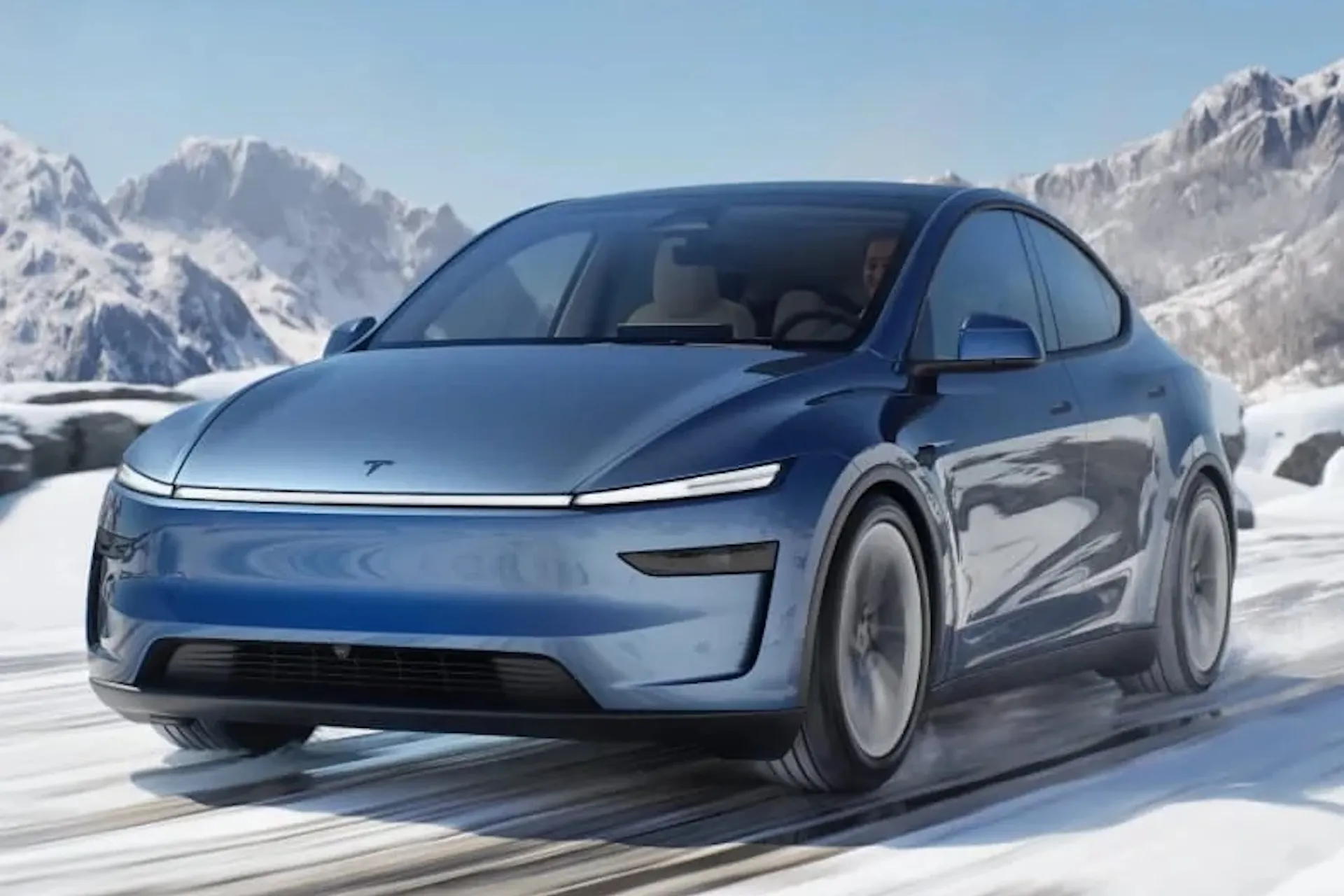
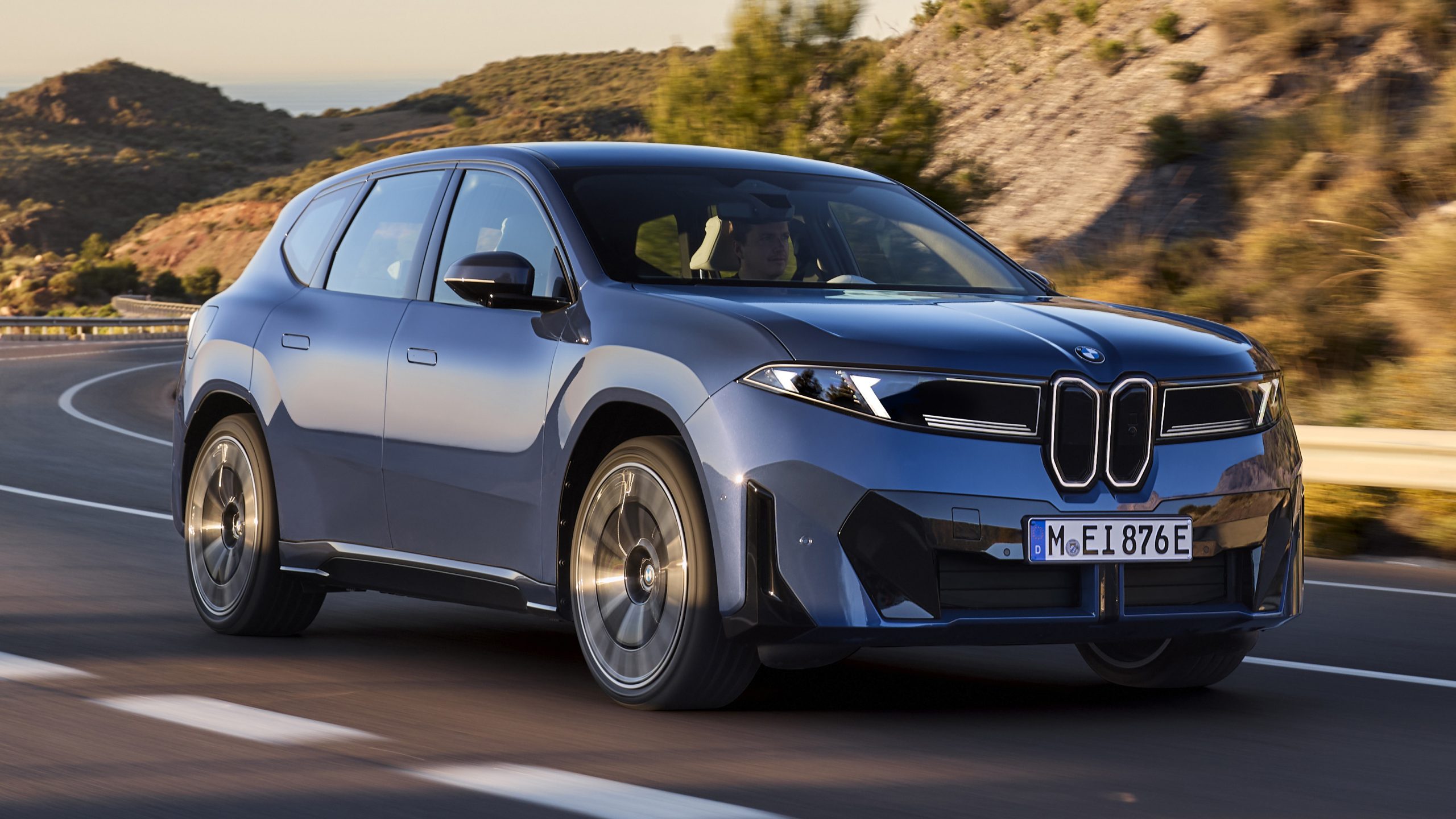
4. 2026 BMW iX3 Neue Klasse: A Game-Changing Electric SUV
The 2026 BMW iX3 Neue Klasse marks a major leap for BMW’s electric vehicles. Built on the all-new Neue Klasse platform, the SUV features an 800-volt electrical system capable of DC fast charging up to 400 kW.
This allows a 10–80% battery charge in just 21 minutes, with roughly 175–200 miles of range added in 10–15 minutes at compatible high-speed stations. CCS Type 2 connectors and Plug & Charge functionality make public charging simple, while intelligent navigation optimizes routes based on charging availability and battery preconditioning.
Central to its performance is BMW’s sixth-generation battery system. Cylindrical lithium-ion NMC cells replace the older mattress-style design, delivering 20% more energy and 30% faster charging.
With 108.7 kWh of usable capacity, the dual-motor iX3 xDrive50 achieves a WLTP range between 421 and 500 miles, positioning it as one of the longest-range EVs in the UK. The battery is integrated into the vehicle’s structure, saving space, reducing weight, and improving rigidity for enhanced driving dynamics.
The interior is modern and minimalist. The traditional instrument cluster and iDrive controller have been replaced by a Panoramic Display stretching across the dashboard, showing driver information and six customizable widgets.
A six-sided central touchscreen controls infotainment, climate, and connectivity, with wireless Apple CarPlay and Android Auto standard. Over-the-air updates keep the system current, while ambient lighting, practical storage solutions, and optional futuristic steering wheels contribute to a refined cabin environment.
Performance is strong, with the xDrive50 delivering 469 hp from dual electric motors and accelerating 0–62 mph in 4.9 seconds. BMW’s single-controller system, called the “Heart of Joy,” coordinates torque distribution, traction control, regenerative braking, and steering assistance, providing smooth, confident handling.
Suspension is composed yet comfortable, and regenerative braking feels seamless and predictable. Despite its size, the iX3 handles like a midsize hatch rather than a large SUV.
Practicality is notable, with roomy rear seating, a 520-liter boot expandable to 1,750 liters, and a 58-liter under-bonnet storage compartment. Features like an AI-assisted charging flap, retractable tow bar, and automatic tailgate add convenience. Pricing for the dual-motor BMW iX3 starts at approximately $71,000, positioning it competitively against rivals such as the Audi Q6 e-tron, Mercedes EQE SUV, and Tesla Model Y.
The 2026 BMW iX3 Neue Klasse combines advanced battery and charging technology, a functional and modern interior, and confident performance, setting a new standard for electric SUVs in its segment.
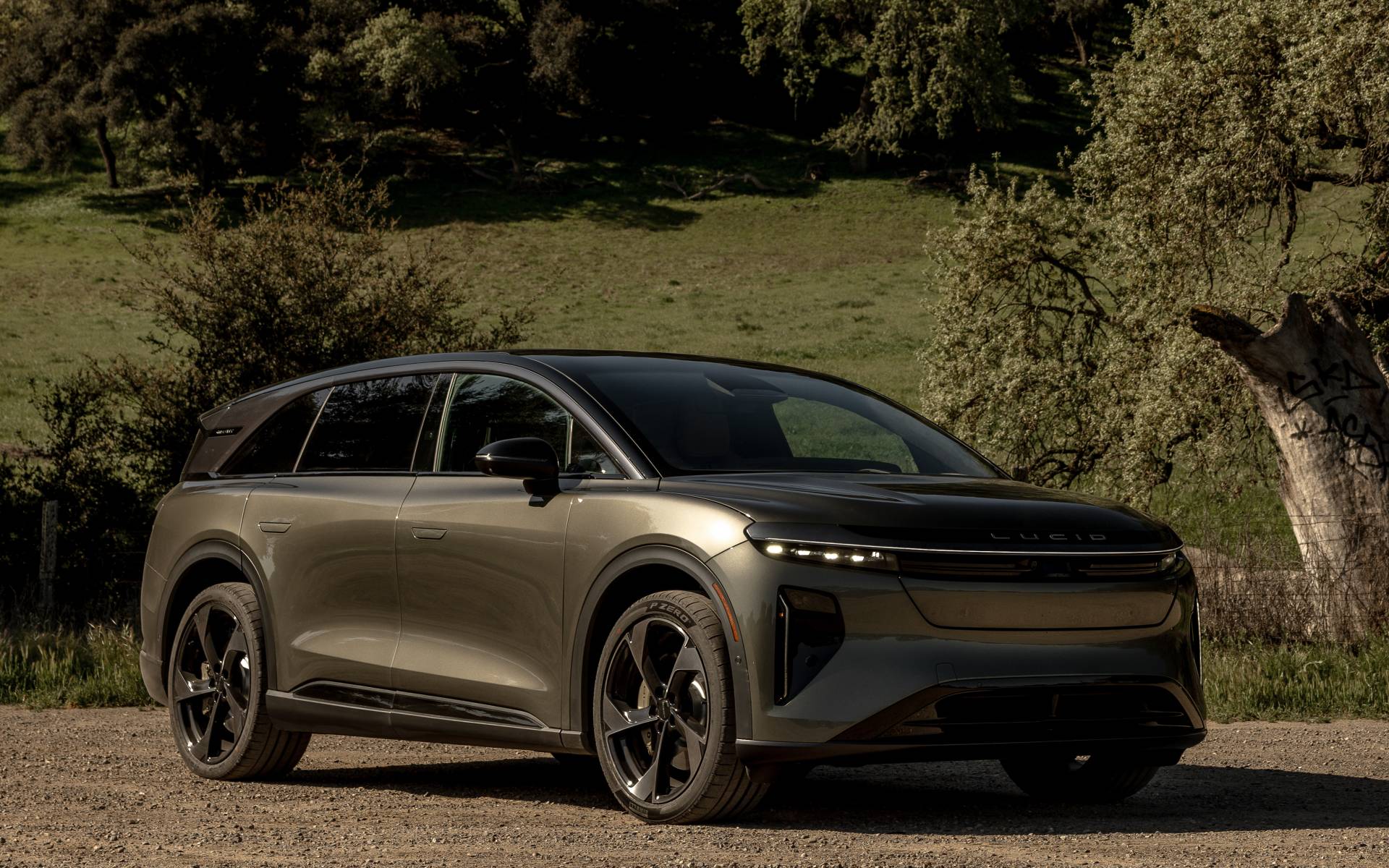
5. 2026 Lucid Gravity: A High-Performance, Family-Friendly Electric SUV
The 2026 Lucid Gravity positions itself as a leading luxury electric SUV, combining extreme performance, long-range capability, and advanced charging technology. It supports ultra-fast DC charging up to 400 kW thanks to its 900V+ high-voltage architecture.
With Lucid’s proprietary voltage-boosting technology, the Gravity can add up to 200 miles of range in under 12 minutes at compatible charging stations. Native NACS port integration allows seamless access to Tesla Superchargers, while the vehicle also works with other DC fast-charging networks using Plug & Charge functionality.
The SUV comes in multiple configurations, all with dual electric motors and standard all-wheel drive, while a rear-wheel-drive base model may arrive later. Powertrains range from the 560-hp Touring trim and 828-hp Grand Touring, up to the Dream Edition with 1070 hp, and potentially a Sapphire variant offering 1234 hp.
Performance is impressive: the Dream Edition achieves 0–60 mph in 3.1 seconds, making it the quickest SUV Lucid has tested. Handling is surprisingly agile for a three-row SUV, complemented by standard air-spring suspension and optional rear-wheel steering.
Battery technology is equally advanced. The Grand Touring model’s EPA-estimated range reaches 450 miles, with smaller 89-kWh packs in the Touring trim providing 337 miles. Thermal management and efficient battery chemistry maintain high-speed charging and consistent performance across long drives.
The Gravity’s interior emphasizes luxury and practicality. Two- and three-row seating layouts accommodate six to seven passengers, with fold-flat rear seats creating a spacious cargo area comparable to a minivan. Front-trunk storage, reconfigurable center console bins, and deployable rear-seat picnic tables with device-charging ports enhance usability.
A large 34-inch curved display serves as the main infotainment hub, paired with a secondary screen for vehicle controls. An optional augmented-reality head-up display and standard wireless Apple CarPlay and Android Auto integrate modern technology seamlessly.
Towing capacity is rated at 6,000 pounds, supporting family and recreational needs. While Lucid has not confirmed the full suite of driver-assistance features, it is expected to mirror the Air, including automated emergency braking, lane-keeping assist, and adaptive cruise control.
Warranty coverage is standard for luxury EVs, with a four-year/50,000-mile limited warranty and an eight-year/100,000-mile battery and powertrain warranty.
The Lucid Gravity combines rapid charging, extensive range, cutting-edge technology, and high-performance capability with family-oriented practicality, establishing itself as a compelling choice in the premium electric SUV segment.
Also Read: 5 Cars That Handle Seattle’s Wet Intersections vs 5 With Traction Complaints
5 That Don’t
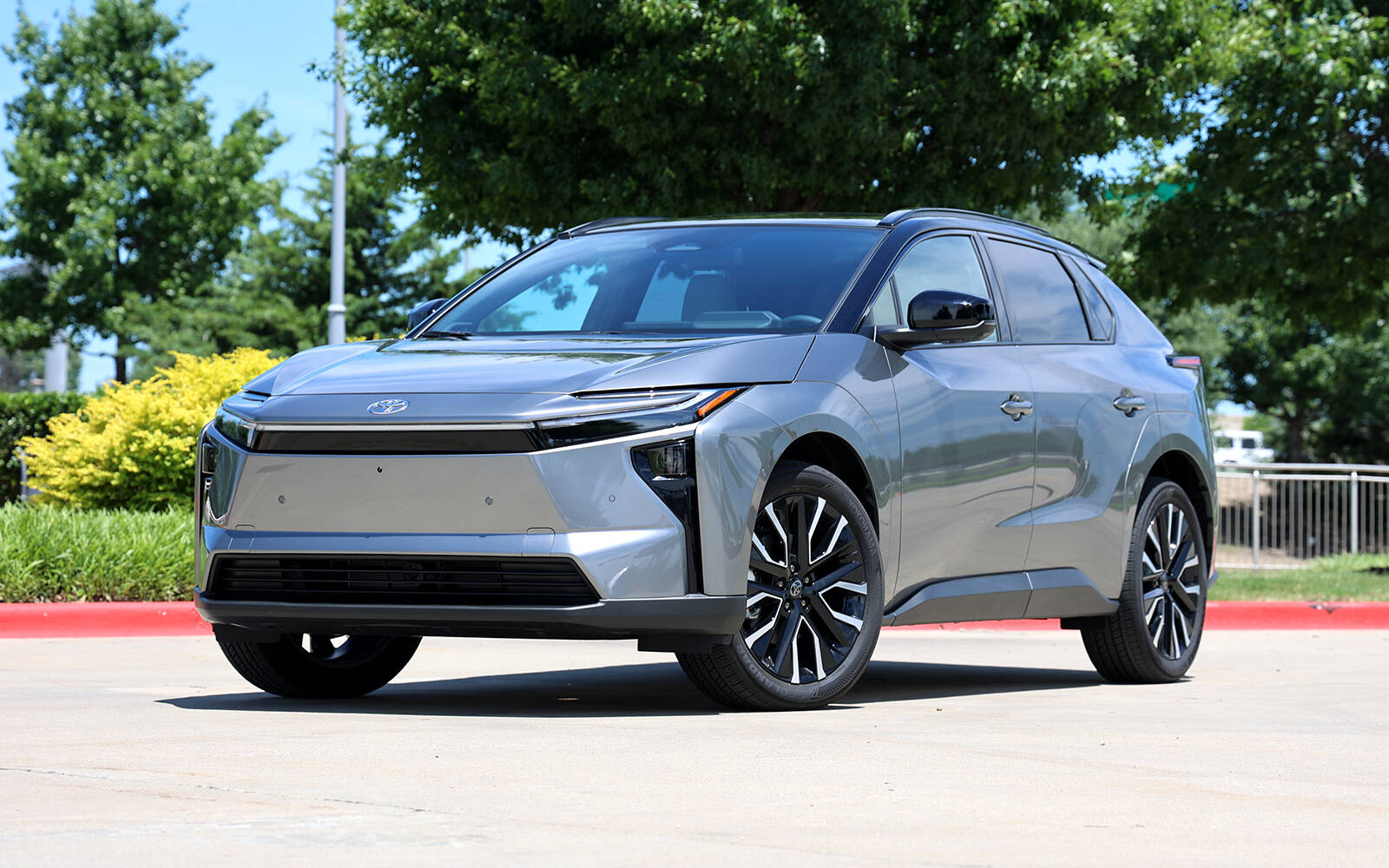
1. 2026 Toyota bZ: Incremental Improvements Amid Charging Challenges
The 2026 Toyota bZ, formerly the bZ4X, continues to face challenges with public charging, particularly for long-distance trips. While Toyota has made some progress this year, the vehicle’s conservative approach to battery management and hardware limitations means it still lags behind competitors in speed and efficiency.
One key limitation is the aggressive charging curve designed to preserve battery longevity. Even at high-powered public stations, the 2026 bZ peaks around 150 kW, well below the station’s full capacity, and slows sharply once the battery reaches 80%. This makes topping off significantly slower compared with faster-charging EVs from Hyundai or Tesla.
Cold weather further impacts performance. The bZ platform is temperature-sensitive, and without active battery pre-conditioning, charging in temperatures below 50°F can be drastically reduced. Toyota added a manual and navigation-linked battery heater for 2026, but in extreme cold, DC fast charging can be completely disabled to protect battery cells.
Communication with public chargers has also historically been problematic. Handshake errors often interrupt sessions, requiring restarts. The 2026 model introduces Plug & Charge technology, which automates authentication and reduces these errors, improving reliability on networks like Electrify America and EVgo.
Charging limitations remain another concern. Toyota recommends limiting DC fast charging to roughly two cycles per day to prevent battery strain. Attempting multiple high-speed charges in a single day triggers software throttling, slowing subsequent stops to a frustrating crawl.
A notable improvement is the switch from CCS1 to a native NACS port. This allows the 2026 bZ to access Tesla Superchargers directly, resolving a major limitation of earlier models. Owners of older vehicles can now bridge the gap using Toyota’s NACS Adapter Program.
While the 2026 Toyota bZ makes incremental progress in convenience and network compatibility, its slow charging rates, temperature sensitivity, and strict software limits keep it behind the fastest, most capable EVs on the market.
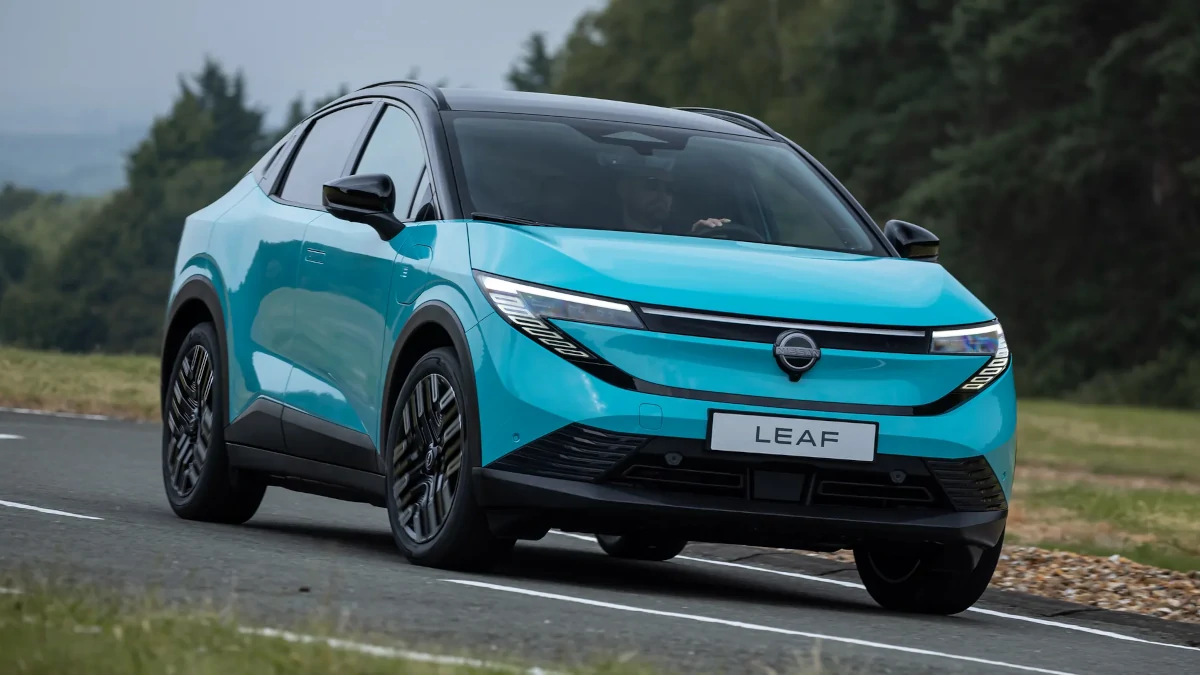
2. Pre-2026 Nissan Leaf: Outpaced by Modern Charging Standards
Older Nissan Leaf models face mounting challenges on public charging networks, largely due to outdated hardware and thermal limitations. Their reliance on the CHAdeMO DC fast-charging port, which is being phased out in 2026, leaves them increasingly incompatible with modern infrastructure.
Most North American and European networks have transitioned to NACS or CCS, and CHAdeMO stations are rarely maintained or expanded, creating a “charging desert” for legacy Leafs.
Battery design further limits performance. Pre-2026 Leafs use a passive air-cooled system, unlike the liquid-cooled packs found in modern EVs. This results in significant thermal throttling during long drives or hot weather, a phenomenon often referred to as “Rapidgate.” While newer EVs can charge at 150 kW or higher, older Leafs are capped at 50 kW, and speeds can drop as low as 20–25 kW under heat stress, making top-ups slow and inconvenient.
Safety concerns have also emerged. Over 19,000 Leafs from 2021–2022 were recalled due to battery defects that could cause overheating or fire during DC fast charging. Additionally, a 2025 class-action lawsuit targets 2019–2022 models for failing to achieve advertised Level 3 charging speeds safely, highlighting the reliability issues older Leafs face at high-speed stations.
The 2026 Nissan Leaf addresses these shortcomings. It adopts a native NACS port for direct access to Tesla Superchargers and incorporates a liquid-cooled battery pack, eliminating thermal throttling and supporting consistent fast-charging speeds of up to 150 kW. This modernization brings the Leaf closer to the capabilities of contemporary EVs, but pre-2026 models remain limited by hardware, slower charging, and thermal sensitivity.
While older Leafs were pioneering in their time, the combination of CHAdeMO obsolescence, passive cooling, and software limitations now leaves them lagging behind competitors in speed, reliability, and network compatibility.
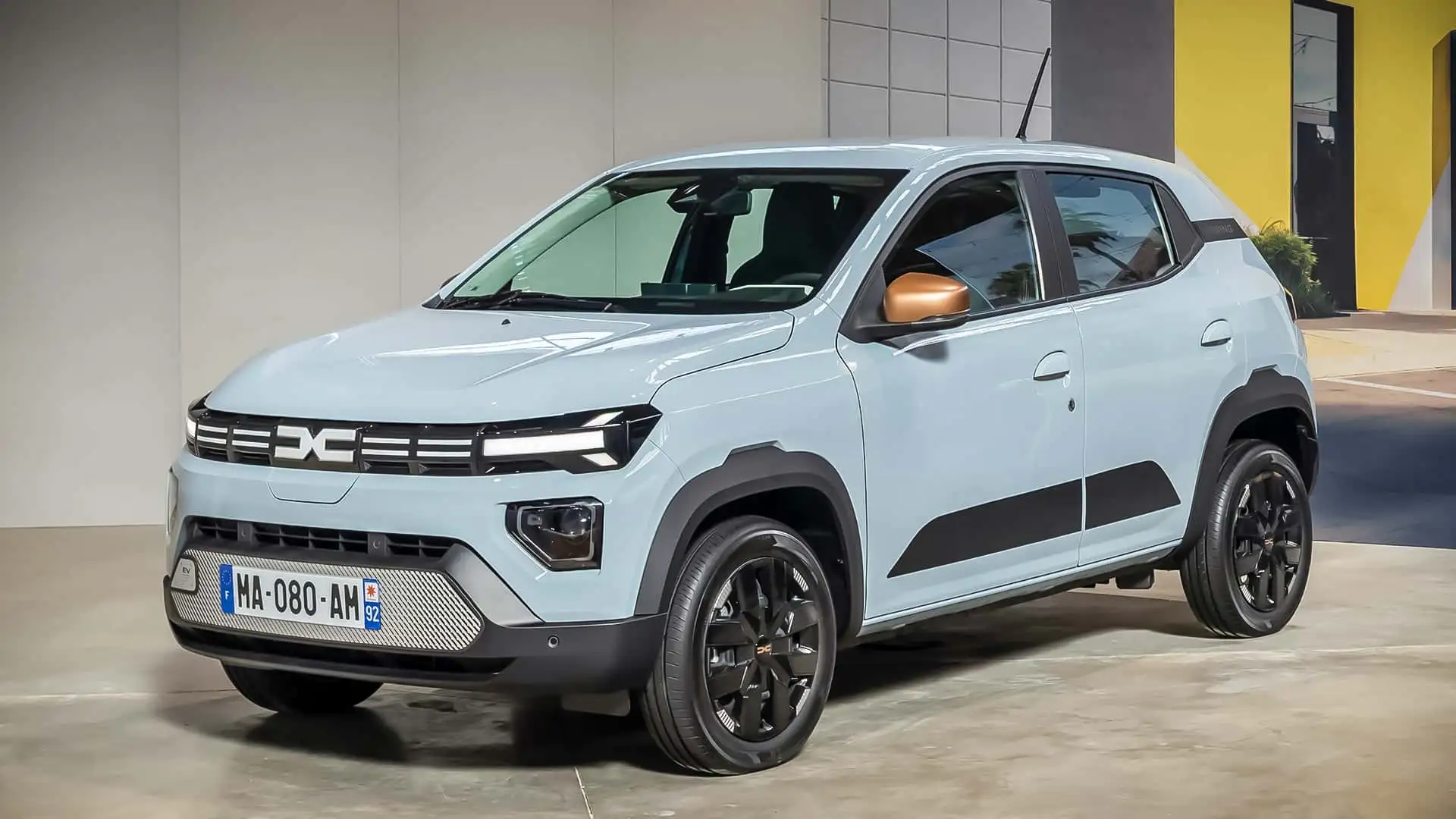
3. Dacia Spring (2026): Urban-Focused EV with Limited Public Charging
The 2026 Dacia Spring is an affordable, compact electric vehicle designed for city driving, but it struggles with public charging due to hardware limitations and low charging speeds.
Unlike modern EVs that often support rapid DC charging between 100 kW and 250 kW, the Spring peaks at only 30–40 kW, meaning even its small 26.8 kWh battery requires 30 to 45 minutes to go from 20% to 80% charge. This makes highway or long-distance use impractical compared with faster-charging competitors.
Hardware limitations further hinder public charging. Base models often lack DC rapid charging (CCS) entirely, and even AC charging is limited by a 6.6–7 kW single-phase onboard charger.
Without a standard Type 2 cable, connecting to many public AC stations requires purchasing additional equipment. Even when plugged into higher-capacity 22 kW posts, the Spring cannot utilize the full power, making short top-ups largely ineffective.
Compatibility issues have also been reported. Certain public chargers, including some Tesla and Enel X stations, fail to initiate a charge because their software profiles do not recognize the Spring. Users may end up paying for high-speed service that the vehicle cannot exploit.
Thermal management is another challenge. The Spring lacks active battery cooling, so in hot climates or after repeated charging sessions, the car further throttles charging speeds to protect the battery.
Given these constraints, the Dacia Spring is best suited for daily urban commutes and home charging. A 7 kW wallbox allows a full charge in roughly four hours, while a standard household socket takes 11 hours or more. Its low cost and compact size make it practical for city use, but reliance on public fast-charging infrastructure is limited and time-consuming.
The 2026 Dacia Spring prioritizes affordability and urban practicality, but slow charging, hardware gaps, and thermal sensitivity prevent it from competing with modern EVs on highways or long-distance trips.
4. Fiat 500e (2026): Urban EV with Limited Public Charging Performance
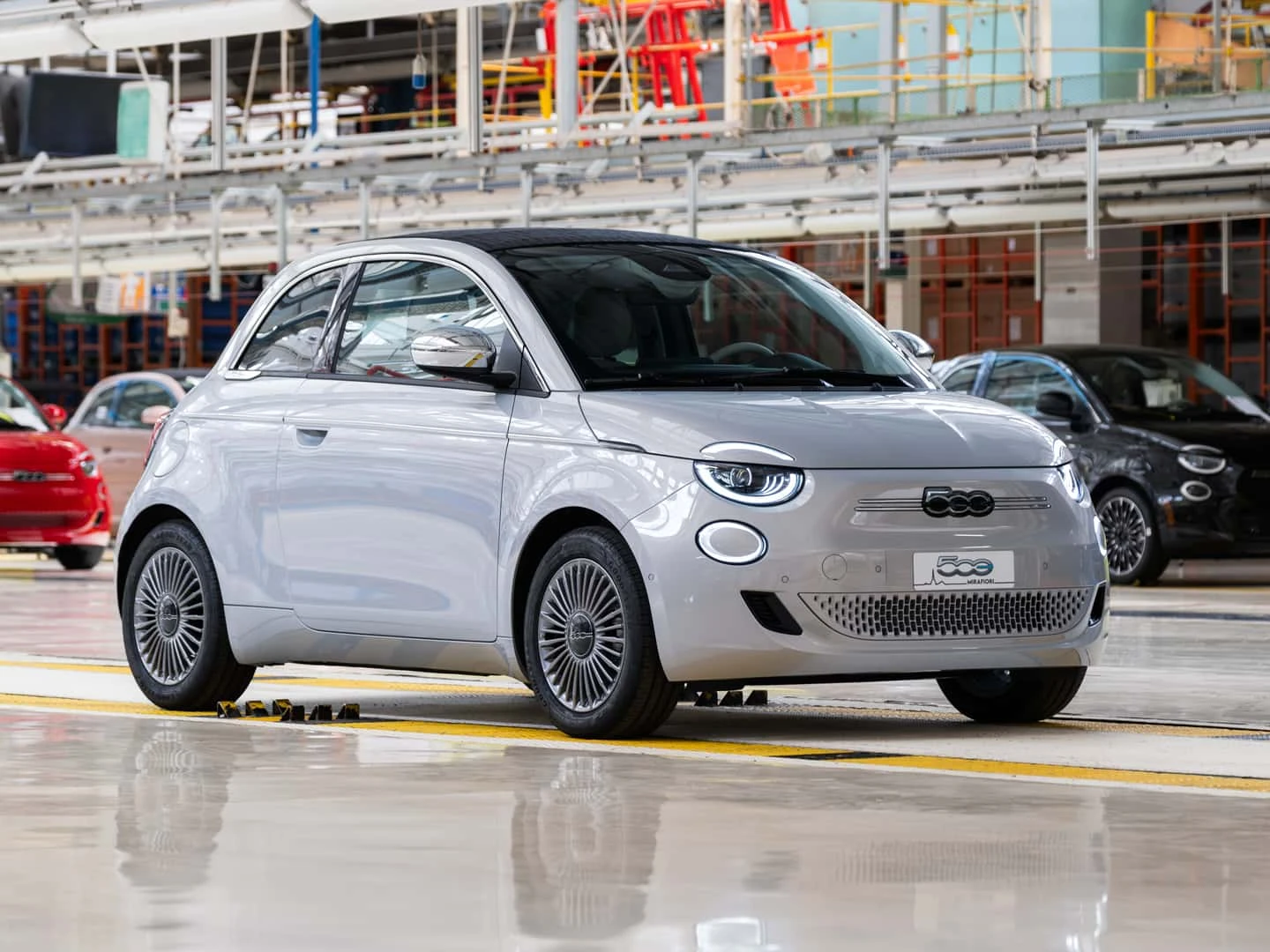
The 2026 Fiat 500e is primarily designed as a compact city car, but its small battery and modest charging hardware limit its performance on public charging networks. While it supports DC fast charging via a standard CCS port, the peak rate of 85 kW means that long-distance stops require significantly more time than modern EVs equipped with 400V or 800V architectures.
Under ideal conditions, a 0–80% charge takes roughly 35 minutes, but real-world charging is often slower due to thermal management and shared-station power limitations.
Owners frequently encounter software-related issues when connecting to public chargers. The most common problem is the “handshake” between the car and the charging station.
If the vehicle does not immediately receive a signal from the charger, a fault occurs, often requiring the car to be unplugged, locked, and restarted. Scheduled charging settings at home can also interfere with public charging, forcing manual overrides.
Hardware limitations exacerbate these challenges. The onboard charging module (OBCM) is sensitive and may overheat or fail, preventing the vehicle from accepting higher amperage from Level 2 or DC fast chargers. Physical wear on charging pins or malfunctioning locking mechanisms can further prevent the high-voltage connection from engaging safely.
The 500e is also sensitive to its 12V battery. If the accessory battery is weak, the high-voltage systems may not engage properly, causing public charging attempts to fail.
The Fiat 500e is best suited for urban commuting and home charging, where its small size and efficiency are advantages.
For drivers relying on public networks for long-distance travel, slower DC charging, handshake errors, and hardware vulnerabilities can make the experience frustrating. Owners are advised to check compatible chargers via resources like PlugShare and maintain their 12V systems to minimize charging interruptions.
5. Mazda MX-30 (2026): Urban EV with Limited Public Charging
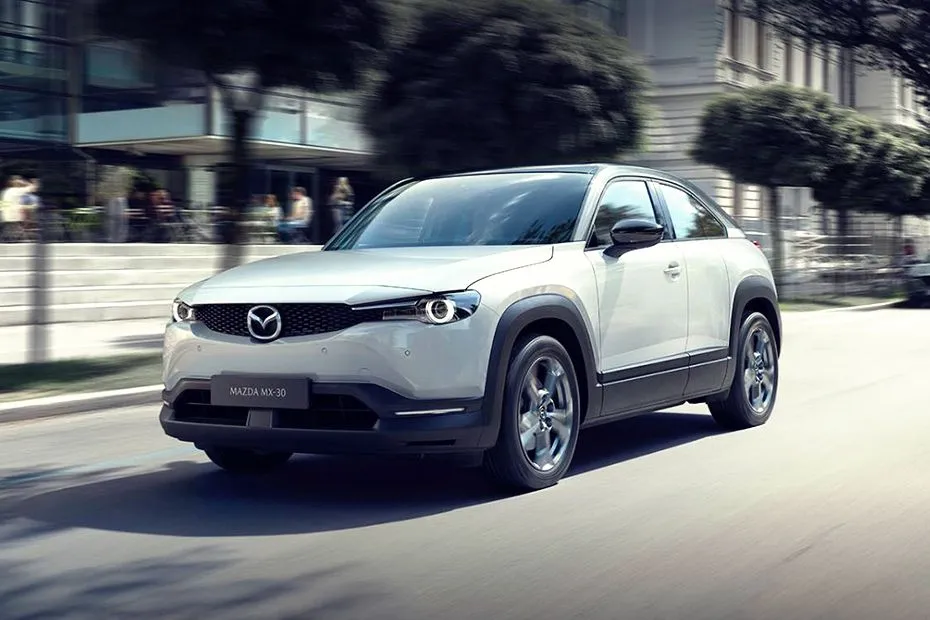
The 2026 Mazda MX-30 is primarily built for city driving, but its small battery and modest charging hardware make public charging slow and inconvenient. Its peak DC fast-charging rate is around 50 kW, often averaging 31 to 34 kW in real-world conditions.
This means charging from 20 percent to 80 percent can take 35 to 40 minutes, which is similar to the time larger, high-performance EVs need to charge much bigger batteries.
The MX-30 also struggles with software and network compatibility. It has known handshake issues with certain chargers, particularly ABB units used by networks like IONITY, which can cause sessions to fail. The vehicle does not feature battery preconditioning, so in cold weather, the battery cannot reach its peak charging rate, extending charging times.
AC charging is limited as well. While many public destination chargers offer 22 kW, the MX-30 caps at 6.6 kW, making short stop top-ups slow. Advanced network features such as Plug & Charge are not consistently supported. Users often have to rely on mobile apps or RFID cards, which can fail if cellular service is poor or accounts are not synced properly.
The MX-30 has a small 35.5 kWh battery and a real-world range of about 100 miles. Frequent charging is required for daily use, and delays at public stations are more critical because the battery does not provide much buffer to reach alternative chargers.
The Mazda MX-30 is best suited for urban commuting and home charging. Low DC and AC charging rates, software handshake issues, lack of battery preconditioning, and limited network features make it less practical for highway or long-distance trips compared to modern EVs. Drivers should plan their journeys carefully if relying on public charging infrastructure.
Charging performance has become a crucial measure of an electric vehicle’s usability. EVs with high-voltage architectures, intelligent battery management, and broad network compatibility provide fast, efficient, and convenient charging experiences.
The 2026 Hyundai IONIQ 6, Porsche Taycan, Tesla Model Y Juniper, BMW iX3 Neue Klasse, and Lucid Gravity illustrate how modern EV design can reduce downtime and make long journeys more practical.
By contrast, slower-charging vehicles such as the Toyota bZ, pre-2026 Nissan Leaf, Dacia Spring, Fiat 500e, and Mazda MX-30 demonstrate how hardware limits, thermal management issues, and software constraints can impact public charging efficiency.
Prospective EV owners should consider these factors carefully. Choosing a vehicle that performs well on public networks enhances confidence, convenience, and usability during both daily commutes and extended road trips.
Also Read: Top 10 Cars Under $20K That Fool Everyone Into Thinking You’re Rich