As electric vehicles become increasingly popular, city dwellers and apartment residents face unique considerations when it comes to charging. Not all EVs are equally suited for urban living. Some models offer long-range, fast public charging, and compact dimensions, making them ideal for apartments without dedicated home chargers.
Others, particularly smaller city cars or vehicles with modest battery packs, depend heavily on overnight home charging to remain practical, cost-efficient, and convenient for daily use. Knowing which EVs excel in each scenario is essential for making the most of urban life.
This guide highlights five electric cars that suit apartment living, focusing on public charging performance, efficiency, and city-friendly design, alongside five models that require home charging to preserve battery health, reduce costs, and ensure daily readiness. By comparing these two groups, urban EV buyers can match a vehicle to their specific lifestyle and charging situation.
5 Electric Cars That Suit Apartment Living
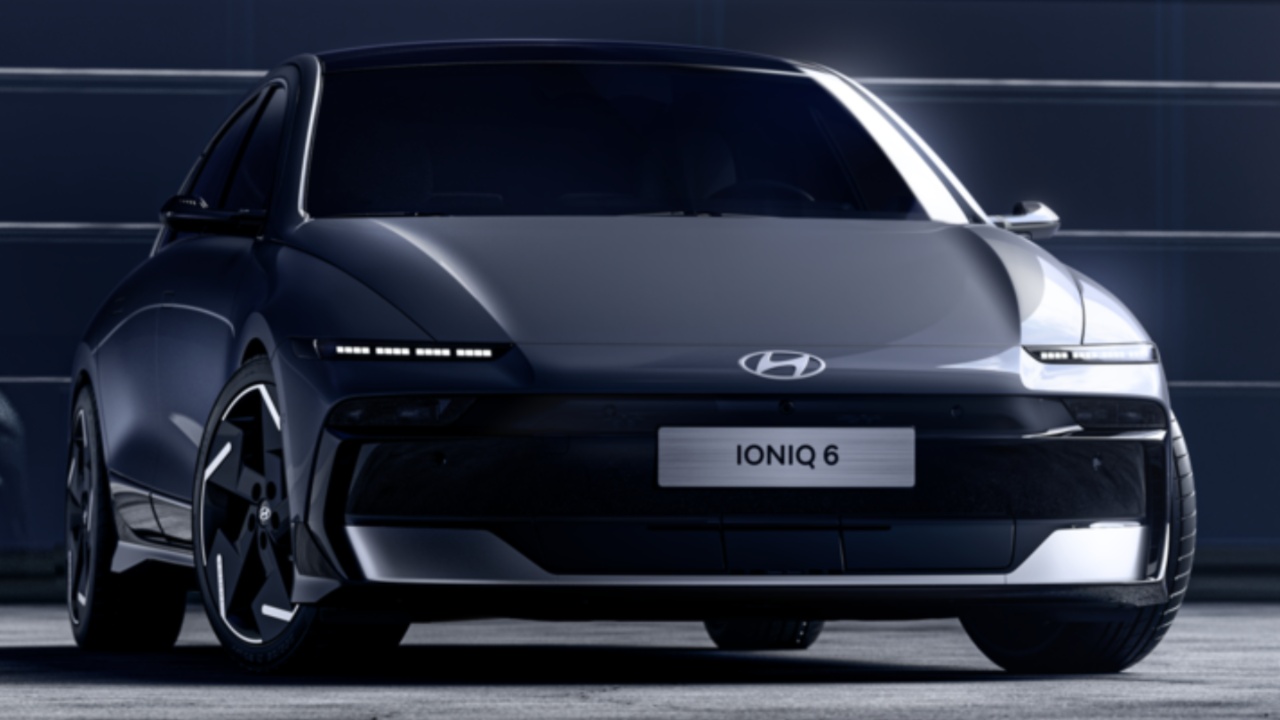
1. 2026 Hyundai Ioniq 6: An Urban-Friendly Electric Sedan With Standout Charging Speed
The 2026 Hyundai Ioniq 6 continues to distinguish itself as one of the most practical and stylish electric sedans for city and apartment dwellers. Its defining feature remains Hyundai’s 800-volt electrical architecture, which enables exceptionally fast charging.
When connected to a capable DC fast charger, the Ioniq 6 can recharge from 10 percent to 80 percent in approximately 18 minutes. This makes it especially appealing for drivers who rely on public charging rather than home installations.
Range is another major strength. The Long Range rear-wheel-drive variant is expected to offer up to 361 miles of EPA-estimated range. For many urban commuters, this means charging just once every seven to ten days.
The sedan’s sleek, aerodynamic shape and efficient powertrain make it well-suited to stop-and-go traffic, where regenerative braking can help stretch range even further. These traits position the Ioniq 6 as a smart choice for daily city use.
For 2026, the Ioniq 6 receives its first mid-cycle refresh. Exterior updates include slimmer LED lighting elements and revised front and rear styling that give the car a cleaner, more modern appearance.
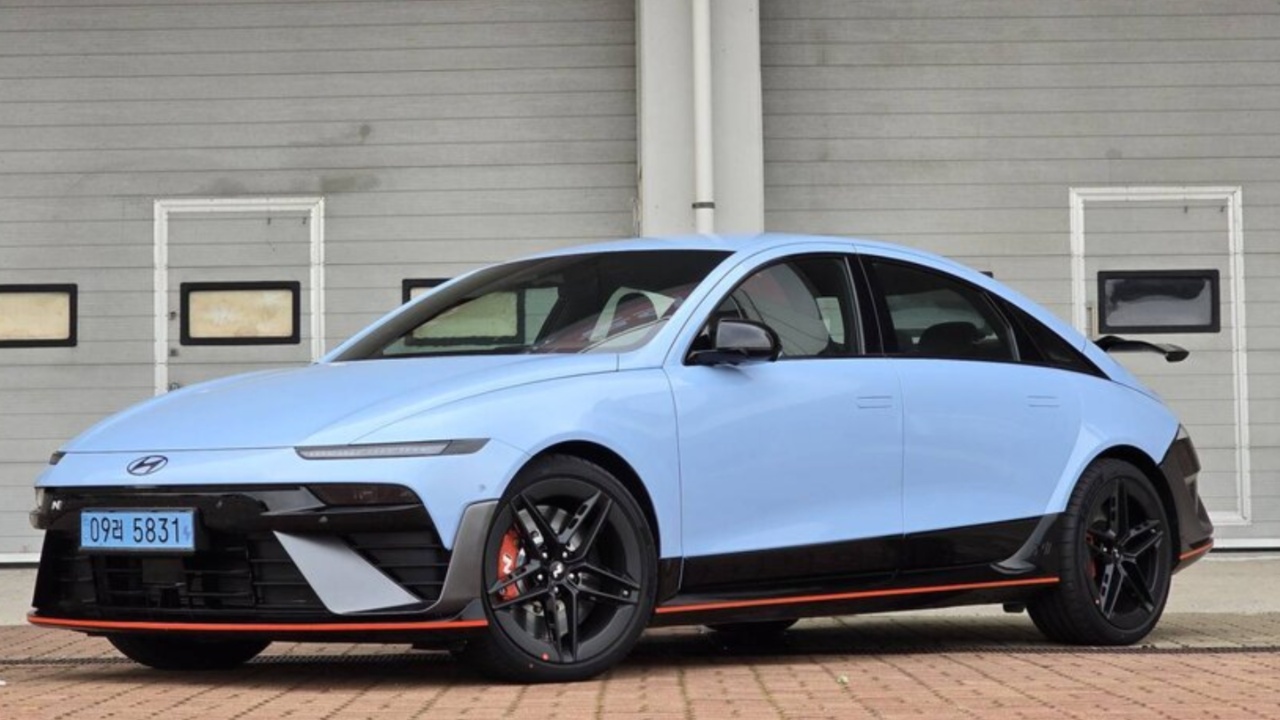
Hyundai also introduces a sporty N Line trim and continues to tease a high-performance N model coming in the near future. Inside, the cabin benefits from a redesigned steering wheel, upgraded materials on the doors, a revised center console layout, and a larger climate control display.
The interior is designed to feel like a quiet, comfortable personal space. Dual 12.3-inch screens for the digital instrument cluster and infotainment system come standard, along with Apple CarPlay and Android Auto.
Available upgrades include heated and ventilated front seats, heated rear seats, a heated steering wheel, ambient lighting, a head-up display, and a Bose premium audio system. Advanced driver assistance features such as adaptive cruise control, lane centering, blind-spot monitoring, and automatic emergency braking are standard across the lineup.
On the road, the Ioniq 6 delivers smooth acceleration, a calm ride, and confident handling. AWD versions add reassurance for winter driving, while one-pedal driving improves convenience in traffic-heavy environments.
There are compromises, including a relatively small 11-cubic-foot trunk and a more basic feel in lower trims. Still, for drivers who value rapid charging, long range, safety, and distinctive design, the 2026 Hyundai Ioniq 6 remains one of the most compelling electric sedans for urban living.
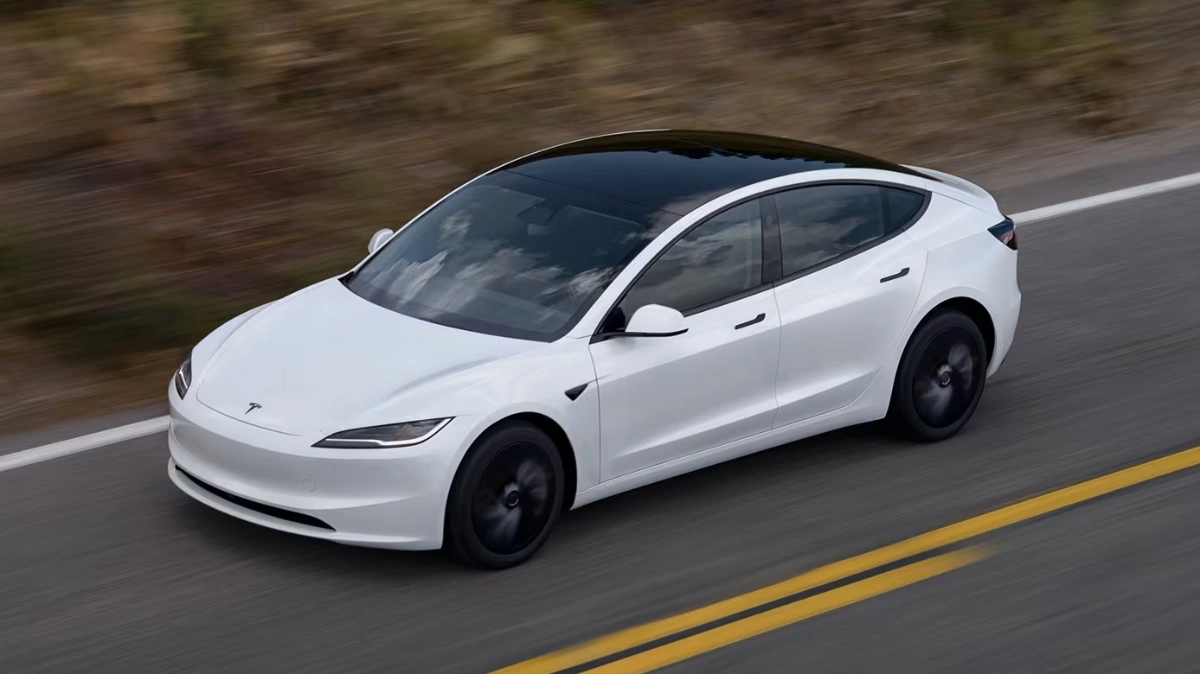
2. 2026 Tesla Model 3 Long Range: The Benchmark EV for Apartment Living
The 2026 Tesla Model 3 Long Range strengthens its position as one of the most apartment-friendly electric vehicles available, combining exceptional driving range, fast charging, and access to the industry’s most reliable public charging network. For drivers without home charging, Tesla’s Supercharger system remains a decisive advantage.
With V3 and V4 Superchargers widely available in urban areas, the Model 3 Long Range can add roughly 175 miles of range in about 15 minutes, making charging feel closer to a brief fuel stop than a long interruption.
Range is the Model 3 Long Range’s defining feature. Depending on configuration and test cycle, it offers more than 340 to 360 miles of EPA-estimated range, with some markets rating it as high as 750 km under WLTP testing.
This significantly reduces charging frequency for apartment dwellers, allowing many drivers to recharge just once a week or less. Even with real-world driving and gradual battery degradation, the Model 3 Long Range maintains strong usability for daily commuting and weekend travel.
The 2026 model continues the “Highland” refresh, which improves ride comfort, cabin quietness, and efficiency. The interior is minimalist but well equipped, featuring a large 15.4-inch central touchscreen, ventilated and heated front seats, heated rear seats, a panoramic glass roof, and a powered tailgate.
Storage is another strength, with more than 24 cubic feet of combined cargo space split between a traditional trunk, a deep underfloor compartment, and a usable front trunk. This flexibility is particularly helpful for urban tasks like grocery runs, laundry trips, or airport travel.
Tesla’s technology ecosystem enhances city living. The mobile app allows remote climate preconditioning, live camera access, and phone-as-key functionality.
Sentry Mode adds reassurance when parking in shared apartment garages or on public streets, while one-pedal driving makes stop-and-go traffic smoother and more efficient. Maintenance demands are low compared to gasoline vehicles, which is a benefit for owners without private garages or space for DIY work.
For 2026, the Long Range Rear-Wheel Drive configuration trades some performance for improved efficiency and a lower price. While it is slower than the previous dual-motor version, acceleration remains brisk, and the payoff is extended range and improved value.
Combined with Tesla’s upgraded warranty coverage and excellent charging infrastructure, the 2026 Tesla Model 3 Long Range stands out as a highly practical, easy-to-live-with EV for apartment residents seeking maximum range and minimal charging hassle.
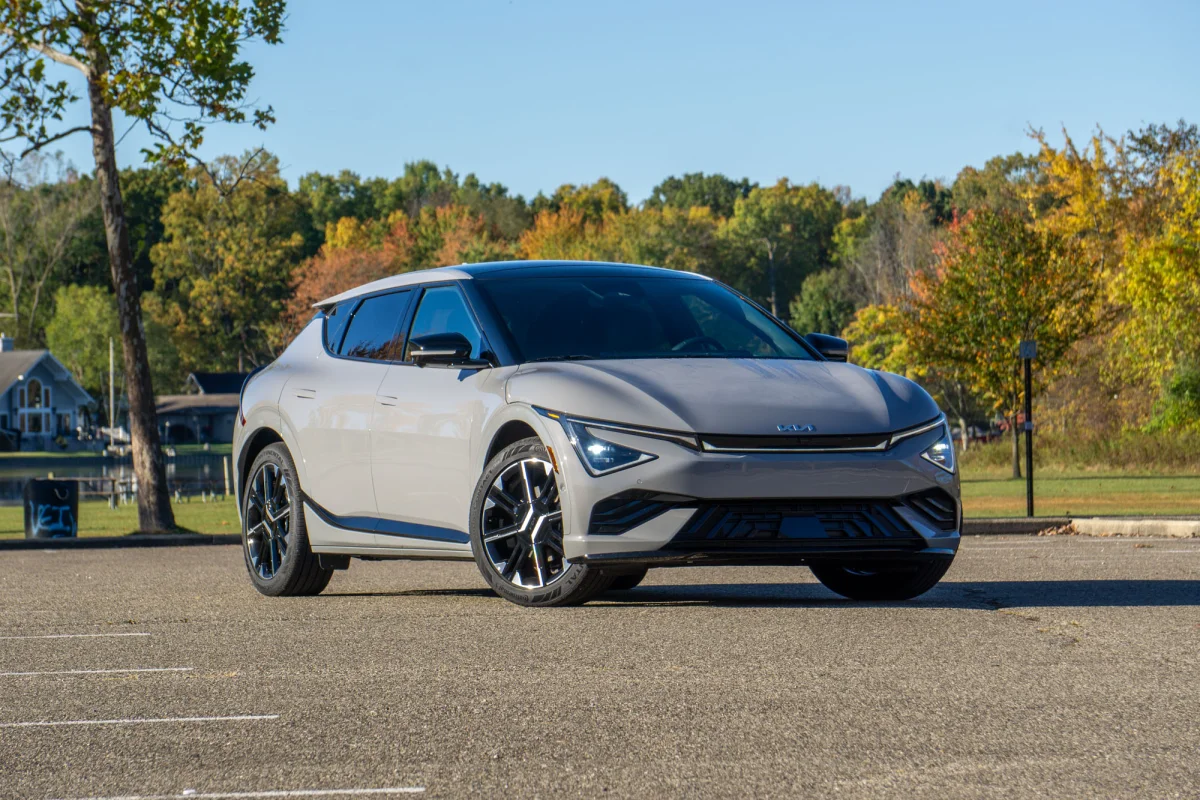
3. 2026 Kia EV6: A Fast-Charging, Apartment-Friendly Electric Crossover
The 2026 Kia EV6 continues to stand out as one of the most practical electric vehicles for apartment residents, blending rapid charging, flexible cargo space, and advanced technology in a compact crossover package.
Built on Kia’s E-GMP platform, the EV6 uses an 800-volt electrical system that allows the battery to charge from 10 to 80 percent in about 18 minutes when connected to a high-power DC fast charger. This quick turnaround is a major advantage for drivers who depend on public charging rather than a dedicated home setup.
The EV6’s crossover design adds everyday usability that many sedan-based EVs cannot match. With roughly 490 liters of cargo space behind the rear seats and more than 1,300 liters available when those seats are folded, the EV6 easily handles groceries, sports gear, or weekend luggage.
A small front trunk provides additional storage for charging cables, helping keep the main cargo area free. Despite its roomy interior, the EV6 maintains a manageable exterior size that suits city parking garages and tight urban streets.
One of the EV6’s standout features for apartment living is Vehicle-to-Load functionality. V2L allows the vehicle to act as a portable power source, capable of running laptops, small appliances, or camping equipment. For residents without access to a garage or workshop, this feature adds unexpected flexibility.
Inside, the cabin feels modern and comfortable, with a flat floor, generous legroom, and tech-forward design. Dual 12.3-inch displays dominate the dashboard, while available reclining front seats offer a relaxing place to sit during charging stops.
Performance options range widely. Rear-wheel-drive models prioritize efficiency and longer range, while all-wheel-drive versions deliver strong acceleration and confident traction. The high-performance GT model pushes power to extreme levels, though at the cost of reduced driving range. Most versions strike a balanced middle ground, offering brisk acceleration that feels well-suited to both city and highway driving.
In terms of range, the larger battery pack delivers EPA estimates of up to 319 miles in rear-wheel-drive form, with slightly lower figures for all-wheel-drive trims. Regenerative braking and Kia’s Smart Regen system help maximize efficiency in stop-and-go traffic.
Combined with a strong suite of standard safety features and an industry-leading warranty, the 2026 Kia EV6 remains a compelling choice for apartment dwellers who want fast charging, versatility, and everyday practicality in an electric crossover.
4. 2026 Porsche Taycan: A High-Performance Luxury EV That Works for Apartment Life
The 2026 Porsche Taycan refines its role as a luxury electric vehicle that can function realistically for apartment dwellers while still delivering unmistakable Porsche performance. Updates for 2026 focus on faster charging, improved efficiency, and enhanced technology, making the Taycan a more practical primary vehicle than earlier versions.
With peak DC fast-charging speeds of up to 320 kW, the Taycan can recharge from 10 percent to 80 percent in roughly 18 minutes under ideal conditions, a critical advantage for owners who rely on public charging rather than home setups.
Despite its performance credentials, the Taycan remains relatively manageable in urban environments. Measuring about 4963 mm in length, it fits into many city parking spaces and apartment garages more easily than larger luxury sedans.
Its electric drivetrain operates quietly and smoothly, making it well-suited for noise-sensitive residential areas. Adaptive air suspension comes standard and does an excellent job absorbing rough pavement, speed bumps, and uneven city streets, contributing to a refined daily driving experience.
Range improvements also help broaden the Taycan’s appeal. Depending on trim and battery configuration, the expected driving range reaches up to 318 miles, with real-world testing showing some versions exceeding their EPA estimates.
While it does not match the longest-range EVs on the market, the Taycan’s balance of range and ultra-fast charging reduces inconvenience for apartment residents who plan quick charging stops during errands or commutes.
Performance remains a defining trait. The lineup spans from a rear-wheel-drive base model to dual-motor all-wheel-drive variants producing anywhere from just over 400 horsepower to more than 1,000 horsepower in the extreme Turbo GT.
A two-speed transmission enhances both acceleration and efficiency, while the low seating position and precise steering make the Taycan one of the most engaging electric cars to drive. At the same time, it remains comfortable enough for everyday use.
Inside, the Taycan offers a modern, screen-heavy cabin with premium materials and advanced technology. Multiple displays control infotainment, climate, and vehicle functions, with support for Apple CarPlay, Android Auto, and Amazon Alexa voice control.
Seating for four is standard, with an optional fifth seat available, though rear space is best suited for shorter trips. Storage is modest but practical, helped by a front trunk that adds flexibility when cargo room is limited.
For luxury-focused apartment dwellers who want cutting-edge charging, refined city manners, and true sports car performance, the 2026 Porsche Taycan delivers a compelling blend of sophistication and everyday usability.

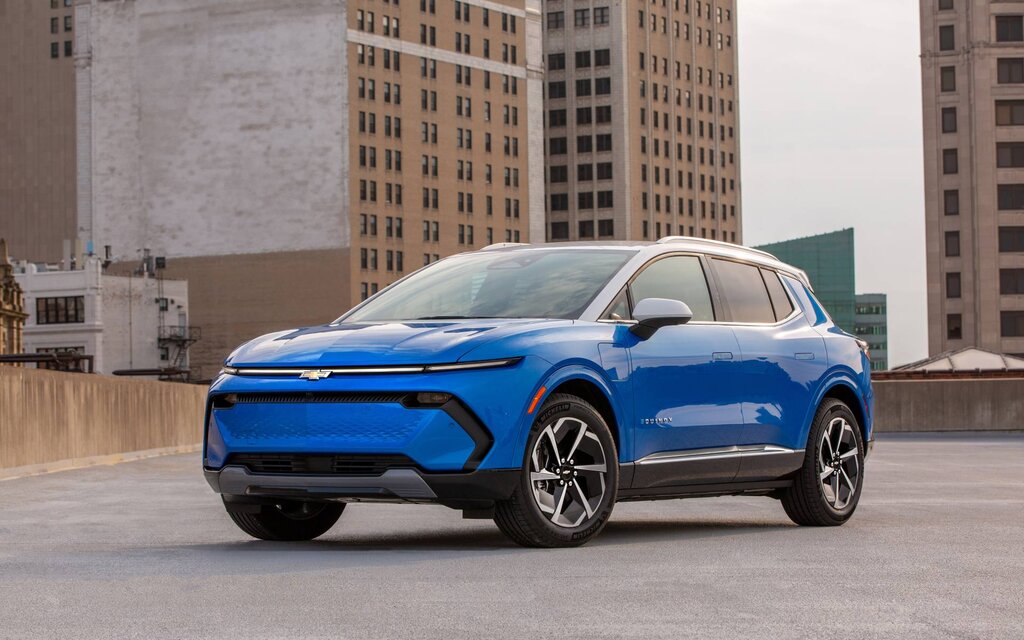
5. 2026 Chevrolet Equinox EV: A Practical, Budget-Friendly EV for Apartment Living
The 2026 Chevrolet Equinox EV positions itself as one of the most accessible and apartment-friendly electric vehicles on the market, offering a strong mix of range, space, and technology at a relatively affordable price point.
Designed to appeal to mainstream buyers, it focuses on practicality rather than cutting-edge performance, making it a sensible option for renters who rely on public charging and navigate dense urban environments.
A major strength of the Equinox EV is its range. Front-wheel-drive models deliver up to 319 miles of EPA-estimated driving range, which helps reduce how often apartment dwellers need to visit public charging stations. Even the all-wheel-drive version maintains a respectable 307-mile estimate.
In real-world highway testing, both configurations returned around 260 miles, which remains sufficient for daily commuting, errands, and occasional road trips. This long range is especially valuable for drivers without access to overnight charging at home.
Charging performance is more modest than some premium EV rivals, but still practical. With a peak DC fast-charging rate of 150 kW, the Equinox EV can add roughly 70 miles of range in about 10 minutes.
While this is slower than 800-volt competitors, it works well with widely available fast chargers and fits easily into short stops during grocery runs or daily routines. Level 2 charging at public or workplace stations also remains a viable option.
The Equinox EV’s compact SUV form factor is another advantage for apartment residents. It is easy to maneuver in tight city streets and parking garages, yet it offers generous cargo capacity.
With the rear seats folded, it provides up to 57 cubic feet of storage, making it practical for shopping, moving small furniture, or weekend trips. One-pedal driving and adjustable regenerative braking help improve efficiency and reduce fatigue in stop-and-go traffic.
Inside, the cabin is modern and tech-forward. An 11-inch digital driver display pairs with a large 17.7-inch infotainment screen that features Google built-in, allowing seamless navigation to charging stations and real-time traffic updates.
The MyChevrolet mobile app helps drivers locate public chargers and manage vehicle settings remotely, while preconditioning allows the cabin to be cooled or heated while plugged in, preserving battery range.
Performance varies by configuration. The front-wheel-drive version prioritizes efficiency but feels slow, while the all-wheel-drive model delivers stronger acceleration and a more confident driving experience. Standard safety features include automatic emergency braking and lane-keeping assist, with Super Cruise hands-free driving available for those who want advanced highway assistance.
For apartment dwellers seeking a spacious, efficient, and affordable electric SUV with strong range and everyday usability, the 2026 Chevrolet Equinox EV stands out as a practical and realistic choice.
Also read: 5 Cars for Fort Collins Commuters and 5 Altitude-Ready Vehicles
5 That Require Home Charging
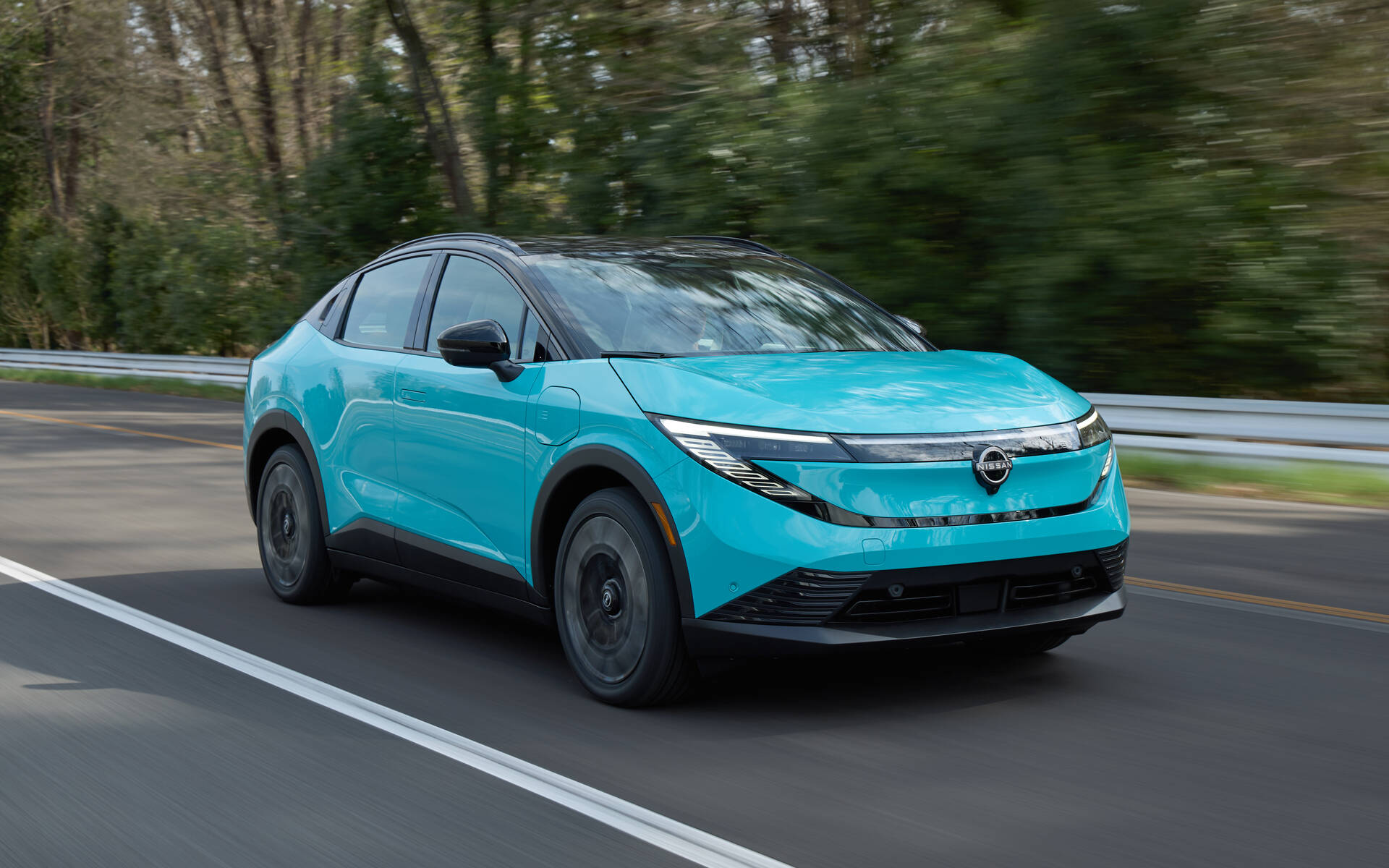
1. 2026 Nissan Leaf: A Home-Charging-Centered EV for Daily Reliability
The 2026 Nissan Leaf enters the new model year with meaningful upgrades, but it remains an electric vehicle that works best when paired with consistent home charging. While it now supports modern public charging standards and improved battery technology, the ownership experience is still strongly centered around residential charging for reasons tied to battery health, convenience, and long-term cost savings.
A major improvement for 2026 is the introduction of a liquid-cooled battery system, replacing the older air-cooled setup that limited durability in previous generations. This upgrade improves thermal management, but frequent use of DC fast charging can still accelerate battery degradation over time due to heat exposure.
Slower Level 2 home charging provides a gentler flow of electricity, helping preserve long-term battery capacity. Daily charging habits are also easier to manage at home, where owners can maintain healthier charge levels between 20 and 80 percent and automate charging schedules through the MyNISSAN app.
Another defining feature of the 2026 Leaf is its advanced bidirectional charging capability. With a compatible home charging station, the Leaf can function as a mobile energy storage unit.
Through Vehicle-to-Home technology, it can supply electricity to a residence during power outages, keeping essential appliances running. In regions that support grid balancing, owners can charge the vehicle when electricity is inexpensive and return power to the grid during peak demand, adding financial value beyond transportation.
The Leaf’s port layout further reinforces its home-focused design. It uses a J1772 port for AC charging, which is intended for daily home use, and a separate NACS port for DC fast charging on public networks. This separation emphasizes home charging as the primary routine, with public fast charging reserved for occasional long trips.
Cost efficiency is another advantage. Residential electricity rates are significantly lower than public charging prices, making home charging the most economical way to operate the vehicle. By charging overnight, owners benefit from lower energy costs, preconditioned cabin temperatures, and a fully ready vehicle each morning.
While the 2026 Nissan Leaf is compatible with public charging infrastructure, its design, technology, and energy features make it best suited to drivers who can rely on home charging as the foundation of daily use.
2. 2026 MINI Cooper SE: Best Enjoyed With Reliable Home Charging
The 2026 MINI Cooper SE remains a stylish, fun-to-drive electric car that feels perfectly sized for city living, but it is far more practical when paired with consistent home charging. While it can operate using public charging alone, relying on public infrastructure quickly exposes the Cooper SE’s limitations in range, charging speed, and long-term convenience.
For daily use, home charging transforms the ownership experience. The 2026 Cooper SE is equipped with a 54.2 kWh battery, with about 49.2 kWh usable, delivering an estimated WLTP range of around 250 miles. For most commuters, this easily covers daily driving needs.
Plugging in overnight means starting each morning with a full charge and eliminating the need for frequent charging stops. Using an 11 kW AC wallbox, a complete charge from empty takes just over five hours, making overnight charging simple and predictable.
Cost is another major factor. Charging at home is significantly cheaper than relying on public fast chargers, which often carry premium pricing. Owners can further reduce expenses by scheduling charging during off-peak electricity hours or integrating home solar systems. The MINI app supports smart charging features that help align charging times with lower energy costs or renewable energy availability.
Public charging highlights the Cooper SE’s compromises. DC fast charging peaks at under 100 kW, allowing a 10 to 80 percent charge in roughly 30 minutes. While acceptable for occasional top-ups, this speed lags behind many newer EVs. Frequent reliance on public charging means more stops, longer waits, and higher costs, which can become frustrating for a daily driver.
Battery longevity is another concern. Regular use of high-power DC charging generates more heat and stress on the battery over time. Manufacturers and industry experts recommend Level 2 AC charging for everyday use to help preserve long-term battery health.
Home charging also enables effective pre-conditioning. Heating or cooling the cabin while plugged in uses grid power instead of battery energy, preserving driving range. While the MINI Cooper SE can function without home charging, its strengths are best realized when residential charging is the foundation of daily ownership.

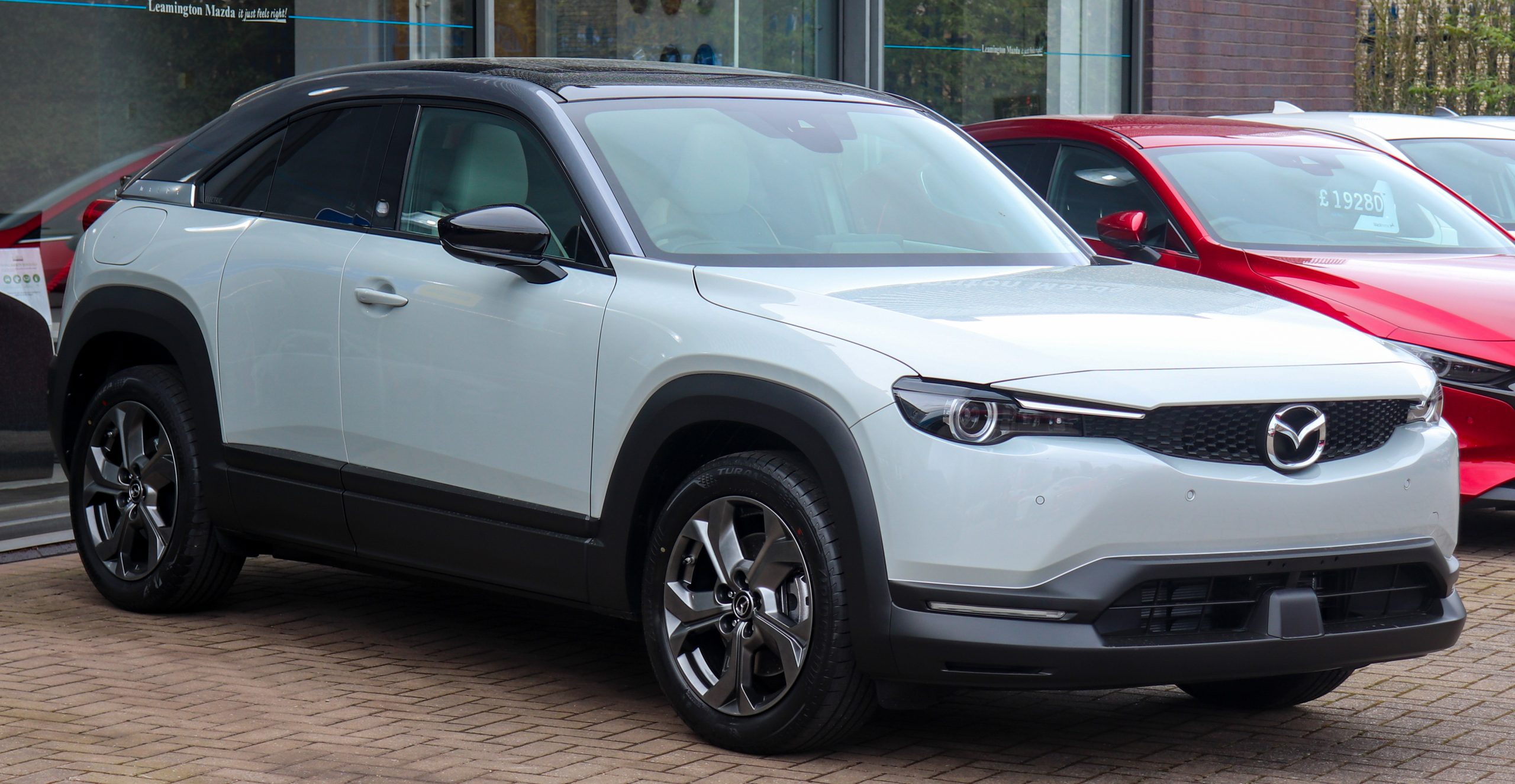
3. 2026 Mazda MX-30: A Secondary EV That Depends on Home Charging
The 2026 Mazda MX-30 is intentionally designed as a short-range commuter rather than a primary electric vehicle, and that design philosophy makes home charging a practical requirement.
Mazda’s “right-sized” battery approach prioritizes lower weight, improved driving feel, and reduced environmental impact, but it also sharply limits electric range and flexibility. As a result, the MX-30 works best for drivers who can plug in at home every evening.
Range is the biggest constraint. The MX-30 BEV uses a 35.5 kWh battery with an estimated WLTP range of about 124 miles, which can easily drop to 100 miles or less in real-world highway or cold-weather driving.
The MX-30 R-EV plug-in hybrid goes even further in this direction, pairing a very small 17.8 kWh battery with roughly 53 miles of electric-only driving before relying on its rotary gasoline range extender. For most commuters, either version will consume a large portion of its battery in a single day, making nightly charging essential to avoid starting the next morning with limited electric range.
Public charging does little to improve the experience. The BEV supports DC fast charging but is capped at about 50 kW, which is slow by modern standards. The R-EV is even less suited to public infrastructure, as it relies mainly on AC charging.
At public Level 2 stations, topping up can take well over an hour, turning routine charging into an inconvenience rather than a background task. Home charging removes this friction by allowing the vehicle to recharge while parked overnight.
There are also strong economic and comfort advantages to charging at home. Residential electricity is far cheaper than public charging, especially when charging is scheduled during off-peak hours.
A dedicated Level 2 wallbox reduces charging time to roughly five hours for the BEV, compared to up to 15 or more hours from a standard household outlet. Home charging also enables cabin pre-conditioning through the MyMazda app, using grid power instead of battery energy.
Without reliable home charging, the MX-30’s limited range can quickly lead to frustration. With it, the vehicle becomes what Mazda intended: a quiet, efficient, low-cost commuter for predictable daily driving.
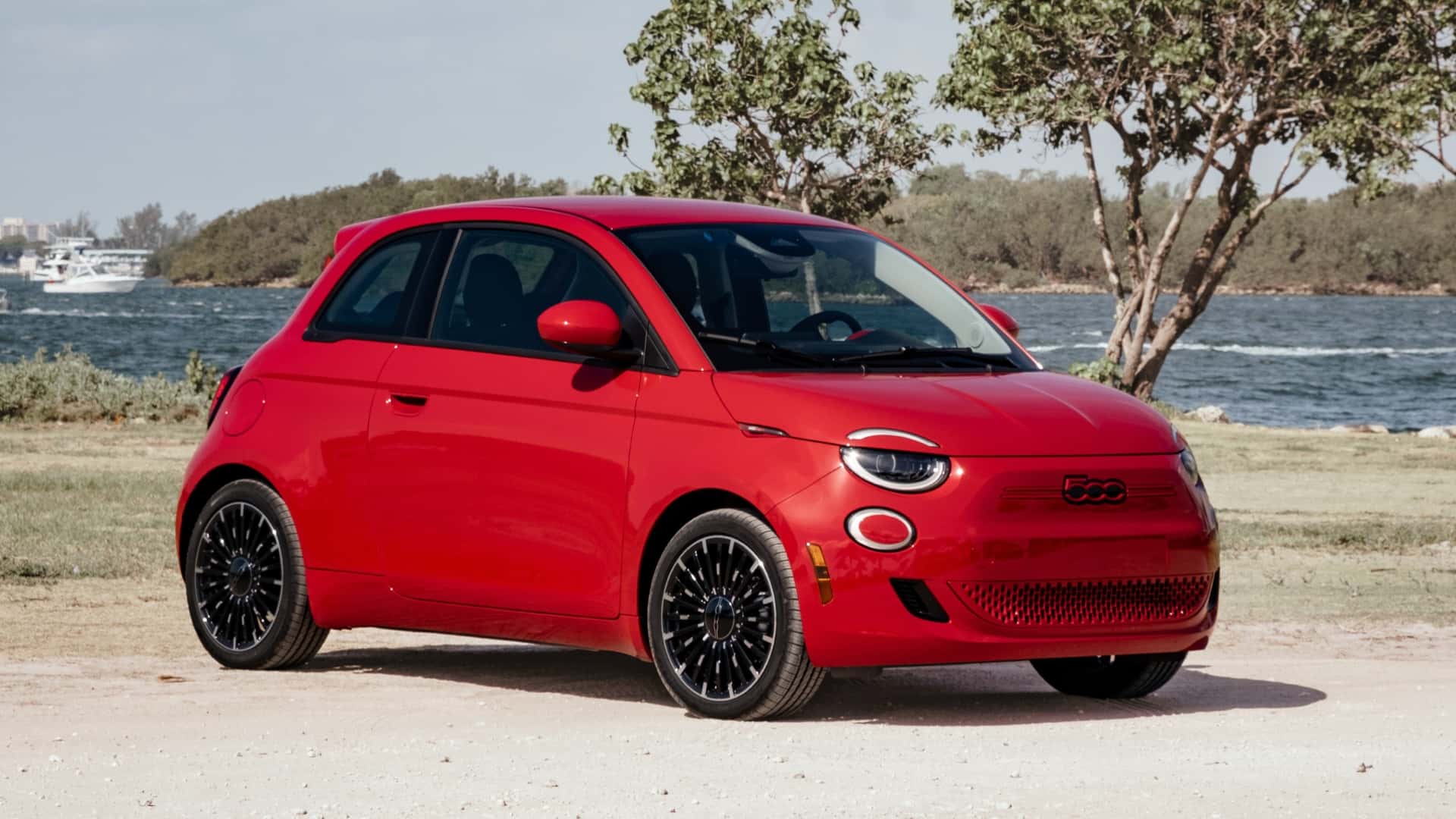
4. 2026 Fiat 500e: A City Car That Relies on Home Charging
The 2026 Fiat 500e is designed primarily as a dedicated urban commuter, and while it can technically use public chargers, home charging is strongly recommended to make ownership practical and convenient.
Its compact 42-kWh battery provides an estimated range of about 149 miles, making it ideal for daily city trips but limiting it for longer journeys. Without access to a home charger, owners may find themselves visiting public stations multiple times each week, undermining the car’s core purpose of simple, stress-free city driving.
Home charging delivers significant financial and practical advantages. Charging overnight at a Level 2 wallbox allows owners to take advantage of lower off-peak electricity rates, which can reduce operating costs dramatically compared to frequent visits to public DC fast chargers.
Over time, the savings can total thousands of dollars, enhancing the 500e’s value proposition. Charging at home also eliminates the need for repeated 35–50 minute public top-ups, turning a tedious task into a seamless overnight routine.
Public charging is available, with DC fast-charging speeds up to 85 kW, reaching 80% in roughly 35 minutes. However, this rate is modest compared to newer EVs capable of 150 kW or 350 kW, making repeated fast-charging sessions less convenient.
Frequent use of high-speed chargers can also generate heat that accelerates battery wear, whereas Level 2 home charging provides a gentler, more battery-friendly approach, extending long-term range and performance.
Fiat recognizes this dynamic and often bundles the 500e with the Free2move Charge home wallbox system, reinforcing the idea that the car functions best when tied to a dedicated home charging setup.
With nightly top-ups, pre-conditioning features, and lower electricity costs, the 500e becomes a convenient, low-stress urban mobility solution rather than a logistical challenge. For city dwellers, home charging transforms the 500e into a practical, cost-effective, and reliable companion for daily commutes.
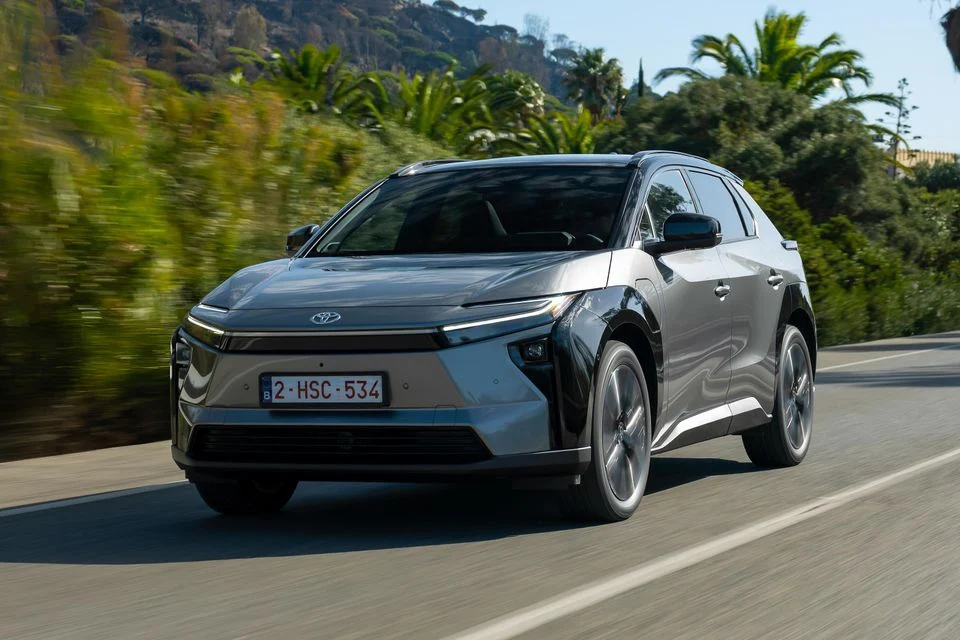
5. 2026 Toyota bZ4X (FWD): Why Home Charging Makes Sense
The 2026 Toyota bZ4X, now simply marketed as the Toyota bZ in North America, is a capable electric SUV, but its DC fast-charging performance lags behind competitors like the Hyundai Ioniq 5, especially in colder weather. While public charging is possible, home charging is the most practical method for maximizing efficiency, battery longevity, and cost savings.
Toyota has upgraded the onboard AC charger from 7 kW to 11 kW for North American models, and up to 22 kW in certain international trims. Using a Level 2 home setup, this allows the battery to charge from 10% to 100% in roughly seven hours, making overnight charging convenient and ensuring a full battery each morning.
For short commutes, the included dual-voltage cable also allows slow top-ups from a standard 120V outlet, covering daily needs without relying on public stations.
Battery health is a key consideration for the bZ4X. Toyota recommends limiting DC fast charging to three cycles per day and prioritizing AC charging for routine use.
Level 2 home charging is gentler on the battery chemistry, enabling safe daily charging to 100%, whereas fast charging is usually capped at 80% for optimal performance and safety. The vehicle’s thermal management and pre-conditioning help with fast charging, but repeated DC sessions can accelerate degradation over time.
Home charging also offers clear economic and practical advantages. Residential electricity costs are far lower than public DC fast-charging rates, and the Toyota App allows users to schedule charging during off-peak hours to further reduce costs.
While the bZ4X’s new NACS port provides Tesla Supercharger access for road trips, daily reliance on public fast chargers is less efficient and more expensive than a home Level 2 routine.
In short, the 2026 Toyota bZ4X is most convenient and cost-effective when paired with a home charging setup, balancing battery health, efficiency, and affordability for everyday urban and suburban use.
Selecting the right electric vehicle for apartment life requires weighing convenience, charging speed, range, and maneuverability. EVs like the Hyundai Ioniq 6, Tesla Model 3 Long Range, Kia EV6, Porsche Taycan, and Chevrolet Equinox EV are well-suited for residents who rely on public chargers, offering rapid charging, long range, and thoughtful urban design.
On the other hand, the Nissan Leaf, MINI Cooper SE, Mazda MX-30, Fiat 500e, and Toyota bZ4X are better choices for owners with home charging, relying on overnight AC charging to maintain battery health, lower energy costs, and keep the vehicle fully ready each day. Understanding these differences helps apartment residents select an EV that matches their routines, priorities, and lifestyle.
Also Read: 10 Cars That Are Shockingly Easy to LS Swap Without Breaking the Bank