
Houston’s unique climate and traffic conditions create a perfect storm for testing electric vehicle durability. With summer temperatures regularly soaring above 95°F and humidity levels that make the heat index feel even more oppressive, the city presents one of America’s most challenging environments for EVs.
Add to this the notorious I-10 and I-45 gridlock, where stop-and-go traffic can stretch for hours during rush hour, and you have a real-world torture test for battery thermal management systems.
Unlike traditional combustion engines, electric vehicles face distinct challenges in extreme heat. Lithium-ion batteries are sensitive to temperature fluctuations, and Houston’s sweltering conditions can accelerate battery degradation, reduce range, and trigger thermal protection systems that limit performance.
When an EV sits in bumper-to-bumper traffic with the air conditioning running at full blast, the battery must simultaneously power the climate control system while managing its own heat buildup. This dual demand separates the champions from the pretenders.
The stakes are high for Houston’s growing community of EV owners. A vehicle that can’t handle the heat doesn’t just become inconvenient it becomes unreliable.
Some manufacturers have invested heavily in sophisticated thermal management systems with liquid cooling, advanced battery chemistry, and intelligent software that preserves battery health even in punishing conditions.
Others have cut corners, relying on passive air cooling or inadequate heat dissipation strategies that leave drivers stranded with reduced range and performance when they need it most.
This comprehensive guide examines ten electric vehicles through the lens of Houston’s demanding environment, identifying which models thrive in the heat and which ones wilt under pressure.
5 EVs That Master Houston’s Heat
These exceptionally engineered vehicles feature robust battery thermal management and efficient climate control perfectly suited for surviving Houston’s brutal combination of epic traffic jams and oppressive heat, providing comfortable transportation through hours-long I-10 Katy Freeway crawls and Loop 610 gridlock without the range anxieties or cooling concerns typically plaguing electric vehicles during Gulf Coast summer commutes.
Their thoughtful engineering includes oversized battery cooling systems and powerful air conditioning that resist the heat buildup found in inadequate designs while handling daily Energy Corridor traffic, constant brake regeneration cycling through Galleria-area congestion, and parking lot conditions on I-45 during hurricane evacuations requiring maintained battery temperatures and frigid cabin comfort.
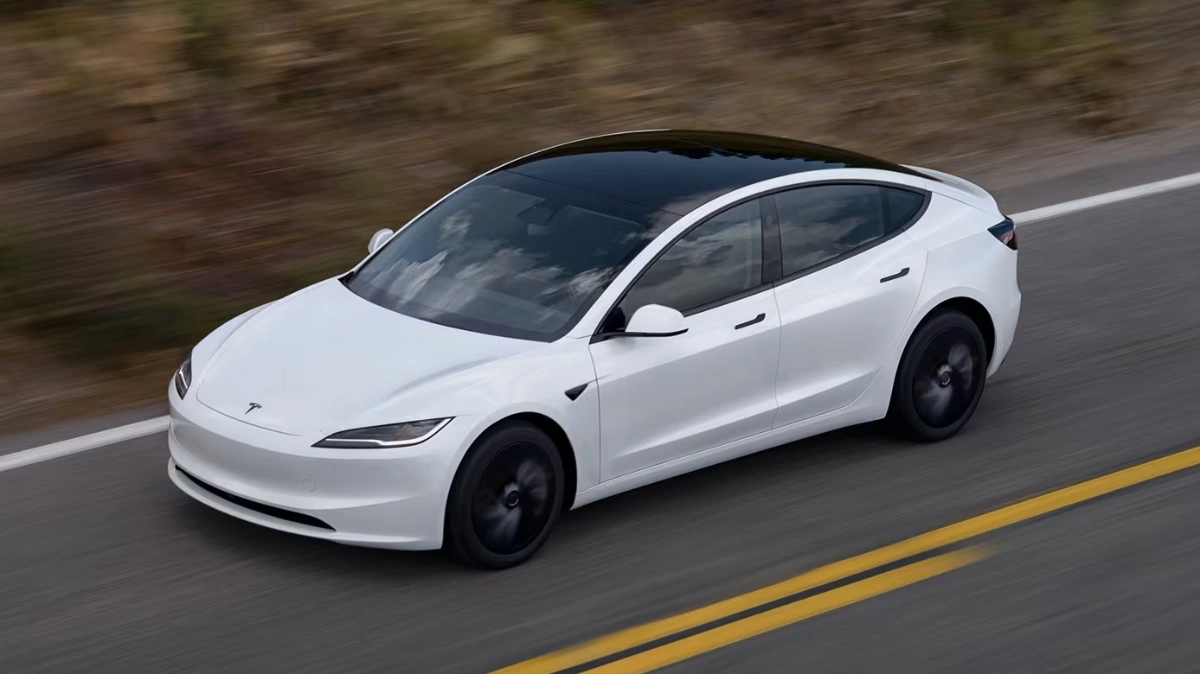
1. Tesla Model 3 Long Range
The Tesla Model 3 Long Range has earned its reputation as one of Houston’s most resilient electric vehicles, and for good reason. At the heart of its success lies Tesla’s industry-leading battery thermal management system, which employs a sophisticated liquid cooling network that actively regulates cell temperature even during the most demanding conditions.
When you’re crawling along the Katy Freeway at 5 mph with the thermometer pushing 98°F, this system becomes your best friend. Tesla’s octovalve heat pump, introduced in newer Model 3 variants, represents a masterclass in thermal engineering.
This innovative component manages heat flow between the battery pack, electric motors, cabin climate system, and even the ambient environment with remarkable efficiency.
During gridlock situations where the cabin AC is working overtime, the octovalve ensures that waste heat is strategically moved away from critical components rather than allowed to build up dangerously.
Real-world Houston owners consistently report that their Model 3s maintain optimal battery temperatures even after hours of stop-and-go traffic.
The vehicle’s sophisticated software monitors cell temperatures across the entire pack and can precondition the battery before you even start driving if it detects extreme ambient temperatures. This proactive approach prevents thermal buildup before it becomes problematic.
The Model 3 Long Range also benefits from Tesla’s extensive Supercharger network throughout Houston. When thermal management does consume extra energy during extreme conditions, drivers can quickly replenish their range at numerous well-placed charging stations.
The vehicle’s range of approximately 350 miles provides a substantial buffer, meaning even with the 15-20% range reduction common in Houston summers, you’re still looking at nearly 300 miles of real-world capability.
Perhaps most importantly, Tesla’s over-the-air update capability means the thermal management system continues improving over time.
Updates have refined battery cooling algorithms, improved heat pump efficiency, and optimized energy consumption patterns specifically for hot climates.
Houston owners have benefited from multiple updates that specifically addressed heat management, effectively making their vehicles more capable years after purchase.
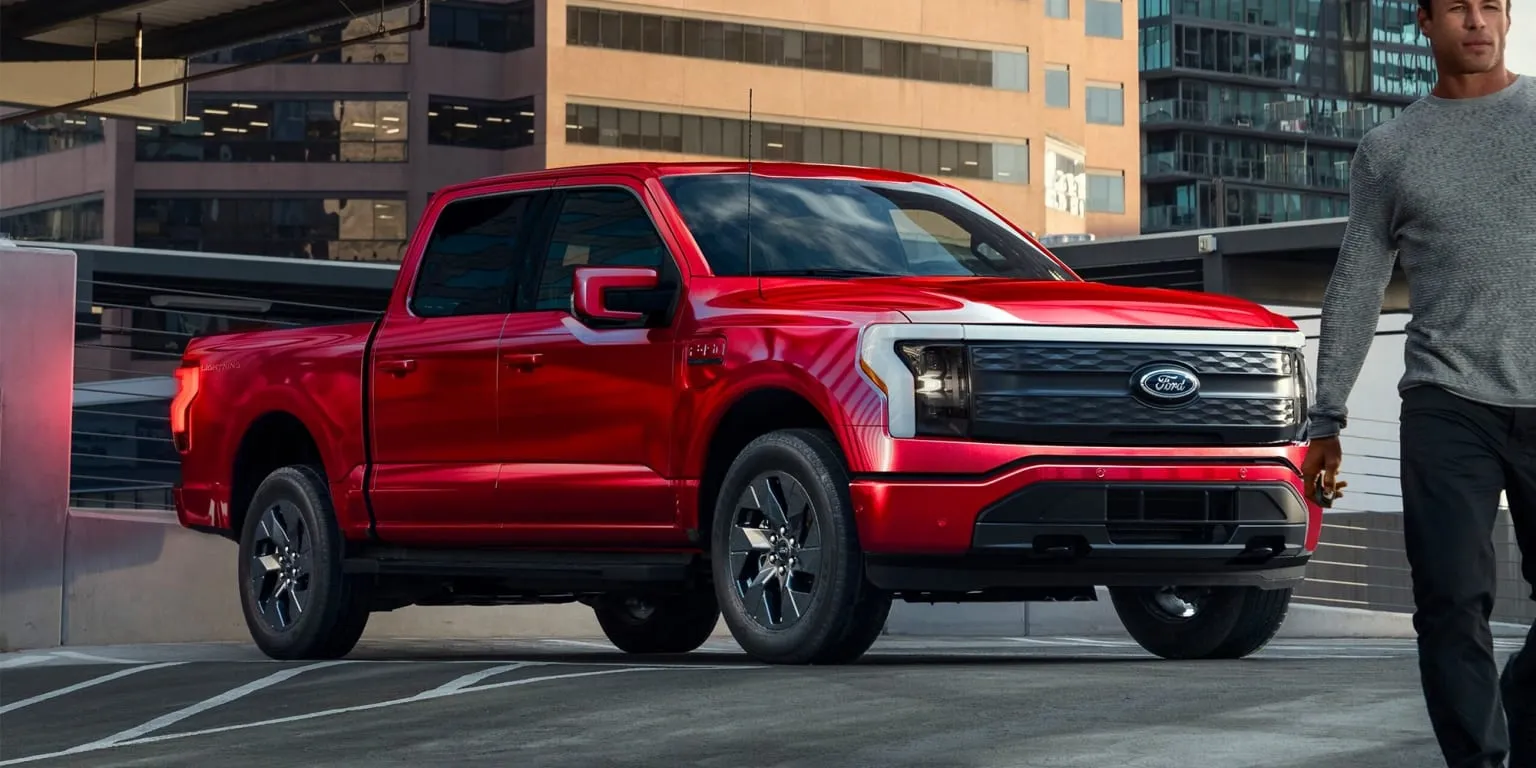
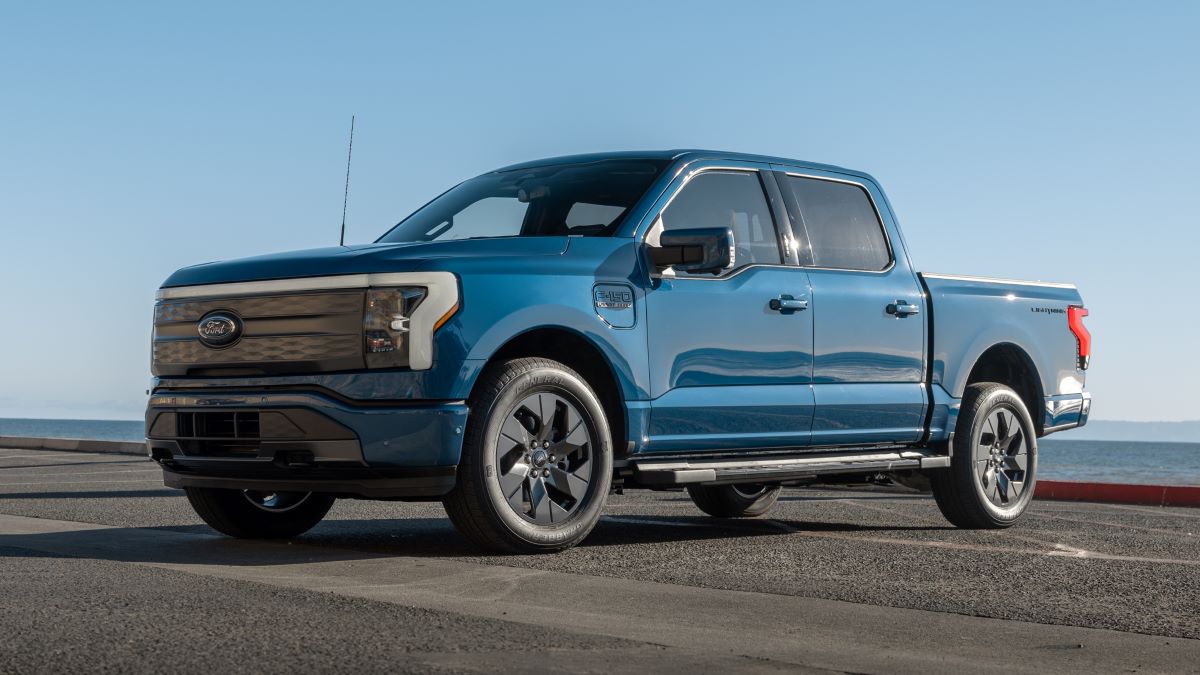
2. Ford F-150 Lightning
Ford brought serious engineering credibility to the electric truck segment with the F-150 Lightning, and nowhere is this more apparent than in its thermal management prowess.
Understanding that truck owners demand reliability in extreme conditions whether that’s towing through Hill Country heat or idling in Houston traffic with the AC cranked Ford engineered a battery system that refuses to quit.
The Lightning utilizes an active liquid cooling system with dedicated cooling channels that run throughout the battery pack. This isn’t a retrofit of existing technology; Ford designed this system from the ground up for the demands of truck duty cycles.
The cooling channels are wider and more numerous than many competitors, allowing for greater coolant flow and more efficient heat transfer when temperatures spike.
What sets the Lightning apart in Houston gridlock is its intelligent power management system. The truck constantly monitors battery temperature, ambient conditions, and power demands to optimize performance.
When sitting in traffic, it can reduce unnecessary background systems while maintaining full climate control comfort, extending your range while keeping everything cool.
The massive 131 kWh battery pack in the extended-range version also means you have plenty of energy reserves even when efficiency drops in the heat.
Ford’s testing regime for the Lightning included extensive trials in Arizona and Texas, specifically simulating the kind of conditions Houston throws at EVs daily.
Engineers subjected prototypes to hours of idle time in 115°F+ heat with air conditioning running, towing heavy loads in desert conditions, and repeated fast-charging cycles in extreme temperatures. This real-world validation shows in the Lightning’s consistent performance.
The truck’s Pro Power Onboard capability also serves as an unexpected advantage in heat management. By providing up to 9.6 kW of exportable power, the Lightning can run external equipment without straining its thermal systems.
During Houston’s frequent power outages after severe weather, owners have used their Lightnings to power their homes while the vehicle’s cooling systems kept the battery at optimal temperature, a real-world stress test that many passed with flying colors.
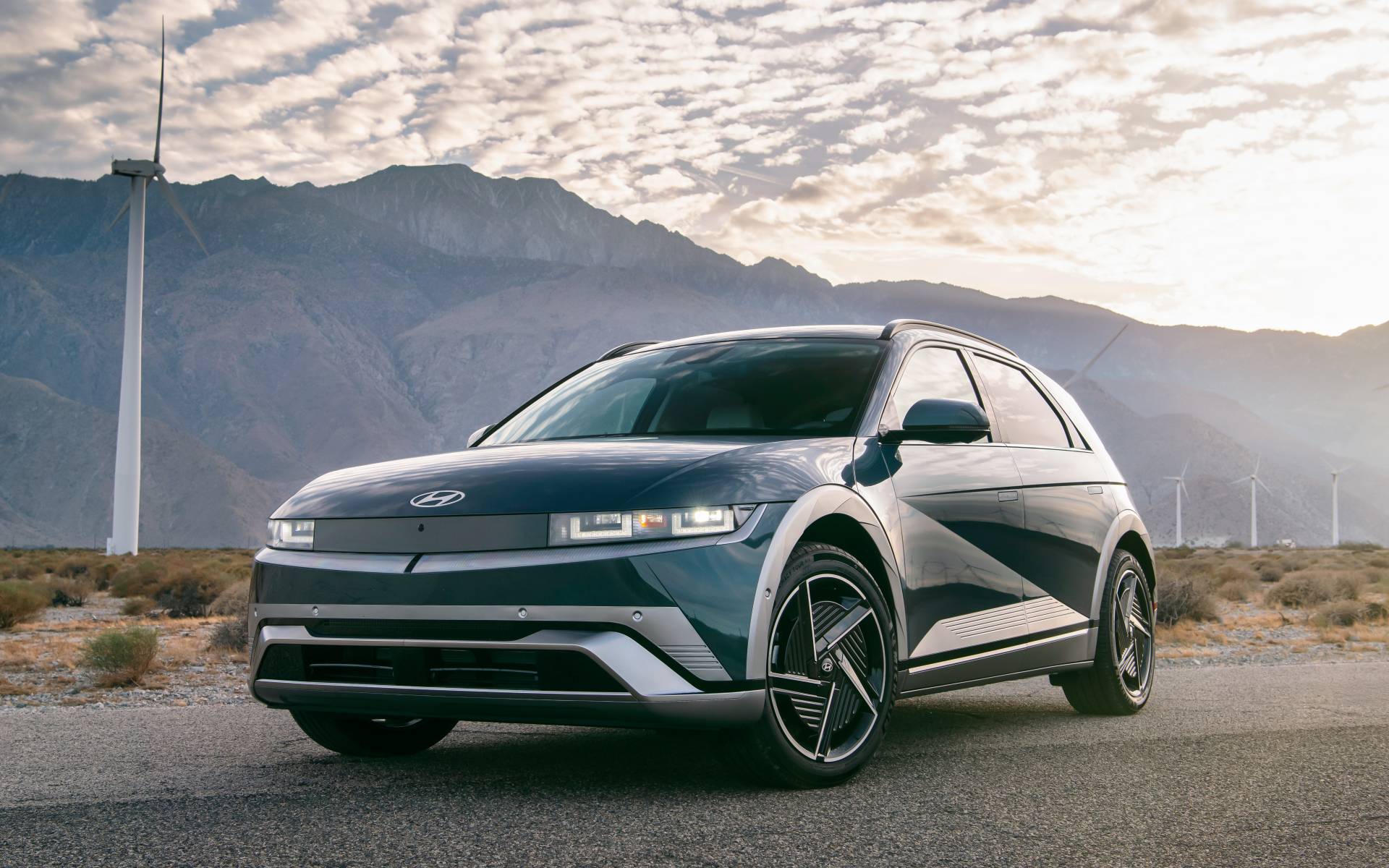
3. Hyundai Ioniq 5
Hyundai’s Ioniq 5 represents a masterclass in thermal management, drawing on decades of experience developing vehicles for diverse global markets, including some of the world’s hottest climates. The vehicle’s 800-volt architecture isn’t just about fast charging—it’s fundamentally more efficient at managing heat than traditional 400-volt systems, generating less waste heat during both driving and charging operations.
The Ioniq 5 employs a heat pump system as standard equipment across all trims, a decision that pays dividends in Houston’s climate. While heat pumps are often discussed in terms of cold-weather efficiency, they’re equally valuable in extreme heat, helping to maintain optimal battery temperatures while minimizing energy consumption. The system can move heat bidirectionally, either warming or cooling the battery as conditions demand.
Hyundai’s battery conditioning system is particularly intelligent about managing Houston’s temperature swings. The city’s overnight temperatures might drop to the 70s before soaring to the upper 90s by afternoon.
The Ioniq 5 monitors these patterns and can precondition the battery using grid power when plugged in, ensuring you start each journey with an optimally cooled battery rather than immediately stressing the thermal system.
The vehicle’s lightweight construction also contributes to heat management success. Less weight means less energy required for acceleration in stop-and-go traffic, which translates to less heat generation.
The Ioniq 5’s efficient motors produce minimal waste heat compared to some competitors, keeping thermal loads manageable even during extended gridlock sessions.
Real-world Houston testing has shown the Ioniq 5 maintaining consistent performance even during the brutal summer months. Owners report that the battery temperature gauge rarely enters warning zones, even after hours of traffic crawling.
The vehicle’s regenerative braking system, which captures energy normally lost as heat, is calibrated to work efficiently even when the battery is warm, ensuring you’re not losing range unnecessarily in stop-and-go conditions.
4. BMW iX xDrive50
BMW’s iX xDrive50 brings Bavarian engineering precision to the challenge of Houston heat, and the results speak for themselves. This luxury SUV features one of the most sophisticated thermal management systems available in any production EV, with separate cooling circuits for the battery, motors, power electronics, and cabin systems all coordinated by intelligent software that optimizes performance in real-time.
The iX’s battery cooling system uses a refrigerant-based architecture similar to what you’d find in high-performance applications. This allows for more aggressive cooling when needed without the efficiency penalties of traditional liquid cooling systems.
When temperatures soar during Houston gridlock, the iX can rapidly drop battery temperatures while consuming minimal energy, preserving your range for actual driving rather than thermal management.
BMW conducted extensive hot-weather testing in Death Valley and the Middle East, pushing prototypes through conditions even more extreme than Houston summers.
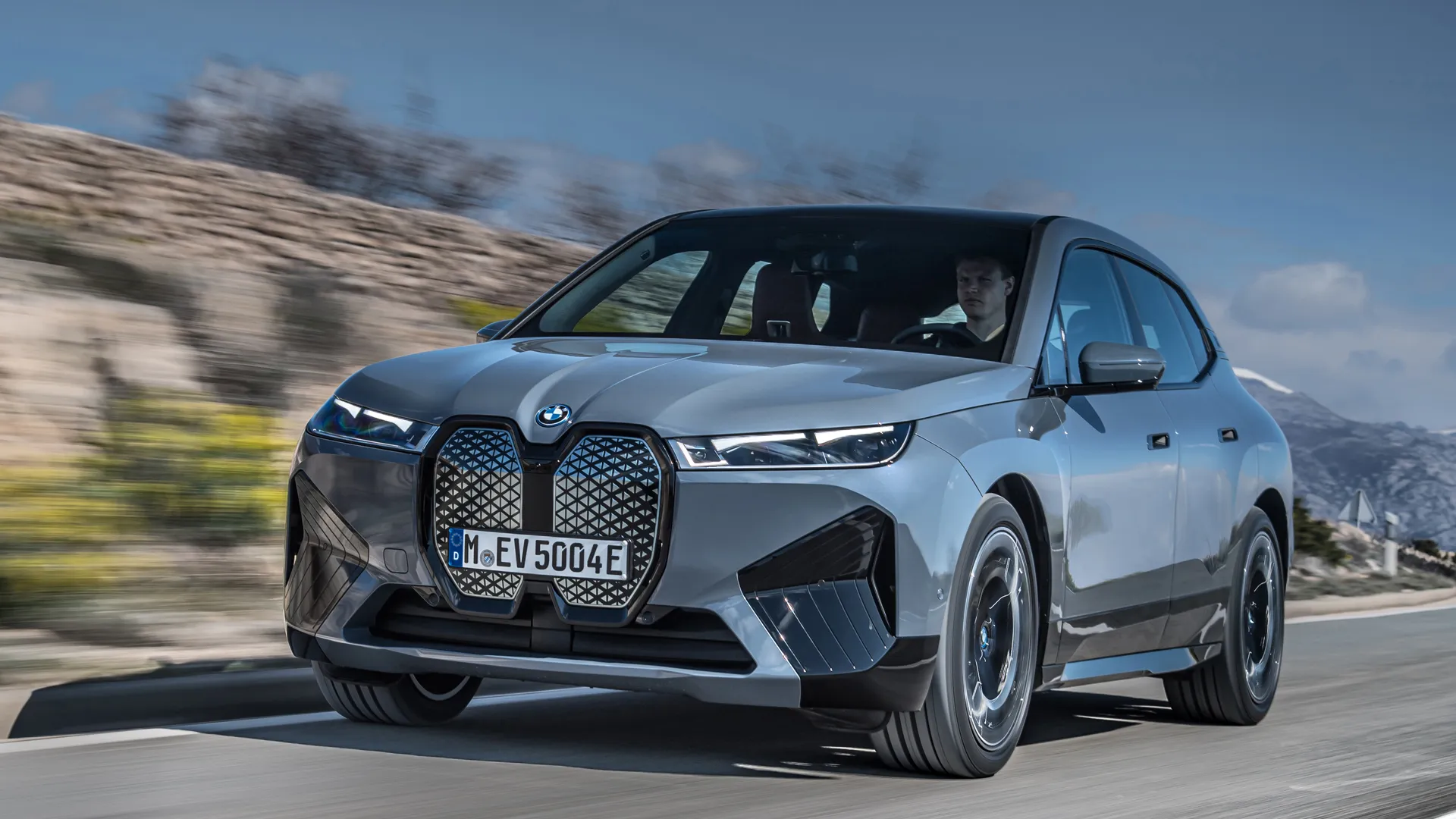
This validation process refined the thermal algorithms to handle sustained high temperatures without triggering performance limitations. The iX employs predictive thermal management, using GPS data and weather forecasts to anticipate demanding conditions and precondition the battery accordingly.
The vehicle’s adaptive regenerative braking system is particularly clever in its heat management approach. When battery temperatures rise, the system automatically adjusts regenerative braking strength to prevent additional heat buildup while still capturing energy efficiently.
This seamless adaptation happens without driver intervention, ensuring optimal performance regardless of conditions. Inside, the iX’s climate control system works in harmony with battery thermal management.
The panoramic glass roof includes embedded heating elements that can actually help manage cabin heat load, reducing the burden on the air conditioning system and indirectly helping battery temperatures. This holistic approach to thermal management sets the iX apart from competitors that treat these systems as separate entities.
Also Read: 10 Quickest Electric Cars You Can Buy for Under $50,000
5. Rivian R1T
Rivian designed the R1T with adventure in mind, which means it had to handle everything from mountain passes to desert heat to yes, Houston gridlock.
The company’s thermal management philosophy centers on resilience and redundancy, with multiple cooling pathways and failsafes that prevent thermal issues from ever becoming critical problems.
The R1T’s battery pack features a dual-loop cooling system with both a low-temperature and high-temperature circuit. This allows for precise temperature control across the entire pack, with different zones cooled independently based on their specific needs.
During Houston traffic, this means cells experiencing higher loads get additional cooling without overcooling the entire pack and wasting energy.
Rivian’s engineering team included veterans from high-performance automotive manufacturers, and their influence shows in the R1T’s aggressive cooling capabilities.
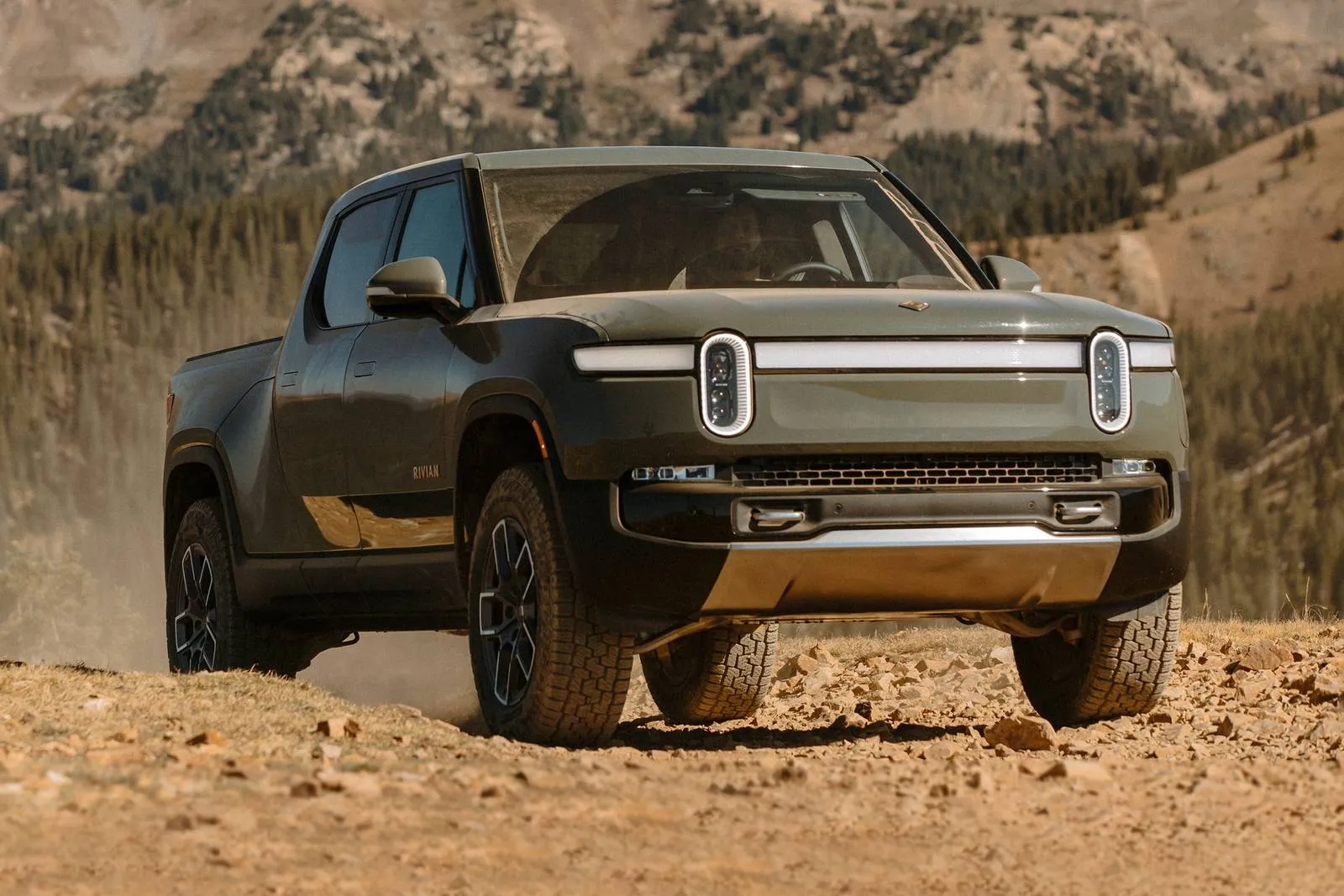
The vehicle can maintain optimal battery temperatures even during the most demanding scenarios think towing a boat through Houston traffic in July with the AC on full blast. The cooling system’s capacity exceeds what’s typically necessary, providing a crucial safety margin when conditions get extreme.
The truck’s skateboard platform architecture provides natural thermal advantages. With the battery pack positioned low in the chassis, it benefits from improved airflow compared to vehicles with batteries tucked into less favorable locations.
Rivian also incorporated underbody panels that channel air specifically for battery cooling, a detail often overlooked by competitors.
Real-world Houston owners have put their R1Ts through grueling tests, and the vehicles consistently deliver. Reports from owners who regularly tow through summer traffic show minimal range reduction and no thermal warnings, even after hours of sustained high-load operation.
Rivian’s over-the-air update capability has also brought continuous improvements to thermal management algorithms, with recent updates specifically optimizing performance for hot climates based on fleet data from Texas and other high-temperature regions.
5 EVs That Wilt in Houston Heat
These problematic electric vehicles suffer from inadequate battery cooling and overwhelmed thermal systems that create genuine concerns during Houston’s punishing climate, transforming Gulf Coast ownership into range nightmares and degradation fears as batteries overheat during typical summer gridlock causing performance limitations and accelerated capacity loss.
Their flawed engineering includes undersized cooling systems and heat-intolerant battery chemistries that cannot handle Houston’s unique combination of extreme heat and traffic congestion, leading to reduced charging speeds from hot batteries, dramatic range loss when AC runs constantly, and premature battery degradation from thermal stress that manufacturers never anticipated occurring during normal commuting.
1. Nissan Leaf
The Nissan Leaf holds an important place in EV history as one of the first mass-market electric vehicles, but its thermal management system reveals its age in Houston’s demanding climate.
Unlike virtually all modern EVs, the Leaf relies on passive air cooling rather than active liquid cooling for its battery pack. This cost-saving decision made sense in 2010 when the vehicle launched, but it’s become a significant liability in hot climates.
Passive air cooling depends on airflow and ambient temperatures to keep the battery within safe operating ranges. In Houston gridlock, where there’s minimal airflow and ambient temperatures exceed 95°F, this system simply cannot keep up.
Leaf owners throughout Texas have reported consistent thermal warnings during summer months, with the vehicle limiting power output and charging speeds to protect the battery from heat damage.
The problem becomes particularly acute during DC fast charging on hot days. While newer EVs can maintain full charging speeds even in extreme heat thanks to active cooling, the Leaf frequently throttles charging after just 15-20 minutes when ambient temperatures are high.
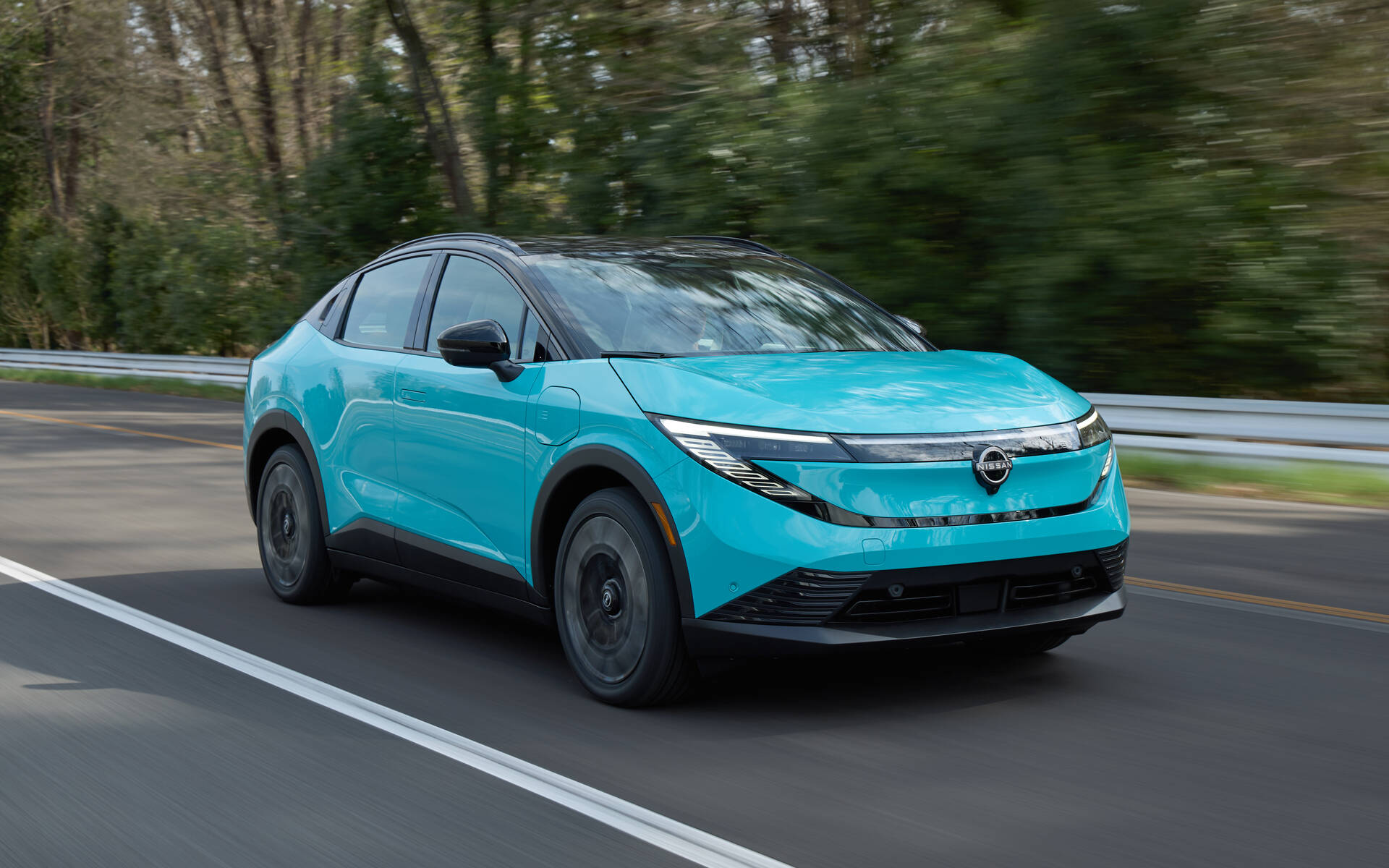
What should be a 30-minute charge session can stretch to an hour or more as the vehicle repeatedly pauses charging to let the battery cool naturally. Long-term battery degradation data from hot climates tells a concerning story for Leaf owners.
Studies in Arizona and Texas show Leaf batteries degrading significantly faster than actively cooled competitors, with some vehicles losing 20-30% of capacity within five years.
Houston’s combination of heat and humidity accelerates this degradation, making the Leaf a poor long-term investment for local drivers.
Nissan attempted to address these concerns with improved battery chemistry in later models, and the 2024+ Leaf includes somewhat better heat tolerance.
However, without fundamentally redesigning the cooling system, these improvements only mitigate rather than solve the problem. In Houston’s stop-and-go traffic on a summer afternoon, the Leaf remains vulnerable to overheating, making it difficult to recommend despite its otherwise competitive features and attractive pricing.
2. Chevrolet Bolt EV
The Chevrolet Bolt EV offers impressive value and a practical 259-mile range, but GM’s cost-optimization approach resulted in a thermal management system that struggles with Houston’s climate extremes. While the Bolt does feature liquid cooling—unlike the air-cooled Nissan Leaf—its cooling system is undersized and lacks the sophistication of better-engineered competitors.
The Bolt’s cooling system uses a single-loop design with limited coolant flow capacity. During demanding conditions like Houston gridlock with air conditioning running, this system can’t remove heat quickly enough to maintain optimal battery temperatures. Owners report the battery temperature gauge frequently entering the warning zone during summer months, accompanied by reduced performance and range.
Particularly problematic is the Bolt’s behavior during consecutive fast-charging sessions. The vehicle’s cooling system can handle one DC fast charge reasonably well, but if you need to charge again within a few hours—common on longer trips through Texas heat—the battery often hasn’t cooled sufficiently.
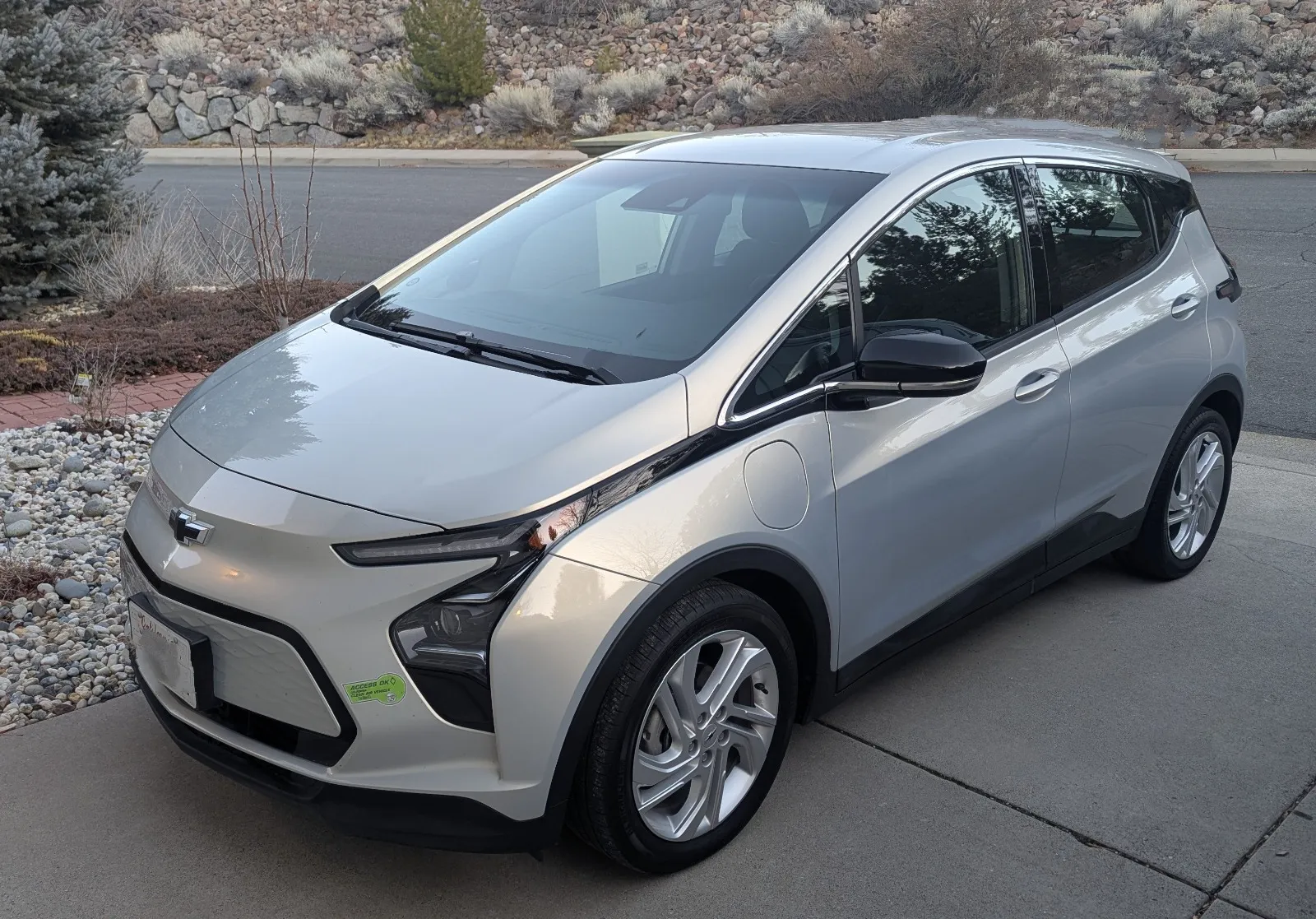
This results in dramatically reduced charging speeds, sometimes dropping to less than 50 kW when the battery should theoretically accept 55 kW or more.
GM’s battery chemistry choices for the Bolt have also proven problematic in heat. The original battery cells showed concerning degradation patterns in hot climates, contributing to the massive recall that affected all Bolt EVs and EUVs. While replacement batteries addressed the fire risk that prompted the recall, they didn’t fundamentally improve heat tolerance. Houston owners with replacement packs still report thermal management struggles during summer months.
The Bolt’s compact design contributes to its thermal challenges. The battery pack is tightly packaged with limited airflow, and the small underbody surface area restricts cooling capacity. Unlike larger vehicles that can use their size to advantage for thermal management, the Bolt’s efficiency-focused design left little room for robust cooling hardware.
Software limitations further hamper the Bolt’s heat management. Unlike Tesla or Rivian vehicles that receive regular over-the-air updates improving thermal algorithms, the Bolt’s thermal management logic is essentially fixed from the factory. As Houston owners have adapted their driving patterns to summer conditions, the vehicle hasn’t adapted with them, leading to predictable but unavoidable thermal issues.
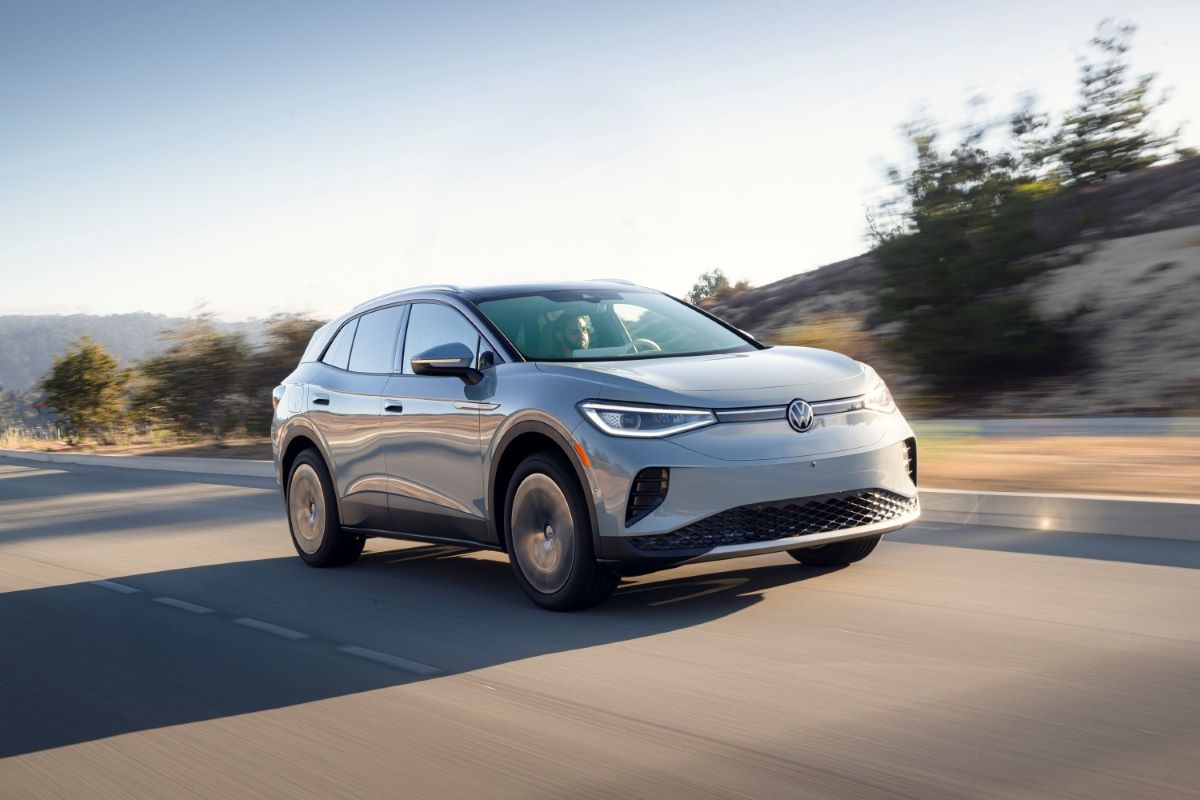
3. Volkswagen ID.4
Volkswagen’s ID.4 represents the German automaker’s ambitious entry into the American EV market, but its thermal management system reveals a design optimized for European rather than Texas conditions. While the ID.4 features liquid cooling and reasonable engineering, the system’s capacity and tuning prove inadequate for sustained Houston heat and gridlock.
The ID.4’s cooling system works acceptably in moderate climates, but Houston’s combination of extreme heat, high humidity, and stop-and-go traffic pushes it beyond its comfort zone.
Owners report that after 30-40 minutes of gridlock traffic in summer temperatures, the vehicle begins limiting power output to protect the battery. This manifests as reduced acceleration and, frustratingly, restrictions on regenerative braking that would normally help recapture energy in traffic.
VW’s battery preconditioning system is also less sophisticated than competitors. While vehicles like the Tesla Model 3 or Hyundai Ioniq 5 proactively cool the battery before you even start driving in hot weather, the ID.4 takes a reactive approach.
By the time the system recognizes the battery is too warm, you’re already experiencing reduced performance. This reactive philosophy leaves Houston drivers constantly chasing optimal temperatures rather than maintaining them.
The ID.4’s heat pump system, which should help manage thermal loads efficiently, has proven problematic in some units. Multiple Houston owners have reported heat pump failures during warranty periods, often correlated with extended exposure to high temperatures. While VW has addressed these failures under warranty, the pattern suggests the system wasn’t adequately validated for sustained high-temperature operation.
Charging performance degradation in heat is another concern. The ID.4’s maximum DC fast charging speed of 135 kW is already modest compared to newer competitors, but this drops significantly when battery temperatures rise.
Houston owners attempting to fast charge after highway driving in summer often see speeds limited to 70-80 kW, making charging sessions frustratingly slow when you’re already dealing with reduced range from the heat.
Perhaps most concerning is VW’s limited service infrastructure for EV-specific issues in Houston. When thermal management problems arise, finding qualified technicians who understand the ID.4’s systems can be challenging. This contrasts sharply with Tesla’s dedicated service network or Ford’s extensive dealer network familiar with the Lightning’s systems.
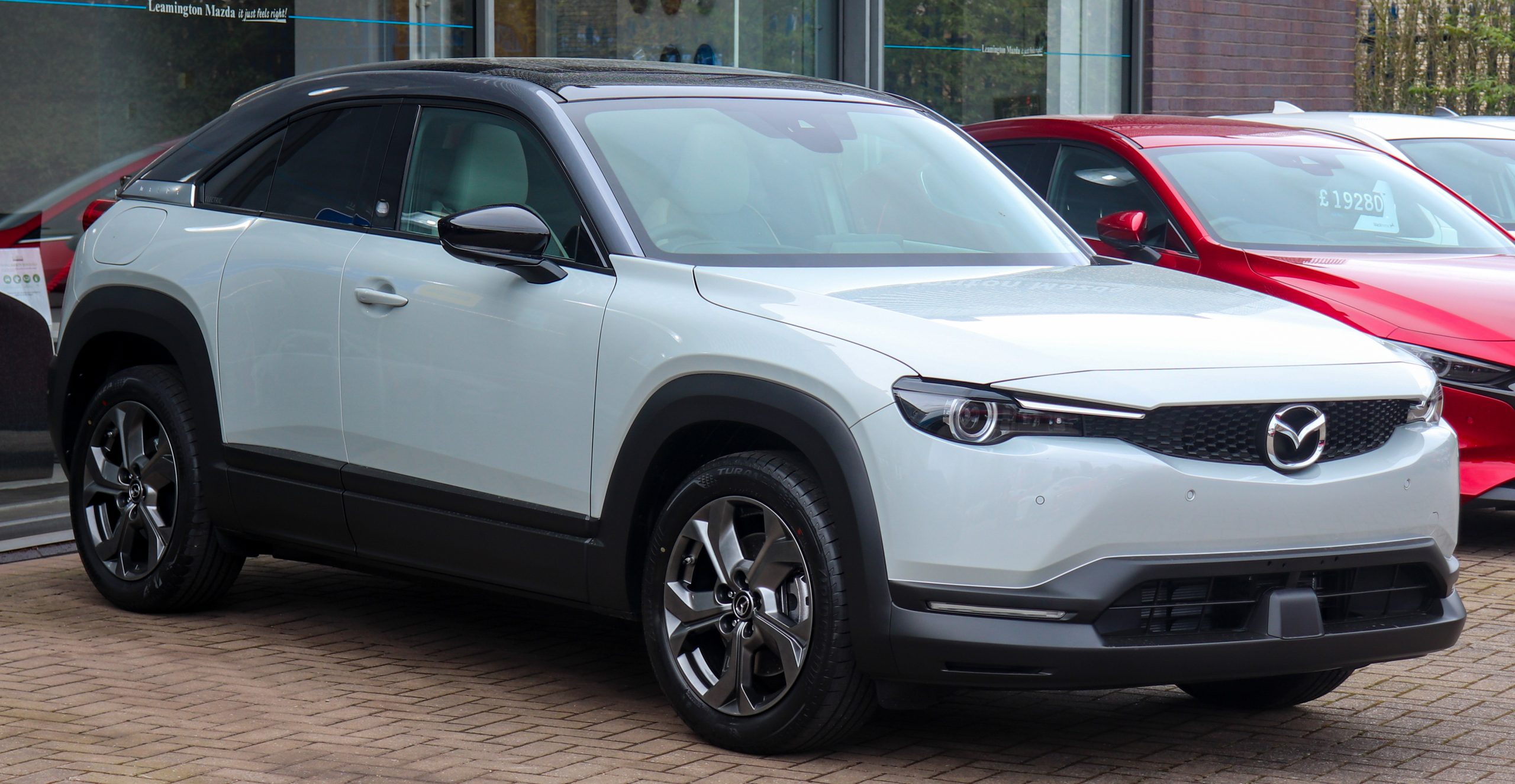
4. Mazda MX-30
Mazda’s MX-30 brings the brand’s renowned driving dynamics and interior quality to the EV market, but its thermal management system is woefully undersized for both the vehicle’s small battery and Houston’s demanding conditions.
The MX-30’s 35.5 kWh battery pack is already limiting, providing only about 100 miles of range in ideal conditions a figure that drops precipitously in Houston heat.
The vehicle’s liquid cooling system is scaled appropriately for the small battery capacity, which sounds reasonable until you consider the thermal dynamics at play. A smaller battery working harder to provide adequate power generates more heat per kWh than a larger battery operating within its comfort zone.
In Houston gridlock, the MX-30’s battery is working near its limits just to maintain speed and run climate control, generating substantial heat that the cooling system struggles to dissipate.
Mazda’s conservative thermal management programming compounds the problem. The vehicle is extremely protective of its small battery, aggressively limiting performance at the first sign of raised temperatures.
While this approach may preserve long-term battery health, it results in a frustrating driving experience. Houston owners report power limitations kicking in after just 20-30 minutes of stop-and-go traffic on hot days, making the already modest performance feel downright sluggish.
The MX-30’s rapid charging capability is similarly compromised by thermal concerns. The vehicle’s maximum DC fast charging rate of 36 kW is already slow by modern standards, but in Houston summer heat, this often drops to 25-30 kW as thermal protections engage.
Combined with the small battery capacity requiring frequent charging, this creates a uniquely frustrating ownership experience for anyone attempting longer drives.
Range anxiety becomes acute in Houston’s climate with the MX-30. The EPA-rated 100 miles can easily drop to 70-75 miles in summer conditions with air conditioning. Factor in Houston’s sprawling geography it’s not uncommon for daily commutes to exceed 50 miles round trip and the MX-30 leaves virtually no margin for error.
The thermal management system’s tendency to further reduce available power when temperatures rise means you’re constantly monitoring range and battery temperature, undermining the relaxed driving experience Mazda intended.
Real-world Houston owners have largely concluded the MX-30 simply wasn’t designed for Texas conditions. Online forums are filled with reports of thermal warnings, reduced performance, and range figures far below EPA ratings during summer months.
While the vehicle excels in moderate climates with short daily driving distances, it’s fundamentally mismatched to Houston’s demands.
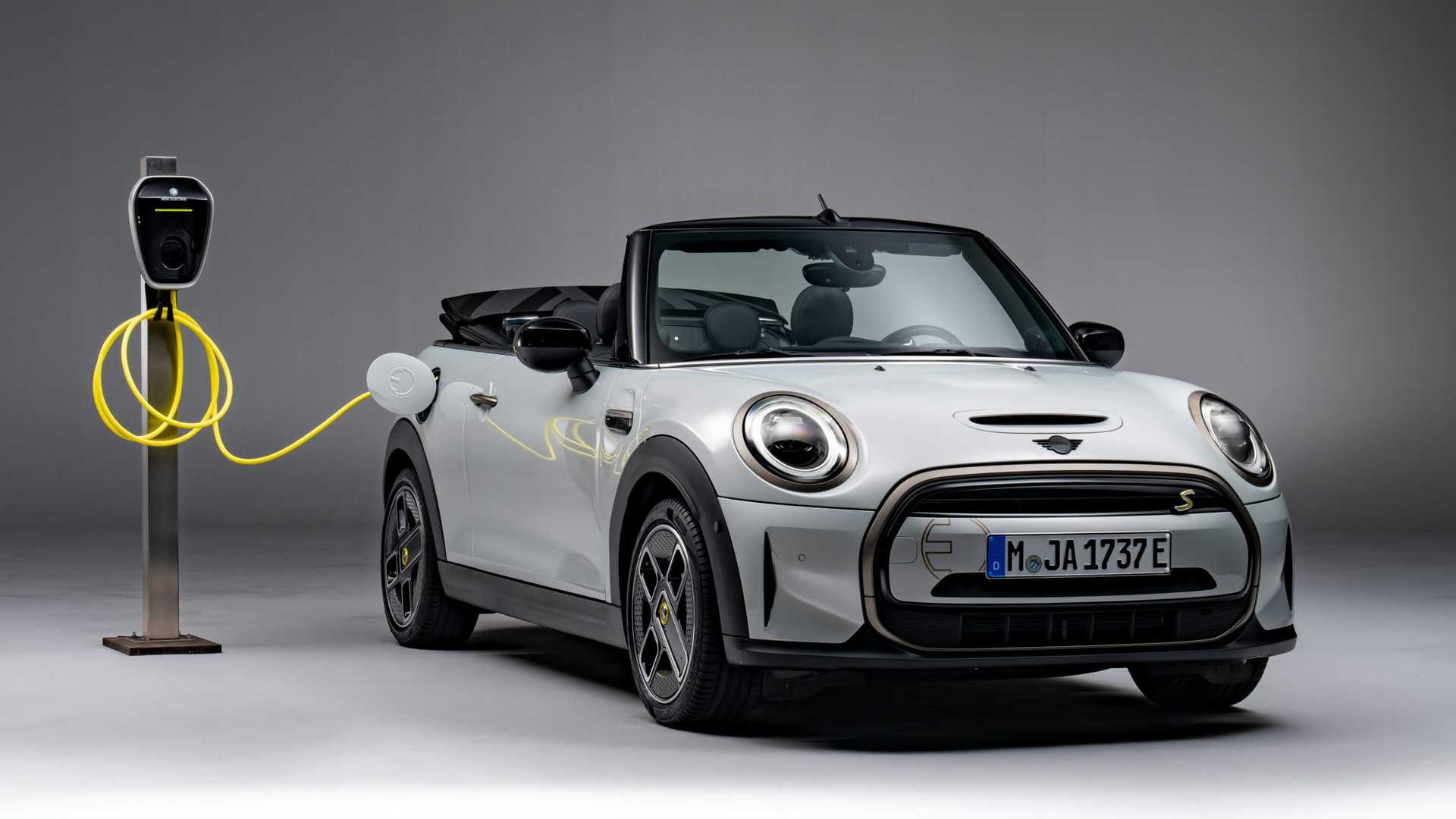
5. Mini Cooper SE
The Mini Cooper SE brings the brand’s iconic styling and go-kart handling to the electric world, but its thermal management system reveals the limitations of adapting an existing platform rather than designing an EV from the ground up.
Based on the gasoline-powered Mini Cooper, the SE’s battery cooling system feels like an afterthought, and Houston’s climate exposes these compromises mercilessly.
The Cooper SE uses a liquid cooling system, but the cooling circuit is notably simpler than purpose-built EVs. The system shares components with the cabin climate control, meaning running the air conditioning on full blast during Houston gridlock directly impacts battery cooling capacity.
This creates a frustrating tradeoff: maintain comfortable cabin temperatures and risk battery overheating, or reduce AC output and suffer in the heat while protecting the battery.
Mini’s compact battery pack just 32.6 kWh provides only 114 miles of EPA-rated range, a figure that becomes problematic in Houston heat.
Like the Mazda MX-30, this small battery must work relatively hard to provide adequate performance, generating substantial heat in the process. The limited cooling capacity can’t keep pace during demanding driving, leading to frequent thermal warnings during Houston summers.
The Cooper SE’s thermal management software is also less refined than competitors. The vehicle doesn’t offer preconditioning features that would allow you to cool the battery while plugged in before driving.
It lacks sophisticated predictive algorithms that anticipate thermal challenges based on route and weather data. This reactive rather than proactive approach means you’re constantly dealing with thermal issues rather than preventing them.
Charging performance suffers significantly in heat. The Cooper SE’s maximum DC fast charging rate is only 50 kW, already quite slow compared to modern EVs.
In Houston summer conditions, this frequently drops to 35-40 kW as thermal protections engage, making fast charging sessions painfully slow. Many Houston owners report simply avoiding fast charging during summer months, instead relying exclusively on slower Level 2 charging to minimize thermal stress.
The Cooper SE’s urban-focused design philosophy fundamentally clashes with Houston’s reality. Mini envisioned this vehicle for short city trips in moderate climates think San Francisco or Seattle. Houston’s sprawling suburban geography, brutal summer heat, and car-dependent infrastructure create demands the Cooper SE simply wasn’t engineered to meet.
While it can technically function as daily transportation, the constant thermal management struggles and range limitations make it a frustrating choice for Houston drivers who have better options available.
