City driving is demanding in ways many people do not immediately see. Short trips, constant braking, potholes, tight parking, and heavy traffic all put unique stress on a vehicle.
For small car owners, maintenance becomes one of the most important long term considerations. A car that is cheap and simple to maintain can make urban life far more affordable and less stressful.
In dense cities, even minor repairs happen more often. Bumpers get scuffed, wheels hit curbs, and suspensions deal with rough pavement.
Vehicles with widely available parts, straightforward mechanical designs, and strong reliability records tend to handle this environment better. They spend less time in the workshop and more time doing what owners actually need, which is daily transportation.
On the other hand, some small cars are surprisingly expensive or complicated to maintain. Advanced technology, tightly packed engine bays, or less common parts can increase labor time and repair costs. What looks like a budget friendly small car on the surface can turn into a financial burden when routine service or minor fixes cost more than expected.
This difference matters even more in cities where people rely heavily on their vehicles for work, errands, and family responsibilities. Downtime is inconvenient, and high repair bills can disrupt carefully planned budgets. Choosing a model known for durability and low service costs can make ownership far more predictable.
In this article, we first explore small cars that are generally easy and affordable to maintain in urban environments.
Then we look at small cars that tend to be more demanding on the wallet and time. The goal is not to label cars as good or bad, but to highlight how maintenance realities can vary widely, even within the same size class.
Also Read: 5 Cars Built for Cincinnati’s Stop-and-Go Roads vs 5 That Wear Brakes Too Fast
5 Small Cars That Are Easy to Maintain in Cities
Some small cars are built with simplicity and long term durability in mind. These models often use proven engines, widely shared parts, and designs that make routine service straightforward. In cities where wear and tear happens quickly, this kind of engineering can save owners both money and frustration over the years.
Affordable maintenance starts with reliability. Cars that rarely break down or suffer major mechanical failures naturally cost less to keep on the road. Routine services like oil changes, brake replacements, and tire rotations are predictable and easier to budget for than unexpected major repairs.
Parts availability is another key factor. Popular models from established brands usually have a large supply of replacement components. This keeps prices competitive and shortens repair times. In urban areas where being without a car can be a major inconvenience, fast and affordable access to parts makes a big difference.
Design simplicity also plays a role. Engine bays that are not overly cramped, electronics that are not excessively complex, and mechanical systems that have been refined over many years tend to reduce labor time. Lower labor time means lower bills when something needs fixing.
Fuel-efficient engines with modest power outputs can also contribute to lower maintenance costs. They place less stress on components compared to high-performance setups, which helps extend the life of parts like brakes and tires that already wear faster in city traffic.
The five small cars in this section stand out because they combine proven reliability, accessible parts, and straightforward engineering. For city drivers, they offer a level of ownership predictability that makes daily life easier and long term costs more manageable.
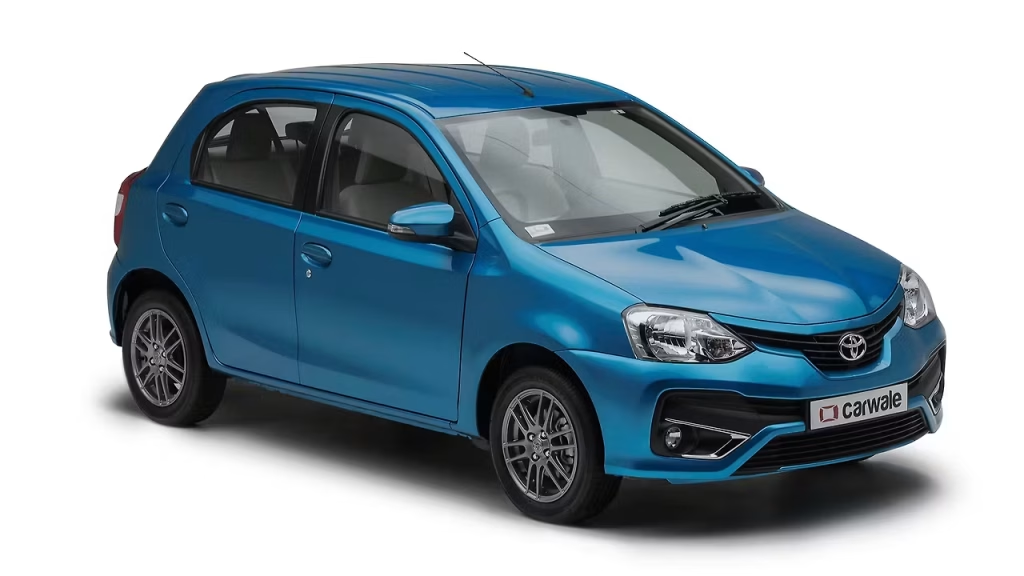
1. Toyota Etios Liva
The Toyota Etios Liva has built a reputation for durability and low ownership costs, which makes it a strong candidate for easy city maintenance.
Its mechanical components are based on simple, proven designs rather than cutting edge technology. That straightforward engineering means fewer things are likely to go wrong as the car ages in demanding urban conditions.
One of the biggest advantages of the Etios Liva is parts availability. Toyota’s widespread service network ensures that common replacement items such as brake pads, filters, and suspension components are easy to find and reasonably priced. In cities where potholes and stop and go traffic accelerate wear, affordable parts make a real difference.
The engine bay layout is also relatively accessible. Routine maintenance tasks do not require excessive labor time, which helps keep service bills lower.
When mechanics can work efficiently, owners benefit from shorter workshop visits and reduced labor charges. This practicality is especially valuable for drivers who rely on their car daily.
The car’s suspension is tuned for durability rather than sportiness. That design helps it cope with rough city roads and speed breakers without frequent component failures. Fewer suspension repairs mean less downtime and more predictable maintenance costs over the life of the vehicle.
Fuel efficiency is another quiet advantage. A smaller, lightly stressed engine reduces strain on related components. Brakes and tires also tend to last longer in vehicles that are not overly heavy or powerful, which further helps keep maintenance budgets under control.
I am including the Toyota Etios Liva because it represents a type of small car built with long term dependability in mind. In a city environment where minor wear is constant, its simplicity and durability make it easier and cheaper to maintain.
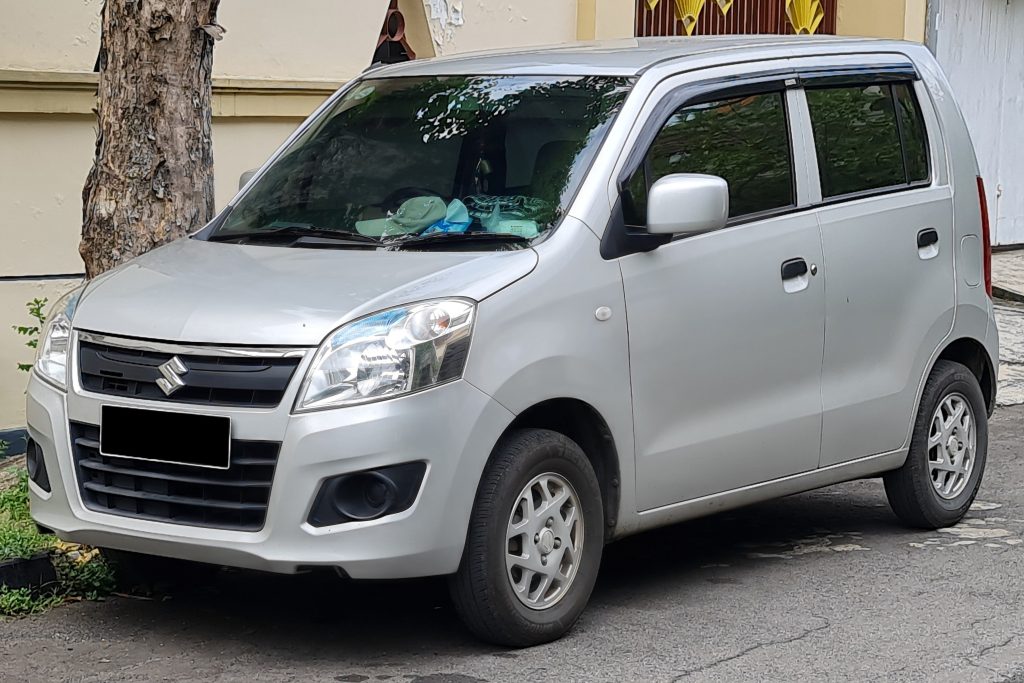
2. Maruti Suzuki Wagon R
The Maruti Suzuki Wagon R is widely recognized for its practicality and low running costs, especially in urban settings. Its tall, boxy shape may be simple, but underneath it uses well established mechanical components that have been refined over years. This proven formula helps reduce the likelihood of expensive, unexpected repairs.
Service and spare parts availability are major strengths. Maruti Suzuki’s extensive network means replacement parts are easy to source almost anywhere in the city. Competitive pricing for common components keeps routine maintenance affordable, which is crucial for owners trying to manage tight budgets.
The Wagon R’s lightweight design reduces strain on brakes and tires. In city traffic, where frequent stopping and starting is the norm, this can extend the life of wear items. Fewer replacements over time translate directly into lower ownership costs.
Its engine is tuned for efficiency and everyday usability rather than performance. This reduces stress on internal components, helping the engine and transmission last longer with proper care. A less highly stressed powertrain is generally easier and cheaper to maintain in the long run.
The simple interior and electronics also help keep repair complexity low. With fewer advanced systems to malfunction, there are fewer opportunities for expensive electrical repairs. This kind of straightforward design works well in environments where cars are used heavily and continuously.
I chose the Wagon R because it shows how a no-frills, practical small car can deliver consistent reliability and low service costs, which are exactly what city drivers need from a maintenance perspective.
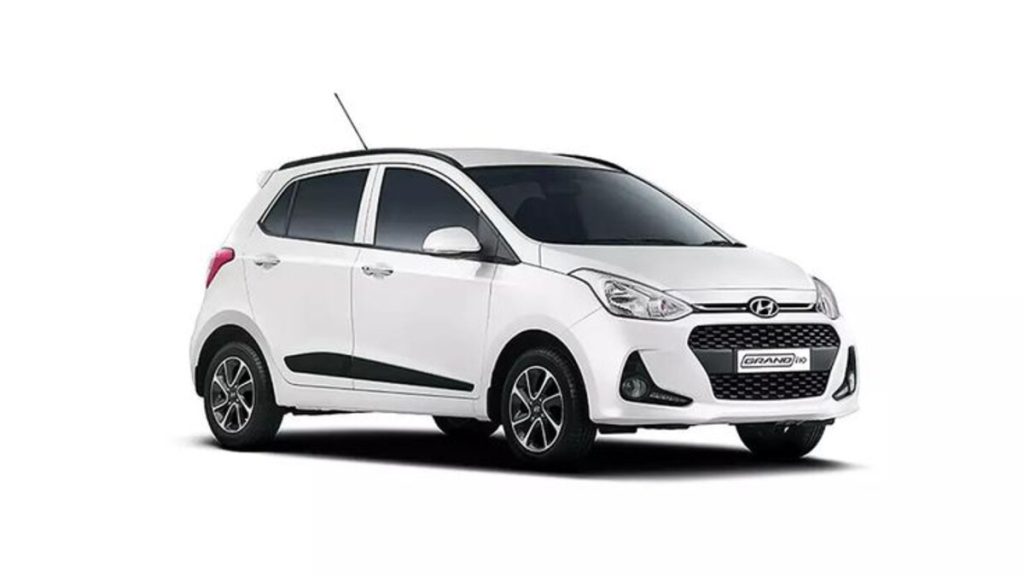
3. Hyundai Grand i10
The Hyundai Grand i10 strikes a balance between modern features and manageable maintenance costs. It uses engines and mechanical components that are widely shared across other Hyundai models, which helps keep parts availability high and prices relatively reasonable. This commonality is a big advantage in busy urban service environments.
Routine servicing is generally straightforward. The engine bay is not overly cramped, allowing technicians to access key components without excessive labor time. Shorter service times help reduce labor charges, making regular maintenance more affordable over the life of the car.
The Grand i10’s suspension is designed with comfort in mind, but it is also durable enough to handle uneven city roads. While no car is immune to wear, the components are not unusually expensive to replace. This balance between comfort and toughness suits urban driving conditions well.
Fuel efficient engines mean less strain on mechanical parts. Lower power outputs and lighter vehicle weight help extend the life of brakes, tires, and drivetrain components. In stop and go traffic, this translates into fewer replacements and lower long term maintenance expenses.
Hyundai’s growing service network also helps keep ownership convenient. Easy access to authorized workshops and widely available parts reduces downtime when maintenance is needed. For city drivers who depend on their car daily, quick turnaround times are just as important as low costs.
I included the Hyundai Grand i10 because it combines modern usability with sensible engineering. It avoids excessive complexity while still offering comfort, making it one of the small cars that remains relatively easy and affordable to maintain in urban environments.
4. Honda Brio
The Honda Brio is a compact hatchback built around a simple, efficient platform that has proven to be durable in daily city use.
Its small, naturally aspirated engine is not heavily stressed, which helps reduce wear on internal components. This kind of straightforward engineering often translates into fewer major mechanical issues over time.
Routine maintenance on the Brio is generally uncomplicated. The layout under the hood allows mechanics to access common service points without excessive disassembly.
This reduces labor hours during routine services like oil changes, belt replacements, and minor repairs, keeping workshop bills more manageable.
Parts availability is another strength. Honda has a strong service presence in many urban areas, and commonly replaced components such as filters, brake parts, and suspension pieces are widely stocked. Easy access to parts shortens repair times and helps avoid inflated prices due to limited supply.
The Brio’s lightweight body also helps reduce stress on wear items. Brakes and tires, which already wear faster in stop and go city traffic, tend to last longer in lighter vehicles. Over years of ownership, fewer replacements can lead to meaningful savings.
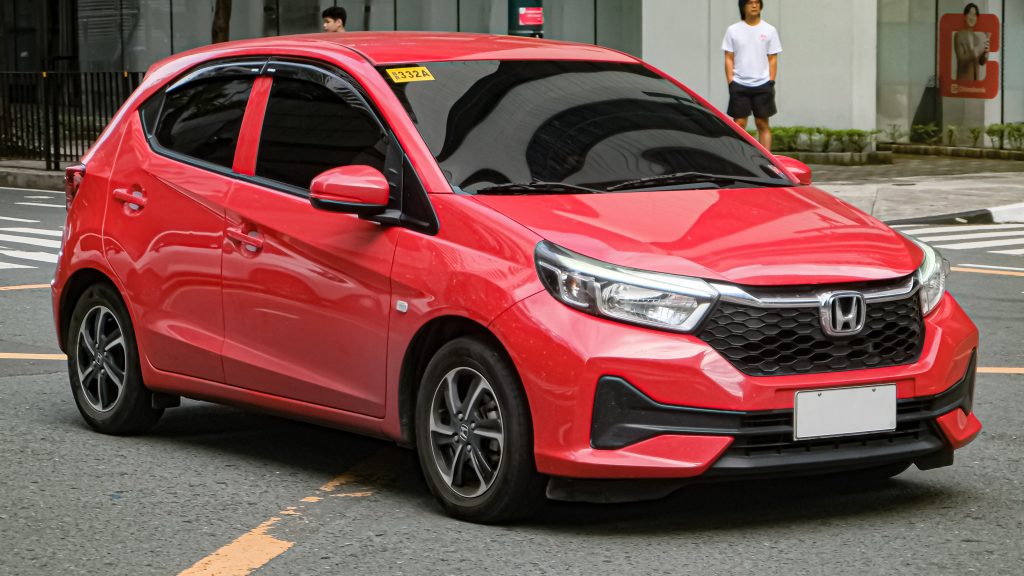
Its suspension is tuned to balance comfort with durability. While city roads can be rough, the Brio’s components are not unusually fragile or expensive to replace. This helps keep unexpected suspension repairs from becoming a major financial burden.
I chose the Honda Brio because it represents a small car that stays close to mechanical basics while delivering reliable daily performance. In urban environments where constant use is the norm, that simplicity makes it easier and more affordable to maintain.
5. Ford Figo
The Ford Figo offers solid value for city drivers thanks to its sturdy build and relatively straightforward mechanical setup.
It uses engines that are designed for efficiency and everyday usability rather than high performance, which helps limit long term stress on major components. That approach supports durability in stop and go traffic.
Routine service tasks on the Figo are typically manageable in terms of labor time. Many service centers are familiar with its layout, and common maintenance procedures do not require excessive disassembly. Lower labor time directly reduces the cost of regular upkeep.
Parts availability for common wear items is generally good in urban areas. Brake components, filters, and suspension parts are widely stocked, which helps keep repair times short. Quick access to affordable parts is especially important when a car is used daily for commuting and errands.
The Figo’s suspension is built to handle mixed road conditions, which is helpful in cities where pavement quality can vary. While wear is inevitable, the components are not known for being unusually expensive. This keeps suspension related repairs within a reasonable budget range.
Fuel efficiency also contributes to lower maintenance costs. A lighter car with modest power demands less from its brakes and tires. In heavy traffic, where these parts wear faster, the Figo’s design helps slow that process and reduce replacement frequency.
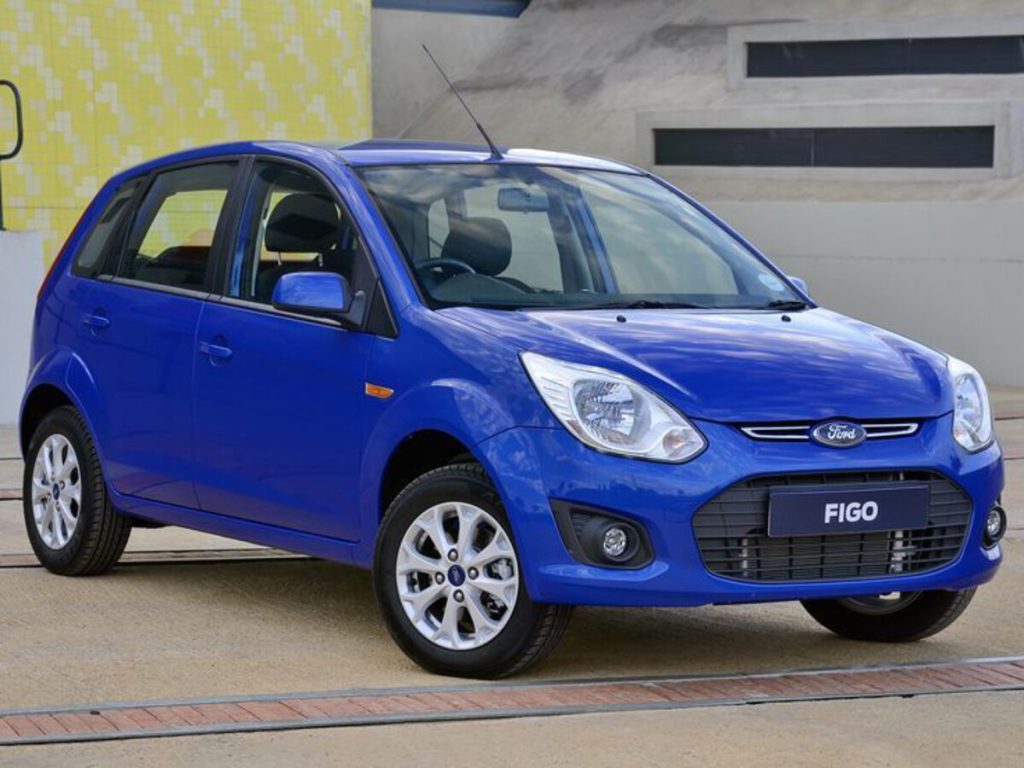
I included the Ford Figo because it combines practical engineering with urban durability. For drivers looking for a small car that can handle daily city use without constant expensive repairs, it stands out as a sensible, relatively easy to maintain option.
5 Small Cars That Are Not Easy to Maintain in Cities
Not all small cars are inexpensive to maintain, even if they look compact and city friendly. Some models use more complex technology, tightly packed engine bays, or less common parts that increase labor time and repair costs. In an urban environment where wear and minor damage are frequent, these factors can make ownership more demanding.
Advanced features can sometimes be a double edged sword. Turbocharged engines, complex automatic gearboxes, and sophisticated electronics improve performance and comfort, but they also introduce more components that can fail. Repairs on these systems often require specialized tools and expertise, raising service bills.
Parts availability is another challenge for certain small cars, especially imported or less common models. When replacement components are harder to source, prices can be higher and repair times longer. For city drivers who rely on their car every day, extended time in the workshop is a major inconvenience.
Tightly packaged designs can also increase maintenance difficulty. In very compact engine bays, even simple repairs may require removing multiple parts just to access a single component. This increases labor time, which directly increases the final bill.
The following five small cars highlight how maintenance can become more complex and costly, even in the compact segment. They may offer style, performance, or advanced features, but in demanding city conditions, they often require more time and money to keep running smoothly.
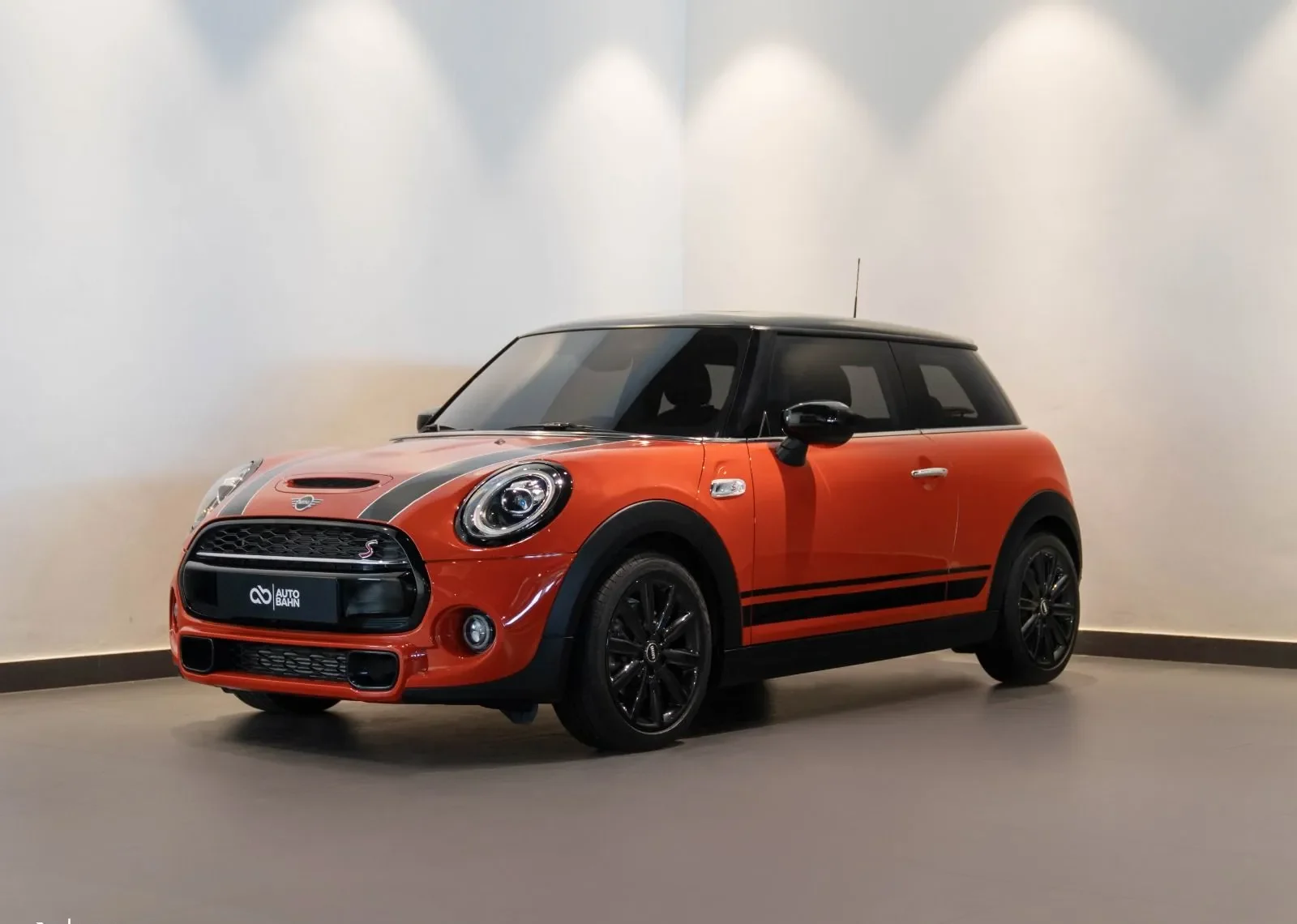
1. Mini Cooper (Turbo Models)
The Mini Cooper, especially in its turbocharged variants, offers fun driving dynamics and premium styling in a small package. However, that same compact, performance oriented design can make maintenance more complicated in city use. The engine bay is tightly packed, which often increases labor time even for routine repairs.
Turbocharged engines add another layer of complexity. While they deliver strong performance, they operate under higher stress and heat.
In stop and go city traffic, this can contribute to increased wear on components like turbochargers, hoses, and cooling systems. Repairs involving these parts are typically more expensive than on simpler, naturally aspirated engines.
Parts pricing is another factor. Minis often use specialized components that cost more than equivalent parts for mainstream small cars. Even basic items such as brake parts or sensors may be priced at a premium, which can add up over years of urban driving where wear is frequent.
Electronics and sensors are also more advanced than in many budget friendly small cars. While these features add convenience and safety, they also introduce more potential failure points. Diagnosing and fixing electronic issues can be time consuming and costly, especially once the vehicle is out of warranty.
City driving increases the risk of minor body damage, and repair costs for Minis can be higher due to premium paint finishes and specific body panels. Even small cosmetic fixes may be more expensive than expected for a car of this size.

I included the Mini Cooper turbo models because they show how a small, stylish car can still carry maintenance demands closer to those of a premium vehicle, which may surprise city owners expecting lower costs.
2. Volkswagen Polo GT
The Volkswagen Polo GT combines a small footprint with a turbocharged engine and more advanced mechanical components. While this makes it engaging to drive, it can also raise maintenance complexity, particularly in heavy city use where engines and transmissions experience frequent stress from traffic conditions.
Turbocharged engines and dual clutch automatic gearboxes, common in performance oriented trims, are more complex than basic setups.
These systems require specialized servicing and can be expensive to repair if issues develop. In cities where driving involves constant stopping and starting, wear on such components can increase.
Parts for performance oriented versions are often more expensive than for standard models. Brake components, suspension pieces, and engine related parts may be priced higher, reflecting the vehicle’s sportier design. Over time, these higher parts costs add to the overall maintenance burden.
The engine bay in these variants is more tightly packaged due to added hardware. This can make routine repairs take longer, increasing labor charges. What might be a simple job on a basic hatchback can require more disassembly on a performance-oriented small car.
Electronics and sensors also add to complexity. Modern features improve comfort and safety but create additional systems that may need attention as the car ages. Diagnosing these systems often requires specialized tools, which can further increase service expenses.
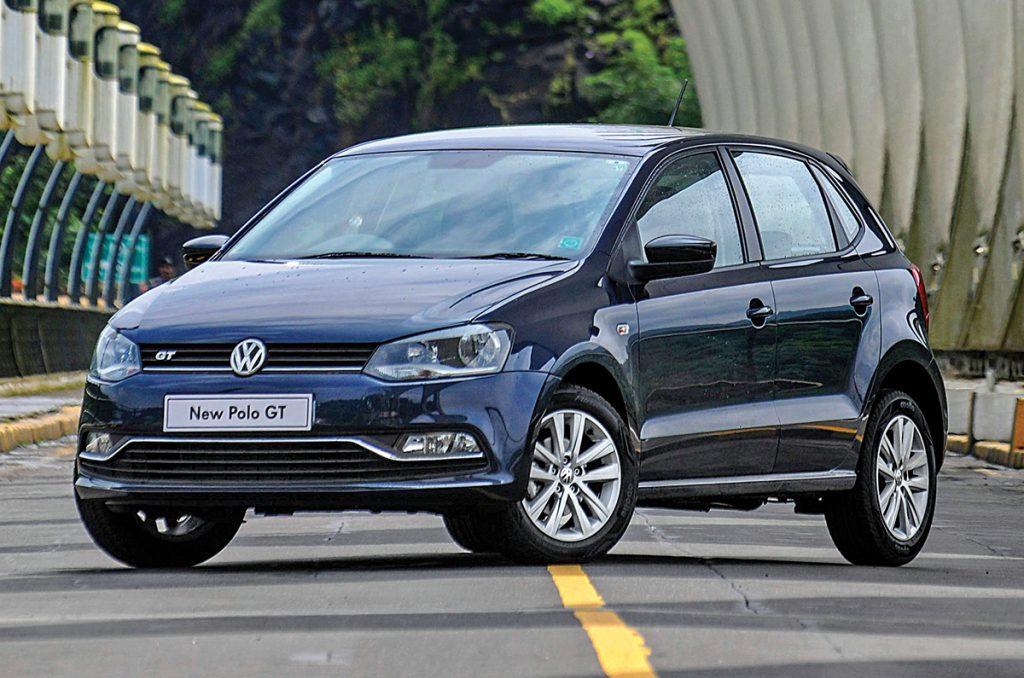
I chose the Polo GT because it highlights how adding performance and advanced technology to a small car can change its maintenance profile, making it less affordable to run in demanding urban conditions.
3. Fiat Abarth Punto
The Fiat Abarth Punto is designed for spirited performance, but that focus on sportiness can lead to higher maintenance demands in city driving. Its turbocharged engine and performance tuned components operate under more stress than those in standard small hatchbacks, which can increase wear over time.
Performance parts are usually more expensive to replace. Brakes, suspension components, and tires are often upgraded to handle higher speeds and sharper handling. In stop and go urban traffic where braking is frequent, these parts may wear out faster and cost more when replacement is needed.
Parts availability can also be a challenge depending on location. Less common performance models may not have the same widespread parts supply as mass market cars. This can lead to longer wait times and higher prices for certain components, increasing both cost and inconvenience.
The compact engine bay, filled with performance hardware, can make even routine repairs more labor intensive. When technicians need to remove multiple components to access a single part, labour hours increase, and so does the final bill.
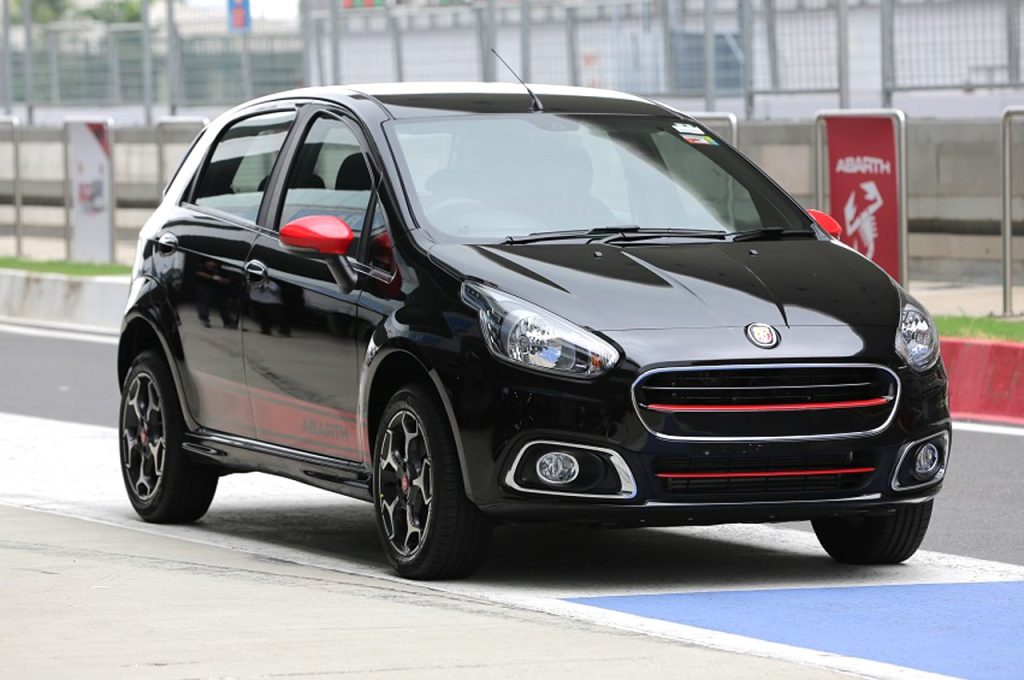
Fuel consumption is generally higher than in standard small cars, and the added strain on the engine and drivetrain can contribute to higher long term maintenance needs. In a city environment where efficiency and durability are priorities, these trade offs can become more noticeable.
I included the Fiat Abarth Punto because it shows how a small car designed for excitement and performance can demand more frequent and expensive maintenance, especially in the stop start conditions of urban driving.
4. BMW 1 Series (Older Turbo Models)
The BMW 1 Series, in older turbocharged versions offers premium driving feel in a compact size, but maintaining it in a city can be costly. Turbo engines and rear wheel drive components add complexity compared to simpler front wheel drive hatchbacks. As these cars age, repairs can become more frequent and expensive.
Luxury brand parts often carry higher prices. Even routine service items such as sensors, ignition components, or cooling system parts can cost more than similar parts for mainstream small cars. In cities where vehicles experience constant use, these higher part prices add up quickly over time.
The engine bay packaging in these models can also increase labor time. Accessing certain components may require removing surrounding parts, which raises service costs. Jobs that are quick on simpler cars may take significantly longer on a tightly packed premium hatchback.
Advanced electronics are another factor. Older luxury cars often include many control modules and sensors. As they age, electrical issues can become more common, and diagnosing them requires specialized equipment. This type of work is usually more expensive than basic mechanical repairs.
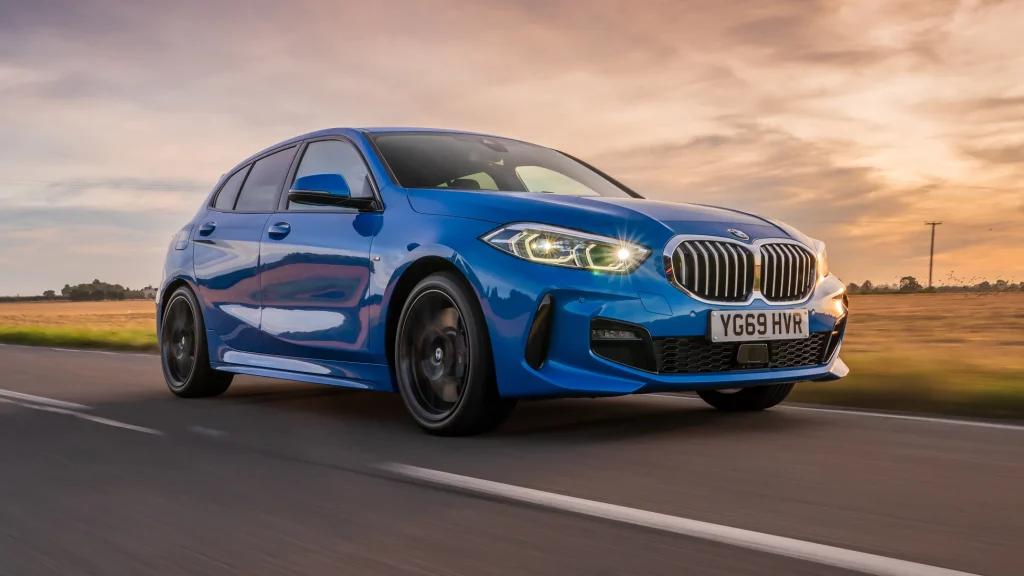
City driving conditions, with frequent stops and short trips, can be harder on turbocharged engines and cooling systems. Over time, this can increase the likelihood of repairs that are both complex and costly.
I chose the BMW 1 Series because it demonstrates how a small premium car can carry maintenance demands that feel closer to a larger luxury vehicle, making it less ideal for cost conscious urban ownership.
5. Chevrolet Beat Diesel
The Chevrolet Beat Diesel is small and efficient, but its diesel engine adds a layer of maintenance complexity that can be challenging in city environments. Diesel systems often include components like high pressure fuel systems and emission control devices that are more expensive to repair than those in simple petrol engines.
Short city trips can be especially hard on diesel engines. They may not reach optimal operating temperature as often, which can lead to issues with emission-related components over time. Fixing these systems can be costly and may require specialized diagnostic tools.
Parts availability can also be less convenient compared to more common petrol hatchbacks. As some models age and become less widespread, sourcing certain components may take longer or cost more. This can increase both downtime and overall maintenance expenses.
The diesel engine’s added weight can also contribute to faster wear on suspension components in rough city conditions. While not extreme, this extra strain can lead to slightly more frequent replacements of certain parts compared to lighter petrol models.
Although fuel economy is good, the potential for higher repair costs in complex diesel systems can offset those savings. For drivers mainly doing short urban trips, the maintenance profile may not be as budget friendly as expected.
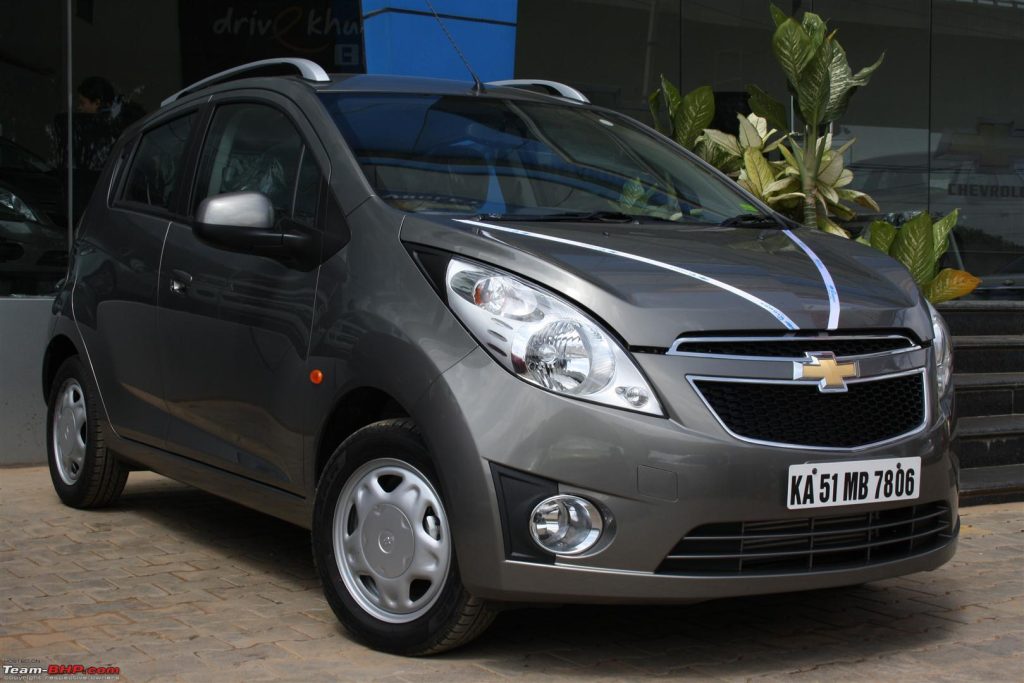
I included the Chevrolet Beat Diesel because it highlights how a small car can still present maintenance challenges when its engine technology is more complex and less suited to frequent short distance city driving.
This article looks at the difference between small cars that are easy to maintain in cities and those that often cost more time and money to keep on the road.
Urban driving creates unique wear from traffic, potholes, short trips, and tight parking, so maintenance needs can add up quickly. Choosing the right type of small car can make ownership far more affordable and predictable.
Cars that are simple, reliable, and built with widely available parts tend to be the easiest to maintain. These vehicles usually have naturally aspirated engines, straightforward mechanical layouts, and proven components that mechanics know well.
As a result, routine servicing is quicker, parts are cheaper, and unexpected breakdowns are less common, which is ideal for busy city drivers.
On the other hand, some small cars come with turbocharged engines, complex electronics, premium parts, or diesel systems that increase maintenance difficulty. Repairs can take longer, require specialized tools, and cost significantly more.
In stop and go city conditions, this added complexity can lead to higher long term ownership costs and more time spent in the workshop.
Also Read: 5 Electric Vehicles That Cope With Houston Gridlock vs 5 That Overheat Early