
German carmakers are famous for precision engineering, autobahn speed, and luxury that feels carved from granite.
But beyond the well known BMW M cars, Porsche 911s, and Mercedes AMGs, there exists a hidden world of machines so rare that even hardcore enthusiasts may never see one in person.
These cars were not built for mass sales or showroom traffic. They were built to prove a point, to chase racing dreams, or to push engineering far beyond what made financial sense.
Some of these vehicles were created to homologate race cars, meaning road versions had to exist before the track versions could compete.
Others were experimental flagships, technology showcases designed to demonstrate what German engineers could do when cost and practicality were not the main concerns. In many cases, production numbers were counted in dozens, not thousands, instantly turning them into collector legends.
What makes ultra rare German cars especially fascinating is the mindset behind them. Germany’s auto industry is known for discipline and long term thinking, yet these machines often represent moments of bold risk.
They combine obsessive engineering with a willingness to build something outrageous, fast, and sometimes wildly impractical, simply because it could be done.
Today, these limited run models are some of the most valuable and talked about vehicles in the collector world. They tell stories of motorsport ambition, technological breakthroughs, and internal battles inside famous companies.
Each one is a snapshot of a specific moment when engineers and designers were allowed to dream big and build small. Here are ten ultra rare German cars that were produced in very limited numbers, and why each one still matters.
Also Read: 5 Vehicles That Make Urban Ownership Easier vs 5 That Don’t
1. Porsche 911 GT1 Straßenversion
The Porsche 911 GT1 Straßenversion exists because racing rules forced Porsche to build a road-going version of its Le Mans weapon.
In the late 1990s, GT1 class regulations required manufacturers to produce street-legal cars that closely resembled their race machines. Porsche responded by creating one of the most extreme road cars the company has ever released.
Although it wears a 911 badge, the GT1 Straßenversion shares very little with a normal 911 of the era. The engine was mounted in the middle of the car, not hanging off the rear axle like traditional 911s.
This layout came directly from Porsche’s racing prototype thinking, giving the car better balance and sharper handling at high speeds.
Power came from a twin-turbocharged flat-six engine derived from endurance racing technology. It produced brutal performance for the time, launching the car to speeds well beyond 300 kilometers per hour.
The sound, response, and raw mechanical feel made it clear this was not a softened supercar, but a race machine barely tamed for the street.
Inside, luxury was almost an afterthought. The cabin had just enough refinement to meet road regulations, but the focus remained on weight savings and driver connection. Thin materials, simple controls, and limited comfort features reminded owners that this car’s true home was the track, not city traffic.
Only a tiny number of Straßenversion cars were built, often quoted at around 20 units. That microscopic production run instantly turned it into one of the rarest road-going Porsches ever made. Each car represented a direct link to Porsche’s Le Mans program, which only added to its mystique.
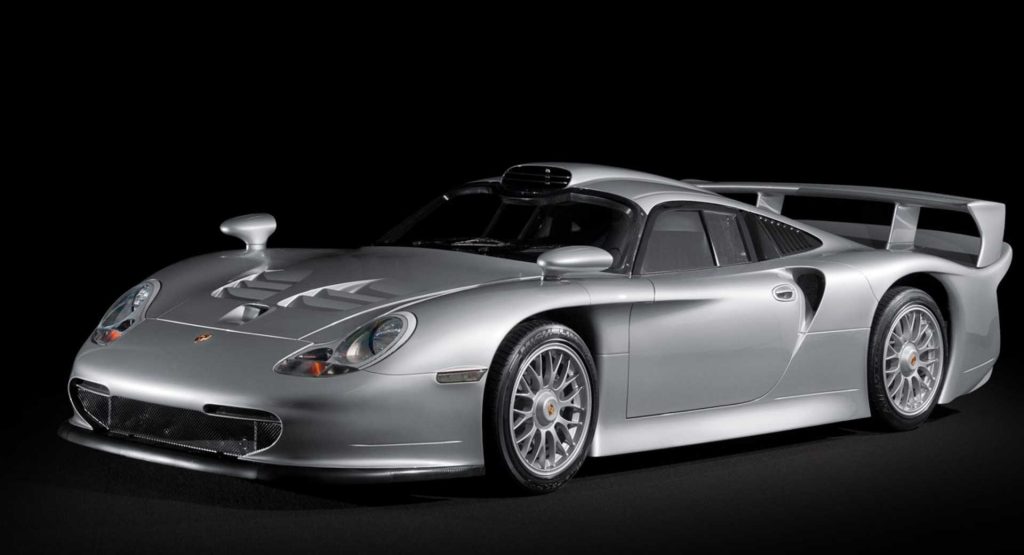
Today, the 911 GT1 Straßenversion is seen as one of the purest examples of a homologation special. It captures a time when manufacturers were willing to put near race cars into the hands of private buyers. For collectors, it is not just a rare Porsche but a street-legal piece of endurance racing history.
2. Mercedes-Benz CLK GTR
The Mercedes-Benz CLK GTR was born from an intense motorsport rivalry during the golden era of GT racing. Mercedes wanted to dominate the FIA GT Championship, and to do so, it needed a homologated road car version of its race machine. What followed was one of the most outrageous supercars ever to wear a three-pointed star.
At first glance, the CLK GTR looks like a futuristic race car with number plates bolted on as an afterthought. Its shape is low, wide, and sculpted for aerodynamics, with huge air intakes and a massive rear wing. The body was built largely from carbon fiber, a material still exotic for road cars at the time.
Under the rear deck sat a naturally aspirated V12 engine that produced immense power and a thunderous soundtrack. Performance was explosive, with acceleration and top speed figures that rivaled or surpassed the world’s best supercars of the late 1990s. This was not a luxury cruiser with racing styling, it was the real thing.
The interior tried to add a touch of Mercedes refinement, but the racing roots were impossible to hide. The seating position was low and tight, visibility was limited, and the ride was firm enough to remind drivers of its competition-focused suspension. It was barely civilized, which made it even more special.
Mercedes built just a very small number of coupe and roadster versions to satisfy homologation requirements. The production total remained extremely low, placing the CLK GTR in the same rarity league as the most exclusive hypercars ever made. Even among rare Mercedes models, this one sits at the very top.
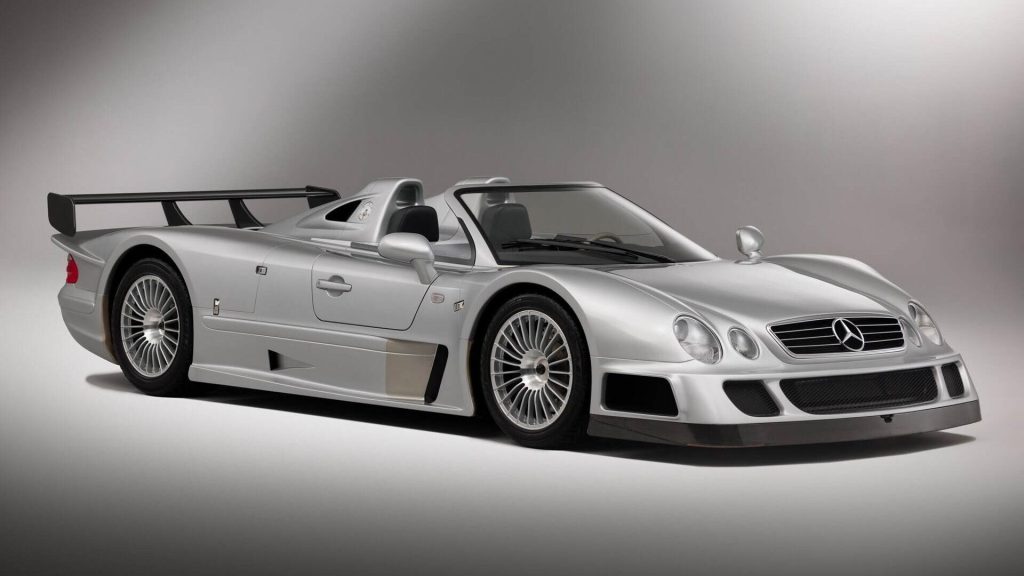
Today, the CLK GTR represents a moment when a major luxury brand went all in on racing and built a road car that felt like a byproduct of pure competition. It stands as one of the wildest and most valuable cars in Mercedes-Benz history, a true street-legal race machine.
3. BMW M1
The BMW M1 is a landmark car not just for its rarity but for what it meant to BMW as a performance brand. Developed in the late 1970s, the M1 was originally intended as a homologation special for racing.
It also became the very first car developed by BMW’s newly formed M division, setting the tone for decades of high-performance models.
Unlike most BMWs before or after it, the M1 used a mid-engine layout. Its straight-six engine sat behind the driver, delivering power to the rear wheels through a manual gearbox. This configuration gave the car excellent balance and made it feel far more like an exotic Italian supercar than a traditional German coupe.
The styling was sharp and wedge shaped, designed by legendary Italian designer Giorgetto Giugiaro. It looked futuristic for its time, with crisp lines and a low stance that turned heads everywhere. The body was made from lightweight materials, helping keep weight down and performance up.
On the road, the M1 offered a unique blend of usability and exotic character. The engine loved to rev, the steering was precise, and the chassis felt planted at speed. It was more comfortable than many race-derived rivals, yet still delivered a raw and engaging driving experience.
BMW ended up building only a few hundred road cars, just enough to meet homologation rules and allow the model to compete in motorsport. That limited production run, combined with its status as the first true M car, makes it incredibly significant in BMW history.
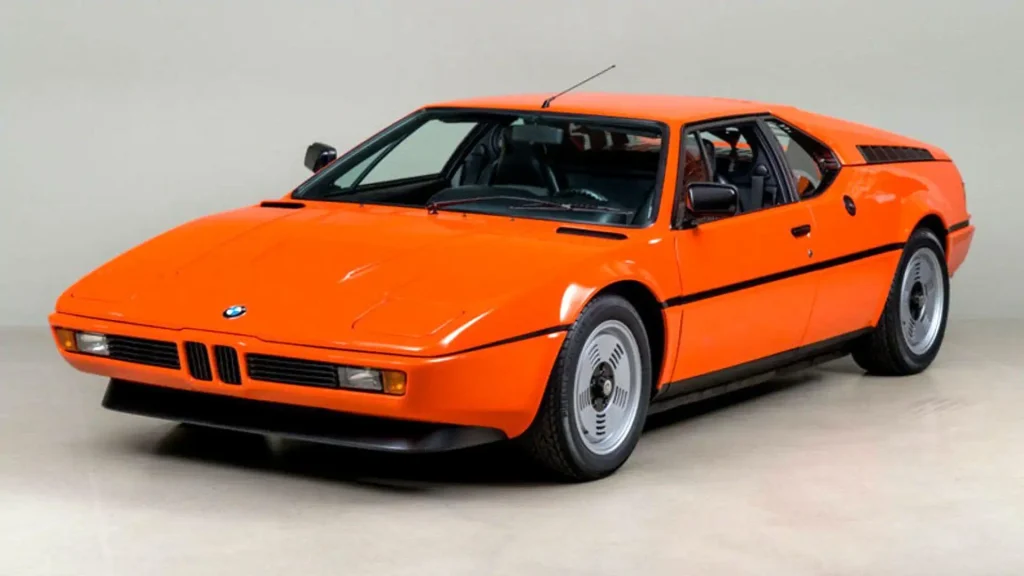
Today, the M1 is viewed as the spiritual ancestor of every BMW M model that followed. It represents a bold moment when BMW stepped far outside its comfort zone to build a mid-engined supercar.
Its rarity, racing roots, and historical importance make it one of the most desirable classic German performance cars ever created.
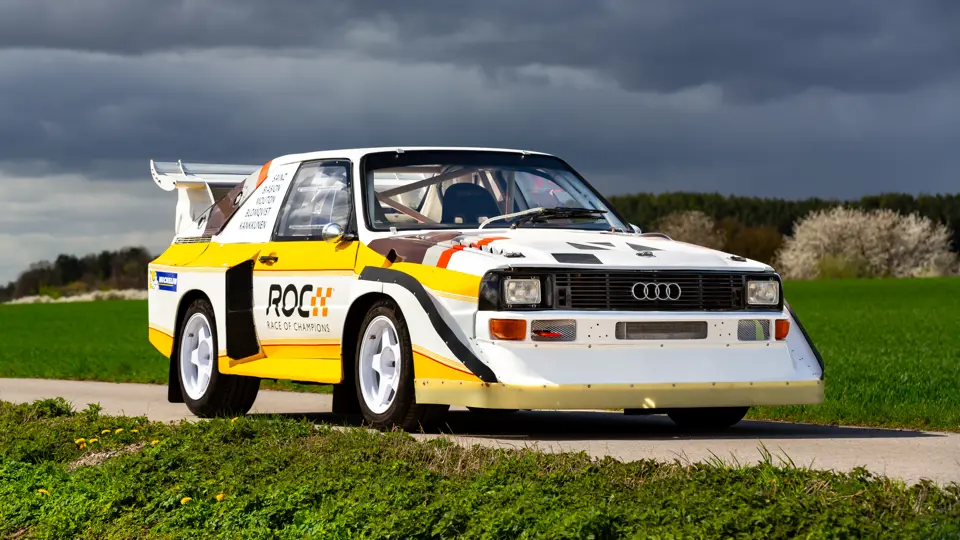
4. Audi Sport Quattro
The Audi Sport Quattro was created for one reason, and that was domination in Group B rally racing. During the early 1980s, rally competition was escalating rapidly, and Audi needed a shorter, lighter, and more powerful evolution of its original Quattro to stay ahead. The result was a road car that felt like a barely disguised rally weapon.
Compared to the standard Quattro coupe, the Sport Quattro had a significantly shortened wheelbase. This made the car more agile on tight rally stages, but it also gave the road version a more nervous and aggressive character. The proportions looked unusual, yet purposeful, like a machine designed around performance rather than style.
Under the hood sat a turbocharged five-cylinder engine that became one of Audi’s most iconic powerplants. It produced serious power for the era, with a brutal surge of boost that could overwhelm drivers who were not prepared. The soundtrack alone, a warbling, offbeat growl, made the car unforgettable.
All wheel drive was the real magic. Audi’s Quattro system gave the Sport Quattro immense traction on loose surfaces and in poor weather.
On normal roads, this translated into shocking levels of grip, allowing drivers to deploy its turbocharged power far more confidently than most Rear Wheel Drive rivals of the time.
Inside, the cabin mixed typical Audi solidity with clear signs of weight saving. There was luxury compared to a pure race car, but it still felt focused and serious. Owners knew they were driving something built to satisfy racing rules first and customer comfort second.
Audi built only a very small number of Sport Quattros to meet homologation requirements. The production total was just a few hundred cars, which immediately made it one of the rarest performance Audis ever sold. Each example represented a direct link to the wild and now legendary Group B era.
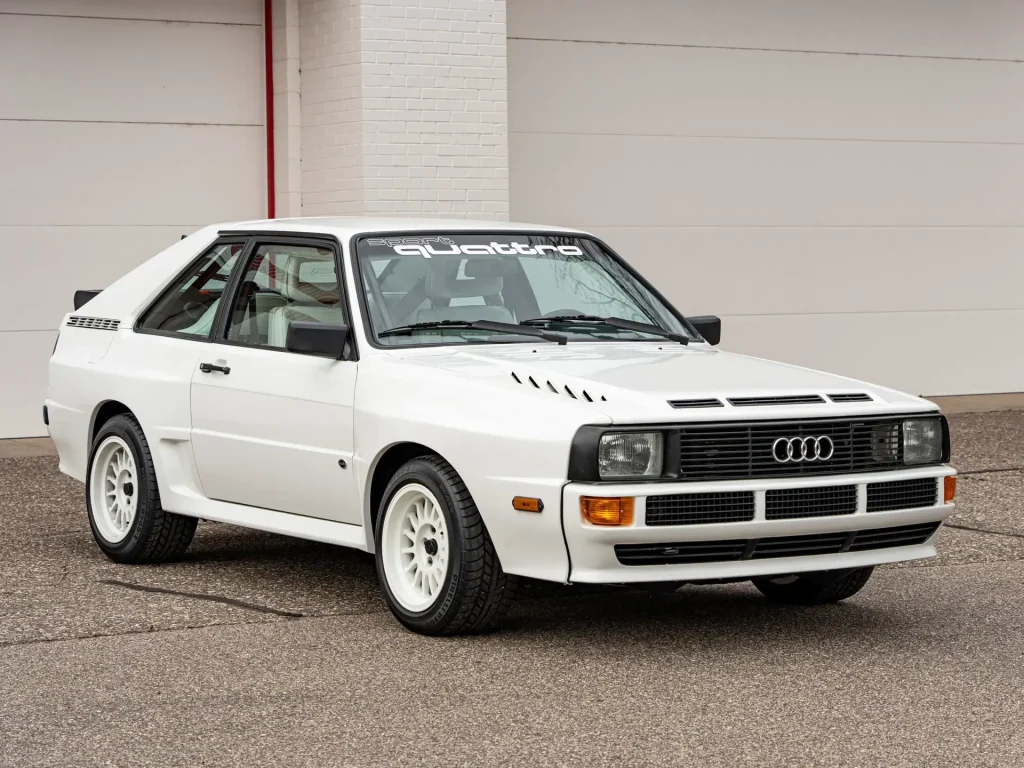
Today, the Sport Quattro is revered as a cornerstone of Audi’s performance identity. It helped cement the brand’s reputation for advanced all wheel drive technology and turbocharged power. Its rarity, rally heritage, and unmistakable character make it one of the most collectible German performance cars of the 1980s.
5. Porsche 959
The Porsche 959 began as a technological experiment and ended up becoming one of the most advanced supercars of the 1980s. Porsche originally developed it to compete in Group B rallying, but the project evolved into a rolling showcase of future technology. The road car that emerged was far ahead of its time.
At a glance, the 959 looked like a slightly exaggerated 911, but almost every panel and component was unique. The body was shaped for high speed stability and cooling efficiency, with integrated aerodynamic solutions that were rare in road cars of that era. It was subtle compared to race cars, yet incredibly sophisticated.
Its twin turbocharged flat six engine delivered immense performance, but what truly set the 959 apart was its advanced All Wheel Drive system. This setup could vary torque distribution between front and rear axles depending on conditions, something almost unheard of in road cars at the time.
The suspension was equally advanced, featuring adjustable ride height and damping. Drivers could tailor the car for comfort, high-speed stability, or rougher surfaces. Combined with its intelligent drivetrain, the 959 felt like a machine from the future compared to most 1980s performance cars.
Inside, Porsche blended luxury with cutting-edge engineering. The cabin was well finished and comfortable enough for long journeys, yet filled with technology that made the car feel special. It was not a stripped-out homologation special, but a high tech grand tourer with supercar performance.
Production numbers remained low, partly because the car was extremely expensive to build. Porsche reportedly lost money on many examples due to the complexity of the engineering involved. Only a limited batch was completed, which instantly guaranteed its place among the rarest and most important Porsches ever made.
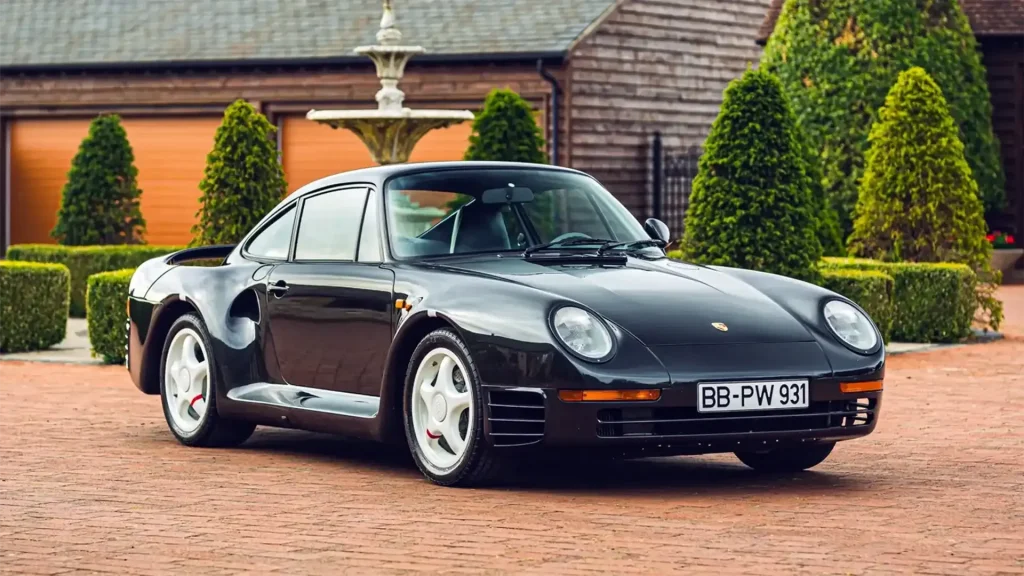
Today, the 959 is remembered as a technological milestone. Many features that are common in modern high-performance cars first appeared here in early form. Its blend of rarity, innovation, and performance makes it a cornerstone of German automotive history.
6. Mercedes-Benz 300 SLR Uhlenhaut Coupe
The Mercedes Benz 300 SLR Uhlenhaut Coupe is one of the rarest and most valuable cars ever created. Built in the 1950s, it was derived directly from Mercedes’ dominant 300 SLR racing car. Only two coupes were produced, making it less a production model and more a pair of road going racing prototypes.
The car was named after Rudolf Uhlenhaut, a Mercedes engineer who played a major role in its development. He reportedly used one of the coupes as a company car, commuting in a machine capable of extraordinary performance for its time. That story alone adds to the car’s almost mythical status.
Under the long hood sat a straight-eight engine derived from Formula One and sports car racing. It produced immense power and a spine-tingling sound, delivered through a lightweight chassis designed for competition. Performance figures were astonishing in the 1950s, putting it far ahead of most road cars.
The body design was both elegant and functional. Its flowing curves were shaped by aerodynamic thinking learned on the racetrack. Distinctive features like the gullwing style doors added drama while also helping with access over the high sills of the tubular frame.
Despite its racing roots, the coupe had a surprisingly refined interior for the era. There was space for luggage, comfortable seating, and a level of finish that made it usable as a fast road car. Still, the raw mechanical nature of the machine was always present.
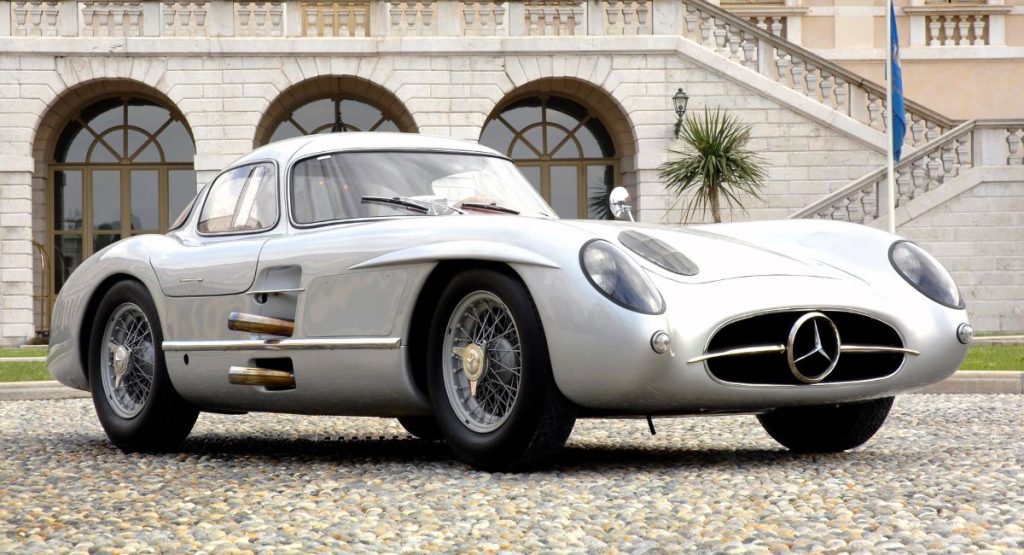
Because only two were built, the 300 SLR Uhlenhaut Coupe sits in a category of its own. It is rarer than almost any other road going car from a major manufacturer. Its combination of racing pedigree, extreme scarcity, and historical importance make it one of the crown jewels of the automotive world.
Today, it represents the peak of Mercedes’ 1950s engineering ambition. It connects Formula One, endurance racing, and road car design in a single breathtaking machine. Few vehicles better capture the idea of a race car adapted for the road at the highest possible level.
7. Ruf CTR Yellowbird
The Ruf CTR, famously known as the Yellowbird, is one of the most legendary tuned performance cars ever created. Built by German manufacturer Ruf, which produces its own vehicles based on Porsche platforms, the CTR was developed in the 1980s as a no compromise high speed machine.
Visually, the CTR looked relatively understated compared to many supercars of its time. Its narrow body and clean lines hid the extreme engineering underneath. Only subtle changes hinted at its potential, making it a true sleeper in appearance but a monster in performance.
Power came from a heavily modified twin-turbocharged flat-six engine that delivered staggering speed. The CTR became world famous after a top speed test showed it outperforming many exotic rivals. It proved that a small German manufacturer could build one of the fastest road cars on the planet.
Unlike many high speed machines, the CTR was also known for its intense driving experience. With no electronic stability aids and huge power sent to the rear wheels, it demanded skill and respect. Drivers who mastered it were rewarded with breathtaking acceleration and engagement.
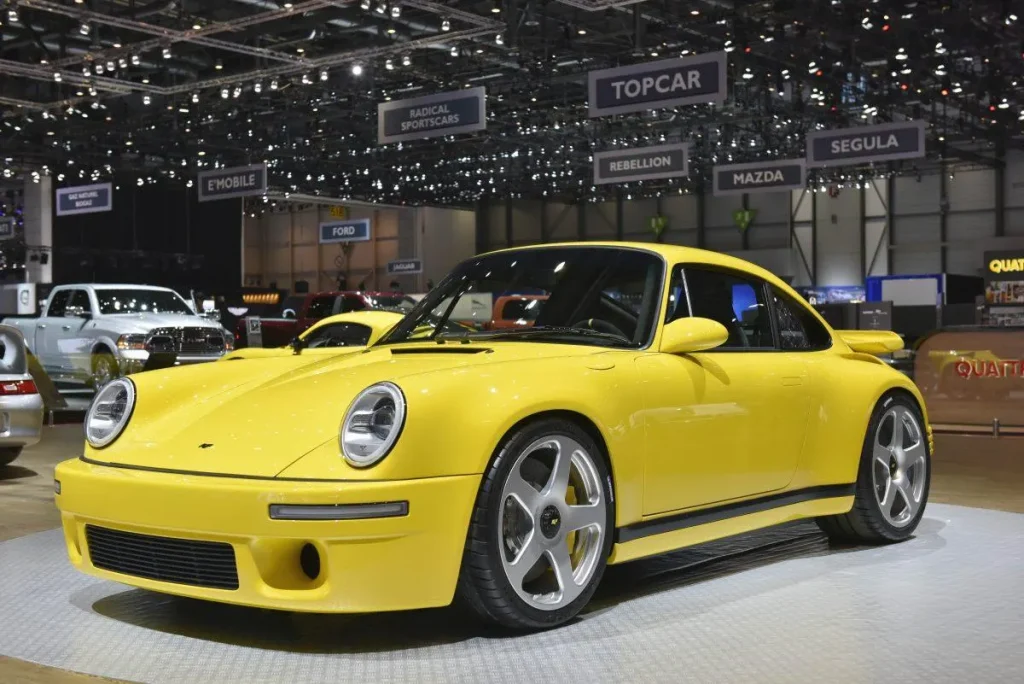
The interior remained relatively simple, focused on weight reduction and driver control. Ruf emphasized performance over luxury, though the car still retained enough comfort for road use. It felt like a precision tool, engineered for speed rather than status.
Production numbers were extremely low, with only a small batch of CTRs ever completed. Each one was hand built and tailored, adding to the exclusivity. This scarcity, combined with its performance achievements, elevated the Yellowbird to cult status among enthusiasts.
Today, the Ruf CTR is seen as a defining moment in independent German performance engineering. It showed that ultimate speed was not limited to factory supercar programs. Its rarity, reputation, and raw character make it one of the most respected limited-production German cars ever built.
8. BMW 507
The BMW 507 is one of the most beautiful and historically significant cars the company has ever built. Introduced in the 1950s, it was designed as a luxury roadster aimed primarily at the American market. BMW hoped it would combine European engineering with open top glamour and strong performance.
Styled by Albrecht von Goertz, the 507 featured flowing lines, perfectly balanced proportions, and subtle chrome details. It looked elegant without being flashy, and athletic without appearing aggressive. Even today, it is widely regarded as one of the most graceful automotive designs ever produced.
Under the hood sat a V8 engine that delivered smooth and refined power. It was not the fastest sports car of its era, but it offered effortless cruising ability and a cultured driving experience. The emphasis was on style, exclusivity, and grand touring rather than outright racing performance.
The interior reflected this upscale mission. High quality materials, a driver-focused dashboard, and a sense of hand crafted care made the 507 feel special from the moment you stepped inside. It was built to be enjoyed on scenic drives, not pushed to the limit on a racetrack.
Unfortunately for BMW, the 507 was extremely expensive to produce. The company misjudged costs and ended up pricing the car too high for its intended market. As a result, sales remained very low, and BMW lost money on nearly every example built.
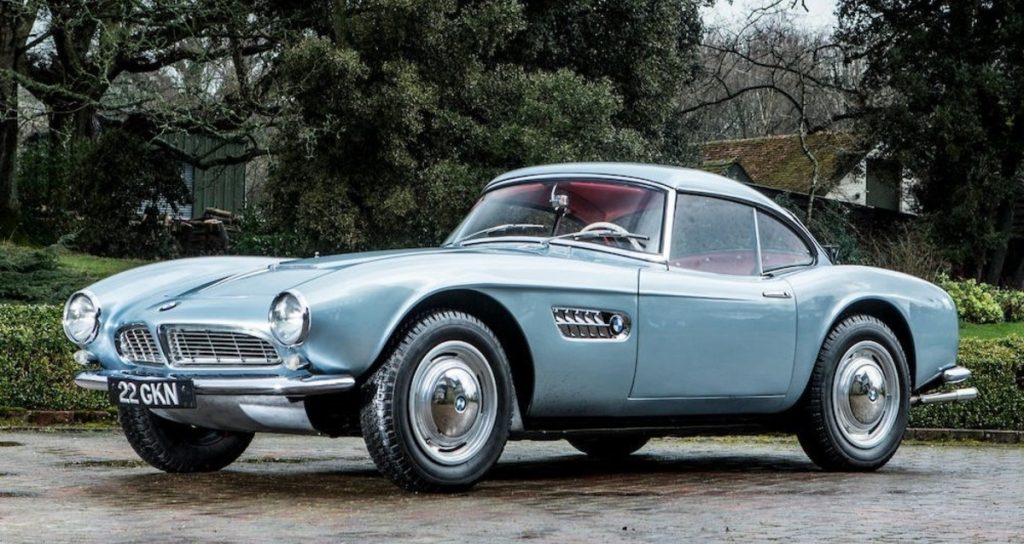
Only a small number of 507s were produced before the model was discontinued. That low production figure, combined with its stunning design and historical importance, turned it into one of the most valuable classic BMWs in existence. Famous owners, including celebrities of the era, added to its mystique.
Today, the 507 represents both a financial lesson and a design triumph for BMW. Its rarity, elegance, and connection to a critical period in the company’s history make it one of the most desirable German classics ever created.
9. Volkswagen W12 Nardo
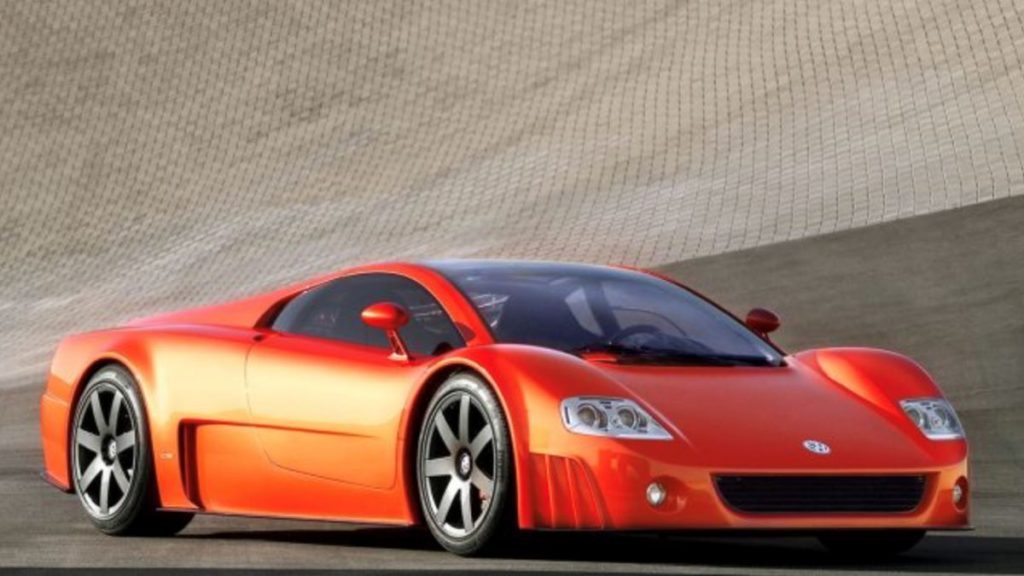
The Volkswagen W12 Nardo is one of the most surprising cars ever developed by a mainstream brand. In the late 1990s and early 2000s, Volkswagen set out to prove it could compete with the world’s best supercar manufacturers. The result was a mid engined concept that pushed engineering boundaries.
At the heart of the car was a unique W12 engine, essentially two narrow angle V6 engines joined together. This compact yet powerful design allowed Volkswagen to produce massive performance in a relatively small package. The engine delivered huge speed potential and a distinctive technical identity.
The body was shaped for extreme high speed stability, with smooth, flowing lines and carefully managed airflow. The Nardo name came from the high speed test track in Italy, where the car set multiple endurance speed records. It demonstrated that Volkswagen could build a machine capable of sustained very high velocities.
Inside, the cabin blended supercar focus with a touch of Volkswagen practicality. It was more restrained than many exotic interiors, yet still felt special. The design emphasized usability as well as performance, reflecting the brand’s philosophy even in such an extreme project.
Despite its achievements, the W12 Nardo never entered full production. Only a handful of prototypes and development cars were built. This makes it incredibly rare, more a glimpse into an alternate future for Volkswagen than a conventional production model.
The knowledge gained from the W12 project later influenced other vehicles within the wider Volkswagen Group. It helped pave the way for advanced engines and high performance engineering that would appear in other brands under the same corporate umbrella.
Today, the W12 Nardo stands as a bold statement of ambition. It showed that even a company known for practical everyday cars could reach for the supercar elite. Its rarity and technical daring make it one of the most fascinating limited German performance projects ever undertaken.
10. Opel Lotus Omega
The Opel Lotus Omega is a perfect example of a practical sedan turned into an outrageous high performance machine. In the early 1990s, Opel partnered with Lotus, which was owned by General Motors at the time, to create one of the fastest four door cars in the world.
From the outside, the Omega looked relatively subtle. There were wider fenders, larger wheels, and aerodynamic tweaks, but it still resembled a sensible executive sedan. That understated appearance made its performance even more shocking to those who underestimated it.
Lotus heavily reworked the engine, transforming it into a twin-turbocharged straight-six with immense power. This allowed the big sedan to reach top speeds that rivaled contemporary supercars. Acceleration was brutal, and the car earned a reputation for being one of the wildest sedans of its era.
The chassis and suspension were also upgraded to handle the extra performance. Lotus tuned the car for high speed stability and sharp handling, giving it abilities far beyond what anyone expected from a large Opel. It could cover ground at an incredible pace while still carrying four adults.
Inside, the cabin retained much of its original practicality. There was space, comfort, and everyday usability, but now paired with performance that bordered on excessive. This blend of family car function and supercar speed made it uniquely appealing.
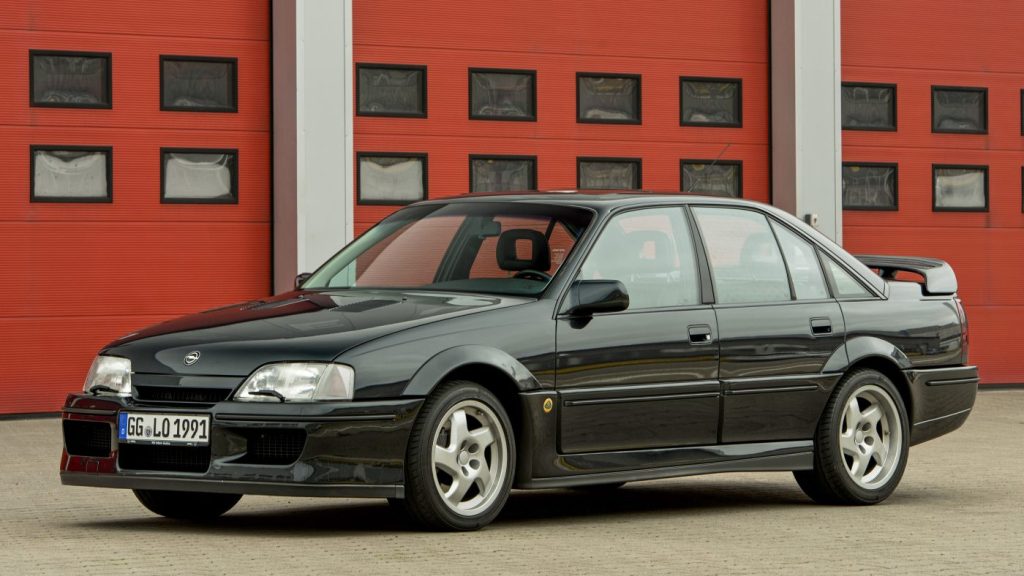
Production numbers were kept low, partly because of the car’s high price and specialized nature. Only a limited batch was built, which quickly made it a cult classic among enthusiasts who appreciated fast cars with a practical twist.
Today, the Opel Lotus Omega is remembered as one of the original super sedans. Its rarity, outrageous performance, and unexpected origins make it one of the most entertaining and collectable limited-production German cars ever created.
Also Read: 5 Cars That Work Well for City Families vs 5 That Feel Limiting
