Living near the beach may sound relaxing, but it can be surprisingly tough on cars. Salt in the air, sand on the roads, strong sun, and high humidity all create conditions that slowly wear down vehicles.
Metal parts are more likely to corrode, paint can fade faster, and moving components can suffer from fine sand working its way into places it does not belong.
People who regularly drive near coastal areas often notice issues that are less common inland. Rust can appear underneath the vehicle, electrical connections may degrade, and suspension components can wear more quickly due to gritty road conditions.
Even interiors can suffer when sand is constantly tracked inside, affecting carpets, seat tracks, and ventilation systems.
Because of this, some vehicles are naturally better suited to beachside life. Cars with strong rust protection, durable underbody coatings, and simple, well sealed mechanical systems tend to handle coastal environments better. Higher ground clearance can also help when driving on sandy access roads or uneven coastal paths.
On the other hand, certain vehicles struggle more than owners expect. Low riding cars, models with delicate electronics, or vehicles known for corrosion issues may show wear faster in salty, humid air. Luxury features and complex systems can also become more expensive to maintain when exposed to these harsher conditions.
In this article, we first look at cars that tend to hold up well near beaches. These vehicles are known for durability, corrosion resistance, and practical design that suits coastal driving.
Then we explore cars that often struggle in beach environments, not because they are bad overall, but because their design or materials make them more vulnerable to salt, sand, and moisture.
Also Read: 5 Trucks That Handle Daily Errands Comfortably vs 5 That Feel Awkward in Traffic
5 Cars That Hold Up Near Beaches
Coastal driving demands a different kind of toughness from a vehicle. Beyond normal wear and tear, beachside cars face salty air that speeds up corrosion, sand that sneaks into mechanical parts, and intense sunlight that can damage paint and interiors. Vehicles that survive well in these conditions usually share a few important traits.
Strong rust protection is one of the biggest factors. Cars with galvanized steel, effective underbody coatings, and well sealed seams tend to resist corrosion better over time. This matters most underneath the vehicle, where salty moisture can sit unnoticed and slowly damage structural components.
Simple, durable mechanical systems also help. Engines and drivetrains that are not overly complex tend to cope better with harsh environments.
Fewer delicate parts mean fewer things that can be affected by moisture, salt, and sand. Ease of cleaning also matters, especially when sand regularly builds up around wheel wells and underbody panels.
Ground clearance can be useful as well. Coastal roads and beach access points are sometimes uneven or sandy. Vehicles that sit slightly higher are less likely to scrape or get stuck, and their underbody components are less exposed to direct contact with sand.
Interior durability is another overlooked benefit. Materials that resist fading, cracking, and moisture damage help maintain the car’s condition even when windows are opened often and sandy clothes are a regular part of daily life.
The five cars in this section are included because they have reputations for durability, practical design, and resistance to the kinds of wear common in coastal areas. They make beachside living easier by standing up better to the environment instead of constantly showing signs of it.
1. Toyota Hilux
The Toyota Hilux has earned a global reputation for toughness, and that durability extends well to coastal environments. Built as a work focused pickup, it is designed to handle harsh conditions, including moisture, rough terrain, and heavy use. This rugged construction makes it naturally suited to life near beaches where salt and sand are constant factors.
One of the Hilux’s biggest strengths is its corrosion protection. The underbody and frame are built to withstand challenging environments, and many versions are used in regions with extreme weather. This level of protection helps slow the effects of salty air that can quickly cause rust in less robust vehicles.
Its higher ground clearance is also an advantage. Beachside areas often include sandy parking spots, uneven coastal roads, or boat launch ramps. The Hilux’s height and sturdy suspension reduce the chance of underbody scraping and limit how much sand directly contacts sensitive components underneath the vehicle.
The mechanical simplicity of many Hilux engines also helps. These engines are designed for long term durability rather than delicate performance. Fewer highly sensitive systems mean fewer parts that can be affected by moisture or corrosion, which keeps maintenance more predictable over time.
The interior, while not overly luxurious, is built with durability in mind. Materials are generally hard wearing and easier to clean, which is helpful when sand and saltwater are regular passengers. This practical design fits well with beachside lifestyles.
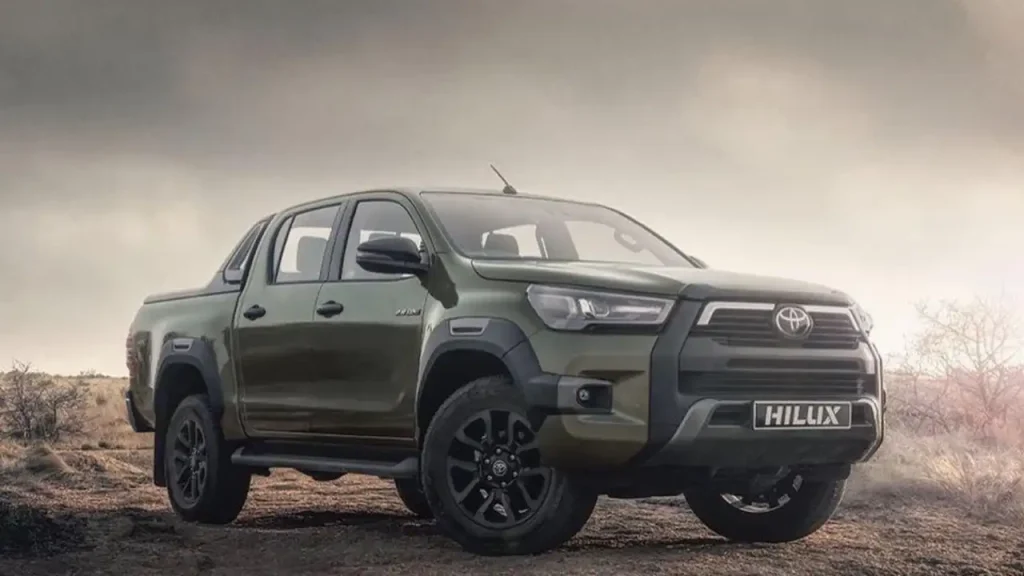
I am including the Toyota Hilux because it represents a vehicle engineered for tough, real world use. In coastal environments where conditions are harder on vehicles, its strength and corrosion resistance make it a dependable long term choice.
2. Subaru Forester
The Subaru Forester combines everyday comfort with a level of durability that works well near the coast. Its all wheel drive system and practical SUV design make it capable on sandy or uneven surfaces often found around beaches, while still being manageable for daily driving.
Subaru places strong emphasis on underbody protection and all weather capability. Many Forester models include protective coatings and design features meant to handle wet and muddy conditions. This helps slow the corrosive effects of salty coastal air, especially on components underneath the vehicle.
Ground clearance is another benefit. The Forester sits higher than a typical car, which reduces exposure of underbody parts to sand and debris. When driving on coastal access roads or parking on soft ground, this extra height helps protect vital components from direct contact.
The boxer engine layout, which sits low in the chassis, contributes to stable handling but is also well sealed against the elements. Subaru’s focus on reliability in diverse climates means the Forester is designed to cope with moisture and varying weather conditions without excessive mechanical issues.
Inside, the Forester uses practical materials that hold up well to regular use. Seats and trim are generally durable, and the cabin layout makes it easier to clean out sand after beach trips. This everyday usability is an important part of long term ownership satisfaction near the coast.
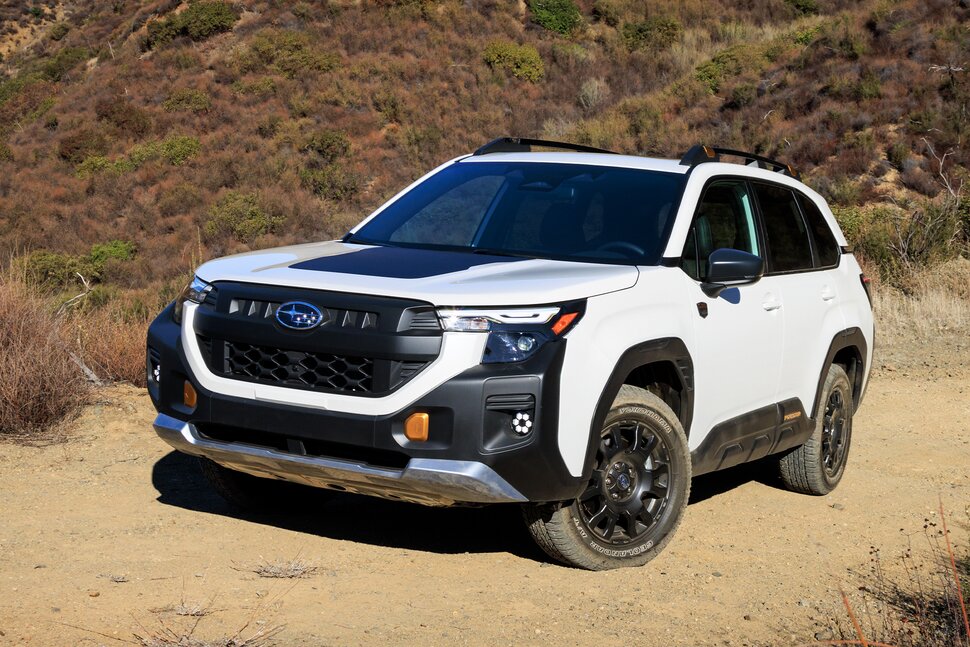
I chose the Subaru Forester because it blends durability, sensible design, and all weather engineering. For people who live near beaches but still need a comfortable daily vehicle, it offers a good balance between toughness and practicality.
3. Jeep Wrangler
The Jeep Wrangler is built with rugged environments in mind, and that design works strongly in coastal regions. Originally intended for off road use, it features heavy duty components and a chassis designed to handle mud, water, and rough terrain. These qualities also help it cope with sand and salty air.
One of the Wrangler’s advantages is its simple, tough underbody construction. Many parts are built to be exposed to the elements during off road use, which makes them more resistant to corrosion than delicate, low slung components found in some road focused cars.
Its high ground clearance is especially useful near beaches. Driving over soft sand, uneven paths, or rocky coastal tracks is less risky in a Wrangler. Sensitive parts are kept further from the ground, reducing the chances of sand buildup and underbody damage.
The Wrangler’s design also makes cleaning easier. The vehicle is known for being washable inside and out, with durable materials and drain plugs in some versions. For beachgoers who regularly track in sand and saltwater, this rugged, easy to clean interior is a major advantage.
Mechanically, many Wrangler engines are designed for durability and torque rather than delicate high performance. This approach tends to favor longevity in tough environments where maintenance may not always be gentle.
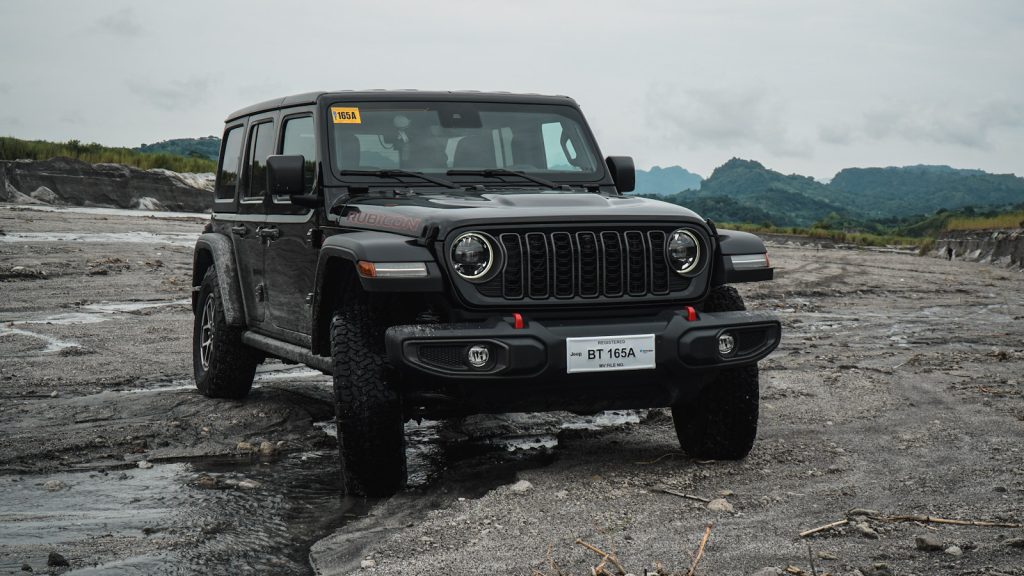
I included the Jeep Wrangler because it is one of the few vehicles truly designed to live in harsh outdoor conditions. Near the coast, where sand and salt are part of daily life, its rugged build helps it age more gracefully than many conventional cars.
4. Honda CR-V
The Honda CR-V has long been known for reliability and practical design, qualities that serve it well in coastal environments. While it is not a heavy duty off road vehicle, its solid build quality and thoughtful engineering help it cope with the moisture and salt exposure common near beaches.
Honda’s attention to corrosion resistance plays an important role. Many CR-V models feature good underbody protection and durable paint finishes that hold up well against humid, salty air. Over time, this helps slow the formation of rust compared to vehicles with less comprehensive protective coatings.
The CR-V’s ride height is another advantage. Sitting higher than a standard sedan, it offers better clearance over sandy or uneven surfaces found near beach access points. This reduces the chance of sand collecting around vulnerable components or scraping the underside on rough ground.
Mechanically, the CR-V is known for using proven, dependable engines and transmissions. These systems are designed for long term durability rather than high stress performance. In coastal areas where moisture can affect sensitive parts, this focus on reliability helps keep maintenance needs manageable.
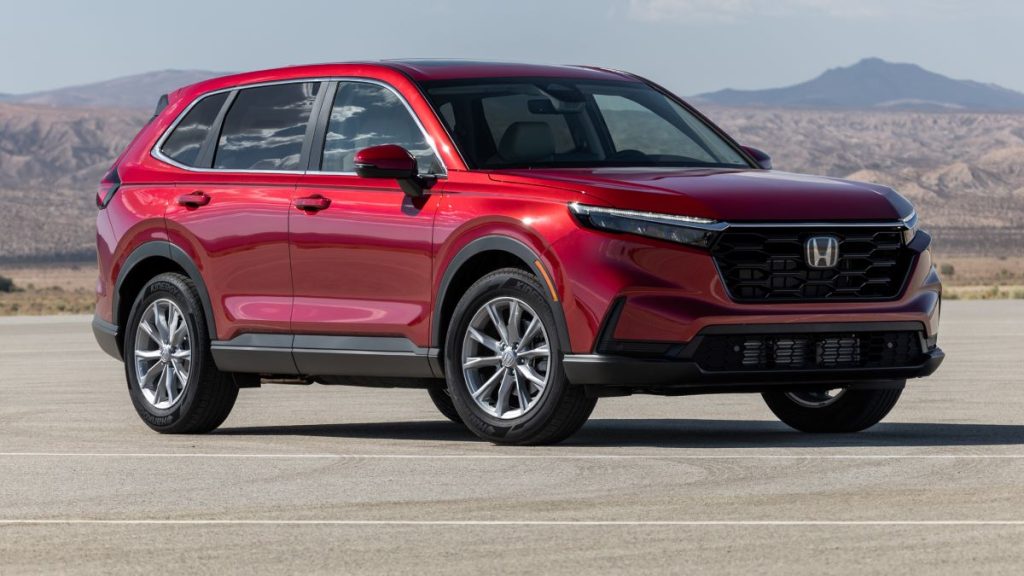
Inside, the CR-V uses practical, hard-wearing materials that are easier to clean after trips to the beach. Sand and moisture are less likely to cause long-term interior damage when surfaces are durable and straightforward to maintain. This contributes to the vehicle ageing well overall.
I chose the Honda CR-V because it represents a balanced, dependable SUV that handles everyday coastal life without requiring heavy-duty off-road equipment. Its mix of durability and comfort makes it a sensible choice for beachside living.
5. Ford Everest
The Ford Everest is a body-on-frame SUV designed with strength and durability in mind, traits that are valuable near the coast. Built to handle challenging terrain and heavy-duty use, it features robust underbody components that are better prepared for exposure to sand and salty air than many lighter vehicles.
Strong corrosion protection is an important factor. Vehicles in this class are often engineered to operate in tough climates, and the Everest benefits from protective coatings and sturdy construction that help slow the effects of rust. This is especially important in areas where sea air constantly carries salt.
Its high ground clearance helps keep the underbody away from direct contact with sand and debris. When accessing beaches or driving on uneven coastal roads, this height reduces the chance of scraping or sand buildup around critical parts. That protection supports long term durability.
The Everest’s suspension is designed to carry weight and handle rough surfaces. Coastal roads can be uneven or damaged by weather, and a strong suspension system helps the vehicle cope without frequent component failures. Fewer suspension issues mean lower long term wear in demanding environments.
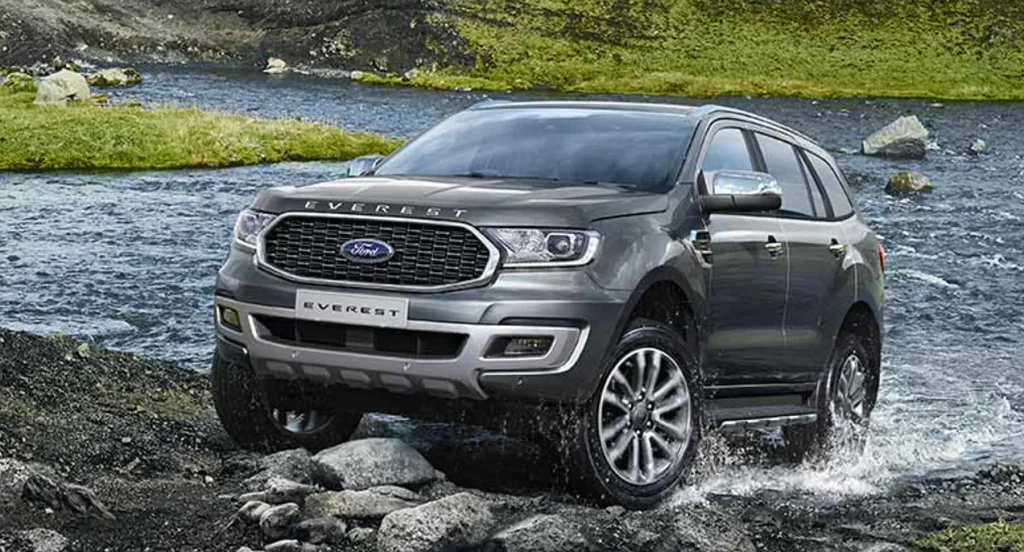
Inside, the Everest offers durable materials suited to family and utility use. Surfaces are generally designed to withstand regular wear, which is useful when sand and wet gear are common passengers. A tough interior helps the vehicle maintain its condition despite frequent exposure to beach conditions.
I included the Ford Everest because it is built with the kind of ruggedness that suits coastal life. Its strong frame, protective design, and practical interior make it a vehicle that can handle the extra challenges that come with living near the sea.
5 Cars That Do Not Hold Up Well Near Beaches
While some vehicles are built to handle harsh environments, others are more vulnerable to the effects of salt, sand, and humidity.
Coastal air accelerates corrosion, and cars with limited rust protection or delicate components can show signs of wear much earlier than expected. This is especially noticeable underneath the vehicle, where salty moisture often goes unnoticed.
Low ground clearance can also be a problem. Vehicles that sit close to the ground are more exposed to sand and debris, which can collect around mechanical parts and increase wear. Driving over uneven coastal roads or sandy access paths may also lead to scraping or damage.
Luxury features and complex electronics can be more sensitive to moisture. While they add comfort and convenience, they may not always be well suited to environments where humidity and salty air are constant. Electrical issues and corrosion in connectors can become more common over time.
Paint and interior materials can suffer as well. Strong sunlight and salty air may cause fading, cracking, or discoloration more quickly in vehicles that use less durable finishes. Interiors that are difficult to clean can also show wear faster when sand is regularly brought inside.
The following five cars highlight how certain designs and materials can struggle in beachside conditions. They may perform well in many environments, but near the coast, they often require more attention and may age faster due to the challenging surroundings.
1. BMW 3 Series (Older Models)
The BMW 3 Series is known for driving performance and premium feel, but older models can struggle in coastal environments. Luxury sedans like this often sit lower to the ground, which increases exposure of underbody components to sand and salty moisture. Over time, this can accelerate corrosion in areas that are difficult to see and clean.
Corrosion protection in older vehicles may not be as advanced as in newer, more rugged models. In salty coastal air, even small chips in paint or underbody coatings can lead to rust forming more quickly. Once corrosion starts, repairs can be costly, especially on a vehicle with premium body panels and finishes.
Complex electronics are another concern. Older luxury cars include many sensors and control modules that can be sensitive to moisture. In humid, salty air, electrical connectors may corrode, leading to intermittent faults that are both frustrating and expensive to diagnose.
The low ride height also makes driving on sandy access roads more challenging. Sand and debris can more easily reach underbody components, and the risk of scraping increases on uneven coastal paths. These small impacts can damage protective coatings, making rust more likely over time.
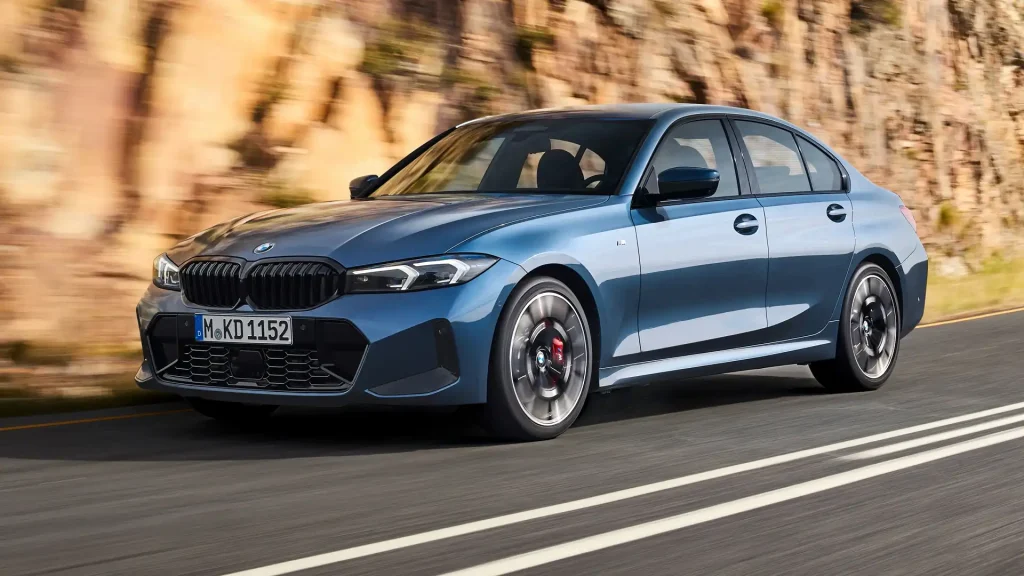
Interior materials, while high quality, may also show wear if exposed frequently to sand and moisture. Fine sand can work into seat tracks and trim pieces, leading to premature wear or annoying noises. Cleaning can be more difficult in a luxury interior with many delicate surfaces.
I included the older BMW 3 Series because it shows how a refined, road focused sedan can struggle when regularly exposed to the harsher conditions found near beaches.
2. Mercedes-Benz C-Class (Older Models)
The Mercedes-Benz C-Class offers comfort and style, but older versions may not age as gracefully in coastal regions. Like many luxury sedans, it has a low stance that exposes more of the underbody to sand and salty moisture. This can speed up corrosion, especially in hidden structural areas.
Paint and bodywork repairs on premium vehicles can be expensive, and coastal environments increase the chance of minor damage from sand, salt, and debris. Small chips that might be cosmetic inland can turn into rust issues more quickly near the sea if not addressed promptly.
The C-Class also uses many electronic systems for comfort and safety. While these features are beneficial, they can be sensitive to moisture over time. Electrical connectors and sensors exposed to humid, salty air may develop faults that require specialized repairs.
Suspension components can also suffer. Fine sand and grit can accelerate wear on bushings and joints, particularly in vehicles not designed for rough or sandy conditions. Over time, this may lead to more frequent suspension repairs compared to sturdier SUVs or trucks.
Inside, premium materials may show signs of wear if sand is regularly brought into the cabin. Leather, wood trim, and soft touch surfaces can be more vulnerable to abrasion and fading when exposed to strong sun and gritty debris.
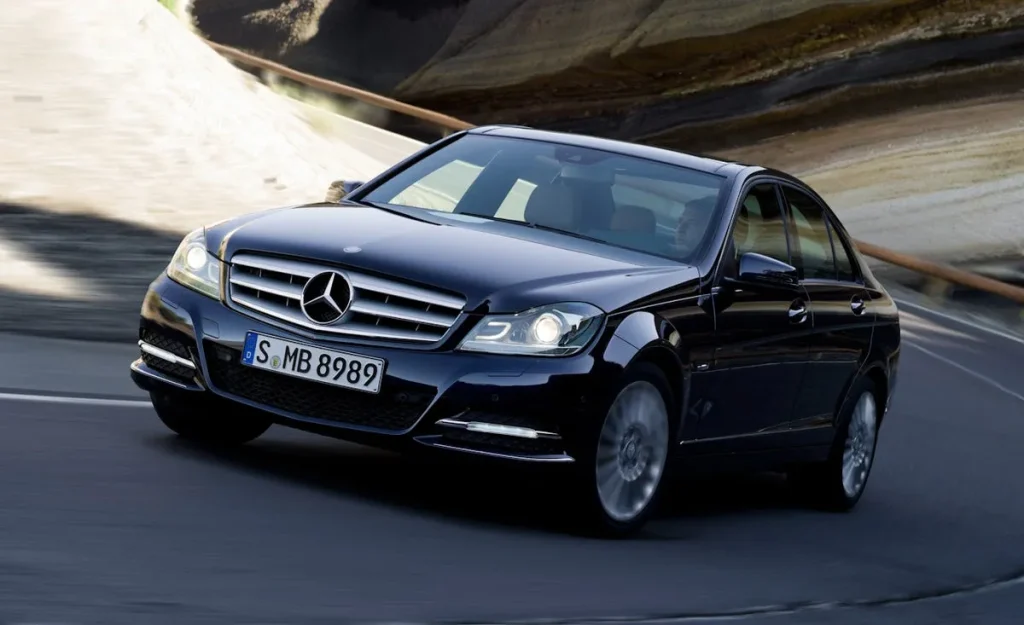
I chose the older Mercedes-Benz C-Class because it illustrates how a refined, luxury oriented small car can require more care and expense when used in salty, sandy coastal environments.
3. Audi A3
The Audi A3 is a compact premium car with a sporty feel, but its design is more suited to paved urban roads than harsh coastal conditions. Its relatively low ground clearance means underbody components are more exposed to sand and debris, which can gradually wear away protective coatings.
Corrosion can be a concern over time, particularly in areas where salty air is constant. While Audi uses quality materials, coastal exposure still accelerates rust if protective layers are damaged. Repairing corrosion on a premium vehicle often involves higher costs due to specialized parts and finishes.
The A3’s advanced electronics and tight packaging can also be drawbacks near the sea. Moisture and salt can affect connectors and sensors, leading to electrical issues that require careful diagnosis. In small, densely packed engine bays, even simple repairs may take longer.
Its suspension is tuned for comfort and handling on smooth roads, not sandy or uneven terrain. Driving regularly on rough coastal paths may increase wear on suspension components, leading to more frequent replacements compared to vehicles designed for tougher use.
Interior materials, while stylish, may not be ideal for constant exposure to sand. Fine grit can collect in seams and around controls, gradually causing wear. Keeping the interior clean requires extra effort when beach trips are frequent.
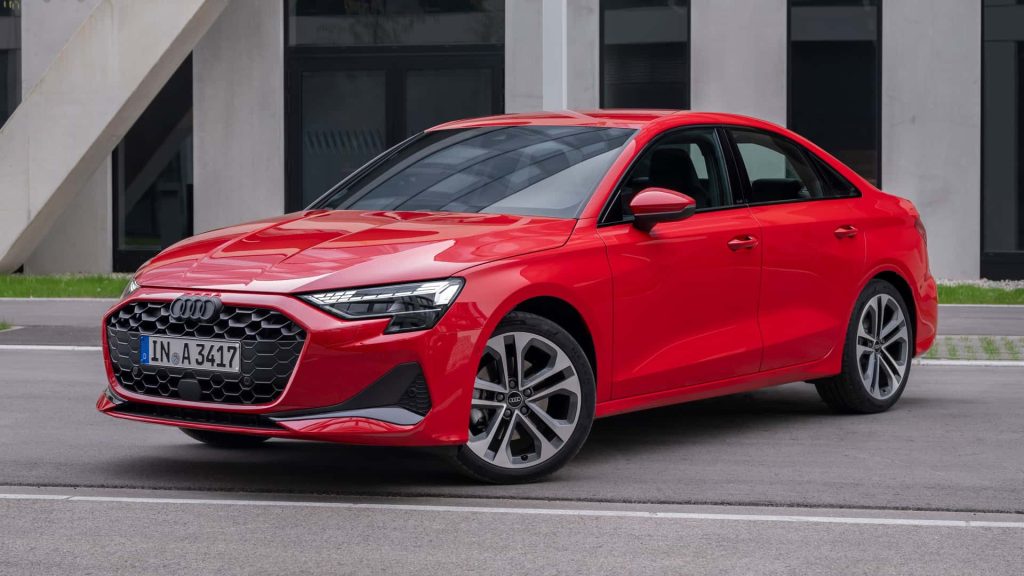
I included the Audi A3 because it shows how a compact luxury car can be less resilient in environments where salt, sand, and humidity are everyday challenges.
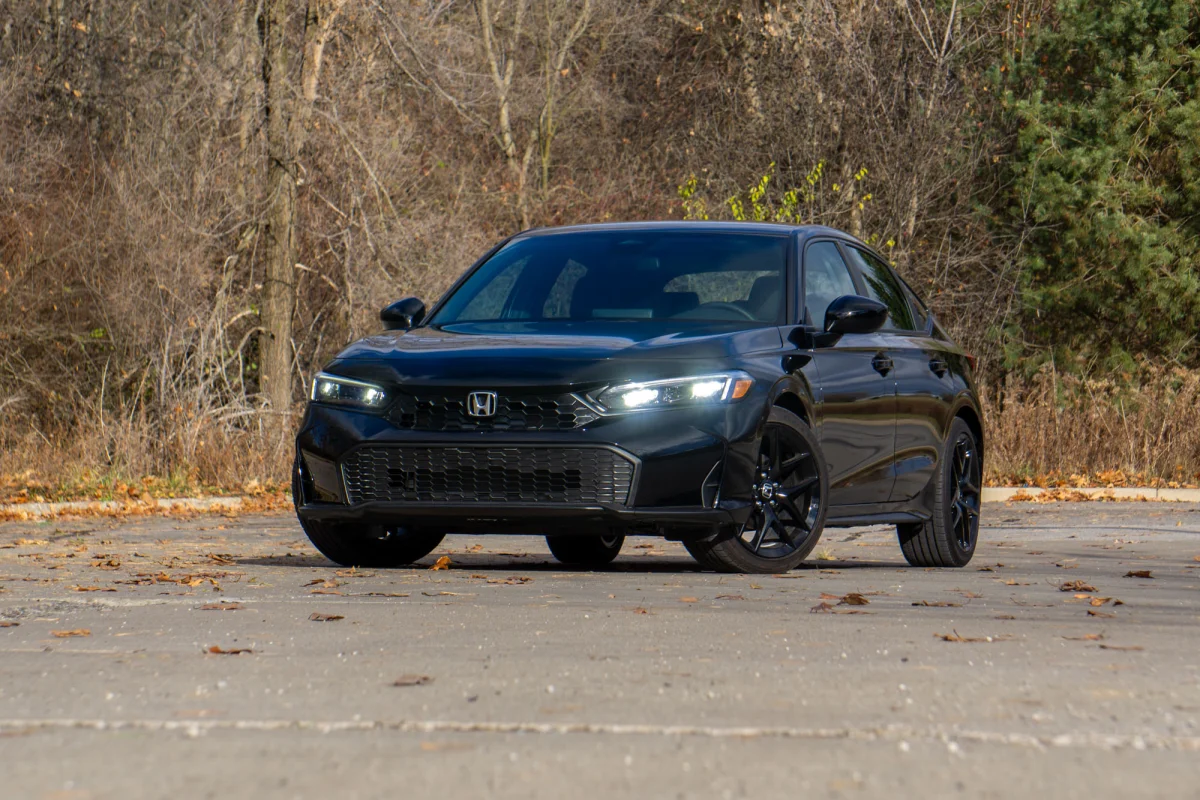
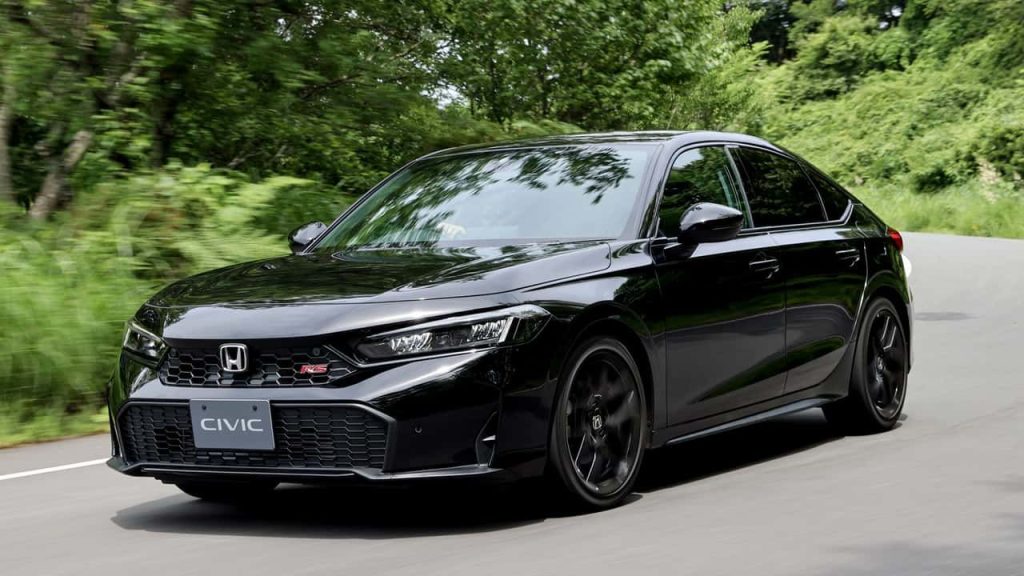
4. Honda Civic (Low Trim Sedans)
The Honda Civic is widely respected for reliability, but lower trim sedans that sit close to the ground can face extra challenges in coastal environments.
The low ride height increases exposure of the underbody to sand, salty water spray, and debris from beachside roads. Over time, this can wear away protective coatings and allow corrosion to develop.
While Honda generally provides good build quality, compact sedans are not designed with sandy or uneven terrain in mind.
Driving regularly on beach access roads or parking near the shoreline can lead to more sand accumulation around suspension and brake components. This gritty buildup can increase wear if not cleaned regularly.
Paint durability can also become an issue in salty, sunny coastal climates. Continuous exposure to strong sunlight and sea air may cause paint to fade or oxidize more quickly, especially if the vehicle is often parked outdoors near the beach. Maintaining the finish may require more frequent washing and protective treatments.
Inside, the Civic’s interior materials are practical but not designed specifically for sandy environments. Fine sand can settle into seat rails, carpets, and air vents. Over time, this may lead to rattles, wear, or reduced smoothness in moving parts like seat tracks.
I included the Honda Civic sedan because it highlights how a dependable everyday car can still face added wear when used near the coast, especially when its low stance and road focused design increase exposure to salt and sand.
5. Hyundai Verna
The Hyundai Verna, known in some markets as a compact sedan with a focus on comfort and features, can also struggle with long term coastal exposure.
Like many sedans, it rides relatively low, which leaves more of the underbody vulnerable to sand and moisture. Over time, this can contribute to corrosion if the protective layers are damaged.
Coastal air rich in salt can accelerate wear on metal components, particularly in suspension and braking systems. Vehicles that are not specifically reinforced for harsh environments may require more frequent inspections and maintenance to prevent rust related issues from spreading.
The Verna’s feature rich interior includes electronic components and controls that can be sensitive to humidity over long periods. While not inherently fragile, the constant presence of moisture in coastal regions can increase the likelihood of minor electrical problems as the vehicle ages.
Paint and exterior trim may also show faster aging under strong sun and salty air. Clear coat fading, minor corrosion around chips, and wear on exterior plastics can become noticeable sooner than in inland climates. Regular cleaning and protective treatments become more important.
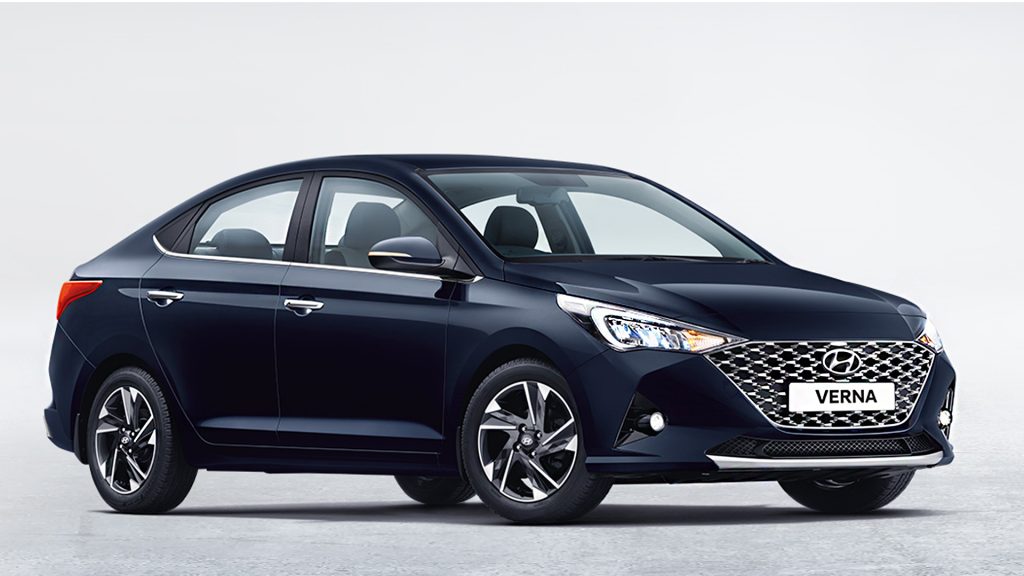
I chose the Hyundai Verna because it represents a modern, comfort-oriented small sedan that performs well in many environments but may require extra care and attention when used regularly in beachside conditions where salt, sand, and sun are constant factors.
Living near the beach exposes cars to salt air, sand, humidity, and strong sunlight, all of which can speed up wear and corrosion.
Vehicles with strong rust protection, higher ground clearance, durable materials, and simpler mechanical systems tend to hold up better in these harsh coastal conditions.
SUVs and rugged utility vehicles often perform well because they are built to handle rough environments and are easier to clean after sandy use.
In contrast, low-riding sedans and small luxury cars can struggle near beaches. Their underbodies are more exposed, electronics can be sensitive to moisture, and premium finishes may deteriorate faster. Over time, this can lead to higher maintenance needs and faster aging in coastal areas.
Also Read: 5 Cars That Balance Comfort and City Abuse vs 5 That Don’t Hold Up