Madison, Wisconsin is a city with personality, and its driving conditions reflect that. Long winters bring snow, ice, and road salt, while summers can be warm and busy with festivals, lake traffic, and construction.
Drivers deal with narrow neighborhood streets, busy downtown areas, and highways that can shift quickly from clear pavement to slippery surfaces in colder months. Because of this variety, not every vehicle feels equally suited to daily life here.
A good Madison vehicle needs to handle winter with confidence. Snow covered roads, freezing temperatures, and frequent plowing demand reliable traction, stable handling, and systems that start and operate smoothly in the cold. Ground clearance can also matter when snow piles up along residential streets or in parking lots after storms.
At the same time, Madison is still a city. Parking downtown can be tight, university traffic can be heavy, and many people commute short distances.
Vehicles that are too large or thirsty can become inconvenient and expensive. Comfort, visibility, and practicality for everyday errands are just as important as winter capability.
Some vehicles naturally balance these needs. They offer all weather confidence without being oversized or costly to run.
Others, while excellent in different environments, struggle with Madison’s mix of icy roads, changing seasons, and urban layout. They may lack traction, sit too low, or simply be less practical for the city’s conditions.
In this article, we first explore vehicles that work especially well in Madison. These models combine winter readiness, reliability, and everyday usability.
Then we look at vehicles that tend to be less suited to the area, not because they are bad overall, but because their design makes them less comfortable or practical in Madison’s climate and streets.
Also Read: 5 Cars That Balance Comfort and City Abuse vs 5 That Don’t Hold Up
5 Vehicles That Work in Madison
Vehicles that perform well in Madison usually share a few key traits. First is dependable traction in winter. All Wheel Drive or well tuned front wheel drive systems can make a big difference when roads are icy or covered in snow. Confidence during slippery starts and turns is essential for safe daily driving.
Cold-weather reliability is another major factor. Engines, batteries, and heating systems need to handle freezing temperatures without frequent issues.
Cars that warm up efficiently and keep cabins comfortable during long winter drives are especially appreciated when temperatures drop well below freezing.
Ground clearance and underbody protection also matter. Snow buildup on residential streets and in parking lots can challenge very low vehicles. A bit of extra height helps drivers avoid getting stuck and protects components from snow and ice chunks that can collect underneath the car.
Practicality is just as important outside of winter. Madison drivers often combine commuting, grocery runs, and weekend trips to lakes or parks. Vehicles with flexible cargo space and comfortable seating make these varied tasks easier without requiring a huge SUV.
Fuel efficiency plays a role too. While winter driving can increase consumption, cars that are reasonably efficient help keep costs manageable year-round. A vehicle that balances capability with economy fits better into everyday Madison life.
The five vehicles in this section stand out because they handle snow, cold, and daily city use with equal confidence. They make life easier through changing seasons rather than forcing drivers to constantly work around their limitations.
1. Subaru Outback
The Subaru Outback is almost purpose-built for a place like Madison, where winter weather is a regular part of life. Its standard All Wheel Drive system provides consistent traction on snow covered and icy roads, which helps drivers feel more secure during slippery commutes and early morning trips after a storm.
Ground clearance is another major advantage. The Outback sits higher than a typical sedan or wagon, allowing it to handle snow packed streets and uneven plowed areas more easily. This reduces the risk of getting stuck in deep snow or scraping the underbody when driving through winter buildup in parking lots.
Cold weather reliability is one of Subaru’s strengths. The Outback’s systems are designed to operate in a wide range of climates, and features like heated seats, heated mirrors, and effective cabin heating make winter driving more comfortable. When temperatures drop well below freezing, these comforts become daily necessities.
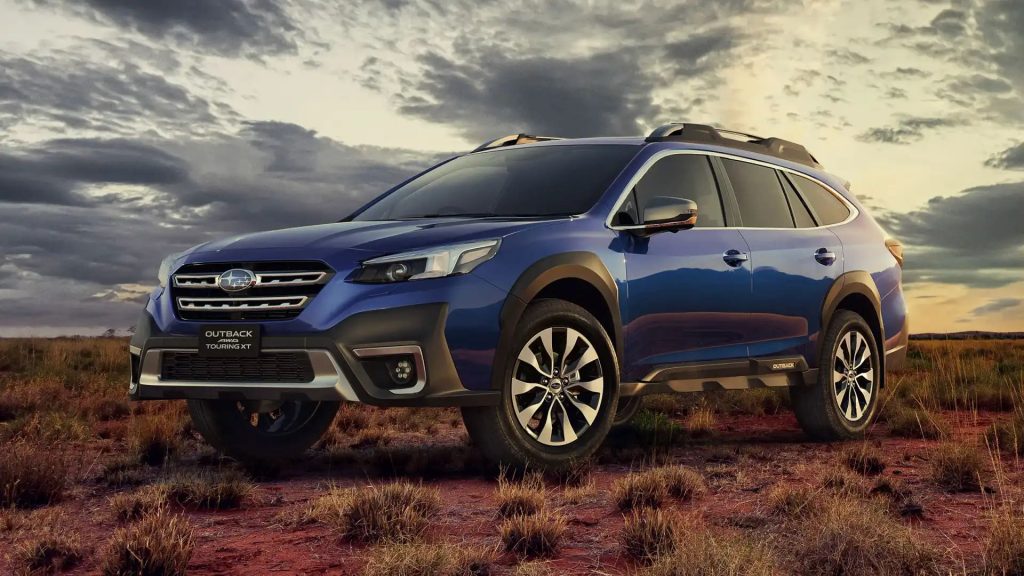
The Outback is also practical beyond winter. Its wagon style cargo area provides plenty of space for groceries, sports gear, or weekend trips to nearby parks and lakes. Madison residents who enjoy outdoor activities year round benefit from this flexibility without needing a large truck or SUV.
Fuel economy remains reasonable for a vehicle with all wheel drive, which helps keep year round costs under control. Drivers get winter capability without the heavy fuel penalty often associated with larger four wheel drive vehicles.
I am including the Subaru Outback because it combines traction, clearance, comfort, and practicality in a way that fits Madison’s mix of snowy winters and active lifestyles. It feels at home in all seasons rather than being built for just one.
2. Toyota RAV4 AWD
The Toyota RAV4 with all wheel drive is another vehicle that matches Madison’s needs well. Its AWD system adds extra grip when roads are slick, helping drivers maintain control during snow, ice, and slushy conditions. This added stability is especially useful on residential streets that may not be cleared immediately after a storm.
The RAV4’s ride height is higher than a sedan, which helps it navigate snow ruts and plowed piles at the edges of roads. Drivers are less likely to worry about scraping or getting stuck when snow levels rise. That added clearance provides confidence during heavy winter weather.
Toyota’s reputation for reliability is particularly valuable in cold climates. The RAV4’s engine and systems are known for dependable starts and consistent operation in low temperatures. A vehicle that you can trust to start on freezing mornings is essential during Wisconsin winters.
Inside, the RAV4 offers comfortable seating and a spacious cargo area. This suits Madison’s everyday needs, from grocery runs to carrying winter gear or summer recreation equipment. It balances passenger comfort with practical storage space without feeling oversized.
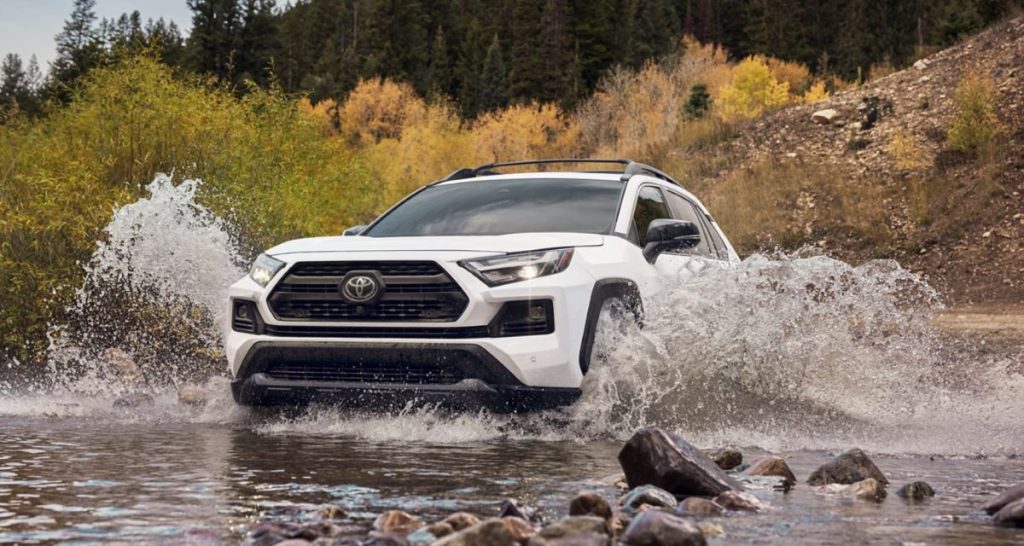
Fuel efficiency is also a strong point, especially in hybrid AWD versions. Lower fuel consumption helps offset the extra driving effort required in winter, keeping ownership costs more manageable throughout the year.
I chose the Toyota RAV4 AWD because it blends winter readiness, reliability, and everyday practicality. It handles Madison’s seasonal extremes while remaining easy to live with during the rest of the year.
3. Honda CR-V AWD
The Honda CR-V with All Wheel Drive is well-suited to Madison thanks to its balanced approach to comfort and capability. Its AWD system provides extra traction when roads are slippery, helping drivers handle snow covered intersections and icy turns with greater confidence.
The CR-V’s moderate ground clearance is enough to deal with most winter conditions without making the vehicle feel tall or difficult to handle. It can clear snow buildup on residential streets while still offering easy entry and exit, which is helpful during cold weather when heavy clothing makes movement more awkward.
Honda’s focus on reliability and smooth operation is valuable in winter. The CR-V starts reliably in cold temperatures and offers strong heating performance. Features like heated seats and defrosters make daily winter commutes more comfortable and less stressful.
Beyond winter, the CR-V fits Madison’s urban and suburban mix well. It is compact enough to handle city parking and traffic near the university, yet spacious enough inside for families, groceries, and weekend outings. This versatility makes it useful year-round.
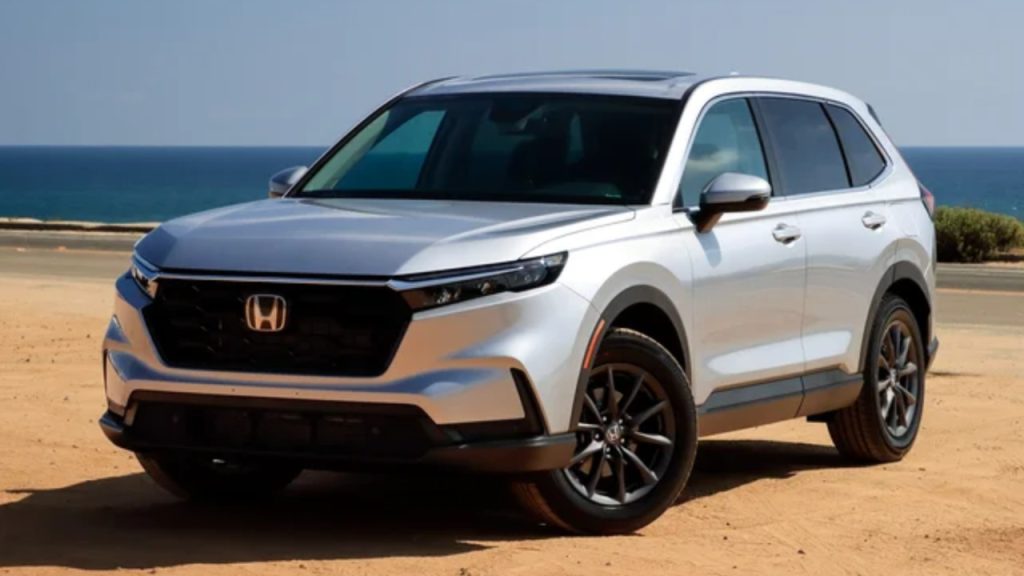
Fuel economy remains reasonable for an AWD crossover, which helps keep long-term costs in check. Drivers do not have to sacrifice efficiency just to gain winter traction and practicality.
I included the Honda CR-V AWD because it delivers the kind of dependable, all-season performance that makes daily life in Madison easier, from icy mornings to warm summer weekends.
4. Mazda CX-5 AWD
The Mazda CX-5 with all wheel drive fits Madison well by combining winter capability with an easy-to-manage size. Its AWD system automatically sends power to the wheels with the most grip, which helps maintain control on snow-covered streets and during sudden weather changes. This added traction builds confidence during long winter months.
The CX-5’s ground clearance is sufficient to handle typical snow buildup without making the vehicle feel bulky. Drivers can navigate plowed streets and uneven winter parking lots with less concern about scraping or getting stuck. That balance between height and agility works well in a city that sees regular snowfall.
Mazda’s focus on driving feel also benefits winter control. Steering is precise and predictable, which helps drivers make smooth adjustments on slippery surfaces. A vehicle that responds clearly to inputs can feel more stable when road conditions are less than ideal.
Inside, the CX-5 offers a comfortable cabin with quality materials and effective climate control. Heated seats and a strong heating system make cold morning commutes more pleasant. The cabin is quiet and refined, which helps reduce fatigue during longer winter drives.
Cargo space is practical for everyday needs. Groceries, winter gear, and recreational equipment all fit without requiring a larger SUV. This makes the CX-5 suitable for Madison residents who need versatility without the drawbacks of a full size vehicle.
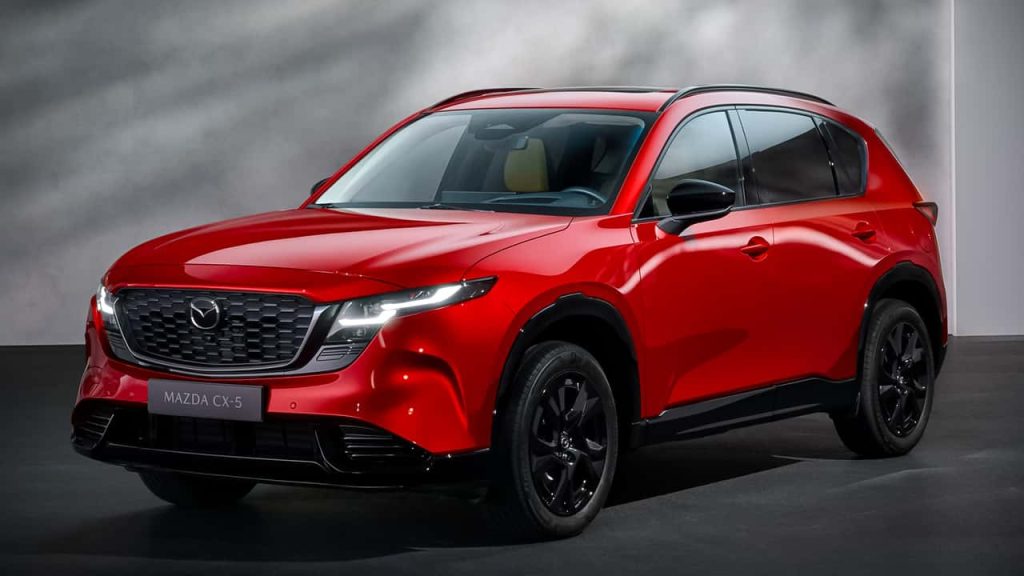
I chose the Mazda CX-5 AWD because it blends winter readiness with everyday comfort and manageable dimensions. It handles snow and ice confidently while still feeling right sized for Madison’s streets and parking spaces.
5. Jeep Cherokee AWD
The Jeep Cherokee with All Wheel Drive brings a level of ruggedness that is useful during Madison’s harsher winter days. Its traction systems are designed to cope with slippery surfaces, giving drivers extra control when roads are covered in snow or ice. This capability is especially valuable during heavy storms or on less frequently cleared streets.
The Cherokee’s ride height helps it deal with deeper snow and uneven winter road conditions. It is less likely to bottom out when driving through snow packed areas or over frozen ruts. That extra clearance can make a noticeable difference during peak winter months.
Cold weather features add to its appeal. Many versions include heated seats, heated steering wheels, and strong defrosters. These comforts help drivers and passengers stay warm and maintain clear visibility during freezing conditions.
The Cherokee also offers practical interior space. It can carry passengers comfortably while still leaving room for groceries, sports gear, or winter supplies. This versatility suits Madison families and individuals who balance commuting with recreational outings.
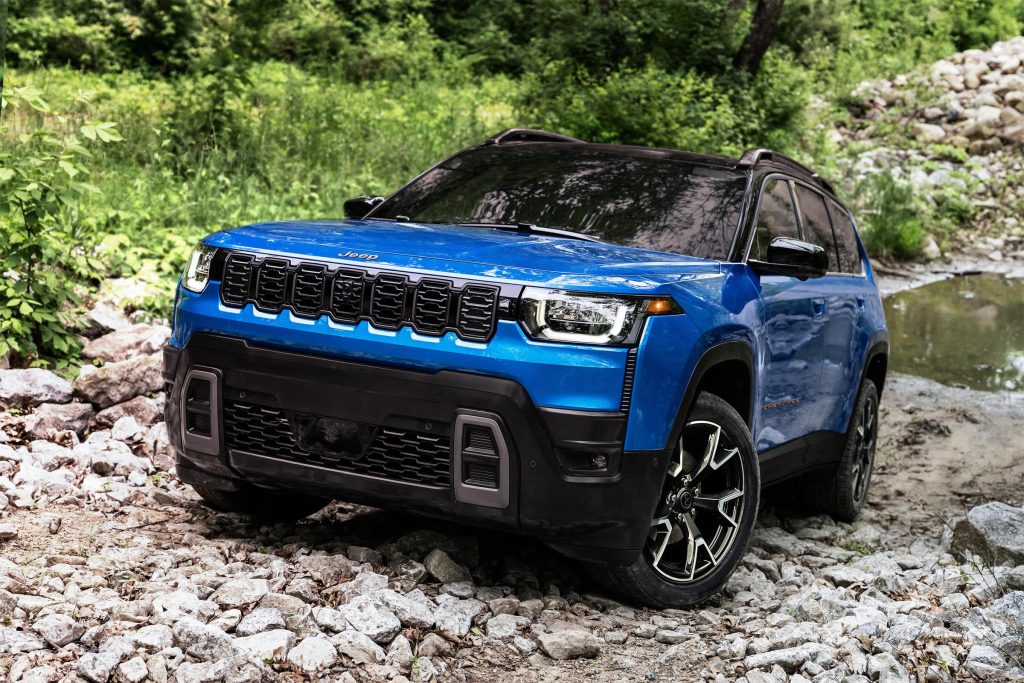
While not the most fuel-efficient in its class, it still offers reasonable economy for an AWD SUV. Drivers gain winter capability without stepping up to a large, fuel-hungry truck or full-size SUV.
I included the Jeep Cherokee AWD because it provides confident winter performance and useful ground clearance in a package that remains practical for everyday city life in Madison.
5 Vehicles That Do Not Work Well in Madison
Some vehicles struggle in Madison because their design does not align well with cold winters and snowy roads. Low ground clearance, rear wheel drive layouts, or performance-focused setups can make driving in winter more difficult and less safe. Traction and stability are critical in icy conditions, and not every vehicle is built with that in mind.
Sports cars and low sedans often sit close to the ground, which increases the risk of getting stuck in snow or scraping on icy buildup. Their suspension systems may also be tuned for smooth pavement rather than rough, winter-damaged roads. This can lead to a less comfortable and less controlled ride during colder months.
Rear Wheel Drive vehicles without advanced traction systems can also be challenging. While they may perform well on dry roads, they can struggle for grip when starting on icy surfaces or climbing snowy inclines. This makes everyday winter driving more stressful.
Fuel-hungry vehicles can be another drawback. Winter driving already increases fuel consumption, and large engines can make operating costs higher than necessary for daily commuting. In a city where many trips are short, efficiency still matters.
The following five vehicles highlight how certain designs are less suited to Madison’s climate and streets. They may be excellent in other environments, but in a place with long winters and frequent snow, they often feel out of their element.
1. Chevrolet Camaro
The Chevrolet Camaro is designed as a sporty coupe with a focus on performance and style, but those strengths do not translate well to Madison winters.
Its low ride height makes it more vulnerable to snow buildup on roads and in parking lots. Drivers may struggle to get through unplowed streets or over frozen ruts without scraping the underbody.
Rear wheel drive in many Camaro versions can also be a disadvantage on icy roads. While modern traction control helps, it cannot fully compensate for the reduced grip compared to all wheel drive or well balanced front wheel drive vehicles. Starting from a stop on slick surfaces can feel uncertain and require extra care.
The Camaro’s wide body and long doors can make winter parking more challenging as well. Snow piles and narrow ploughed spaces reduce manoeuvring room, and a larger coupe is not as easy to place as a compact crossover or sedan. Everyday errands can feel less convenient in tight winter conditions.
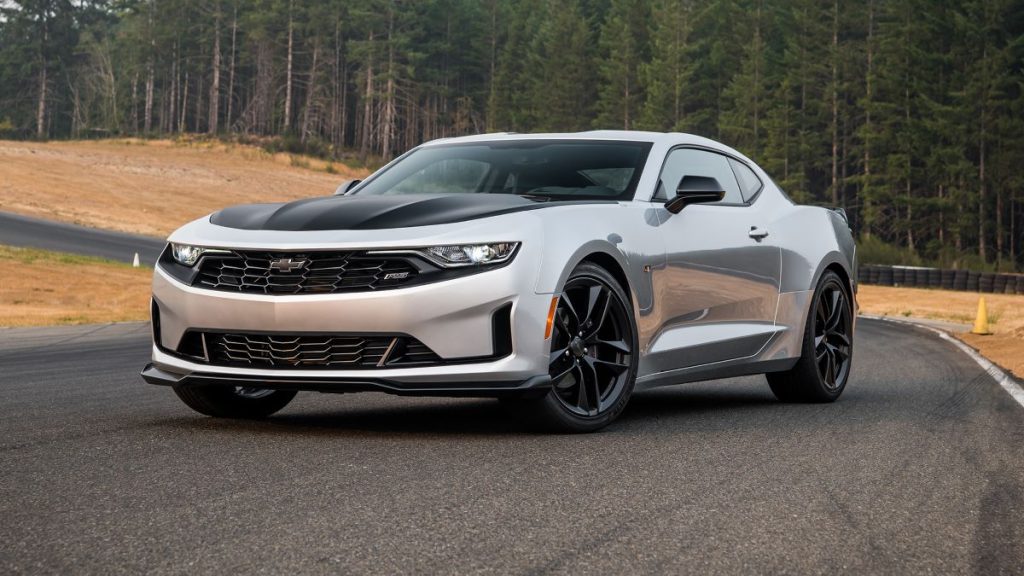
Cold weather comfort is another consideration. While the Camaro offers some comfort features, its design prioritizes performance over practicality. Limited rear seating and cargo space make it less useful for carrying winter gear, groceries, or multiple passengers in heavy clothing.
I included the Chevrolet Camaro because it highlights how a performance-focused car can struggle in a city where winter traction, clearance, and everyday usability matter more than speed and styling.
2. Ford Mustang (Rear Wheel Drive)
The Ford Mustang shares many of the same winter challenges as other Rear Wheel Drive sports cars. Its power and performance are enjoyable in dry conditions, but snow and ice change the equation. Even with stability systems, Rear Wheel Drive can make traction harder to manage on slippery Madison roads.
Low ground clearance adds to the problem. Snow-packed streets and plough ridges can easily contact the underside of the car. This not only risks damage but can also cause the vehicle to lose momentum in deeper snow. Drivers may find themselves avoiding certain routes during winter storms.
The Mustang’s suspension is tuned for sporty handling rather than absorbing rough, winter damaged pavement. Potholes hidden under snow and ice can lead to a harsher ride and potential wheel or tire damage. This makes winter driving less comfortable and potentially more expensive.
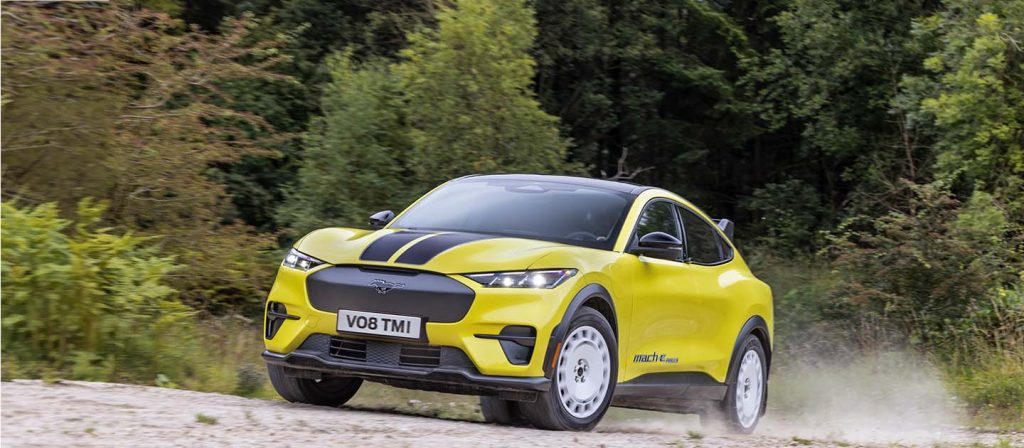
Practicality is limited as well. Small rear seats and a modest trunk make it harder to carry winter gear, emergency supplies, or multiple passengers comfortably. In a city where winter travel often requires extra preparation, this lack of space can be inconvenient.
I chose the Ford Mustang because it represents vehicles that are fun in good weather but less suited to the daily realities of Madison’s long, snowy winters.
3. Mazda MX-5 Miata
The Mazda MX-5 Miata is beloved for its lightweight design and engaging handling, but those same qualities can work against it in Madison. Its very low ride height makes deep snow a serious obstacle. Even moderate snow accumulation can leave the car struggling to move forward without scraping.
Rear wheel drive combined with a light rear end can also make traction difficult on icy surfaces. While winter tires help, the Miata’s overall design is still optimized for dry, twisty roads rather than slippery winter streets. Drivers may find it challenging to maintain grip during starts and turns.
The small size that makes the Miata fun in summer can feel less reassuring in winter traffic. Surrounded by larger SUVs and trucks, visibility can be limited, and the car may feel more exposed during snowy commutes.
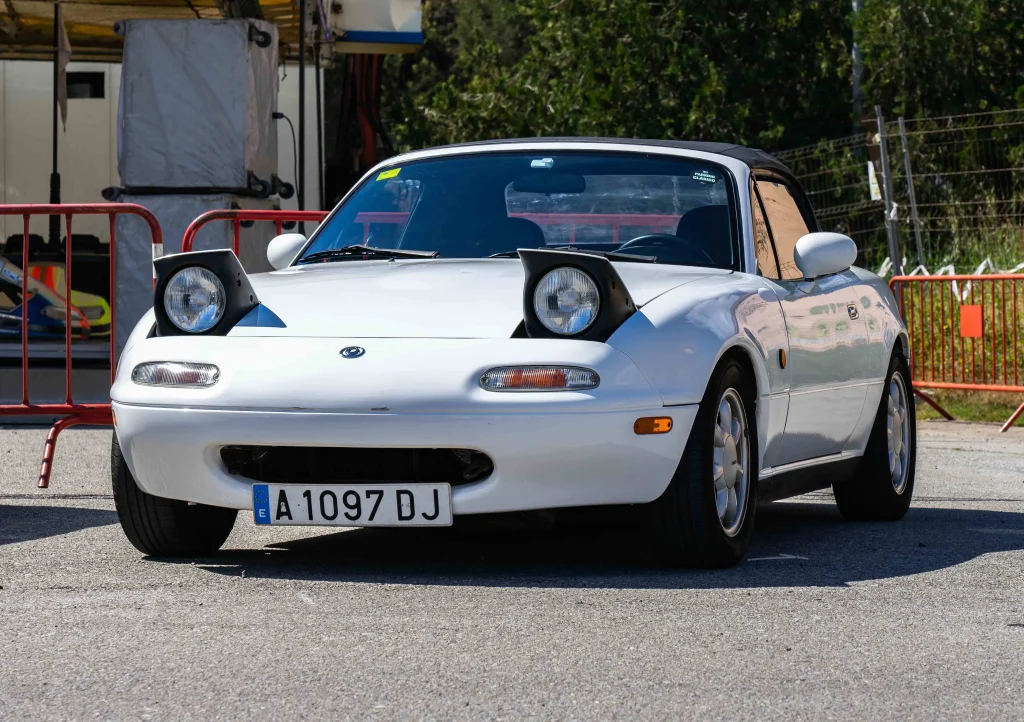
Cargo space is extremely limited, leaving little room for winter essentials like emergency kits, snow brushes, or extra clothing. The two seat layout also restricts passenger flexibility during cold-weather travel.
I included the Mazda MX-5 Miata because it shows how a car designed purely for driving enjoyment can struggle with the practical demands of a cold, snowy city like Madison.
4. BMW Z4
The BMW Z4 is a stylish roadster built for open air driving and smooth roads, which makes it a poor match for Madison’s long winters. Its very low ground clearance means snow and ice can easily build up under the car. Even lightly covered roads can become difficult to navigate without scraping or getting stuck.
Rear Wheel Drive further complicates winter use. While BMW’s traction systems are advanced, they cannot fully overcome the challenges of putting power to the rear wheels on icy surfaces. Starting on slippery inclines or turning at snow-covered intersections can feel uncertain compared to All Wheel Drive vehicles.
The Z4’s suspension is tuned for sporty handling, not for absorbing winter-damaged pavement. Hidden potholes and rough patches can lead to a harsher ride and increase the risk of wheel or tire damage. This makes everyday winter commuting less comfortable and potentially more expensive.
Practicality is also limited. With only two seats and a small trunk, there is little room for winter gear, emergency supplies, or additional passengers. In a climate where preparation is important, this lack of flexibility can be a serious drawback.
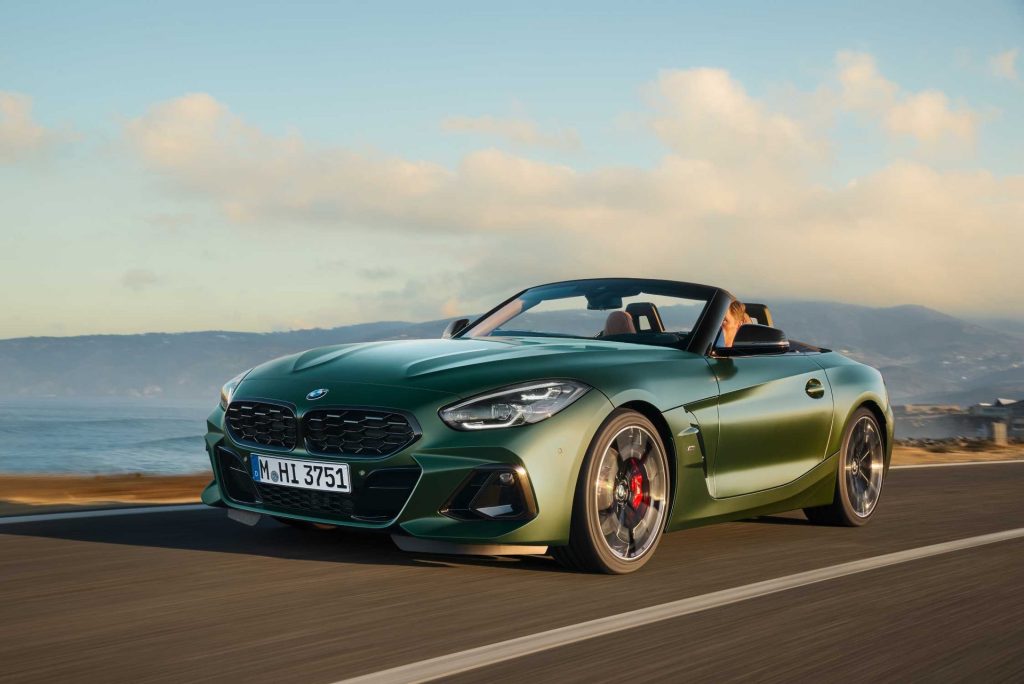
I included the BMW Z4 because it highlights how a performance-oriented roadster can feel out of place in a city where snow, ice, and practicality dominate much of the year.
5. Nissan 370Z
The Nissan 370Z is another sports car that struggles to align with Madison’s conditions. Its low stance exposes underbody components to snow buildup and icy debris. Driving through deeper snow can quickly become difficult, limiting where and when the car can be used in winter.
Rear Wheel Drive, combined with strong engine power, can make traction management tricky on slick roads. Even careful drivers may find it harder to maintain control during acceleration or cornering in icy conditions. Winter tyres help, but the car’s basic layout still favours dry pavement.
The 370Z’s firm suspension and low-profile tyres are not ideal for winter-damaged roads. Potholes hidden by snow can lead to a rough ride and increase the chance of wheel damage. This adds to the stress and cost of winter driving.
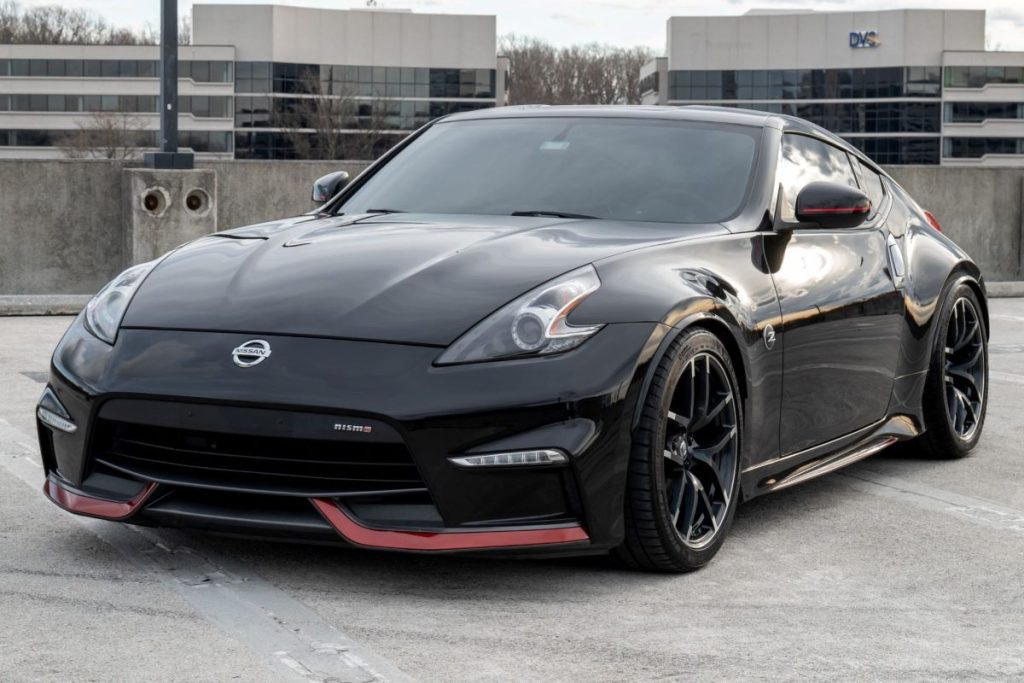
Interior space is also limited. With only two seats and modest cargo capacity, there is little room for winter supplies or everyday practicality. For many Madison residents, this lack of space makes it less useful as a primary vehicle during colder months.
I chose the Nissan 370Z because it represents how a focused sports car, while exciting to drive, does not easily adapt to the snowy, icy, and practical demands of daily life in Madison.
Madison, Wisconsin presents a unique mix of driving conditions that change dramatically with the seasons. Long, snowy winters, icy roads, and frequent temperature swings demand vehicles that offer strong traction, reliable cold weather performance, and enough ground clearance to handle snow buildup.
At the same time, Madison is still a compact, active city with tight parking, short commutes, and year round errands, so oversized or inefficient vehicles can quickly become inconvenient. Because of this balance, some vehicles fit Madison life naturally, while others feel out of place for much of the year.
Vehicles that work well in Madison tend to combine winter capability with everyday practicality.
Models like the Subaru Outback, Toyota RAV4 AWD, Honda CR-V AWD, Mazda CX-5 AWD, and Jeep Cherokee AWD stand out because they offer dependable traction on snow and ice without being excessively large or difficult to maneuver.
Their higher ground clearance helps them deal with plowed snow, icy ruts, and uneven winter streets. At the same time, they remain comfortable and efficient enough for daily commuting, grocery runs, and trips around town.
These vehicles also tend to have features that make winter driving more comfortable, such as effective heating systems, heated seats, and strong defrosters. Reliability in cold weather is another key advantage.
Engines that start easily in freezing temperatures and systems that operate consistently in harsh conditions reduce stress during the coldest months. Flexible cargo space also supports Madison’s active lifestyle, whether carrying winter gear or summer equipment for parks and lakes.
In contrast, vehicles that do not work well in Madison are often low riding, rear wheel drive sports cars that struggle with traction and clearance in snow.
Models like the Chevrolet Camaro, Ford Mustang in rear wheel drive form, Mazda MX-5 Miata, BMW Z4, and Nissan 370Z are designed primarily for performance on dry pavement.
Their low ground clearance makes them vulnerable to snow buildup, and rear wheel drive can make slippery starts and turns more difficult even with modern traction aids.
These cars also offer limited practicality for winter life. Small trunks, two seat layouts, and firm suspensions make them less comfortable and less useful when roads are rough and drivers need to carry extra gear.
While they can be enjoyable in warmer months, they often require extra caution, planning, or even a second vehicle during Madison’s long winters. Overall, vehicles that balance traction, clearance, reliability, and practicality are the ones that truly suit life in this climate.
Also Read: 5 Small Cars That Feel Confident in City Traffic vs 5 That Don’t Inspire Trust