Living near the ocean has many lifestyle perks, but it can be surprisingly harsh on vehicles. Salt in the air is one of the biggest long-term threats to a car’s condition.
Tiny salt particles carried by sea breezes settle on metal surfaces and, when combined with moisture, speed up corrosion. Over time, this can affect everything from underbody components and exhaust systems to door seams and electrical connectors.
Cars in coastal regions often age differently from those used inland. Rust can form more quickly, paint may deteriorate faster, and exposed metal parts underneath the vehicle can weaken if not properly protected.
High humidity adds to the problem, creating a constant environment where corrosion can slowly develop even when the car is parked.
Because of this, some vehicles are better equipped to handle salt air than others. Models with strong factory rust protection, galvanised steel panels, durable underbody coatings, and well-sealed electrical systems tend to resist corrosion more effectively. Practical designs that make cleaning easier also help owners maintain their vehicles in salty environments.
Other cars, however, are more vulnerable. Low ground clearance, delicate finishes, complex electronics, or known corrosion issues can make certain models age faster near the coast. What might be a reliable vehicle inland can become more maintenance-intensive when exposed to salty air year-round.
In this article, we first look at cars that are known for holding up well in coastal conditions. These vehicles have reputations for durability, solid corrosion resistance, and practical construction.
Then we explore cars that tend to struggle more in salty environments, not because they are poor overall, but because their materials, design, or engineering make them more sensitive to corrosion and moisture over time.
Also Read: 5 Trucks That Handle Daily Errands Comfortably vs 5 That Feel Awkward in Traffic
5 Cars That Handle Salt Air Well
Vehicles that cope well with salt air usually share a focus on long-term durability and strong corrosion protection.
Manufacturers that expect their vehicles to be used in varied climates often invest more in underbody coatings, rust-resistant materials, and protective treatments during production. These features can significantly slow the effects of coastal exposure.
Galvanized steel panels are one key advantage. When body panels are treated to resist rust, they are less likely to develop corrosion around seams, wheel arches, and door edges. This protection helps maintain structural integrity and keeps the vehicle looking better for longer, even in humid, salty air.
Underbody protection is equally important. Salt spray from wet roads can settle underneath the car, where it is harder to see and clean.
Vehicles with durable undercoating and well-protected suspension and brake components tend to last longer in coastal regions. This hidden protection often makes a bigger difference than exterior appearance alone.
Simple, well-sealed mechanical systems also help. Fewer exposed connectors and better-protected wiring reduce the chance of electrical issues caused by moisture and corrosion. Reliability in coastal areas often depends as much on electrical durability as on metal protection.
Ease of cleaning is another factor. Vehicles with practical designs that allow owners to wash away salt buildup more easily can be maintained in better condition over time. Regular cleaning works best when the vehicle’s shape and layout support it.
The five cars in this section stand out because they combine strong corrosion resistance, practical engineering, and reputations for durability. In coastal environments, these traits help them stay structurally sound and reliable for many years.
1. Toyota Land Cruiser
The Toyota Land Cruiser has a long-standing reputation for durability in some of the world’s harshest environments, and that toughness extends to coastal regions. Designed to operate in remote, challenging conditions, it features strong corrosion protection and heavy-duty construction that help it resist the damaging effects of salt air.
One of the Land Cruiser’s biggest advantages is its robust underbody protection. The frame and suspension components are built to handle mud, water, and rough terrain, which also means they are better shielded from corrosive salt exposure. This extra protection slows rust formation in areas that are usually most vulnerable.
Toyota also invests in high quality paint and body treatments for this model. Galvanized panels and careful sealing of seams help prevent moisture from creeping into hidden areas where corrosion can start. In coastal climates where humidity and salt combine daily, this attention to detail matters over the long term.
The Land Cruiser’s mechanical systems are known for reliability and durability. Wiring and connectors are generally well protected, reducing the likelihood of moisture-related electrical problems. In salty air, where corrosion can affect sensitive electronics, this durability helps keep systems functioning properly.
Its higher ride height is another advantage. Being further from road spray means less direct exposure of the underbody to saltwater mist. This does not eliminate corrosion risk, but it reduces how quickly buildup occurs.
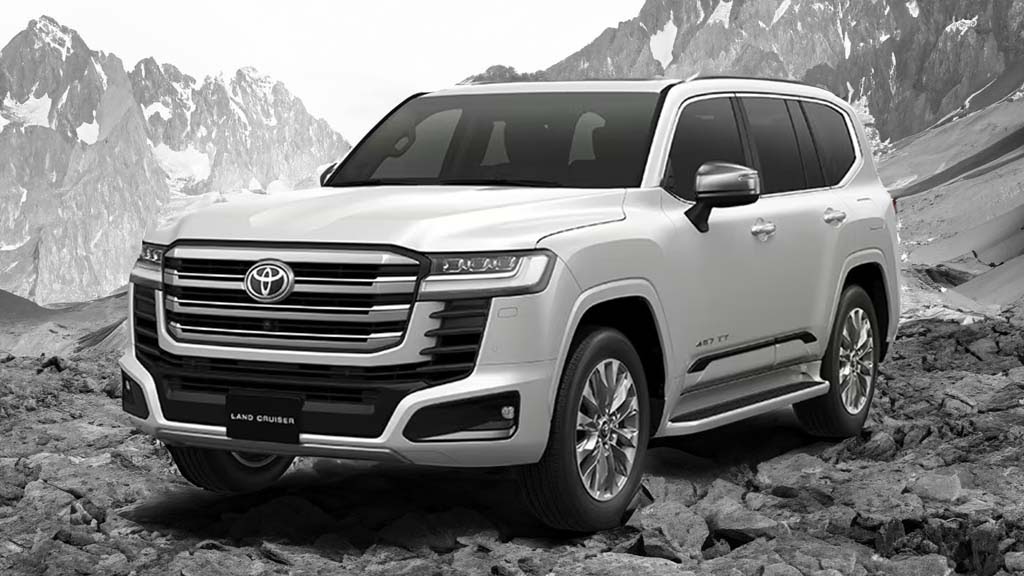
I am including the Toyota Land Cruiser because it is engineered for longevity and harsh use. In coastal areas, its strong materials, protective coatings, and rugged design help it hold up better than many lighter duty vehicles.
2. Subaru Outback
The Subaru Outback combines everyday usability with engineering that handles tough weather well, including salty coastal air. Subaru places strong emphasis on all weather durability, and this focus includes corrosion resistance that benefits long term coastal ownership.
Many Outback models feature effective underbody coatings that protect exposed metal from moisture and salt. This is especially important underneath the vehicle, where road spray can accumulate. Slowing corrosion in these hidden areas helps extend the vehicle’s lifespan near the ocean.
The body structure also benefits from rust resistant treatments and well sealed seams. These measures help reduce the chance of rust forming around wheel arches, door edges, and other common problem spots. In humid coastal climates, this protection makes a noticeable difference over time.
Subaru’s mechanical layout tends to be straightforward and well-protected. Electrical connectors and wiring are generally shielded from direct exposure, reducing the risk of corrosion-related electrical faults. In salty air, where moisture can seep into small openings, this protection helps maintain reliability.
The Outback’s design also makes it relatively easy to clean underneath and around the wheel wells. Owners who regularly wash off salt deposits can keep the vehicle in better condition, and a practical shape supports that maintenance.

I chose the Subaru Outback because it blends strong corrosion resistance with practical design. For drivers living near the coast, it offers a balance of everyday comfort and durability against the long term effects of salt air.
3. Honda CR-V
The Honda CR-V is known for reliability and solid build quality, both of which are helpful in coastal environments. Honda has improved corrosion protection over the years, and the CR-V benefits from protective coatings and materials that help slow the effects of salty air.
Underbody components are reasonably well protected, which is important where salt and moisture accumulate most. Suspension parts, brake lines, and structural elements are less exposed than in some lower, lighter vehicles. This helps reduce the speed at which corrosion can develop.
The CR-V’s body panels and seams are treated to resist rust, and paint finishes tend to hold up well with proper care. While no vehicle is immune to coastal conditions, this level of protection helps maintain appearance and structural integrity longer than more vulnerable designs.
Electrical reliability is another advantage. Honda’s systems are generally robust, and connectors are not unusually exposed. In humid, salty air, fewer electrical problems mean less frustration and lower repair costs over time.
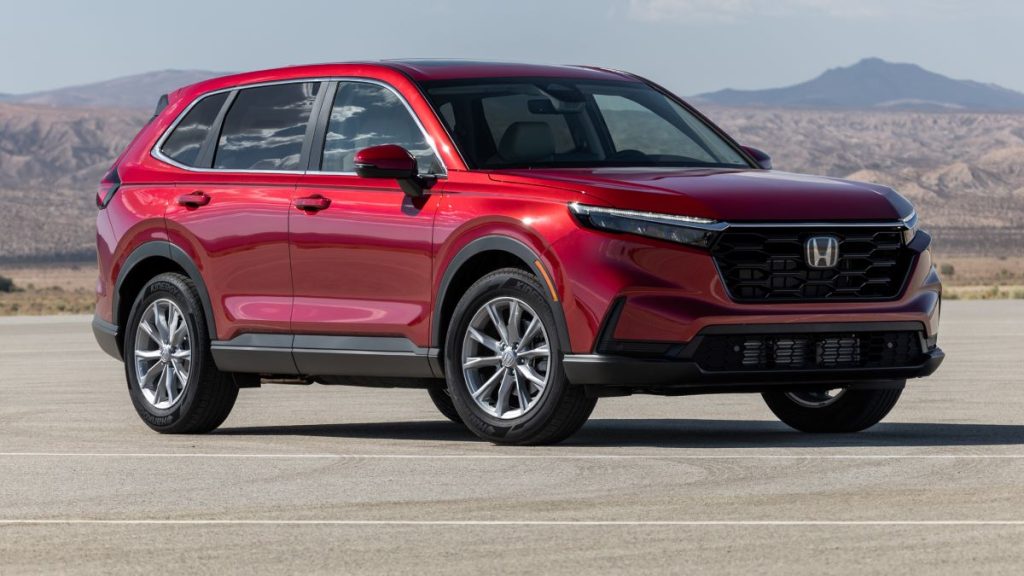
The vehicle’s moderate ride height also helps limit direct exposure to salty road spray. Combined with regular cleaning, this reduces buildup underneath the car. Owners who rinse the underbody periodically can keep corrosion at bay more effectively.
I included the Honda CR-V because it offers a practical mix of durability, corrosion resistance, and dependable engineering. Near the coast, these qualities help it age more gracefully than many vehicles with less protective design.
4. Volvo XC60
The Volvo XC60 is designed with safety and durability in mind, and that philosophy extends to how well it handles harsh climates, including coastal environments. Volvo has long experience building cars for regions with moisture, snow, and road salt, which has influenced its approach to corrosion protection.
The XC60 benefits from extensive use of galvanized steel and carefully treated body panels. These materials resist rust more effectively than untreated metal, helping the vehicle maintain structural strength and appearance over time. In salty air, this kind of protection plays a key role in slowing corrosion.
Underbody coatings and protective covers help shield suspension and drivetrain components from moisture and salt spray. Coastal driving often exposes the underside of a vehicle to salty residue, and strong factory protection can delay the onset of rust in these hard to reach areas.
Electrical systems are also well sealed compared to many vehicles. Modern Volvos use numerous electronic features, but connectors and modules are designed to be protected from environmental exposure. This reduces the likelihood of corrosion-related electrical faults, which can otherwise be common in humid, salty regions.

The XC60’s slightly elevated ride height further limits direct contact with salty road spray. While not an off-road vehicle, it sits high enough to reduce the amount of salt-laden moisture reaching sensitive underbody parts.
I chose the Volvo XC60 because it combines advanced safety and comfort with solid corrosion resistance. In coastal areas where long term durability is tested by salt air, this thoughtful engineering helps the vehicle hold up well over time.
5. Toyota Fortuner
The Toyota Fortuner is built on a tough, utility focused platform that is designed to handle demanding conditions. This rugged construction makes it well suited to coastal environments where salt air and humidity can quickly affect lighter, less protected vehicles.
Its body-on-frame design includes strong underbody protection, which helps shield structural components from salt and moisture. Frames and suspension parts are often more robust in vehicles built for rough terrain, and this durability translates into better resistance against corrosion.
Toyota also applies protective treatments to body panels and seams that help slow rust formation. In coastal regions, where even small scratches can become corrosion points, this extra protection helps preserve the vehicle’s structure and appearance over time.
The Fortuner’s higher ride height keeps the underbody further from salty road spray. Less direct exposure reduces how quickly salt accumulates underneath the vehicle. Combined with occasional cleaning, this helps extend the lifespan of metal components.

Its mechanical systems are designed for long-term reliability in challenging environments. Electrical components are generally well protected, and the overall design favours durability over delicate complexity. This helps reduce problems caused by moisture and corrosion.
I included the Toyota Fortuner because it reflects Toyota’s focus on toughness and longevity. In coastal areas where vehicles face constant exposure to salt air, its rugged build and corrosion protection make it a dependable long-term option.
5 Cars That Do Not Handle Salt Air Well
While some vehicles are engineered to resist corrosion, others are more vulnerable to the effects of salt and humidity.
Coastal air can expose weaknesses in rust protection, especially in cars that use thinner materials, have less underbody coating, or rely heavily on delicate components. Over time, these differences become more noticeable.
Low ride height is one factor that can increase exposure to salt spray. Vehicles that sit closer to the ground are more likely to collect salty moisture underneath, where corrosion can develop unseen. Regular cleaning helps, but design limitations still play a role in long-term durability.
Luxury vehicles with complex electronics may also face challenges. Advanced systems often involve numerous connectors and modules. In humid, salty environments, these can be more prone to corrosion-related faults if not perfectly sealed. Repairs can be expensive and time-consuming.
Paint and exterior trim can deteriorate faster as well. Some finishes are more sensitive to salt and sun exposure, leading to fading, peeling, or bubbling if not carefully maintained. Small chips that might be cosmetic inland can become corrosion spots more quickly near the ocean.
The following five cars highlight how certain designs and materials can struggle in coastal conditions. They may be excellent in many other environments, but near the sea, they often require more attention and may show signs of aging sooner due to salt air exposure.
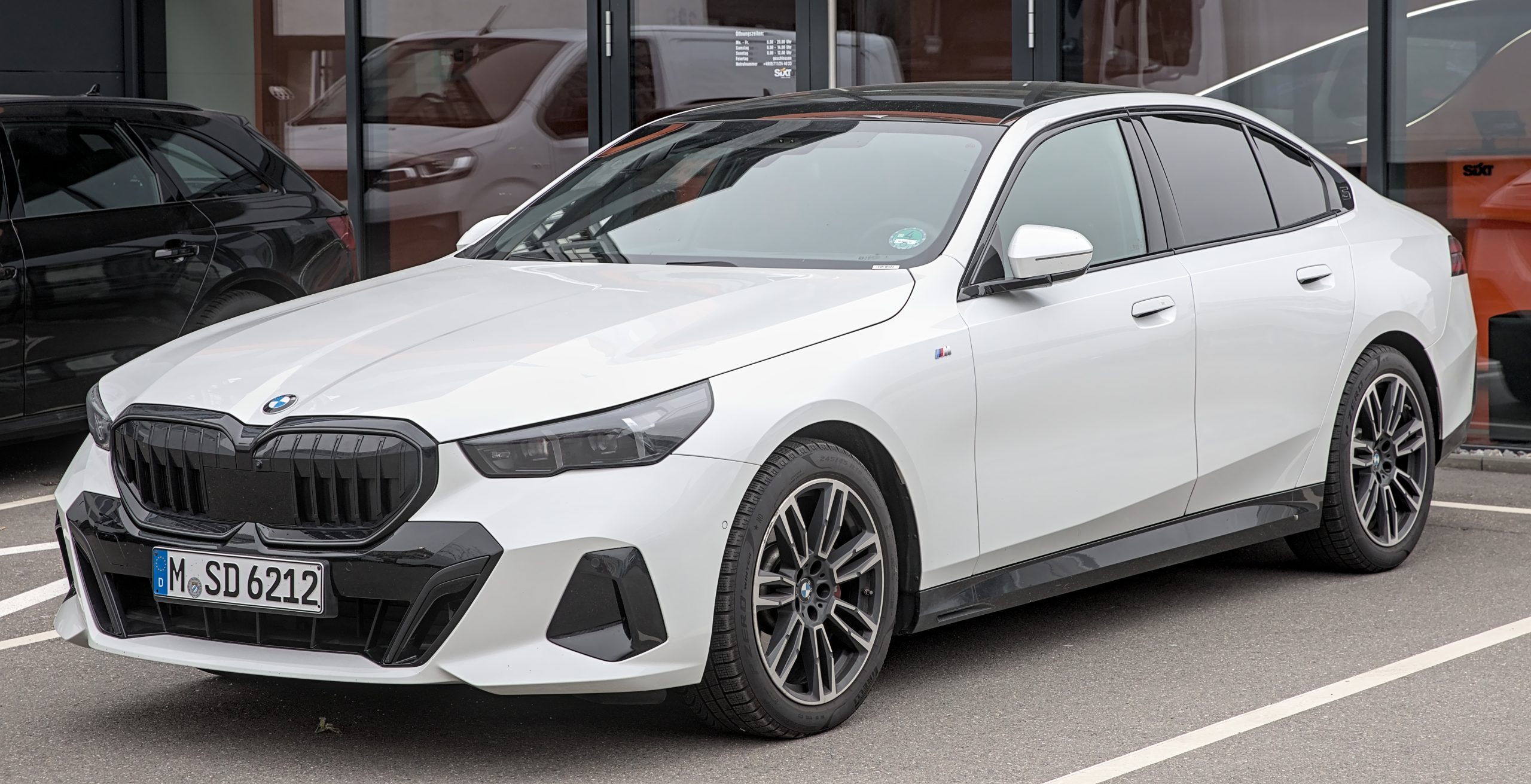
1. BMW 5 Series (Older Models)
Older BMW 5 Series models are known for their comfort and performance, but they can be more vulnerable to corrosion in coastal environments.
Luxury sedans from earlier generations did not always have the same level of rust protection found in more rugged vehicles. In salty air, this can lead to rust forming around wheel arches, door edges, and underbody seams.
The low ride height of the 5 Series increases its exposure to salty road spray. Moisture mixed with salt tends to collect underneath the car, where it may not be washed away easily. Over time, this can weaken suspension components and underbody panels if not carefully maintained.
Complex electronics are another concern. Older luxury cars include many sensors and control modules. In humid, salty air, electrical connectors can corrode, leading to intermittent faults that are difficult and expensive to diagnose. Coastal conditions often accelerate these kinds of issues.
Paint finishes and trim can also suffer. Small chips or scratches may develop into rust spots more quickly near the sea. Repairing corrosion on premium body panels is often more costly than on mainstream vehicles.

I included the older BMW 5 Series because it shows how a refined luxury sedan can face increased maintenance challenges when exposed regularly to salt air and moisture.
2. Mercedes-Benz E-Class (Older Models)
The Mercedes-Benz E-Class offers comfort and prestige, but older versions can struggle with long term corrosion resistance in coastal areas. While build quality is high, earlier generations were not always optimized for constant exposure to salty, humid air. Rust can develop around seams, underbody areas, and suspension mounting points.
Like many sedans, the E-Class sits relatively low. This means salty water spray from roads can easily reach the underbody. Without frequent cleaning, salt buildup can remain in hidden areas and gradually cause corrosion.
The E-Class also uses a large number of electronic systems for comfort and safety. Moisture and salt can affect connectors and wiring over time, leading to electrical faults that are often costly to repair. In coastal climates, these problems may appear sooner than expected.
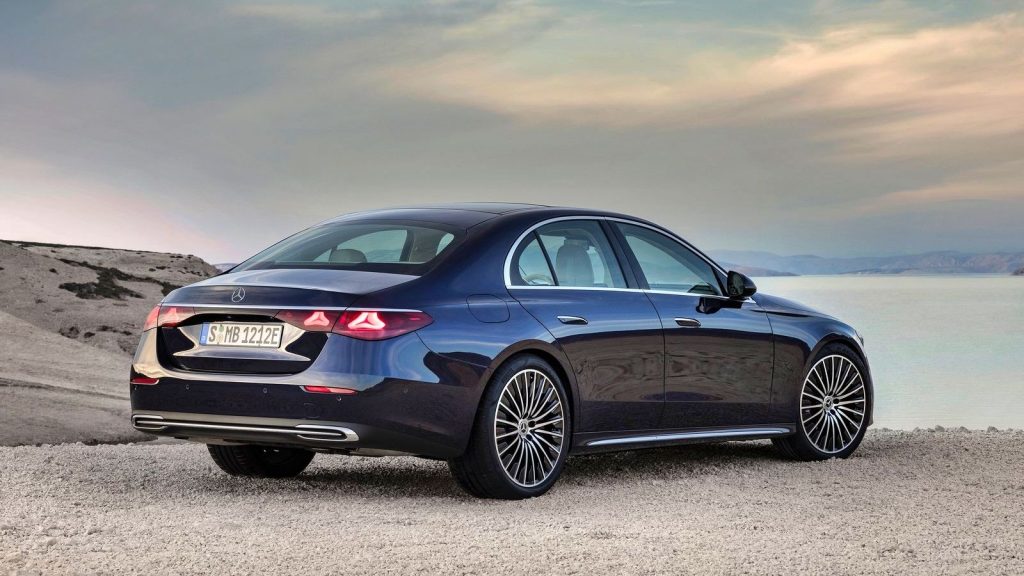
Exterior trim pieces and paint finishes can also show wear more quickly. Chrome accents and fine details may pit or discolour when exposed to salt air, affecting the car’s appearance as it ages.
I chose the older Mercedes-Benz E-Class because it illustrates how a sophisticated luxury vehicle can require extra care and expense when used in environments where salt air accelerates corrosion.
3. Audi A4
The Audi A4 is a well-engineered compact luxury sedan, but it can be more sensitive to coastal conditions than more rugged vehicles. Its relatively low ground clearance increases exposure of the underbody to salty spray, which can promote corrosion in hidden structural areas over time.
The A4’s tightly packaged mechanical layout can make cleaning and maintenance more difficult. Salt and moisture that collect in small spaces may not be easily removed, allowing corrosion to develop in areas that are hard to inspect.
Advanced electronics are another factor. The A4 includes many sensors and modules that enhance performance and comfort, but these systems can be vulnerable to moisture intrusion. Corrosion in connectors may lead to electrical issues that are complex and expensive to resolve.

Paint finishes and exterior details can also be affected. Small chips from road debris may develop rust faster in salty air if not addressed quickly. Maintaining the car’s appearance may require more frequent attention in coastal areas.
I included the Audi A4 because it represents a modern, feature-rich sedan that performs well in many environments but may demand extra care to prevent corrosion when exposed regularly to salt air.
4. Mini Cooper (Older Models)
Older Mini Cooper models are known for their compact size and fun driving character, but they can be more vulnerable to corrosion in coastal environments.
Earlier generations did not always have the same level of underbody protection as larger, more rugged vehicles. In salty air, rust can develop around wheel arches, door seams, and underneath the car if not carefully maintained.
The Mini’s low ride height increases exposure to salt spray from wet roads. Moisture and salt can accumulate in tight spaces underneath the vehicle, where it is difficult to clean thoroughly. Over time, this can lead to corrosion in suspension components and structural areas.
Electrical systems in older Minis can also be sensitive. Moisture intrusion combined with salt can affect connectors and wiring, leading to electrical faults. Diagnosing and repairing these issues may be more expensive due to the car’s compact, tightly packed design.
Paint and trim pieces can show wear more quickly in coastal climates. Small chips or scratches may turn into rust spots faster near the ocean, and chrome or decorative elements can deteriorate from constant exposure to salty air.

I included older Mini Cooper models because they highlight how a stylish small car can face increased maintenance demands when exposed regularly to corrosive coastal conditions.
5. Ford Fiesta (Older Generations)
Older generations of the Ford Fiesta are practical small cars, but they may not be the most resilient choices for long term coastal use.
Rust protection in earlier models was not always as comprehensive as in more recent vehicles. In salty air, corrosion can develop more quickly around wheel wells, door edges, and underbody seams.
The Fiesta’s low stance places more of the underbody in direct contact with salty road spray. Without frequent washing, salt buildup can remain on metal components, increasing the risk of rust over time. This is especially true in areas that are hard to access during routine cleaning.
Mechanical simplicity helps in some ways, but exposed components can still suffer from corrosion. Brake lines, suspension parts, and exhaust systems may show wear sooner when constantly exposed to moisture and salt.

Interior and exterior trim may also age faster. Strong sun and salty air can cause fading and deterioration of plastics and rubber seals, affecting the car’s appearance and weather resistance.
I chose older Ford Fiesta models because they represent small, affordable cars that work well inland but may require extra care and more frequent inspections to prevent corrosion when used near the sea.
Living near the ocean creates a beautiful setting, but it also exposes vehicles to one of the most damaging environmental factors for cars: salt air. Salt carried in coastal breezes settles on metal surfaces and, when mixed with moisture, accelerates corrosion.
Over time, this can affect a vehicle’s underbody, suspension components, exhaust system, body panels, and even electrical connections. Because of this, some cars are far better equipped than others to survive long term use in coastal environments.
Cars that handle salt air well usually have strong factory corrosion protection. This includes galvanized steel body panels, durable paint finishes, sealed seams, and thick underbody coatings that shield metal from salty moisture.
Vehicles designed for tough conditions or varied climates often receive more comprehensive rust prevention during manufacturing. Higher ride height can also help by reducing direct exposure to salty road spray, especially underneath the vehicle where corrosion often begins unnoticed.
Models such as the Toyota Land Cruiser, Subaru Outback, Honda CR-V, Volvo XC60, and Toyota Fortuner stand out for their durability in these environments. These vehicles are known for solid construction, good rust protection, and practical designs that make cleaning easier.
Their underbodies are generally better shielded, and their electrical systems tend to be well protected from moisture. Many of them are built with longevity in mind, using materials and coatings that slow corrosion even when exposed regularly to humid, salty air.
As a result, they often age more gracefully near the coast, maintaining both structural integrity and reliability over many years.
On the other hand, some cars are more vulnerable to salt air. Lower ride height, thinner underbody protection, and complex electronics can make certain vehicles more sensitive to coastal conditions.
Luxury sedans and compact cars not specifically engineered for harsh environments may show rust earlier around wheel arches, door seams, and underbody components. Moisture and salt can also affect electrical connectors, leading to faults that are expensive and difficult to diagnose.
Vehicles like older BMW 5 Series models, older Mercedes-Benz E-Class versions, the Audi A4, older Mini Coopers, and older Ford Fiesta generations can require more attention in coastal areas.
While these cars may perform well inland, their corrosion protection and design priorities may not be optimized for constant salt exposure. Paint chips can turn into rust spots more quickly, chrome and trim may deteriorate, and underbody parts can weaken if not cleaned and inspected regularly.
Ultimately, living near the ocean does not make any car completely immune to corrosion, but choosing a vehicle with strong rust protection and durable construction can significantly slow the damage.
Regular washing, especially of the underbody, also plays a crucial role. Cars built with toughness and long term durability in mind generally cope better with salt air, while more delicate or lightly protected models often demand extra maintenance and may show signs of aging sooner in coastal climates.
Also Read: 5 Electric Vehicles That Cope With Houston Gridlock vs 5 That Overheat Early