
Electric vehicles are no longer strange experiments or luxury statements. They are becoming practical tools that quietly slip into everyday life, especially in homes that already have one main gasoline or diesel car doing the heavy lifting. That is where the idea of an EV as a second car starts to make real sense for many families.
A second car usually handles short commutes, school runs, grocery trips, and quick errands around town. These are exactly the kinds of trips where electric cars shine, thanks to instant torque, smooth driving, and the ability to charge at home overnight. You wake up each morning with what feels like a full tank, without ever visiting a fuel station.
But not every electric vehicle fits this role equally well. Some are compact, easy to park, affordable to run, and simple to live with. Others are large, expensive, or built for long distance travel, which can make them feel like overkill or even inconvenient as a backup vehicle in a busy household.
Charging speed, real world range, price, size, and tech complexity all matter more when a car is meant to be the “extra” one. A good second car should reduce stress, not add another layer of planning and learning to your daily routine. It should feel like the easy choice when you grab the keys.
In this article, we look at two sides of the same story. First, we focus on electric vehicles that fit beautifully into the role of a second car, making urban and suburban life simpler. Then we look at EVs that, while impressive in their own right, can be awkward, excessive, or impractical as a household’s secondary vehicle.
The goal is not to label cars as good or bad in general. Instead, it is about matching the right tool to the right job. When you see how different EVs behave in the specific role of a second car, the smart choices become much clearer.
Also Read: 5 Electric Vehicles That Cope With Houston Gridlock vs 5 That Overheat Early
5 EVs That Are Easy Second Cars
When people think about buying their first electric vehicle, they often picture replacing their main family car. That can feel like a big leap, especially with concerns about charging infrastructure, long trips, and overall range. Choosing an EV as a second car is usually a far more comfortable and realistic starting point.
A great second car EV does not need massive range or sports car performance. What it needs is everyday friendliness. That means it should be small enough to handle tight city streets and parking spaces, yet roomy enough for a couple of passengers, shopping bags, or a child seat when needed.
Running costs also play a huge role here. Since a second car is often used for frequent short trips, fuel savings from electricity really add up over time. Low maintenance, fewer moving parts, and the ability to charge at home using a standard wall box make these EVs feel convenient rather than experimental.
Another key factor is simplicity. A second car should be something any family member can hop into without a learning curve. Clear displays, predictable range, and straightforward charging options matter more than flashy features or extreme performance numbers.
We are highlighting five electric vehicles that naturally fit this role. These are models that feel light on their feet, easy to own, and well-suited to daily local use. They reduce dependence on fuel stations, cut emissions for the most common trips, and quietly handle the boring but essential parts of everyday driving.
Each of the following cars has been chosen for its ability to lower the barrier to EV ownership. They show how an electric vehicle can slide into a household as the helpful sidekick, not the demanding star of the garage.
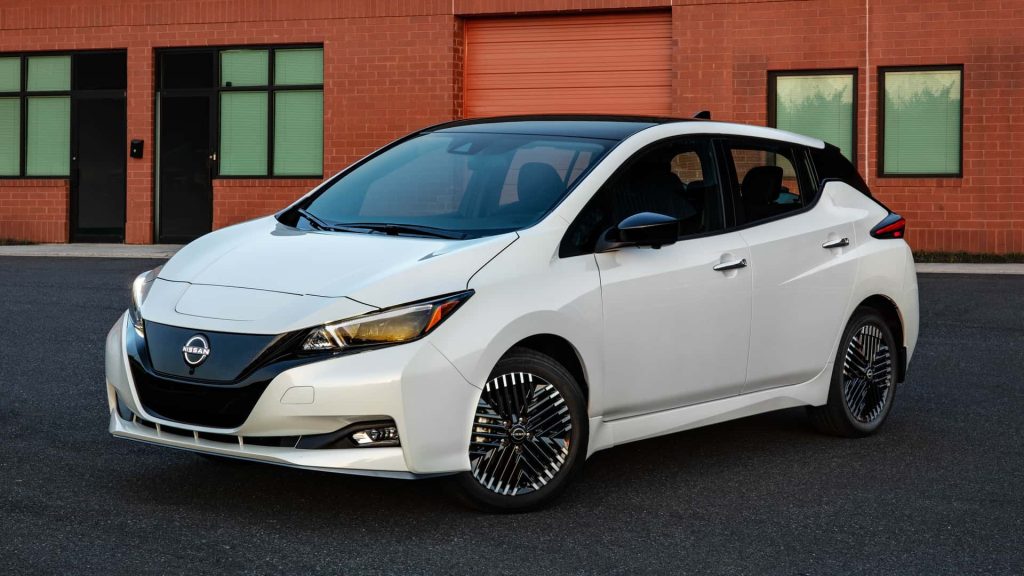
1. Nissan Leaf
The Nissan Leaf makes sense as a second car because it was built from the start to be simple, practical, and unintimidating. It does not try to be flashy or overly futuristic, which actually works in its favor for everyday household use. You get in, press a button, and just drive.
Its compact size is perfect for city streets, crowded markets, and tight apartment parking spots. Maneuvering through traffic or squeezing into a small gap at the curb feels far less stressful than with a large SUV. For short urban trips, the Leaf feels light and easy rather than bulky.
The range on most versions is more than enough for daily errands, school runs, and office commutes. As a second car, you are rarely asking it to do 400 kilometer highway journeys in one go. Overnight home charging covers most needs without careful planning.
Running costs are another big win here. Electricity for daily driving is far cheaper than petrol or diesel, especially when most trips are short and frequent. Maintenance is also simpler, with fewer fluids and mechanical parts to worry about over the years.
I am including the Leaf because it represents the kind of EV that lowers stress instead of adding to it. It fits quietly into the background of daily life and just gets on with the job. That is exactly what most families want from a second car.
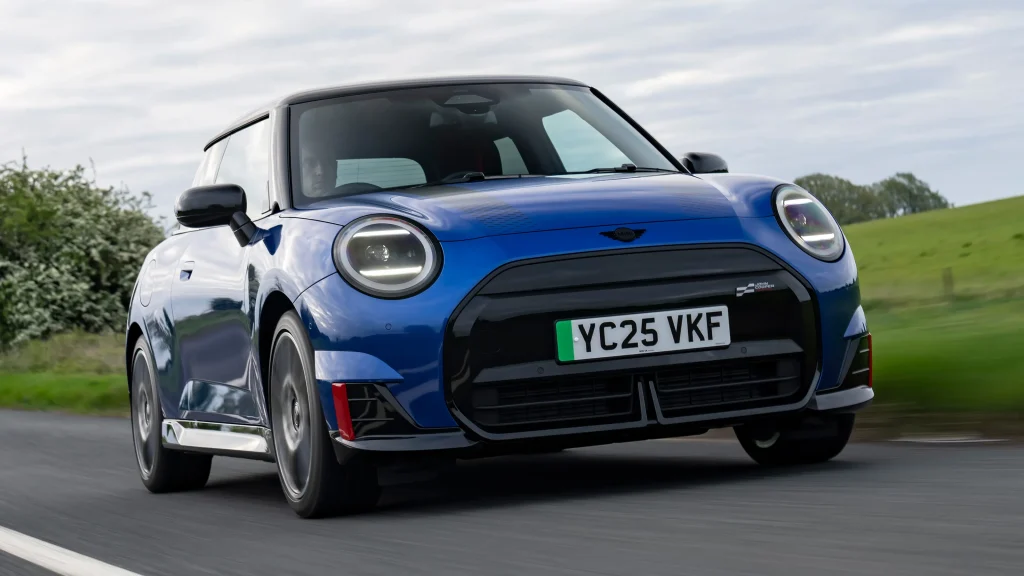
2. Mini Electric
The Mini Electric feels tailor made for the role of a stylish but practical second car. Its small footprint and tight turning circle make it ideal for dense urban neighborhoods. Parking that would feel impossible in a bigger vehicle suddenly becomes easy.
Inside, it keeps the fun personality Minis are known for, but in a fully electric package. Quick acceleration at city speeds makes traffic gaps easier to handle, and the silent drive adds a layer of calm to busy commutes. It turns boring errands into something a bit more enjoyable.
Range is not massive, but that is less of a problem in a second car role. Most households will use it for predictable daily routes where charging at home every night is simple. You are not relying on it for long highway vacations.
Another reason I am highlighting it is the way it encourages EV adoption without feeling like a compromise. It still looks distinctive and premium, which helps people feel excited about driving electric. That emotional appeal matters when convincing a family to use the EV more often.
As a second car, the Mini Electric shines because it is easy to live with and fun at the same time. It covers the daily grind while adding a bit of character to the garage. That balance is rare and very valuable.
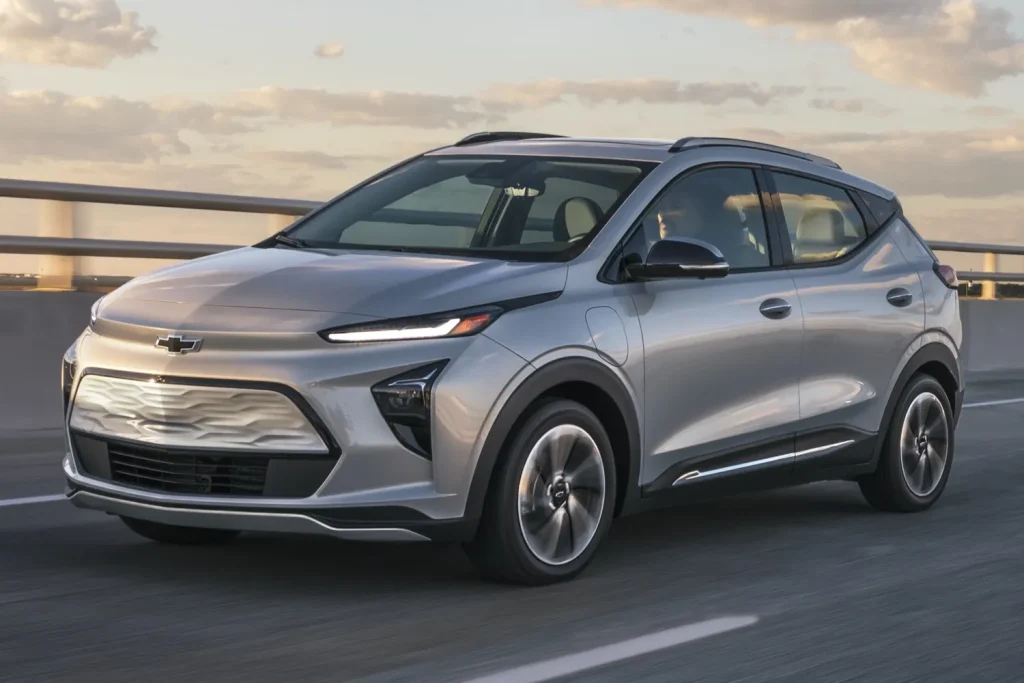
3. Chevrolet Bolt EV
The Chevrolet Bolt EV stands out as a second car because of how much practical electric range it offers in a small, affordable package. You get the feeling of a bigger EV’s usability without the size or price that can make a second car feel excessive.
Its hatchback shape is extremely useful for everyday life. Groceries, backpacks, and even small pieces of furniture can fit with the rear seats folded. For a car that looks compact from the outside, it surprises many people with its interior space.
The driving experience is straightforward and unintimidating, which is perfect when multiple family members may use it. Controls are easy to understand, and the smooth, one pedal style driving in traffic reduces fatigue. It feels like a smart appliance, not a complicated gadget.
Range is generous for a vehicle in this class, which reduces range anxiety even for those new to EVs. You can handle several days of normal driving before needing to plug in, depending on usage. That flexibility makes it forgiving as a shared household car.
I am including the Bolt EV because it proves a second car does not have to feel like a backup in capability. It quietly handles most daily tasks with ease while keeping costs and size in check. That makes it a near ideal companion to a larger primary vehicle.
4. Hyundai Kona Electric
The Hyundai Kona Electric works beautifully as a second car because it blends the familiarity of a small SUV with the ease of electric driving. Many families already like the higher seating position and hatchback practicality of compact crossovers, so the transition feels natural rather than experimental.
Its size hits a sweet spot for urban and suburban use. It is small enough to manage in traffic and parking lots, yet tall enough to feel comfortable on rougher roads and speed breakers. That balance makes it versatile for school runs, shopping trips, and short office commutes.
The electric range on the Kona Electric is more than enough for typical second car duties. In fact, it often exceeds what most people need for daily local driving. That extra buffer reduces charging anxiety and makes it easy to plug in just a few times a week at home.
Another reason I am writing about this car is its overall user friendliness. The controls are logical, the cabin feels familiar, and it does not overwhelm drivers with overly complicated tech. Different members of a household can switch to it without feeling like they need a tutorial every time.
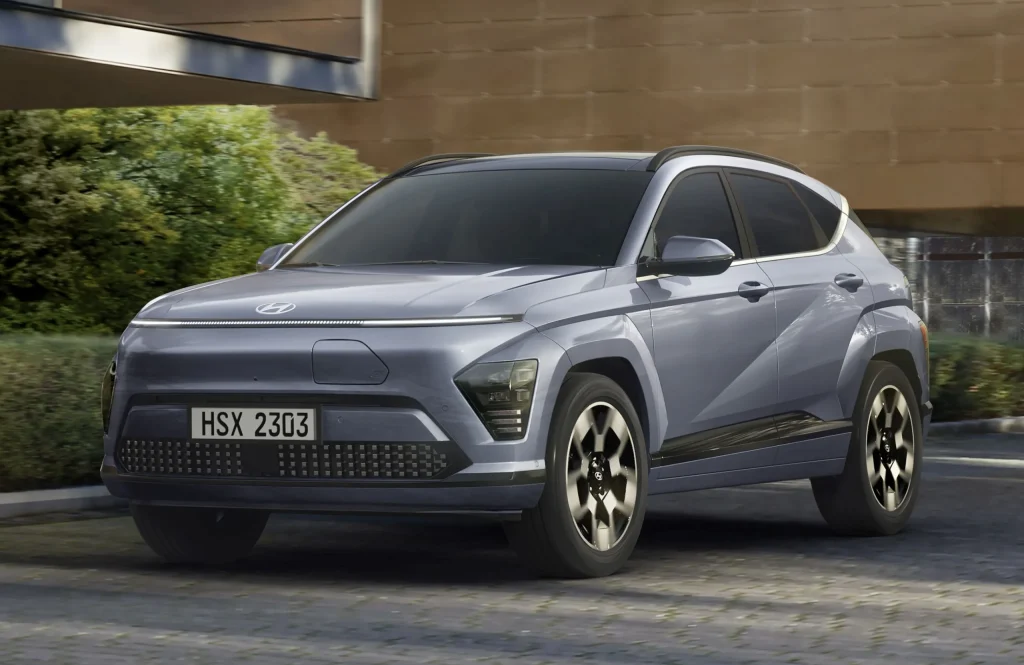
As a second car, the Kona Electric feels like a safe, sensible step into electric mobility. It offers the comfort and practicality people expect from a small family car, while quietly delivering the low running costs and smooth drive that make EV ownership rewarding.
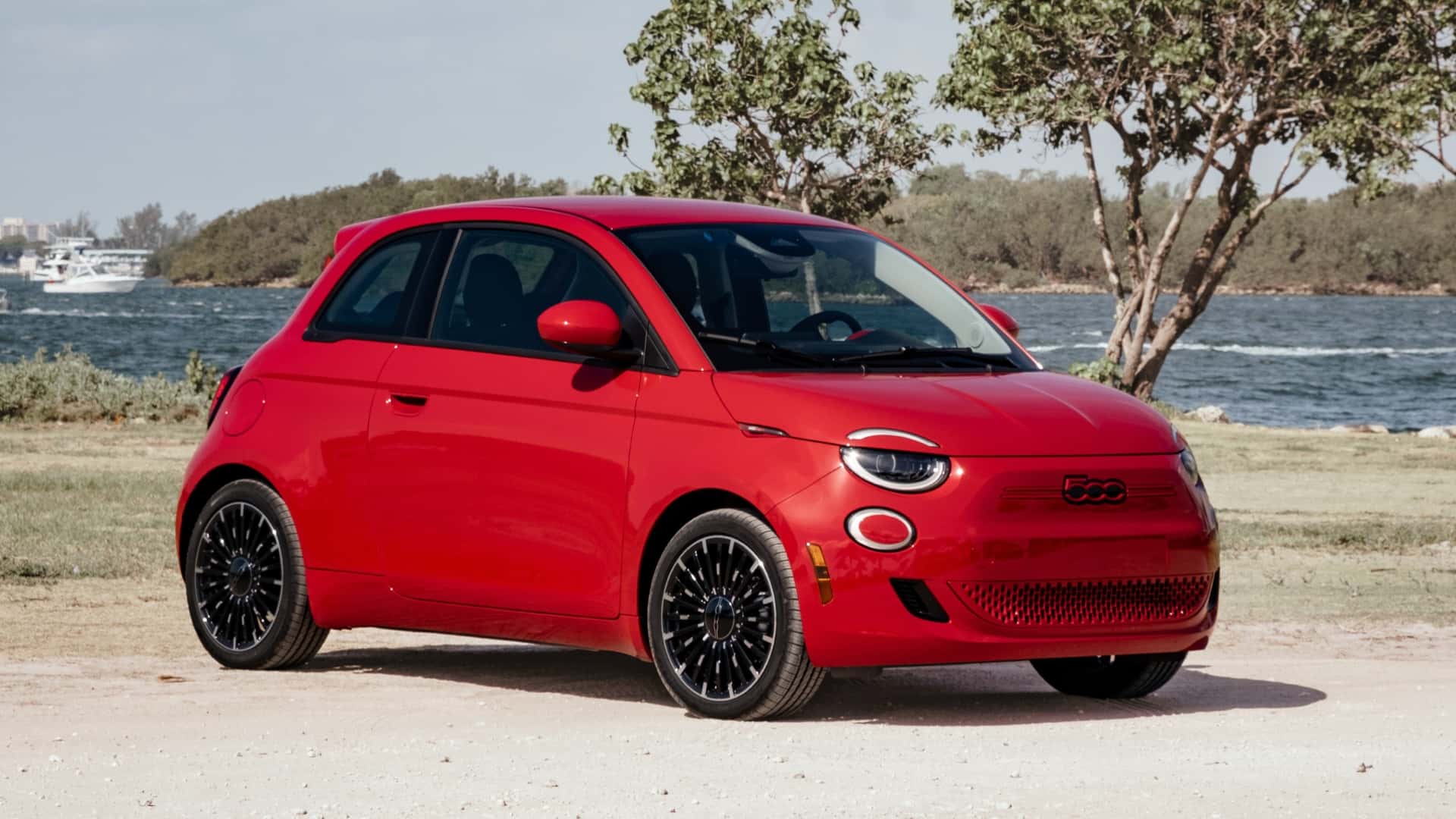
5. Fiat 500e
The Fiat 500e is a strong example of how a very small electric car can be perfect as a second vehicle in a household. Its compact dimensions make it incredibly easy to drive in crowded cities where narrow lanes and tight parking are everyday challenges.
This is the kind of car that turns stressful urban driving into something manageable. You can slip through traffic, park in spots larger cars have to pass by, and handle quick errands without worrying about space. For a second car focused on local use, that is a huge advantage.
Its electric range is designed around short, frequent trips rather than long highway journeys. That makes it well suited to daily routines like office commutes, dropping kids off, or running to the market. Charging at home overnight easily keeps it ready for the next day.
I am including the 500e because it shows how a second car does not need to do everything. It just needs to do the most common jobs really well. In that role, a small, efficient EV can outperform bigger, more expensive vehicles that are simply too large for city life.
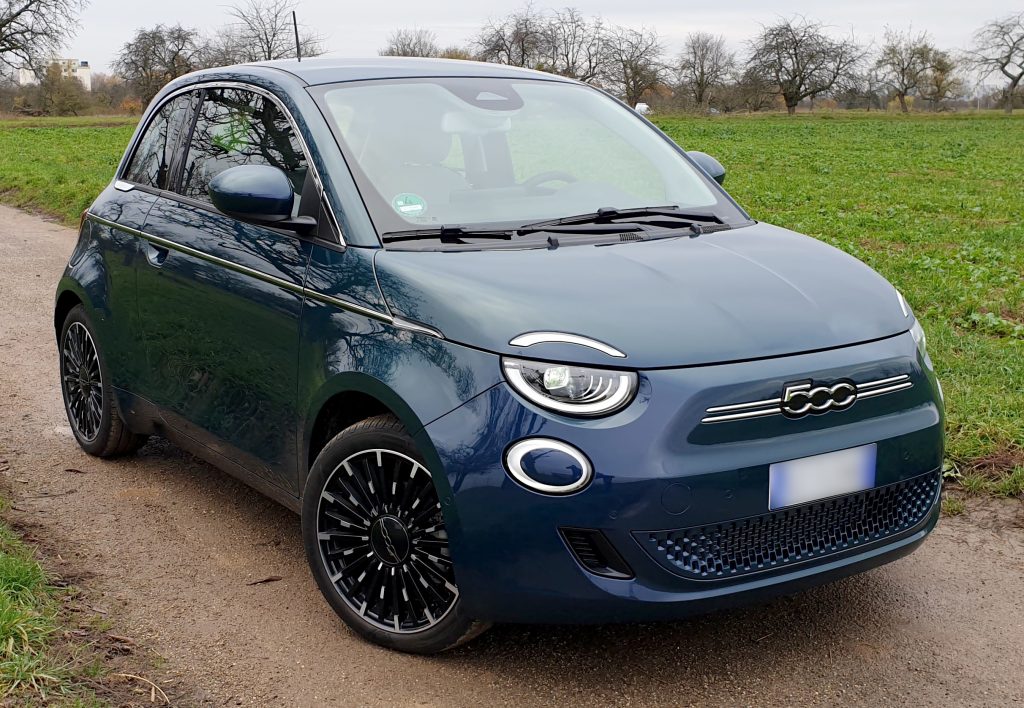
The charm and personality of the Fiat 500e also help people enjoy using it. When a car is pleasant and unintimidating, family members are more likely to choose it for short trips. That increases fuel savings and reduces emissions where it matters most, in daily urban driving.
5 EVs That Aren’t Easy Second Cars
Not all electric vehicles are naturally suited to the role of a second car, even if they are excellent machines in other ways. Some EVs are designed to be primary family vehicles, long-distance cruisers, or high-performance flagships. In those roles, they can be outstanding.
The challenge comes when such vehicles are used as the “extra” car in a household. A second car is supposed to be convenient, low-stress, and easy to use at a moment’s notice. Large, expensive, or highly complex EVs can sometimes feel like too much car for simple daily tasks.
Size is one of the biggest issues. Full-size electric SUVs and trucks can be difficult to park, harder to manoeuvre in tight urban areas, and simply unnecessary for short solo trips. Using them just to pick up groceries can feel wasteful and awkward.
Cost also matters more in the second car context. Spending luxury-level money on a vehicle that mostly handles short errands is not always practical. Insurance, tyre replacement, and repair costs can all be higher on premium or performance-focused EVs.
I am highlighting the following five vehicles not because they are bad, but because their strengths are aimed at different needs.
They make more sense as main cars, status symbols, or long distance machines. As second cars, they can be less convenient, less efficient, and harder to justify for everyday household use.
1. Tesla Model S
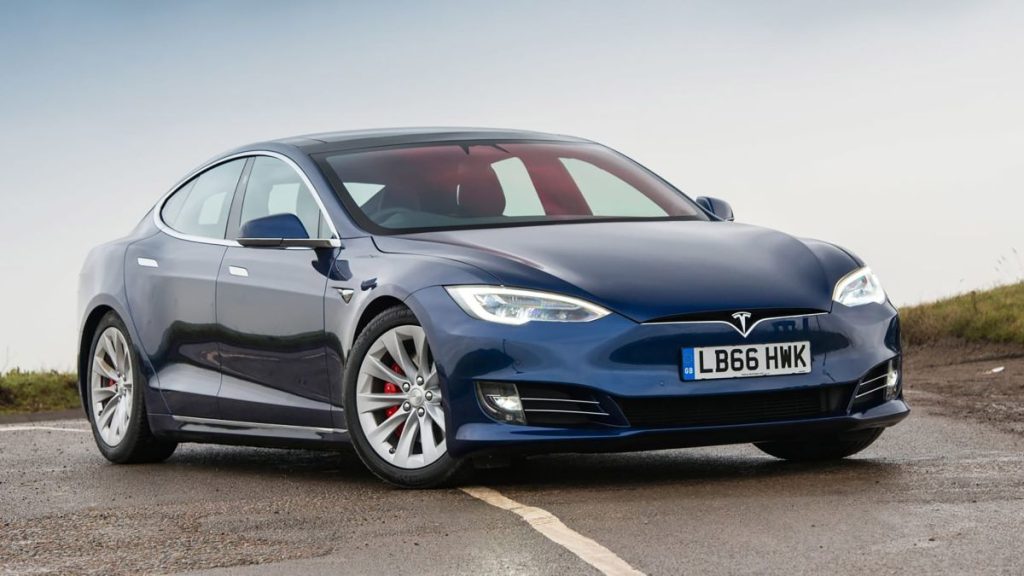
The Tesla Model S is an impressive electric vehicle, but it does not naturally fit the role of a simple second car in most households. It is designed as a high-performance, long-range luxury sedan, and many of its strengths only make sense when it is used as a primary vehicle.
One of the biggest reasons it feels excessive as a second car is its size and power. The Model S is long, wide, and extremely quick, especially in higher trims. For short grocery runs or school pickups, that level of performance is unnecessary and can even feel awkward in crowded urban environments.
Its large footprint can make tight parking lots and narrow city streets more stressful than they need to be. A second car is often chosen for convenience and ease of maneuvering, but the Model S demands more attention simply because of its dimensions and value.
Cost is another major factor. This is a premium car with a premium price tag, and that extends to insurance, tires, and potential repair costs. For a vehicle that may only be used for short daily trips, that financial weight can be hard to justify compared to smaller, more affordable EVs.
I am including the Model S because it represents a category of electric cars that are excellent grand tourers but not ideal sidekicks. Its long range is built for highway travel and road trips, not just neighborhood errands. As a second car, much of its capability goes unused.
The technology heavy interior can also be a drawback in a shared household vehicle. While many people love the large central screen and minimalist layout, others may find it distracting or less intuitive than traditional controls. A second car usually benefits from simplicity over novelty.
Charging speed and network access are strong advantages, but again, those are most useful on long journeys. If the car mostly travels short local routes and charges at home, those high end fast charging abilities are rarely used to their full potential.
As a main car, the Model S can replace a luxury petrol sedan very effectively. As a second car, it often feels like using a high end executive jet for a quick trip across town. Impressive, but not the most practical or sensible tool for the job.
2. Ford F 150 Lightning
The Ford F 150 Lightning is a groundbreaking electric pickup truck, but as a second car in a typical household, it can be more of a burden than a convenience. It is built for heavy duty tasks, not quick urban errands or short solo commutes.
Its sheer size is the first challenge. This is a full size pickup with a large footprint that can make city driving and parking difficult. Squeezing into compact parking spaces at malls or apartment complexes can quickly become frustrating.
For families who do not regularly haul equipment, tow trailers, or carry large loads, much of the truck’s capability sits unused. A second car is usually meant to handle lighter, more frequent tasks. Driving a large truck just to pick up groceries can feel inefficient.
Efficiency itself is another consideration. While it runs on electricity, a vehicle this big and heavy consumes more energy than smaller EVs on the same short trips. That means higher charging costs and less overall efficiency for everyday use.
I am writing about the F 150 Lightning here because it shows how capability can become excess in the wrong role. As a work truck or primary family vehicle for outdoor lifestyles, it makes a lot of sense. As a backup car for city errands, it often feels oversized.
Maneuverability can also be stressful for drivers who are not used to large trucks. In a household where multiple people share the second car, not everyone may feel comfortable handling such a big vehicle in traffic or tight spaces.
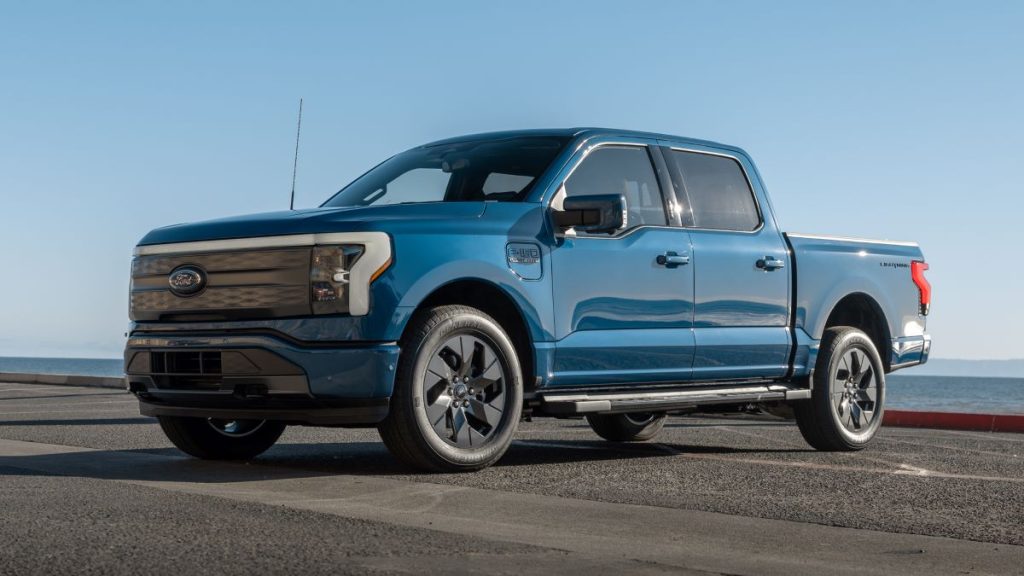
Purchase price and repair costs are also important. This is not a budget EV, and parts like large tyres and truck-specific components can be expensive. For a vehicle that might see limited use as a second car, that ongoing cost can outweigh the benefits.
The Lightning is an engineering achievement and a strong step forward for electric trucks. However, as a secondary household vehicle focused on convenience and daily city use, it often proves to be more truck than most people actually need.
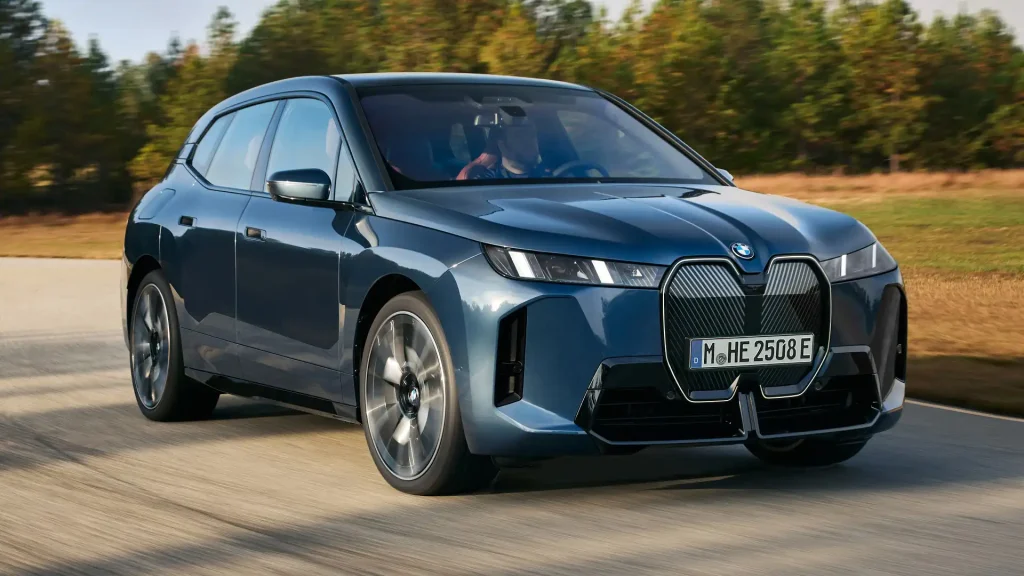
3. BMW iX
The BMW iX is a luxury electric SUV packed with advanced technology, but that same complexity can make it less suitable as a simple second car. It is designed to be a flagship experience, not a low effort runabout.
Its size places it firmly in the large SUV category. While it offers a spacious and comfortable interior, that bulk can be a drawback in urban environments. Parking garages, narrow streets, and tight residential areas are easier to navigate with smaller vehicles.
The iX also comes with a high price, reflecting its premium materials, powerful motors, and cutting edge features. Using such an expensive vehicle mainly for short trips can feel like underutilizing what you paid for, especially when a smaller EV could handle the same tasks.
I am including the iX because it highlights how luxury and innovation can sometimes conflict with simplicity. The interior is filled with large displays, advanced driver assistance systems, and layered menus. For a second car, many families prefer something more straightforward.
Energy consumption is another factor. Larger luxury SUVs typically use more electricity than compact EVs, especially in stop-and-go city driving. Over time, that reduces the cost advantage that makes electric second cars so appealing.
Insurance and maintenance can also be higher for premium vehicles. Even if electric drivetrains have fewer moving parts, body repairs, specialised components, and luxury features can be costly. That financial risk is easier to justify for a main car than a backup one.
Ride comfort and long-distance ability are strong points of the iX, but those are more relevant when a car is used for road trips and extended journeys. A second car often lives a more repetitive, local life where such strengths are rarely used.
The BMW iX is a statement vehicle that works best as the star of the garage. In the role of a modest, convenient second car, it can feel too large, too expensive, and too complex for the simple tasks it would mostly be asked to perform.
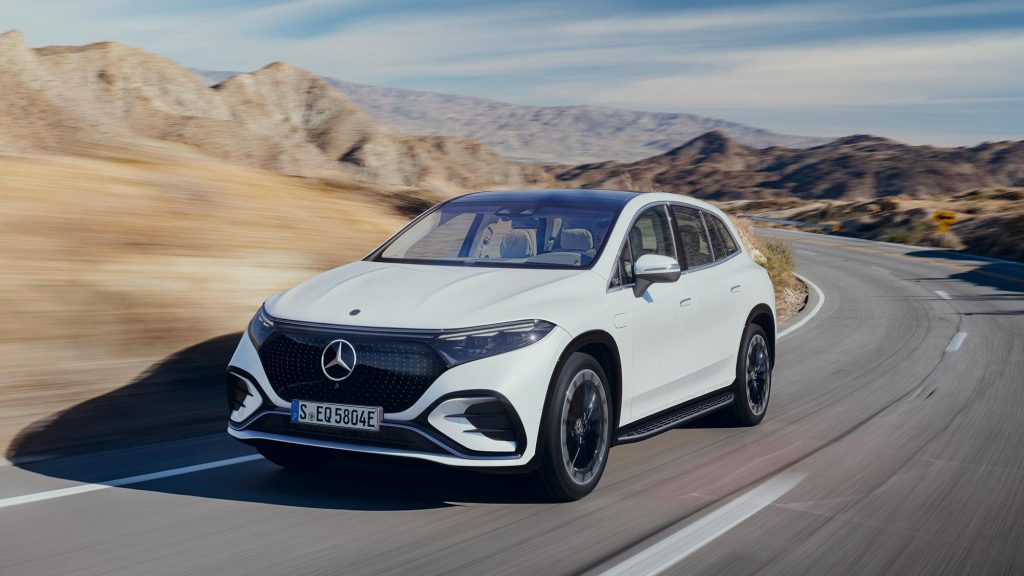
4. Mercedes-Benz EQS SUV
The Mercedes-Benz EQS SUV is built to deliver a top-tier luxury experience, and that focus makes it a questionable fit as a typical second car. It is large, richly equipped, and designed to pamper passengers over long distances rather than just handle quick daily errands.
Its physical size is one of the main drawbacks in this role. This is a full-size luxury SUV with a long body and wide stance. Navigating crowded city centres or older neighbourhoods with narrow roads can feel stressful compared to using a smaller electric hatchback.
Inside, the cabin is filled with high end materials and expansive digital displays. While impressive, this level of sophistication can be overwhelming for a car that different family members may use casually. A second car often benefits from being simple and instantly familiar.
I am writing about the EQS SUV here because it represents the upper extreme of electric luxury. Its price is far above what most people would consider reasonable for a vehicle that mainly handles short trips to the store or nearby office.
Efficiency is also less favourable than in smaller EVs. A big, heavy SUV requires more energy to move, especially in stop-and-go traffic. That means more frequent charging and higher electricity costs for everyday driving compared to compact alternatives.
Insurance premiums and repair costs are typically higher for luxury SUVs as well. Advanced lighting systems, large wheels, and complex electronics can make even minor repairs expensive. For a secondary car, that financial exposure may not make practical sense.
The EQS SUV truly shines on long, comfortable journeys where its quiet ride and advanced driver aids can be appreciated. In the role of a short trip city car, those strengths are rarely used, while its size and cost remain constant drawbacks.
As a primary family vehicle, it can be a superb electric replacement for a traditional luxury SUV. As a second car, it often feels like using a limousine for quick corner shop runs. It works, but it is far from the most sensible or efficient choice.
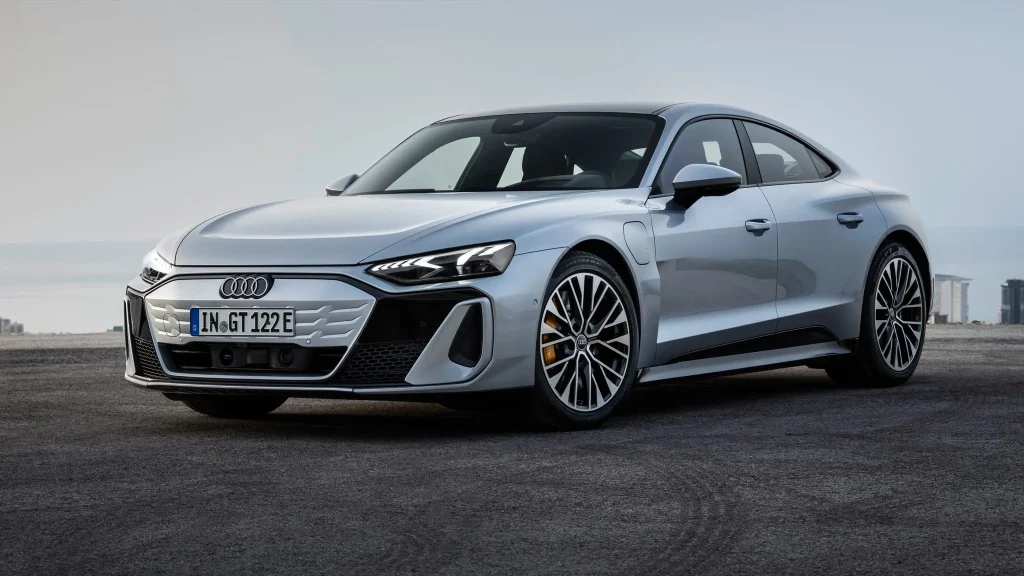
5. Audi e-tron GT
The Audi e tron GT is a stunning electric grand tourer, but its sporty character and design focus make it a poor match for the practical, low stress role of a second car. It is built to deliver performance and style, not everyday utility.
Its low ride height and wide stance can make city driving less convenient than in taller, more compact EVs. Speed breakers, steep ramps, and rough urban roads require more care. For a second car that should be easy for anyone to drive, that can be a drawback.
Cabin space is another limitation. While beautifully finished, the rear seating and cargo area are not as practical as in hatchbacks or small SUVs. A second car often ends up carrying shopping bags, school gear, or small household items, where flexible space matters.
I am including the e-tron GT because it shows how performance-focused EVs can be mismatched with everyday needs. Its powerful motors and sharp handling are exciting on open roads, but largely wasted on slow, traffic-filled city routes.
The price also places it firmly in the luxury segment. High purchase cost, expensive tyres, and premium insurance rates are easier to justify for a primary enthusiast car than for a backup vehicle that sees limited, routine use.
Range and fast charging are strong, but again, those strengths are aimed at longer journeys. A second car that mainly travels short distances around town does not fully benefit from that grand touring capability.
The low seating position and sporty setup may also be less comfortable for older family members or those who prefer an easy step in height. A second car usually needs to suit a wide range of drivers in a household.
The Audi e tron GT is an excellent electric sports sedan for someone who values design and performance. In the humble role of a second household car, it often proves too specialized, too expensive, and not practical enough for the everyday tasks it would mostly face.
Also Read: 5 Old Cars That Work in Downtown Garages vs 5 That Scrape Constantly
