
Cities are exciting places to live, but owning a vehicle in an urban environment comes with its own set of challenges.
Traffic congestion, tight parking, narrow streets, and high fuel costs all shape what kind of car truly works well in daily city life. A vehicle that feels perfect on open highways can quickly become stressful and inconvenient in a dense urban setting.
Urban ownership is not just about driving. It is also about where you park, how often you refuel or recharge, how easily you maneuver in crowded areas, and how much it costs to keep the vehicle running. In cities, convenience and efficiency often matter more than size, power, or off road ability.
Some vehicles are clearly designed with these realities in mind. They are compact, easy to steer through traffic, simple to park, and economical to operate. These cars reduce the mental and financial load of city life rather than adding to it. They feel like helpful tools that fit naturally into an urban routine.
On the other hand, some vehicles make city ownership harder than it needs to be. Large dimensions, poor visibility, high running costs, and difficult maneuverability can turn simple daily trips into tiring tasks. In these cases, the car’s strengths may only show up outside the city, while its weaknesses are felt every single day.
This article looks at both sides of the story. First, we explore five vehicles that genuinely make urban ownership easier and more pleasant. Then we look at five that, while good in other settings, can become frustrating or impractical in a city environment.
The aim is not to call any vehicle universally good or bad. It is about context. When you match the vehicle to the environment, the difference between smooth daily life and constant small headaches becomes very clear.
Also Read: 5 Small Cars That Feel Confident in City Traffic vs 5 That Don’t Inspire Trust
5 Vehicles That Make Urban Ownership Easier
Urban drivers deal with a different reality than those in small towns or rural areas. Space is limited, traffic is heavy, and parking is often the biggest daily challenge. In this environment, the right vehicle can make life significantly easier and far less stressful.
A city-friendly vehicle usually starts with compact dimensions. A shorter length and narrower width make it easier to slip through tight streets and fit into small parking spaces. This becomes especially important in older neighbourhoods where roads were not designed for modern, oversized vehicles.
Visibility is another key factor. Large windows, a clear view of the road, and light steering help drivers feel more confident in heavy traffic. When you are constantly dealing with pedestrians, cyclists, and motorbikes, good awareness of the car is essential.
Running costs also matter more in cities, where stop-and-go traffic can increase fuel consumption. Smaller, efficient engines or electric drivetrains help keep daily expenses under control. Lower maintenance needs and affordable parts are also a big plus when the car is used frequently for short trips.
Ease of use is just as important as size. A vehicle that is simple to drive, easy to park, and not intimidating for different family members becomes a practical everyday companion. In urban life, a car should reduce friction, not add to it.
The five vehicles in this section stand out because they match the rhythm of city living. They are not about extreme performance or long-distance travel. Instead, they are designed, intentionally or not, to handle the small, repetitive, everyday tasks that define urban driving.
1. Honda Fit
The Honda Fit is a textbook example of a car that feels purpose built for city life. Its compact exterior dimensions make it easy to thread through traffic, squeeze into tight parking spots, and navigate narrow urban lanes without constant stress.
Despite its small footprint, the Fit offers an impressively flexible interior. The clever rear seat design allows multiple seating and cargo configurations, which is perfect for city dwellers who may need to carry groceries one day and a folded bicycle the next. This versatility reduces the need for a larger, harder to manage vehicle.
Fuel efficiency is another reason I am highlighting the Fit. Stop and go traffic is a daily reality in cities, and a car that sips fuel instead of gulping it makes a real difference to monthly expenses. Lower fuel use also means fewer trips to the petrol station, which adds convenience.
Visibility from the driver’s seat is excellent, with large windows and a relatively upright seating position. In crowded areas filled with pedestrians, cyclists, and scooters, this clear view helps drivers feel more in control and less anxious.
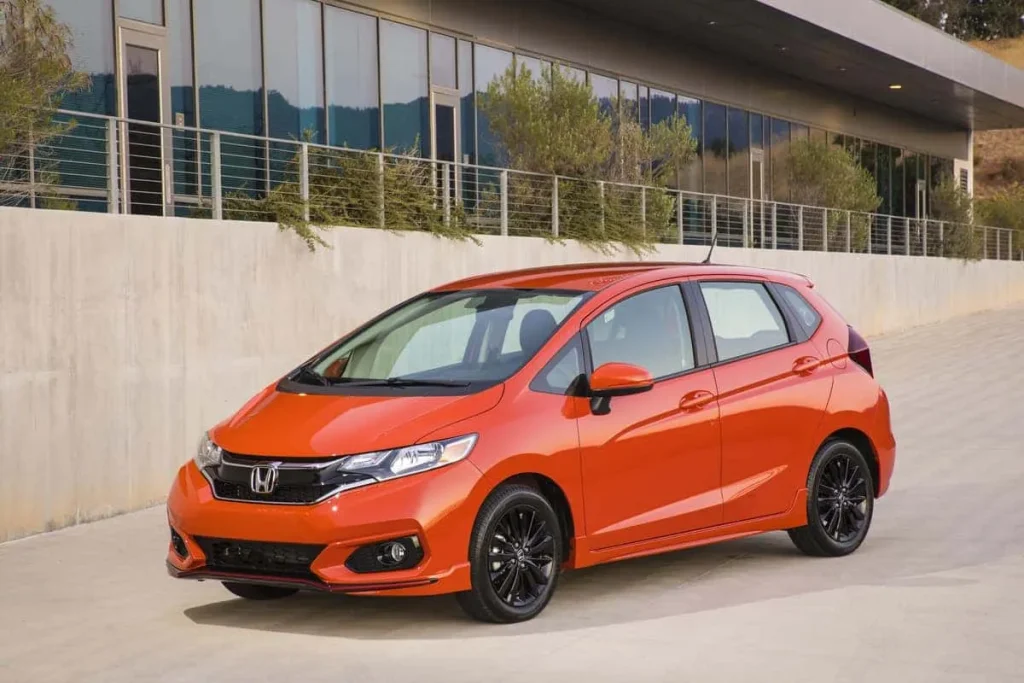
I am writing about the Honda Fit because it removes many of the common pain points of urban ownership. It is easy to drive, easy to park, and inexpensive to run. For someone who spends most of their time in the city, those qualities matter far more than high speed performance or luxury features.
2. Toyota Yaris
The Toyota Yaris has built its reputation on reliability and efficiency, both of which are extremely valuable in an urban environment. Its small size makes daily driving through dense traffic far less tiring than in a larger sedan or SUV.
Parking is one of the biggest challenges in cities, and the Yaris makes this task noticeably easier. Short overhangs and a tight turning radius help drivers slot into spaces that would be difficult for bigger cars. That convenience adds up when you park multiple times a day.
Fuel economy is a strong point, especially in hybrid versions. In slow moving traffic, where many vehicles consume more fuel, the Yaris remains efficient. This helps keep ownership costs low, which is important in cities where other expenses are already high.
I am including the Yaris because it represents stress free transportation. It does not demand attention or special care. It simply starts every day, handles short trips with ease, and keeps running costs predictable.
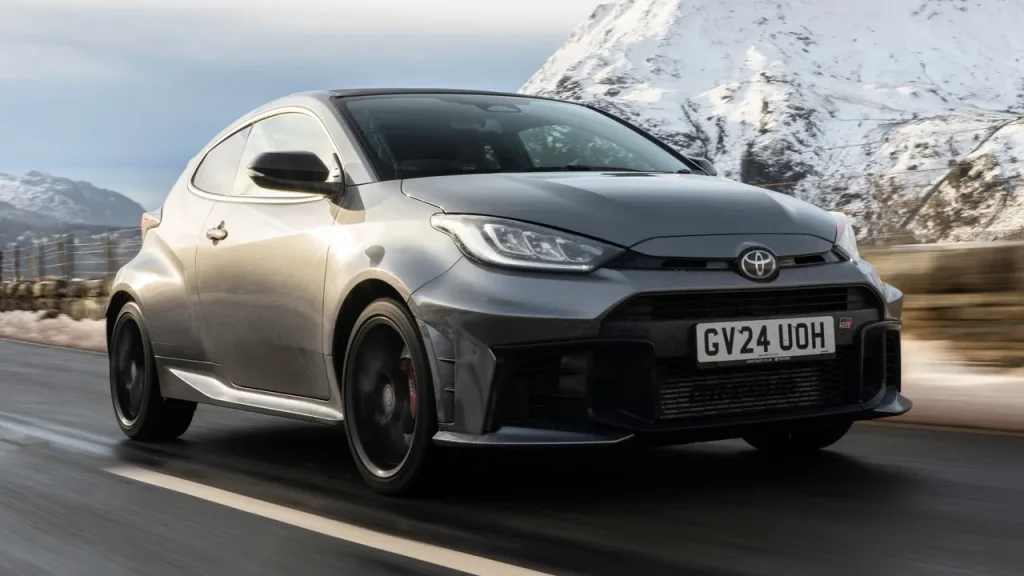
For urban owners who want a dependable car that fits almost anywhere and does not strain the budget, the Yaris makes a compelling case. It proves that a modest, well designed small car can be a better city companion than something larger and more powerful.
3. Hyundai i10
The Hyundai i10 is one of those cars that feels perfectly scaled for urban life. Its very compact dimensions make it easy to handle in heavy traffic, narrow side streets, and tight residential parking areas where larger vehicles can feel like a burden.
Light steering and a small turning circle make low-speed manoeuvring simple. U-turns, quick lane adjustments, and parking corrections require less effort, which reduces fatigue during daily city driving. This is especially helpful for new drivers or those who just want a relaxed experience.
I am writing about the i10 because it focuses on the basics that matter most in cities. It is affordable to buy, economical to run, and cheap to maintain. Those factors are important when a car is used frequently for short, practical trips.
The upright design also helps maximize interior space. Even though the car is small on the outside, passengers still get reasonable headroom and visibility. That balance between exterior compactness and interior usability is a big advantage in crowded environments.
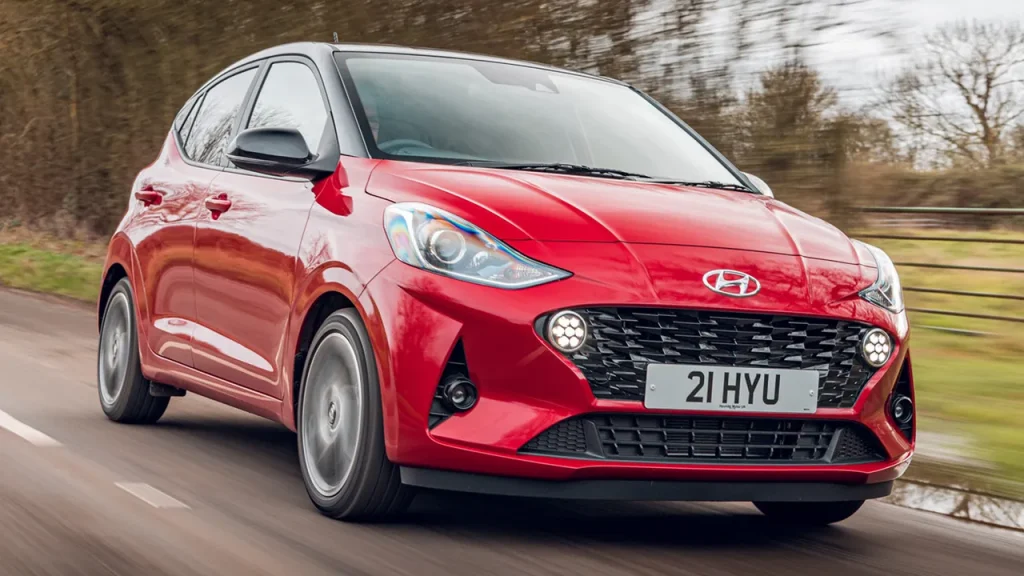
For urban dwellers who value ease over excitement, the Hyundai i10 is a smart choice. It handles the everyday realities of city ownership without drama, making it a reliable and low stress part of daily life.
4. Kia Soul
The Kia Soul stands out in cities because of its boxy shape, which cleverly balances a small footprint with a roomy interior. From the outside, it is still compact enough to manage in traffic, but inside it feels much larger than many traditional hatchbacks.
The tall roof and upright seating position give drivers a good view of the road, which is a big advantage in crowded urban conditions. Being able to see over smaller cars and better judge distances in traffic can make daily driving feel more comfortable.
I am including the Soul because it offers practicality without the bulk of a full SUV. The wide opening doors and flexible cargo area make it easy to load shopping bags, luggage, or small pieces of furniture. That versatility is useful in city life, where one car often has to handle many different tasks.
Fuel efficiency and relatively modest running costs also help its case. While not as tiny as some city cars, it still avoids the high fuel consumption and parking stress associated with larger crossovers.
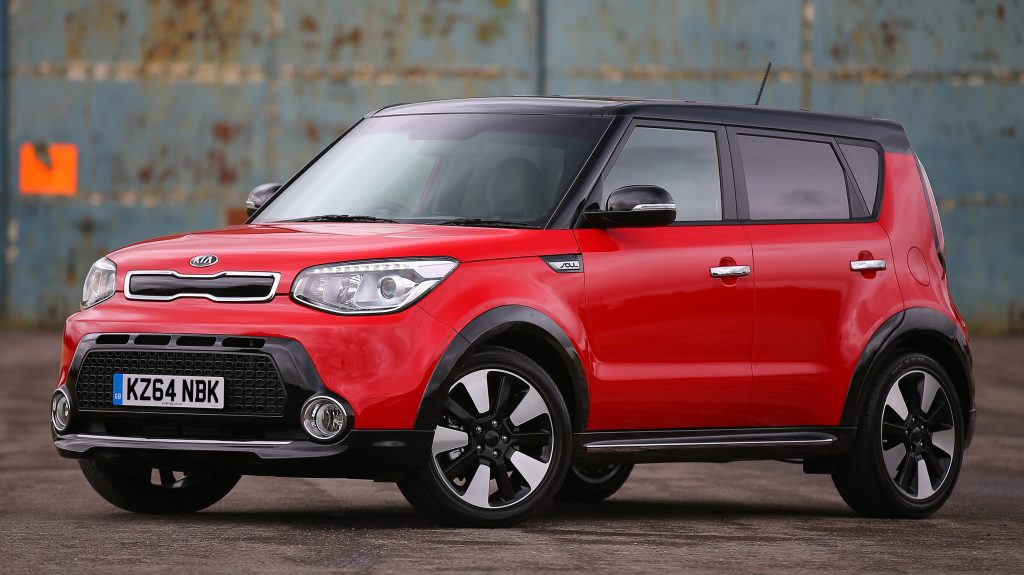
For people who want a bit more space and personality without giving up urban friendliness, the Kia Soul strikes a smart balance. It makes city ownership easier by offering flexibility in a still manageable size.
5. Volkswagen Polo
The Volkswagen Polo has long been a favorite in dense urban areas, and for good reason. Its compact dimensions make it easy to drive and park, yet it feels solid and stable enough to handle occasional highway trips as well.
One of the reasons I am writing about the Polo is its refined driving experience. The controls are light, visibility is good, and the car feels predictable in traffic. That sense of control is valuable when navigating busy intersections and crowded streets.
The interior is sensibly laid out, with clear instruments and straightforward controls. In a city car, simplicity helps drivers focus on the road rather than figuring out complicated systems. This ease of use makes the Polo suitable for drivers of all experience levels.
Running costs are also reasonable, especially with smaller engine options. Efficient fuel use and widely available service centers help keep long term ownership manageable in an environment where cars are used frequently.
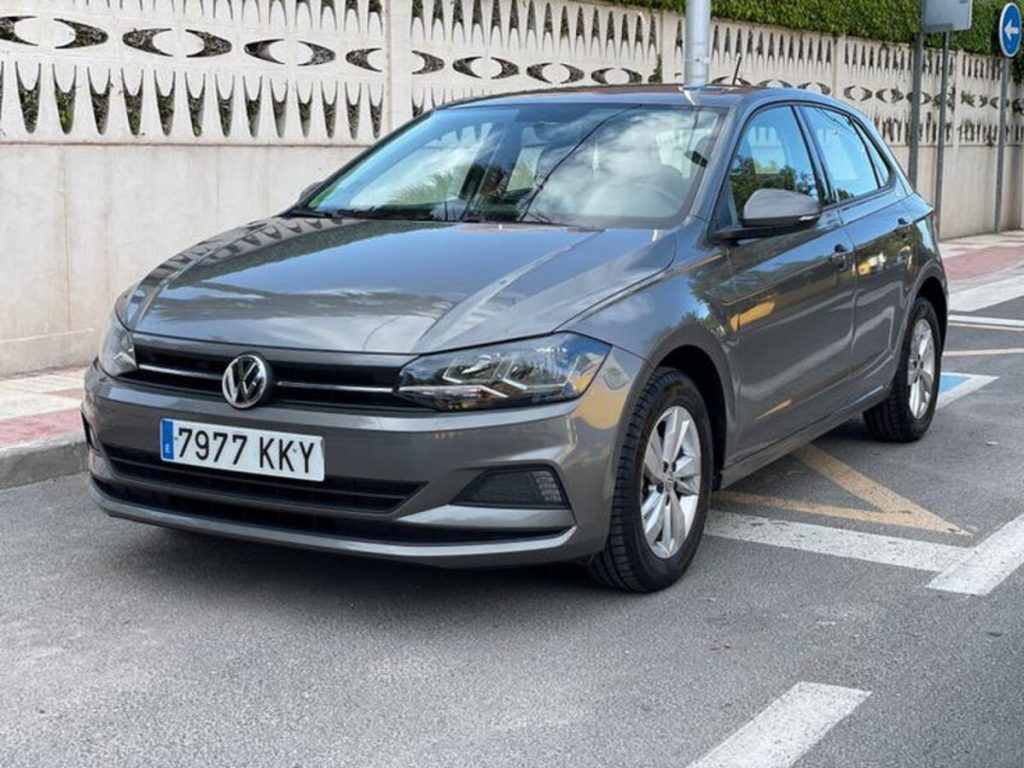
The Polo makes urban ownership easier by blending compact size, comfort, and practicality. It shows that a small car does not have to feel cheap or cramped to be city friendly. Instead, it can be a well rounded companion for daily urban routines.
5 Vehicles That Don’t Make Urban Ownership Easier
While some vehicles are perfectly suited to city life, others can make daily urban ownership more difficult than it needs to be. The problem is not that these vehicles are poorly built, but that their design priorities lie elsewhere.
Large SUVs, trucks, and high performance cars often excel on highways, open roads, or off road terrain. In cities, however, their size, weight, and fuel consumption can become constant disadvantages. Simple tasks like parking or making tight turns may require extra effort.
Visibility can also be an issue. Some larger vehicles have thicker pillars, smaller rear windows, or higher beltlines that make it harder to see pedestrians and cyclists. In crowded urban areas, that reduced awareness can increase stress for drivers.
I am highlighting the following five vehicles because they represent common types that clash with urban realities. They may be comfortable, powerful, or prestigious, but those strengths often matter less than practicality in a dense city.
When used mainly in urban settings, these vehicles can lead to higher running costs, more difficult parking, and a generally more tiring driving experience. Understanding these trade-offs can help buyers choose a vehicle that truly fits their daily environment rather than just their aspirations.
1. Ford Expedition
The Ford Expedition is built to move large families in comfort across long highway distances, but those strengths often turn into daily frustrations in a dense urban environment. Its sheer size is the first and most obvious challenge. This is a long, wide, and tall SUV that takes up a lot of physical and visual space on the road.
In crowded city streets, that size can make simple maneuvers feel complicated. Narrow lanes, tight turns, and closely packed traffic leave little room for error.
Driving something as large as the Expedition requires constant attention to clearance on both sides, which can make daily commutes more tiring than they need to be.
Parking is where the problem becomes even clearer. Many urban parking spots are designed with smaller sedans and hatchbacks in mind. Trying to fit an Expedition into these spaces often involves multiple adjustments, careful mirror checks, and sometimes having to give up and look elsewhere. Over time, this repeated effort adds stress to routine trips.
Fuel consumption is another factor that works against it in the city. Stop and go traffic is already inefficient, and moving a large, heavy SUV through those conditions demands more fuel than smaller vehicles would use. That leads to higher running costs in an environment where driving is frequent but distances are short.
I am writing about the Expedition here because it highlights a common mismatch between vehicle type and daily use. It excels at road trips, towing, and carrying many passengers. In the city, however, most drives involve one or two people and limited cargo, meaning much of its capability goes unused.
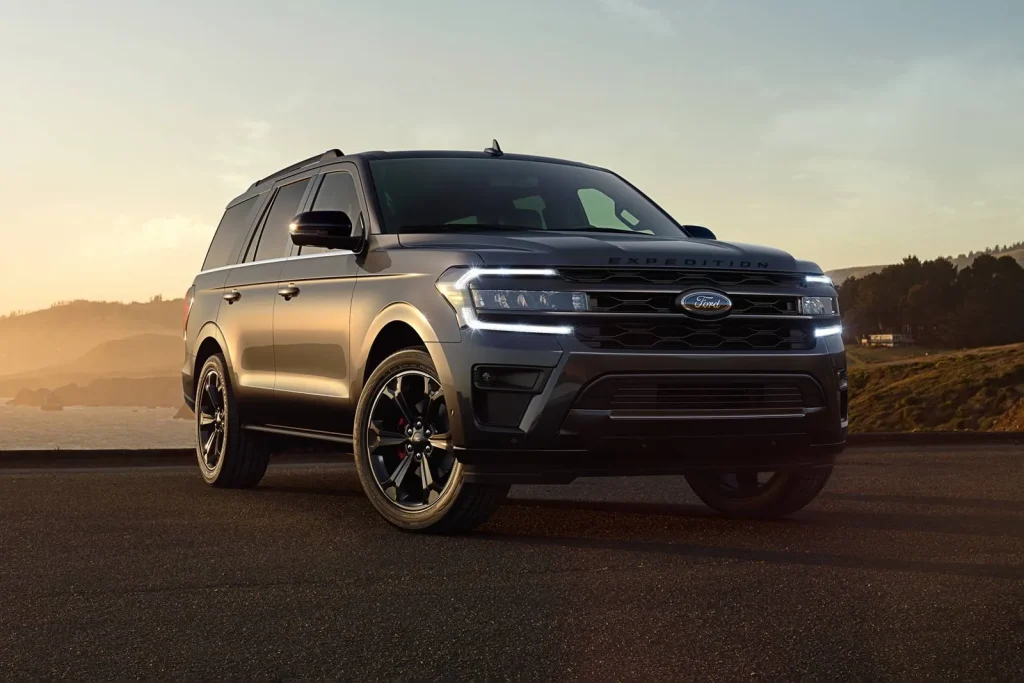
Visibility can also be a concern in crowded areas. While the high seating position is helpful, the vehicle’s bulk and thicker pillars can make it harder to judge distances to nearby cyclists, pedestrians, and smaller cars. In dense traffic, that can increase mental load.
The Expedition is not a bad vehicle. It is simply designed for a different context. In wide open highways and suburban settings, it feels comfortable and capable. In tight urban spaces, it often feels oversized, thirsty, and harder to live with on a daily basis.
2. Chevrolet Tahoe
The Chevrolet Tahoe is another full size SUV that brings comfort and presence, but those same qualities can make urban ownership more demanding. Its long body and tall profile mean it occupies more space than most city-friendly vehicles, which becomes noticeable every time the streets get tight.
One of the biggest daily challenges is maneuverability. In dense city traffic, quick lane changes, tight turns, and sudden stops are common. A large SUV like the Tahoe does not feel as nimble in these situations, and drivers often have to plan their movements more carefully than they would in a smaller car.
Parking is a frequent source of stress as well. Many parking garages in cities have narrow ramps and tight spaces. Navigating these in a Tahoe can feel uncomfortable, especially for drivers who are not used to handling large vehicles. Street parking can be even harder, with limited gaps that are simply too small.
I am including the Tahoe because it shows how a vehicle built for space and highway comfort can feel out of place in an urban rhythm. Most daily city trips involve short distances and light loads, yet the Tahoe carries its full size and weight everywhere it goes.
Fuel usage tends to be higher in city driving, where constant stopping and starting reduces efficiency. That leads to more frequent fuel stops and higher monthly expenses compared to compact cars or hybrids that are better suited to these conditions.
Another point is driver confidence. In crowded areas filled with scooters, bicycles, and pedestrians, the Tahoe’s size can make some drivers feel less certain about clearances. That added tension can turn what should be a simple drive into a mentally draining experience.
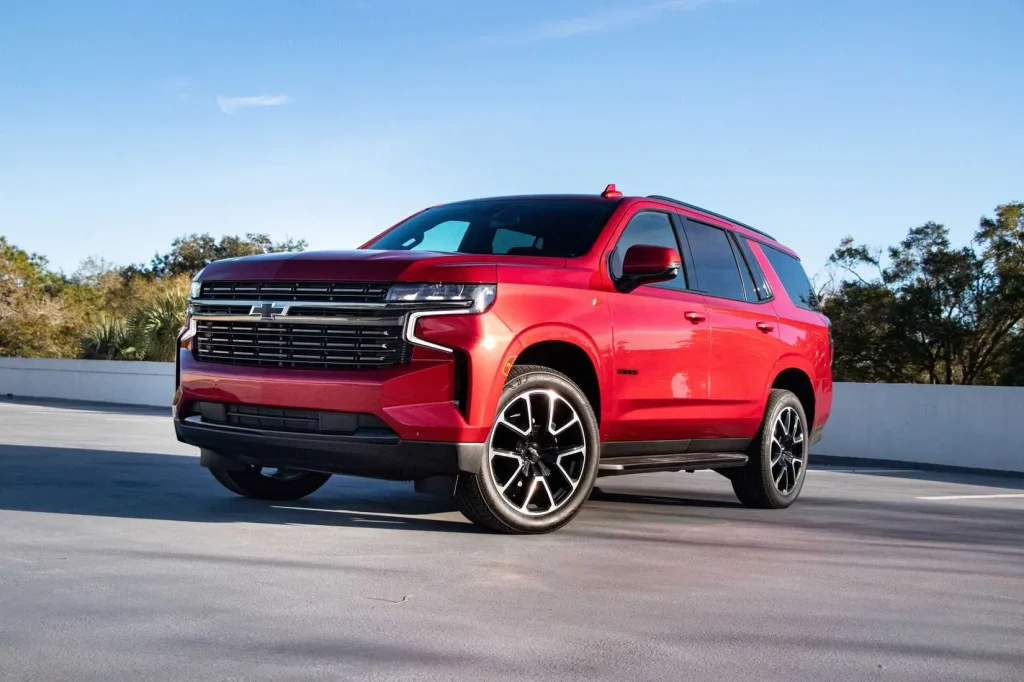
The Tahoe shines on long family road trips and in places where space is not limited. In dense urban areas, however, it often feels like using a large, comfortable tool for jobs that would be easier with something smaller and more agile.
3. Ram 1500
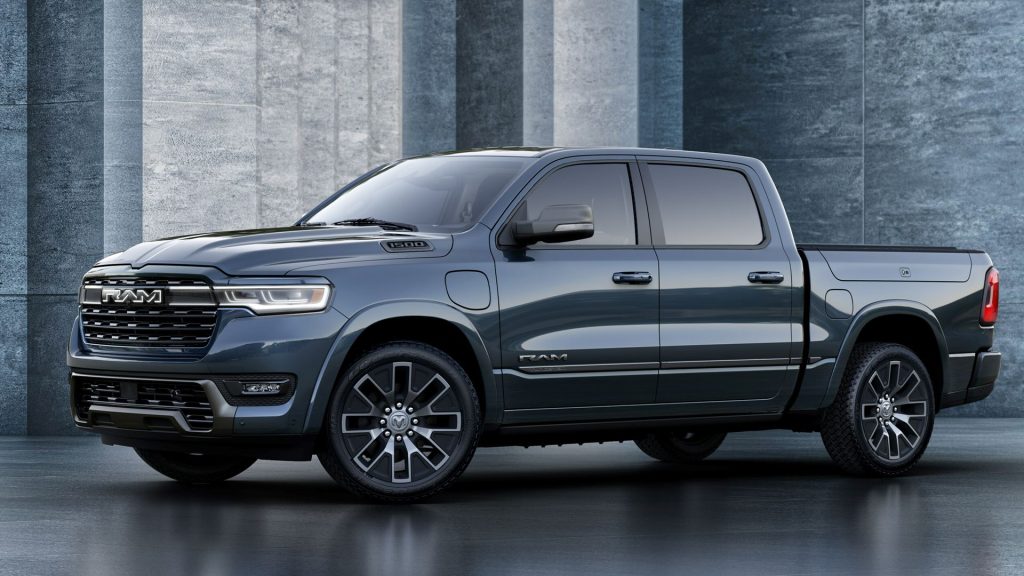
The Ram 1500 is a capable and refined pickup truck, but cities are rarely where it feels most at home. Its long wheelbase and wide body are designed for hauling and highway stability, not for slipping through narrow streets or squeezing into compact parking spots.
One of the first things urban drivers notice is how much space the truck takes up. Tight residential lanes, crowded market areas, and underground parking structures can all feel restrictive. Drivers often have to slow down more than usual and pay close attention to both sides of the vehicle.
Parking is a regular challenge. Standard city parking spots may not be long enough to comfortably fit a full size pickup. This can lead to sticking out into traffic or spending extra time searching for larger spaces, which adds inconvenience to everyday errands.
I am writing about the Ram 1500 because it represents vehicles that are excellent for work and outdoor lifestyles but less suited to dense urban living. If the truck bed is rarely used for heavy loads, much of the vehicle’s purpose goes untapped while its size remains a daily burden.
Fuel economy in stop-and-go traffic is typically lower than in smaller cars. Short trips in the city do not allow the engine to operate as efficiently as it might on long highway drives, leading to higher fuel costs over time.
Maneuverability is another factor. U turns, tight corners, and crowded intersections require more care in a large pickup. For drivers who just want a simple, low-stress city car, this extra effort can become tiring.
The Ram 1500 is impressive in the right environment. In a city setting, though, its bulk, parking challenges, and higher running costs often make daily ownership less convenient than it needs to be.
4. Toyota Land Cruiser
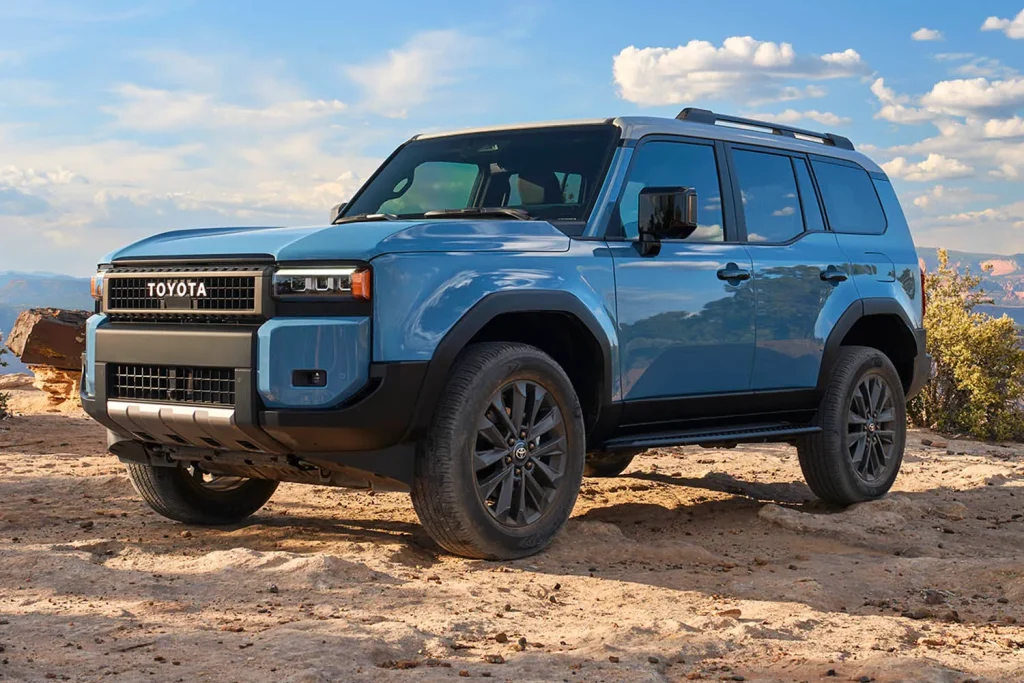
The Toyota Land Cruiser is legendary for reliability and off road strength, but those qualities are rarely called upon in daily urban life. Instead, owners are left managing a large, heavy SUV in spaces that favor smaller, more maneuverable vehicles.
Its width and length can make narrow city streets feel even tighter. Passing through congested areas, construction zones, or older neighborhoods with limited road space often requires extra caution. That constant awareness can make routine drives feel more demanding.
Parking is another area where the Land Cruiser’s size works against it. Many urban parking spots are simply not designed for large body on frame SUVs. Drivers may need to circle longer to find suitable spaces or park farther away from their destination.
I am including the Land Cruiser because it highlights how durability and off road engineering do not automatically translate into urban convenience. In cities, its rugged build offers little advantage while its bulk remains a daily consideration.
Fuel consumption is generally higher in heavy SUVs, especially in traffic. Frequent short trips in stop start conditions can make running costs noticeably higher than with smaller, more efficient vehicles.
The tall ride height can be helpful for visibility, but it also means a higher step in, which may not be as convenient for all passengers on quick in-and-out city trips. Over time, ease of access becomes an important part of daily usability.
The Land Cruiser is brilliant in remote areas and on long, demanding journeys. In dense cities, it often feels oversized for the tasks at hand, turning simple urban driving into something that requires more space, fuel, and effort than necessary.
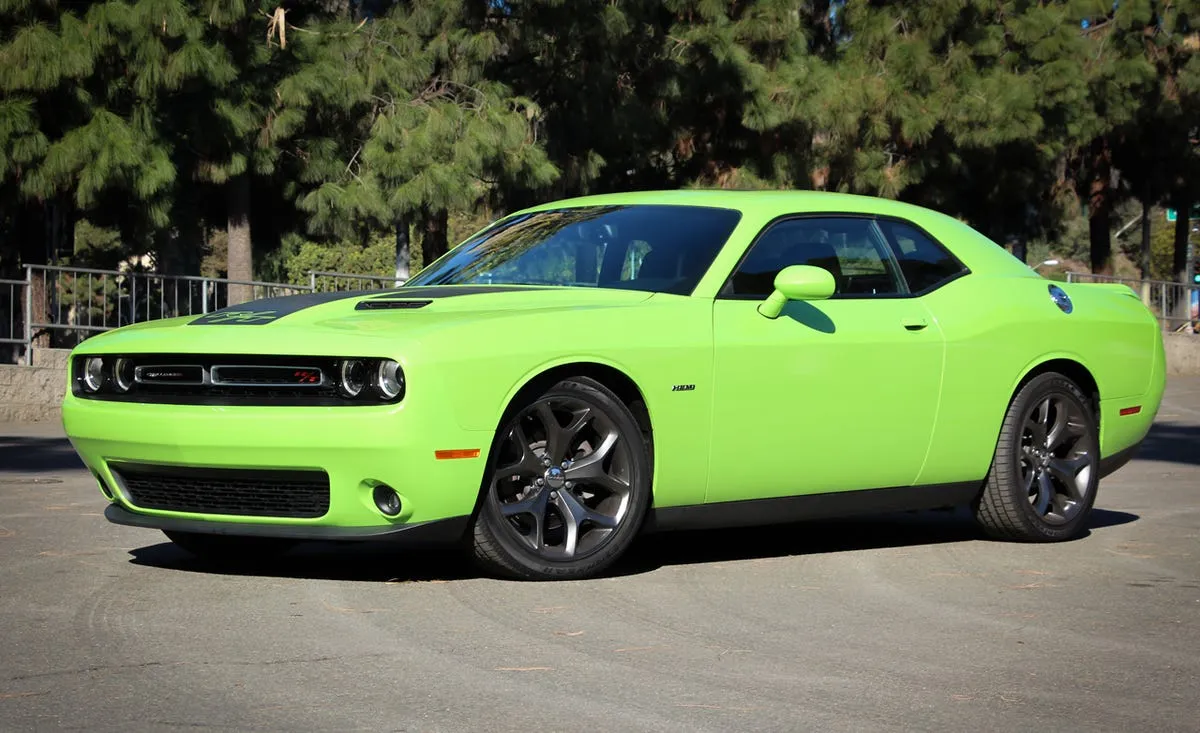
5. Dodge Challenger
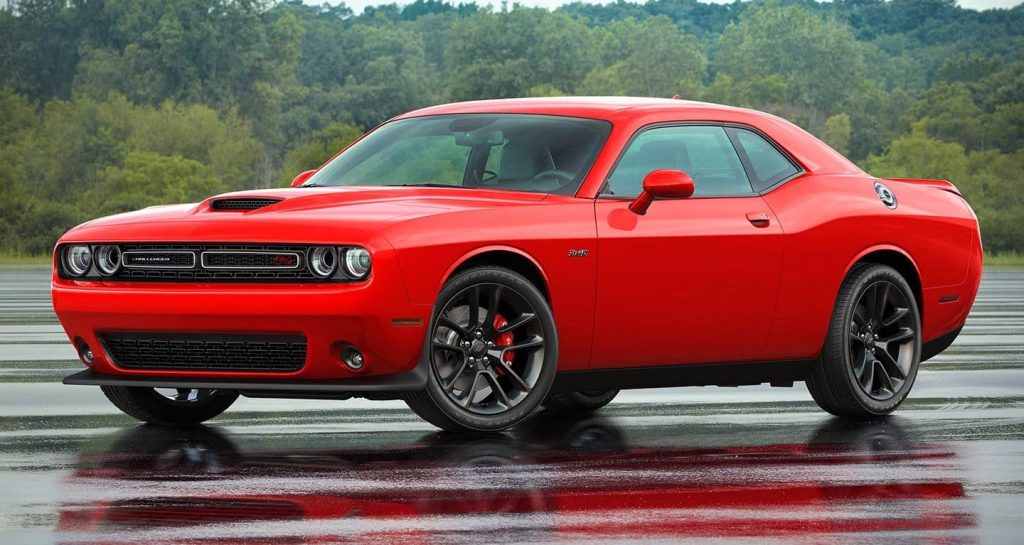
The Dodge Challenger is built around style and straight line performance, but those priorities do not always align with the needs of urban ownership. Its long, wide body and low stance can make everyday city driving less convenient than in smaller, more practical cars.
One immediate issue is maneuverability. The Challenger’s larger turning circle means tight U turns and small parking areas require more adjustments. In crowded city environments, that lack of agility can become noticeable very quickly.
Parking also presents challenges. The long doors need more room to open, which can be a problem in narrow parking spaces. Drivers may find themselves climbing in and out carefully or avoiding certain spots altogether.
I am writing about the Challenger because performance-focused cars often trade practicality for presence. In slow-moving city traffic, its powerful engine and sporty setup are rarely used, yet fuel consumption remains higher than in compact urban vehicles.
Visibility can be limited as well. Thick pillars and a higher beltline can make it harder to see smaller vehicles, cyclists, and pedestrians around the car. In dense urban areas, that reduced visibility can add stress.
Ride comfort over rough city roads and speed breakers can also be less forgiving than in softer, city-oriented cars. A stiffer suspension that feels great on open roads may feel tiring in daily stop-start traffic.
The Challenger is exciting and full of character, especially on open highways. In tight city streets, however, its size, thirst, and design compromises often make urban ownership more demanding than enjoyable.
Urban vehicle ownership is all about matching the car to the environment. In cities, tight streets, limited parking, heavy traffic, and frequent short trips make compact, efficient, and easy-to-manoeuvre vehicles far more practical than large or performance-focused ones.
Cars like small hatchbacks and city-friendly crossovers simplify daily life by being easier to park, cheaper to run, and less stressful to drive in crowded areas.
On the other hand, full-size SUVs, large trucks, and muscle cars often create unnecessary challenges in urban settings.
Their size makes parking and manoeuvring harder, fuel costs are higher in stop-and-go traffic, and visibility can be more limited around pedestrians and cyclists.
While these vehicles may excel on highways, long trips, or rough terrain, their strengths rarely get used in city driving. Choosing a vehicle that fits urban realities can reduce stress, save money, and make everyday travel smoother and more convenient.
Also Read: 5 Cars That Handle Mountain City Roads vs 5 That Don’t
