
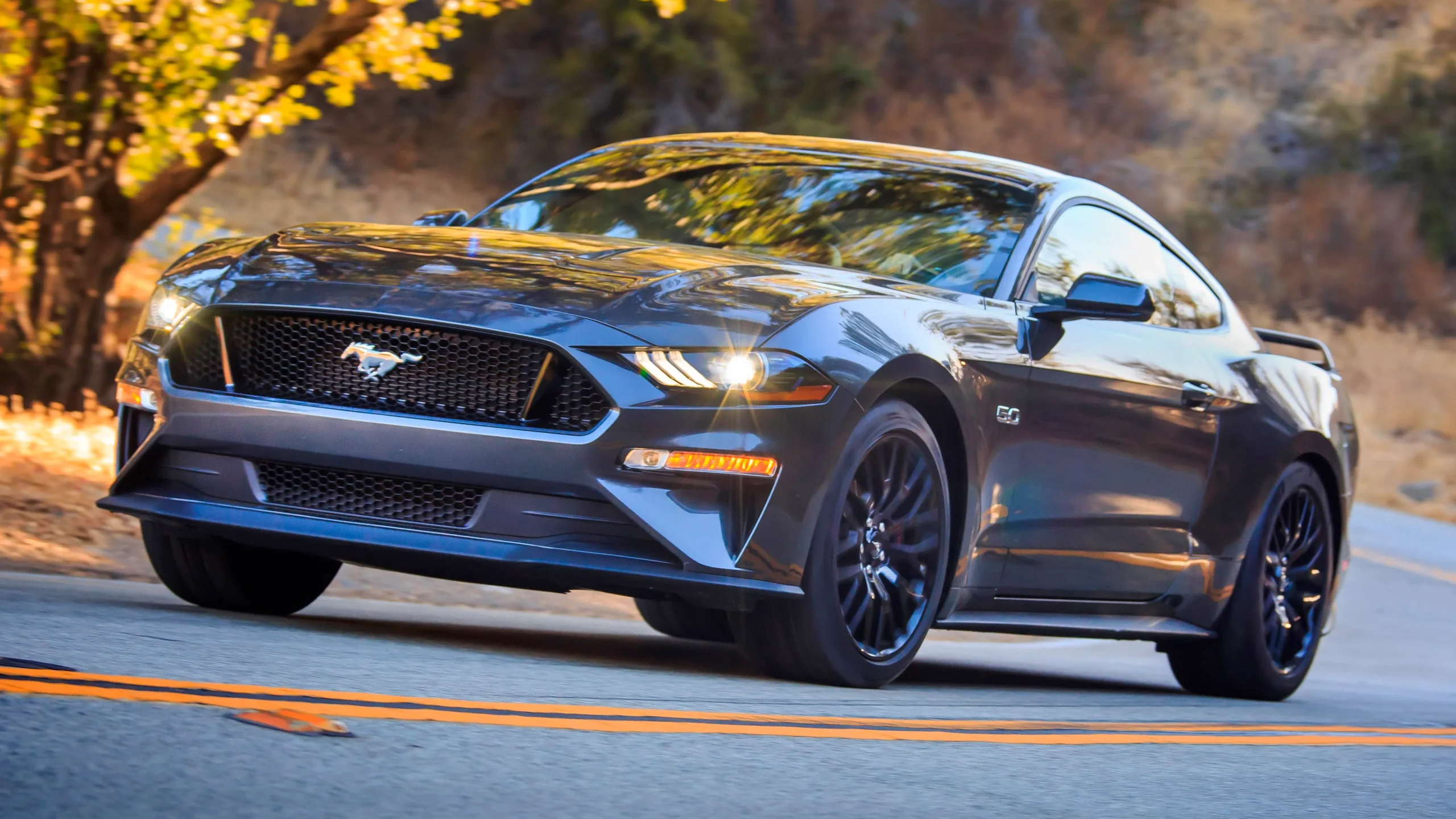
San Francisco is one of the few cities in the world where driving is as much a mechanical challenge as it is a scenic experience. Steep grades, tight intersections, sudden stops, and constant elevation changes turn everyday commuting into a real-world stress test for cars.
A vehicle that feels perfectly fine on flat highways can suddenly struggle when pointed up a near vertical street with traffic stacked behind it.
These hills do not just test engine power. They expose weak brakes, poor transmission tuning, touchy throttle response, and limited visibility.
Drivers quickly learn that smooth low speed torque, confident hill starts, and predictable braking matter more here than raw top speed or flashy performance numbers. San Francisco rewards control, not just power.
That is why some cars feel completely at home in the city, climbing effortlessly and holding steady on descents, while others feel nervous, strained, or downright overwhelmed. The difference often comes down to engineering details most buyers do not think about, such as gearing, cooling systems, weight balance, and brake design.
In this article, we look at both sides of that experience. First, we highlight cars that handle San Francisco hills with confidence and composure, making daily driving less stressful and more enjoyable.
Then we shift to cars that tend to struggle, not because they are bad vehicles overall, but because their strengths do not match the city’s extreme terrain.
If you live in a flat suburb, many of these differences may seem minor. But in San Francisco, where a single trip can involve multiple steep climbs and sharp downhill stretches, the right car can feel like a trusted partner, while the wrong one can feel like it is constantly working against you.
Also Read: 5 Electric Vehicles That Cope With Houston Gridlock vs 5 That Overheat Early
5 Cars That Handle San Francisco Hills
Driving in San Francisco demands a very specific mix of traits from a vehicle. You need strong low speed pulling power to move smoothly from a stop on a steep incline. You also need brakes that can handle repeated downhill stretches without fading, along with a transmission that does not hesitate or jerk when shifting under load.
Cars that do well here are not always the most powerful on paper. Instead, they deliver torque in a usable, predictable way, making it easy to control speed with small throttle inputs. This matters when you are inching forward in traffic on a hill, trying not to roll back while also avoiding sudden lunges forward.
Visibility and size also play a major role. Narrow streets, blind crests, and tight parking spots on slopes reward vehicles that are easy to place on the road. Good outward visibility and responsive steering help drivers feel confident when cresting a hill with limited sightlines or turning sharply uphill at an intersection.
Another key factor is how a car behaves on the way down. San Francisco’s descents can be just as demanding as its climbs. Vehicles that offer stable braking, good engine braking, and well tuned stability systems make downhill driving feel controlled rather than tense. That sense of security builds driver confidence over time.
The five cars in this section are here because they consistently deliver these qualities in real-world driving. They make steep starts less stressful, downhill stretches more controlled, and tight hilltop manoeuvres more predictable.
In a city where terrain shapes every trip, these vehicles stand out for making the landscape feel manageable instead of intimidating.
1. Subaru Outback
San Francisco hills demand traction, balance, and smooth power delivery, and the Subaru Outback brings all three in a way that feels natural rather than forced.
Its all wheel drive system constantly adjusts grip, which helps on steep inclines where weight shifts quickly and road surfaces can vary from smooth pavement to patched concrete. That steady footing makes uphill starts feel secure instead of stressful.
The Outback’s engine tuning focuses on usable torque at lower speeds rather than high speed performance.
This is exactly what drivers need when pulling away from a stop sign halfway up a hill with a car close behind. The power comes on progressively, so there is less risk of jerky movement or wheel spin. That smoothness builds confidence in tight situations.
Ground clearance also plays a quiet but important role. While San Francisco is not an off road environment, steep driveways and sharp angle transitions can cause some cars to scrape.
The Outback handles these changes easily, which reduces the mental load of worrying about underbody contact. Drivers can focus on traffic and pedestrians instead.
Going downhill, the Outback feels planted and predictable. Its braking system is tuned for steady control rather than sudden bite, which helps prevent nose diving on steep descents.
The transmission also works well with engine braking, giving drivers extra control without constantly riding the brake pedal. That balance makes long downhill stretches feel manageable.
Visibility is another strength. Large windows and a commanding seating position help drivers see over crests and around tight uphill corners. In a city full of blind rises and sudden cross traffic, that added awareness is a major advantage. It turns uncertain moments into ones that feel more under control.
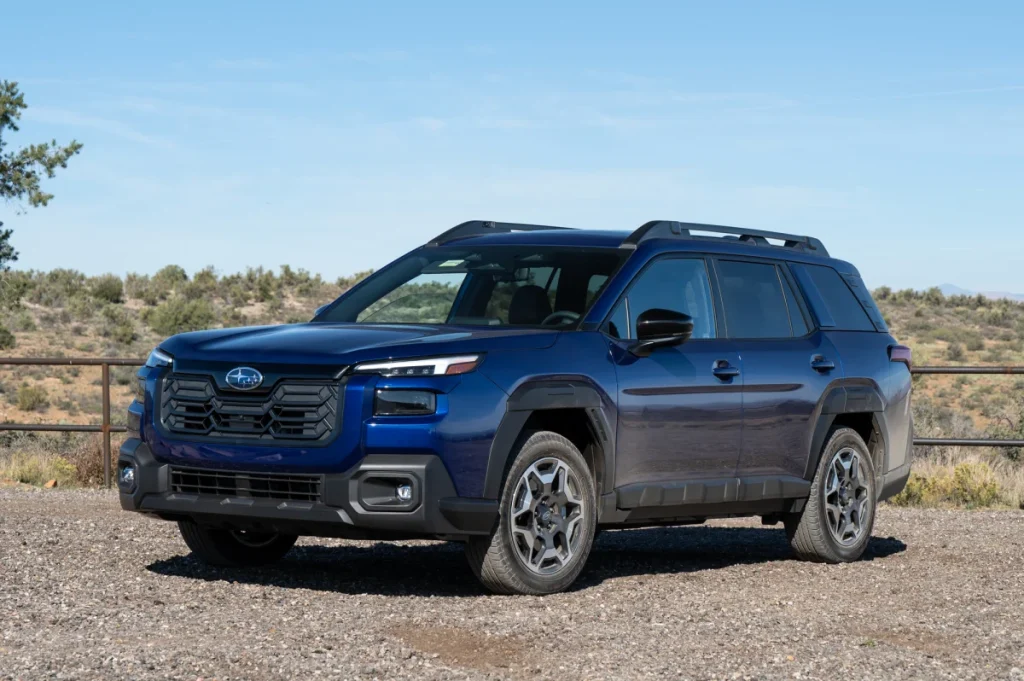
I am including the Subaru Outback because it reduces the stress that often comes with hill driving. It does not just climb well on paper; it behaves in a calm, predictable way that matches the stop-and-go, steep-angle reality of San Francisco streets.
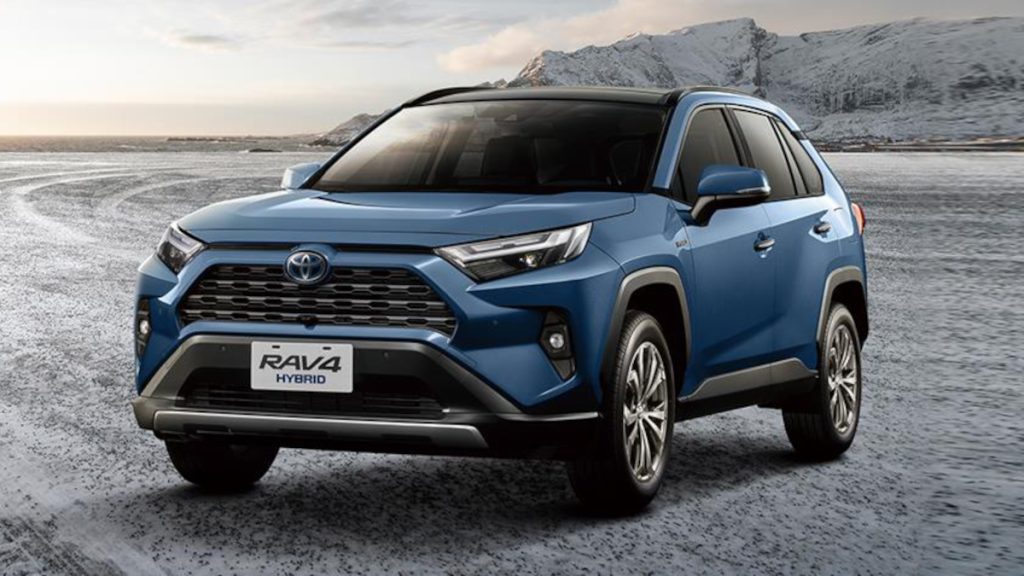
2. Toyota RAV4 Hybrid
The Toyota RAV4 Hybrid is especially well suited to hilly cities because of how its electric motor supports the gasoline engine at low speeds.
Electric motors deliver instant torque, which is exactly what helps when moving off from a standstill on a steep incline. The result is a smooth, confident launch without the engine having to rev aggressively.
This hybrid system also reduces the hesitation that some traditional automatic transmissions show on hills. Power delivery feels immediate and controlled, which makes it easier to modulate speed in heavy uphill traffic.
Drivers can inch forward smoothly without worrying about rolling backward or surging ahead too quickly. That precision is valuable on crowded city grades.
Regenerative braking is another major benefit on San Francisco’s long descents. As the vehicle slows, the system captures energy and reduces the load on the traditional brakes.
This helps prevent brake fade during repeated downhill stretches and adds a feeling of controlled deceleration. The car feels like it is helping you slow down rather than fighting against gravity.
The RAV4 Hybrid’s compact SUV size also works well in tight urban spaces. It offers a higher seating position for better visibility, yet it is not so large that it becomes awkward on narrow streets or steeply angled parking spots. That balance makes daily maneuvering easier, especially in neighborhoods with limited space.
Steering and suspension tuning lean toward comfort but remain composed over uneven pavement. San Francisco roads can be rough, especially on older hill sections.
The RAV4 Hybrid absorbs bumps without losing stability, which helps keep the car settled during both climbs and descents. That stability contributes to a more relaxed driving experience.
I chose the RAV4 Hybrid because it blends electric torque, efficient braking, and practical urban size in a way that fits the city’s terrain perfectly. It turns steep streets from a constant challenge into something that feels routine and controlled.
3. Mazda CX-5 Turbo
The Mazda CX-5 Turbo stands out for delivering strong, accessible torque in a refined and controllable way. Its turbocharged engine produces solid pulling power at low and mid range speeds, which is ideal for climbing steep streets without needing to push the engine hard. The response feels immediate yet smooth, making hill starts easier to manage.
Mazda’s transmission tuning plays a big role here. Gear changes are quick and well timed, especially under load, so the vehicle does not feel confused or hesitant when climbing. That consistency is important on San Francisco hills, where unpredictable shifting can make a car feel unsettled right when the driver needs stability the most.
Steering feel is another advantage. The CX-5 offers precise, well weighted steering that helps drivers place the vehicle accurately on narrow, sloped roads. When cresting a hill with limited visibility or turning uphill at a tight intersection, that sense of control makes a noticeable difference. The car responds exactly as expected.
On the way down, the CX-5 Turbo remains composed. Its brakes provide strong, consistent stopping power, and the chassis feels balanced rather than nose heavy.
This helps maintain stability during repeated downhill braking, reducing the feeling of strain that some vehicles show on long descents. The experience feels controlled rather than tense.
Interior visibility and seating position also contribute to driver confidence. The slightly elevated view gives a clear sense of the road ahead without making the vehicle feel bulky. That balance works well in a city where drivers must constantly judge steep angles, tight clearances, and changing traffic conditions.
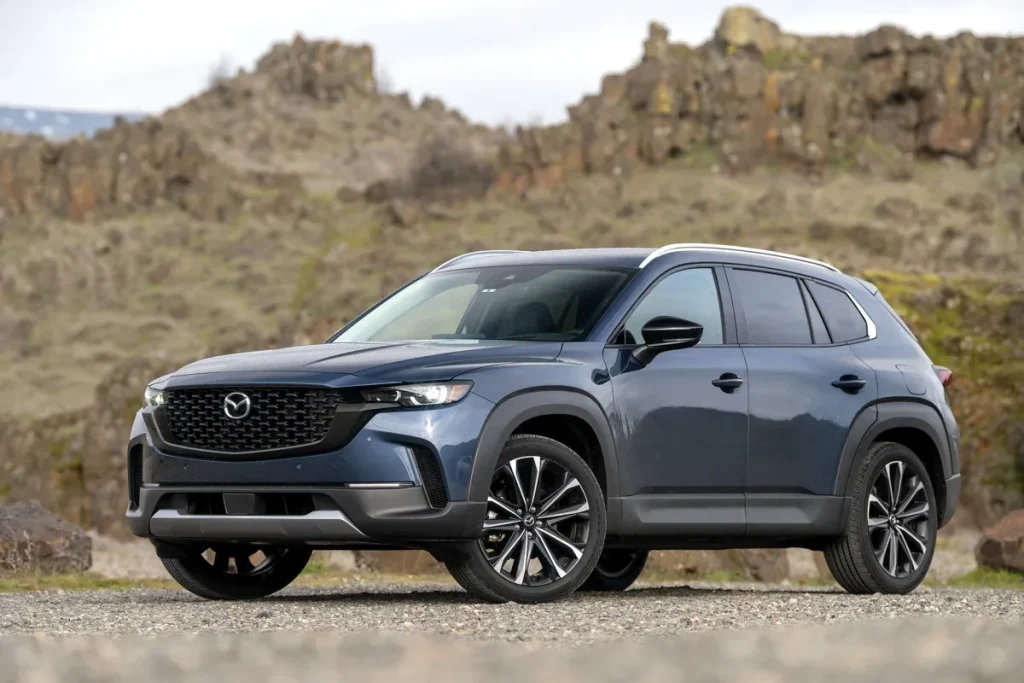
I am including the Mazda CX-5 Turbo because it combines engaging driving dynamics with the practical strength needed for serious hills. It proves that a vehicle can be both enjoyable and highly capable in demanding urban terrain like San Francisco.
4. Honda CR-V
The Honda CR-V earns its place here by being one of the easiest SUVs to drive smoothly in difficult terrain. Its turbocharged engine is tuned for everyday usability, delivering steady torque at low speeds that helps the vehicle pull away cleanly on steep inclines. There is no dramatic surge, just a controlled build of power that feels reassuring on a hill start.
Honda’s continuously variable transmission is programmed to behave in a natural, predictable way under load. On San Francisco streets, that means fewer awkward pauses or sudden jumps in engine speed when climbing.
The power delivery feels linear, which makes it easier to control speed in tight uphill traffic where small throttle inputs matter a lot.
The CR-V also shines when it comes to visibility and spatial awareness. Large windows and thin pillars give drivers a clear view when cresting hills or approaching angled intersections. In a city where you often cannot see what is on the other side of a rise, that extra visibility helps reduce stress and improves reaction time.
Ride comfort plays a role too. San Francisco pavement can be uneven, especially on older hill routes. The CR-V’s suspension absorbs bumps without making the vehicle feel floaty or unstable. This keeps the tires planted during both climbs and descents, which improves grip and overall confidence behind the wheel.
Braking performance is steady and predictable, which is critical on long downhill stretches. The pedal feel is progressive, allowing drivers to modulate stopping power without abrupt jolts. Combined with good stability control tuning, the CR-V maintains composure even when gravity is constantly pulling it forward on steep declines.
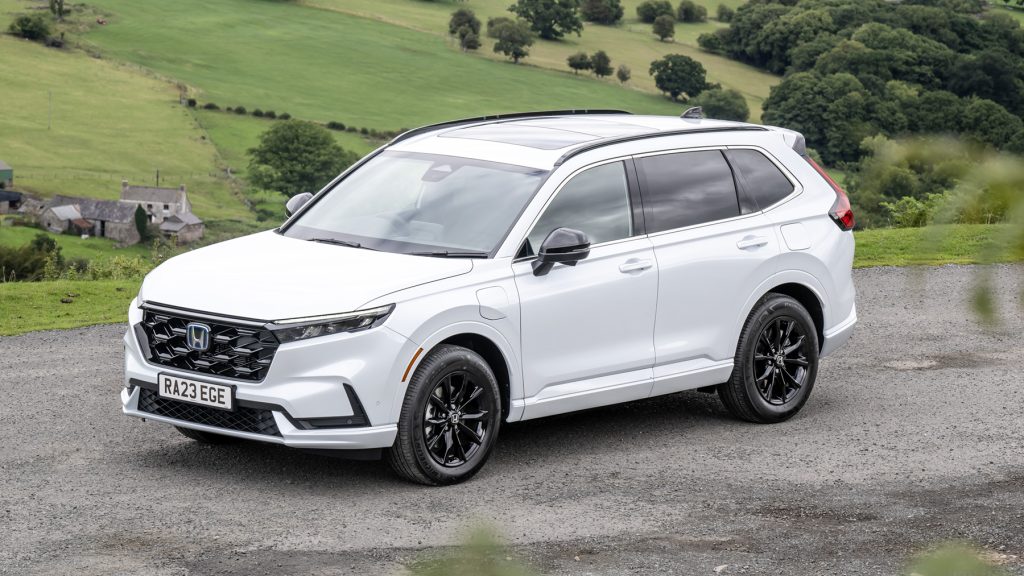
I included the Honda CR-V because it removes much of the drama from hill driving. It may not feel sporty, but its smooth responses, excellent visibility, and balanced road manners make it a dependable partner on San Francisco’s demanding streets.
5. Jeep Cherokee (with Active Drive)
The Jeep Cherokee, equipped with its advanced All Wheel Drive system, is built with challenging terrain in mind, and that engineering translates surprisingly well to steep urban hills.
Its drivetrain is designed to maintain traction when surfaces or angles change suddenly, which helps when starting on sharp inclines or navigating uneven road patches.
One of the Cherokee’s biggest advantages is its low speed torque delivery. The engine and transmission work together to provide strong pulling power right off the line, which makes uphill launches feel confident rather than strained. Even on very steep grades, the vehicle moves forward with authority and minimal hesitation.
The Cherokee’s hill start assist feature is particularly useful in San Francisco traffic. It briefly holds the brakes when the driver moves from the brake pedal to the accelerator, preventing the vehicle from rolling backward. In tight uphill queues, this adds a layer of reassurance that makes stop-and-go driving far less stressful.
On downhill sections, the Cherokee feels solid and well-controlled. Its weight and suspension tuning give it a planted feel, while the brakes provide consistent stopping force.
Drivers do not have to constantly fight the car to maintain a safe speed, which reduces fatigue during longer descents across hilly neighborhoods.
The upright seating position and large mirrors also help with visibility on steep streets. Being able to clearly judge distances and angles is essential when navigating narrow roads with parked cars and limited sightlines. The Cherokee’s design makes it easier to stay aware of your surroundings.
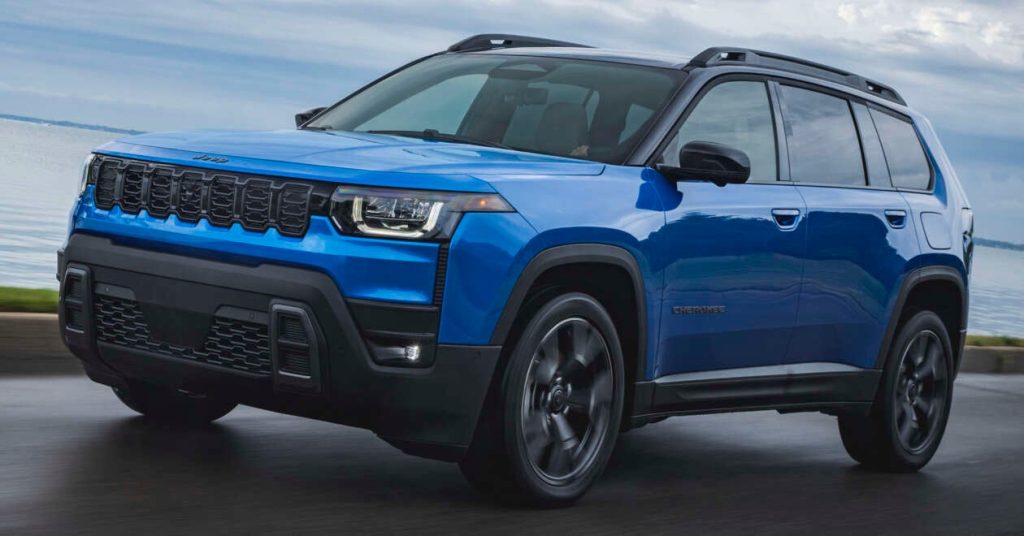
I chose the Jeep Cherokee because it brings genuine terrain-focused engineering into an urban environment where steep angles are part of daily life. It handles San Francisco hills with the kind of calm strength that makes tough streets feel much more manageable.
5 Cars That Struggle on San Francisco Hills
Not every car is designed with steep, stop-and-go terrain in mind. Some vehicles are tuned for highway cruising, flat suburban roads, or smooth performance driving.
When placed in an environment like San Francisco, their weaknesses become more noticeable, especially during repeated hill starts and long downhill stretches.
A common issue is lack of low-speed torque. Cars that need higher engine speeds to make power can feel sluggish when pulling away on a steep incline.
Drivers may have to press the accelerator harder than expected, leading to jerky movement or extra strain on the engine and transmission. That can make simple hill starts feel unnecessarily tense.
Brake performance is another concern. Vehicles with smaller or less robust braking systems may cope fine on flat terrain but begin to feel overwhelmed on long descents.
Pedals can feel softer, stopping distances can increase, and drivers may feel less confident controlling speed. In a city full of downhill stretches, that becomes a daily frustration.
Transmission behavior also matters. Some gearboxes hesitate, hunt between gears, or react abruptly under load.
On a steep hill in traffic, that unpredictability can make a car feel unrefined and harder to control smoothly. Instead of feeling like an extension of the driver, the vehicle feels like it is constantly second-guessing itself.
The following cars are not necessarily bad overall. Many are excellent in the environments they were designed for. However, on San Francisco’s sharp grades and constant elevation changes, they tend to feel out of their element. Their strengths simply do not align well with the demands of one of America’s hilliest cities.
1. Toyota Prius
The Toyota Prius is famous for efficiency, but steep urban hills expose some of the trade offs behind its design. Its hybrid system is tuned primarily for fuel savings and gentle city cruising, not for repeated, aggressive climbs.
On very steep inclines, the powertrain can feel strained, especially when the battery charge is low and the gasoline engine has to work harder.
Acceleration from a stop on a sharp hill can feel slower than drivers expect. While the electric motor helps initially, sustained uphill pulls often require the engine to rev loudly, which makes the car feel like it is working overtime. That sensation may not mean the car is failing, but it can make drivers uneasy in fast moving traffic.
Braking performance downhill can also feel less reassuring compared to heavier SUVs or vehicles with larger brake systems. Regenerative braking helps, but on long descents the system eventually relies more on traditional friction brakes. The pedal can feel less consistent under heavy use, which may reduce driver confidence on steep, extended downhills.
Ground clearance is another limitation. San Francisco streets often have sharp transitions between steep slopes and flat sections. The Prius sits relatively low, increasing the risk of scraping the underside when entering steep driveways or crossing abrupt elevation changes. That adds an extra layer of caution to everyday driving.
Visibility over steep crests can also be challenging due to the car’s low seating position and sloped hood. When approaching a hilltop where cross traffic or pedestrians may be hidden, drivers may feel less aware of what lies ahead compared to taller vehicles. In a city with many blind rises, that matters more than people expect.
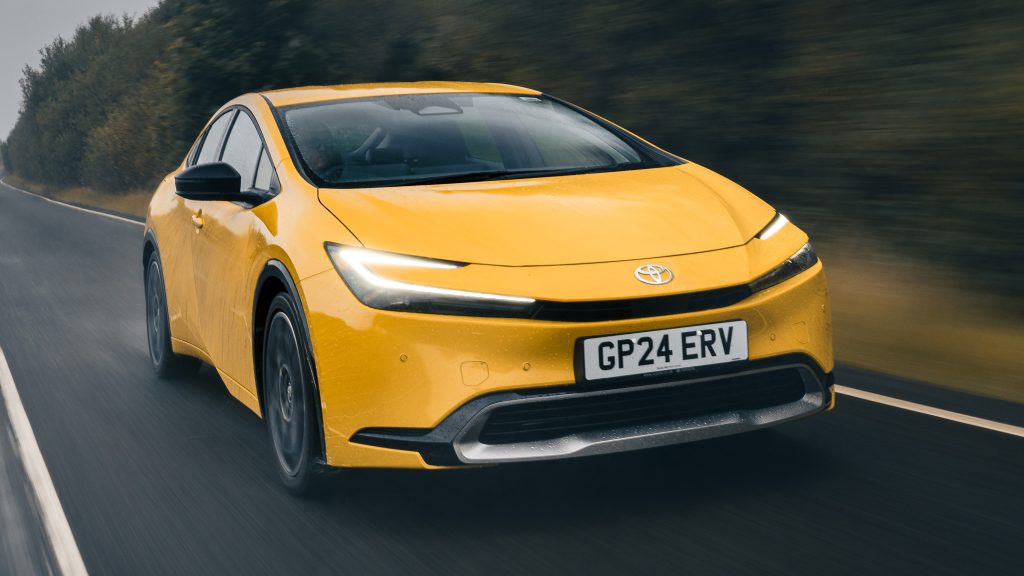
I included the Prius because it highlights how a car optimized for efficiency and smooth, flat city driving can feel out of its comfort zone on extreme grades. It still functions, but it demands more patience and awareness from the driver on San Francisco hills.
2. Chevrolet Camaro
The Chevrolet Camaro delivers strong performance on open roads, but its design priorities do not align well with steep, crowded urban hills.
Its long hood, low roofline, and small windows significantly limit outward visibility. On sharp inclines and blind crests, that restricted view can make it harder to judge traffic, pedestrians, and road edges.
Low ground clearance is another issue. The Camaro’s sporty stance means the front splitter and underbody sit close to the ground. On San Francisco’s abrupt slope changes and steep driveways, scraping becomes a real concern. Drivers may find themselves approaching angles slowly and carefully, which can be stressful in busy traffic.
Power is not the problem here, but how that power is delivered can be. The Camaro’s engines are tuned for strong acceleration at higher speeds, not gentle modulation on steep stop and go hills. Throttle response can feel sensitive at low speeds, making smooth hill starts trickier than in vehicles designed for urban control.
The car’s wide doors and low seating position also make entry and exit harder on sloped streets. When parked on a steep incline, opening a long, heavy door uphill or downhill can feel awkward and require extra care. These small daily inconveniences add up quickly in a city where slopes are everywhere.
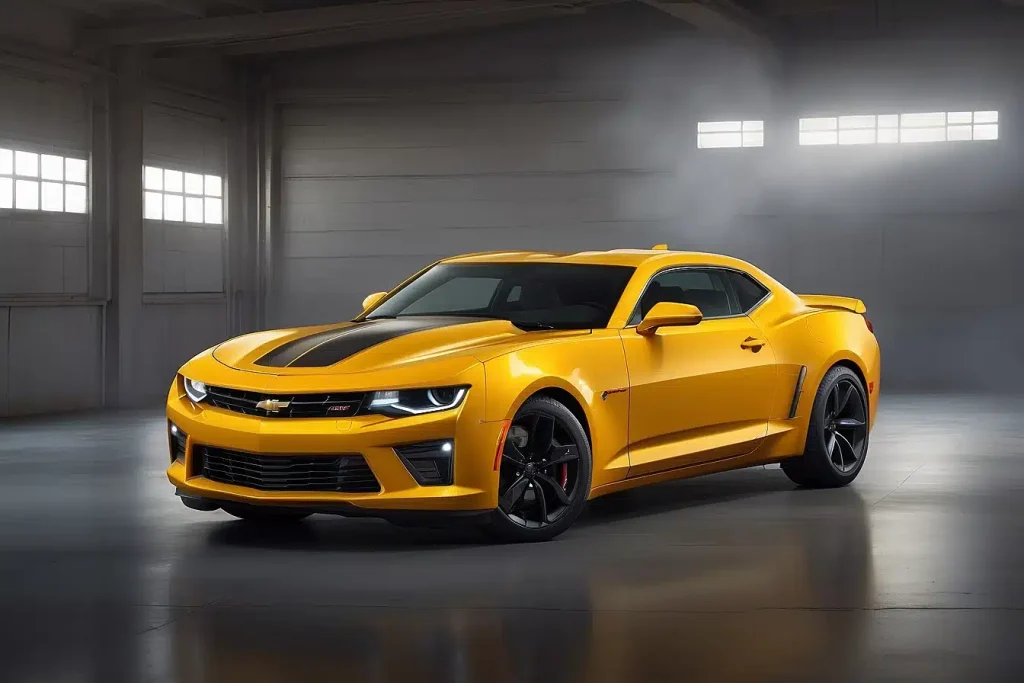
Ride quality over uneven pavement is firmer than many drivers prefer for daily city use. Combined with steep angles, this can make the car feel less settled on bumpy hill sections. Instead of feeling composed and relaxed, the drive can feel busy and demanding.
I chose the Camaro because it shows how a performance-focused coupe can struggle in an environment that values visibility, clearance, and low-speed smoothness over high speed power and sharp styling.
3. Nissan Versa
The Nissan Versa is designed as an affordable, efficient subcompact, but steep hills highlight the limits of its modest powertrain. Its small engine works adequately on flat roads, yet on sharp inclines it often needs heavy throttle just to maintain momentum. That can make uphill driving feel labored and noisy.
When starting from a stop on a steep grade, the Versa may feel slow to respond. Drivers sometimes need to press the accelerator more than expected, which can lead to jerky launches or anxiety about rolling backward. In tight San Francisco traffic, that hesitation can feel uncomfortable.
Braking performance is acceptable for everyday use, but repeated downhill sections can push the system harder than it was designed for. With less weight and smaller components than larger vehicles, the Versa can feel less planted and more sensitive to road imperfections while descending steep slopes.
The car’s lightweight build, which helps fuel economy, can also make it feel less stable on rough, angled pavement. Strong downhill stretches combined with uneven surfaces may cause the ride to feel busy rather than composed. That lack of solidity can reduce driver confidence over time.
Interior sound insulation is limited, so engine noise during hard uphill pulls becomes more noticeable. Hearing the engine strain on steep climbs can make the experience feel more stressful, even if the vehicle is technically handling the task. Perception plays a big role in how comfortable drivers feel in challenging terrain.
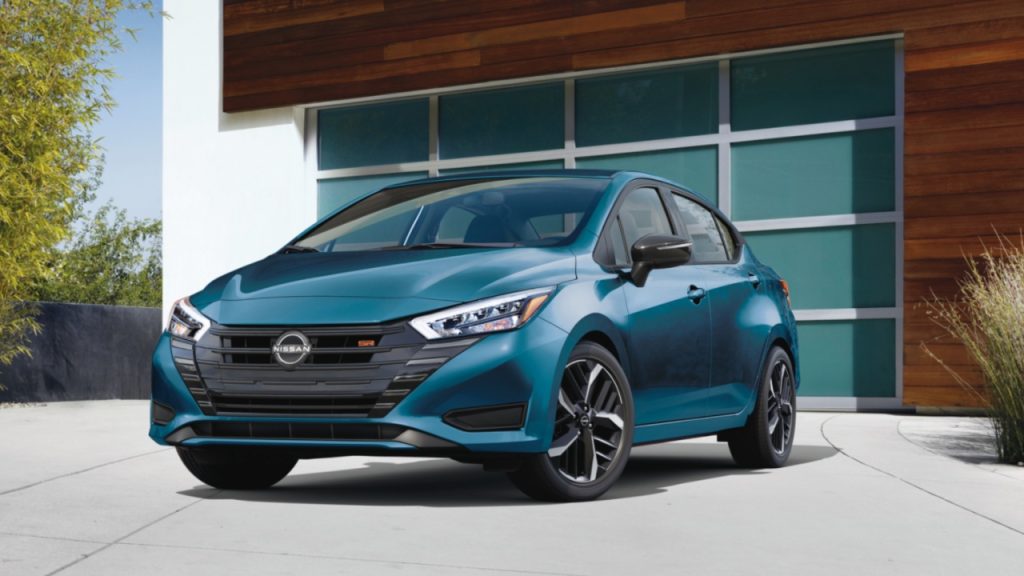
I included the Nissan Versa because it represents vehicles that are perfectly reasonable on flat terrain but feel underpowered and less secure when faced with constant, demanding elevation changes like those in San Francisco.
4. Ford Mustang (Standard Suspension)
The Ford Mustang is an icon of American performance, but in a city defined by steep grades and tight streets, some of its core traits become drawbacks. Like many sports coupes, the Mustang sits relatively low to the ground.
On San Francisco’s sharp transitions between slopes and flat sections, that low clearance increases the risk of scraping the front bumper or underbody.
Visibility is another challenge. The long hood and smaller rear window make it harder to judge distances when cresting hills or reversing on steep streets. In neighbourhoods filled with blind rises and closely parked cars, that limited outward view can add stress to already demanding driving situations.
Throttle response in many Mustang trims is tuned for lively acceleration, which is great on open roads but trickier on steep, stop-and-go inclines.
Small pedal inputs can sometimes produce bigger-than-expected reactions, making smooth hill starts harder to master. Drivers may find themselves overcorrecting when trying to move gently in traffic.
The firm suspension that helps the Mustang feel sporty can work against it on uneven, angled pavement. San Francisco streets are not only steep but often bumpy. A stiffer setup can cause the car to feel unsettled on rough uphill or downhill sections, reducing the sense of control drivers want in those moments.
Parking can also be more complicated than expected. Manoeuvring a wide, two door coupe into tight, sloped curbside spaces requires extra care. The heavy doors and low seating position make getting in and out on steep streets less convenient than in taller, more upright vehicles.
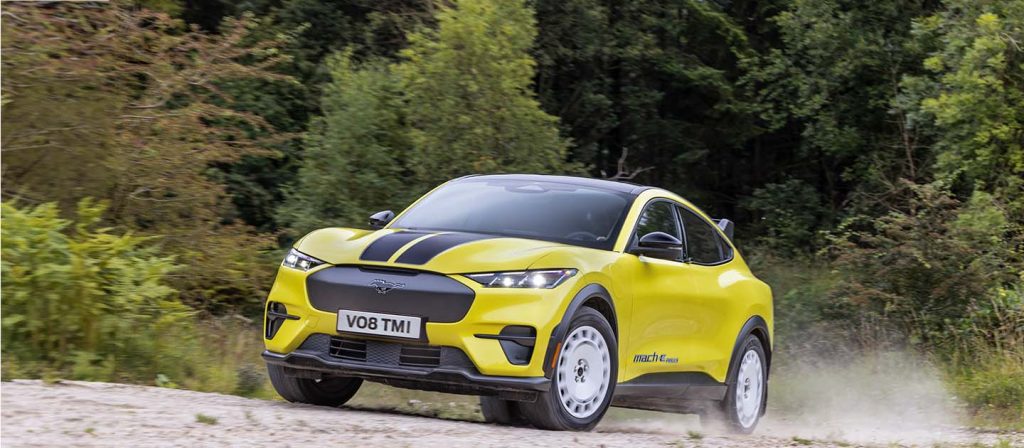
I included the Mustang because it shows how a car built for style and performance can feel out of sync with an environment that demands visibility, compliance, and precise low-speed control more than outright speed.
5. Fiat 500
The Fiat 500 is charming, compact, and easy to park, but its tiny size and small engine can become disadvantages on very steep hills. While it is light, which helps in some situations, the limited engine output means it often has to work hard on sharp inclines. Steep uphill starts can feel slow and require significant throttle input.
That extra effort from the engine often translates into more noise and vibration inside the cabin. On long climbs, the car can sound and feel like it is straining, which may make drivers feel less confident even if the vehicle is still performing within its limits. The experience can feel more stressful than in more powerful cars.
Wheelbase and stability also play a role. The Fiat 500’s short length makes it very maneuverable, but on steep, uneven descents it can feel a bit bouncy compared to longer, heavier vehicles. That lighter, more reactive feel may reduce the sense of planted stability drivers want when going downhill.
Brake performance is adequate for city use, but repeated steep descents can push the small braking system harder. Drivers may find themselves pressing the pedal more firmly to maintain speed control, which can become tiring on routes with constant elevation changes. Confidence in braking is especially important in a hilly city.
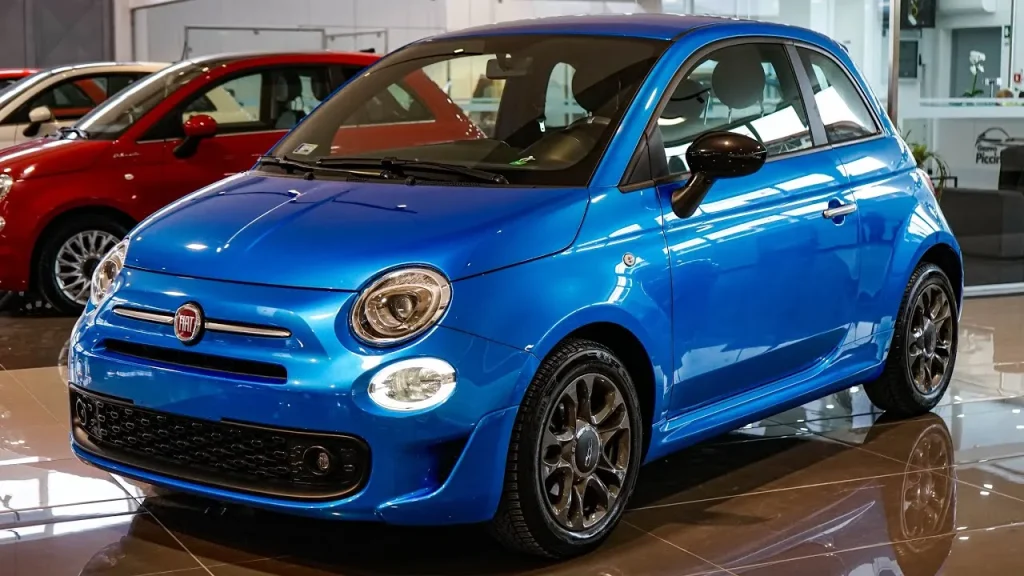
The upright shape helps with visibility in some ways, yet the very small overall footprint can make the car feel vulnerable among larger vehicles on steep roads. When surrounded by SUVs and trucks on narrow hills, some drivers may feel less secure in such a tiny car.
I chose the Fiat 500 because it highlights how a vehicle that excels at tight urban maneuvering on flat streets can feel underpowered and less stable when faced with the constant, dramatic slopes that define San Francisco driving.
Also Read: 5 Cars That Stay Affordable Over Years of City Use vs 5 That Don’t
