
City living changes the true cost of owning a vehicle. It is not just about the purchase price, but also fuel use in stop and go traffic, insurance rates, parking fees, maintenance from rough roads, and the constant risk of minor dings in tight spaces.
A car that seems affordable at first can quietly become expensive when used in dense urban conditions every day.
Urban drivers often face short trips, heavy traffic, and limited parking. That environment favors vehicles that are fuel-efficient, easy to maneuver, and inexpensive to repair.
Smaller cars with good visibility and simple mechanical designs often make more financial sense than large, complex vehicles that were built for highways or heavy duty tasks.
Insurance is another hidden factor. In crowded cities, the likelihood of minor accidents, scraped bumpers, or wheel damage is higher.
Vehicles with expensive parts, large body panels, or luxury branding often come with higher premiums and repair bills. Over several years, those costs can add up to far more than people expect.
Depreciation also plays a role in city budgets. Some vehicles hold their value well because they are known for reliability and low operating costs.
Others lose value quickly, especially if they are expensive to maintain once warranties expire. Choosing wisely can mean the difference between a manageable long term expense and a financial headache.
In this article, we first explore vehicles that truly make sense for city budgets. These models balance affordability, efficiency, and practical urban usability.
Then we look at vehicles that tend to strain city budgets, not because they are poor vehicles overall, but because their size, complexity, or operating costs do not align well with the realities of dense urban driving.
Also Read: 5 Cars That Balance Comfort and City Abuse vs 5 That Don’t Hold Up
5 Vehicles That Make Sense for City Budgets
When money matters, city drivers benefit most from vehicles that are simple, efficient, and inexpensive to keep on the road. Urban environments are tough on cars in specific ways.
Frequent braking, potholes, tight parking, and slow traffic all increase wear and tear. Choosing a vehicle designed with durability and efficiency in mind can significantly reduce long term costs.
Fuel economy is one of the biggest advantages in a city friendly budget car. Stop and go traffic uses more fuel than steady highway cruising, so efficient engines or hybrid systems can lead to meaningful savings over time. For drivers making daily commutes, school runs, and errands, these savings add up month after month.
Maintenance and repair costs are just as important. Cars with widely available parts and straightforward mechanical designs are often cheaper to service. In cities where minor scrapes and bumps are common, affordable body repairs also matter. A cheap vehicle to fix helps protect your budget from unexpected expenses.
Size plays a role too. Smaller cars are easier to park, which can reduce the need for expensive parking garages or help avoid tickets from squeezing into tight spots. They also tend to use less fuel and have lower insurance costs, making them financially sensible choices for urban life.
Reliability is the final piece of the puzzle. A dependable vehicle means fewer surprise breakdowns and repair bills. City drivers often rely heavily on their cars for daily routines, so avoiding downtime is both a financial and practical benefit.
The five vehicles in this section stand out because they combine affordability, efficiency, and urban practicality. They help keep ownership costs predictable while fitting naturally into the demands of city driving.
1. Toyota Yaris
The Toyota Yaris makes strong financial sense for city drivers because it focuses on the fundamentals of affordable transportation.
Its small engine is designed for efficiency rather than power, which works perfectly in urban environments filled with traffic lights and low speed driving. Over time, the fuel savings can be significant for anyone commuting daily through busy streets.
Its compact size also reduces several indirect costs. Parking in tight city spaces becomes easier, lowering the chances of damage from squeezing into narrow spots.
Smaller cars are also often cheaper to insure, which is an important factor in cities where insurance premiums tend to be higher due to traffic density and accident rates.
Maintenance is another area where the Yaris helps protect a tight budget. Toyota’s reputation for reliability means fewer unexpected repairs, and when service is needed, parts are widely available and generally affordable. This predictability helps owners plan expenses rather than being surprised by large bills.
The simple mechanical design also works in the owner’s favor. There are fewer complex systems compared to larger or more premium vehicles, which reduces the likelihood of costly electronic or mechanical failures as the car ages. In a city where cars endure frequent short trips and constant stopping, that durability is a major benefit.
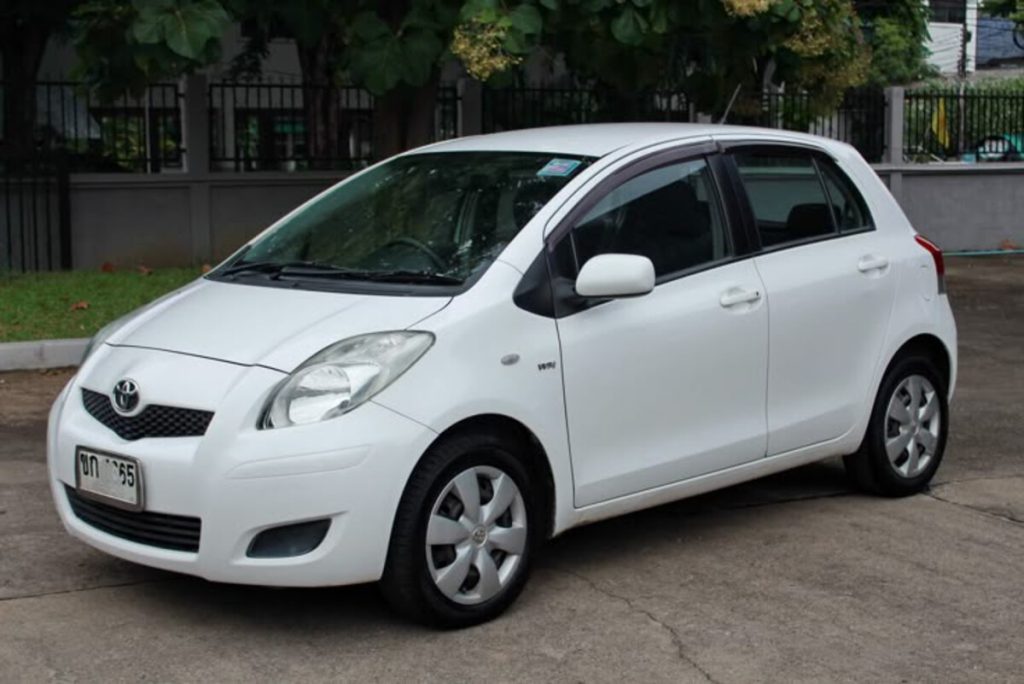
The Yaris may not be large, but for singles, couples, or small households, it offers enough interior space for groceries, work bags, and everyday needs. Its practicality matches urban life without forcing drivers to pay for size or capability they rarely use.
I am including the Toyota Yaris because it represents the kind of no nonsense, efficient vehicle that keeps ownership costs low while fitting comfortably into crowded city conditions.
2. Hyundai i10
The Hyundai i10 is another vehicle that aligns well with city budgets thanks to its tiny footprint and low running costs.
Designed with urban driving in mind, it is easy to maneuver through narrow streets and tight parking structures. That agility reduces the risk of minor scrapes, which can otherwise lead to frequent repair expenses.
Fuel efficiency is a major advantage. The i10’s small engine sips fuel in stop and go traffic, which helps drivers manage monthly fuel bills even when commuting daily. In cities where traffic congestion is common, this efficiency becomes one of the most noticeable financial benefits.
Purchase prices for cars in this class are generally lower than for larger vehicles, and that lower initial cost often translates to cheaper insurance as well. For drivers on a tight budget, keeping both upfront and ongoing expenses under control is essential. The i10 delivers on both fronts.
Maintenance costs also tend to be reasonable. Parts are typically affordable, and the car’s simple design makes routine servicing straightforward. For urban drivers who rely on their vehicle frequently, predictable maintenance expenses are far easier to handle than sudden high repair bills.
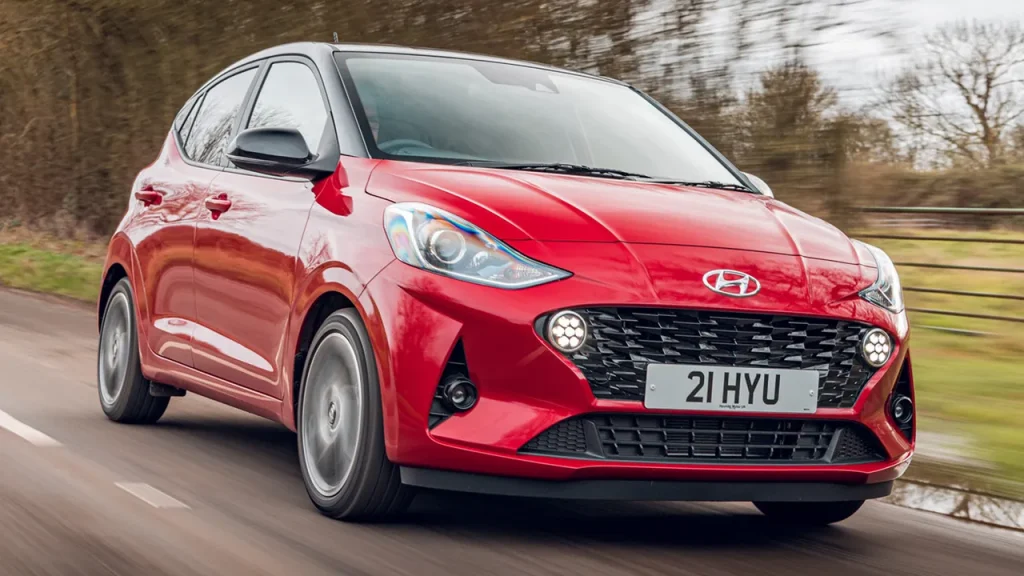
Despite its small size, the i10 is practical for everyday urban tasks. It can carry groceries, small luggage, and personal items without trouble. For drivers who rarely need to transport large loads, paying for a bigger vehicle would simply mean higher costs without real benefits.
I chose the Hyundai i10 because it highlights how a well-designed small car can dramatically reduce the financial pressure of owning and operating a vehicle in the city.
3. Honda Amaze
The Honda Amaze offers a slightly larger package than a microcar while still keeping costs in check, making it a sensible choice for city budgets. Its compact sedan dimensions provide more cabin and trunk space than smaller hatchbacks, yet it remains easy to maneuver through urban traffic and parking areas.
Fuel efficiency is a strong point, especially in city conditions. The engine is tuned for smooth, economical driving at low and moderate speeds, which suits stop and go traffic well. Over months and years, that efficiency can make a meaningful difference in overall ownership costs.
Honda’s reputation for reliability adds another layer of financial security. Vehicles that experience fewer breakdowns and major repairs are far easier on tight budgets. Routine servicing is generally affordable, and parts are widely available, which helps keep long term maintenance expenses predictable.
Insurance costs for compact sedans like the Amaze are often lower than for SUVs or premium vehicles. In dense cities where minor accidents are more common, this difference can add up significantly over time. Choosing a vehicle in a lower insurance bracket is a practical financial decision.
The trunk space is a quiet advantage. City drivers still need to carry groceries, luggage, and household items, and having a proper enclosed trunk allows them to do so without upgrading to a larger, more expensive vehicle. This balance between size and practicality helps avoid unnecessary spending.
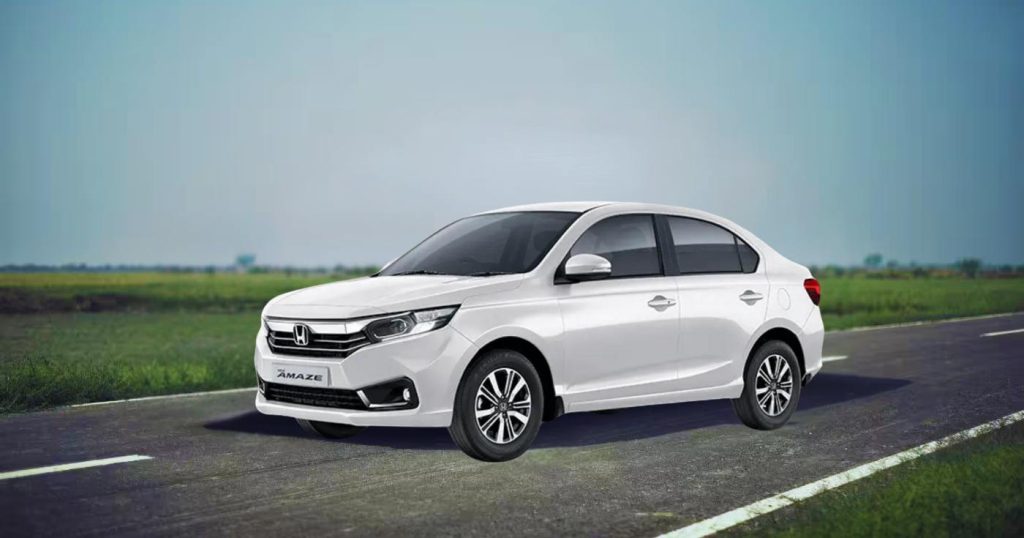
I included the Honda Amaze because it shows how a compact, dependable sedan can provide just enough space and comfort while keeping purchase, fuel, insurance, and maintenance costs under control for urban drivers.
4. Suzuki Swift
The Suzuki Swift has built a reputation as a practical, affordable hatchback that fits naturally into city life. Its compact dimensions make it easy to navigate through narrow streets and crowded traffic, reducing the likelihood of minor body damage that can become a regular expense in tight urban spaces.
Fuel efficiency is one of the Swift’s strongest financial advantages. Its lightweight design and small engine help keep fuel consumption low in stop and go conditions. For drivers who spend a lot of time commuting in traffic, this translates into consistent savings that make a noticeable difference over the course of a year.
Maintenance costs also tend to be manageable. The Swift’s mechanical simplicity and widespread popularity mean parts are generally easy to find and reasonably priced. Routine servicing does not usually involve expensive specialized components, which helps keep long term ownership within reach for budget conscious drivers.
Insurance is often more affordable for vehicles in this class. Smaller engines and lower repair costs can lead to reduced premiums, which is particularly helpful in cities where insurance rates can be high. Lower recurring expenses make the Swift a financially comfortable vehicle to own.
Inside, the Swift offers enough flexibility for everyday needs. Groceries, work bags, and small luggage loads fit without requiring a larger vehicle. Choosing a car that matches actual daily use instead of overbuying space helps prevent unnecessary spending on fuel and maintenance.
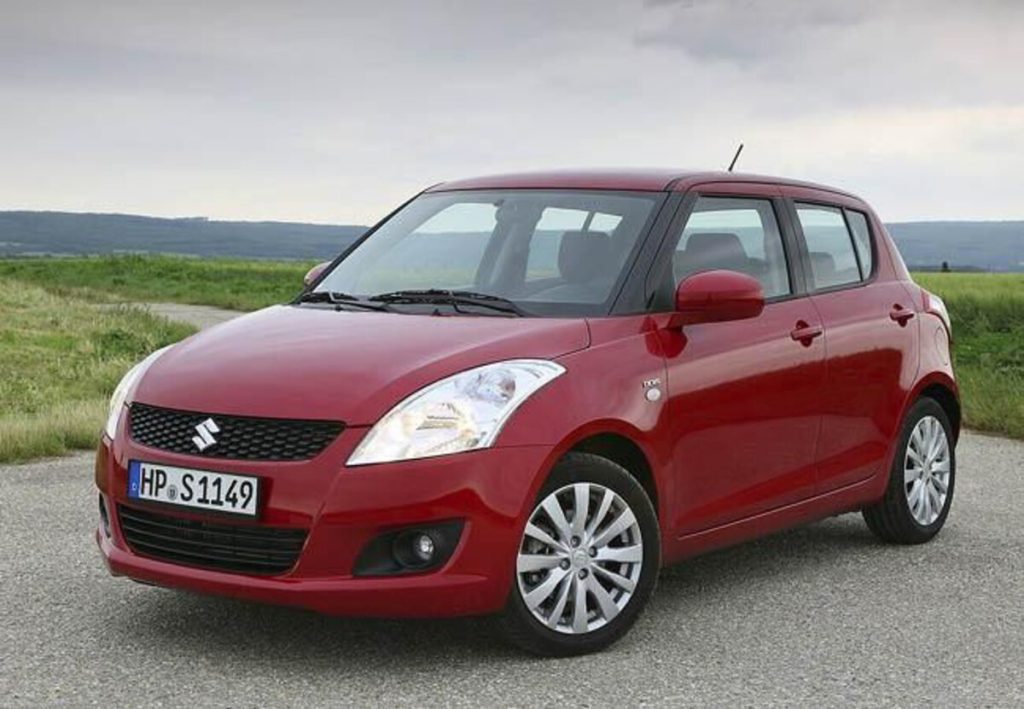
I chose the Suzuki Swift because it represents a well balanced urban hatchback that keeps purchase price, fuel use, and service costs aligned with the realities of a tight city budget.
5. Kia Rio
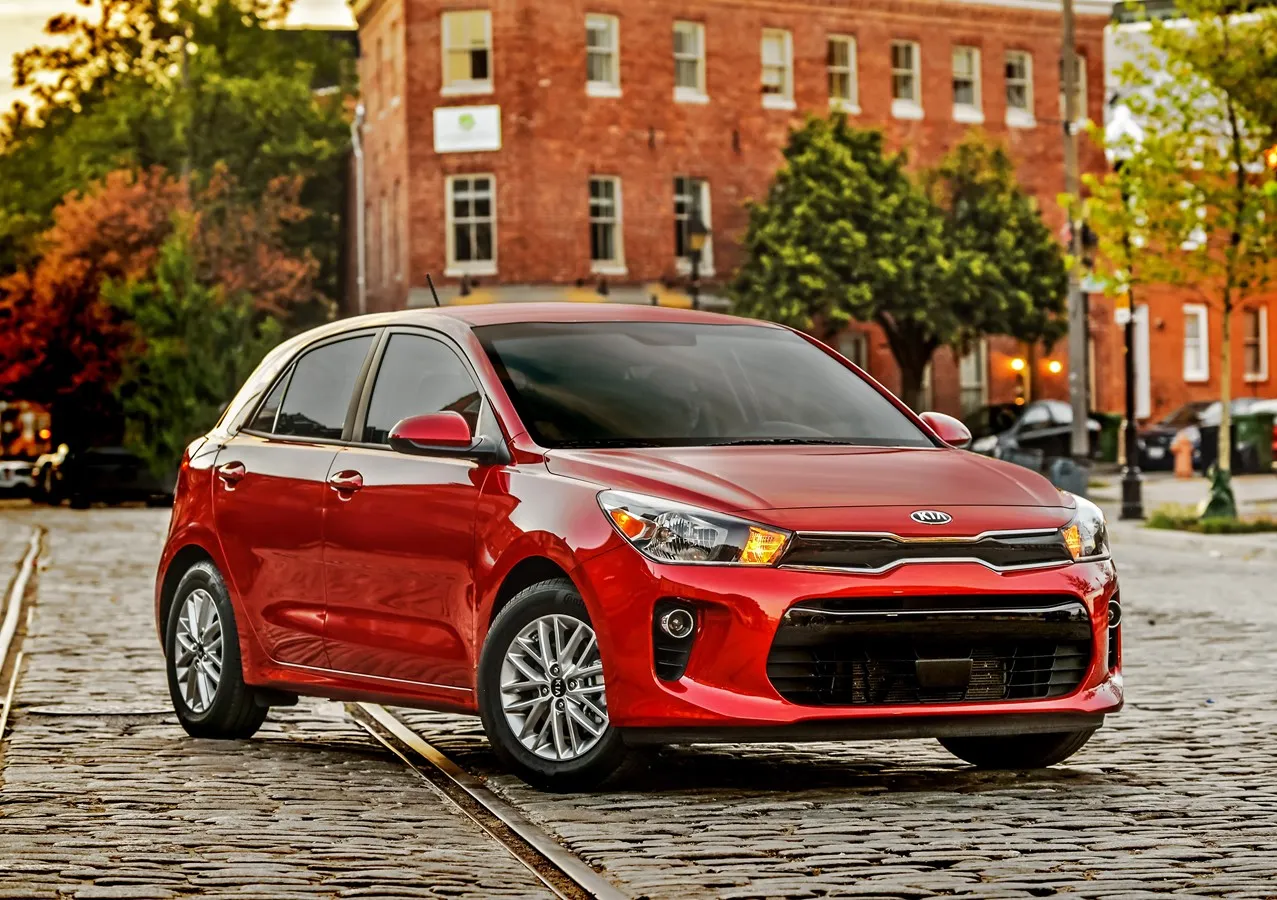
The Kia Rio rounds out this list by offering a blend of affordability, efficiency, and straightforward ownership. Its size is ideal for urban environments, small enough to handle tight parking and busy streets while still providing usable interior and cargo space for daily errands.
Fuel economy is a major benefit, especially in cities with heavy congestion. The Rio’s engine is designed to be efficient at lower speeds, which helps drivers keep fuel expenses predictable even with frequent short trips. Over time, this efficiency reduces one of the biggest ongoing costs of vehicle ownership.
Purchase prices for the Rio are typically lower than for larger vehicles, and that affordability often carries over into insurance and registration costs. When budgeting for city life, keeping these fixed expenses as low as possible provides long term financial breathing room.
Maintenance and repair costs are also generally reasonable. Kia’s broad service network and commonly available parts help prevent high repair bills. In a city where small scrapes and wear from rough roads are common, a vehicle that is inexpensive to fix offers real financial peace of mind.
The Rio’s simple design works in its favor. It delivers the essentials of transportation without layering on costly, complex systems that can become expensive to repair later. For drivers focused on value rather than luxury, this simplicity is a smart trade off.
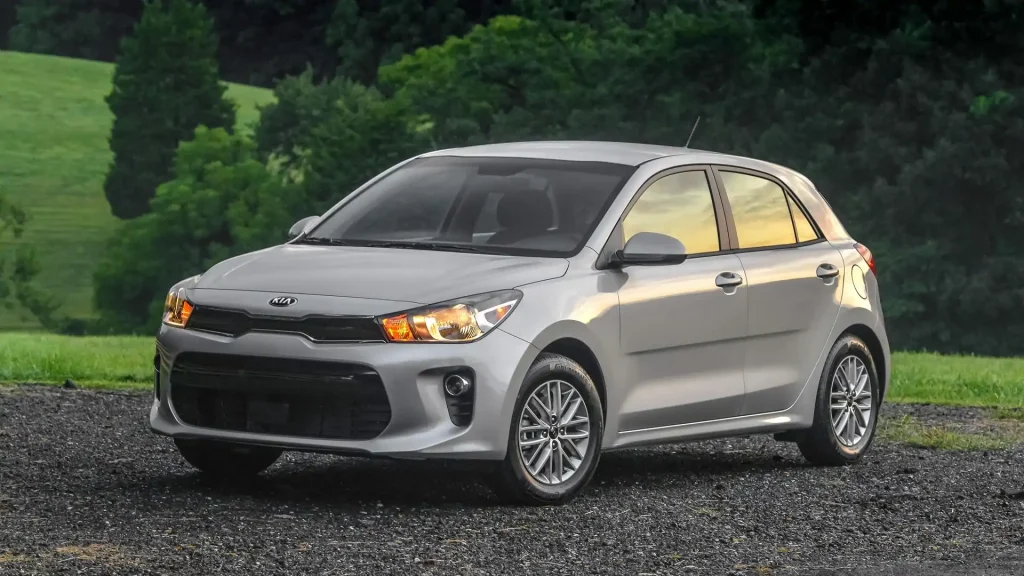
I included the Kia Rio because it demonstrates how a practical, efficient subcompact can help city drivers control both upfront and ongoing expenses while still meeting everyday transportation needs.
5 Vehicles That Do Not Make Sense for City Budgets
Some vehicles place a heavier financial burden on city drivers because their design priorities do not align with urban realities. Large engines, complex luxury features, and oversized bodies often lead to higher fuel bills, insurance premiums, and repair costs. In dense cities, those expenses can accumulate quickly.
Fuel consumption is a key issue. Vehicles built for power or heavy duty use tend to be less efficient in stop and go traffic. City driving rarely allows engines to operate at their most economical range, which means owners may spend far more on fuel than they would with a smaller, more efficient car.
Repair costs also rise with vehicle size and complexity. Luxury models and large SUVs often use expensive parts and specialized components. Even minor damage from tight parking situations can result in costly bodywork, which strains a limited budget.
Insurance is typically higher as well. Expensive vehicles cost more to repair or replace, leading insurers to charge higher premiums. In cities with higher accident rates, this difference can be substantial over the life of the vehicle.
The following five vehicles illustrate how certain types of cars can stretch a city budget. They may offer performance, luxury, or capability, but their ongoing expenses make them harder to justify for drivers trying to keep urban transportation affordable.
1. BMW X5
The BMW X5 is a premium midsize SUV that delivers performance and luxury, but those qualities often come with costs that are difficult to justify on a tight city budget. Its purchase price is significantly higher than that of smaller, more economical vehicles, and that higher starting point affects insurance, taxes, and long term depreciation.
Fuel consumption is another concern in urban driving. Larger engines designed for power and smooth highway cruising are rarely operating in their most efficient range in stop and go city traffic. Frequent short trips and congestion can lead to noticeably higher fuel expenses compared to compact or hybrid alternatives.
Maintenance and repair costs are where the X5 can really strain finances. Luxury vehicles often use specialized parts and complex electronic systems.
When repairs are needed, labor and components can be expensive, especially once the vehicle is out of warranty. Even routine services may cost more than for mainstream brands.
Insurance premiums also tend to be higher for luxury SUVs. Their higher value and repair costs make them more expensive to cover, particularly in cities where minor accidents and body damage are more common. Over several years, these higher premiums add up to a significant extra expense.
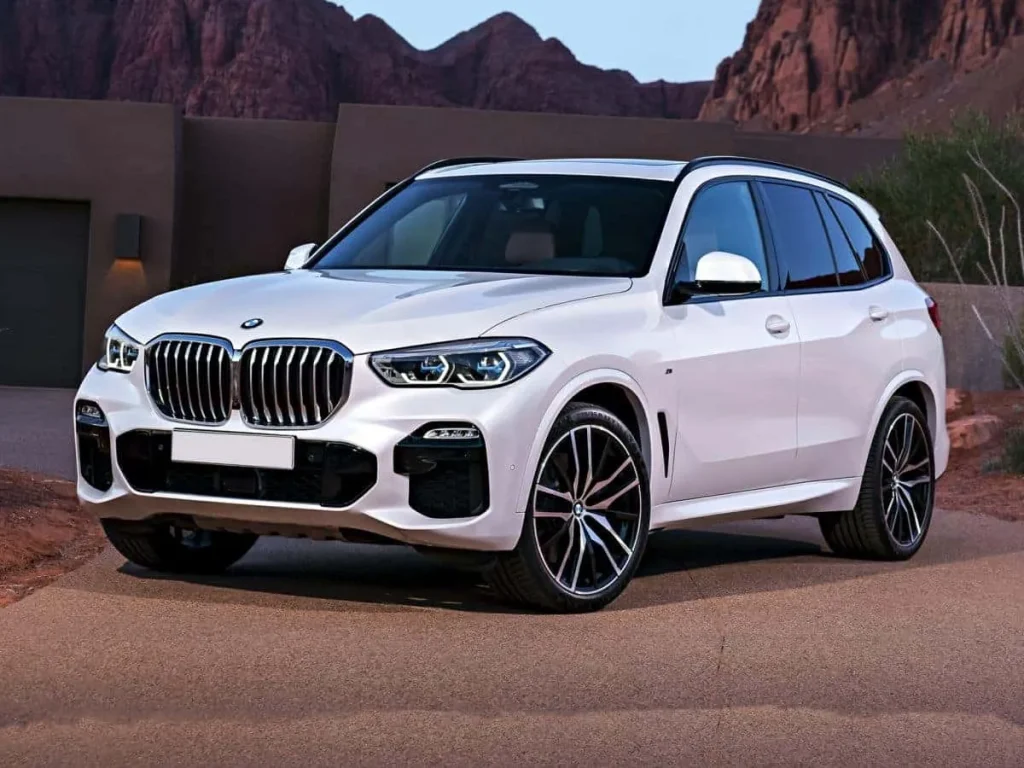
Its larger size can also lead to indirect costs. Parking garages may charge more for oversized vehicles, and tight city spaces increase the likelihood of cosmetic damage. Fixing scratches or dents on a premium vehicle is usually more expensive than on a budget friendly model.
I included the BMW X5 because it shows how a comfortable and capable luxury SUV can quietly become a financial burden when used primarily for short, crowded city trips rather than the long distance driving it is better suited for.
2. Ford Expedition
The Ford Expedition is built to carry many passengers and tow heavy loads, but those strengths often go unused in dense urban environments. Instead, city drivers are left managing a very large vehicle that consumes more fuel and costs more to maintain than smaller alternatives.
Fuel expenses are one of the biggest drawbacks. The Expedition’s large engine and heavy body require more energy to move, especially in traffic. Stop and go city driving prevents the vehicle from operating efficiently, which can lead to frequent fuel stops and high monthly fuel bills.
Maintenance costs also reflect its size and complexity. Larger brakes, tires, and suspension components are generally more expensive to replace. In cities with rough roads and potholes, wear and tear can happen faster, leading to higher long term upkeep costs.
Insurance for full size SUVs is often more expensive due to higher replacement values and repair costs. In crowded cities where minor collisions and parking damage are more likely, this can translate into noticeably higher premiums year after year.
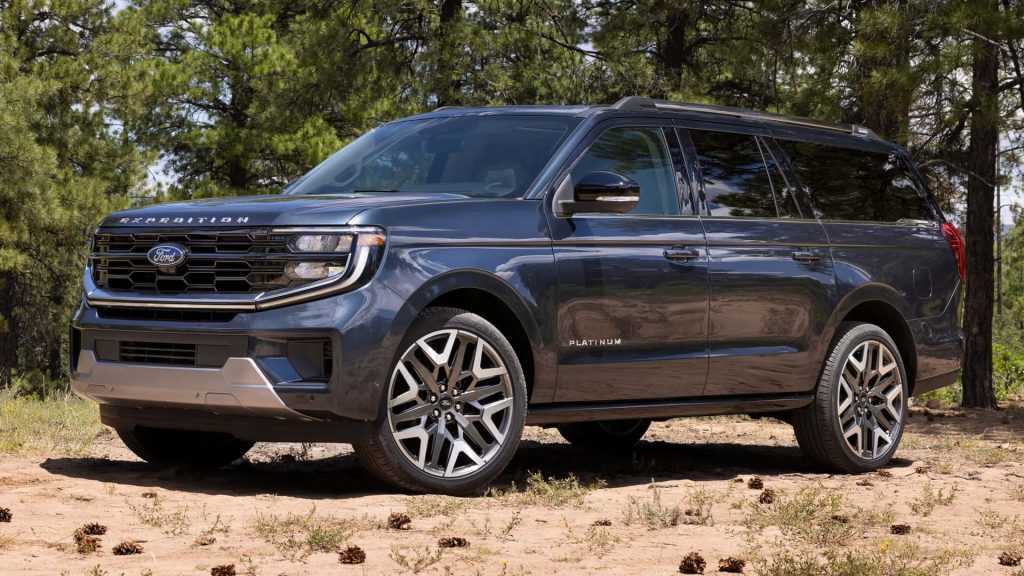
Parking and maneuvering difficulties can also create indirect financial pressure. Drivers may rely more on paid parking facilities that accommodate large vehicles, or risk damage trying to fit into smaller spaces. Either way, the costs of living with such a large SUV in the city add up.
I chose the Ford Expedition because it represents vehicles that are excellent for large families and road trips but financially inefficient for the tight spaces and short trips that define city driving.
3. Audi A8
The Audi A8 offers advanced technology and a refined ride, yet its luxury focus can make it a costly choice for urban drivers watching their budgets. Its high purchase price sets the stage for expensive insurance and significant depreciation, especially in the early years of ownership.
Fuel economy, while respectable for a large luxury sedan, still lags behind smaller or hybrid vehicles in city traffic. Frequent idling and short journeys mean the engine rarely operates in ideal conditions, leading to higher fuel costs over time compared to more efficient city oriented cars.
Repairs and maintenance are where the financial gap widens further. The A8 uses sophisticated electronics, air suspension systems, and premium materials. When something needs fixing, parts and labor can be costly. Out of warranty repairs on high end systems can be especially expensive.
Even minor cosmetic damage can be pricey to fix. Luxury paint finishes, sensors embedded in bumpers, and complex lighting systems all increase the cost of what would be simple repairs on a basic car. In tight city parking situations, this risk is hard to ignore.
Insurance premiums for flagship luxury sedans are typically high. Insurers factor in repair costs, theft risk, and overall vehicle value. In cities where incidents are more frequent, these premiums can significantly affect the total cost of ownership.
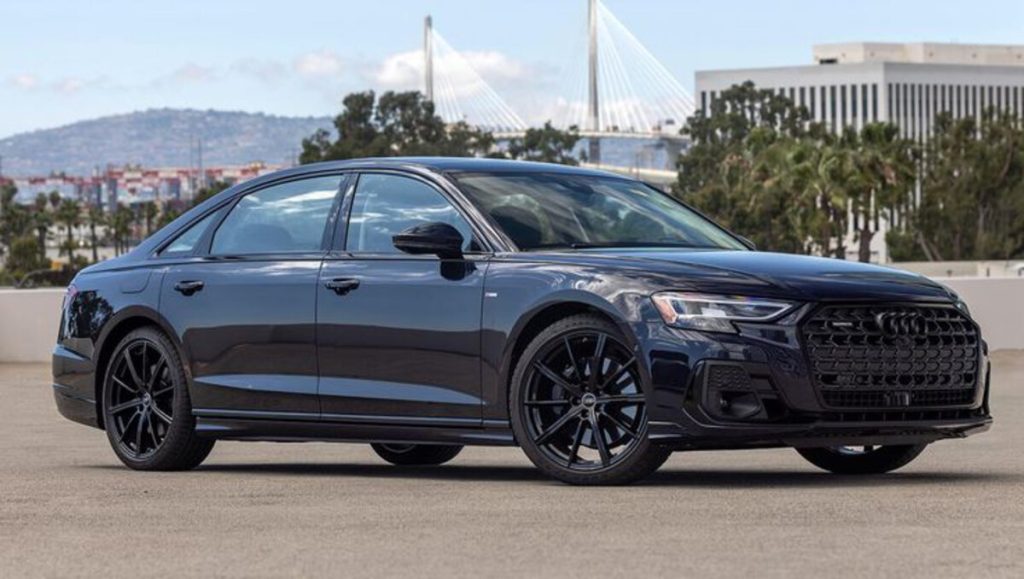
I included the Audi A8 because it highlights how top tier comfort and technology can come with financial demands that are difficult to justify for drivers whose daily use consists mainly of short, crowded urban trips.
4. Land Rover Range Rover
The Land Rover Range Rover is known for luxury and off road capability, but both of those qualities come with ownership costs that can be challenging for city budgets.
Its high purchase price leads to higher insurance premiums and greater depreciation, especially in the first few years. For drivers focused on affordability, that financial hit is hard to overlook.
Fuel consumption is another concern. The Range Rover is a large, heavy SUV with powerful engines that are designed to move substantial weight comfortably. In stop and go city traffic, this often results in high fuel use, turning everyday errands into an expensive routine at the pump.
Maintenance and repair costs can also be significant. Luxury SUVs with advanced suspension systems, complex electronics, and premium components typically require specialized service. When repairs arise, parts and labor can be much more expensive than for mainstream vehicles. Over time, these bills can strain a limited budget.
Its size adds indirect costs as well. Parking such a large vehicle in tight urban areas increases the risk of scratches and dents. Fixing bodywork on a high end SUV usually costs more due to expensive materials, sensors, and paint finishes. Even minor damage can become a costly inconvenience.
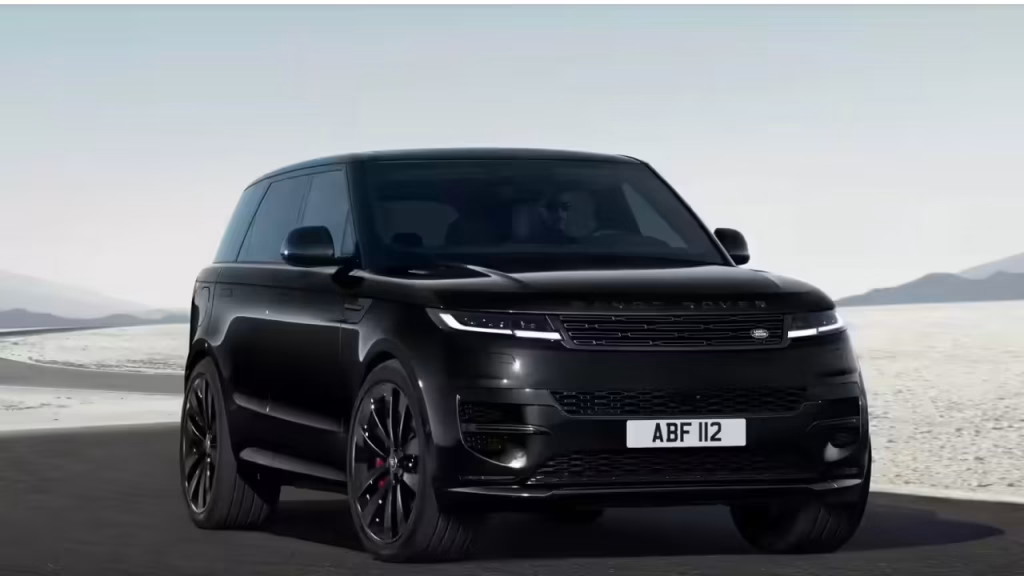
While the Range Rover offers exceptional comfort and prestige, those benefits are often underused in short, low speed city trips. Drivers end up paying for off road capability and luxury features that rarely justify their added expense in dense urban environments.
I chose the Range Rover because it clearly shows how a premium, highly capable SUV can become financially impractical when used mainly for everyday city driving.
5. Chevrolet Corvette
The Chevrolet Corvette delivers exciting performance and striking design, but it is not a natural fit for a tight city budget.
Sports cars often come with higher insurance premiums due to their performance potential and repair costs. In urban areas where traffic incidents are more common, this can make coverage especially expensive.
Fuel economy can also suffer in city use. Performance engines are tuned for power, and stop and go traffic prevents them from operating efficiently. Frequent short trips may lead to higher fuel consumption than drivers expect, increasing monthly expenses.
Maintenance and repairs can be costly as well. Performance components such as wide tires, specialized brakes, and low profile wheels often wear faster and cost more to replace. Rough city roads and potholes can accelerate that wear, leading to more frequent service needs.
The low ride height creates another financial risk. Speed bumps, steep driveways, and uneven pavement common in cities can cause underbody scrapes or damage to front bodywork. Repairs to sports car panels and paint can be expensive, even for relatively minor issues.
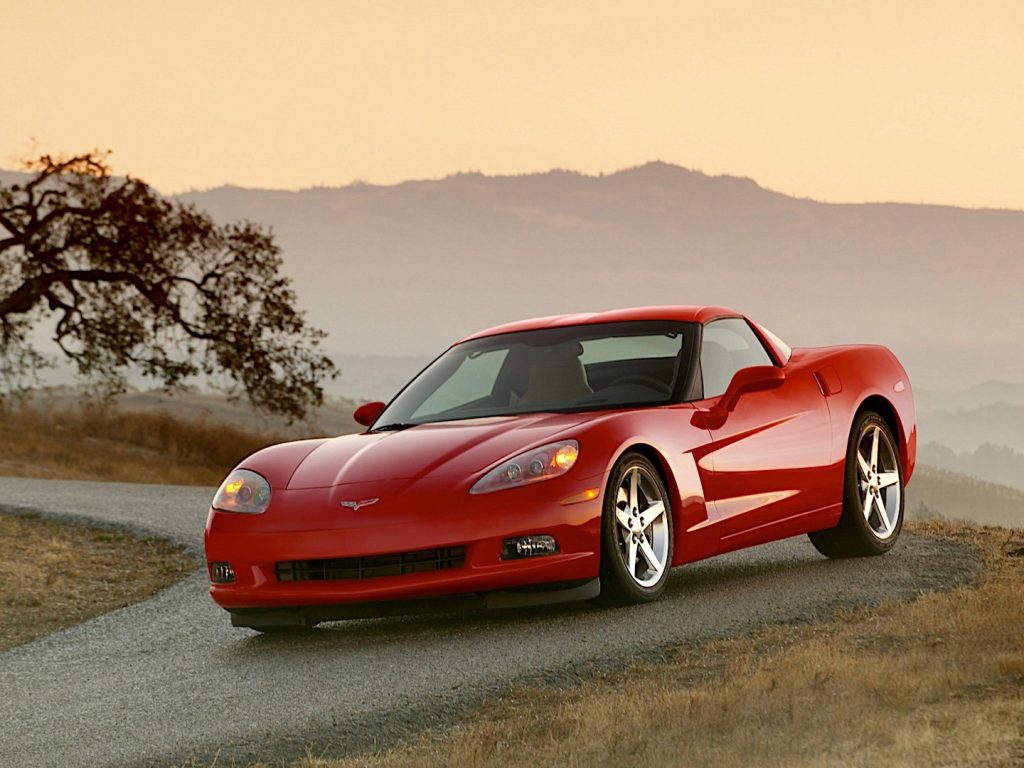
Practicality is limited too. With minimal cargo space, owners may need to rely on additional transportation options for everyday tasks, which adds indirect costs. A vehicle that cannot handle routine errands easily may not be the most economical choice overall.
I included the Chevrolet Corvette because it represents how a car built for performance and enjoyment can carry ownership costs that make it difficult to justify as an everyday vehicle for budget-conscious city drivers.
Also Read: 5 Hatchbacks That Are Stress-Free to Parallel Park vs 5 Hatchbacks That Turn It Into a Chore
