
Add unpredictable weather, uneven surfaces, and steep gradients, and even a short drive can become demanding. These conditions quickly reveal whether a car is genuinely capable or merely comfortable on smooth city roads.
Many buyers choose cars based on looks, brand value, or highway performance. However, mountain roads do not reward these factors.
What matters more is how a vehicle behaves at low speeds, how confidently it climbs steep inclines, and how stable it feels while descending sharp slopes. A car that feels effortless in plains can suddenly feel underpowered, unstable, or stressful when driven uphill for long stretches.
This article is written to address that gap in understanding. It looks at cars not as lifestyle statements, but as tools that must perform reliably in difficult environments.
Ground clearance, torque delivery, braking strength, steering feedback, and suspension tuning become critical in hill towns. Even small weaknesses in these areas are amplified when the road constantly climbs, dips, and twists.
At the same time, it is important to understand that a car struggling in the mountains is not necessarily a bad car.
Many vehicles are engineered specifically for flat cities and highways, where comfort and efficiency matter more than climbing ability or downhill control. Problems arise only when such cars are placed in environments they were never designed for.
By separating cars that handle mountain city roads well from those that do not, this article aims to help buyers make realistic and informed decisions.
Whether someone lives in a hill town or frequently travels to one, choosing the right vehicle can significantly reduce fatigue, stress, and safety risks. Mountain driving demands respect, and the right car makes that respect easier to maintain.
Also Read: 5 EVs That Handle Urban Winters Respectably vs 5 That Lose Range Quickly
5 Cars That Handle Mountain City Roads
Cars that perform well in mountain cities share a set of practical characteristics rather than flashy specifications. They are built to remain calm under pressure, especially when roads become steep, narrow, and unpredictable.
This section focuses on vehicles that inspire confidence in such conditions and make mountain driving feel controlled rather than exhausting.
One of the most important factors in hill driving is usable low-end torque. Mountain roads rarely allow aggressive acceleration, so cars that deliver power smoothly at low speeds feel far more manageable.
This becomes especially important during uphill starts, overtakes on inclines, and slow climbs through hairpin turns. A relaxed engine reduces strain on both the car and the driver.
Suspension tuning plays an equally important role. Mountain roads are often broken, uneven, or patched inconsistently. Cars that are too stiff feel uncomfortable and unsettled, while overly soft setups can feel unstable in corners. Vehicles that handle mountain roads well strike a balance, absorbing rough surfaces while keeping body movement under control.
Braking confidence is another key requirement. Continuous downhill driving places heavy demands on the braking system. Cars suited for mountain cities offer predictable pedal feel and consistent stopping power, reducing driver anxiety during long descents. Steering feedback also matters more here than in flat cities, as precise wheel placement is essential on narrow roads with limited margins.
Ground clearance adds peace of mind, allowing drivers to navigate damaged sections, water channels, and uneven surfaces without constant fear of scraping. Traction systems, whether through all-wheel drive or effective electronics, further enhance stability in wet or slippery conditions.
The cars discussed in the following sections are included because they reduce effort and increase control. They allow drivers to focus on the road instead of compensating for the vehicle’s limitations. In mountain cities, that difference defines whether driving feels enjoyable or stressful.
1. Subaru Forester
The Subaru Forester is one of those cars that quietly proves its worth the moment the road starts climbing. It is not flashy or aggressive in design, but its engineering is deeply suited to mountain city conditions. The biggest strength of the Forester lies in its balance, which becomes obvious on steep inclines and tight corners.
Its all wheel drive system delivers power evenly, reducing wheel spin on slippery or uneven surfaces. This is especially helpful during early morning drives or sudden rain, when mountain roads can become unpredictable. Uphill starts feel controlled rather than stressful, even on steep slopes.
The suspension setup is well judged for hill driving. It absorbs broken patches without unsettling the car, while still keeping body movement under control on sharp turns. This balance reduces fatigue during long drives through winding roads. The low center of gravity further improves stability and cornering confidence.
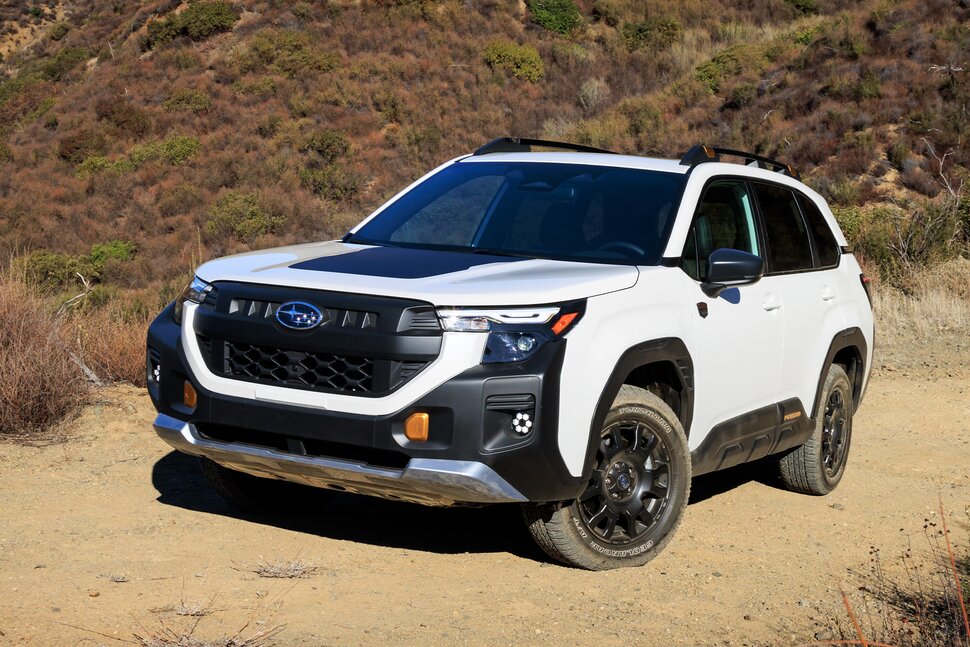
Braking performance is consistent and reassuring, which is crucial for downhill stretches where braking is frequent. The pedal feel remains predictable, allowing the driver to modulate speed smoothly rather than relying on sudden braking. Steering feedback is natural and confidence inspiring on narrow roads.
This car is included because it prioritizes control and safety over unnecessary drama. In mountain cities, that focus translates into a calmer and more confident driving experience.
2. Toyota Land Cruiser Prado
The Toyota Land Cruiser Prado is built to handle tough conditions, and mountain city roads fall well within its comfort zone. It approaches steep gradients and uneven surfaces with ease, making difficult drives feel routine rather than demanding.
Strong low speed torque allows the Prado to climb steep roads without strain. The engine does not feel stressed, even when the vehicle is fully loaded. This relaxed performance is valuable in hill towns where constant climbing is unavoidable.
Its suspension is designed to handle rough terrain, which means broken roads and uneven patches rarely unsettle the vehicle. Despite its size, the Prado feels planted on winding roads. Steering is stable and predictable, which suits mountain driving where sudden inputs can be risky.
High ground clearance removes the fear of underbody damage, allowing drivers to focus on the road ahead. Downhill control systems add an extra layer of confidence during steep descents. Braking remains strong and consistent, even on long downhill stretches.
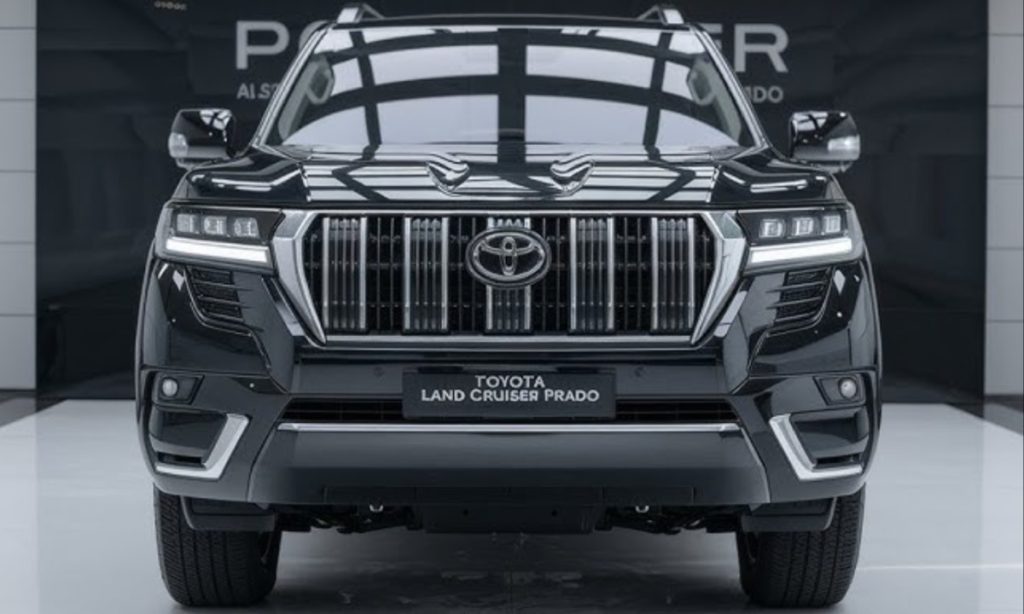
This vehicle earns its place because it removes uncertainty from mountain driving. It may be large, but its capability and reliability make it a dependable choice for hilly environments.
3. Jeep Compass AWD
The Jeep Compass with all wheel drive offers a strong blend of everyday usability and mountain capability. It feels particularly comfortable on steep and twisting roads, where traction and stability are constantly tested.
The all wheel drive system manages grip effectively, especially on wet or loose surfaces. Uphill climbs feel controlled, and the car does not struggle when power is needed at low speeds. This makes driving through hill towns less tiring.
Suspension tuning strikes a good balance between comfort and control. Uneven surfaces are absorbed well, while the car remains stable through corners. Steering feedback is solid, giving the driver confidence on narrow roads with sharp bends.
Ground clearance is sufficient for most mountain city roads, and underbody protection adds peace of mind. Braking performance is dependable, allowing smooth speed control during downhill driving.
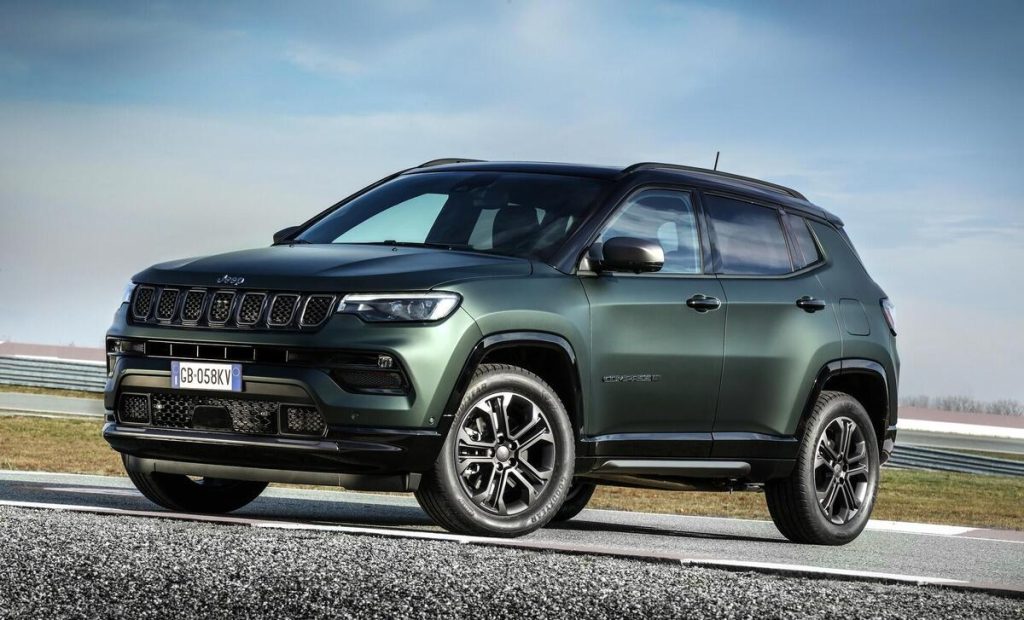
This car is included because it fits naturally into mountain conditions without feeling overbuilt. It offers capability where needed while remaining practical for daily use.
The Suzuki Jimny is a clear reminder that size and price do not define capability, especially in mountain cities. Its compact dimensions and mechanical simplicity make it exceptionally effective on steep, narrow, and unpredictable hill roads where larger cars often feel cumbersome.
One of the Jimny’s biggest advantages is its short wheelbase. This allows it to take tight hairpin bends with ease, reducing the need for multiple steering corrections. On narrow mountain roads where space is limited, this agility becomes a major benefit and lowers driver stress significantly.
High ground clearance ensures that broken patches, uneven surfaces, and water channels do not become obstacles. The ladder frame construction adds strength and confidence, particularly on roads that are poorly maintained.
The four wheel drive system provides excellent traction on steep climbs and slippery surfaces, making uphill progress feel controlled and secure.
The suspension is tuned more for durability than comfort, but in mountain cities this works in its favor. The car feels stable and predictable rather than soft or unsettled. Steering feedback is direct, helping drivers place the wheels accurately on narrow roads.
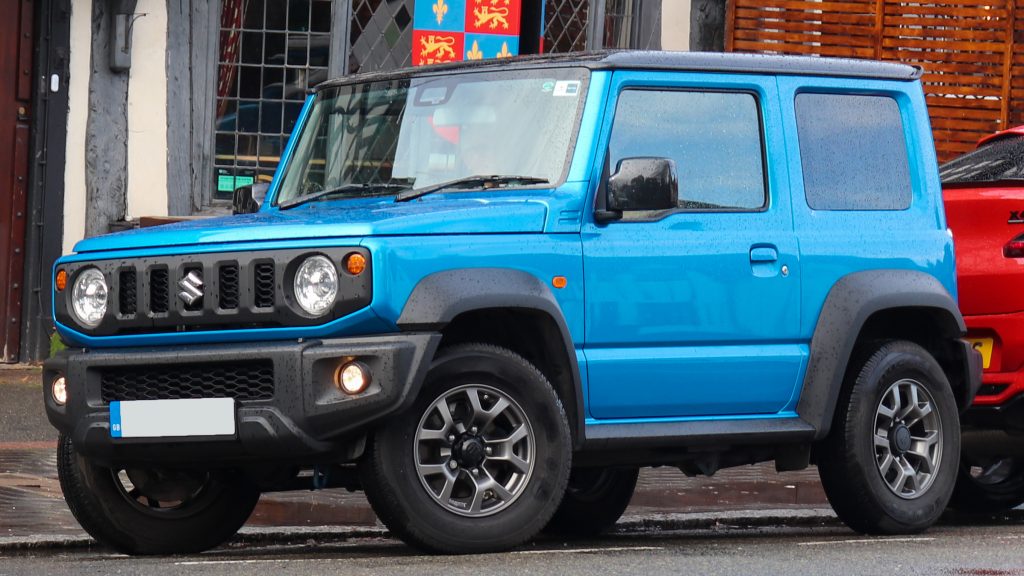
This car is included because it performs far beyond expectations in hill environments. It turns difficult mountain roads into manageable routes and rewards careful driving with strong control and confidence.
5. Volvo XC60 AWD
The Volvo XC60 AWD approaches mountain driving from a more refined and safety focused perspective. It may not look rugged, but its engineering makes it well suited for mountain city roads where stability and confidence matter more than outright toughness.
The all wheel drive system improves traction on steep inclines and wet surfaces, ensuring smooth power delivery without sudden wheel spin. This makes uphill driving calmer and more predictable, especially in changing weather conditions common in hill towns.
Suspension tuning balances comfort and control effectively. Uneven road surfaces are absorbed without excessive body movement, while the car remains composed through sharp bends. Steering is light but accurate, making it easier to navigate narrow roads without feeling nervous.
Braking performance is strong and consistent, which is crucial for long downhill stretches. Safety systems work subtly in the background, enhancing stability without interfering with driver control. Ground clearance is sufficient for most mountain city conditions.
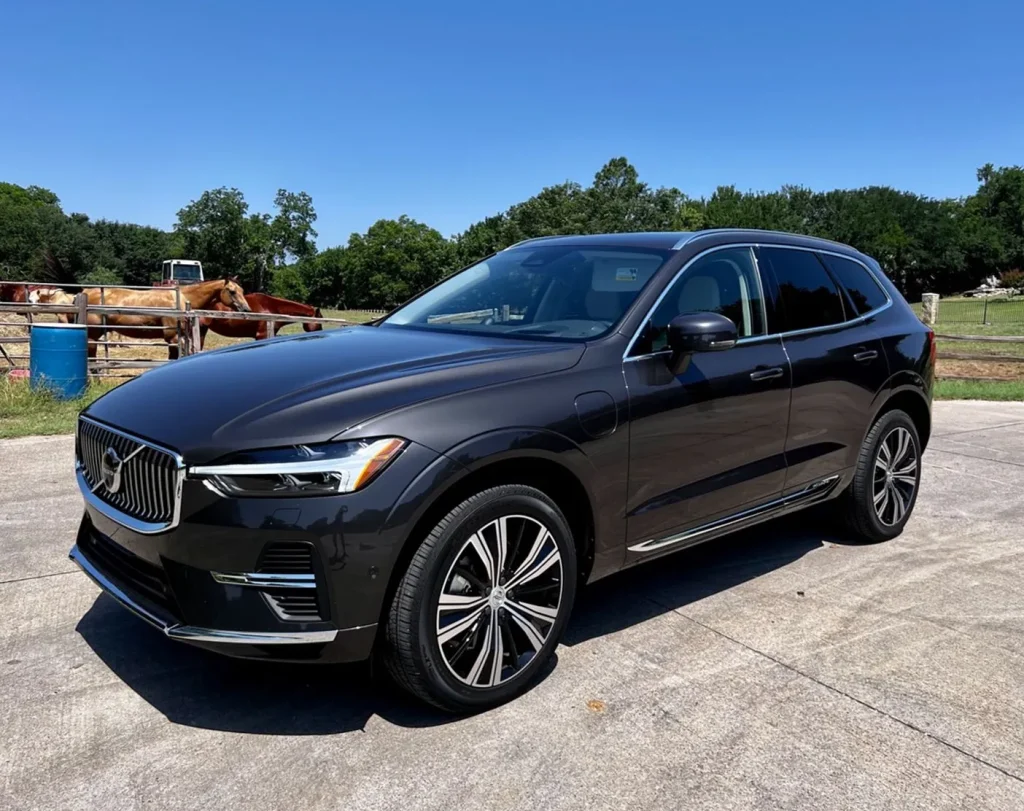
This vehicle is included because it proves that refinement and capability can coexist. It reduces fatigue while still handling demanding terrain with confidence.
5 Cars That Don’t Handle Mountain City Roads Well
While some cars feel perfectly at home in mountain cities, others struggle once the road starts climbing. These struggles are not always obvious during short test drives on flat roads, but they become clear during prolonged hill usage.
This section focuses on cars that are less suitable for mountain city conditions and explains why their design works against them in such environments.
One of the most common limitations is low ground clearance. Mountain roads are often uneven, patched repeatedly, or damaged by weather. Cars with low clearance force drivers to crawl cautiously, increasing fatigue and frustration. Underbody scraping becomes a constant concern rather than an occasional issue.
Another major factor is engine tuning. Many cars are optimized for fuel efficiency and smooth cruising, which works well in flat cities. In the mountains, however, the lack of strong low speed torque makes uphill driving feel strained. Frequent gear changes and high engine revs reduce comfort and confidence.
Suspension setups designed for smooth roads also struggle in hill towns. Soft suspensions can feel unstable on sharp corners, while stiff ones transmit every bump directly into the cabin. Both situations reduce driver control on narrow roads.
Braking systems can also feel less reassuring during long downhill stretches, where consistent stopping power is essential.
Steering that feels light and relaxed in urban use may become vague and disconnected in the mountains. Precise wheel placement is critical on narrow roads, and poor feedback increases mental effort behind the wheel.
These cars are discussed not to label them as poor choices overall, but to highlight the importance of matching a vehicle to its environment. Mountain cities demand specific strengths, and ignoring those demands often leads to uncomfortable and stressful driving experiences.
1. Honda City
The Honda City is widely respected for its comfort, reliability, and efficiency in flat urban environments. However, these same qualities work against it in mountain city conditions. The car is engineered primarily for smooth roads, and the moment road quality deteriorates or elevation changes become constant, its limitations begin to surface.
Low ground clearance is the most immediate issue. Mountain roads often have broken patches, uneven repairs, and water runoffs that require careful navigation. In the City, drivers are forced to slow down excessively to avoid scraping, which quickly becomes tiring on long hill routes. This constant caution reduces driving confidence.
Engine tuning also plays a role. While the engine is smooth and efficient, it lacks strong low speed torque. On steep climbs, the car feels strained and demands frequent gear changes. Uphill starts, especially on sharp inclines, require extra throttle input, increasing stress for the driver.
The suspension is tuned for comfort on well paved roads. In the mountains, this results in noticeable body movement on corners and uneven surfaces. The car does not feel planted when pushed slightly, which can be unsettling on narrow roads with sharp bends.
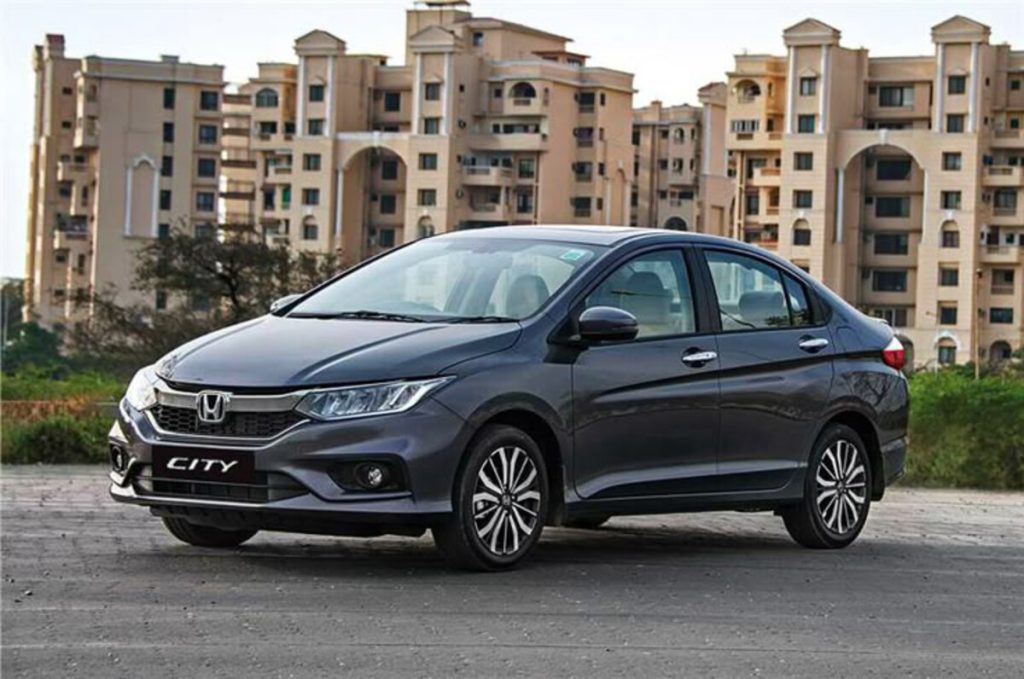
Steering feedback is light and relaxed, which suits city driving but becomes a drawback in hill towns. Precise wheel placement is harder to judge, increasing mental effort during continuous cornering.
This car is included here to show how an excellent city sedan can feel out of place in mountain environments. Its design priorities simply do not align with the demands of hill driving.
2. Hyundai Verna
The Hyundai Verna is designed to deliver comfort, refinement, and efficiency, making it popular in urban and highway settings. Unfortunately, these strengths do not translate well to mountain city roads, where the car often feels vulnerable and out of its depth.
The low slung body and limited ground clearance are constant concerns on uneven mountain surfaces. Drivers must slow down frequently to protect the underbody, which interrupts driving flow and increases fatigue. On poorly maintained roads, this becomes especially frustrating.
Engine performance is adequate on flat roads but feels strained on steep climbs. The lack of strong low end torque forces the driver to push the engine harder, resulting in increased noise and reduced comfort. Overtaking on inclines feels hesitant rather than confident.
Suspension tuning favors softness, which enhances comfort in cities but causes excessive body movement on winding mountain roads. The car does not feel stable when cornering repeatedly, making long hill drives mentally exhausting.
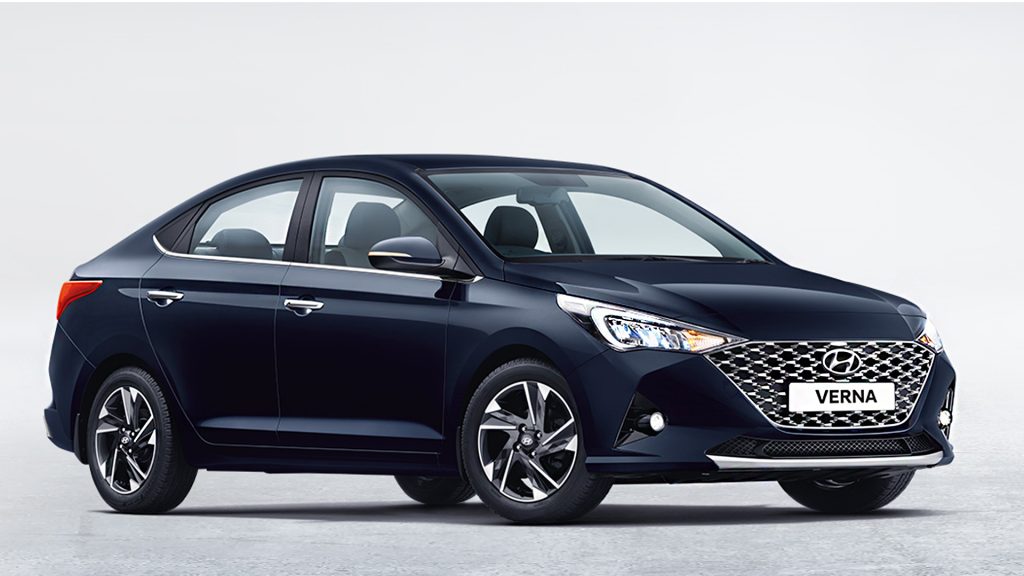
Braking performance is acceptable in normal conditions, but during extended downhill driving, confidence reduces. The pedal feel becomes less reassuring, requiring greater attention to speed control.
The Verna is discussed here to highlight how comfort focused sedans struggle when placed in demanding terrain. It performs well where it is designed to, but mountain cities expose its weaknesses clearly.
3. Toyota Corolla Altis
The Toyota Corolla Altis is known for reliability and long term durability, but mountain city roads reveal a different side of its character. While dependable in nature, its overall setup does not favor steep and uneven environments.
Ground clearance is modest, making broken patches a constant worry. Drivers must approach uneven sections slowly and carefully, which disrupts driving rhythm on hill roads. This issue alone makes daily mountain use tiring.
The engine delivers smooth power but lacks the punch required for confident uphill driving. On steep inclines, acceleration feels subdued, and frequent gear changes are necessary to maintain momentum. This reduces comfort and increases effort behind the wheel.
Suspension tuning prioritizes softness, which works well on flat roads but causes noticeable body roll in mountain conditions. On sharp bends, the car feels less composed, demanding cautious driving rather than confident control.
Steering feedback is light and muted, offering limited communication from the road. On narrow mountain roads where precision matters, this lack of feedback increases driver workload.
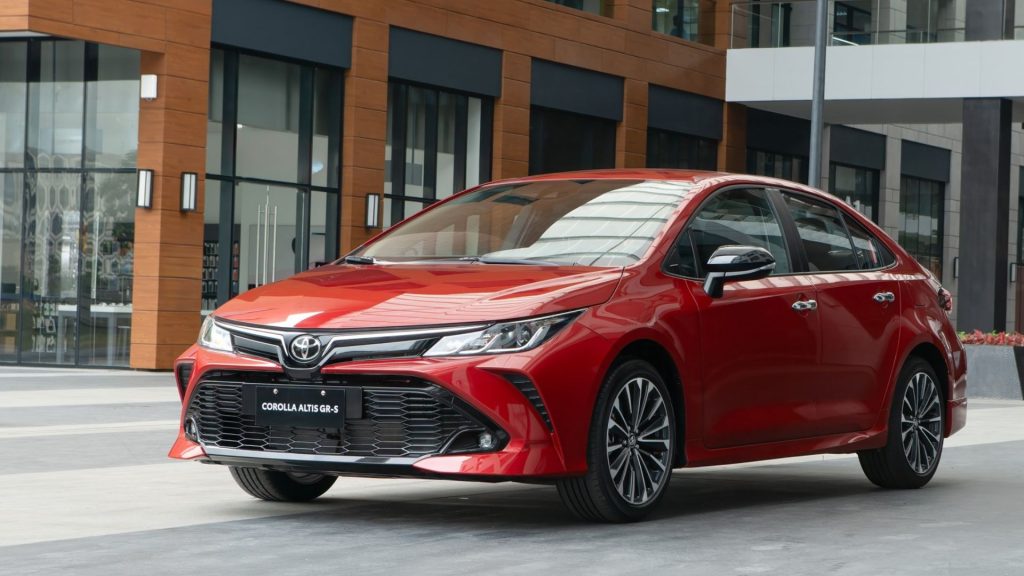
This car is included to show that reliability alone does not define suitability. The Corolla Altis remains a strong urban sedan, but its design does not align with the demands of mountain city driving.
4. Mercedes A Class
The Mercedes A Class is positioned as a premium urban hatchback, and that focus becomes very clear in mountain city conditions. While it offers a refined cabin and strong brand appeal, its overall setup is not well matched to steep, uneven, and narrow hill roads.
Low ground clearance is one of the biggest challenges. Mountain roads often have damaged patches, sudden height changes, and uneven repairs. In the A Class, drivers are forced to move cautiously to avoid scraping, which breaks driving rhythm and increases stress over longer routes.
The suspension is tuned on the firmer side to deliver sharp handling on smooth roads. In mountain environments, this stiffness becomes a drawback. Sharp bumps and broken surfaces are transmitted directly into the cabin, making the ride uncomfortable and reducing confidence on uneven stretches.
Engine performance feels responsive on highways, but in the mountains it lacks relaxed low speed pull. Uphill climbs require more throttle input than expected, and the car does not feel naturally suited to slow, controlled ascent. This makes hill driving feel effortful rather than smooth.
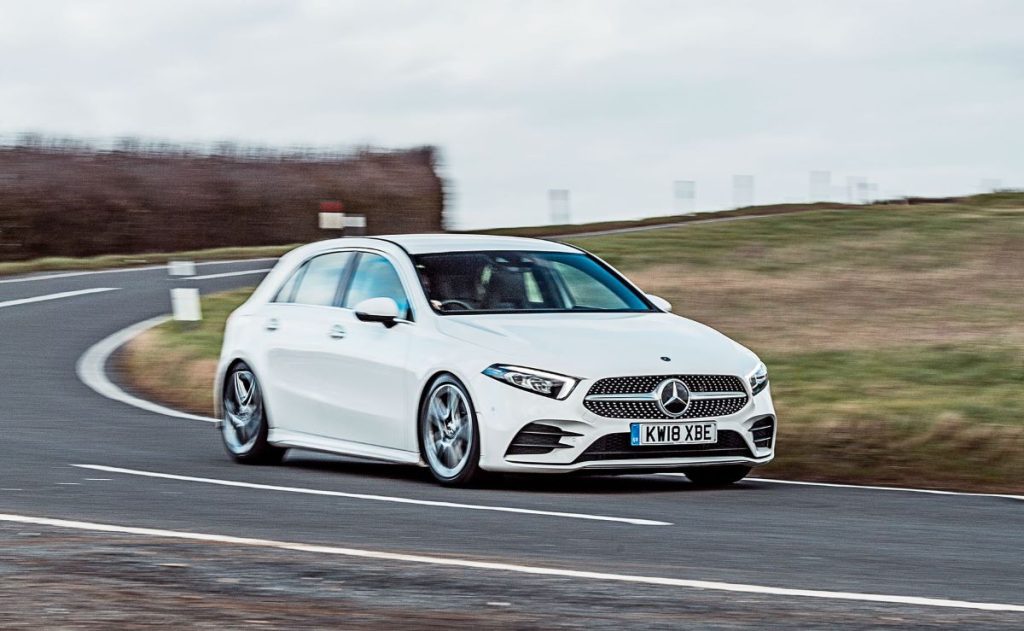
Steering is quick and light, which works well in cities, but on narrow mountain roads it can feel nervous. The lack of relaxed stability increases mental workload during continuous cornering.
This car is included to highlight how premium positioning does not automatically translate into versatility. The A Class excels in urban settings, but mountain city roads expose its mismatched priorities.
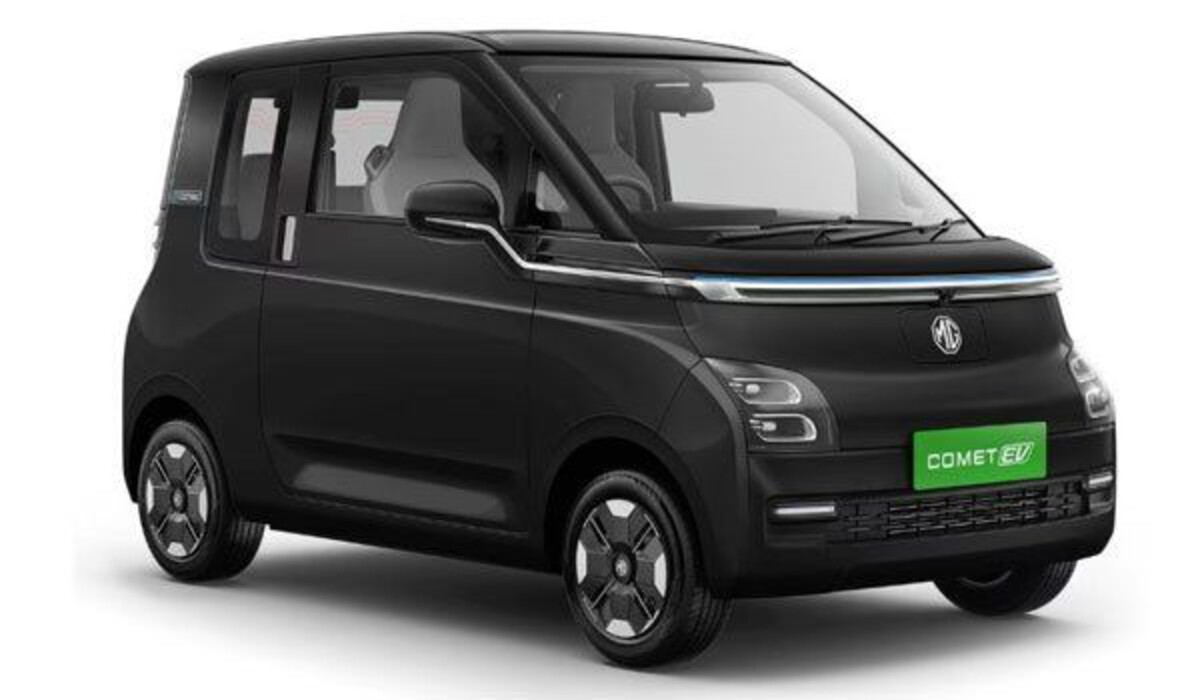
5. MG Comet EV
The MG Comet EV is designed with a very specific purpose in mind, short distance urban commuting. That narrow focus makes it poorly suited for mountain city roads, where demands are far more intense and varied.
Limited ground clearance is a constant issue on uneven hill roads. Broken surfaces, drainage channels, and rough patches force drivers to slow down repeatedly. This becomes tiring and impractical in daily mountain use.
The electric drivetrain delivers instant response in flat cities, but steep climbs quickly drain the battery. Uphill driving reduces range significantly, creating constant range anxiety in regions where charging infrastructure may be limited. This limits the car’s usability beyond very short trips.
Small wheels and a short wheelbase contribute to a choppy ride on uneven roads. Stability suffers on rough surfaces, and the car feels unsettled when the road quality drops. Downhill braking confidence is also limited, requiring extra attention to speed control.
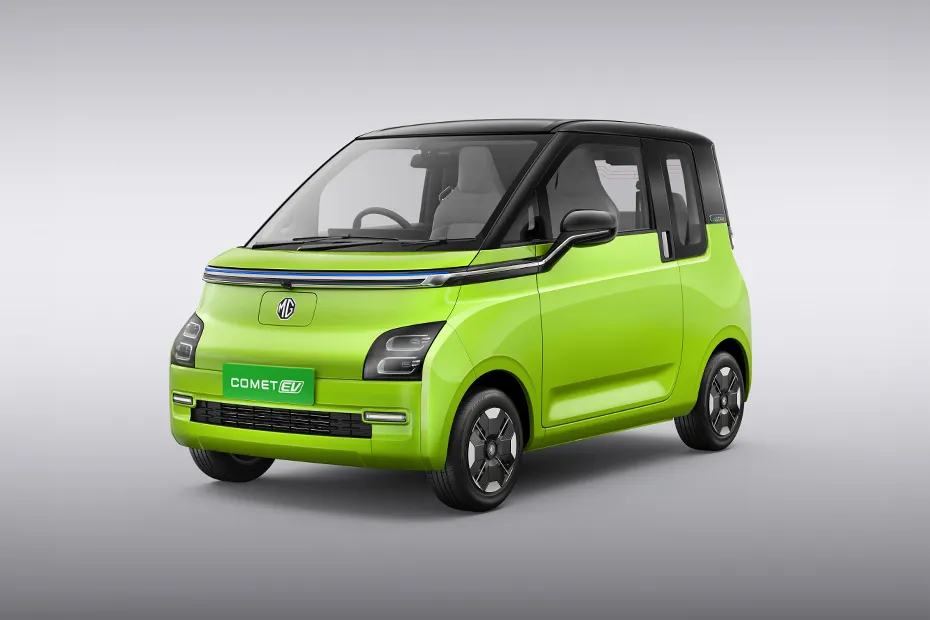
Steering and overall road presence feel light, which reduces confidence on narrow mountain roads shared with larger vehicles. The car feels overwhelmed rather than composed in such environments.
This example is included to show how extreme city focused design can restrict real world versatility. The Comet EV works within its intended space, but mountain cities push it far beyond its comfort zone.
Mountain city driving places unique demands on both the driver and the vehicle. Steep inclines, sharp bends, narrow roads, broken surfaces, and frequent elevation changes quickly expose whether a car is genuinely suited for such conditions.
This article was written to separate vehicles that handle these challenges confidently from those that struggle, helping buyers make more realistic decisions.
The first section focused on cars that handle mountain city roads well. These vehicles share practical strengths rather than flashy specifications. Strong low speed torque allows smooth uphill progress without stressing the engine.
Balanced suspension setups absorb uneven surfaces while maintaining stability through corners. Predictable steering feedback helps with precise wheel placement on narrow roads, and consistent braking performance builds confidence during long downhill stretches.
Cars like the Subaru Forester and Toyota Land Cruiser Prado stand out because they prioritize control and traction. All wheel drive systems, high ground clearance, and stable chassis designs reduce uncertainty on steep and slippery roads.
Vehicles such as the Jeep Compass AWD and Volvo XC60 AWD strike a balance between everyday comfort and mountain capability, making them suitable for drivers who want confidence without excessive ruggedness.
The Suzuki Jimny proves that compact size does not limit ability, offering agility and grip where larger cars can feel cumbersome.
The second section examined cars that struggle in mountain city environments. These vehicles are not bad cars overall, but their design priorities are mismatched to hill driving.
Low ground clearance is the most common issue, forcing drivers to slow down constantly to avoid underbody damage. Engines tuned for efficiency rather than torque feel strained on steep climbs, increasing fatigue and reducing confidence.
Sedans like the Honda City, Hyundai Verna, and Toyota Corolla Altis highlight how urban focused engineering falls short in the mountains. Soft suspensions lead to excessive body movement on sharp bends, while light steering reduces precision on narrow roads.
Premium cars such as the Mercedes A Class show that brand value does not guarantee versatility, as stiff suspensions and low clearance make rough hill roads uncomfortable.
The MG Comet EV demonstrates how extreme city specialization limits usability, with range concerns and stability issues becoming obvious on steep terrain.
Overall, the article emphasizes that mountain driving demands specific strengths. Choosing a car suited to hill conditions reduces stress, improves safety, and makes daily driving more enjoyable.
Matching the vehicle to the environment is more important than following trends or brand perception. In mountain cities, capability and control always matter more than image.
Also Read: 5 Hybrids That Excel in Stop-and-Go Traffic vs 5 That Don’t
