
Naturally aspirated engines have long been admired for their simplicity, reliability, and direct connection between throttle input and power delivery.
Without turbochargers or superchargers adding complexity, these engines often rely on strong internal components, careful engineering, and balanced design to achieve both performance and longevity.
Over the decades, certain naturally aspirated engines have earned legendary reputations for lasting hundreds of thousands of kilometers with proper maintenance.
Extreme longevity does not happen by accident. It comes from overbuilt blocks, conservative tuning, efficient cooling systems, and engineering philosophies that prioritize durability as much as power.
Many of these engines were designed during eras when manufacturers focused heavily on mechanical robustness, sometimes building components strong enough to handle far more stress than they would ever see in normal use.
Another key factor is consistency. Naturally aspirated engines generally run cooler and under less pressure than forced induction engines, reducing wear over time. Their predictable power delivery also means drivers are less likely to stress them with sudden surges of torque.
This combination of mechanical simplicity and balanced performance helps many of these engines achieve lifespans that surprise even seasoned mechanics.
The engines on this list are not just long lasting by reputation. They are known for regularly reaching very high mileage while still delivering smooth performance and reliability. Found in vehicles ranging from family sedans to performance icons, they have become benchmarks for durability.
Here are ten naturally aspirated engines famous for extreme longevity and the engineering choices that made them so durable.
Also Read: 10 German Sedans Engineered to Go Half a Million Miles
1. Toyota 2JZ GE
The Toyota 2JZ GE is widely known as the naturally aspirated sibling of the famous turbocharged 2JZ GTE, but it has earned its own reputation for incredible durability. Built with a strong iron block and robust internal components, this inline six was designed to handle long term use with minimal stress.
One of the reasons for its longevity is the conservative factory tuning. Without turbocharging, the engine operates under lower pressures and temperatures, which reduces internal strain. This allows components such as pistons, rods, and bearings to last significantly longer when maintained properly.
The engine’s smooth power delivery also plays a role. Its inline six configuration provides excellent balance, reducing vibrations that can contribute to wear over time. This smoothness not only improves driving comfort but also supports long term reliability.
Cooling and oiling systems were carefully designed to handle extended operation. Efficient heat management helps prevent overheating, which is one of the main causes of premature engine wear. Regular oil changes and basic maintenance often allow these engines to exceed very high mileage.
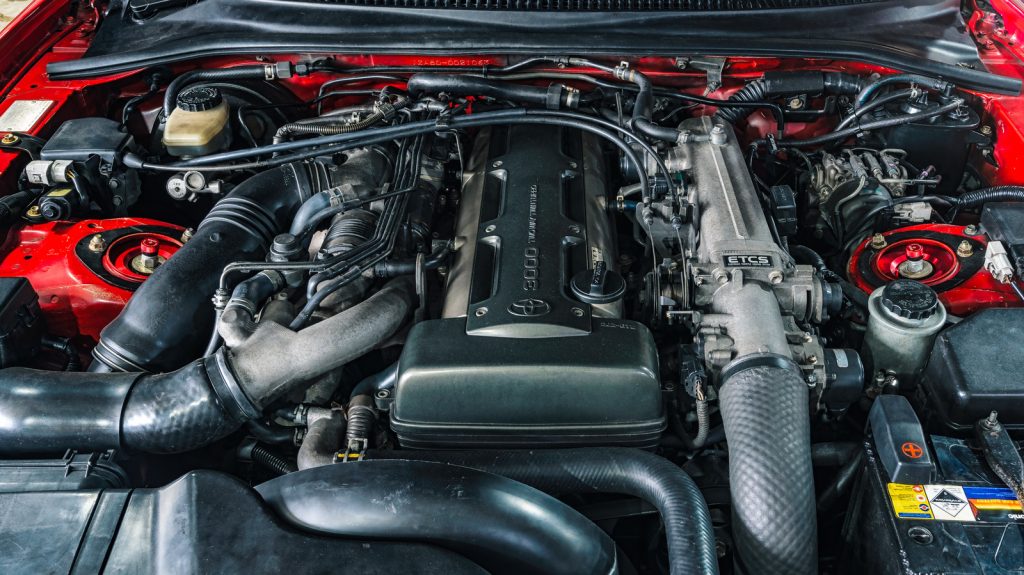
Another advantage is the engine’s relatively simple design. Without complex forced induction systems, fewer components can fail. This simplicity makes it easier to maintain and repair, further extending its usable life.
Many examples of the 2JZ GE have been known to surpass extremely high mileage figures while still running smoothly. It became a favorite not just for performance builds but also for daily drivers who valued reliability.
The 2JZ GE stands as a prime example of how strong construction, balanced engineering, and conservative design can create a naturally aspirated engine that lasts for decades with proper care.
2. Honda K20
The Honda K20 is one of the most respected modern naturally aspirated four cylinder engines, known for both performance and durability. Its aluminum construction, precise engineering, and advanced valve timing system allow it to deliver strong power while remaining reliable over long periods.
A key factor in the K20’s longevity is Honda’s attention to internal balance and efficiency. The engine is designed to rev freely, but its components are built to handle high engine speeds without excessive wear. Strong internals and efficient oil circulation help protect moving parts even under spirited driving.
The variable valve timing system improves both efficiency and performance, allowing the engine to operate smoothly across different conditions. This reduces strain during normal driving while still delivering excitement when pushed harder.
Cooling efficiency is another strength. The K20’s design ensures stable operating temperatures, which is essential for long term durability. Engines that avoid overheating are far more likely to maintain tight tolerances and proper lubrication over time.
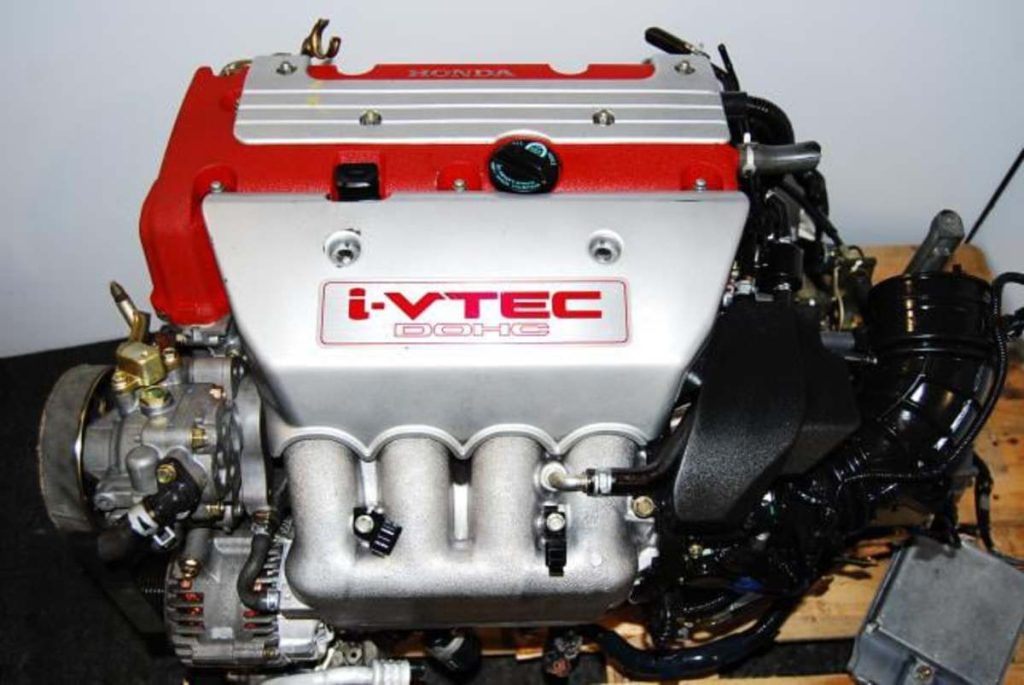
Maintenance friendliness also contributes to its reputation. Routine service is straightforward, and parts availability is strong. This encourages owners to keep up with proper care, which is essential for long engine life.
Many K20 powered cars have accumulated very high mileage while still maintaining strong performance. The engine’s combination of lightweight design, high revving character, and mechanical robustness has made it a favorite among both enthusiasts and everyday drivers.
The Honda K20 proves that a modern, high performance naturally aspirated engine can also be exceptionally long lasting when designed with precision and durability in mind.
3. Mercedes Benz OM606
The Mercedes Benz OM606 is a naturally aspirated and turbocharged capable diesel inline six known for extreme durability. In its naturally aspirated form, it became famous for longevity, often running for enormous distances with proper maintenance.
Built with a strong iron block and durable internal components, the OM606 was engineered to withstand heavy use. Diesel engines naturally operate at lower revs and are built to handle high compression, which contributes to long service life when properly maintained.
The engine’s smooth inline six configuration reduces vibration and mechanical stress. Combined with robust construction, this helps components last longer than in many lighter duty engines.
Fuel system design also plays a role. Mechanical injection systems in earlier versions are simple and reliable, with fewer electronic components to fail. This simplicity makes the engine easier to maintain over long periods.
Cooling and lubrication systems were designed for sustained operation, which is important in diesel applications where engines often run for long hours. Proper oil changes and cooling system care allow these engines to achieve extremely high mileage.
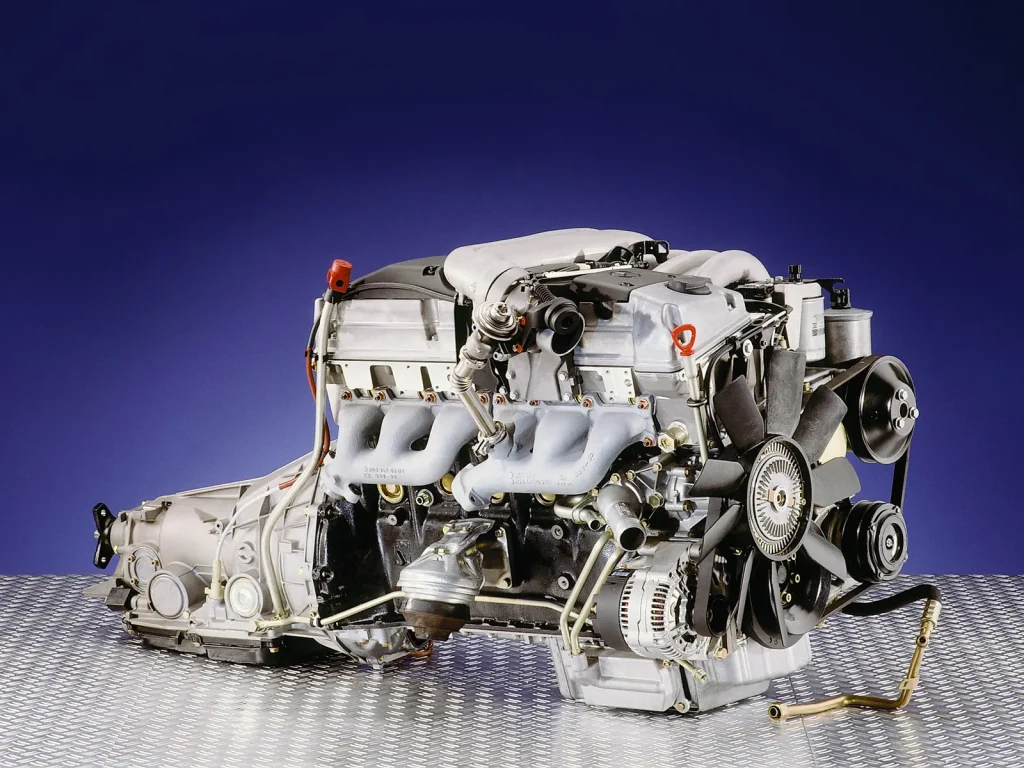
The OM606 earned a reputation in both passenger cars and other applications for reliability under tough conditions. Many examples have been known to run for hundreds of thousands of kilometers while still performing reliably.
This engine demonstrates how heavy duty construction and conservative engineering can produce a naturally aspirated powerplant capable of truly exceptional longevity.
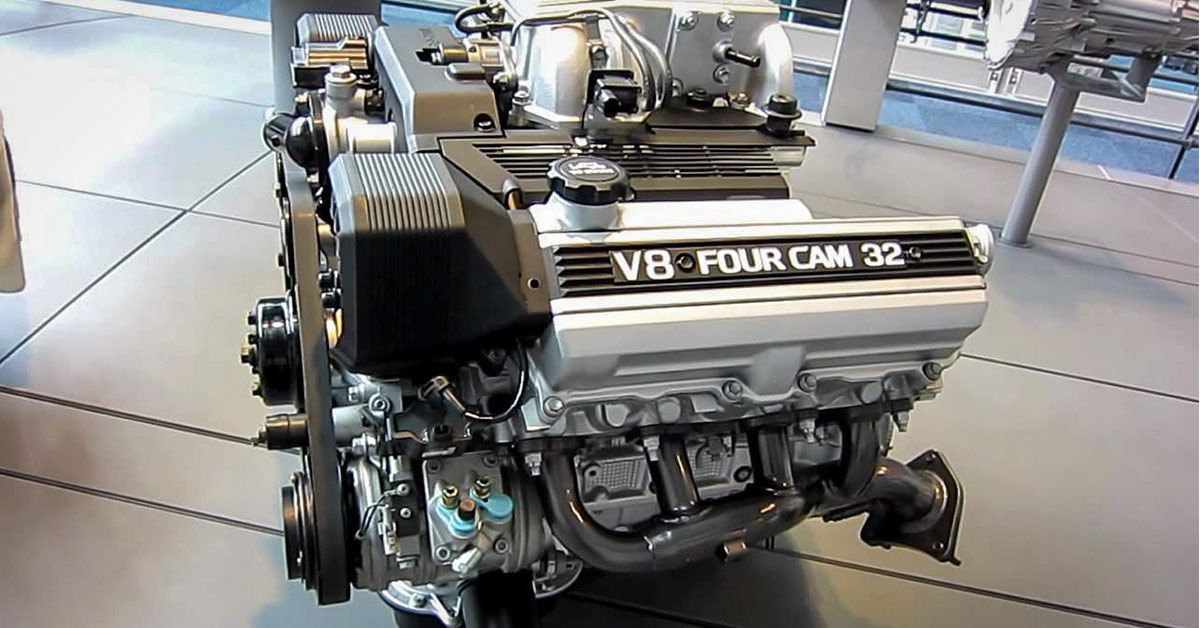
4. Toyota 1UZ FE
The Toyota 1UZ FE is a V8 engine that earned a reputation for being nearly indestructible under normal use. Introduced in luxury sedans, it was engineered with a focus on smoothness, quiet operation, and long term reliability rather than extreme performance figures.
One of its greatest strengths lies in its construction quality. The engine features a strong block, durable internals, and tight manufacturing tolerances. Toyota designed it to deliver years of dependable service with minimal issues, and many examples have exceeded very high mileage while remaining mechanically sound.
Balance and smoothness play a key role in its longevity. As a well engineered V8, it produces minimal vibration, which reduces long term stress on engine components and surrounding systems. This contributes not only to comfort but also to durability.
Cooling and lubrication systems were designed with generous capacity and efficiency. Proper oil circulation and stable operating temperatures help prevent excessive wear. Owners who follow regular maintenance schedules often find these engines remain healthy far beyond typical expectations.
The 1UZ FE was also relatively unstressed in factory form. Power output was strong but not pushed to the limits of the hardware. This conservative approach allowed internal components to operate well within their design margins, extending service life.
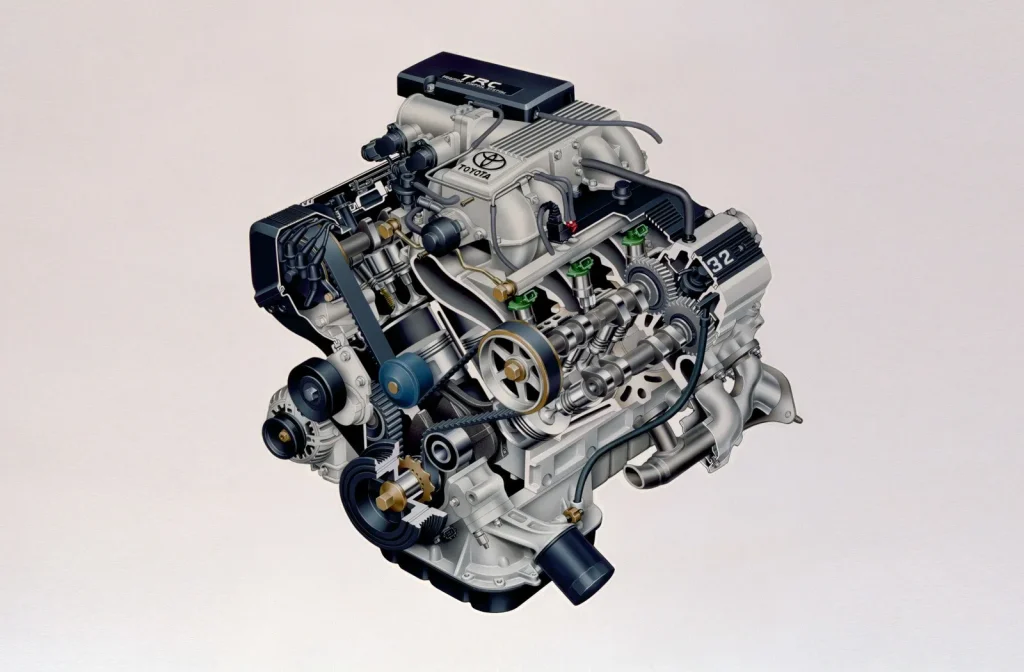
Another advantage is its straightforward design. While advanced for its time, it avoided unnecessary complexity that might compromise reliability. This made it easier to maintain and repair over long ownership periods.
The 1UZ FE stands as a benchmark for durable luxury engines. Its combination of refined performance and long term reliability has made it one of the most respected naturally aspirated V8 engines ever produced.
5. BMW M54 Inline Six
The BMW M54 inline six is well known for delivering a balance of performance, smoothness, and durability. Used in a wide range of BMW models, it became a favorite among drivers who appreciated its refined character and long lasting design.
As an inline six, the M54 benefits from natural mechanical balance. This reduces vibration and internal stress, which helps extend the life of bearings, mounts, and other components. Smooth operation is a key factor in engine longevity.
The engine was built with quality materials and careful engineering. Its aluminum construction helped reduce weight, while strong internal components ensured it could handle years of use without major mechanical issues when properly maintained.
Cooling system design plays an important role in its durability. Stable operating temperatures are critical for long engine life, and when the cooling system is kept in good condition, the M54 tends to remain reliable over high mileage.
Power delivery is another advantage. The engine provides smooth, linear acceleration without extreme stress spikes. This predictable behavior reduces wear compared to engines that produce sudden surges of torque.
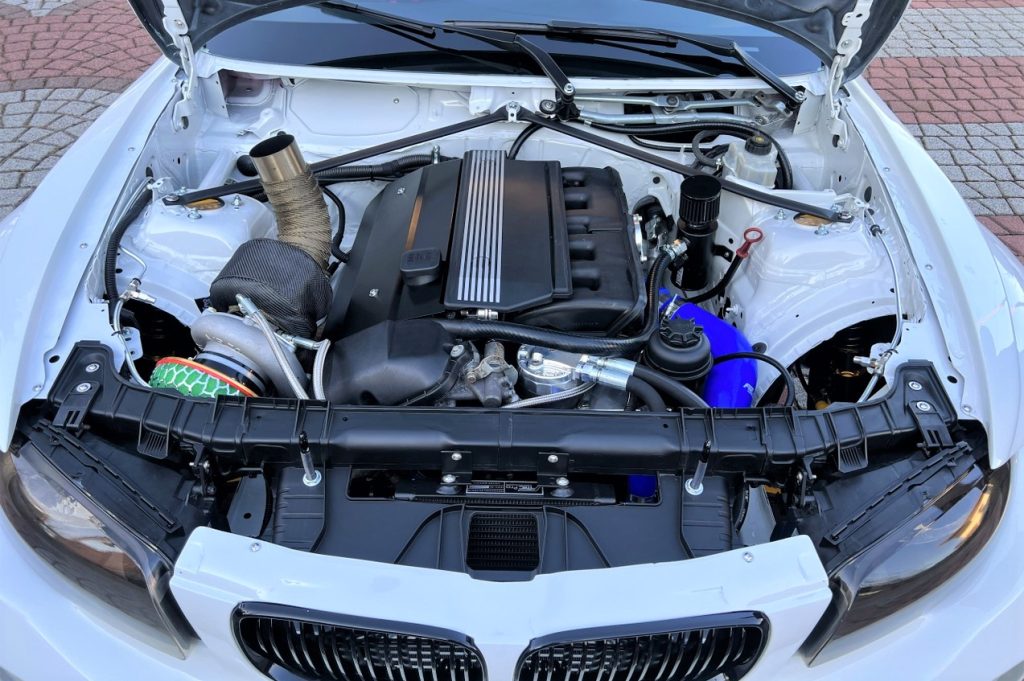
Routine maintenance is relatively straightforward, encouraging owners to keep up with service intervals. Regular oil changes and attention to cooling components often allow these engines to surpass impressive mileage figures.
The M54 became known as one of BMW’s most dependable modern inline six engines. Its blend of smooth performance and long term reliability makes it a strong example of a naturally aspirated engine built to endure.
6. Honda J35 V6
The Honda J35 V6 is a naturally aspirated engine that gained widespread respect for its durability across a range of vehicles, from family sedans to larger SUVs. Designed for smooth, dependable performance, it has proven capable of running for very long periods with proper care.
One of the reasons for its longevity is Honda’s conservative engineering approach. The engine is tuned to provide strong but manageable power, ensuring that internal components are not constantly pushed to their limits. This helps reduce long term wear.
The J35 also benefits from efficient cooling and lubrication systems. Maintaining stable temperatures and consistent oil flow is critical for preserving internal components, and this engine’s design supports both effectively.
Its V6 configuration provides a good balance between power and smoothness. Reduced vibration compared to many four cylinder engines helps minimize stress on internal parts, contributing to extended service life.
The engine’s variable valve timing system improves efficiency and performance without significantly increasing mechanical strain. This allows it to deliver responsive power while maintaining reliability.
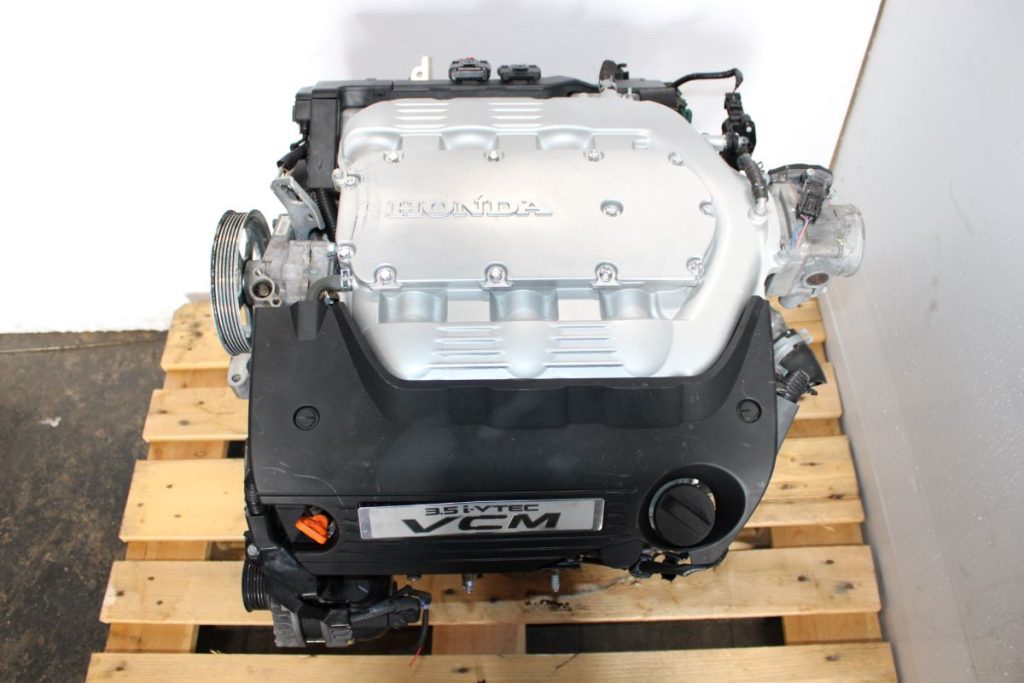
Many vehicles equipped with the J35 have accumulated very high mileage while still operating smoothly. Owners who follow regular maintenance schedules often find the engine remains dependable well beyond typical expectations.
The Honda J35 demonstrates how thoughtful design and balanced performance can produce a naturally aspirated engine known for exceptional longevity in everyday use.
7. Volvo B230 Redblock
The Volvo B230, often called the Redblock, is one of the most durable four cylinder engines ever produced. Known for its strong construction and simple design, it became famous for surviving extremely high mileage with proper maintenance.
Built with a sturdy iron block and robust internal components, the B230 was designed to handle long term use under a variety of conditions. Its conservative tuning meant it rarely operated under excessive stress, which helped extend its lifespan.
Simplicity is one of its greatest strengths. With a straightforward design and minimal complexity, fewer parts can fail. This makes it easier to maintain and repair, which further supports long service life.
The engine’s torque focused character allows it to move vehicles effectively without needing to be revved aggressively. Lower average engine speeds reduce wear over time, especially in everyday driving.
Cooling and lubrication systems were designed for reliability. Proper maintenance of these systems allows the B230 to maintain stable operating conditions, which is crucial for longevity.
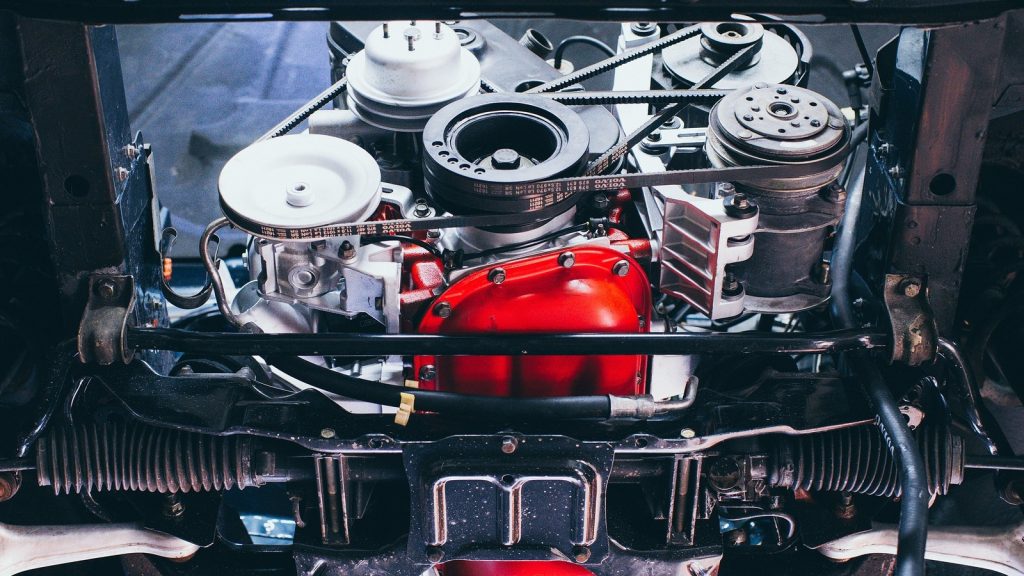
Many examples of this engine have been known to exceed remarkable mileage figures while still running reliably. It earned a reputation for being able to handle neglect better than many modern engines, though proper care always improves outcomes.
The Volvo B230 Redblock stands as a symbol of old school durability. Its rugged construction and simple engineering have made it legendary among drivers who value engines built to last.
8. Lexus 2GR FE V6
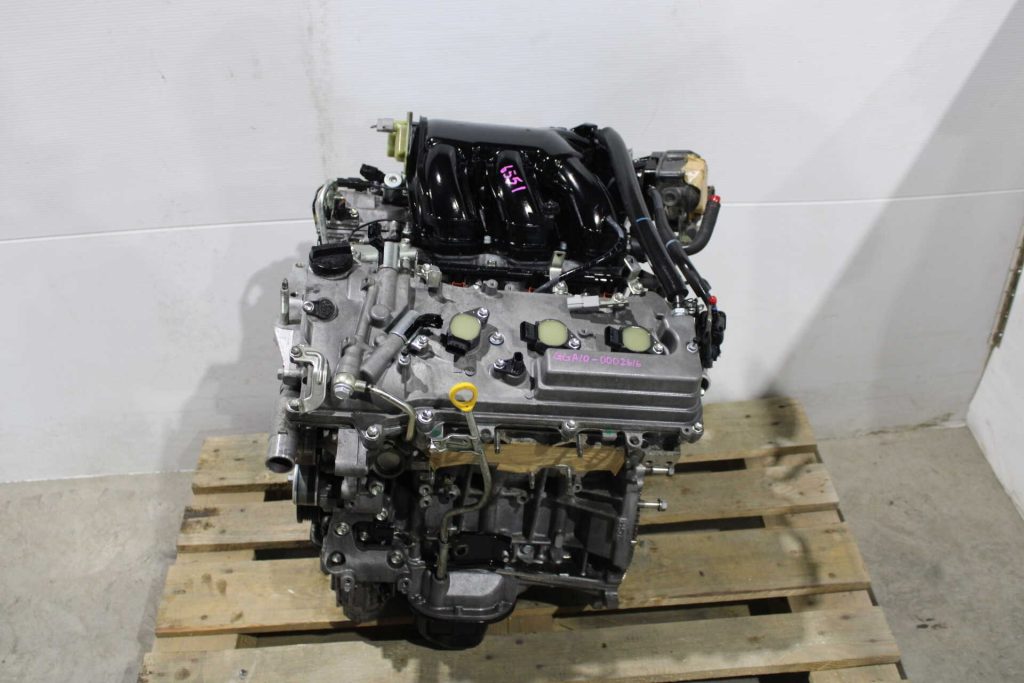
The Lexus 2GR FE is one of the most respected modern naturally aspirated V6 engines when it comes to long term durability.
Used across a wide range of Lexus and Toyota models, this engine was designed to balance smooth performance, efficiency, and reliability over many years of use. Its reputation for reaching very high mileage without major internal issues has made it a benchmark in the segment.
One of the key reasons for the 2GR FE’s longevity is its robust construction. Although built with an aluminum block to reduce weight, it features strong internal components designed to handle sustained use. The engine was engineered with tight tolerances and high quality materials, helping it maintain consistent performance even as mileage climbs.
Heat management plays a major role in engine life, and the 2GR FE excels here. Its cooling system is efficient and well designed, allowing the engine to maintain stable operating temperatures under a variety of driving conditions.
Preventing overheating is critical for preserving gaskets, seals, and internal metal surfaces, and this engine benefits greatly from that stability.
The power delivery is another factor in its durability. The 2GR FE produces strong but predictable torque without sudden spikes. This smooth, linear performance reduces mechanical shock on internal parts such as connecting rods and bearings. Drivers can access confident acceleration without placing extreme stress on the engine.
Variable valve timing helps optimize efficiency and combustion, allowing the engine to run cleanly and smoothly across different speeds. Because the system is well integrated and not overly complex, it does not significantly compromise long term reliability when properly maintained.
Routine maintenance is straightforward, and the engine responds well to consistent oil changes and cooling system care. Many vehicles equipped with the 2GR FE have surpassed very high mileage while still running quietly and smoothly, often with only routine servicing.
The 2GR FE proves that modern naturally aspirated engines can still be built for the long haul. Its combination of smooth performance, solid engineering, and dependable design has made it one of the most durable V6 engines of the last two decades.
9. Ford 4.6 Liter Modular V8
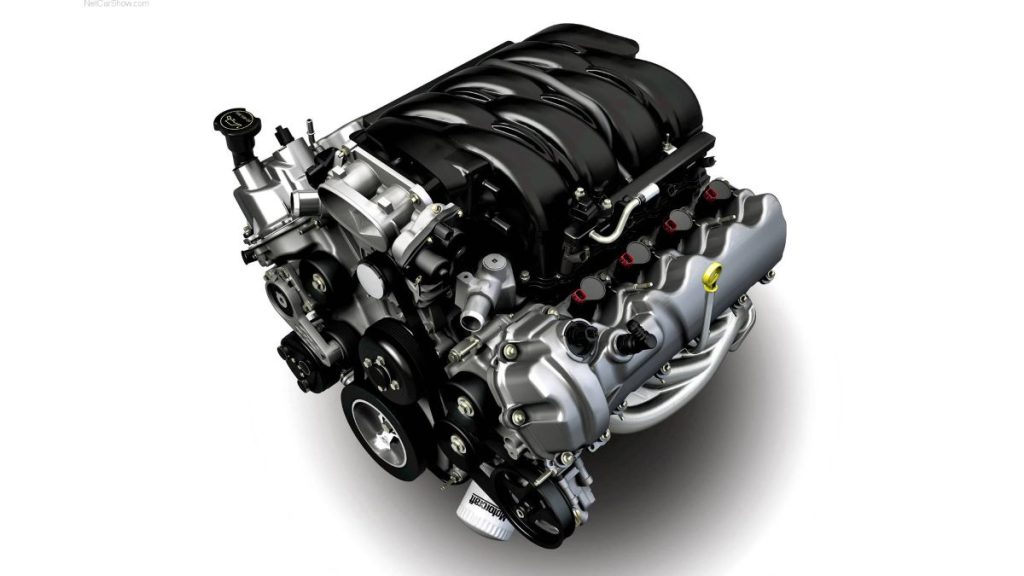
The Ford 4.6 liter Modular V8 became one of the most widely used and long lasting naturally aspirated V8 engines in modern automotive history. Found in everything from sedans to trucks, it built a reputation for dependable service and the ability to accumulate very high mileage with proper care.
Durability starts with its design philosophy. The engine was built to handle a wide range of operating conditions, from daily commuting to heavy duty use in larger vehicles. Strong internal components and a conservative state of tune meant it rarely operated near its mechanical limits.
The V8 layout provides good balance and smooth operation, which reduces vibration and stress over time. Lower vibration levels help extend the life of engine mounts, bearings, and other components that are sensitive to constant movement and shock.
Cooling system design was also important. Stable temperatures are crucial for engine longevity, and the 4.6 liter Modular V8 was engineered to maintain reliable thermal control in different environments. Preventing overheating protects internal surfaces and reduces long term wear.
Power delivery is steady and predictable. Rather than chasing extreme output, the engine focuses on usable torque and smooth acceleration. This balanced approach means drivers can rely on strong performance without placing excessive strain on the engine’s internals.
Another advantage is its relatively simple naturally aspirated configuration. Without forced induction systems adding extra pressure and heat, the engine operates in a less stressful environment. This simplicity contributes to its long service life.
Many examples of the 4.6 liter Modular V8 have reached very high mileage in fleet use, taxis, and private ownership. With regular oil changes and basic maintenance, it has proven capable of delivering years of reliable performance.
This engine stands as a strong example of how practical engineering and moderate tuning can create a naturally aspirated V8 known for exceptional longevity.
10. Subaru EJ22
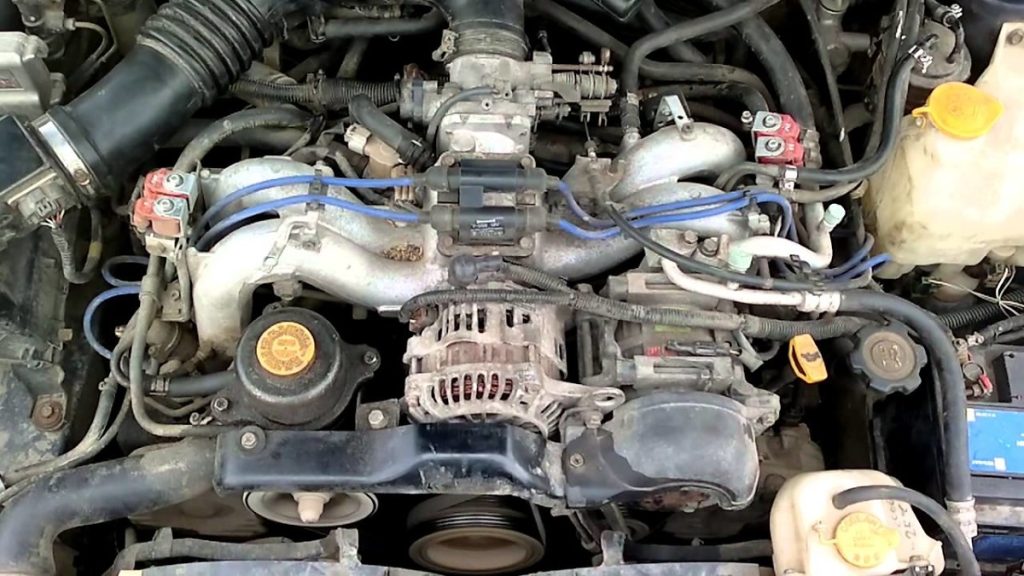
The Subaru EJ22 is widely regarded as one of the most durable naturally aspirated boxer engines ever built. Used in a variety of Subaru models, it became known for its ability to handle high mileage and tough driving conditions while maintaining dependable performance.
One of the biggest reasons for its longevity is its simple and robust design. Compared to later versions, the EJ22 avoided excessive complexity. Its straightforward construction and conservative tuning helped ensure internal components were not constantly pushed to their limits.
The boxer layout provides a low center of gravity and good balance, which reduces vibration and helps minimize mechanical stress. Smooth operation contributes to long term durability by protecting bearings, seals, and other moving parts from excessive wear.
Cooling efficiency is another strength. Stable engine temperatures are essential for preventing warping and gasket failures. The EJ22’s design helps maintain consistent cooling, which plays a major role in its long lifespan.
Power output was moderate, focusing on reliability rather than extreme performance. This allowed the engine to operate comfortably within its design parameters, which is a key factor in long term engine health.
Maintenance is generally straightforward, and the engine responds well to regular oil changes and cooling system care. Many EJ22 powered vehicles have been known to exceed very high mileage while still running reliably, earning the engine a loyal following.
The Subaru EJ22 shows how thoughtful engineering and mechanical simplicity can create a naturally aspirated engine that stands the test of time. Its reputation for longevity makes it one of the most respected durable engines in Subaru’s history.
Naturally aspirated engines have long earned respect for their mechanical simplicity, balanced performance, and ability to deliver remarkable longevity when properly maintained.
Without the added stress of turbochargers or superchargers, these engines often operate under lower internal pressures and temperatures, which helps reduce wear over time.
The result is a group of powerplants that have built reputations not just for how they perform when new, but for how well they continue to perform after years and even decades of use.
A common theme among these long lasting engines is conservative engineering. Manufacturers often designed them with strong internal components, efficient cooling systems, and tuning that prioritized reliability over maximum output.
By avoiding extreme power levels from the factory, these engines were able to operate comfortably within their mechanical limits, extending the life of critical parts such as pistons, bearings, and valvetrain components.
Smoothness and balance also play a major role. Inline six and V8 configurations, along with well designed V6 and boxer layouts, help minimize vibration.
Reduced vibration means less long term stress on both internal engine parts and surrounding components, which contributes to durability. Engines that run smoothly tend to age more gracefully, maintaining refinement even at high mileage.
Another important factor is effective heat management. Engines that maintain stable operating temperatures are far less likely to suffer from issues such as warped components or premature gasket wear.
Many of the engines on this list are known for strong cooling systems that help protect them during long periods of operation.
Maintenance friendliness further supports longevity. Engines that are easy to service encourage owners to keep up with oil changes, cooling system care, and routine inspections.
Consistent maintenance is often the difference between an engine that lasts a typical lifespan and one that continues running reliably for hundreds of thousands of kilometers.
These naturally aspirated engines come from a variety of manufacturers and appear in vehicles ranging from family sedans and luxury cars to performance models and practical all wheel drive platforms.
Despite their differences in layout and purpose, they share a reputation for dependability built through years of real world experience.
Together, they highlight an important lesson in automotive engineering. Longevity is not only about strength, but also about balance.
By combining durable construction, thoughtful design, and moderate performance goals, these engines demonstrate how naturally aspirated powerplants can deliver both enjoyable driving and exceptional long term reliability.
Also Read: 10 Luxury Cars With Diesel Engines That Are Actually Cool
