
Tight parking has become one of the biggest daily challenges for modern drivers. As cities grow denser and parking spaces shrink, the ability to park easily now matters just as much as how a car drives.
Hatchbacks are often chosen for city life because they are assumed to be compact and easy to manage. But not all hatchbacks are created equal. Some are genuinely well suited for narrow streets, cramped parking garages, and tight parallel spots.
Others may carry the hatchback label but feel awkward, wide, or long when real-world parking conditions test them.
A hatchback that fits tight parking well usually has a short overall length, good steering lock, and clear visibility. These traits allow drivers to judge distances easily and maneuver confidently in limited space. Parking should feel routine, not stressful.
In cities, drivers park multiple times every day. When a car fits easily, it saves time, reduces anxiety, and lowers the risk of scratches or dents. Over months and years, this convenience adds up to a much better ownership experience.
On the other hand, some hatchbacks struggle in tight parking despite being marketed as practical. They may be wider than expected, have long doors, poor rear visibility, or awkward proportions.
In underground garages or older neighborhoods with narrow streets, these hatchbacks can feel just as frustrating as larger sedans. Drivers may find themselves circling for bigger spots, avoiding certain parking areas, or constantly worrying about curbing wheels and bumping bumpers.
This article compares two groups of hatchbacks. The first group includes five hatchbacks that genuinely fit tight parking and make city life easier. The second group includes five hatchbacks that often do not, either due to size, design, or visibility limitations.
The purpose is practical. Parking is a daily reality, and choosing the right hatchback can turn a stressful routine into a simple task. Understanding which hatchbacks truly work in tight spaces helps buyers make smarter choices for urban living.
Also Read: 5 Electric Cars That Suit Apartment Living vs 5 That Require Home Charging
5 Hatchbacks That Fit Tight Parking
When parking space is limited, the difference between a good hatchback and a frustrating one becomes obvious very quickly. A hatchback that fits tight parking should feel cooperative.
It should respond quickly to steering inputs, provide clear sightlines, and allow the driver to place the car accurately without repeated adjustments. In dense cities, this is not a luxury. It is a necessity.
The best parking-friendly hatchbacks usually have compact dimensions and short overhangs. This means the front and rear of the car do not extend far beyond the wheels, making it easier to judge distances. A tight turning radius is also critical.
It allows the car to slip into narrow spaces without excessive back-and-forth movement. Visibility plays a major role too. A hatchback with large windows and an upright driving position gives drivers confidence when squeezing into tight spots.
I am writing about these five hatchbacks because parking ease has become one of the most valuable qualities in urban ownership. Many drivers underestimate how much stress parking creates until they experience it daily.
A hatchback that parks easily saves time, protects the car from damage, and reduces mental fatigue. Over years of ownership, that convenience matters more than small performance differences.
These vehicles are not chosen because they are flashy or powerful. They are chosen because they solve a real problem. They make parallel parking easier. They fit into older parking garages. They work in crowded residential streets where every inch counts.
The five hatchbacks below consistently feel comfortable in tight parking situations. They represent smart urban design and practical proportions. For drivers who deal with limited parking daily, these hatchbacks feel like the right tools rather than constant compromises.
1. Mini Cooper
The Mini Cooper is one of the best hatchbacks for tight parking because its compact size directly addresses urban space limitations. It is short, narrow, and easy to place, which makes parallel parking and garage parking far less stressful. In many city situations, the Mini can fit into spaces that larger hatchbacks simply cannot use.
I am writing about the Mini Cooper here because it transforms parking from a challenge into an advantage. Its short length allows drivers to slip into tight curbside spots with minimal effort.
The steering is quick, and the turning circle is tight, which reduces the need for repeated adjustments. This is especially valuable in narrow streets where space for maneuvering is limited.
Visibility also helps. The Mini’s upright windshield and relatively large windows make it easier to judge distances. Drivers can see corners more clearly, reducing the fear of bumping into nearby vehicles. This builds confidence, even for drivers who dislike tight parking situations.
Another benefit is door size. The Mini’s doors are manageable in tight parking lots, making it easier to get in and out without hitting neighboring cars. This small detail matters in crowded garages.
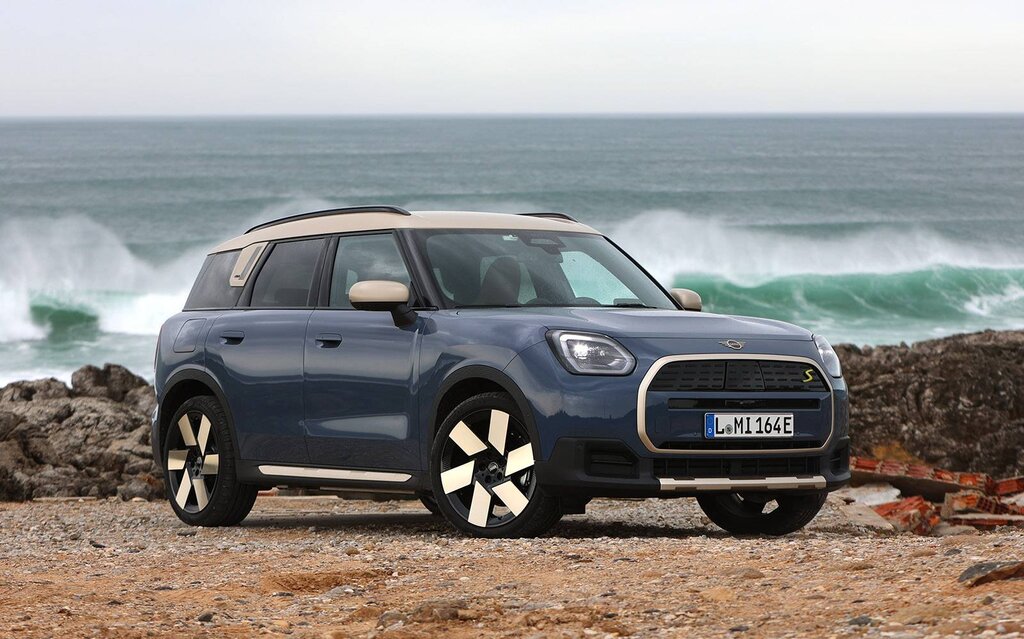
The Mini Cooper belongs on this list because it was designed with city life in mind. It does not just tolerate tight parking. It excels at it. For drivers who regularly deal with cramped spaces, the Mini feels like a smart and intentional choice.
2. Toyota Yaris Hatchback
The Toyota Yaris Hatchback fits tight parking well because it prioritizes compact proportions and simplicity. Its small footprint makes it easy to maneuver in crowded areas, and its light steering helps drivers place it accurately in narrow spots.
I am writing about the Yaris Hatchback because it represents straightforward urban practicality. The car is short enough to fit into tight spaces without forcing the driver to squeeze or overthink. Parallel parking becomes easier because the front and rear overhangs are minimal.
Visibility is another strength. The Yaris provides good outward visibility for its size, allowing drivers to judge distances confidently. In tight parking, this reduces stress and lowers the chance of minor scrapes.
The Yaris also benefits from predictable handling at low speeds. When creeping into a tight garage or curbside spot, the car responds smoothly. This makes fine adjustments easier and more controlled.
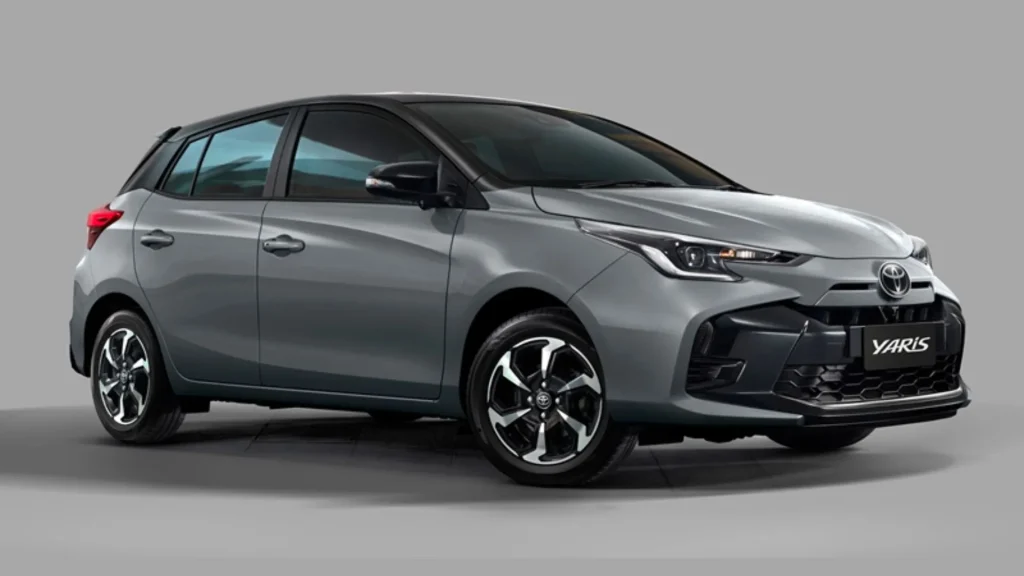
The Yaris Hatchback belongs here because it does not pretend to be something it is not. It is built for efficiency and ease, and tight parking is one of the situations where that philosophy shines most clearly. For drivers who want hassle-free parking every day, the Yaris feels like a natural fit.
3. Honda Fit
The Honda Fit fits tight parking extremely well because it combines compact exterior dimensions with excellent visibility. Despite offering impressive interior space, the Fit remains small and easy to maneuver. This balance is rare and highly valuable in city environments.
I am writing about the Fit here because it proves that practicality does not require size. Its short length and narrow body make it easy to park in tight spots. At the same time, its upright design gives drivers a clear view of their surroundings.
The Fit’s turning radius is another advantage. It allows the car to rotate easily in confined areas, reducing the need for multiple attempts when parking. This is especially helpful in older parking garages with narrow ramps and sharp turns.
Low-speed control is smooth and predictable, which matters when precision is required. Drivers can inch forward or backward without sudden movement. This control builds confidence and reduces parking-related stress.
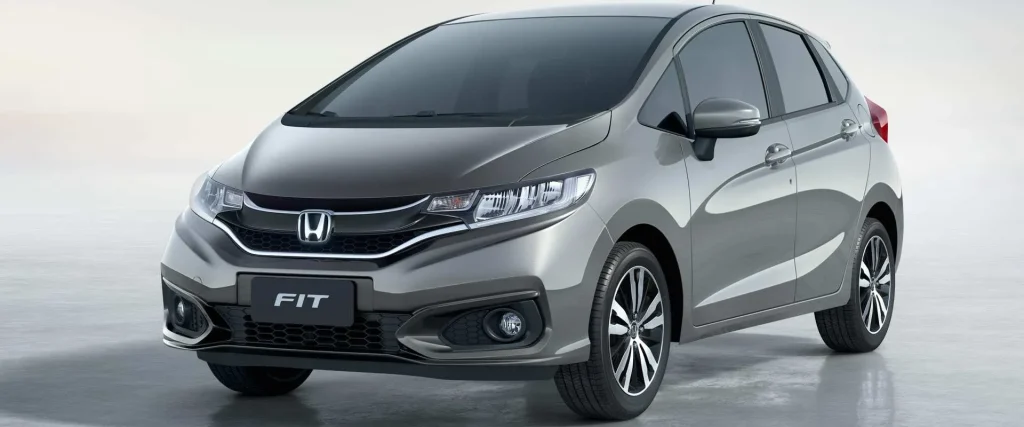
The Honda Fit belongs on this list because it was designed around urban functionality. It fits where others struggle, and it does so without sacrificing daily usability. For drivers who want maximum ease in tight parking, the Fit remains one of the most sensible hatchback choices.
4. Hyundai i10
The Hyundai i10 is well suited for tight parking because it embraces small-car design fully. Its compact body and light steering make it easy to handle in crowded environments.
I am writing about the i10 here because it thrives in exactly the situations that frustrate larger vehicles. Narrow streets, tight curbside spaces, and compact parking garages are all environments where the i10 feels comfortable. Its short length allows it to fit into spots that would challenge many other hatchbacks.
Visibility is good for a car of its size, which helps drivers judge space accurately. The car feels easy to place, reducing the mental load of parking. This is especially helpful for newer drivers or those who park frequently in busy areas.
The i10’s simple design also helps. Without excessive bulk or complex proportions, the car feels honest and predictable. Parking does not require special techniques or constant caution.
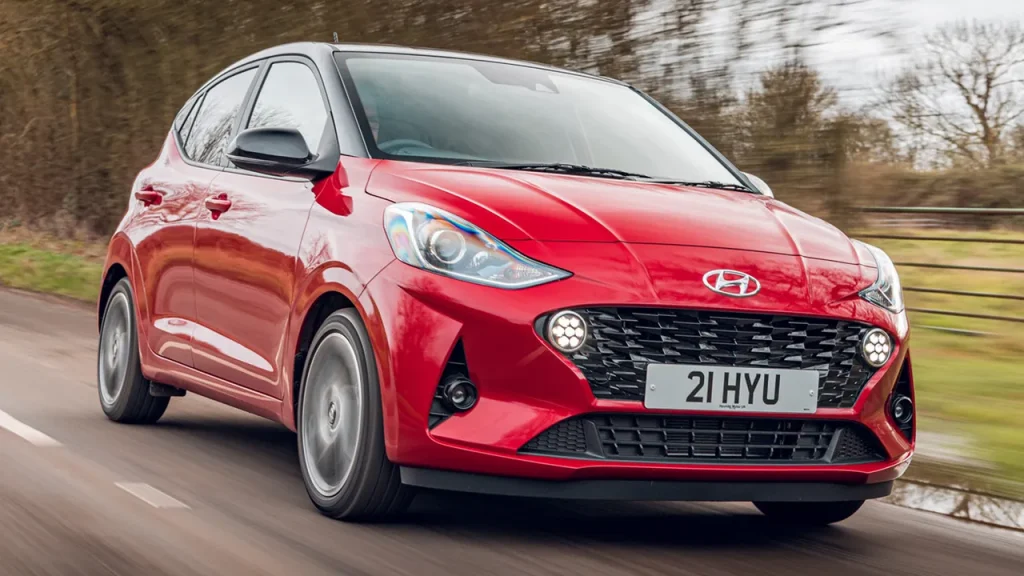
The Hyundai i10 belongs here because it focuses on what matters most in cities: ease. Tight parking is part of daily life, and the i10 handles it naturally, making it a practical urban companion.
5. Volkswagen Polo
The Volkswagen Polo fits tight parking better than many people expect because it balances compact size with refined control. While it feels solid and mature on the road, it remains small enough to maneuver easily in tight spaces.
I am writing about the Polo here because it shows that a hatchback can feel premium without becoming bulky. Its dimensions are city-friendly, and the steering response at low speeds is precise. This makes parking smoother and less stressful.
Visibility is well managed, allowing drivers to judge corners accurately. Combined with predictable handling, this helps when squeezing into narrow spots.
The Polo also benefits from controlled low-speed movement. It responds gently to inputs, which helps drivers make fine parking adjustments. This level of control reduces the risk of accidental bumps.
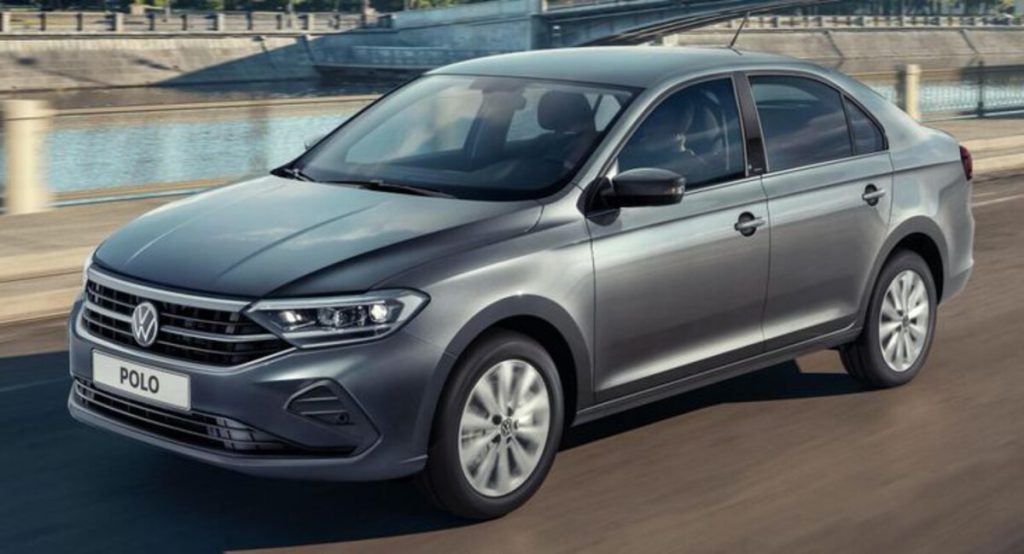
The Volkswagen Polo belongs on this list because it offers parking ease without feeling cheap or flimsy. It proves that refined hatchbacks can still work well in tight urban spaces.
5 Hatchbacks That Don’t Fit Tight Parking
Hatchbacks are often chosen with the assumption that they will automatically suit tight parking conditions. In reality, that assumption does not always hold.
As hatchbacks have grown larger over the years, many now share footprints closer to compact sedans than true small city cars. In dense urban areas, this difference becomes obvious very quickly.
Tight parking exposes weaknesses in length, width, visibility, and steering geometry. A hatchback that feels manageable on the road can suddenly feel awkward when trying to squeeze into a narrow curbside space or an older parking garage with limited clearance.
The hatchbacks in this group are not poorly built or badly engineered. Most are excellent to drive and offer strong comfort, safety, and performance. The problem is suitability.
Tight parking demands specific qualities: short length, narrow width, strong steering lock, clear rear visibility, and doors that do not require excessive space to open.
When a hatchback misses even one of these elements, daily parking can become tiring. Drivers may need multiple attempts, avoid certain parking areas, or constantly worry about bumpers, wheels, and doors.
I am writing about these five hatchbacks because many buyers choose them expecting easy city ownership, only to discover that parking convenience is not their strength. In modern cities, where spaces are shrinking rather than growing, these limitations matter more than ever. Over time, even small parking frustrations accumulate into ownership dissatisfaction.
This section is not about criticizing these vehicles. It is about honest expectations. These hatchbacks can still be great choices for drivers with guaranteed parking space, wider garages, or suburban environments.
But in truly tight parking conditions, they often feel less cooperative than smaller rivals. Understanding these differences helps buyers choose a hatchback that genuinely matches their daily reality rather than just the badge on the tailgate.
1. Volkswagen Golf GTI
The Volkswagen Golf GTI is a well-rounded and highly respected hatchback, but tight parking is not where it feels most comfortable. While it carries the hatchback label, the GTI’s wider stance and sport-focused proportions make it feel bulkier than many people expect.
In crowded city environments, this extra width becomes noticeable immediately. Narrow curbside spaces that smaller hatchbacks slip into easily often feel too tight for comfort in the GTI.
I am writing about the Golf GTI here because it highlights how performance-focused design can work against parking convenience. The GTI is engineered to feel planted and stable at speed, which results in a wider track and larger wheels.
These traits improve driving confidence but reduce margin in tight spaces. Drivers often find themselves paying extra attention to curbs, neighboring cars, and garage walls.
Length also plays a role. While not huge, the GTI’s overall length and front overhang make parallel parking less forgiving. In older neighbourhoods with short parking bays, the car often fits but leaves little room to spare. This increases stress, especially for drivers who park frequently on busy streets.
Door size further complicates matters. The GTI’s doors are longer than those of smaller city hatchbacks. In tight parking lots, opening the door enough to exit comfortably without touching the neighbouring car can be difficult. Over time, this becomes frustrating.
Visibility is decent, but not exceptional. Thick pillars and a sporty seating position reduce the sense of openness that helps with tight parking. Many drivers rely heavily on sensors and cameras, which works well in modern garages but becomes less helpful in older, poorly marked spaces.
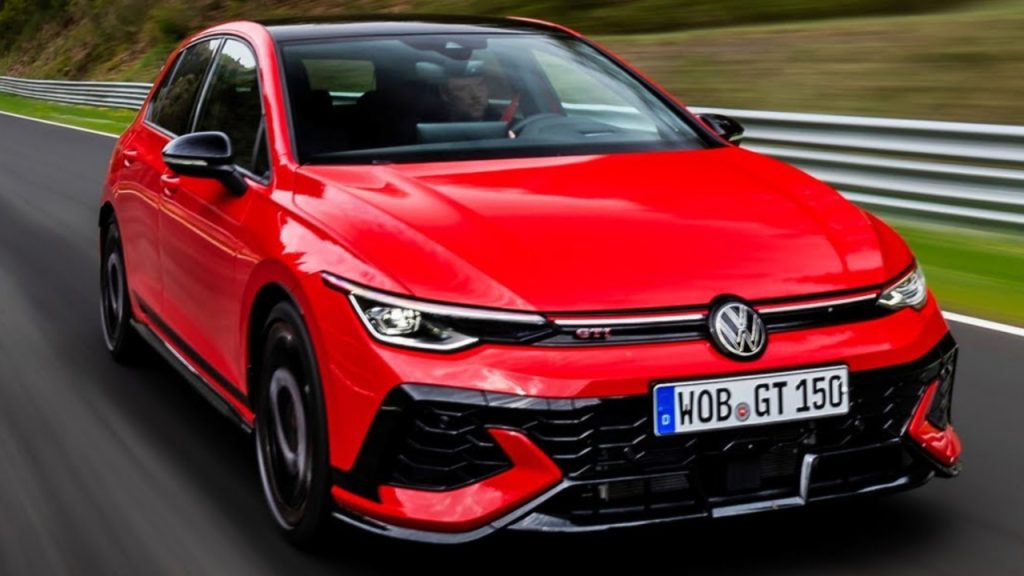
The Golf GTI belongs in this list because it prioritises driving enjoyment over parking ease. It is excellent on the road and rewarding to drive, but in tight parking conditions, it demands more care and patience than smaller hatchbacks. For drivers dealing with extremely limited space daily, it often feels less cooperative than expected.
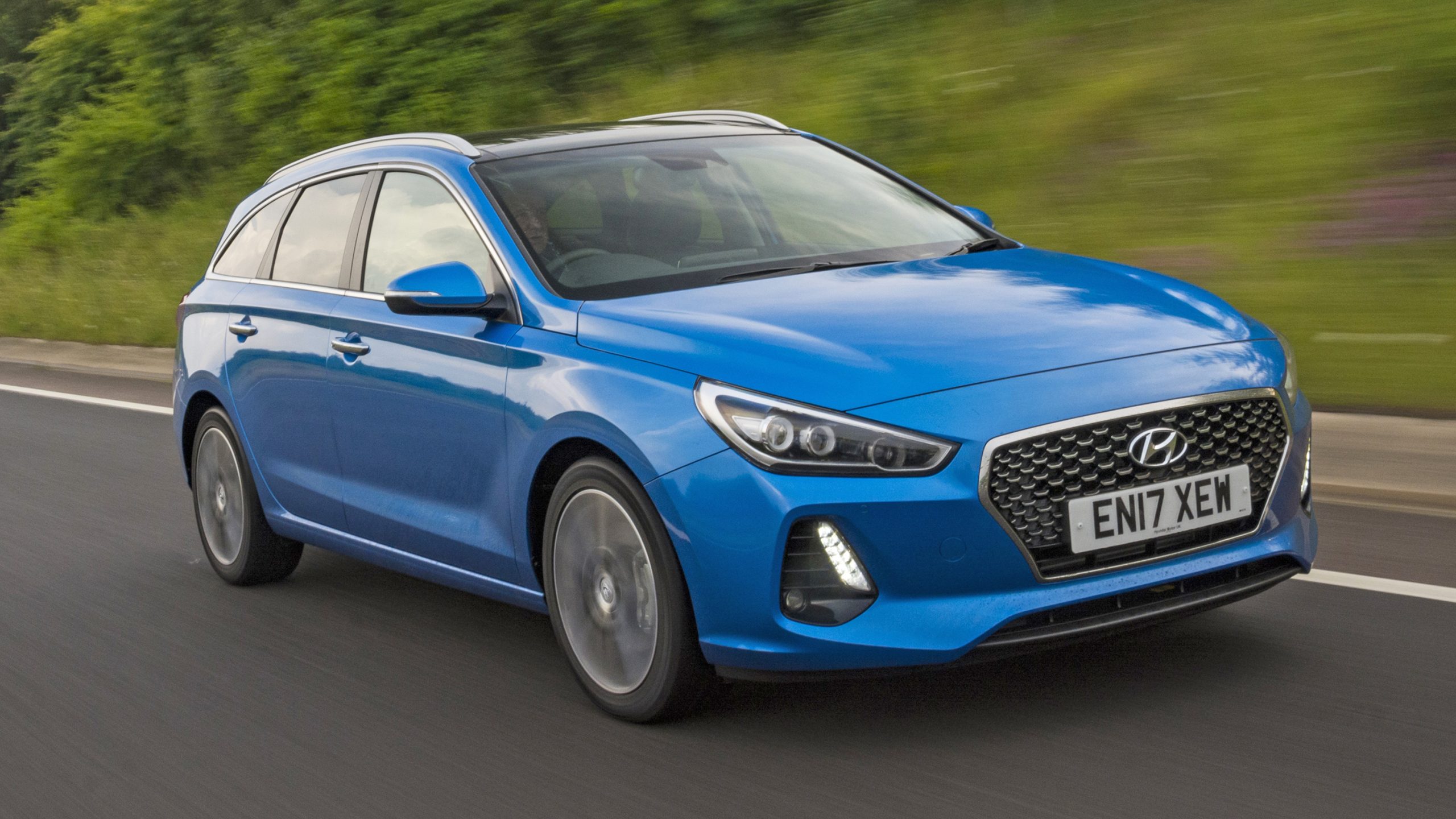
2. Hyundai i30
The Hyundai i30 is a solid, practical hatchback, but tight parking reveals its limitations quickly. Compared to smaller urban hatchbacks, the i30 has a longer body and wider proportions, which reduce flexibility in confined spaces. In cities with narrow streets and compact parking layouts, this extra size becomes a disadvantage.
I am writing about the i30 here because it is often purchased as a do-it-all car. On the road, it feels balanced and comfortable. But parking tells a different story.
Parallel parking usually requires more adjustments than expected, especially when spaces are short. The rear overhang can be difficult to judge, increasing the risk of bumper contact.
Width is another factor. In underground garages with tight lanes, the i30 feels less forgiving. Drivers often slow down significantly to avoid scraping wheels or mirrors. While this is manageable, it adds mental load to daily routines.
Door length also affects usability. In tight parking bays, opening doors without hitting adjacent cars requires careful positioning. This becomes inconvenient in busy residential parking lots where spacing is inconsistent.
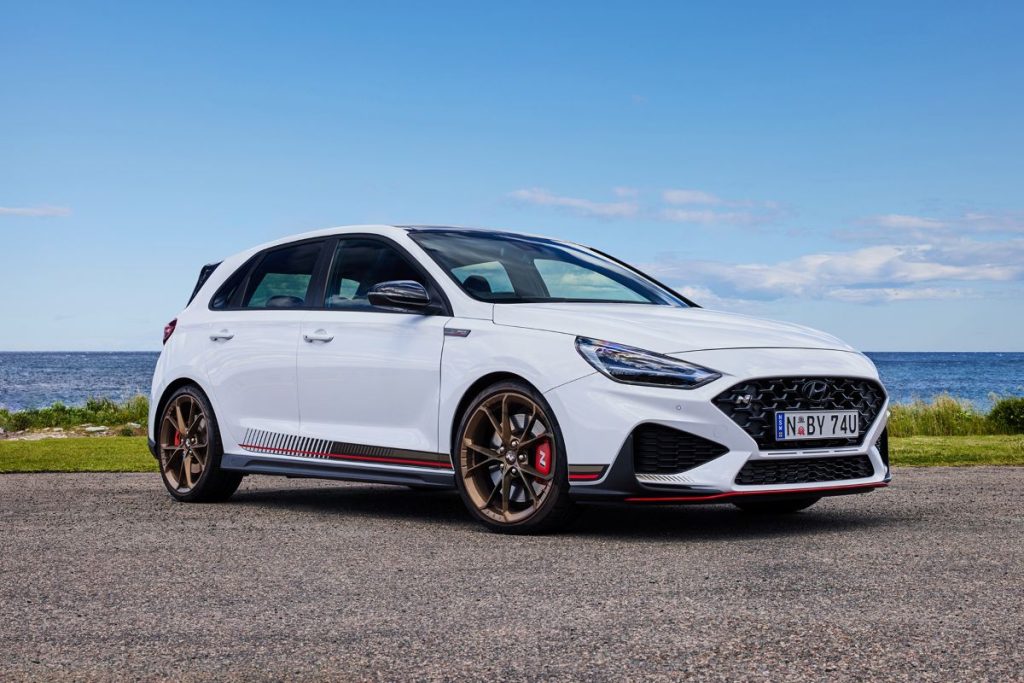
Visibility is acceptable but not ideal for tight maneuvering. The rear window and pillar design limit the driver’s ability to judge distance precisely without electronic assistance. This reliance on sensors can be problematic in environments where markings are unclear or sensors are obstructed by dirt or rain.
The Hyundai i30 belongs in this category because it is more comfortable than compact. That comfort comes at the cost of agility in tight parking.
It suits drivers who have access to larger parking spaces or garages, but often feels oversized in dense urban environments where every centimetre matters.
3. Ford Focus Hatchback
The Ford Focus Hatchback is widely praised for its driving dynamics, but parking ease is not one of its strengths. The Focus feels confident and stable on the road, yet in tight parking situations it requires more effort than smaller hatchbacks.
I am writing about the Focus here because it demonstrates how a driver-focused setup can reduce low-speed convenience. The steering is precise at speed, but at very low speeds it does not feel as light or quick as true city-focused hatchbacks. This makes fine adjustments during parking slightly more demanding.
The turning radius is another limitation. In narrow parking areas, the Focus often needs additional back-and-forth movement to align properly. This may seem minor, but repeated daily, it becomes noticeable.
Rear visibility is also a concern. The hatchback design includes thick rear pillars that reduce the driver’s ability to judge distance accurately. This increases reliance on cameras and sensors, which are helpful but not always perfect in tight, older spaces.
Length plays a role as well. While not excessively long, the Focus occupies more space than many expect. In short curbside spots, it often fits with minimal clearance, leaving little margin for error.
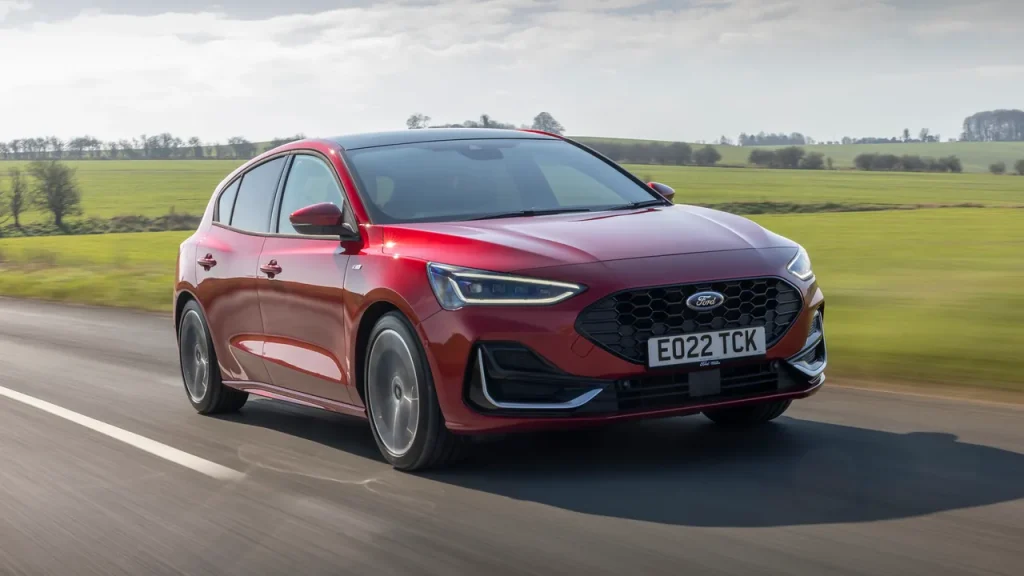
The Focus belongs on this list because it prioritises road behavior over parking agility. It is rewarding to drive, but in tight parking environments, it feels less forgiving. Drivers who value easy daily parking may find it requires more patience than anticipated.
4. Toyota Corolla Hatchback
The Toyota Corolla Hatchback feels compact while driving, but tight parking reveals several compromises. Compared to older small hatchbacks, the Corolla Hatchback has grown wider and longer, which affects maneuverability in confined spaces.
I am writing about the Corolla Hatchback here because it surprises many buyers. On paper, it seems ideal for city use. In reality, parking can feel more stressful than expected. The wider body reduces clearance in narrow spaces, and long doors make tight parking bays inconvenient.
Rear visibility is another challenge. The design prioritizes style, resulting in thick rear pillars and a small rear window. This makes it harder to judge distance when reversing into tight spots. Drivers often depend heavily on cameras, which may not be available or reliable in all conditions.
The turning circle is adequate but not exceptional. In narrow garages or alley-like parking areas, this leads to extra maneuvering. Over time, this adds to daily fatigue.
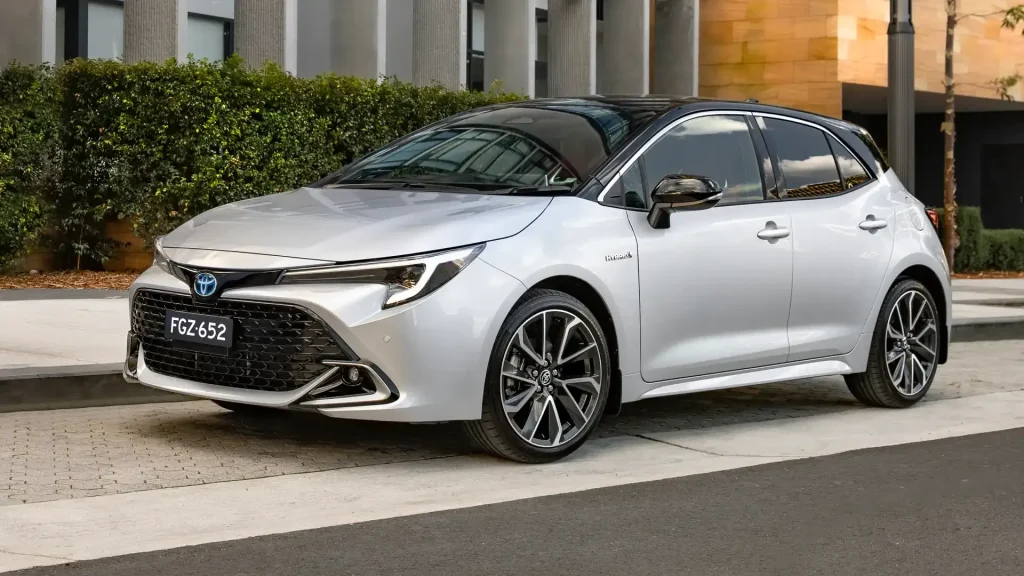
The Corolla Hatchback belongs here because it straddles the line between compact and midsize. That middle position works well on the road but reduces flexibility in tight parking. It is dependable and refined, but not the easiest hatchback to live with in extremely limited space.
5. Mazda3 Hatchback
The Mazda3 Hatchback struggles most in tight parking due to visibility rather than size alone. While its dimensions are reasonable, the design prioritizes style over outward visibility. This creates significant challenges when parking in confined spaces.
I am writing about the Mazda3 Hatchback here because it highlights how design choices affect usability. Thick rear pillars and a sharply sloping rear window severely limit rearward visibility. In tight parking, this forces drivers to rely almost entirely on sensors and cameras.
Judging distances becomes difficult, especially in poorly lit or older parking areas where markings are unclear. Even experienced drivers may feel uncertain when reversing into tight spots.
Door size and body width also play a role. The doors require adequate opening space, and the wide rear quarters reduce clearance margins. In narrow lots, this increases the risk of minor contact.
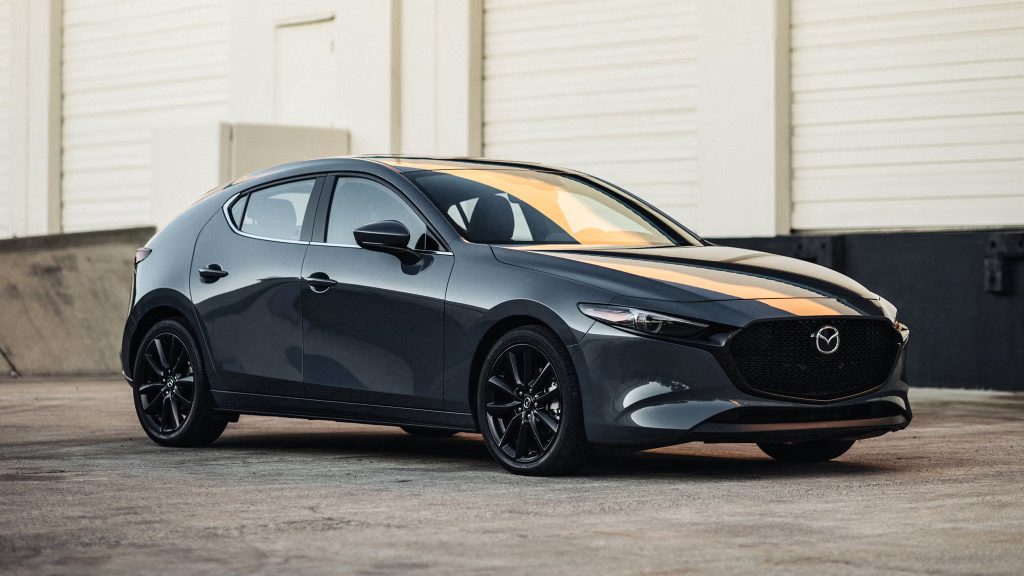
The Mazda3 Hatchback belongs in this list because it sacrifices parking ease for visual appeal. It is beautiful and refined, but tight parking exposes its weaknesses. For drivers dealing with extremely limited parking daily, it often feels less practical than its hatchback label suggests.
