Urban driving places unique demands on a sedan, requiring a careful balance between size, efficiency, comfort, reliability, and practicality for city streets, crowds, traffic lights, tight parking spaces, and commuting patterns that can strain both vehicle and driver when conditions are unforgiving, congested, or unpredictable.
A sedan that makes sense for an urban driver is not chosen merely for performance on a highway or for long‑distance luxury cruising, but rather for its ability to navigate narrow roads, integrate technology that simplifies daily use, offer fuel economy that keeps running costs reasonable, and present a cabin environment that reduces stress rather than adding to it.
Many cars that were once staples on the road have lost relevance for city dwellers because they fail to meet modern expectations for connectivity, safety features, efficiency, or maneuverability, whereas others continue to evolve and maintain their appeal because their manufacturers have invested in upgrades, thoughtful design, and engineering improvements that align with what people really want when they live and work in a city.
The sedans that still make sense for urban drivers tend to be responsive at low speeds, easy to park in compact spaces, and equipped with features that help drivers anticipate and respond to hazards such as pedestrians, cyclists, and aggressive lane changes, all while minimizing fuel consumption and emissions that are often regulated more strictly in metropolitan areas.
Some sedans feel outdated not because they lack history or brand heritage, but because they have lagged in adopting modern safety technology, offer cramped interiors compared to rivals, possess engines that drink too much fuel for city traffic, or have styling and ergonomics that make them less appealing to a generation of buyers accustomed to sleek interfaces and seamless smartphone integration.
As you read about the choices that still make sense and those that feel outdated, you will see what qualities separate a sedan that serves an urban driver well from one that feels like a relic of a past era, and why certain models continue to attract loyal owners in the thick of daily city life while others slowly fade from relevance, relegated to used car lots or the memories of former fans.
The following sections take a closer look at five sedans that align well with the rhythms of urban driving and five that may feel less in tune with modern expectations, offering insight into what keeps a car competitive and what causes it to lose ground.
5 Sedans That Still Make Sense for Urban Drivers
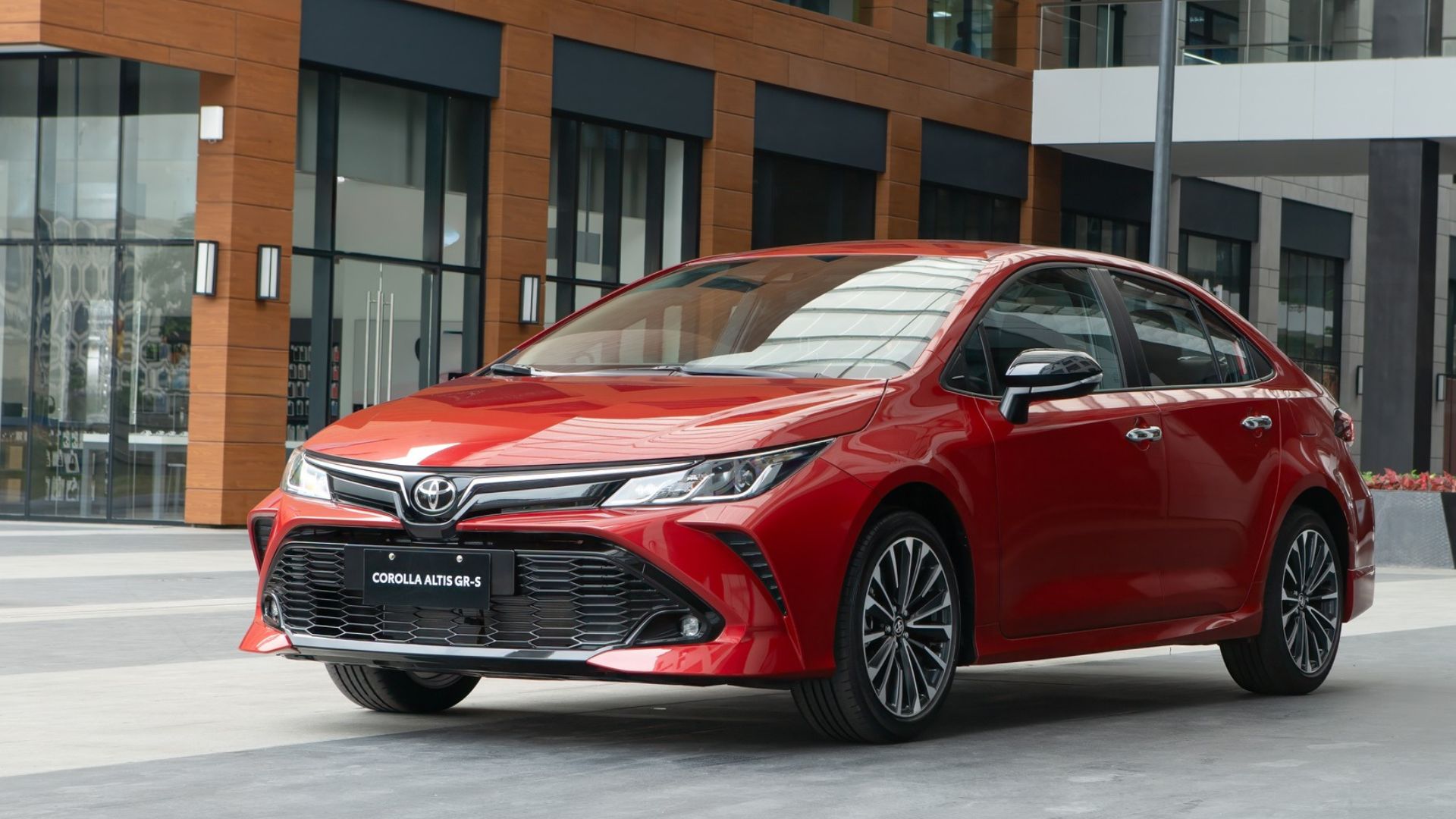
1. Toyota Corolla
The Toyota Corolla remains a staple among sedans that still make sense for urban drivers because it combines compact dimensions with a reputation for unmatched reliability, creating a vehicle that feels composed in stop‑and‑go traffic and spacious enough inside without being awkward on narrow roads.
Its engine options offer smooth acceleration from a standstill, making merging into busy avenues less stressful, and the available hybrid version brings impressive fuel economy that is especially noticeable when you are constantly starting and stopping at city lights.
Inside the Corolla, the cabin design balances functionality with comfort, giving drivers intuitive controls and comfortable seating that make daily driving less taxing, while advanced safety features such as automatic emergency braking and lane departure alerts provide an added layer of confidence when pedestrians step into crosswalks unexpectedly or cyclists weave between cars.
Parking in dense areas is simpler thanks to responsive steering and optional parking sensors or camera views that help you judge tight spaces, and the ownership experience is boosted by a broad service network and resale value that tend to outperform many competitors in the same segment.
For urban dwellers who want a car that feels both modern and dependable without unnecessary extravagance, the Corolla’s blend of sensible design, technological support, and low running costs makes it a compelling choice that stays relevant even as streets get busier and driver expectations continue to rise.
Finally, the Corolla’s global popularity means there is a wealth of community support, aftermarket accessories, and user‑generated advice that urban drivers can tap into when customizing or maintaining their vehicles.
Whether you are looking for protective floor mats that stand up to rainy seasons or tech upgrades that improve connectivity, the sheer number of options available for the Corolla makes it easy to adapt the car to your lifestyle. Owners often report satisfaction with long‑term ownership, noting that routine maintenance tends to be straightforward and predictable, which is a welcome contrast to vehicles that require frequent, unexpected visits to the workshop.
The combination of established engineering and thoughtful design makes the Corolla a sedan that continues to resonate with city drivers who want practicality without compromise. For all these reasons, the Toyota Corolla stands out as a model that still makes strong sense for anyone navigating the complexities of urban driving.
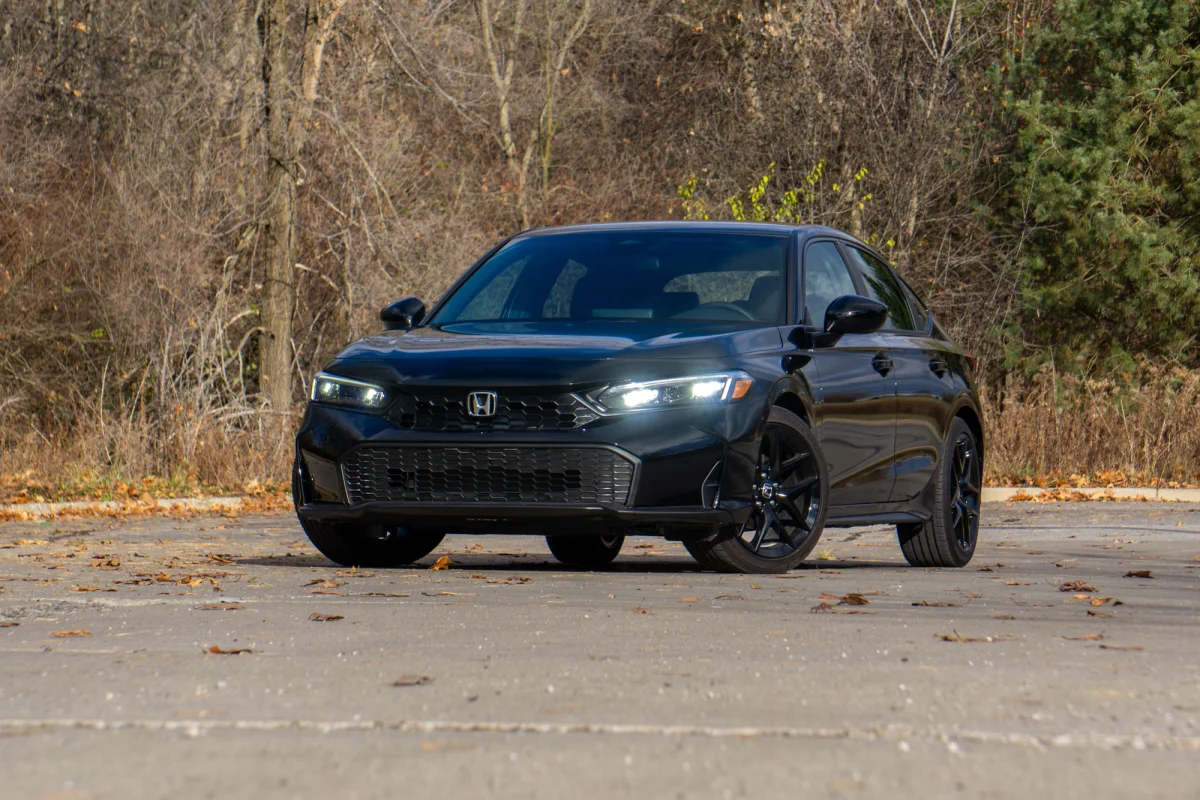
2. Honda Civic
The Honda Civic has built its reputation as a versatile and responsive sedan that suits urban drivers because it blends compact agility with a refined driving experience, providing a platform that feels alert in traffic and confident on highway on‑ramps.
Its suspension and steering have been engineered to offer precision without harshness, which means city streets with uneven pavement or frequent potholes are less likely to make the ride uncomfortable or exhausting over time.
Inside the Civic, ergonomic seating and well‑organized controls help drivers stay focused, and the infotainment system supports connectivity features that make navigation and communication simpler during daily commutes or weekend explorations.
Fuel economy in the Civic remains competitive, helping urban drivers reduce fuel stops and keep their running costs lower in an environment where traffic conditions can otherwise erode efficiency quickly. The breadth of available safety features, such as adaptive cruise control and collision mitigation systems, provides additional support that urban drivers welcome when they face unpredictable traffic movements or pedestrians crossing between parked cars.
Finally, the Civic’s resale values tend to hold up well compared to many competitors, which adds an economic incentive for buyers who plan to upgrade or sell in the future. The brand’s strong presence in many markets means that finding service support or compatible parts is generally straightforward, which reduces downtime and stress when maintenance is needed.
Owners often comment on the Civic’s ability to remain engaging to drive even after years of use, which creates a long‑term satisfaction that urban drivers value when they spend significant time behind the wheel.
The combination of responsive handling, thoughtful technology integration, and dependable engineering helps the Civic remain a sedan that continues to serve urban drivers effectively. For all these reasons, the Honda Civic stands out as a model that still resonates with those who navigate the challenges of city driving each day.
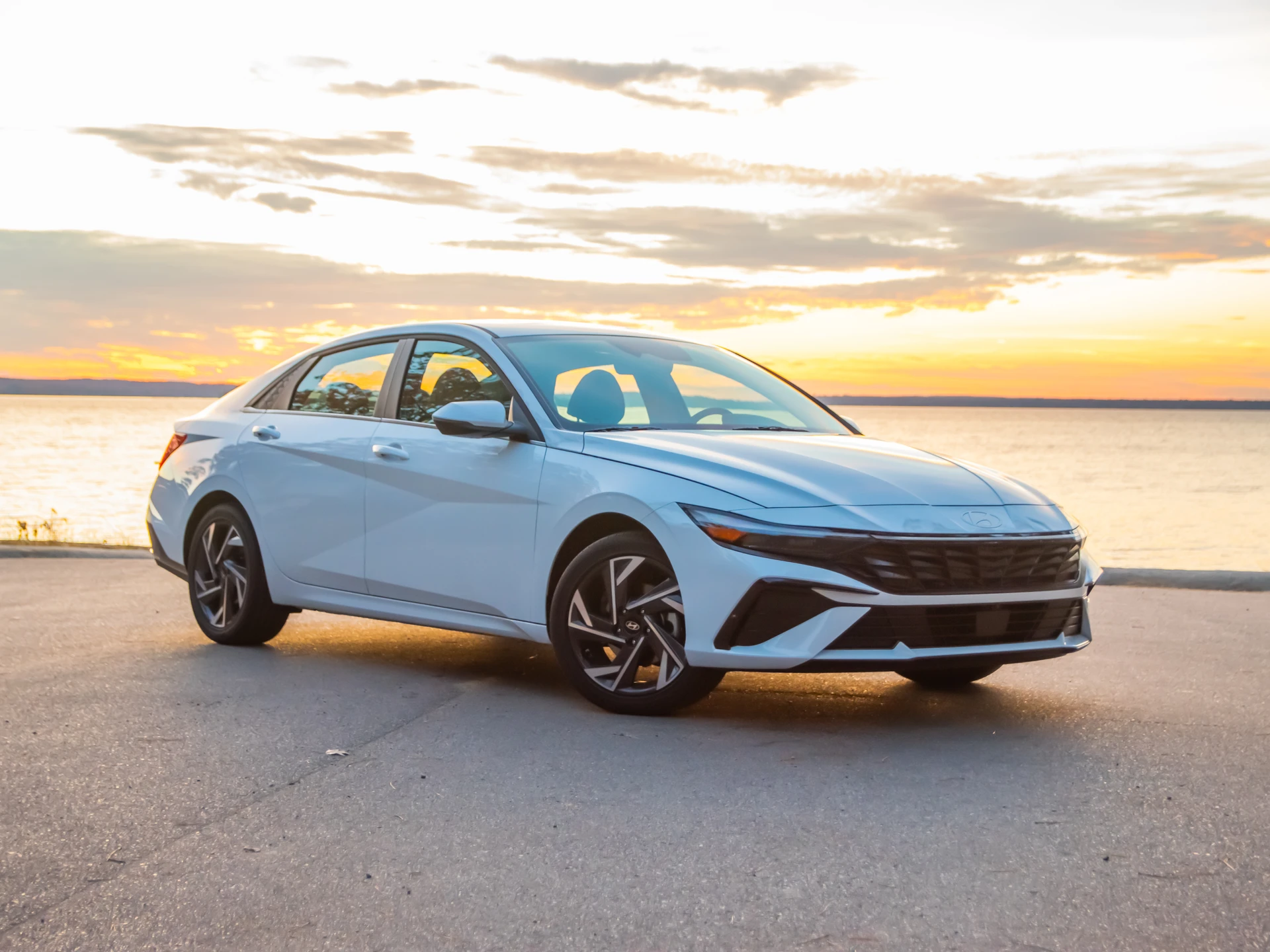
3. Hyundai Elantra
Hyundai’s Elantra represents a strong option for urban drivers because it combines a sleek design with practical features and a comfortable ride that feels well-suited to dense traffic and frequent stops. The exterior proportions make the Elantra manageable in tight city spaces, and the engineered suspension strikes a balance that smooths out urban road imperfections while still feeling controlled and responsive.
Inside, the cabin offers intuitive placement of controls, supportive seats, and infotainment options that help drivers stay connected to navigation and media without distracting from the road ahead. Fuel efficiency remains competitive for its class, helping drivers make fewer trips to the pump and reduce expenses over time in environments where constant acceleration can otherwise drain fuel reserves quickly.
Modern safety technology is integrated across many trims, providing alerts and assistance that urban drivers appreciate when managing busy intersections, unpredictable pedestrians, and fluctuating traffic patterns.
Finally, the Elantra’s design language feels contemporary without being ostentatious, making it a practical choice that fits into a variety of urban environments without drawing unnecessary attention. Its presence on the road is refined and understated, which many drivers prefer when they want a vehicle that looks smart and sensible rather than overly flashy.
The combination of performance, comfort, technology, and safety contributes to a package that continues to appeal to those who navigate the complexities of urban driving daily. These qualities help the Hyundai Elantra stand as a worthy contender among sedans that remain relevant and sensible for city use.
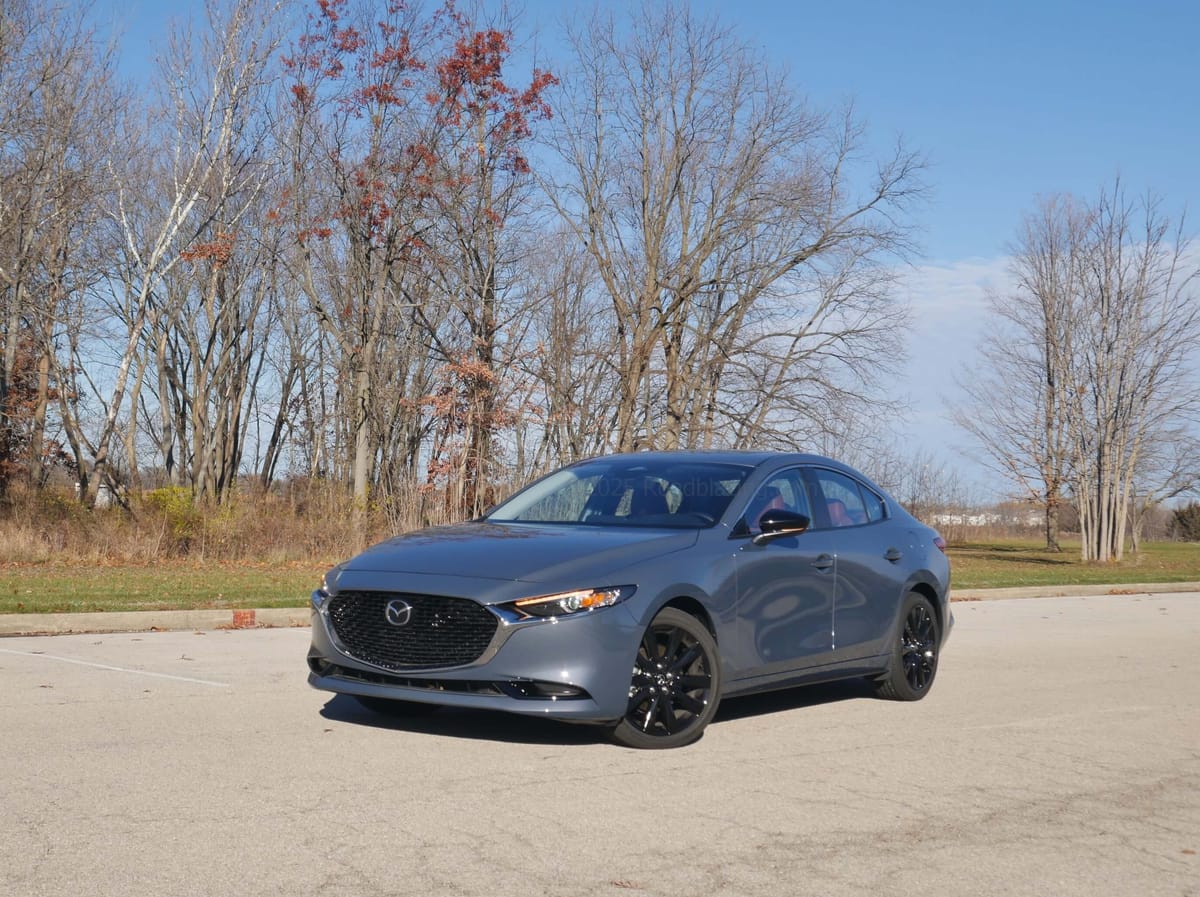
4. Mazda3
The Mazda3 stands out for urban drivers because it pairs driving dynamics that feel engaging with an interior that rivals some premium vehicles, creating a blend of fun and refinement that is rare in its class. Its responsive steering and chassis design allow drivers to navigate winding city streets with confidence, providing a sense of connection to the road that can make daily commutes more enjoyable rather than tiresome.
The cabin materials are often of higher quality than many competitors, which gives passengers a more pleasant environment when traveling through crowded areas or waiting at traffic lights, and the available infotainment and connectivity features help drivers stay organized and in touch.
Fuel economy remains respectable, which is important for urban drivers who face frequent stops and starts that can otherwise sap efficiency, and Mazda’s commitment to thoughtful engineering means the package feels balanced rather than compromised in any one area. Advanced safety systems are integrated to assist drivers with alerts and interventions that enhance awareness and reduce stress when navigating intersections or dealing with unpredictable road users.
Finally, the Mazda3’s reputation for quality and thoughtful design contributes to its strong presence among urban drivers who value both form and function in their vehicles. Maintenance tends to be predictable, and many drivers report satisfaction with long‑term ownership experiences that balance reliability with driving pleasure.
The availability of advanced technology features ensures that the car remains competitive with newer models, while its exterior styling maintains a timeless appeal that does not feel dated quickly. Practical touches such as ample cargo space and user‑friendly interfaces make everyday tasks simpler, whether it’s grocery shopping or commuting to work.
These qualities help the Mazda3 remain a relevant and compelling choice for urban drivers, offering a blend of attributes that continue to meet the evolving expectations of city life.
5. Volkswagen Jetta
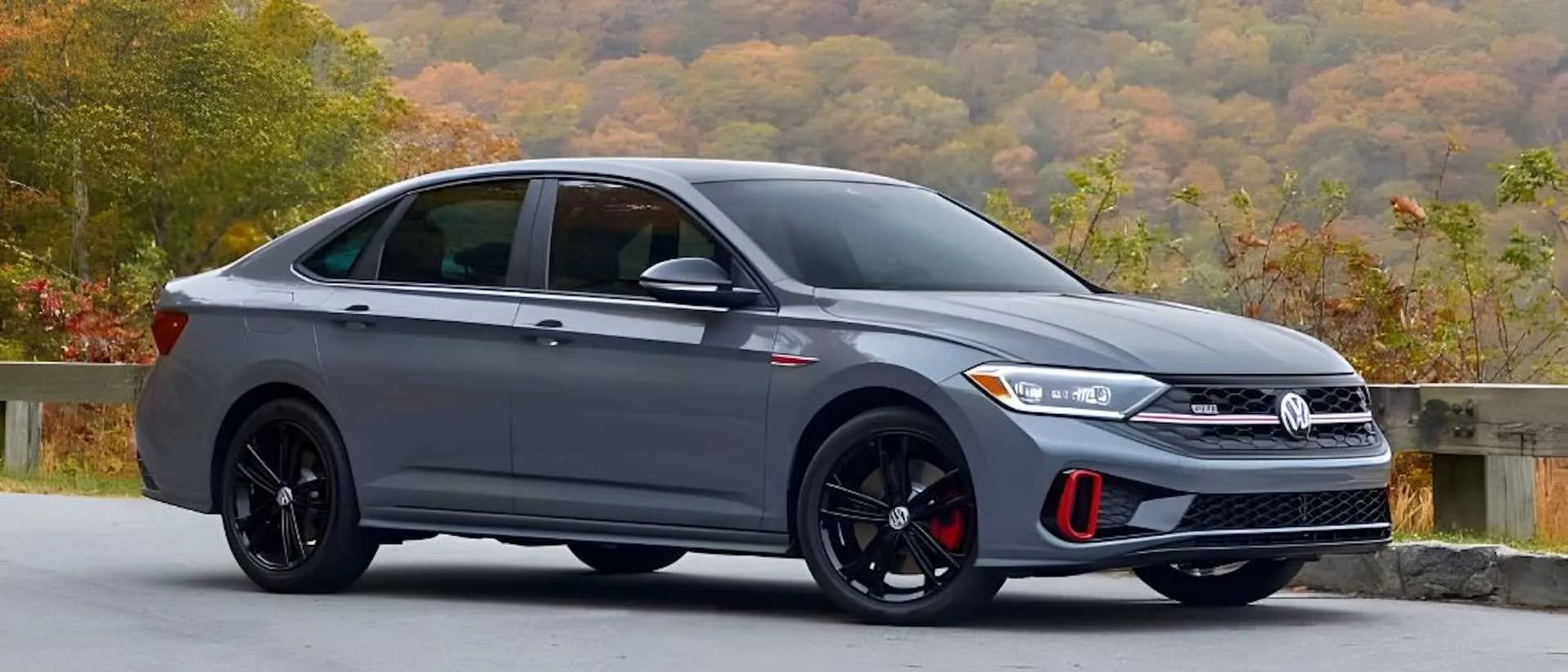
The Volkswagen Jetta appeals to urban drivers because it offers a spacious interior with comfortable seating and a design that feels both practical and refined for daily use in busy city conditions. Its compact footprint allows it to navigate traffic and fit into parking spaces without the bulk that larger vehicles present.
In contrast, the cabin space is generous enough to accommodate passengers and cargo for errands or short trips across town. The engine and transmission are tuned for smooth acceleration and responsiveness at typical city speeds, which helps drivers merge into traffic and maintain comfortable travel in shifting congestion.
Volkswagen’s focus on driver comfort and thoughtful ergonomics means controls are placed logically and the infotainment system supports features that simplify connectivity and navigation tasks that urban drivers frequently rely on. Safety features integrated across many trims provide helpful alerts that assist with lane changes or sudden stops, reducing stress when conditions require quick decisions.
In terms of handling, the Jetta responds predictably to steering input, helping drivers maintain confidence through curves, roundabouts, and complex intersections that are part of city driving. The power delivery is smooth and linear, which reduces the need for abrupt throttle changes that can unsettle passengers or reduce efficiency.
Parking assistance features, when available, simplify tight maneuvers that might otherwise feel stressful in crowded lots or narrow streets. The cabin’s sound insulation helps reduce external noise, which enhances concentration and comfort during commutes or short trips.
Together, these qualities make the Volkswagen Jetta a sensible choice for urban drivers who want a well‑rounded sedan that balances comfort, practicality, performance, and technology in a way that continues to meet their needs.
5 Sedans That Feel Outdated
6. Ford Taurus
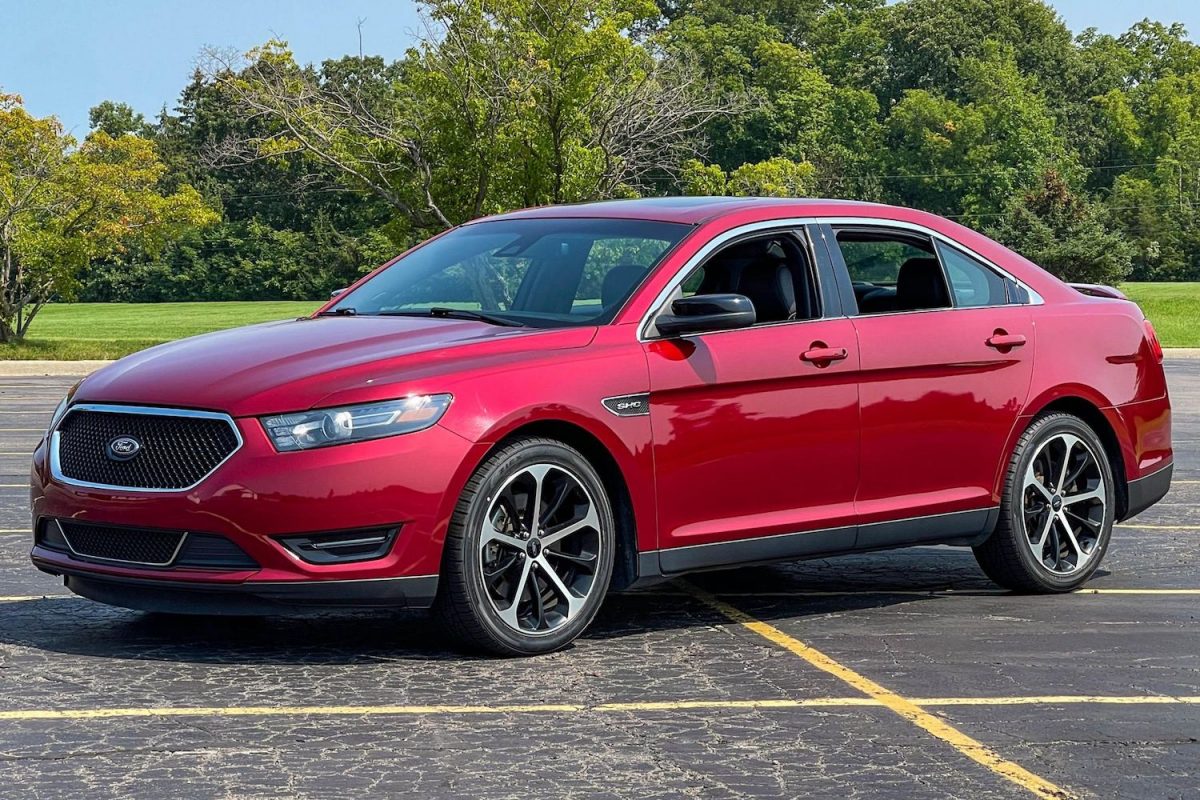
The Ford Taurus, once a popular full‑size sedan, feels outdated for many urban drivers because its larger footprint makes navigating tight city streets and parking spaces more of a challenge than in smaller, more agile cars.
Its handling and steering are tuned more for highway cruising rather than the constant stop‑and‑go conditions typical of metropolitan traffic, which can make the driving experience feel bulky and less responsive when tight maneuvers are required.
Fuel economy, while reasonable in its heyday, cannot match the efficiency of more modern compact sedans that have benefited from advances in hybrid technology and engine design, leaving urban drivers to contend with higher running costs.
Inside, the cabin layout and technology may feel dated compared to current standards, with interfaces that lack seamless connectivity and ergonomic refinement that modern buyers expect for everyday use.
Safety suites on older Taurus models may be missing the comprehensive driver assistance features that have become common in newer vehicles, which can leave drivers feeling less supported in managing crowded intersections or reacting to sudden changes in traffic flow.
Finally, as consumer expectations have shifted toward vehicles that are more efficient, tech‑forward, and tailored to the realities of urban commuting, the Ford Taurus has struggled to maintain its appeal. Its larger size, dated features, and relative lack of modern safety and connectivity options make it less attractive to buyers who want a car that feels ready for present‑day challenges.
Urban drivers often prioritize ease of parking, responsive handling at lower speeds, and fuel efficiency that keeps running costs manageable, areas where the Taurus simply does not align well with current benchmarks. The cumulative effect of these shortcomings makes it feel outdated compared to newer sedans that have been designed with these priorities from the outset.
For these reasons, the Ford Taurus may feel like a relic rather than a practical choice for drivers navigating the evolving industry of urban transportation.
7. Chevrolet Cobalt
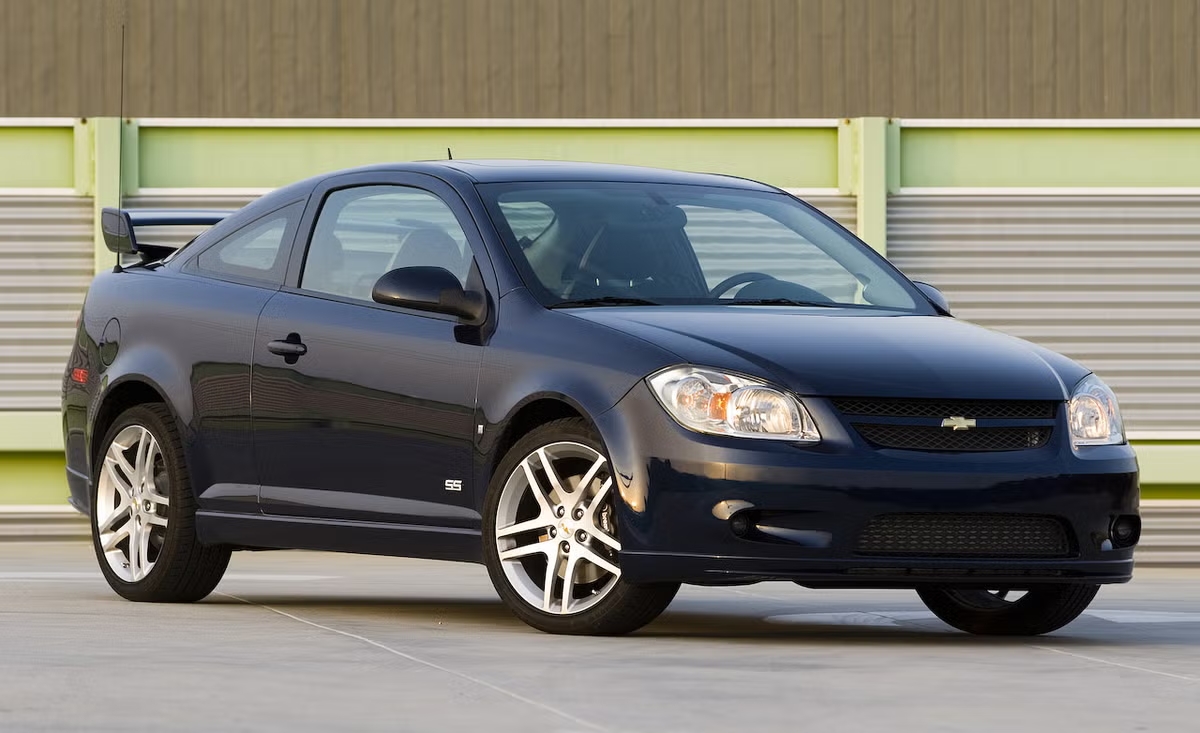
The Chevrolet Cobalt, once a common sight on roads, feels outdated to many urban drivers because its basic design and modest feature set do not align with the expectations of modern city commuting.
The car’s performance is functional but uninspiring, lacking the smooth acceleration and refined handling that newer sedans offer, which can make frequent stops and starts in traffic feel laborious rather than engaging. Interior materials and cabin layout reflect an older design philosophy that falls short of providing the comfort, convenience, and connectivity that drivers now expect for daily use.
The absence of advanced safety technologies that are standard in many current models leaves drivers without helpful tools that assist with collision avoidance, lane keeping, and pedestrian detection, features that have become increasingly important in crowded urban environments.
Fuel efficiency, while reasonable for its time, does not match the gains made by more recent engine technologies, which can make the Cobalt feel less economical in constant city driving.
Finally, as automotive design and technology have accelerated rapidly, the Chevrolet Cobalt remains a reminder of an earlier era rather than a vehicle built for current expectations. Urban drivers today often seek cars that offer efficiency, connectivity, safety, and comfort in a cohesive package, qualities where the Cobalt simply does not compete with its successors.
The cumulative effect of dated performance, limited technology, and basic safety systems makes it feel less relevant for those navigating the complexity of modern city driving. For these reasons, the Chevrolet Cobalt may feel outdated and less appealing compared to more contemporary sedans that have responded to the evolving needs of urban motorists.
8. Mitsubishi Lancer
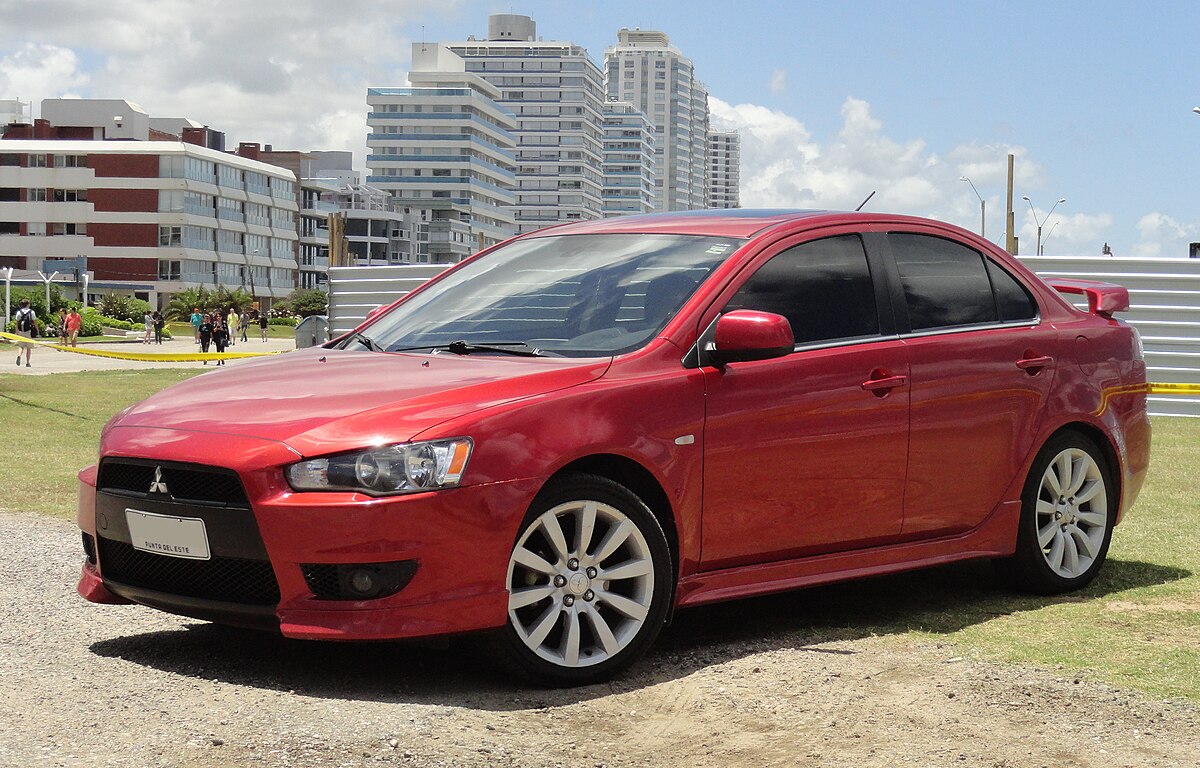
The Mitsubishi Lancer, once a popular compact sedan, feels outdated to many urban drivers due to its dated design and lack of updates in areas that matter most for city commuting, such as technology integration, fuel efficiency, and driver assistance features.
Although the Lancer provided decent reliability in its day, its powertrain and handling characteristics do not match the refinement and responsiveness found in newer sedans that are designed with urban challenges in mind. The cabin layout, while functional, may feel antiquated compared to the more ergonomic and connected environments offered by rivals, making tasks like navigating menus or interfacing with smartphones less intuitive.
Safety features that are now common, such as lane departure warnings and automatic emergency systems, are absent or are less advanced in older Lancer models, leaving drivers without tools that can be particularly valuable in dense traffic or complex intersections.
Efficiency is another area where the Lancer feels behind the curve, as its fuel economy does not match the gains achieved by newer engines and hybrid systems that help urban drivers save on fuel costs.
Additionally, the Lancer’s fuel economy, while acceptable in its era, cannot compete with the efficiency gains seen in recent years, especially with the advent of hybrid and turbocharged engines that provide both power and economy in urban conditions.
As fuel costs rise and environmental concerns push buyers toward more efficient options, vehicles that lag in this area can feel less appealing for daily commuting. The lack of advanced driver assistance technologies, which are increasingly valued by city drivers for their ability to prevent accidents and reduce stress, adds to the perception of the Lancer as a model that belongs to a previous generation.
These features, such as adaptive cruise control and blind‑spot monitoring, have become expected in many new sedans, making older models feel less safe and less capable by comparison. Together with dated interiors and less engaging driving dynamics, the Mitsubishi Lancer feels out of step with the needs of modern urban drivers.
9. Nissan Sentra (Older Generation)
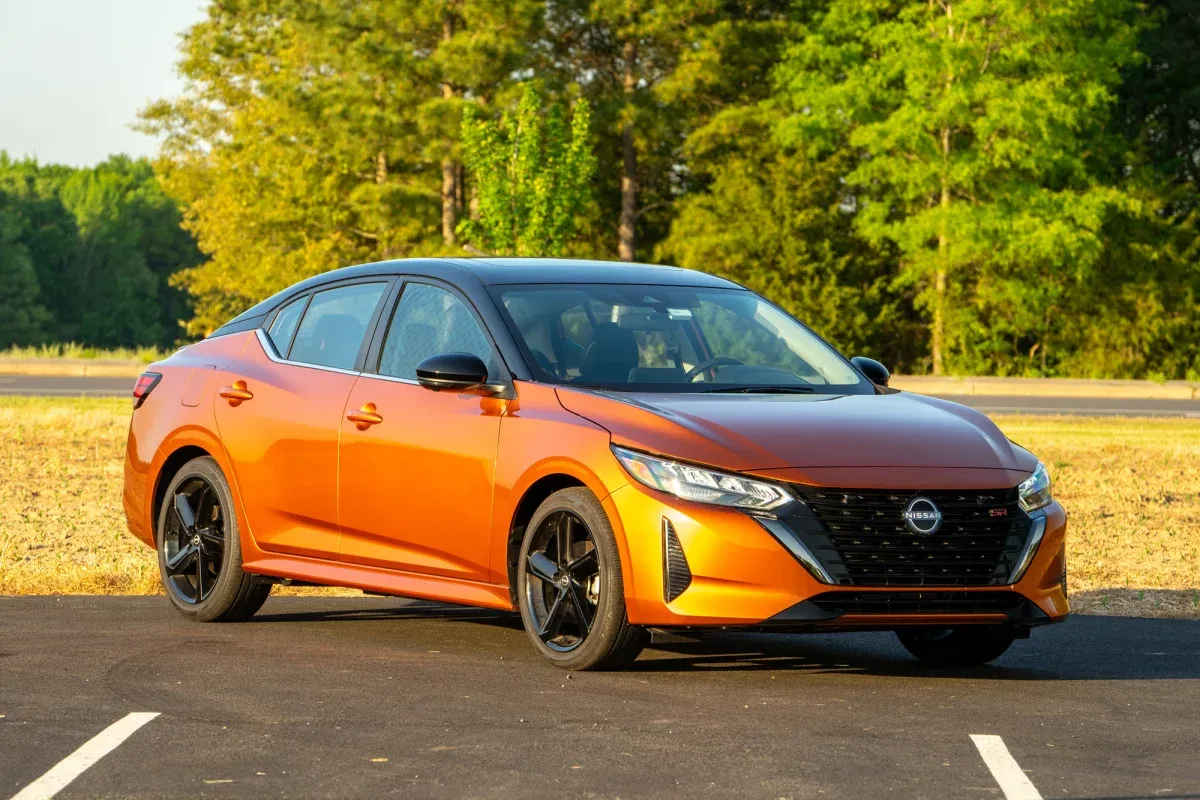
The older generation Nissan Sentra feels outdated for many urban drivers because its design and feature set have not kept pace with the rapid evolution of automotive technology and user expectations for city commuting.
While it once offered practical transportation with decent space and basic comfort, the Sentra’s powertrain and handling dynamics do not provide the level of responsiveness or refinement that modern urban driving can demand. Engine performance in these older models often feels sluggish compared to more contemporary sedans that use advanced fuel‑saving technologies or turbocharged options to balance power and efficiency.
The interior materials and layout reflect an earlier era, lacking the premium feel, intuitive controls, and connectivity features that have become standard in newer vehicles, which can make routine tasks like accessing navigation or managing media feel less seamless.
Additionally, many older Sentra models do not include comprehensive safety systems that assist with collision avoidance, blind‑spot detection, and lane guidance, tools that have become increasingly valuable in busy urban environments where unexpected events occur frequently.
Another factor that contributes to the Sentra’s dated feel is its infotainment and connectivity options, which may lack support for seamless smartphone integration, real‑time traffic updates, and voice command functions that help drivers stay connected while keeping attention on the road.
Modern sedans often include interfaces that are intuitive and update over time, allowing drivers to benefit from improvements without needing to replace the entire vehicle. In contrast, older Sentra systems can feel static and less capable of meeting the expectations of drivers who rely on their car as an extension of their digital lives.
The lack of advanced driver assistance technologies, such as adaptive cruise control or pedestrian detection, further highlights the gap between what older sedans offer and what contemporary buyers now expect, especially in urban settings where dynamic traffic scenarios are common.
10. Kia Rio Sedan
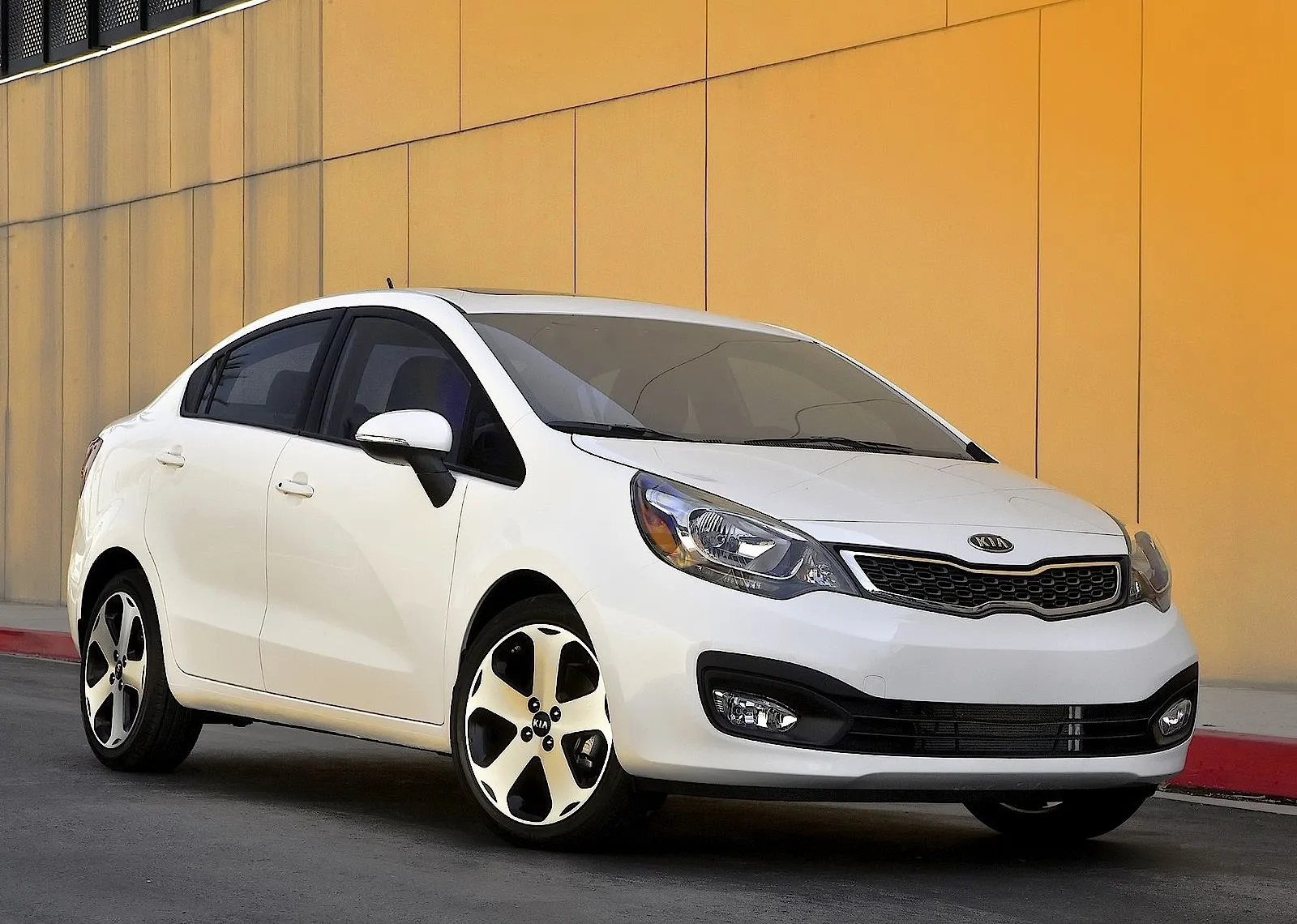
The Kia Rio sedan, particularly older iterations, feels outdated for many urban drivers because its basic feature set and modest performance do not align with the expectations of today’s city commuters who want more capability and technology in their vehicles.
While the Rio provides economical transportation and a compact size that can help with parking, its engine output often feels underpowered when dealing with frequent acceleration needs in city traffic, making merging and swift responses less confident than in more modern sedans.
The interior design and materials reflect an earlier era, with simpler controls, limited connectivity, and fewer comfort features than buyers now expect for daily use, which can make routine driving feel less enjoyable. Older Rio models may lack advanced safety features such as lane departure warnings, automatic braking, and blind‑spot detection that have become common and valuable in helping drivers navigate busy urban roads with more peace of mind.
Fuel efficiency, while decent, does not benefit from the gains in hybrid or turbo designs that have become available in other vehicles, leaving it less competitive in terms of long‑term operating costs.
In terms of styling, the Kia Rio’s exterior design from older generations may not resonate with drivers who prefer contemporary lines and aerodynamic shapes that contribute to both efficiency and visual appeal. Modern design trends emphasize sleek profiles and thoughtful details that enhance presence on the road, making a car feel fresh and aligned with current tastes.
The Rio’s older look may feel less inspiring or expressive, especially when parked among newer vehicles with more dynamic aesthetics.
The lack of advanced driver assistance features becomes more noticeable in dense traffic, where systems such as adaptive cruise control and collision mitigation can make navigating busy intersections and crowded streets significantly safer and less stressful. Without these tools, drivers are left to rely solely on their own skills in environments that increasingly benefit from technological support.