Winter is one of the toughest real-world tests for electric vehicles, especially in dense urban environments where short trips, frequent stops, and heavy climate control use are unavoidable. Cold temperatures reduce battery efficiency, increase energy demand for cabin heating, and expose how well or poorly each EV manages thermal energy.
As a result, not all electric vehicles perform equally once winter sets in. Some models are engineered with advanced heat pumps, battery preconditioning, and intelligent traction systems that help preserve range and drivability on icy city streets. Others, particularly older or resistive-heat designs, can see dramatic and frustrating drops in usable range that complicate daily commuting.
This comparison, “5 EVs That Handle Urban Winters Respectably vs 5 That Lose Range Quickly,” highlights the real-world divide. It examines why certain EVs remain dependable in cold climates while others struggle, focusing on technology choices, software behavior, and design priorities that matter most when temperatures plunge and charging opportunities are limited.
5 EVs That Handle Urban Winters Respectably
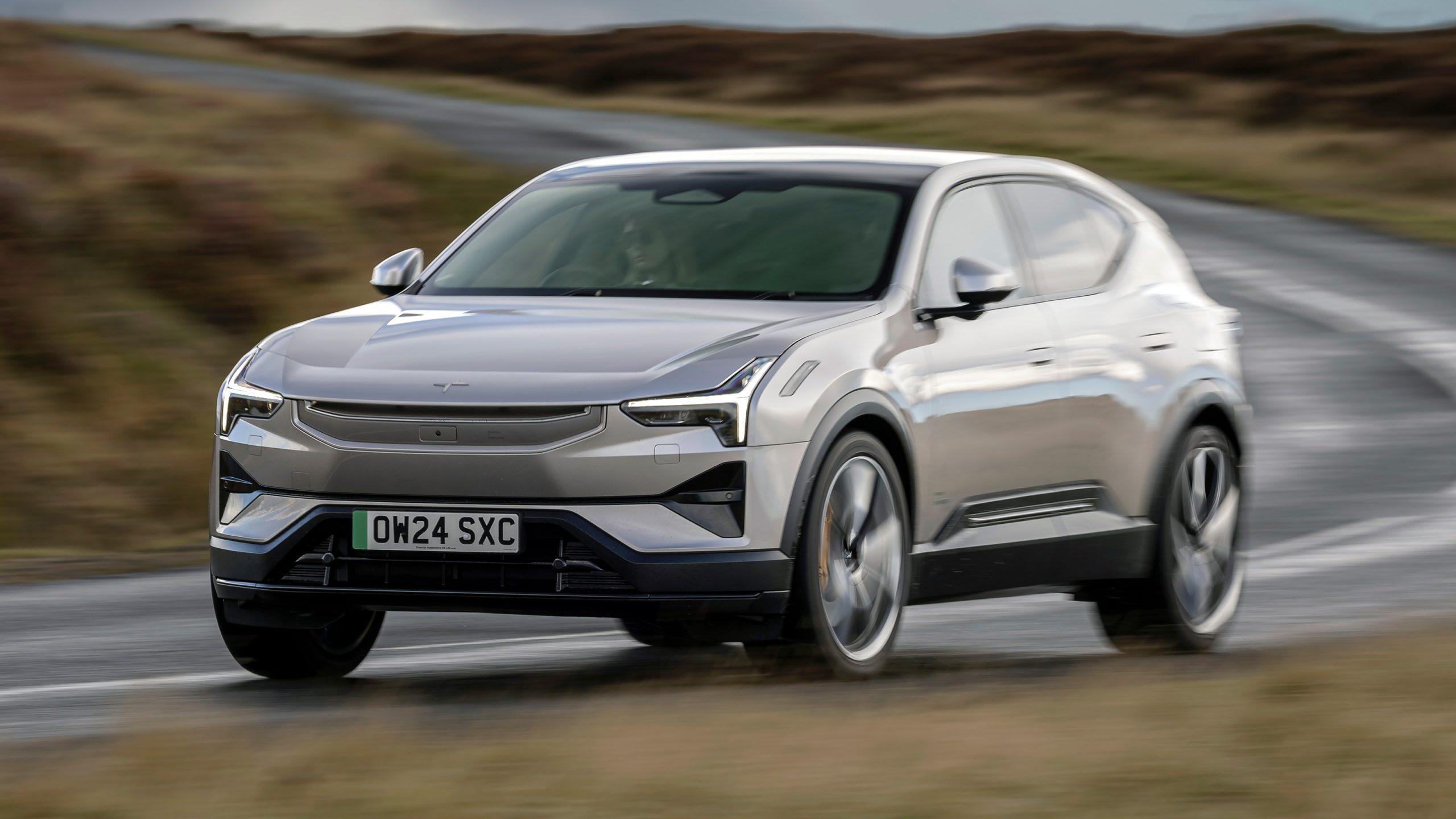
1. Polestar 3: Advanced Winter-Ready Electric SUV
The 2026 Polestar 3 establishes itself as a top-tier electric SUV with exceptional winter performance, innovative technology, and impressive versatility. In 2025–2026 winter trials, the Polestar 3 lost only 5%–15% of its rated range, thanks to a sophisticated thermal management system that keeps the battery within an ideal temperature window.
Its Arctic-tested all-wheel-drive system, rear-biased power split, and dual-chamber adaptive air suspension allow it to handle icy urban roads with confidence, minimizing cold-weather efficiency loss and surpassing many competitors. Additional winter-focused features include heated wipers, cabin pre-conditioning via the Polestar app, and optimized traction control for sub-zero conditions.
Polestar offers three motor configurations: a 329-hp Long Range Single Motor (rear-wheel drive), a 536-hp Long Range Dual Motor (all-wheel drive), and a 671-hp Performance Dual Motor variant.
The base model provides nimble handling and sufficient highway power, while the dual-motor trims offer advanced torque vectoring and adaptive air suspension tuned for sportiness, enabling planted cornering and responsive ride quality.
The Performance trim accelerates from 0–60 mph in a claimed 3.8 seconds, keeping pace with competitors like the Porsche Macan 4S. Towing capacity ranges from 2,000 pounds (single motor) to 3,500 pounds (dual motor) with an optional retractable tow bar.
EPA-estimated range varies between 279 and 350 miles depending on the configuration, with single-motor models achieving the highest range. Fast-charging capability allows the 107.0-kWh battery to recover 10–80% in approximately 30 minutes. Energy efficiency ratings for city driving are around 100–105 MPGe and 73–86 MPGe on highways, with slightly lower efficiency for Performance and larger-wheel models.
Inside, the Polestar 3 blends modern design with eco-conscious materials. Standard amenities include heated front seats, three-zone climate control, an onboard air purifier, and a panoramic sunroof with Polestar branding.
Rear passenger comfort is high, although cargo space is modest, featuring a small frunk for the charging cable. A 14.5-inch vertical infotainment touchscreen supports Google-based navigation, wireless Apple CarPlay, Android Auto, and optional premium audio from Bowers & Wilkins.
Safety features are comprehensive, including adaptive cruise control, lane-keeping assist, blind-spot monitoring, and collision mitigation with pedestrian and cyclist detection. Polestar’s lidar system promises future hands-free driving.
Warranty coverage includes four years/50,000 miles limited warranty and eight years/100,000-mile warranty for powertrain and battery components, though complimentary maintenance is not provided.
The Polestar 3 excels as a winter-ready EV, combining performance, efficiency, and advanced technology with a modern, sustainable interior.
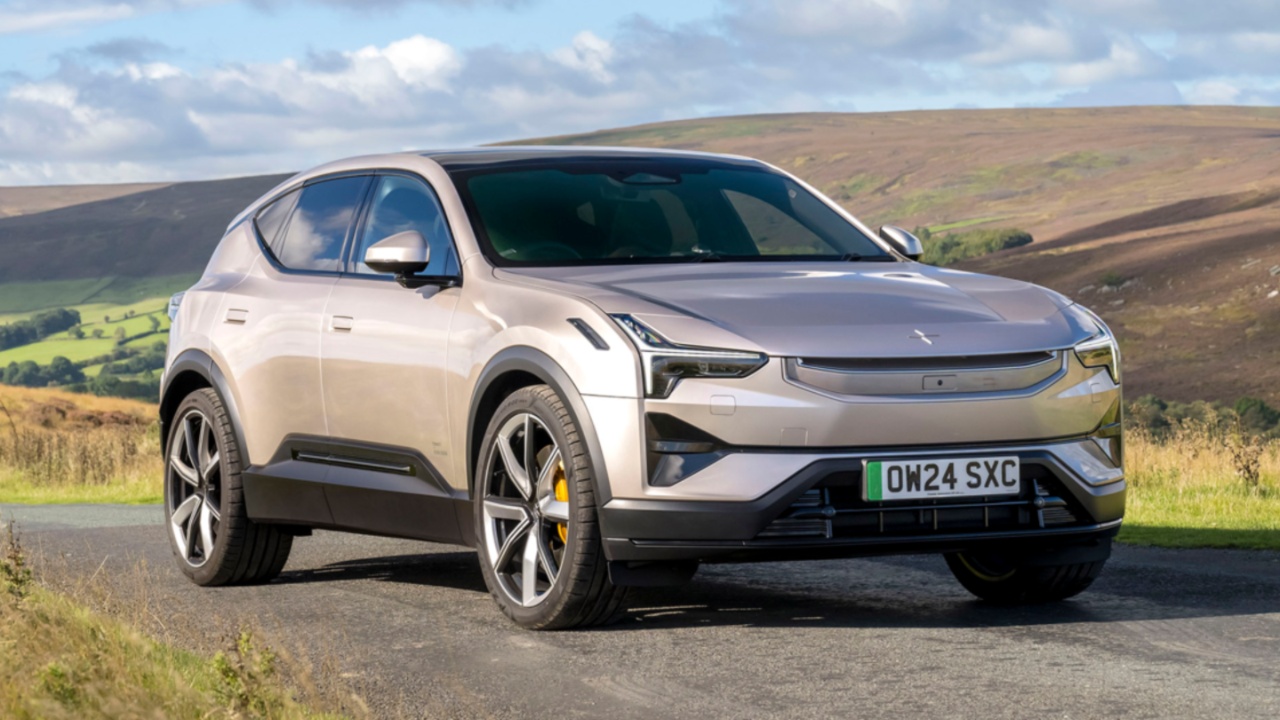
2. Hyundai IONIQ 5: Winter-Ready, Efficient, and Versatile EV
The Hyundai IONIQ 5 continues to impress as a highly capable electric vehicle, particularly in urban winter conditions. Cold-weather testing shows it can retain up to 97% of its EPA-estimated range, aided by standard heat-pump-equipped trims and battery preconditioning that optimizes performance in sub-zero temperatures.
It’s dedicated “Snow Mode” fine-tunes traction control, throttle response, and torque distribution, while available dual-motor all-wheel drive ensures excellent grip and stability on icy streets. With preconditioning, the battery maintains an ideal temperature for faster charging and efficient performance, even in harsh winter climates.
The IONIQ 5 offers multiple powertrain options. The standard-range single-motor rear-wheel-drive model delivers 168 horsepower, while the long-range single-motor rear-wheel-drive version produces 225 horsepower. Dual-motor all-wheel-drive variants generate 320 horsepower and 446 lb-ft of torque, providing brisk acceleration, with 0–60 mph times around 4.4 seconds in SEL AWD trims.
Its low center of gravity, wide tires, and thoughtfully tuned suspension create a smooth, stable ride, though steering feedback is moderate. The off-road-focused XRT trim adds taller tires and extra suspension travel for better compliance on rough surfaces.
Range estimates vary from 245 miles for the standard 63.0-kWh battery to 318 miles for the larger 84.0-kWh single-motor pack. Dual-motor AWD models achieve approximately 259–290 miles.
DC fast charging replenishes 10–80% in about 20 minutes, with Hyundai claiming 68 miles of range can be added in five minutes, a figure validated in real-world testing. Efficiency ratings range from 103–131 MPGe city and 85–101 MPGe highway, with the rugged XRT trim slightly less efficient.
Inside, the IONIQ 5 offers spacious, modern accommodations. Front and rear passengers benefit from ample leg- and shoulder room, flat floors, and sustainable interior materials. Cargo capacity is generous for the class, with 30 cubic feet behind the rear seats and 59 cubic feet with them folded.
A 12.3-inch infotainment touchscreen pairs with a 12.3-inch digital cluster, supporting wireless Apple CarPlay, Android Auto, multiple USB ports, and voice recognition. Optional premium audio enhances the cabin experience.
Hyundai equips every IONIQ 5 with a comprehensive suite of safety features, including adaptive cruise control, lane-keeping assist, and automated emergency braking, while optional systems include blind-spot monitoring and surround-view cameras.
Warranty coverage is among the best in the industry, featuring four years/60,000 miles limited coverage, four years/70,000 miles powertrain protection, and three years/45,000 miles of complimentary maintenance.
The Hyundai IONIQ 5 combines winter-ready capability, versatile performance, and high efficiency, making it a compelling electric vehicle for city commuting and longer journeys alike.
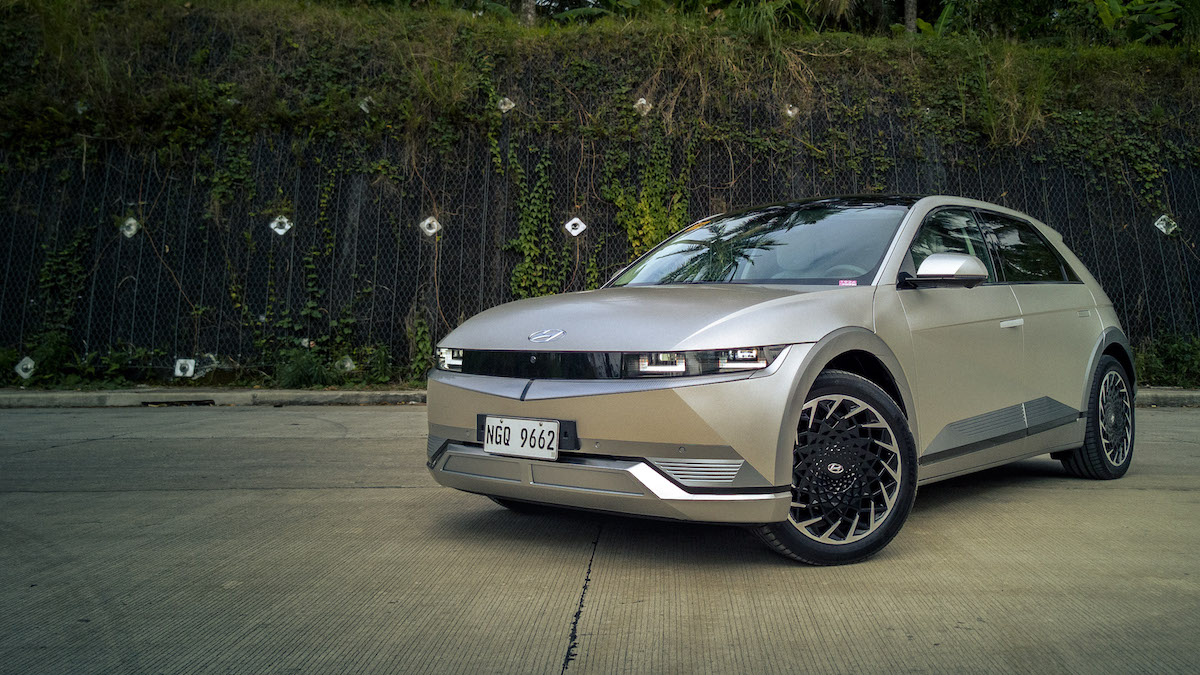
3. BMW iX: Luxury, Winter-Ready, and High-Performance Electric SUV
The 2026 BMW iX excels as a luxury electric SUV, combining winter-ready performance, advanced technology, and commanding power. Cold-weather testing shows it retains roughly 88% of its EPA-rated range, supported by a standard heat pump and sophisticated thermal management system that optimizes both battery and cabin temperatures.
Its xDrive all-wheel-drive system distributes torque instantly and precisely, ensuring confident handling on snow- or ice-covered streets. Efficient seat and steering-wheel heating, along with battery preconditioning via the My BMW App, further enhance cold-weather comfort and performance.
BMW offers three iX variants. The base xDrive45 produces 402 horsepower, the xDrive60 delivers 536 hp, and the high-performance M70 xDrive boasts 650 hp. Optional adjustable air suspension and rear-wheel steering improve ride quality and agility, with the M70 model featuring sportier suspension tuning to reduce body roll.
Test drives highlight the iX’s smooth ride, quiet cabin, agile handling, and surprisingly efficient energy consumption, even in larger-wheel configurations. Acceleration is brisk across the lineup, with the xDrive45 achieving 0–60 mph in 4.6 seconds and the M70 capable of a claimed 3.6 seconds.
Battery capacity supports a strong range, with the xDrive60 reaching up to 364 miles, the xDrive45 up to 312 miles, and the M70 around 303 miles. Highway testing demonstrates real-world efficiency, with the xDrive45 achieving 290 miles at 75 mph, exceeding its EPA estimate.
DC fast-charging enables 10–80% recharge in roughly 35 minutes via a 200-kW connection, while home Level 2 charging is fully supported. Fuel efficiency ranges from 75 MPGe combined in the M70 to 99 MPGe city and 94 MPGe highway for the xDrive60.
The interior mirrors BMW’s luxury pedigree, offering spacious, X5/X6-comparable passenger and cargo room. Modern design includes a curved 14.9-inch infotainment display paired with a 12.3-inch digital cluster, a hexagonal steering wheel, and an available panoramic sunroof with electrochromic shading.
Heated, power-adjustable seats, premium upholstery options, and high-end audio systems, including a 30-speaker Bowers & Wilkins setup, add to comfort and refinement.
Safety and driver-assistance features are comprehensive, including automated emergency braking with pedestrian detection, lane-keeping assist, parking sensors, and optional hands-free adaptive cruise control. Warranty coverage is competitive, offering four years/50,000 miles for basic and powertrain protection, eight years/100,000 miles for EV components, and three years/36,000 miles of complimentary maintenance.
The BMW iX blends luxury, robust winter capability, and high-performance EV engineering, making it a sophisticated, comfortable, and confident choice for cold-weather driving and long-distance journeys.
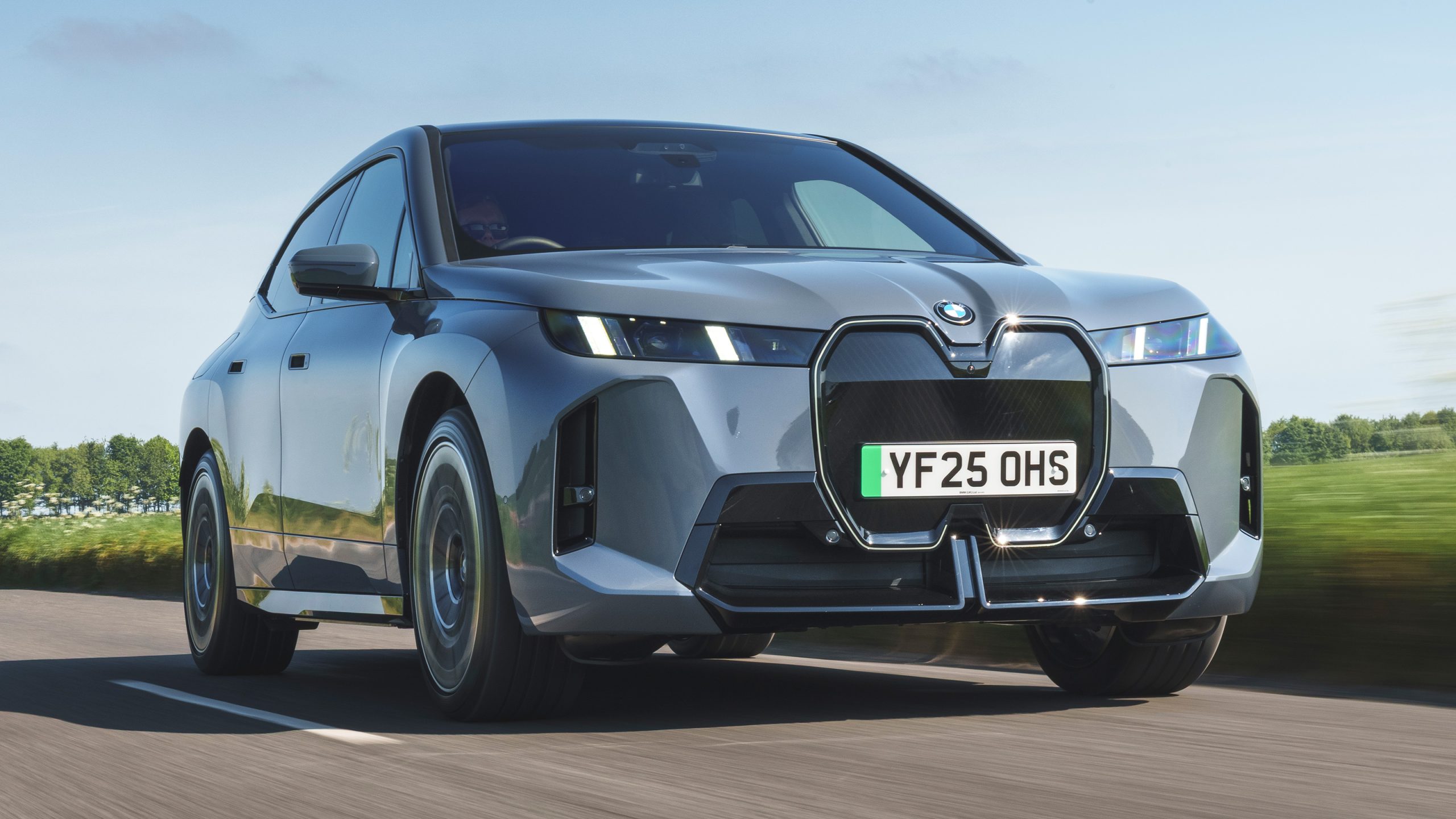
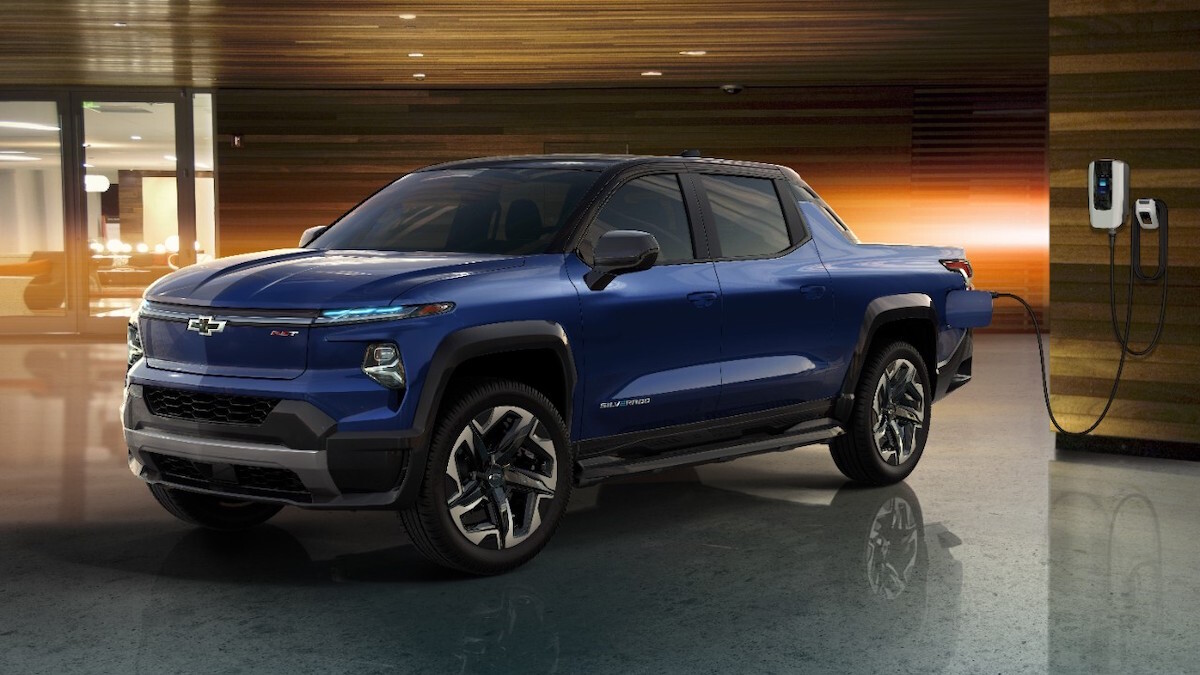
4. Chevrolet Silverado EV: Cold-Weather Capable, Powerful, and Versatile Electric Pickup
The 2026 Chevrolet Silverado EV proves that full-size electric pickups can maintain strong performance even in winter conditions. Despite its large size, cold-weather testing shows only a 14% reduction in range, thanks to its massive battery capacity and advanced Ultium thermal management system.
A standard heat pump maximizes energy efficiency by using waste heat from the battery and drivetrain for cabin heating, while preconditioning allows the battery and cabin to reach optimal temperatures while still plugged in. Its heavy battery pack provides a low center of gravity, improving traction and stability on icy or snowy roads, and Eco Mode further helps manage energy consumption in cold conditions.
Powertrain options include dual motors across all trims. The entry-level Work Truck (WT) produces 510 horsepower, the Trail Boss reaches 725 hp, and the LT can generate up to 760 hp. All models feature all-wheel drive as standard, with optional rear-wheel steering and adaptive air suspension enhancing ride quality.
Acceleration is strong for a truck of its size: the Work Truck hits 0–60 mph in approximately 5.4 seconds, the LT in 4.2 seconds, and the RST model reaches 60 mph in just 4.1 seconds using Wide Open Watts mode. Ride and handling are more SUV-like than traditional pickup, though heavy braking can fade under repeated use.
Range varies by battery choice. The Standard battery offers 286 miles, the Extended battery provides 410 miles, and the Max pack allows up to 493 miles per EPA estimates. Real-world highway testing shows the LT achieves 310–400 miles depending on configuration.
Fast-charging performance is impressive, with DC charging from 10–90% taking under an hour, and Chevrolet claims 100 miles of range can be added in just 10 minutes at public DC stations. Fuel economy is rated at 70 MPGe for the WT and 68 MPGe for the LT, with real-world testing slightly lower on highways.
The Silverado EV’s interior combines utility and comfort. Crew cab models offer spacious seating for adults in both rows, while Work Truck trims favor easy-to-clean, practical finishes. A column-mounted gear stalk creates space for a large central storage bin. Infotainment includes a 17.7-inch Google-based touchscreen, 11-inch digital cluster, onboard Wi-Fi, and SiriusXM, though Apple CarPlay and Android Auto are unavailable.
Safety features include front and rear automated emergency braking, adaptive cruise control, lane-keeping assist, and GM’s semi-autonomous Super Cruise on select trims. Warranty coverage is competitive: three years/36,000 miles limited, five years/60,000 miles powertrain, and eight years/100,000 miles for battery components.
The Chevrolet Silverado EV offers impressive winter reliability, strong acceleration, long-range capabilities, and practical interior space, making it a versatile choice for electric truck buyers seeking utility and performance in all seasons.
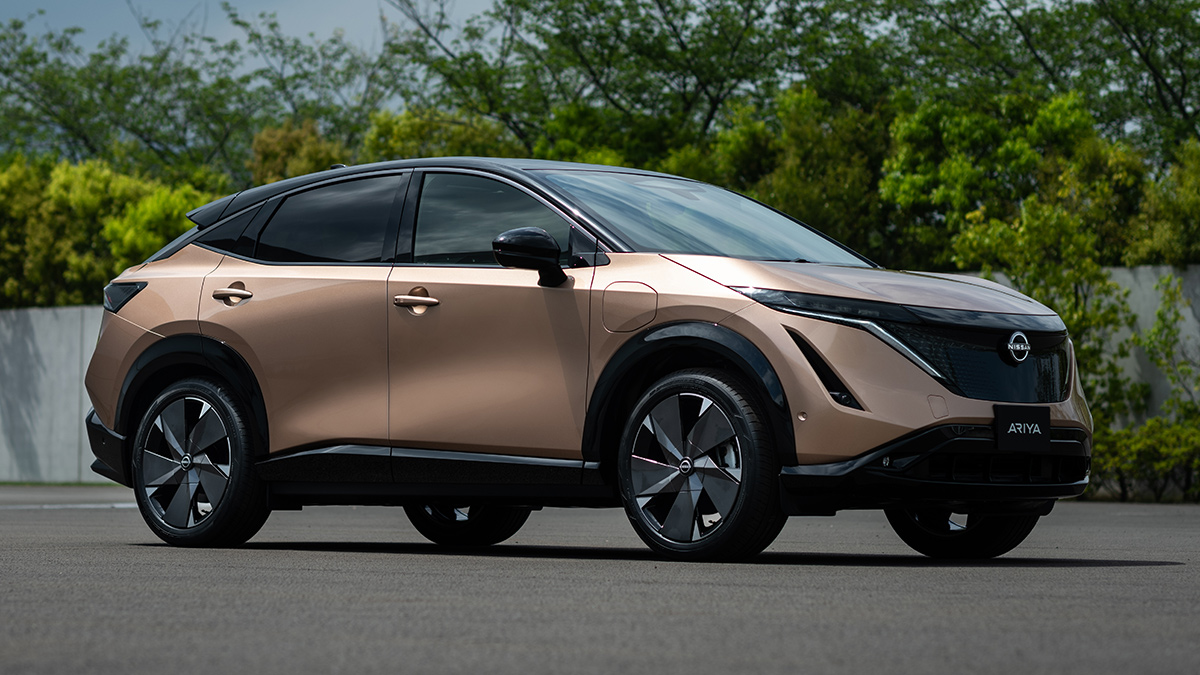
5. Nissan Ariya: Consistent Winter Performance and Comfortable Electric Crossover
The Nissan Ariya has earned strong marks for winter efficiency, making it a dependable electric crossover for city drivers in cold climates. Recent data shows the Ariya experiences a range reduction of about 24.85% in extreme cold conditions, a respectable figure that highlights its ability to deliver consistent performance during harsh winters.
This stability is supported by an advanced liquid-cooled battery thermal management system that actively maintains optimal battery temperatures, preserving both driving range and charging capability in freezing weather.
Winter usability is a core strength of the Ariya. A dedicated battery heater allows the pack to function efficiently in very low temperatures, while the fast-acting electric cabin heater warms the interior far quicker than traditional combustion vehicles. Through the MyNISSAN app, drivers can remotely precondition the cabin and battery while the vehicle is still plugged in, reducing energy draw once driving begins.
Optional e-4ORCE all-wheel drive further enhances winter confidence by precisely managing torque delivery to each wheel, improving traction and stability on snow- and ice-covered roads. Heated front seats and a heated steering wheel add comfort during cold commutes.
Powertrain choices include a front-wheel-drive single-motor setup producing 238 horsepower and dual-motor e-4ORCE all-wheel-drive configurations generating either 335 or 389 horsepower. The base front-wheel-drive model prioritizes smoothness and efficiency over quick acceleration, reaching 60 mph in about 7.5 seconds.
The more powerful all-wheel-drive Platinum+ trim improves responsiveness significantly, cutting the 0–60 mph time to roughly 5.0 seconds. Ride quality remains calm and composed across trims, favoring comfort and predictability rather than sporty engagement.
Driving range depends on battery size and drivetrain. The long-range front-wheel-drive Venture+ trim offers up to 304 miles per charge, while the base Engage trim is rated at 216 miles. Dual-motor all-wheel-drive versions deliver up to 272 miles.
Real-world highway testing recorded approximately 240 miles for front-wheel-drive models and about 210 miles for e-4ORCE variants. EPA efficiency ratings peak at 111 MPGe city and 95 MPGe highway. Nissan also supports broader charging access by offering a NACS adapter for Tesla Supercharger compatibility.
Inside, the Ariya features a clean, futuristic cabin design with a flat floor that enhances spaciousness. Nissan’s zero-gravity front seats provide excellent comfort, while the rear seats accommodate adults comfortably for longer trips. Dual 12.3-inch displays manage instrumentation and infotainment, with standard Apple CarPlay, Android Auto, wireless charging, and integrated voice assistants.
Safety technology includes standard automated emergency braking and available ProPilot 2.0 hands-free driving assistance. Warranty coverage includes three years/36,000 miles bumper-to-bumper, five years/60,000 miles powertrain, and eight years/100,000 miles for the battery, reinforcing the Ariya’s appeal as a winter-capable urban EV.
Also Read: 5 Cars for Fountain Valley City Use and 5 Compact Daily Drivers
5 That Lose Range Quickly
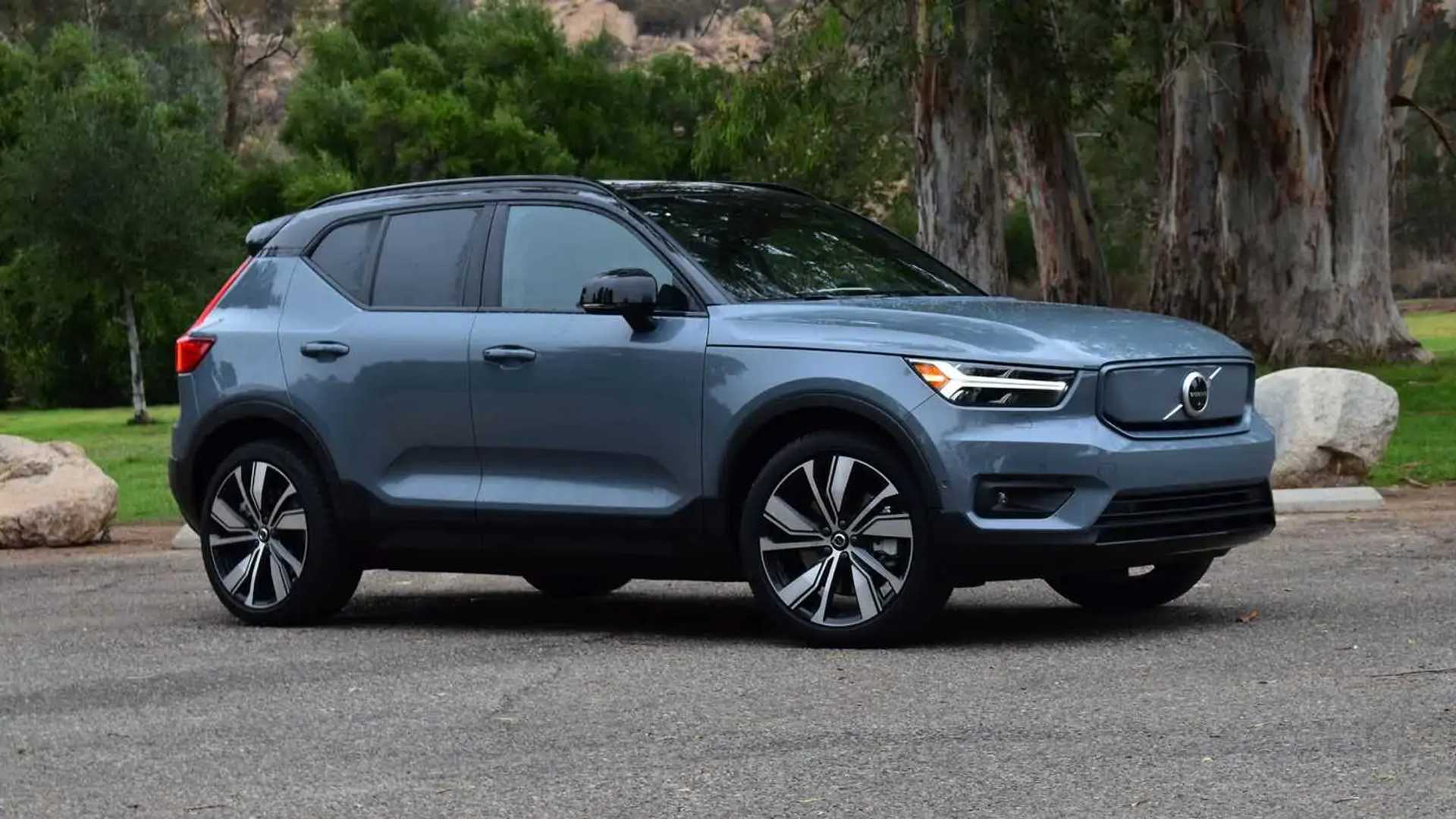
1. Volvo XC40 Recharge: Notable Winter Range Loss and Efficiency Challenges
The Volvo XC40 Recharge has developed a reputation for pronounced range loss in real-world driving, particularly in cold and high-speed conditions. Multiple studies and owner reports from 2025 and 2026 place it among the worst-performing modern EVs for winter efficiency, with some tests recording range reductions of up to 39%.
This decline is often linked to older heating strategies, conservative energy-management software, and a design that is especially sensitive to environmental factors.
Cold weather has a substantial impact on the XC40 Recharge. In winter testing, its usable range dropped from an official estimate of roughly 250 miles to as little as 154 miles. Low temperatures slow the chemical reactions within the lithium-ion battery, while simultaneously increasing energy demand from the thermal management system.
Maintaining safe battery operating temperatures requires significant power, reducing energy available for driving. Cabin heating further compounds the issue, as the vehicle relies on battery power rather than waste heat, with heater usage alone capable of cutting range by as much as 25% in extreme cold.
Aerodynamics also play a role in the XC40 Recharge’s efficiency challenges. Its boxy compact-SUV shape results in a relatively high drag coefficient of 0.329.
At highway speeds above 70 mph, aerodynamic drag increases energy consumption rapidly, accelerating range loss compared to urban driving, where regenerative braking can recover some energy. High-speed cruising in winter conditions, therefore, produces particularly steep efficiency penalties.
The vehicle’s range estimation software contributes to driver perception of sudden battery loss. Often described as a “guess-o-meter,” the system bases projected range on recent driving behavior. Aggressive driving, cold-weather operation, or sustained highway speeds can cause the displayed range to drop sharply on subsequent trips, giving the impression of abrupt battery depletion.
Additional factors include parasitic electrical draw from onboard systems such as infotainment, security features, and connectivity modules, which can consume power even when parked.
Technical issues have also played a role, with recalls affecting components like the Battery Energy Control Module. For older 2021–2022 models, natural battery aging and poorly maintained 12-volt systems can further reduce efficiency and accelerate range loss.
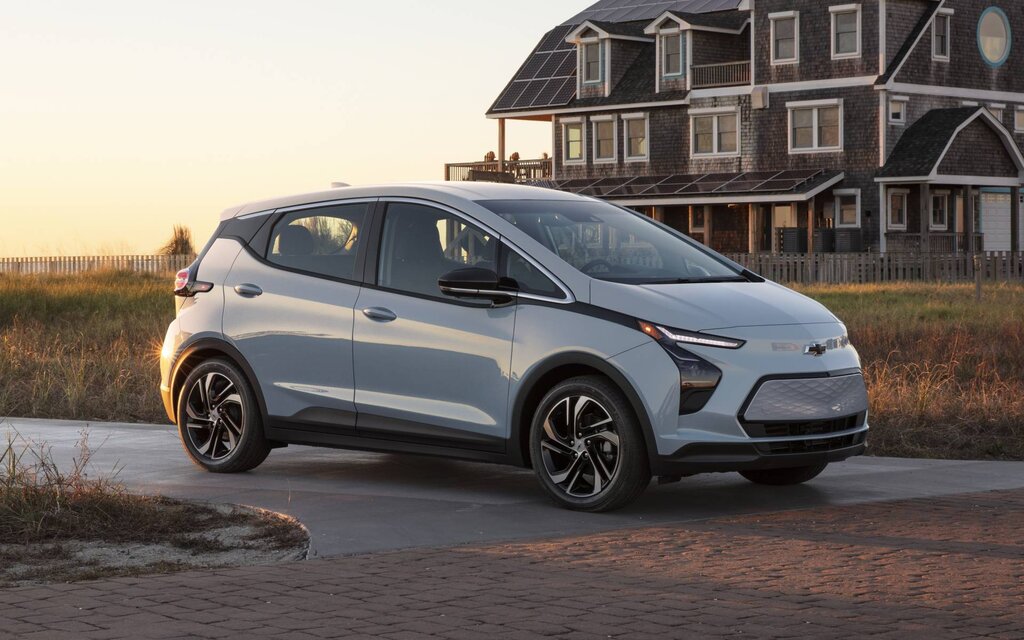
2. Chevrolet Bolt EV (Legacy Models): Cold-Weather Range Loss and Software Constraints
Legacy Chevrolet Bolt EV models produced between 2017 and 2022 are known for notable range loss in cold climates, particularly during short urban trips. Lacking a heat pump, these vehicles rely on a resistive cabin heating system that can significantly reduce driving range in freezing temperatures.
Real-world data shows that older Bolts can lose up to 32% of their rated range in winter conditions, with even higher losses reported in extreme cold.
Cold weather places heavy energy demands on the Bolt EV. Its resistive heater can draw as much as 7.5 kW, quickly depleting the battery during winter commutes. In addition to cabin heating, the vehicle must use battery power to warm the battery pack itself, keeping it within an optimal operating range of roughly 70–90°F.
Environmental factors such as denser cold air and increased rolling resistance from winter tires further reduce efficiency, compounding range loss.
Software limitations introduced during major battery recall campaigns have also affected usable range. To monitor battery health and mitigate fire risk, General Motors implemented software that temporarily limits the maximum state of charge to 80% for approximately 6,200 miles.
This safety measure immediately reduces the daily driving range by 20% until diagnostic monitoring is complete. Prior to these updates, interim guidance advised owners to limit charging to 90% and avoid depleting the battery below 70 miles of remaining range, effectively shrinking the usable portion of the battery even further.
Driving behavior and range estimation logic also influence perceived battery depletion. The Bolt’s range display, commonly called the “guess-o-meter,” bases its calculations on the previous 50 miles of driving.
A shift from low-speed city travel to sustained highway driving above 65 mph can cause the estimated range to drop sharply as the system recalculates energy use. Highway driving alone can reduce efficiency by more than 30% compared to urban conditions.
Battery aging plays a smaller role in range loss for many owners. While lithium-ion packs typically lose 5–10% capacity over time, numerous legacy Bolts benefited from battery replacements during the 2021–2023 recall, receiving newer, higher-capacity packs. Vehicles that did not receive replacements may still experience a gradual capacity decline due to normal aging.
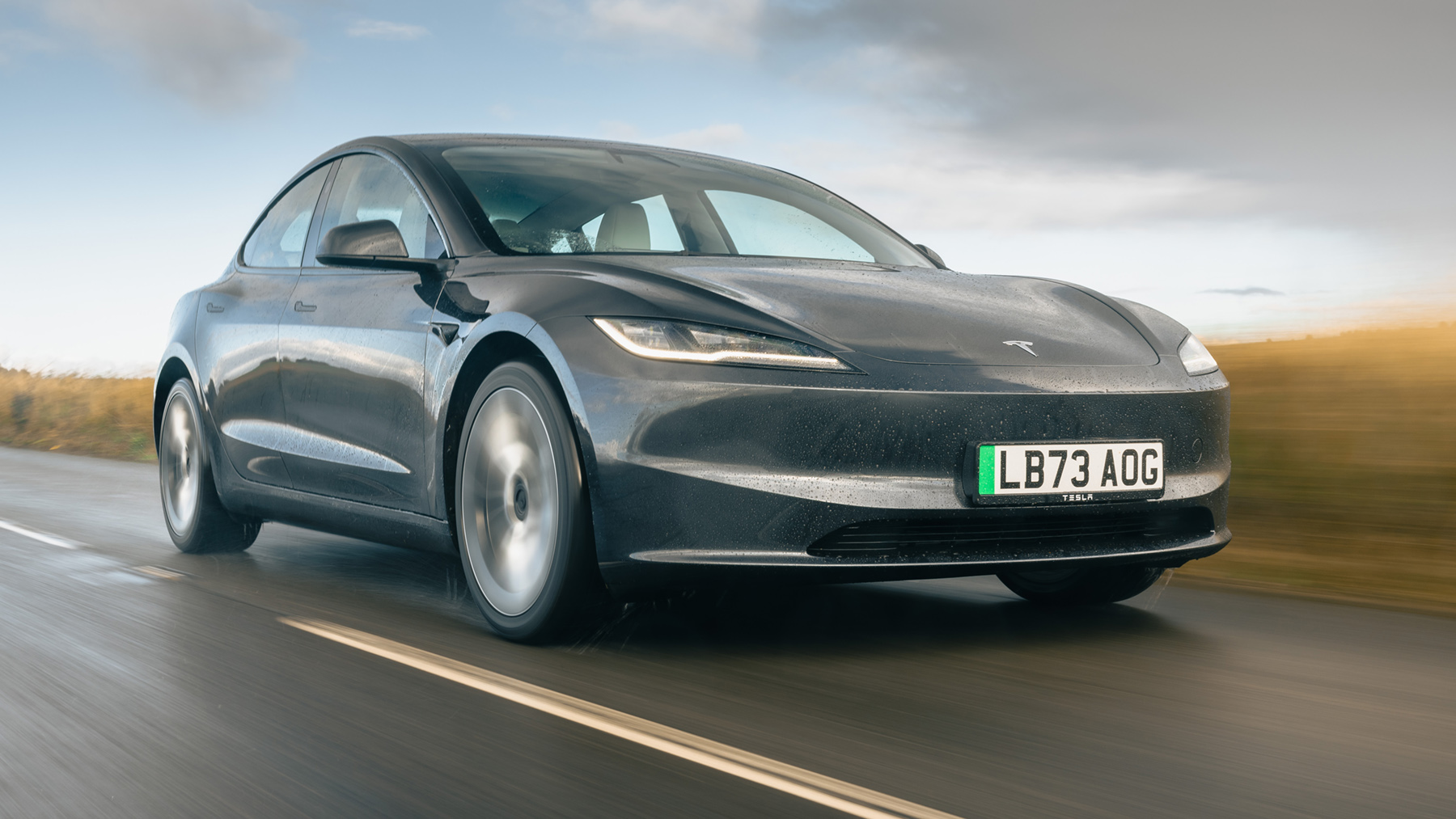
3. Tesla Model 3: Winter Range Variability and Perceived Battery Loss
The Tesla Model 3 is widely recognized for its fast charging and strong efficiency, yet winter testing has shown range reductions of up to 29.57% in certain conditions.
Cold-weather performance varies significantly by model year and trim, particularly depending on whether the vehicle is equipped with Tesla’s newer Octovalve heat pump system. Models without this system tend to experience greater energy losses during winter operation, especially on short or high-speed trips.
In many cases, reported range loss reflects real-time energy consumption and display behavior rather than actual battery degradation. High-speed driving is the largest contributor to rapid range depletion. Aerodynamic drag increases exponentially with speed, meaning sustained highway travel can dramatically increase energy use.
Tesla’s updated 2026 Energy App helps drivers visualize these losses, breaking down how driving style, speed, and external conditions affect range. Climate control also draws substantial power in extreme temperatures, while cold air density and reduced battery efficiency further increase consumption. Driving in hilly terrain adds to energy use on climbs, though regenerative braking recovers some power on descents.
The Model 3 can also lose charge while parked. Features such as Sentry Mode actively monitor surroundings using external cameras and can drain 1–3% of the battery per day. Frequently accessing the vehicle through the Tesla mobile app can prevent it from entering a low-power sleep state, increasing idle energy loss. These factors often explain unexpected overnight or multi-day drops in displayed range.
The displayed range itself can be misleading. The mileage shown next to the battery icon is a static EPA-based estimate rather than a reflection of individual driving habits. If real-world driving is less efficient than EPA test conditions, the displayed miles will decrease more quickly than the distance traveled.
In some cases, the Battery Management System may need recalibration. Tesla recommends occasionally allowing the battery to drop below 10% and then charging to 100% to help the system accurately reassess capacity.
Battery degradation plays a smaller role than many assume. Lithium-ion batteries typically lose 3–6% capacity in the first year, followed by a slower decline of about 1–2% annually. By 2026, Tesla’s Battery Health tool will allow owners to view an official assessment of remaining battery capacity, helping distinguish normal aging from perceived range loss.
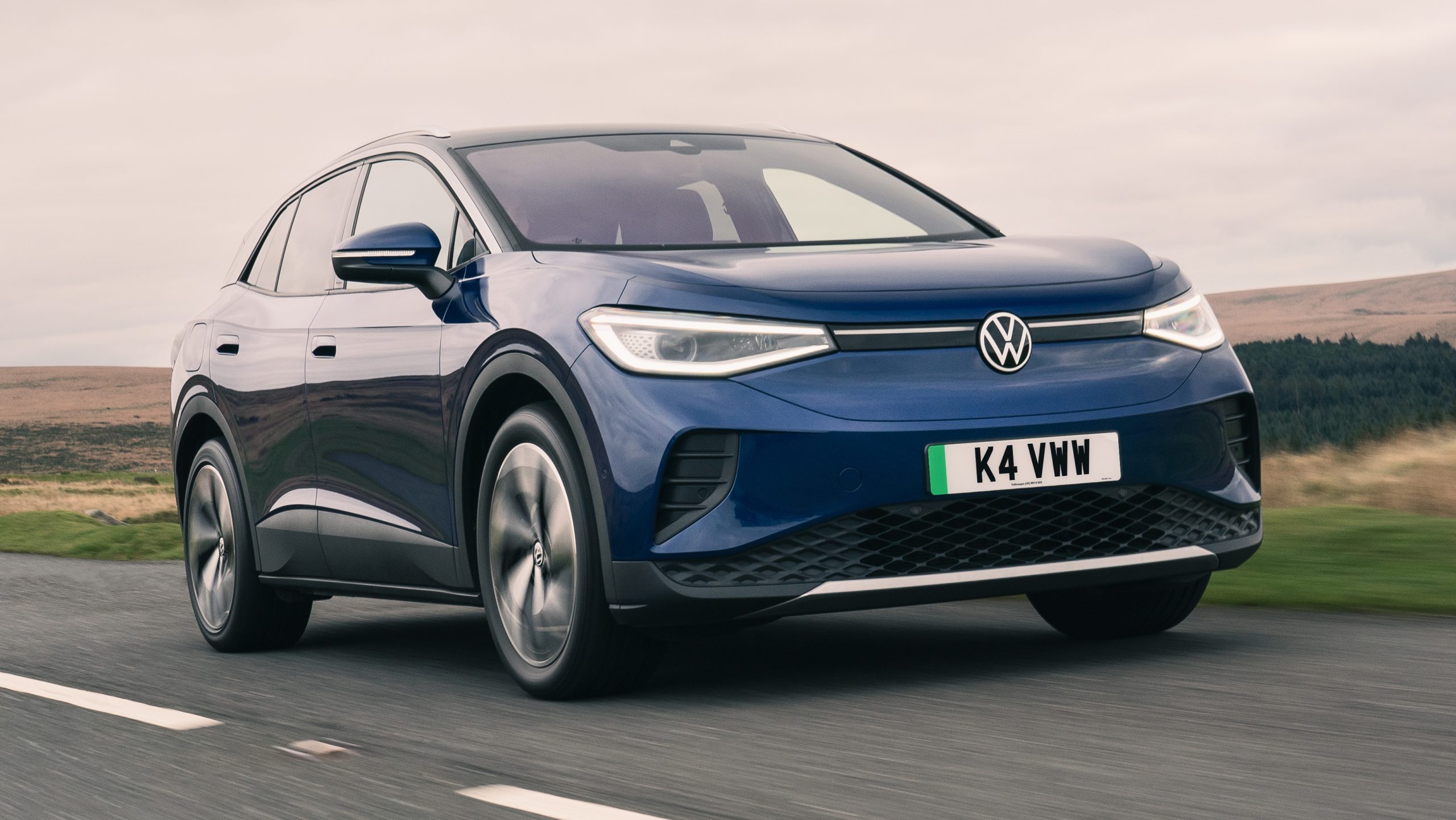
4. Volkswagen ID.4: Cold-Weather Sensitivity and Range Estimation Challenges
The Volkswagen ID.4 has shown notable sensitivity to cold weather, particularly in earlier model years that lack a standard heat pump. Real-world testing indicates that these legacy versions often retain only about 65% to 70% of their rated range at 32°F, translating to a 25%–30% reduction in freezing conditions.
While 2026 models show improvements in thermal efficiency, many earlier ID.4s remain vulnerable to winter-related range loss.
Environmental conditions are the primary driver of reduced range. Cold temperatures slow the chemical processes inside the battery, limiting available energy, while simultaneously increasing demand for cabin heating.
Models without the optional heat pump rely on resistive heaters, which draw significantly more power than modern heat-pump systems. This combination can lead to rapid depletion during winter driving, especially on short trips where the battery and cabin must be heated repeatedly.
The ID.4’s range display further contributes to perceived battery loss. Often referred to as a “guess-o-meter,” the system estimates remaining range based on recent driving behavior rather than fixed battery capacity.
High speeds, aggressive acceleration, or steep terrain on prior trips can cause the display to project a much lower range on subsequent drives, even with a full charge. When driving conditions improve, the estimate may stabilize, but the initial drop can feel abrupt and misleading.
Driving style and aerodynamic load also play a significant role. The ID.4 is most efficient at city speeds, but once cruising exceeds 65–70 mph, aerodynamic drag increases rapidly, and energy consumption rises sharply. Accessories such as roof racks or towing equipment can further increase drag by as much as 20%, accelerating range loss on highways.
Maintenance and technical factors can quietly reduce efficiency. Cold air lowers tire pressure, increasing rolling resistance and reducing range. Additionally, some 2021–2023 models were affected by battery-management software recalls that could lead to inaccurate data or power loss, though these issues are typically resolved through dealer updates.
Drivers can mitigate winter range loss by preconditioning the cabin and battery while plugged in using the myVW app, relying on Eco and “B” modes to maximize efficiency and regenerative braking, and prioritizing heated seats and steering wheel over high cabin air temperatures.
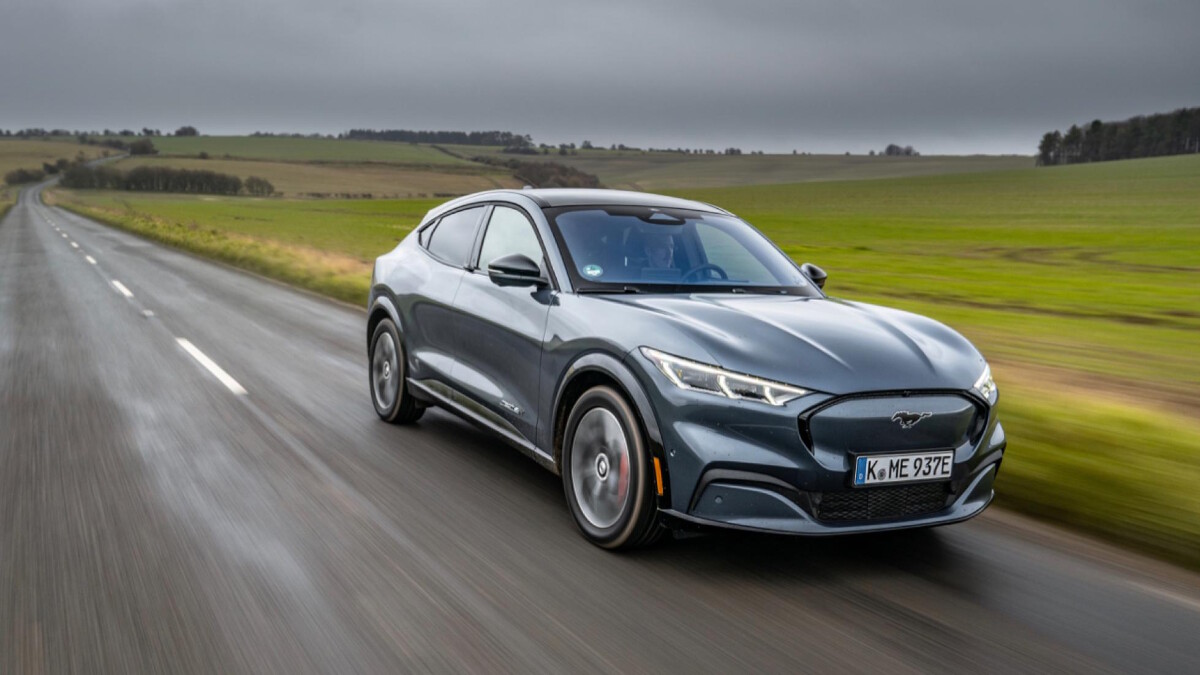
5. Ford Mustang Mach-E: Why Winter Driving Cuts Range and How to Manage It
The Ford Mustang Mach-E is known to experience noticeable range reductions in cold weather, particularly in trims that rely on resistive cabin heating. Real-world winter testing shows range losses of roughly 31% to 37% in freezing conditions.
While this can feel alarming, rapid range decline is rarely a sign of battery failure. Instead, it reflects how the vehicle estimates remaining range and how environmental and driving factors affect energy consumption.
A major contributor is the Mach-E’s range estimator, commonly called the “guess-o-meter.” Rather than showing a fixed value, it predicts remaining distance based on the previous 15 to 30 miles of driving.
If recent trips involved high speeds, aggressive acceleration, or steep climbs, the system assumes similar conditions will continue and reduces the displayed range sharply. When driving returns to slower city speeds, the estimate often stabilizes or partially recovers.
Speed and aerodynamics also play a critical role. The Mach-E is most efficient in urban traffic, where regenerative braking can reclaim energy. At highway speeds, air resistance rises rapidly.
Driving above 65–70 mph causes energy use to increase exponentially, with sustained 80-mph cruising reducing range by as much as 15–20% compared to moderate speeds. Larger wheels and winter tires further increase rolling resistance, accelerating battery drain.
Cold temperatures compound these effects. Lithium-ion batteries operate most efficiently near room temperature, and freezing conditions can reduce usable range by up to 40%. The Mach-E must expend energy both to warm the cabin and to keep the battery within a safe operating range. Using high heat or max defrost places a particularly heavy load on the battery.
Battery calibration can also influence perceived range. Newer Mach-E models equipped with lithium iron phosphate (LFP) batteries require periodic charging to 100% to maintain accurate state-of-charge readings. Without this, the system may underestimate available energy and display reduced range.
Drivers can reduce winter range loss by preconditioning the vehicle while plugged in, relying on heated seats and steering wheel instead of high cabin temperatures, maintaining proper tire pressure, and adopting smoother, lower-speed driving habits.
Cold-weather performance has become a defining factor for EV ownership, especially for drivers who rely on their vehicles daily in winter-heavy cities. As this list shows, winter range loss is not simply about battery size or brand reputation; it’s about thermal strategy, software intelligence, and how efficiently an EV balances comfort with energy use.
Models like the Polestar 3, Hyundai IONIQ 5, and BMW iX demonstrate that thoughtful engineering can dramatically reduce winter penalties, making them far easier to live with year-round.
On the other side, vehicles that rely heavily on resistive heating, conservative software, or older hardware designs tend to lose range quickly, creating anxiety and forcing behavioral compromises.
The good news is that many winter challenges can be mitigated through smart habits such as preconditioning, moderating speed, and using localized heating. Understanding these differences empowers buyers to choose EVs that match their climate and helps current owners set realistic expectations when winter inevitably arrives.
Also read: Top 10 Cars That Look Like They Belong in a Crime Epic