Cities impose a unique set of demands on the cars that operate within them, shaping the daily experience of millions of drivers who navigate crowded streets, frequent stops, heavy traffic, and limited parking. Urban driving challenges engines, transmissions, and electronics in ways that differ greatly from highway or rural use.
For people chasing dependability, fuel efficiency, and low maintenance costs in a city ambience, choosing the right vehicle becomes more than a casual decision. Cars with high urban mileage and solid reliability can make commuting smoother, expenses lower, and ownership more satisfying over time for drivers who spend most of their miles in stop‑and‑go traffic.
In contrast, some vehicles struggle when faced with the realities of city life. Cars that are tuned primarily for open roads or that have sensitive mechanical components might endure frequent repairs, reduced fuel economy, or quicker wear on brakes and suspension.
The interplay between a car’s design and the demands of city streets often shows its effects only after months or years of use. Choosing a vehicle well suited to urban mileage means considering not just advertised consumption figures, but also how a car handles slow traffic, frequent accelerations, short trips, and tight quarters.
Some models have earned reputations among owners and mechanics for standing up well to city life, delivering dependable starts, stops, and everything in between. Their engines idle smoothly in traffic, their transmissions shift predictably in congested avenues, and their construction keeps repair bills lower than average over several years.
At the same time, other models struggle with cooling systems that overheat in dense traffic, transmissions that get stressed by repeated shifting, or turbochargers that never get hot enough to operate efficiently. Some cars that are prized on highways find their strengths turned into weaknesses in urban environments.
Weight, electronic complexity, and design choices can all influence how a vehicle responds to the everyday rigors of traffic lights and narrow streets. For urban drivers, understanding these differences can be the key to owning a car that outlasts expectations instead of becoming an expensive headache.
Below we look at five cars that are commonly regarded as reliable choices in urban use and five that have become known for issues tied especially to city driving.
5 Cars That Stay Reliable With Urban Mileage
1. Toyota Corolla
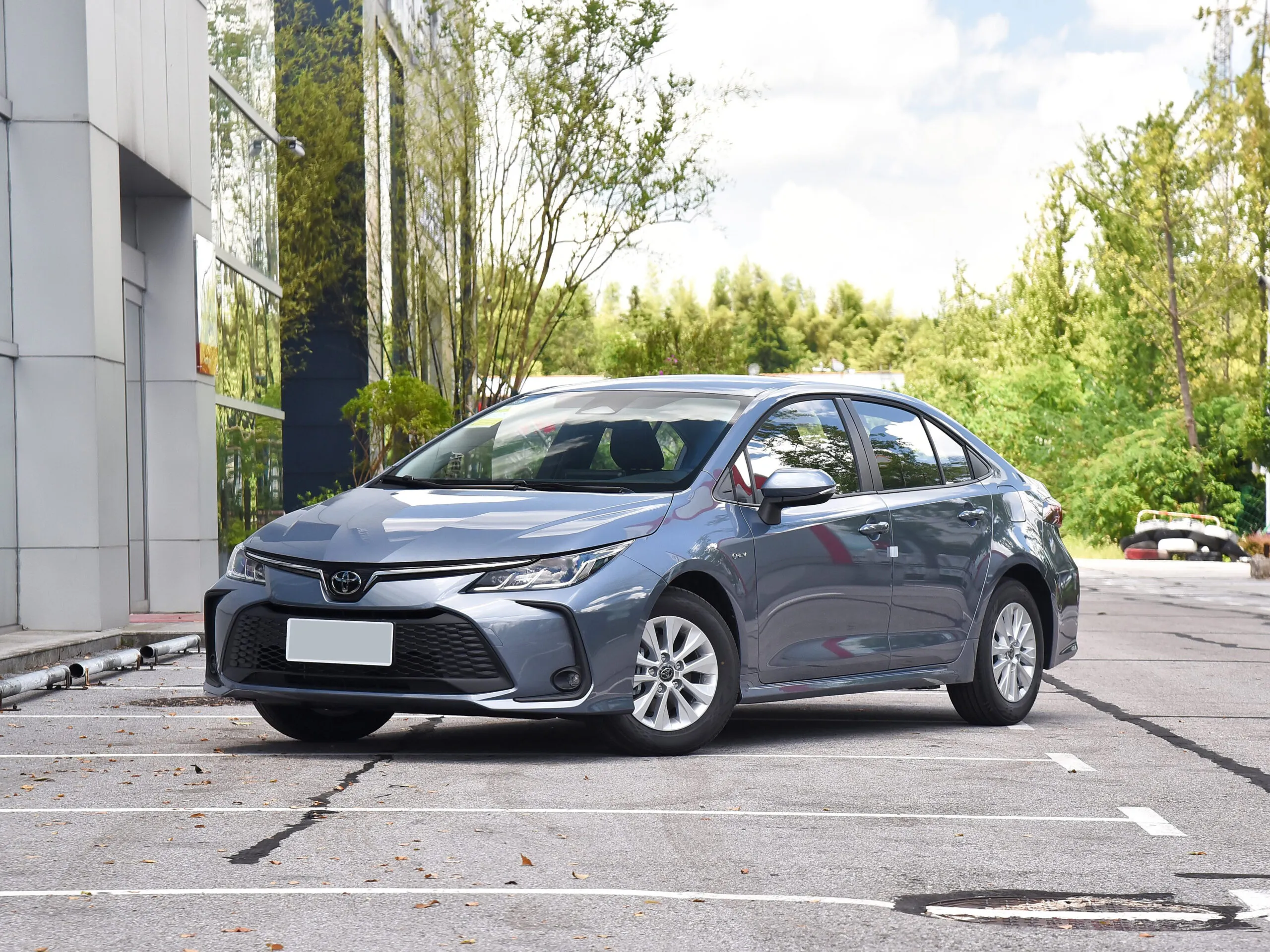
The Toyota Corolla has long been recognized for its balanced combination of reliability, fuel economy, and ease of use. Urban drivers often praise its smooth handling in tight spaces and predictable responses during stop‑and‑go traffic.
The engine, while not excessively powerful, delivers a level of efficiency that keeps fuel costs lower than many competitors. Its suspension setup is calibrated to absorb typical city bumps, allowing for less fatigue on daily commutes that involve potholes, speed bumps, and uneven pavement.
Owners in urban regions frequently comment on how the Corolla’s braking system feels confident when stopping abruptly at crosswalks or lights. The internal electronics, from climate control to infotainment features, tend to operate without glitches that can plague other cars after extended use.
Toyota’s reputation for durability extends to its affordable parts, meaning that routine maintenance stays within a reasonable budget even when performed at independent service centers. For many city dwellers, the Corolla becomes a trusted companion for errands, school pickups, and daily travel.
It also benefits from a generous network of dealerships and service centers in urban areas, making common repairs and routine service appointments easier to schedule. This availability of support helps keep downtime minimal, which matters when a car is depended on for essential travel.
While the Corolla may lack the excitement of high‑performance models, its quiet cabin and ergonomic controls make everyday driving less stressful. Passengers and drivers alike appreciate the straightforward design that avoids overly complicated technology that might falter in heavy use.
In real world urban mileage situations, the Corolla consistently records competitive numbers, giving drivers more miles per tank in environments where fuel efficiency usually suffers. The engine management systems are tuned to make the most of each drop of fuel during frequent stops, adding to its appeal for budget‑aware city motorists.
On balance, the Corolla offers a combination of reliability, longevity, and cost‑effective operation that resonates with commuters and urban families alike.
2. Honda Civic
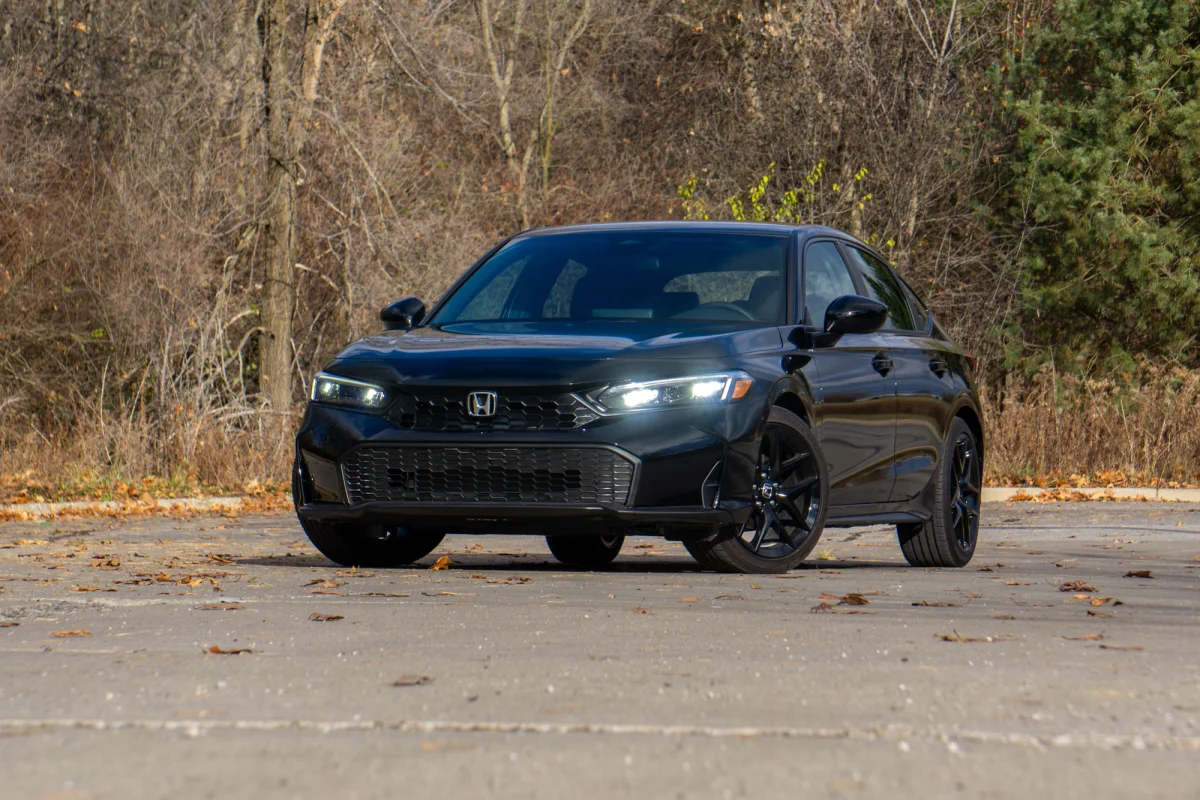
The Honda Civic has built a strong reputation around reliability and longevity, making it a favorite among drivers who spend most of their time in towns and cities. Its compact footprint makes parking simpler, and its responsive steering suits weaving through dense traffic without undue stress.
The Civic’s engine and transmission systems are known to require minimal unscheduled work when maintained according to recommended schedules. In urban environments where acceleration and deceleration are constant, this reliability becomes particularly valuable.
Inside, the Civic delivers a comfortable cabin with controls that remain intuitive even after long periods of use. Urban drivers especially value its visibility from the driver seat, which helps anticipate changes in traffic flow or sudden stops by other road users.
The Civic’s suspension absorbs many of the jolts that would otherwise make city driving tiring, giving occupants a steadier ride on rough roads. Maintenance intervals are generous, meaning oil changes, brake checks, and tire rotations occur with predictable frequency that owners can plan around.
The Civic’s fuel consumption stays competitive in the city, often outperforming rivals with similar power outputs under comparable conditions. Its engine control systems manage frequent idling and shifting with efficiency, minimizing wasted fuel through adaptive management.
A strong resale value helps owners recover more of their investment when they decide to sell or trade in later. Experienced mechanics often highlight the robust engineering Honda applies, making widespread problems uncommon even after years of heavy city use.
A Civic can reliably handle years of urban mileage without major issues if routine checks are not neglected. Brakes, tires, and fluid systems remain in good order longer than many alternatives, keeping total running costs lower. This durability has cemented the Civic’s place as a go‑to choice for citizens, students, and professionals who prioritize smart, practical transportation that endures daily demands.
3. Hyundai Elantra
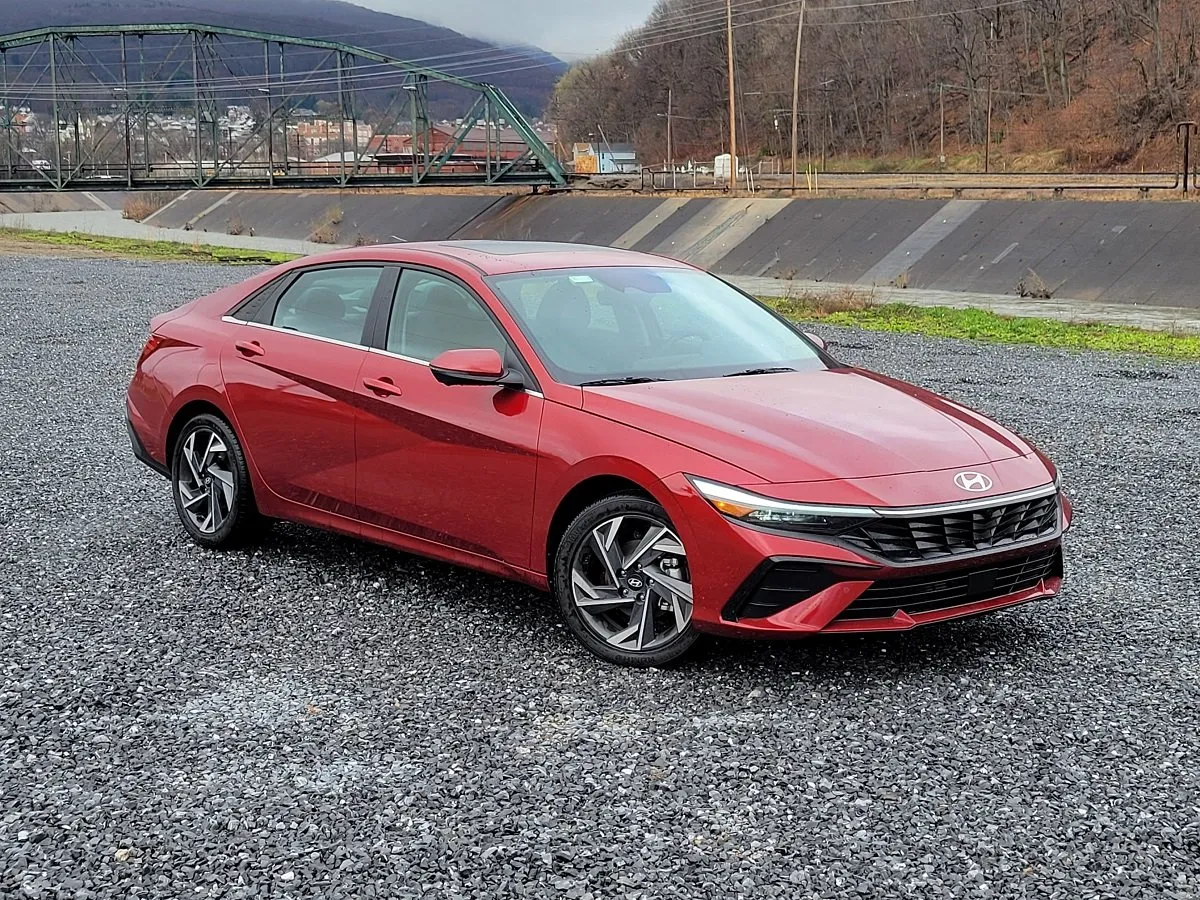
The Hyundai Elantra offers a compelling package for urban drivers who want reliability without sacrificing comfort or features. In busy city settings, the Elantra’s engine delivers steady performance that balances power and efficiency.
Its design places emphasis on smooth gear changes, lessening the strain that frequent urban shifting can place on a drivetrain. Owners report that the cabin remains a calm place, even when traffic is congested and speeds vary constantly throughout the day.
Hyundai’s warranty coverage and affordable servicing options give additional peace of mind to urban commuters who rely heavily on their vehicles. The Elantra’s suspension system is set up to deal with common city road imperfections without transmitting excessive harshness into the cabin. Controls for heating, ventilation, and connectivity tend to be intuitive, reducing distraction when navigating complex street grids. With regular attention to oil, brakes, and tires, the Elantra remains responsive and dependable.
Fuel economy figures remain high when the vehicle faces typical stop‑and‑go conditions, with the engine’s management systems adjusting performance to conserve fuel where possible. Many urban owners appreciate how the Elantra maintains smooth acceleration from low speeds, making merging into traffic less stressful.
Visibility through the windows and mirrors supports confident lane changes and right‑angle turns, which are frequent in bustling districts. Periodic service costs tend to stay reasonable, even when performed outside major cities.
Long term, the Elantra keeps its mechanical systems intact through high mileage runs, rewarding drivers who stick with scheduled maintenance. While some rivals might require more frequent brake adjustments or suspension work under similar use, the Elantra often endures without such needs. This reliability has helped it become a popular choice for those wanting a thoughtful mix of comfort and practicality for city life.
4. Mazda3
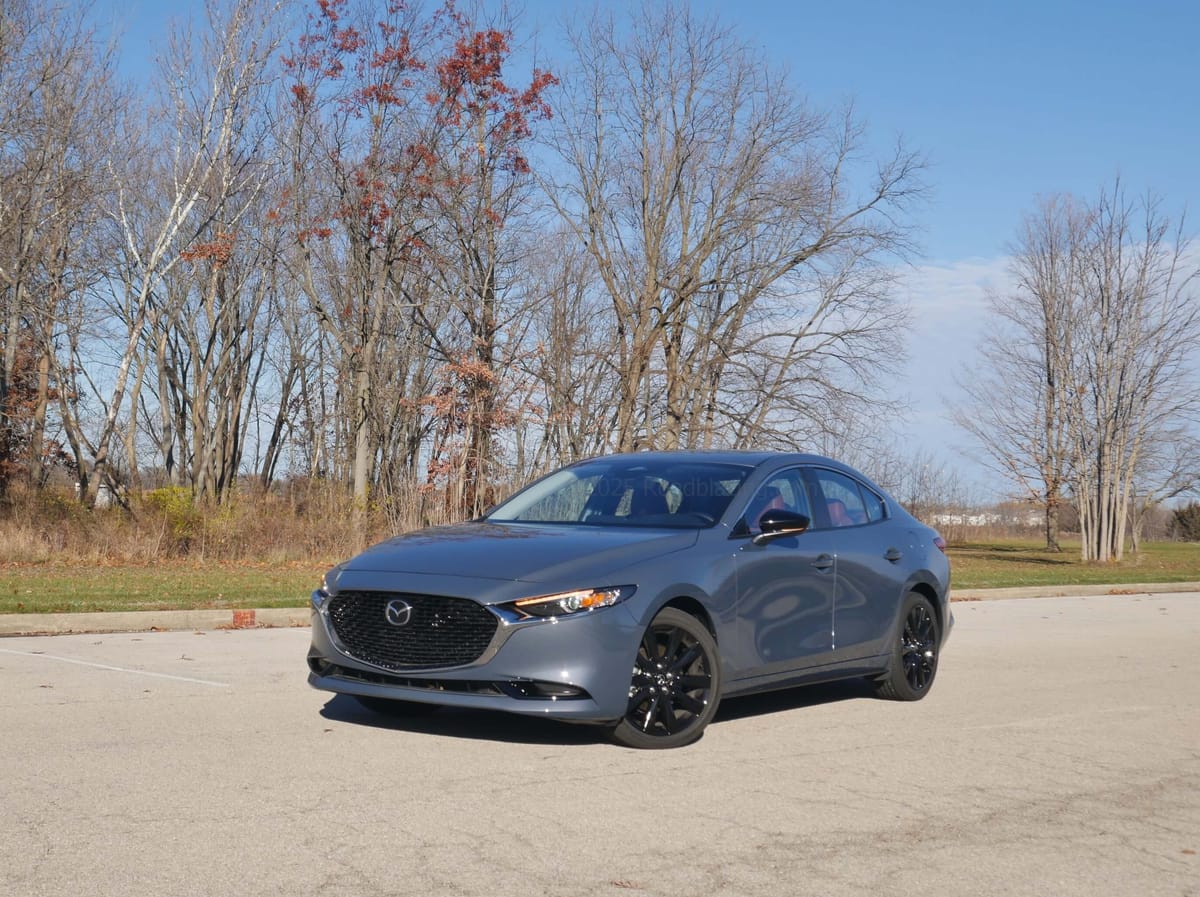
The Mazda3 is often chosen by urban drivers for its combination of responsive handling and thoughtful design that fits city demands. Its steering feedback and agile body make navigating narrow streets less intimidating, while the engine provides enough torque for prompt starts without excessive throttle input.
The chassis is tuned to reduce body roll during sudden direction changes, making everyday driving feel composed rather than chaotic. Inside, the controls are easy to reach and clear, supporting focus on the road ahead.
Mazda’s commitment to build quality shows in the way the Mazda3 handles repeated use without obvious wear or creaks. The brakes respond with steady modulation, helping manage frequent stops without discomfort for passengers.
The suspension setup smooths many imperfections in dense city paving, which helps reduce fatigue after longer domestic commutes. Reliability reports from owners commonly highlight how few unexpected repairs arise over the years.
Fuel consumption for the Mazda3 remains competitive in urban settings, where short trips can otherwise lead to poor economy. The engine and transmission systems are calibrated to maximize efficiency during those frequent starts and stops. Air conditioning and other accessories function consistently, which adds comfort during hot city travel. Regular service intervals are straightforward to manage, and replacement parts are generally easy to find when necessary.
Over time, a well maintained Mazda3 continues to feel lively and reliable despite high city mileage. Many owners find that the vehicle holds up well to the daily rigors of urban errands, traffic snarls, and frequent parking maneuvers. This sense of long lasting dependability helps explain why the Mazda3 remains a top choice among people who want a car that manages both efficiency and durability in busy centers.

5. Kia Soul
The Kia Soul stands out in urban areas for its distinctive shape and functional design that suits everyday traffic conditions. Its boxy profile yields excellent interior space and visibility, helping drivers to spot pedestrians, cyclists, and other cars with less turning or craning.
The engine options provide adequate power without being overly thirsty, and the transmission systems manage shifts smoothly in stop‑and‑go conditions. For owners who navigate tight parking lots or crowded streets, the Soul delivers a reassuring sense of control.
Inside the cabin, ergonomics support prolonged use without discomfort, and the control layout reduces the learning curve for drivers new to the model.
The suspension is tuned to absorb typical irregularities in city roads rather than amplifying bumps, adding to comfort. Kia’s warranty coverage and broad dealer presence in many regions make warranty work or routine servicing accessible. Owners appreciate the practicality of the interior layout, including cargo space that eases frequent urban errands.
Fuel efficiency numbers remain strong when tested in urban driving, where the engine adapts to traffic conditions with minimal wasted energy. Kia’s attention to reducing internal friction and optimizing engine responses pays off in lower consumption figures relative to similarly sized vehicles. The brakes maintain confident stopping power, which is critical for safety during unpredictable urban flows. Dashboard systems and infotainment interfaces remain responsive without frequent freezing or resets.
Routine maintenance on the Soul tends to be affordable and predictable, helping owners plan for service costs ahead of time. Over thousands of urban miles, the car’s systems show resilience, continuing to operate as expected with regular tune‑ups. This combination of practicality, comfort, and reliability makes the Kia Soul a popular pick for families, commuters, and city enthusiasts seeking a vehicle that feels dependable day after day.
5 Known for City-Specific Issues
6. Land Rover Discovery Sport
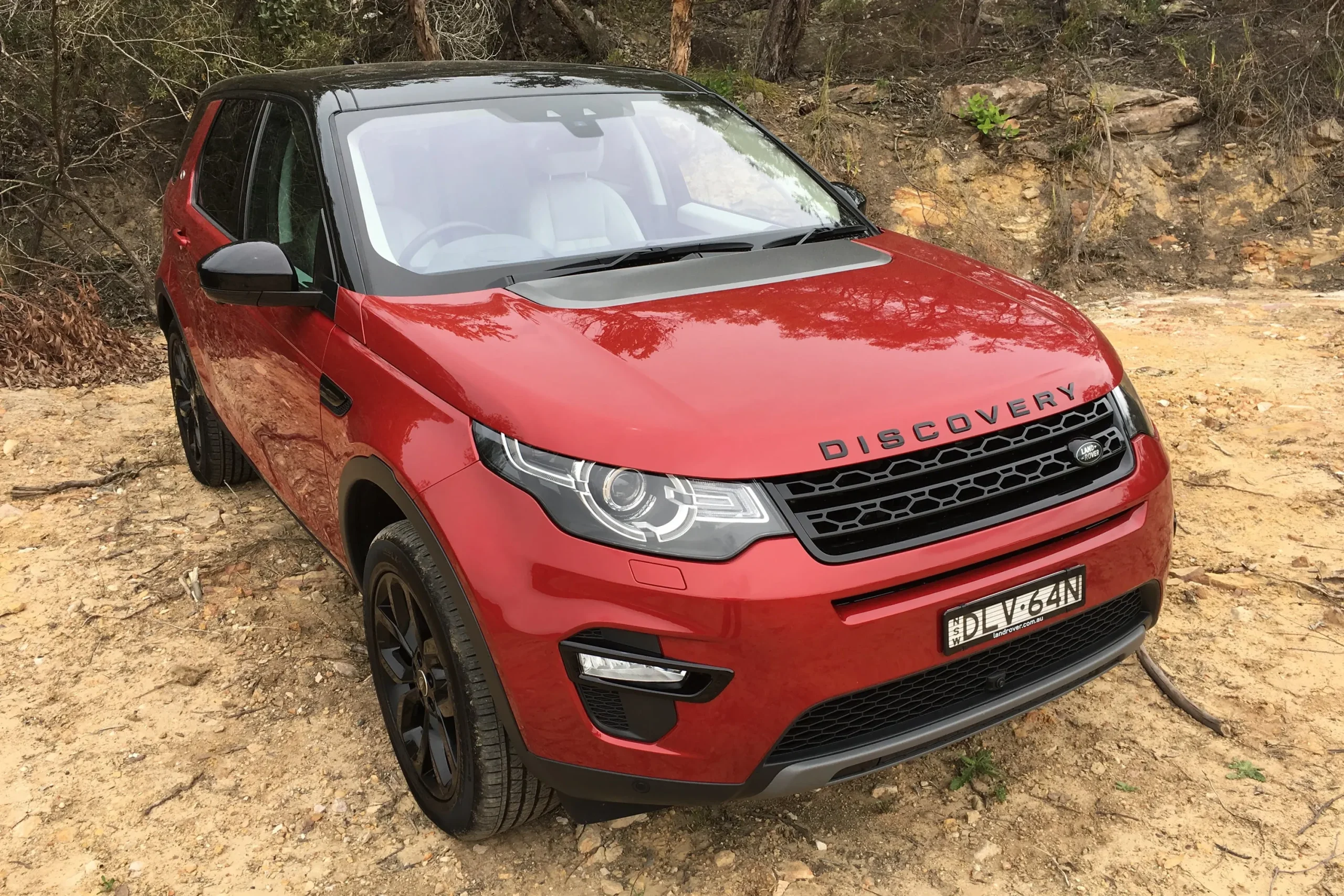
The Land Rover Discovery Sport is admired for its rugged design and off‑road capability, but urban driving reveals some limitations that frustrate city‑centric owners. Its larger size makes tight turns and parking maneuvers more strenuous than in smaller cars.
The sophisticated air suspension that excels on uneven terrain can become fussy with frequent street bumps, leading to complaints of premature wear. Complex electronics that add premium features often require frequent resets or updates in regular urban use.
Engines with turbochargers may not reach optimal temperature during short trips typical of city life, affecting long term efficiency and component health. The transmission occasionally hunts for the right gear in dense traffic, disrupting smooth flow and reducing fuel economy.
Many owners report higher than expected maintenance bills tied to sensors and electronic modules that behave unpredictably under constant stop‑and‑go conditions. Brake wear also accelerates due to the vehicle’s weight and urban braking demands.
Interior amenities that function well on long highway journeys can lag or glitch when exposed to repeated short trips and heavy use. Infotainment screens may reboot, and integrated safety systems can issue false alerts around crowded intersections or heavy pedestrian zones.
The cooling system experiences extra strain in urban heat without ventilation from open roads, leading to overheating warnings in severe traffic. For city drivers, these issues translate into increased repair frequency and frustration.
Service intervals for Discovery Sport are often shorter than for simpler vehicles, and specialized parts tend to cost more. This combination of complexity and expense weighs heavily on owners who never exploit the vehicle’s off‑road strengths but endure its urban quirks. The Discovery Sport’s capability in rural environments does not fully carry over to busy city, where its engineering choices can become disadvantages rather than assets.
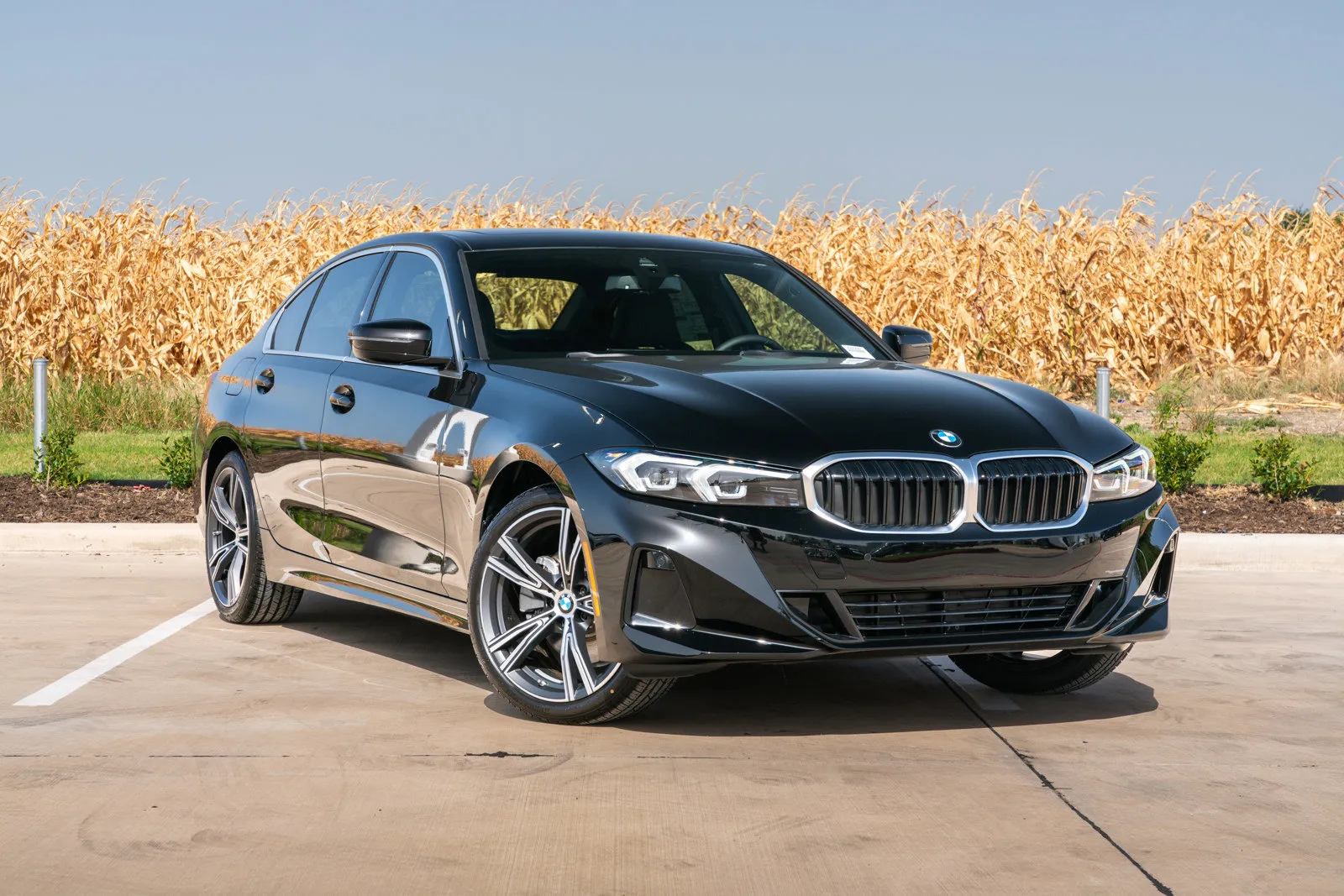
7. BMW 3 Series
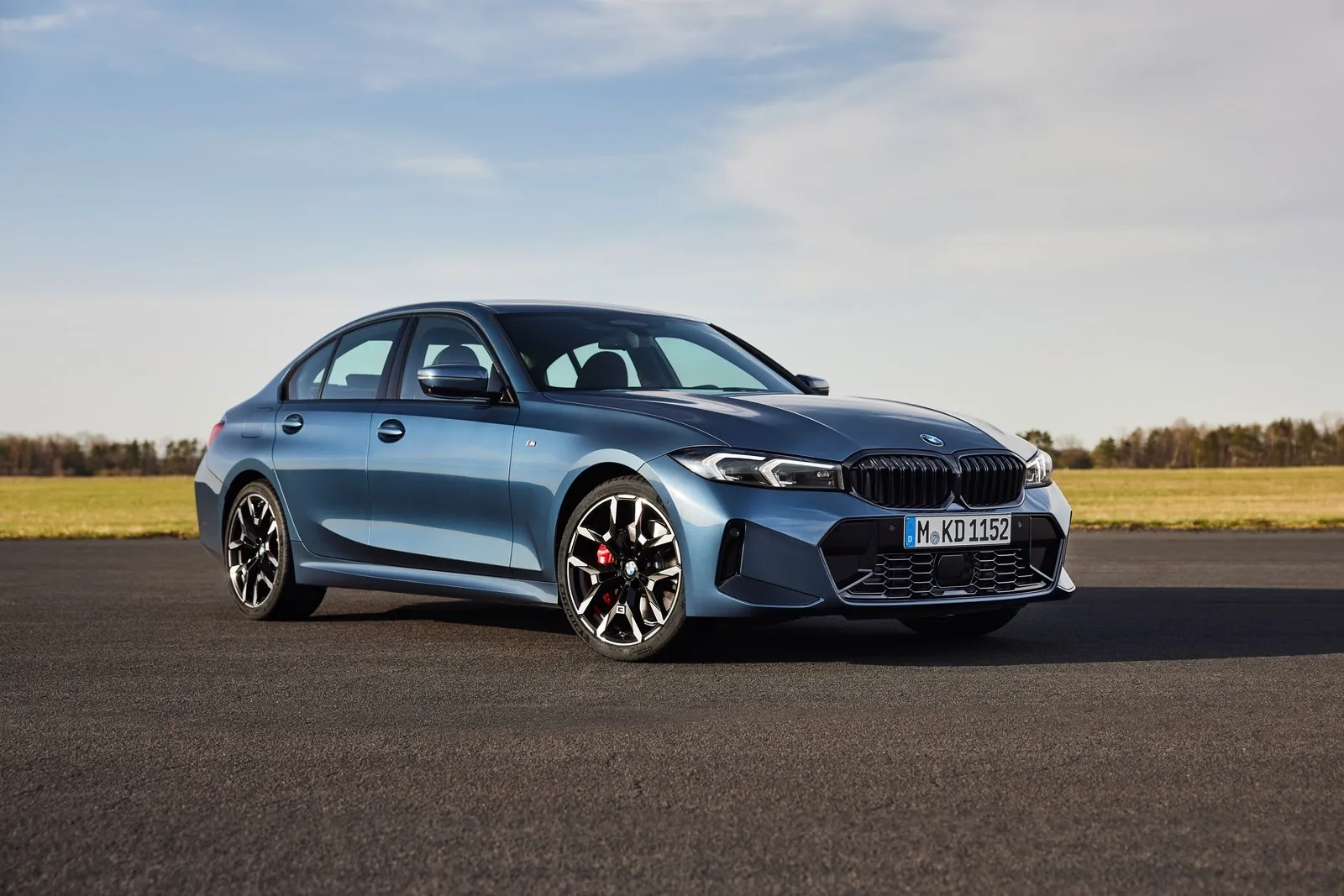
The BMW 3 Series offers engaging performance and a premium feel, yet urban mileage can wear on its intricate systems more quickly than drivers anticipate. Its suspension and steering are tuned for agility, but repeated city potholes and sharp turns introduce stresses that lead to alignment issues and tire wear.
The advanced electronics that enhance driving experience on open roads often become sources of minor malfunctions under constant start‑stop cycles in town centers. Owners note that infotainment glitches and sensor recalibrations occur with greater frequency in heavy urban use.
Brake systems with performance‑oriented designs may feel sharp at high speeds but become overly sensitive in dense traffic, leading to uneven pad wear. Turbocharged engines deliver quick responses but can suffer from carbon buildup when not driven at sustained highway speeds, exacerbating maintenance needs over time.
Frequent short trips do not allow the engine to fully warm, which can impact long term reliability of emissions systems and exhaust components. Urban stoplights and intersections put extra cycles on cooling fans and accessory belts, hastening the need for replacements.
Inside, the luxury features of the 3 Series often depend on a network of interconnected modules that can reset or malfunction unexpectedly in city driving. Touchscreens may freeze, and automatic climate systems can cycle irregularly, distracting the driver. Parking sensors and cameras provide value but sometimes misinterpret crowded urban environments, resulting in false alerts that frustrate rather than guide. Routine diagnostics at service centers reveal minor software updates needed more often than with simpler cars.
Ownership costs for the BMW 3 Series climb faster in urban contexts than many anticipate, especially when dealer service rates and parts prices are factored in.
Drivers who predominantly navigate city streets may find themselves scheduling more frequent maintenance visits, not because of neglect but due to the vehicle’s complex systems interacting with heavy traffic stress. For all its strengths, the 3 Series shows that premium engineering can come with urban ownership challenges not obvious at first glance.
8. Mini Cooper
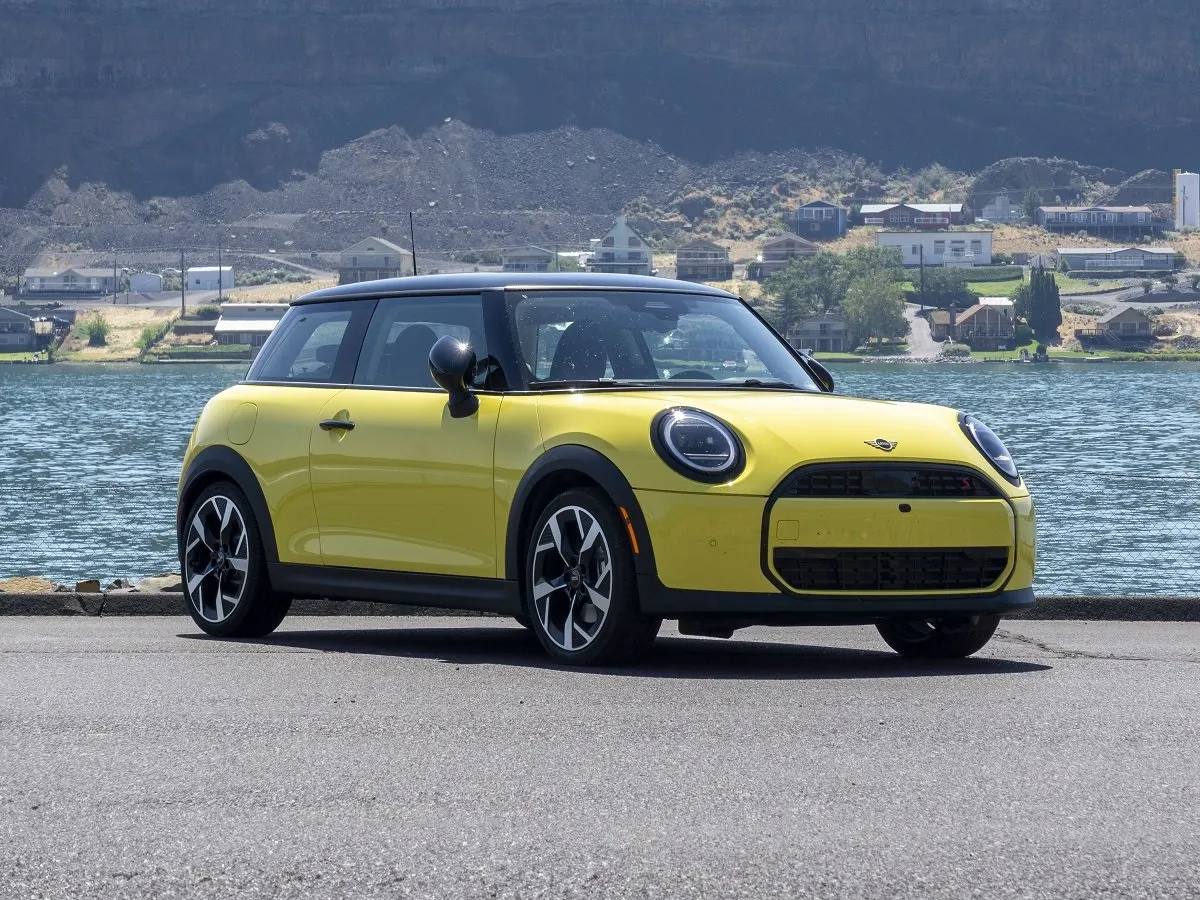
The Mini Cooper is celebrated for its compact size and nimble handling, which seem ideal for city driving, yet many owners find that urban mileage brings unexpected complications. Its tight steering and quick cornering feel fun when weaving through heavy traffic, but the firm suspension transmits frequent bumps and irregular pavement forces directly into chassis components.
Over time, this contributes to accelerated wear on bushings and mounts that require costly replacements. The small turbocharged engines can suffer from heat soak in slow traffic, affecting performance and long term engine health.
Infotainment and electronic convenience features add charm but also complexity, and these systems sometimes glitch more often in frequent start‑stop use. Sensors for parking and lane features may misread crowded situations, triggering alerts or shutdowns that require dealer intervention.
Brake systems, designed for spirited driving, may wear quickly under constant urban stopping, pushing owners into more frequent service intervals. Tire wear accelerates due to rapid cornering and short braking distances common in city scenarios.
Routine maintenance on a Mini Cooper carries higher parts and labor costs than average compact cars, which compounds when replacement items are needed more often because of urban stresses. Cooling systems that perform well at highway speeds struggle in slow traffic, contributing to customer reports of overheating warnings and increased coolant usage. Owners also note that complex suspension designs require specialist tools and expertise, narrowing service options and increasing expense.
In practice, the joy of urban agility can be overshadowed by the real cost of keeping a Mini Cooper running smoothly in such conditions. Drivers who choose one primarily for city use should be prepared for more frequent visits to the shop and a higher total cost of ownership than they might expect from the car’s size and initial price tag.

9. Fiat 500
The Fiat 500’s small size and playful styling make it appear perfect for urban environments, but owners often encounter reliability issues that emerge when it is used day after day in town traffic.
Its compact dimensions certainly help when parking or maneuvering in tight quarters, yet the mechanical systems beneath can prove less durable than drivers hope. Engines, while adequate in power, sometimes show signs of sluggish responses after prolonged stop‑and‑go driving, leading to uneven idle and hesitation that require diagnostic attention.
The suspension is tuned for a lively feel, but that liveliness can turn into discomfort on rough pavement, which accelerates wear on shock absorbers and bushings. Owners report that road noise and rattles become more noticeable over time, reflecting loosening trim and aging components under frequent urban stress.
Electrical quirks, such as random sensor errors or infotainment glitches, appear with more regularity than expected, prompting repeated visits to service centers for software resets or part replacements.
Brake pads and rotors on the Fiat 500, designed for lighter urban duty, often wear quickly under constant stopping cycles, pushing owners to replace them more frequently than with some rivals.
Cooling systems can run warm in prolonged traffic, and fans may cycle loudly or unevenly to compensate, affecting comfort. Interiors that looked sharp at first can show signs of wear as buttons, knobs, and trim pieces loosen or fail with repetitive use.
These factors together suggest that while the Fiat 500 brings style to urban driving, its underlying mechanical and electronic robustness may not keep pace with heavy city mileage. The frequent need for minor repairs and adjustments adds to ownership costs and can lead to frustration for drivers who expected a carefree city companion.
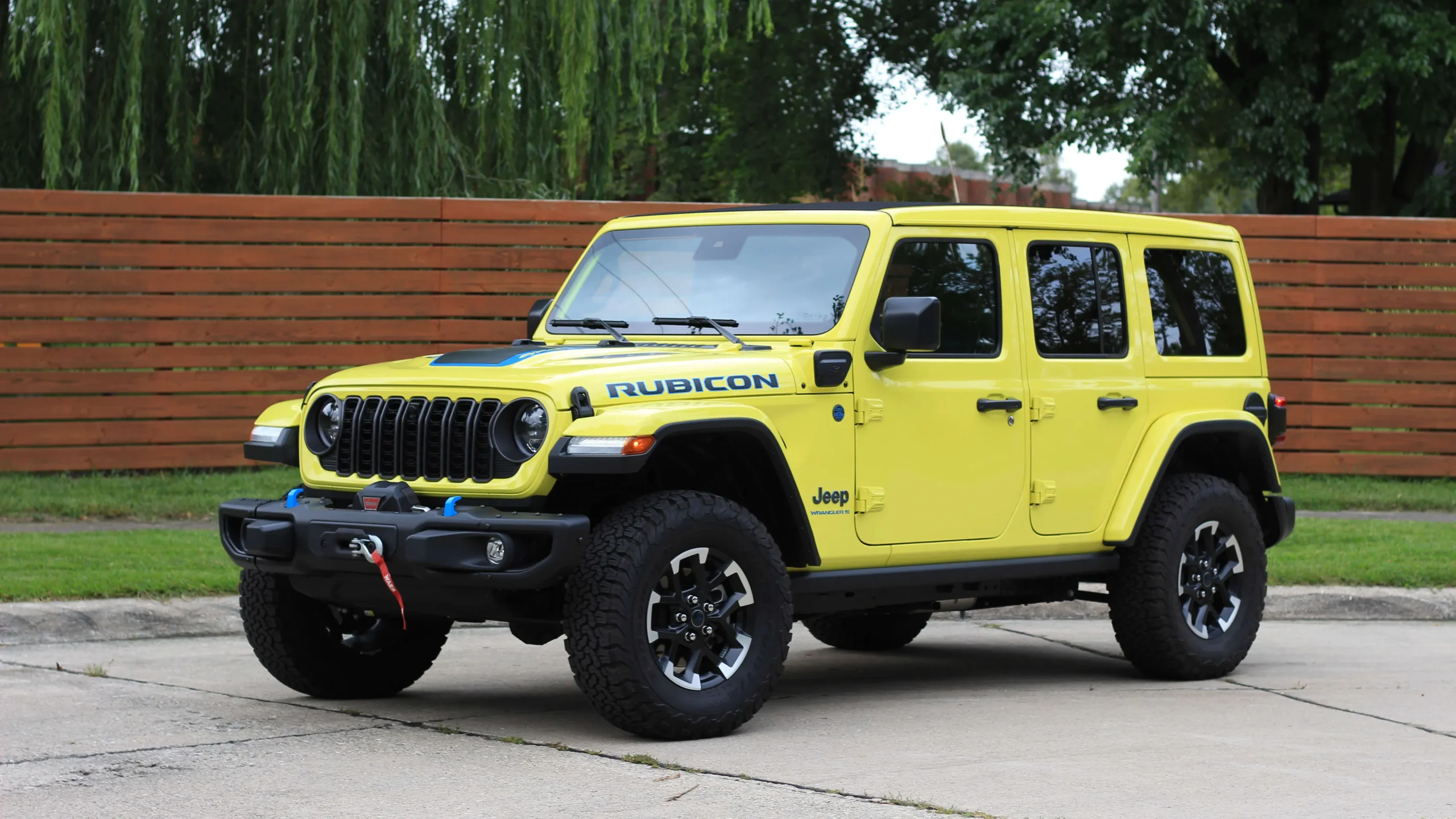
10. Jeep Wrangler
The Jeep Wrangler is an iconic off‑road vehicle built for trails, rock crawls, and rough terrain, yet those same rugged characteristics can work against it when used primarily in urban environments.
Its tall stance and coarse suspension perform admirably on unpaved surfaces, but in city driving they translate into a less comfortable ride and greater exposure to road noise. The heavy body and solid axles place extra load on tires and steering components when negotiating frequent turns and tight spaces, accelerating wear that urban use intensifies.
Engines designed to deliver torque at low speeds on trails may feel sluggish against city traffic patterns, leading drivers to push throttle inputs harder and decrease fuel economy.
Stoplight to stoplight driving does not allow the cooling system to reach stable operating temperatures, which affects emissions controls and long term component lifespan. The transmission, optimized for rugged shifts, might hunt when faced with constant low‑speed changes, pushing the drivetrain harder than necessary.
Interior comfort in the Wrangler is durable, but convenience features are often basic compared to modern city‑oriented competitors. Noise, vibration, and harshness levels inside can leave passengers weary after long urban commutes. Brake components also endure increased stress because of the vehicle’s weight and the nature of city braking patterns, prompting more frequent servicing.
Service costs for the Wrangler tend to be higher due to specialized parts and the vehicle’s unique construction. While off roads the Wrangler thrives, the demands of everyday city driving show that engineering for extreme conditions does not always translate smoothly into reliable urban performance.
Drivers who rely on a Wrangler for daily commuting should expect higher maintenance attention compared with others designed for city life.