
The experience of driving in a city with steep grades and unpredictable traffic can vary dramatically from one sport utility vehicle to another. In a place like Pittsburgh with its complex topography and frequent elevation changes, the character of the SUV you choose becomes more than a matter of comfort or aesthetics.
Some models feel secure and composed when navigating steep ascents, offering responsive power delivery and control that instills confidence. Others, however, may struggle to maintain forward momentum or hold position on an incline, leading to moments of hesitation or backward roll that frustrate drivers.
The way a vehicle handles these real‑world challenges reflects mechanical choices, from engine torque and transmission behavior to traction systems and brake management. What makes an SUV suitable for city slopes is not just raw horsepower, but the integration of dynamic systems that work together to support the driver through varied terrain without drama or stress.
When assessing vehicles for uphill climbs, we pay attention to the seamless application of torque, the predictability of the throttle, and the effectiveness of hill assist technologies. When a driver releases the brake on a hill and the SUV stays steady before moving forward, that is a result of thoughtful design.
By contrast, when a vehicle hesitates or drifts backward before the driver manages to accelerate, it reveals limitations in either hill start assist or weight distribution, which can contribute to a lack of confidence in daily driving.
These tendencies become especially noticeable during rush hour or when traffic lights are positioned on steep grades, where the ability to restart without rollback can make the difference between a smooth commute and a stressful delay. Each model carries its own balance of strengths and weaknesses, shaped by engineering priorities and intended use.
In this article, we separate a group of reliable, well‑suited SUVs for cities with steep streets from a group that has shown a propensity to struggle in those same conditions. The first set demonstrates composure and capability, while the second set illustrates common issues drivers may encounter when an SUV’s systems are less forgiving during hill starts.
Throughout these pages, the focus remains practical and grounded in everyday driving impressions, so you can better understand how these vehicles behave in a demanding urban environment.
By examining individual models one at a time, you will gain insight into how each SUV performs in a specific context rather than relying on broad generalizations. This detailed look will help you make a more informed choice if you are considering an SUV for a region where hills are a part of daily life.
Whether you already live on a slope or simply appreciate vehicles that respond predictably to driver input, this comparison aims to illuminate the characteristics that matter most in real‑world hill driving.
5 SUVs That Handle Pittsburgh’s Hills Confidently
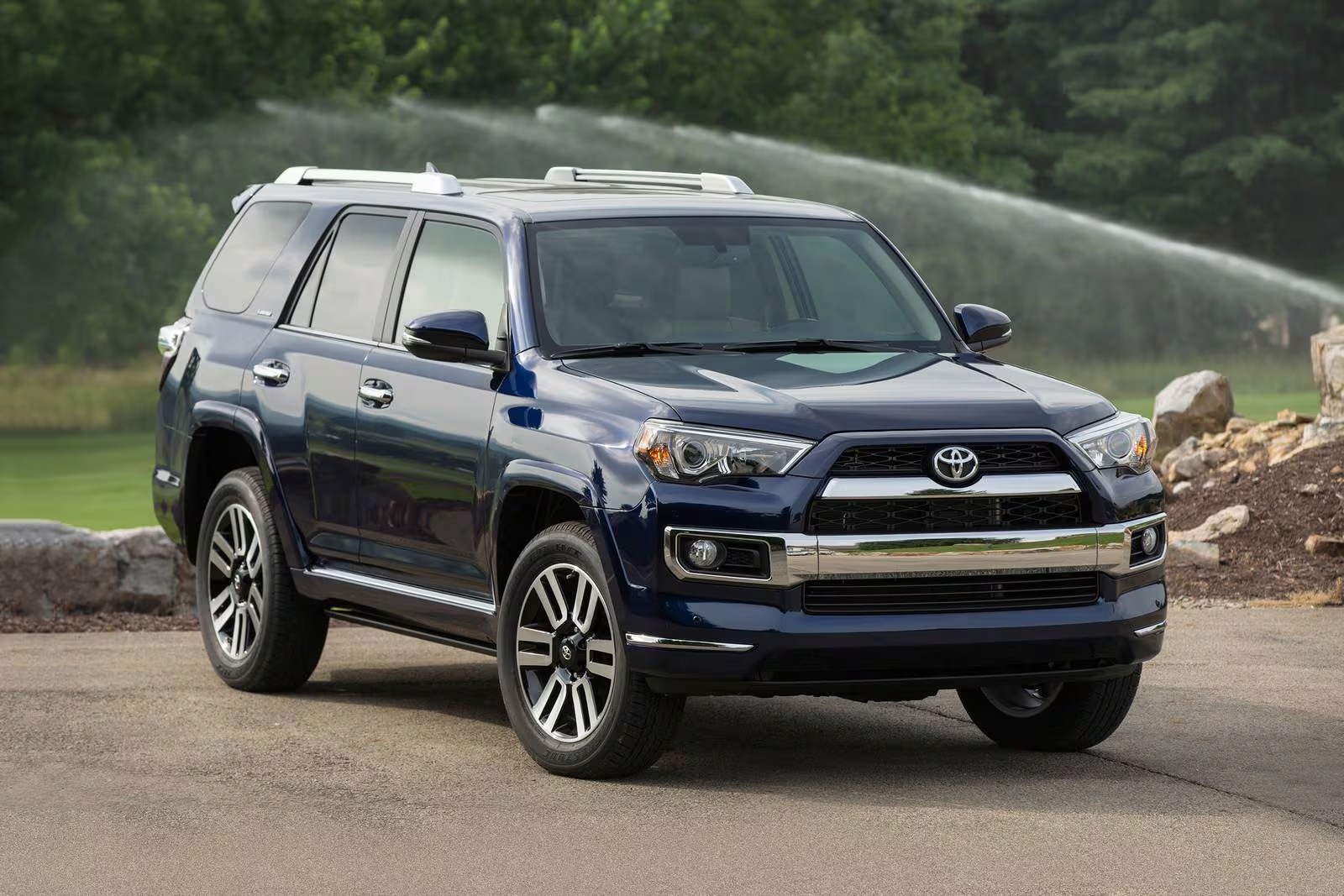
Toyota 4Runner
The Toyota 4Runner has a long reputation for handling uneven terrain and steep roads with a sense of assuredness that many drivers depend on. Its drivetrain is engineered to provide torque in a way that feels controlled rather than abrupt, giving the driver a chance to modulate engine response without sudden surges.
When approaching a sharp incline, this vehicle’s powertrain feels willing and ready, bringing momentum forward as soon as the throttle is applied. The steady progression uphill removes the anxiety that can accompany a hill start in a less capable SUV. A driver’s connection to the road becomes especially noticeable when elevation changes occur frequently, making each upward slope feel like a continuation of smooth forward motion rather than a challenge to be conquered.
From the moment you touch the accelerator on an incline, the 4Runner delivers a balance between power and traction that promotes stability. The traction control system works to minimize wheel slip and distribute torque in a manner that feels intuitive and predictable.
This consistency remains evident whether the road is wet, gravelly, or paved, allowing the driver to anticipate how the vehicle will respond. Confidence grows with each hill tackled, as the SUV rarely flinches or hesitates under changing conditions. Drivers experience a sense of control that fosters trust in the vehicle’s ability to manage vertical climbs and unexpected terrain transitions.
The brake management and hill hold features contribute significantly to uphill performance, giving the driver an extra moment of steadiness before forward movement begins. Particularly in heavy traffic on a gradient, this steadiness allows for a calm restart that minimizes driver effort and worry.
Because Pittsburgh’s hills often combine traffic lights with steep grades, this attribute becomes more than convenience; it becomes a part of the daily driving experience that helps reduce fatigue. The 4Runner’s consistency in this area has become one of its defining qualities for those who desire reliability in diverse environments.
Another advantage of this SUV lies in its chassis design and suspension setup, which provide a stable platform when navigating vertical changes in the road surface.
The suspension absorbs irregularities without transferring abrupt jolts to the cabin, enabling drivers to maintain composure even over uneven ground. This contributes indirectly to uphill confidence, as the vehicle feels planted and controlled rather than unsettled. Drivers can focus on steering and speed rather than compensating for unexpected feedback from the road.
The Toyota 4Runner’s behavior on hills encourages a driving style that feels proactive. It does not require constant correction or hesitation‑filled starts when pausing on an incline, which can diminish the mental load of managing a challenging commute.
For drivers who face steep streets regularly, this SUV repeats its dependable performance day after day, turning a potential stress point into a routine part of the drive.
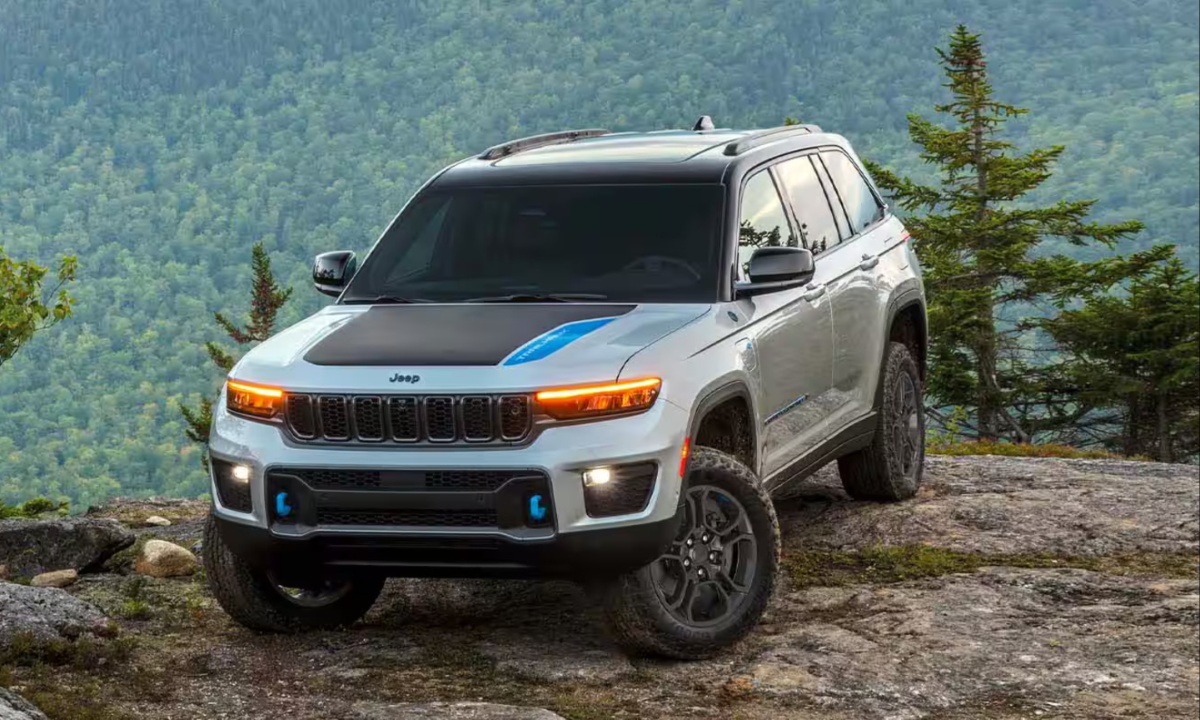
Jeep Cherokee Trailhawk
The Jeep Cherokee Trailhawk version brings a level of composure to steep slopes that makes it a favorite among drivers who spend time both on and off paved roads. Its four‑wheel drive architecture and traction systems are tuned to maintain forward progress without undue hesitation.
When approaching a rise, this SUV feels ready to meet the challenge, delivering power to the wheels in a controlled, measured way. The integration of torque and traction allows the vehicle to climb with a balance of force and finesse, rather than leaving the driver guessing how much throttle to apply. This translates to a driving experience that feels connected and reliable on sudden elevation changes.
Traction management plays a pivotal role in how this SUV behaves on hills, enabling the wheels to maintain grip even when the surface is slick or irregular. Drivers notice that the vehicle holds its line and forward push without the need for abrupt pedal corrections.
The system anticipates subtle shifts in traction and adjusts torque distribution dynamically, which fosters a sense of confidence through continued uphill movement. Whether the incline appears gradual or more abrupt, the Cherokee Trailhawk adapts its approach and tends to respond in a manner that feels reassuring to the driver.
The hill start assist feature contributes to this assuredness by briefly maintaining brake pressure when the driver transitions from brake to accelerator on a hill. In heavy traffic situations or at stop signs positioned on an incline, this capability prevents backward drift and allows for a more composed restart.
For an urban setting with frequent stop‑and‑go traffic and hilly terrain, this trait becomes especially appreciated as it reduces the physical and mental strain of managing restarts. Drivers consistently report that the vehicle’s uphill composure feels natural and supportive, allowing them to focus on the drive rather than on compensating for grade.
The Jeep Cherokee Trailhawk’s approach to climbing gives drivers an impression of controlled power and responsive handling, making it a strong choice for those who frequently encounter challenging grades in their daily routes.
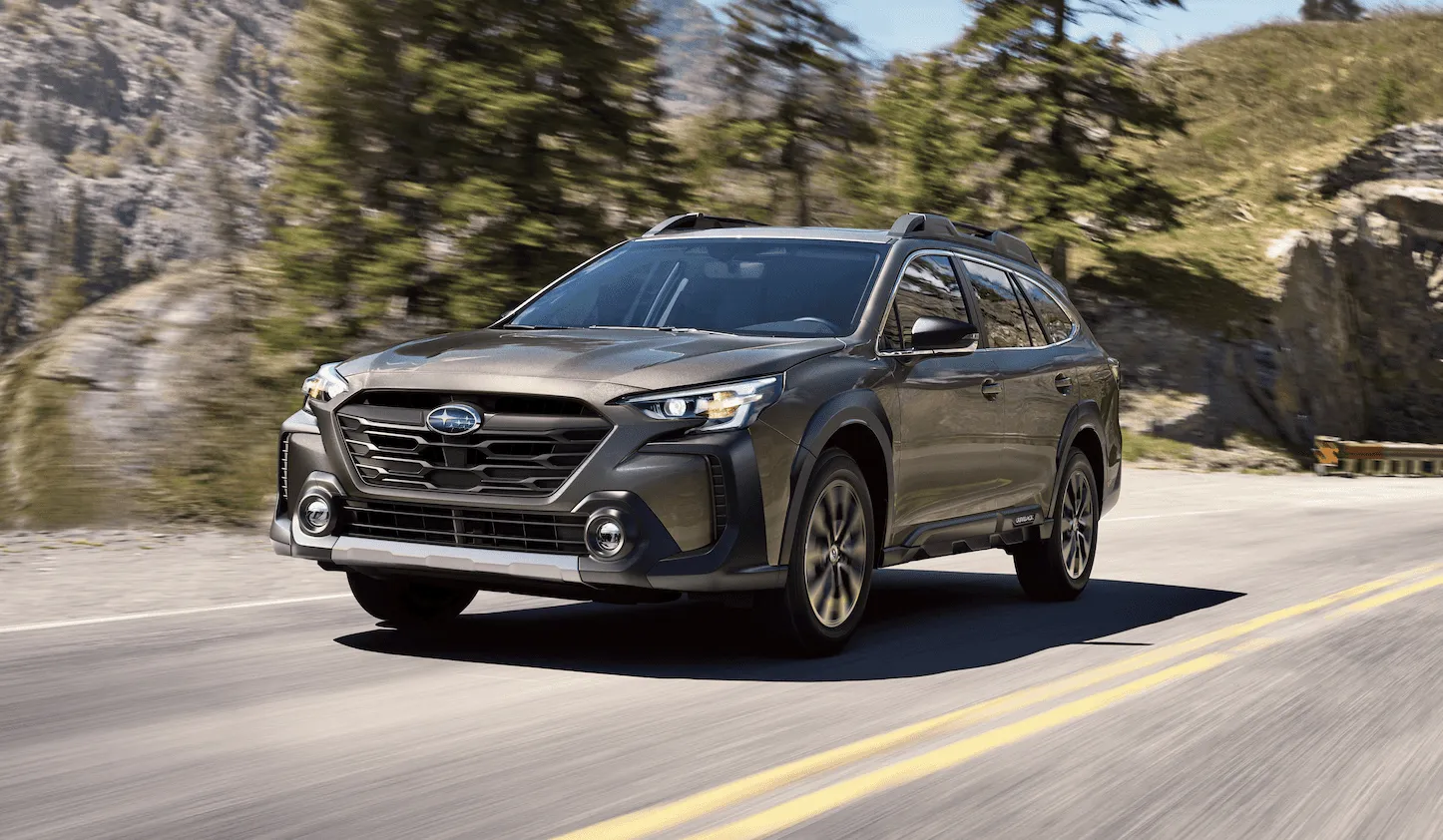
Subaru Outback
The Subaru Outback, blending the traits of a wagon and a crossover, offers a unique combination of agility and stability that serves drivers well on inclines. Its standard all‑wheel drive system distributes traction evenly and reacts quickly to conditions that might otherwise disrupt forward motion.
When the road rises, the Outback’s traction management and torque delivery provide a feeling of assured motion rather than abrupt surges or hesitation. Drivers appreciate how seamlessly the vehicle maintains momentum, making transitions from flat road to uphill feel composed rather than disruptive. This quality becomes especially evident during daily commutes that include frequent grade changes.
The Outback’s symmetrical all‑wheel drive contributes to balanced handling, particularly when road conditions vary. On an incline with wet or uneven pavement, the system works continuously to adjust torque distribution across the wheels, enhancing grip without driver intervention.
This produces a stable sensation as the vehicle climbs, promoting confidence through predictability rather than uncertainty. As the driver engages the throttle, the vehicle responds in a measured manner that reinforces a sense of continuity in motion, even when the grade steepens unexpectedly.
Another factor that enhances uphill performance is the engine’s torque curve, which delivers usable power at lower rpm. This means the driver can apply gentle acceleration without feeling like they are laboring to gain traction.
In environments where hills are interspersed with stoplights and crosswalks, this characteristic contributes to a fluid feel as the vehicle moves from a stop into a climb. The result is a driving experience that feels natural and composed without requiring constant adjustments to throttle input.
Stability and grip are further supported by hill management aids that improve control during uphill starts. When the driver releases the brake pedal, the vehicle holds its position for a moment before forward motion begins.
This gives the driver a chance to apply the appropriate throttle without worrying about rolling back. Such reassurance becomes particularly valuable in busy traffic scenarios or when navigating grades that are more pronounced.
Interior ergonomics and controls complement the Outback’s uphill behavior, allowing the driver to focus on the road ahead rather than wrestling with complex inputs. The seating position provides a clear view of the grade and surrounding traffic, while responsive steering maintains a direct connection to the road surface. As a package, the Outback’s performance on inclines reinforces its reputation as a dependable, all‑condition vehicle that manages daily challenges with grace and steadiness.
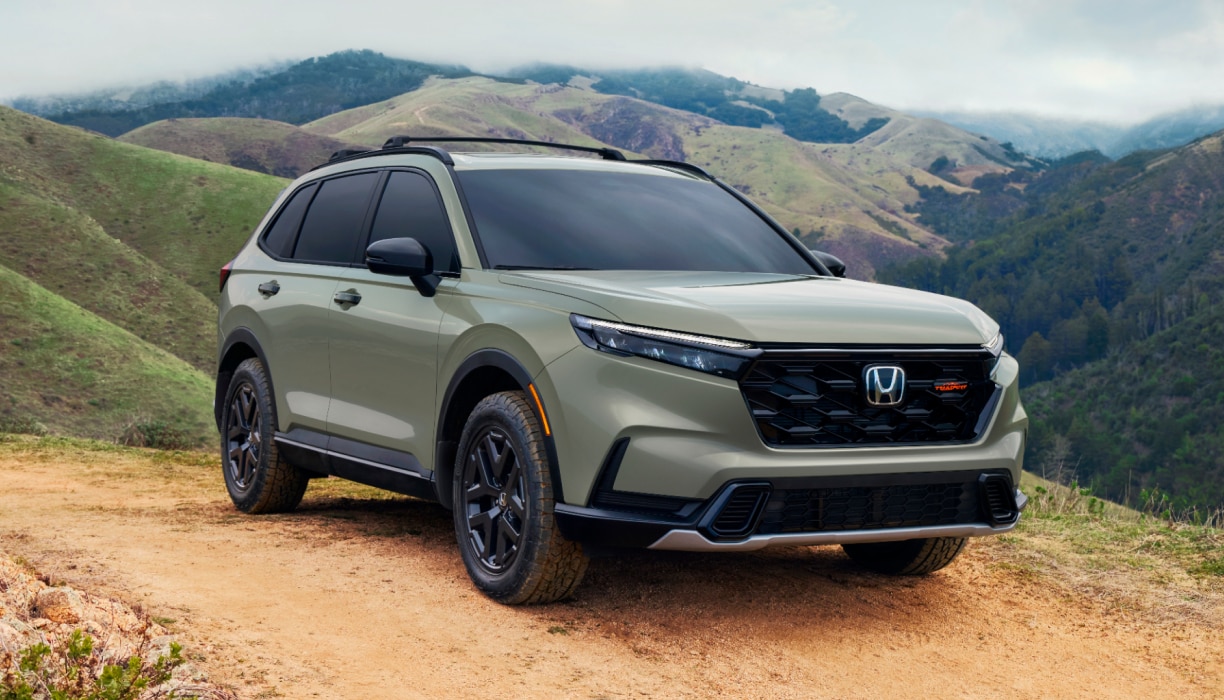
Honda CR‑V AWD
The Honda CR‑V with all‑wheel drive enhances its everyday driving appeal by offering composed, predictable uphill behavior that many urban drivers value. Its all‑wheel drive system engages with efficiency, providing traction where needed without feeling overly aggressive.
The engine and transmission work in harmony to deliver torque in a way that feels smooth and reliable when approaching a slope. This balanced delivery helps drivers maintain forward momentum without the abruptness that can unsettle a vehicle’s attitude on an incline. The sensation is one of steadiness, reducing the cognitive load on the driver as they navigate hilly roads.
Hill start features work smoothly in this SUV, holding brake pressure briefly as the driver transitions from stopping to accelerating on an incline.
This small but meaningful functionality prevents backward roll and allows the driver to time throttle application more effectively. In daily driving routines that include frequent elevation changes, this support becomes noticeable and appreciated, particularly for those new to navigating slopes regularly. The result is a sense of predictability that builds trust with each uphill start.
Cabin comfort and sound insulation further enhance the driving experience on grades, reducing distraction so the driver can concentrate on steering and speed control.
The CR‑V’s suspension tuning balances firmness with comfort, absorbing minor road imperfections without sacrificing stability on an incline. This contributes indirectly to uphill confidence by keeping the vehicle planted rather than bouncing over uneven pavement.
The Honda CR‑V AWD delivers an approachable and dependable performance that fits well with varied urban terrain. Its uphill behavior aligns with drivers who prefer a refined, controlled experience that feels reassuring without being overbearing. For daily commutes through rolling city streets, this SUV provides a dependable partner that eases the mental demands of managing repeated grade changes.
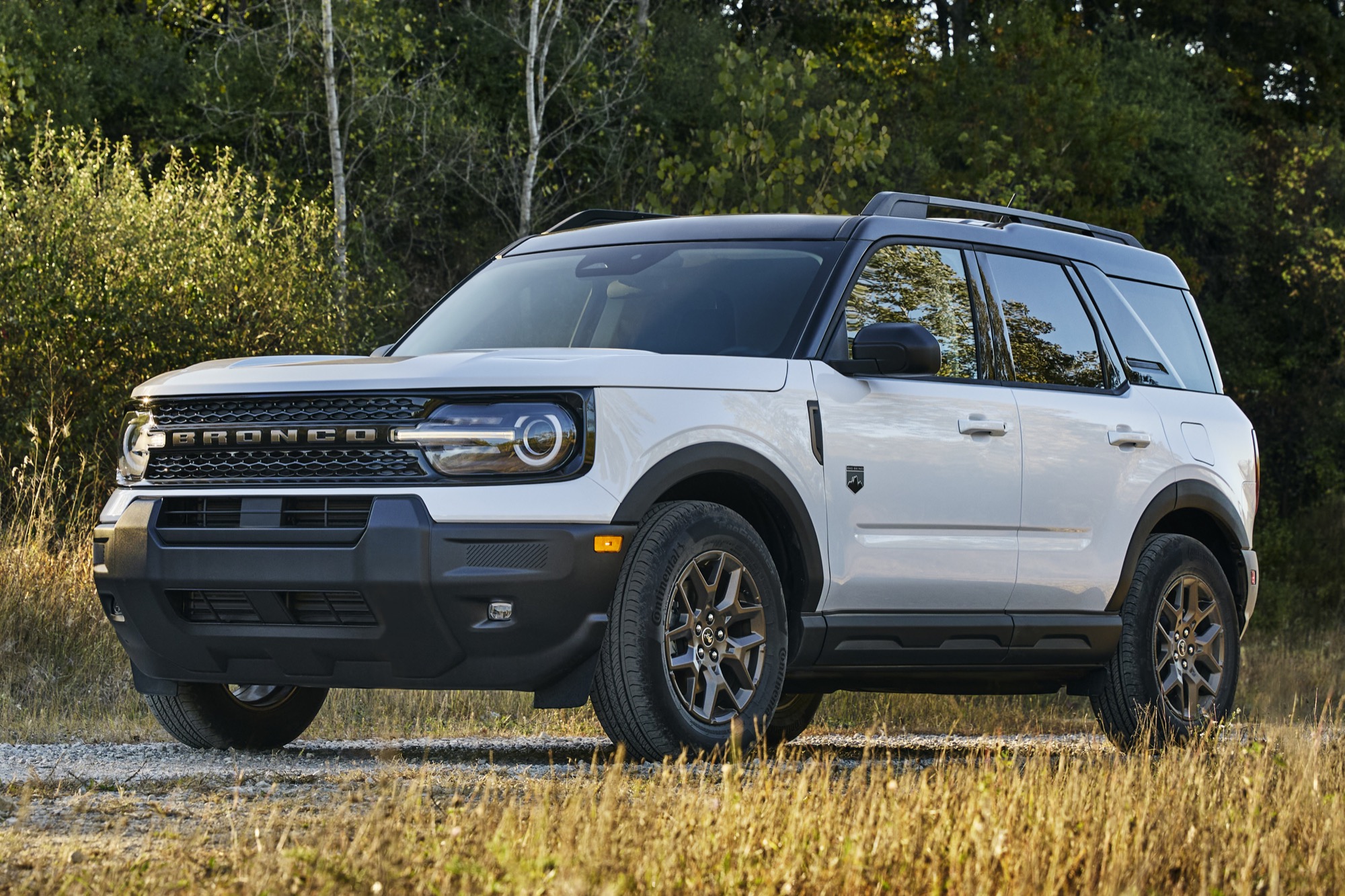
Ford Bronco Sport
The Ford Bronco Sport brings elements of rugged capability to everyday driving, offering drivers a sensation of grounded strength when tackling hills. Its drivetrain is designed to balance torque delivery with traction management, promoting forward motion that feels responsive without being abrupt.
When the road inclines, this SUV applies engine power in a manner that feels controlled and deliberate, giving the driver confidence in uphill acceleration. The sensation is one of integrated performance, where each mechanical and electronic system contributes to a feeling of composed advancement.
Traction systems in the Bronco Sport adjust effectively to variable surfaces that may accompany an incline. Whether the pavement is dry, damp, or uneven, the vehicle’s traction management adapts quickly, maintaining grip without requiring the driver to modulate inputs excessively.
This responsiveness supports a smooth transition from flat to uphill road sections, enhancing confidence in daily driving. Drivers appreciate how the SUV anticipates subtle changes in surface condition and reacts in a way that fosters consistent progress.
Hill start assist further bolsters the Bronco Sport’s uphill character by holding brake pressure briefly as the driver moves from brake pedal to accelerator. This prevents backward drift and allows for a more confident restart on a slope.
In urban traffic patterns marked by frequent stops on gradients, this trait becomes more than convenience; it becomes a part of how the vehicle feels underfoot when navigating each segment of the commute. The controlled progress up a grade reduces mental strain and lets the driver focus on the bigger picture of traffic flow.
The vehicle’s suspension tuning contributes to uphill comfort by absorbing road irregularities without transferring harsh feedback to the cabin. This stable platform allows drivers to feel secure even when the pavement pitches under them, aiding in both control and comfort. The steering feedback remains direct, helping the driver maintain situational awareness and precise vehicle placement on grades that might otherwise challenge confidence.
The Ford Bronco Sport’s combination of torque management, traction control, and stability aids produces a driving experience that feels robust yet composed on hills. For drivers who value the confidence of a capable SUV in varied terrain, it presents an appealing option that blends rugged attributes with everyday control.
5 SUVs That Roll Back Often
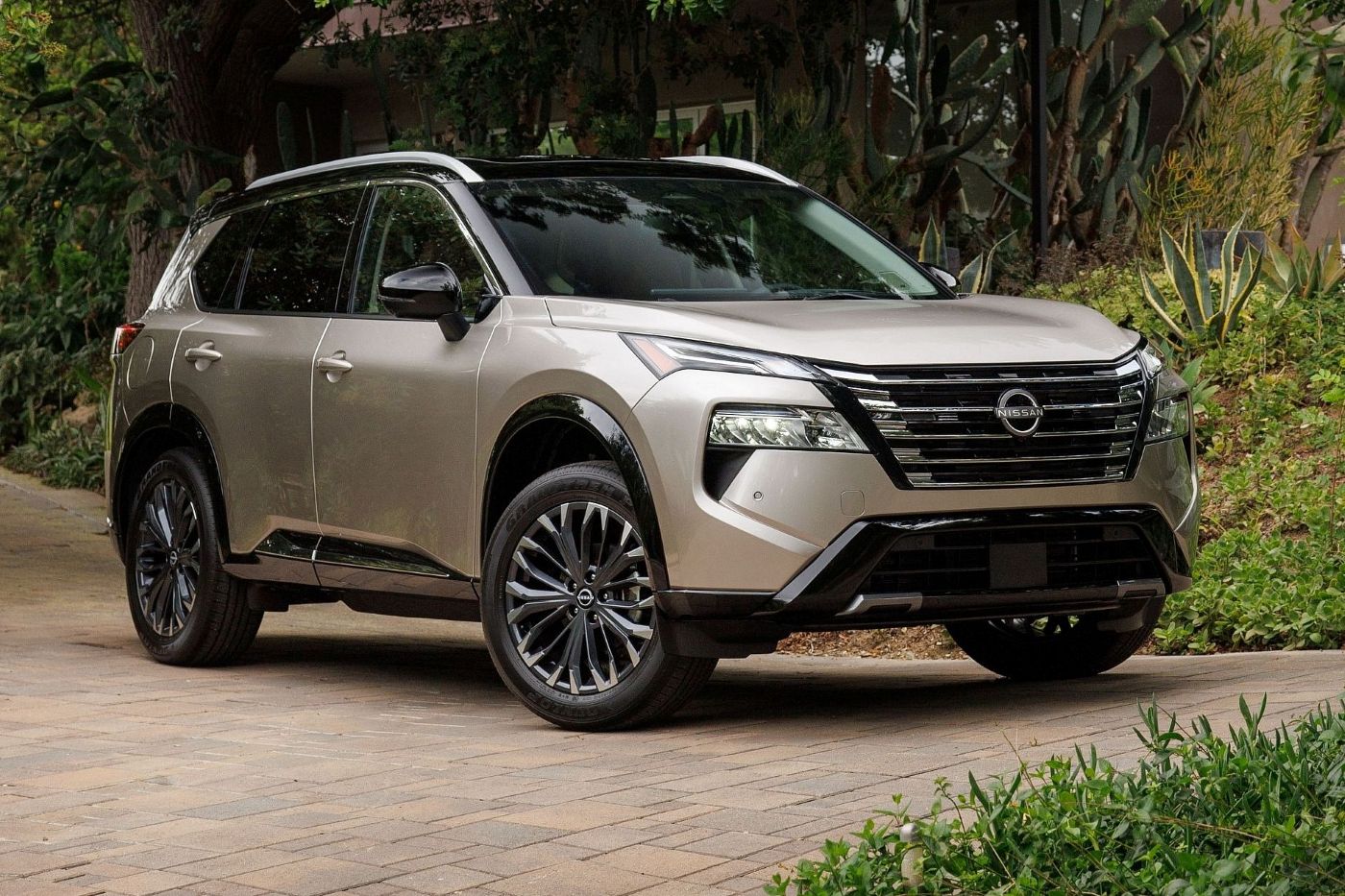
Nissan Rogue
Some SUVs, like the Nissan Rogue, may exhibit a tendency to hesitate before moving forward on steep grades, which can be frustrating for drivers in hill‑heavy environments. The way the transmission and torque delivery interact sometimes results in a delay between throttle application and forward motion.
This behavior becomes especially noticeable at stoplights on an incline, where the driver may feel the vehicle lagging slightly before picking up momentum. The experience can feel like the SUV is unsure when to commit to forward propulsion, creating a lack of immediacy that contrasts with more confident uphill performers.
The hill start assist in this model can feel less assertive than desired, giving just a brief hold before releasing brake pressure. In situations where traffic flow is dense and grades are frequent, drivers may notice small backward creep before forward motion begins.
This sensation interrupts the continuity of the driving experience and places additional demands on the driver to modulate throttle input carefully. Rather than feeling like a seamless transition from stop to climb, the process becomes a moment of careful calibration.
The suspension and chassis tuning prioritize comfort in regular driving, which can inadvertently soften the connection to the road when dealing with urgent uphill demands. The result can feel like the vehicle lingers at the base of a hill before committing to forward motion, making each restart a small negotiation rather than a direct push. This becomes more noticeable in daily routines with multiple grade changes.
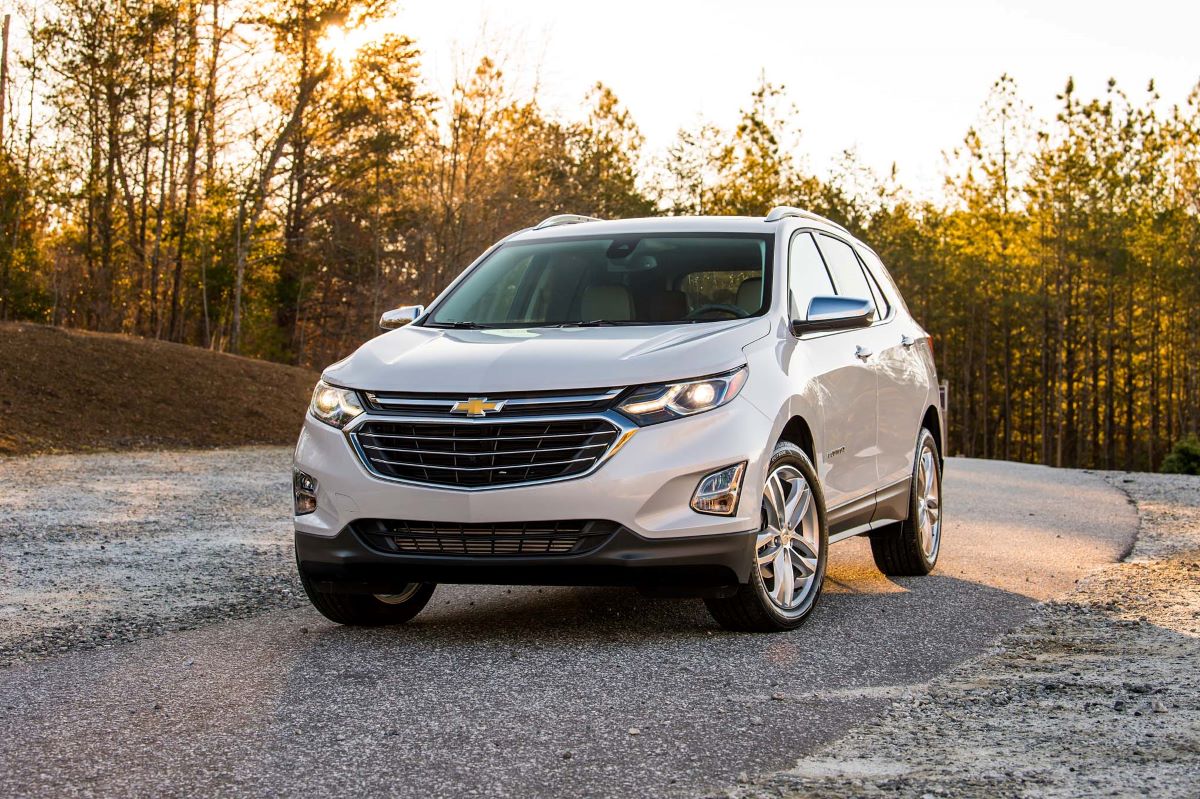
Chevrolet Equinox
The Chevrolet Equinox, while a competent compact SUV in many respects, can display occasional backward drift when starting from a stop on a significant incline. Drivers may notice a slight backward roll before forward movement begins, particularly if the transition from brake to accelerator is not timed precisely.
This sensation creates a momentary gap between intention and action, making the driver feel like they must carefully manage the brake and throttle to prevent rollback. On roads with frequent grades, this characteristic becomes a more prominent part of the daily driving rhythm.
Part of the experience arises from the way the hill assist feature holds brake pressure only briefly, releasing it before the engine has fully engaged torque for uphill movement. This can leave a small window where the vehicle tends to drift backward before regaining forward motion.
Drivers sometimes compensate by applying throttle earlier, but this increase in input can contribute to uneven acceleration and reduced smoothness during the start. Rather than a seamless push forward, the SUV momentarily hesitates at the base of the incline.
Traction and stability control systems are tuned for balanced behavior, but when combined with the brief hill assist hold, they may not always prevent subtle wheel rotation that contributes to a sense of rollback.
On surfaces that are damp or slippery, the effect becomes slightly more noticeable, further interrupting the fluid feel of an uphill start. Drivers can sense the pattern of hesitation and adjust accordingly, but that adjustment itself becomes part of the driving task.
The Equinox’s suspension prioritizes comfort and isolation from road irregularities, which benefits daily commutes on flat surfaces. Yet this emphasis can slightly soften the responsiveness when the vehicle is paused on a slope, making the restart feel less direct. Rather than a firm push into the incline, there is a brief negotiation of forces before the SUV moves ahead. For drivers who prefer an assertive feel on hills, this nuance can reduce confidence in the transition.
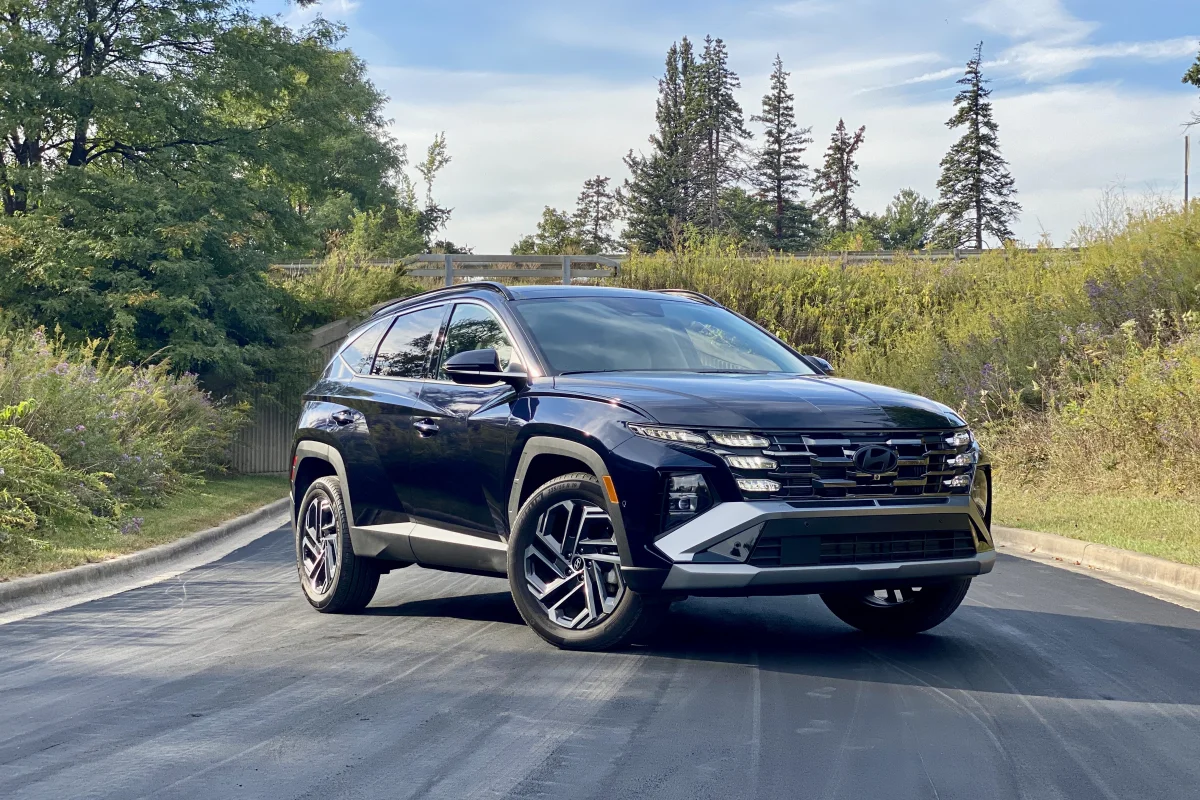
Hyundai Tucson
The Hyundai Tucson, known for its comfortable interior and smooth ride, sometimes displays sensitive torque delivery that affects uphill starts. Drivers may find that the powertrain requires careful throttle modulation to initiate forward movement on an incline without unintended hesitation.
This need for precision increases the cognitive load on the driver when navigating steep grades, as the SUV does not always transition from stop to climb with fluid motion. The result feels like a negotiation between the driver’s intent and the vehicle’s response.
On hills, the hill start assist feature holds brake pressure for a brief moment before releasing it, which can be shorter than some drivers would prefer. This timing contributes to a sensation of subtle backward creep before the engine fully engages torque for forward motion.
Rather than feeling like the vehicle maintains its position with confidence, the driver senses a transitional period that interrupts the seamless push uphill. In daily driving environments with repeated grade changes, this becomes noticeable.
Traction management systems in this SUV work to maintain grip, but when combined with the timing of torque delivery, they can feel slightly out of sync with the driver’s expectations.
On surfaces that are uneven or less than ideal, the torque application may feel cautious, prompting the driver to apply additional throttle to achieve the desired forward momentum. This increased input can reduce the feeling of smooth responsiveness that drivers often seek in demanding hill conditions.
The suspension and chassis tuning of the Tucson emphasize comfort and refinement, which enhances long highway drives and flat city streets. However, when faced with repeated uphill starts, the combination of comfort‑oriented suspension and torque sensitivity can create a sensation of delayed action. Drivers might feel as though they must coax the vehicle forward rather than command it.
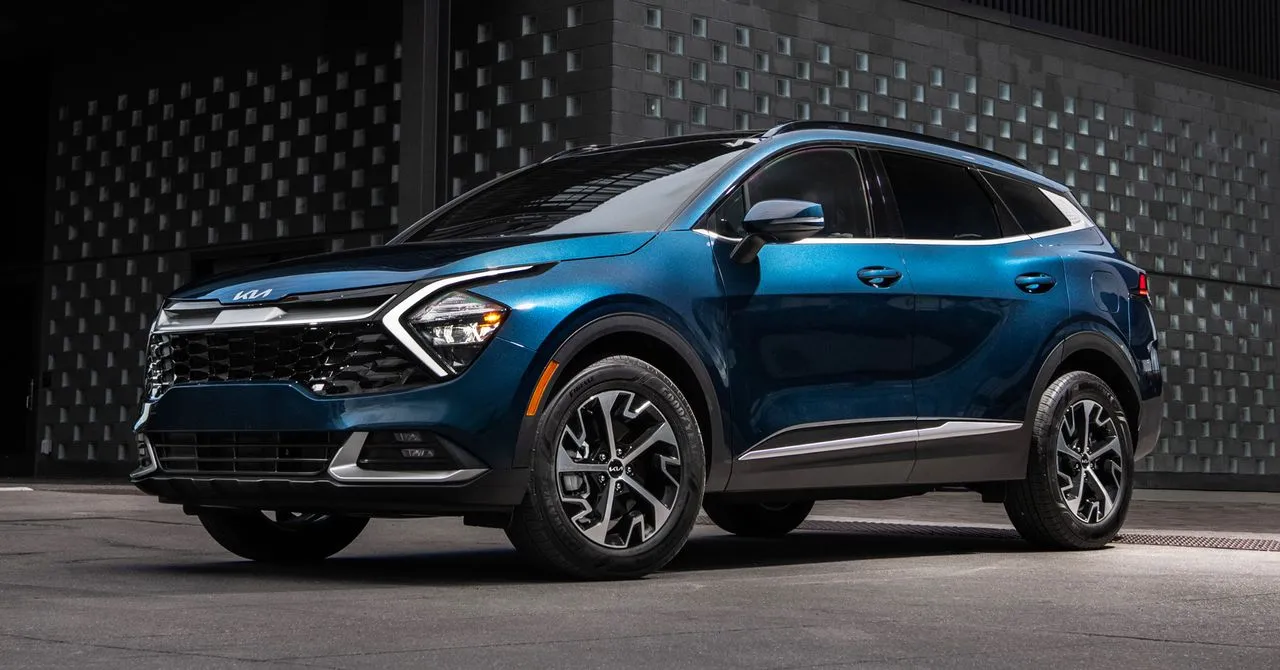
Kia Sportage
The Kia Sportage exhibits a characteristic hesitation when starting from a stop on a steep grade, which can impact driver confidence over time. When the brake is released and the driver begins to apply throttle, the SUV may delay slightly before moving forward.
This delay creates a small gap between intention and action, making hill starts feel like a negotiation rather than a direct push. In busy urban environments with multiple gradients, this sensation becomes more pronounced and can detract from an otherwise enjoyable driving experience.
Part of this behavior stems from the way the torque delivery interacts with the hill start assist system. The brief duration of brake hold can result in the vehicle beginning to drift backward before returning to forward acceleration.
Although the amount of rollback is often minor, the sensation interferes with the smooth continuity that many drivers expect when initiating movement on an incline. As drivers become accustomed to this pattern, they may modify their throttle application timing, which changes how they engage with the vehicle’s controls.
Traction control systems in the Sportage are designed to maintain grip and stability in varied conditions. Yet when combined with the hesitant torque response, they can feel slightly overcautious, requiring the driver to actively manage throttle inputs for a confident restart.
On slick or uneven pavement, this need for careful modulation increases, affecting how natural uphill starts feel. Rather than an immediate push forward, each grade feels like a moment of careful adjustment.
The chassis and suspension tuning, which aim to balance comfort with everyday performance, contribute to this sensation by softening connection to the road during transitional moments. While this can enhance ride quality on flat surfaces, it can also make the vehicle feel less immediate when engaging from a stop on an incline. The slight lag becomes noticeable as a pattern that drivers learn to anticipate.
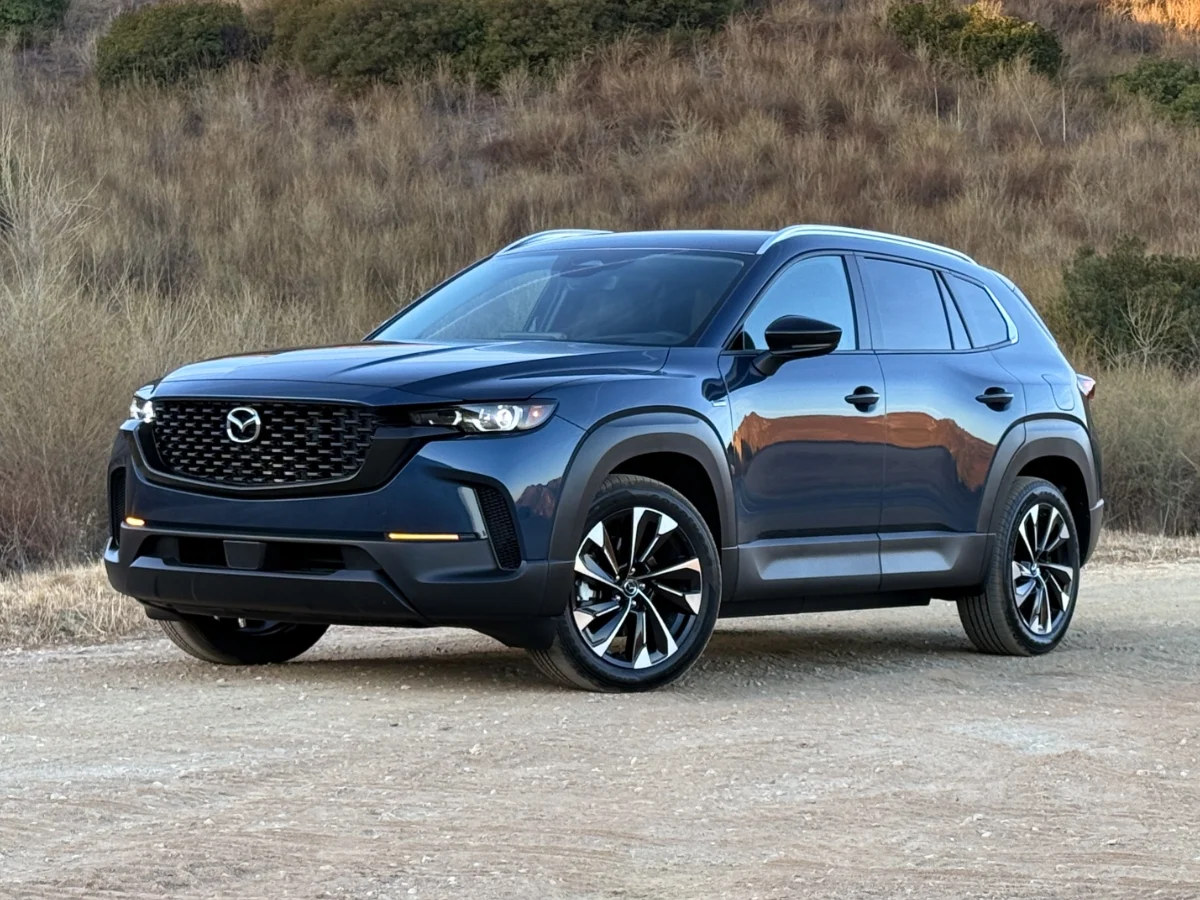
Mazda CX‑5
The Mazda CX‑5 is often praised for its refined ride quality and engaging driving dynamics, but some drivers note an occasional pause before forward motion on steeper inclines. When the brake pedal is released and throttle is applied, the SUV may take a brief moment before delivering full torque to the wheels.
This moment, though sometimes subtle, interrupts the feeling of continuity between driver intent and vehicle response. On roads with frequent hills, this pattern emerges more clearly and becomes a factor in how drivers approach uphill starts.
Traction control systems in the CX‑5 are tuned for balanced performance, contributing to predictable handling in a range of conditions.
Yet on an incline, the combination of traction and torque management can feel like it requires careful throttle modulation to achieve a desired start. In wet or uneven surfaces, this need for precision becomes more evident, prompting drivers to adjust their inputs for a confident restart.
Despite this occasional pause, the CX‑5 remains a refined and balanced vehicle in many driving situations. Yet the nuanced behavior during hill starts shapes how drivers perceive its responsiveness, especially in environments with frequent elevation changes. This subtle trait becomes part of the everyday feel of the SUV, informing driver expectations on repeated uphill starts.