Buying a new car often comes with excitement and the promise of reliability, style, and performance. At the beginning, even moderately priced vehicles can feel luxurious, smooth, and dependable. The interior feels comfortable, controls respond with ease, and the ride seems sturdy.
However, over time, many cars show signs of aging faster than expected, leaving owners with a vehicle that feels worn out despite relatively low mileage. This change is not always apparent in the first year or two, as new car warranties and fresh parts can mask underlying issues. Yet, as miles accumulate, some vehicles begin to reveal weaknesses that were not obvious at purchase.
Some vehicles are particularly prone to this decline due to choices made during manufacturing. Cost-cutting measures such as using cheap plastics, minimal sound insulation, and lower-grade components can make a car feel disappointing after long-term use. Seats may sag, rattles can appear, and electronics that once worked perfectly may begin to fail.
These problems can erode the sense of quality and make even small imperfections feel magnified. A vehicle that once felt solid and satisfying can start to feel like a compromise, reminding drivers that price and perceived quality do not always match over time.
Driving habits and maintenance practices can also amplify this perception. Cars that require frequent repairs or replacement parts can make owners question whether the initial purchase was worth it. Even a car with a reputation for reliability can feel cheap if minor annoyances, like worn trim, squeaky doors, or failing switches, become constant reminders of low-quality construction.
These issues may not impact safety or performance directly, but they influence the emotional experience of ownership, shaping the impression of the vehicle as it ages.
Additionally, comparisons with newer models or competitors can make aging cars feel inferior. As other manufacturers update their designs with more durable materials and refined engineering, older vehicles can stand out for what they lack. The interior might feel cramped, controls might be outdated, and features might be less polished.
Owners often start noticing every flaw, from fading upholstery to loose panels, emphasizing the contrast between expectation and reality. For many, this realization comes gradually, but once it does, it can be difficult to ignore, prompting some to trade in their car earlier than planned.
This article examines ten vehicles that tend to feel cheap as their miles increase. Each of these cars has qualities that initially attract buyers, such as affordability, style, or performance. However, repeated use often exposes design shortcuts, material weaknesses, and long-term durability issues.
Understanding these vehicles can help potential buyers make informed decisions about which car to purchase and which might require more attention to maintenance over time. It also offers current owners insight into why their car may feel less satisfying than when it was new, even if it is still technically functional and safe.
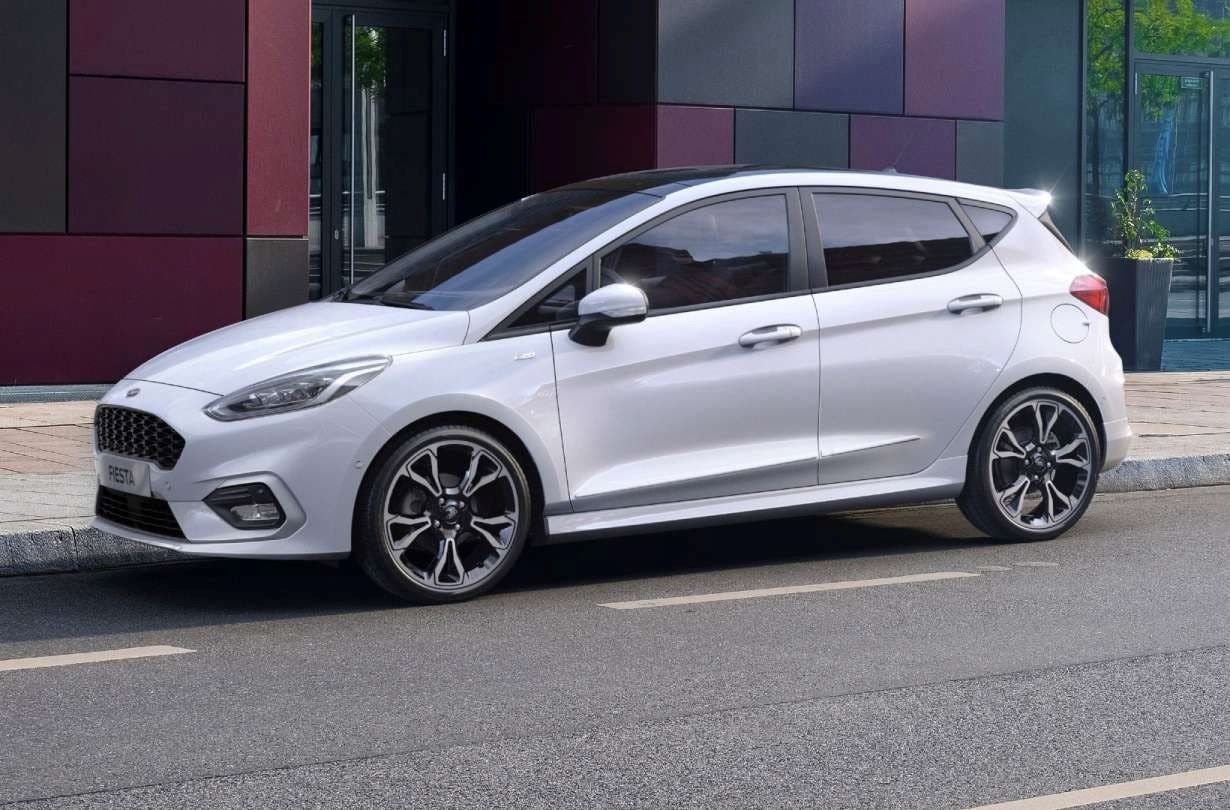
1. Ford Fiesta
The Ford Fiesta is known for its compact size and fun handling, making it appealing to city drivers. Its small frame makes parking and maneuvering easy, and its fuel efficiency is a strong selling point. Initially, the Fiesta can feel peppy and responsive, especially with its turbocharged engine. The interior is clean and modern, giving a sense of comfort that matches its price.
Over time, the Fiesta’s lower-quality materials can become noticeable. Hard plastics in the dashboard and doors tend to show scratches and scuffs quickly. Buttons and knobs may loosen with regular use, and the infotainment system can start to lag or freeze. The cloth seats, though soft at first, can sag or stain easily, making the cabin feel less inviting after a few years.
The suspension, designed for nimble handling, can start to feel rough on uneven roads. Worn bushings and struts amplify road noise and vibration. Drivers who frequently commute may notice the tires wearing unevenly, which can affect ride quality. What once felt like an agile, confident car can start to feel rattly and less composed.
Electronic issues are another concern for the Fiesta. Power window mechanisms and door locks may fail intermittently. Dashboard warning lights might appear for minor electrical glitches, causing unnecessary trips to the service center. While these problems are not usually catastrophic, they add to the perception of cheapness when miles accumulate.
Finally, resale value tends to be lower for older Fiestas compared with competitors. Buyers may prioritize condition over brand loyalty, meaning a well-used Fiesta may sell for much less than expected. Owners who hold onto the car long term often notice that depreciation and minor faults make the car feel less enjoyable and less like the appealing vehicle they once purchased.
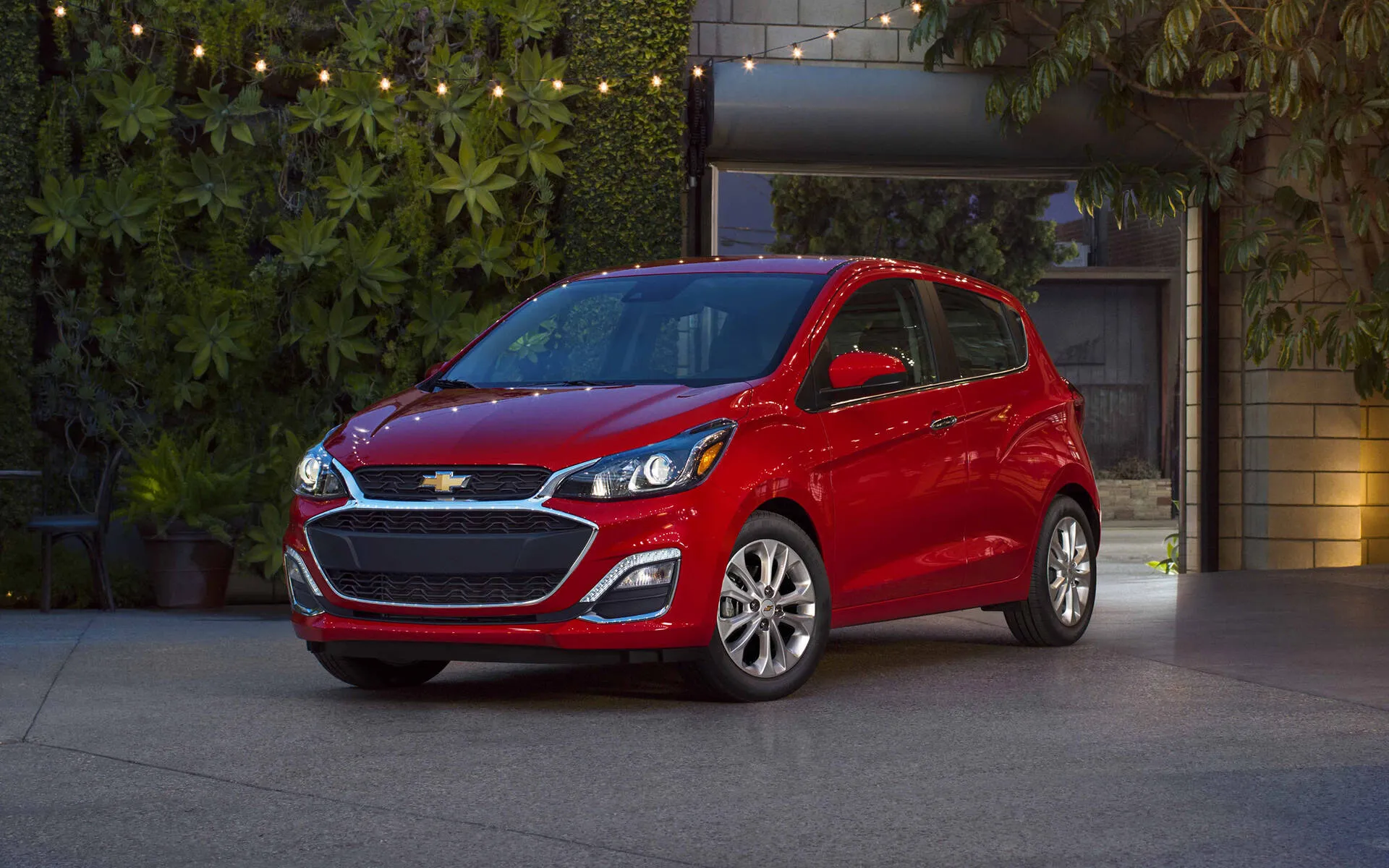
2. Chevrolet Spark
The Chevrolet Spark is marketed as a budget-friendly, entry-level vehicle. Its small size and low price make it attractive to new drivers or those seeking an economical option. Initially, the Spark is practical, offering adequate space for its class and surprisingly modern features for a low-cost car. Its city-friendly dimensions and light steering create a manageable driving experience.
However, the Spark’s interior materials can degrade quickly. Plastic surfaces can creak, fade, or chip, giving the cabin a less refined feeling. Fabric seats are thin and prone to wear, making longer drives less comfortable. Minor scratches and marks appear easily, which makes the vehicle look older than it is. The simplicity that makes it cheap also makes it feel less durable over time.
The engine and transmission, while adequate for daily commuting, may show signs of strain after extended use. Owners sometimes report clunky shifts or a lack of responsiveness in higher mileage models. Road noise is more noticeable as tires wear and suspension components age. Small imperfections become magnified, making the Spark feel less enjoyable to drive.
Maintenance and repairs can become frustrating. Though parts are inexpensive, frequent trips to service centers for minor issues can add up. The brakes, suspension, and electrical systems may develop quirks, which detracts from the initial sense of reliability. Owners who prioritize comfort and smooth operation may find the Spark disappointing after a few years.
Long-term perception is heavily affected by comparison. Against competitors, the Spark feels less substantial and less solid. While it fulfills its role as a basic, economical vehicle, it lacks the refinement or longevity of other small cars. As a result, drivers may feel that the initial savings are offset by an interior and driving experience that diminishes with miles.
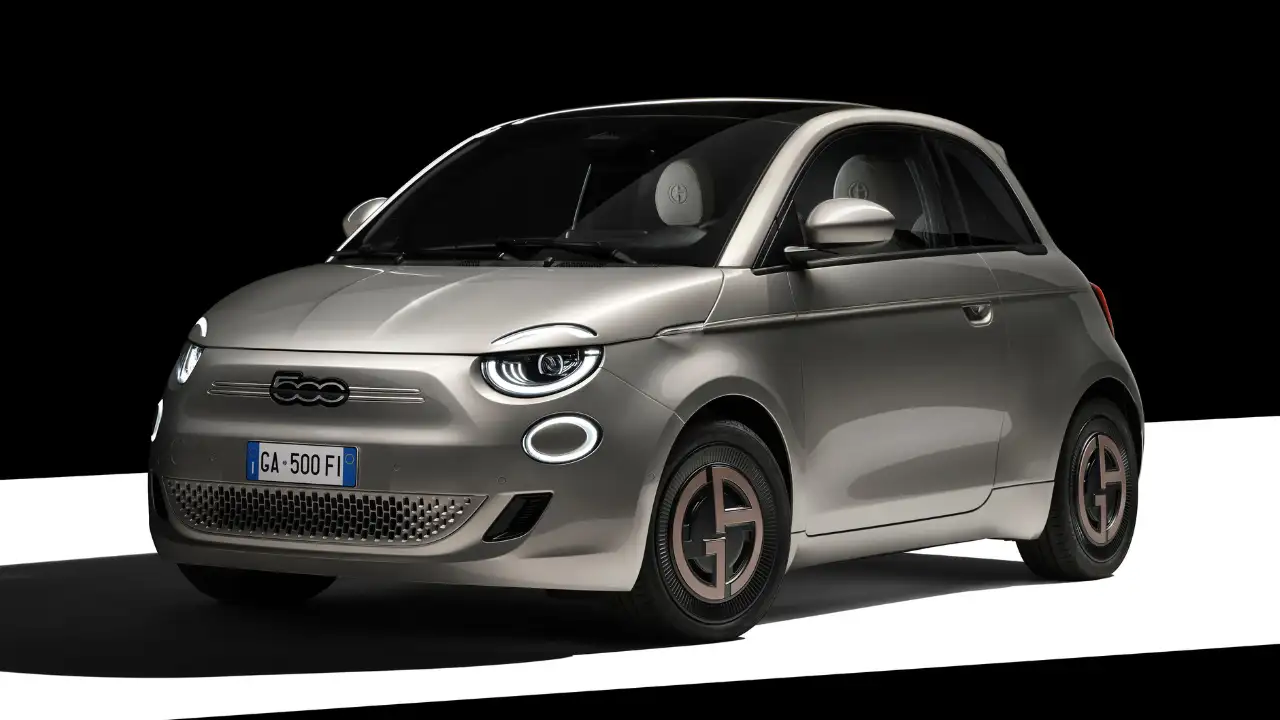
3. Fiat 500
The Fiat 500 is celebrated for its retro styling and compact design. Its distinctive looks and small footprint make it appealing for urban settings. New owners often enjoy the quirky interior and playful driving dynamics. It feels different from mainstream options, offering charm and personality alongside efficiency and maneuverability.
Nevertheless, the 500 has weaknesses in long-term durability. The cabin materials, particularly on lower trims, can show wear quickly. Plastics scratch easily, trim pieces can loosen, and the seats tend to flatten with repeated use. These small signs of aging accumulate, leaving the car feeling less polished than when first purchased.
Mechanical components may also exhibit issues with higher mileage. Suspension parts can wear prematurely, causing rattles and a less controlled ride. Engine performance may decline slightly over time, and minor electrical glitches can affect lights, infotainment, or climate controls. These problems, while not catastrophic, contribute to a sense of low quality.
Noise levels increase noticeably with age. The compact body transmits road and wind sounds more readily, and worn weather stripping can exacerbate the effect. Long drives can feel tiring as the vehicle’s initial charm fades in the face of mechanical and cosmetic aging. What once felt quirky and lively may start to feel fragile and inexpensive.
Resale value and practicality are also factors. While the Fiat 500 retains some appeal as a niche model, potential buyers often focus on condition. Even small imperfections or signs of wear can significantly lower perceived value. Drivers may come to view the car as fun but lacking the durability expected from a long-term daily driver.
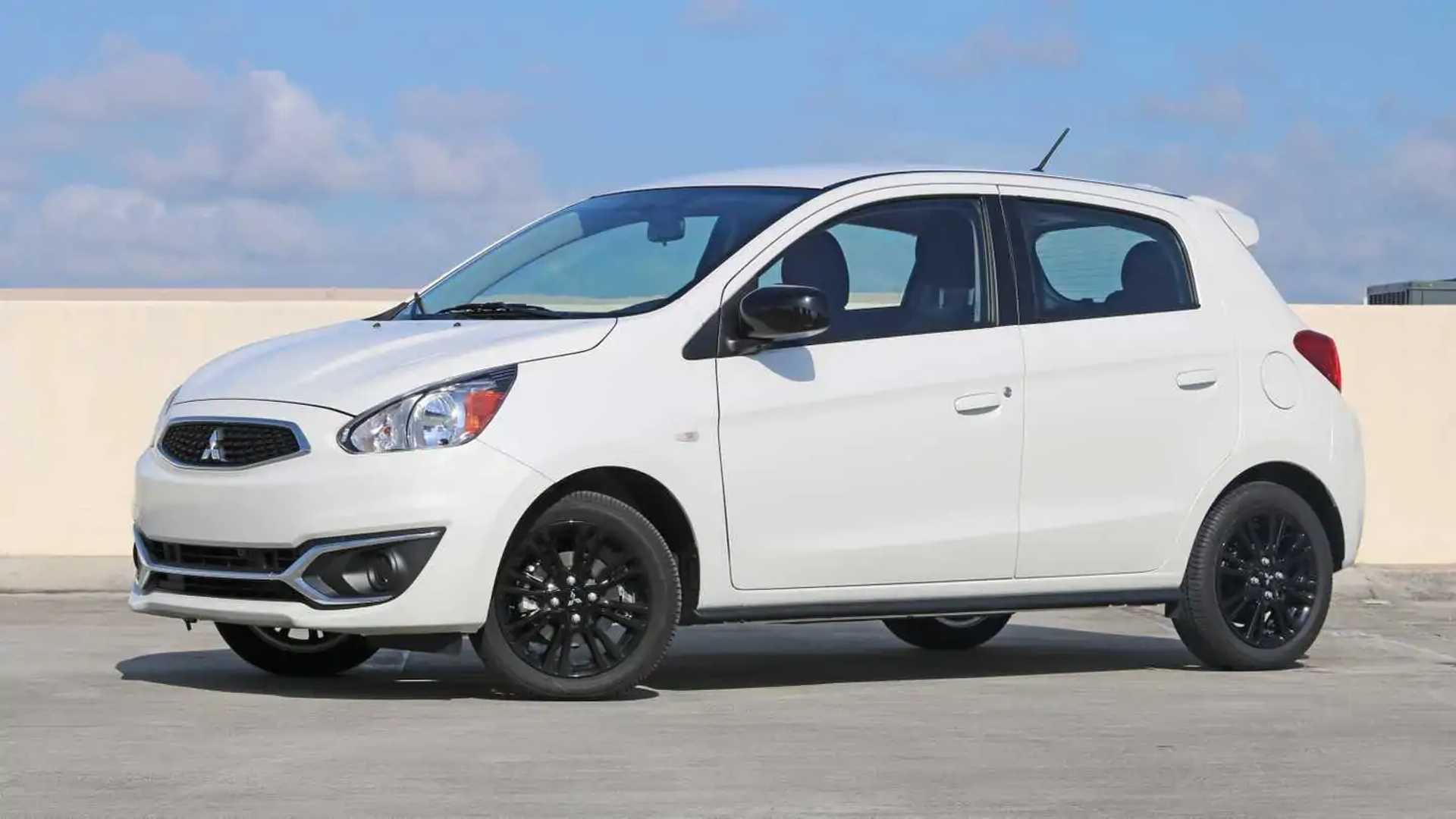
4. Mitsubishi Mirage
The Mitsubishi Mirage is often praised for its affordability and excellent fuel economy. Its small size makes city parking simple, and the base price attracts buyers seeking an inexpensive option. When new, the Mirage offers adequate comfort and a functional interior that serves everyday commuting needs. The vehicle feels light and maneuverable, appealing to those focused on economy.
However, the Mirage’s low-cost construction becomes apparent with use. Hard plastics dominate the cabin and show scratches and scuffs over time. The cloth seats can lose firmness and stain easily. Storage compartments and small interior pieces may develop rattles or loosen. What initially felt sufficient begins to feel cheap and flimsy.
Ride quality suffers with mileage. The suspension, designed for efficiency rather than comfort, can transmit road imperfections. Tires wear unevenly, increasing vibration and noise. Steering may feel imprecise as components age, reducing confidence behind the wheel. Daily driving begins to highlight the Mirage’s limitations compared to other vehicles in its class.
Mechanical reliability is mixed. Owners sometimes encounter minor engine and transmission quirks that, while not dangerous, add frustration. Brakes, exhaust components, and electrical systems may require more frequent attention than expected. These cumulative annoyances make the Mirage feel less satisfying over time, especially for drivers expecting long-term durability.
Finally, the Mirage’s interior and exterior styling, which may initially feel charming, start to show age quickly. Fading trim, dull paint, and worn seating reduce appeal. While its cost efficiency remains impressive, the perception of quality diminishes, leaving owners aware that they are driving a budget vehicle that may not age gracefully.
5. Nissan Versa
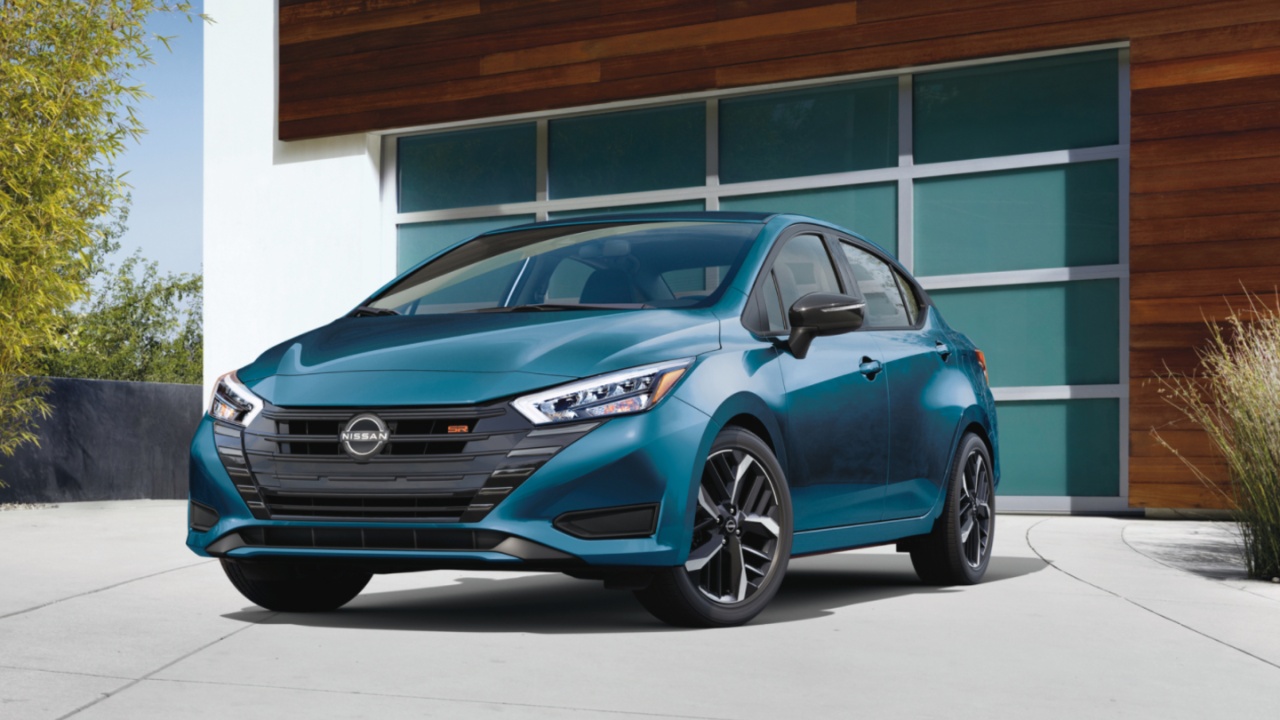
The Nissan Versa is often purchased for its low entry price and decent fuel economy. It offers a roomy interior for its size, simple controls, and a comfortable driving position. Buyers often appreciate the straightforward design and easy-to-understand features. Initially, the Versa feels adequate for commuting, errands, and daily use, delivering more space than other compact cars.
Yet, the interior materials and finishes reveal cost-cutting choices over time. Dashboard plastics scratch and dull easily. Door panels and trim may loosen or rattle after repeated use. Seat cushions lose support, and fabric can stain. Small details that made the car feel functional start to create an impression of cheapness as miles accumulate.
The suspension system, while tolerable for city driving, can become harsh on uneven surfaces. Steering response may degrade slightly with age, and minor alignment issues can emerge. Noise from the road and engine increases, making longer drives less pleasant. The car begins to feel less solid than newer or better-built competitors in the same segment.
Engine and transmission components can require maintenance more frequently than expected. Clutch or CVT systems may show early wear, and electrical components occasionally fail. These issues, though often minor, reinforce the perception that the vehicle is not as durable as it appeared when new. Owners may feel their investment did not deliver the long-term satisfaction they expected.
Finally, aesthetic wear is evident. Faded plastics, scratches, and scuffed interior surfaces make the car look older than its mileage suggests. While the Versa remains functional and affordable, the experience can feel diminished.
Drivers often notice the contrast between initial impressions and the car’s aging reality, emphasizing the impact of design and material choices on long-term satisfaction.
6. Toyota Yaris
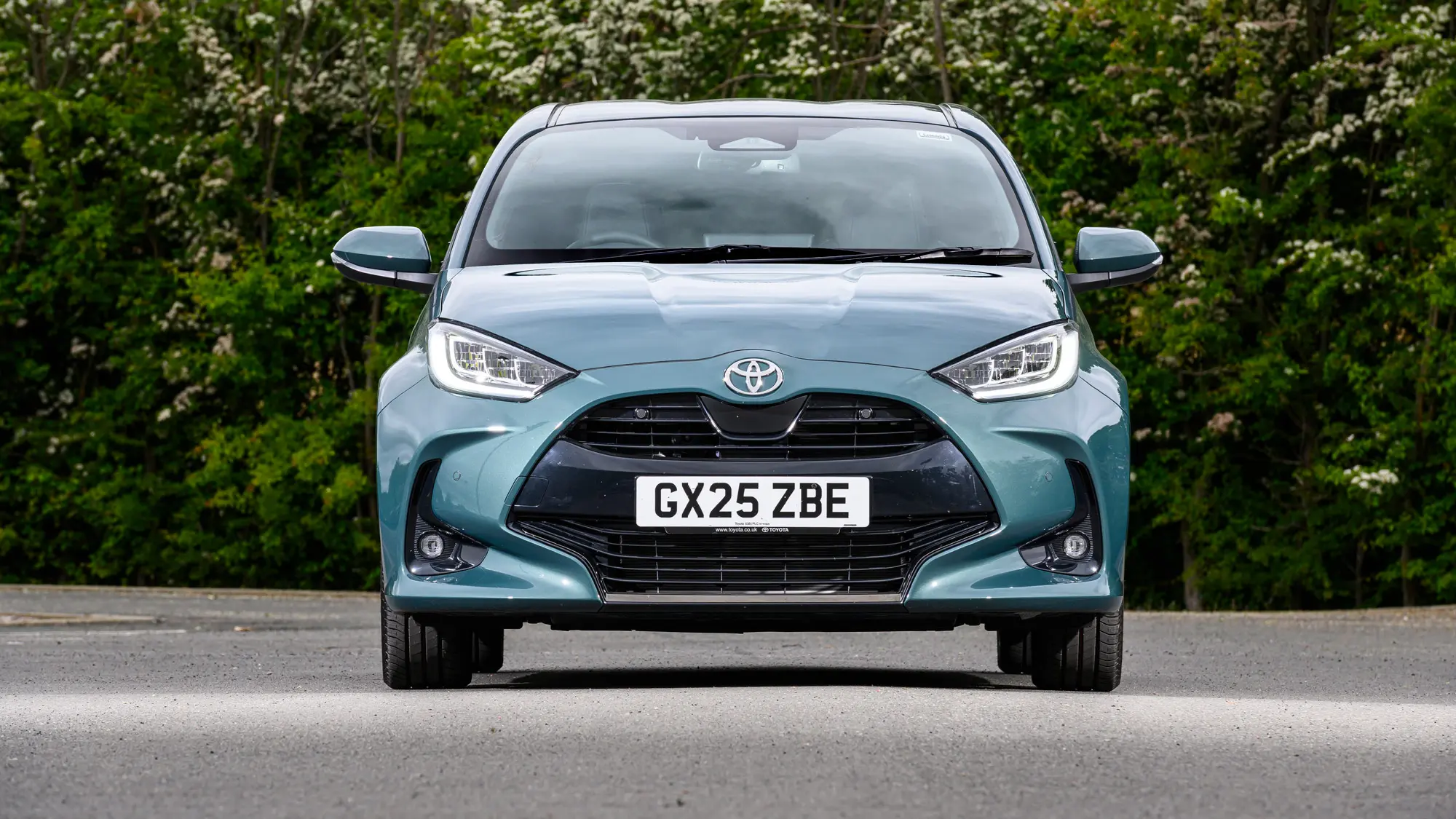
The Toyota Yaris is often seen as a reliable choice for budget-conscious drivers, offering solid fuel economy and a reputation for mechanical dependability. Initially, it provides a smooth driving experience, a manageable size for city traffic, and a sense of practicality.
Its simple dashboard layout and modest features make it easy to use without distractions. Early impressions suggest a vehicle that will last well beyond its initial years without major headaches.
Despite Toyota’s reputation for reliability, the Yaris can start showing signs of wear as mileage climbs. The interior, though practical, relies heavily on hard plastics that can become scratched and faded over time. Seats, particularly in lower trims, can lose their cushioning, making longer drives uncomfortable. Even the steering wheel and gear shifter, which feel firm at first, can develop wear marks that make the car feel less premium than when new.
The suspension and ride quality, suitable for light commuting, may begin to reveal limitations over time. Worn shock absorbers can make the car feel bouncy, especially on uneven roads. Tires may wear unevenly if alignment is not maintained, which can lead to additional vibration and noise. The Yaris, initially nimble, can start to feel less composed as small mechanical degradations accumulate, affecting the driving experience.
Mechanical components generally hold up well, but minor electrical issues can appear. Power window switches, door locks, and the audio system may occasionally malfunction. These small inconveniences, though not serious, can erode the sense of quality over the years.
Drivers who expected a consistently solid interior and smooth operation might feel disappointed when these problems emerge, making the car feel cheaper than it did when new.
Finally, resale value can decline faster than expected for heavily used Yaris models. Buyers often consider not only mileage but also interior and exterior condition. Faded trim, small scratches, and general wear can reduce perceived value, even if the engine and transmission remain solid. As a result, the Yaris may feel like a practical but inexpensive vehicle once it has been driven extensively.
7. Hyundai Accent
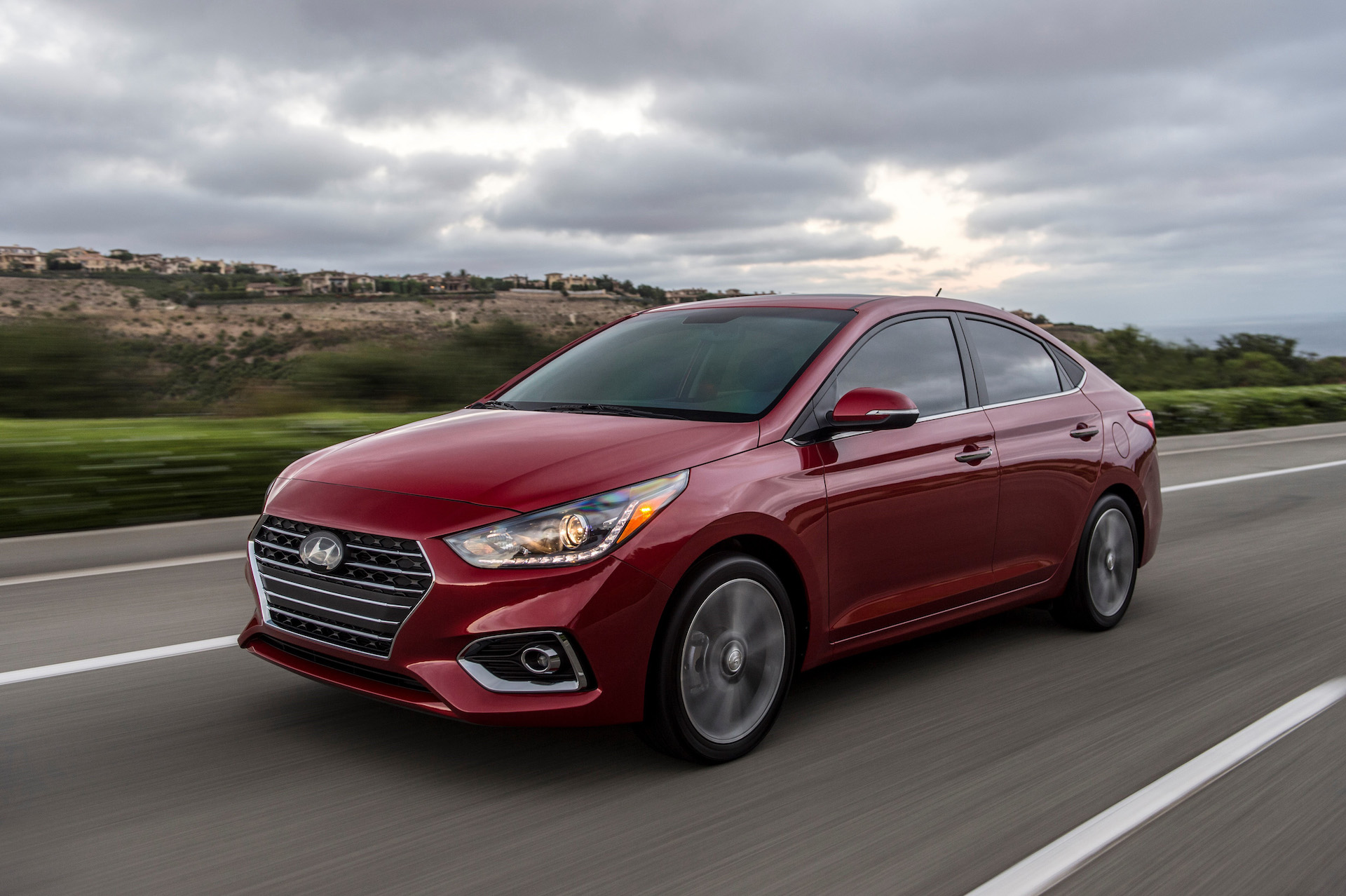
The Hyundai Accent is recognized for its affordability and efficiency, offering drivers a practical and accessible option. When new, the car presents a tidy interior, reasonable space for passengers, and a surprisingly smooth ride for its class. Its features are straightforward, with controls that are intuitive and easy to reach. Owners initially feel like they are getting solid value for a low price.
Over time, the Accent’s cabin can reveal its cost-saving compromises. Dashboard materials and door panels are prone to scratches and scuffs, and seat cushions may flatten with daily use. Fabric or leatherette surfaces can stain or wrinkle, reducing comfort.
Minor trim pieces can loosen, creating rattles and squeaks that were not present during the first year, which diminishes the perception of build quality.
Ride and handling can also become less appealing as miles accumulate. Worn suspension components may make the car feel bouncy or unsettled, particularly on rough roads. Steering may lose some precision, and the tires can wear unevenly if maintenance is not meticulously followed. Drivers may find the Accent less composed than competitors, highlighting the difference between initial impressions and long-term experience.
Engine and transmission systems are generally reliable but can start to show subtle issues. Vibrations, noise, or shifting delays might occur in high-mileage models, affecting smoothness. Electrical components, such as power windows or climate controls, can malfunction sporadically. These recurring annoyances, though not catastrophic, contribute to a perception of cheapness as the vehicle ages.
The Accent’s aesthetic and interior feel also deteriorate over time. Dull plastics, small scratches, and fabric wear become more visible with extended use. While the car continues to provide fuel efficiency and practicality, the tactile and emotional aspects of driving it fade. Owners may feel that the car is functional but lacks the refinement and satisfaction that was present when it was new.
8. Kia Rio
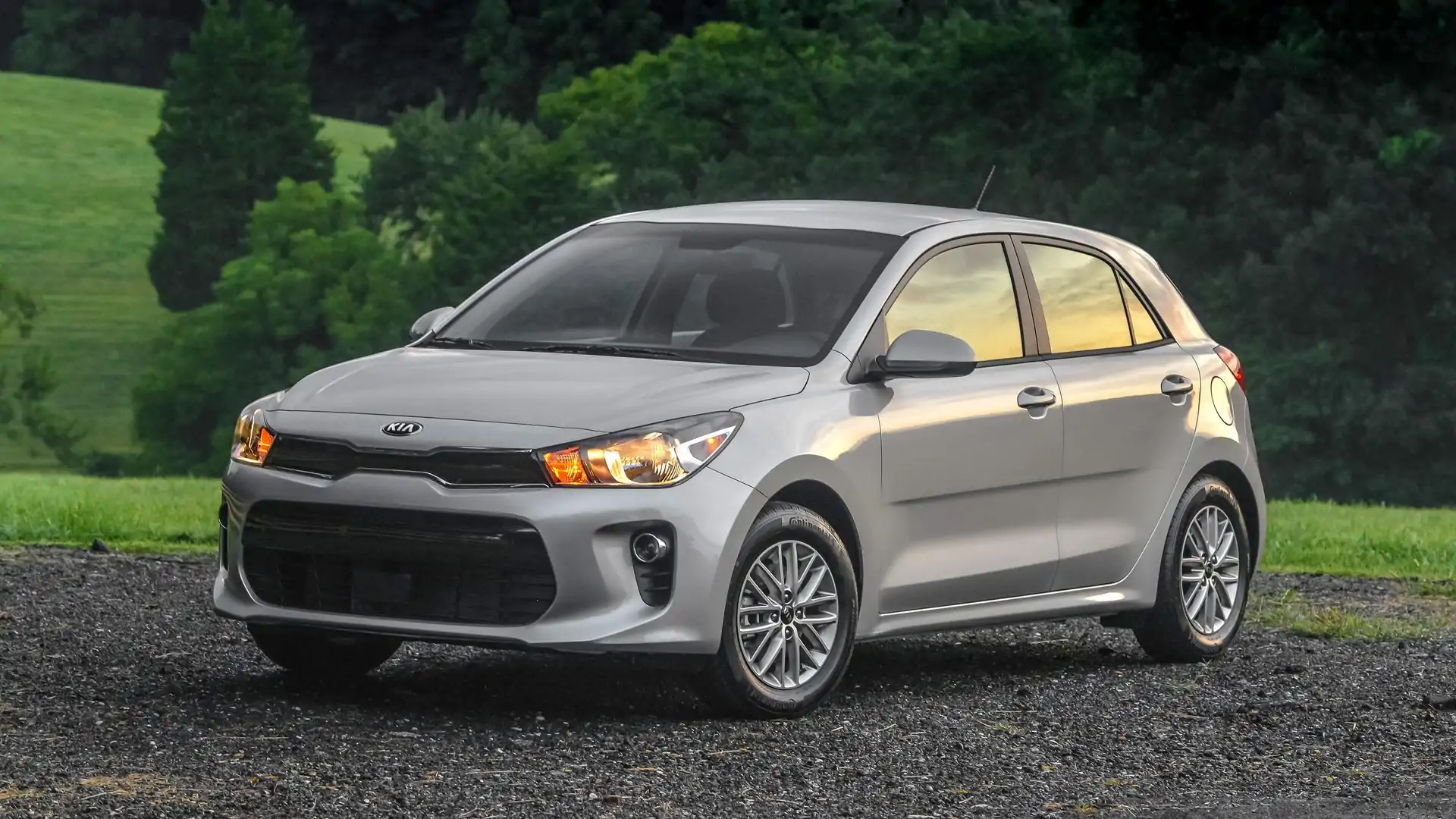
The Kia Rio is often praised for its budget-friendly price and youthful styling, offering a blend of efficiency and practicality. New owners enjoy its straightforward controls, comfortable seating, and relatively quiet cabin for a small car. Its engine delivers adequate performance for city and highway driving, and its compact dimensions make parking simple. Initially, it feels like a well-rounded, sensible choice for daily commuting.
However, the Rio’s interior materials can become problematic with higher mileage. Plastics on the dashboard, doors, and center console can scratch or loosen, making the cabin feel less solid.
Fabric seats, while initially comfortable, may flatten or stain, particularly in high-use areas. Knobs, switches, and vents may develop play, creating a less refined experience than expected from a modern compact car.
The suspension system is adequate for short trips, but repeated use on rough roads can make the ride feel stiff and less comfortable. Tires may wear unevenly, leading to vibration and increased road noise. Steering can develop minor play, reducing responsiveness and making the car feel less secure at speed. These issues gradually erode the initial impression of a smooth, reliable driving experience.
Mechanical longevity is generally strong, but minor quirks often appear. Electrical components like power windows or infotainment screens may become unreliable. Small engine noises or transmission hesitations, though not major, remind owners of the car’s budget design. Even with consistent maintenance, these factors contribute to a feeling that the vehicle is lower in quality than it once seemed.
Aging aesthetics further impact perception. Paint may fade, plastics can yellow, and interior trim pieces can become loose. While the Kia Rio remains functional and economical, the tactile and visual cues that initially made it appealing diminish with mileage. Drivers may eventually notice the contrast between early excitement and the reality of long-term wear, highlighting its position as a low-cost vehicle.
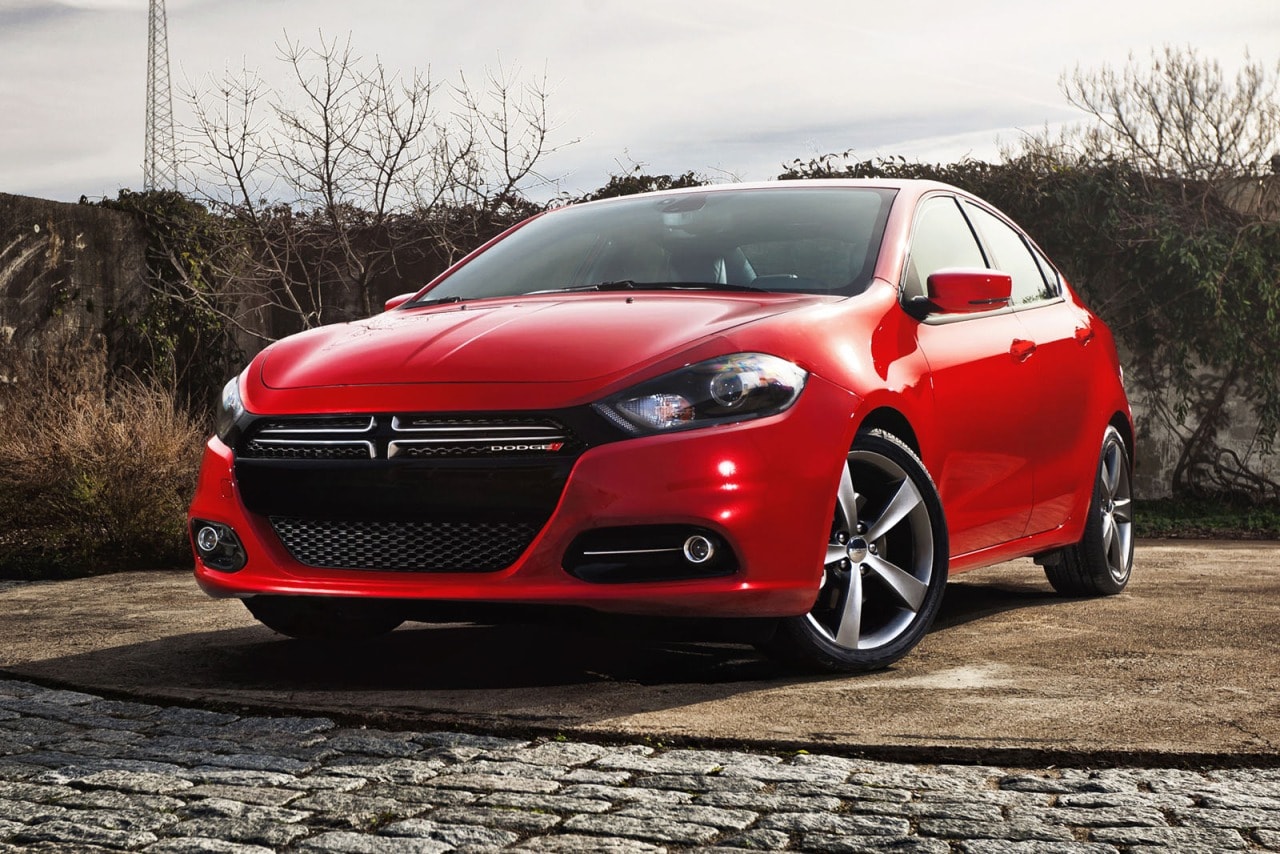
9. Dodge Dart
The Dodge Dart was marketed as a compact sedan with European-inspired handling and modern features. When new, it offers a comfortable cabin, responsive steering, and a stylish interior that feels more upscale than its price suggests. Its driving dynamics are competitive within its class, and buyers often appreciate the balance between efficiency, comfort, and aesthetics.
Despite its initial appeal, the Dart can show significant wear with high mileage. Interior plastics and trim materials are prone to scratches and loose fittings. Seat cushions lose support and can sag noticeably. Dashboard panels may develop rattles or misalignment, making the cabin feel less refined. These factors, combined with fading or scuffing, contribute to a diminished sense of quality over time.
The ride can also be affected as components age. Suspension bushings and struts may wear prematurely, causing a less controlled and rougher ride. Steering responsiveness can decrease, particularly in models with high mileage. Even minor road imperfections feel amplified, emphasizing the difference between a new Dart and one that has endured years of daily driving.
Engine and transmission reliability is generally adequate, but electrical and minor mechanical problems can emerge. Issues with sensors, infotainment systems, and power features are reported more frequently as the car ages. These annoyances, though small individually, accumulate and make the car feel less dependable than initially expected. Owners may perceive a decline in quality that overshadows the car’s original appeal.
Aesthetic wear completes the picture of a car that feels cheaper over time. Faded plastics, loose panels, and minor exterior imperfections detract from its early charm.
While the Dodge Dart remains usable and stylish in some respects, long-term ownership reveals compromises in materials and construction. This gradual decline in perceived quality highlights the gap between early impressions and real-world aging.
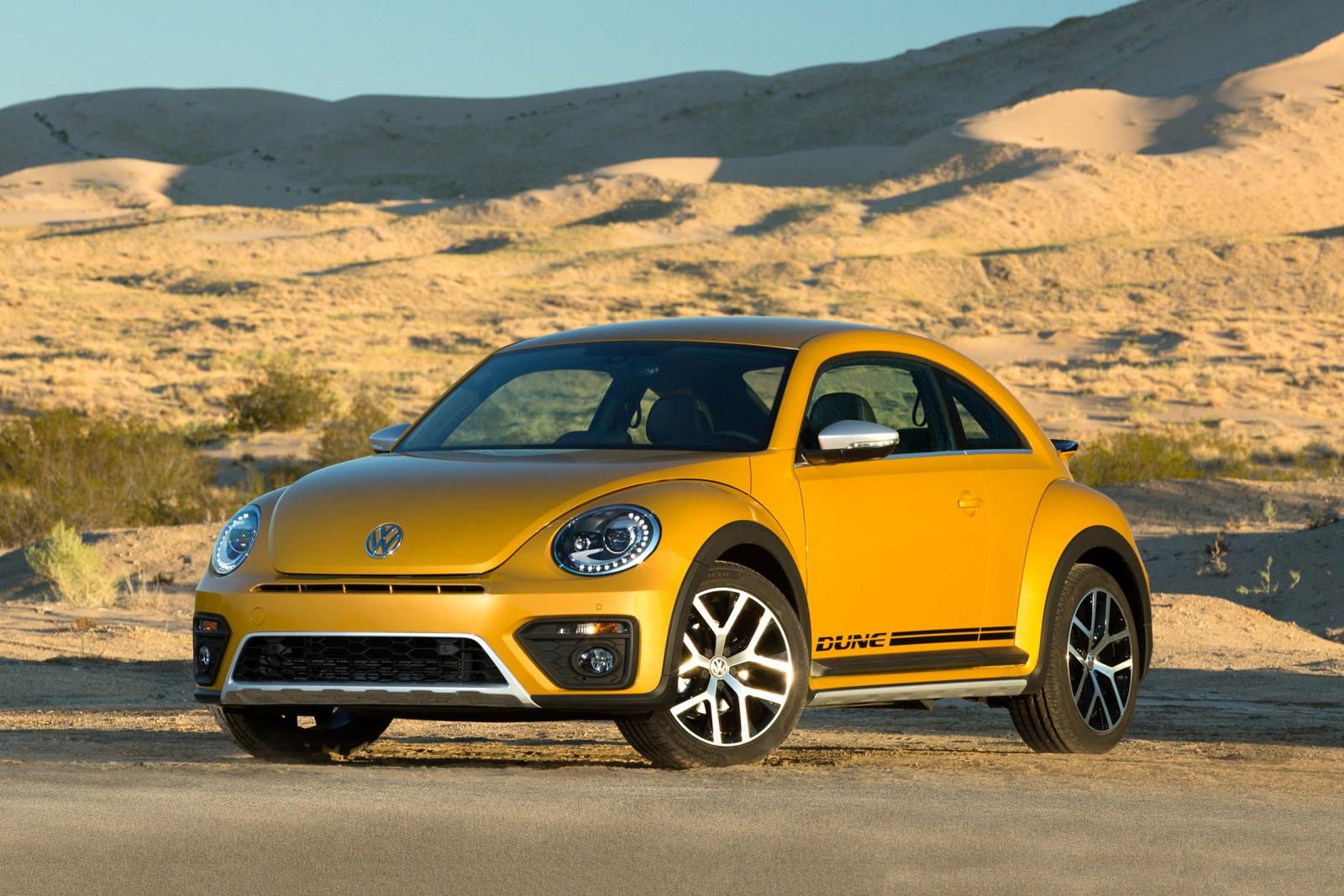
10. Volkswagen Beetle
The Volkswagen Beetle is famous for its iconic styling and compact design. New owners enjoy its distinctive shape, tight turning radius, and playful interior. Its unique design makes it stand out from other vehicles in its class, and the initial driving experience feels engaging. Owners often appreciate its character and the nostalgia associated with the model.
Over time, the Beetle’s interior can feel less durable. Hard plastics are common throughout the cabin and tend to scratch or scuff easily.
Fabric or leather seating can flatten and stain, particularly in areas of frequent contact. Small interior elements, such as knobs, vents, and switches, can loosen with repeated use, diminishing the sense of quality. These factors create a noticeable gap between first impressions and long-term experience.
Ride quality can degrade as suspension components age. Shock absorbers, bushings, and struts may wear, producing a rougher, less controlled ride. Road and wind noise can increase with age, particularly in models with higher mileage or worn seals. Steering may feel less precise, reducing the sense of confidence and agility that initially made the Beetle enjoyable to drive.
Mechanical issues, though often minor, can accumulate over time. Electrical quirks, including power window failures or dashboard light malfunctions, are common complaints. Engine and transmission performance may also decline slightly, making acceleration feel less smooth than in new models. These small challenges can leave owners feeling that the car’s build quality does not match its charm.
Finally, aesthetic wear affects the Beetle’s perceived value. Fading paint, scuffed panels, and interior discoloration are noticeable in higher-mileage vehicles. While its unique design continues to attract attention, the tactile and functional experience diminishes. Drivers may find that the initial sense of fun and durability fades, leaving a car that feels more like a novelty than a long-term, high-quality vehicle.