Urban driving can be punishing on vehicles. Stop-and-go traffic, potholes, frequent parking maneuvers, and constant low-speed acceleration expose flaws in engineering, materials, and technology that might remain hidden on highways.
Some vehicles are designed to handle these conditions with minimal wear, offering long-term reliability, comfortable rides, and interiors that maintain their quality even after years of daily city use.
Models like the 2026 Toyota RAV4 Hybrid, Honda Passport, Lexus IS, Chevrolet Tahoe, and Chevrolet Trax demonstrate resilience in urban environments. They combine durable construction, efficient powertrains, and thoughtfully engineered cabins to ensure drivers enjoy smooth commutes without worrying about early degradation.
Features such as hybrid systems, adaptive suspensions, and robust infotainment platforms further enhance their ability to remain functional and appealing in city settings.
In contrast, other vehicles show the strain of city life far sooner. The 2026 Ram 1500, Jeep Grand Cherokee 4xe, GMC Acadia, Volkswagen Taos, and Chrysler Pacifica Hybrid struggle with early mechanical failures, high-tech glitches, and material wear.
Frequent recalls, electrical issues, and rapid depreciation make them feel “aged” well before their time, highlighting the importance of reliability and thoughtful engineering in vehicles intended for urban living.
1. Toyota RAV4 Hybrid
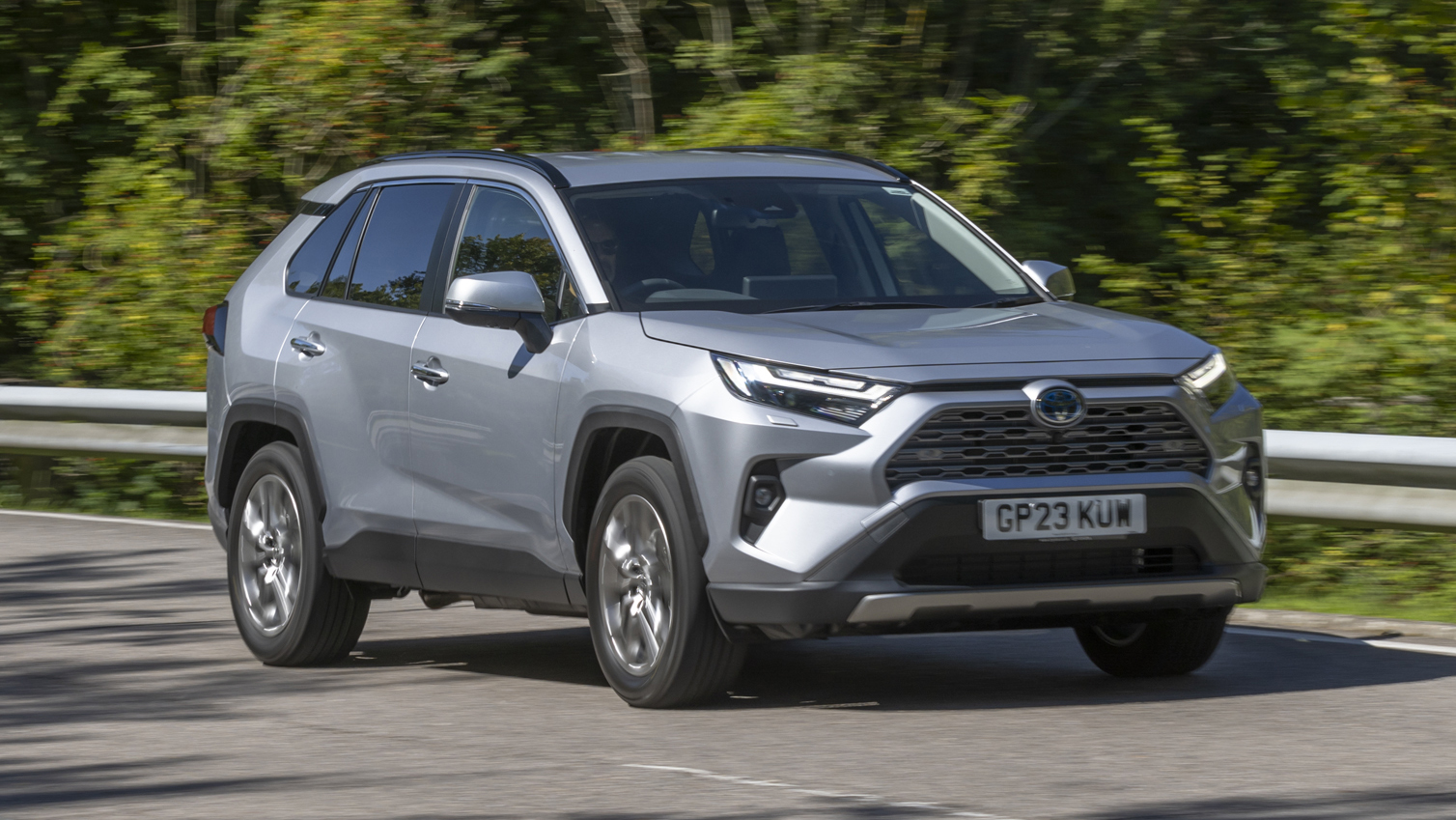
The 2026 Toyota RAV4 Hybrid is a standout in the compact SUV segment, known for its fuel efficiency, reliability, and durable build quality. With a predicted reliability score of 77 out of 100, it maintains its “new” feel longer than most competitors, reflecting Toyota’s “bulletproof” engineering.
The standard hybrid combines a 2.5-liter four-cylinder engine with three electric motors for a total of 219 horsepower, paired with a continuously variable transmission and standard all-wheel drive. For those seeking more performance, the plug-in hybrid RAV4 PHEV produces 302 horsepower with enhanced electric motor output.
The RAV4 Hybrid is particularly well-suited for city driving. Its Hybrid Synergy Drive system efficiently manages stop-and-go traffic, while regenerative braking recaptures energy during deceleration, improving fuel economy in urban conditions.
Compact dimensions make parking and maneuvering easier, and the interior provides up to 69 cubic feet of cargo space, accommodating shopping, luggage, or daily commuting needs.
Additional features such as a hands-free power liftgate and 60/40 split-folding rear seats enhance practicality. Drivers can choose between Eco, Normal, Sport, and EV modes to match driving conditions, providing flexibility in city and suburban environments.
Fuel efficiency is a strong point for the RAV4 Hybrid, with EPA estimates of 41 mpg city, 38 mpg highway, and 40 mpg combined, significantly better than the gas-only RAV4. In testing, the Hybrid achieved 37 mpg on a highway route, while the Woodland Edition trim recorded 32 mpg.
The RAV4 PHEV’s 18.1-kWh battery allows an electric-only range of 42 miles, with charging times of 2.5 hours on a 240-volt outlet or 12 hours on 120 volts. Quick torque from the electric motors ensures responsive acceleration, making city driving smooth and effortless.
Inside, the cabin emphasizes practicality with ample storage, dual-zone climate control, and intuitive controls. Higher trims include heated seats, ambient lighting, and SofTex upholstery.
Infotainment screens range from 8 to 10.5 inches, with wireless Apple CarPlay, Android Auto, Wi-Fi hotspot, navigation, and optional JBL audio available. Toyota Safety Sense comes standard, including automated emergency braking, lane-keeping assist, and adaptive cruise control, enhancing confidence in heavy traffic.
Toyota supports the RAV4 Hybrid with a three-year/36,000-mile limited warranty, a five-year/60,000-mile powertrain warranty, and a ten-year/150,000-mile hybrid component warranty. Complimentary scheduled maintenance for two years or 25,000 miles adds value and convenience, making the RAV4 Hybrid a reliable, efficient, and practical choice for 2026.
2. 2026 Honda Passport
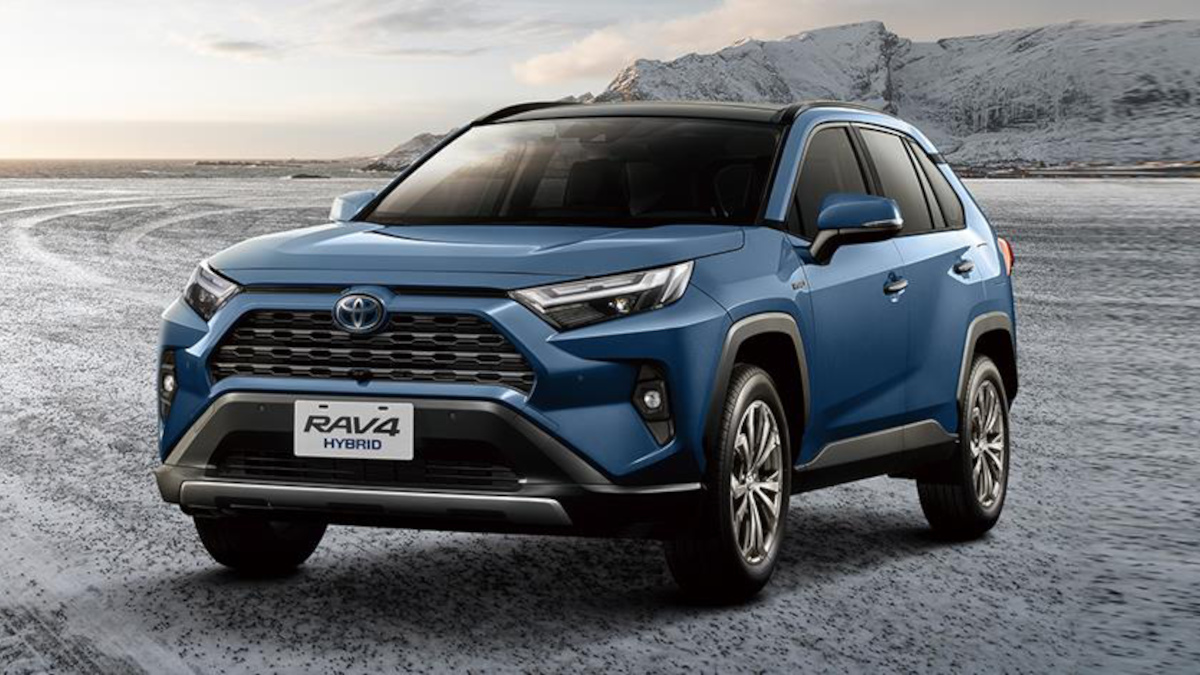
The 2026 Honda Passport is celebrated for its exceptional reliability, achieving a near-perfect predicted score of 97 out of 100. Its durable construction allows it to age slowly even under frequent urban use, while its size and maneuverability make it ideal for city driving. The Passport blends rugged capability with refined comfort, making it suitable for daily commuting as well as weekend adventures.
Under the hood, the Passport is powered by a 3.5-liter V6 engine producing 285 horsepower, paired with a smooth 10-speed automatic transmission. The new i-VTM4 all-wheel-drive system provides improved handling on wet and uneven roads, while a stiffer chassis and reinforced suspension enhance stability and ride comfort.
TrailSport trims include all-terrain tires, skid plates, and multiple drive modes such as Sport, Trail, and Tow, allowing drivers to adapt to different conditions. During testing, the TrailSport reached 60 mph in 7.3 seconds, demonstrating confident acceleration while remaining quiet and composed on the road.
Fuel economy for the standard Passport is rated at 21 mpg combined, with 19 mpg in the city and 25 mpg on the highway. TrailSport trims perform slightly lower due to larger tires.
Real-world testing showed the TrailSport returned 25 mpg on a highway route. Maximum towing capacity remains at 5,000 pounds, surpassing several competitors in the midsize SUV class.
The interior emphasizes comfort and practicality with soft-touch materials, leather or synthetic leather seats, and power-adjustable front seats. TrailSport Elite models include ventilated front seats, a heated steering wheel, rear climate controls, a panoramic sunroof, and a 12-speaker Bose audio system.
Cargo space has increased with the longer wheelbase, fitting 16 carry-on suitcases behind the rear seats and 38 with the seats folded.
Technology features include a 12.3-inch touchscreen, a 10.2-inch instrument cluster, Google built-in services, wireless Apple CarPlay and Android Auto, a 5G-LTE Wi-Fi hotspot, and multiple USB-C ports. TrailSport trims add 110-volt power outlets for added convenience.
Safety is provided through Honda Sensing, which includes automated emergency braking with pedestrian detection, blind-spot monitoring, rear cross-traffic alert, adaptive cruise control, and automatic high beams. Warranty coverage consists of three years or 36,000 miles for the limited warranty, five years or 60,000 miles for the powertrain, and one year or 12,000 miles of complimentary scheduled maintenance.
The 2026 Honda Passport combines rugged performance, refined interior comfort, and advanced technology, making it a reliable and versatile choice for urban life as well as off-road adventures.
3. 2026 Lexus IS
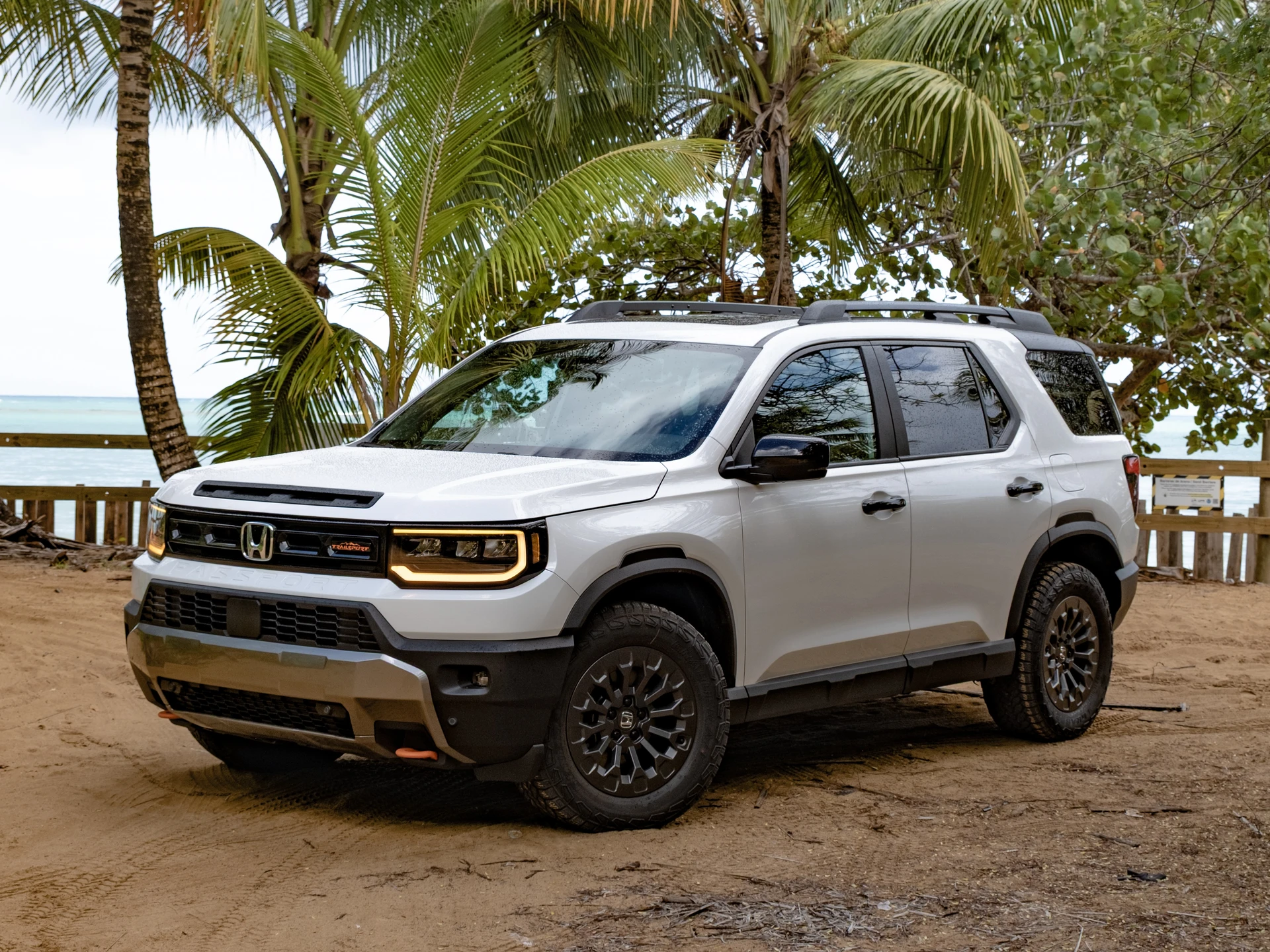
The 2026 Lexus IS is a luxury sedan celebrated for its long-term reliability, earning a predicted score of 84 out of 100. Its high-quality interior materials and solid engineering allow it to remain in excellent condition even after years of use. With a compact footprint, agile handling, and advanced cabin technology, the IS is well-suited for city driving.
The Lexus IS excels in urban environments thanks to precise steering, a refined suspension, and responsive handling that make tight streets and heavy traffic easy to manage. The IS 300h hybrid variant delivers strong fuel efficiency in stop-and-go conditions, officially rated at 5.1 liters per 100 kilometers and 6.9 liters per 100 kilometers in real-world testing.
Its size makes parking simple, while Lexus Safety System+ features, including Pre-Collision System with Intersection and Turning Assist, lane-tracing, and 360-degree cameras, enhance driver confidence and safety.
Power comes from a 3.5-liter V6 engine producing 311 horsepower. Rear-wheel-drive models use an eight-speed automatic transmission, while all-wheel-drive models have a six-speed automatic.
The ride prioritizes comfort but retains enough agility to provide enjoyment on twisty roads. In Car and Driver testing, the IS reached 60 mph in 5.6 seconds for rear-wheel drive and 5.5 seconds for all-wheel drive, slightly slower than competitors like the Cadillac CT4-V.
Fuel economy for prior models reaches up to 20 mpg city and 28 mpg highway, while the hybrid IS 300h improves efficiency for urban use. The interior emphasizes comfort with power-adjustable front seats, dual-zone climate control, an optional power sunroof, and soft faux-leather upholstery. Cargo capacity accommodates five carry-on suitcases in the trunk and expands to 15 with the rear seats folded.
Technology features include a 12.3-inch touchscreen, wireless Apple CarPlay, Android Auto, in-dash navigation, and a standard 10-speaker stereo, with a 17-speaker Mark Levinson system available. Safety technology includes automated emergency braking with pedestrian detection, adaptive cruise control with lane-centering, and lane-keeping assist.
Warranty coverage consists of four years or 50,000 miles for the limited warranty, six years or 70,000 miles for the powertrain, and one year or 10,000 miles of complimentary scheduled maintenance. With its refined interior, city-friendly size, responsive handling, and strong reliability, the 2026 Lexus IS is a smart choice for drivers seeking a luxury sedan that combines comfort, efficiency, and durability.
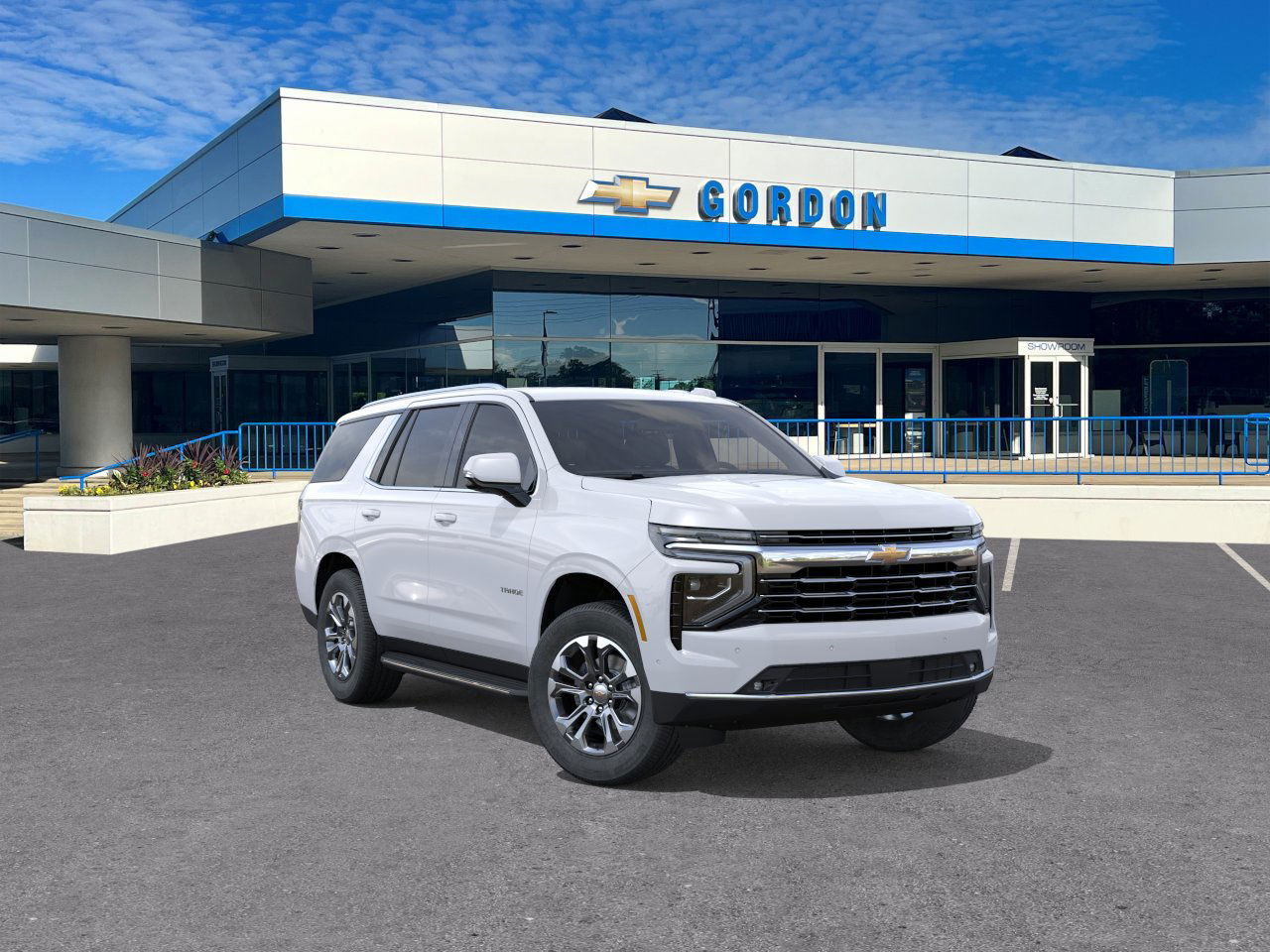
4. 2026 Chevrolet Tahoe
The 2026 Chevrolet Tahoe is a full-size SUV built on a truck-based platform with heavy-duty components designed to endure years of daily use. Its rugged construction allows it to maintain structural integrity better than many unibody luxury SUVs, while advanced technology and refined suspension systems make it surprisingly manageable in urban environments.
Despite its large size, the Tahoe offers an agile turning radius, power parking sensors, and a surround-view camera system, making city streets and tight parking spaces easier to handle. Ride comfort is enhanced by an independent rear suspension, available Magnetic Ride Control, and Four-Corner Air Ride Adaptive Suspension, which smooths out potholes, speed bumps, and uneven pavement.
Safety technology includes Front Pedestrian and Bicyclist Braking, Intersection Automatic Emergency Braking, and Rear Cross Traffic Braking. The SUV also provides up to 122.9 cubic feet of cargo space and power-folding seats, making it ideal for carrying bulky items or groceries in the city.
The Tahoe comes with a range of powertrains, including a 355-horsepower 5.3-liter V8, a 420-horsepower 6.2-liter V8, and an optional 3.0-liter diesel inline-six producing 305 horsepower and 495 pound-feet of torque. All engines pair with a 10-speed automatic transmission, with rear-wheel drive standard and all-wheel drive optional.
The off-road Z71 trim adds a two-speed transfer case, all-terrain tires, skid plates, and an air-spring suspension system for adjustable ride height. Testing shows the 6.2-liter V8 achieves 0-60 mph in 5.8 seconds while maintaining a quiet, refined cabin.
Fuel economy varies by engine. Gas-powered Tahoes reach up to 15 mpg city and 20 mpg highway, while the diesel is rated up to 22 mpg city and 26 mpg highway. Real-world highway testing of the 6.2-liter four-wheel-drive model returned 20 mpg. Maximum towing capacity is up to 8,400 pounds, depending on engine and configuration, matching or exceeding many full-size competitors.
The Tahoe’s cabin emphasizes comfort and versatility. It seats up to eight passengers, with second-row seats that slide fore and aft. Higher trims offer premium features including leather upholstery, wood accents, a power-adjustable steering column, and a panoramic rear entertainment system.
Cargo capacity expands to 123 cubic feet with both rear rows folded. Infotainment includes a 17.7-inch touchscreen, Apple CarPlay, Android Auto, Wi-Fi hotspot, wireless charging, and an optional Bose audio system.
Standard driver-assistance features include lane-keeping assist, automatic high beams, and automated emergency braking, while Super Cruise hands-free driving is available on select trims.
Warranty coverage includes three years or 36,000 miles limited and five years or 60,000 miles powertrain. The 2026 Chevrolet Tahoe combines full-size capability with comfort, technology, and urban-friendly features, making it versatile for both city and highway use.
5. 2026 Chevrolet Trax
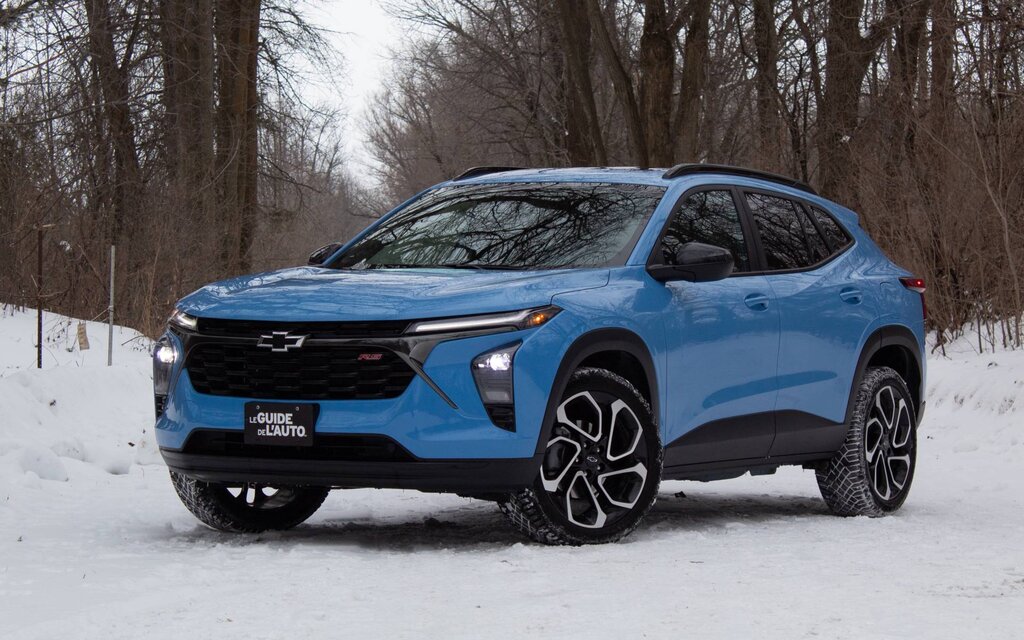
The 2026 Chevrolet Trax is a subcompact SUV designed for urban driving, offering a lightweight, simple design that avoids overworking the engine. Its minimalistic approach to technology helps it age gracefully compared with tech-heavy competitors, while its fuel-efficient turbocharged engine, compact size, and functional interior make it ideal for city life.
The Trax’s 1.2-liter turbocharged inline-three engine produces 137 horsepower, providing enough power for stop-and-go traffic and daily commuting. It comes paired with a six-speed automatic transmission and front-wheel drive.
While all-wheel drive is not available, the conventional automatic offers smooth, predictable shifts without the droning associated with CVTs found in competitors like the Honda HR-V or Subaru Crosstrek.
Handling is carlike and agile, with a firm brake pedal and responsive steering, making the Trax feel nimble despite its SUV stance. Acceleration from 0-60 mph takes 8.8 seconds, which is adequate for city and suburban driving but slower than some rivals.
The Trax is designed to be easy to park and maneuver in tight spaces. Its compact dimensions provide generous passenger legroom and headroom, while the second-generation model (2024–2026) features a longer wheelbase for additional rear legroom and increased cargo space.
The cabin is comfortable, with available features including heated seats, Evotex seating materials, and a low, carlike driving position. Cargo capacity is practical for a subcompact SUV, and higher trims offer a sunroof, wireless phone charging, and other tech options.
Technology includes an 8.0-inch touchscreen on LS and 1RS trims, while LT and higher trims come with an 11.0-inch touchscreen and an 8.0-inch digital gauge cluster. Wireless Apple CarPlay and Android Auto, a Wi-Fi hotspot, and an available wireless phone charger keep drivers connected.
Safety is provided through the Chevy Safety Assist suite, which includes automated emergency braking with pedestrian detection, lane-departure warning, lane-keeping assist, and optional adaptive cruise control.
Fuel efficiency is strong for its class, with EPA ratings of 28 mpg city and 31 mpg highway. In real-world testing on a 75-mph highway route, the Trax returned 30 mpg. Warranty coverage includes a three-year or 36,000-mile limited warranty, a five-year or 60,000-mile powertrain warranty, and one complimentary maintenance visit within the first year.
With its lightweight design, practical interior, efficient engine, and city-focused features, the 2026 Chevrolet Trax is a reliable and functional choice for urban drivers who need a compact, easy-to-use SUV without unnecessary complexity.
Also read: 5 Cars That Handle School Runs Well vs 5 That Feel Inconvenient
5 That Shows Aging Early
1. 2026 Ram 1500
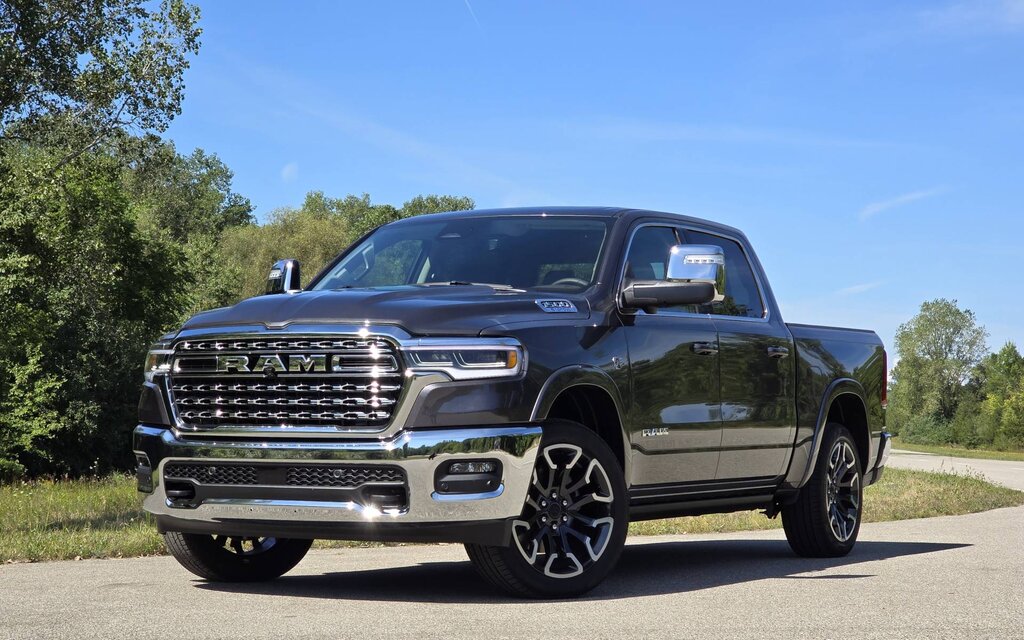
The 2026 Ram 1500 ranks as one of the least reliable new vehicles, scoring just 5 out of 100, and urban stop-and-go driving can exacerbate its issues. Many trucks show signs of early aging due to high-tech failures, material wear, and mechanical stress, causing them to feel older than comparable models.
A major factor in the 1500’s decline is its high-tech systems. The 12-inch and 14-inch digital instrument clusters and UConnect infotainment screens are prone to freezing, blanking, or lagging. Early in 2026, Ram issued a recall for over 70,000 trucks due to blanking instrument panels, highlighting the vulnerability of these electronics.
Interior and body materials also degrade prematurely. Dashboards can crack, and leather seats fade under UV exposure, while cosmetic trims may loosen or discolor within months. Specific DT models are susceptible to stress cracks in the chassis around the coil towers, particularly when frequently towing, which can compromise structural integrity.
Mechanical issues reinforce the impression of early wear. The 5.7L V8 “Hemi” engine can produce a persistent ticking sound due to broken manifold bolts or valvetrain issues. Transmission hesitation and rough shifting may occur as early as 6,000 miles. The 3.0L twin-turbo Hurricane inline-six engine has reported misfires and early check-engine warnings, further reducing confidence in its reliability.
Environmental factors accelerate aging. Without regular undercarriage washing, frames and bumpers can rust in areas that use road salt. Air suspension systems, though providing a smooth ride, often require costly maintenance sooner than traditional leaf springs due to worn seals and pumps.
The 2026 Ram 1500 struggles with persistent electrical, powertrain, and material issues that make it feel worn sooner than rivals. Consumer Reports and JD Power consistently place it near the bottom of reliability rankings, emphasizing that while it offers performance and luxury, owners should be prepared for early maintenance and potential repairs.
2. 2026 Jeep Grand Cherokee 4xe
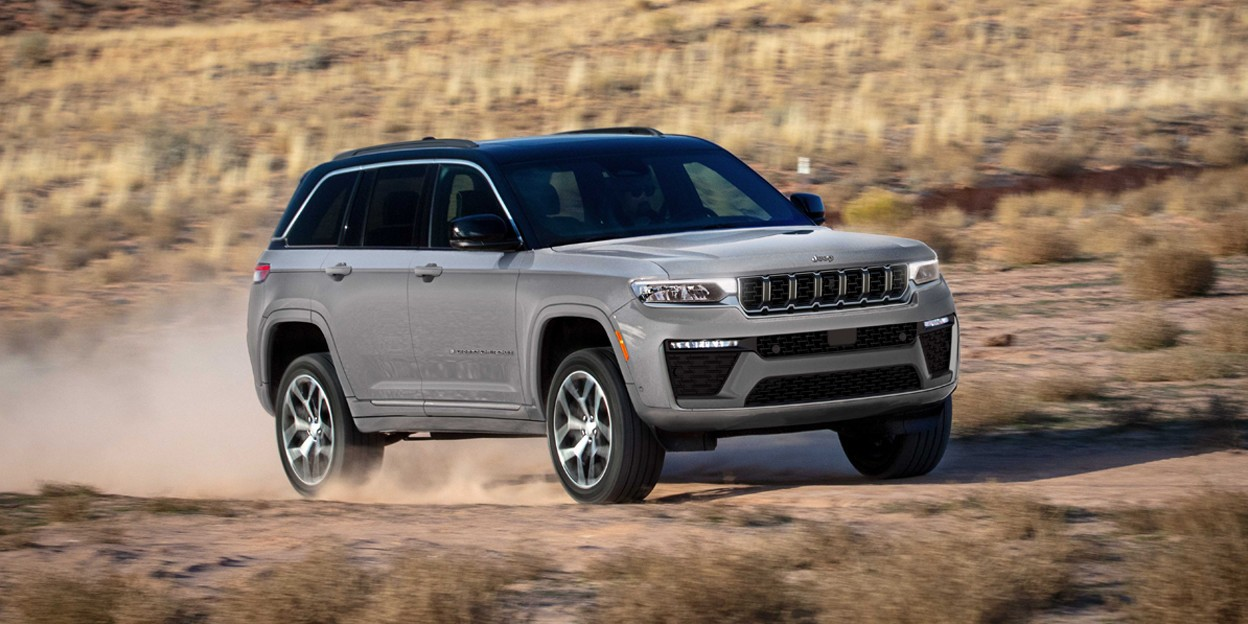
The 2026 Jeep Grand Cherokee 4xe has earned one of the lowest reliability ratings of the year, scoring just 10 out of 100. Owners frequently report electrical glitches, powertrain faults, and interior issues that contribute to a sense of early aging, making the vehicle feel less dependable shortly after purchase.
By early 2026, long-term reviewers and owners have noted that the 4xe’s high-tech complexity and hybrid powertrain often accelerate mechanical and aesthetic deterioration.
A primary factor in the 4xe’s early decline is its unrefined plug-in hybrid (PHEV) system. Owners report jerky transitions between the gasoline engine and electric motors, with transmission shuddering and harsh shifting becoming more pronounced as mileage increases.
Software errors have caused sudden losses of drive power, prompting multiple recalls in 2025 and 2026. In cold weather, the vehicle’s Fuel and Oil Refresh Mode (FORM) forces the engine to run continuously to prevent oil dilution, effectively disabling hybrid functionality and making a new SUV feel like an older gas-only model.
Safety concerns have also plagued the 4xe. Over 320,000 models from 2022 to 2026 were recalled due to battery cell separator defects that create a fire risk. Jeep advised owners to park outside and avoid charging until a permanent solution is implemented.
Some vehicles have undergone three separate recall attempts for the same issue, leading to consumer frustration and the perception that the vehicle’s core technology is flawed. These repeated safety recalls contribute to early “retirement” of some vehicles or extended dealership stays.
Interior and build quality issues further add to the 4xe’s early aging. While the cabin initially appears upscale, long-term testing highlights rapid material degradation. Hard plastics and faux wood panels can flex, creak, or show wear over time.
Digital gauge clusters, infotainment systems, and backup cameras frequently fail, making the vehicle feel outdated. Additionally, misaligned body panels and doors contribute to wind noise or water leaks, signaling a lack of long-term durability.
These compounding problems have impacted resale value and consumer confidence. By January 2026, Jeep temporarily removed 4xe models from its website due to ongoing stop-sale orders.
The Grand Cherokee 4xe combines advanced hybrid technology with luxury features, but its persistent powertrain issues, safety recalls, and material wear make it one of the least reliable SUVs in the 2026 market, leaving owners cautious about long-term ownership.
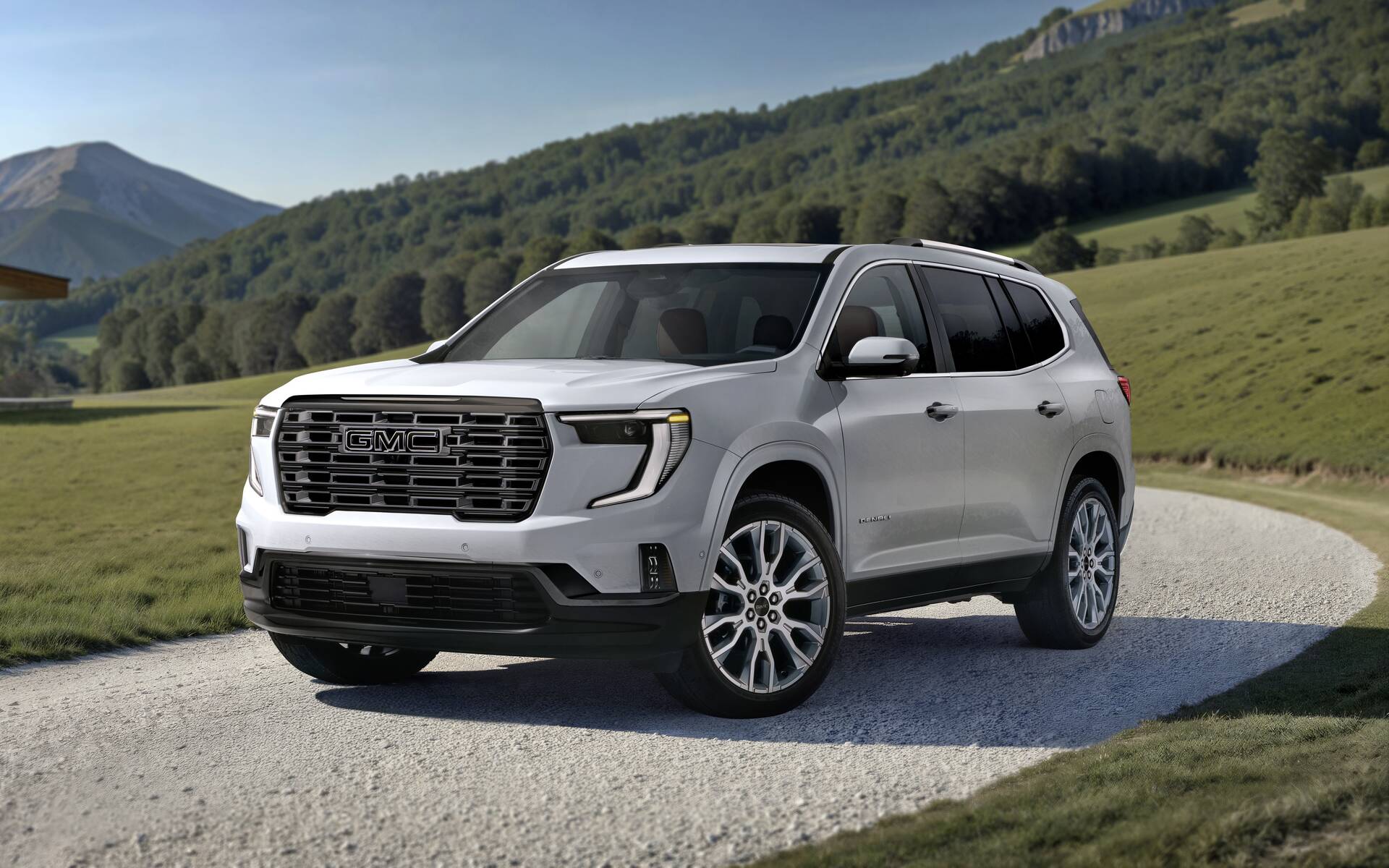
3. 2026 GMC Acadia
The 2026 GMC Acadia ranks among the lowest in reliability, earning a predicted score of just 14 out of 100. Despite its non-electrified powertrain, the SUV suffers from mechanical, interior, and software issues that make it feel older than its age. High maintenance costs and recurring problems contribute to its reputation as a vehicle that “ages early.”
Mechanical vulnerabilities are the primary cause of early wear. Many models equipped with the 6-speed automatic transmission experience failure of the “35R clutch wave plate,” which can shatter around 75,000 miles. This leads to gear slippage or complete loss of reverse.
The 3.6-liter V6 engine has a history of timing chain stretching, which can result in catastrophic engine failure if oil maintenance is neglected. Heavy curb weight also accelerates suspension and steering wear, causing clunking noises and reduced ride quality due to worn front struts and control arm bushings.
Interior and electronic issues further reinforce the Acadia’s early-aging perception. Infotainment systems frequently glitch, touchscreens can freeze or dim, and sensor errors such as “Shift to Park” are common within the first few years of ownership.
Material degradation is evident in standard trims, which show rattles, squeaks, and premature wear of plastics, while premium trims like the Denali Ultimate offer more durable finishes. Water leaks from blocked sunroof drains are another recurring complaint, causing musty odors and potential electrical corrosion.
Consumer confidence has suffered as a result. Even after the 2024 redesign, which increased interior space and added luxury features, the Acadia was removed from Consumer Reports’ recommended list for 2026 due to its low predicted reliability.
Annual repair costs range from $734 to $992, making long-term ownership expensive. While the Acadia offers ample tech, space, and comfort, its persistent mechanical issues, electronic glitches, and material wear continue to make it one of the least dependable non-electrified SUVs in its class.
4. 2026 Volkswagen Taos
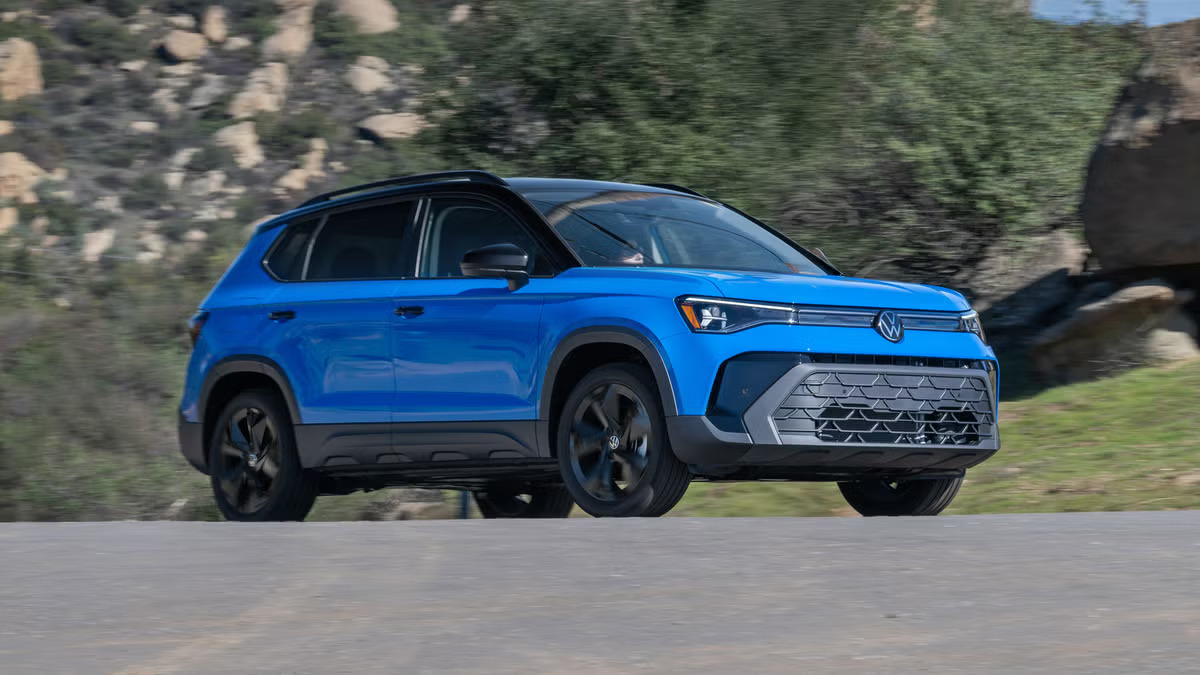
The 2026 Volkswagen Taos ranks among the least reliable models in its class, with owners reporting premature wear and high fault rates in electrical systems and interior components. Many vehicles exhibit signs of “early aging,” feeling and performing like much older cars within the first 15,000 to 20,000 miles.
Mechanical issues are the most common sources of early wear. Rear brake pads and rotors often require replacement by 12,000 miles, far earlier than the typical 50,000-mile expectation, due to smaller pad sizes that wear rapidly. Engine and transmission instability have also been reported in 2022–2024 models.
Coolant leaks and head gasket failures can occur before 45,000 miles, leading to overheating and potential engine damage. The older 7-speed dual-clutch DSG transmission is criticized for jerky and clunky shifts, giving even newer vehicles a worn-out driving feel.
Electrical and software problems further contribute to Taos’s reputation for early aging. Owners frequently experience frozen or blank infotainment screens, erratic windshield wipers, and intermittent “check engine” (EPC) lights without stored fault codes.
Technical analysis suggests that voltage fluctuations and modules activating at incorrect times may overload the CAN bus, causing inconsistent performance in mechanical and electronic systems.
Consumer confidence in the Taos reflects these persistent issues. Consumer Reports consistently rates the vehicle below average in predicted reliability for 2026. Additionally, a class-action lawsuit claims defective fuel system components in 2022–2024 models may lead to premature failure and fire hazards.
In response, the 2025 and 2026 refreshes replaced the dual-clutch transmission with a conventional 8-speed automatic and revised the head gasket design to address early reliability concerns.
While the Volkswagen Taos offers modern styling and a compact design suitable for city driving, frequent brake replacements, engine and transmission faults, and recurring electrical glitches have led to a reputation for early aging, higher maintenance costs, and reduced long-term ownership satisfaction.
5. 2026 Chrysler Pacifica Hybrid
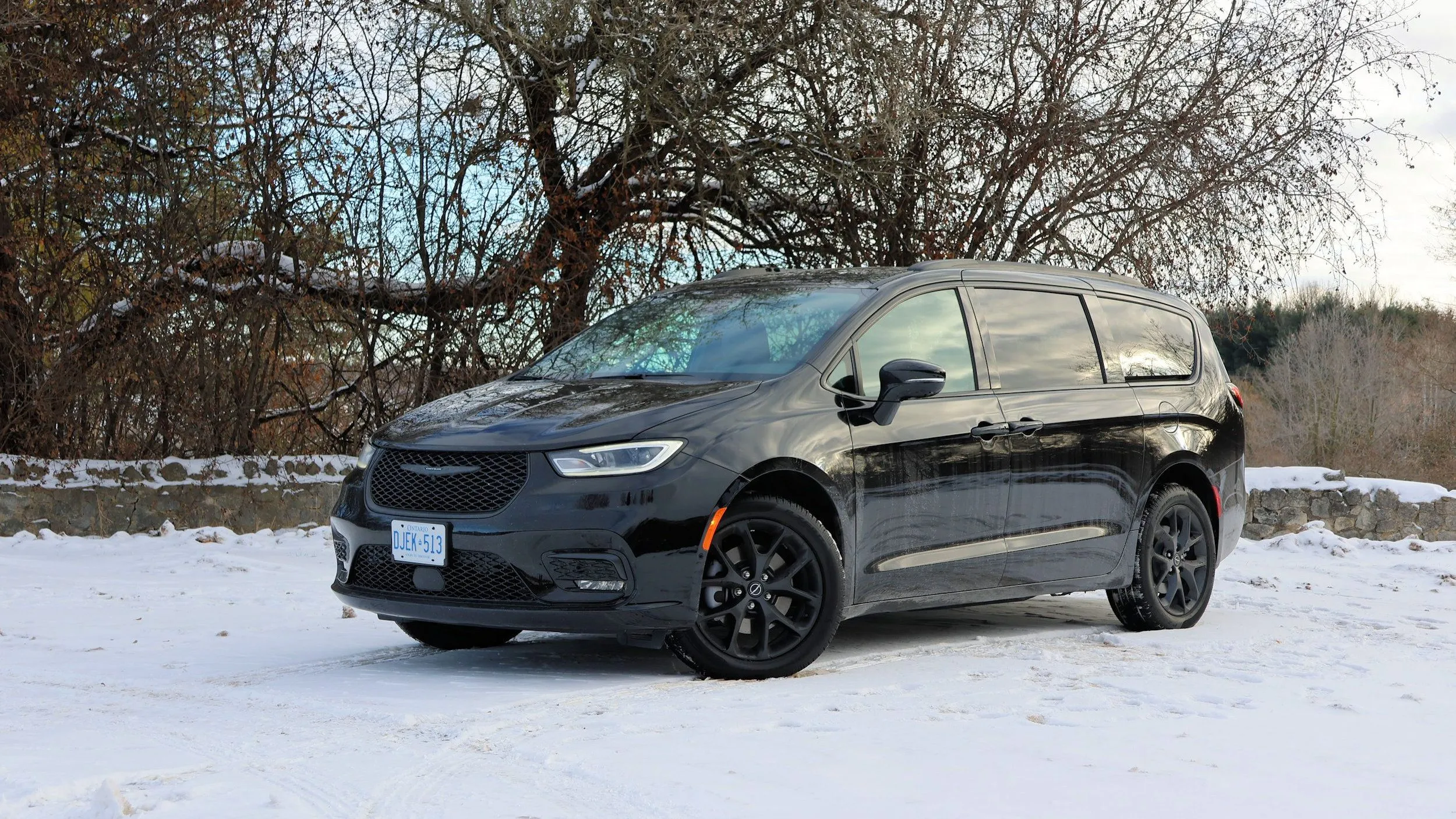
The 2026 Chrysler Pacifica Hybrid, while feature-rich for families, ranks low in reliability with a predicted score of 26 out of 100. Its aging platform, complex hybrid system, and interior materials make it prone to mechanical and cosmetic wear earlier than traditional minivans, especially under urban driving conditions.
A major contributor to early aging is persistent reliability issues. High-voltage battery faults and internal transmission short circuits have prompted multiple recalls, with some 2017–2021 models even facing fire risks. Owners report sudden engine shutdowns, often requiring full transmission replacements, and electronic systems, including infotainment and sliding doors, frequently freeze or malfunction.
The Pacifica Hybrid’s nearly decade-old platform further compounds its decline. Despite a 2021 facelift and minor 2026 updates, the core architecture remains unchanged since 2017.
The hybrid configuration sacrifices the signature “Stow ‘n Go” second-row seats, reducing practicality compared to the gas-only Pacifica. The van also lags behind rivals like the Toyota Sienna and Kia Carnival, which offer more efficient hybrid setups and modern features.
Safety performance has similarly declined. Updated IIHS testing shows only “Marginal” or “Acceptable” ratings in moderate overlap and side-impact tests, whereas newer competitors achieve higher safety scores. This signals the platform’s limitations in meeting evolving safety benchmarks.
Financially, the Pacifica Hybrid depreciates faster than competitors such as the Honda Odyssey or Toyota Sienna. Its high starting price, exceeding $60,000 for top trims, combined with reliability concerns, makes it a costly and potentially risky long-term investment for families.
The 2026 Chrysler Pacifica Hybrid provides hybrid efficiency and family-friendly features, but its aging platform, recurring powertrain and electrical issues, declining safety ratings, and rapid depreciation contribute to a reputation for early aging and reduced long-term value.
Choosing a vehicle for city driving requires more than style or performance; it demands resilience against the daily rigors of urban life. Cars that handle urban wear gracefully offer predictable reliability, long-lasting interiors, and efficient systems that reduce stress, repair costs, and depreciation.
Conversely, vehicles prone to early aging often struggle with mechanical, electronic, or material vulnerabilities, leaving owners with frequent repairs and diminished confidence. Comparing these ten 2026 models underscores the value of engineering durability, hybrid efficiency, and material quality.
For city drivers, investing in vehicles like the RAV4 Hybrid or Tahoe ensures years of dependable performance, while caution is warranted for models such as the Ram 1500 or Pacifica Hybrid, which may reveal significant flaws under everyday urban conditions. Ultimately, understanding how a vehicle ages in the city is as crucial as horsepower or towing capacity, shaping both daily comfort and long-term ownership satisfaction.
Also Read: Top 10 Cars Cheap Enough to Own and Fast Enough to Scare You