Car design often creates instant attraction, and first impressions can be powerful enough to drive early sales and long waiting lists. When a car debuts with sharp styling, bold lines, or futuristic cues, it can feel fresh and desirable in ways that overshadow deeper questions about durability, materials, and long term ownership experience.
Many buyers fall in love with a car based on how it looks on day one, imagining that the same appeal will follow them for years. The thrill of standing next to a striking hood, a well-proportioned rear, or uniquely shaped headlights can make functional considerations like seat comfort, build quality, or resale value feel secondary, at least initially.
Designers and marketers know this instinct well, and it is often what drives decisions about how aggressively a car should stand out visually.
Aging poorly does not always mean mechanical failure, although that can be part of the story. It often shows up through faded interiors, dated exterior details, cheap plastics that wear quickly, or design choices that lock a car into a specific era.
A vehicle can look stunning in showroom lighting yet appear tired after a few years of sun exposure, road grime, and evolving design trends. Owners often notice subtle signs first: paint that dulls faster than expected, chrome that loses its luster, or plastic trim that warps.
These details chip away at the emotional connection the owner originally had with the car, creating a cognitive dissonance between how the vehicle looked at launch and how it feels years later.
Another factor that contributes to poor aging is overdesign. Cars that rely heavily on trends, extreme shapes, or novelty features tend to look old once those trends pass. What once felt bold can later feel awkward or excessive, especially when newer models adopt cleaner and more restrained styling.
In addition, some of these styling choices compromise practical longevity. For example, unusual door mechanisms or complex body panels can be prone to wear, and intricate interior designs may hide seams or weak materials that reveal themselves under daily stress. Cost-cutting decisions in materials or finishes, often invisible at first, become painfully apparent when scratches, fading, or discoloration appear.
Perception of aging also differs across vehicle segments. Sports cars, for instance, tend to rely heavily on aggressive styling to maintain their appeal, but they often lack the interior refinement necessary for longevity. Luxury sedans may retain their presence due to badge recognition, yet still suffer from dated infotainment and trim.
Even mainstream vehicles, if designed with a specific era in mind, can feel old before their actual lifespan ends. These nuances show that aesthetics, durability, and practicality are all tightly intertwined in determining whether a car ages gracefully or not.
This article focuses on ten cars that arrived with strong visual appeal but struggled to maintain that appeal over time. The reasons vary from fragile finishes and dated design language to interiors that wear faster than expected. None of these cars are complete failures, and many still have loyal fans, but they serve as reminders that looking good at launch does not always translate into long lasting satisfaction.
By examining each car in detail, this article highlights how even the most attractive vehicles can suffer from design choices, material limitations, and changing tastes. The discussion that follows will provide a mix of design analysis, real world aging issues, and the broader context of how automotive trends evolve over time.
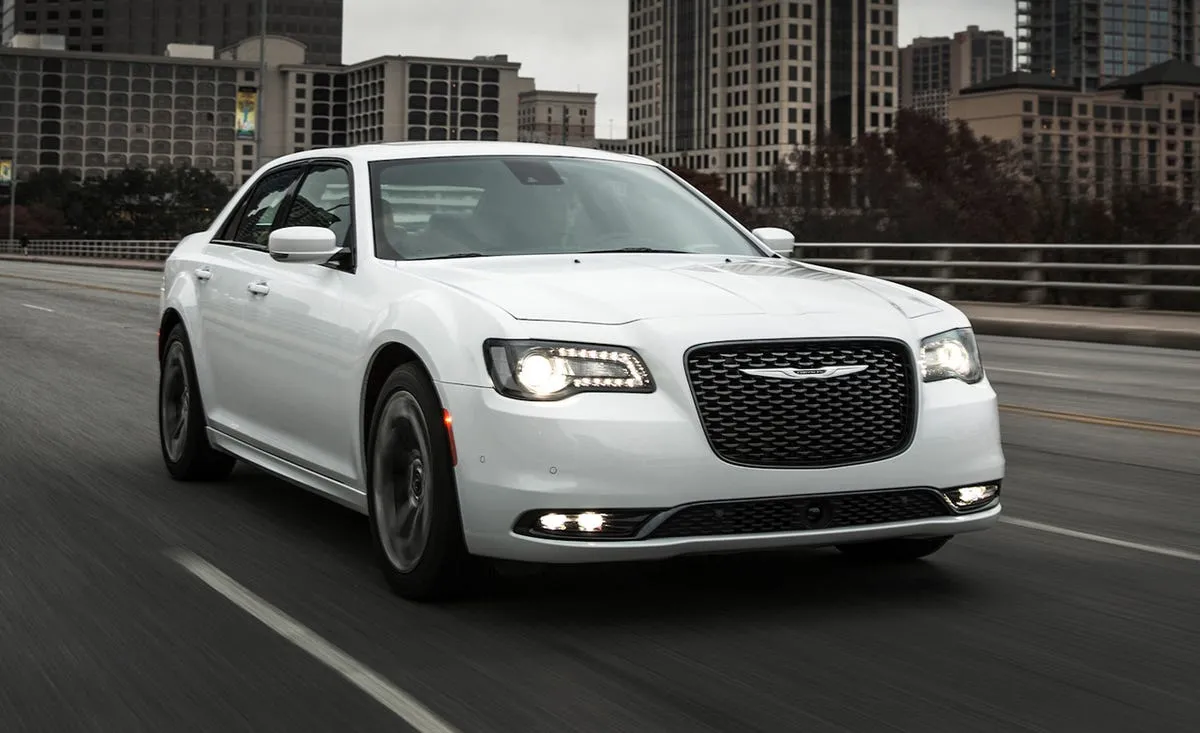
1. Chrysler 300
The Chrysler 300 made an immediate statement when it first appeared, thanks to its wide stance and imposing presence. Its bold grille, squared-off lines, and tall proportions gave it a sense of luxury and authority that felt far more expensive than its actual price.
Many buyers appreciated the contrast it offered against rounded mid-size sedans, finding the 300’s slab-sided exterior commanding and memorable. Early reviews highlighted its road presence and the confidence it inspired simply through visual dominance, showing that Chrysler had managed to craft a vehicle with an emotional impact that resonated beyond its specifications.
As years passed, the same design that once felt commanding began to feel heavy and outdated. The blocky shape, once praised for boldness, appeared less dynamic compared to sleeker competitors. Minor exterior refreshes were insufficient to modernize the car, and the basic silhouette remained largely unchanged, creating a sense of stagnation.
Even small details like the headlight and taillight shapes, once distinctive, began to read as dated. While the design had initially emphasized authority and style, it became more of a visual anchor tying the car to an earlier era, which reduced its modern appeal.
Interior aging further hurt the Chrysler 300’s reputation. Materials that seemed acceptable at first began to show wear quickly, with peeling trim, faded leather, and sun-damaged plastics emerging as common complaints. The cabin layout, though initially spacious, started to feel cluttered as infotainment and technology in competing cars advanced.
Buyers who purchased the car for its sense of luxury often found that the interior did not match the expectations set by the exterior styling, creating a disconnect between the bold design and everyday experience.
The Chrysler 300 is a reminder that bold design is a double-edged sword. It can generate attention and enthusiasm at launch, but if not balanced with longevity-focused choices, it can lose impact quickly.
The car remains respected for its initial visual statement, but its aging highlights how even well-intentioned design choices must account for years of wear, evolving trends, and changing standards in luxury perception. For potential buyers, understanding this dynamic is essential to avoid disappointment when the initial excitement fades.
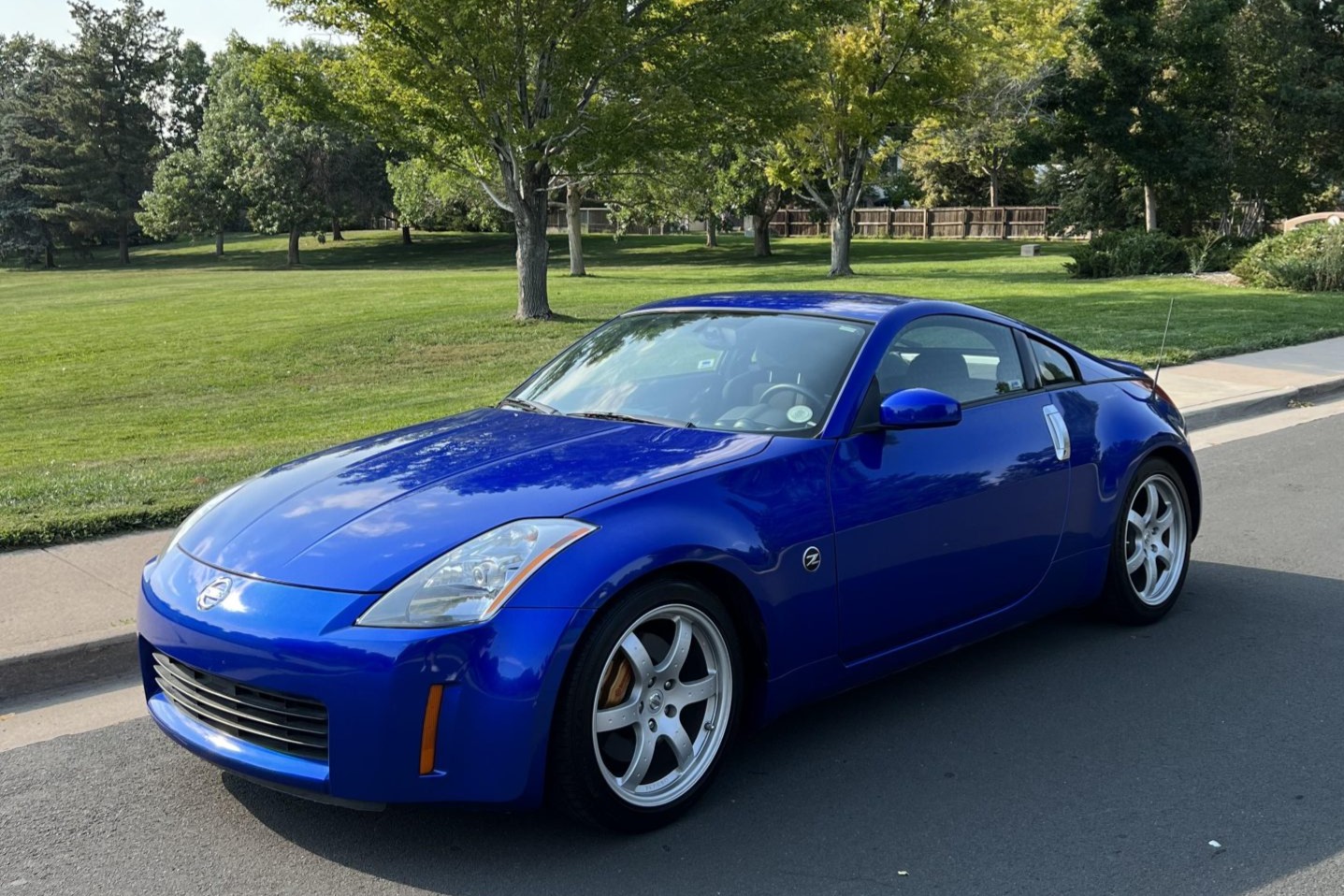
2. Nissan 350Z
The Nissan 350Z entered the market with a fresh, purposeful design that immediately appealed to sports car enthusiasts. Its long hood and short rear overhang gave it a classic, balanced profile reminiscent of legendary performance cars, while the flared fenders and smooth curves created a sense of motion even while standing still.
The aggressive stance and low-slung body communicated speed and precision, drawing attention at car meets, street corners, and dealerships. Many early owners praised the way the car looked like it belonged on a racetrack, giving the impression of performance far beyond its price point.
Ownership experiences over time highlighted subtle design limitations. The low seating position and tight cabin space, which seemed athletic at first, became less comfortable on long drives. Visibility issues, such as blind spots from thick pillars, became more noticeable with age.
While mechanically robust, the 350Z’s design decisions emphasized initial visual appeal over long-term comfort and adaptability, creating a gap between how it looked at launch and how it felt after several years.
Despite these challenges, the 350Z maintains a loyal following due to its strong identity and driving enjoyment. However, its rapid visual aging demonstrates the risks inherent in tying a sports car’s appeal to fleeting styling trends.
Cars that rely heavily on rounded, era-specific forms may look excellent for a few years but struggle to remain desirable when design tastes evolve. For owners, this means the 350Z can still excite, but it no longer carries the same instant visual impact as when it first appeared.
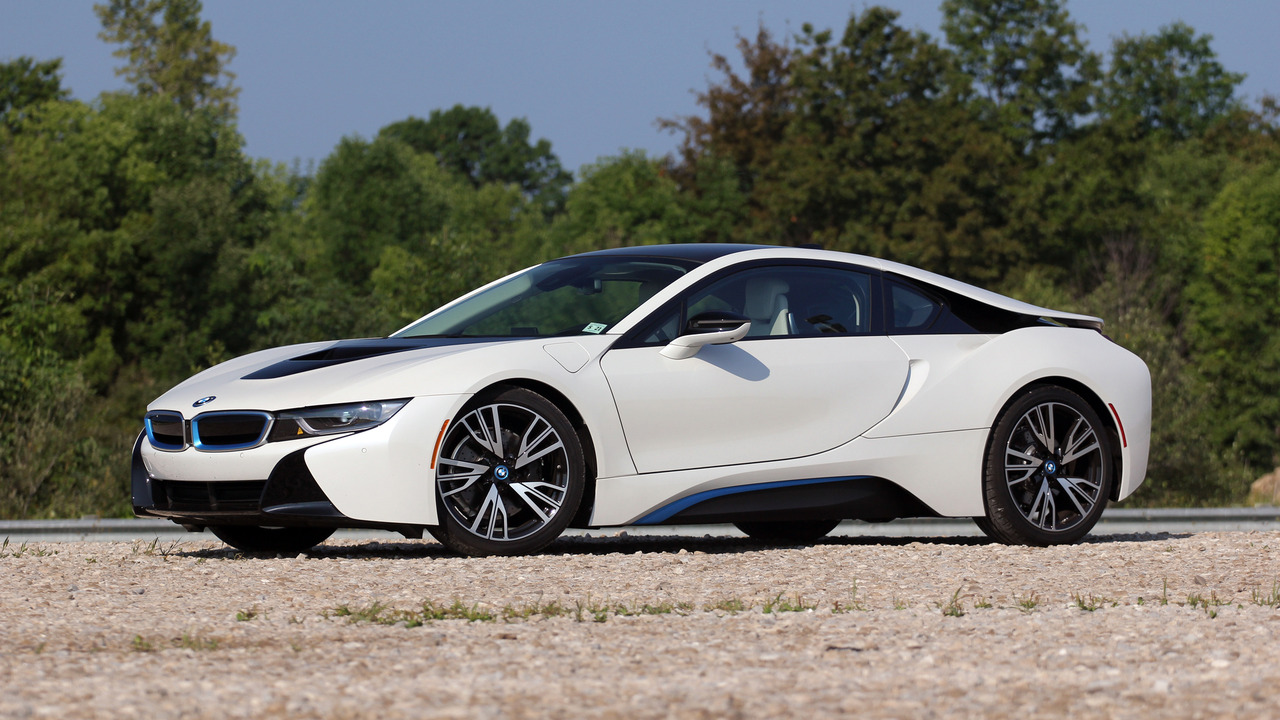
3. BMW i8
The BMW i8 arrived as a statement of technological ambition and design daring. With butterfly doors, sleek side strakes, and flowing curves, it looked like a concept car brought to life for the road.
Its low, wide stance and futuristic lighting made it impossible to ignore, positioning it as an aspirational choice for buyers interested in innovation, performance, and environmental consciousness. BMW carefully combined hybrid engineering with visually dramatic styling to create a halo model that promised a glimpse of the future of mobility.
The i8’s aggressive styling, while revolutionary, also contained the seeds of rapid visual aging. Cars with radical designs are often tied to a specific moment in design thinking, and as other automakers introduced more refined electric and hybrid vehicles, the i8’s once-captivating lines began to feel slightly theatrical.
Certain elements, like exaggerated vents, oversized rear diffuser panels, and sculpted surfaces, drew attention at first but became dated once mainstream EVs adopted cleaner, simpler, and more aerodynamic forms.
Inside, the i8 showcased an attempt to merge luxury and futuristic aesthetics, but some materials struggled with durability over time. Plastics around door panels, center consoles, and switches were prone to scuffing, while the aggressive shaping of seats and controls sometimes prioritized looks over comfort.
Rapid advancements in digital technology also made its screens and infotainment systems feel dated, emphasizing how quickly interior innovation can outpace even premium cars.
Even years later, the i8 retains a unique charm and remains instantly recognizable, yet it demonstrates the risk of relying heavily on cutting-edge styling. Bold, futuristic cars can generate intense initial enthusiasm, but without timeless proportional balance and understated detailing, they may feel overly tied to a single era.
The i8 is a perfect example of a vehicle that looked remarkable at launch but now exists more as a collector curiosity than an enduring design icon.
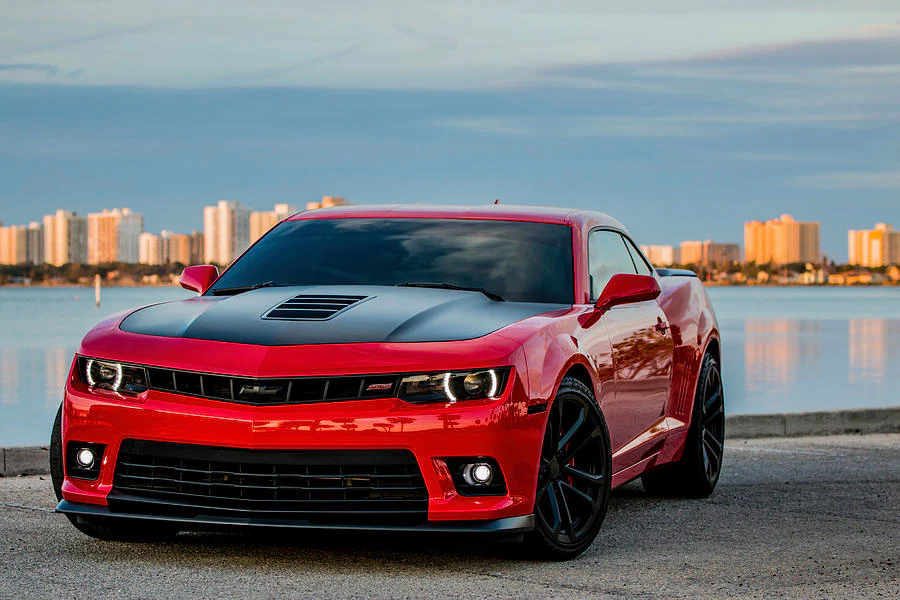
4. Chevrolet Camaro Fifth Generation
The fifth generation Chevrolet Camaro revived one of America’s most iconic muscle cars with a blend of retro styling and modern engineering. Its thick, sculpted body panels, aggressive front fascia, and wide stance made it impossible to ignore on the road.
Fans of the original Camaro immediately recognized references to classic models, and the car successfully generated excitement among both nostalgic buyers and newcomers seeking aggressive styling with contemporary performance.
The interior aging was equally challenging. The Camaro’s cabin relied on materials that felt acceptable at launch but showed wear quickly, with plastics scratching easily and seat upholstery fading or creasing.
Ergonomics were compromised by thick pillars and tight rear seating, which made long-term comfort a concern. Technological updates in infotainment and connectivity also rendered the cabin outdated more quickly than some rivals, weakening the sense of modernity that matched its bold exterior.
The fifth generation Camaro remains a fan favorite for its bold styling and performance, yet its rapid visual aging demonstrates the challenges of retro-inspired designs. Paying homage to the past may generate excitement initially, but without careful evolution of proportions and materials, the design can feel less relevant over time.
The Camaro exemplifies the balance between nostalgia, practicality, and visual longevity, showing that aggressive styling is not always a guarantee of lasting appeal.
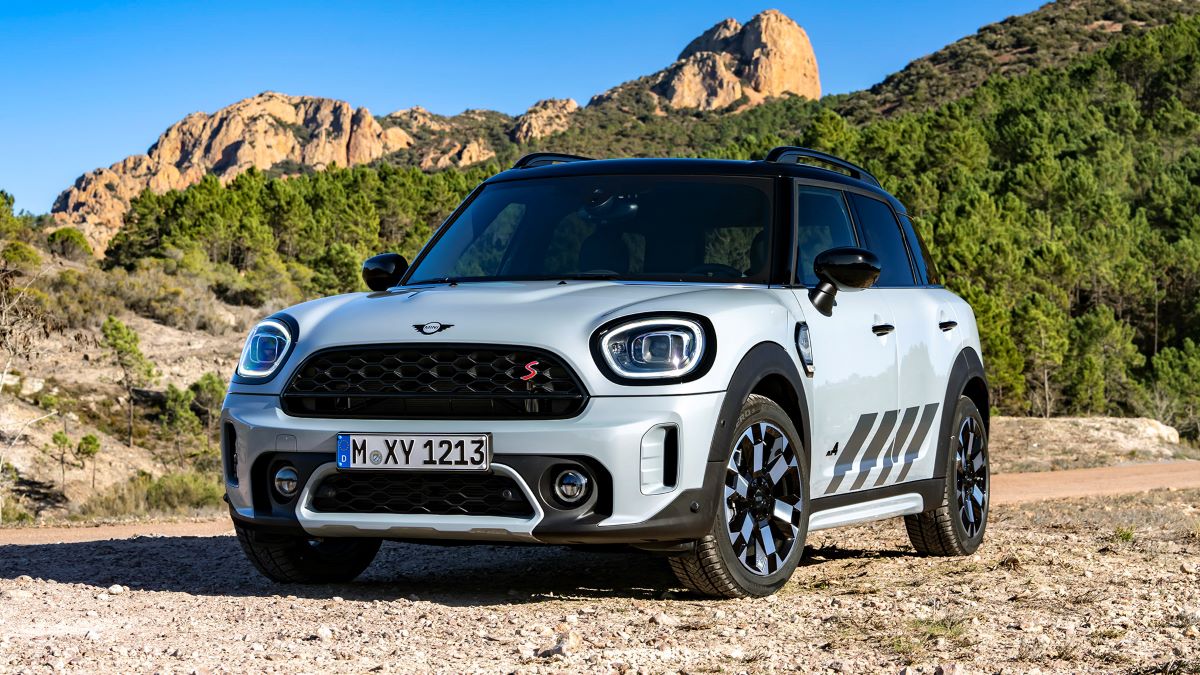
5. Mini Cooper Countryman First Generation
The first generation Mini Cooper Countryman attempted to expand the playful Mini formula into a larger, more practical crossover format. It retained signature elements, including the round headlights, contrasting roof colors, and friendly silhouette, while introducing more cabin space and four doors.
Early buyers were drawn to its quirky charm and distinctive styling, which allowed it to stand out among compact crossovers dominated by conventional designs.
Over time, the extended proportions began to feel awkward. Stretching the Mini design language to accommodate extra space resulted in a taller, wider vehicle that sometimes appeared ungainly.
The once-charming rounded forms felt disproportionate on the larger body, and the effect was less cohesive than the original two-door Cooper. In comparison to newer compact crossovers with more balanced proportions, the first Countryman appeared somewhat clumsy, which diminished its visual charm.
Inside, the design was playful but prone to rapid aging. Oversized toggle switches, novelty circular instruments, and certain plastics showed wear after a few years of use.
The cabin, while engaging at first, could feel less premium than buyers expected, especially as competitors refined materials and layouts in subsequent generations. Seat fabric fading, trim scratches, and sun-affected panels contributed to a sense of aging that conflicted with the car’s youthful exterior image.
Despite its quirks, the first-generation Countryman helped Mini reach a broader audience and experiment with crossover styling. Yet its rapid aging demonstrates that scaling a design language can introduce awkward proportions and durability issues that reduce long-term appeal.
Today, it is remembered fondly for its uniqueness but serves as a cautionary example of how playful design can age unevenly in a more practical vehicle segment.

6. Jaguar XK X150
The Jaguar XK X150 was launched as a symbol of refined British luxury, featuring long, flowing curves, a low and elegant profile, and a sleek silhouette that suggested both grace and performance. Its headlights were sculpted to integrate seamlessly with the fenders, while the gently arched roofline conveyed motion even while parked.
For many buyers, it represented a combination of sophistication and power, with the visual impression of a grand touring coupe that could command attention without shouting.
As time passed, the XK’s soft, curving design began to feel less modern. While the styling was initially praised for understated elegance, newer Jaguar models embraced sharper creases, more aggressive front ends, and athletic proportions.
The contrast between the X150 and contemporary vehicles made it appear more passive than it once did. Even minor features like taillights and bumper lines, which had been harmonious with the body, began to show their age as design trends evolved toward more angular and aggressive motifs.
Interior aging became another visible challenge. While the cabin was initially luxurious, leather and trim materials suffered from fading and creasing, particularly on high-touch areas such as the steering wheel and center console.
Technology that seemed advanced at launch, including early infotainment controls and instrument clusters, quickly became outdated, leaving the interior feeling less connected to contemporary standards. The mismatch between exterior elegance and interior obsolescence further affected perceptions of quality over time.
Despite these issues, the XK X150 retains a dedicated following among enthusiasts who appreciate its timeless lines and smooth proportions. However, it demonstrates how even carefully executed, elegant designs can struggle to age gracefully in a fast-evolving luxury market.
Its flowing curves and understated detailing, while beautiful at launch, illustrate that subtle design choices may not translate into enduring visual appeal when trends shift and practical considerations emerge.
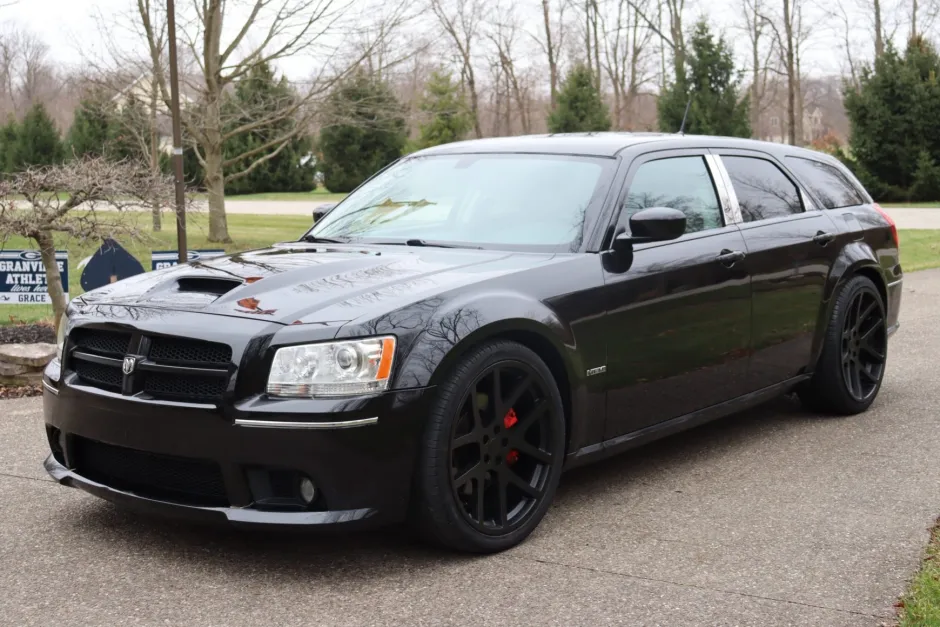
7. Dodge Magnum
The Dodge Magnum was a bold attempt to combine wagon practicality with aggressive, almost intimidating styling. At launch, it stood out with its wide front grille, low roofline, and muscular wheel arches, making it unlike anything else on the road.
Buyers who wanted a spacious vehicle without sacrificing presence were drawn to its unusual proportions, and the styling conveyed a sense of confidence and performance that was rare for wagons of its era.
Over time, the Magnum’s striking design became polarizing. The combination of low-slung roof, long hood, and tall rear hatch created a shape that initially felt daring but later appeared awkward and heavy.
While its uniqueness was praised at first, the lack of subtlety in proportions made the car look bulky and less cohesive compared to sleeker wagons or SUVs introduced in later years. What had been a conversation starter slowly turned into a design quirk that highlighted its era.
The interior, although spacious, aged unevenly. Hard plastics on the dashboard and door panels faded or scratched easily, and seat materials often showed early wear. Ergonomic concerns such as switch placement, cupholder location, and dashboard layout, which were initially overlooked due to the car’s novelty, became noticeable irritations over time. The interior, like the exterior, lacked the refinement that helps vehicles maintain appeal beyond their first few years.
Despite its polarizing aesthetics, the Dodge Magnum remains a memorable vehicle for its ambition and willingness to break conventions. Yet its rapid visual and functional aging demonstrates that aggressive design choices must be carefully balanced with proportion, practicality, and material quality.
The Magnum is an example of a car that looked remarkable at launch but became challenging to embrace as a daily driver or long-term ownership choice.
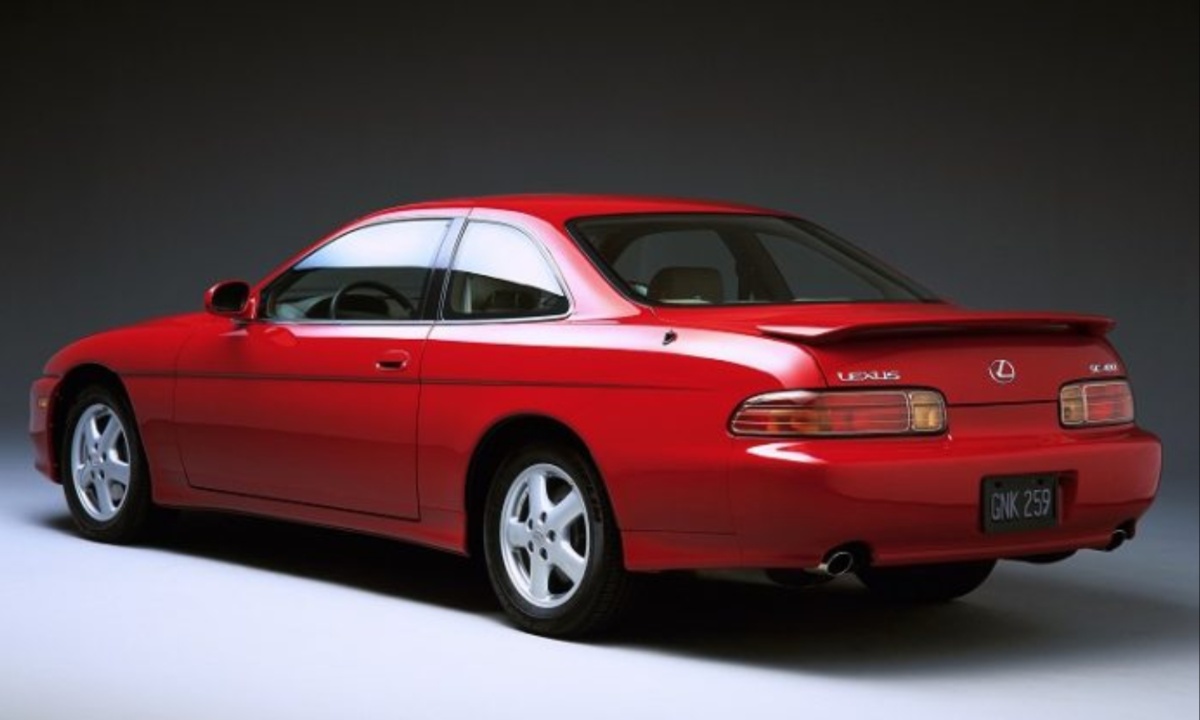
8. Lexus IS Second Generation
The second generation Lexus IS represented a departure from the brand’s earlier, more conservative sedans. Its angular front fascia, pronounced spindle grille, and sharp creases gave it a youthful, sporty look that helped attract a new generation of buyers.
With a stance lower and wider than its predecessor, the car conveyed aggression and athleticism, signaling that Lexus could compete in the compact sports sedan segment with style and performance.
However, the styling, which was considered aggressive and contemporary at launch, did not age smoothly. The sharp edges, layered paneling, and oversized grille, designed to convey energy and modernity, eventually felt cluttered and overly aggressive.
Later Lexus models refined these cues into cleaner lines and more elegant proportions, leaving the IS looking dated in comparison. The balance between sportiness and elegance, while initially compelling, did not carry through as trends shifted.
Inside, the IS cabin aged more gracefully in terms of durability, but design quickly became outdated. Plastics and trim materials, though well-constructed, were limited in sophistication, and early infotainment systems failed to keep pace with advancing technology.
As screens became larger and interfaces more intuitive, the compact Lexus cabin began to feel tight, busy, and less refined than competitors’ offerings. While mechanically solid, the interior no longer matched the visual excitement promised by the exterior.
The car’s aging was also accentuated by practical limitations. Rear seat space remained tight, visibility was reduced due to thick roof pillars, and the driving position, while sporty, could become uncomfortable over extended trips.
These issues, combined with a design that strongly referenced a specific era, reinforced the perception that the second generation IS had aged faster than expected, particularly in a competitive segment where rivals continued evolving.
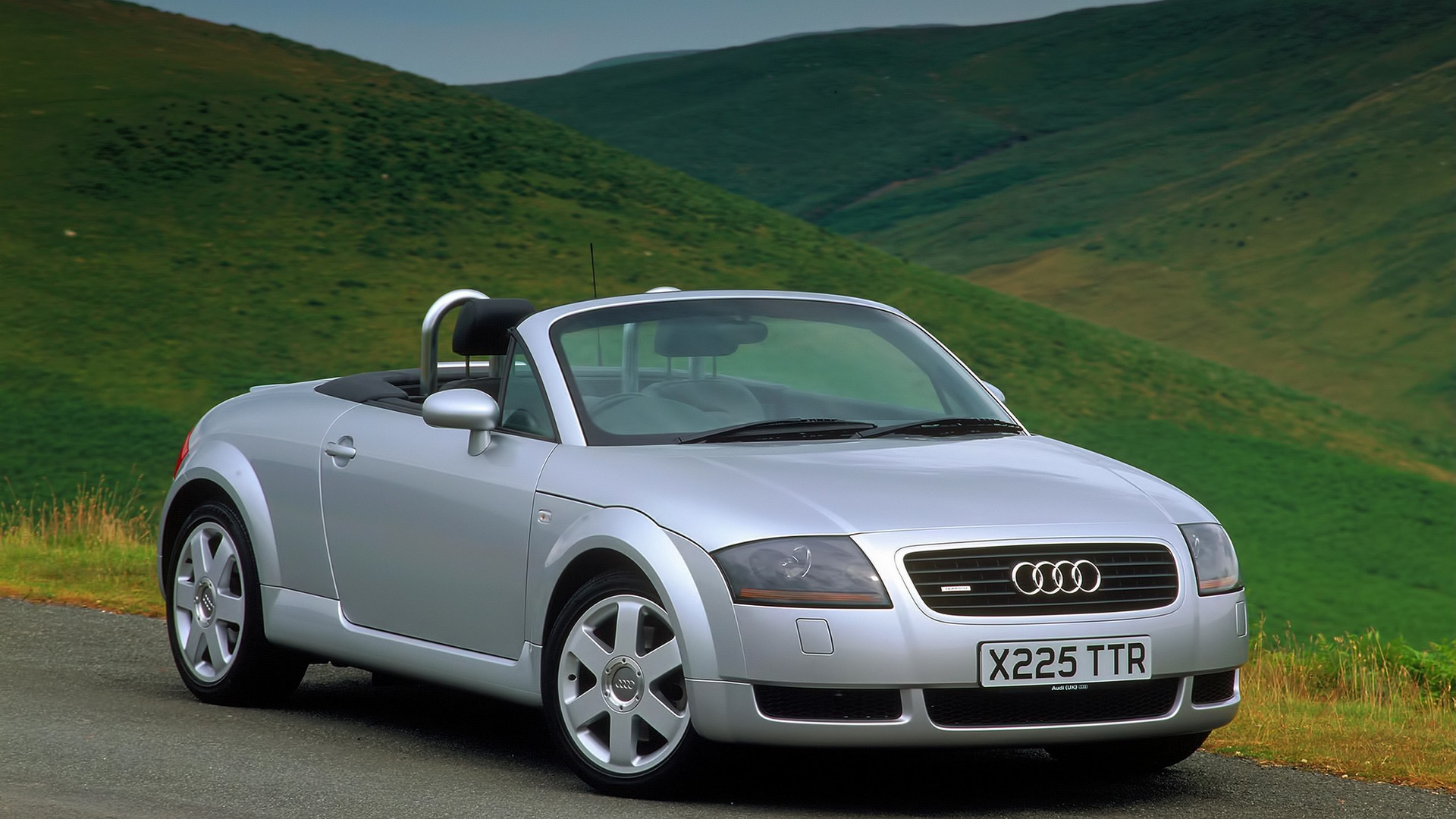
9. Audi TT First Generation
The first generation Audi TT was an instantly recognizable design, characterized by its smooth, rounded shape, minimalist interior, and uncluttered lines. When it launched, the car felt modern and innovative, with a perfect balance between simplicity and boldness.
Its circular motifs, including headlights, mirrors, and interior dials, reinforced the design philosophy and gave it a cohesive, almost sculptural quality that turned heads and set a benchmark for compact sports cars.
Practical limitations also revealed themselves over years of use. Cargo space was limited, rear headroom was tight, and visibility was compromised by thick pillars, making the car less versatile for everyday driving.
While these issues did not detract from driving enjoyment, they reinforced the impression that the TT was more about immediate visual and emotional impact than long-term utility. Aging, in this case, was as much about perception as function.
The first generation TT remains an admired design and a collector’s favorite, demonstrating the strength of a cohesive, instantly recognizable visual identity. However, it also serves as a reminder that extreme minimalism and trend-forward styling can tie a car to a specific period, leaving it looking dated faster than more restrained designs.
Its success at launch highlights design excellence, while its aging highlights the limits of tying identity too closely to one era’s aesthetics.
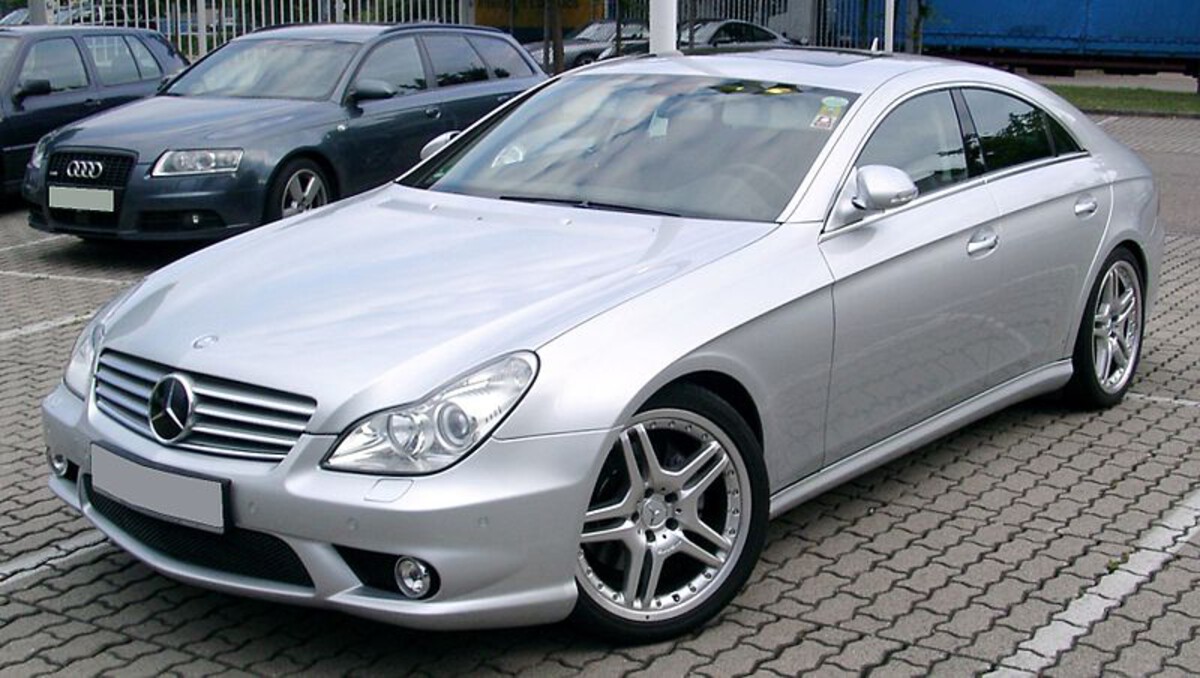
10. Mercedes-Benz CLS First Generation
The first generation Mercedes-Benz CLS introduced the world to the four-door coupe concept, blending sleek coupe proportions with the practicality of a sedan. Its sweeping roofline, frameless windows, and sculpted body panels gave it a sense of luxury and motion that set it apart from conventional executive cars. Buyers were captivated by its daring silhouette and willingness to challenge traditional sedan design, marking it as a bold step forward for Mercedes-Benz.
Over time, the CLS’s styling, while dramatic, lost some of its freshness. The exaggerated coupe roofline and prominent shoulder lines, which conveyed elegance and athleticism initially, began to appear heavy and less refined as newer vehicles adopted more fluid, balanced silhouettes.
The first generation’s proportions, though groundbreaking, became a marker of its era, making the car look dated alongside sleeker, modern designs in the same segment.
Inside, the CLS cabin showcased Mercedes’ focus on premium feel, yet some materials and technology aged quickly. Early infotainment interfaces became obsolete, and displays showed limitations in resolution and usability.
While leather and trim quality remained respectable, certain elements such as switchgear and plastics did not wear as gracefully as expected, diminishing the cabin’s perceived luxury over time.
Practical considerations further highlighted aging challenges. Rear headroom was limited due to the sloping roof, and the distinctive coupe-like doors complicated entry and exit.
While driving dynamics remained strong, the car’s usability for passengers and everyday life did not match the initial visual promise. These factors underscored how extreme styling can come at the cost of long-term versatility and perceived value.
The first generation CLS remains a landmark design, pioneering a segment that continues to influence automotive styling today. However, its visual aging demonstrates the risks of tying identity too closely to a bold concept.
Dramatic silhouettes can excite buyers initially, but without careful balance of proportion, refinement, and practicality, they may lose impact over time. The CLS exemplifies the tension between innovation, luxury, and timeless appeal, highlighting the challenges of sustaining beauty and desirability through years of evolving trends.