Buying a new vehicle often feels like a confident financial decision because warranties are fresh, performance is smooth, and maintenance costs appear predictable during the early years of ownership, creating a sense of long-term stability that appeals to many buyers.
Dealership incentives, attractive financing, and glowing reviews can easily overshadow concerns about what happens after the warranty period ends, especially when early ownership rarely reveals deeper reliability or durability issues.
As vehicles age, the true cost of ownership begins to surface through repair complexity, parts pricing, labor intensity, and design choices that were invisible when the car was new but become unavoidable over time.
Many modern vehicles prioritize performance, luxury features, or cutting-edge technology, which can increase long term expenses once components wear out or systems fail beyond basic maintenance needs.
This article focuses on vehicles that often feel like solid choices when purchased new but gradually reveal high ownership costs through repairs, maintenance, and reliability challenges that emerge later.
These models are not necessarily poorly built or unsafe, but they often require owners to spend far more than expected as years pass and mileage increases. Understanding these patterns helps buyers make informed decisions, especially those planning to keep a vehicle well beyond its warranty period.
The goal is not to discourage ownership but to highlight realistic long term expectations that many buyers only learn after committing financially. Each vehicle discussed below has qualities that make it appealing at first, yet those same qualities often contribute to costly ownership later.
By examining these models individually, patterns emerge around complexity, parts availability, engineering priorities, and maintenance demands that shape the real cost of owning a vehicle long term.
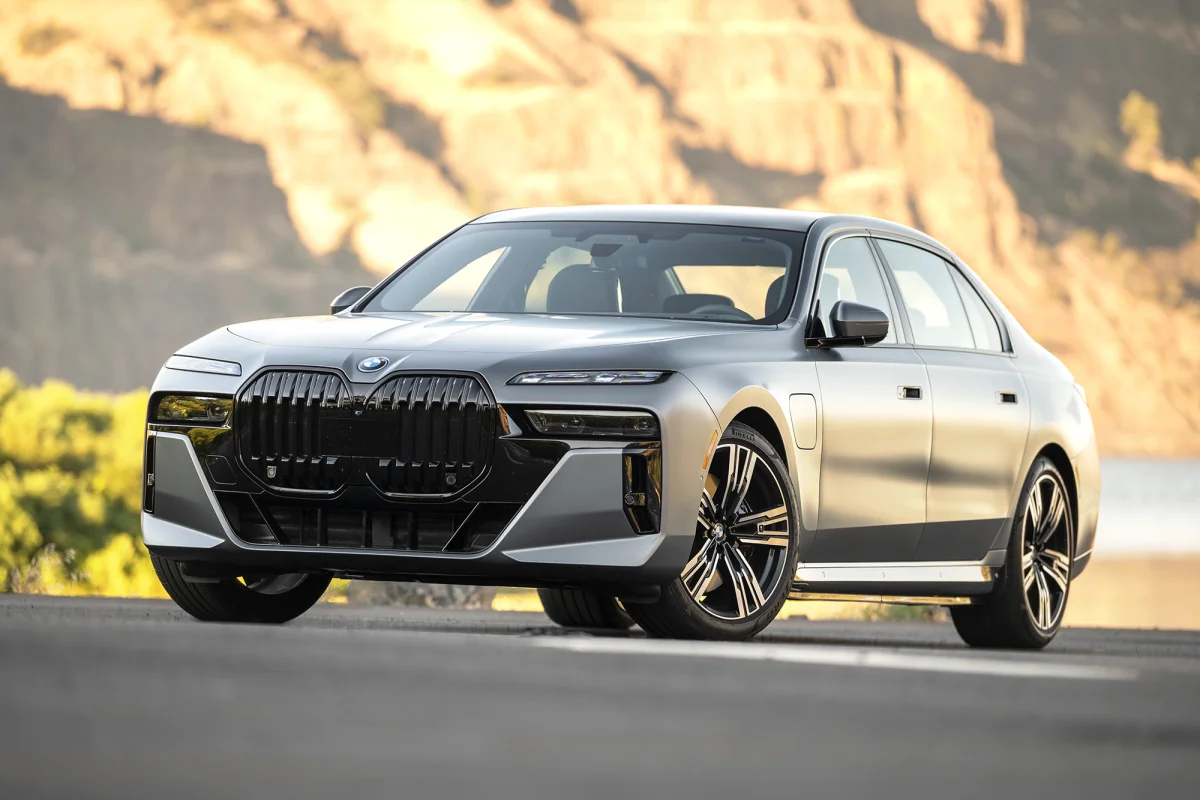
BMW 7 Series
The BMW 7 Series presents itself as a refined luxury sedan with advanced comfort, strong performance, and impressive technology that creates an excellent ownership experience during its early years. The cabin is spacious, materials feel premium, and the engine options offer both efficiency and power that satisfy a wide range of buyers.
Owners often find that adaptive cruise control, quiet interiors, and responsive handling make daily driving pleasant, whether commuting or traveling long distances. Warranty coverage and maintenance programs help cover initial service, giving new owners confidence that the car is a solid investment, while the sleek exterior and brand reputation add to the sense of prestige.
As mileage increases, the complexity of the vehicle becomes a significant factor in ownership costs and maintenance demands. Advanced suspension systems, multiple electronic control units, and tightly packed engine bays make repairs labor intensive and technically challenging.
Even minor mechanical issues, such as replacing a water pump or sensors in the cooling system, require significant disassembly. Independent shops may lack the equipment to handle such repairs, leaving dealerships as the primary option, which can dramatically increase labor charges. Owners who enjoyed the car’s seamless performance early may start noticing maintenance costs rise unexpectedly.
Parts pricing is another contributor to rising costs as the vehicle ages beyond warranty protection. Components for luxury features, like adaptive suspension, air suspension compressors, and infotainment screens, carry high prices due to their complexity and model-specific design.
While some basic components like brakes or filters are affordable, high-end parts can easily run into thousands of dollars for replacement. Additionally, certain electronic modules may fail intermittently, forcing costly replacements even when the vehicle is otherwise mechanically sound, which can catch long term owners off guard.
Electrical issues are common as the vehicle ages, particularly due to the large number of integrated systems that monitor everything from tire pressure to engine performance. Faults in wiring, sensors, or control units can trigger warning lights, disable convenience features, and sometimes interfere with engine operation.
Diagnosing these problems requires specialized software and tools, which are typically only available at authorized service centers. Even minor electronic failures may take hours to fix, increasing repair bills and reducing the convenience of ownership over time.
Over time, the cumulative effect of maintenance, repairs, and depreciation makes long term ownership significantly more expensive than initially expected. While the driving experience remains enjoyable, owners may find that frequent service visits and the cost of genuine BMW parts steadily erode the perceived value.
Depreciation also hits luxury sedans harder, making resale less favorable for vehicles with higher mileage or service histories showing multiple repairs. The BMW 7 Series delivers excitement and comfort when new, but the financial reality becomes much more demanding as years and mileage accumulate, which is important for buyers to consider before committing.
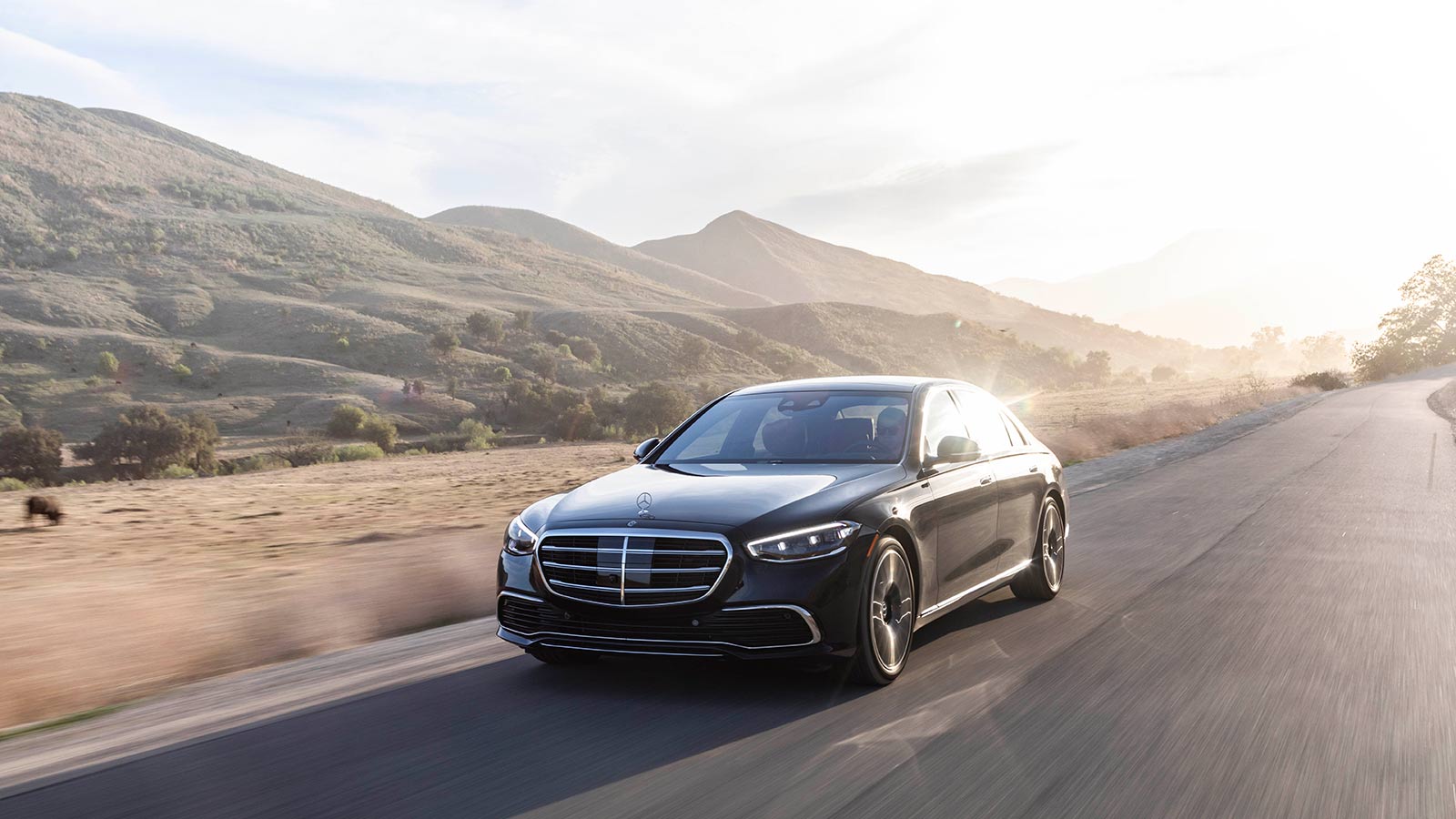
Mercedes Benz S Class
The Mercedes Benz S Class is widely regarded as a benchmark for luxury, comfort, and technology at the time of purchase. Its interior is meticulously crafted, with soft leather seats, polished wood trim, and ambient lighting that gives a sense of refinement unmatched in most sedans.
New buyers are drawn to advanced safety systems, like lane keeping assist, collision prevention, and adaptive braking, which feel modern and reassuring. Driving dynamics combine smooth ride quality with powerful engine options, and early ownership is often trouble free, supported by extensive warranty coverage and access to dealership expertise. These factors create strong confidence in the car’s initial value and longevity.
As the vehicle ages, maintenance costs rise due to the complexity of its engineering and cutting edge systems. Air suspension units, electronic steering components, and adaptive damping require specialized tools and expertise to service, which can make even routine maintenance expensive.
Small issues like leaking hydraulic lines or failing sensors often need dealer intervention, which increases labor costs. Owners may be surprised that a car that runs flawlessly for years suddenly requires major work once mileage increases beyond moderate levels.
Parts replacement costs add another layer of expense as the car moves beyond its warranty period. Many components are custom designed and produced in limited quantities, making them more costly than standard sedan parts.
Items such as suspension compressors, driver assistance sensors, and infotainment screens can fail without warning, often in clusters rather than individually. This can result in repair bills that reach several thousand dollars for components that seem minor but are essential for the car’s functionality and comfort.
Electrical and software-related issues are common as mileage and age increase. The integration of multiple systems means that a fault in one area can impact several functions, such as climate control, navigation, or lighting.
Diagnosing these issues can be labor intensive, requiring multiple hours on the diagnostic machine, and repair often involves replacing entire modules rather than individual components. These problems can be disruptive to daily use, especially when they affect convenience features that new owners assumed would remain reliable.
Long term ownership of the S Class requires willingness to absorb high repair and maintenance costs. While the driving experience remains luxurious and enjoyable, the financial burden grows steadily with time.
Many owners opt to sell or trade the vehicle before major repairs are required, which contributes to steep depreciation in the used market. The S Class shines when new, but the cost of keeping it operating flawlessly over the years can challenge even experienced luxury car owners, making planning and budgeting essential.
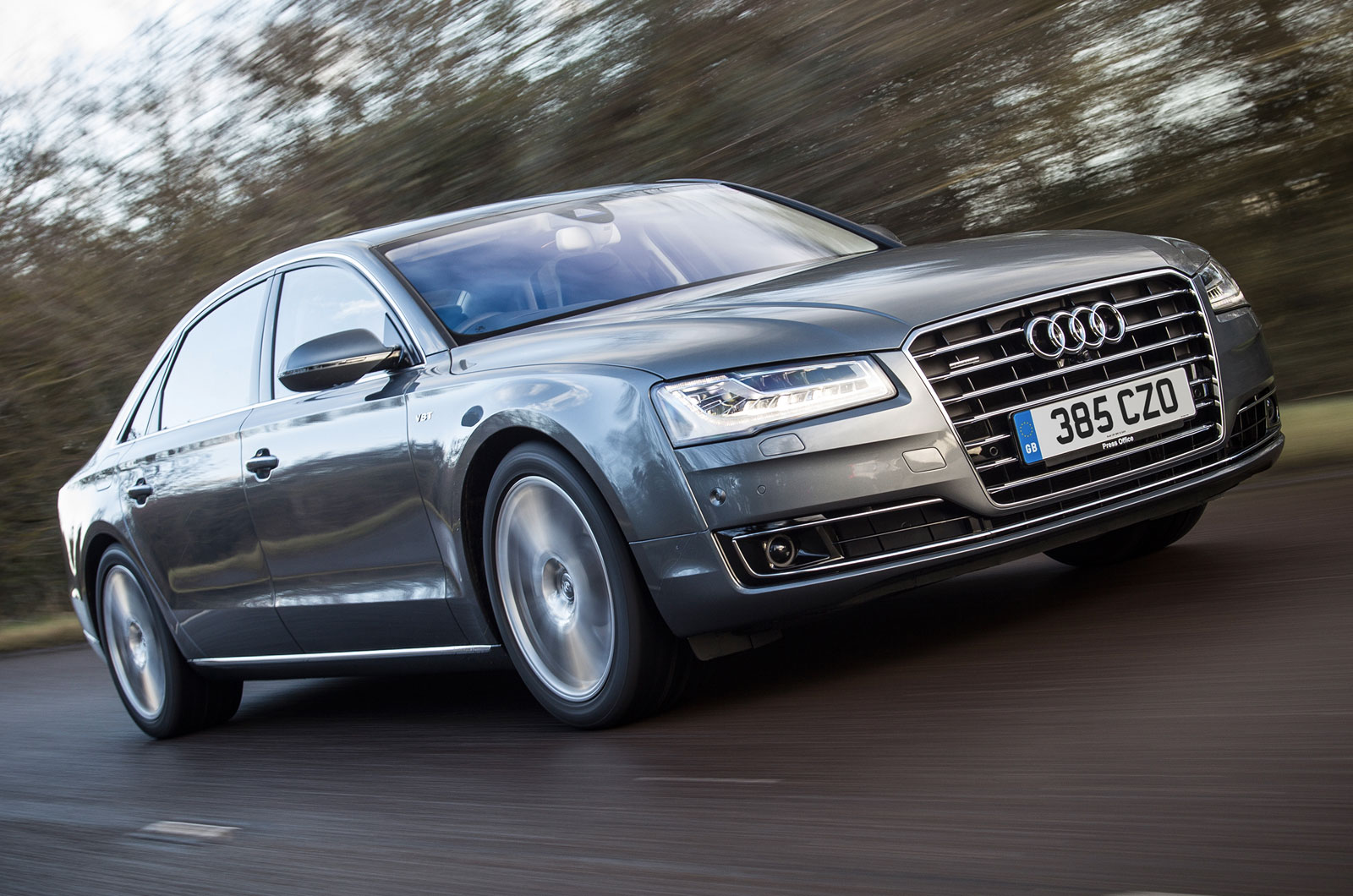
Audi A8
The Audi A8 offers a combination of understated luxury, advanced technology, and smooth driving dynamics that appeal strongly to buyers seeking sophistication and performance. The interior features high quality materials, comfortable seats, and intelligent layout of controls, while the Quattro all-wheel-drive system ensures confident handling in a variety of conditions.
Early ownership often impresses with refined performance, low noise, and a modern infotainment interface. Warranty coverage helps manage costs during the first years, which encourages buyers to feel secure in their choice and enjoy the vehicle without worrying about unexpected repairs.
As the vehicle ages, its complex engineering begins to impact maintenance and repair expenses. Engine compartments are densely packed, making access to major components like turbochargers, cooling systems, or timing chains difficult.
Electrical systems controlling advanced comfort features, suspension, and adaptive lighting require specialized knowledge to maintain. Labor costs increase as repairs require more time and tools, and even minor mechanical work becomes more expensive due to the car’s intricate design.
Parts costs contribute heavily to rising expenses over time. Many parts are model specific and produced in limited numbers, which keeps prices high. Suspension air springs, adaptive shocks, and electronic modules are particularly costly when replacement is required.
Even simple items, like certain sensors or connectors, may be expensive due to their integration into multiple vehicle systems. Aftermarket alternatives are limited, leaving owners reliant on original components for both performance and reliability.
Electrical and infotainment issues are common as the car accumulates mileage. Problems can include failures of display screens, communication between control units, or malfunctioning sensors, all of which affect daily usability.
These issues often require dealership intervention to properly diagnose and repair. Even seemingly minor faults may affect multiple systems, increasing labor hours and repair costs. Owners may find that the car demands more attention over time than initially expected.
Over the long term, the Audi A8 requires a higher ownership budget than many buyers anticipate. While it continues to provide comfort, smooth handling, and quiet interiors, repair costs grow steadily with age. Depreciation also impacts its value, especially for high mileage or repaired vehicles. Buyers who expect low maintenance costs may be surprised, and planning for long term ownership is essential. It remains appealing when new but shows financial demands as it ages.
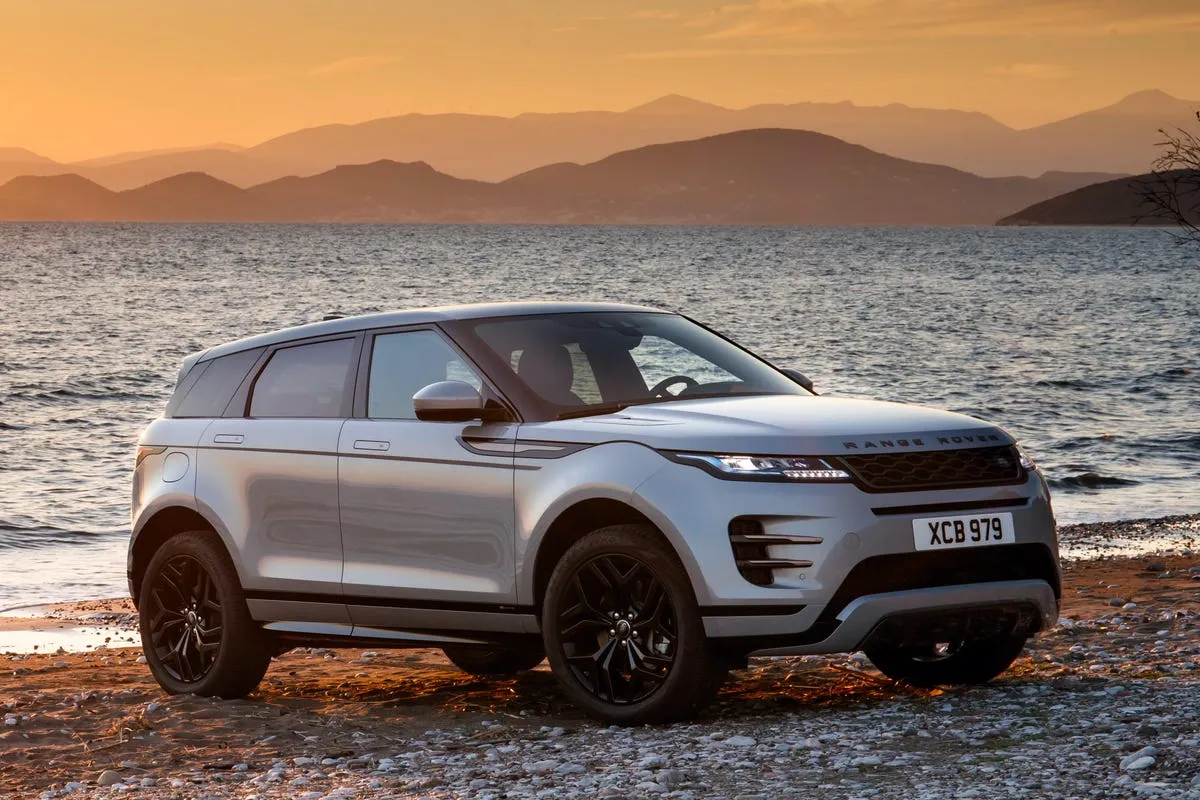
Range Rover
The Range Rover attracts buyers with its combination of luxury, off road capability, and commanding presence. Early ownership is often rewarding, offering a comfortable interior with high grade materials, advanced infotainment, and smooth performance both on pavement and light off-road terrain.
The air suspension system delivers a cushioned ride, and engine options provide ample power for both urban and rural driving. Warranty coverage hides initial reliability concerns and gives new owners confidence in the vehicle’s long term durability, making the purchase feel justified.
As the vehicle ages, reliability becomes a major factor influencing ownership costs. Air suspension failures are common after a few years, and replacing compressors, struts, or control arms is expensive.
Electrical systems controlling doors, seats, displays, and sensors often fail gradually, requiring multiple service visits. Even minor problems like faulty switches or wiring can trigger expensive repairs due to system integration. Maintenance costs increase sharply once the warranty expires, creating an ongoing financial burden.
Parts pricing and availability further increase long term expenses. Many components must be imported or purchased from authorized dealerships, keeping prices high. Labor time is significant due to the design of the vehicle, as many systems are difficult to access without specialized knowledge and tools. Independent mechanics may not have the expertise or equipment to handle complex repairs, limiting cost saving options for owners.
Electrical complexity in the Range Rover contributes to recurring issues over time. Multiple sensors, computers, and communication modules interact continuously, meaning that a single fault can disable doors, displays, or off-road settings simultaneously.
Repair often requires replacing entire modules rather than individual components, inflating costs. Even features designed for comfort, like adjustable seats or heated elements, can fail, creating frustration for owners who rely on them daily.
Long term ownership requires financial flexibility and patience. While the Range Rover remains luxurious and capable, the cumulative costs of parts, labor, and repair work can be substantial. Many owners choose to sell vehicles before major repairs become necessary to avoid these expenses.
The vehicle is highly rewarding new, providing comfort, presence, and capability, but the cost of maintaining that experience over the years is significant and should be carefully considered before purchase.
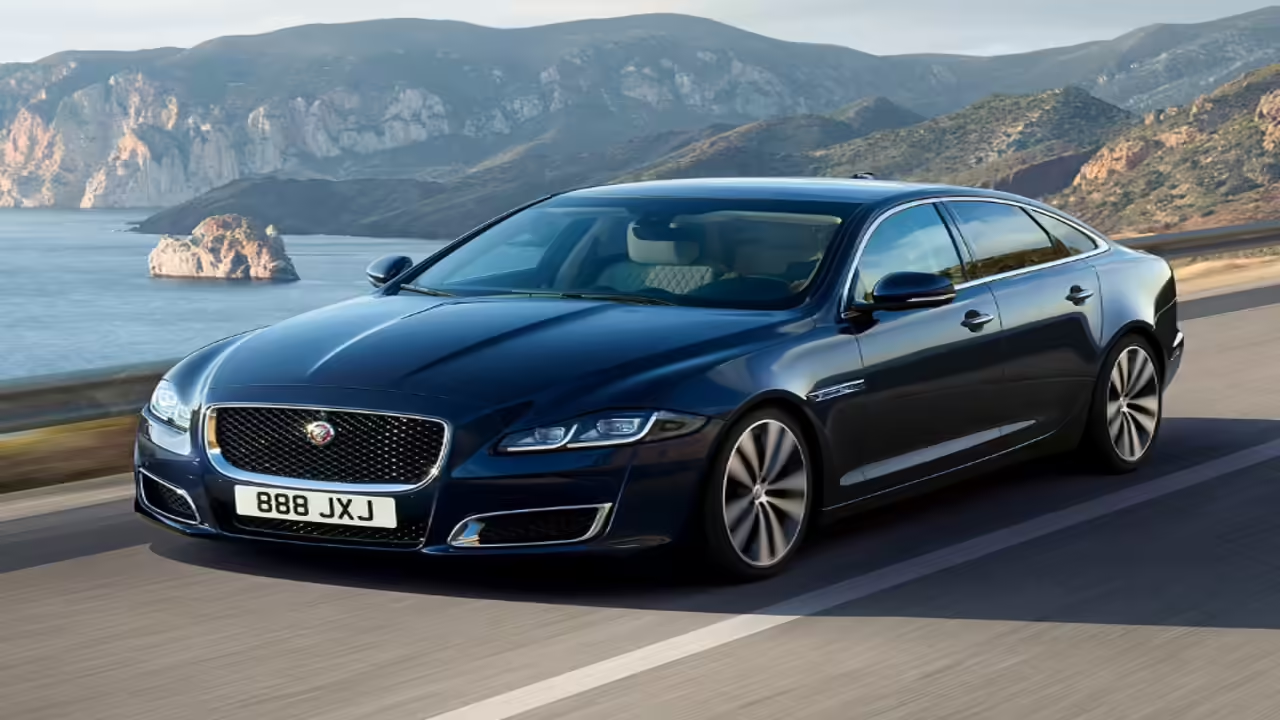
Jaguar XJ
The Jaguar XJ offers a combination of elegance, performance, and distinctive styling that stands out among luxury sedans. New ownership often feels exciting, with smooth and responsive engines, comfortable leather interiors, and a sense of craftsmanship that reinforces the brand’s premium image.
Warranty coverage reduces early concerns about reliability, and initial maintenance is generally predictable. Owners enjoy features such as adaptive suspension, advanced infotainment, and driver-assistance systems, making the driving experience both enjoyable and sophisticated.
As the vehicle ages, maintenance costs tend to rise due to the combination of complex systems and limited parts availability. Engine components, suspension systems, and brake assemblies may require specialized service, often only available at dealership level or certified shops.
Even routine servicing can be more expensive than expected, especially when replacing mechanical components or updating electronic modules. Labor time for repairs increases as technicians navigate the intricacy of the car’s layout.
Parts pricing can be challenging for long term owners. Certain mechanical and electrical components are expensive and not widely stocked, which increases both wait times and costs.
Air suspension components, sensors, and drivetrain parts are costly, and after-market alternatives are often limited, leaving owners reliant on original Jaguar parts. Small repairs can therefore escalate quickly in cost when multiple systems are involved.
Electrical and infotainment systems may also develop issues over time. Screen failures, malfunctioning climate control, and sensor problems are not uncommon in vehicles with high technology integration. These issues affect comfort and convenience and often require diagnostic work with specialized tools, usually at a dealership. Minor faults can cascade, creating a situation where seemingly simple problems require significant repair effort.
Long term ownership of the Jaguar XJ demands a financial commitment that may exceed initial expectations. While the vehicle retains its charm, performance, and luxury appeal, cumulative repair and maintenance costs increase steadily over the years.
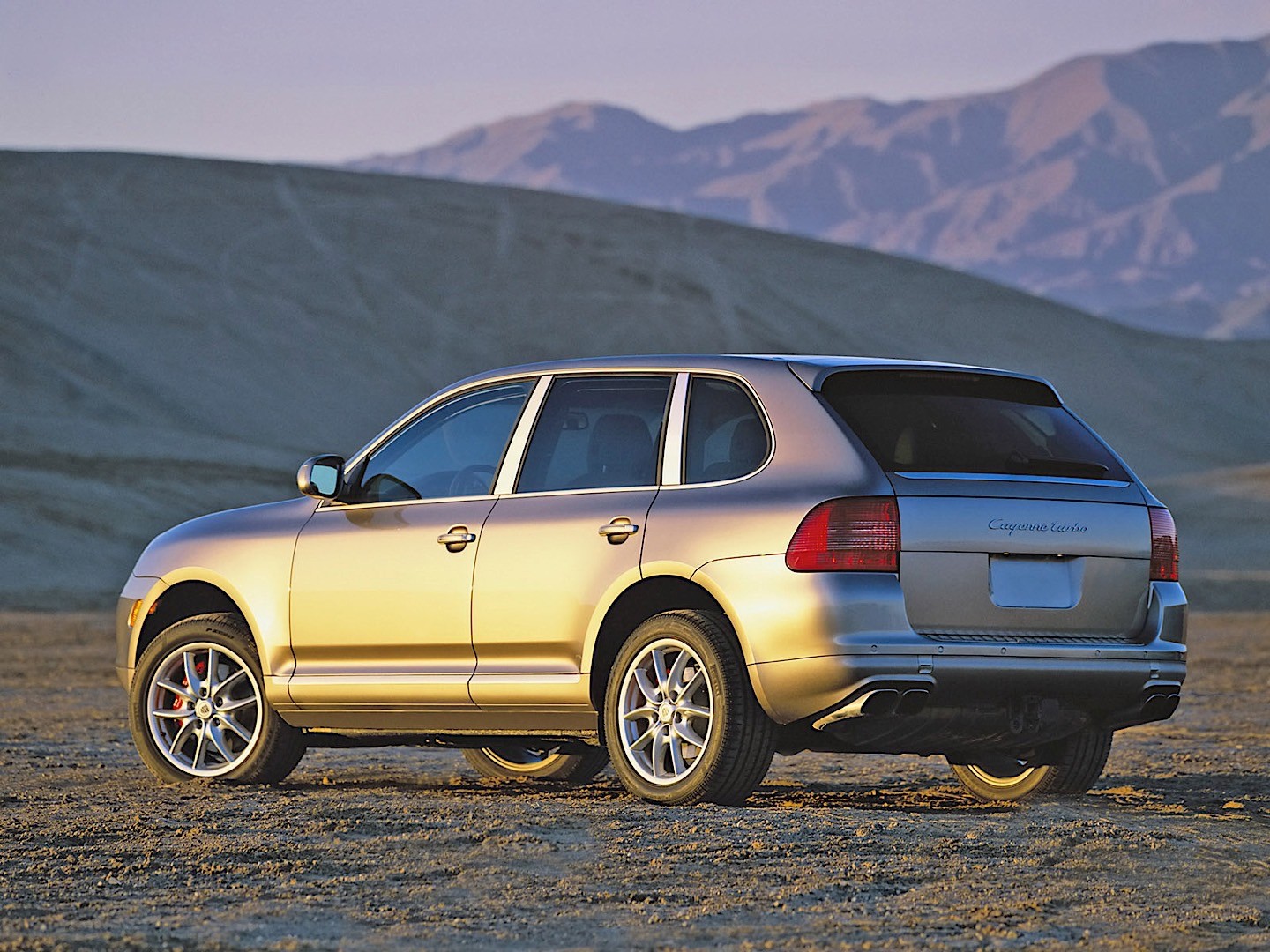
Porsche Cayenne
The Porsche Cayenne delivers strong performance, precise handling, and a premium interior that makes it extremely appealing when purchased new. Early owners are drawn to its sporty driving dynamics, responsive engines, and high quality cabin materials, which make daily commuting or highway driving enjoyable. The combination of SUV practicality with sports car agility feels rare in the market. Warranty coverage during the initial years ensures confidence in the vehicle, allowing owners to enjoy luxury and performance without concern for immediate maintenance costs.
As the vehicle ages, maintenance and repair costs rise due to the performance-oriented engineering. Suspension components, brakes, and drivetrain parts are built for precision rather than long-term durability under everyday stress, leading to higher repair bills as the mileage increases.
Even minor issues can become costly, as systems are tightly integrated, requiring precise calibration and labor-intensive work. Owners may notice that repairs which are straightforward on other SUVs can require hours of technician effort on the Cayenne.
Parts pricing contributes heavily to long term expenses. Specialized components, such as adaptive air suspension struts, turbochargers, and electronic modules, are expensive to replace. Aftermarket alternatives exist for some parts but may compromise performance, which many owners are unwilling to accept.
Electrical and electronic systems are often sources of concern as the Cayenne ages. Malfunctions in sensors, infotainment, or driver assistance modules can reduce comfort and safety. Diagnosing these faults often requires dealership-level tools and expertise.
Small electrical issues can sometimes disable multiple systems simultaneously, compounding repair costs and inconvenience for owners.
Long term ownership of the Cayenne demands careful budgeting and attention to service intervals. While it remains a thrilling and capable SUV, repair costs and maintenance demands steadily increase over time. Depreciation and the cost of keeping components original add to the total expense. The vehicle excels in performance and luxury when new but requires financial readiness for the challenges of ownership later.
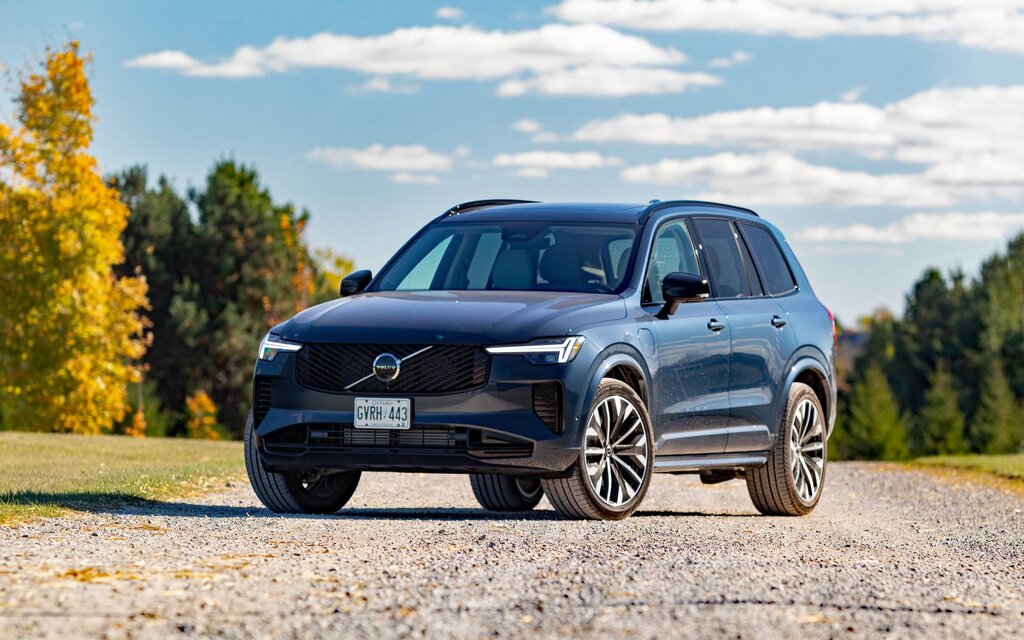
Volvo XC90
The Volvo XC90 is known for safety, comfort, and family-oriented practicality, making it appealing to buyers who value reliability and modern features. New owners are often impressed by the spacious interior, intuitive infotainment system, and advanced driver assistance systems.
The hybrid or gasoline engine options balance efficiency and power, while initial warranty coverage ensures minimal early maintenance concerns. The vehicle feels sensible and refined, giving confidence to families and long-distance commuters alike.
As the XC90 ages, the complexity of its hybrid powertrain, electronics, and safety systems begins to influence maintenance costs. Issues with sensors, hybrid battery components, or electronic control units can appear with higher mileage. Labor time increases due to the sophisticated design of the vehicle, and independent repair shops may not always have the tools to address specific Volvo systems. These factors steadily raise service costs beyond what owners may have expected.
Parts pricing contributes to rising long term expenses. Replacement batteries, suspension components, or electronic modules can be expensive and have limited aftermarket alternatives.
Even routine replacements, like brakes or filters, are costlier than for mainstream vehicles. The combination of parts and labor costs gradually adds up, particularly after the warranty period ends, impacting long-term affordability.
Electrical and infotainment issues may also appear over time. Problems with displays, navigation, climate control, or driver assistance sensors are not uncommon. Diagnosing and repairing these faults often requires dealership-level tools, increasing both time and expense. Owners may notice multiple minor issues appearing simultaneously, which amplifies the cost of keeping the vehicle fully operational.
Long term ownership of the XC90 requires realistic financial planning. While it remains a safe, spacious, and comfortable vehicle, repair costs steadily increase as the vehicle ages. Depreciation, combined with expensive replacement parts, impacts value.
Owners who anticipate keeping the car for more than seven to ten years should be prepared for escalating maintenance expenses, despite the initial appeal of the XC90.
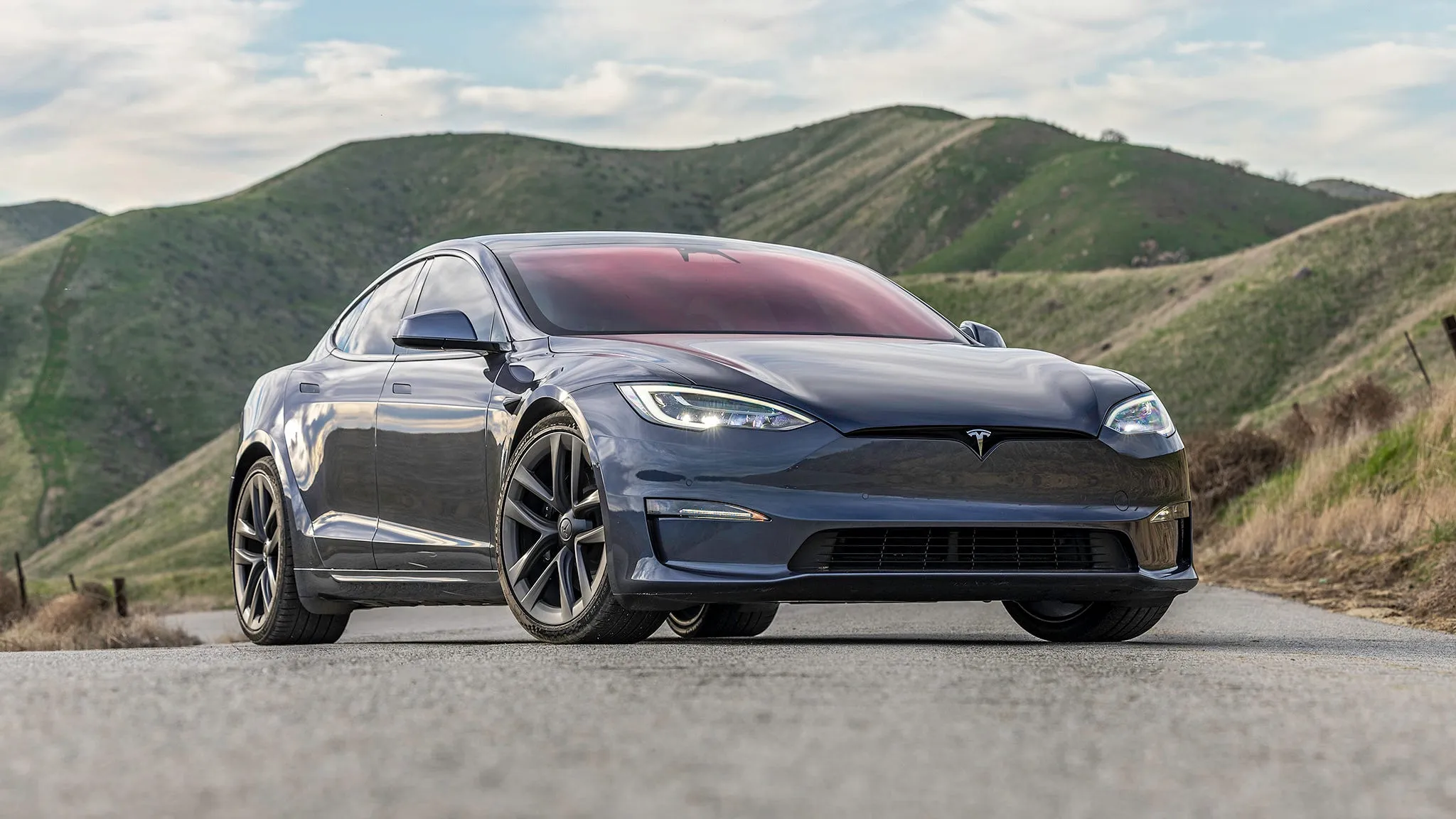
Tesla Model S
The Tesla Model S offers advanced electric propulsion, cutting-edge technology, and impressive acceleration that make it highly desirable when purchased new. Owners enjoy low fuel costs, minimal traditional maintenance, and a futuristic driving experience.
Features like autopilot, touchscreen controls, and over-the-air software updates provide a unique sense of innovation. Warranty coverage for major components, including the battery and drivetrain, ensures peace of mind during the early years, reinforcing the appeal of ownership.
As the Model S ages, repair costs can increase due to specialized components and limited service options. Aluminum body panels, door mechanisms, and custom battery components are expensive to replace.
Repairing minor body damage or replacing structural elements often requires dealership service or certified shops. Labor costs are higher because of the need for specialized knowledge and tools, which may not be widely available outside Tesla service centers.
Battery and drivetrain longevity are a key concern for long term owners. While Tesla batteries are designed for durability, replacement outside of warranty can be a major expense.
Electrical and software systems also evolve rapidly, and troubleshooting older models can require updates or recalibration that adds complexity and cost. Owners may encounter unexpected expenses that offset the low maintenance benefit of electric propulsion.
Electronic and infotainment systems may also present issues as the vehicle ages. Large touchscreen failures, sensor malfunctions, and software glitches can affect usability and comfort. Diagnosing and repairing these systems often requires Tesla-specific equipment. Minor faults may disable multiple functions at once, creating a scenario where convenience and essential systems are simultaneously compromised.
Long term ownership of the Model S can be unpredictable financially. While operating costs like electricity and tires remain low, repair and replacement costs for electronics, battery, and body components can become significant. Depreciation and evolving technology can further affect value. The vehicle feels highly innovative when new, but owners should be prepared for potentially high costs as it ages beyond warranty coverage.
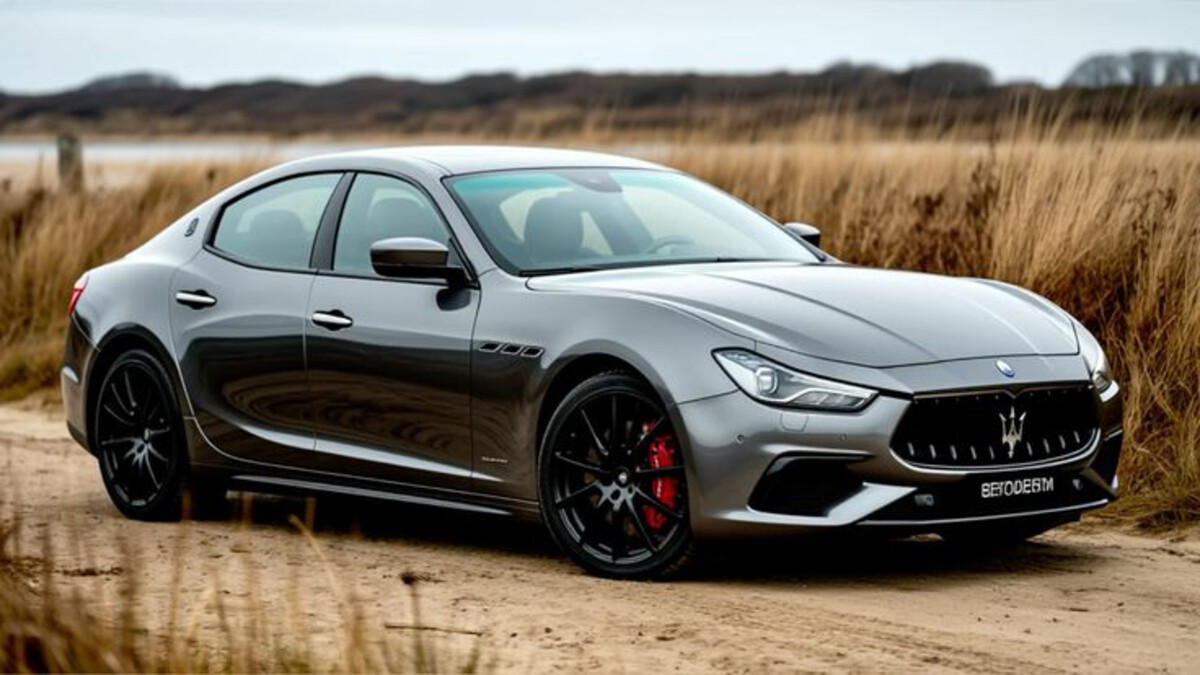
Maserati Ghibli
The Maserati Ghibli attracts buyers with its Italian styling, luxurious interior, and powerful engines that provide a distinctive driving experience. When new, it feels exclusive, with smooth performance, a sporty exhaust note, and a comfortable, well-appointed cabin.
Warranty coverage helps reduce early concerns about reliability, and initial maintenance is generally manageable. Owners often enjoy the prestige and excitement associated with driving a rare luxury sedan that stands out from mainstream competitors.
As the Ghibli ages, maintenance and repair costs rise due to both mechanical complexity and limited service networks. Engine components, suspension systems, and high-performance brakes require specialized knowledge to repair.
Labor costs are higher because mechanics need experience with Maserati vehicles, and minor mechanical failures can become expensive if multiple parts are involved. Owners may find routine service more time-consuming than expected.
Parts availability contributes heavily to long term expenses. Many components must be imported, and aftermarket alternatives are scarce. Items like suspension struts, turbochargers, or specialized electronics carry premium pricing. Delays in obtaining parts can prolong repair times, further increasing labor costs. These factors make even routine maintenance a potentially costly endeavor for owners.
Electrical and infotainment systems can also develop issues over time. Problems with climate control, navigation, screens, or driver assistance modules can affect daily comfort and usability. Diagnosing these problems requires specialized tools and expertise. Even minor electrical faults can affect multiple systems simultaneously, amplifying repair complexity and expense.
Long term ownership of the Ghibli requires readiness for higher-than-expected expenses. While it remains stylish, sporty, and rewarding to drive, costs for repairs and maintenance accumulate quickly.
Depreciation can further reduce value, particularly for vehicles with higher mileage or a history of repairs. The car is thrilling and luxurious when new but requires strong financial commitment as it ages.
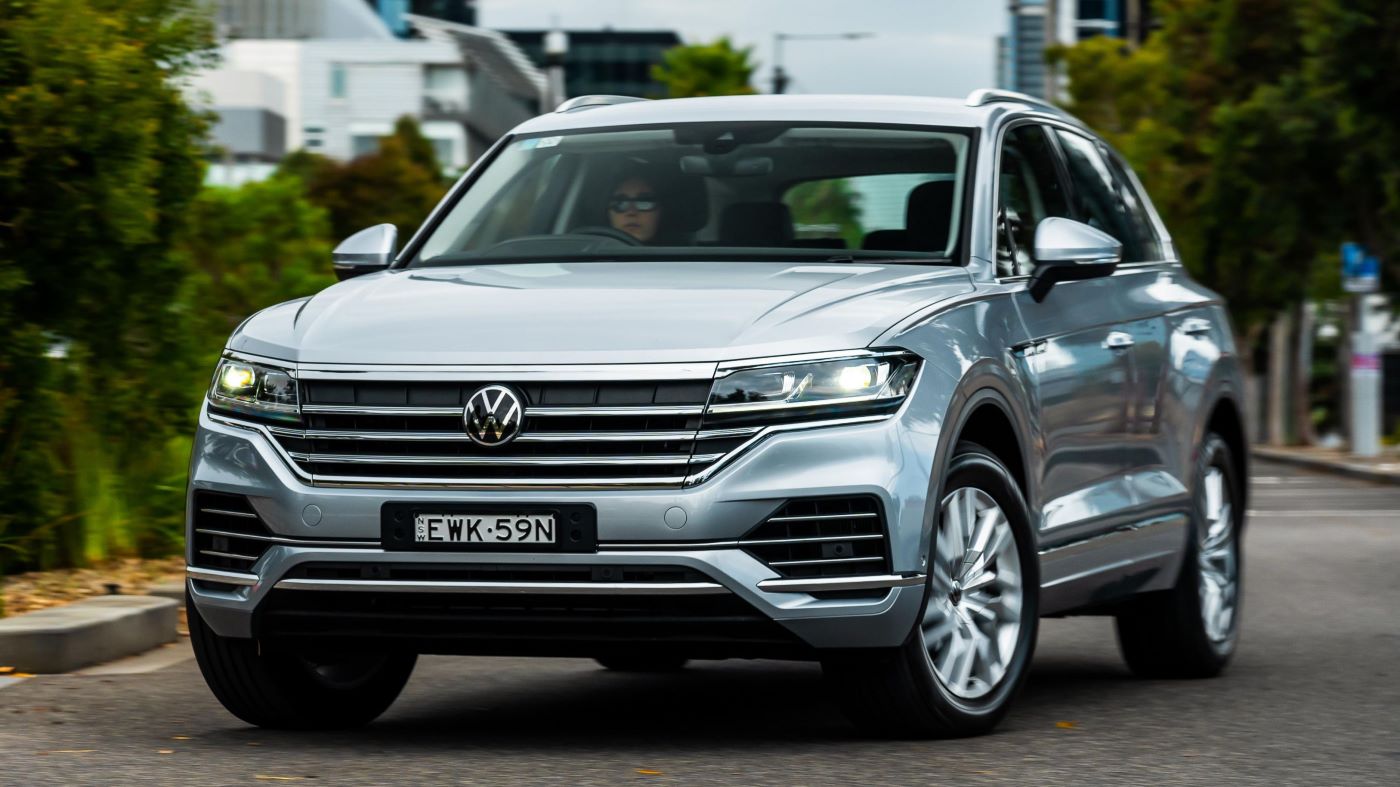
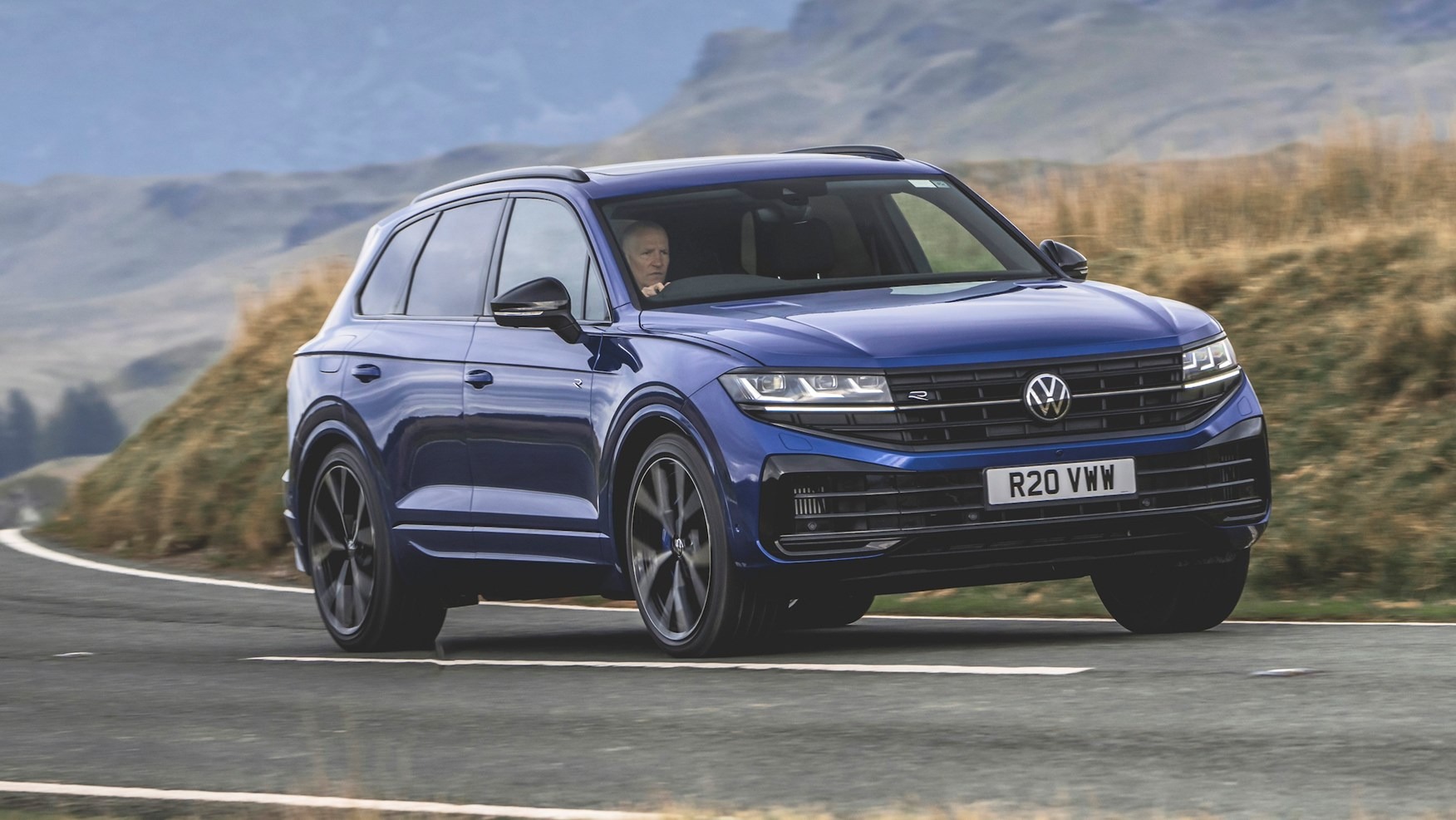
Volkswagen Touareg
The Volkswagen Touareg offers premium styling, solid build quality, and capable performance that make it appealing when new. Early owners enjoy a quiet, refined cabin, smooth ride quality, and advanced features like adaptive cruise control and infotainment systems.
Warranty coverage helps reduce immediate maintenance concerns, making initial ownership feel safe and practical. It balances the comfort of a luxury SUV with strong reliability for the first few years.
As the vehicle ages, complexity in suspension, drivetrain, and electronics increases maintenance costs. Advanced air suspension systems, V6 or V8 engines, and integrated electronics require specialized attention.
Even minor repairs can be time-consuming due to the design and placement of components. Independent shops may struggle with certain repairs, making dealership service the preferred choice and raising labor expenses.
Parts pricing also contributes to higher long term ownership costs. Some components are shared with higher-end brands, increasing their price, while aftermarket alternatives are limited for electronic modules and suspension parts. Regular maintenance items, like brakes or filters, are more expensive than average. These factors add up over the years, impacting the affordability of ownership.
Electrical and infotainment systems may begin to show faults as the vehicle accumulates mileage. Problems with screens, sensors, and control modules can affect safety, convenience, and comfort. Diagnosing these issues requires specialized diagnostic tools. Repairs often involve replacing multiple modules, which increases both cost and downtime for the owner.
Long term ownership of the Touareg requires financial preparation. While it remains capable, comfortable, and refined, repair and maintenance costs increase steadily over time. Depreciation also reduces resale value, particularly if multiple repairs have been performed. The Touareg offers strong appeal when new but gradually becomes more expensive to maintain as it ages.